Puno and Lake Titicaca

Puno · Peru

Puno and Lake Titicaca

Lake Titicaca at about 3,800 m, with the Uros' floating totora islands, the Quechua communities of Taquile and Amantaní, the funerary towers of Sillustani, and Puno, the capital of Peruvian folklore.

South

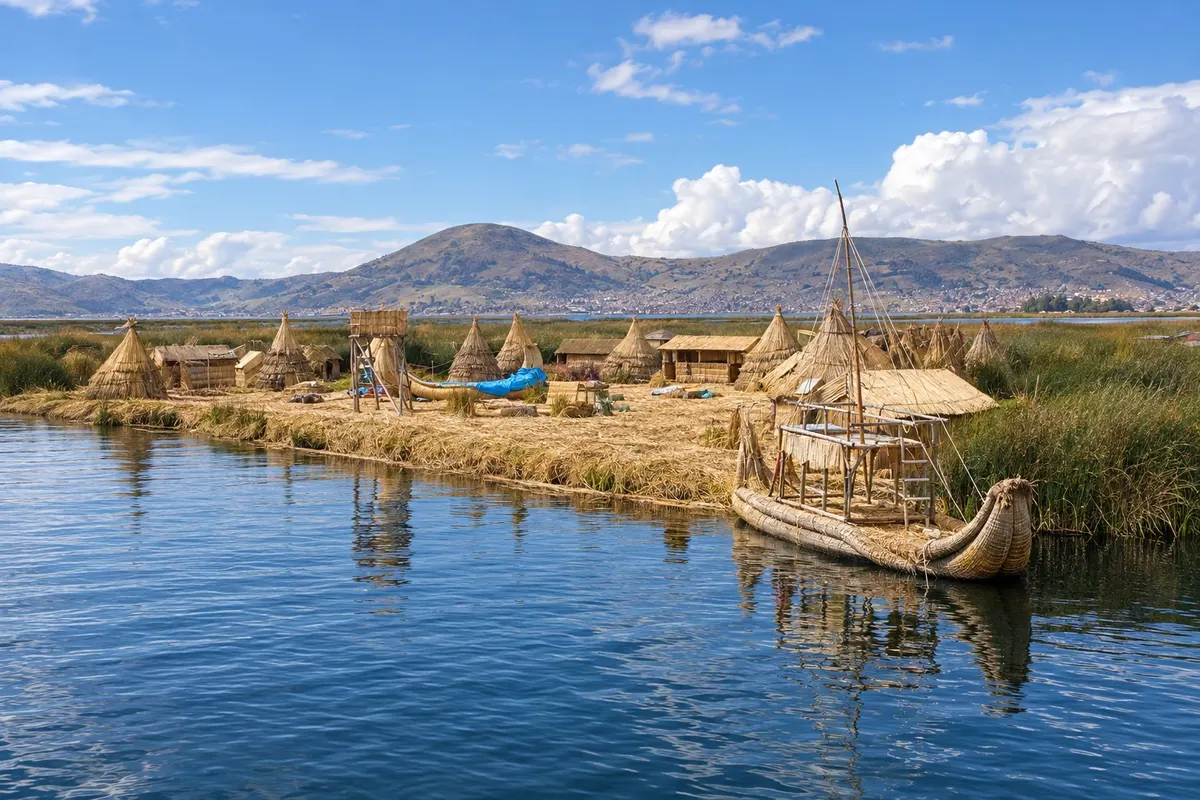
Na fotografiji: Uros floating islands, Lake Titicaca.

Illustrative images. The pictures in this guide are illustrations based on the real place, not photographs, and may differ from it.

Na voljo v trgovini Google Play Pošljite svoje fotografije

Spoznajte kraj

Pokrajina, ki jo doživite
v svojem ritmu.

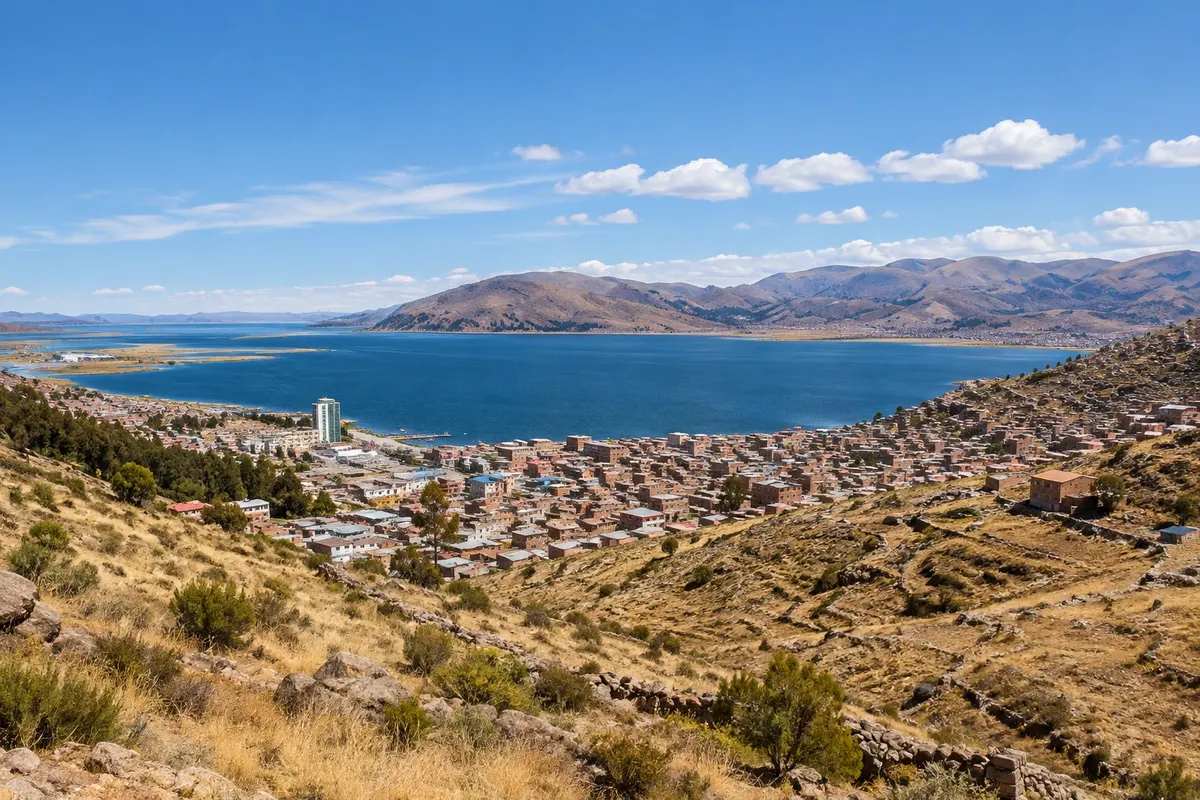
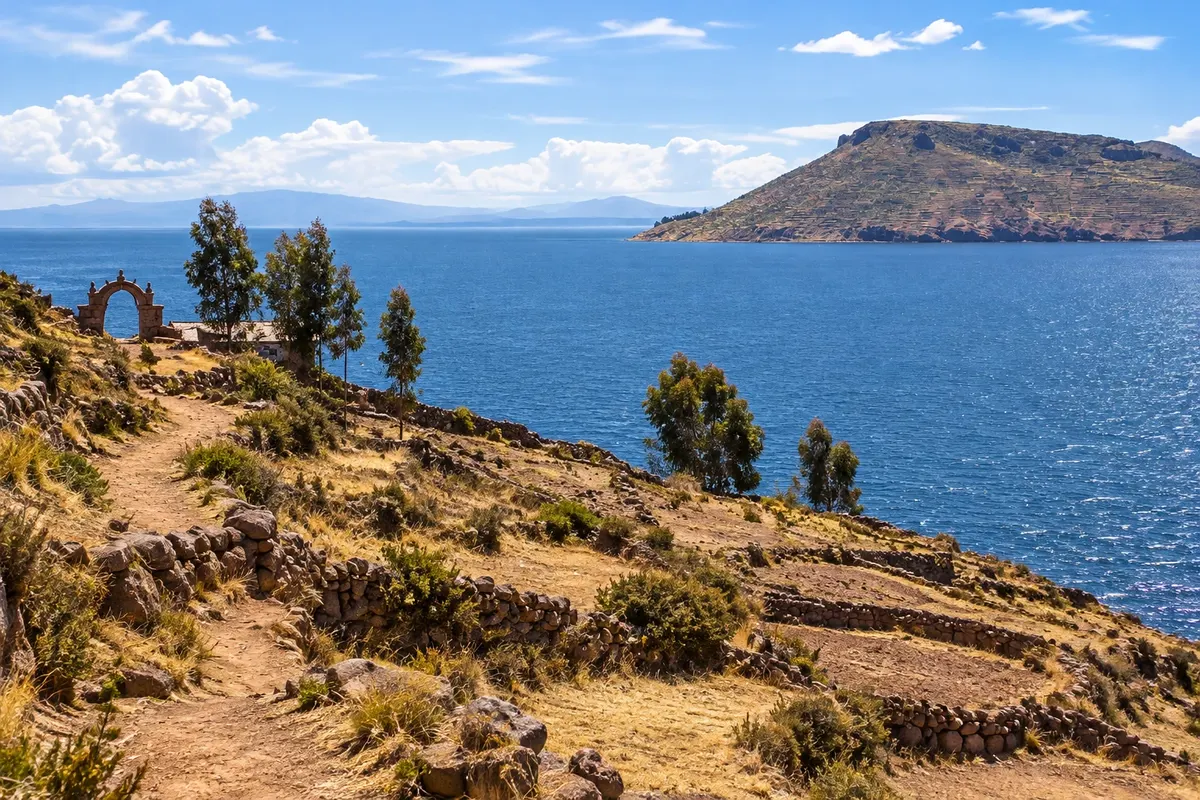
Lake Titicaca lies on the Altiplano, the high plain between the Andes of Peru and Bolivia, at about 3,810 meters above sea level. With more than 8,000 km², it is divided between the two countries and is sacred for Andean peoples: according to tradition, Manco Cápac and Mama Ocllo, the founders of the Inca Empire, emerged from its waters. On the Peruvian side, the gateway is Puno, on the western shore, at about 3,800 meters.

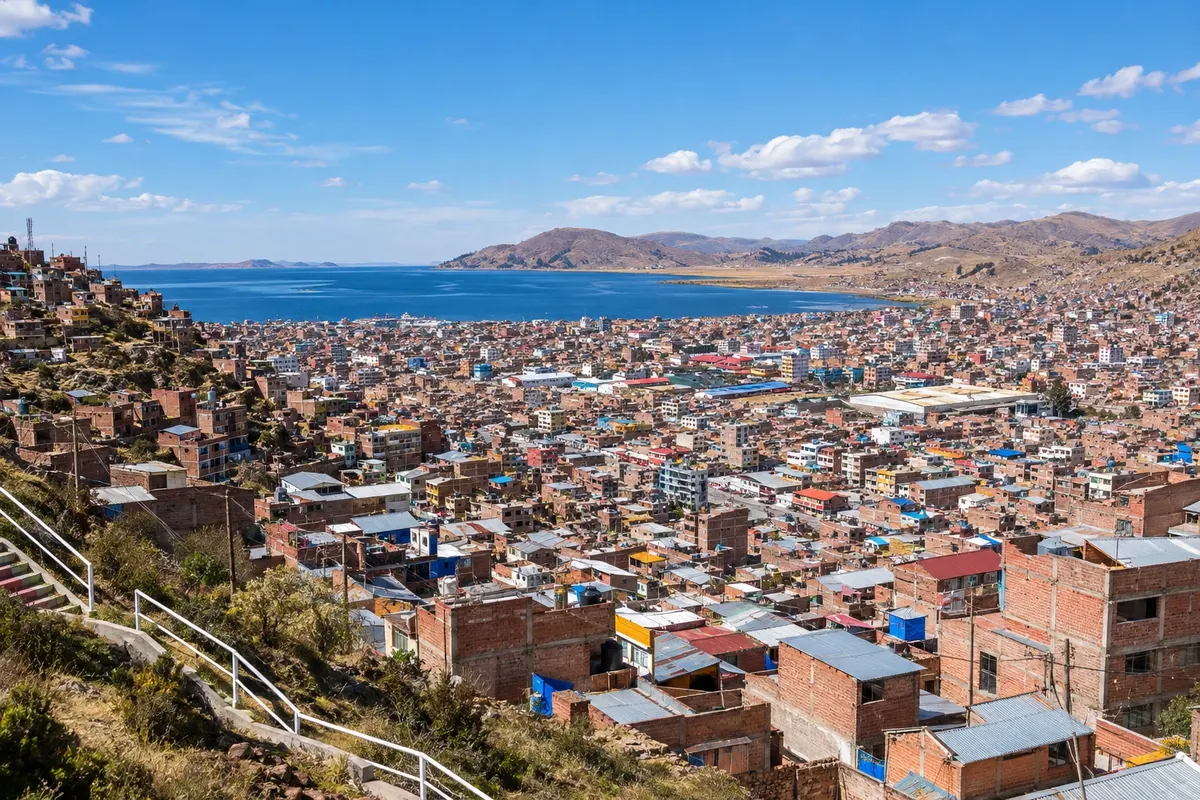
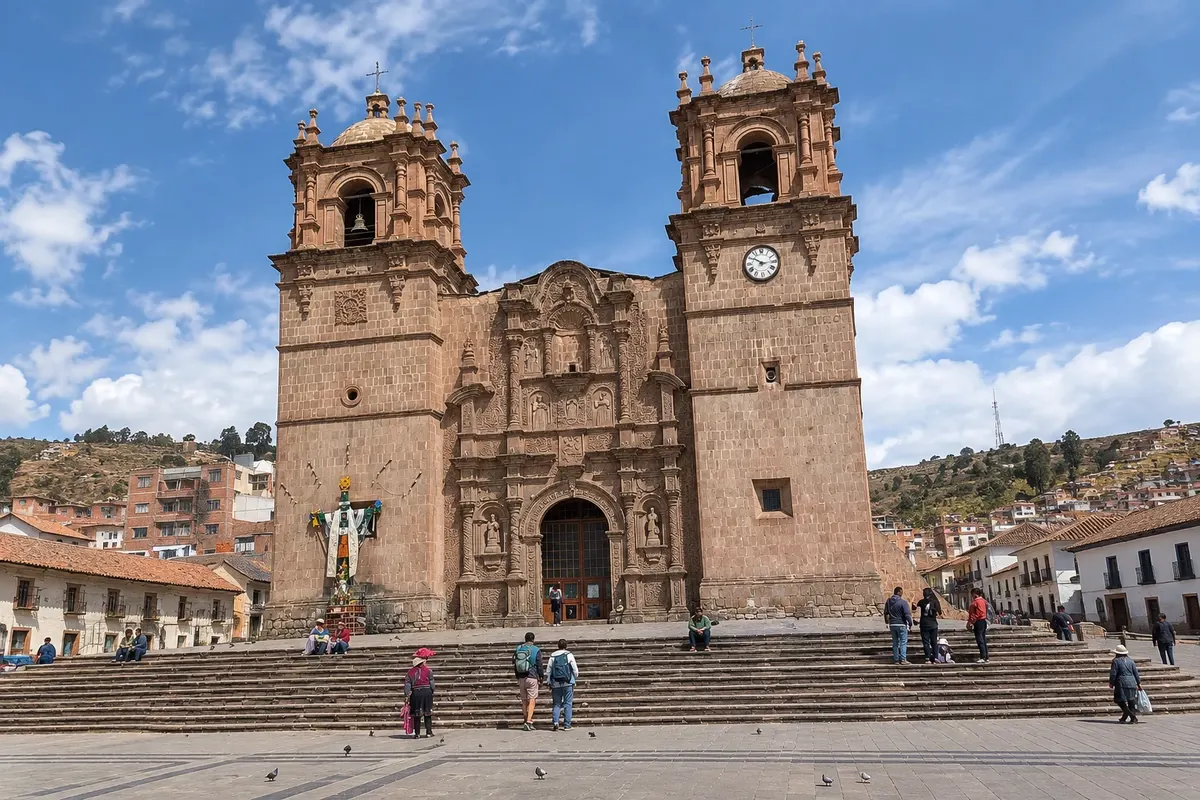
Puno is a trading and festival city, known as the capital of Peruvian folklore. In February, the Fiesta de la Virgen de la Candelaria, an Intangible Cultural Heritage of UNESCO, brings thousands of dancers with masks and embroidered costumes through the streets. On an ordinary day, the city revolves around the Plaza de Armas, with its stone Cathedral, and the port, from which boats depart for the islands.

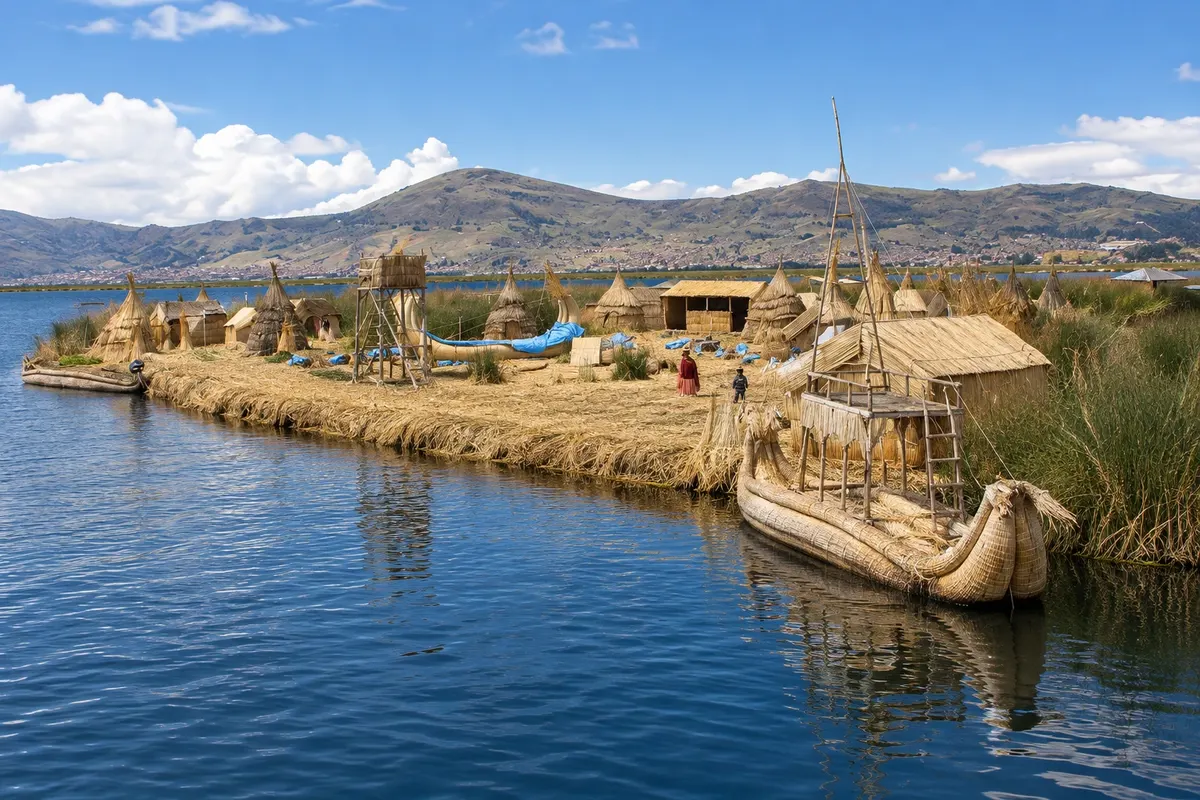
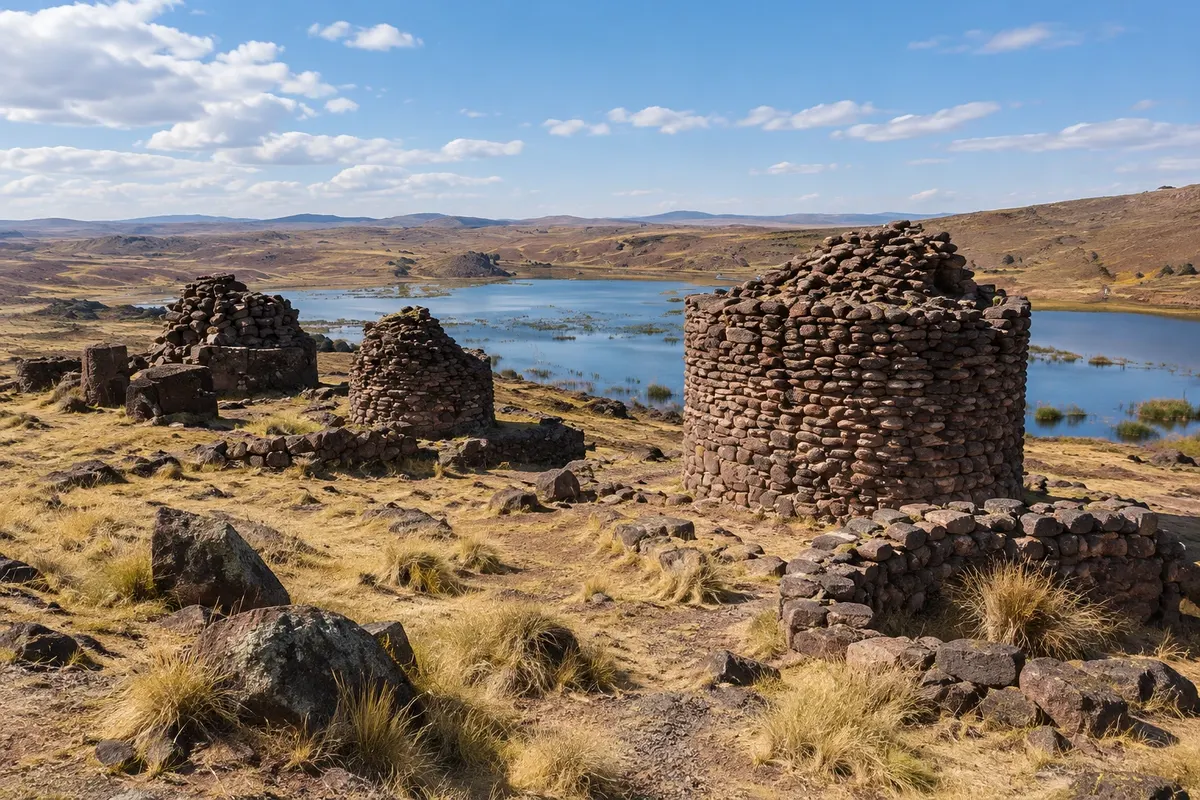
A few kilometers from the port are the Uros floating islands, made of layers of totora, a reed from the lake, and inhabited by families who live from fishing, handicrafts and tourism. Farther out, Taquile and Amantaní are rocky islands with Quechua communities that preserve traditional dress and forms of collective work, and host visitors in family homes. On land, 34 km from Puno, the site of Sillustani has funerary towers on the shore of the laguna de Umayo.

Arriving after spending time in Arequipa or Cusco helps. The sun is strong and nights are cold year‑round.

This destination brings together 1 city: Puno.

Delite: WhatsApp
Delite svoja popotniška doživetja s fotografijami Pošljite fotografije vsakega kraja, ki ste ga obiskali. Največje število fotografij na kraj: 5.

Ena destinacija, več poti

Mesta na tej poti

Začnite v enem mestu ali v načrt poti vključite več mest.

Puno and Lake Titicaca – lega
Puno

Obrisi: Natural Earth (javna domena). Priredba: Cidade Turismo.

Kako do tja:Puno and Lake Titicaca

✈ Aeropuerto Internacional Inca Manco Cápac (JUL), kraj: Juliaca· 45 km do cilja (Puno)

Check before buying. The airport is in Juliaca, 45 km from Puno, with flights from Lima and from Cusco. From Cusco there are buses (about 7 hours) and the train that crosses the Altiplano in a day. From Arequipa, the bus takes about 6 hours.

Doživite kraj

Kaj početi – Puno and Lake Titicaca

Lake Titicaca
Puno · Puno · Jezero

Lake Titicaca

The sacred lake of the Andes, at about 3,810 m, with over 8,000 km² divided between Peru and Bolivia. Boats from Puno go to the islands and to the Reserva Nacional del Titicaca, with its totora reed beds.

Uros Floating Islands
Puno · Puno · Otok

Uros Floating Islands

Artificial islands made of layers of totora in the Bay of Puno, about 30 minutes by boat from the port, inhabited by Uros families who live from fishing, handicrafts and tourism.

Taquile Island
Puno · Puno · Otok

Taquile Island

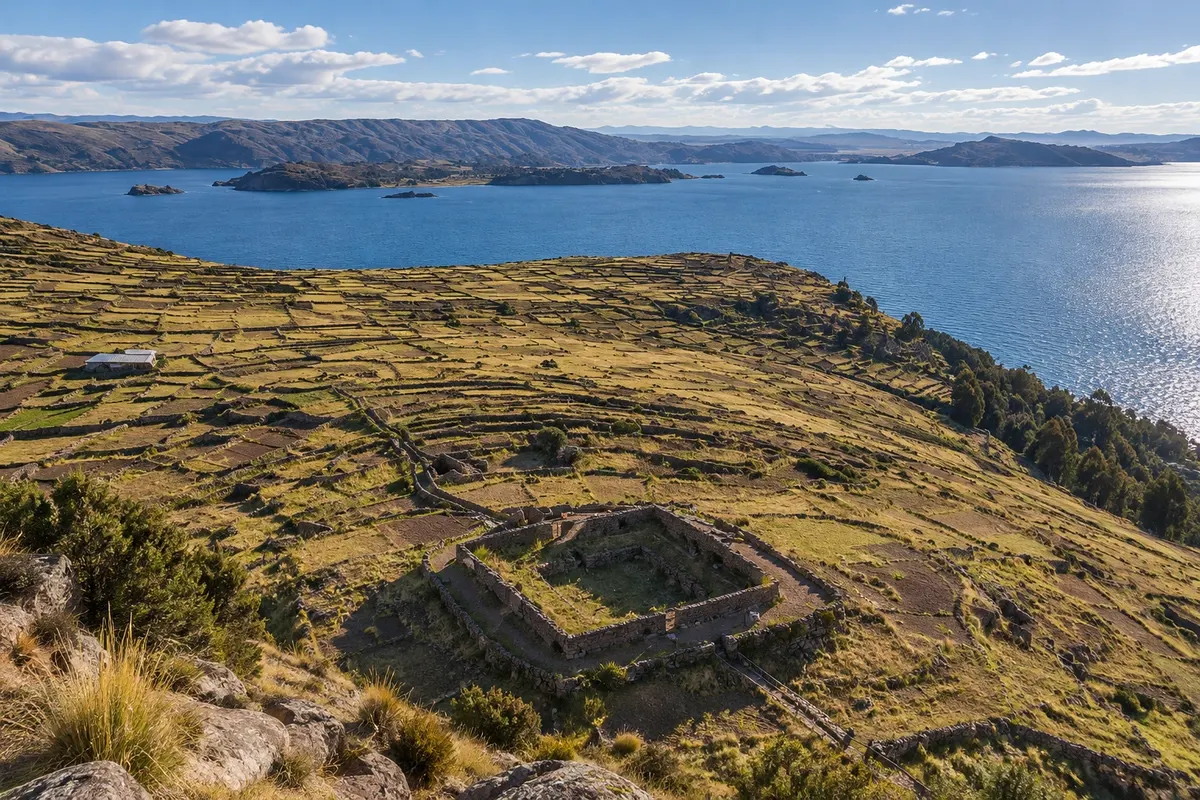
Stone island on Lake Titicaca, about 35 km from Puno, with a Quechua community known for its textile art, a UNESCO Intangible Cultural Heritage, Inca terraces and views of the Cordillera Real.

Amantani Island
Puno · Puno · Otok

Amantani Island

The largest Peruvian island in Lake Titicaca, with Quechua communities that host visitors in their homes and with the temples of Pachatata and Pachamama on the two summits, from where you can watch the sunset over the lake.

Puno and Lake Titicaca – prikaži dodatne kraje (2)
Sillustani Archaeological Complex
Puno · Puno · Arheološko najdišče

Sillustani Archaeological Complex

Stone funerary towers, the chullpas, of the Qulla culture and the Incas, on a peninsula above the Umayo lagoon, 34 km from Puno. The tallest exceeds 12 m.

Puno Cathedral
Puno · Puno · Cerkev

Puno Cathedral

The Baroque stone cathedral on Puno's Plaza de Armas, completed in 1757, with a carved facade in the mestizo style, mermaids and Andean motifs, and a sober interior.

Pred odhodom

Praktične informacije

Z nekaj načrtovanja boste imeli več časa za uživanje na poti.

Kdaj se odpraviti

In the Andes, the dry season usually runs from May to September, with clear skies, strong sun by day and nights below freezing. From December to March it usually rains in the afternoons and the lake becomes rougher. February has the Fiesta de la Candelaria, when the city is crowded.

The seasons shown are the most usual ones; nature doesn't always follow the calendar.

Koliko dni ostati

Three days: one for Puno and Sillustani, taking it easy because of the altitude, and two for the lake, with the Uros and Taquile on a day trip or with one night in Amantaní in a family home. If you have little time, do the Uros in a half day and Sillustani in the other half.

V katerem mestu prenočiti

In Puno, the center around the Plaza de Armas and the pedestrian street Jirón Lima concentrates hotels, restaurants and agencies. On the lakeshore, a few kilometers from the center, there are hotels with views over the bay. On the islands, Amantaní and Taquile host visitors in community family homes, and some Uros families have rooms in totora houses.

Spoštujte kraj

Odnesite svoje odpadke, upoštevajte oznake in podprite lokalne ponudnike. V naravi upoštevajte navodila za obiskovalce.

Odgovori na vaša vprašanja

Pogosta vprašanja – Puno and Lake Titicaca

What is the altitude of Puno?

About 3,800 meters, higher than Cusco. Many travelers feel the altitude in the first days. Arriving after spending a few days in Arequipa or Cusco helps, and the first day should be light. Talk with your doctor before the trip.

How many days should you stay in Puno?

Two to three days. One for the city and Sillustani and one or two for the lake, with the Uros, Taquile and, if you wish, a night in Amantaní.

Can you stay overnight on the islands of Lake Titicaca?

Yes. In Amantaní and Taquile, community families host visitors in their homes, with simple meals. On the Uros, some families have rooms in totora houses. Two-day tours with agencies include accommodation.

When is the Fiesta de la Candelaria?

In February, with the main day on February 2 and dance performances in the following weeks. The city fills up: book in advance.

Can you go from Puno to Bolivia?

Yes, by bus, via the Kasani border near Copacabana, or via Desaguadero. Check the entry requirements for crossing the border before you travel.

Odkrijte druge destinacije Iskanje po zvezni državi in mestu

Več kot vodnik