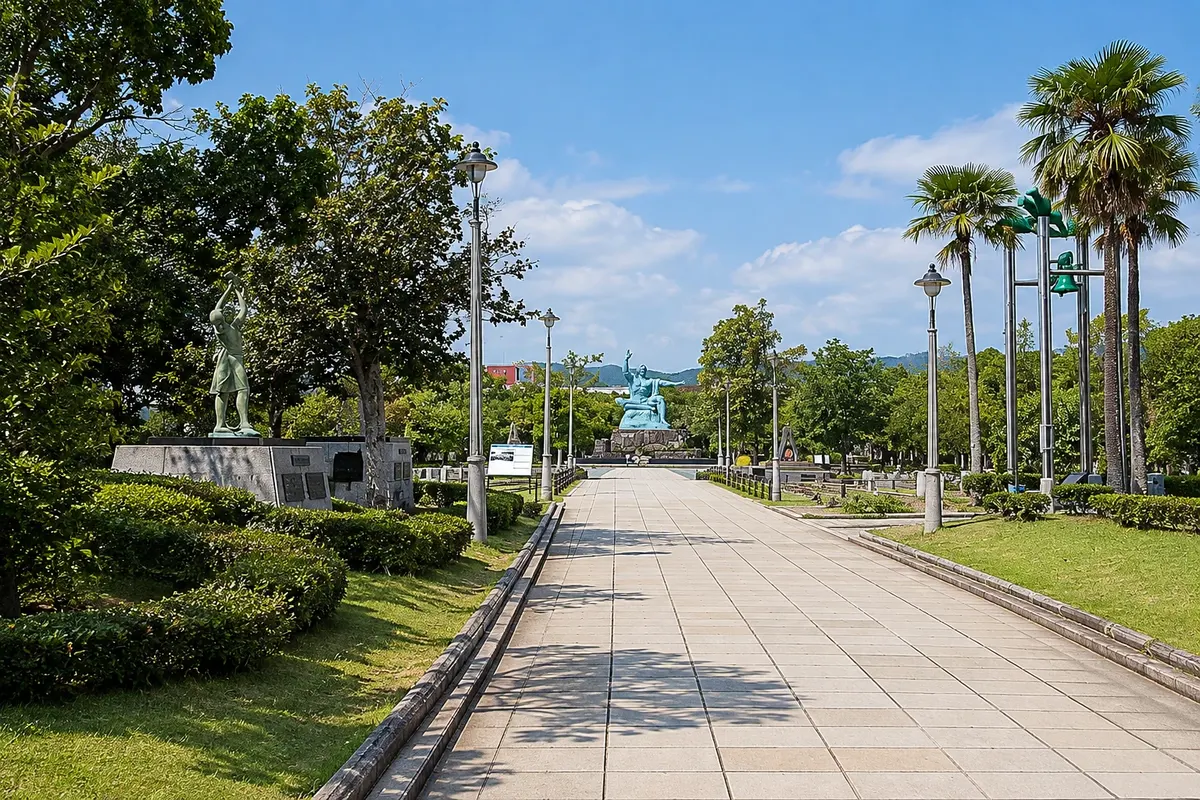
Nagasaki Peace Park
A park atop a hill near the hypocenter of the 1945 atomic bomb, featuring the Peace Statue, about 10 meters tall, and the Fountain of Peace. Below, the Hypocenter Park marks the spot over which the bomb detonated.
Antarktika
Nagasaki · Japonska
The port that was for two centuries Japan’s window to Europe: Dejima, the churches and Western merchants’ houses, the Peace Park and Gunkanjima Island, UNESCO sites.
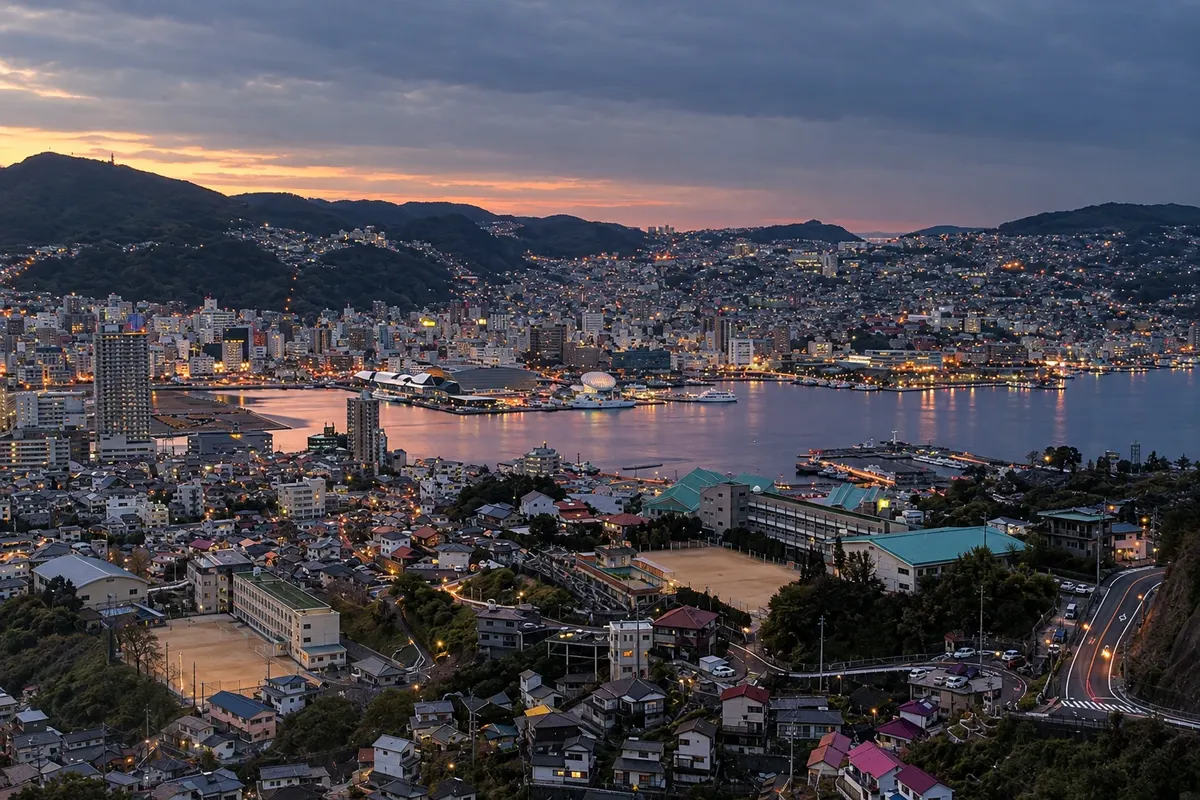
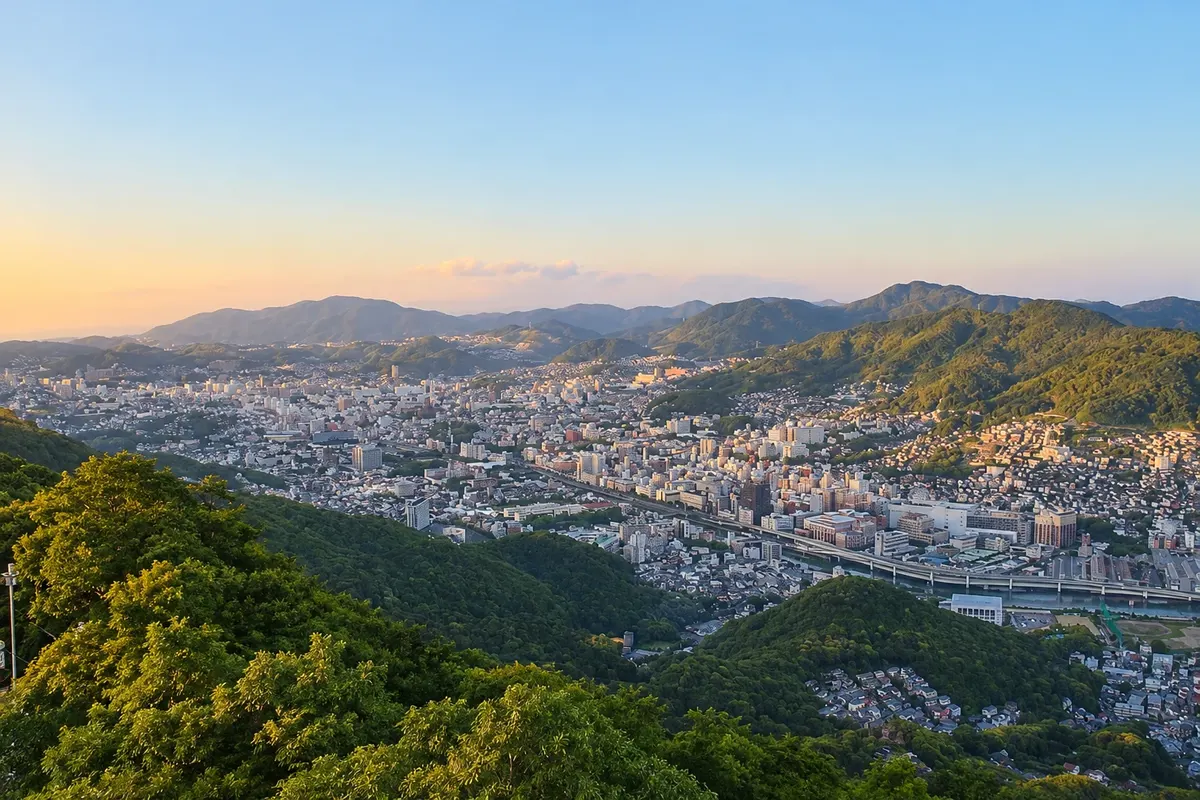
Na fotografiji: Port and city of Nagasaki seen from Mount Inasa at dusk.
Illustrative images. The pictures in this guide are illustrations based on the real place, not photographs, and may differ from it.
Spoznajte kraj
Nagasaki climbs the slopes around a deep bay on western Kyushu. Founded as a port by Portuguese traders in the 16th century, it received Jesuit missionaries and became the center of Christianity in Japan until the religion was banned in the early 17th century. During more than two centuries of the country’s isolation, it was the only port open to trade with the Dutch, on the artificial island of Dejima, and with the Chinese in their own district. That history left the city with Chinese temples, churches, sweets of Portuguese origin such as castella, and a mixed cuisine.
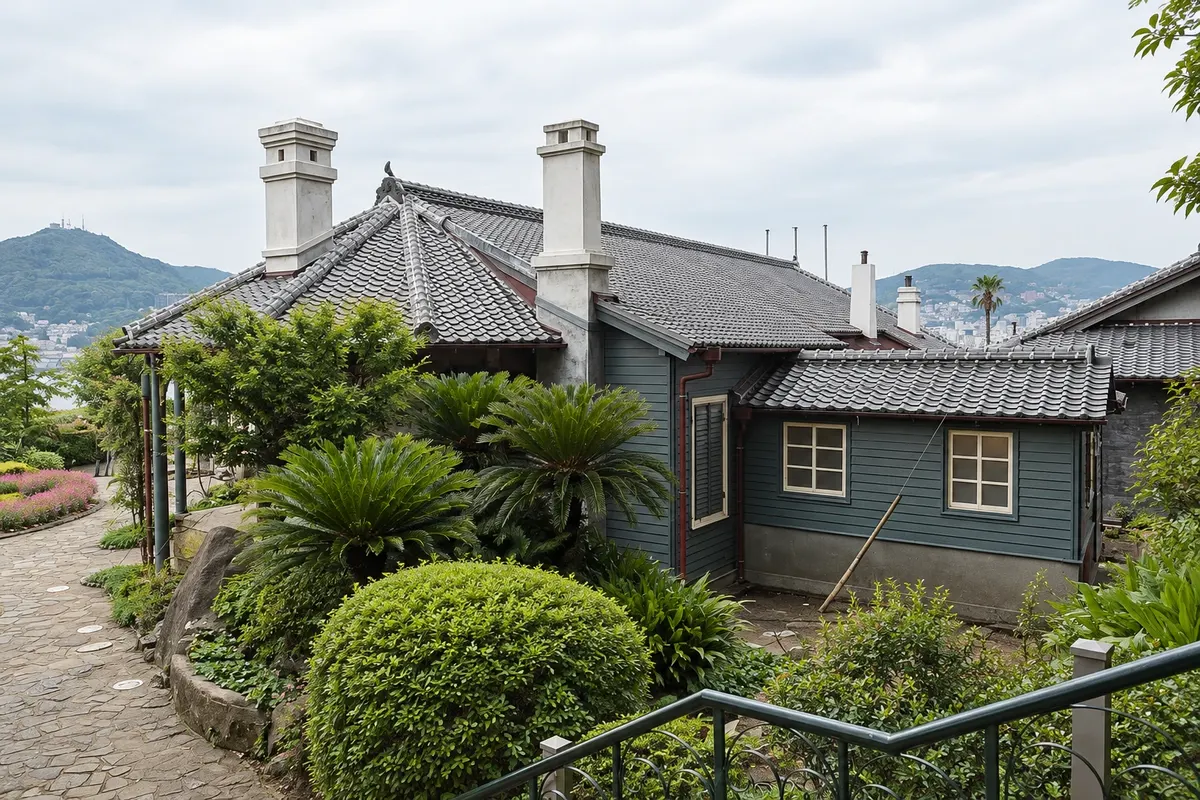
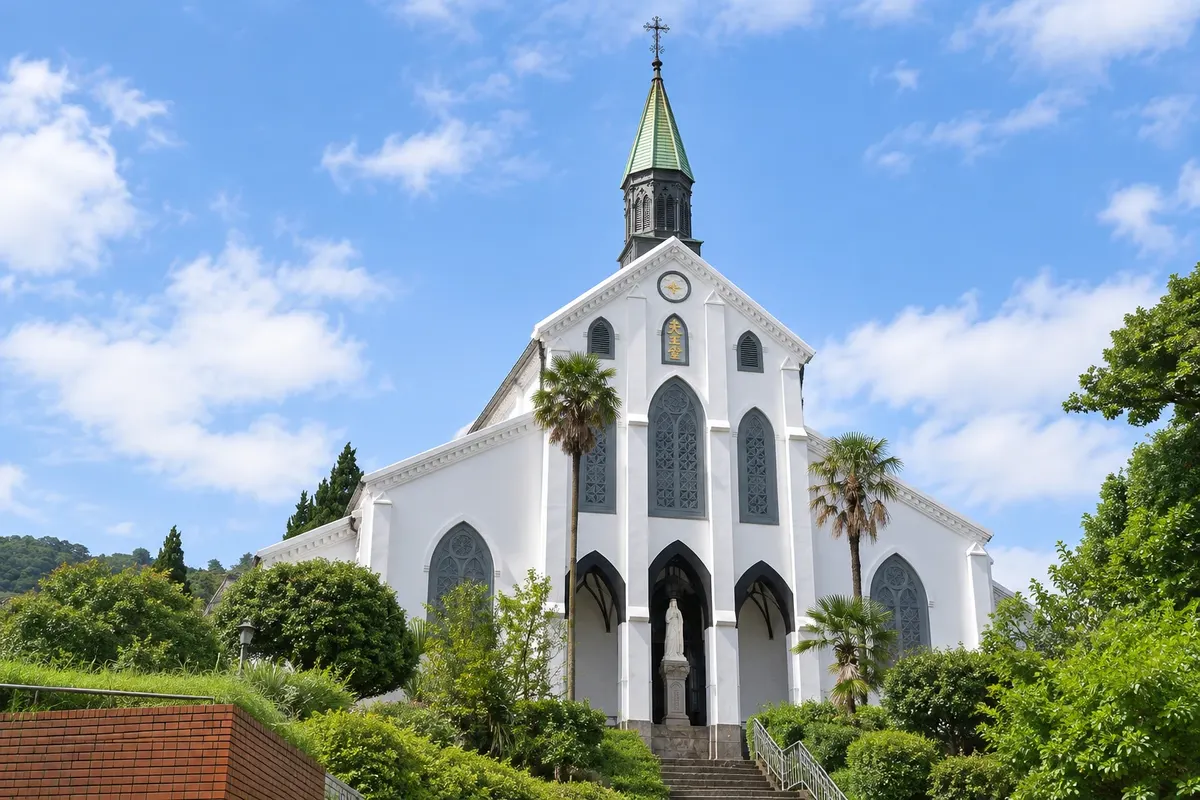
In the late 19th century, British and other foreign merchants settled on the Minamiyamate slope, today Glover Garden, and the city became a center of Japan’s industrialization, with shipyards and coal mines such as the one on Hashima Island, Gunkanjima. These places are part of the Sites of the Meiji Industrial Revolution, and Oura Cathedral is part of the Hidden Christian Sites, both UNESCO World Heritage Sites.
On August 9, 1945, the second atomic bomb used in war exploded over the Urakami district in the north of the city. The Peace Park, the Hypocenter Park and the Atomic Bomb Museum preserve this memory and host the annual peace ceremony.
The city is explored by tram, with hills and stairways between neighborhoods. Mount Inasa, across the bay, offers the city lit up at night. Local dishes include champon, noodles with seafood and vegetables, and sara-udon, with crispy noodles.

V vodniku še ni nastanitev – Nagasaki.
kako do tja · koliko dni · načrt poti · vprašanja
✈ Aeroporto de Nagasaki (NGS), kraj: Omura· 40 km do cilja (Nagasaki)
Nagasaki Airport (NGS), in Omura, is about a 45-minute bus ride from the city center and receives flights from Tokyo, Osaka and other cities. From Fukuoka, the limited express to Takeo-Onsen and the Nishi-Kyushu shinkansen to Nagasaki take about 1h20 to 1h30, with a platform change at Takeo-Onsen.
Doživite kraj
A park atop a hill near the hypocenter of the 1945 atomic bomb, featuring the Peace Statue, about 10 meters tall, and the Fountain of Peace. Below, the Hypocenter Park marks the spot over which the bomb detonated.
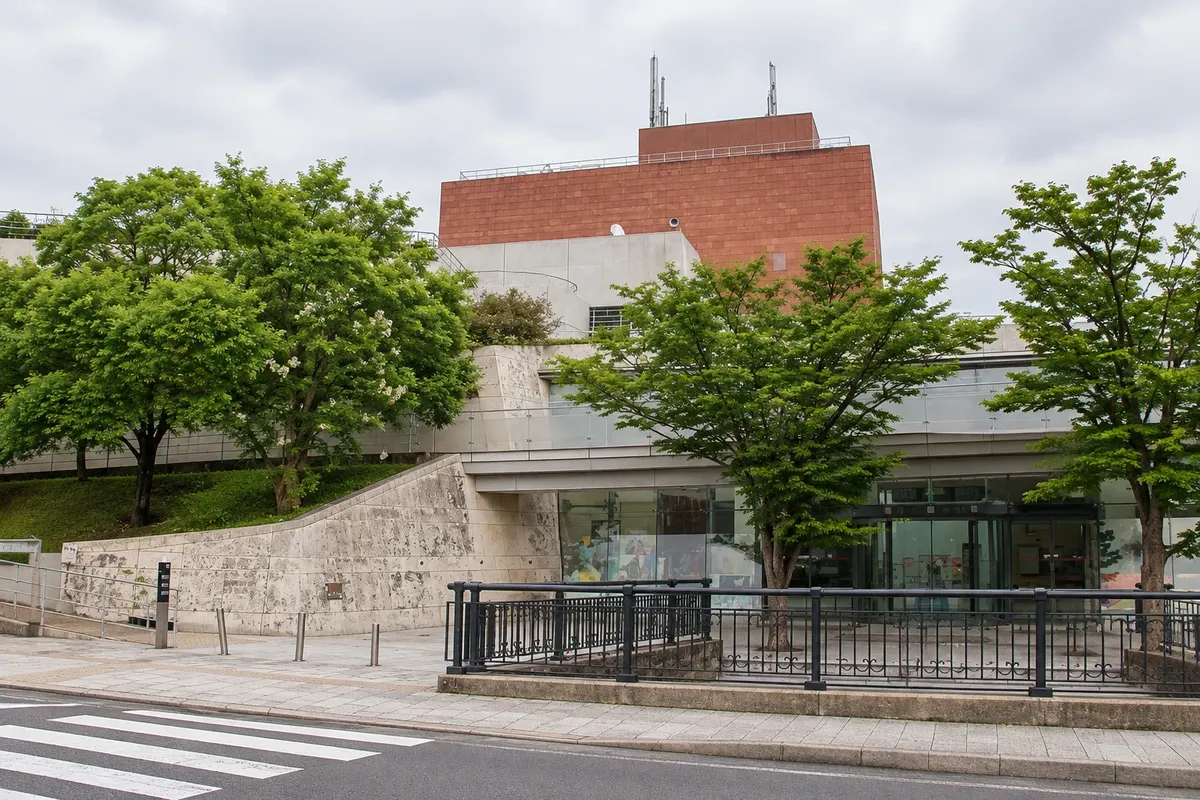
Museum about the atomic bombing of August 9, 1945, with objects damaged by the explosion, photographs, survivors’ testimonies and the history of nuclear weapons. It is next to Hypocenter Park.
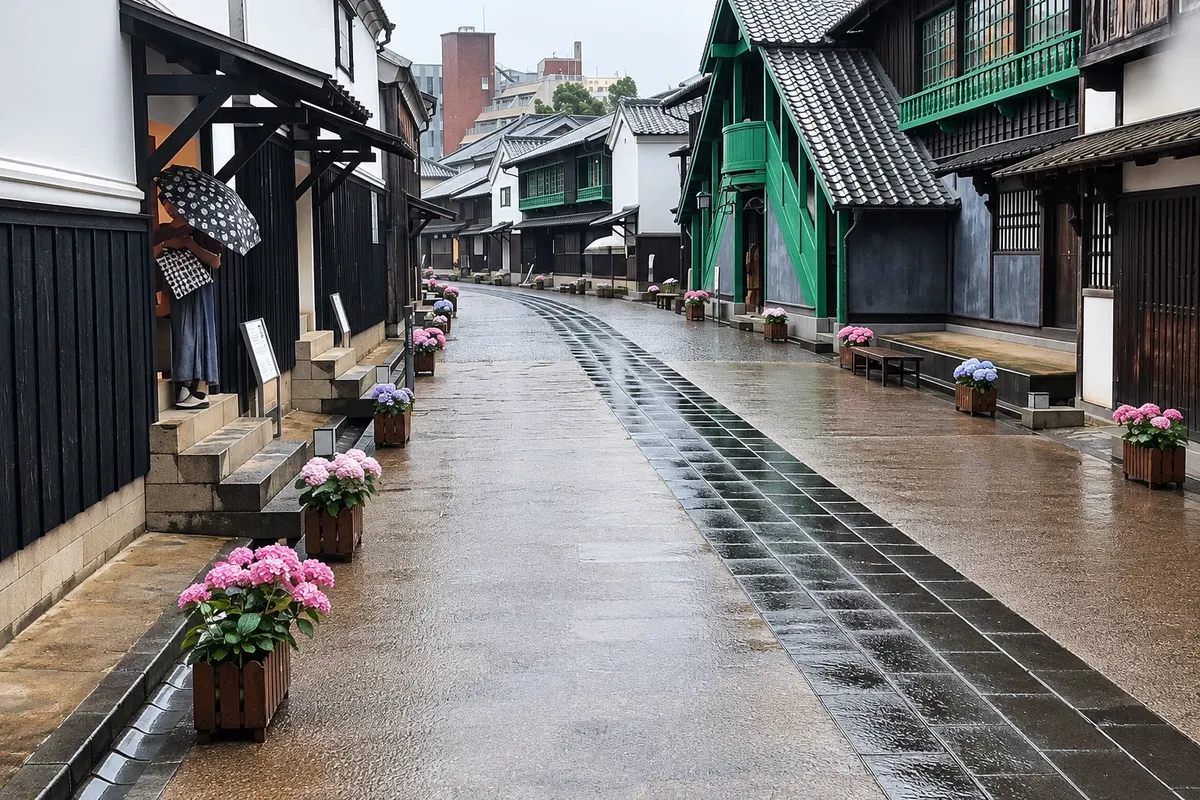
Former fan-shaped artificial island where the Dutch trading post operated from 1641 to 1859, the only contact between Japan and Europe during the period of isolation. Today it has warehouses and reconstructed residences with interiors from the period.
A group of 19th-century Western merchants’ residences on the slope of Minamiyamate, with gardens and a view of the harbor. Thomas Glover’s house, from 1863, is considered the oldest wooden residence in Western style in Japan.
An 1864 Catholic church, the oldest Christian building still standing in Japan and a national treasure, where in 1865 hidden Christians revealed themselves to a French missionary. It is part of the Sites of the Hidden Christians, World Heritage.
A 333-meter hill west of Nagasaki Bay, with a cable car and a circular observation deck at the top. The nighttime view of the lit slopes around the bay is the city’s best-known panorama.
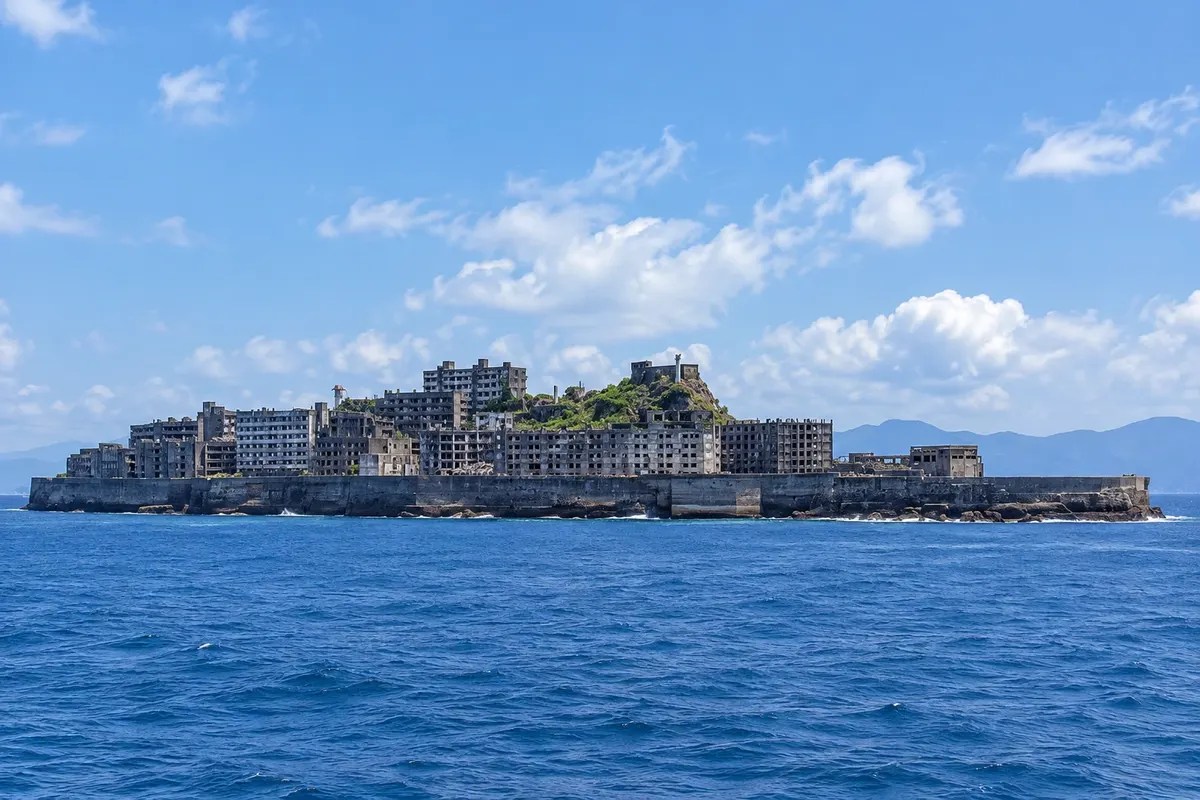
Hashima Island, a former offshore coal mine southwest of Nagasaki, surrounded by walls and covered with concrete buildings abandoned since 1974. Part of the Sites of Japan’s Meiji Industrial Revolution; landing depends on sea conditions.
Pred odhodom
Nagasaki – Nagasaki Capital
Razdalje so približne. Pred potovanjem preverite lete in vozne rede avtobusov, vlakov ali ladij.
Nagasaki Airport (NGS), in Omura, is about 40 km away, with buses of about 45 minutes. The Nishi-Kyushu shinkansen reaches Nagasaki Station from Takeo-Onsen, where you transfer from the limited express coming from Fukuoka, totaling about 1h20 to 1h30.
Two days for the city and Mount Inasa; an extra half day for Gunkanjima.
From March to May and from October to November. The Lantern Festival, usually between January and February, and the Kunchi Festival, from October 7 to 9, animate the center. On August 9, the peace ceremony takes place at the Peace Park.
The seasons shown are the most usual ones; nature doesn't always follow the calendar.
No. The tram links the station, the Peace Park, Dejima, Chinatown and Oura, and the center is walkable. Buses and the ropeway serve Mount Inasa.
Predlog poti
Pot povezuje znamenitosti na tej strani. Za oglede boste imeli dovolj časa.
Take the tram to the northern part of the city, visit the Atomic Bomb Museum, the Hypocenter Park and climb to the Peace Park, with the large statue.
Get off the tram at Dejima, head south to Oura Cathedral and climb to Glover Garden for the bay view.
Cross the bay and take the ropeway up Mount Inasa for the night view. Have champon in Chinatown on the way back.
Dan 1
Atomic Bomb Museum, Hypocenter Park and Peace Park, with time for the National Peace Memorial beside the museum.
Explore the reconstructed houses of Dejima, have lunch in Chinatown and walk to Megane Bridge over the Nakashima River.
Take the ropeway to Mount Inasa before sunset and stay for the city lights.
Dan 2
Embark from Nagasaki Port for the Gunkanjima tour. Landing on the island depends on sea conditions; confirm the departure the day before.
Back at the port, take the tram to Oura, visit the cathedral and ride the escalators up to Glover Garden.
End the trip in the Shianbashi district, with restaurants and bars, and try sara-udon.
Check before you go. Opening hours and days change, and places may close for renovations, holidays or events. This itinerary is a suggestion from Cidade Turismo, not a commitment: plan yours by checking directly with each place you intend to visit.
Pred odhodom
Champon, noodles in a broth with seafood, pork and vegetables; sara-udon, crispy fried noodles with toppings; castella, a cake of Portuguese origin; and toruko-rice, a mixed dish of rice, pasta and meat.
By tram, with lines connecting the station, the north of the city, Dejima, the Chinatown district and Oura, and with one-day passes. The center has hills and stairways.
The autumn festival of Suwa Shrine, from October 7 to 9, with dances and floats that show the Chinese and Dutch influences on the city.
Mount Inasa, accessible by ropeway, from where you can see the bay and the lit slopes, and Glover Garden, by day, with views of the harbor.
Pred odhodom
Z nekaj načrtovanja boste imeli več časa za uživanje na poti.
From March to May and from October to November, with mild weather for climbing the slopes. June and early July bring rain; summer is hot and humid, with typhoons more frequent from August to September. In winter, the Chinese Lantern Festival, usually between January and February, fills the center with lights.
The seasons shown are the most usual ones; nature doesn't always follow the calendar.
Two days: one for the north, with the Peace Park and the museum, and Mount Inasa at night; another for Dejima, the Chinatown, Oura and Glover Garden. Add half a day for the boat trip to Gunkanjima.
The area around Nagasaki Station is convenient for trains, buses and trams. The center, between Dejima, Chinatown and Shianbashi, has hotels, restaurants and nightlife, and is close to Oura and Glover Garden. Hotels high on the slopes or on Mount Inasa offer bay views.
Odnesite svoje odpadke, upoštevajte oznake in podprite lokalne ponudnike. V naravi upoštevajte navodila za obiskovalce.
Odgovori na vaša vprašanja
By limited express to Takeo-Onsen and, with a same-platform transfer, the Nishi-Kyushu shinkansen to Nagasaki, totaling about 1h20 to 1h30. Express buses take about 2h30.
Two days are enough for the Peace Park, the museum, Dejima, Oura, Glover Garden and Mount Inasa. With the boat to Gunkanjima, allow an extra half day.
No. Trams connect the main points, and the center is walkable. A car helps only for the peninsulas and the churches outside the city.
You can, with the roughly 1h20–1h30 train trip, but a single day forces you to choose between the north and south of the city and leaves out the night view and Gunkanjima.
Več kot vodnik