Hagi Castle Town
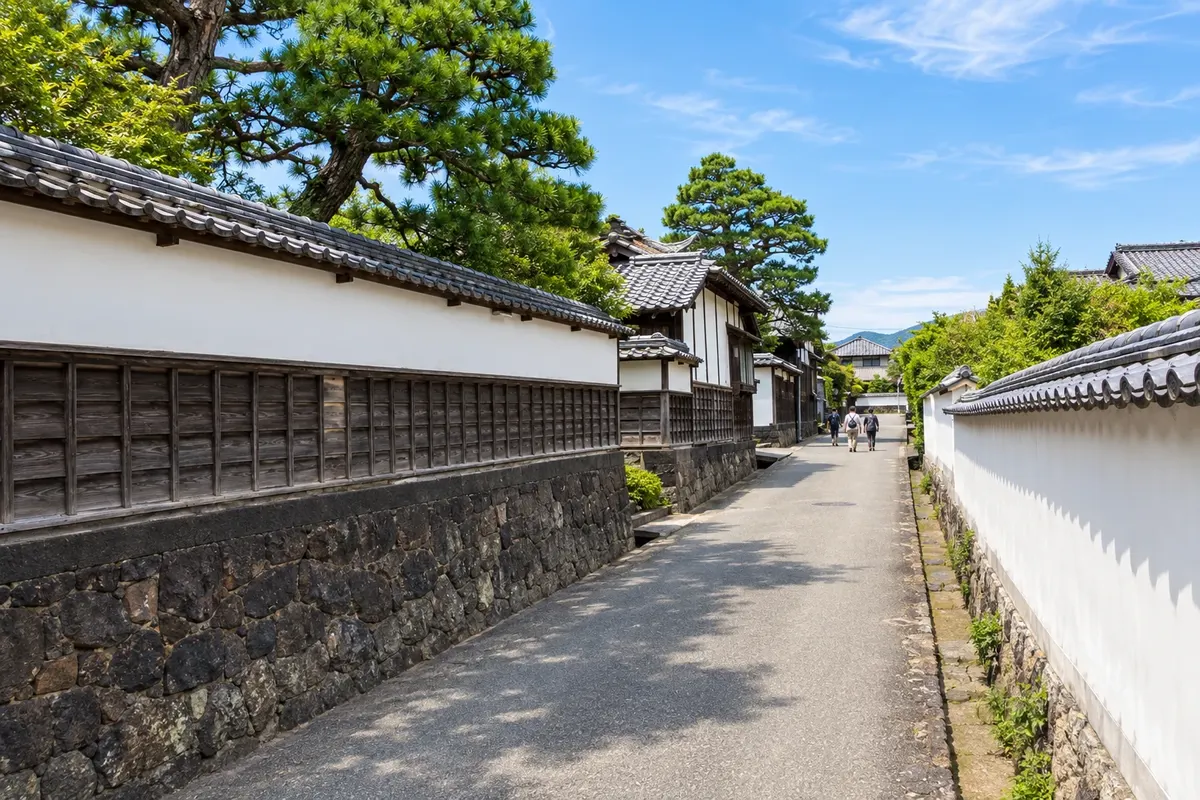
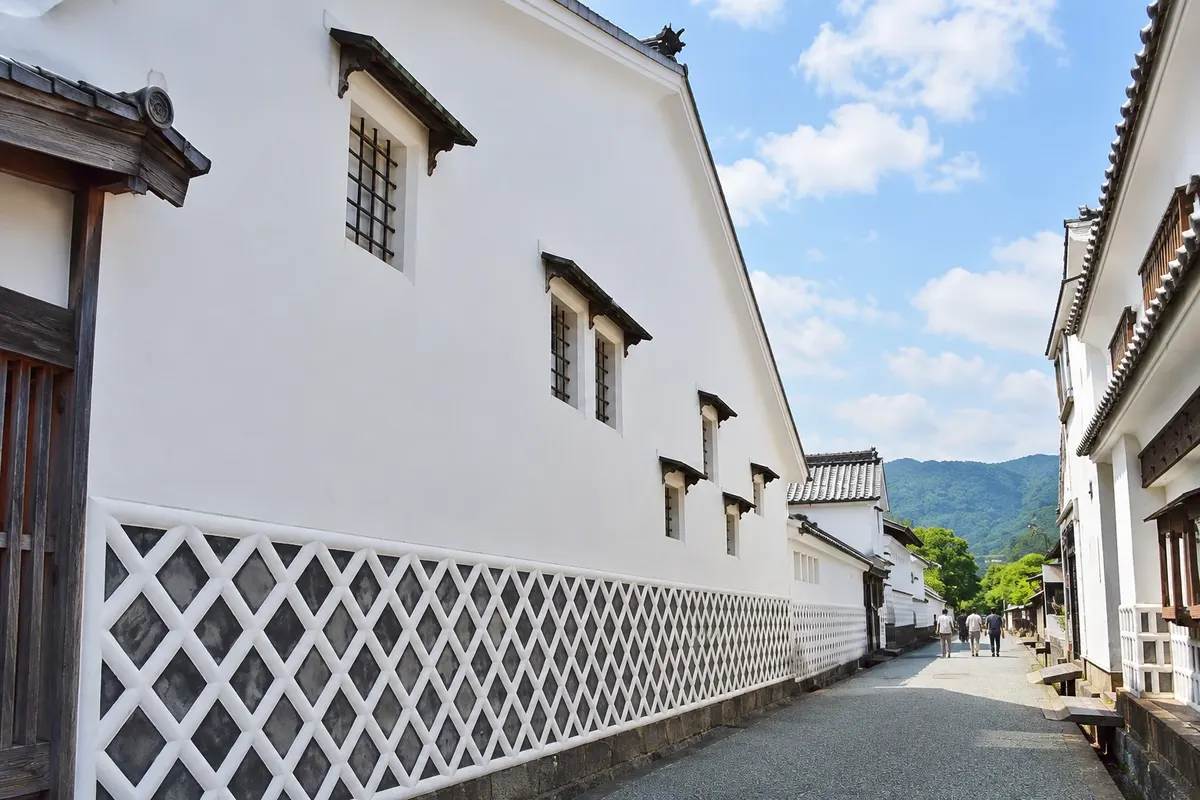
Hagi’s old quarter, with white plaster and earthen walls, samurai and merchant houses, wooden gates and orange trees, preserved in its 17th-century layout and part of the UNESCO Meiji sites.
Antarktika
Yamaguchi · Japonska
Destinacija: Hagi and Akiyoshidai.
Na fotografiji: Street of white walls in Hagi’s historic district.
Illustrative images. The pictures in this guide are illustrations based on the real place, not photographs, and may differ from it.
Mesto
Hagi is the former castle town of the Mori on the Sea of Japan coast in Yamaguchi. It features streets with white walls and samurai and merchant houses, the castle ruins in Shizuki Park, Yoshida Shoin’s Shokasonjuku and other UNESCO Meiji sites, as well as Hagi-yaki pottery kilns. Bicycles are the common way to get around.
V vodniku še ni nastanitev – Hagi.
kako do tja · koliko dni · načrt poti · vprašanja
Doživite kraj
Hagi’s old quarter, with white plaster and earthen walls, samurai and merchant houses, wooden gates and orange trees, preserved in its 17th-century layout and part of the UNESCO Meiji sites.
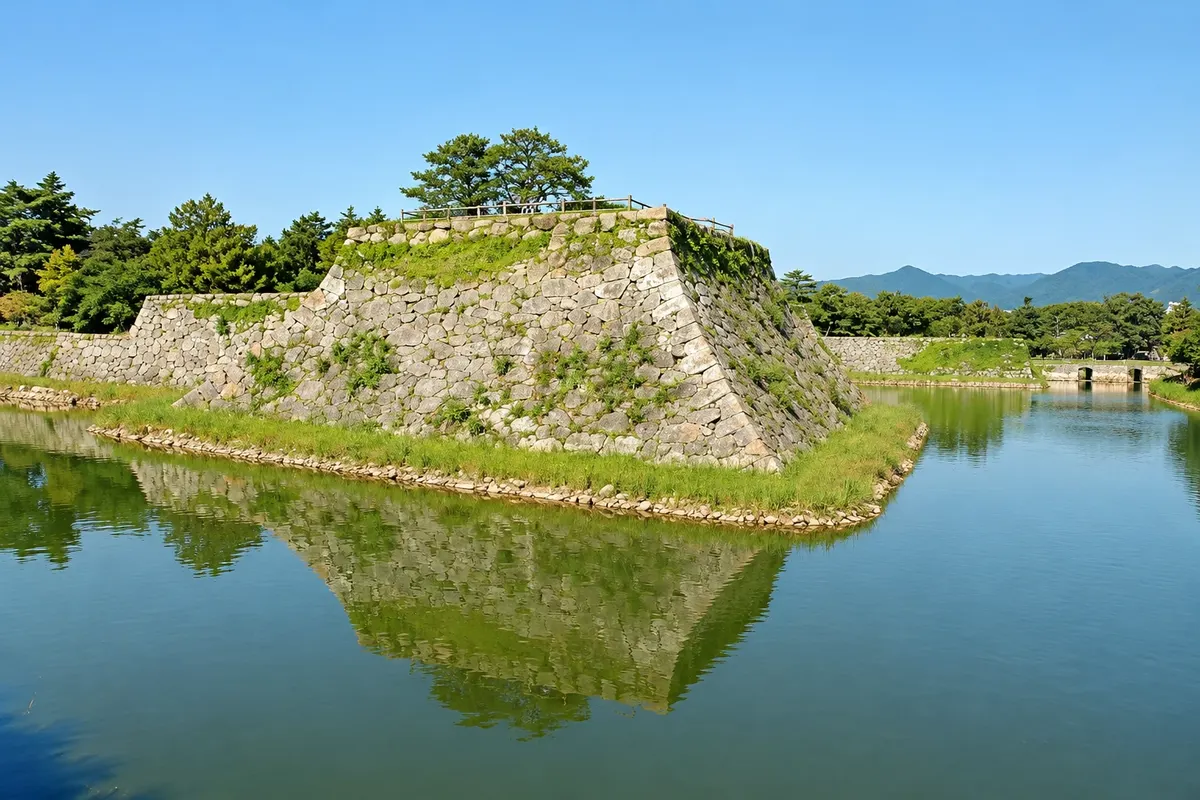
Stone walls, moat and the base of the Mori castle tower, in Shizuki Park at the foot of Mount Shizuki and on the Sea of Japan, with a tea house and cherry trees.
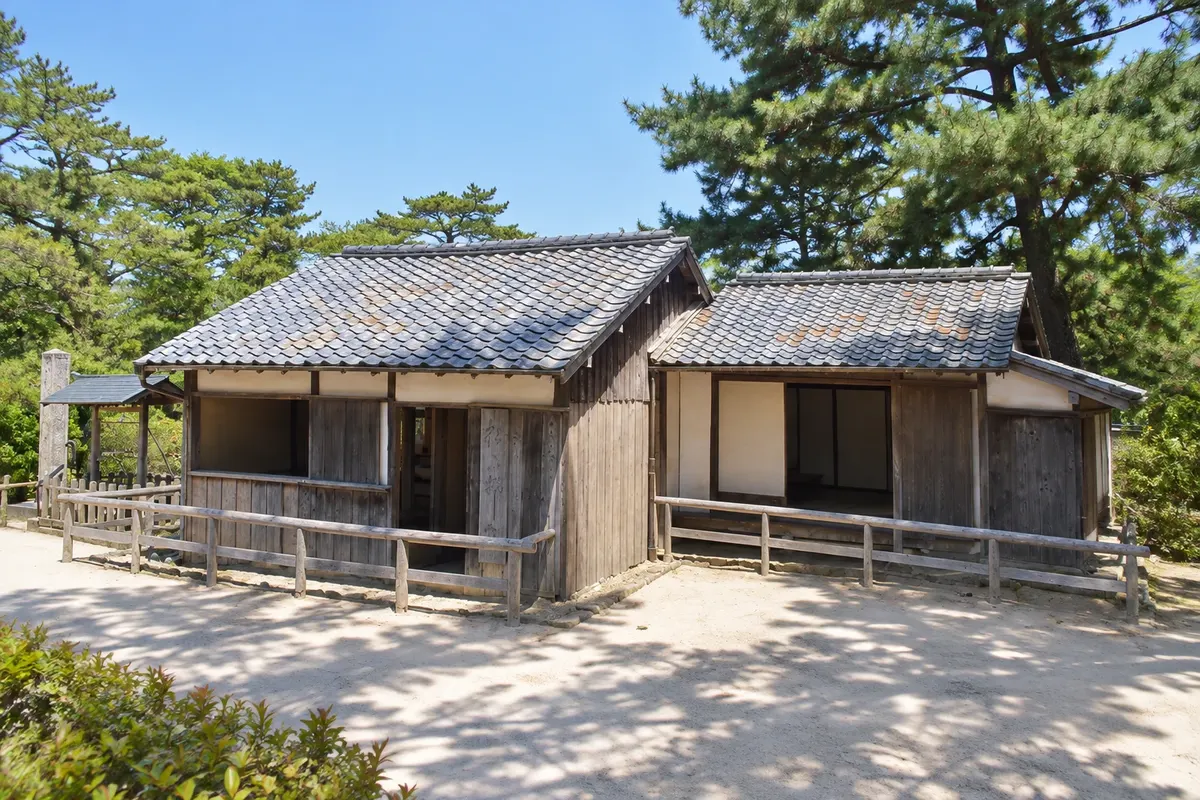
A small wooden school where Yoshida Shoin taught future Meiji leaders, on the grounds of Shoin Shrine in eastern Hagi; part of the UNESCO Meiji sites.

Pred odhodom
Hagi – Yamaguchi Destinacija Hagi and Akiyoshidai
Razdalje so približne. Pred potovanjem preverite lete in vozne rede avtobusov, vlakov ali ladij.
The express bus from Shin-Yamaguchi on the shinkansen line reaches Hagi in about 1 hour; there are also buses from Yamaguchi Ube Airport and to Akiyoshido. Higashi-Hagi station on the San'in line has few trains. Hagi-Iwami Airport is about 60 km away.
A full day by bicycle covers the castle town, the castle ruins and Shokasonjuku. With two days, add the reverberatory furnace, the shipyard, pottery workshops and volcanic Kasa Island.
Natsumikan orange trees bloom in May and perfume the streets. The cherry trees in Shizuki Park usually flower in early April. Autumn is mild. In winter cold winds come from the Sea of Japan; summer is hot and humid.
The seasons shown are the most usual ones; nature doesn't always follow the calendar.
No. The town is flat and compact, excellent for cycling; bikes can be rented near stations and hotels. Two circular buses, running in opposite directions, serve the main sights.
Predlog poti
Pot povezuje znamenitosti na tej strani. Za oglede boste imeli dovolj časa.
Rent a bicycle and ride the white-walled streets of the Horiuchi district and the merchants’ alleys, visiting the houses of Kido Takayoshi and Takasugi Shinsaku.
Cycle to Shizuki Park, with the castle’s walls and moat, the Hananoe teahouse and a view of the Sea of Japan.
Cross the river to the Shoin shrine and see Yoshida Shoin’s small wooden school; continue on to the reverberatory furnace.
Dine on Sea of Japan fish such as Hagi cod and squid, served on Hagi-yaki dishes.
Check before you go. Opening hours and days change, and places may close for renovations, holidays or events. This itinerary is a suggestion from Cidade Turismo, not a commitment: plan yours by checking directly with each place you intend to visit.
Pred odhodom
By bicycle, rented near stations and hotels, or using the two circular buses that run the route in opposite directions. The town is flat.
The reverberatory furnace, the Ebisugahana shipyard, the old Ohitayama iron foundry, the castle town and the Shokasonjuku school, which form Hagi’s portion of the Meiji UNESCO sites.
In the shops and galleries of the castle-town and in the potters’ kilns, some near Shizuki Park and others in the Matsumoto area near Shokasonjuku.
A bitter summer orange planted in samurai gardens after the Meiji Restoration to generate income. The trees appear above the walls, and the fruit is made into sweets and juices.
Več kot vodnik