Dorsoduro: Santa Maria della Salute, Zattere and Punta della Dogana
Odhod: Vaporetto Salute Walk along the waterfront Približno 2 uri late afternoon Lahko
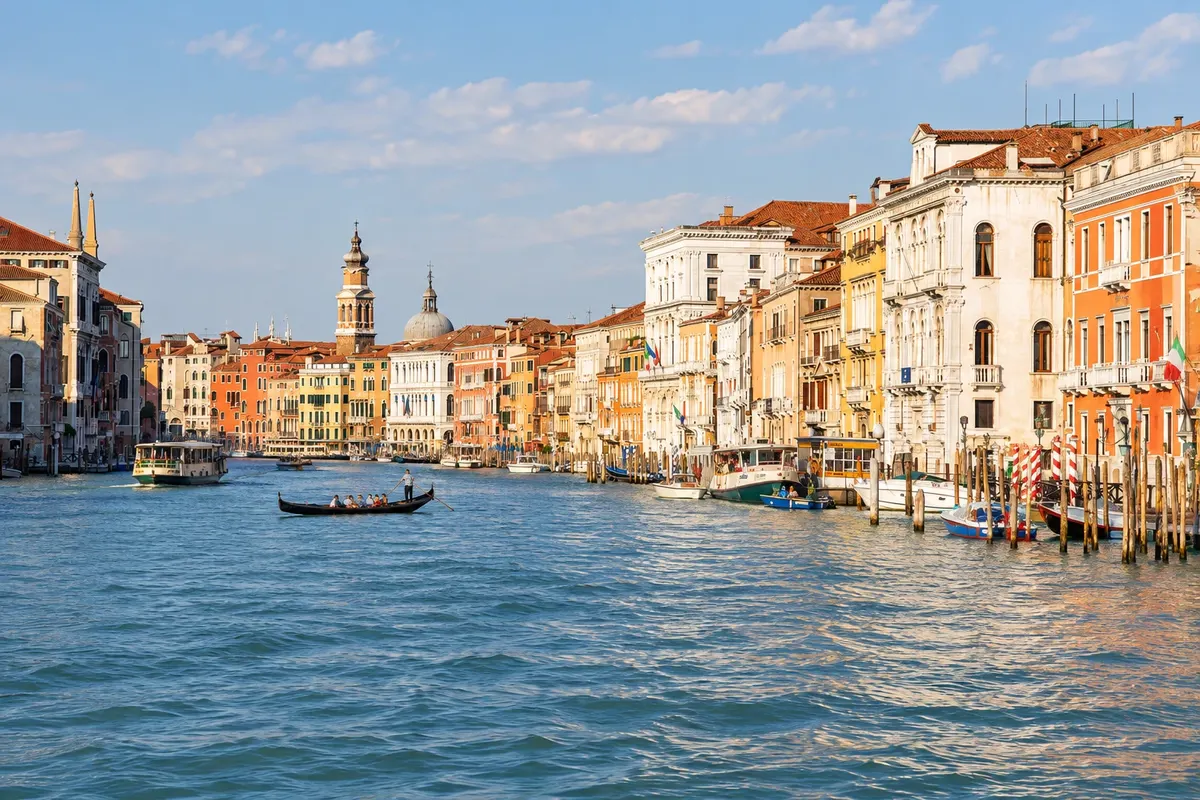
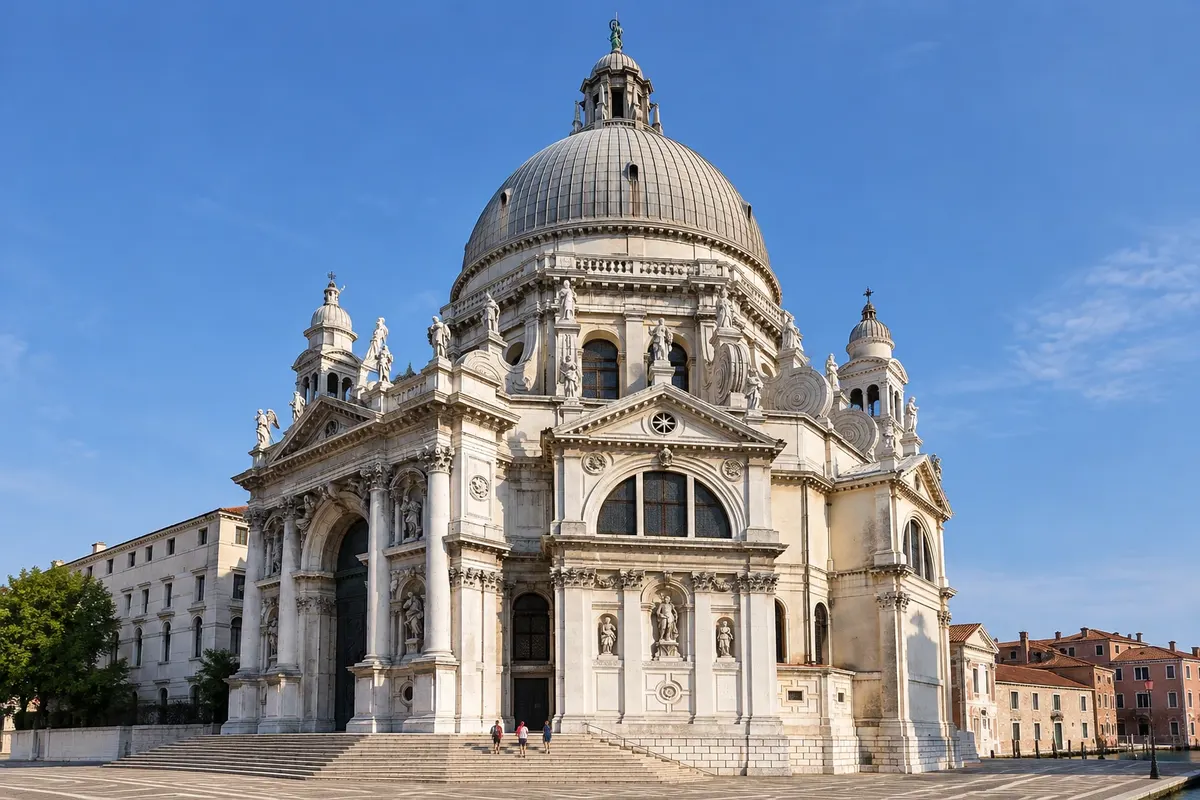
The Basilica di Santa Maria della Salute, by Baldassare Longhena, was built between 1631 and 1687 in thanks for the end of the 1630 plague, on more than a million wooden piles; the white dome marks the entrance to the Grand Canal and inside there are paintings by Titian in the sacristy and Tintoretto’s Wedding at Cana. At the tip, the Punta della Dogana, the old customs house, houses contemporary art from the Pinault collection, with a terrace open over the Bacino di San Marco. From there the Zattere, the long quay facing the island of Giudecca and the afternoon sun, are Venetians’ promenade, with gelaterias and benches in the sun; opposite is Palladio’s church of the Redentore, linked by a bridge of boats in the third week of July for the Festa del Redentore, with fireworks over the lagoon. On November 21, the Festa della Salute sets up another boat bridge to the basilica.
Kraji na poti: Basilica di Santa Maria della Salute.
Vključuje: Basilica free of charge (sacristy with paid entry); Punta della Dogana with separate paid entry. Walk is free.
Nasvet: Reach the Salute by the traghetto of Santa Maria del Giglio, crossing the canal on the communal gondola. Get a gelato at Gelateria Nico, on the Zattere, in the late afternoon.
Najboljši čas za obisk: All year. Third Saturday of July (Redentore) and November 21 (Salute) are the festivals.
San Polo: Frari and Scuola Grande di San Rocco
Odhod: Campo dei Frari (vaporetto San Tomà) Two neighboring visits Približno 2 uri in pol Dopoldne ali popoldne Lahko
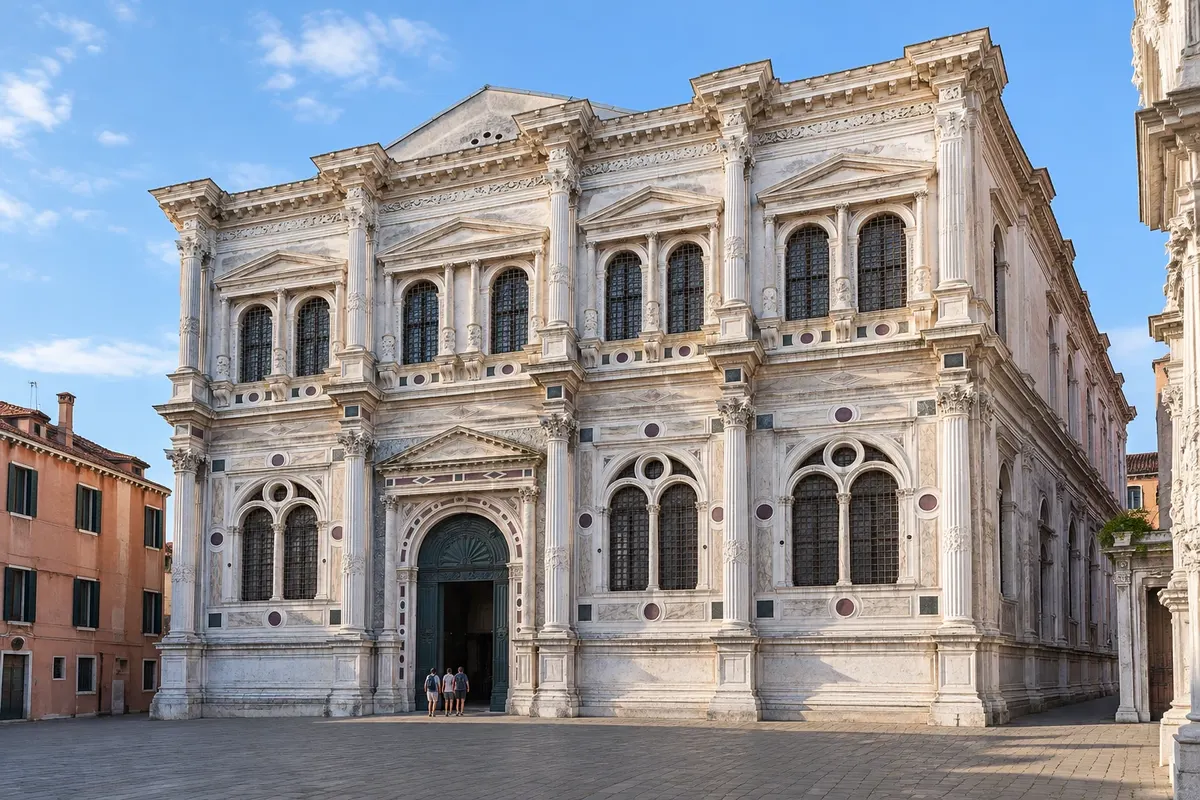
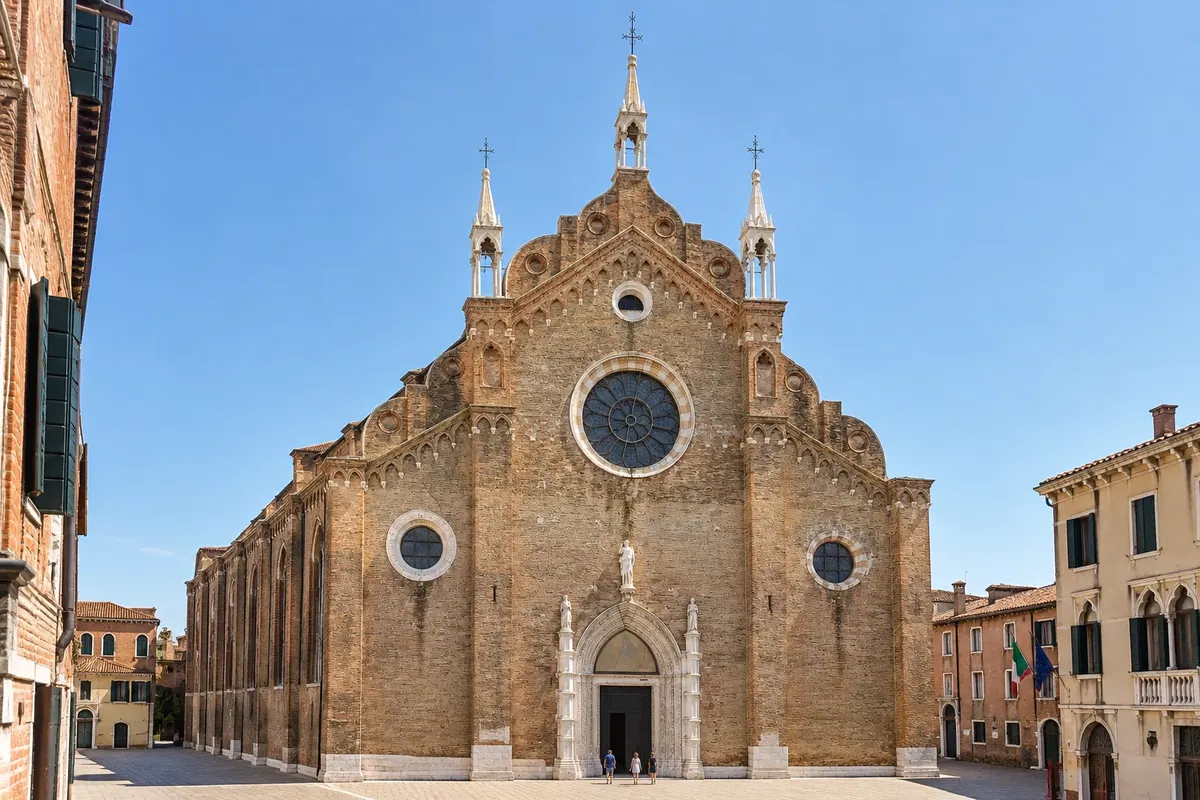
The Basilica di Santa Maria Gloriosa dei Frari, Franciscan, of brick, completed in 1443, houses Titian’s Assumption on the high altar, 7 m high, painted in 1518, the Madonna of Ca' Pesaro by the same painter, a Bellini triptych in the sacristy, Donatello’s sculpture of St. John the Baptist, the carved wooden choir, and the tombs of Titian and Canova (the pyramid). Next door, the Scuola Grande di San Rocco, seat of a confraternity founded in 1478, is Tintoretto’s home: more than 60 canvases painted between 1564 and 1588 cover the walls and ceilings of the Sala Terrena, the Sala Grande Superiore and the Sala dell'Albergo, including a 12 m Crucifixion; handheld mirrors help to view the ceilings. The two are 30 seconds apart, in the sestiere of San Polo.
Kraji na poti: Basilica di Santa Maria Gloriosa dei Frari, Scuola Grande di San Rocco.
Vključuje: Separate paid admission for each (ticket office on site; the Scuola includes an audio guide in some options).
Nasvet: See the Assumption at the Frari with morning light entering through the choir. At the Scuola, ask for the mirrors at reception and start on the upper floor.
Najboljši čas za obisk: Vse leto.
Cannaregio and the Ghetto: the quiet part of the city
Odhod: Vaporetto San Marcuola or on foot from the station Neighborhood walk Približno 2 uri in pol Popoldne Lahko
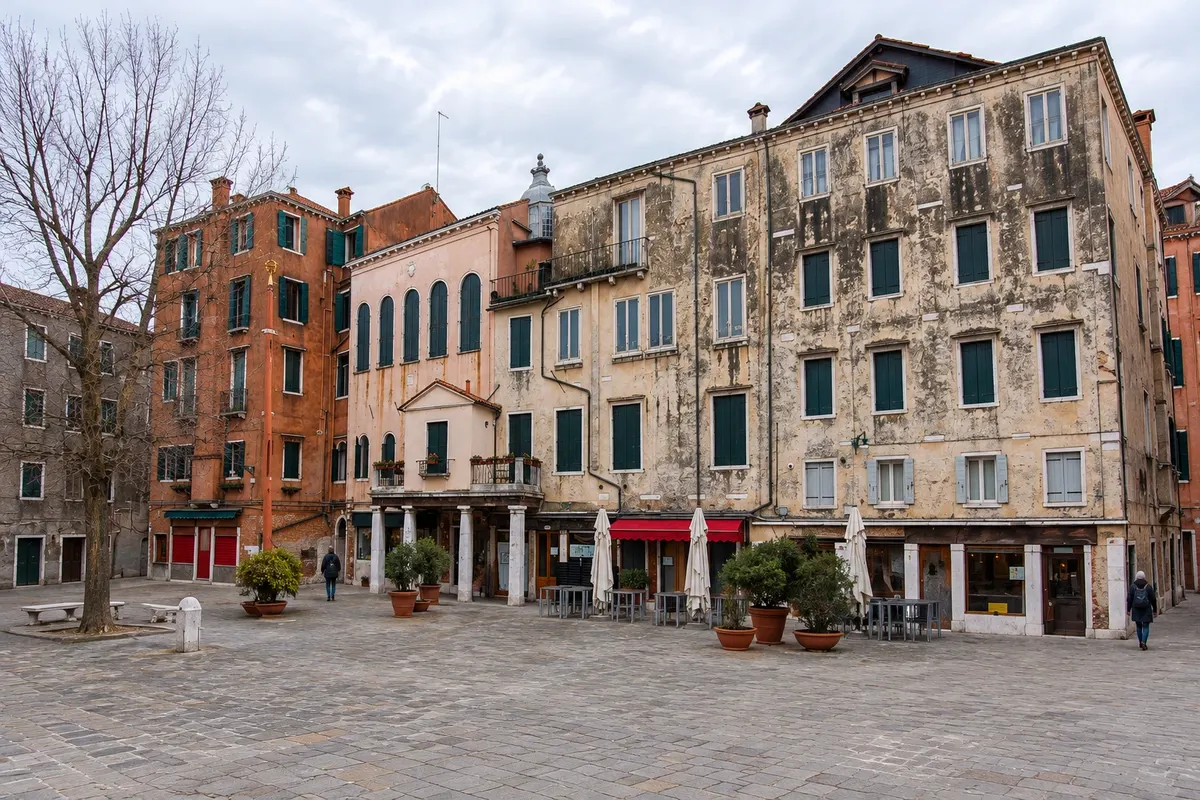
Cannaregio is the most populous sestiere and the least touristy, with straight canals and the fondamente (waterfront sidewalks) of Misericordia and degli Ormesini, where the bars Venetians frequent at night are located. The Ghetto di Venezia (Venice Ghetto), founded in 1516, was the first neighborhood in the world to bear that name, from the verb ‘gettare’ used at the old foundries: Jews were required to live on the island closed by gates at night, and for lack of space buildings grew up to seven stories, the tallest in the city. In the Campo del Ghetto Nuovo are the Museo Ebraico and the five synagogues from the 16th and 17th centuries, hidden on the upper floors and visited with a guide; the shops sell traditional breads and sweets. Nearby is the Madonna dell'Orto, Tintoretto’s church, with his paintings and the painter’s tomb, and the Ca' d'Oro, with its façade on the Grand Canal.
Kraji na poti: Ghetto di Venezia.
Vključuje: Self-guided walk. Museo Ebraico and guided synagogue visits paid separately. Madonna dell'Orto and Ca' d'Oro require admission.
Nasvet: Guided visits to the synagogues run at fixed times, in Italian and English, from Sunday to Friday (not on Saturdays). Dine on the Fondamenta della Misericordia; it's the part of Venice with the most Venetians at the tables.
Najboljši čas za obisk: Vse leto.
Murano, Burano and Torcello: the lagoon islands
Odhod: Fondamente Nove (vaporetto 12) or San Zaccaria Regular boat trip to the islands Približno 6 ur Ves dan Lahko
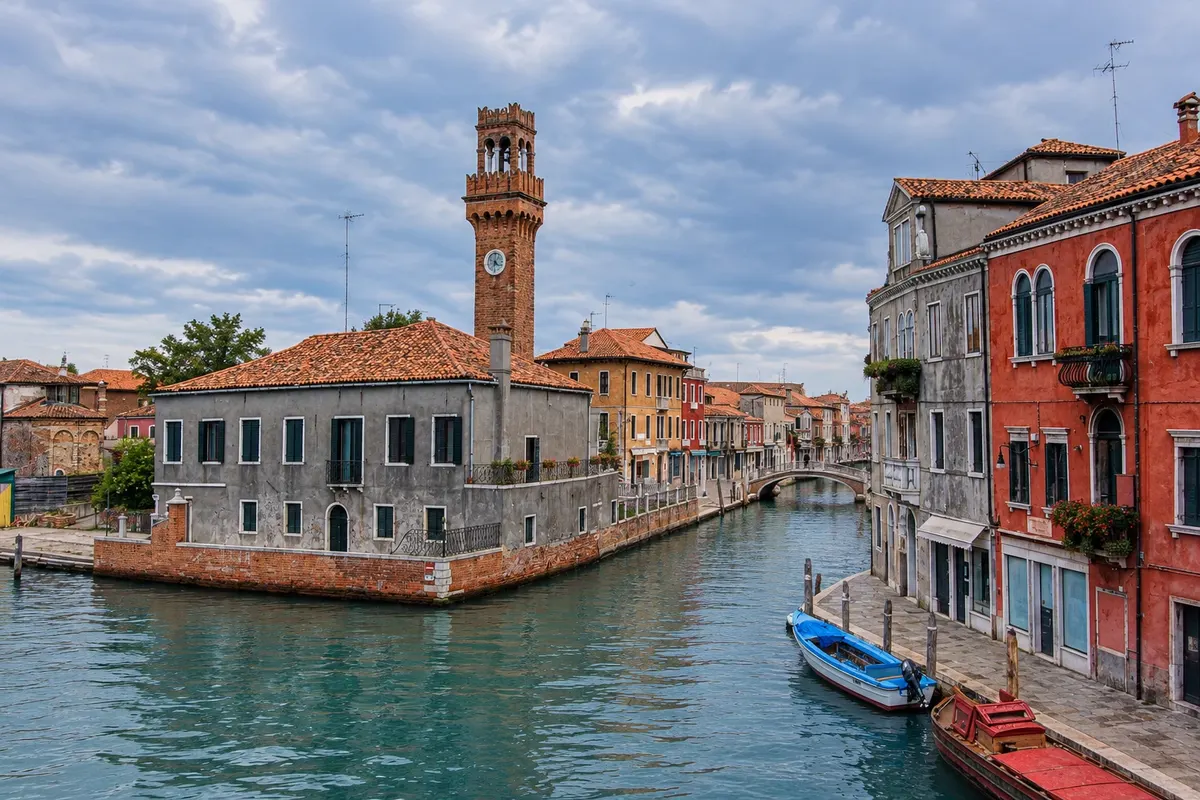
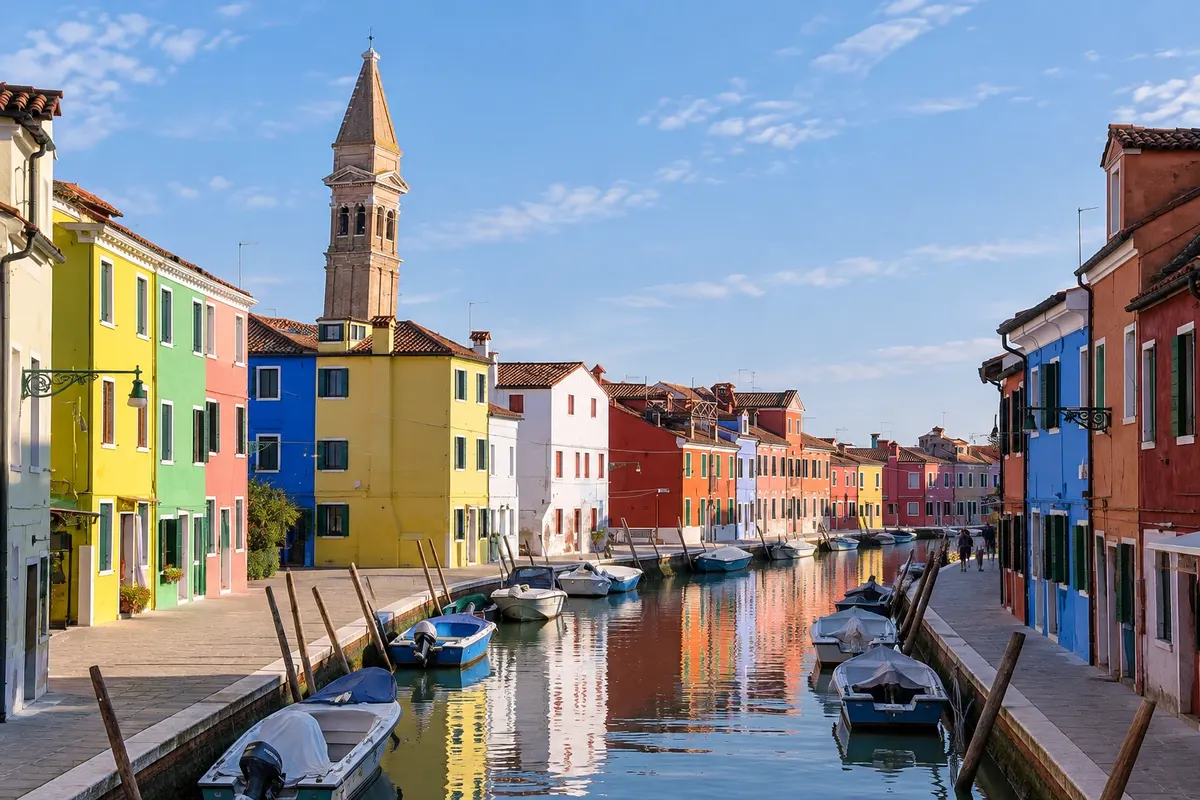
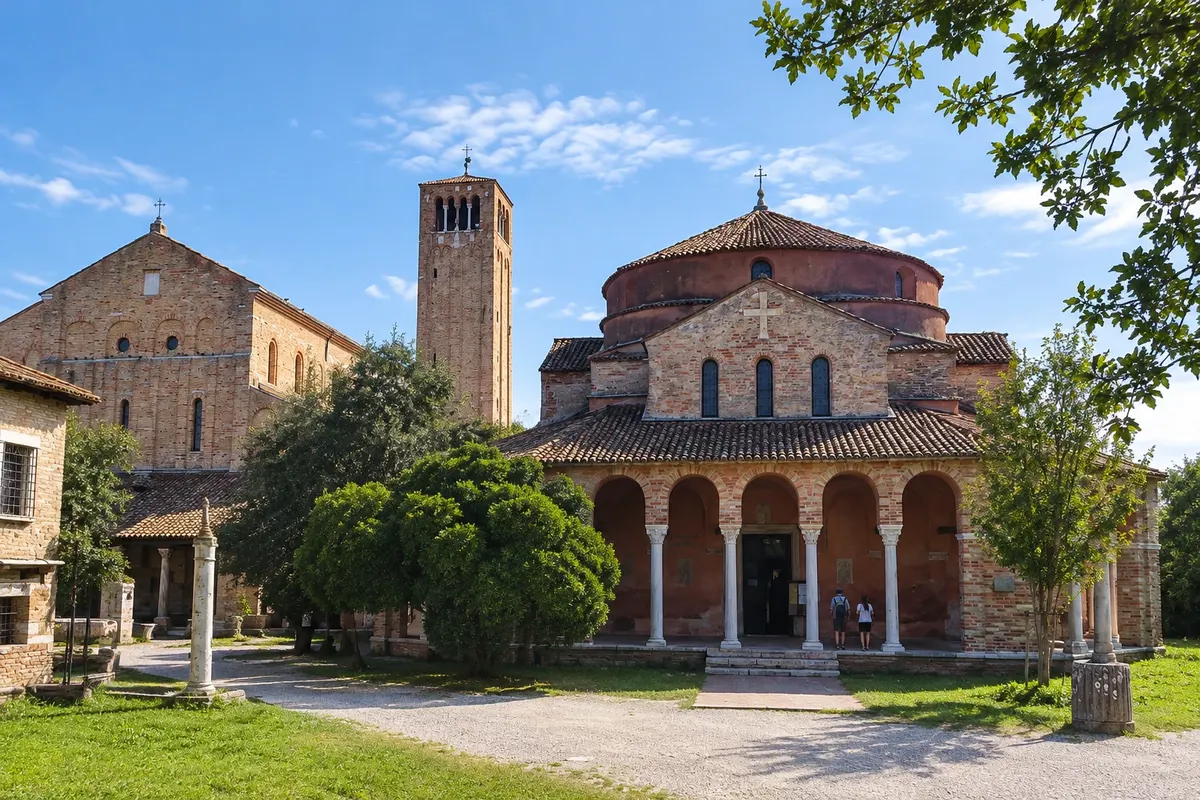
Line 12 departs from Fondamente Nove and links the three northern lagoon islands. Murano, about 10 minutes away, has been the glass island since 1291, when furnaces were moved out of the city for fear of fire: there are glass‑blowing demonstrations at the factories, the Museo del Vetro and the basilica of Santi Maria e Donato, with a 12th‑century mosaic pavement. Burano, roughly 40 minutes away, is the fishermen’s island with brightly painted houses, handmade lace (Museo del Merletto) and the leaning bell tower; the local cookie is the bussolà. Torcello, 5 minutes from Burano, was the first populated island in the lagoon, in the 5th century, and today has only a few dozen residents: the cathedral of Santa Maria Assunta, founded in 639, contains Byzantine mosaics of the Last Judgment and the Madonna on a gold background in the apse, and the bell tower looks out over the whole lagoon. Mazzorbo, linked to Burano by a bridge, has the Venissa vineyard.
Kraji na poti: Murano, Burano, Torcello.
Vključuje: Vaporetto paid separately (the 1‑day pass includes the islands). Glass Museum, Lace Museum and Torcello cathedral require admission; glass‑blowing demonstrations at factories are generally free, though the workshops usually expect a purchase.
Nasvet: Go early and in the order Torcello, Burano, Murano, returning against the flow of the tour groups; or skip Murano if time is short. Check ACTV's website for the timetables of line 12: the interval is 30 minutes and the boat fills up.
Najboljši čas za obisk: All year. On Burano the colors look better with sun; in winter the lagoon can be misty.
San Giorgio Maggiore: the view facing San Marco
Odhod: Vaporetto San Giorgio (line 2, from San Zaccaria) Church and bell tower on the island Približno 1 uro in 30 minut Popoldne easy (elevator)
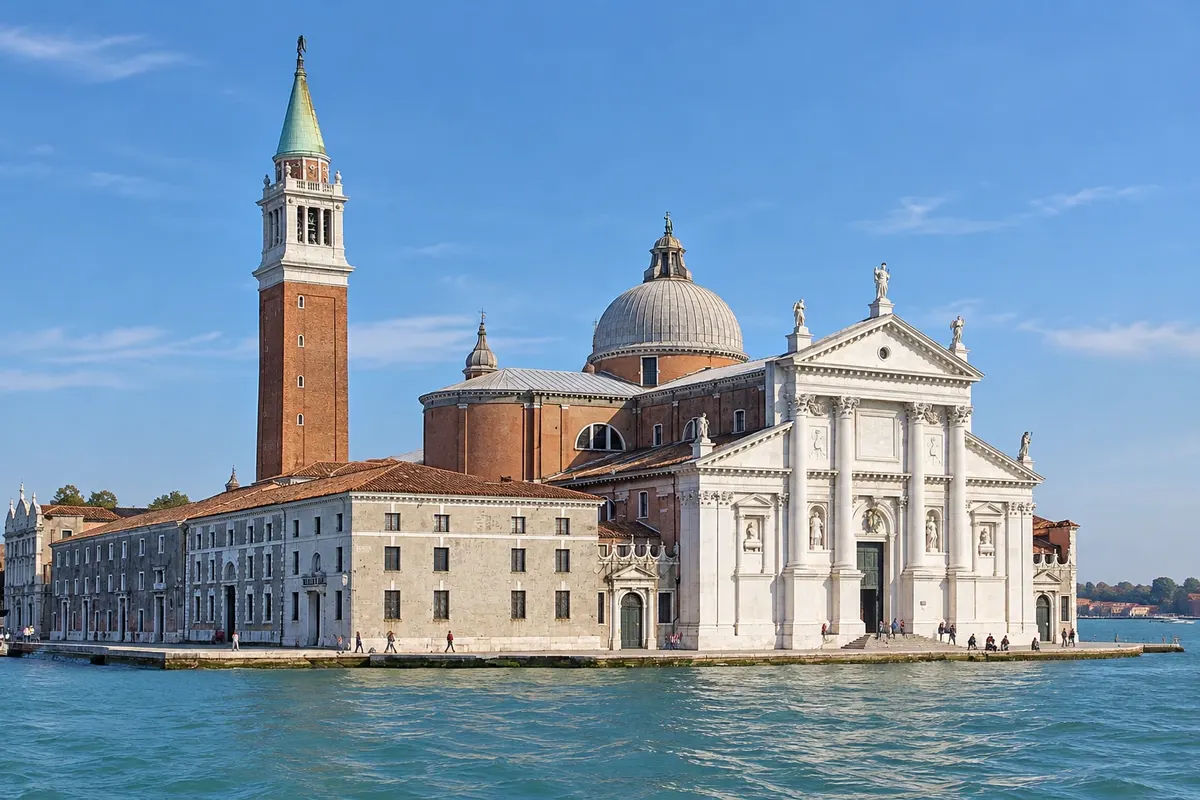
The Basilica di San Giorgio Maggiore, by Andrea Palladio, begun in 1566, occupies the island opposite the Piazzetta San Marco, across the Bacino. The white classical temple façade is the view seen from the Palazzo Ducale; inside, the bright nave and two canvases by Tintoretto, the Last Supper and the Gathering of the Manna, in the presbytery. The campanile’s elevator rises to the belvedere with the most complete view of Venice: the square, the domes of San Marco, the Salute, the Giudecca and the lagoon, without the crowds of the square’s Campanile. The Benedictine monastery beside it houses the Fondazione Giorgio Cini, with Palladio’s cloister, Longhena’s library and Borges’s labyrinth, visited with a guide. Vaporetto line 2 crosses from San Zaccaria in 3 minutes.
Kraji na poti: Basilica di San Giorgio Maggiore.
Vključuje: Basilica free of charge; campanile requires separate payment (ticket office at the church). Guided visit to the Fondazione Cini is paid separately, with fixed times.
Nasvet: Go up the campanile late in the afternoon to see San Marco with the sun behind you. There are no cafés on the island except the Fondazione’s: bring water.
Najboljši čas za obisk: Vse leto.
Lido di Venezia: beach and cycling on the long island
Odhod: Lido vaporetto (lines 1, 5.1, 5.2) Beach and bike ride Približno 4 ure Popoldne Lahko
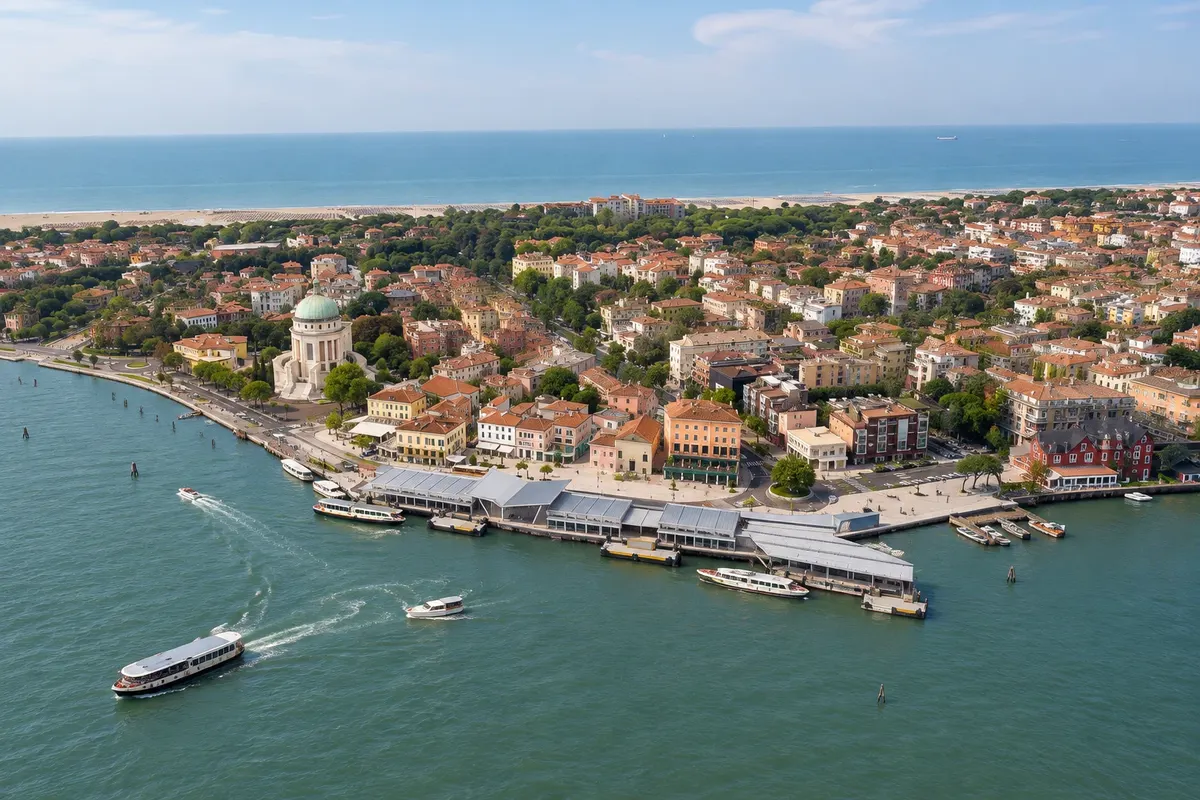
The Lido di Venezia is the 11 km island that separates the lagoon from the Adriatic Sea, a 15-minute vaporetto ride from San Marco: the only part of Venice with cars, tree-lined streets and a beach. On the Gran Viale, which connects the quay to the sea, you can rent bicycles; the public beach is at the ends (Blue Moon and San Nicolò), and the private establishments with colorful cabanas of the grand Belle Époque hotels, like the Excelsior, charge for chairs. In the first week of September, the Venice Film Festival (Mostra del Cinema, since 1932) occupies the Palazzo del Cinema. Cycling south leads to Malamocco, the old village, and the Alberoni tip, with dunes and a nature reserve; to the north is San Nicolò, where the doge used to throw the ring into the sea during the Sensa festival. The sea is shallow and generally calm, with swimming season from June to September.
Kraji na poti: Lido di Venezia.
Vključuje: Vaporetto ticket paid separately (urban ticket). Public beach free of charge; chairs and private cabanas at beach establishments are paid separately. Bicycle rental paid separately.
Nasvet: Bike to Malamocco and Alberoni, away from the hotel beaches. In September, during the Film Festival, the Lido gets crowded and hotels stop taking reservations; otherwise it’s quiet.
Najboljši čas za obisk: June to September for swimming; April to October for cycling.
Libreria Acqua Alta and Castello: the east side on foot
Odhod: Campo Santa Maria Formosa Neighborhood walk Približno 2 uri in pol Dopoldne ali popoldne Lahko
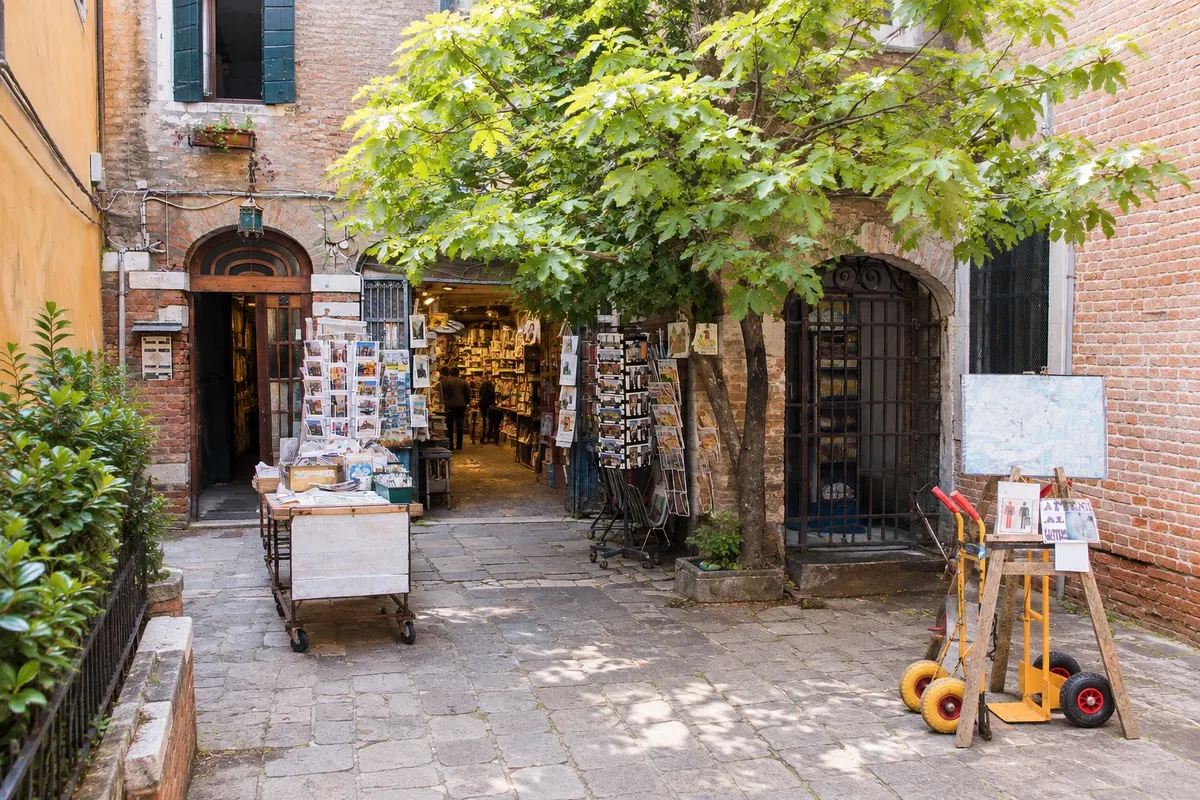
Castello is the largest sestiere and mixes the busy center near San Marco with residential neighborhoods around the Arsenale. The Libreria Acqua Alta, in an alley behind Campo Santa Maria Formosa, is the bookstore where books sit in bathtubs, boats and a gondola to escape the tides, with a staircase made from old volumes that leads down to the canal; it’s more an attraction than a bookstore, and it’s almost always crowded. Nearby are the church of Santi Giovanni e Paolo (San Zanipolo), the doges’ pantheon, with the Scuola Grande di San Marco beside it, and the Scuola di San Giorgio degli Schiavoni, which houses Carpaccio’s cycle. To the east is Via Garibaldi, the wide street opened by Napoleon, with a boat market and local bars, and the Giardini, the Biennale park with national pavilions; the Arsenale, the Republic’s shipyard that once built a galley a day, opens during exhibition periods.
Kraji na poti: Libreria Acqua Alta.
Vključuje: Free walking; bookstore with no entrance fee. Churches and the Scuola degli Schiavoni require admission. Biennale (Giardini and Arsenale) require tickets during the season.
Nasvet: Go to the Libreria Acqua Alta at opening time, before the line for the photo on the book staircase. Castello is the part of town to dine among Venetians: Via Garibaldi has outdoor tables.
Najboljši čas za obisk: All year; from May to November, in Biennale years (art in odd-numbered years, architecture in even-numbered years), the Giardini and the Arsenale are open.


 Brazilija
 Antarktika
 Argentina
 Bolivija
 Čile
 Kolumbija
 Ekvator
 Gvajana
 Francoska Gvajana
 Falklandski otoki (Malvini)
 Paragvaj
 Peru
 Surinam
 Urugvaj
 Venezuela
 Nemčija
 Avstrija
 Belgija
 Hrvaška
 Danska
 Slovaška
 Slovenija
 Španija
 Finska
 Francija
 Grčija
 Nizozemska
 Madžarska
 Irska
 Islandija
 Luksemburg
 Norveška
 Poljska
 Portugalska
 Združeno kraljestvo
 Češka
 Švedska
 Švica
 Turčija
 Bermudi
 Kanada
 Združene države Amerike
 Grenlandija
 Mehika
 Sveta Peter in Mihael
 Dominikanska republika
 Japonska
 Južnoafriška republika
 Egipt
 Avstralija
 Fidži
 Nova Zelandija
 Papua Nova Gvineja


 januar/februar/marec