

Jed · Catania
Pasta alla Norma
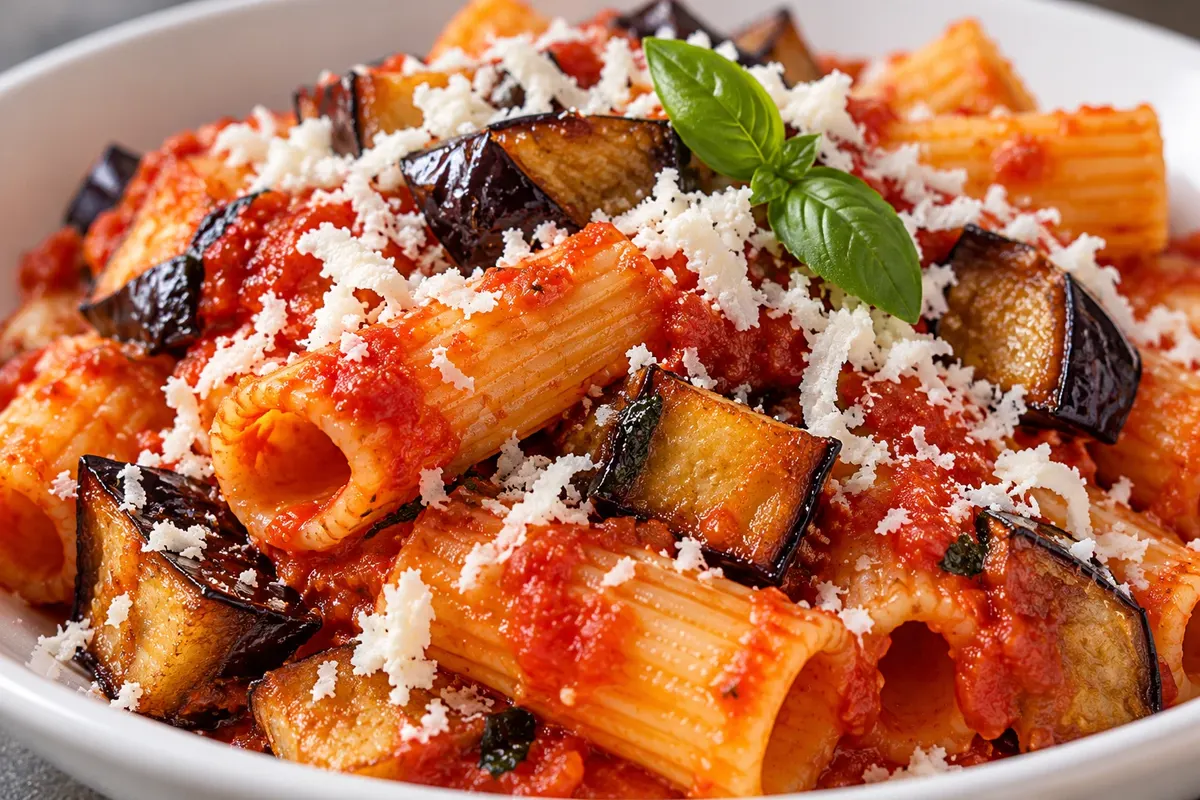
Pasta with tomato sauce, fried eggplant, basil and grated salted ricotta on top. It’s the dish that identifies Catania, and the name honors the opera Norma by Catanian composer Vincenzo Bellini.

 Išči
 Brazilija
 Antarktika
 Argentina
 Bolivija
 Čile
 Kolumbija
 Ekvator
 Gvajana
 Francoska Gvajana
 Falklandski otoki (Malvini)
 Paragvaj
 Peru
 Surinam
 Urugvaj
 Venezuela
 Nemčija
 Avstrija
 Belgija
 Hrvaška
 Danska
 Slovaška
 Slovenija
 Španija
 Finska
 Francija
 Grčija
 Nizozemska
 Madžarska
 Irska
 IslandijaItalija
 Luksemburg
 Norveška
 Poljska
 Portugalska
 Združeno kraljestvo
 Češka
 Švedska
 Švica
 Turčija
 Bermudi
 Kanada
 Združene države Amerike
 Grenlandija
 Mehika
 Sveta Peter in Mihael
 Dominikanska republika
 JaponskaTurčija
 Južnoafriška republika
 Egipt
 Avstralija
 Fidži
 Nova Zelandija
 Papua Nova Gvineja
Sicília · Italija
Destinacija: Sicily.
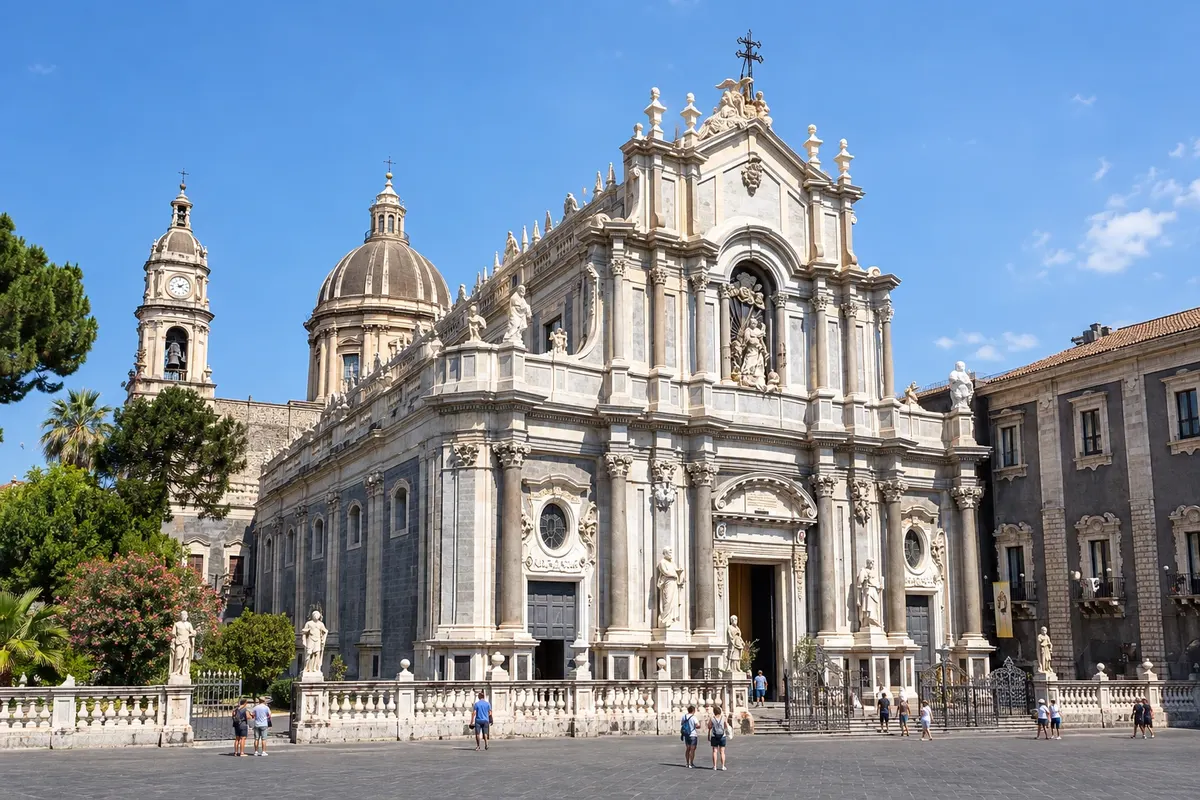
Na fotografiji: Cattedrale di Sant’Agata, Catania
Illustrative images. The pictures in this guide are illustrations based on the real place, not photographs, and may differ from it.
Mesto
Catânia is the second-largest city in Sicily, on the east coast at the foot of Mount Etna. The center was rebuilt in Baroque style after the 1693 earthquake, using a lot of dark lava stone. It has the Piazza del Duomo with the Fontana dell'Elefante and the Cattedrale di Sant'Agata, the fish market La Pescheria, the Via Etnea, the Monastero dei Benedettini, the Roman theatre and the Castello Ursino. It is the gateway to Etna.
V vodniku še ni nastanitev – Catania.
kako do tja · koliko dni · načrt poti · vprašanja
Lokalni okusi – of Italija
Doživite kraj
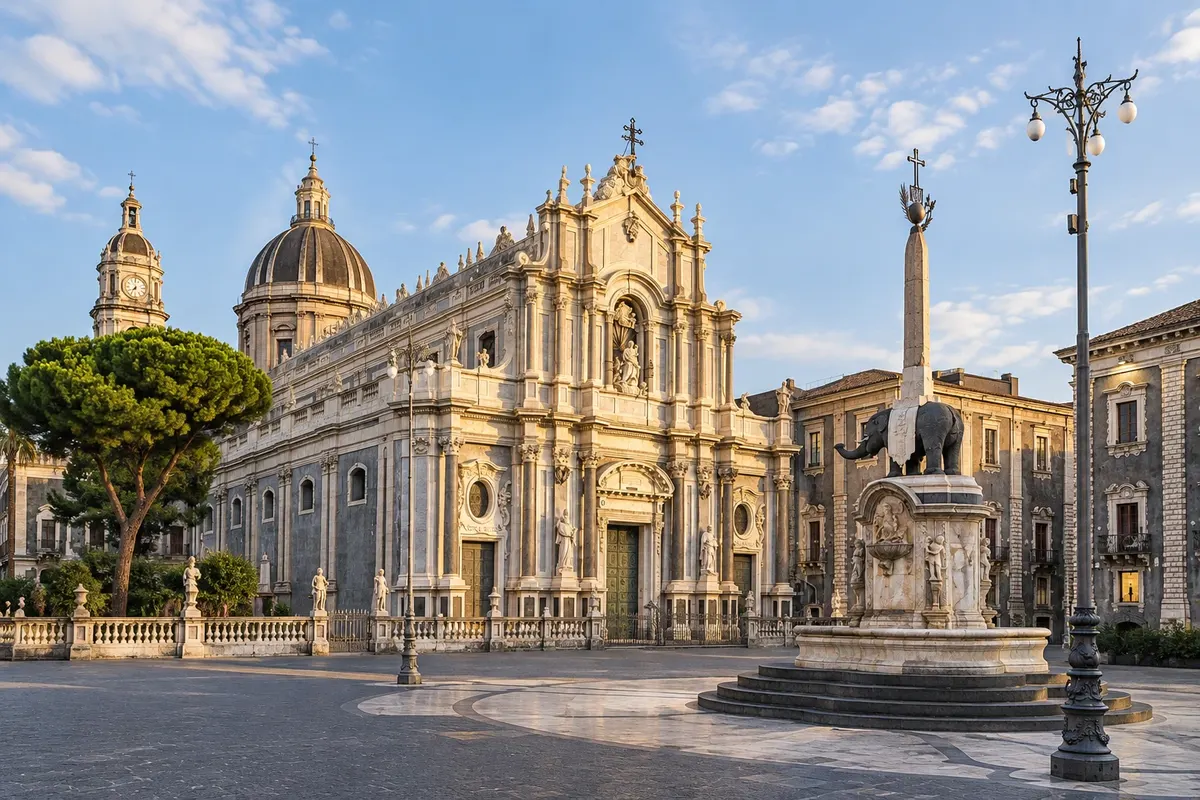
The main square of Catânia, surrounded by Baroque buildings, with the Fontana dell'Elefante, the lava-stone elephant that is the symbol of the city.
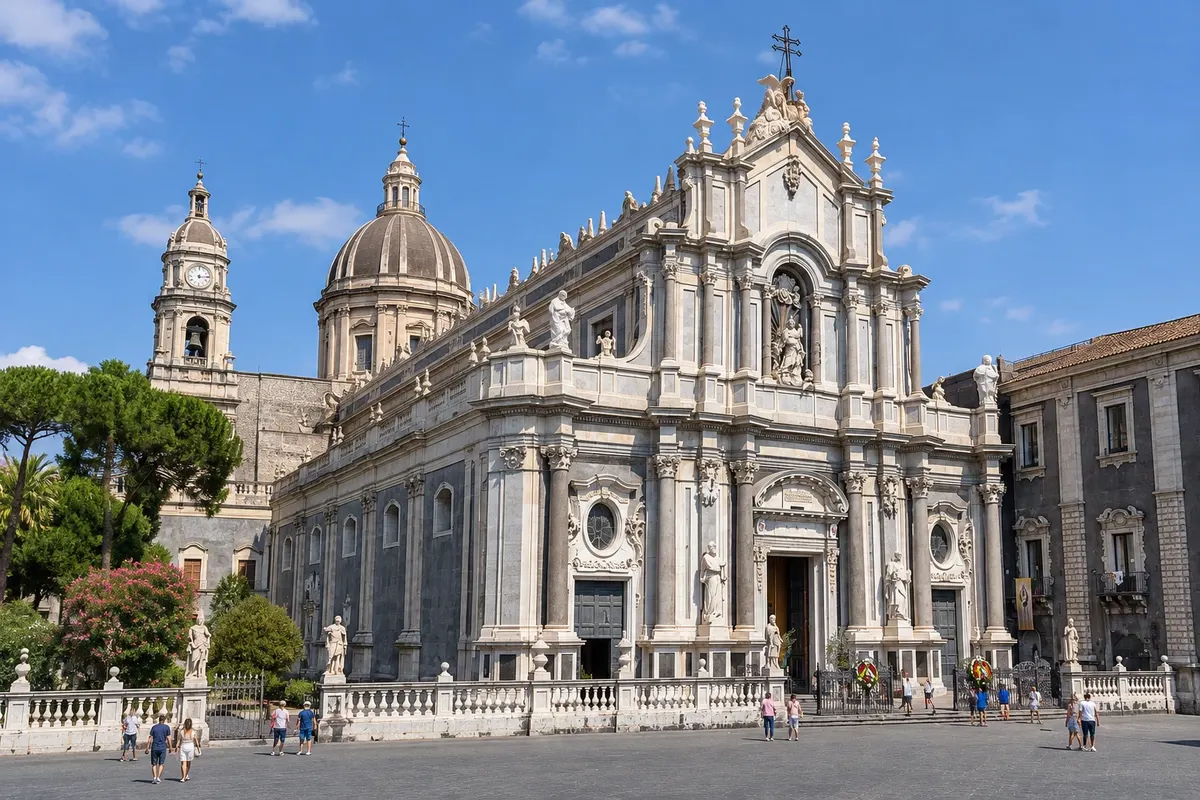
The cathedral of Catania, dedicated to the patron saint Santa Águeda. Baroque façade by Vaccarini, Norman apses of lava stone and the tomb of Vincenzo Bellini.
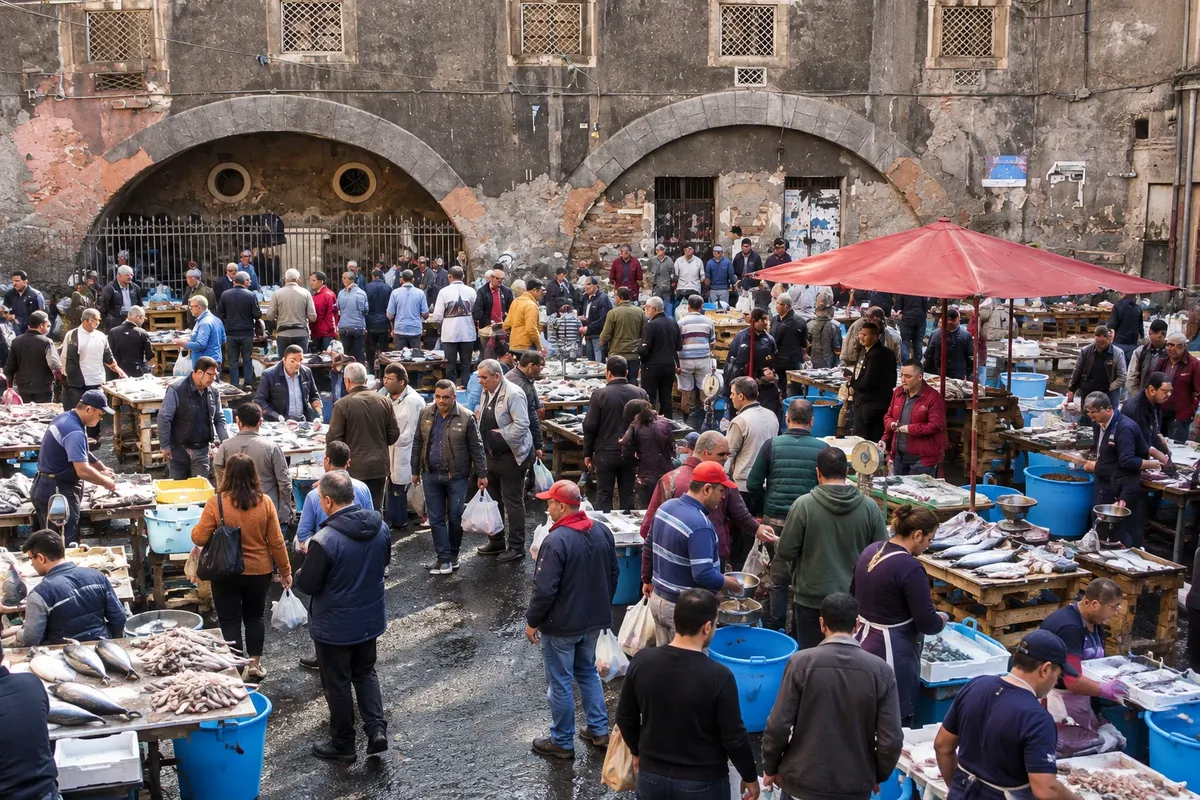
Catania's fish market, next to the Piazza del Duomo, with noisy stalls selling fish, seafood, fruits and vegetables in the surrounding alleys.
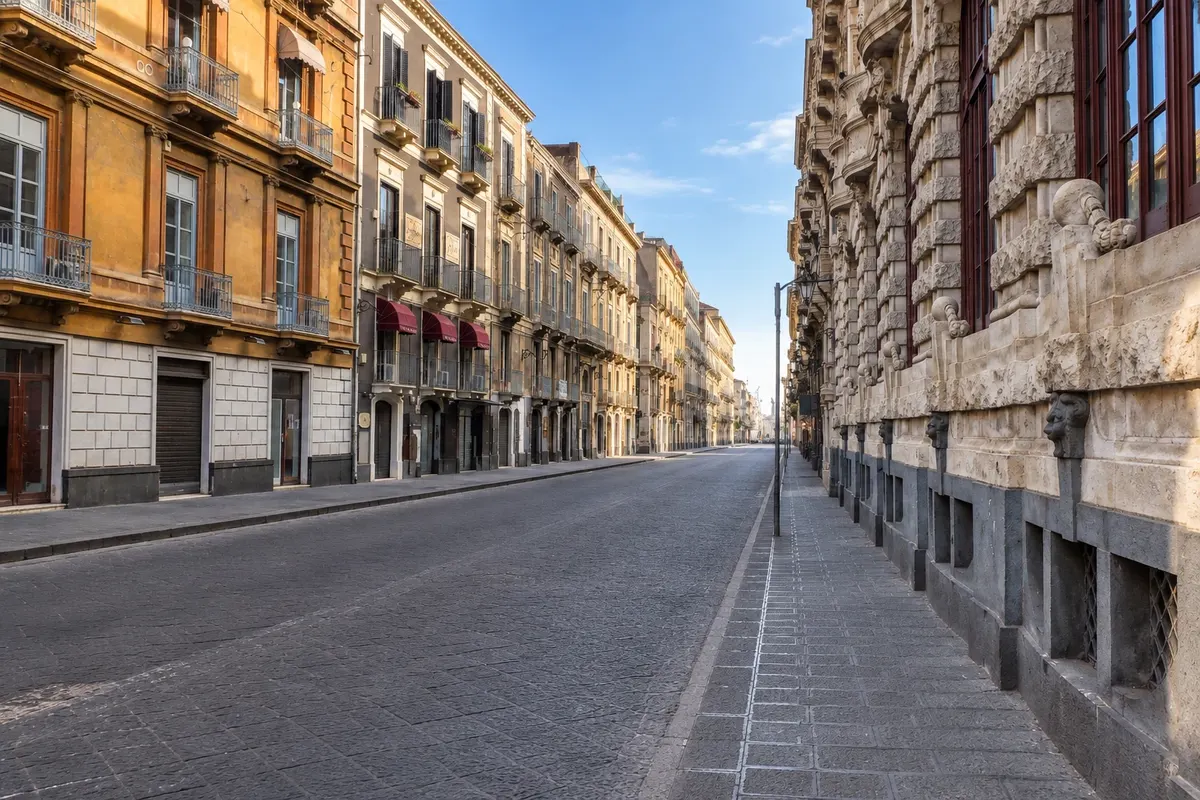
Catania's main street, which starts at the Piazza del Duomo and climbs straight toward the Etna, with Baroque churches, shops, cafés and the garden of the Villa Bellini.
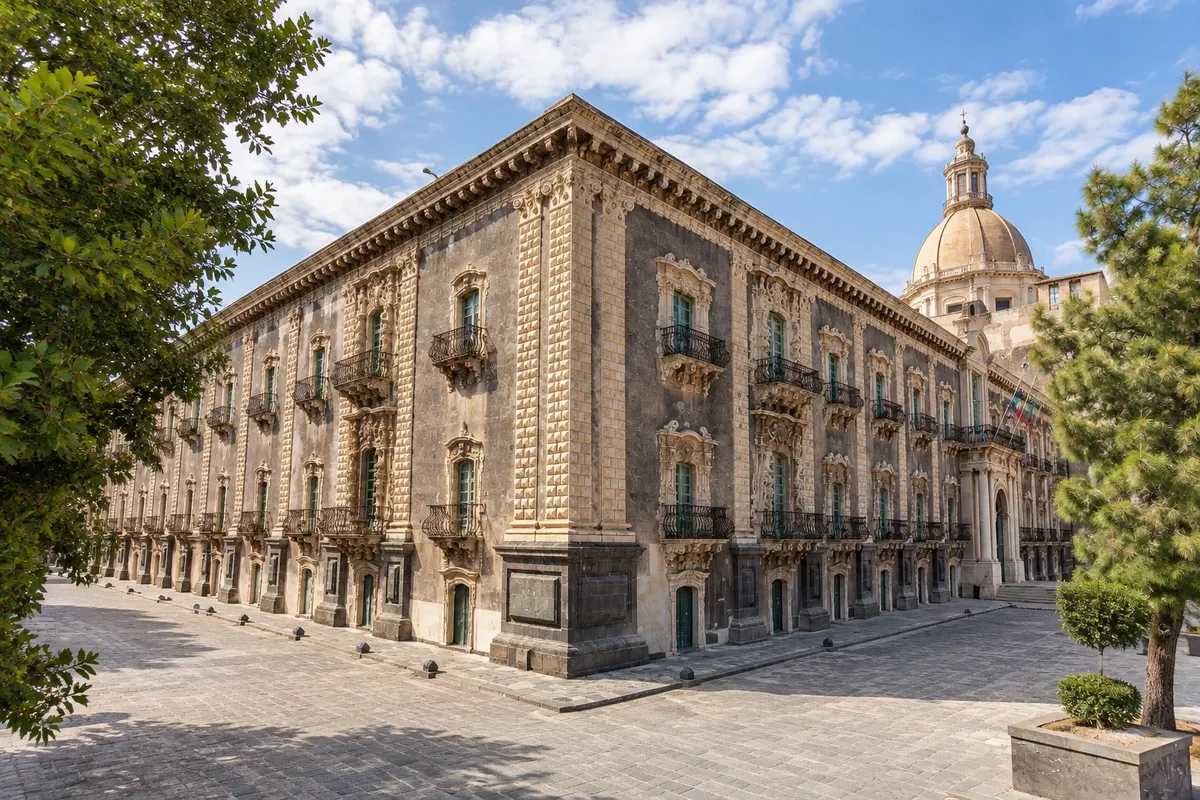
One of the largest monastic complexes in Europe, rebuilt in Baroque style after the 1669 lava flow and the 1693 earthquake. Today it houses faculties of the University of Catania.
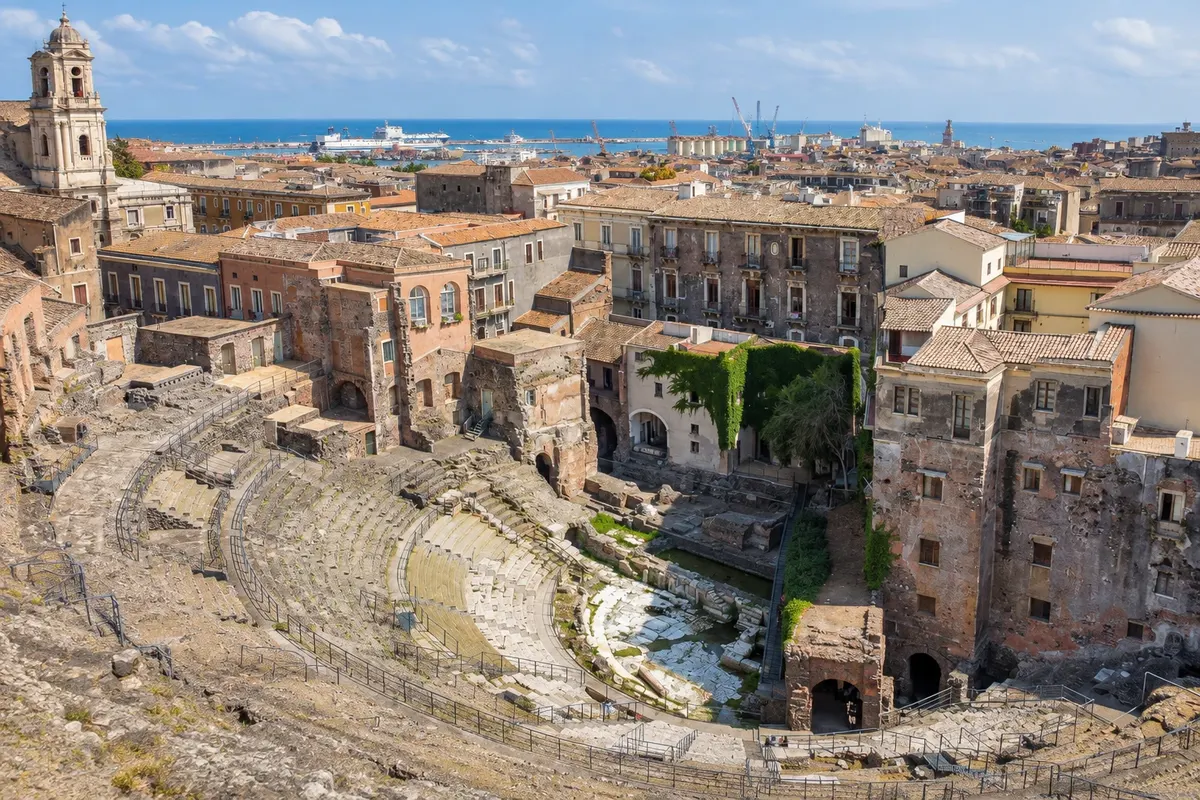
Greco-Roman theatre in the middle of the historic centre, with lava stone seating surrounded by houses, and the small Odeon next to it.
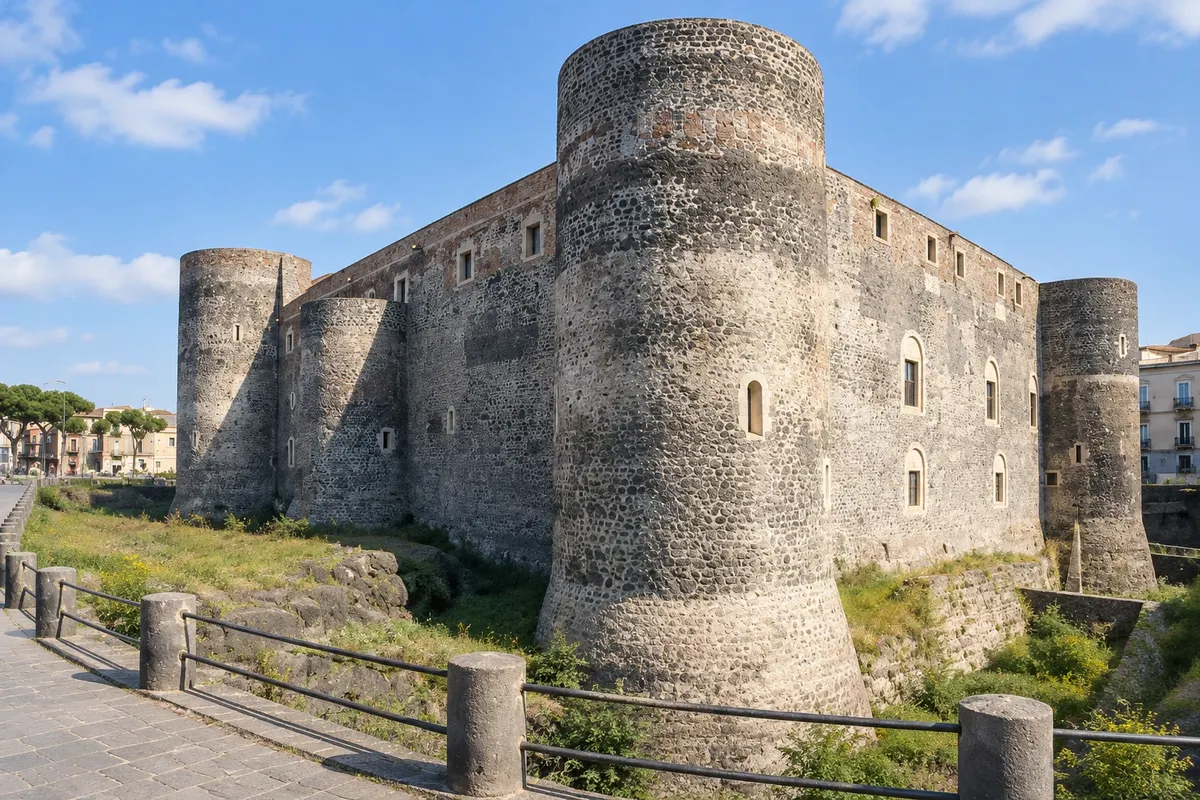
Castle built by Frederick II in the 13th century, surrounded by the lava of 1669. It houses the Museo Civico, with archaeology, sculptures and paintings.
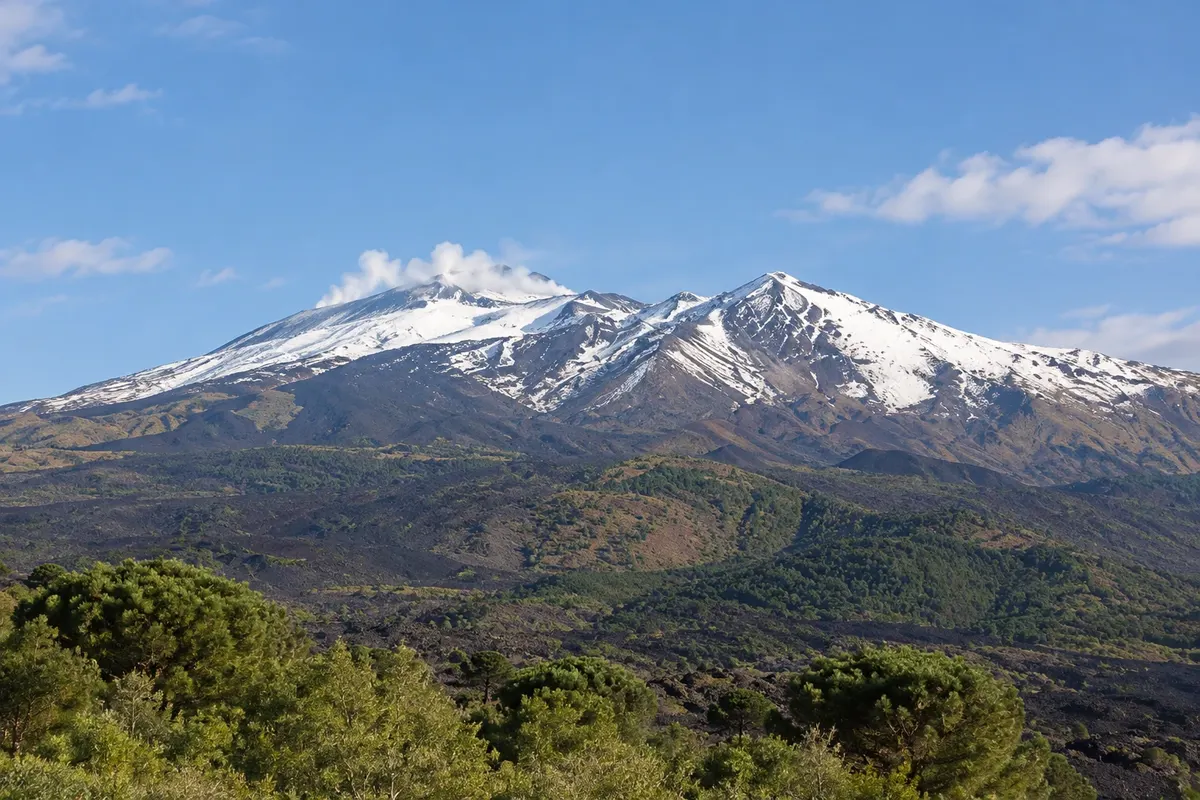
The highest active volcano in Europe, a UNESCO World Heritage site. On the southern side: Rifugio Sapienza, the Crateri Silvestri and the cable car; access to the summit craters follows the rules set by the authorities.
Pred odhodom
Catania – Sicily Destinacija Sicily približno 208 km stran (izhodišče: Palermo)
Razdalje so približne. Pred potovanjem preverite lete in vozne rede avtobusov, vlakov ali ladij.
Check before buying. The most common route is a domestic flight from Rome or Milan to Catânia airport (CTA), about 5 km from the centre, with buses and taxis to the city. There are also Intercity trains from Rome that cross the Strait of Messina by ferry, a long journey. From Palermo, buses and trains make the trip in about 3 hours; confirm schedules.
One day is enough for the Baroque centre, the Pescheria, the Via Etnea and the Monastero dei Benedettini. With two days, set aside the second for Etna. Catânia also works as a base for day trips to Taormina and Siracusa, each about 1 hour away by train or bus.
From April to June and from September to October the weather is usually good for walking. July and August are very hot. Winter is mild on the coast, but Etna can have snow in the cold months. From February 3 to 5 the city holds the festival of Sant'Agata, its patron saint, with processions and many people in the streets.
The seasons shown are the most usual ones; nature doesn't always follow the calendar.
For the city, no: the centre is walked and there is a ZTL (limited traffic zone), closed to outside cars. For Etna, a car helps, but there is a daily bus from Catânia to Rifugio Sapienza and tours with transport. Taormina and Siracusa can be reached by train or bus.
Predlog poti
Pot povezuje znamenitosti na tej strani. Za oglede boste imeli dovolj časa.
Start early at the Pescheria, when the fish market is at its peak. Walk up to the Piazza del Duomo, see the Fontana dell'Elefante and enter the Cattedrale di Sant'Agata, where the tomb of the composer Vincenzo Bellini is located.
Have lunch near the centre and walk along the Via dei Crociferi to the Monastero dei Benedettini. The guided visit shows cloisters, kitchens and the library. On the way, stop at the Roman theatre on Via Vittorio Emanuele.
Walk up the Via Etnea, the main street, with Etna in the background when the sky is clear. Finish in the garden of Villa Bellini, which has views of the volcano from some spots.
Return to the Piazza Università and Duomo area for dinner. Order an arancino, Catânia's typical rice ball, and try the granita.
Dan 1
Spend the morning at the Pescheria, the Piazza del Duomo and the Cattedrale di Sant'Agata, with a stop at the Piazza Università.
Take the guided tour of the Monastero dei Benedettini and see the Roman theatre, a short walk away, built with volcanic stone.
Walk down to the Castello Ursino, Frederick II’s castle that now houses the municipal museum. Note the lava of 1669 that reached its walls.
Stroll along the illuminated Via Etnea and dine in the centre.
Dan 2
Leave early for the southern side of Etna, to Rifugio Sapienza. Walk around the Crateri Silvestri and, if the weather and the volcano allow, go up by cable car.
Those who want to go higher should book an excursion with an authorised guide. Check on the day which areas are open, because accessible zones change according to the volcano's activity.
On the way down, stop in Nicolosi, a village on the volcano’s slope. Bring a jacket: it is cold up there even in summer.
Dine in the historic centre, near the Duomo or the Piazza Università.
Check before you go. Opening hours and days change, and places may close for renovations, holidays or events. This itinerary is a suggestion from Cidade Turismo, not a commitment: plan yours by checking directly with each place you intend to visit.
Pred odhodom
Catânia is worth at least one day for its Baroque centre, the market and the street food. It is also the most practical base for Etna and has train and bus connections to Taormina and Siracusa.
Yes. A daily bus departs Catânia in the morning to Rifugio Sapienza on the southern side and returns in the afternoon. Agencies also sell tours with transport. Confirm schedules before going.
By regional train, about 1 hour to Taormina (Taormina-Giardini station) and a little longer to Siracusa. There are also direct buses. Check schedules.
From February 3 to 5. It is one of Italy's largest religious festivals, with processions through the centre. The city gets crowded and accommodation should be booked early.
Arancino (stuffed rice ball), pasta alla Norma (with eggplant and salted ricotta), fresh fish from the Pescheria and granita, which people in Catânia even have at breakfast, with brioche.
Več kot vodnik


