Carciofi alla giudia
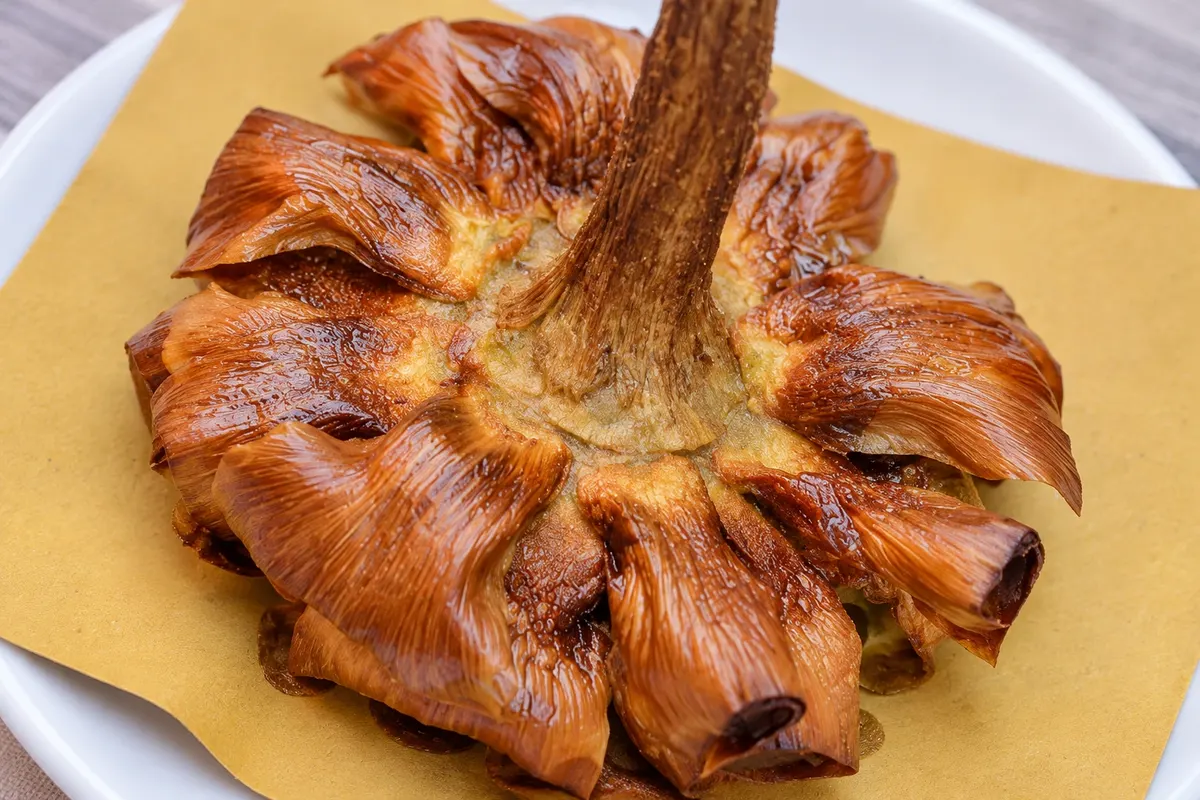
Whole Roman-style artichokes, fried twice in olive oil until they open like a golden flower, with crispy leaves and a tender heart. It is a dish from the Roman-Jewish tradition, linked to the city’s old ghetto.
Antarktika
Lácio · Italija Capital
Destinacija: Rome and the Vatican.
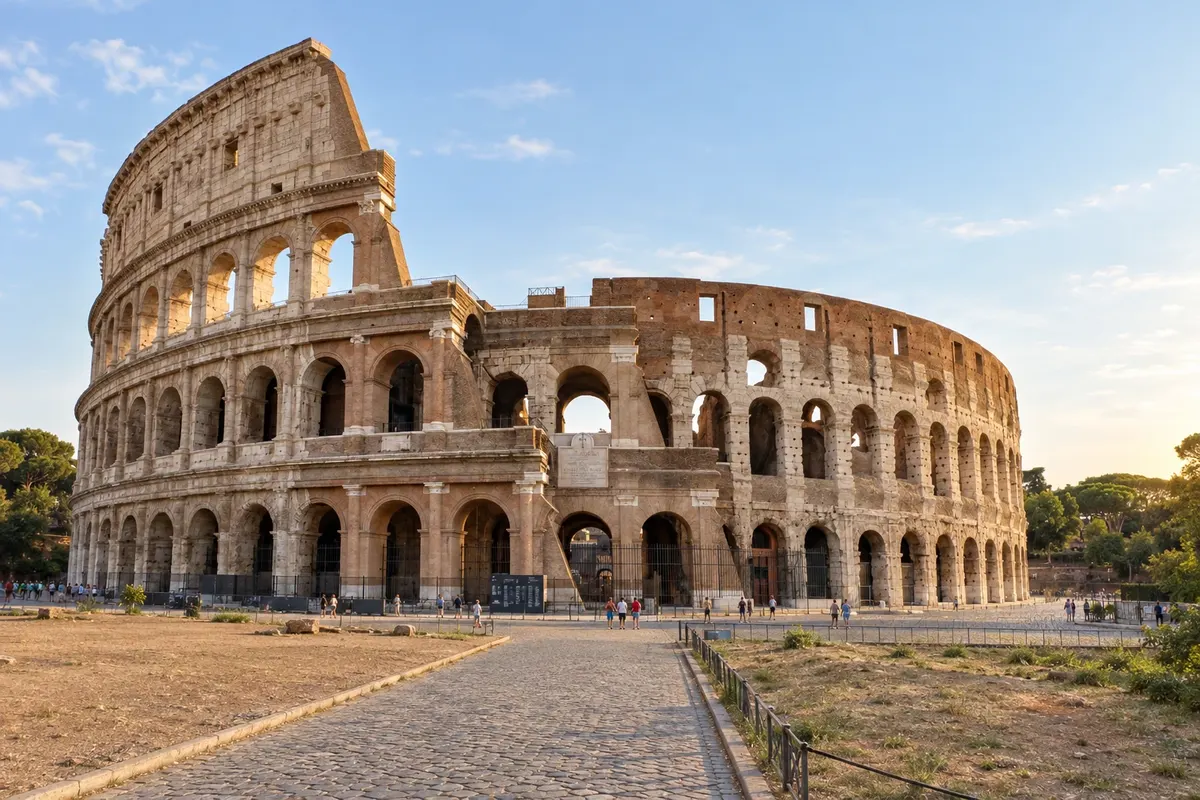
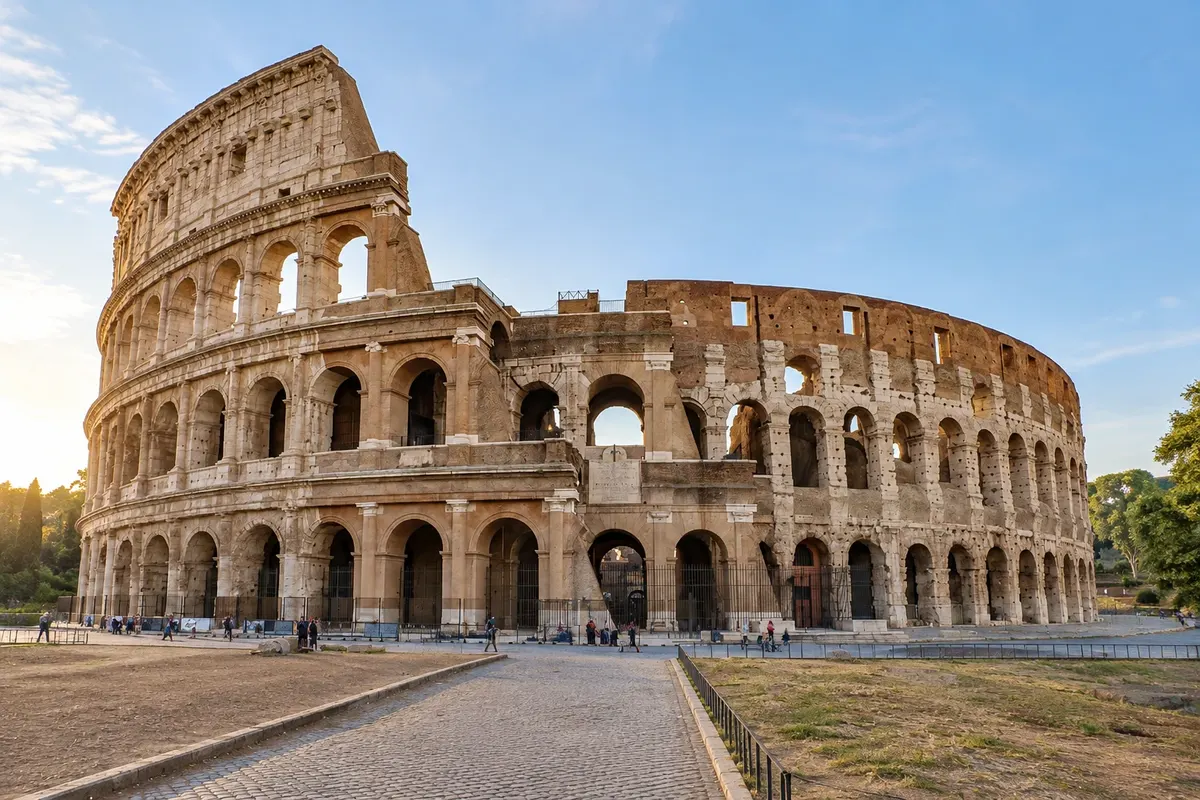
Na fotografiji: Colosseo, Roma
Illustrative images. The pictures in this guide are illustrations based on the real place, not photographs, and may differ from it.
Mesto
Capital of Italy, Roma combines the ruins of the empire, such as the Coliseu, the Foro Romano and the Pantheon, with the baroque squares and fountains of the Piazza Navona and the Fontana di Trevi. Within the city lies the Cidade do Vaticano, another State, with the Basílica de São Pedro and the Museus Vaticanos. It has the Galleria Borghese, the Castel Sant'Angelo and neighborhoods like Trastevere for dining at night.
V vodniku še ni nastanitev – Rome.
kako do tja · koliko dni · načrt poti · vprašanja
Lokalni okusi – of Italija

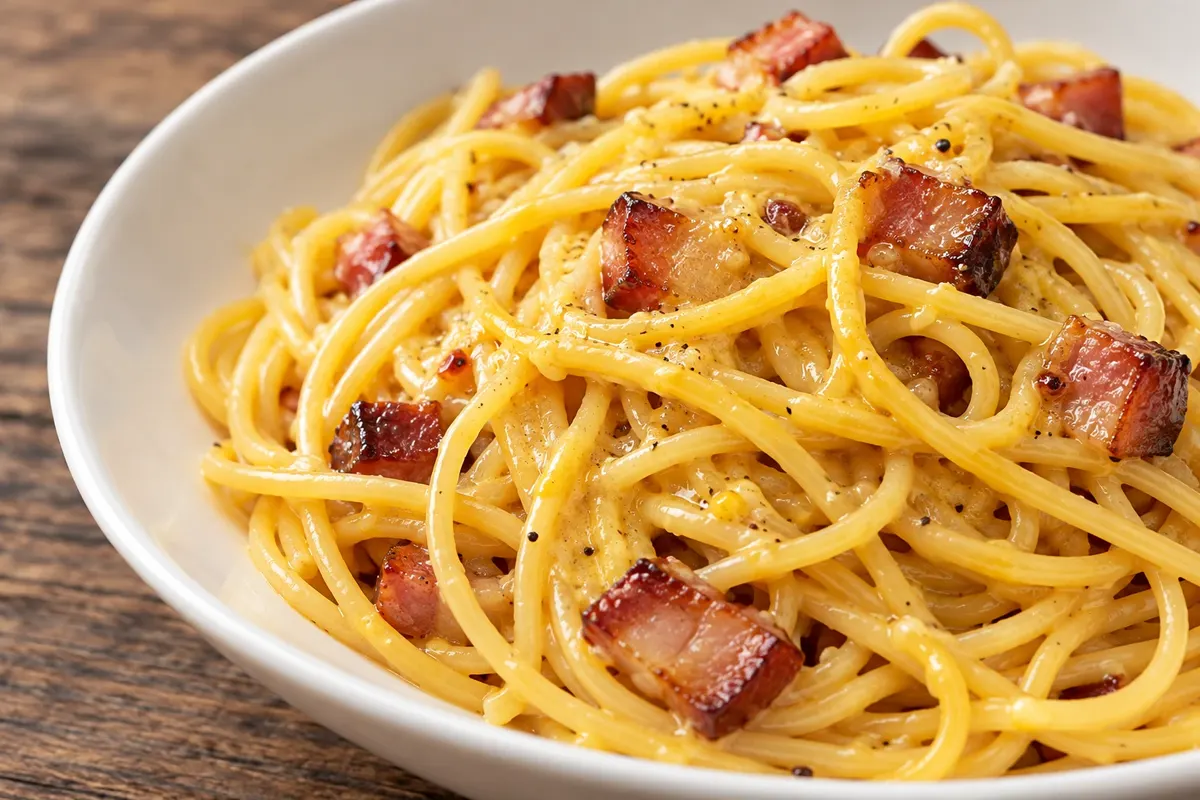
Whole Roman-style artichokes, fried twice in olive oil until they open like a golden flower, with crispy leaves and a tender heart. It is a dish from the Roman-Jewish tradition, linked to the city’s old ghetto.

Pasta seasoned with egg yolk, toasted guanciale, pecorino romano and freshly ground black pepper. The cream forms from the heat of the pasta, without heavy cream. Although the origin is debated, it is one of the dishes that identify Roman cuisine.
Doživite kraj
The largest amphitheatre of the Roman Empire, inaugurated in 80 AD, where gladiator fights and animal hunts took place. The visit requires a nominal ticket with a scheduled time.
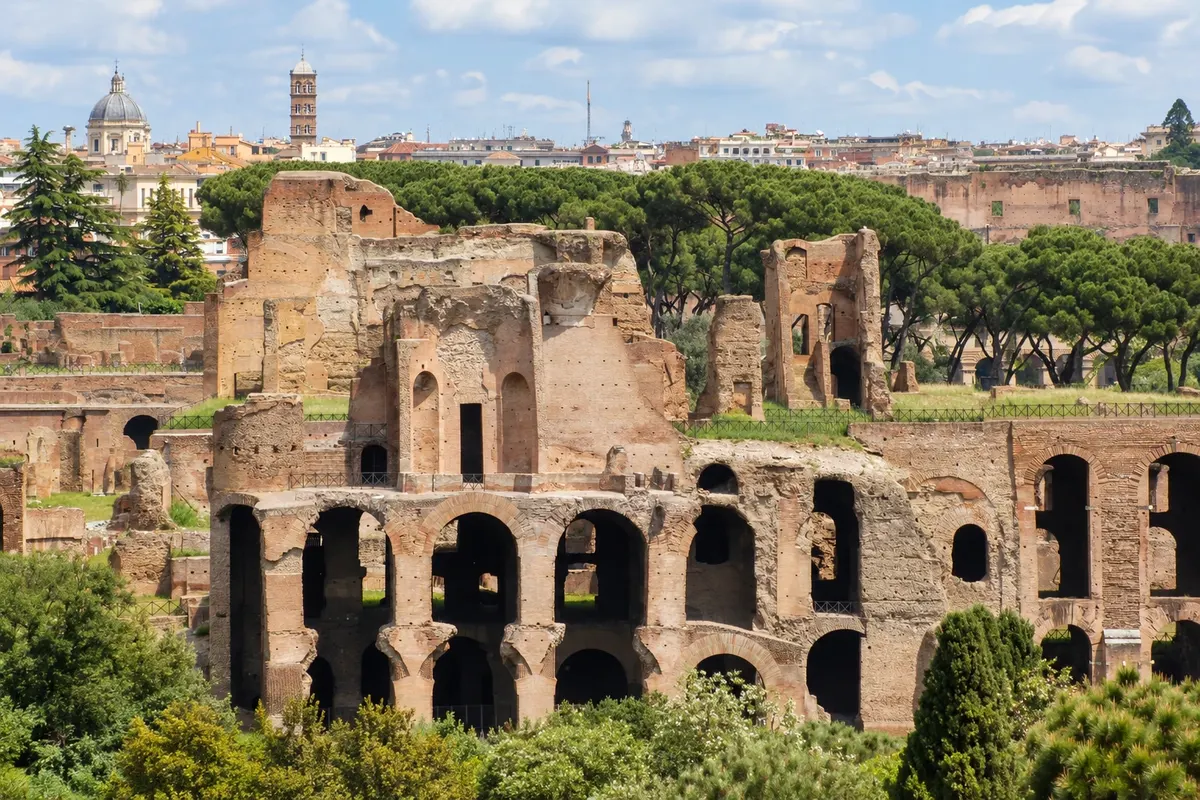
The ancient political and religious center of Rome and the hill where the emperors lived, next to the Coliseu. The ticket is the same as for the Coliseu.
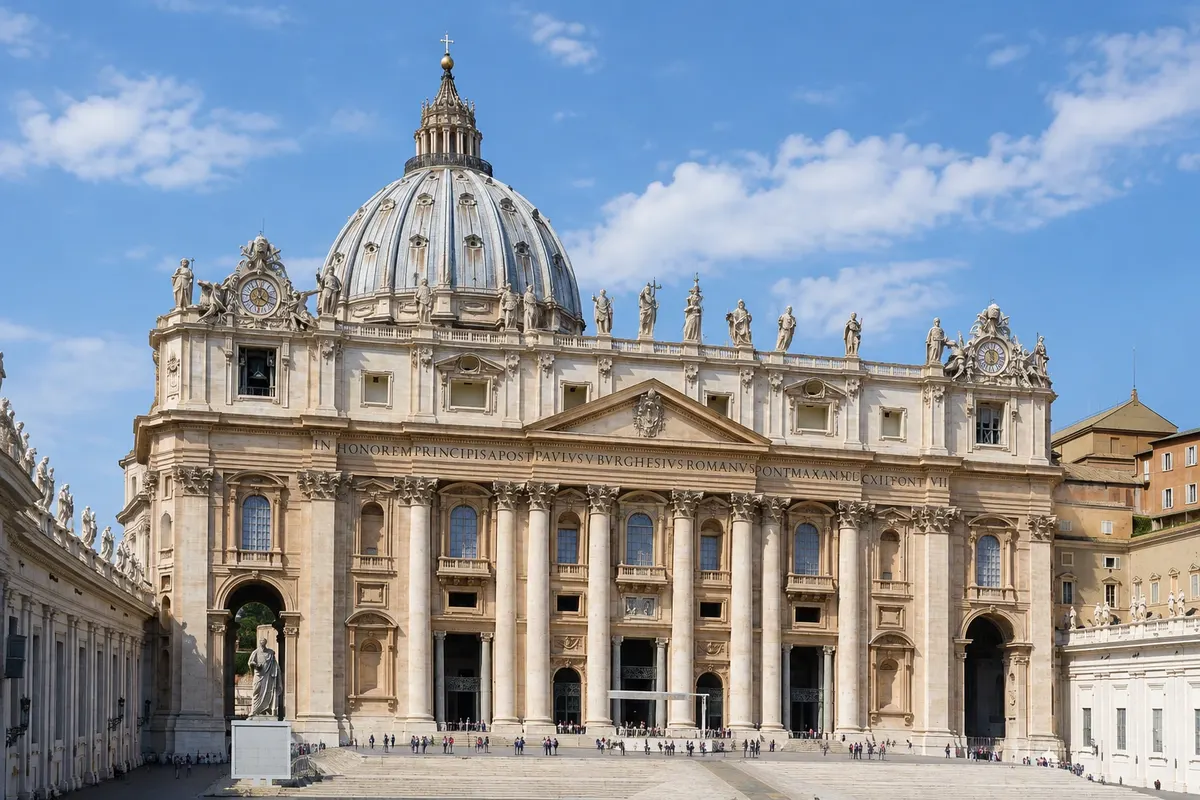
The largest church in the Vatican, with Michelangelo's Pietà and Bernini's baldachin. Entry is free; the climb to the dome requires a ticket. Shoulders and knees must be covered.
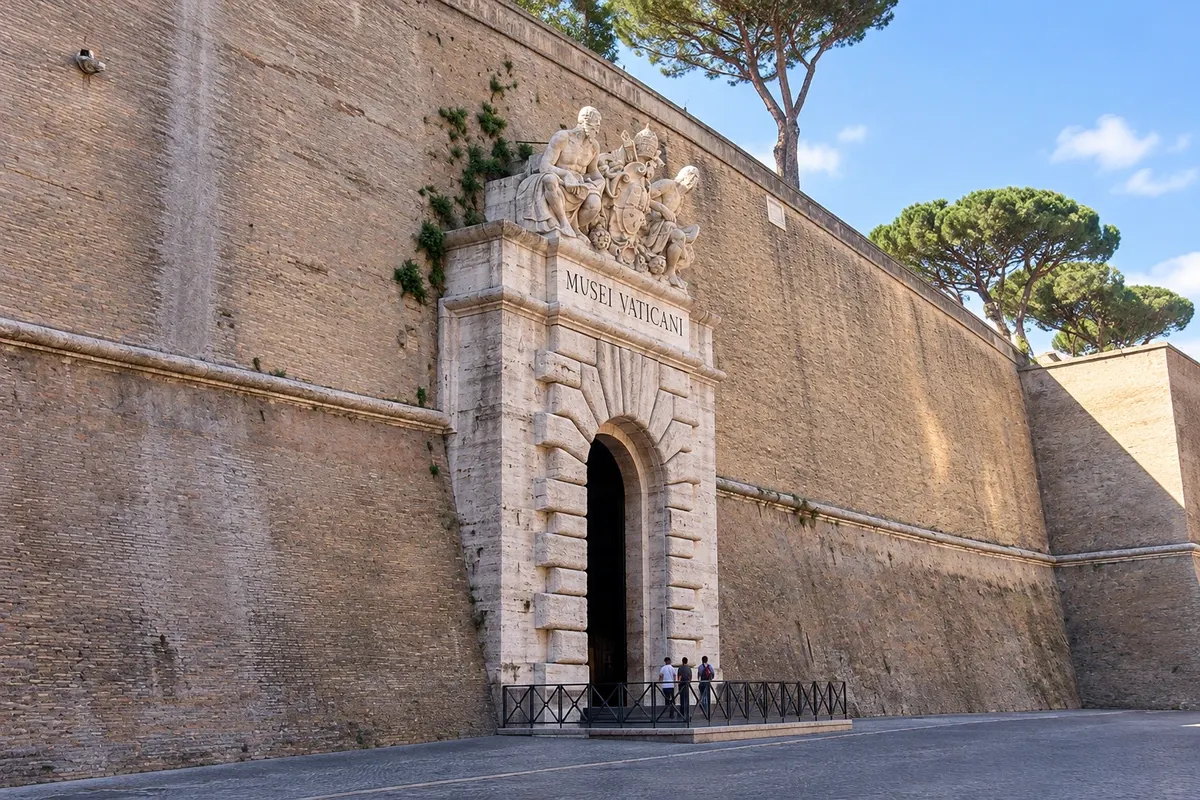
The museums of the popes, with ancient sculptures, the Salas de Rafael and, at the end of the route, the Capela Sistina painted by Michelangelo. Booking a timed entry is recommended.


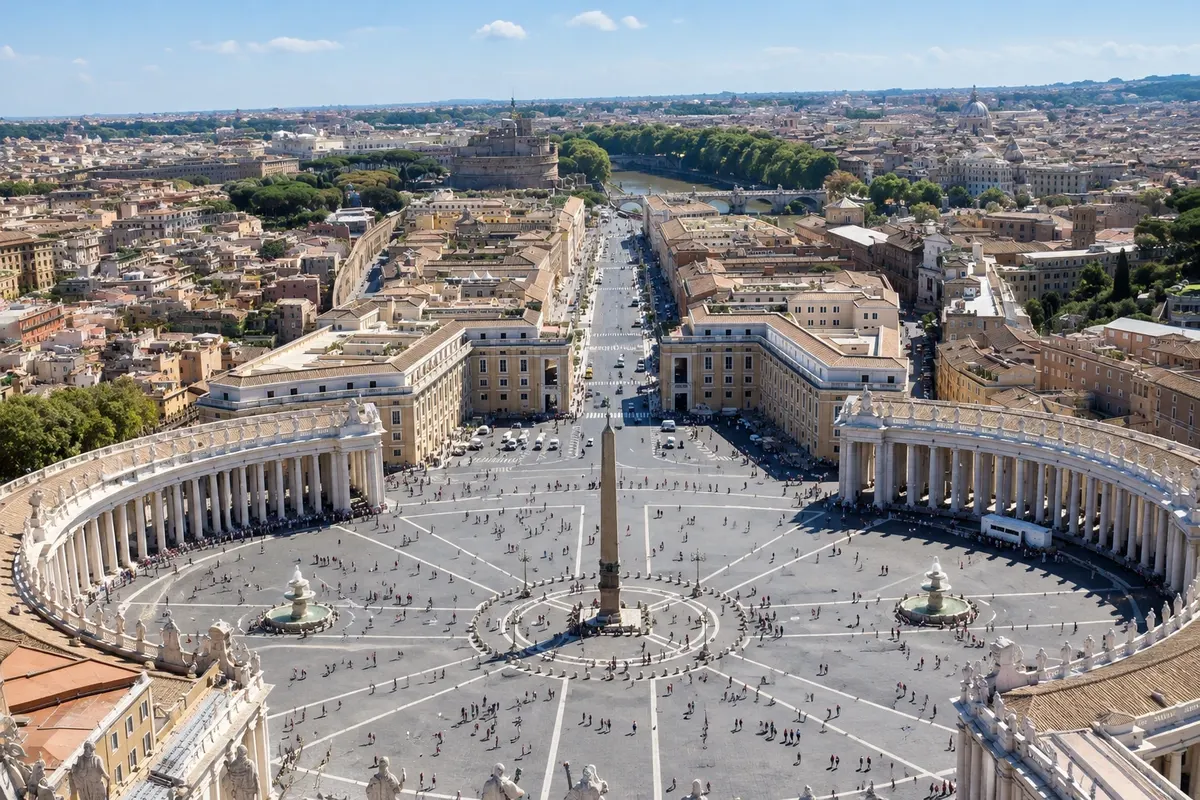
The square in front of the Basílica de São Pedro, embraced by Bernini's colonnade, with the Egyptian obelisk in the center. It is the gateway to the Cidade do Vaticano.
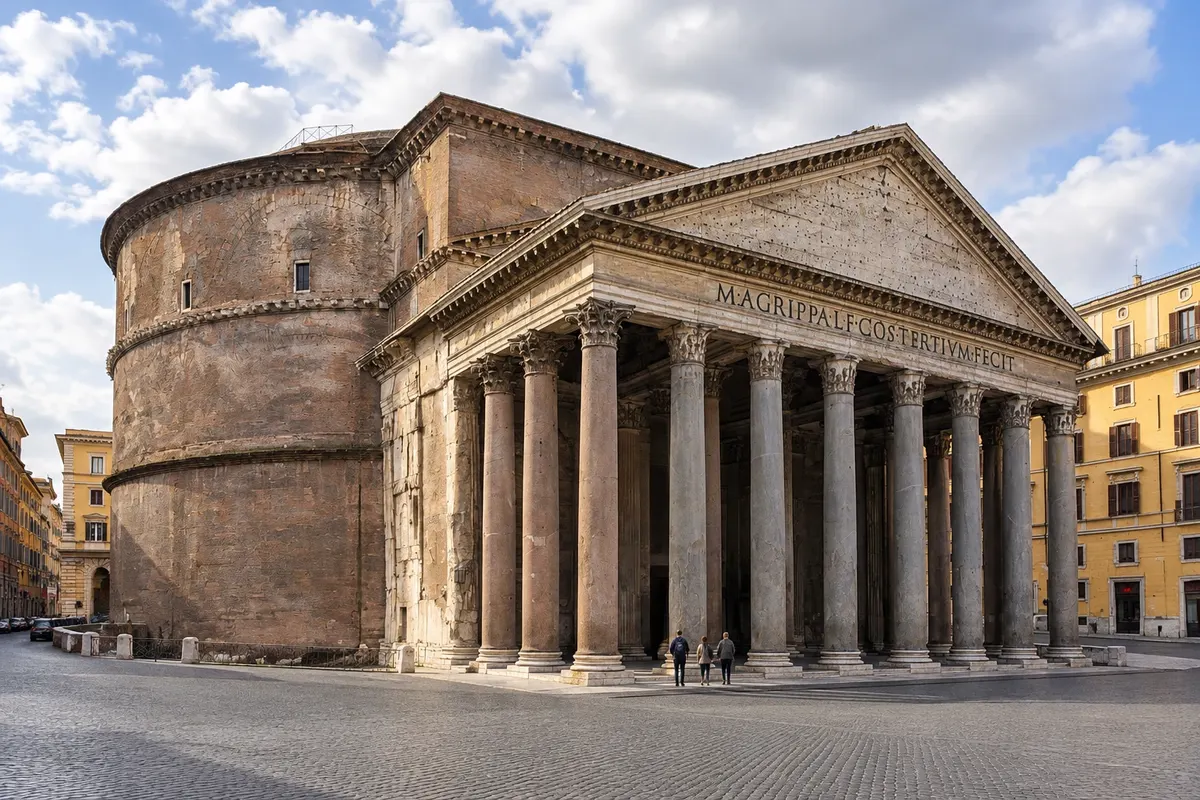
The best-preserved Roman temple, with a concrete dome and an open oculus at the top. It is also a church and houses the tomb of Rafael. Admission requires a ticket.
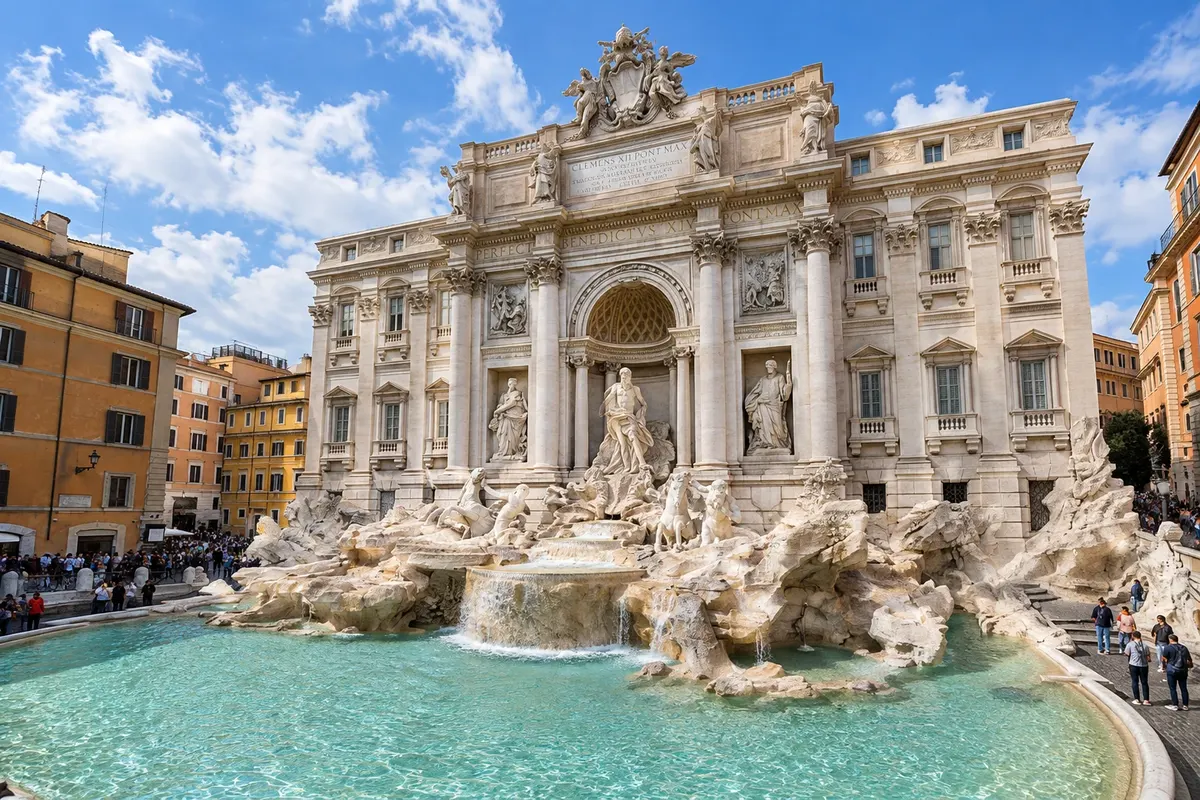
Rome's largest Baroque fountain, with the god Oceanus at the center. Throwing a coin over your shoulder, tradition says, guarantees your return to Rome. The area next to the water has controlled access.
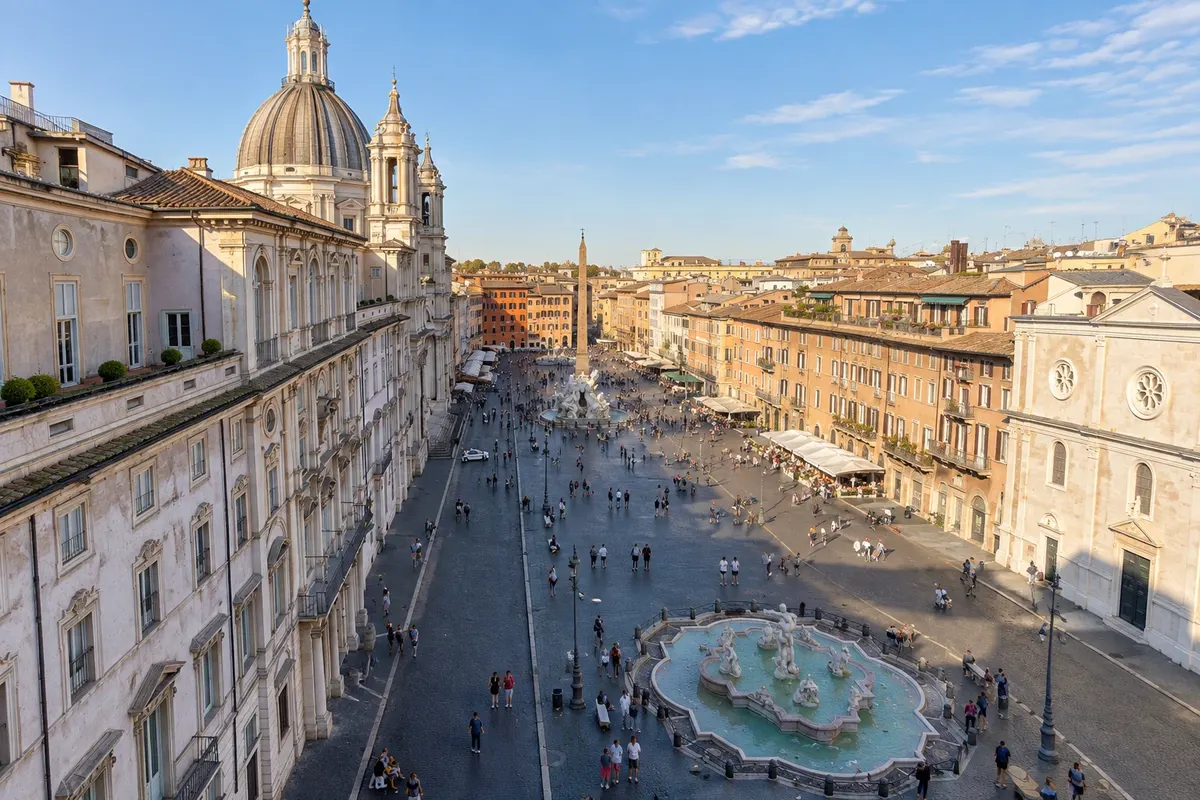
Elongated square in the shape of the ancient stadium of Domiciano, with Bernini's Fontana dei Quattro Fiumi and Borromini's church of Sant'Agnese in Agone.
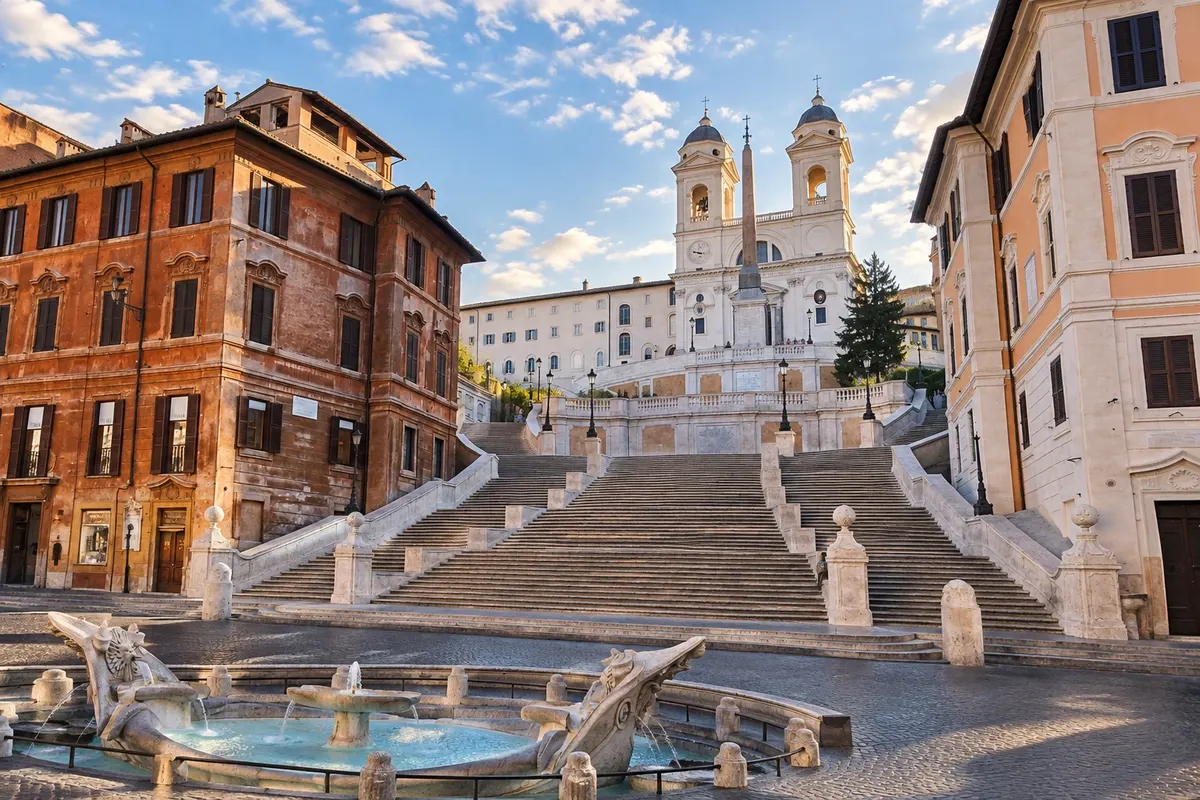
The Baroque stairway that rises from the Piazza di Spagna to the church of Trinità dei Monti, with the Fontana della Barcaccia at its foot. It is not allowed to sit on the steps.
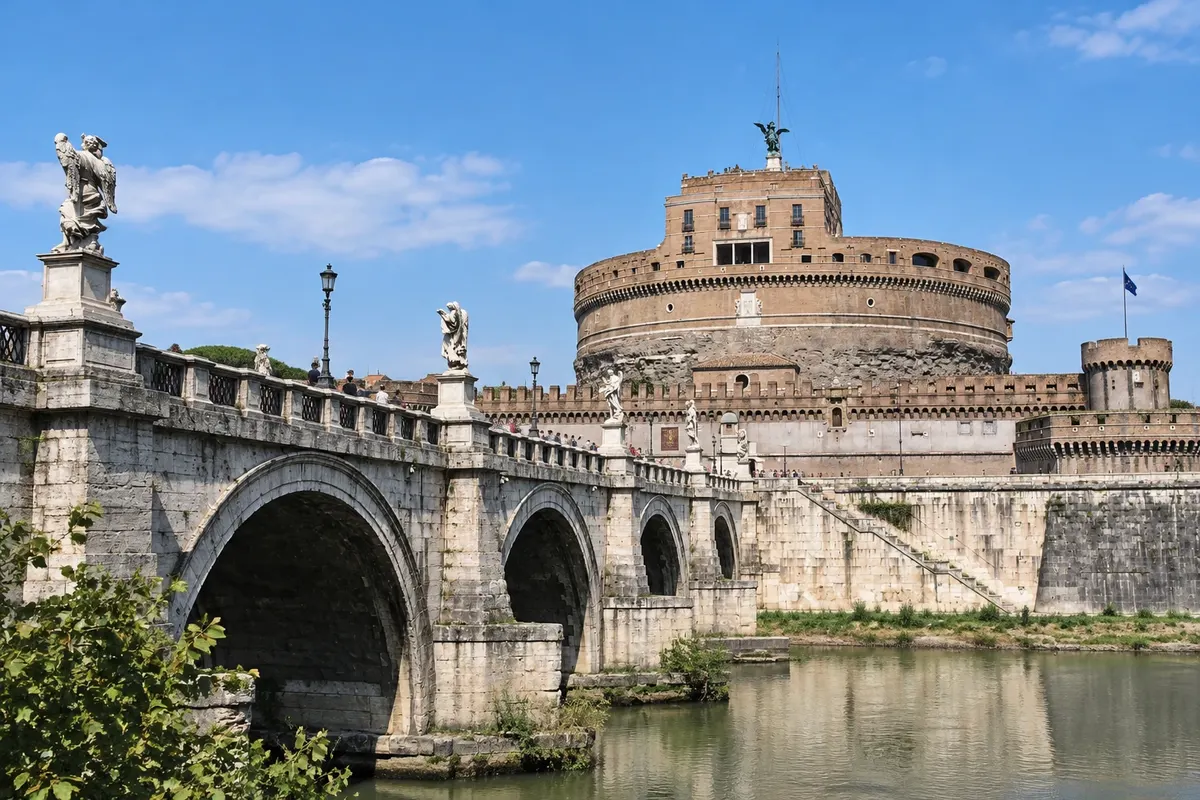
The mausoleum of Emperor Adrian, turned into a fortress and refuge for the popes, on the banks of the Tiber. From the terrace you can see St. Peter's and the center of Rome.
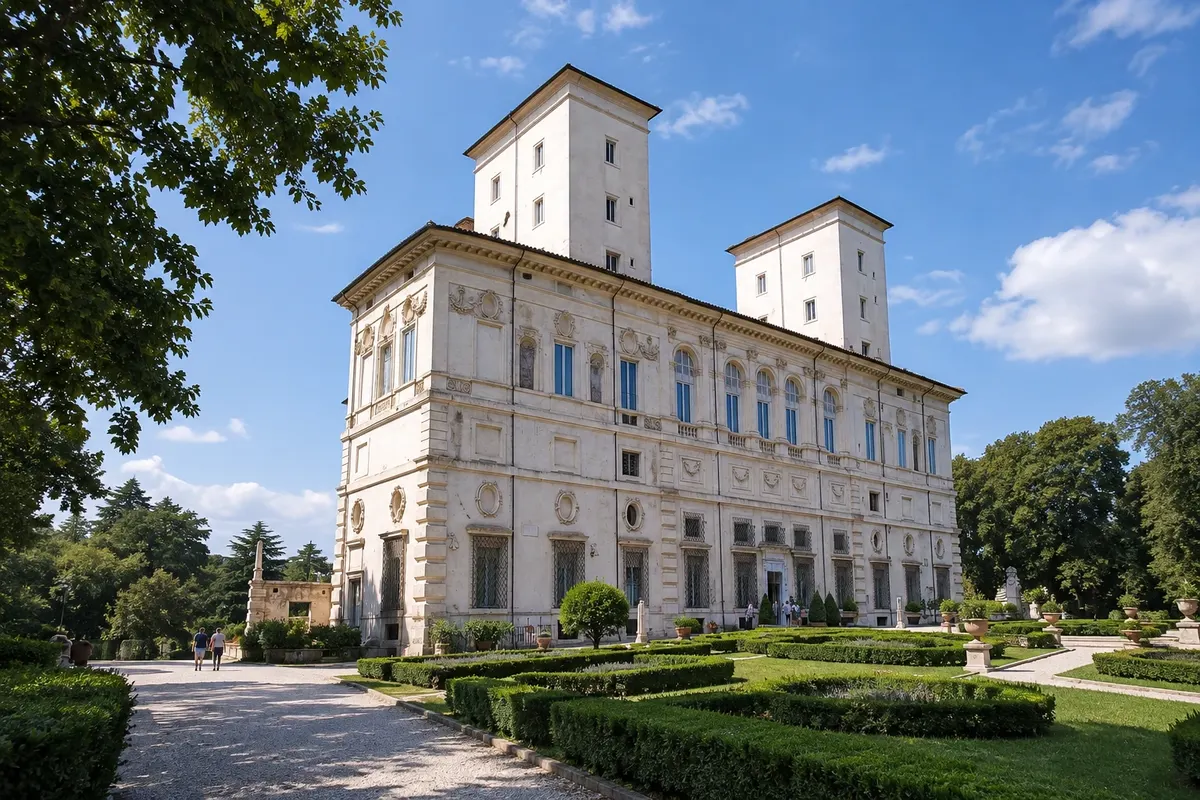
Museum in a 17th-century villa with sculptures by Bernini and Canova and paintings by Caravaggio, Raphael and Titian. Timed reservation is mandatory.
The large park in central Rome, with a lake, gardens, museums and the Pincio terrace overlooking the Piazza del Popolo. Entrance to the park is free.
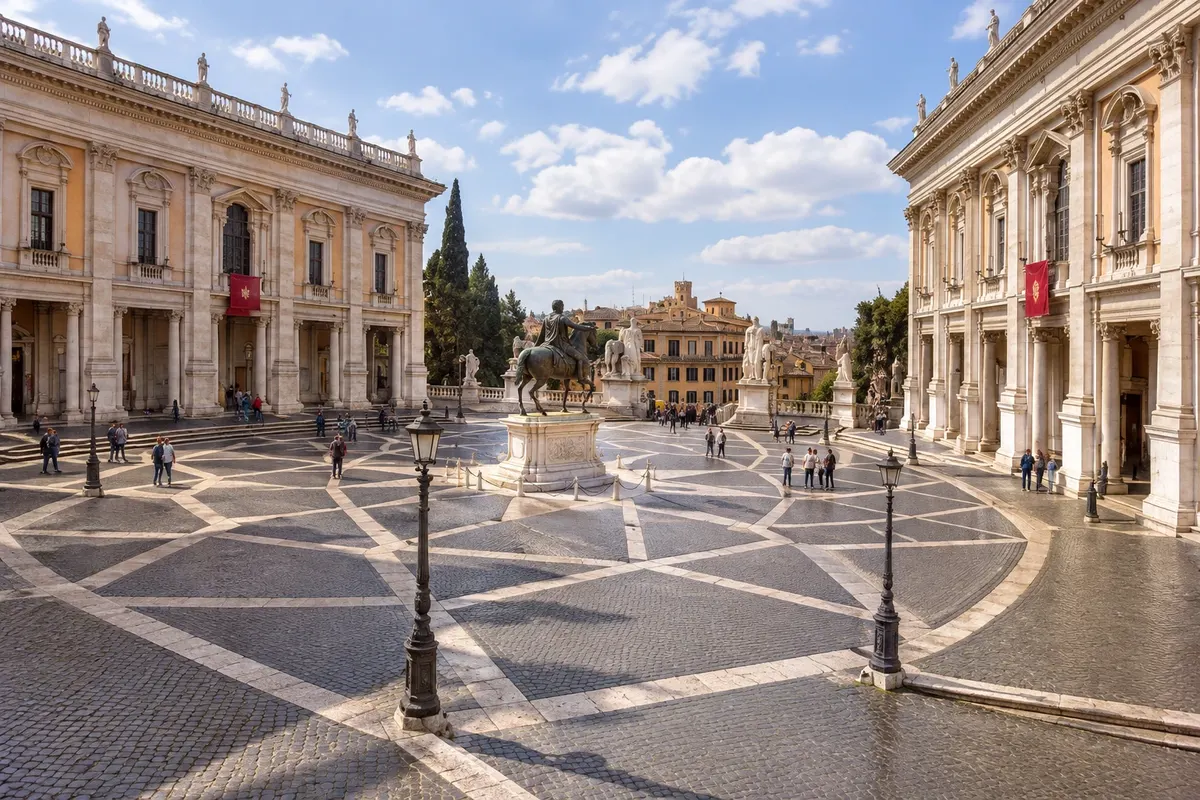
Museums atop the Campidoglio, in the piazza designed by Michelangelo, with the Loba Capitolina, the equestrian statue of Marco Aurélio and a window onto the Foro Romano.
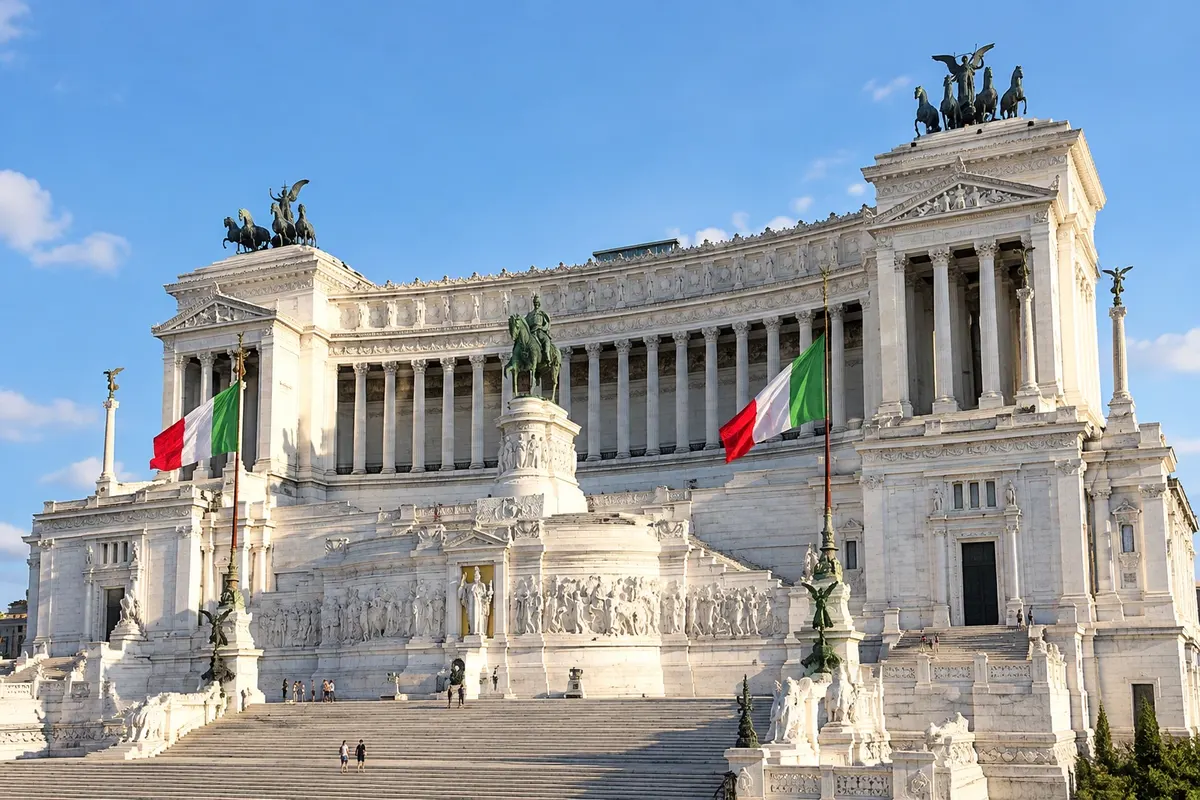
The white marble monument to Vittorio Emanuele II in Piazza Venezia, with the Altar da Pátria and the tomb of the Unknown Soldier. Elevators take you up to the panoramic terrace.
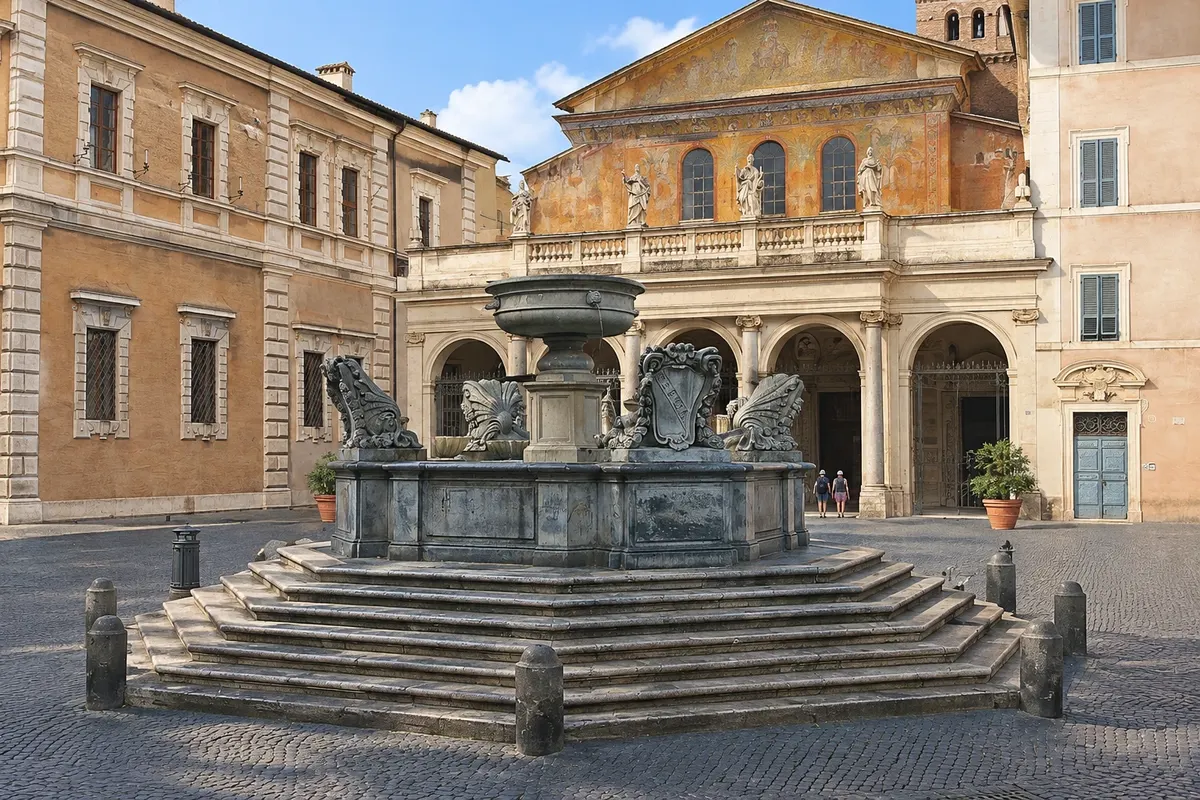
Neighborhood of cobbled alleys, ochre-colored houses and trattorias on the other side of the Tiber. At its center is the Piazza di Santa Maria in Trastevere, with the basilica of golden mosaics.
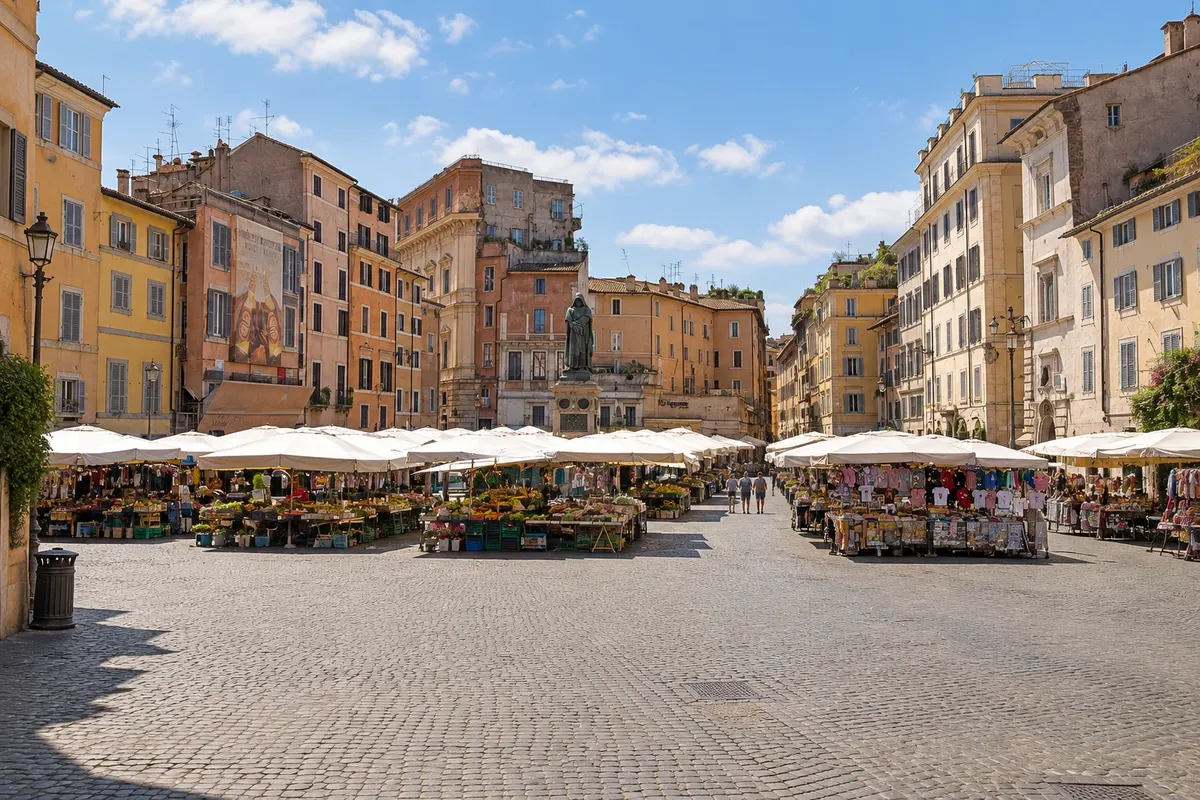
Square in the historic center with a morning market of fruit, vegetables and flowers and the statue of Giordano Bruno in the middle. At night it becomes a meeting point with bars and restaurants.
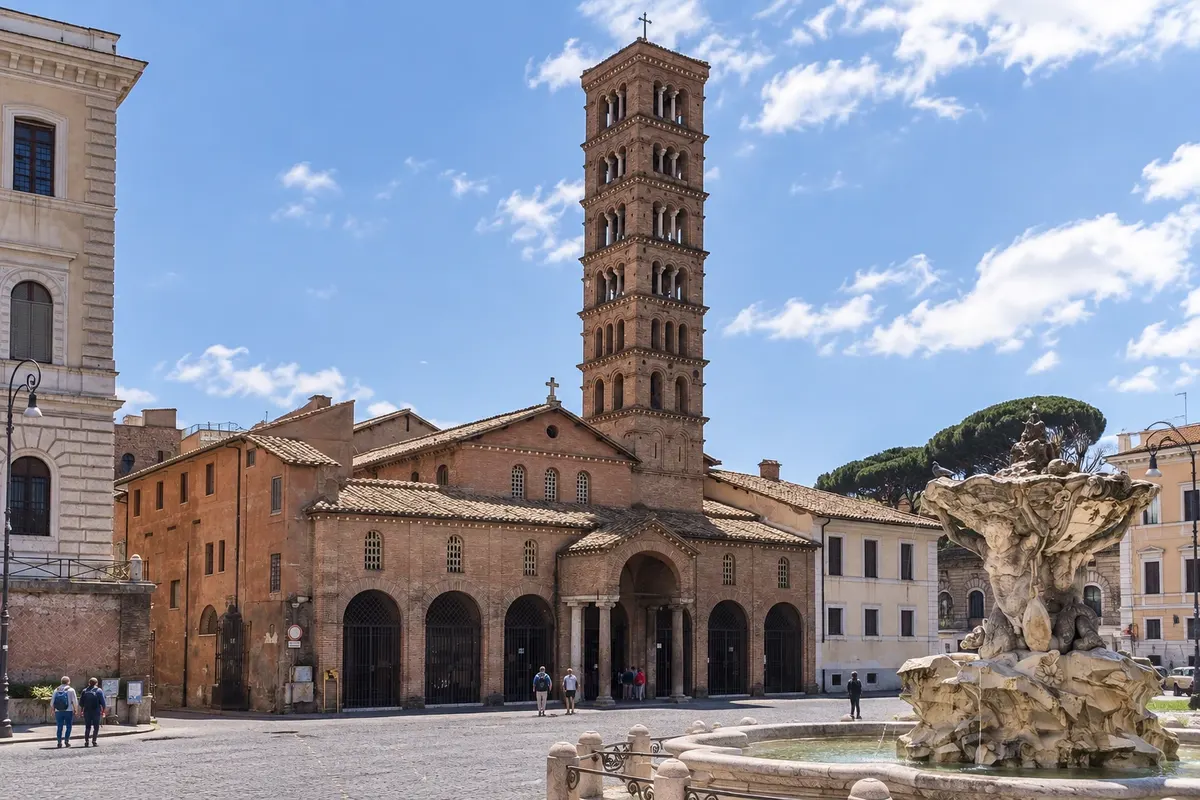
The marble mask that, according to legend, bites the hand of anyone who lies. It is in the portico of the medieval church of Santa Maria in Cosmedin, near the Circo Massimo.
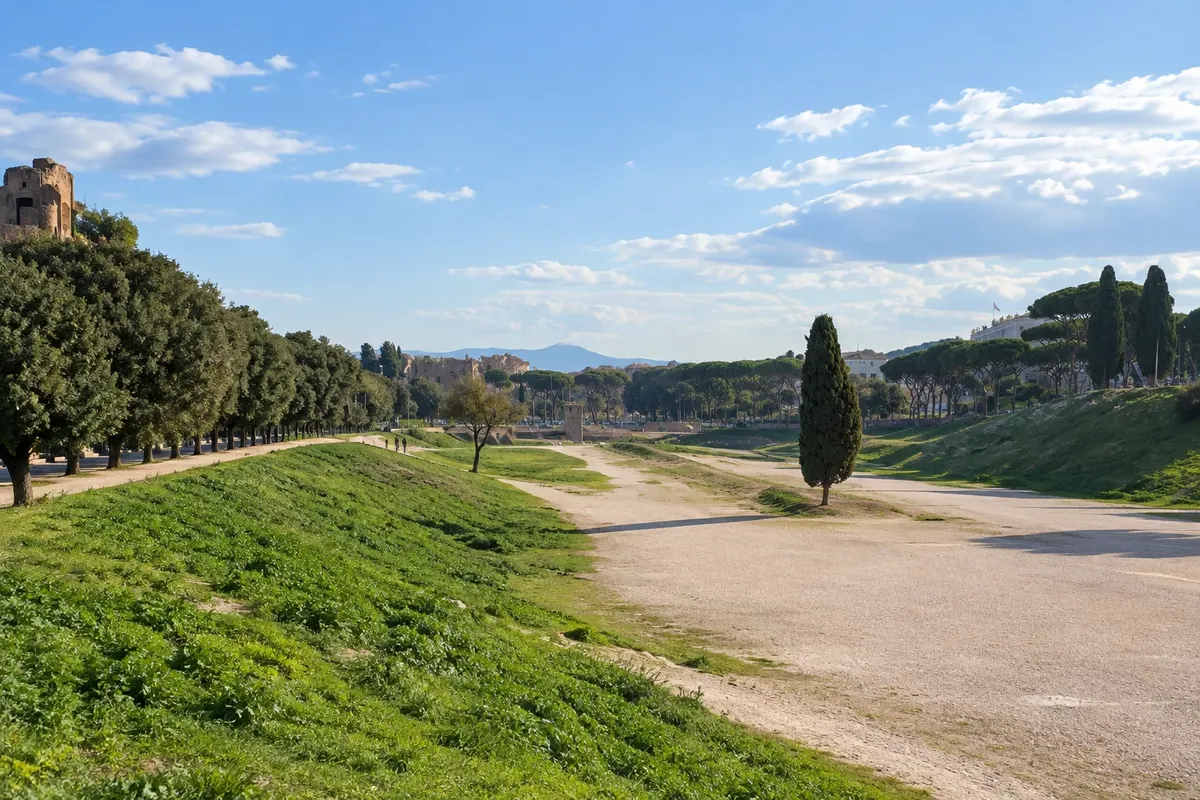
The large stadium for chariot races of ancient Rome, today a grassy valley 600 meters long between the Palatino and the Aventino. The eastern end preserves ruins and the Torre della Moletta.
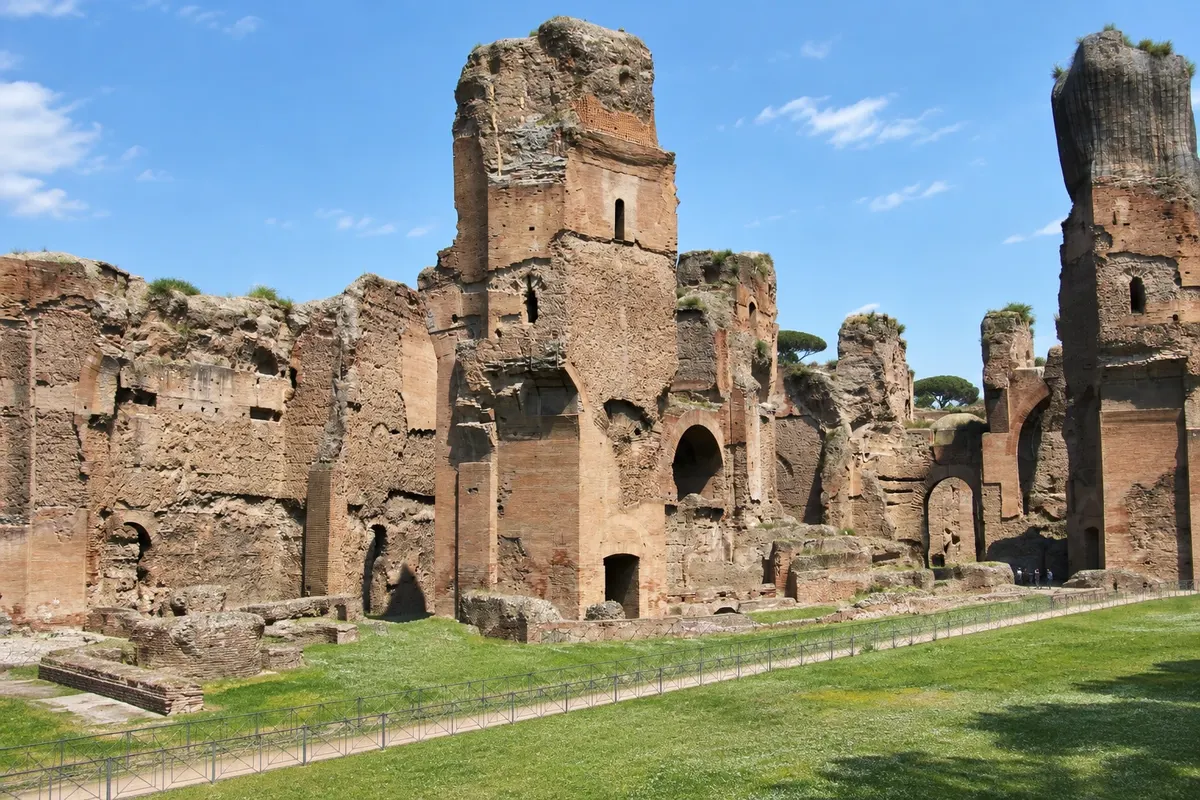
One of the largest public bath complexes of ancient Rome, from the early 3rd century. Walls over 30 meters high, mosaics on the floor and the stage for the summer opera season.
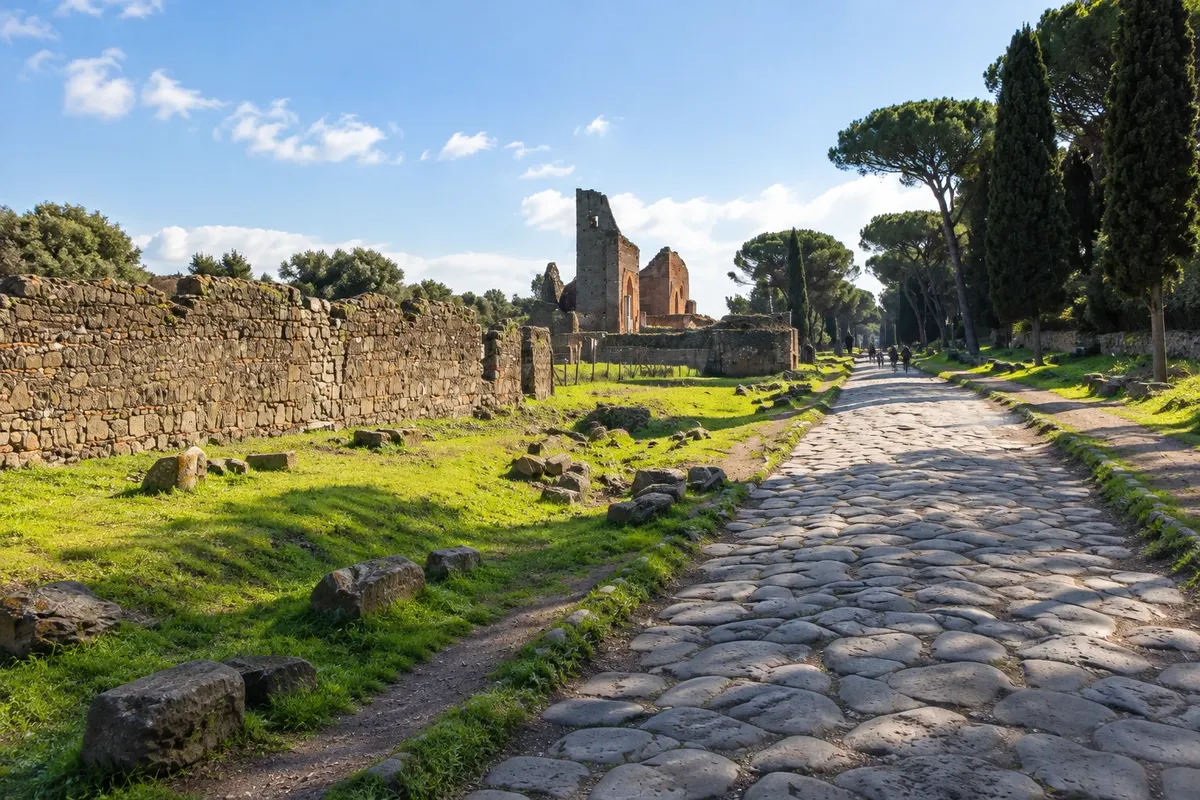
The Roman road opened in 312 BC, still with stretches of original stone, lined with pine trees, tombs and catacombs. A good bike ride or walk outside the city center.
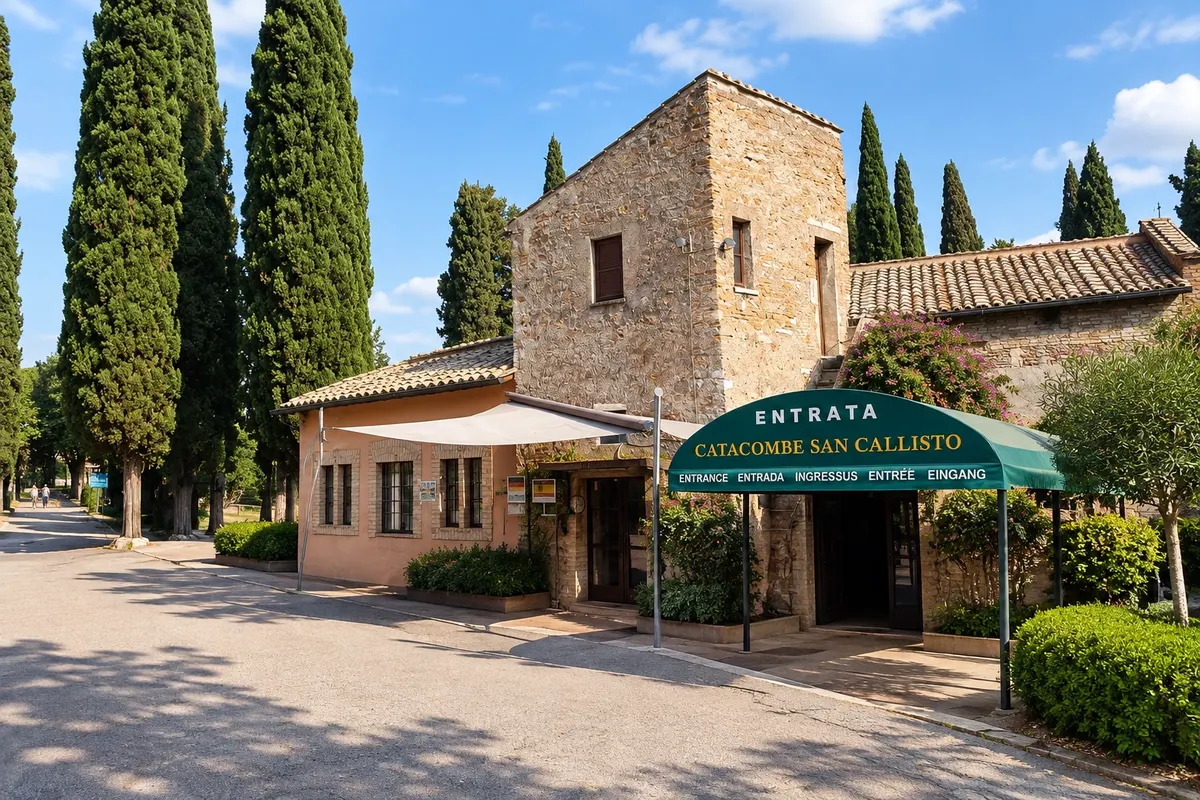
One of the largest underground cemeteries of early Christians, on the Via Appia Antica, with the Cripta dos Papas. Guided visits only, with online reservation.
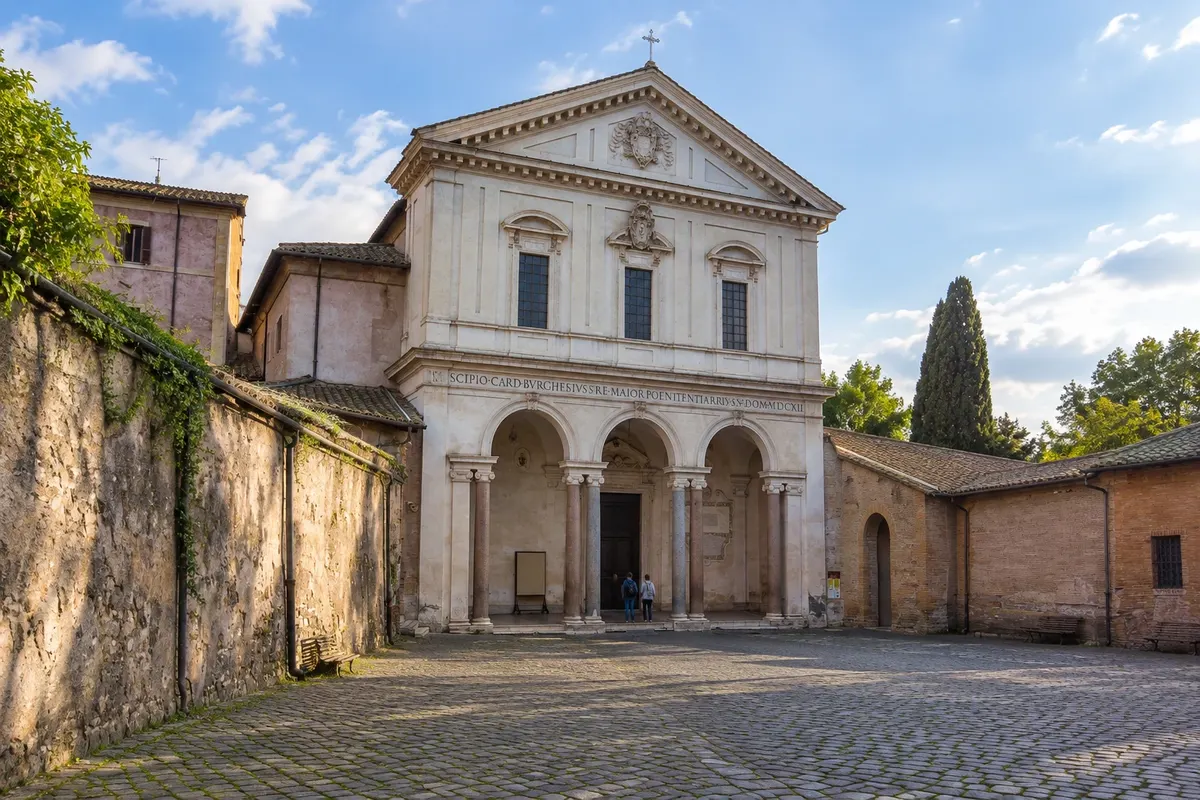
Catacombs beneath the basilica of São Sebastião on the Via Appia Antica, with three decorated Roman mausoleums and the martyr's tomb. Guided visits only.
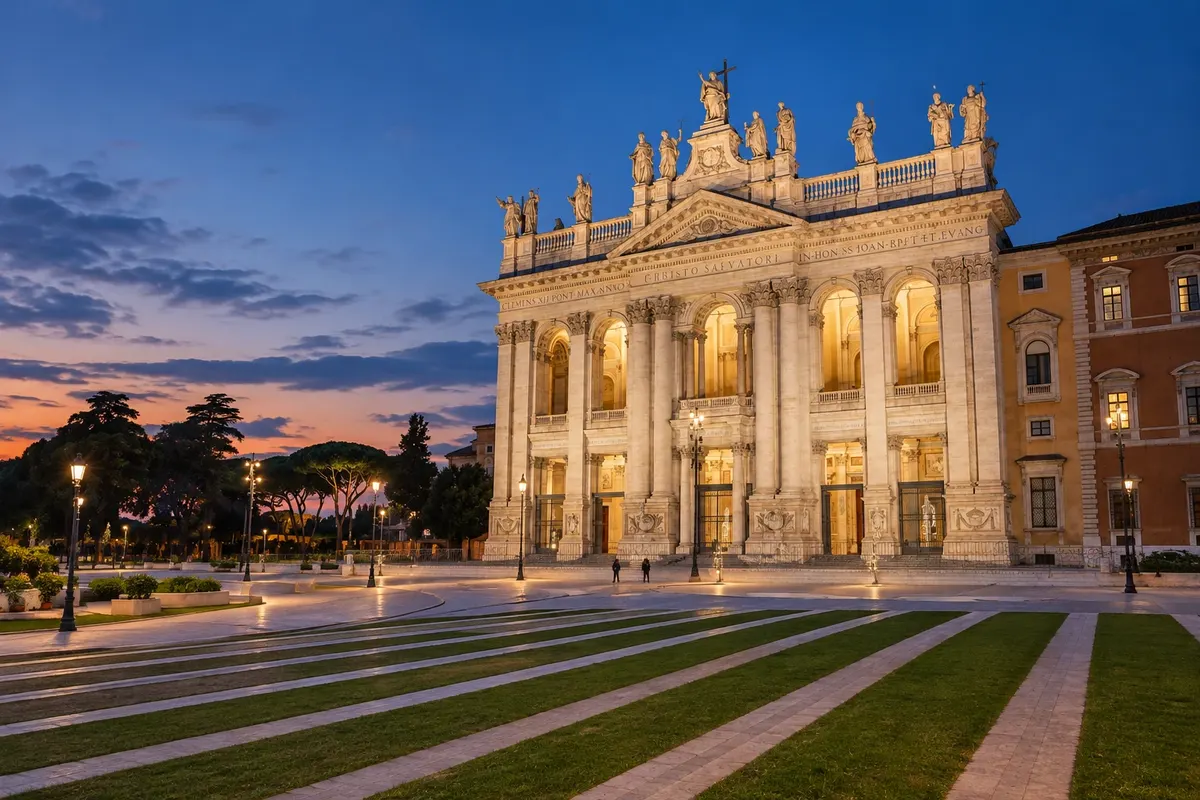
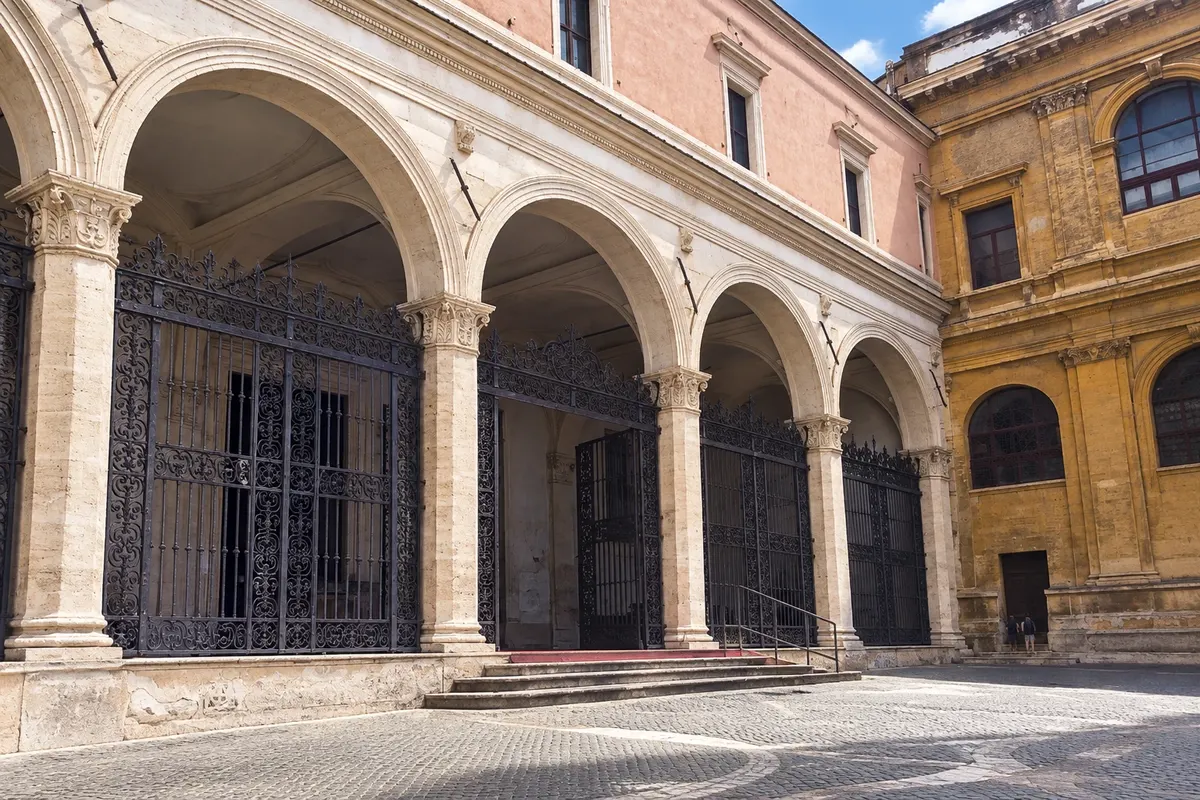
The cathedral of Rome, the pope's seat as bishop of the city, with a Baroque façade of giant statues and an interior by Borromini. Opposite it is the Scala Santa.
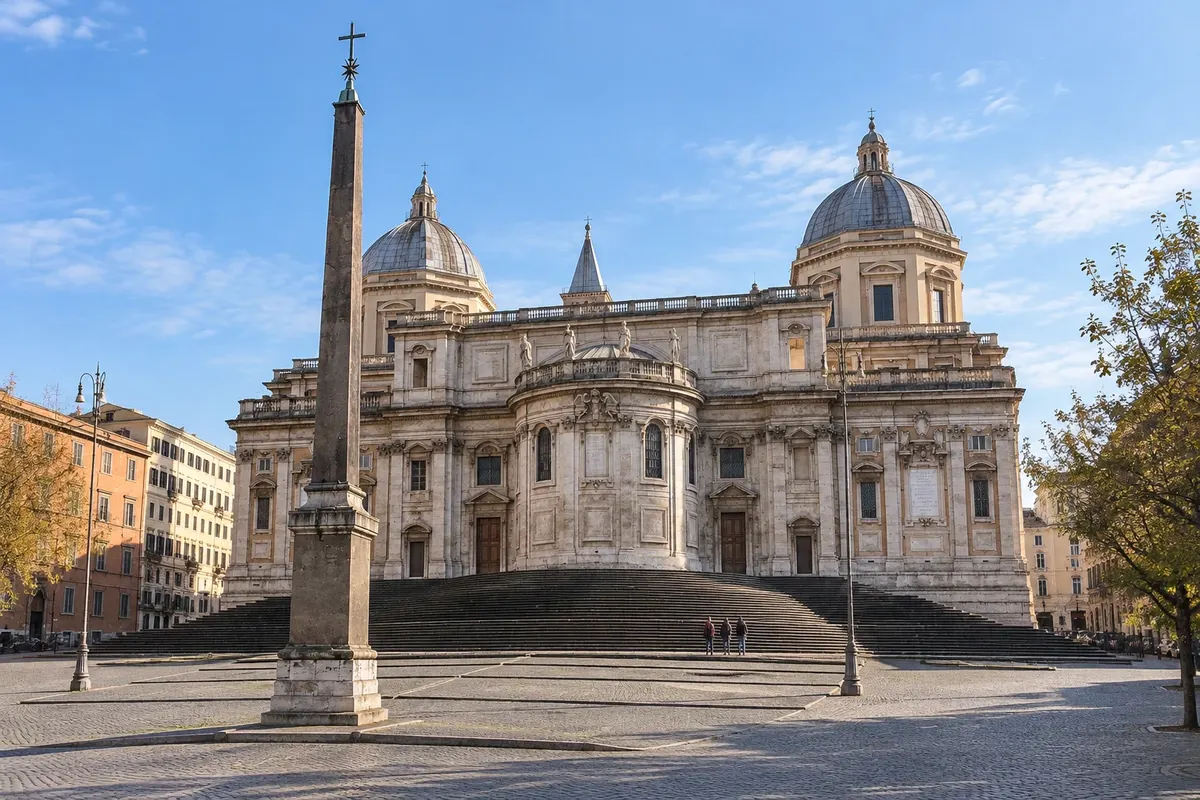
One of Rome's four papal basilicas, near Termini station, with 5th-century mosaics, a gilded ceiling and the tallest bell tower in the city.
Church near the Colosseum that houses Michelangelo's Moses, in the tomb of Pope Julius II, and the chains that, according to tradition, bound São Pedro.
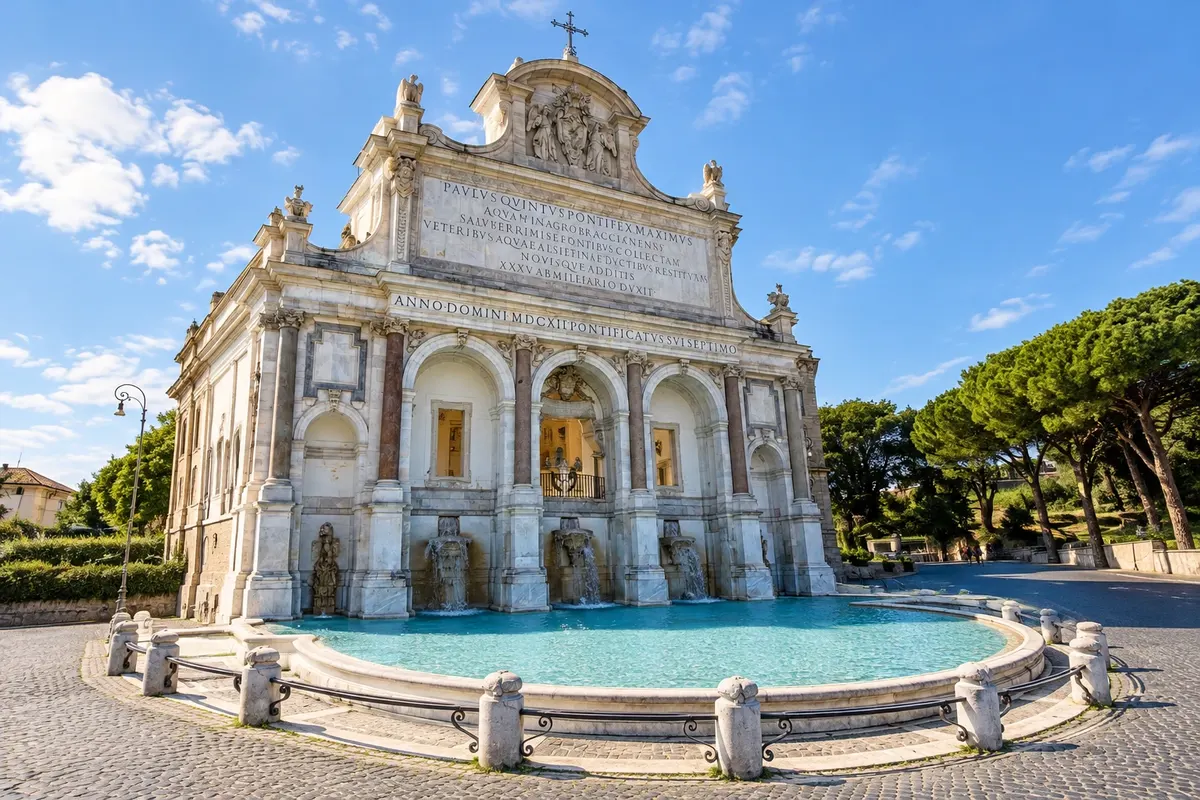
Tree-lined hill above Trastevere with one of the widest views of Roma, the statue of Garibaldi, the Fontanone and the daily cannon shot at noon.
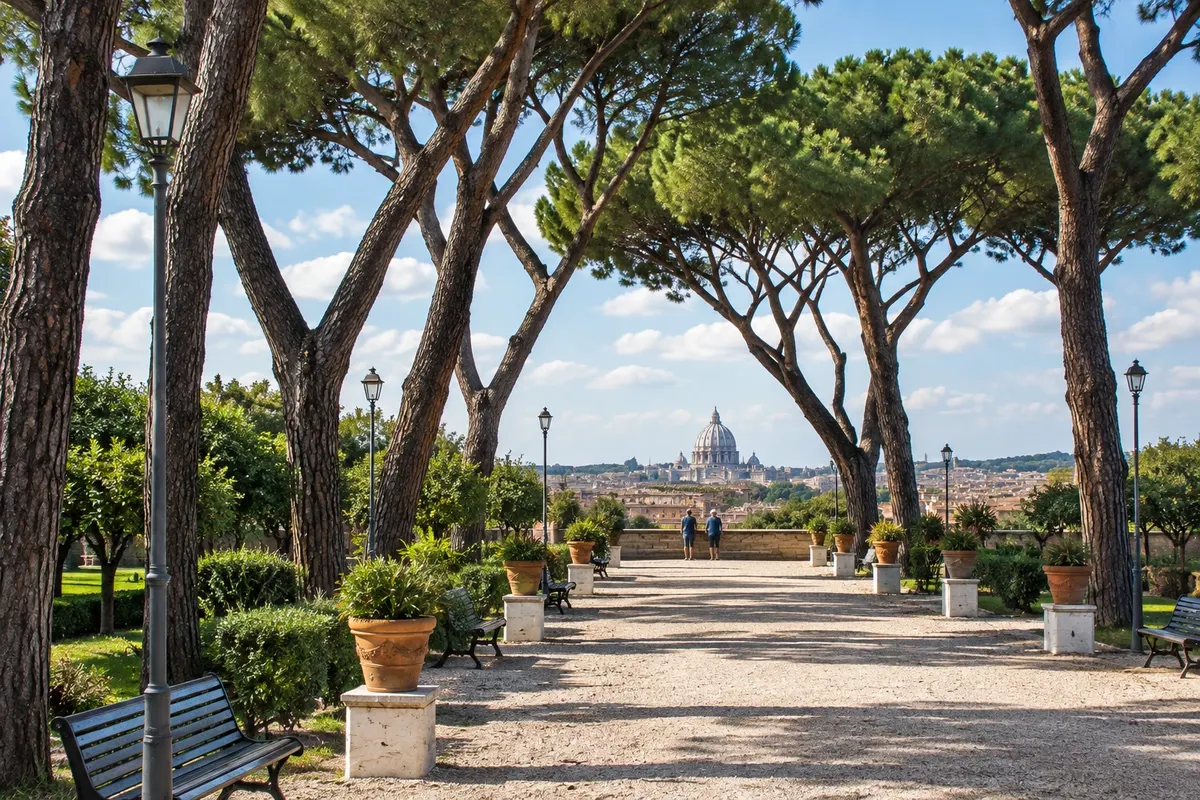
Quiet hill above the Circo Massimo with the Giardino degli Aranci, overlooking the dome of São Pedro, and the famous keyhole of the Order of Malta.
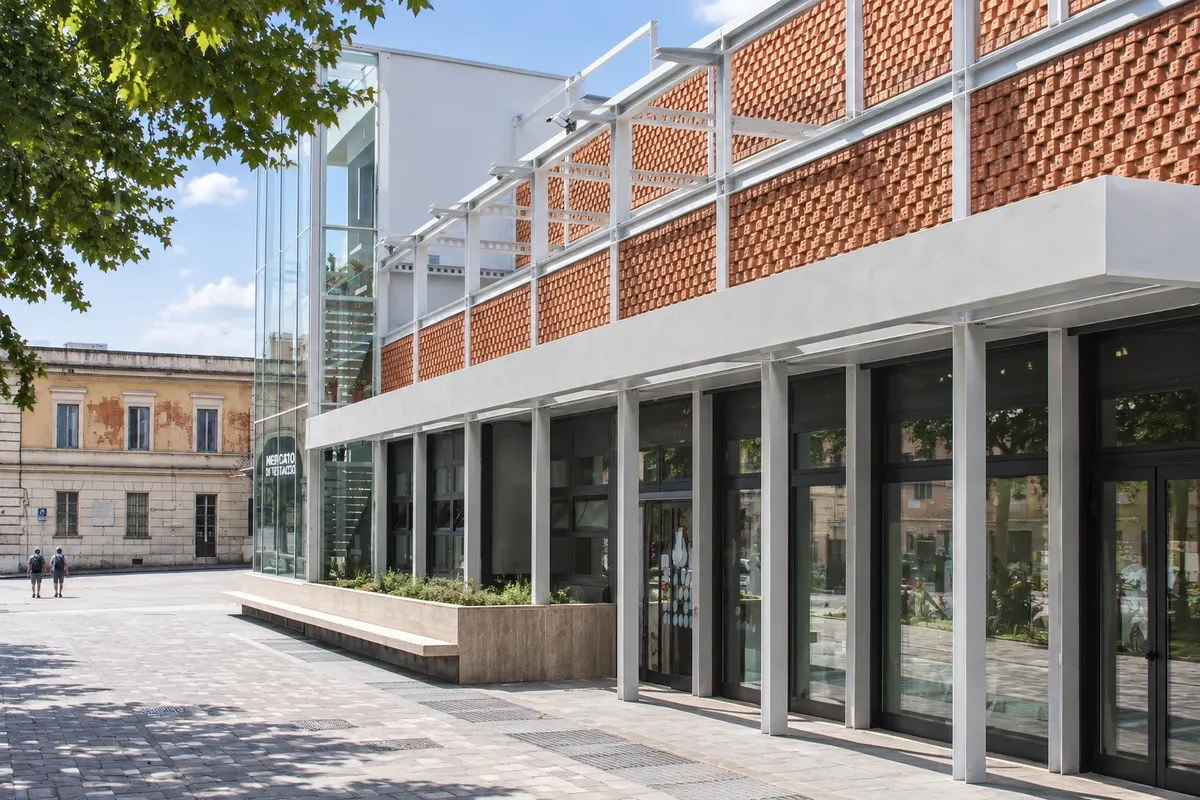
Covered market in the Testaccio neighborhood, with stalls selling fruit, cheeses, cold cuts and Roman street food. Good for having lunch like the locals.
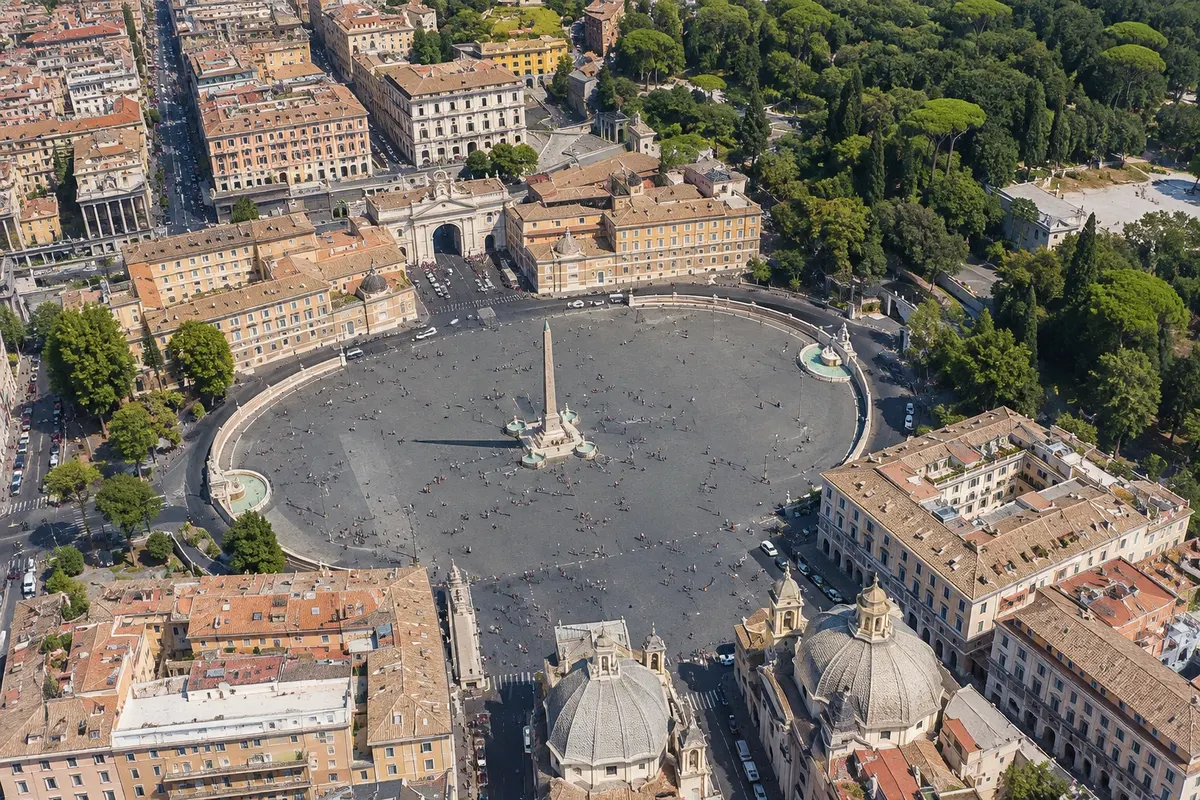
Large oval square at the northern entrance of the historic center, with an Egyptian obelisk, twin churches and the Basilica di Santa Maria del Popolo, which houses two paintings by Caravaggio.
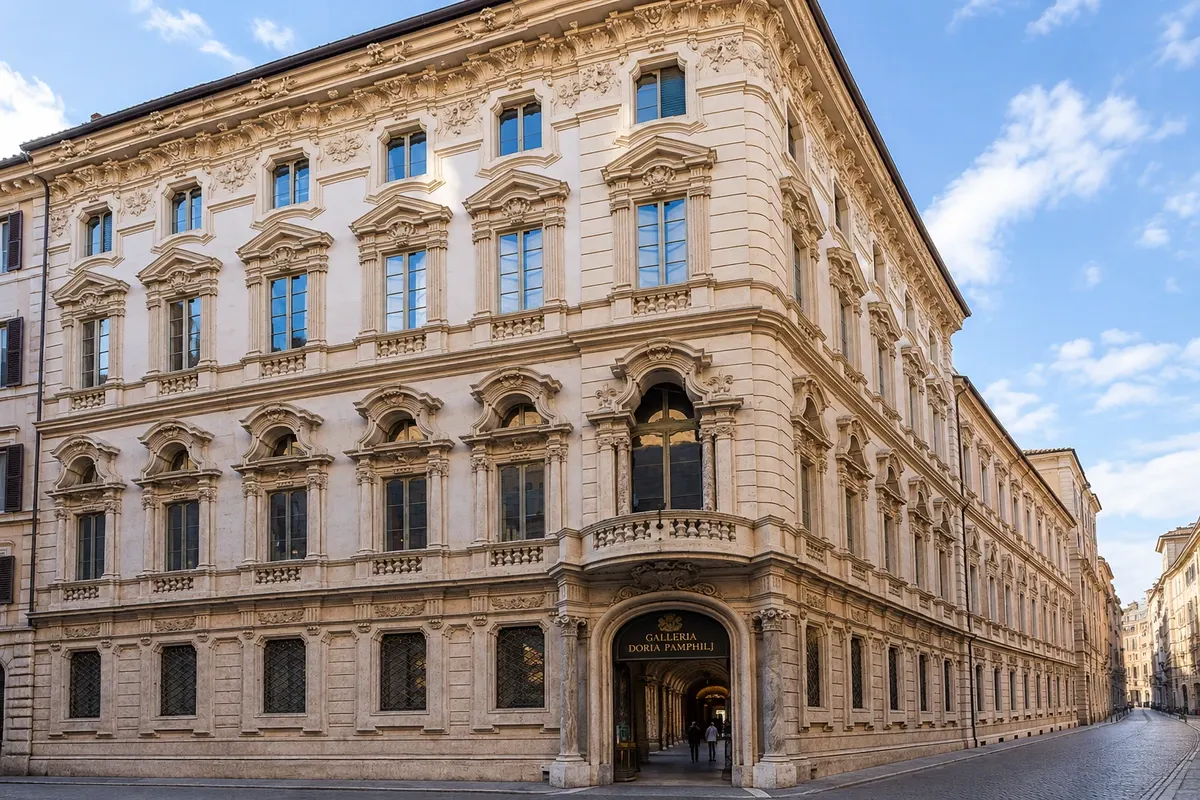
Private art collection inside a palazzo on the Via del Corso, still owned by the Doria Pamphilj family, featuring the portrait of Pope Inocêncio X by Velázquez and paintings by Caravaggio.
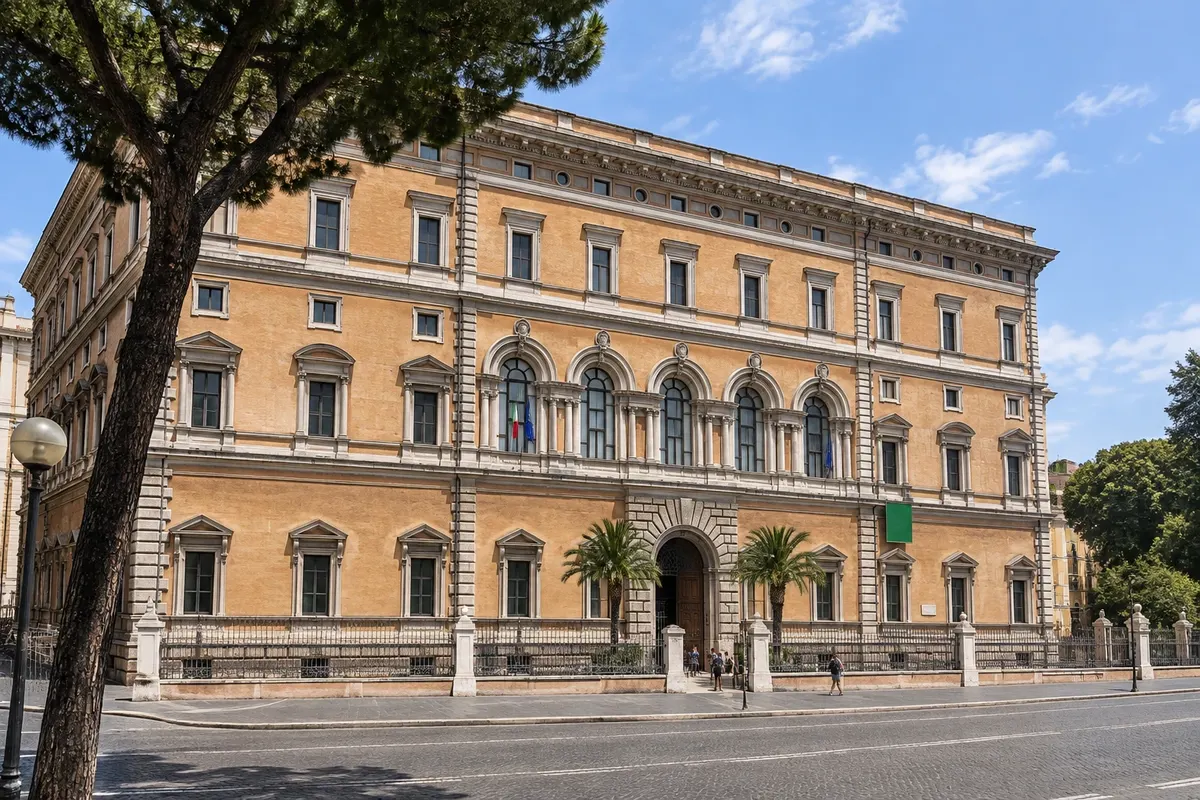
Seat of the Museo Nazionale Romano next to Termini station, with frescoes from Roman villas, the Boxer at Rest and the Discobolus. One of the best museums of ancient art in Rome.
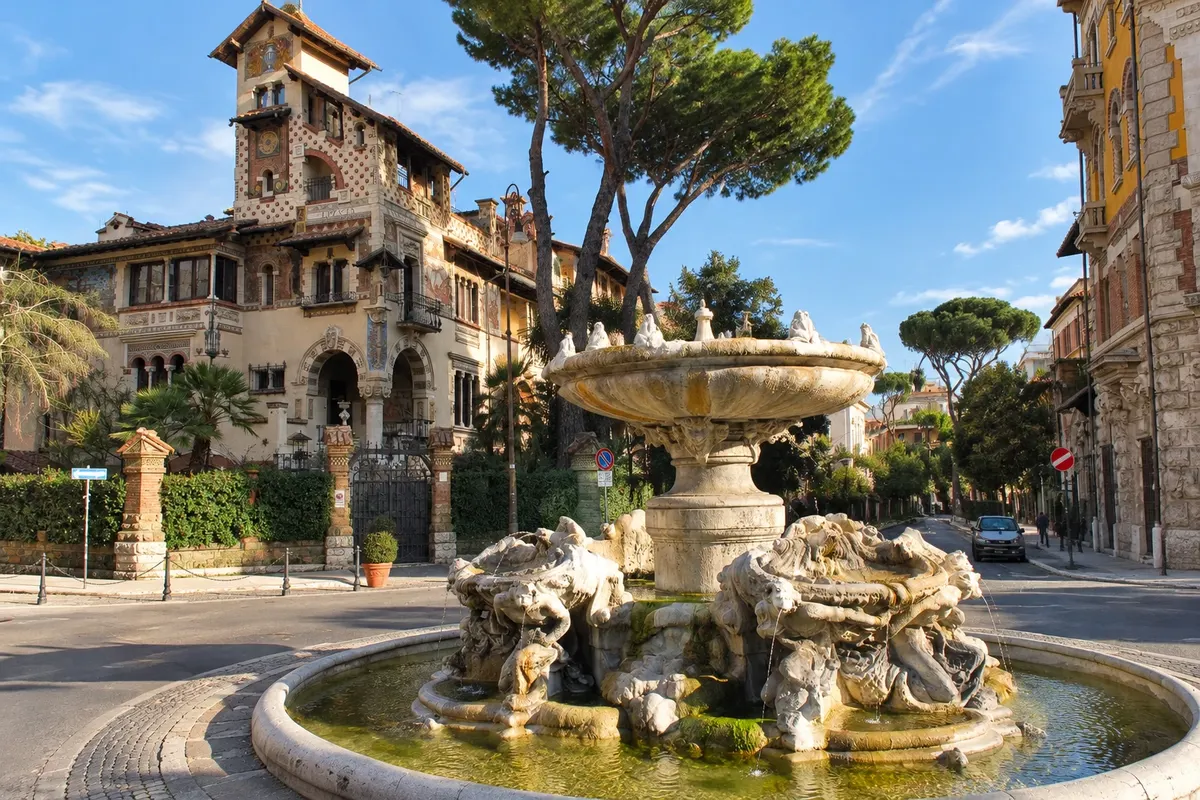
A group of whimsical buildings by the architect Gino Coppedè, with towers, mosaics, arches and the Fontana delle Rane, around the Piazza Mincio in the Trieste district.
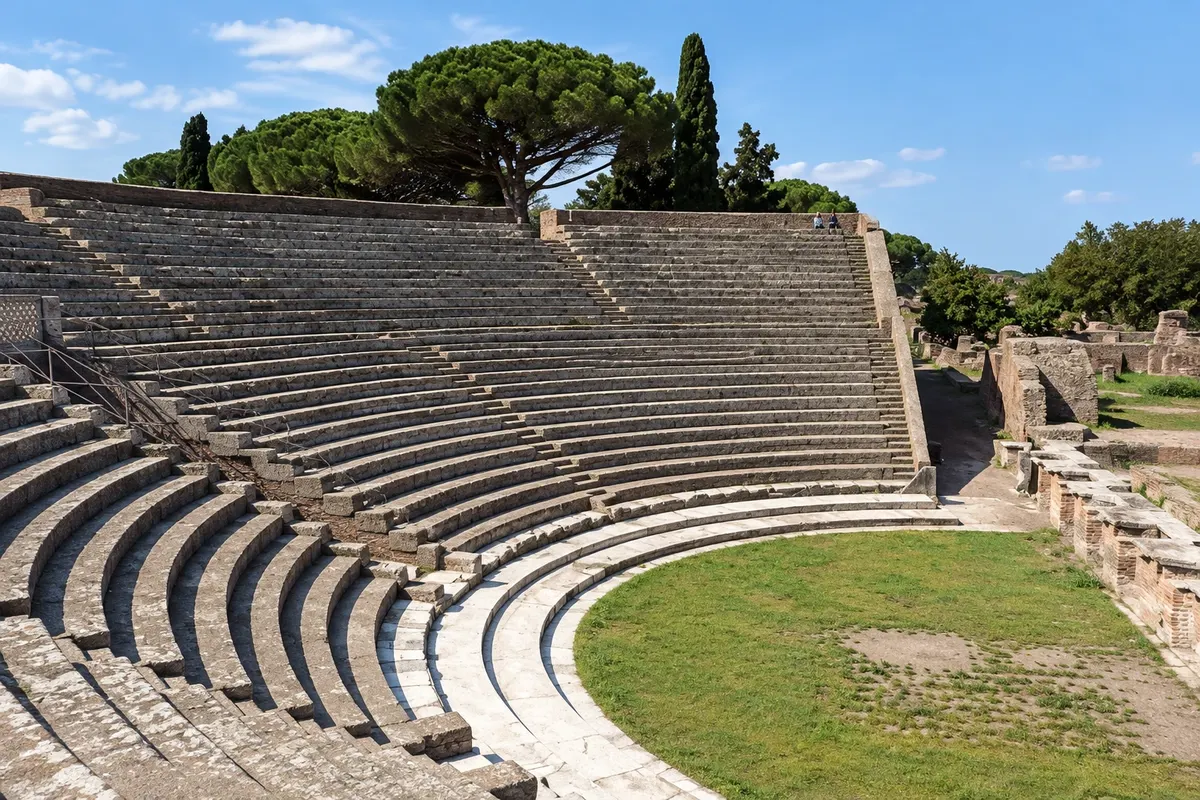
The ruins of ancient Rome’s port, about 30 km from the center: streets, houses, baths, a theater and mosaics of an entire Roman town. Day trip by train.
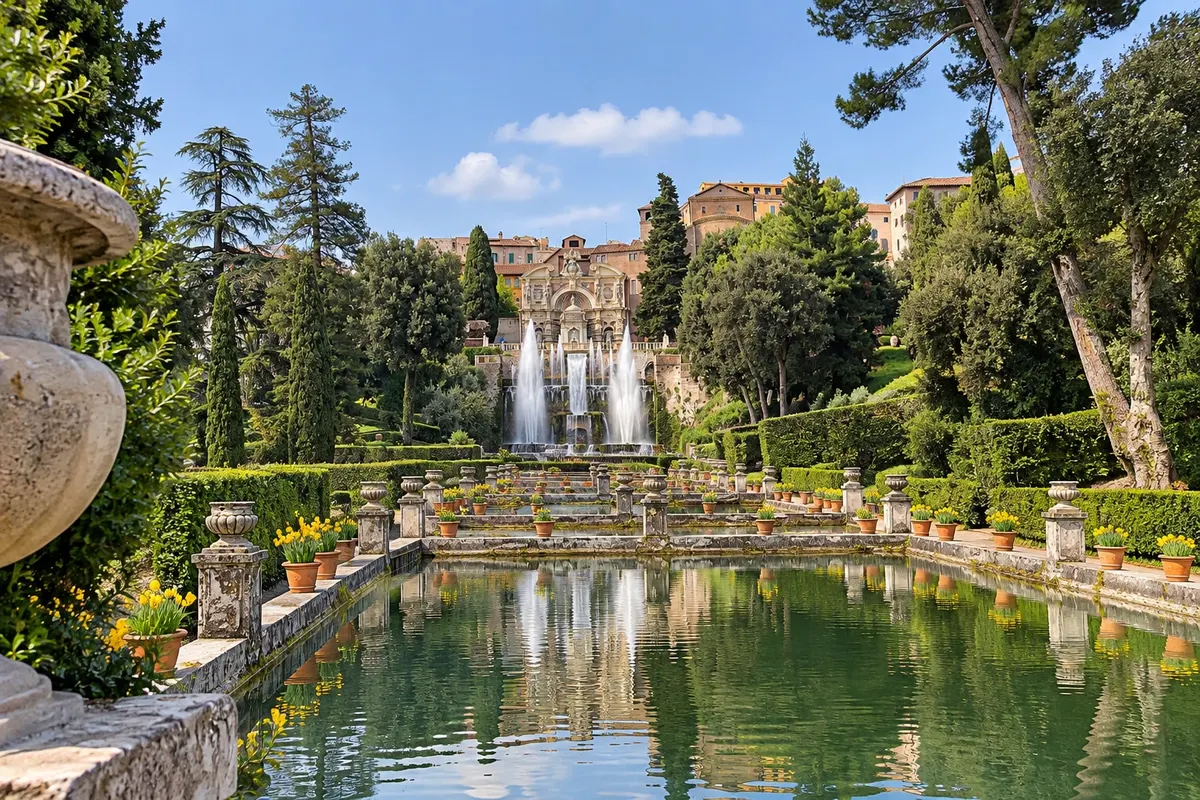
Renaissance palace in Tivoli, about 30 km from Rome, with terraced gardens and hundreds of fountains, such as the Fontana dell'Organo. UNESCO World Heritage Site.
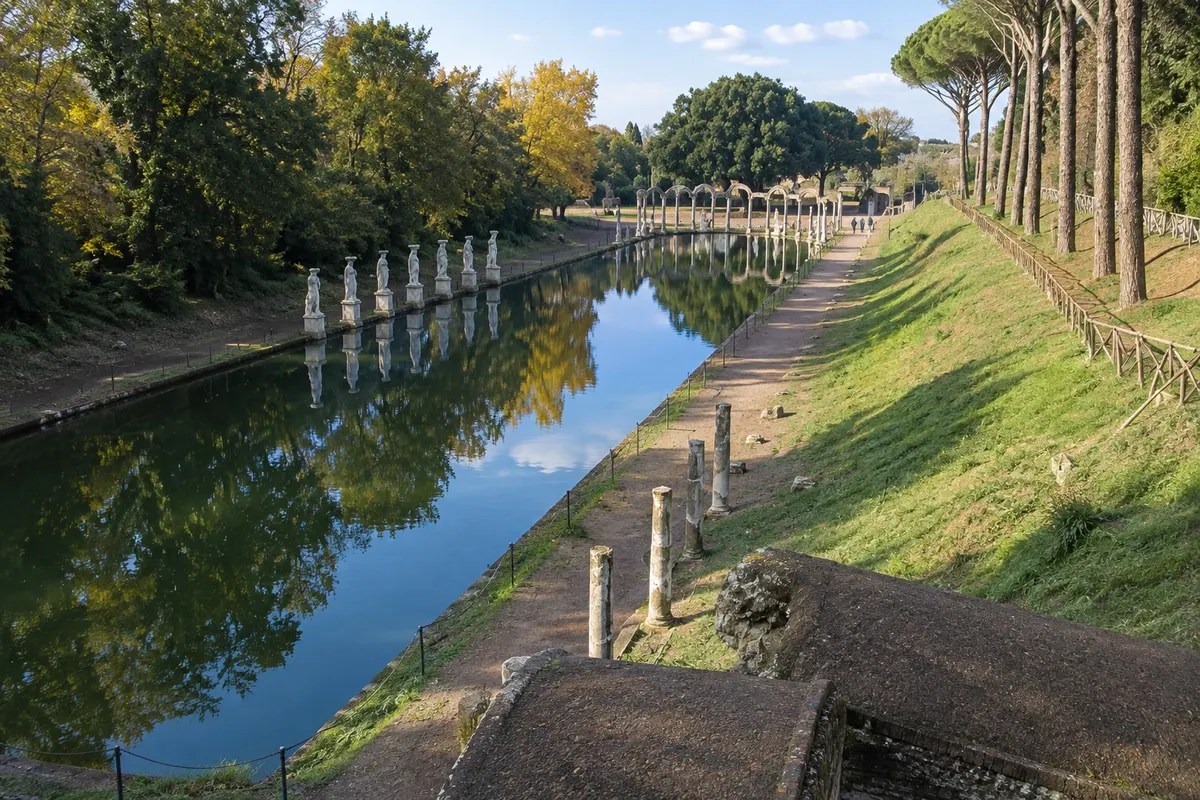
The vast country residence of Emperor Adriano from the 2nd century, near Tivoli: ruins of palaces, baths and reflecting pools such as the Canopo. UNESCO World Heritage Site.
Pred odhodom
Rome – Lazio Capital
Razdalje so približne. Pred potovanjem preverite lete in vozne rede avtobusov, vlakov ali ladij.
Confirm before booking. Flights arrive at Fiumicino airport, and the Leonardo Express train takes you to Roma Termini station in about 32 minutes. From Ciampino airport, buses run to Termini. At Termini the two main metro lines cross and trains depart for all over Italy.
Three days are the comfortable minimum: one for the Coliseu, the Foro Romano and Palatine Hill, one for the Vaticano and one for the historic center and the Galleria Borghese. With two days you see the essentials at a fast pace. One day only forces you to choose between ancient Roma and the Vaticano.
From April to June and from September to October the weather is usually good for walking. July and August are very hot, and queues grow. From December to February it is cold, with fewer tourists. Timed tickets for the Coliseu, the Museus Vaticanos and the Galleria Borghese sell out earlier in high season: book in advance.
The seasons shown are the most usual ones; nature doesn't always follow the calendar.
No. The center of Rome is a ZTL (limited traffic zone), closed to outside cars, with cameras at the entrances. The metro, buses and walking cover almost everything, and trains go to other cities. If you plan to use a car for the trip, take it out when leaving Rome.
Predlog poti
Pot povezuje znamenitosti na tej strani. Za oglede boste imeli dovolj časa.
Start early at the Coliseu, with a ticket booked for the first time slot. The same ticket grants access to the Foro Romano and the Palatino, which are next door: walk along the Via Sacra to the Arch of Titus and climb the Palatino to see the Foro from above.
After lunch, head to the Pantheon and watch the light entering through the dome's oculus. A few minutes' walk away is the Piazza Navona, with Bernini's Fontana dei Quattro Fiumi in the center.
Walk to the Fontana di Trevi and toss a coin over your shoulder, as tradition dictates. Continue to the Piazza di Spagna and climb the steps to the church of Trinità dei Monti to view the city's rooftops.
For dinner, cross the river to Trastevere, with narrow streets full of trattorias. Dinner in Rome usually starts from 7:30 PM or 8:00 PM.
Dan 1
Enter the Coliseu right at opening time, with a named ticket and scheduled entry. Walk the two tiers of seating and look down at the underground corridors where gladiators and animals passed.
In the afternoon, use the same ticket at the Foro Romano: the Curia, the Temple of Vesta, the arches of Titus and Septimius Severus. Climb the Palatino, where the emperors' palaces stood, and enjoy the view over the Circo Massimo.
Climb Michelangelo's staircase to the Piazza del Campidoglio and peek at the Foro from the viewpoint behind the Palazzo Senatorio. Next door, the Vittoriano's elevator takes you to the Terraço das Quadrigas, with Rome in 360 degrees.
Dine in Monti, the neighborhood between the Coliseu and the Via Nazionale, with enotecas and small restaurants on cobbled streets. On the way back, the illuminated Coliseu is just a few blocks away.
Dan 2
Book the first time slot for the Museus Vaticanos. Pass by the Laocoonte, the Salas de Rafael and finish in the Capela Sistina, where photos are prohibited and silence is requested. Shoulders and knees must be covered.
Exit via the Piazza San Pietro and enter the Basilica, where Michelangelo's Pietà is located. Climb the dome on foot or take part of the way by elevator: from the top you can see the entire square and the gardens of the Vaticano.
Walk along the Via della Conciliazione to the Castel Sant'Angelo, the former mausoleum of Hadrian. From the castle terrace, the sunset often paints the cúpula de São Pedro. Cross the Ponte Sant'Angelo, with its statues of angels.
From the bridge, it's a few minutes to the Piazza Navona. Walk past the illuminated Pantheon and finish at the Fontana di Trevi: at night, outside controlled hours, the edge of the fountain does not require a ticket.
Dan 1
Start at the Coliseu at the first booked time, with a photo ID in hand. The amphitheatre was inaugurated in AD 80 and held tens of thousands of spectators at the games.
Head to the Foro Romano and the Palatino with the same ticket. Bring water and a hat: there is little shade among the ruins, especially from June to August.
In the late afternoon, visit the Musei Capitolini, with the Loba Capitolina and the original equestrian statue of Marcus Aurelius. Through the Tabularium's underground gallery you reach a window overlooking the Foro.
At night, dine in Monti, near ancient Rome, or walk down the Via dei Fori Imperiali to see the ruins lit up.
Dan 2
Vatican day, which is another State but has no passport control. Enter the Museus Vaticanos with a timed slot and allow three hours to reach the Capela Sistina without rushing.
Visit the Basílica de São Pedro, with Bernini's baldachin over the papal altar, and climb the steps of the dome. Entrance to the basilica is free; the ascent to the dome requires a separate ticket.
Walk to the Castel Sant'Angelo and ascend the ramps to the terrace of the bronze angel, with views over the Tibre and São Pedro. The castle is closed on Mondays: check before you go.
Cross the Tibre to Trastevere to dine in the trattorias on the stone streets, one of Rome's liveliest neighborhoods after dark.
Dan 3
Start at the Galleria Borghese, with mandatory reservation and a visit of about two hours. See Apollo and Daphne and the Rape of Proserpina by Bernini, and Canova's Paulina Borghese.
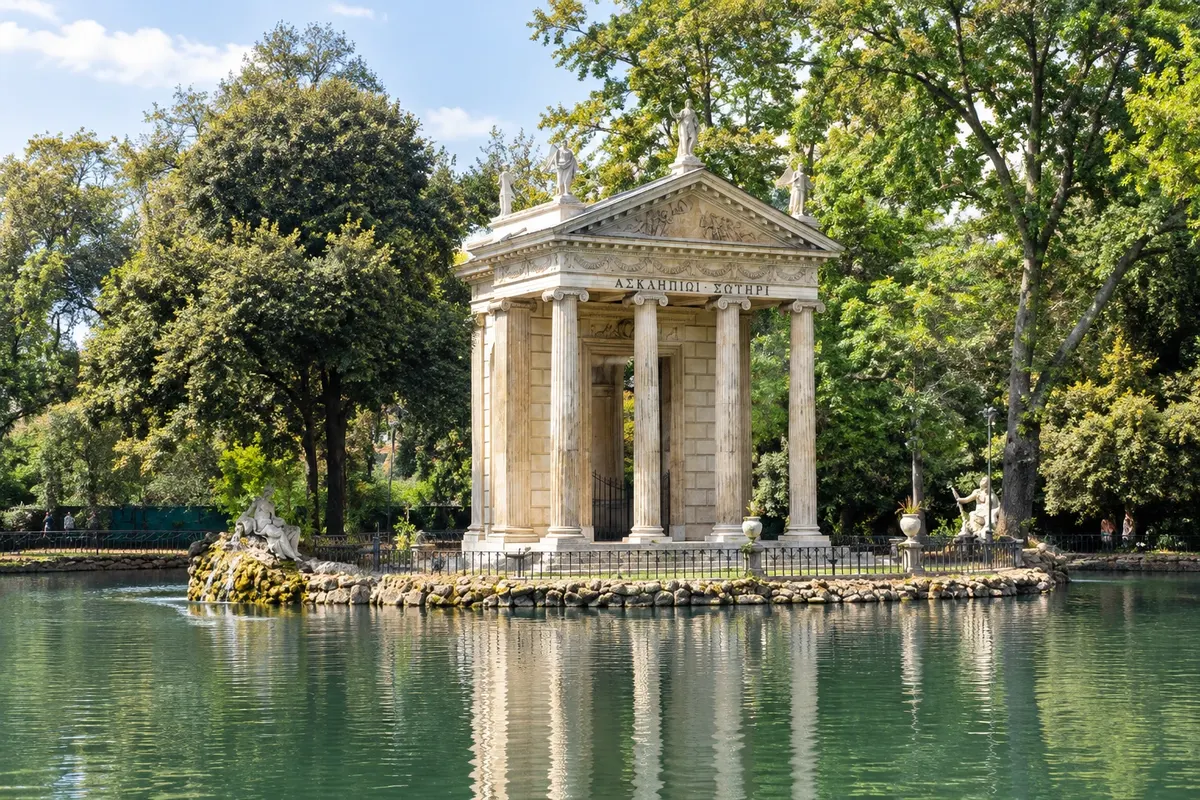
Cross the Villa Borghese park, with its lake and the Temple of Aesculapius, to the Pincio terrace. From there you descend to the Piazza di Spagna via the Trinità dei Monti and the staircase.
From the Piazza di Spagna, walk to the Fontana di Trevi and then to the Pantheon. Go inside and see the tombs of Raphael and of Italy's early kings.
End at the Piazza Navona, with its three illuminated fountains and street performers. For the last meal, the small streets around the square have trattorias and pizzerias.
Check before you go. Opening hours and days change, and places may close for renovations, holidays or events. This itinerary is a suggestion from Cidade Turismo, not a commitment: plan yours by checking directly with each place you intend to visit.
Pred odhodom
Yes, the Cidade do Vaticano is an independent State, surrounded by Rome. But there is no passport control: you enter on foot via the Piazza San Pietro. In the basilica and museums there is only security screening, and clothing that covers shoulders and knees is required.
The Leonardo Express train departs the station inside the airport and goes non-stop to Roma Termini in about 32 minutes. From Termini, the metro and buses serve the rest of the city. There are also buses and taxis. Check schedules before you go.
The Coliseu has a nominal ticket with a scheduled time, and a photo ID is required at the entrance. The Museus Vaticanos recommend booking online. At the Galleria Borghese reservation is mandatory. The Pantheon and the terrace of the Vittoriano charge admission, and access to the edge of the Fontana di Trevi is controlled during the day.
The metro has lines that stop at the Coliseu, Termini, Piazza di Spagna and near the Vatican. Buses cover the rest. In the historic center the distances between the Pantheon, Piazza Navona and the Fontana di Trevi are short, and it's worth walking.
Lunch usually runs from 12:30 to 14:30 and dinner starts around 19:30 or 20:00. Typical Roman dishes are carbonara, cacio e pepe, amatriciana and artichokes alla romana. The city's tourist tax is charged at accommodation.
Rotas entre países
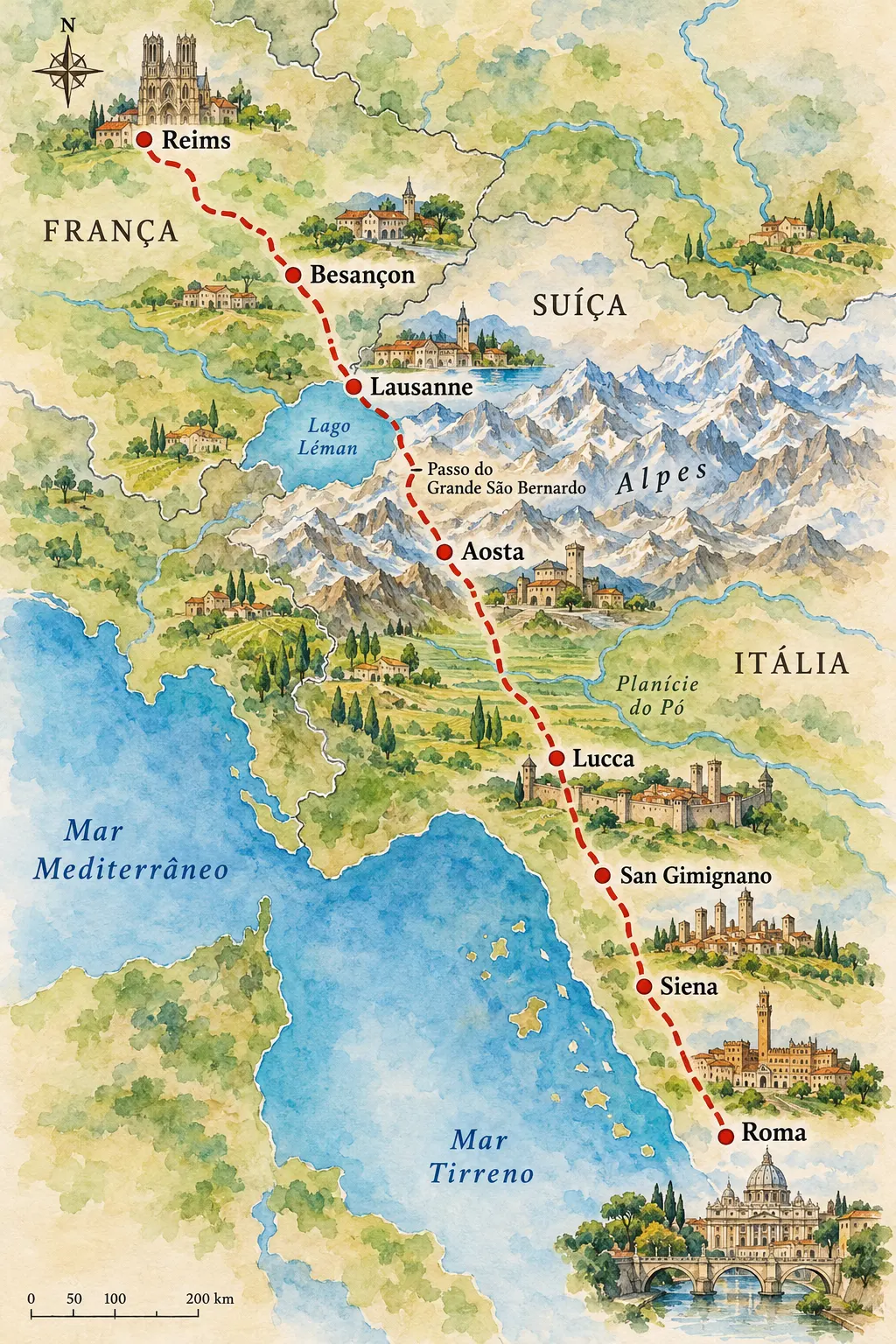
The ancient pilgrims’ route to Rome: from Canterbury Cathedral, through France and Switzerland, over the Alps via the Great St Bernard Pass and through Tuscany to St. Peter’s Square.
Več kot vodnik