Število mest: 2

 Išči
 Brazilija
 Antarktika
 Argentina
 Bolivija
 Čile
 Kolumbija
 Ekvator
 Gvajana
 Francoska Gvajana
 Falklandski otoki (Malvini)
 Paragvaj
 Peru
 Surinam
 Urugvaj
 Venezuela
 Nemčija
 Avstrija
 Belgija
 Hrvaška
 Danska
 Slovaška
 Slovenija
 Španija
 FinskaFrancija
 Grčija
 Nizozemska
 Madžarska
 Irska
 Islandija
 Italija
 Luksemburg
 Norveška
 Poljska
 Portugalska
 Združeno kraljestvo
 Češka
 Švedska
 Švica
 Turčija
 Bermudi
 Kanada
 Združene države Amerike
 Grenlandija
 Mehika
 Sveta Peter in Mihael
 Dominikanska republika
 JaponskaTurčija
 Južnoafriška republika
 Egipt
 Avstralija
 Fidži
 Nova Zelandija
 Papua Nova Gvineja
Regija · West
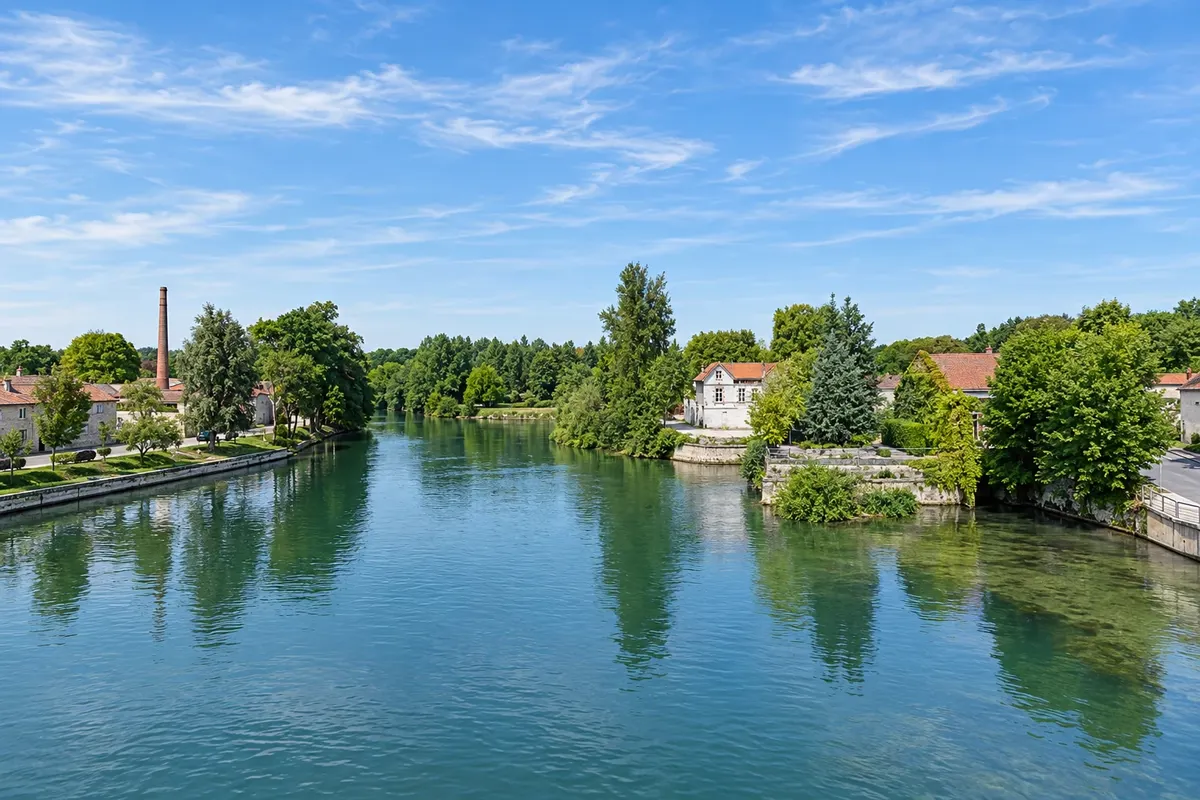
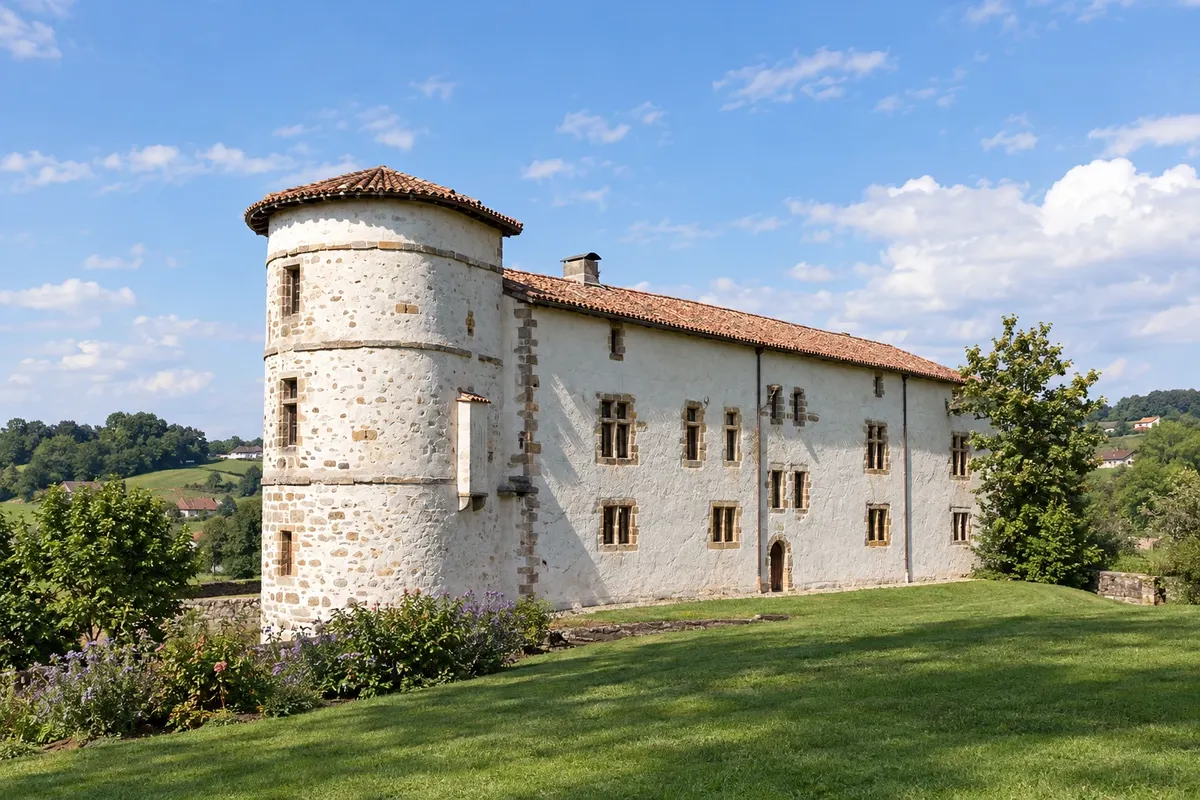
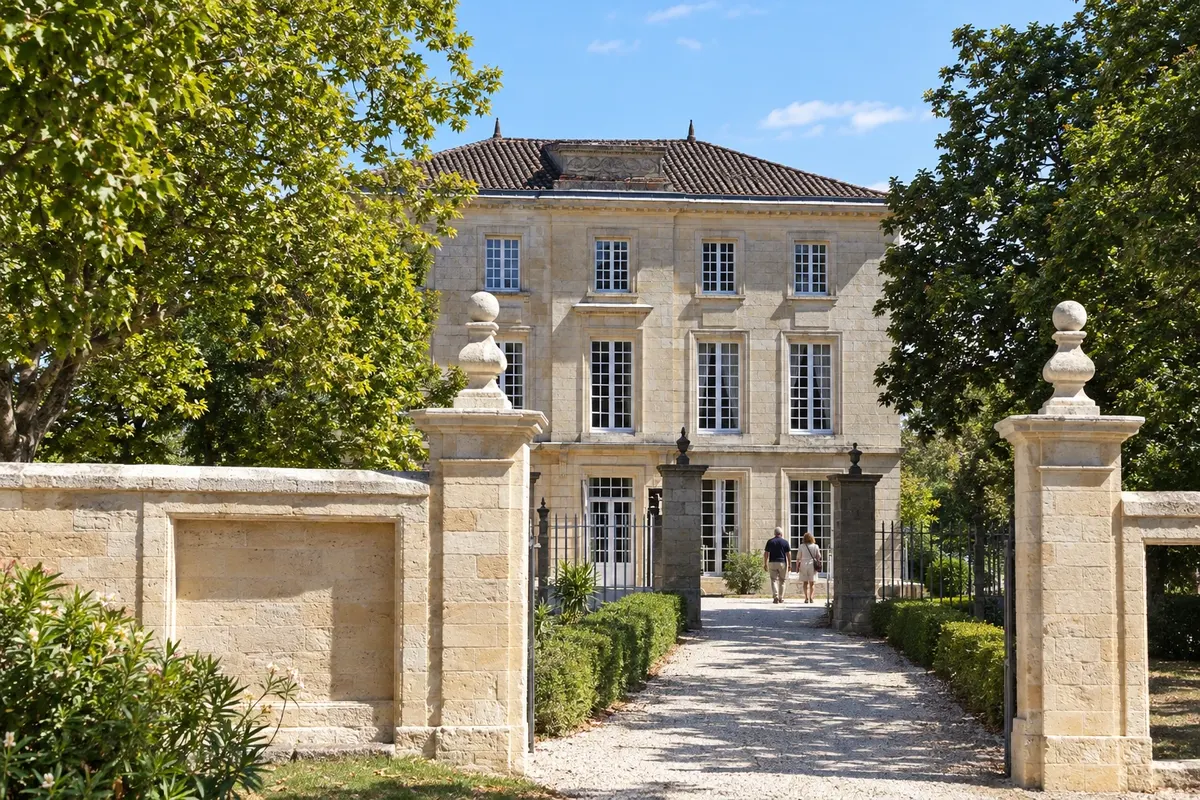
Illustrative images. The pictures in this guide are illustrations based on the real place, not photographs, and may differ from it.
Destinacije
Mesta
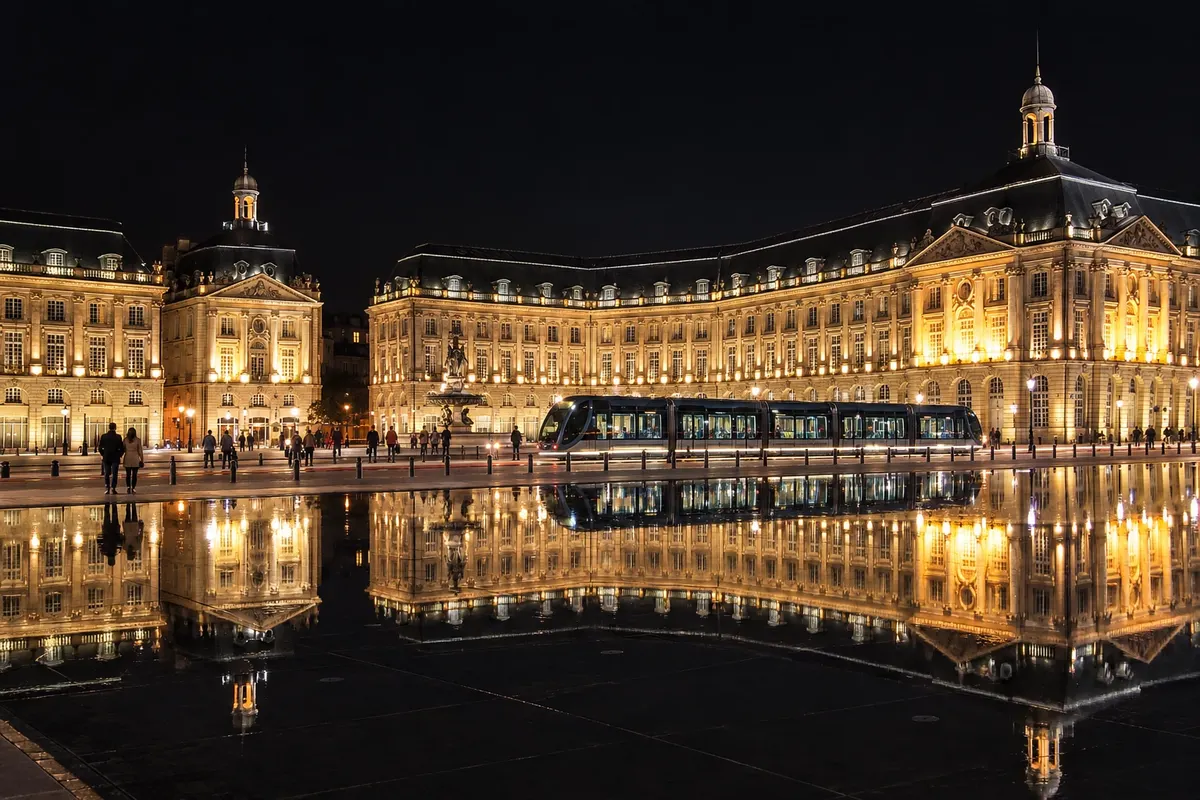
Bordéus is the capital of Nova Aquitânia and the gateway to the vineyards of southwestern France. The center, with pale 18th-century stone façades along the Garonne, is a World Heritage Site under the name Port de la Lune. There you’ll find the Place de la Bourse with the Miroir d'eau, the Grand-Théâtre, the Cathédrale Saint-André with the Tour Pey-Berland, the Grosse Cloche and the Basilique Saint-Michel. Further north are the Cité du Vin and the Bassins des Lumières, and the city is a base for Pauillac in the Médoc and for the Dune du Pilat.
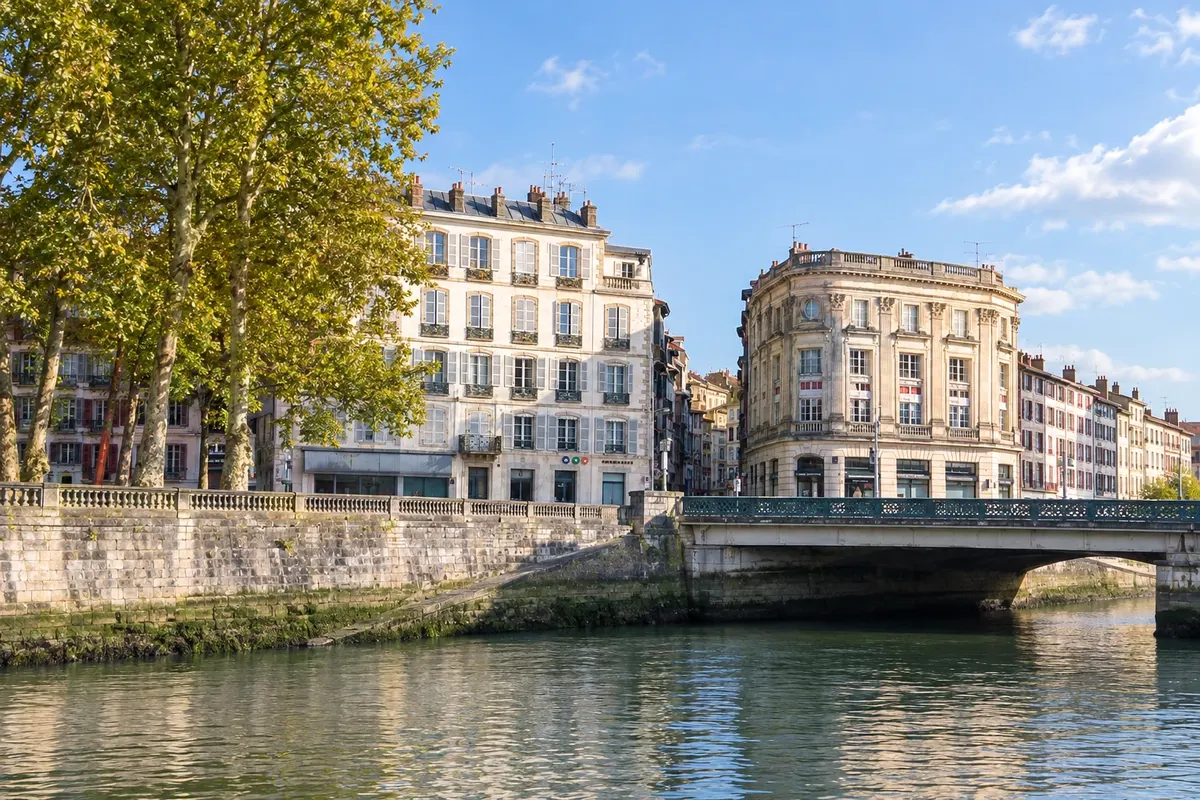
Bayonne (Baiona, in Basque) is the largest city in the French Basque Country and sits where the Nive flows into the Adour, about 6 km from the sea. The Grand Bayonne, around the Gothic cathedral of Sainte-Marie, and the Petit Bayonne, on the other side of the Nive, have quays with tall timber-framed houses and colorful windows, surrounded by the ramparts strengthened by Vauban in the 17th century. The city has the Musée Basque, the Musée Bonnat-Helleu of fine arts, the chocolate and ham traditions and the Fêtes de Bayonne at the end of July, when the city dresses in white and red.
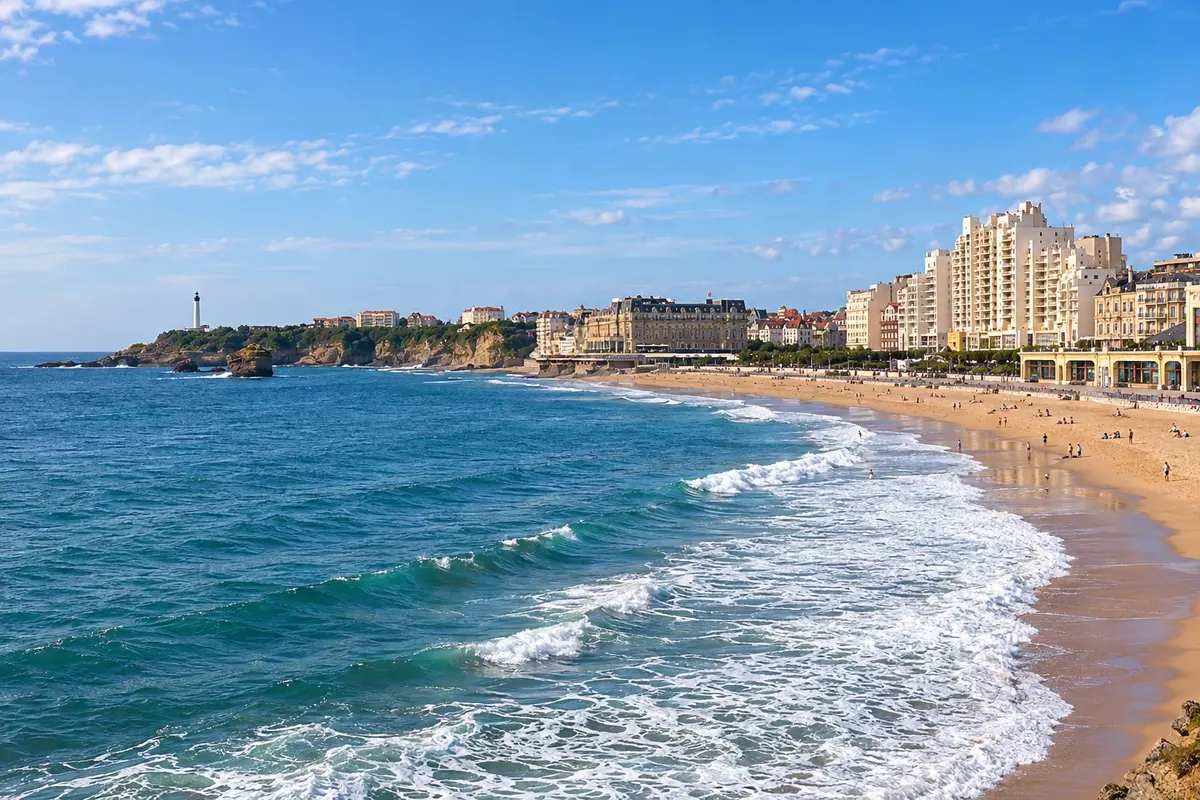
Biarritz was a Basque whaling port and became, from the 1850s, the preferred seaside resort of Napoleon III and Empress Eugénie, who had her summer house built here, now the Hôtel du Palais. The town stretches along about 4 km of beaches and cliffs: the Grande Plage, the Rocher de la Vierge with its footbridge over the sea, the fishermen's harbour, the lighthouse on the Saint-Martin headland and the Côte des Basques, one of the beaches where surfing began in Europe. It has the region's airport and is ten minutes from Bayonne.
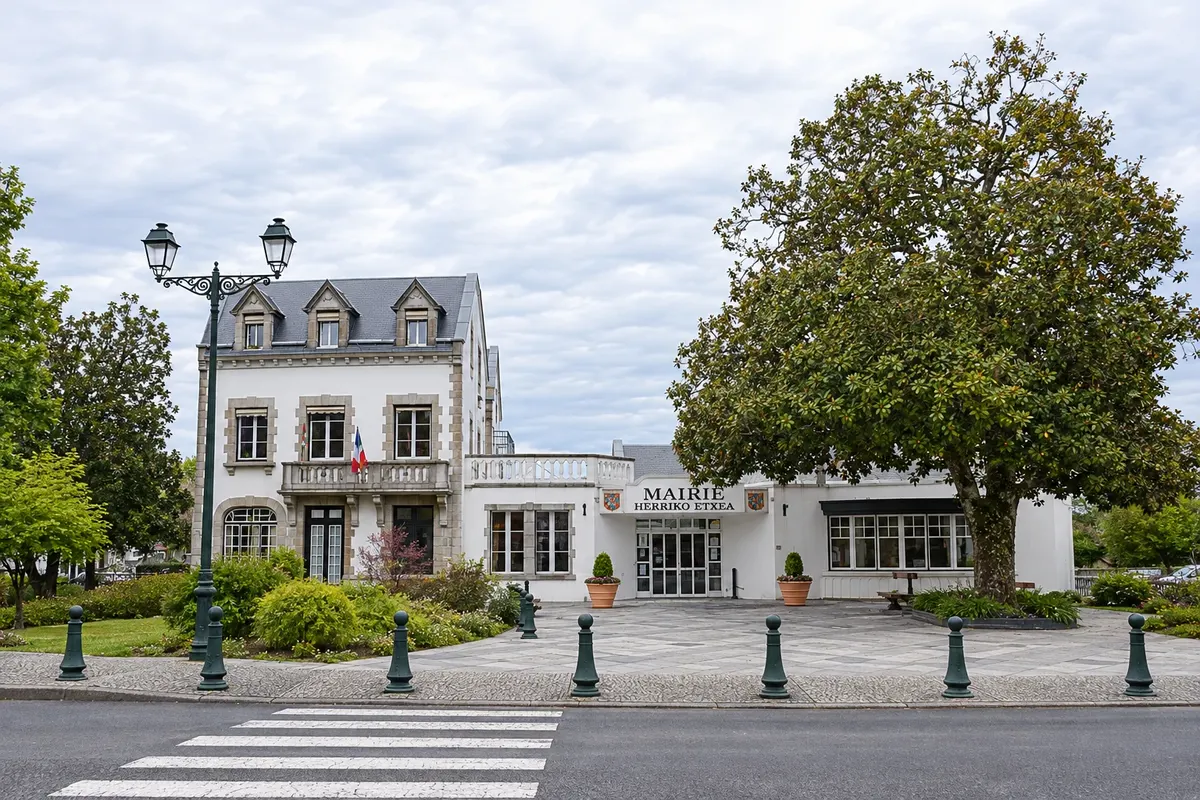
Thermal town in the interior of the French Basque Country, on the banks of the Nive River, divided between Upper Cambo, with the church of Saint Lawrence, and Lower Cambo, beside the river. There the writer Edmond Rostand built Villa Arnaga, now a museum. Nearby are the Nive gorge and the Roland’s Pass, in Itxassou. It is the town of the gâteau basque.
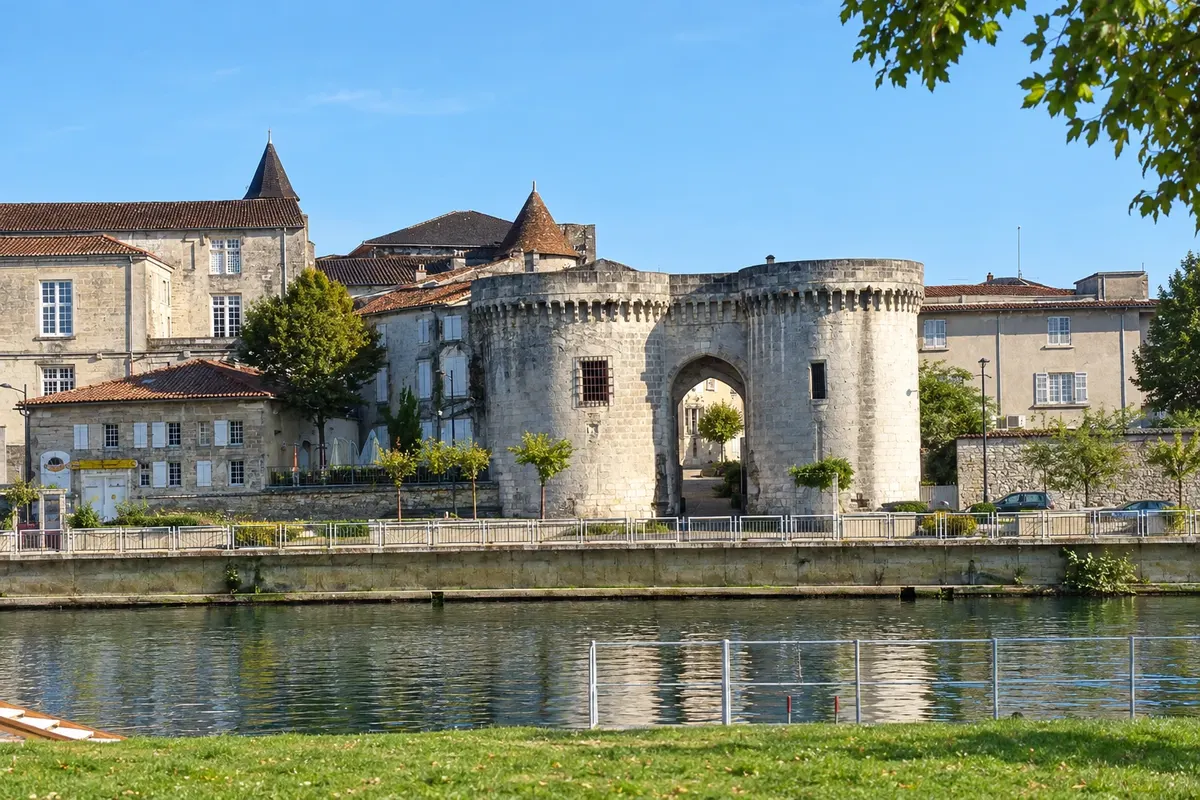
City of art and history on the Charente, where Francis I was born. The old centre stretches from the Porte Saint-Jacques by the river up to the church of Saint Leodegar. The public garden surrounds the town hall and houses the art and history museum; the Cognac knowledge museum tells the story of the brandy. It is the town of cognac.
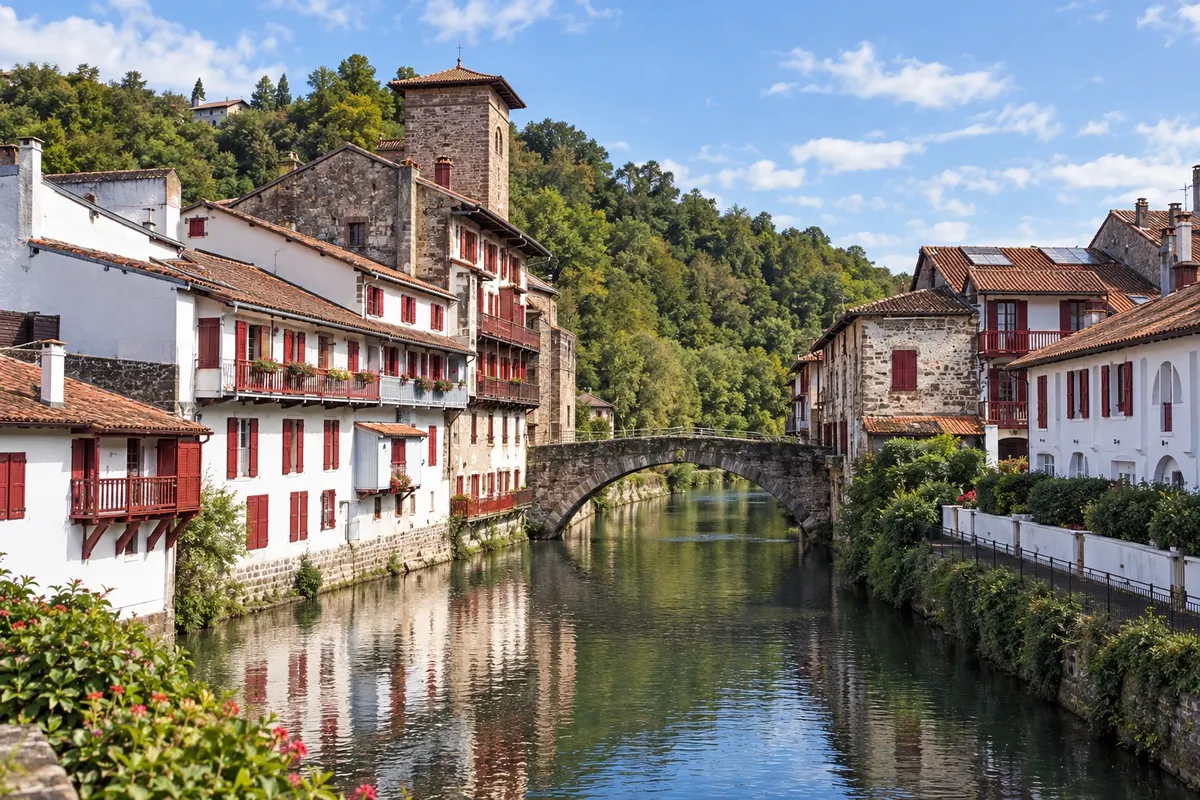
Saint-Jean-Pied-de-Port, Donibane Garazi in Basque, is a village in the French Basque Country, the former capital of Lower Navarre, on the banks of the rio Nive and at the foot of the Pyrenean pass. The medieval village has walls and gates, like the Porte Saint-Jacques, through which pilgrims enter, and the rua da Cidadela rises to the 17th-century fortress. It is the most common starting point of the Caminho Francês to Santiago, and the first stage crosses the Pyrenees via the Route Napoléon to Roncesvalles in Spain. French and Basque are spoken.
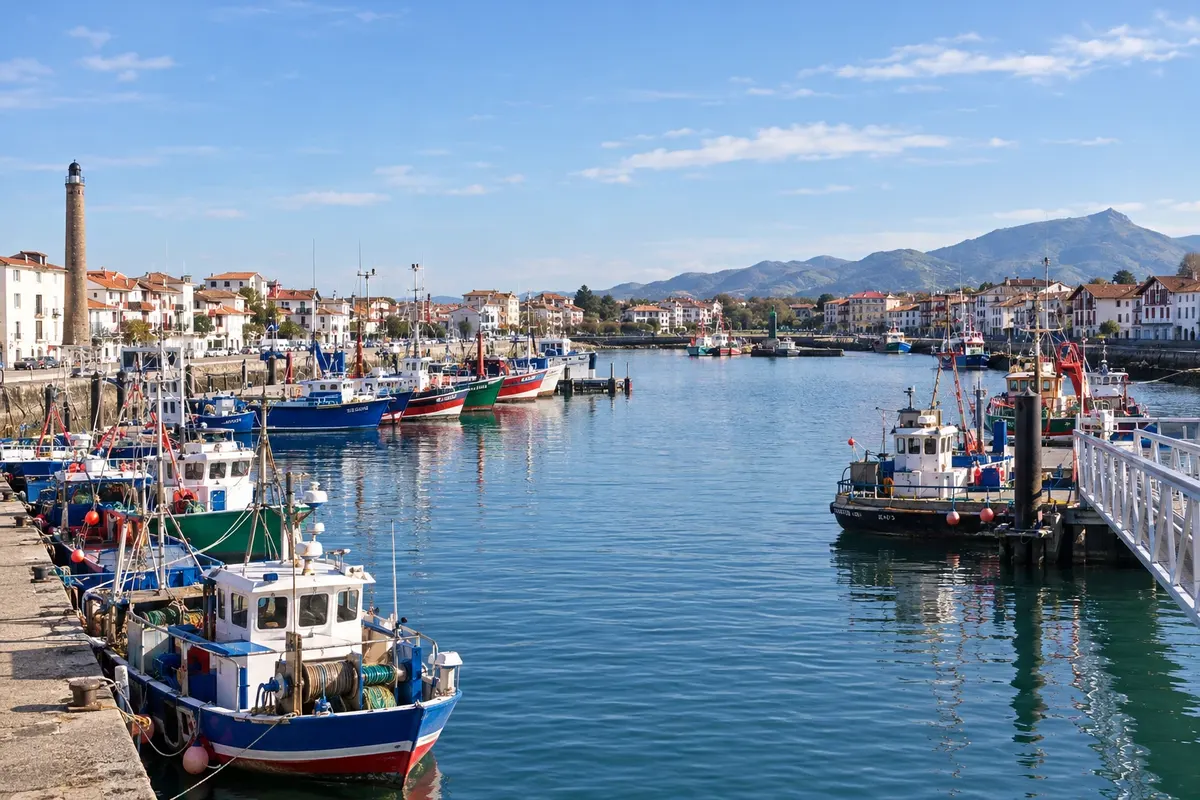
Saint-Jean-de-Luz (Donibane Lohizune, in Basque) is a fishing port in a bay protected by three breakwaters, shared with Ciboure on the other side of the river Nivelle. Fishermen from here sailed to Newfoundland for cod and whales, and privateers left the port in the king's service. In 1660 Louis XIV married the Infanta Maria Theresa of Spain in the church of Saint-Jean-Baptiste, and the houses where they stayed are still standing. Today the pedestrian center links the port to the beach, and the town is a base for the La Rhune train, for Espelette and for San Sebastián across the border.
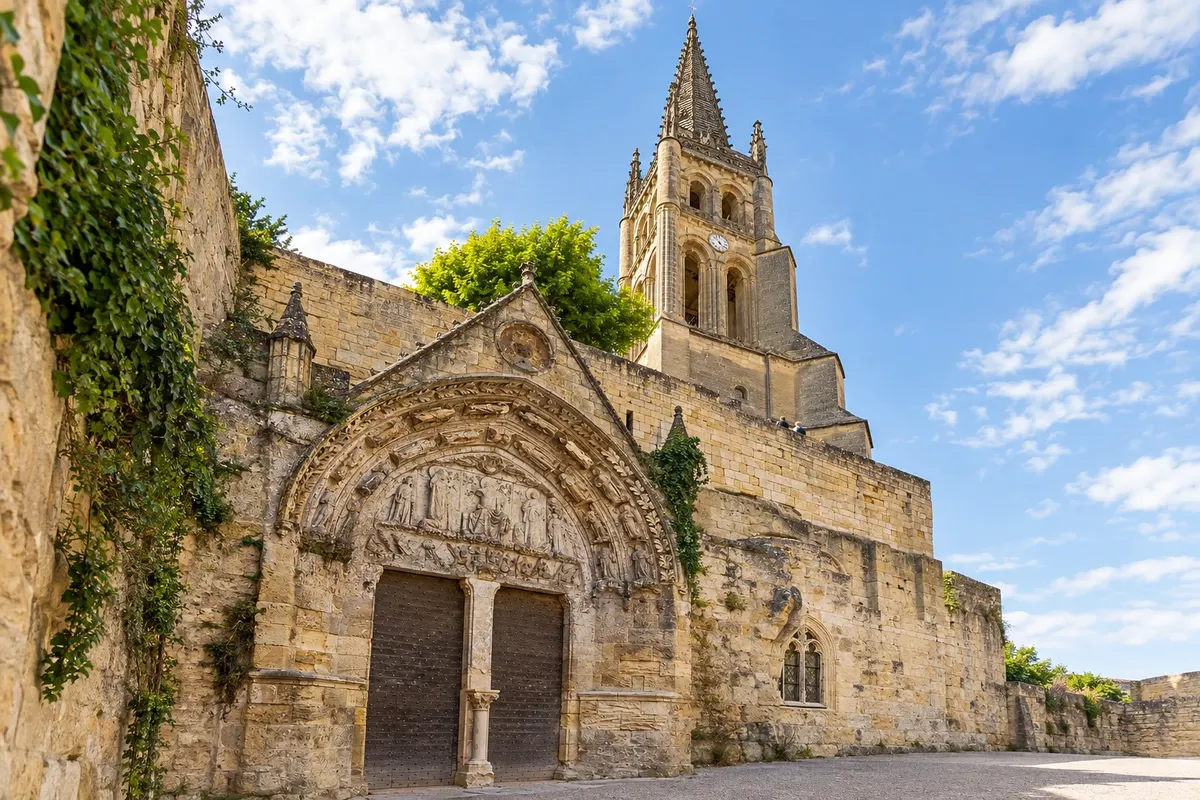
Saint-Émilion is a medieval village of limestone on a hill surrounded by vineyards, about 40 km from Bordéus. The Jurisdição de Saint-Émilion, comprising the village and seven other communes, has been a World Heritage Site since 1999 as a wine-growing landscape. In the centre are the Église monolithe, a church carved into the rock, the Tour du Roy, the Collégiale with its cloister and the Cloître des Cordeliers. Around them, wine estates receive visitors by reservation.
Poti
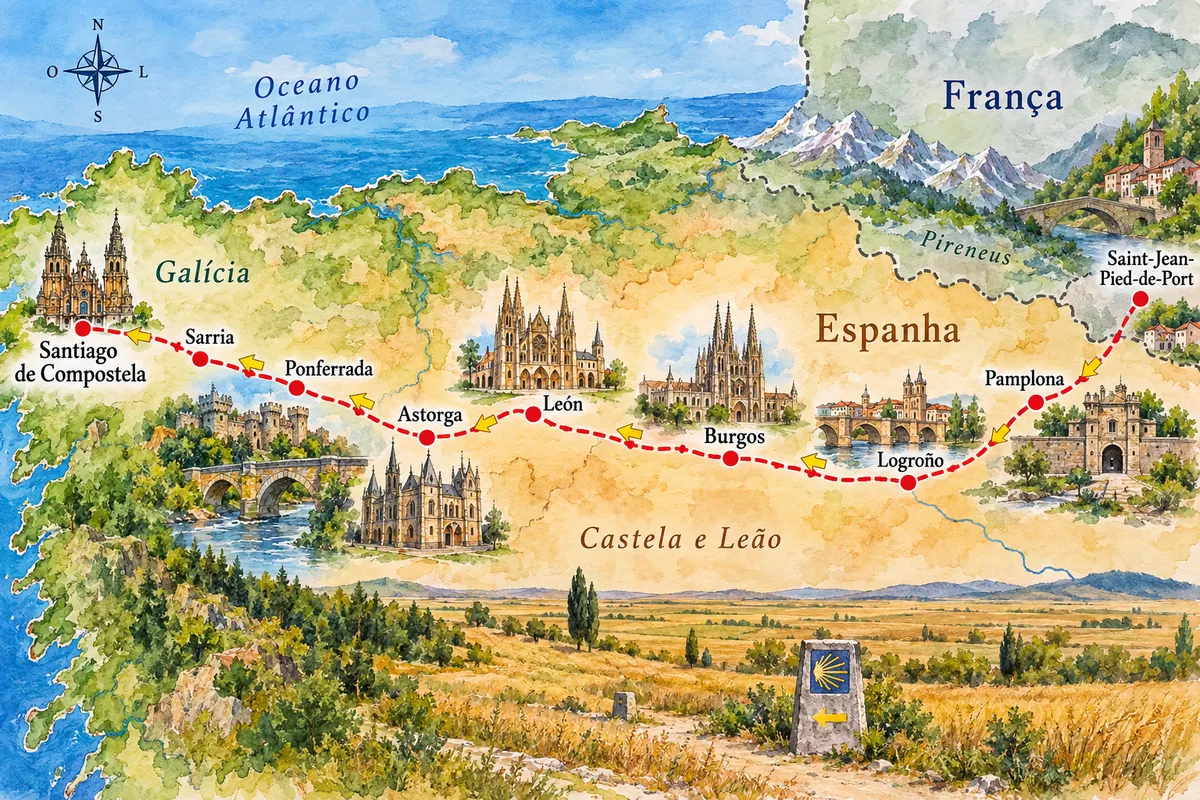
The most travelled pilgrimage route to Santiago de Compostela: from the French Pyrenees to Galicia, on foot, via Pamplona, Burgos and León, following the yellow arrows.
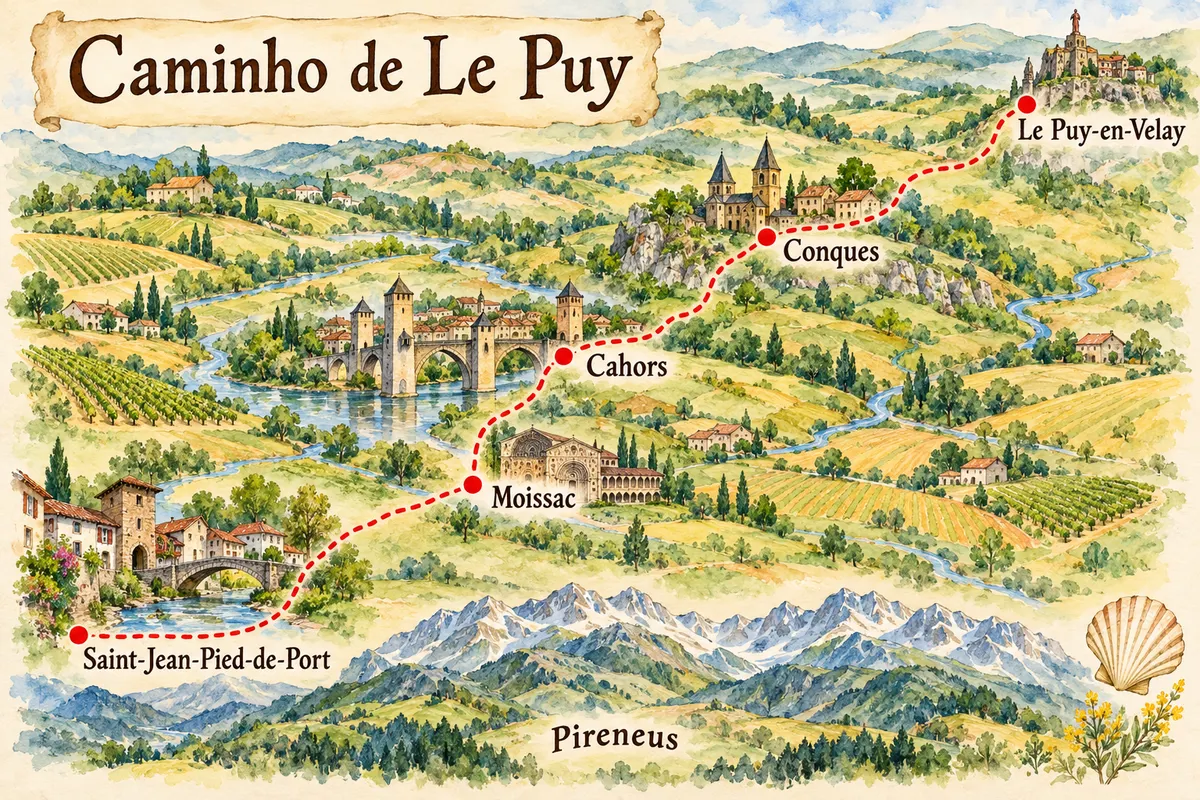
The most walked Camino de Santiago route in France: from Le Puy-en-Velay to the Pyrenees on foot, across the Aubrac plateau, Conques, Cahors and Moissac, to Saint-Jean-Pied-de-Port, where the French Way begins.
Več kot vodnik