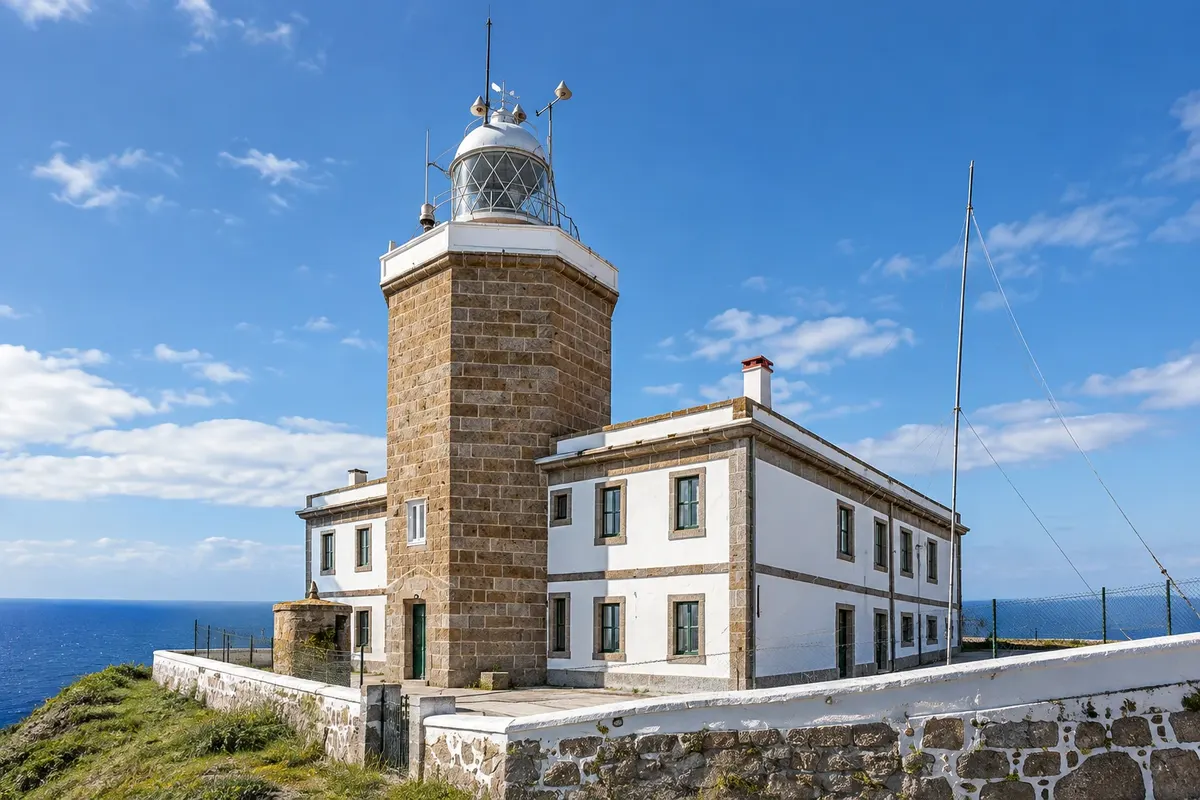
Cape and Lighthouse of Fisterra
Granite cape that the Romans called finis terrae, the end of the known world, with the lighthouse from 1853 at 143 meters above the sea and the kilometer-zero marker of the camino de Fisterra.
Antarktika
Galícia · Španija
Destinacija: Santiago de Compostela and Galicia.
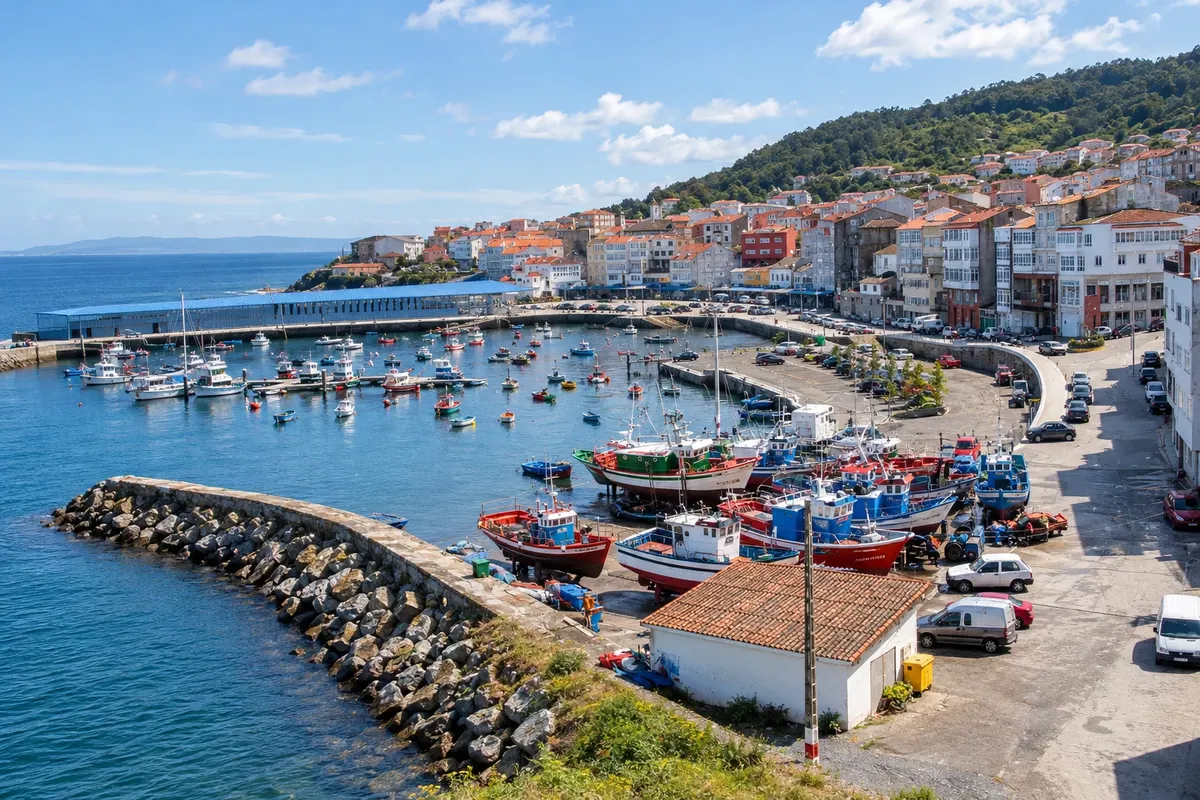
Na fotografiji: Porto de Fisterra
Illustrative images. The pictures in this guide are illustrations based on the real place, not photographs, and may differ from it.
Mesto
Fisterra is a fishing village on the Costa da Morte, in Galicia, about 90 km from Santiago de Compostela. About 3 km away is the cabo Fisterra, the finis terrae of the Romans, considered the end of the known world, with the lighthouse from 1853 and the kilometer-zero marker of the route many pilgrims walk after Santiago. On the way to the cape is the church of Santa María das Areas, with the Cristo de Fisterra. In the village the castelo de San Carlos houses the Museu da Pesca, and the port, with the lonxa, shows the coastal fishing. Galician and Spanish are spoken.
V vodniku še ni nastanitev – Fisterra.
kako do tja · koliko dni · načrt poti · vprašanja
Doživite kraj
Granite cape that the Romans called finis terrae, the end of the known world, with the lighthouse from 1853 at 143 meters above the sea and the kilometer-zero marker of the camino de Fisterra.
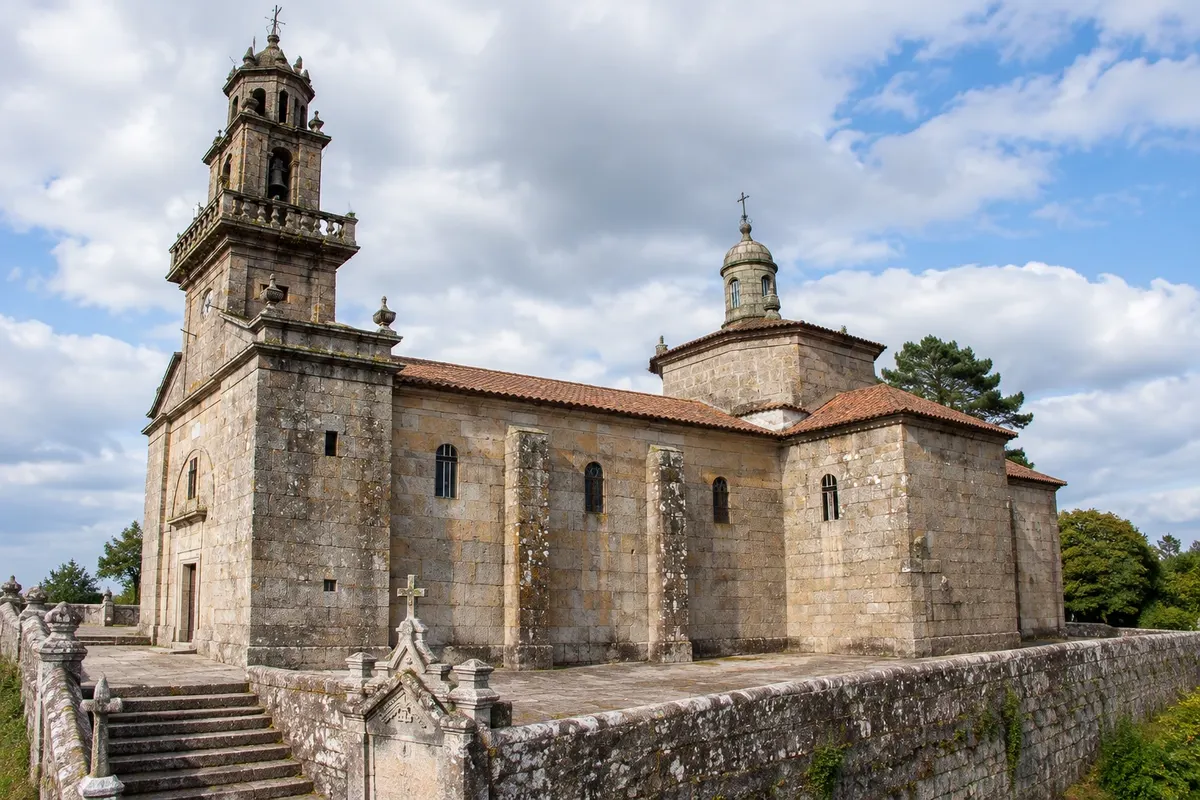
Romanesque church from the 12th century, with Gothic chapels, on the camino to cabo Fisterra, which houses the image of the Santo Cristo de Fisterra and is a stop for pilgrims.
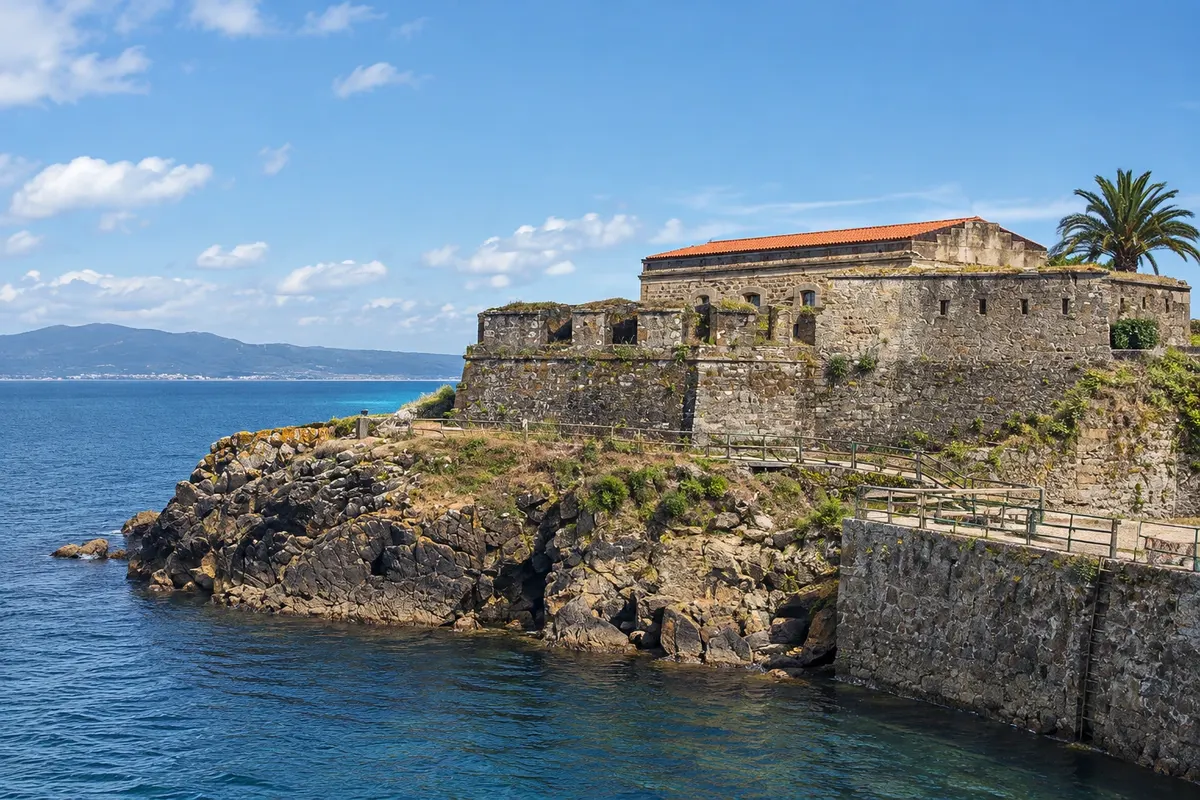
Small 18th-century fortification on the edge of the porto de Fisterra, built in the reign of Carlos III against corsairs, which houses the Museu da Pesca, about the life of the fishermen of the Costa da Morte.
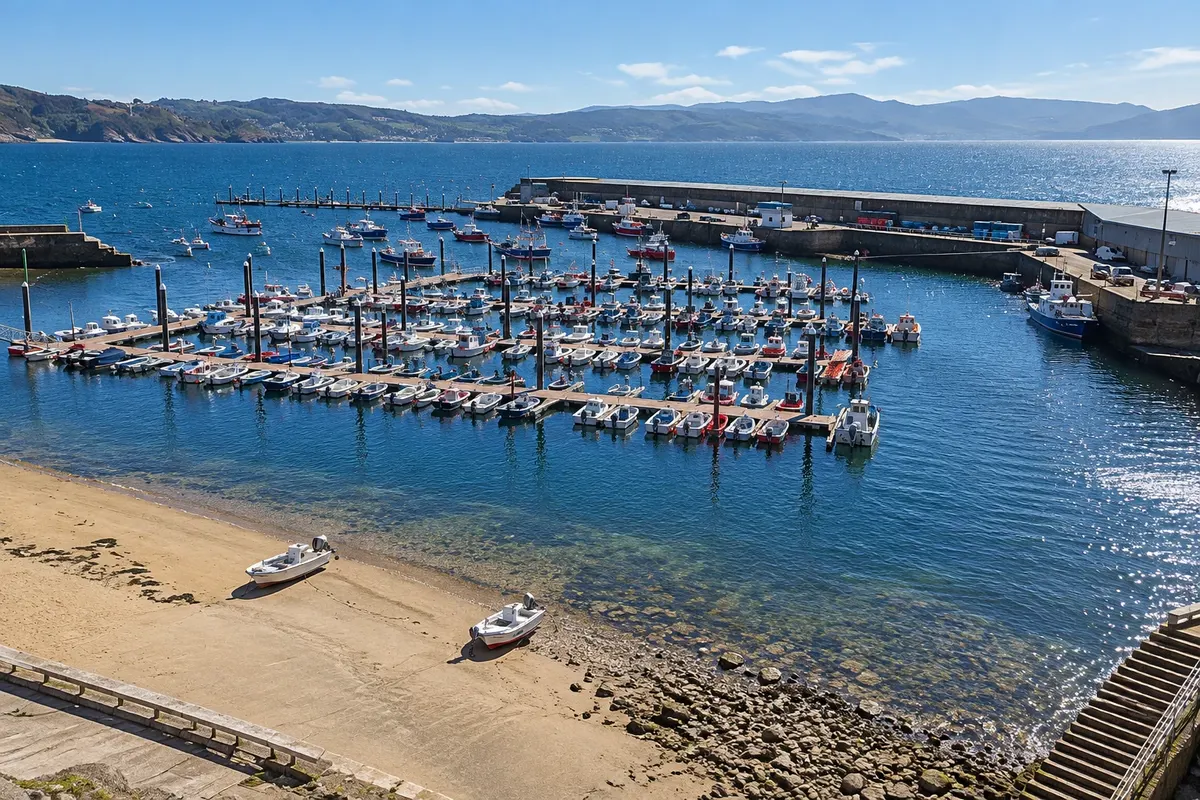
Fisterra's fishing port, with fishermen's houses, colorful boats and the lonxa, where fish from the Costa da Morte is auctioned, and fish and seafood restaurants around it.

Pred odhodom
Fisterra – Galicia Destinacija Santiago de Compostela and Galicia približno 90 km stran (izhodišče: Santiago de Compostela)
Razdalje so približne. Pred potovanjem preverite lete in vozne rede avtobusov, vlakov ali ladij.
Check before buying. The nearest airport is Santiago de Compostela, about 100 km away. There is no train: buses link Fisterra to Santiago in about 2 to 3 hours along the coast, and to Muxía. By car, via the AC-552 and the coast, it is about 1h30 from Santiago.
One day is enough for the cabo and the lighthouse, the church of Santa María das Areas, the castelo de San Carlos and the port. Those who arrive on foot via the camino de Fisterra usually sleep in the village and watch the sunset at the cabo. Many people combine Fisterra and Muxía in the same day trip from Santiago.
From June to September it usually rains less and the days are long, with late sunsets at the cabo. On the Costa da Morte the weather changes quickly, with fog and wind at any time of year, and winters are rainy.
The seasons shown are the most usual ones; nature doesn't always follow the calendar.
Help. The village is walkable, and the cabo is about 3 km away — roughly a 45-minute walk along the road. Buses from Santiago have few departures; a car makes it easier to combine with Muxía.
Predlog poti
Pot povezuje znamenitosti na tej strani. Za oglede boste imeli dovolj časa.
Start at the porto de Fisterra, see the boats and the lonxa, and visit the castelo de San Carlos, home to the Museu da Pesca.
Follow the road to the cabo to the church of Santa María das Areas, with the Cristo de Fisterra.
Continue to the cabo Fisterra, see the lighthouse and the kilometer-zero marker, and wait for the sunset over the Atlantic.
Dine on fish and shellfish from the Costa da Morte at the restaurants on the porto.
Check before you go. Opening hours and days change, and places may close for renovations, holidays or events. This itinerary is a suggestion from Cidade Turismo, not a commitment: plan yours by checking directly with each place you intend to visit.
Pred odhodom
No. It is the finis terrae of the Romans, but the cabo da Roca in Portugal lies further west, and the cabo Touriñán nearby is the westernmost point of Galicia.
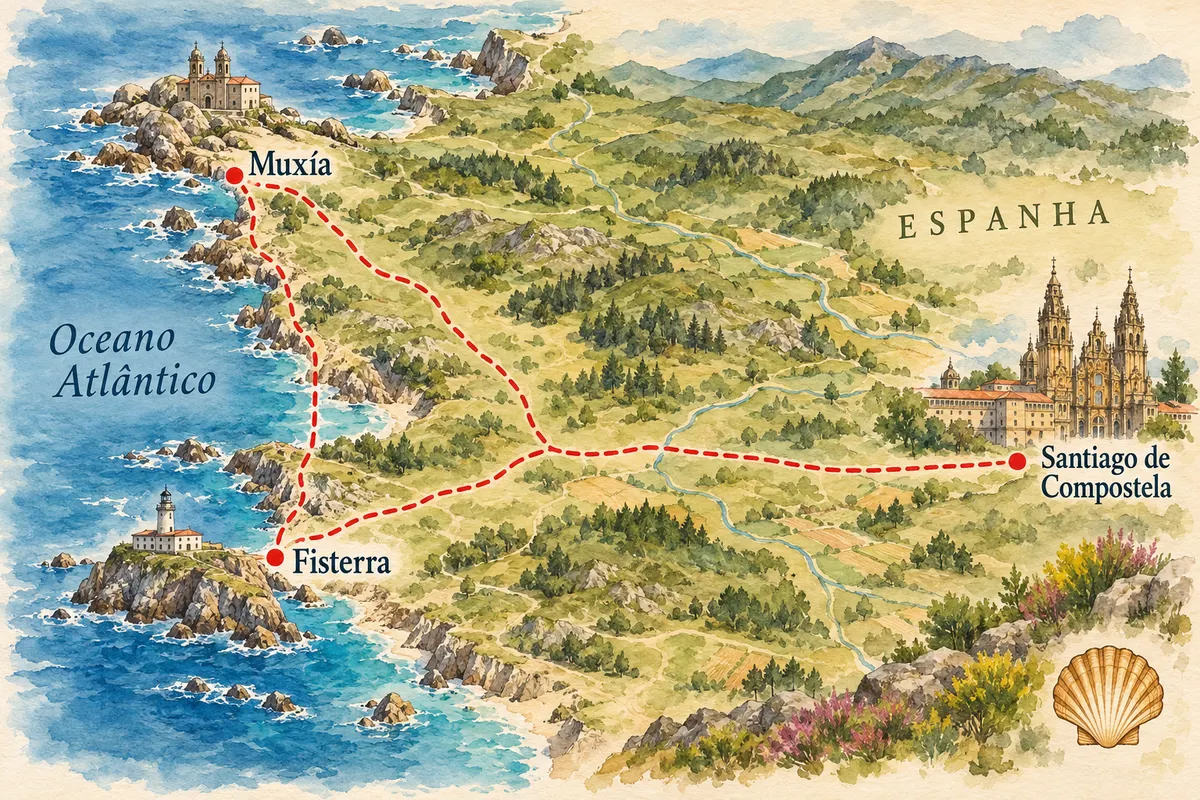
Yes, via the camino de Fisterra and Muxía, about 90 km, generally done in three or four days.
By bus, in about 2 to 3 hours along the coast, with few departures per day.
A stone marker next to the lighthouse that marks the symbolic end of the route many pilgrims walk after Santiago.
Galician and Spanish.
Poti – in Španija
After the cathedral, the sea: on foot from Santiago de Compostela to Cape Finisterre, the old end of the world, and to the sanctuary of Muxía, on the Costa da Morte.
Več kot vodnik