Galápagos Islands

Galápagos · Ekvator

Galápagos Islands

The volcanic archipelago about a thousand kilometers off the coast of Ecuador, where giant tortoises, marine iguanas, sea lions and birds live without fear of people. UNESCO World Heritage Site.

Galápagos

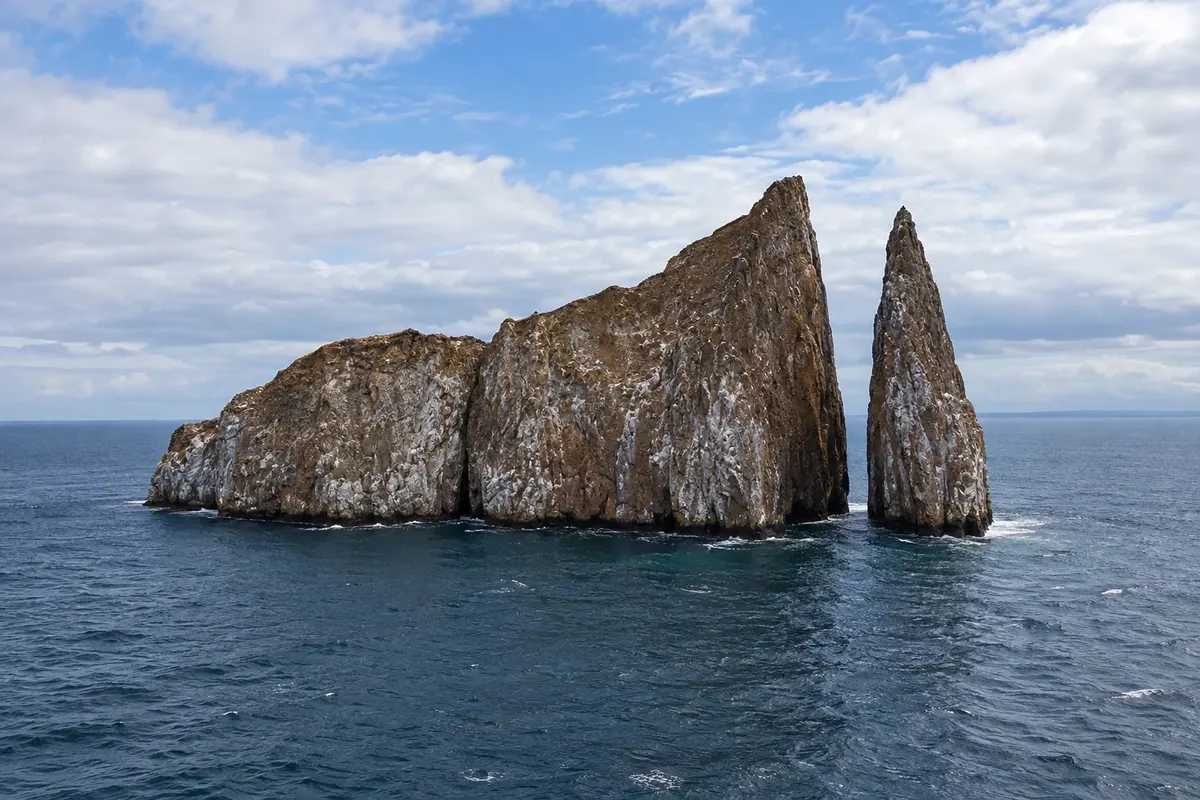
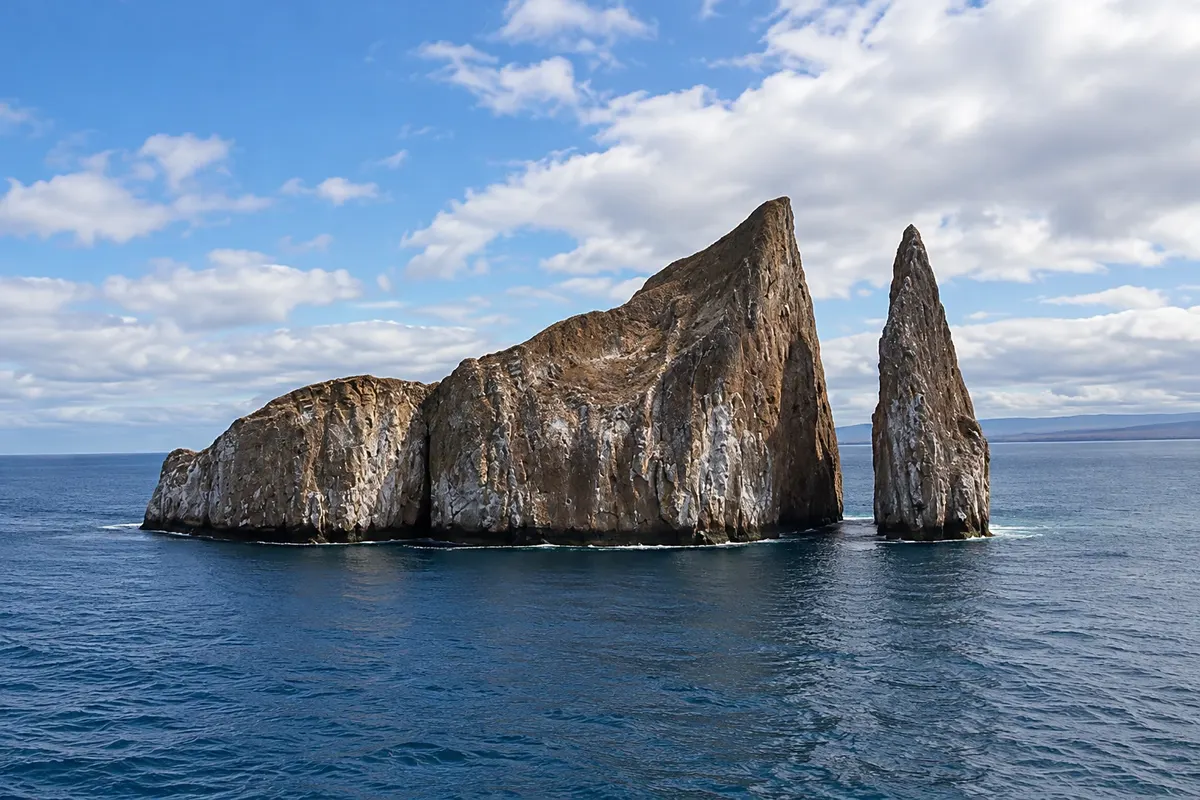
Na fotografiji: Kicker Rock — León Dormido

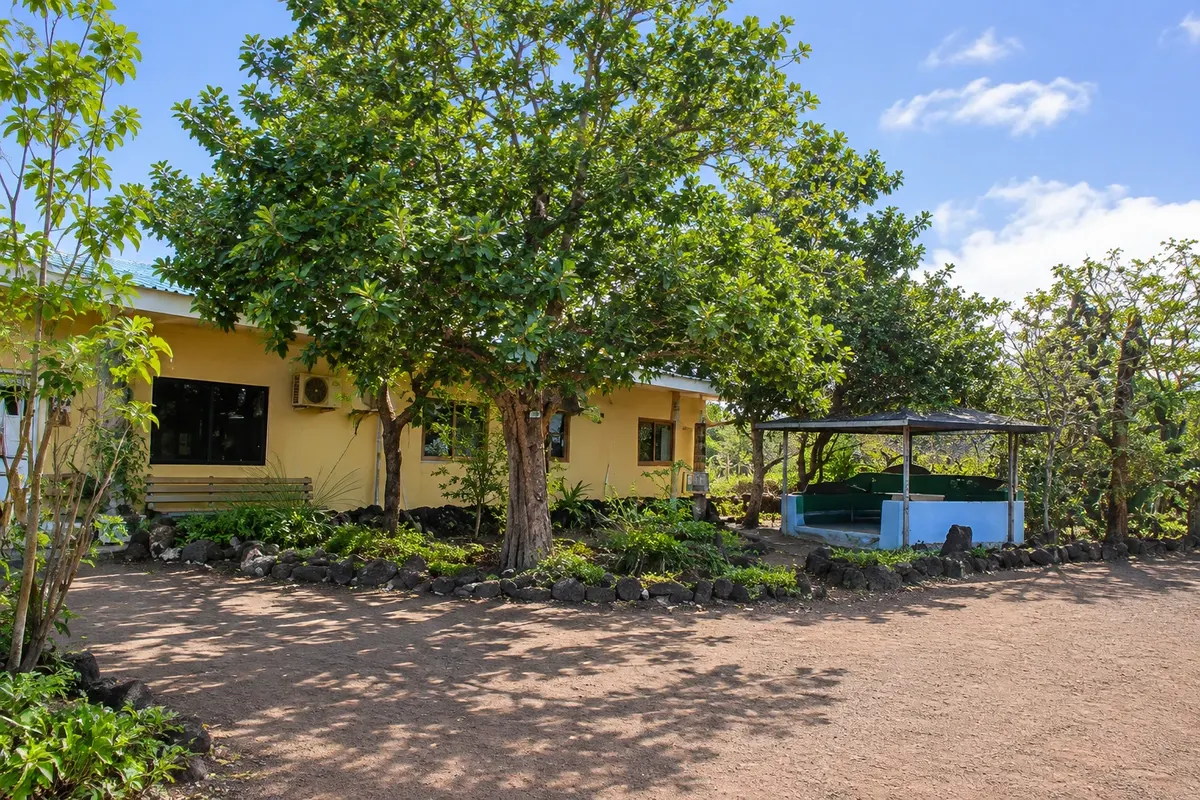
Illustrative images. The pictures in this guide are illustrations based on the real place, not photographs, and may differ from it.

Na voljo v trgovini Google Play Pošljite svoje fotografije

Spoznajte kraj

Pokrajina, ki jo doživite
v svojem ritmu.

The Galápagos Islands are in the Pacific Ocean, about a thousand kilometers off the coast of Ecuador, on the equator. They are relatively young volcanic islands, never connected to the continent, where species that arrived by sea and air evolved in isolation. Charles Darwin passed through in 1835, and what he saw helped shape the theory of evolution by natural selection. The archipelago has been a national park since 1959 and was one of the first places declared a UNESCO World Heritage Site, in 1978, with a marine reserve around it.

What is most striking is how close the animals are, and that they do not flee from people: giant tortoises in the highlands, marine iguanas sunning on the rocks, sea lions on the beaches and at town docks, blue-footed boobies, frigatebirds, penguins and finches. In the sea, snorkeling typically reveals sea turtles, rays, reef sharks and shoals of fish.

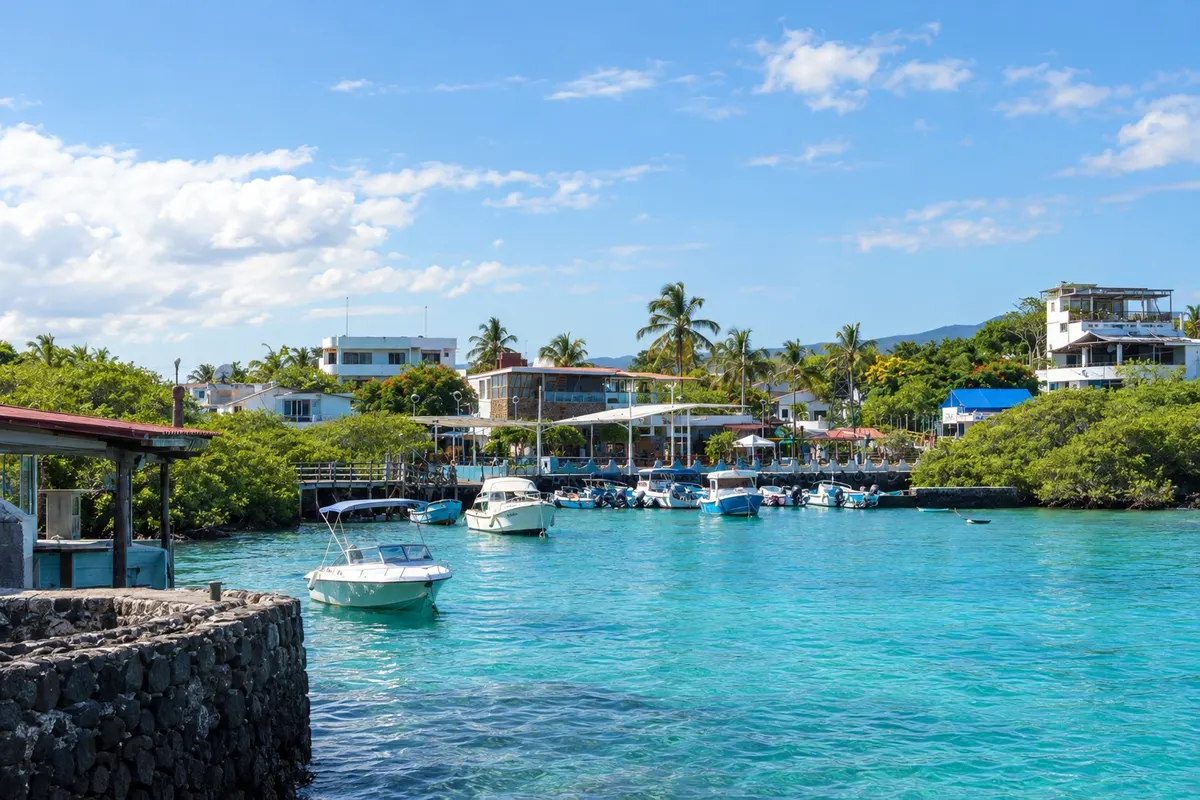
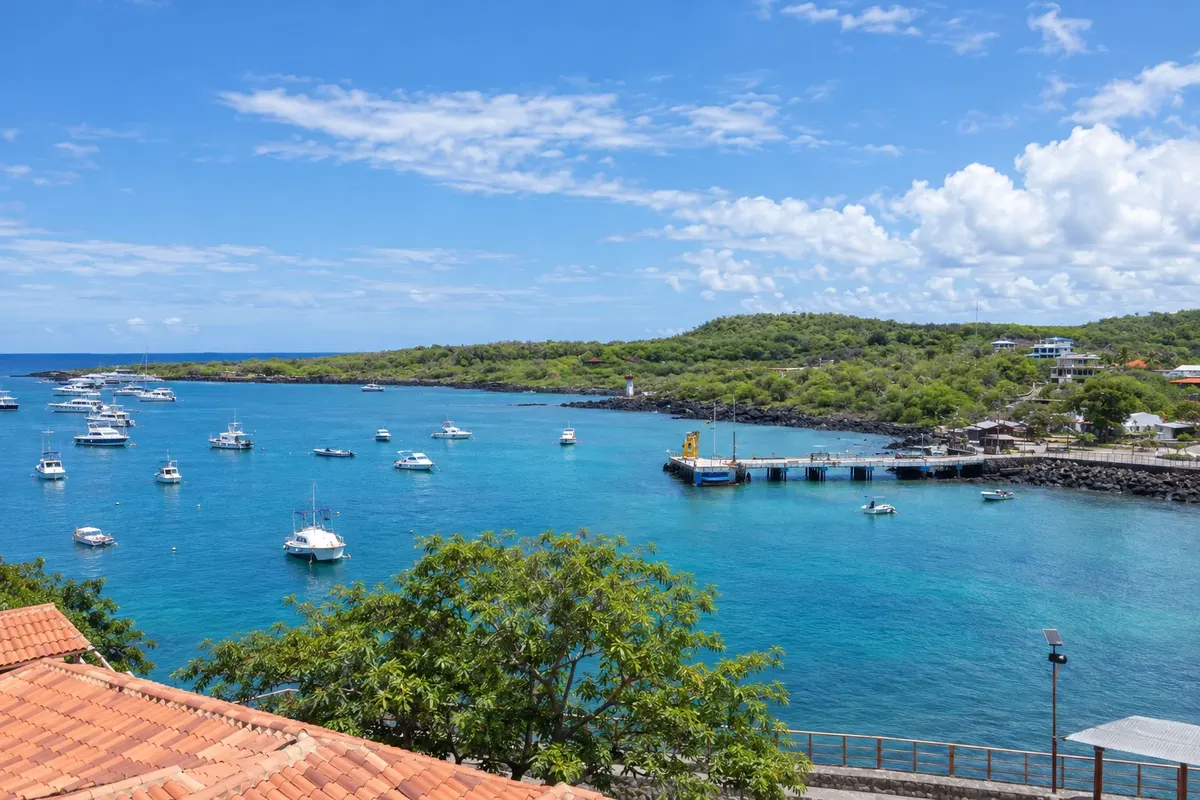
Four islands are inhabited. Santa Cruz, in the center, has Puerto Ayora, the largest town, with the Charles Darwin Research Station, Tortuga Bay and the tortoise highlands. San Cristóbal, to the east, has Puerto Baquerizo Moreno, the provincial capital, with the interpretation center, sea lion beaches and the Kicker Rock promontory at sea. Fast boats connect the islands in a few hours.

Visits to park areas are usually with accredited guides and along marked trails; you must not touch or feed the animals and should keep a distance. There are biosecurity checks when leaving the mainland and when arriving on the islands, and a national park entrance fee; check the rules before you go.

This destination brings together 3 cities: Puerto Ayora, Puerto Baquerizo Moreno, Puerto Villamil.


Delite: WhatsApp
Delite svoja popotniška doživetja s fotografijami Pošljite fotografije vsakega kraja, ki ste ga obiskali. Največje število fotografij na kraj: 5.

Ena destinacija, več poti

Mesta na tej poti

Začnite v enem mestu ali v načrt poti vključite več mest.

Galápagos Islands – lega
Puerto VillamilPuerto AyoraPuerto Baquerizo Moreno

Obrisi: Natural Earth (javna domena). Priredba: Cidade Turismo.

Kako do tja:Galápagos Islands

✈ Aeropuerto Ecológico Seymour de Galápagos (GPS), kraj: Baltra· 40 km do cilja (Puerto Ayora)

Check before booking. You reach the Galápagos by plane from Quito or Guayaquil. Flights land at Baltra, near Santa Cruz, or at San Cristóbal. There are biosecurity checks when leaving the mainland and when arriving on the islands, and a national park entrance fee; check the rules before you go.

Predlagana točka prihoda:Puerto Ayora

Doživite kraj

Kaj početi – Galápagos Islands

Puerto Villamil · Galápagos · Conservation center

Arnaldo Tupiza Giant Tortoise Breeding Center

National Park center that raises hatchlings of giant tortoises from the southern populations of Isabela, reached by a trail among lagoons with flamingos.

Puerto Baquerizo Moreno · Galápagos · Muzej

San Cristóbal Interpretation Center

The national park center in Puerto Baquerizo Moreno, which tells the natural and human history of the Galápagos, from volcanic formation to the arrival of Darwin and of settlers. The trails to Tijeretas start there.

Charles Darwin Research Station
Puerto Ayora · Galápagos · Research center

Charles Darwin Research Station

Research and conservation center in Puerto Ayora, next to the national park's giant tortoise breeding center, with tortoises from several islands, land iguanas and the Solitário George exhibit room.

Puerto Baquerizo Moreno · Galápagos · Razgledišče

Tijeretas Hill (Frigatebird Hill)

A hill above the sea near Puerto Baquerizo Moreno, with a frigate bird viewpoint, the statue of Darwin—who landed in the area in 1835—and a cove for snorkeling with turtles and sea lions.

Galápagos Islands – prikaži dodatne kraje (10)
Wall of Tears
Puerto Villamil · Galápagos · Historic site

Wall of Tears

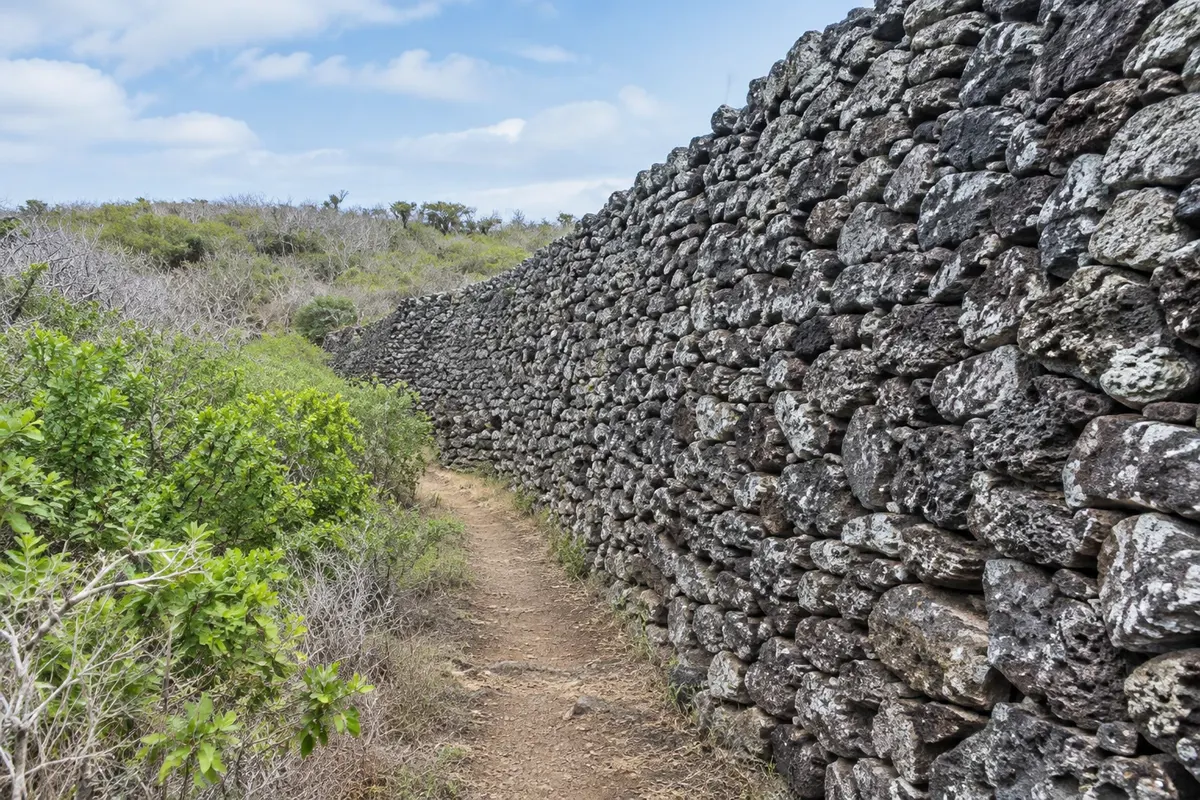
Volcanic stone wall of about 100 meters built by prisoners of the former Isabela penal colony, about 5 km from the village, at the end of a trail with beaches and viewpoints.

Tortuga Bay
Puerto Ayora · Galápagos · Plaža

Tortuga Bay

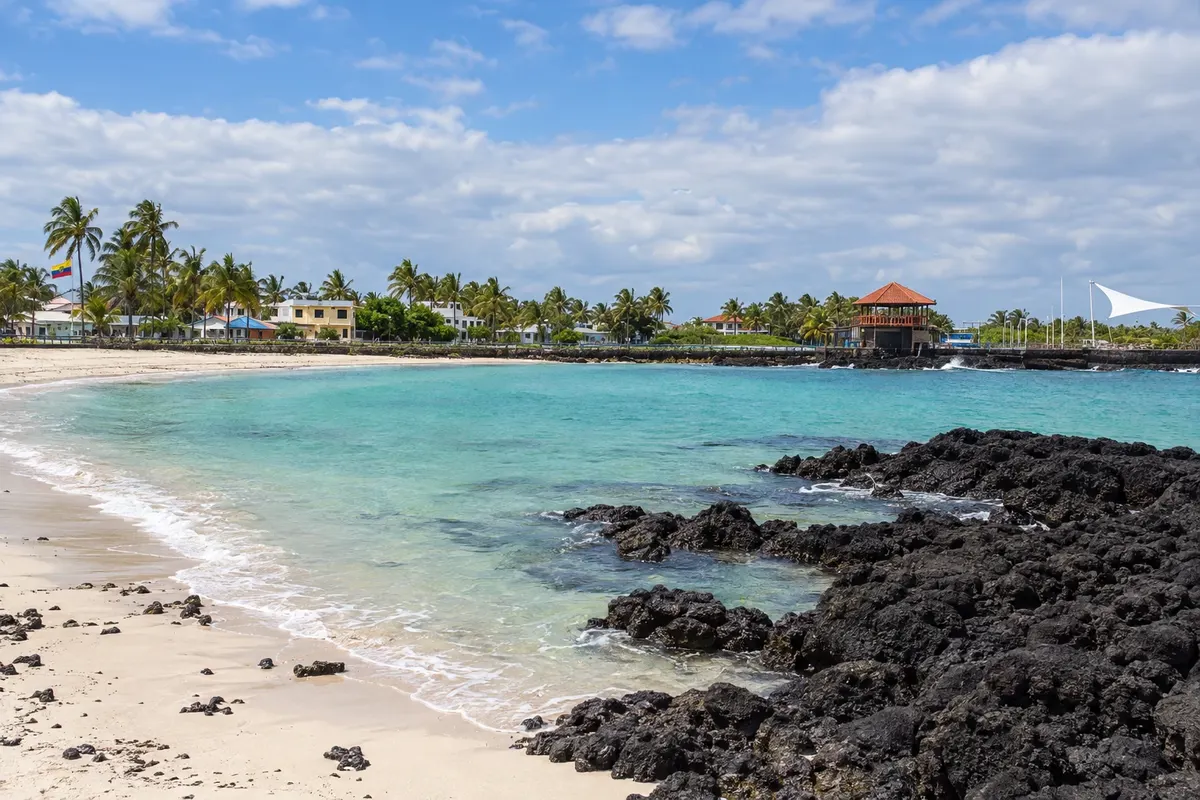
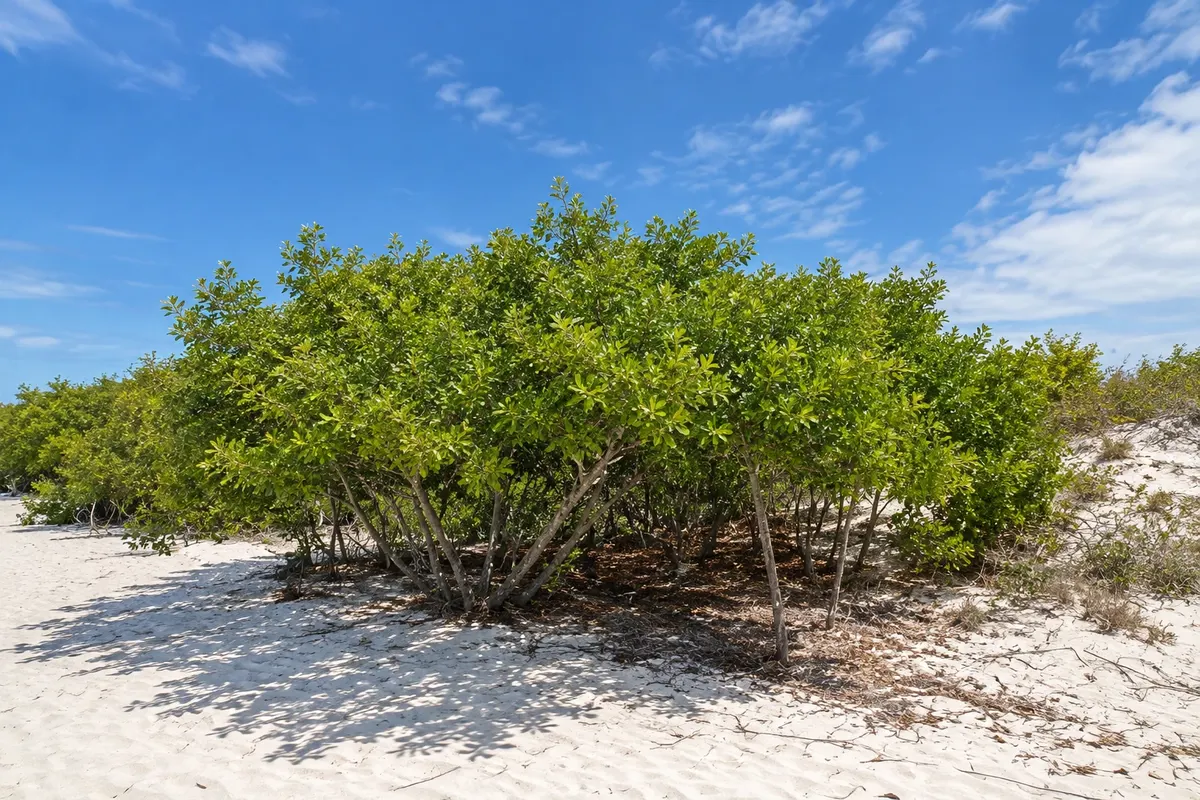
Long white-sand beach about 2.5 km from Puerto Ayora, reached by a paved trail through cacti. Playa Brava has waves and marine iguanas; Playa Mansa, sheltered by mangroves, is the swimming bay.

Puerto Villamil · Galápagos · Snorkeling

Concha de Perla

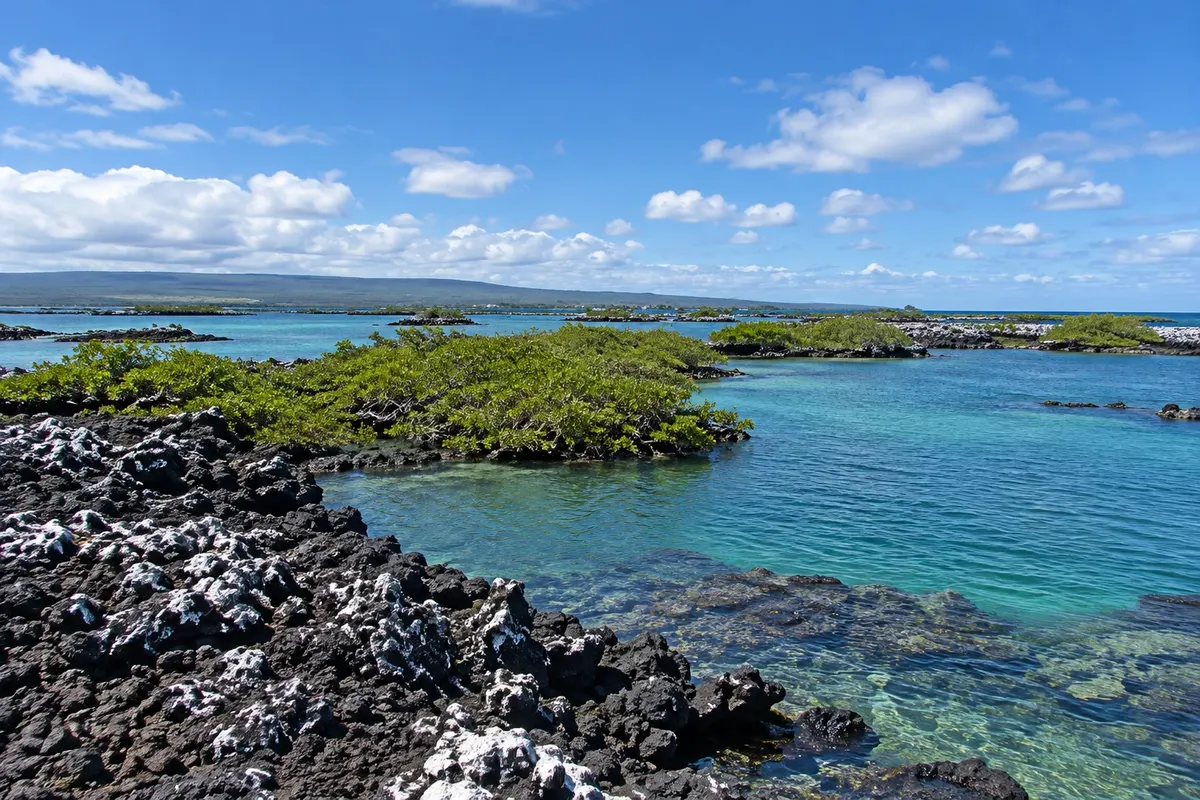
A calm-water cove among mangroves and lava rocks beside the Puerto Villamil pier, reached by a boardwalk and used for snorkeling with sea lions and fish.

Puerto Baquerizo Moreno · Galápagos · Plaža

La Lobería

Beach and rocky headland south of Puerto Baquerizo Moreno, with a colony of sea lions on the sand, marine iguanas on the rocks and a coastal trail.

Las Grietas
Puerto Ayora · Galápagos · Razgledišče

Las Grietas

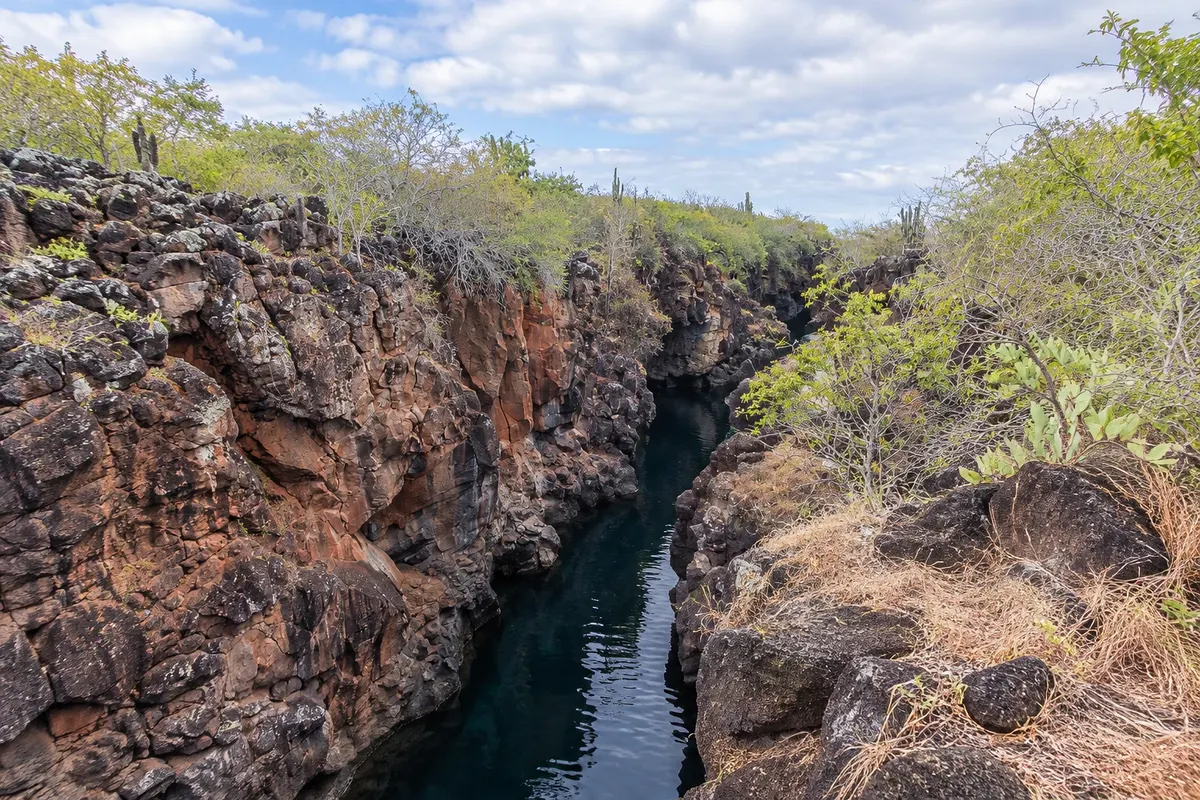
Volcanic fissure between lava cliffs near Puerto Ayora, filled with brackish, crystal-clear water, where people swim and snorkel among the rocks with colorful fish.

Kicker Rock
Puerto Baquerizo Moreno · Galápagos · Boat tour

Kicker Rock

Volcanic rock about 150 meters high split in two, in the sea northeast of San Cristóbal, known as León Dormido. Boat trip with snorkeling between the cliffs, with turtles and sharks.

Las Tintoreras
Puerto Villamil · Galápagos · Islet

Las Tintoreras

Lava islets off Puerto Villamil, with marine iguanas, boobies and a narrow channel where white-tip reef sharks often rest, visited by boat with a guide.

El Chato Reserve
Puerto Ayora · Galápagos · Park

El Chato Reserve

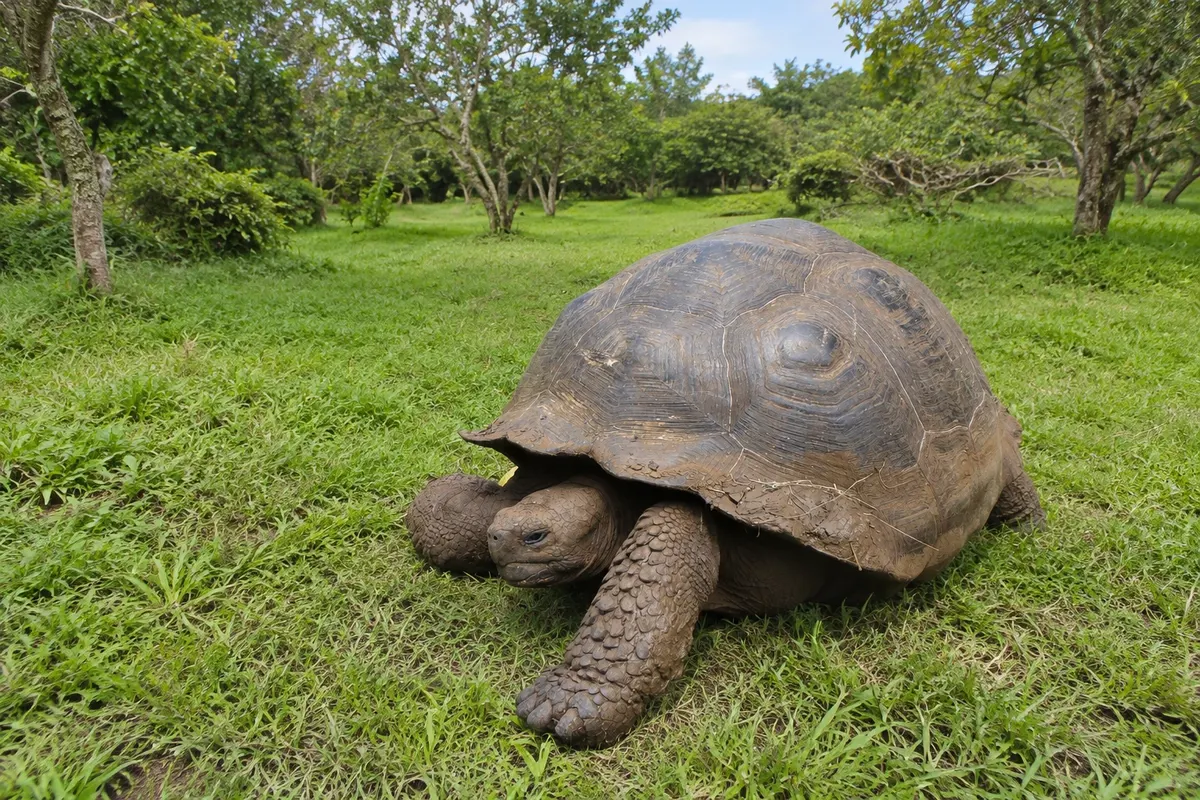
Reserve in the highlands of Santa Cruz where giant tortoises roam freely among pastures, lagoons and scalesia woodlands, with lava tunnels that can be walked through.

Los Tuneles
Puerto Villamil · Galápagos · Lava formation

Los Tuneles

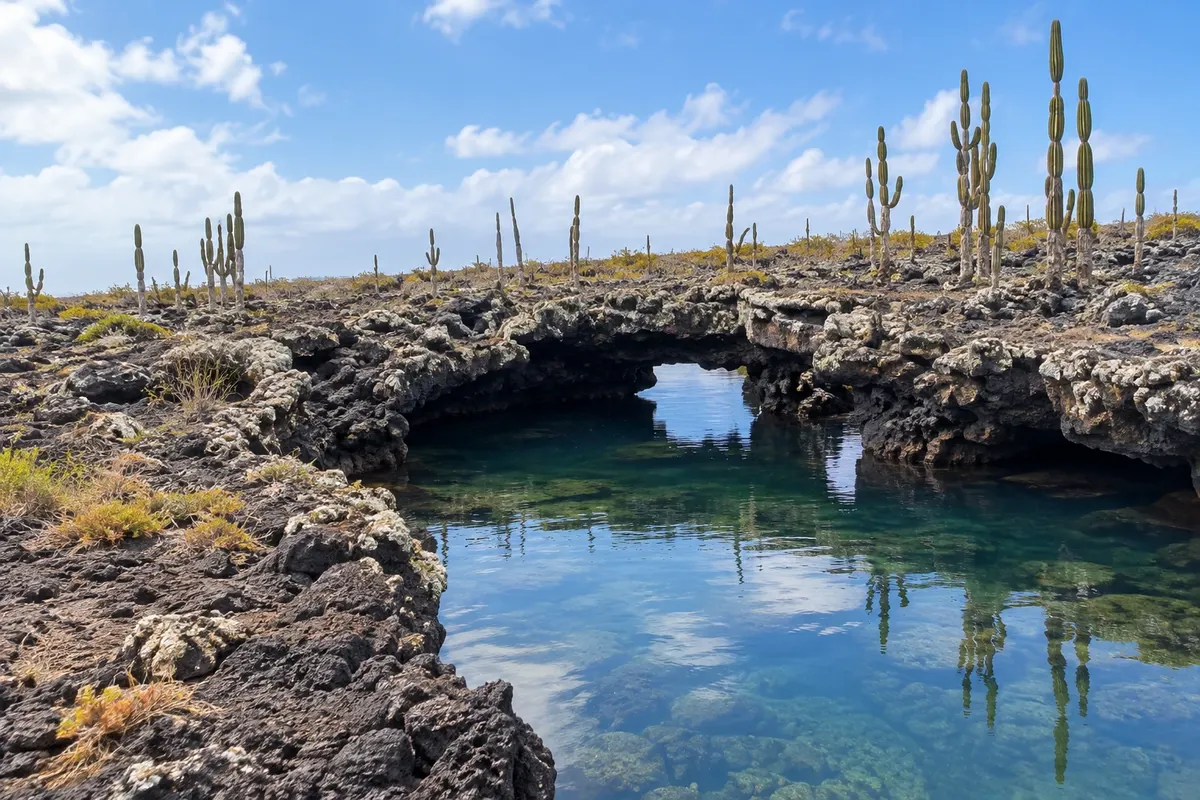
Lava arches and tunnels over the water at Cabo Rosa, on the south coast of Isabela, with blue-footed boobies, sea turtles and sharks, visited by boat with a guide.

Sierra Negra Volcano
Puerto Villamil · Galápagos · Volcano

Sierra Negra Volcano

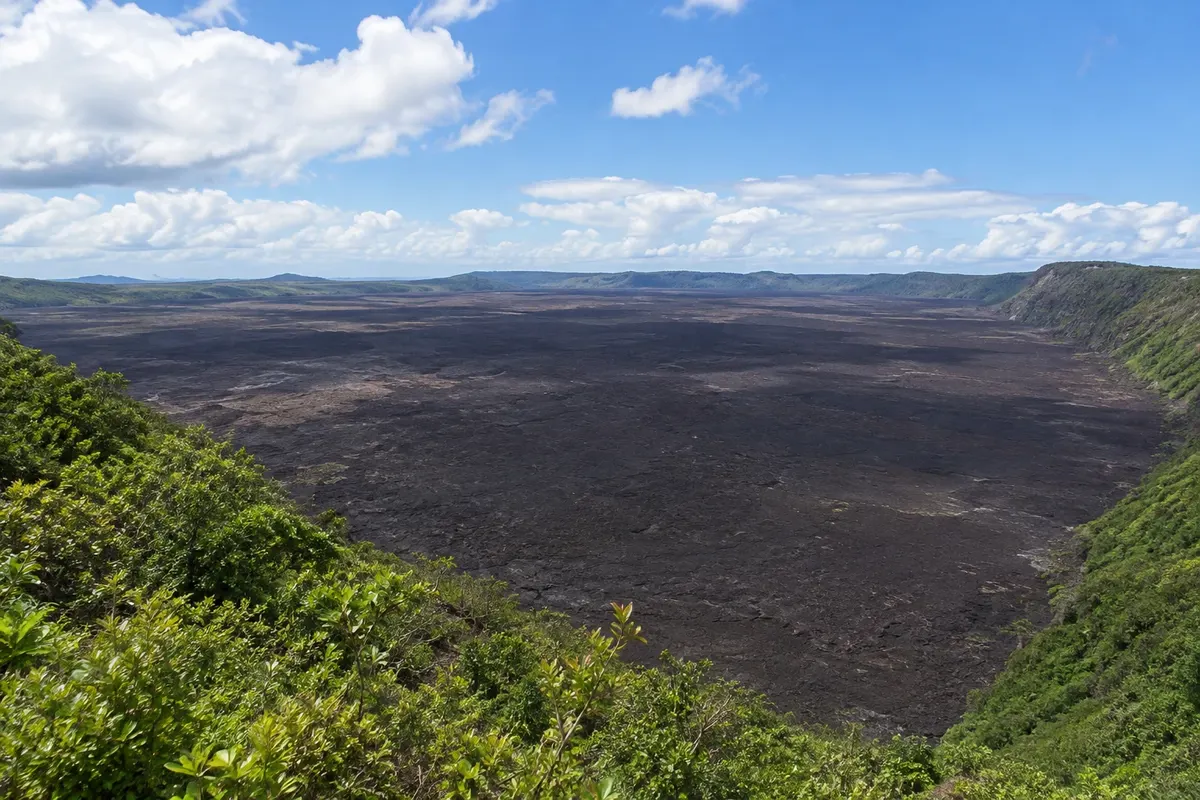
A 1,124-meter shield volcano in the southeast of Isabela, with one of the largest calderas in the Galápagos, visited on a guided walk along the rim and across lava fields.

Pred odhodom

Praktične informacije

Z nekaj načrtovanja boste imeli več časa za uživanje na poti.

Kdaj se odpraviti

From December to May is the warm season, with calmer, warmer seas for snorkeling and short rains. From June to November is the cool, dry season, with cloudier skies, colder water and rougher seas, but more marine life due to the cold current. Each season has its own breeding cycles for birds and animals; wildlife is present year-round.

The seasons shown are the most usual ones; nature doesn't always follow the calendar.

Koliko dni ostati

Five to seven days allow you to see Santa Cruz and San Cristóbal, with boat trips to other islands. With four days, stay on one island and do one or two boat trips. Add the days for flights across the mainland.

V katerem mestu prenočiti

Puerto Ayora, on Santa Cruz, has the largest selection of hotels, restaurants and tour operators, and is in the center of the archipelago, close to boat departures. Puerto Baquerizo Moreno, on San Cristóbal, is smaller and quieter, with the airport in town. In the highlands of Santa Cruz there are lodges amid the vegetation.

Spoštujte kraj

Odnesite svoje odpadke, upoštevajte oznake in podprite lokalne ponudnike. V naravi upoštevajte navodila za obiskovalce.

Odgovori na vaša vprašanja

Pogosta vprašanja – Galápagos Islands

How do you get to the Galápagos?

By plane from Quito or Guayaquil, landing at Baltra, near Santa Cruz, or at San Cristóbal. There are biosecurity checks when leaving the mainland and when arriving on the islands, and a national park entrance fee; check the rules before you go.

Do you need a guide in the Galápagos?

In park areas, visits are usually with accredited guides and on marked trails. Some places near towns can be visited without a guide, and others require prior reservation; check the rules before you go.

What is the best time to visit the Galápagos?

From December to May, calmer, warmer seas; from June to November, cooler and drier, with colder water and more marine life. Animals are present year-round.

Can you visit the Galápagos while staying on land?

Yes. Many travelers stay in hotels on Santa Cruz and San Cristóbal and take day boat trips to other islands.

Can you get close to the animals?

The animals do not flee, but you must keep your distance, not touch or feed them. Follow the guides' instructions.

Odkrijte druge destinacije Iskanje po zvezni državi in mestu

Več kot vodnik