Depot Boijmans Van Beuningen: the art depot open to the public
Odhod: Museumpark 24, in the Museumpark On foot from the center; tram 7 or 8 to Museumpark; metro to Eendrachtsplein Približno 2 uri Dopoldne Lahko
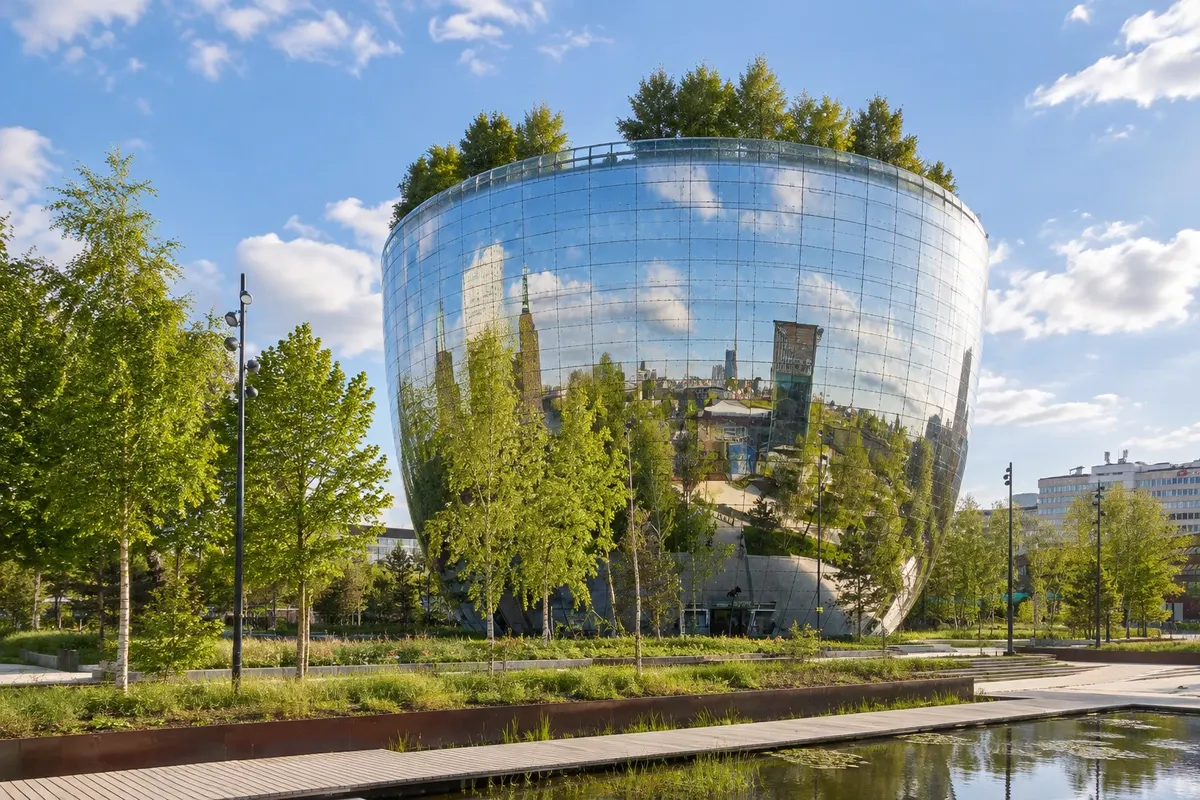
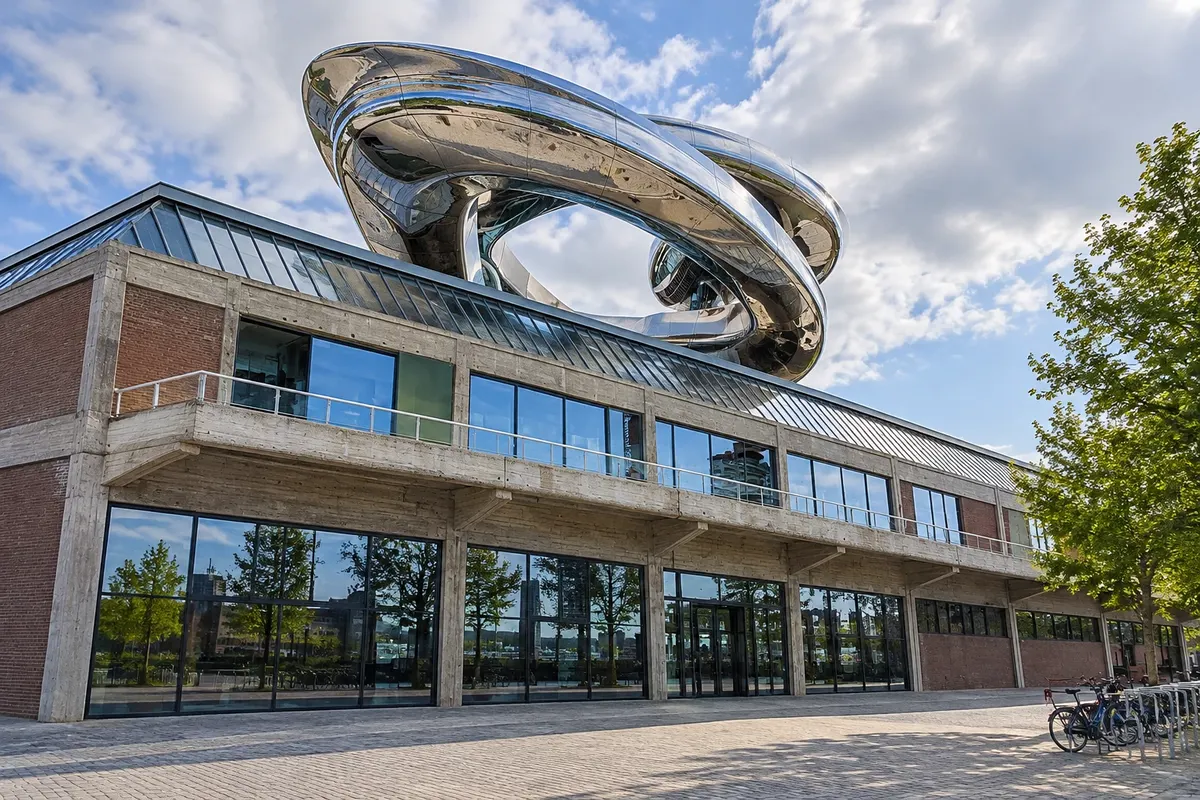
The Depot is the mirrored bowl-shaped building by MVRDV that houses the collection of the Museum Boijmans Van Beuningen: about 154,000 works gathered over 175 years, from Bruegel and Bosch to Dalí and Magritte. The difference from a museum is that there is no installed exhibition here: visitors walk through the depot floors, see works hung on racks, boxed or in display cases, and watch restorers and technicians through the windows. A central atrium of crisscrossing staircases links the levels, with suspended glass display cases. On the roof there is a rooftop forest and the Renilde restaurant, with views over the Museumpark and the city centre. Entry is by timed ticket purchased on the official website. The Depot is in the Museumpark, a few steps from the Kunsthal and the Nieuwe Instituut, so you can visit all three in one day.
Kraji na poti: Depot Boijmans Van Beuningen, Museumpark, Renilde.
Vključuje: Visit to the Depot with a reserved time slot (admission paid separately), rooftop terrace.
Nasvet: Book a time slot on the official website before you go; without a reservation you cannot enter. There are no labeled exhibits: it is worth renting the audio guide or joining a guided tour to understand what you see.
Najboljši čas za obisk: Open year-round; covered tour.
Museumpark: Kunsthal and Nieuwe Instituut
Odhod: Westzeedijk 341 (Kunsthal) and Museumpark 25 (Nieuwe Instituut) On foot; tram 8 to Kievitslaan; metro to Eendrachtsplein Približno 3 ure Popoldne Lahko
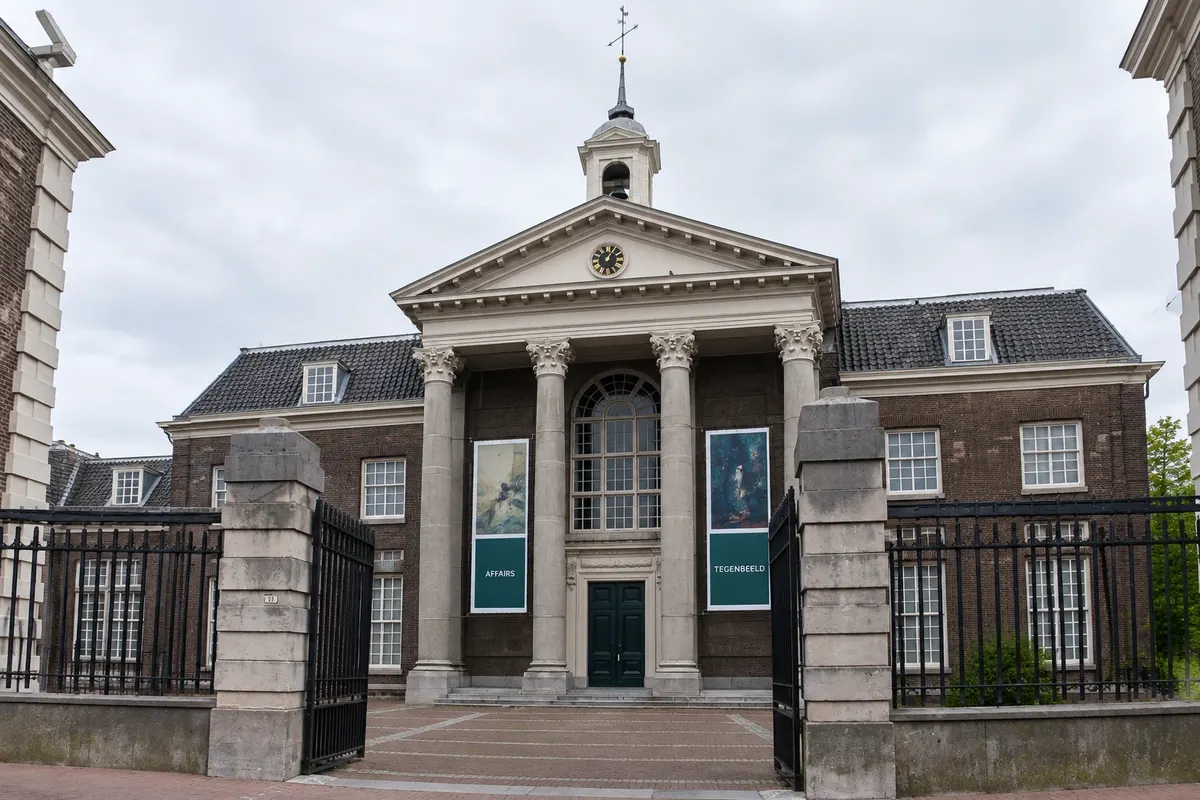
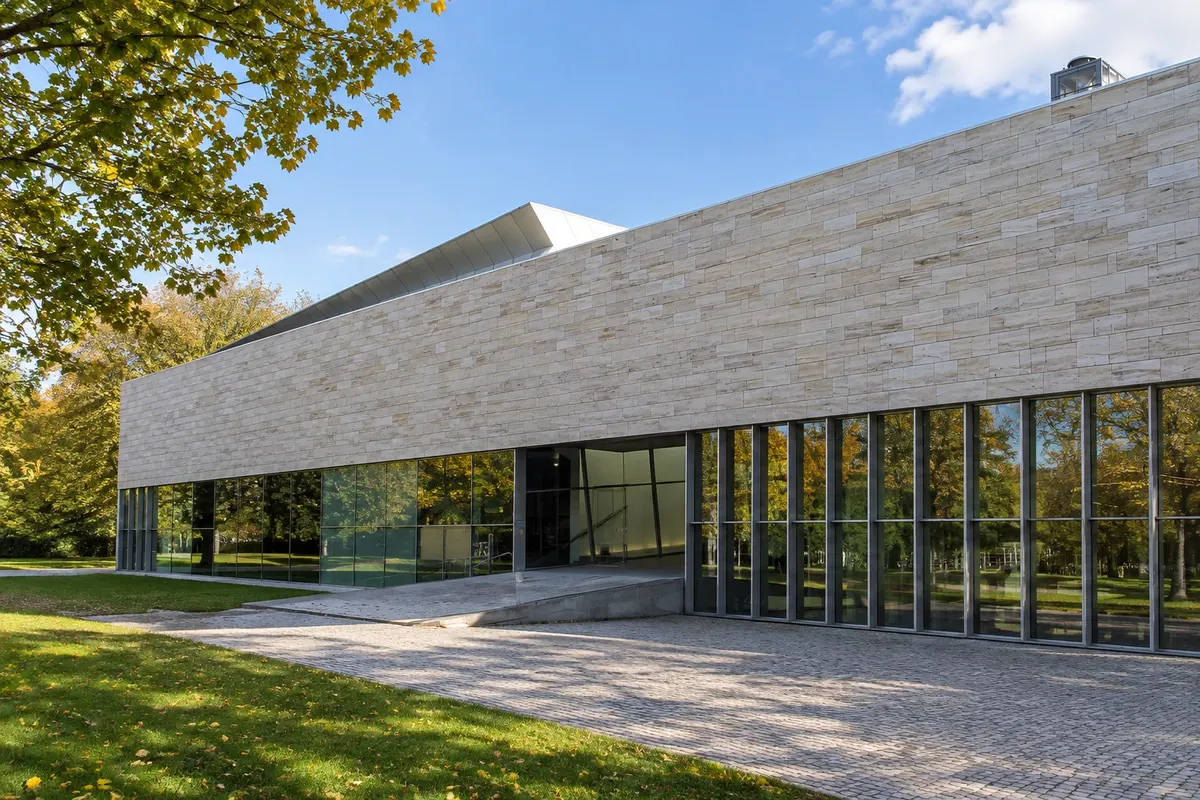
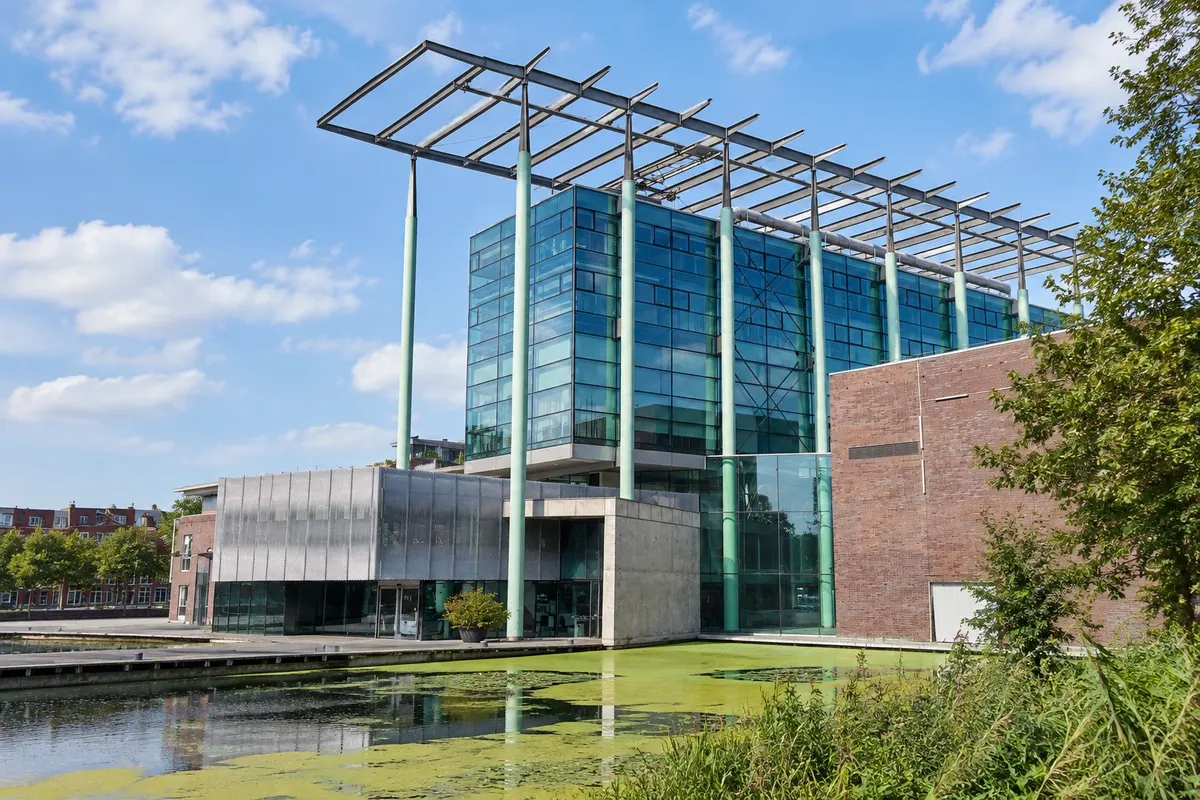
The Museumpark is the park that brings together Rotterdam’s museums. At the southern tip is the Kunsthal, a 1992 building by Rem Koolhaas and OMA, made of concrete, glass and steel and without a fixed visiting route. It has no permanent collection: it hosts temporary exhibitions of art, photography, design and fashion, several at once, which change throughout the year. On the other side of the park is the Nieuwe Instituut, a museum of architecture, design and digital culture, with exhibitions about the design of cities and objects and an archive of projects by Dutch architects. Next to it, the Huis Sonneveld is a modernist house from 1933, by Brinkman and Van der Vlugt, preserved with period furniture, colours and appliances; the visit shows how a wealthy Rotterdam family lived before the war. Between the museums the park has lawns and a garden, useful for resting between visits.
Kraji na poti: Kunsthal, Nieuwe Instituut, Huis Sonneveld, Museumpark.
Vključuje: Kunsthal (separate admission), Nieuwe Instituut and Huis Sonneveld (separate admissions), Museumpark.
Nasvet: Check the Kunsthal website to see what’s on before you go, because all exhibitions are temporary. The Kunsthal has late-night openings on some Fridays.
Najboljši čas za obisk: All year; covered museums.
Historic Delfshaven and the Pelgrimvaderskerk
Odhod: Delfshaven metro station (lines A, B and C) Metro; tram 4 or 8; on foot via the Nieuwe Binnenweg Približno 2 uri Popoldne Lahko
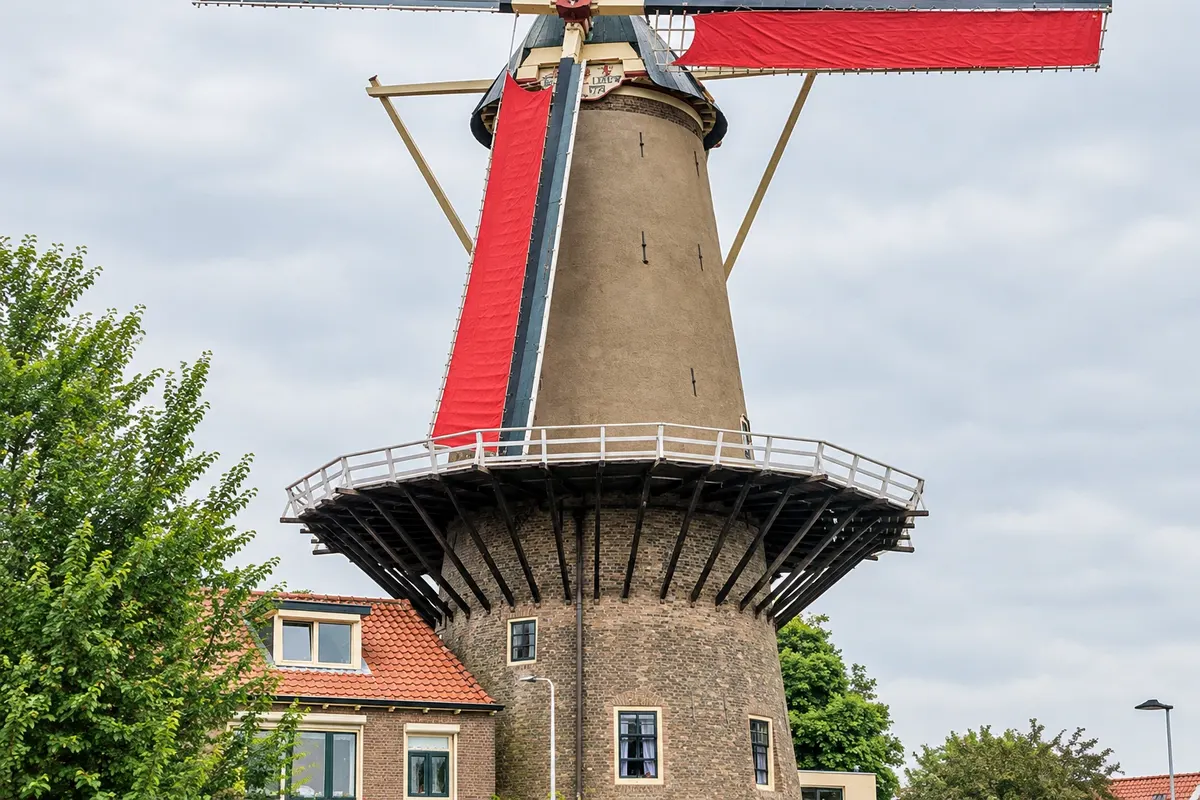
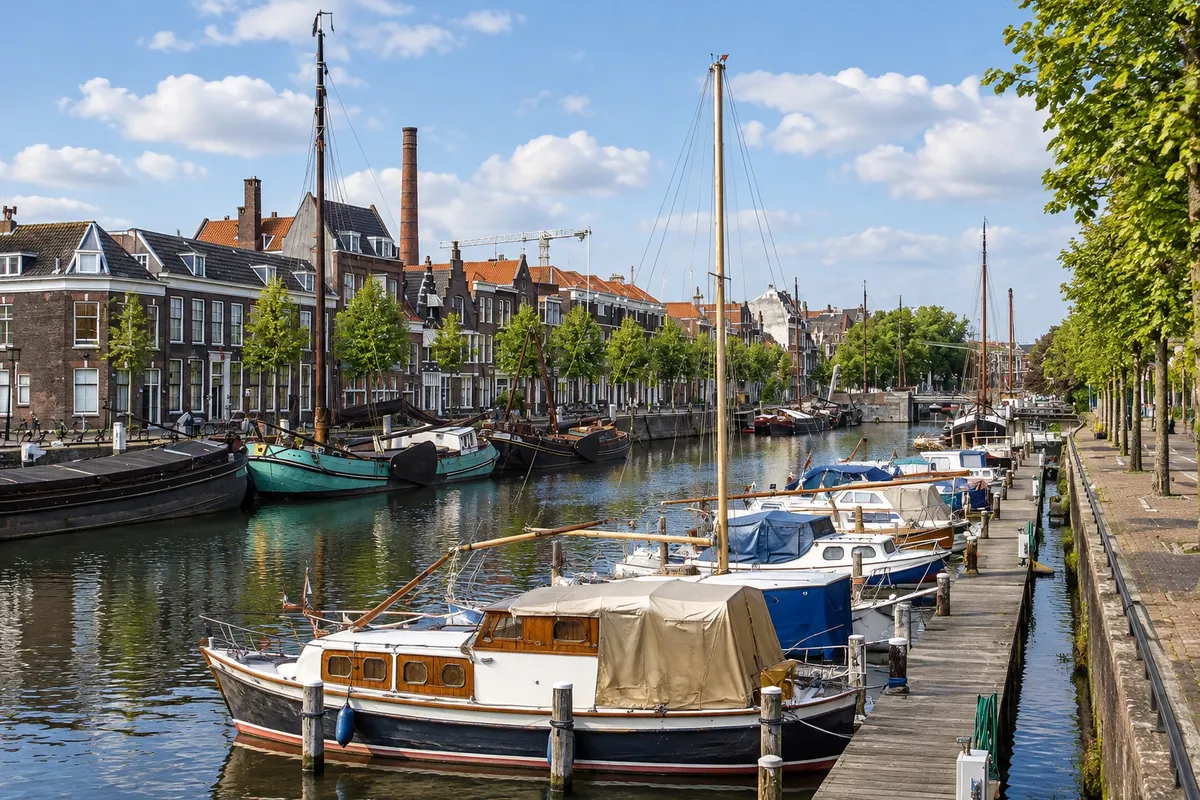
Delfshaven is the part of the city that escaped the 1940 bombing and shows what Rotterdam used to be: a narrow port, the Voorhaven, with brick houses, warehouses and old moored boats. It was Delft's port, where herring arrived and gin distilleries operated. On the waterfront stands the Pelgrimvaderskerk, the church from which English pilgrims prayed in 1620 before boarding the Speedwell bound for England and then, from there, the Mayflower to America. You can enter the church at certain times and see the plaque that commemorates the departure. A windmill, De Distilleerketel, still grinds grain on the quay. The neighborhood has cafés, a brewery, small shops and the Dutch Pinball Museum, with arcade machines to play. In warm months there are electric boats for rent on the canal. The walk is short and peaceful, good for late afternoon when the light hits the façades.
Kraji na poti: Delfshaven, Pelgrimvaderskerk, Voorhaven, Achterhaven, Molen De Distilleerketel.
Vključuje: Walk along the Voorhaven and Achterhaven, exterior of the Pelgrimvaderskerk (entry when open), windmill, cafés.
Nasvet: Combine it with the Nieuwe Binnenweg, the street of bars and shops that leads from the center to Delfshaven on foot. The historic tram line 10 usually runs in summer and passes this way: check the schedule for days of operation.
Najboljši čas za obisk: April to October, with outdoor terraces open; worthwhile year-round.
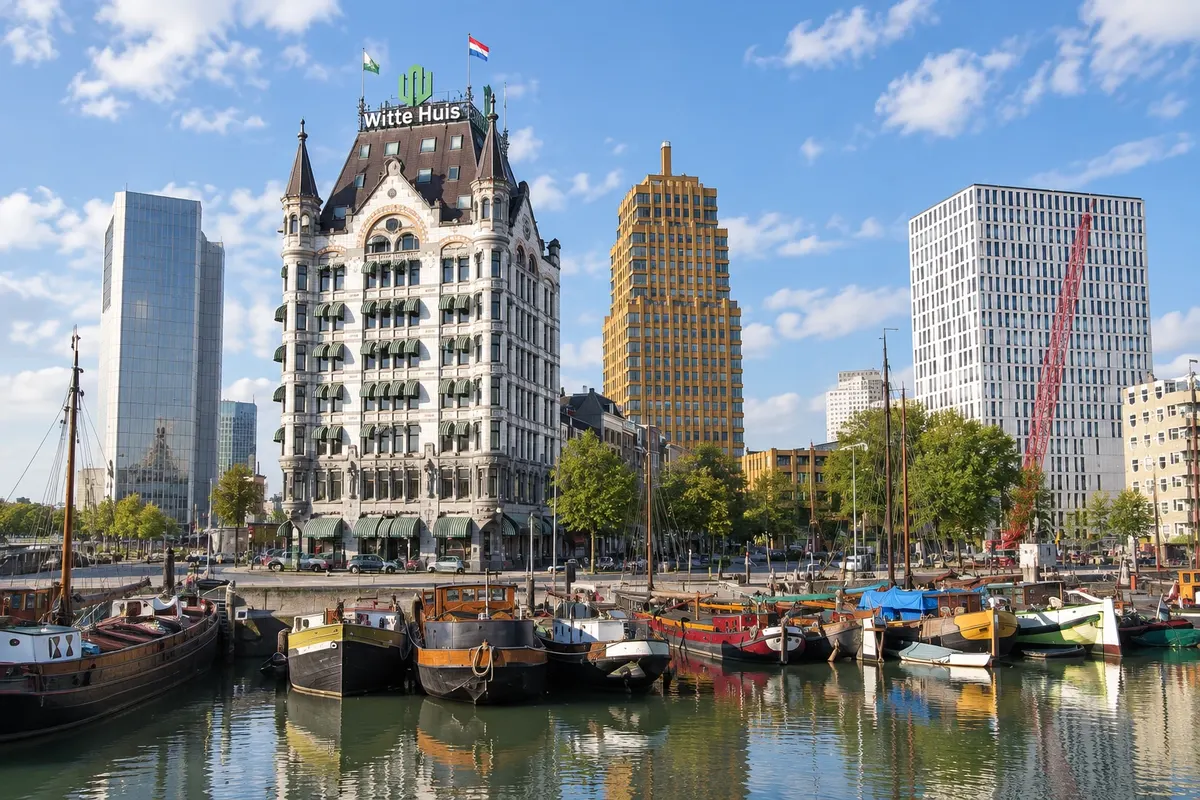
Maritiem Museum and Leuvehaven: the old harbour as a museum
Odhod: Leuvehaven 1, in the city center On foot; metro to Leuvehaven or Beurs Približno 3 ure Dopoldne Lahko
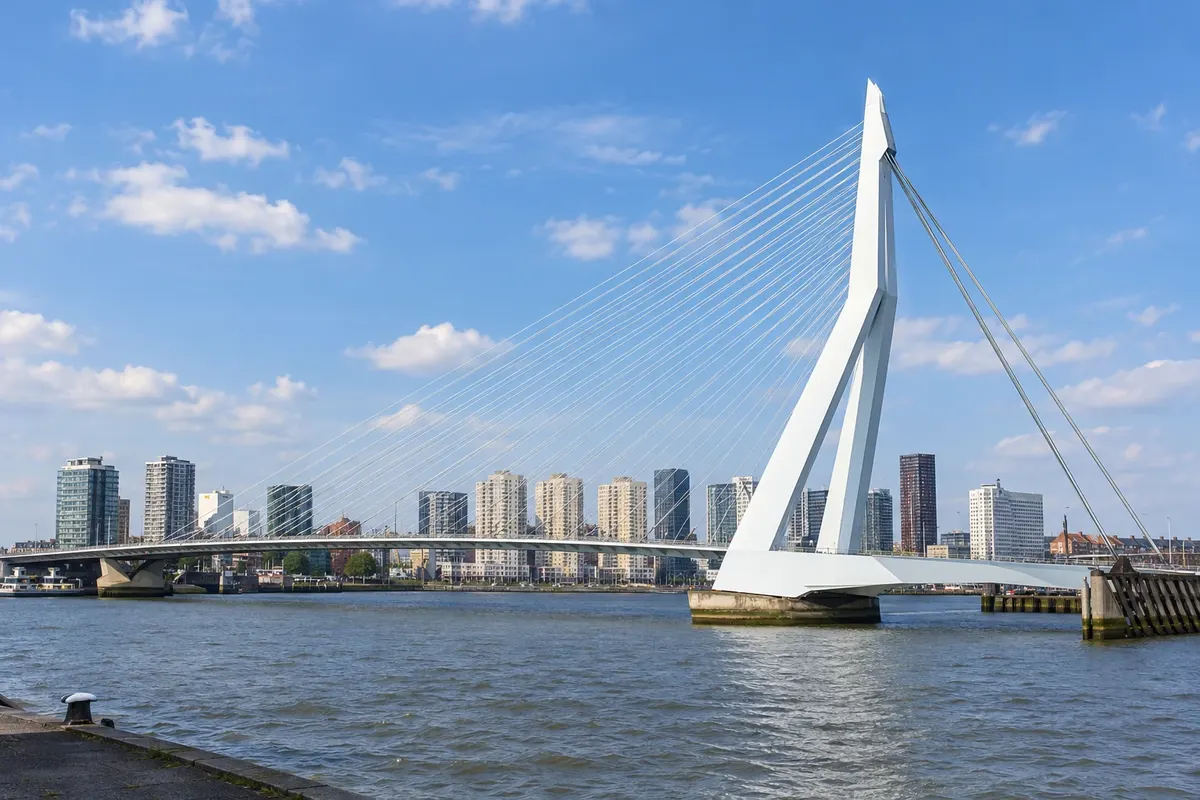
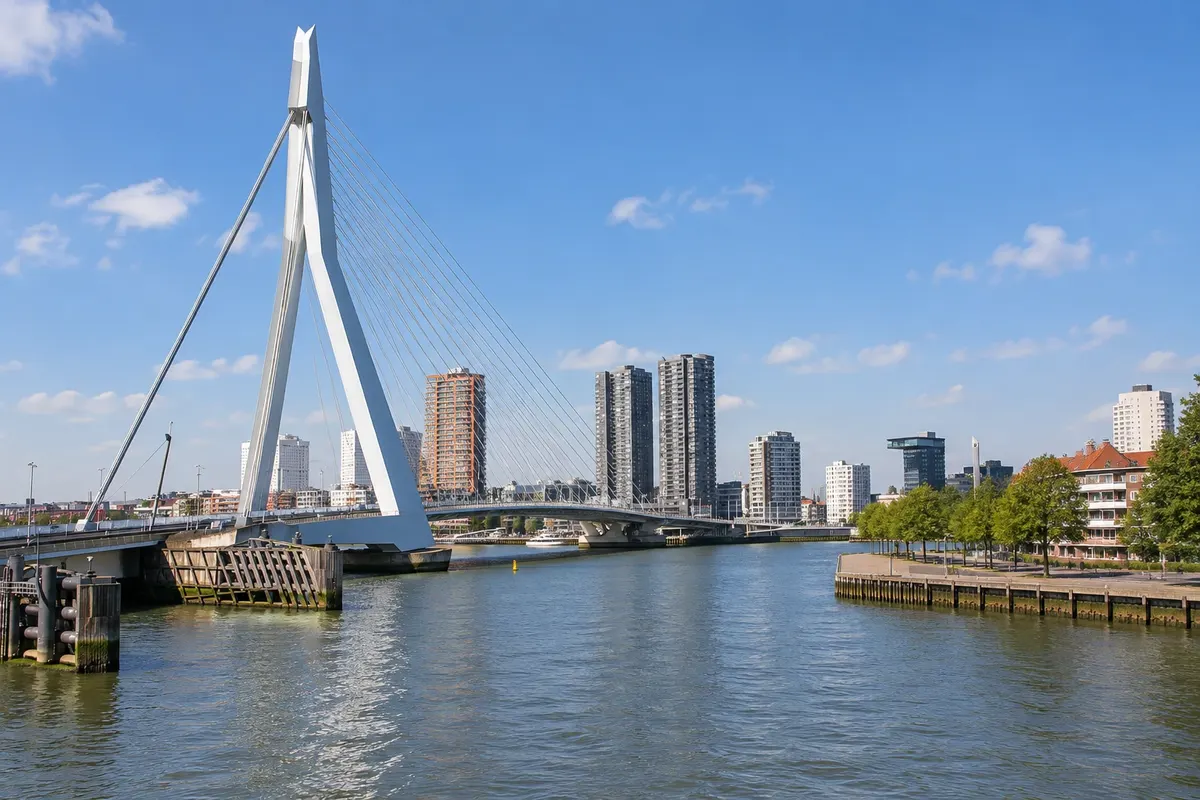
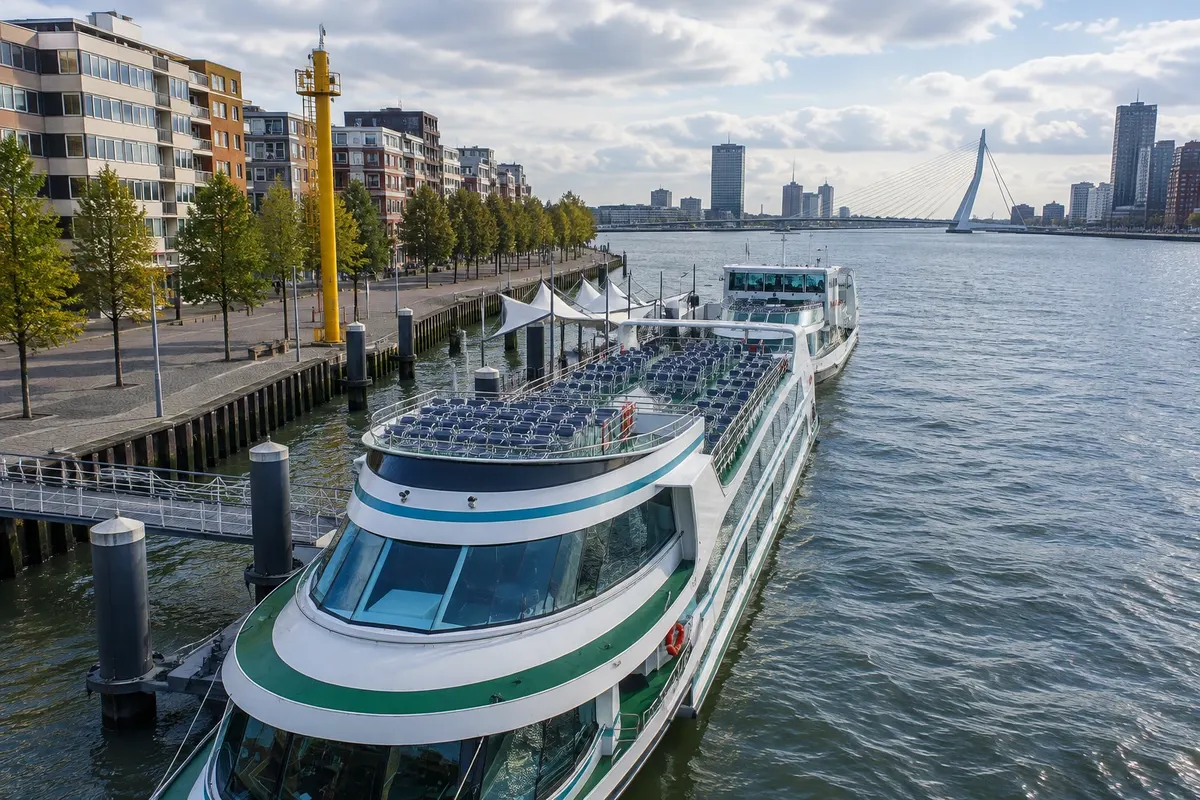
The Maritiem Museum is on Leuvehaven, the oldest basin of the city center’s harbor, and tells the story of Dutch seafaring and the Port of Rotterdam with models, maps, instruments, and videos. The most engaging part is the Offshore Experience, a simulation of an oil and gas platform in the North Sea, with tasks for visitors to complete in a windy, rocking environment. Outside, in the harbor itself, is the open-air museum: old cranes, tugboats, barges and historic ships moored there, several open for visits, with an audio tour explaining how the port began here. It’s a museum that works well for children, with interactive rooms and lots to climb and handle. It’s a few minutes’ walk from the Erasmusbrug and the Spido quay, so you can do the museum in the morning and the boat trip in the afternoon. Entry by timed ticket on the official website.
Kraji na poti: Maritiem Museum Rotterdam, Leuvehaven, Harbour museum, Offshore Experience.
Vključuje: Indoor museum, Offshore Experience and an outdoor harbour museum with ships (separate paid entry).
Nasvet: Book a time slot on the official website. Start with the outer harbour if the weather is good and save the indoor galleries for when it rains.
Najboljši čas za obisk: All year; the ships in the outer harbour are best visited in dry weather.
SS Rotterdam: the former ship of the Holland-Amerika Lijn
Odhod: 3e Katendrechtse Hoofd, at the tip of Katendrecht On foot from Deliplein; bus or water taxi from the Erasmus Bridge Približno 2 uri Popoldne Lahko
The SS Rotterdam was the former flagship of the Holland-Amerika Lijn, the liner that ran the Rotterdam–New York route and later became a cruise ship. Today it is permanently moored at the tip of Katendrecht, facing the Maashaven, and serves as a hotel, restaurant and museum. Guided tours go to the bridge, the engine room, the 1959 lounges with original wood and chandeliers, and the promenade decks. There are tours with different themes, from engineering to life on board, and you can go up to the top deck to see the river and the skyline from an angle you don't get from the city. The restaurants and bar welcome non-guests. The ship is within walking distance of the Fenix and Deliplein, so it is often combined with a visit to Katendrecht. It's a good option for people who like ships and 1950s design.
Kraji na poti: SS Rotterdam, Katendrecht, Maashaven.
Vključuje: Guided tour on board (paid separately), decks, bar and restaurants.
Nasvet: Book the tour on the official site, which lists set times and languages. Walk from Katendrecht along the waterfront route that passes the old warehouses.
Najboljši čas za obisk: All year; the open decks are best from April to October.
Rotterdam Centraal, Coolsingel and Hofbogen: new-centre architecture
Odhod: Rotterdam Centraal, main exit Peš about 2½ hours Dopoldne Lahko
Rotterdam Centraal, from 2014, is the station with the steel-and-glass roof that slopes like an arrow pointing toward the centre; the interior features wood and natural light, and the plaza in front opens to the tall buildings of the Weena. Walk down the Coolsingel, the main avenue, to the Stadhuis, the 1920 city hall by Henri Evers, one of the few buildings on the avenue that survived the 1940 bombing. Nearby is the Lijnbaan, from 1953, Europe’s first pedestrian-only shopping street, a model for many others. North of the station, in the Agniesebuurt neighbourhood, the Hofbogen are the old 1908 railway viaduct of the Hofplein line, with almost 2 km of brick arches now occupied by cafés, studios, bakeries and small shops. This part of the city shows how Rotterdam was rebuilt from scratch: wide blocks, glass buildings, public art and, under the arches, neighbourhood life. The walk is flat and can be done before dropping off luggage or on the last day, on the way to the train.
Kraji na poti: Rotterdam Centraal, Coolsingel, Stadhuis, Hofbogen, Hofplein, Lijnbaan.
Vključuje: Rotterdam Centraal, Coolsingel, exterior of the Stadhuis, Lijnbaan, Hofbogen.
Nasvet: The Hofbogen are livelier in the late morning and afternoon, when cafés open. For architecture fans, the Nieuwe Instituut information centre has maps for walking routes.
Najboljši čas za obisk: Year-round.
Witte de Withstraat and Nieuwe Binnenweg: bars, galleries and nightlife
Odhod: Eendrachtsplein metro station On foot; metro to Eendrachtsplein; tram to Museumpark Približno 3 ure night Lahko
Witte de Withstraat is the street that concentrates Rotterdam’s nightlife: bars with sidewalk tables, small restaurants, galleries and design shops, in a short stretch between Museumpark and Schiedamsedijk. There is Melly, a contemporary art centre with temporary exhibitions, and the side streets’ walls feature murals. The street fills up at dusk and stays busy late, with a mixed crowd of residents, students and tourists. Nieuwe Binnenweg, which runs west from Eendrachtsplein, is longer and more neighborhood-like: record shops, secondhand stores, cafés and restaurants of various cuisines, ending at Delfshaven. Between the two, Eendrachtsplein has the sculpture known as Kabouter Buttplug, which locals have adopted as a landmark. It’s the evening plan after the museums: have dinner on one street, grab a drink on the other and walk back to your hotel, since everything is just minutes from the centre.
Kraji na poti: Witte de Withstraat, Nieuwe Binnenweg, Melly, Eendrachtsplein, Museumpark.
Vključuje: Walk along the two streets, Melly (admission paid separately), bars and restaurants at the traveler’s expense.
Nasvet: On Friday and Saturday nights the tables on Witte de Withstraat fill up; arrive before 7:00 PM to dine without waiting. Nieuwe Binnenweg is calmer and cheaper.
Najboljši čas za obisk: From April to October, with street terraces; open all year.
Diergaarde Blijdorp: Rotterdam’s zoo
Odhod: Blijdorplaan 8, Blijdorp neighborhood Metro line E to Blijdorp; bus 44 from Rotterdam Centraal Pol dneva Ves dan Lahko
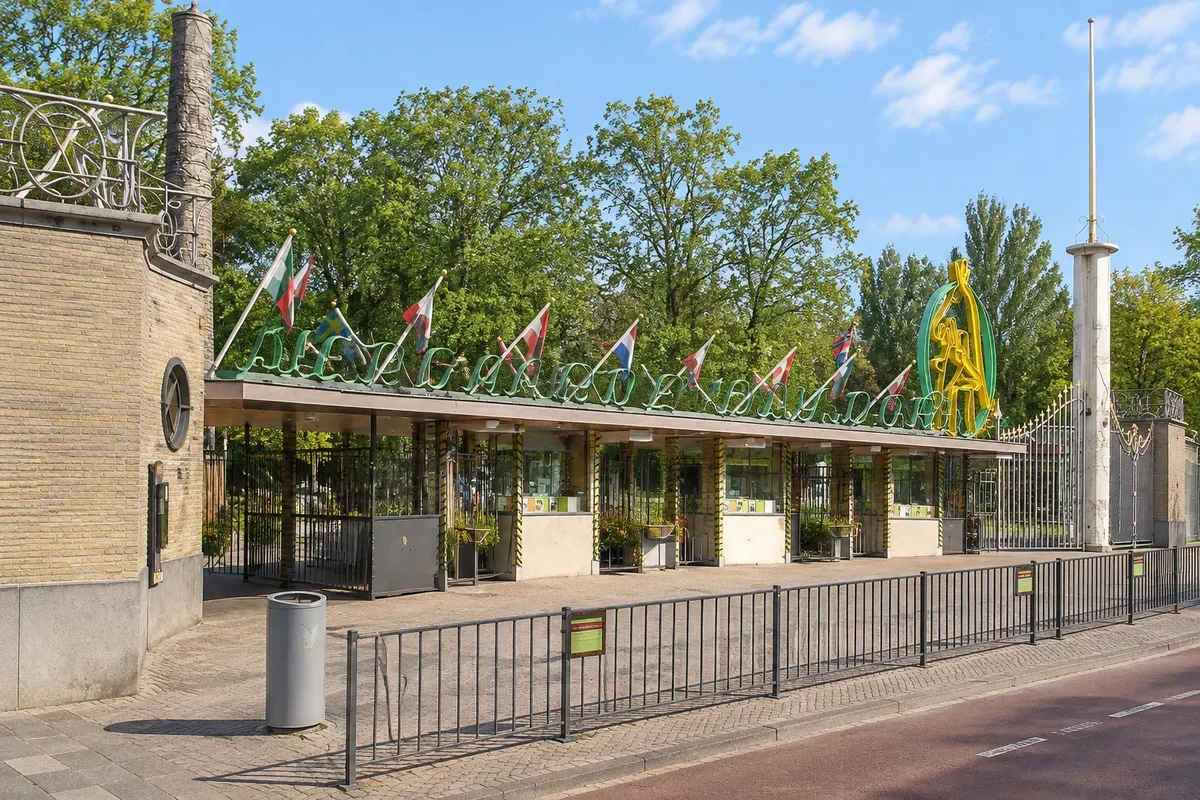
Diergaarde Blijdorp is the city's zoo, founded in 1857 and located since 1940 in the park designed by architect Sybold van Ravesteyn, whose curved-line buildings are a protected monument. Animals are arranged in areas by continent, with Asian elephants, gorillas, lions, giraffes, polar bears and red pandas, among many others, in spacious, tree-lined enclosures. The most popular section is the Oceanium, an aquarium with a glass tunnel where sharks, turtles and schools of fish pass, along with penguins and otters. There is a butterfly greenhouse, a farm area for children and many lawns for stopping. The visit takes half a day at a relaxed pace and is the right choice for families with children or for a rainy day, since much of it is covered. It is a few metro stops from the center, on line E, which stops next to the entrance.
Kraji na poti: Diergaarde Blijdorp, Oceanium, Blijdorp.
Vključuje: Full zoo and Oceanium (separate admission fee).
Nasvet: Buy the ticket on the official website for the date and arrive early, before the school groups. On rainy days, start with the Oceanium and the greenhouses.
Najboljši čas za obisk: April to October, with animals more active outdoors; open year-round.
Kralingse Plas and Kralingse Bos by bicycle
Odhod: Rotterdam Centraal or Kralingse Zoom metro station Bicycle (OV-fiets at the station); metro to Voorschoterlaan or Kralingse Zoom Približno 3 ure Popoldne Lahko
The Kralingse Plas is the lake in the east of the city, surrounded by Kralingse Bos, the urban woodland with trails, lawns, a sandy beach and two windmills, De Ster and De Lelie, which grind spices and open on some days. A flat bike path of about 5 km goes around the lake, making this an easy place to cycle in Rotterdam without traffic: rent an OV-fiets at the station or a bicycle in the city and follow the bike path from the Kralingen neighbourhood, with old houses and tree-lined streets. In summer locals swim, row and barbecue on the banks; there are cafés with terraces by the water and rental for rowboats and sailboats. In winter, when it is very cold, the lake often freezes and becomes a skating rink, which is not guaranteed. It is the green side of the city, twenty minutes by bike from the centre, and pairs well with the end of an afternoon of museums.
Kraji na poti: Kralingse Plas, Kralingse Bos, Kralingen, De Ster, De Lelie.
Vključuje: Cycle around the lake, woodland, windmills seen from outside, cafés on the shores.
Nasvet: Cycle on the right and respect the red bike lanes, which are for cyclists only. If you don’t cycle, take the metro to Voorschoterlaan and walk to the lake.
Najboljši čas za obisk: May to September, with long days and the lake in use; autumn brings the colours of the woods.
Day trip to Dordrecht by Waterbus
Odhod: Erasmusbrug quay (Waterbus line 20) or Rotterdam Centraal (train) Waterbus line 20 (about 60 min) or Intercity train (under half an hour) full day morning and afternoon Lahko
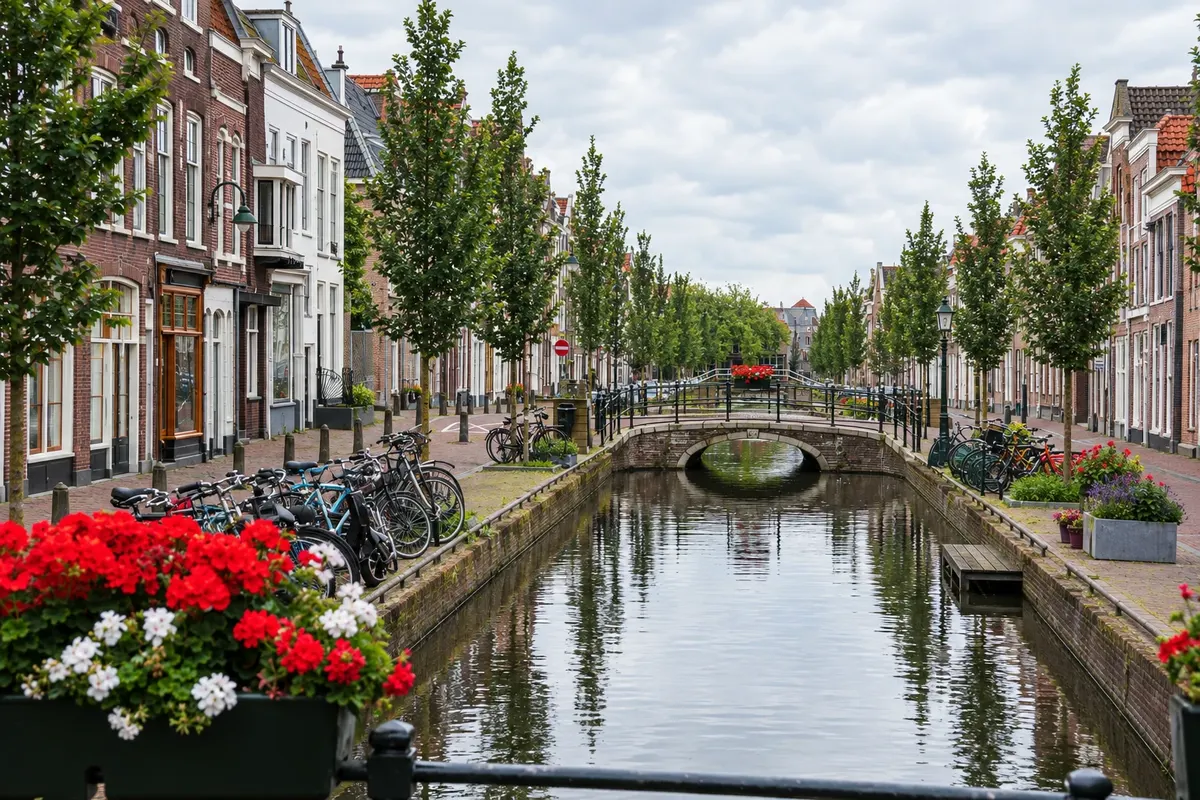
Dordrecht is the oldest city in the Netherlands, granted city rights in 1220, and sits on an island between three rivers, about 20 km from Rotterdam. The charm of the day trip is going by boat: Waterbus line 20 departs from the Erasmusbrug quay, passes Krimpen, Ridderkerk, Alblasserdam and Papendrecht and arrives at Merwekade in central Dordrecht in about 60 minutes along the river. The center has narrow streets, inner harbors with wooden boats and merchant houses from the 17th and 18th centuries: Voorstraathaven, Nieuwe Haven and Wolwevershaven. The Grote Kerk has a leaning tower with a carillon, which you can climb for river views. At the Groothoofd, the point where the Oude Maas meets the Merwede, cargo ships pass all day, opposite the cafés. The Dordrechts Museum houses Dutch painting, including Van Goyen and Cuyp, and Het Hof contains the museum about the first assembly of the free provinces in 1572. Return by train, from Dordrecht to Rotterdam Centraal, to shorten the day.
Kraji na poti: Dordrecht, Grote Kerk, Voorstraathaven, Nieuwe Haven, Groothoofd, Dordrechts Museum, Het Hof.
Vključuje: Waterbus crossing, walk through the city center and the harbors, Grote Kerk (tower climb paid separately), museums (admission fees not included).
Nasvet: Go there by boat and return by train. Check the Waterbus timetable for that day’s frequency; on Sundays and in winter there are fewer departures. From Merwekade to the center is only a few minutes on foot.
Najboljši čas za obisk: April to October, for the boat and the terraces; the city is worth visiting year-round.
Day trip to Gouda, with the cheese market on Thursdays
Odhod: Rotterdam Centraal NS train (about 20 min); on foot in the center half day to full day Dopoldne Lahko
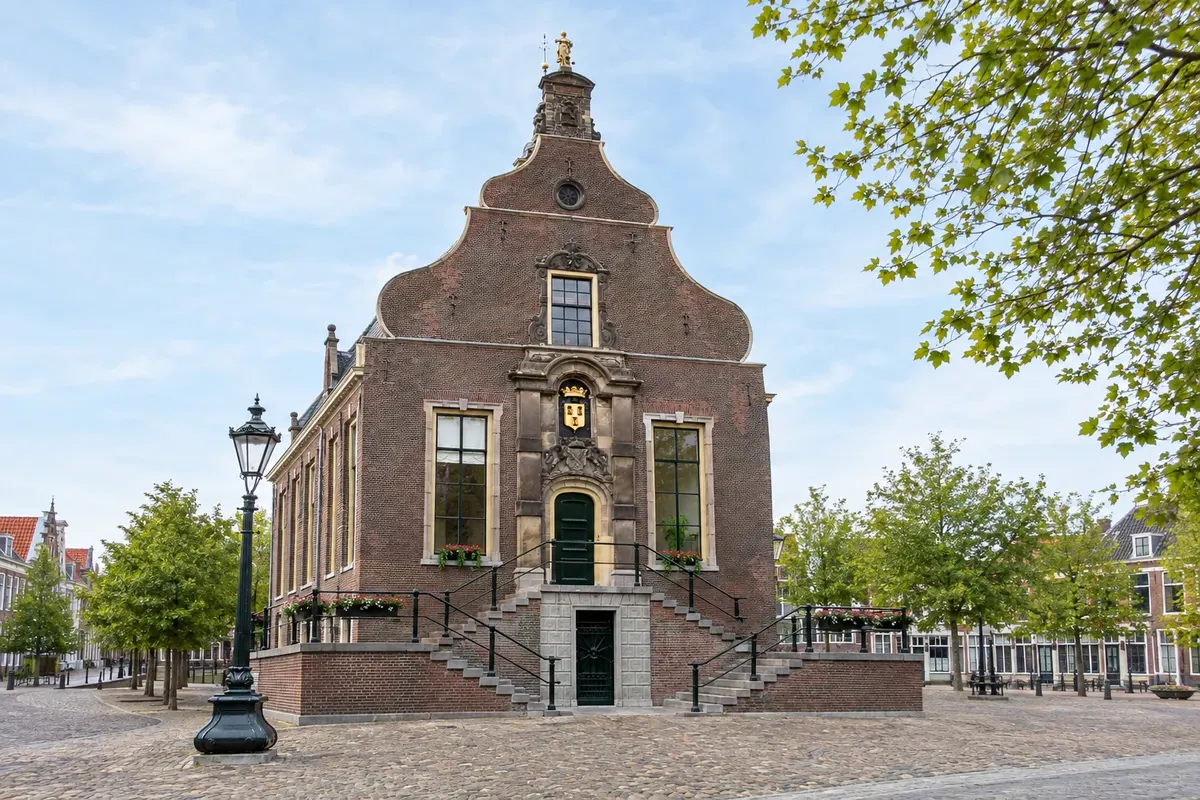
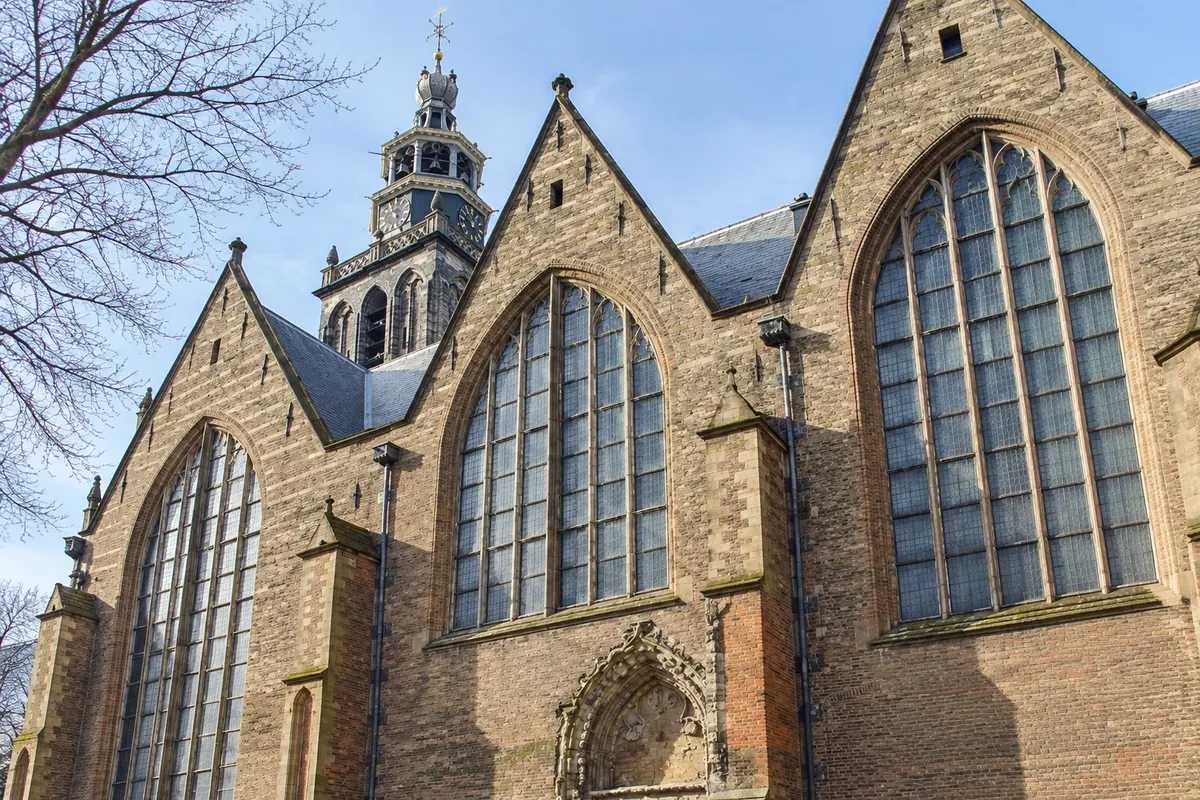
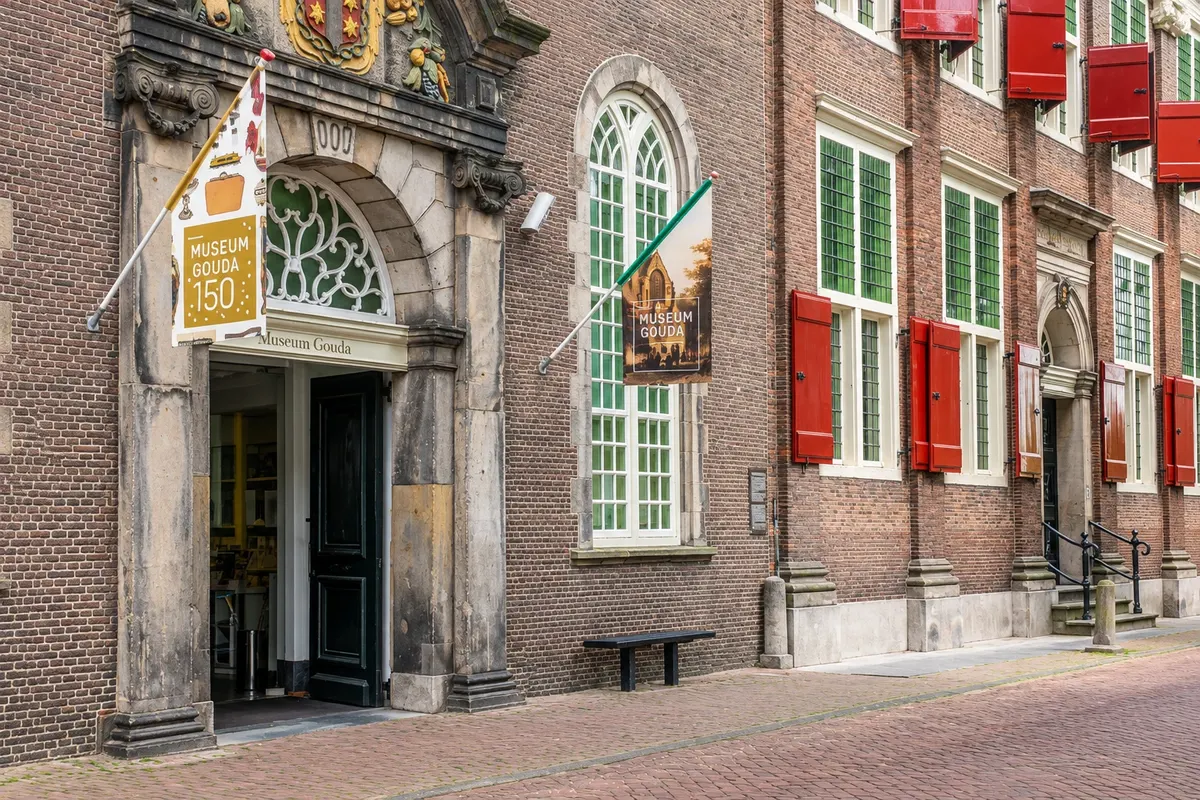
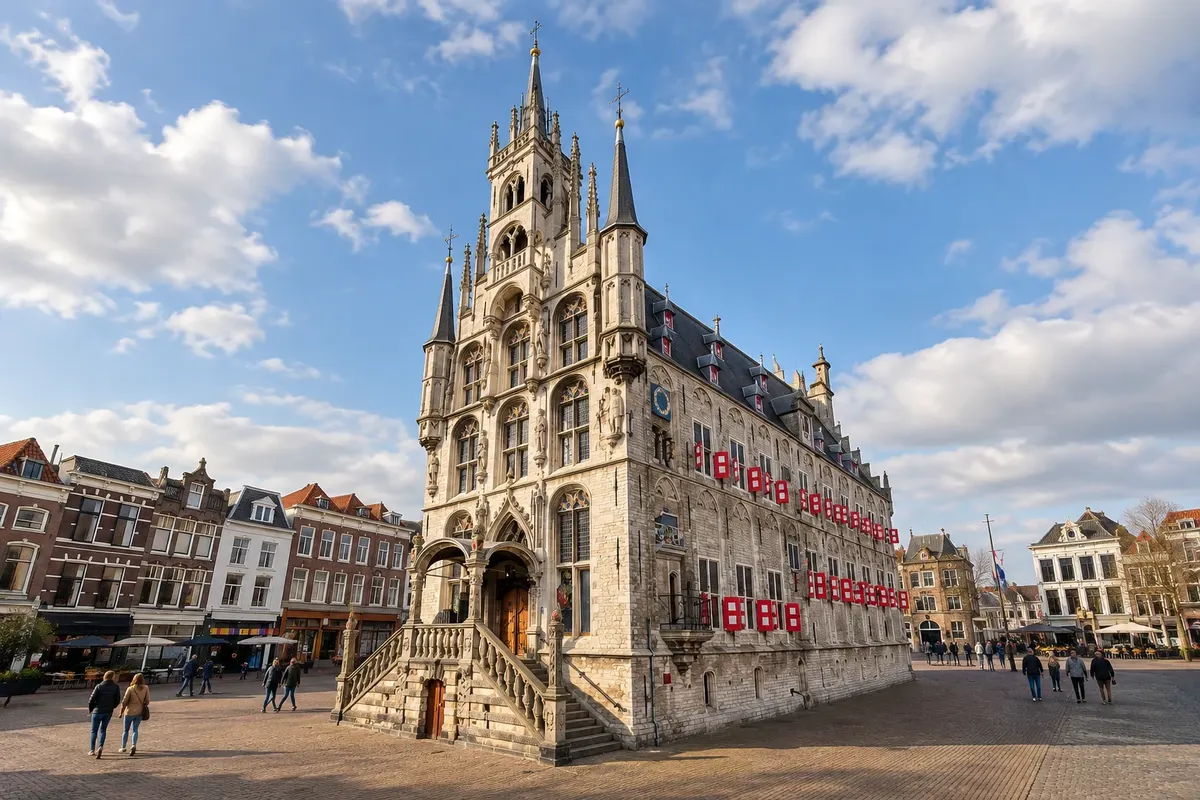
Gouda is about a 20-minute train ride from Rotterdam Centraal and is the town that gave its name to the cheese. The center revolves around the Markt, the square with the 15th-century Gothic Stadhuis in the middle and the Waag, the 1668 weigh house, on one side. The cheese market usually takes place on Thursday mornings from April to August: horse-drawn carts bring the wheels of cheese, traders and producers negotiate by clapping hands as in the past, and the cheese is weighed on the Waag's original scale. Stalls selling cheese, local products and crafts are set up around the square. Outside the season the Markt is worth visiting for the square and for the cheese and stroopwafel shops, the caramel cookie that originated here. A few steps away is the Sint-Janskerk, the longest church in the Netherlands at 123 meters, famous for its 16th-century stained glass, and the Museum Gouda, in the former hospital. There are boat tours on the canals and bakeries offering stroopwafel workshops.
Kraji na poti: Gouda, Markt, Stadhuis, Waag, Sint-Janskerk, Museum Gouda.
Vključuje: Train, cheese market (Thursdays, April to August, usually runs until midday), Markt, Waag, Sint-Janskerk (admission paid separately).
Nasvet: On market day arrive before 10:00 to see the arrival of the carts. Check the city website for the season dates, which vary slightly each year and skip public holidays.
Najboljši čas za obisk: Thursdays from April to August for the market; at other times, any season.
Schiedam: the tallest windmills and jenever
Odhod: Rotterdam Centraal or Schiedam Centrum metro station Sprinter train (about 5 min) or metro A, B or C to Schiedam Centrum Pol dneva Popoldne Lahko
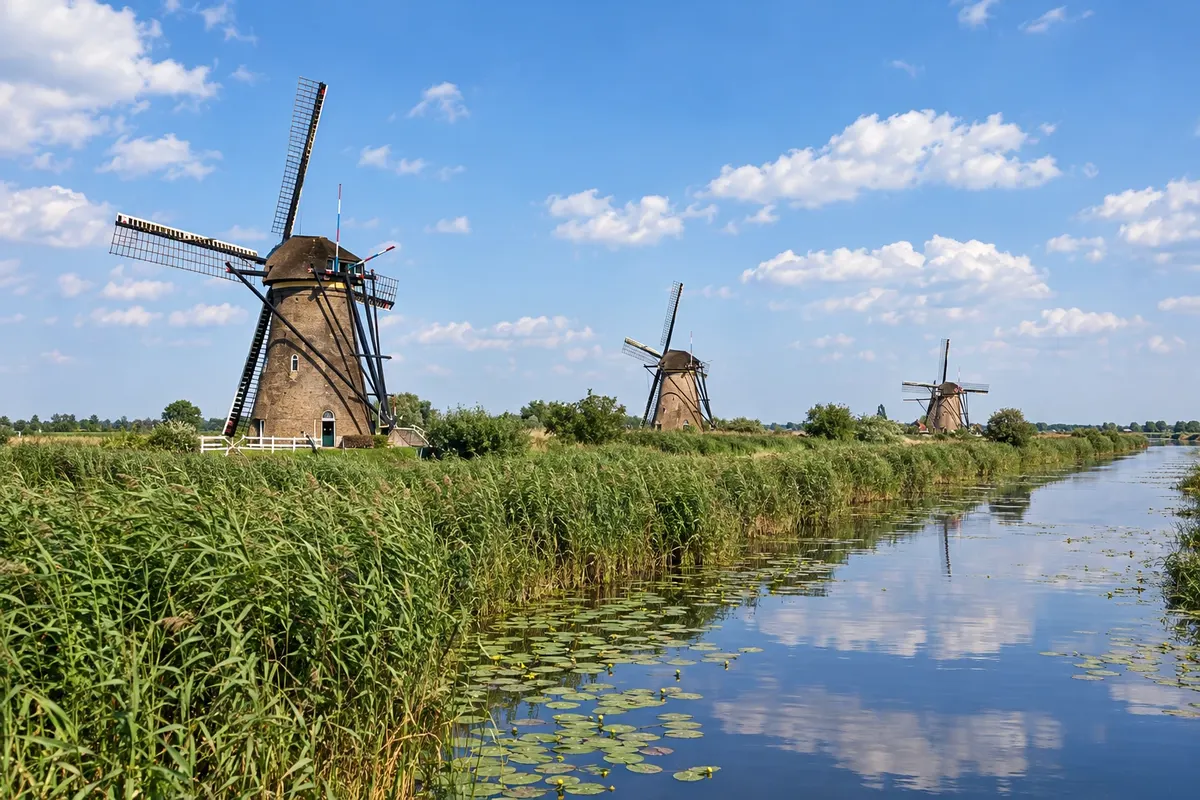
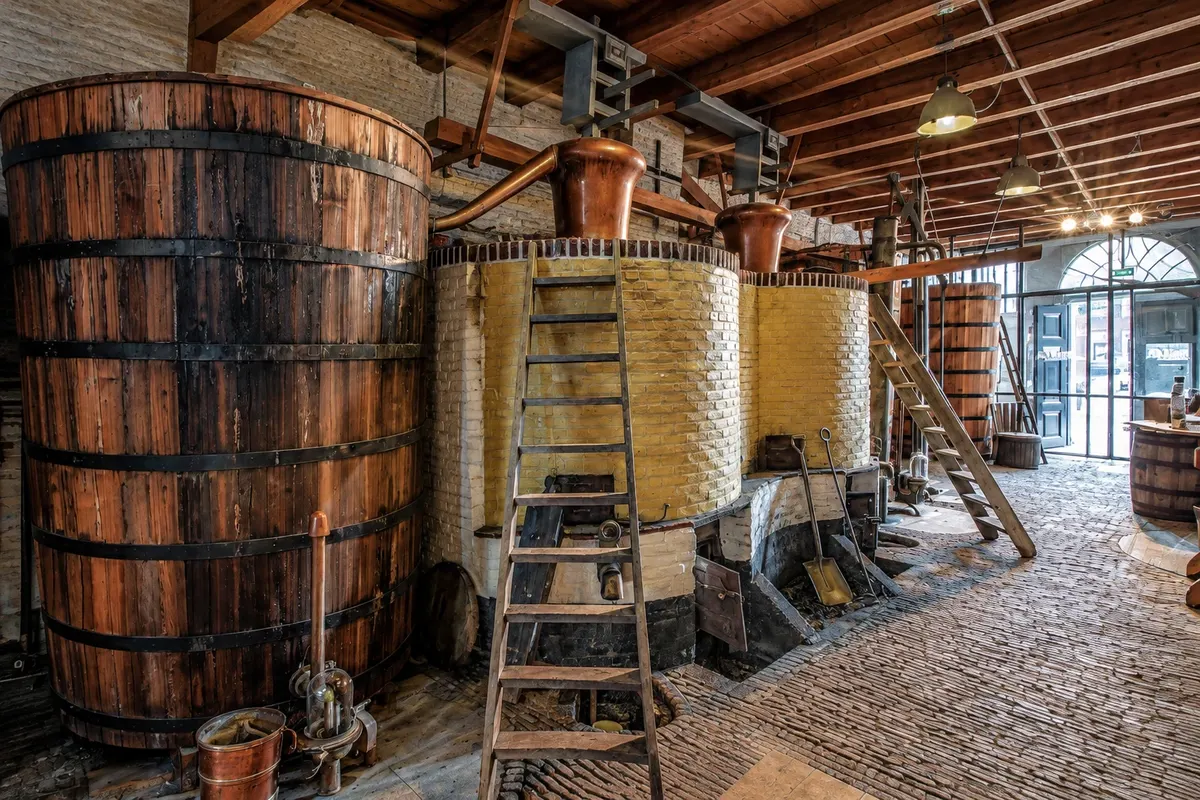
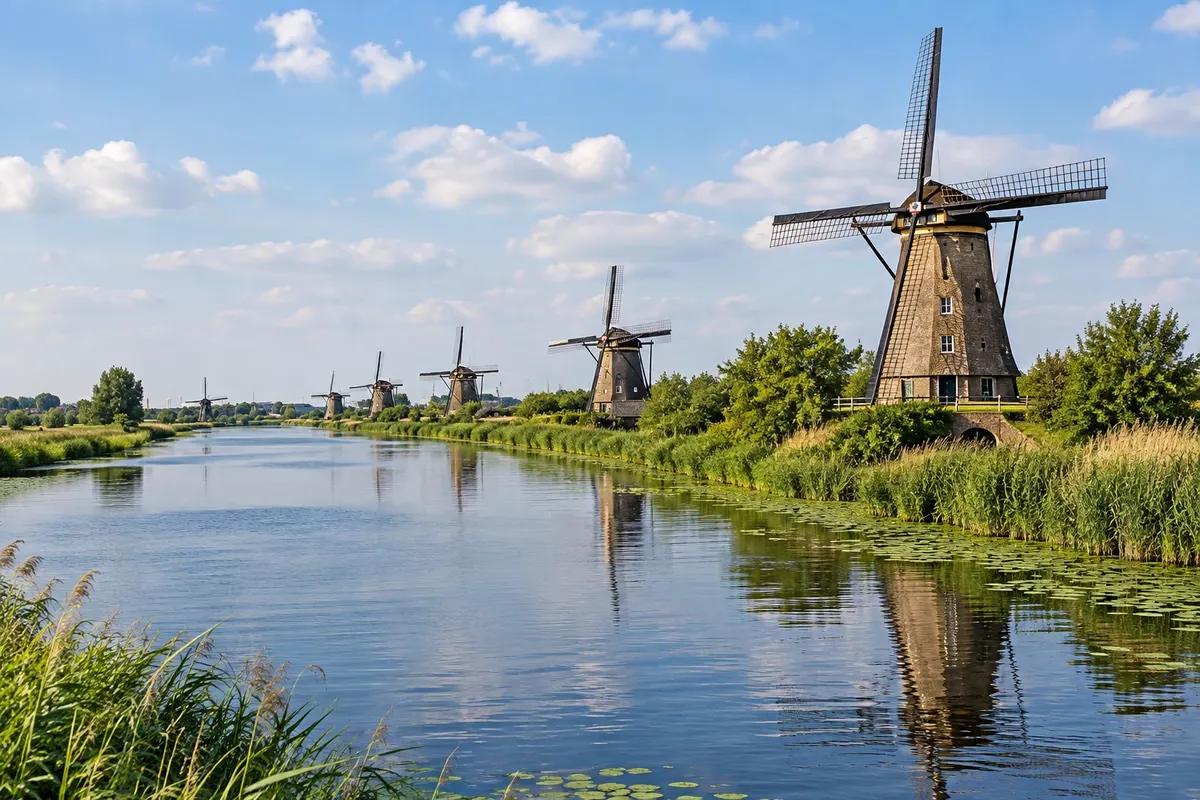
Schiedam is the town attached to Rotterdam on the west, a few minutes by train or metro, known for having the tallest windmills in the world. They were built in the 18th century to grind grain for the jenever distilleries and needed to rise above the tall warehouses, which explains their height. Five still stand along the Noordvest canal: De Noord, De Walvisch, De Drie Koornbloemen, De Nieuwe Palmboom and De Vrijheid. Some open for visits and one of them has a restaurant. On the Lange Haven, the central canal with merchants' houses and former distilleries, is the Nationaal Jenevermuseum, housed in a factory, which explains the history of the spirit that earned Schiedam the nickname Black Nazareth because of the chimneys' smoke; there is a tasting and a working distillery. The center is small, with bridges and quays, and can be visited in an afternoon. It’s the right complement for those who want to see windmills without going to Kinderdijk, or to add to the same day.
Kraji na poti: Schiedam, Lange Haven, Nationaal Jenevermuseum, De Walvisch, De Noord, De Nieuwe Palmboom.
Vključuje: Historic center, Lange Haven canal, windmills from the outside (interior visits when open), Nationaal Jenevermuseum (admission paid separately).
Nasvet: The windmills open on different days; check the weekly opening times on Schiedam’s tourism website before you go. The train is faster; the metro avoids transfers from many neighbourhoods.
Najboljši čas za obisk: All year; the windmills usually turn on windy days.


 Brazilija
 Antarktika
 Argentina
 Bolivija
 Čile
 Kolumbija
 Ekvator
 Gvajana
 Francoska Gvajana
 Falklandski otoki (Malvini)
 Paragvaj
 Peru
 Surinam
 Urugvaj
 Venezuela
 Nemčija
 Avstrija
 Belgija
 Hrvaška
 Danska
 Slovaška
 Slovenija
 Španija
 Finska
 Francija
 Grčija
 Madžarska
 Irska
 Islandija
 Italija
 Luksemburg
 Norveška
 Poljska
 Portugalska
 Združeno kraljestvo
 Češka
 Švedska
 Švica
 Turčija
 Bermudi
 Kanada
 Združene države Amerike
 Grenlandija
 Mehika
 Sveta Peter in Mihael
 Dominikanska republika
 Japonska
 Južnoafriška republika
 Egipt
 Avstralija
 Fidži
 Nova Zelandija
 Papua Nova Gvineja