Najboljši čas za obisk
Kdaj se odpraviti:Ribe and the Wadden Sea po mesecih
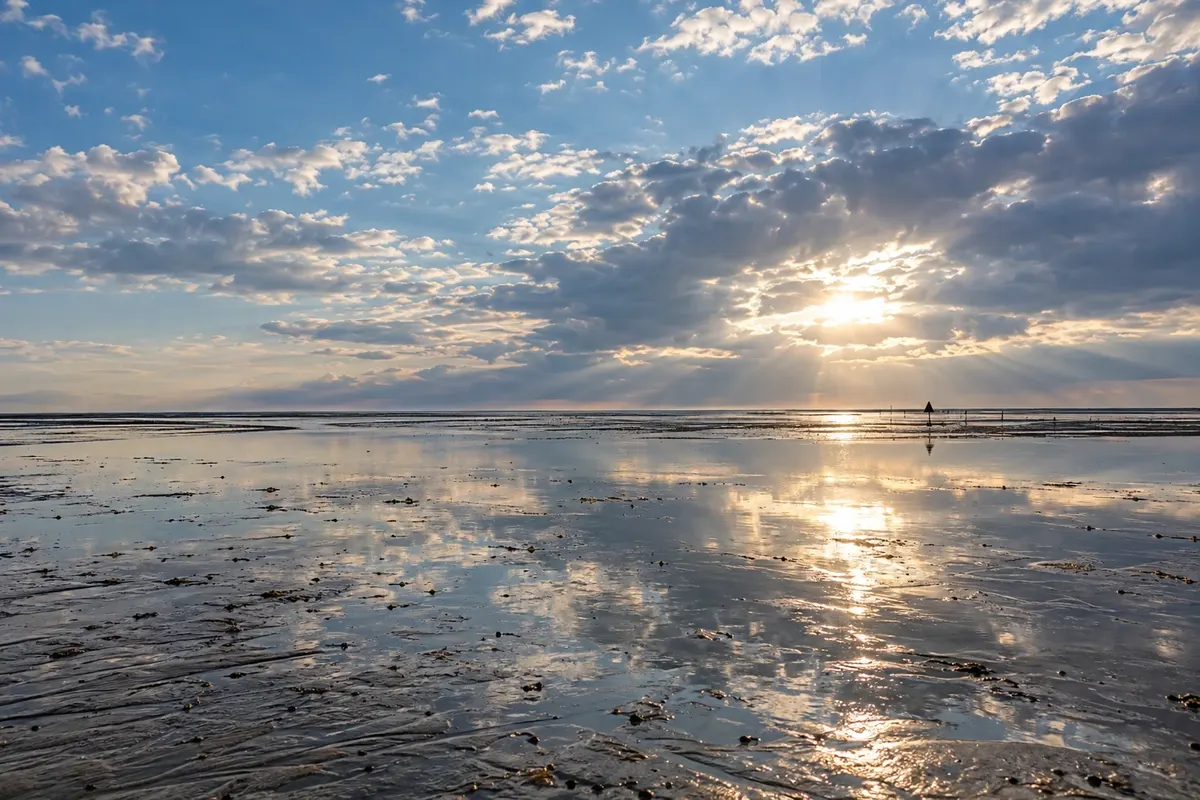
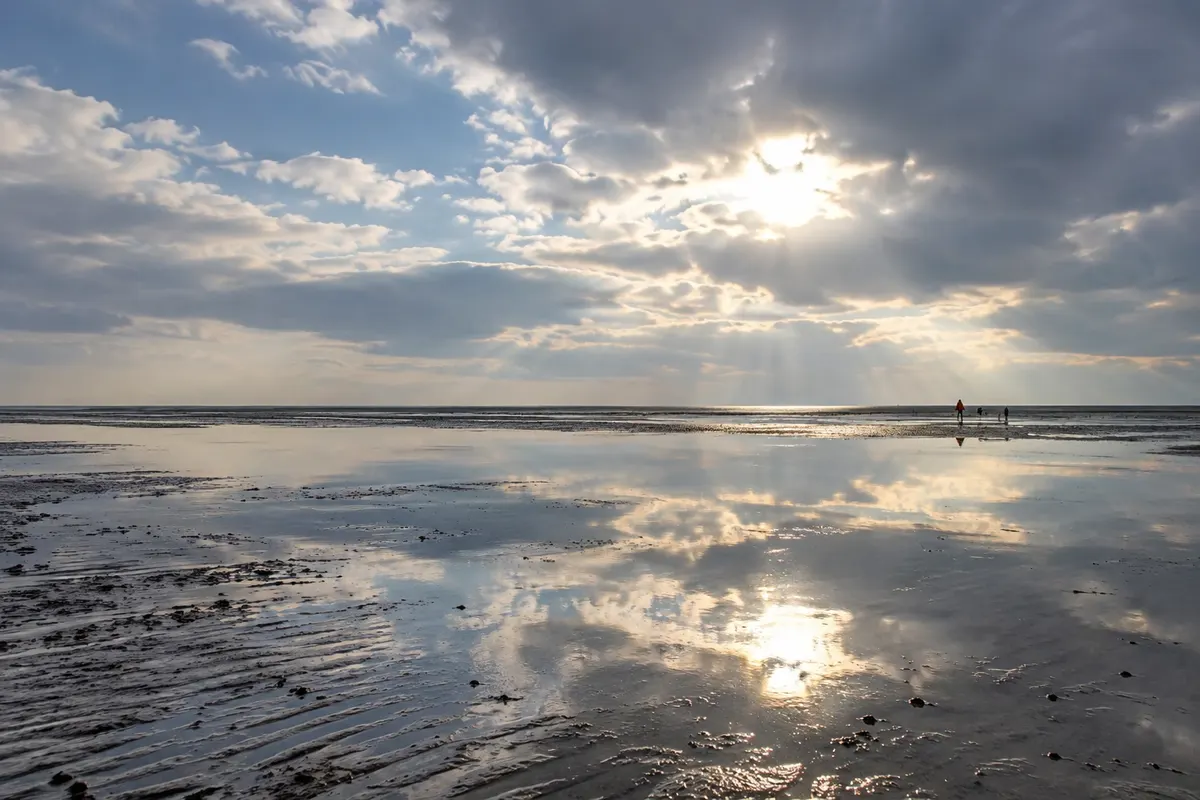
From May to September days are usually long, the Ribe VikingeCenter is open and the night watchman makes his rounds. The "sol negro" of the starlings typically occurs between March and April and between September and October, at dusk. In winter, from November to March, it is cold with sea wind, and several attractions operate on reduced hours; check before you go.
januar Zmerne padavine
winter
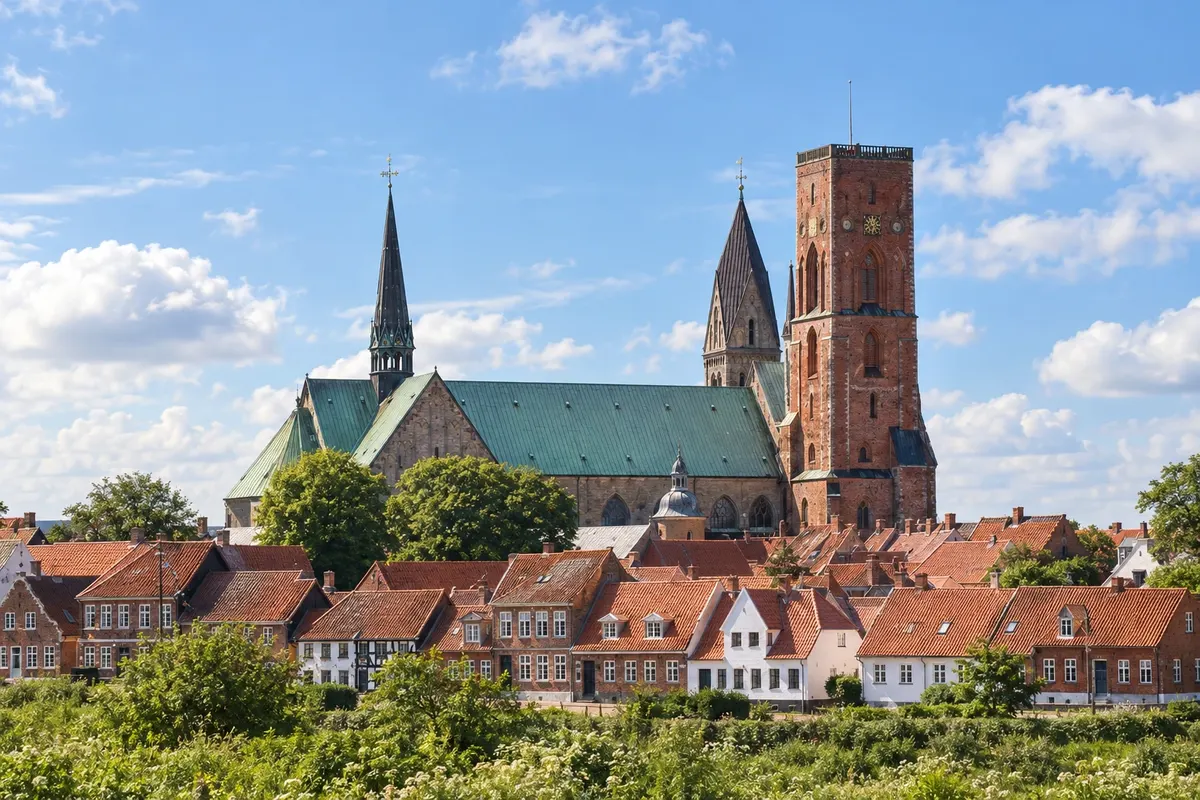
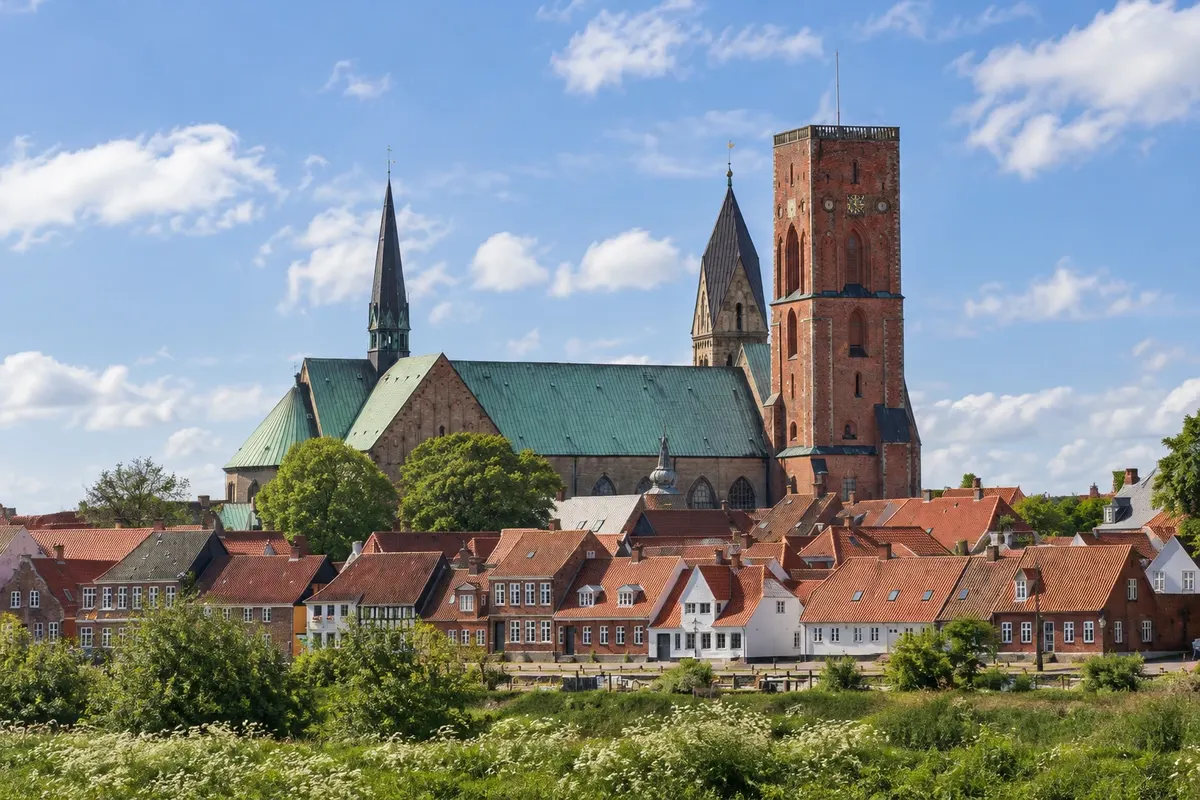
In Ribe, plan the day around Ribe’s streets and cathedral. As a national reference for 1991–2020, the averages of the lows and highs are -0.7 °C and 3.6 °C; monthly precipitation is 65.3 mm.
februar Zmerne padavine
winter
For a trip to Ribe, February is still usually cold, with short days; the trip calls for more indoor activities. In Ribe, plan the day around interpretation of the Wadden Sea. As a national reference for 1991–2020, the averages of the lows and highs are -0.9 °C and 3.7 °C; monthly precipitation is 50.3 mm.
marec Zmerne padavine
spring
For a trip to Ribe, spring begins in March, but the cold often continues and daylight increases gradually. In Ribe, plan the day around the regional Viking history. As a national reference for 1991–2020, the averages of the lows and highs are 0.3 °C and 6.4 °C; monthly precipitation is 46.4 mm.
april Zmerne padavine
spring
For a trip to Ribe, April tends to alternate cool air and rain, with more daylight for walking. In Ribe, plan the day around Ribe’s streets and cathedral. As a national reference for 1991–2020, the averages of the lows and highs are 3.4 °C and 11.2 °C; monthly precipitation is 38.5 mm.
maj Zmerne padavine
spring
In Ribe, plan the day around interpretation of the Wadden Sea. As a national reference for 1991–2020, the averages of the lows and highs are 7.1 °C and 15.6 °C; monthly precipitation is 47.3 mm.
junij Zmerne padavine
summer
For a trip to Ribe, June usually brings mild summer weather and very long days; the wind still calls for an extra layer. In Ribe, plan the day around the regional Viking history. As a national reference for 1991–2020, the averages of the lows and highs are 10.4 °C and 18.5 °C; monthly precipitation is 64.3 mm.
julij Zmerne padavine
summer
For a trip to Ribe, July is usually among the mildest months, with lots of light and possible rain during outings. In Ribe, plan the day around Ribe’s streets and cathedral. As a national reference for 1991–2020, the averages of the lows and highs are 12.7 °C and 21.2 °C; monthly precipitation is 65.8 mm.
avgust Zmerne padavine
summer
For a trip to Ribe, August usually keeps days mild and long, although day length already begins to shorten. In Ribe, plan the day around interpretation of the Wadden Sea. As a national reference for 1991–2020, the averages of the lows and highs are 12.8 °C and 21.2 °C; monthly precipitation is 82.1 mm.
september Zmerne padavine
autumn
For a trip to Ribe, September usually marks the transition to autumn, with cool air and shortening days. In Ribe, plan the day around the regional Viking history. As a national reference for 1991–2020, the averages of the lows and highs are 10.1 °C and 17.2 °C; monthly precipitation is 74.7 mm.
oktober Zmerne padavine
autumn
For a trip to Ribe, October usually has a colder, wetter autumn; schedule outdoor routes during daylight. In Ribe, plan the day around the streets and Ribe Cathedral. As a national reference for 1991–2020, the averages of the minima and maxima are 6.4 °C and 12.3 °C; monthly precipitation is 83.2 mm.
november Zmerne padavine
autumn
For a trip to Ribe, November is usually cold and dim; the long winter already affects travel. In Ribe, plan the day around interpretation of the Wadden Sea. As a national reference for 1991–2020, the averages of the minima and maxima are 3.1 °C and 7.6 °C; monthly precipitation is 70.3 mm.
december Zmerne padavine
winter
In Ribe, plan your day around the regional Viking history. As a national reference for 1991–2020, the averages of the lows and highs are 0.4 °C and 4.7 °C; monthly precipitation is 70.9 mm.


 Brazilija
 Antarktika
 Argentina
 Bolivija
 Čile
 Kolumbija
 Ekvator
 Gvajana
 Francoska Gvajana
 Falklandski otoki (Malvini)
 Paragvaj
 Peru
 Surinam
 Urugvaj
 Venezuela
 Nemčija
 Avstrija
 Belgija
 Hrvaška
 Slovaška
 Slovenija
 Španija
 Finska
 Francija
 Grčija
 Nizozemska
 Madžarska
 Irska
 Islandija
 Italija
 Luksemburg
 Norveška
 Poljska
 Portugalska
 Združeno kraljestvo
 Češka
 Švedska
 Švica
 Turčija
 Bermudi
 Kanada
 Združene države Amerike
 Grenlandija
 Mehika
 Sveta Peter in Mihael
 Dominikanska republika
 Japonska
 Južnoafriška republika
 Egipt
 Avstralija
 Fidži
 Nova Zelandija
 Papua Nova Gvineja