Mons and Tournai

Hainaut · Belgija

Mons and Tournai

Two towns in Hainaut with a UNESCO-listed beffroi: Mons, of the Doudou, of Van Gogh and of the Grand-Hornu, and Tournai, of the cathedral's five towers and the Pont des Trous over the Escalda.

Wallonia

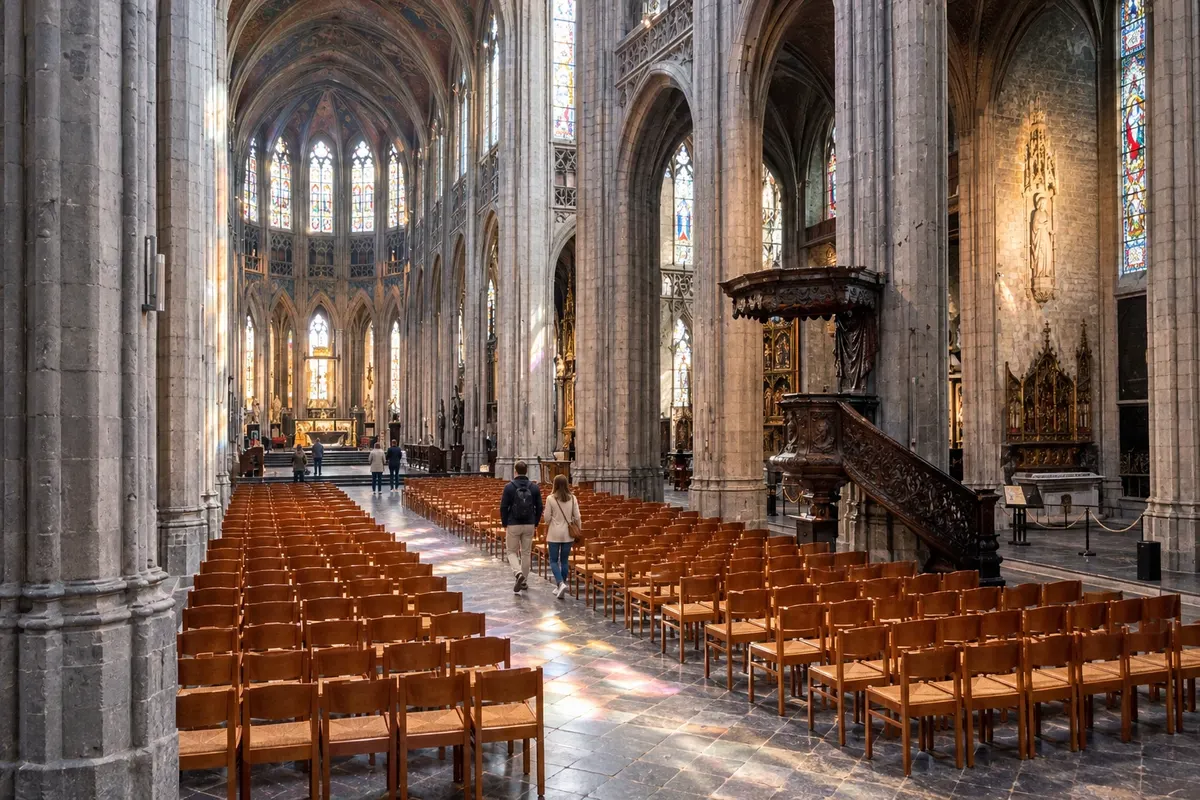
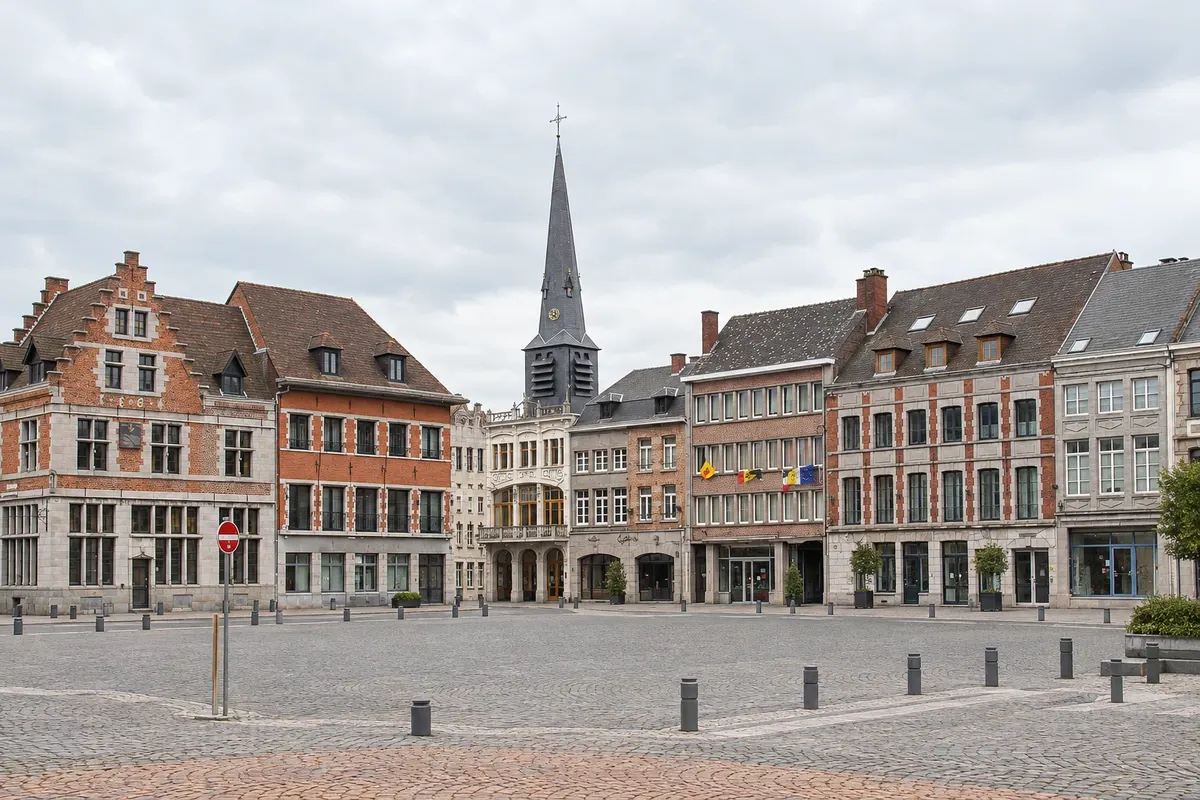
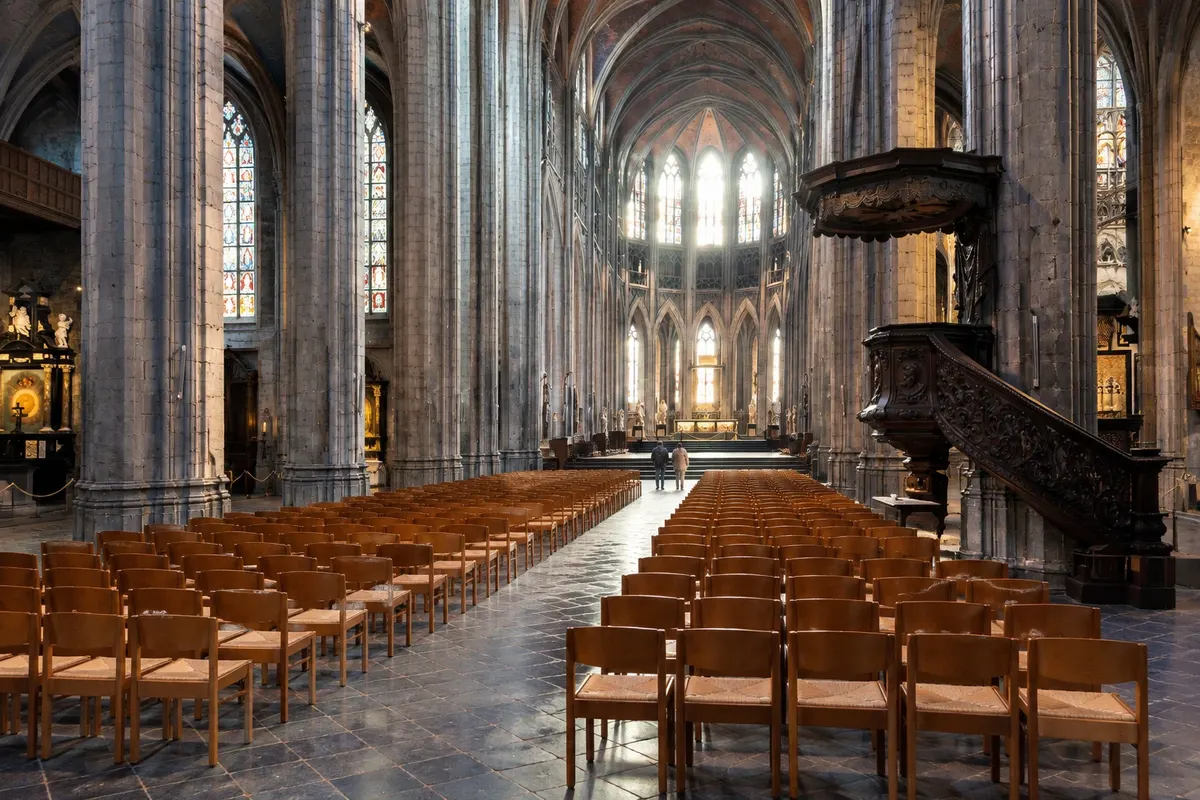
Na fotografiji: Collégiale Sainte-Waudru, Mons

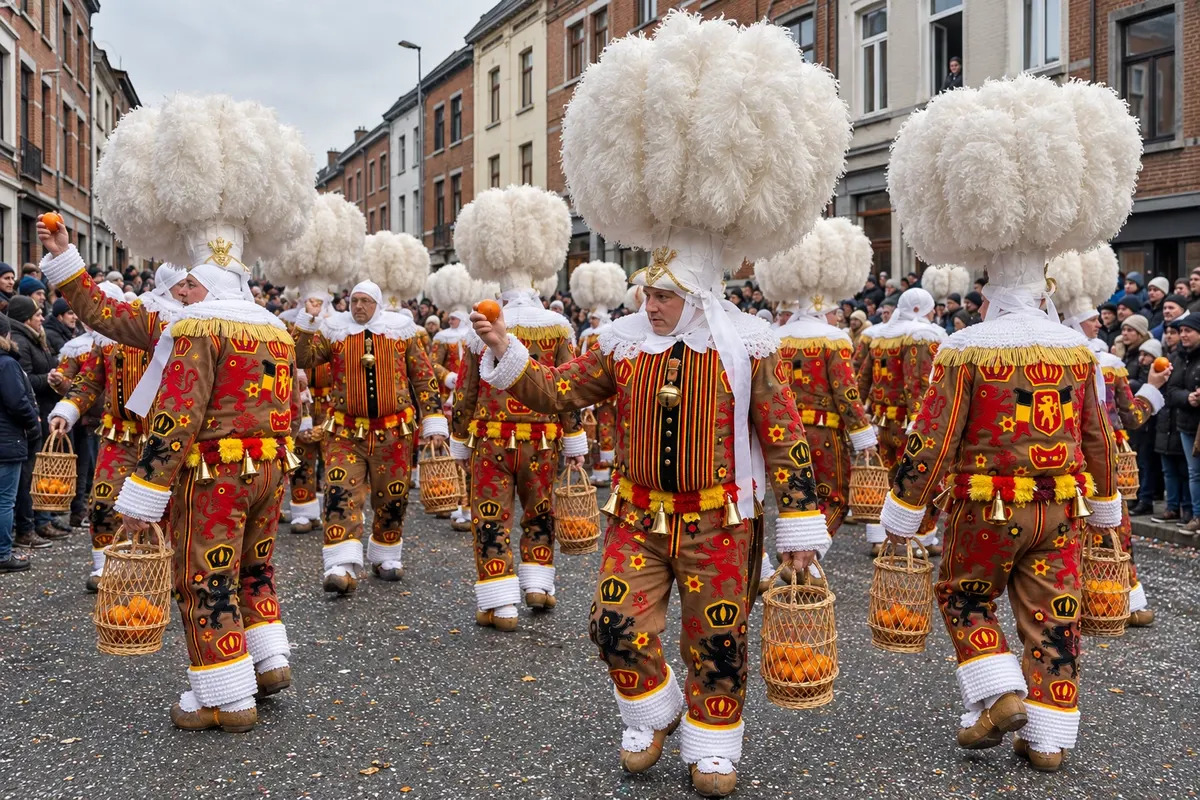
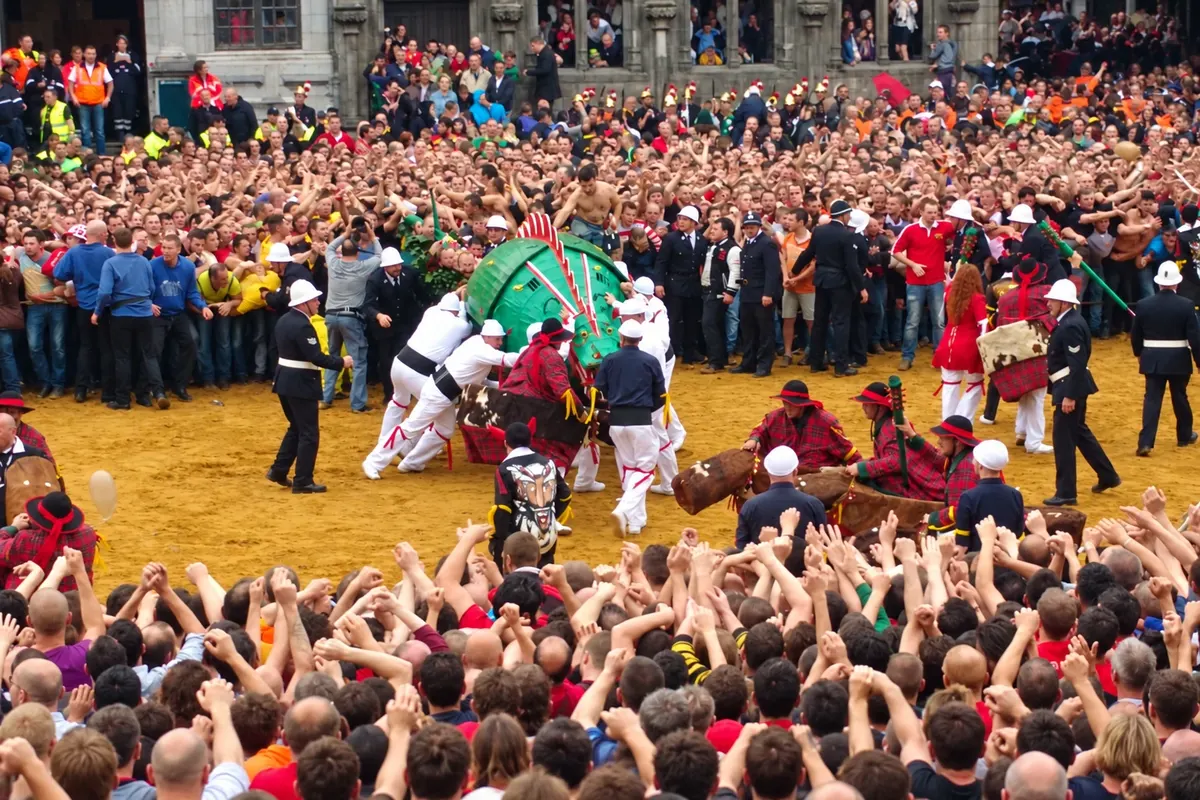
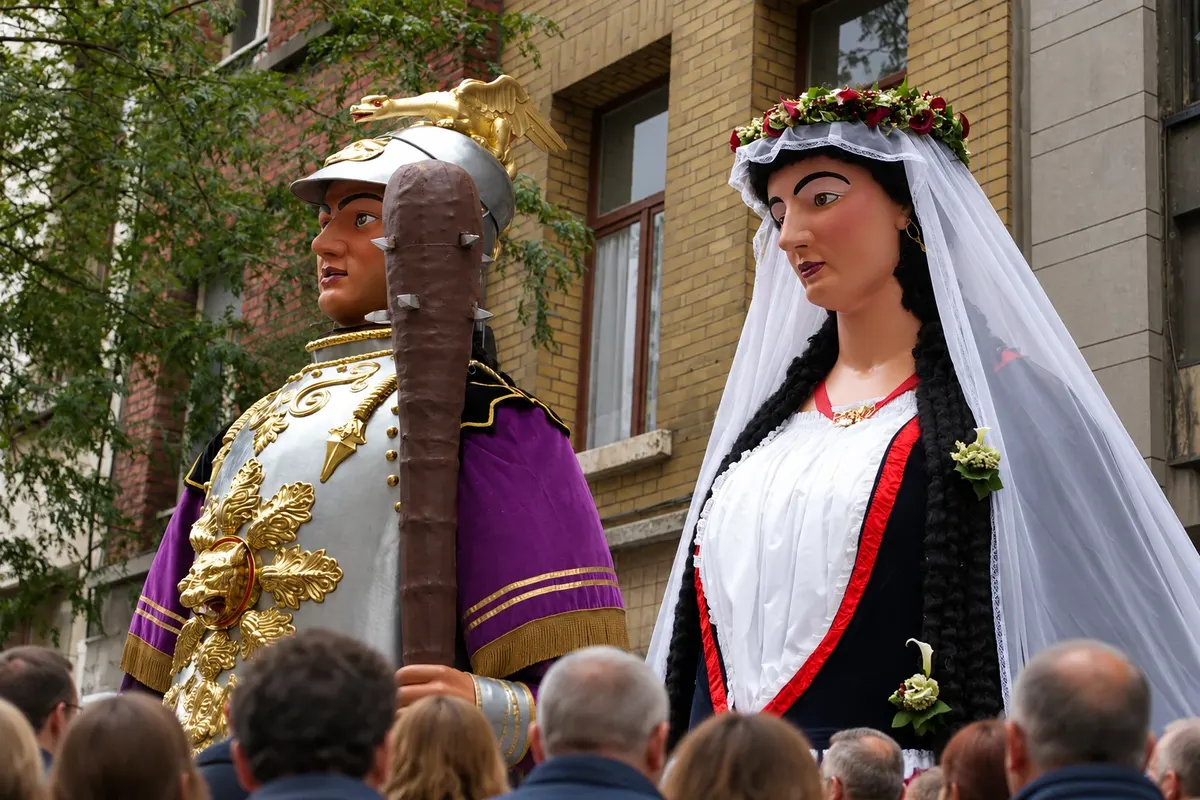
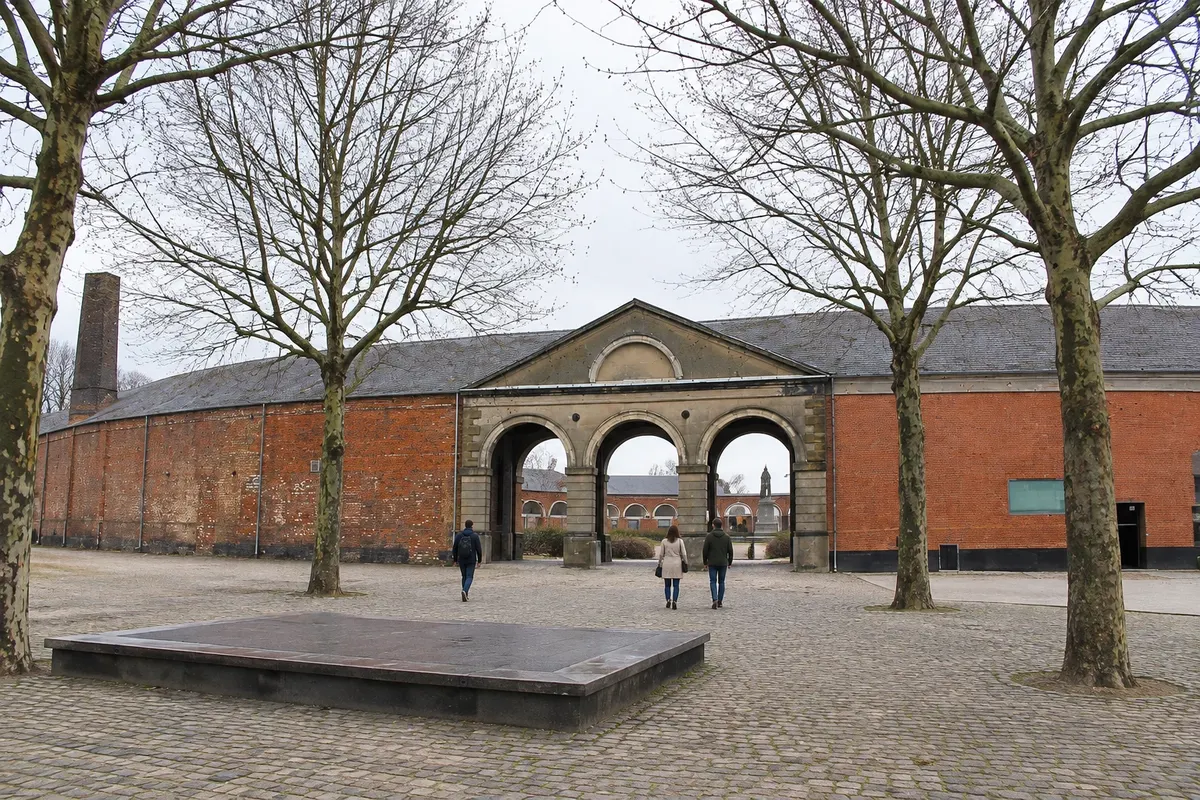
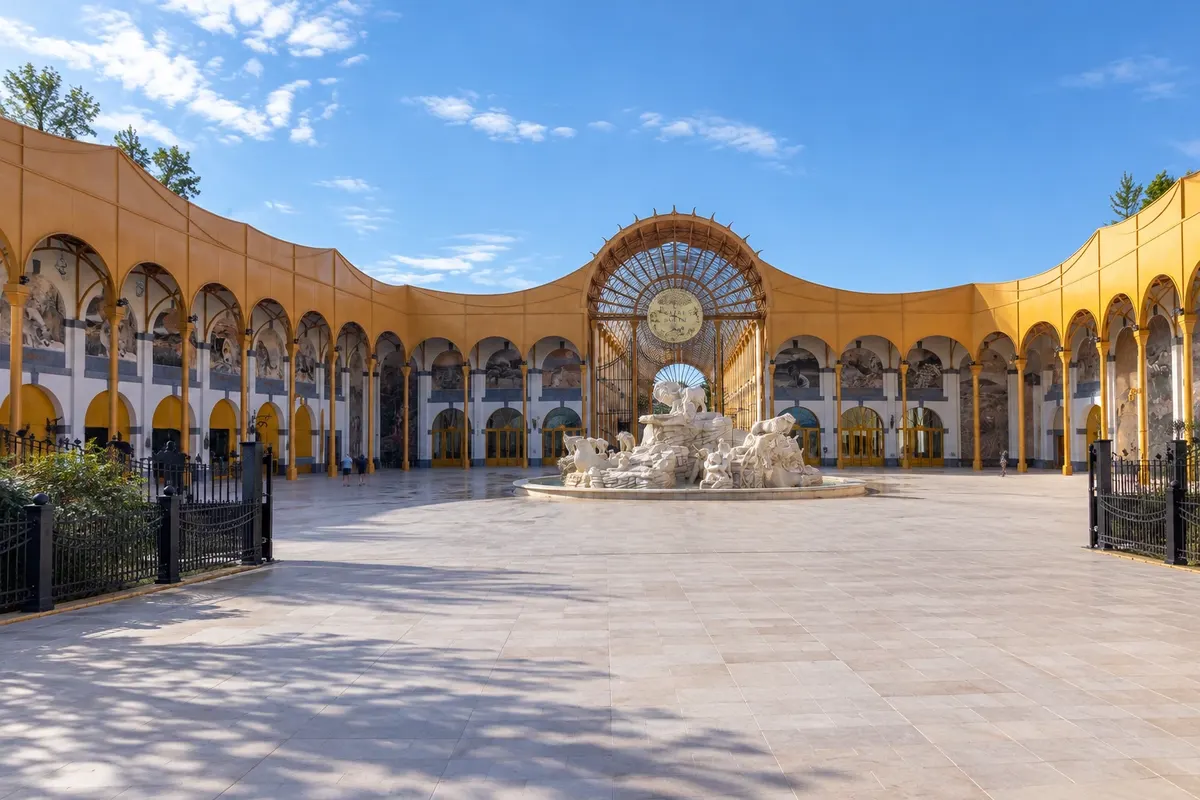
Illustrative images. The pictures in this guide are illustrations based on the real place, not photographs, and may differ from it.

Na voljo v trgovini Google Play Pošljite svoje fotografije

Spoznajte kraj

Pokrajina, ki jo doživite
v svojem ritmu.

Mons and Tournai are in Hainaut, the province in the west of Wallonia, the part of Belgium where French is spoken. Both are about an hour by train from Brussels and roughly 50 km from each other, which makes it possible to see both on the same trip, by train or by car.

Mons, the provincial capital, has a Grand-Place surrounded by cafés, the only Baroque beffroi in Belgium, and the Collégiale Sainte-Waudru, from which the Car d'Or procession departs each year during the Doudou festival. Around the town are traces of the Borinage, the old coal basin: the house where Vincent van Gogh lived in Cuesmes, the mining complex of the Grand-Hornu and, much earlier, the flint mines of Spiennes, dug around 6,000 years ago.

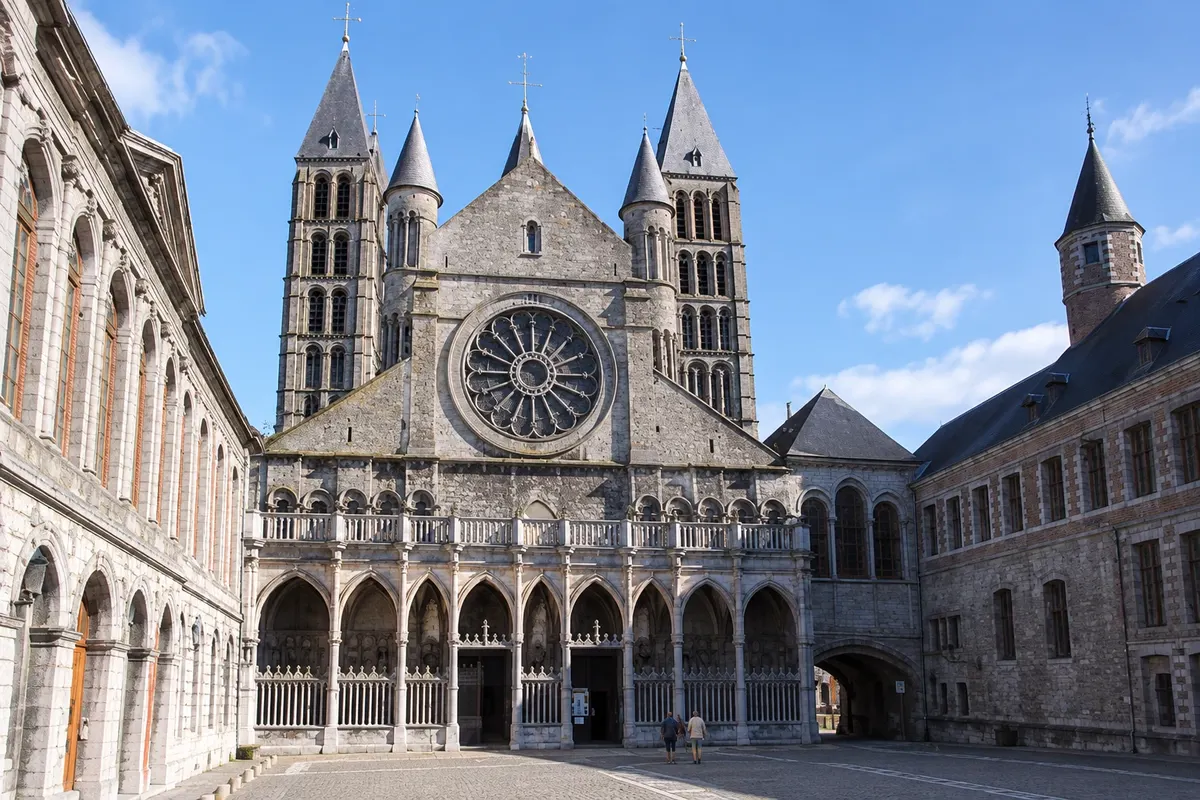
Tournai is one of the oldest cities in the country. It was the capital of the Franks in the 5th century, and Clovis was born there. The cathedral of Notre-Dame, with five towers in a row, combines a Romanesque nave and a Gothic choir. Next to it, the beffroi from the late 12th century is the oldest in Belgium. On the banks of the Escalda, the Pont des Trous is a fortified 13th-century gate that still crosses the river.

Museums also carry weight in a visit: the Mundaneum, the paper archive that tried to classify all the world's knowledge, the BAM and the Mons Memorial Museum in Mons; the Musée des Beaux-Arts designed by Victor Horta and the tapestry museum in Tournai. Half an hour from Mons, the Pairi Daiza zoo occupies the grounds of a former Cistercian abbey in Brugelette.

This destination brings together 4 cities: Mons, Tournai, Binche, Ath.

Delite: WhatsApp
Delite svoja popotniška doživetja s fotografijami Pošljite fotografije vsakega kraja, ki ste ga obiskali. Največje število fotografij na kraj: 5.

Ena destinacija, več poti

Mesta na tej poti

Začnite v enem mestu ali v načrt poti vključite več mest.

Mons and Tournai – lega
AthMonsTournaiBinche

Obrisi: © NGI-IGN, AdminVector, CC BY 4.0. Priredba: Cidade Turismo.

Kako do tja:Mons and Tournai

✈ Brussels Airport (BRU), kraj: Zaventem· 76 km do cilja (Mons)

✈ Brussels South Charleroi Airport (CRL), kraj: Charleroi· 45 km do cilja (Mons)

The usual gateway is Brussels Airport, in Zaventem; Charleroi airport is about 45 km from Mons. Check before buying. From Brussels, SNCB trains run to Mons and to Tournai in about an hour, and there are trains between the two towns.

Predlagana točka prihoda:Mons

Mons
Hainaut · Mons and Tournai Capital Predlagana točka prihoda

Mons

Mons, Bergen in Flemish, is the capital of Hainaut and is French-speaking. The center climbs the hill around the Grand-Place, the Hôtel de Ville with the lucky monkey and the Beffroi de Mons, a UNESCO World Heritage site, up to the Collégiale Sainte-Waudru, the starting point of the Doudou. Museums include the Mundaneum, the BAM and the Mons Memorial Museum. In the surroundings are the Maison Van Gogh in Cuesmes, the flint mines of Spiennes, the Grand-Hornu and, in Brugelette, the Pairi Daiza zoo.

Tournai
Hainaut · Mons and Tournai

Tournai

Tournai, Doornik in Flemish, is one of the oldest cities in Belgium; it was the capital of the Franks and French is spoken there. The centre revolves around the Cathédrale Notre-Dame, with five towers, and the Beffroi de Tournai, both UNESCO World Heritage sites, and the triangular Grand-Place. On the banks of the Escalda is the Pont des Trous, a medieval gate over the river. The museums are the Musée des Beaux-Arts, designed by Victor Horta, and the TAMAT, dedicated to tapestry.

Praznovanja in dogodki

Praznovanja – vMons and Tournai

Datumi se vsako leto spreminjajo. Pred potovanjem preverite letošnji datum.

Koledar praznovanj – in Belgija

Doživite kraj

Kaj početi – Mons and Tournai

Cathedral of Our Lady of Tournai
Tournai · Hainaut · Stolnica

Cathedral of Our Lady of Tournai

Cathedral with five towers in a row, a 12th-century Romanesque nave and a 13th-century Gothic choir, a UNESCO World Heritage site since 2000, with a Renaissance jubé by Cornelis Floris.

Grand-Place of Binche
Binche · Hainaut · Trg

Grand-Place of Binche

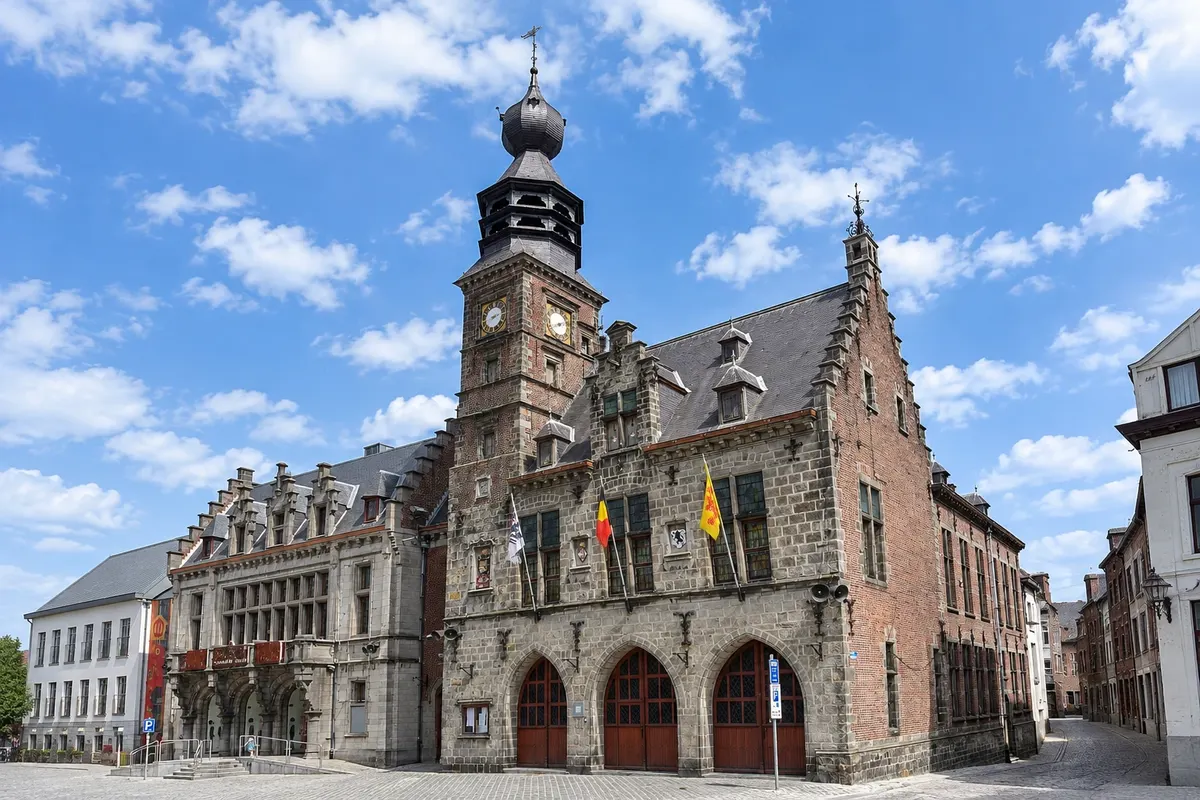
Binche’s central square, with the town hall of Gothic arcades and the 35 m belfry, which is part of the Belfries of Belgium and France inscribed as a UNESCO World Heritage Site.

Grand-Place of Mons
Mons · Hainaut · Trg

Grand-Place of Mons

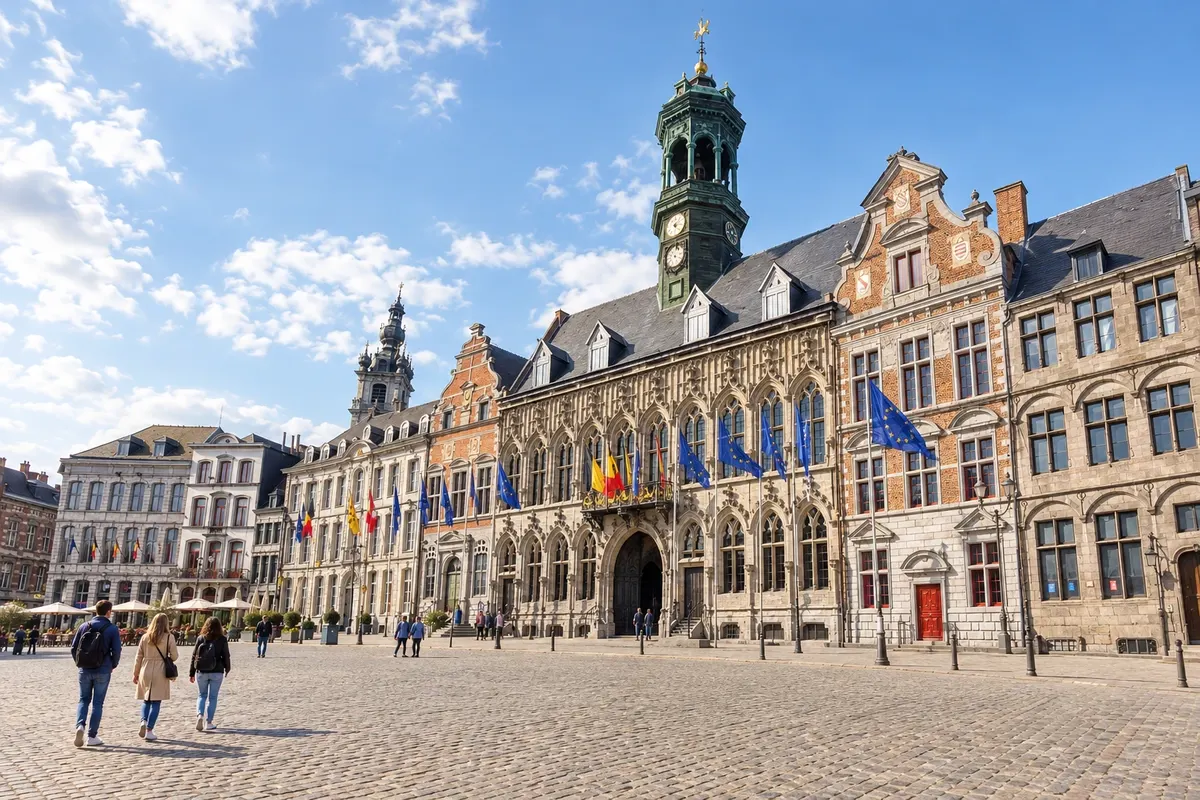
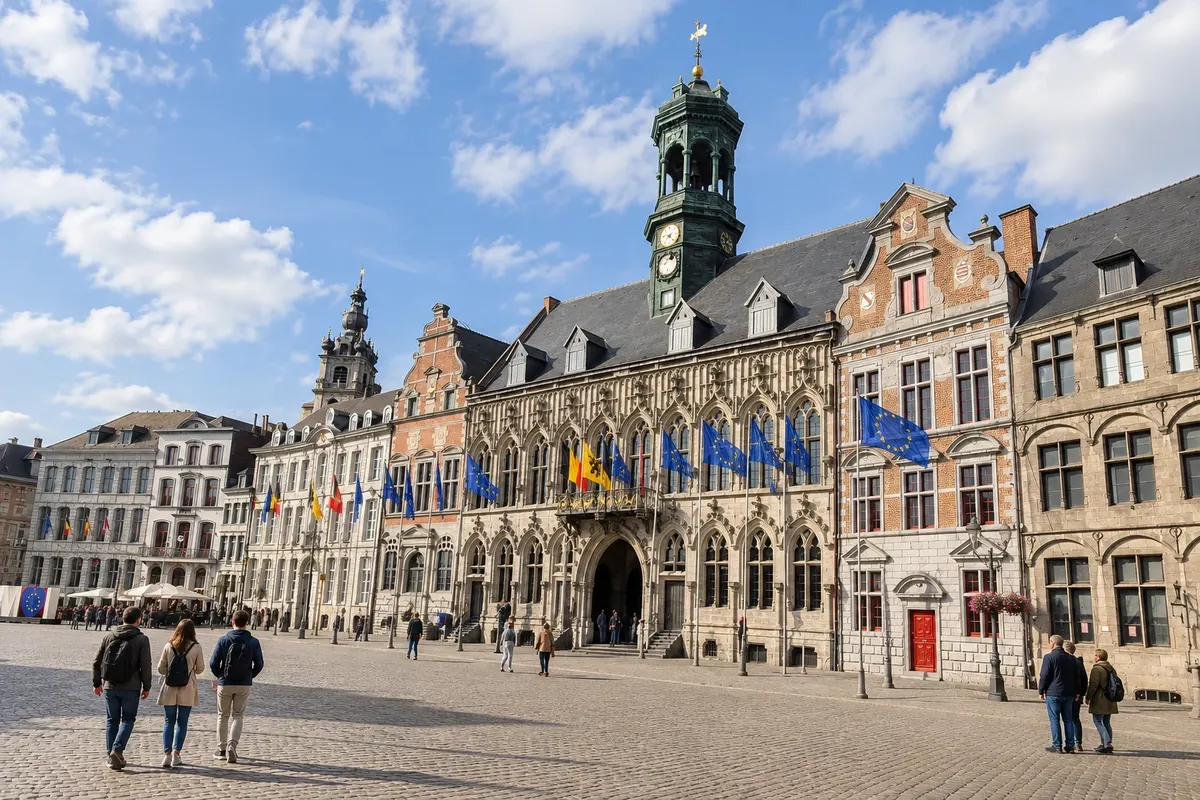
Mons's main square, featuring the 15th-century Gothic Hôtel de Ville, the lucky monkey on the façade and, beyond, the Jardin du Mayeur and the Musée du Doudou. It is the stage for the Lumeçon combat.

House of Giants
Ath · Hainaut · Muzej

House of Giants

Museum of procession giants, housed in an 18th-century mansion in front of the church of Saint-Julien. It tells the story of giants in Europe and the Ducasse d'Ath, with figures, costumes and festival objects.

Mons and Tournai – prikaži dodatne kraje (18)
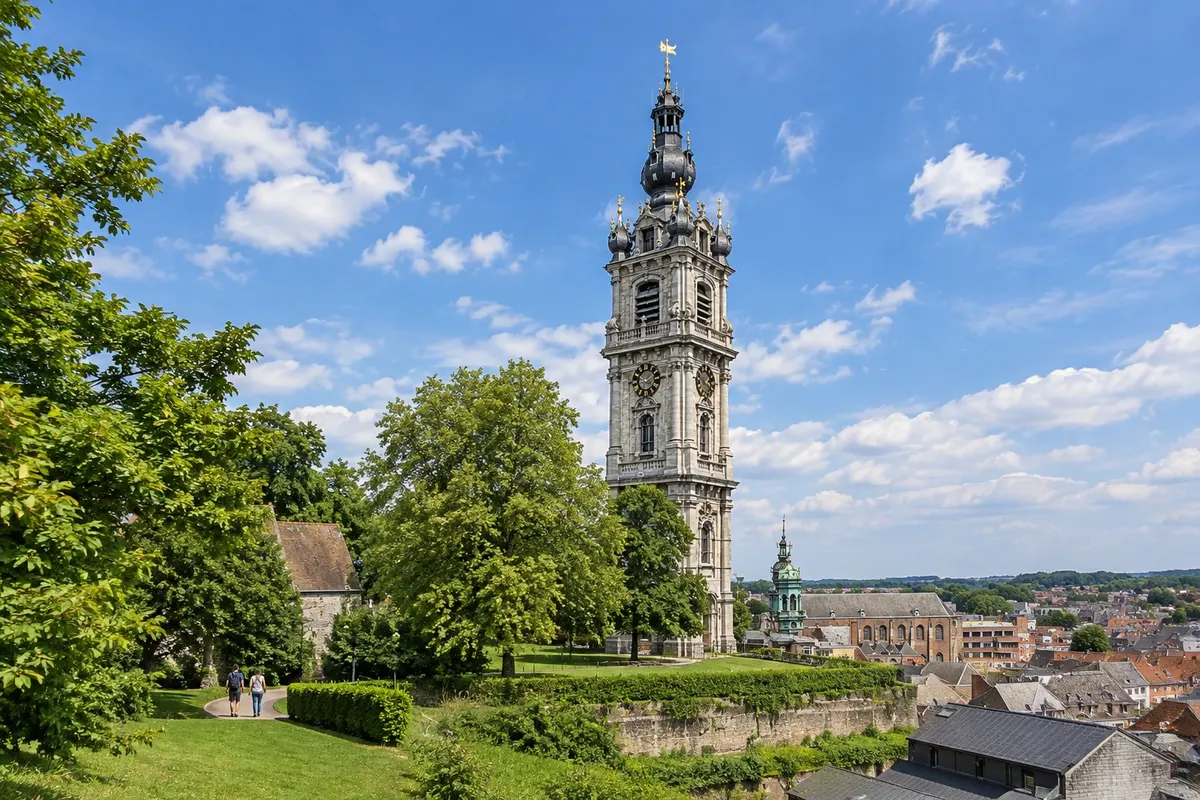
Belfry of Mons
Mons · Hainaut · Tower

Belfry of Mons

The only Baroque beffroi tower in Belgium, at 87 metres with 49 bells, sitting atop the Mons hill. A UNESCO World Heritage site, it has an interpretation centre and a panoramic lift to the viewing platform.

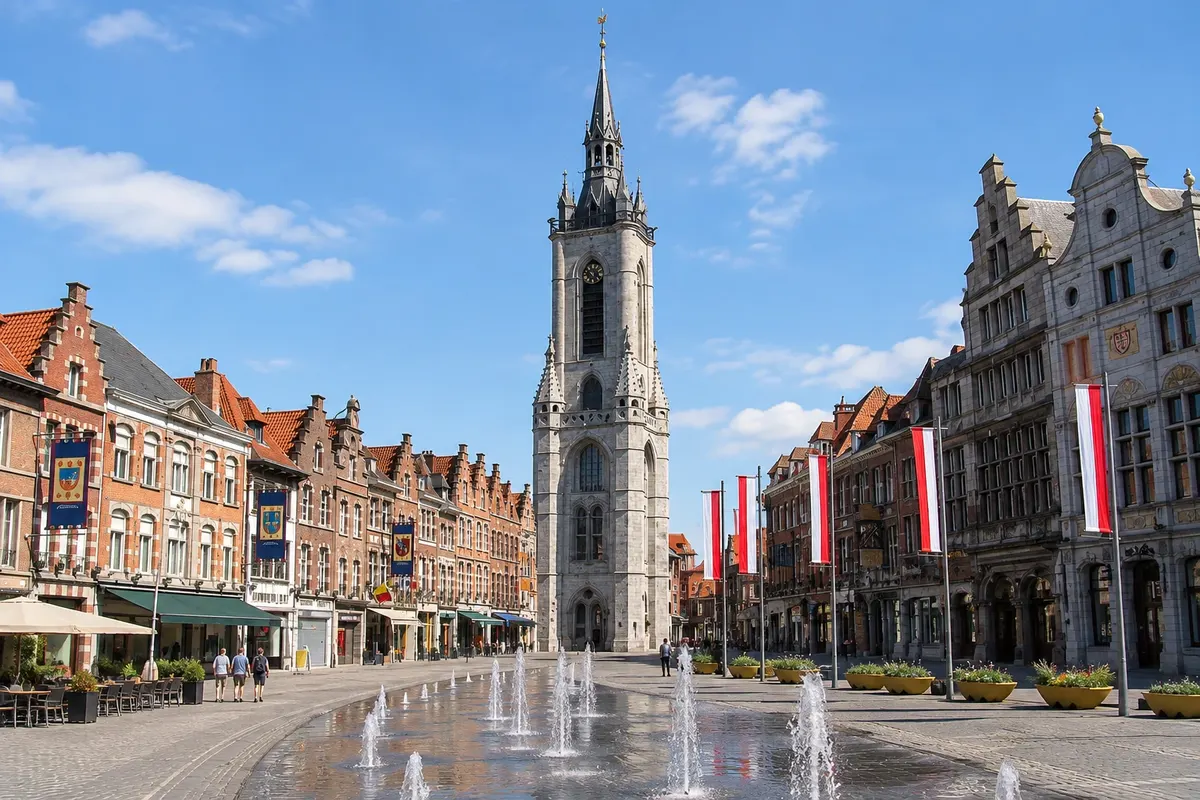
Belfry of Tournai
Tournai · Hainaut · Tower

Belfry of Tournai

The oldest beffroi in Belgium, dating from the late 12th century, with a height of 72 metres and 257 steps. A UNESCO World Heritage site, it offers views of the cathedral's five towers.

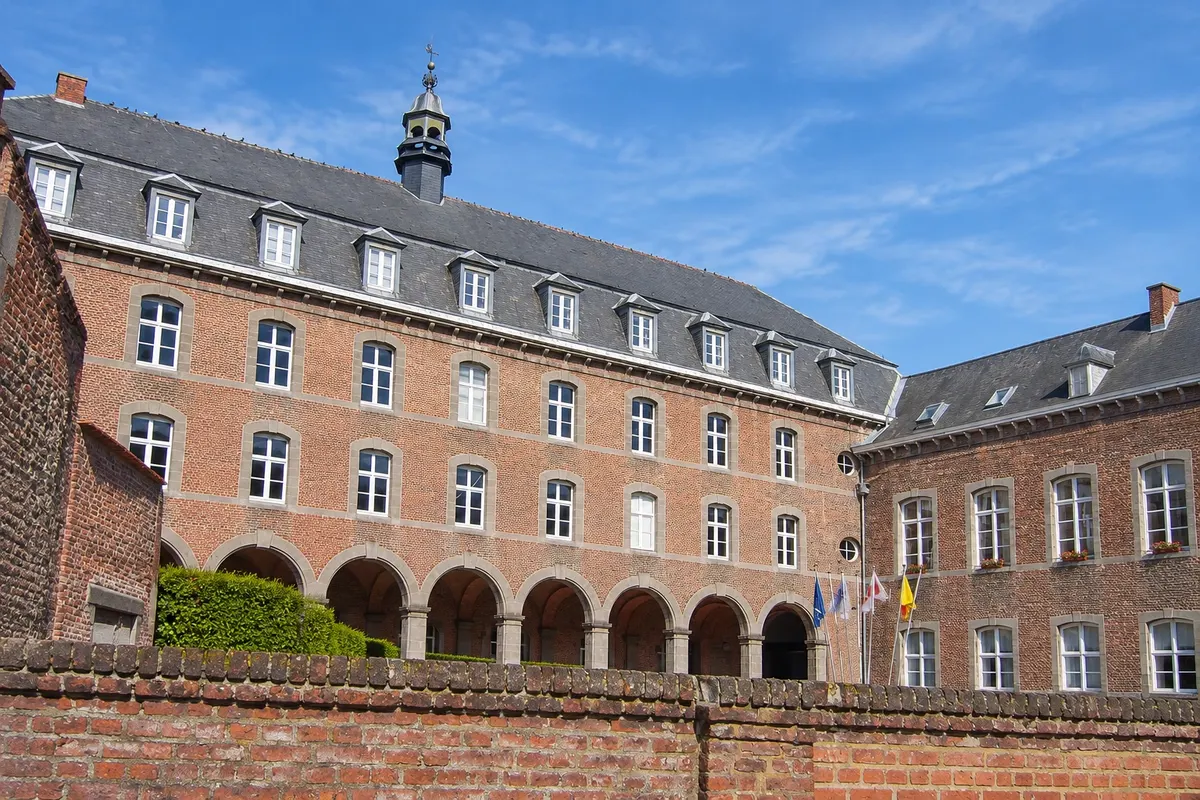
International Carnaval and Mask Museum
Binche · Hainaut · Muzej

International Carnaval and Mask Museum

Museum dedicated to carnival and masks, installed in the former Augustinian college next to Binche’s Grand-Place. It displays the costumes of the Gilles and a collection of masks and festival costumes from several continents.

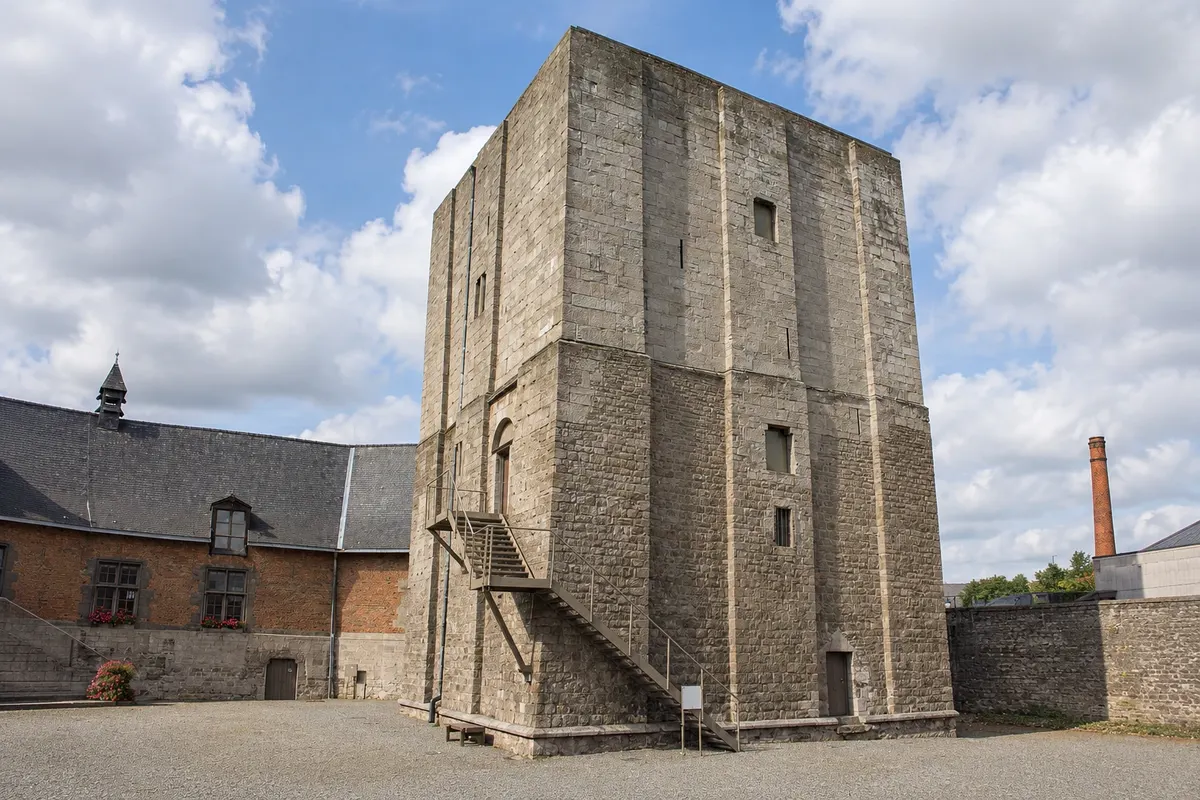
Burbant Tower
Ath · Hainaut · Tower

Burbant Tower

12th-century keep, built by Count Baldwin IV of Hainaut, near the Grand-Place of Ath. It is the oldest building in the city.

Collegiate Church of Saint Waudru
Mons · Hainaut · Cerkev

Collegiate Church of Saint Waudru

Gothic church from the 15th to the 17th centuries, dedicated to Mons' patron saint. It houses the alabaster sculptures by Jacques Du Brœucq, the relics of Saint Waudru and the Car d'Or, the gilded carriage used in the Doudou procession.

Gallo-Roman Space
Ath · Hainaut · Muzej

Gallo-Roman Space

Archaeology museum in the center of Ath, with objects of daily life and crafts from the Gallo-Roman period found in Hainaut, including wooden boats dug up in Pommerœul.

Grand Place of Tournai
Tournai · Hainaut · Trg

Grand Place of Tournai

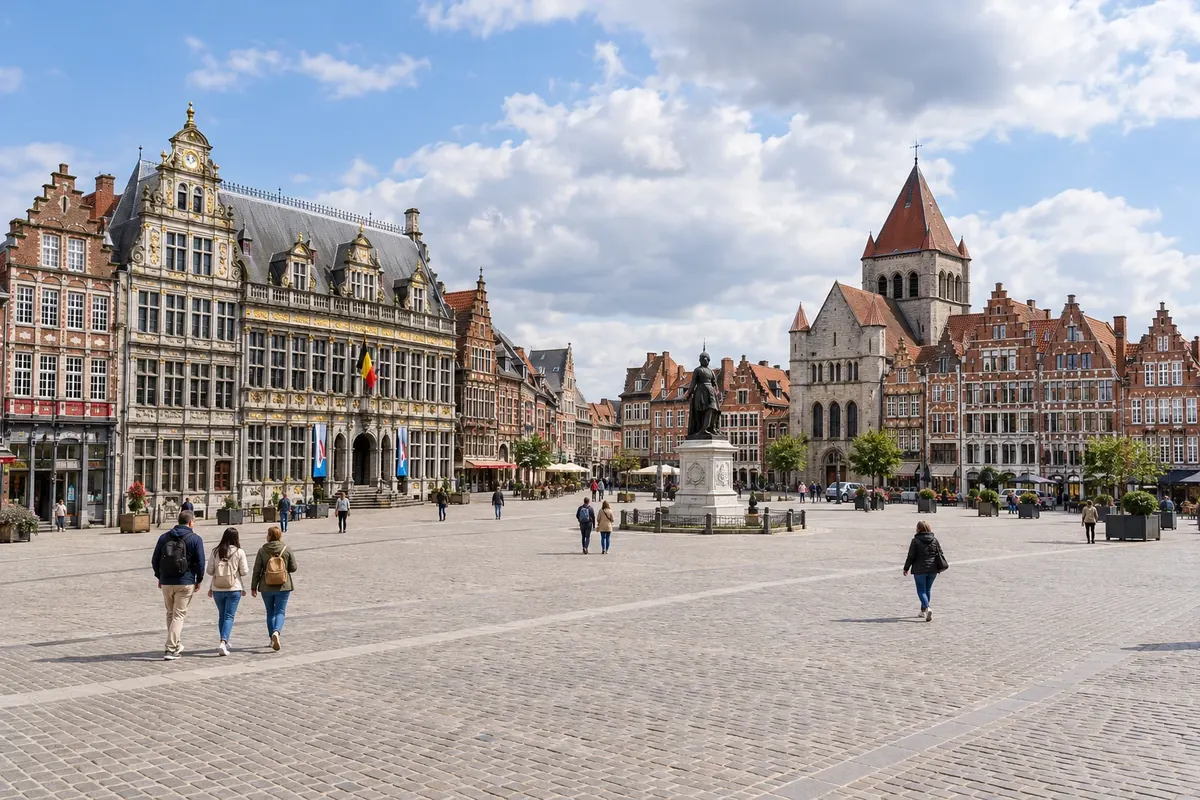
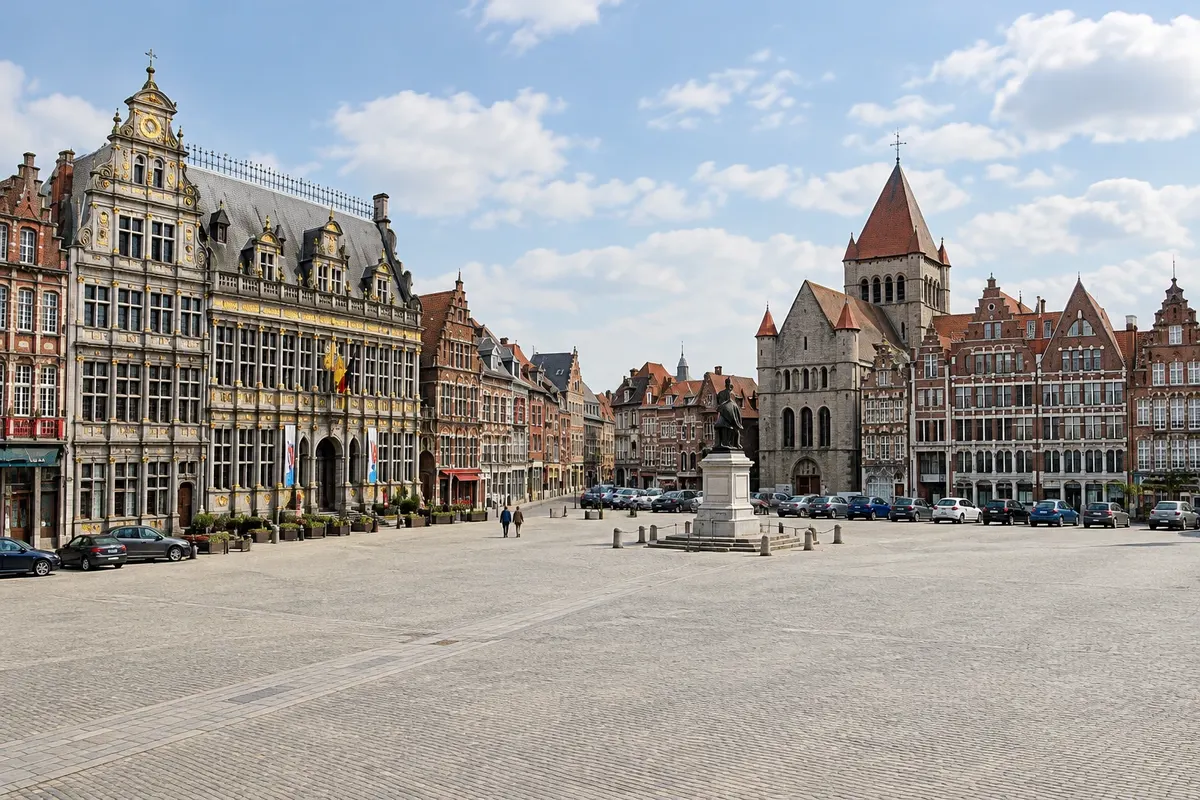
Tournai’s main square, triangular in shape, with the Renaissance Halle aux Draps, the church of Saint-Quentin and the statue of Christine de Lalaing. It lies between the beffroi and the museums.

Binche Ramparts and Palace of Mary of Hungary
Binche · Hainaut · Fortification

Binche Ramparts and Palace of Mary of Hungary

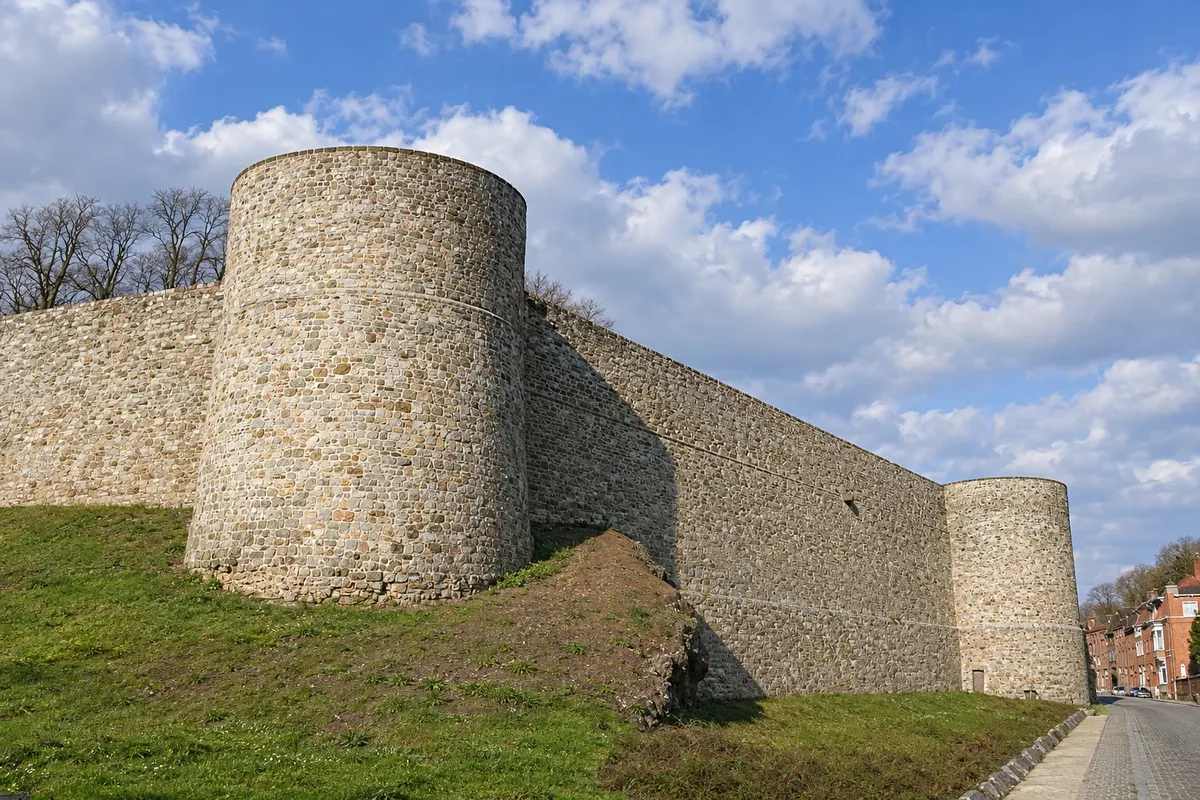
Medieval wall of about 2 km, flanked by more than twenty towers, encircling the center of Binche. On its crest, the communal park holds the ruins of Mary of Hungary’s Renaissance palace, destroyed in 1554.

Van Gogh House
Mons · Hainaut · Muzej

Van Gogh House

The house in Cuesmes where Vincent van Gogh lived from 1879 to 1880, in the Borinage, when he turned from preaching to painting. The route starts in the garden and ends with a sound installation about the mining region.

Pont des Trous
Tournai · Hainaut · Most

Pont des Trous

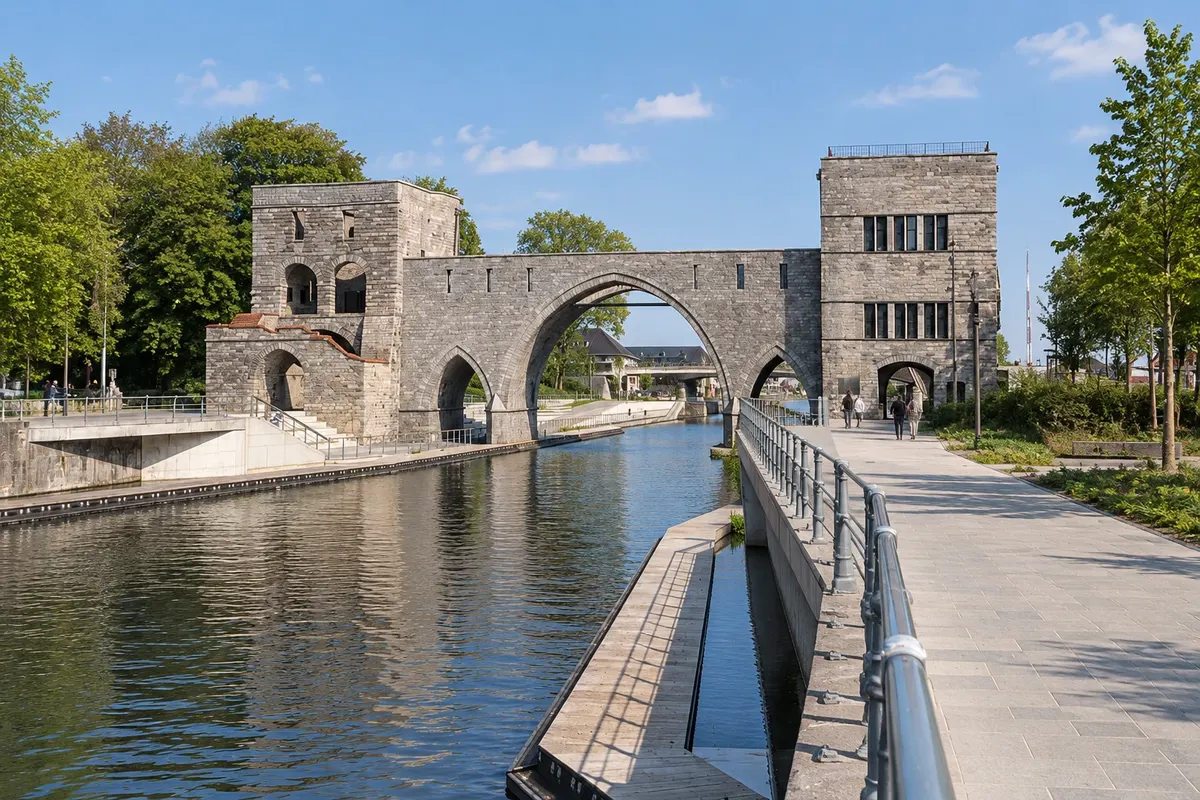
Fortified gate over the Escalda, from the late 13th century, with two towers and three arches. It was part of Tournai's second wall and was renovated up to 2023 to allow passage for larger barges.

Mundaneum
Mons · Hainaut · Muzej

Mundaneum

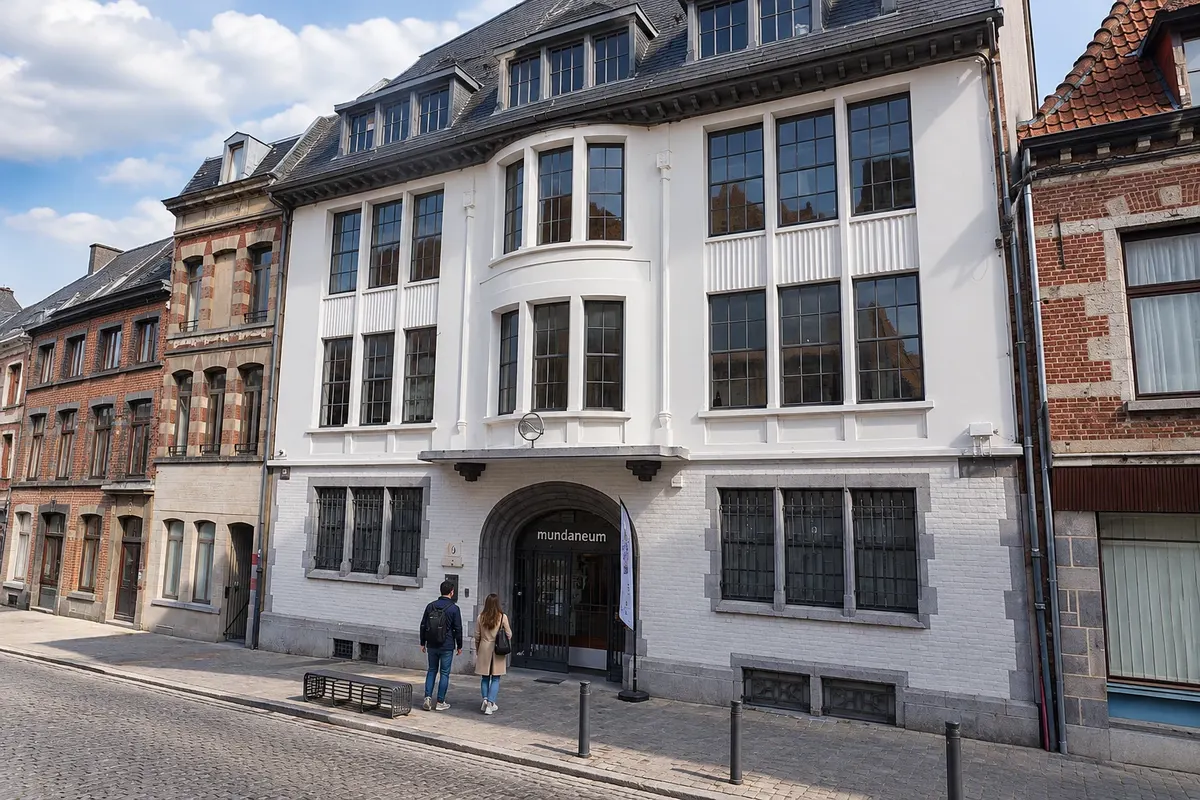
The archive created by Paul Otlet and Henri La Fontaine to classify all the world's knowledge on paper cards, now seen as a precursor to the internet. It is housed in a former department store from the 1930s.

Musée des Beaux-Arts de Tournai
Tournai · Hainaut · Muzej

Musée des Beaux-Arts de Tournai

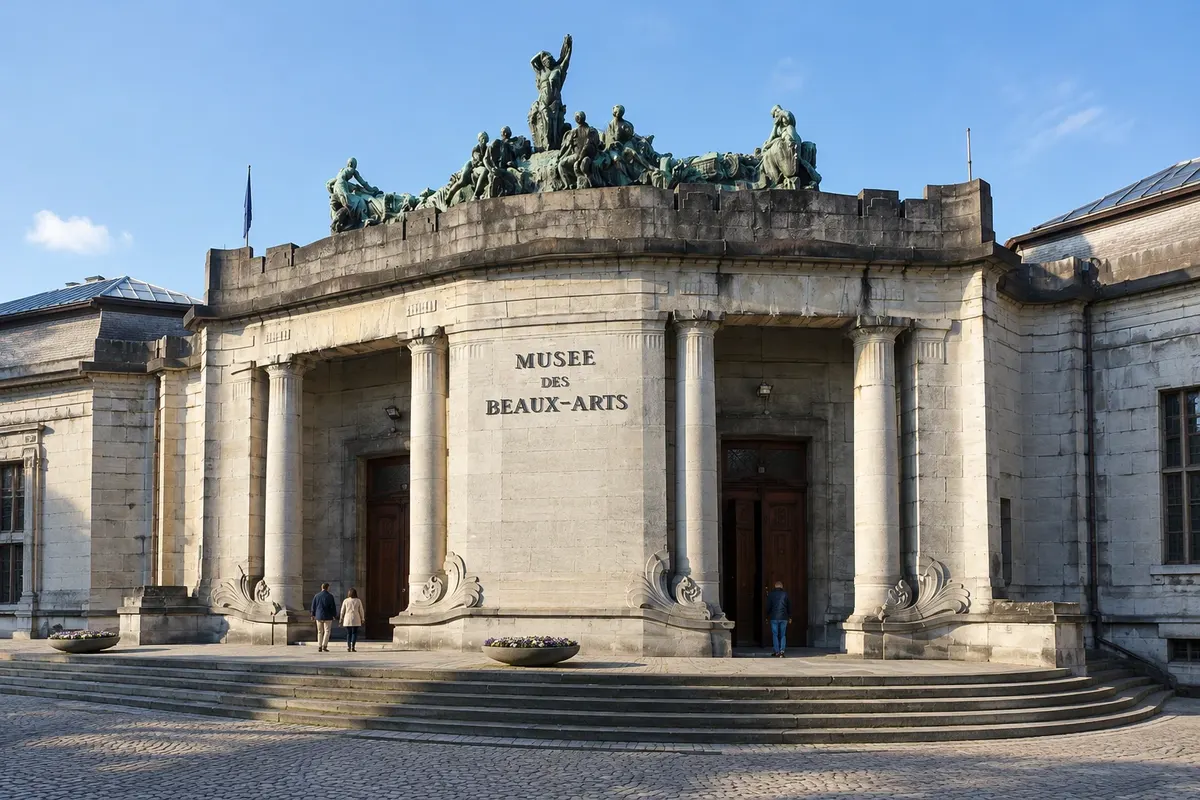
The only museum designed by Victor Horta, opened in 1928, with glass domes and rooms around a large sculpture hall. It houses the collection of Henri Van Cutsem, including the only two works by Manet on display in Belgium.

BAM - Beaux-Arts Mons
Mons · Hainaut · Muzej

BAM - Beaux-Arts Mons

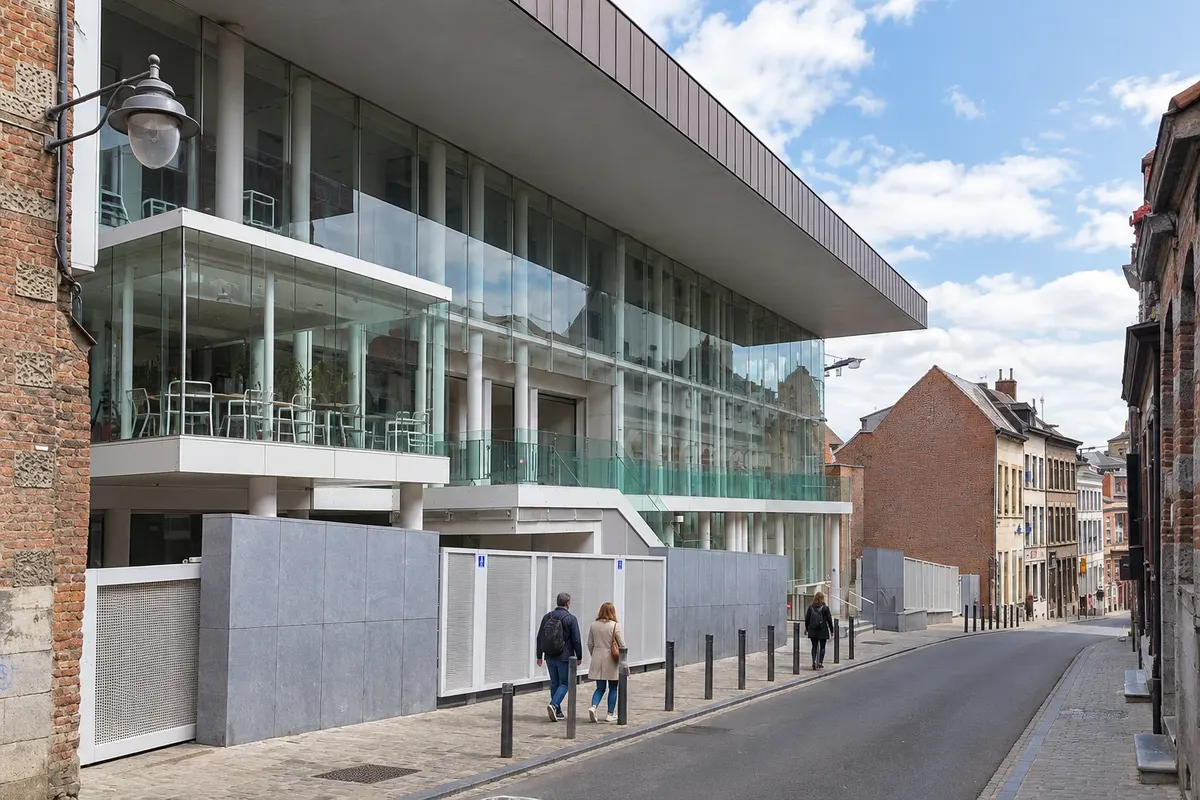
The fine arts museum of Mons, in a contemporary building on rue Neuve next to the Grand-Place. It hosts major temporary exhibitions and has a collection of over 15,000 works.

TAMAT - Musée de la Tapisserie
Tournai · Hainaut · Muzej

TAMAT - Musée de la Tapisserie

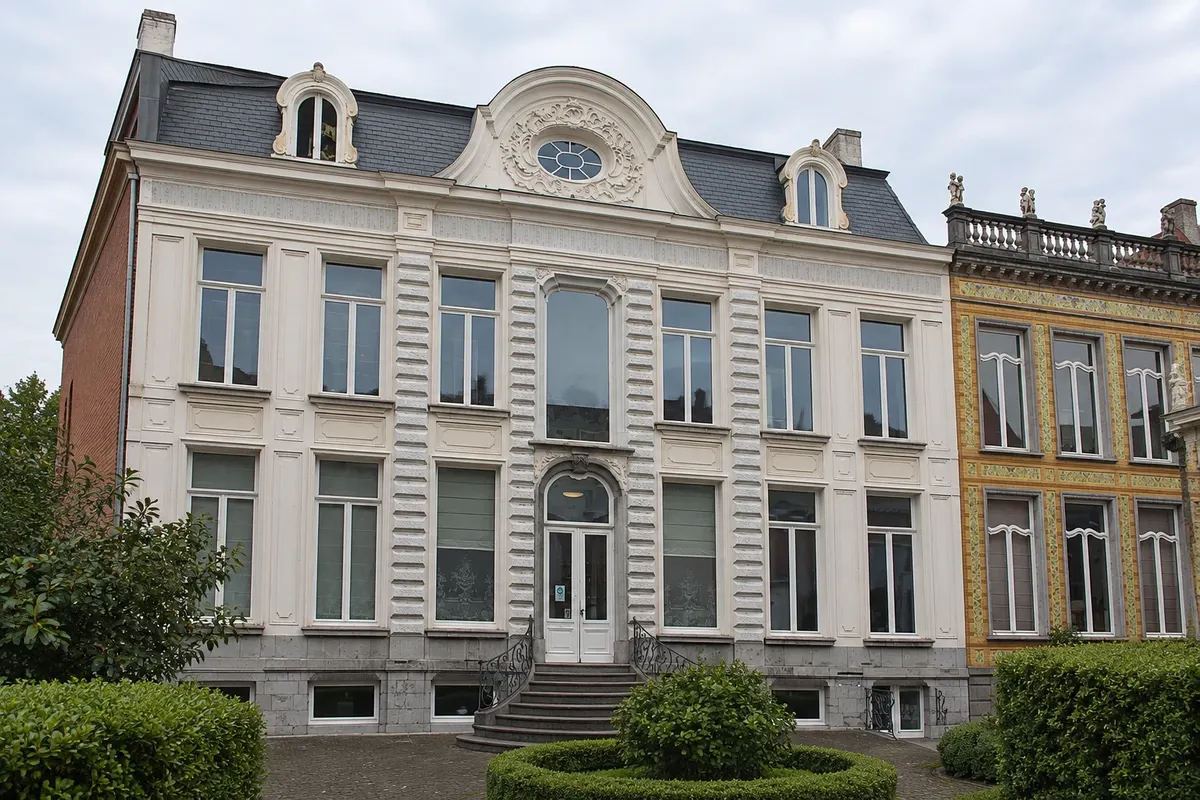
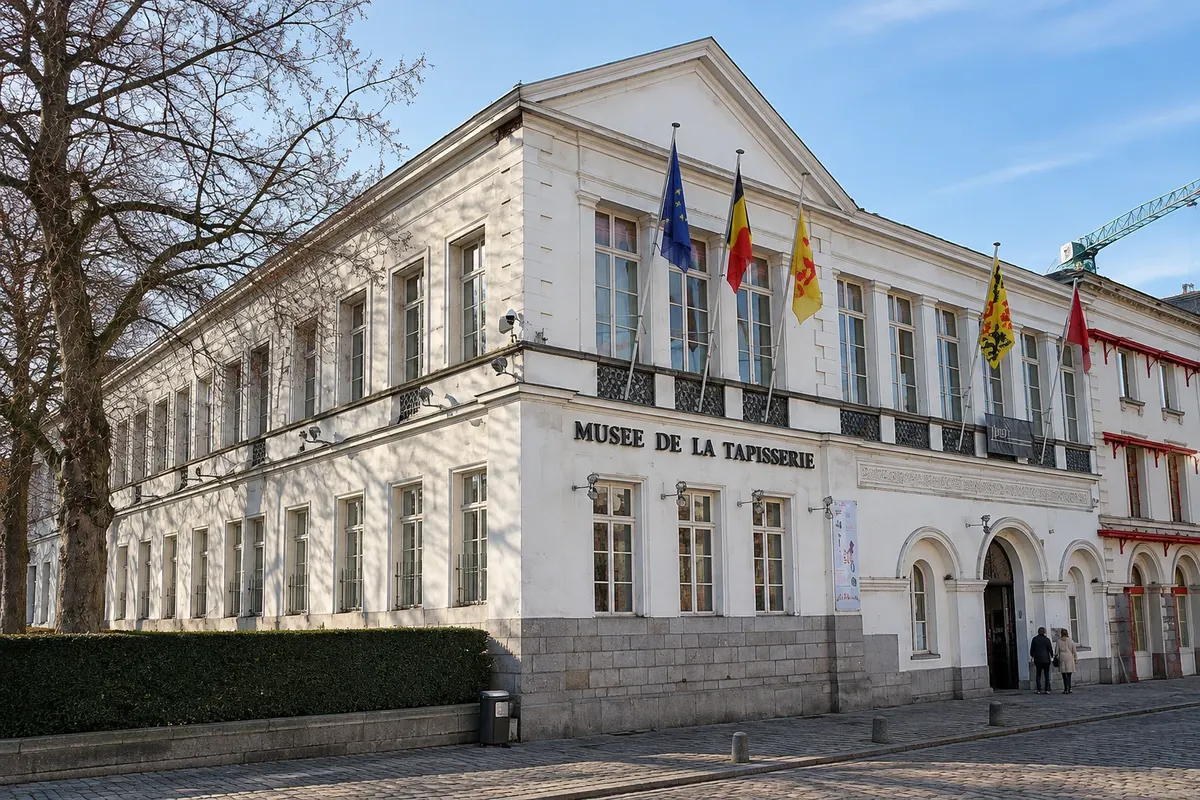
The tapestry and textile arts museum of Tournai, housed in a neoclassical mansion on the place Reine Astrid. More than 250 works spanning six centuries, from 15th-century Tournai tapestries to contemporary textile art.

Mons Memorial Museum
Mons · Hainaut · Muzej

Mons Memorial Museum

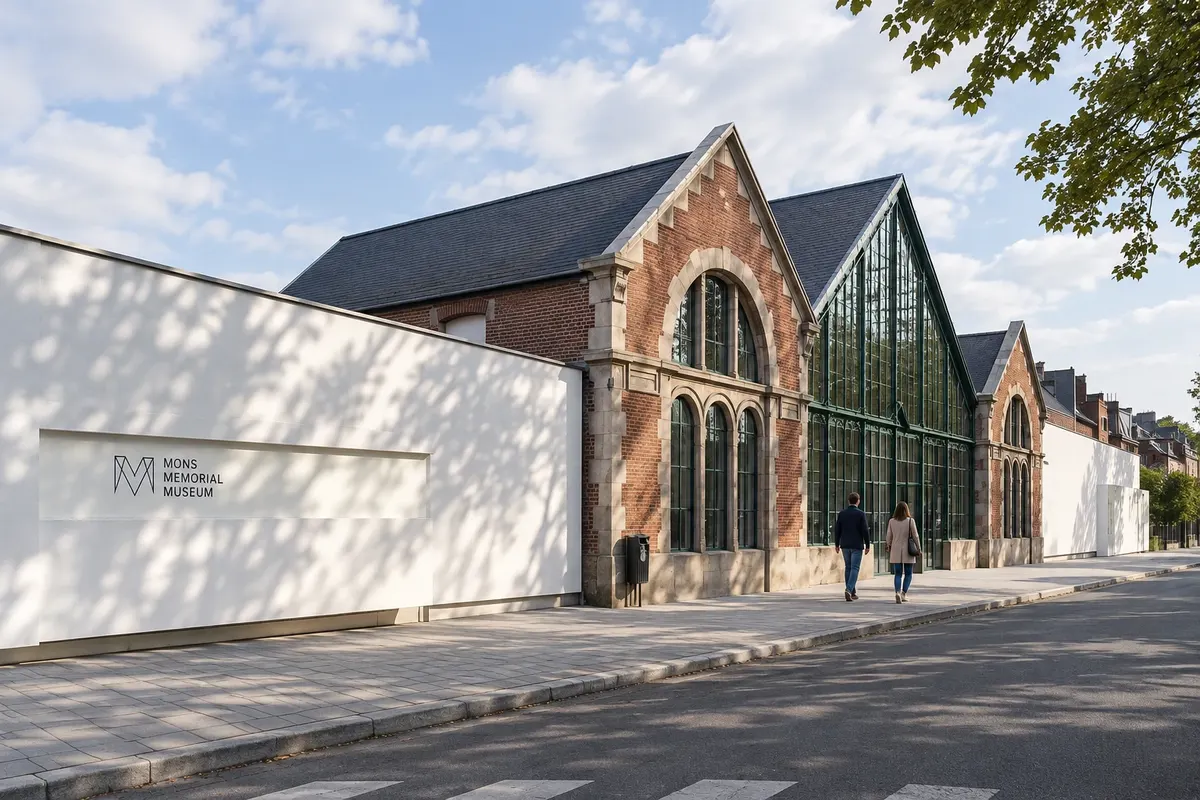
The museum of military history of Mons and the region, from the Middle Ages to the two world wars, with about 5,000 objects, letters and testimonies. Mons witnessed the British army's first and last battles of the First World War.

Neolithic Flint Mines at Spiennes
Mons · Hainaut · Arheološko najdišče

Neolithic Flint Mines at Spiennes

One of the largest and oldest flint mines in Europe, dug about 6,000 years ago, a UNESCO World Heritage site. The Silex's museum explains Neolithic mining, and the guided descent goes down 10 metres by stairs.

Grand-Hornu
Mons · Hainaut · Industrijska dediščina

Grand-Hornu

Neoclassical mining complex built at the beginning of the 19th century by Henri De Gorge, with an oval courtyard, workshops and 425 workers' houses. A UNESCO World Heritage site, it houses the MACS contemporary art museum and the CID design centre.

Pairi Daiza
Mons · Hainaut · Zoo

Pairi Daiza

A 75-hectare zoo and botanical garden in Brugelette, about 25 km from Mons, on the grounds of the former Cistercian abbey of Cambron. More than 7,000 animals in themed worlds representing Asia, Africa, the Americas and the polar regions.

Kaj izbrati pred odhodom

Izleti – Mons and Tournai

Izhodišče, trajanje, potek, vključene storitve in okvirna cena vsakega izleta.

Grand-Place of Mons, Hôtel de Ville and the Singe du Grand-Garde

Odhod: Mons center Peš Približno uro in pol Dopoldne easy (streets with uphill sections)

Mons (Bergen in Flemish) is the capital of the province of Hainaut, in Wallonia, the French-speaking part of Belgium. The historic centre sits on a hill, and the Grand-Place is halfway up the slope, surrounded by listed old houses, cafes and brasseries. The main building on the square is the Hôtel de Ville, the town hall. In 1323 Count William I authorized a "Maison de la Paix" there; the building was restored in 1479 by architect Mathieu de Layens and extended through the 18th century. The façade is Brabantine Gothic, with a Louis XVI–style balcony above the portal and a belfry added in the 18th century. To the left of the entrance stands the Singe du Grand-Garde, a small iron monkey several centuries old. No one knows exactly where it came from: some say it was a blacksmith’s masterpiece, a pillory for naughty children, or the sign of a tavern. Since 1930 it has been the city’s amulet: tradition calls for passing your left hand over the monkey’s head and making a wish, which is why the head is lighter and more worn than the body. Through the central portal you reach the town hall’s inner courtyard. Next to the Grand-Place is the Jardin du Mayeur, which houses the Musée du Doudou.

Kraji na poti: Grand-Place of Mons, Hôtel de Ville of Mons, Singe du Grand-Garde, Jardin du Mayeur.

Vključuje: Self-guided walk around the square and the town hall courtyard. The tourist office, on the Grand-Place itself, sells the Mons Card and organizes guided tours.

Nasvet: Start the day at the tourist office on the Grand-Place to pick up a map and buy the Mons Card, which grants entry to several city museums. Be prepared to queue patiently to touch the macaque: many people do the same on weekends.

Najboljši čas za obisk: Year-round. On the weekend of Trinity, between May and June, the square hosts the Combat dit Lumeçon; in December there are usually Christmas stalls.

Beffroi de Mons: the Baroque belfry with panoramic elevator

Odhod: Mons center On foot (hill climb) Približno 1 uro Dopoldne easy (elevator to the viewpoint)

The Beffroi de Mons sits at the highest point of the city, atop the hill, and is 87 m high. It was built between 1662 and 1669 in the Baroque style to a design by Mons architect Louis Ledoux, and is quite different from the Gothic belfries of Flanders. It is part of the group of belfries of Belgium and France recognized by UNESCO as a World Heritage Site. The visit begins at the Maison du Patrimoine UNESCO, where the reception and ticket office are located. Inside the tower an interpretation centre tells the history of the belfry with multimedia panels, the “windows of time”, and objects from the city’s collections. A panoramic elevator rises to the viewpoint, which offers views over Mons city centre and the surrounding plain. The carillon has 49 bells and is played in concerts throughout the year. The tower stands beside the Parc du Château, a garden on the hilltop, and the Chapelle Saint-Calixte, the chapel that completes the ensemble.

Kraji na poti: Beffroi de Mons, Parc du Château, Chapelle Saint-Calixte, Maison du Patrimoine UNESCO.

Vključuje: Self-guided visit to the interpretation center, with elevator to the viewpoint, taking about 45 minutes. There is a separate paid ticket, included with the Mons Card. Check the current schedule.

Nasvet: Generally open Tuesday through Sunday. Go on a clear day to enjoy the view and walk down the lanes to the Collégiale Sainte-Waudru nearby. On the first Sunday of the month admission is free.

Najboljši čas za obisk: All year round, preferably on a clear day. From May to September the long days make it easy to combine the belfry and the park.

Collégiale Sainte-Waudru and the Car d'Or

Odhod: Mons center Peš about 1 to 2 hours Popoldne Lahko

The Collégiale Sainte-Waudru is Mons’ main church, dedicated to the saint who founded the city. Construction began in 1450 and dragged on for 241 years, until 1691, in Brabantine Gothic style. The Latin-cross plan is roughly 115 m long. The planned tower, which would have reached 190 m, never rose above the roofline, and people of Mons still say “it’s the tower of Sainte-Waudru” about something that never finishes. Inside, the 21 16th-century stained-glass windows stand out, including the five at the back of the choir donated by Emperor Maximilian I, and the alabaster sculptures by Jacques Du Broeucq, a Renaissance artist, which came from a jubé (a screen between the nave and the choir) destroyed in 1797 and are now scattered around the church. Above the high altar sits the reliquary of Sainte-Waudru, gilded brass, dated 1887. The collegiate also houses the Car d'Or, a wooden carriage covered with gold leaf in Louis XVI style from the late 18th century. It carries the reliquary through the city on Trinity Sunday during the Doudou. The Treasury, in the former chapter house, holds religious goldsmithing pieces from the 12th century onward.

Kraji na poti: Collégiale Sainte-Waudru, Car d'Or, Trésor de Sainte-Waudru, Place du Chapitre.

Vključuje: Entry to the church is free. The Treasury has its own opening hours and a separate paid ticket, included on the Mons Card. Check the current schedule.

Nasvet: The collegiate church is a few minutes’ walk from the station. During masses, parts of the church may be closed to visitors. Look at the Rampe Sainte-Waudru, the slope beside it: the Car d'Or climbs that route on the Sunday of the Doudou.

Najboljši čas za obisk: All year. On Trinity weekend, between May and June, the reliquary is taken down from the altar and carried in procession.

Grand-Place and Beffroi of Tournai (Doornik)

Odhod: Tournai city center Peš Približno 2 uri Popoldne moderate (257 steps, no elevator)

Tournai (Doornik in Flemish) sits on the banks of the Escaut, the river Flemish speakers call the Schelde, near the French border. In Roman times it was called Tornacum, and in the 5th century it was the capital of the Franks under King Childeric I, whose tomb was found in the town in 1653. The Grand-Place is triangular because several old roads met there. Around it are the Halle aux Draps, the former cloth market from 1610 in a Renaissance style, rebuilt in 1881; the Église Saint-Quentin, a Romanesque church dating to about 1200; and a statue of Marie-Christine de Lalaing, who defended the town in 1581. In the centre of the square are a series of ground-level fountains. In a corner of the square rises the Beffroi of Tournai, begun around 1188 in the 12th century, at 72 meters high. It is part of the Belfries of Belgium and France recognized by UNESCO. The ascent is by a spiral staircase: the first balcony, with a 360-degree view and orientation tables, is reached after 142 steps; the second, after 257 steps, passing the large bell, the Bancloque. Along the way there is a room about the tower’s history, the old cells and the bell ringer’s room, from which you can watch the carillon play.

Kraji na poti: Grand-Place of Tournai, Beffroi of Tournai, Halle aux Draps, Église Saint-Quentin.

Vključuje: Self-guided walk around the square. The belfry has a separately ticketed entrance, included in city passes (City Pass). Check the current price list.

Nasvet: The belfry usually opens only in the afternoon, Tuesday to Sunday, and is not wheelchair accessible. The visit takes about 40 minutes. On Sundays the carillon plays in the afternoon; it can be heard from the bell ringer’s room or from the square itself.

Najboljši čas za obisk: Year-round. From April to October the carillon plays on Sunday afternoons; in December the square usually hosts a Christmas village and an ice-skating rink.

Cathédrale Notre-Dame de Tournai: the five towers

Odhod: Tournai city center Peš Približno 1 uro Dopoldne Lahko

The Cathédrale Notre-Dame de Tournai has been on UNESCO’s World Heritage list since 2000 and is visible from afar because of its five Romanesque towers, each about 83 m tall. It combines two styles: the Romanesque nave and transept from the 12th century, consecrated in 1171, and the Gothic choir, rebuilt from 1243 and dedicated in 1255, about 36 m high. Overall, the building is roughly 134 m long. On August 14, 1999, a tornado hit central Tournai and exposed structural problems, especially in one tower, which became tilted. Since then the cathedral has been undergoing a long-term restoration in stages: stabilizing the Gothic choir, replacing roofs, cleaning the stone walls, repairing stained glass, and installing a new floor, largely of Tournai stone. For that reason, parts of the interior are often closed while each stage is carried out. Along the fences around the worksite, an outdoor exhibition tells the story, the architecture and the phases of the restoration, and the tourist office shows a film about the cathedral. Walk all the way around the exterior to see the towers from different angles, from the Place de l'Évêché and the Grand-Place.

Kraji na poti: Cathédrale Notre-Dame de Tournai, Place de l'Évêché, Grand-Place de Tournai.

Vključuje: Entry to the cathedral is free in the areas open to visitors. The exhibition on the restoration is located outside and can be seen at any time.

Nasvet: Before you go, check with the Tournai tourist office which interior areas are open. There are no visits during Masses. The tourist office runs a guided walk of about 1 hour through the UNESCO quarter, including the cathedral, the belfry and the Grand-Place.

Najboljši čas za obisk: All year round. On the weekend of the Grande Procession in September the cathedral is the focus of the celebrations.

Doudou (Ducasse de Mons): the procession of the Car d'Or and the Combat called Lumeçon

Odhod: Mons center Peš about 4 hours on the main Sunday Dopoldne easy (crowds and long standing periods)

The Doudou is Mons’s major festival and takes place every year on Trinity weekend, which falls between May and June. In 2005, the Ducasse de Mons was recognized by UNESCO as a masterpiece of the oral and intangible heritage of humanity. The name comes from the music that plays continuously during the celebration. On Saturday, the shrine of Sainte-Waudru is taken down from the collegiate church altar and handed to the mayor. On Sunday morning, the Procession du Car d'Or carries the shrine through the streets on the golden carriage, pulled by horses, accompanied by about 1,600 costumed participants. Around midday, the Car d'Or climbs the Rampe Sainte-Waudru, a steep slope; legend says that if it does not climb it in one go the town will have bad luck, and the crowd helps to push. Shortly after, on the Grand-Place, the Combat dit Lumeçon begins: Saint George, on horseback, fights the dragon for about 30 minutes. Around them are the Chinchins, the Hommes blancs, who carry the dragon, and the Diables, who taunt the audience. Spectators try to pull hairs from the dragon’s tail, which bring good luck. The festival continues for about a week, with concerts, a street fair and, the following Sunday, the children’s Lumeçon.

Kraji na poti: Collégiale Sainte-Waudru, Rampe Sainte-Waudru, Grand-Place de Mons, Car d'Or.

Vključuje: The streets and the Grand-Place are freely accessible. There is a wheelchair-accessible grandstand sold by the tourist office, and café terraces that require reservations.

Nasvet: Arrive early at the Grand-Place for the Lumeçon: the square fills up and the combat is viewed standing, shoulder to shoulder. With small children, prefer to watch the procession from a point along the route. During the festival week, book everything in advance.

Najboljši čas za obisk: Once a year, on Trinity weekend, between May and June. The date changes each year: confirm before making plans.

Prikaži dodatne izlete (13)

Pont des Trous and the Escaut quays

Odhod: Tournai city center Peš Približno uro in pol Popoldne Lahko

The Pont des Trous is a fortified bridge over the Escaut that was part of Tournai’s second city wall, which had 18 gates. Construction took nearly 50 years: the tower on the left bank, the Tour du Bourdiel, dates from 1281, and the tower on the right bank, the Tour de la Thieulerie, was completed in 1304. Between them, huge grilles could be lowered at any time to block the passage of boats. The name comes from a nearby lock that locals called "Les Trous" (the holes). In 1948 the waterway arch was raised by 2.40 meters to let ships pass. Later, as vessels grew even larger, the three arches were dismantled and rebuilt higher, while the medieval towers remain standing. The best way to see the bridge is to walk along the Escaut quays, which total about 2.7 km. The Quai des Salines has listed historic facades, and the Quai Sakharov lies on the opposite side of the bridge. In summer, the tourist office runs guided tours of about 1 hour 30 minutes that go up onto the wall between the two towers.

Kraji na poti: Pont des Trous, Escaut, Quai des Salines, Quai Sakharov, Tour du Bourdiel, Tour de la Thieulerie.

Vključuje: Free walk along the quays. The guided tour of the bridge, in summer, requires a separate paid ticket and departs on the Quai Sakharov side. Check the current schedule.

Nasvet: Do the visit at dusk, when the light strikes the towers. There is an audio route along the river, “L'Escaut vous raconte...”, offered by Tournai tourism. Combine it with the Grand-Place, a few minutes' walk away.

Najboljši čas za obisk: All year round, on dry days. Guided visits to the bridge usually take place in the European summer.

Mons Memorial Museum and the Saint-Symphorien military cemetery

Odhod: Mons center On foot to the museum; by car or taxi to Saint-Symphorien Približno 3 ure Dopoldne Lahko

Mons has a long military history, and the Mons Memorial Museum tells that story from the perspective of those who lived it. The museum is housed in the former Machine à Eau, the building that supplied water to the whole city between 1871 and 1961. The permanent exhibition, covering 1,200 m², spans from the Middle Ages to the 20th century, with items selected from the city's roughly 5,000 military objects, letters, notebooks and testimonies from British, American, Canadian, Belgian and German soldiers and civilians. The texts are in French, Dutch and English. On August 23, 1914, the German army attacked British troops at Mons at the start of World War I. About 4,000 Commonwealth soldiers escaped the encirclement, and the legend of the "Angels of Mons" was born, said to have shown the way to the soldiers. Southeast of the town, the St Symphorien Military Cemetery was created by the German army in 1916 and contains 284 German soldiers and 229 Commonwealth soldiers. It is the resting place of John Parr, considered the first Commonwealth soldier killed in action in the war, and George Lawrence Price, a Canadian, killed on November 11, 1918, the day of the armistice, considered the last. The cemetery has a garden-like feel, with trees and paths among the graves. Visit quietly and respectfully.

Kraji na poti: Mons Memorial Museum, St Symphorien Military Cemetery, Saint-Symphorien.

Vključuje: The museum has a separate paid admission, included on the Mons Card; texts in three languages and guides in braille. Entry to the cemetery is free. Check the current price list.

Nasvet: The museum is closed on Mondays and the visit takes about 1 hour 30 minutes. For Saint-Symphorien, access is easier by car or taxi. On the first Sunday of the month the museum does not charge admission.

Najboljši čas za obisk: All year round. On November 11, the anniversary of the armistice, the date carries special significance in the region.

Grand-Hornu: former mining complex, MACS and CID

Odhod: Mons Car or taxi (about 10 km) Približno 3 ure Popoldne Lahko

Grand-Hornu is in Hornu, in the municipality of Boussu, about 10 km west of Mons center, in the Borinage region, which was built on coal mining. It is a former mining complex constructed between 1810 and 1830 by Henri De Gorge, a merchant from Lille, with designs by architects François Obin and later Bruno Renard. In 2012 it was inscribed on UNESCO’s World Heritage list, together with three other sites, as part of the Major Mining Sites of Wallonia. The heart of the complex is the Cour Ovale, a large oval courtyard surrounded by the industrial buildings, within a large quadrilateral, with the former stables and the engine room. Around it, De Gorge built a workers’ village of 425 houses on six straight, wide streets. Mining ceased in 1954; the site was restored and belongs to the province of Hainaut. In the former engineers’ building is the MACS, the contemporary art museum of the Federation Wallonia-Brussels, designed by architect Pierre Hebbelinck. The CID, the centre for innovation and design, occupies another part of the complex. Both host temporary exhibitions that change throughout the year.

Kraji na poti: Grand-Hornu, Cour Ovale, MACS, CID, Hornu, Boussu.

Vključuje: The ticket grants access to the site and exhibitions, with guided tours included at some times and an audio guide available for rent. The Mons Card provides a discount. Check the current price list.

Nasvet: Open Tuesday to Sunday; closed on Mondays and on some year-end public holidays. There is a café and a shop on site. Also walk the streets of the workers’ village outside the complex. On the first Sunday of the month there is no admission fee.

Najboljši čas za obisk: All year round, Tuesday through Sunday.

Musée du Doudou

Odhod: Mons center Peš Približno 1 uro Popoldne Lahko

If you cannot be in Mons on the Trinity weekend, you can learn about the Doudou at the Musée du Doudou, in the Jardin du Mayeur next to the Grand-Place. The museum follows the legend of Saint George and the dragon and explains the Ducasse de Mons, recognized by UNESCO in 2005, with large panels and interactive features. The exhibition looks at the festival from several angles: history, anthropology, science, art, religion and city life. Items include Saint George’s gilded lance, the dragon’s teeth and medallions, dragons from other periods and the seal of Sainte-Waudru. The texts are in French, Dutch and English, and there are adapted materials and braille guides for people with visual impairments.

Kraji na poti: Musée du Doudou, Jardin du Mayeur, Grand-Place de Mons.

Vključuje: Separate paid admission; included on the Mons Card. Check the current pricing.

Nasvet: Usually open Tuesday to Sunday. Visit before going to the Grand-Place and the Collégiale Sainte-Waudru: it makes it easier to recognize the festival locations. On the first Sunday of the month, admission is free.

Najboljši čas za obisk: All year. During the week of the Doudou, between May and June, opening hours may change.

Musée des Beaux-Arts de Tournai, by Victor Horta

Odhod: Tournai city center Peš Približno uro in pol Dopoldne Lahko

The Musée des Beaux-Arts de Tournai was designed by Victor Horta, the Belgian Art Nouveau architect. The earliest drawings date from 1907. The theft of the Mona Lisa in Paris led Horta to change the plan so that a guard in the central hall could see every room; World War I delayed the work, and the museum opened in 1928. The building has a shape reminiscent of a turtle and blends Art Nouveau and modernism, with Art Deco influence. A large sculpture hall at the center is surrounded by smaller painting rooms, topped by glass domes that let in natural light. The collection began with the modern art holdings of Brussels patron Henri Van Cutsem and includes two works by Édouard Manet. The museum is located in the Enclos Saint-Martin, next to the town hall park, which occupies the site of the former Benedictine abbey of Saint-Martin.

Kraji na poti: Musée des Beaux-Arts de Tournai, Enclos Saint-Martin, Hôtel de Ville de Tournai.

Vključuje: Separate paid admission; included in some city passes. Check the current pricing.

Nasvet: Closed on Mondays; on Sundays it opens only from late morning. On the first Sunday of the month, Tournai museums do not charge admission. The Muséum d'Histoire naturelle is in the same courtyard as the town hall, a few steps away.

Najboljši čas za obisk: All year round, Tuesday through Sunday.

Mundaneum: Paul Otlet's paper archive

Odhod: Mons center Peš Približno uro in pol Popoldne Lahko

The Mundaneum preserves the project of two Belgian lawyers, Paul Otlet and Henri La Fontaine, who from 1895 tried to gather and classify all the world's knowledge, with world peace as their goal. La Fontaine received the Nobel Peace Prize. They developed the Universal Decimal Classification, used in libraries, and assembled more than 12 million index cards and documents. In 1934, Otlet imagined a network of "electric telescopes" to consult interconnected documents, and for this reason many people see the Mundaneum as a precursor of the internet. The collection is part of UNESCO's Memory of the World programme. The museum operates in an old department store from the 1930s, on Rue de Nimy, in the centre of Mons. The visit displays part of the archive and temporary exhibitions on topics related to information, peace and the history of ideas.

Kraji na poti: Mundaneum, Rue de Nimy.

Vključuje: Admission paid separately; the Mons Card gives a discount. Check the current price table.

Nasvet: It is usually open Wednesday through Sunday, with a lunch break on weekdays. On the first Sunday of the month admission is free. Worthwhile for those who like libraries, history and technology.

Najboljši čas za obisk: All year round, Wednesday to Sunday.

Maison Van Gogh in Cuesmes

Odhod: Mons By car or taxi to Cuesmes, in the municipality of Mons Približno 2 uri skupaj z vožnjo Dopoldne Lahko

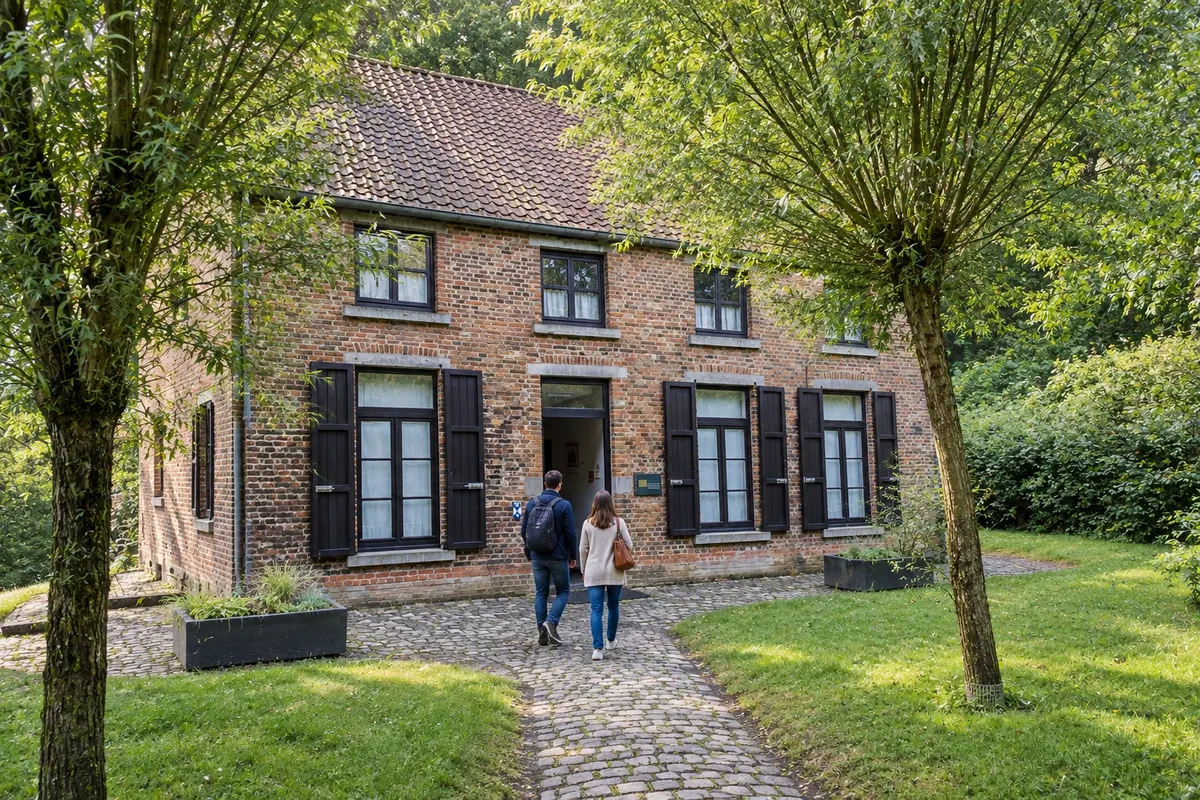
Vincent van Gogh lived in the Borinage, the mining region around Mons, from December 1878 to October 1880, first working as a preacher among the miners. In Cuesmes, now part of the municipality of Mons, he stayed in 1880 at the house of the miner Charles Decrucq and his wife Jeanne, sharing the room with the couple’s children. It was at that time, around August 1880, that he decided to become an artist: he drew scenes of the area, and two sketches he gave to Decrucq have been preserved. The visit starts in the garden, goes through a renovated pavilion and continues through the small house. A sound installation places the painter and his work in the context of the 19th‑century Borinage, its mines and the life of the workers.

Kraji na poti: Maison Van Gogh, Cuesmes, Borinage.

Vključuje: Separate paid admission, included on the Mons Card; children up to 12 years old free. Check the current price table.

Nasvet: The house is small and closes early, mid‑afternoon; it is open Tuesday to Sunday. Combine with Grand-Hornu, also in the Borinage, on the same day. On the first Sunday of the month there is no admission fee.

Najboljši čas za obisk: All year round, Tuesday through Sunday.

Le CAP: Musée des Beaux-Arts de Mons and Maison des Collections

Odhod: Mons center Peš Približno 2 uri Popoldne Lahko

Le CAP is Mons’s cluster of art and history museums, on a side street off the Grand-Place. It brings together three spaces: the Musée des Beaux-Arts, formerly known as BAM; the Maison des Collections; and the Jardin du Poirier Beurré. The Musée des Beaux-Arts hosts temporary exhibitions, some featuring works from the city collections and others with major international names. Exhibitions have included Van Gogh, Niki de Saint Phalle, Roy Lichtenstein, Joan Miró and Auguste Rodin, as well as the Mons School. The Maison des Collections occupies the renovated house of Jean Lescarts and tells the story of Mons, from prehistory to the present day, with about a hundred items from the municipal collections, in French. The Jardin du Poirier Beurré houses a collection of carved stones, a resting area and permaculture beds.

Kraji na poti: Le CAP, Musée des Beaux-Arts de Mons, Maison des Collections, Jardin du Poirier Beurré, Rue Neuve.

Vključuje: Separate paid admission; higher price for international exhibitions; the Mons Card gives a discount. Check the current price table.

Nasvet: The Musée des Beaux-Arts opens only during exhibitions: check what’s on before you go. It generally operates Tuesday to Sunday. On the first Sunday of the month admission is usually free.

Najboljši čas za obisk: All year round, during exhibition periods.

SILEX'S: the Neolithic flint mines of Spiennes

Odhod: Mons Car or taxi (about 6 km) about 2 to 3 hours Popoldne easy; moderate for the descent to the well

At Spiennes, about 6 km southeast of Mons, Neolithic people dug shafts to extract flint, the stone used to make axes and other tools. The mines were active from roughly 4300 to 2200 BCE, and the shafts reach over 10 meters deep. In 2000 the site was inscribed on the UNESCO World Heritage list. SILEX'S is the visitor center on the site. The museum shows how flint was extracted and worked, with original tools, ancient pieces and replicas; outside, a photo display presents recent finds. Four waymarked trails cross the surrounding fields, with maps available at reception. The highlight is the guided descent into a Neolithic mining shaft of up to 10 meters, down a vertical ladder and wearing a helmet, in groups of up to 12 people.

Kraji na poti: SILEX'S, Spiennes, Minières néolithiques de Spiennes.

Vključuje: Separate paid ticket; included on the Mons Card. The descent to the well is guided, requires mandatory reservation, and is only for those over 10 years old. Check the current schedule.

Nasvet: Book the visit and the descent by phone before you go. Descents usually take place in the afternoon on weekends and holidays and, during Belgian school holidays, from Thursday to Sunday. Wear clothes that can get dirty and sturdy footwear.

Najboljši čas za obisk: In season, generally from April to November, Tuesday to Sunday. Confirm opening dates.

MuFIm: Musée de Folklore et des Imaginaires de Tournai

Odhod: Tournai city center Peš Približno uro in pol Popoldne easy (several stairs)

The MuFIm, the museum of folklore and the imaginary of Tournai, occupies a 17th-century Tournai house a few steps from the Grand-Place. There are 23 rooms that tell life in the city from 1800 to today. Along the way you encounter staged scenes, such as a cotton stocking maker at work, a funeral carriage and an old French fries trailer, as well as works by 20th-century and contemporary artists. On the top floor there is a replica of the 1701 model of Tournai, commissioned by Louis XIV, king of France, showing the fortified city. A tablet helps locate the buildings that still exist.

Kraji na poti: MuFIm, Réduit des Sions, Grand-Place de Tournai.

Vključuje: Separate paid admission; included in some city passes. Check the current pricing.

Nasvet: Closed on Mondays; on Sundays it opens only from late morning. On the first Sunday of the month, the museums in Tournai do not charge admission. Those interested in military history can continue to the Musée d'Histoire militaire, also near the Grand-Place.

Najboljši čas za obisk: All year round, Tuesday through Sunday.

Muséum d'Histoire naturelle and Vivarium of Tournai

Odhod: Tournai city center Peš Približno uro in pol Dopoldne Lahko

The Muséum d'Histoire naturelle of Tournai was founded in 1828, when the region belonged to the United Kingdom of the Netherlands, and opened to the public in 1829. Since 1839 it has occupied the former brewery of the Saint-Martin abbey, in the main courtyard of the town hall. The gallery of taxidermied animals keeps the feel of a 19th‑century cabinet of curiosities. Among the exhibits is an elephant brought to Belgium in 1839, recognised as a “treasure” by the Fédération Wallonie‑Bruxelles. The vivarium houses fish, spiders, amphibians and reptiles in recreated habitats. Outside, a scientific garden contains enclosures and a greenhouse of tropical butterflies. The museum is a member of the European Association of Zoos and Aquaria and takes part in breeding programmes for threatened species.

Kraji na poti: Muséum d'Histoire naturelle of Tournai, Hôtel de Ville de Tournai, Rue Saint-Martin.

Vključuje: Separate paid admission; included in some city passes. Check the current pricing.

Nasvet: Good program with children and for a rainy day. Closed on Mondays; on Sundays it opens only from late morning. On the first Sunday of the month, admission is free.

Najboljši čas za obisk: All year round, Tuesday through Sunday.

TAMAT: tapestry and textile arts museum of Tournai

Odhod: Tournai city center Peš Približno 1 uro Popoldne Lahko

TAMAT, the tapestry and textile arts museum of Tournai, is housed in a neoclassical building on Place Reine Astrid, near the Grand-Place, and opened in 1990. The permanent display has old tapestries from the 15th and 16th centuries and modern works by Dubrunfaut, Somville and Deltour from the Forces Murales group, which helped renew tapestry in the 20th century. The top floor shows works by contemporary artists using fabric. The museum also has a restoration workshop and cares for the textile collection of the city, the province of Hainaut and the Fédération Wallonie‑Bruxelles.

Kraji na poti: TAMAT, Place Reine Astrid.

Vključuje: Separate admission fee; under‑18s do not pay outside school hours. Check the current schedule.

Nasvet: Closed on Mondays and at lunchtime; in winter, also on Sunday mornings. On the first Sunday of the month admission is free.

Najboljši čas za obisk: All year round, Tuesday through Sunday.

Pairi Daiza, in Brugelette

Odhod: Mons Car or train to Cambron-Casteau and 1.2 km on foot about 7 hours Ves dan easy (little walking)

Pairi Daiza is a large zoological park and garden in Brugelette, between Mons and Ath. It covers about 80 hectares on the former estate of the Cistercian abbey of Cambron, enclosed by a wall of roughly 3 km. The park is divided into ten themed “worlds”, with gardens and more than a thousand species of animals, which are not always on view. It is a full‑day outing, aimed mainly at families with children and at people who enjoy gardens.

Kraji na poti: Pairi Daiza, Brugelette, Cambron-Casteau.

Vključuje: Paid admission purchased separately online. Activities and meals are charged extra. Check the current price table.

Nasvet: By train, the station is Cambron-Casteau, about 1.2 km from the entrance, roughly a 15–20 minute walk; at weekends there are hourly trains on the line linking Mons and Ath. If you buy the ticket online, SNCB gives a discount on the train fare. Wear comfortable shoes.

Najboljši čas za obisk: The park is open year‑round. From April to September, the long days allow more to be enjoyed; during Belgian school holidays the park becomes busy.


Po dnevih

Mons and Tournai – načrt poti. Število dni: 3, 5in7

Predlogi za načrtovanje poti. Vrstni red dni prilagodite vremenu in razpoložljivosti izletov.

3 dni · Mons and Tournai in three days: belfries, Sainte-Waudru and the five towers

ZaFor those with limited time who want the essentials of both towns, all on foot and by train, based in Mons. · Izhodišče:Mons
  1. Dan 1 · Arrival and Grand-Place of Mons

    Arrive at Brussels Airport and take the train to Mons, about 1 hour 10 minutes on the direct train. After dropping off your luggage, stroll the Grand-Place of Mons, visit the Hôtel de Ville and see the Singe du Grand-Garde at a relaxed pace to recover from the flight. Stop by the tourist office to buy the Mons Card. In the evening, dine at a brasserie around the square.

  2. Dan 2 · Beffroi, Sainte-Waudru and Musée du Doudou

    In the morning, climb the Beffroi of Mons and enjoy the view from the lookout. Walk down to the Collégiale Sainte-Waudru and see the Car d'Or. In the afternoon, visit the Musée du Doudou in the Jardin du Mayeur and, if you have time, the Mundaneum. Avoid Monday: most museums are closed.

  3. Dan 3 · A day in Tournai

    Take the train to Tournai, about 30 minutes on the direct train. In the morning, see the Cathédrale Notre-Dame de Tournai from the outside and in its open areas, and the Musée des Beaux-Arts de Tournai by Victor Horta. In the afternoon, visit Tournai’s Grand-Place and Beffroi and finish at the Pont des Trous, walking along the Escaut river quays. Return to Mons by train in the early evening.

5 dni · Mons, Tournai and the Borinage in five days: Van Gogh, mines and memory
ZaFor those who want both towns at a relaxed pace, the history of the Borinage coal mines, Van Gogh’s footsteps and First World War memory. · Izhodišče:Mons
  1. Dan 1 · Arrival and Grand-Place of Mons

    Arrive via Brussels Airport and take the train to Mons, about 1 hour 10 minutes on the direct train. In the afternoon, stroll through Mons’s Grand-Place, the Hôtel de Ville and the Singe du Grand-Garde at a relaxed pace. Buy the Mons Card at the tourist office.

  2. Dan 2 · Beffroi, Sainte-Waudru and Musée du Doudou

    In the morning, climb the Beffroi of Mons and walk down to the Collégiale Sainte-Waudru, with the Car d'Or. After lunch, visit the Musée du Doudou and then the Mundaneum or the CAP, depending on the exhibition on display.

  3. Dan 3 · War memory and Van Gogh

    In the morning visit the Mons Memorial Museum and go by car or taxi to the Saint-Symphorien military cemetery, allowing time to walk in silence among the graves. In the afternoon, go to the Maison Van Gogh in Cuesmes, which closes in the mid-afternoon.

  4. Dan 4 · A day in Tournai

    Train to Tournai, about 30 minutes. In the morning, see the Cathédrale Notre-Dame de Tournai and the Musée des Beaux-Arts de Tournai. In the afternoon climb the Beffroi of Tournai, which opens only in the afternoon, and walk to the Pont des Trous along the Escaut quays. Return to Mons at night.

  5. Dan 5 · Grand-Hornu and return

    Go by car or taxi to Grand-Hornu, about 10 km from Mons, and walk the Cour Ovale, the workers' village and the MACS and CID exhibitions. Return to Mons and take the train to Brussels Airport, allowing about 1 hour 10 minutes and extra time for boarding.

7 dni · Mons and Tournai in seven days: belfries, museums, flint mines and Pairi Daiza
ZaFor those who want to get to know both towns well, including Tournai’s museums, the Spiennes flint mines and a day at Pairi Daiza; good for families. · Izhodišče:Mons (4 nights) and Tournai (2 nights)
  1. Dan 1 · Arrival and Grand-Place of Mons

    Land at Brussels Airport and take the train to Mons; the direct train takes about 1 hour 10 minutes. In the afternoon, see Mons’s Grand-Place, the Hôtel de Ville and the Singe du Grand-Garde at a leisurely pace. Purchase the 48-hour Mons Card at the tourist office.

  2. Dan 2 · Beffroi, Sainte-Waudru and Musée du Doudou

    In the morning, climb the Beffroi of Mons and walk down to the Collégiale Sainte-Waudru, with the Car d'Or. In the afternoon, visit the Musée du Doudou and finish at the CAP, with the exhibition at the Musée des Beaux-Arts and the Maison des Collections.

  3. Dan 3 · War memory and Mundaneum

    In the morning visit the Mons Memorial Museum and the Saint-Symphorien military cemetery by car or taxi. In the afternoon return to the center for the Mundaneum. If it is Trinity weekend, between May and June, swap the plan for the Doudou.

  4. Dan 4 · Borinage: Van Gogh, Grand-Hornu and Spiennes

    In the morning go to the Maison Van Gogh in Cuesmes and continue by car or taxi to Grand-Hornu, with the Cour Ovale and MACS. From April to November, swap Grand-Hornu for SILEX'S in Spiennes, and book in advance the descent to the Neolithic shaft in the afternoon.

  5. Dan 5 · Pairi Daiza

    Spend the day at Pairi Daiza in Brugelette, between Mons and Ath. Go by car or train to Cambron-Casteau, about 1.2 km from the entrance. Buy tickets online. In the evening, return to Mons.

  6. Dan 6 · Arrival in Tournai: cathedral, Grand-Place and Beffroi

    Take the train to Tournai, in about 30 minutes. In the morning, see the Cathédrale Notre-Dame de Tournai and the Musée des Beaux-Arts de Tournai. In the afternoon, climb the Beffroi de Tournai, visit the Grand-Place and, at the end of the day, walk to the Pont des Trous along the banks of the Scheldt.

  7. Dan 7 · Tournai museums and return

    In the morning, visit the MuFIm and the Muséum d'Histoire naturelle et Vivarium de Tournai, or the TAMAT, depending on your preferences. After lunch, take the train to Brussels Airport; some schedules require a change in Brussels; allow about 1 hour to Brussels and extra time for boarding.

Najboljši čas za obisk

Kdaj se odpraviti:Mons and Tournai po mesecih

From May to September the days are long and outdoor visits are easier. The Doudou usually falls between late May and mid-June, on the Trinity Sunday weekend. The Spiennes mines welcome visitors from April. In winter, from December to February, it is cold and it gets dark early, but museums and churches remain open.

The seasons shown are the most usual ones; nature doesn't always follow the calendar.

januar Veliko padavin

cold winter · short days

In Mons and Tournai, average highs are near 6 °C and lows around 1 °C, with rain on about 13 days. It can freeze and snow, without guarantee. It gets dark by mid-afternoon. In the first days of the month Mons often still has the Christmas stalls on the Grand-Place. Museums are the month's main activity; most close on Mondays.

februar Zmerne padavine

late winter · quiet museums

Still winter: average highs around 7 °C and lows of 1 °C in both cities, with rain on about 11 to 12 days. Days begin to lengthen but remain short. A quiet month for the museums of Mons and Tournai, such as the Mundaneum and the Musée des Beaux-Arts de Tournai. The Spiennes mines remain closed.

marec Zmerne padavine

cold spring · Tournai Carnival

Start of the European spring, still cold: average highs around 11 °C and lows of 2 to 3 °C, with rain on about 11 days. The Carnival of Tournai takes place on the third Saturday before Easter, usually in March.

april Malo padavin

driest month · season begins

The driest month of the year: about 45 mm of rain over roughly 9 days, with average highs near 15 °C and lows of 4 to 5 °C. Days get longer. SILEX'S in Spiennes typically opens the season. In Tournai, Good Friday, in March or April, features the large flower fair, and the belfry carillon resumes playing on Sunday afternoons.

maj Zmerne padavine

spring · Doudou possible

Mild spring: average highs around 19 °C and lows of 8 °C, with rain on about 10 days. Days are long. When Trinity falls in May, the Doudou takes over Mons at the end of the month, with the Car d'Or procession and the Combat dit Lumeçon. In Tournai, Ascension Day usually brings city festivities.

junij Zmerne padavine

long days · Doudou possible

Start of the European summer: average highs around 22 °C and lows of 11 °C, with rain on about 10 days. It gets dark very late, which helps to fit museums and walks into the same day. When Trinity falls in June, the Doudou takes place that month: the city fills up and you need to book everything in advance.

julij Zmerne padavine

European summer · long days

Warmest month: average highs around 24 °C and lows of 13 °C, with about 70 to 75 mm of rain over roughly 10 days, often in showers. School holidays in Belgium and across Europe. On July 21, the Belgian national holiday, Tournai holds a celebration in the city park.

avgust Zmerne padavine

showers · carillon on Sundays

Heat similar to July: average highs around 24 °C and lows of 13 °C, with about 80 mm of rain over roughly 10 days. School holidays: museums and Pairi Daiza get busier. In Tournai, the carillon plays on Sunday afternoons, and tourism runs guided visits to the Pont des Trous and the UNESCO neighborhood.

september Malo padavin

end of summer · Grand Procession

End of the European summer: average highs around 20 °C and lows of 10 °C, with rain on about 10 days. Fewer people than in July and August. On the second weekend of the month, Tournai holds the Grande Procession, a tradition since 1092, with about a thousand people carrying reliquaries and images from the city's churches.

oktober Zmerne padavine

autumn · end of daylight saving time

European autumn: average highs around 15 °C and lows around 7 °C, with rain on about 11 days. Days shorten quickly and park trees turn yellow. In Tournai, the month includes the art event Art in the City.

november Veliko padavin

short days · armistice

Late autumn, gray and wet: average highs around 10 °C and lows of 4 °C, with rain on about 12 to 14 days. It gets dark in the late afternoon. On November 11, the day of the 1918 armistice, the date has significance in Mons, where George Lawrence Price is buried in the Saint-Symphorien cemetery. The Spiennes mines close for the season.

december Veliko padavin

winter · Christmas markets

Average highs around 7 °C and lows of 1 to 2 °C, with about 90 mm of rain over roughly 14 days, the wettest month. It gets dark by mid-afternoon. Mons usually sets up Christmas stalls on the Grand-Place and an ice rink on Place Léopold; Tournai sets up the Christmas village and an ice rink on the Grand-Place.

Načrtujte pot

Kako do tja:Mons and Tournai

From Brussels and the airport by train

The SNCB/NMBS train is the most practical way to arrive. From Brussels Airport there are direct trains to Mons in about 1 hour 10 minutes; other departures require a change. Tickets departing from the airport carry an additional fee, charged with the fare. From Brussels there are frequent direct trains to Mons in about 55 minutes, and to Tournai in roughly 1 hour. Between Mons and Tournai, the direct train takes around 30 minutes; other services require a change. On weekdays, some trains from Tournai continue direct to Brussels Airport.

By train from Paris, London, Amsterdam or Cologne

Tournai is about 25 km from Lille, France. From Lille-Flandres station, SNCB trains reach Tournai in around 25 minutes, and on weekdays the same line continues to Mons. Lille-Europe, about a 10-minute walk from Lille-Flandres, serves TGVs from Paris (about 1 hour from Paris-Nord) and from Paris-Charles de Gaulle airport, as well as the Eurostar from London, which takes roughly 1 hour 20 minutes. From Paris there is also the OUIGO Train Classique, a conventional train linking Paris-Nord to Bruxelles-Midi with a stop in Mons, three times a day each way. From London, Amsterdam or Cologne, the alternative is to take Eurostar or ICE to Bruxelles-Midi and change for Mons or Tournai. Compare timetables and connections before buying.

Z avtom

The E19 links Brussels to Mons in about 1 hour and continues toward France, headed for Paris, roughly 250 km from Mons. The E42 connects Tournai to Mons; they are about 50 km apart, and the road continues to Charleroi, Namur and Liège. From Brussels to Tournai, the A8/E429 leaves Halle and reaches the city by road in about 90 km. From Lille, the A27/E42 takes you to Tournai in around 25 km. A car makes excursions outside the centers easier: Grand-Hornu, about 10 km west of Mons; SILEX'S in Spiennes, about 6 km southeast; the Saint-Symphorien cemetery; and Pairi Daiza in Brugelette. In the historic centers, leave the car in a car park and walk.

How to get around Mons and Tournai

Both historic centers are explored on foot. In Mons, the station, designed by Santiago Calatrava as a walkway over the tracks, is a few minutes' walk from the Grand-Place, the Collégiale Sainte-Waudru and the Belfry; the center sits on a hill with uphill streets. TEC buses link Mons with neighboring towns and the Borinage. The Mons Card, for 24 or 48 hours, provides entry to the Belfry, the Musée du Doudou, the Mons Memorial Museum, the Maison Van Gogh, SILEX'S and the Treasure of Sainte-Waudru, discounts at Grand-Hornu, the Mundaneum and the CAP, and bike rental subject to availability. In Tournai, the station is close to the center, and the Grand-Place, the cathedral, the museums and the Pont des Trous are all a few minutes' walk from each other.

Vstopnice in rezervacije

The museums in Mons and Tournai charge admission, and most close on Mondays; in Tournai the municipal museums open only from late morning on Sundays. In both cities, several museums offer free admission on the first Sunday of the month. The Belfry (Beffroi) of Tournai opens only in the afternoon. The descent to the Neolithic well at SILEX'S requires a phone reservation and only admits visitors over 10 years old. For the Doudou, the accessible grandstand is sold by the Mons tourist office. Pairi Daiza sells tickets online. Churches, squares, the docks of the Scheldt and the Saint-Symphorien cemetery have free access. Check the current schedule before you go.

Pred odhodom

Praktične informacije

Z nekaj načrtovanja boste imeli več časa za uživanje na poti.

Kdaj se odpraviti

From May to September the days are long and outdoor visits are easier. The Doudou usually falls between late May and mid-June, on the Trinity Sunday weekend. The Spiennes mines welcome visitors from April. In winter, from December to February, it is cold and it gets dark early, but museums and churches remain open.

The seasons shown are the most usual ones; nature doesn't always follow the calendar.

Koliko dni ostati

Two days for Mons: one for the center (Grand-Place, beffroi, Sainte-Waudru and a museum) and another for the surroundings, such as Cuesmes, Spiennes and the Grand-Hornu. Pairi Daiza requires a full day on its own. Tournai fits into a single day, by train from Mons or from Brussels. With three or four days you can see everything without rushing.

V katerem mestu prenočiti

Mons is the most practical base: the historic center, between the Grand-Place and the Collégiale Sainte-Waudru, puts almost everything within walking distance, and the station is a few minutes' walk away. Travelers arriving by train can also stay near Mons station. In Tournai, the center around the Grand-Place and the cathedral has accommodation a short walk from the banks of the Escalda. For those who prefer not to change hotels, Brussels can serve as a base for day trips to both towns.

Spoštujte kraj

Odnesite svoje odpadke, upoštevajte oznake in podprite lokalne ponudnike. V naravi upoštevajte navodila za obiskovalce.

Odgovori na vaša vprašanja

Pogosta vprašanja – Mons and Tournai

Can you do Mons and Tournai as a day trip from Brussels?

Each town fits into a day trip by train, since the journey takes about an hour. Doing both in the same day is rushed: it's best to stay overnight in Mons, see the center at a relaxed pace and visit Tournai the next day by train. Check train times before you go.

Do I need a car?

For the centers of Mons and Tournai, no: both towns are walkable from the station. A car helps for Mons's surroundings, such as the Spiennes mines and the Grand-Hornu, which have TEC buses but less frequently. Pairi Daiza has a train station just over 1 km from the entrance.

When is the Doudou?

The Ducasse de Mons, known as the Doudou, usually takes place on the Trinity Sunday weekend, between late May and mid-June. On Sunday the Car d'Or procession takes place and, on the Grand-Place, the fight between Saint George and the dragon, called Lumeçon. The town gets very crowded: book accommodation well in advance.

What language is spoken?

French. In Flemish, the Dutch spoken in Belgium, Mons is called Bergen and Tournai is called Doornik, names that appear on signs and station boards in the north of the country. Larger museums have texts in English; in small cafés and shops, a few words of French help.

Odkrijte druge destinacije Iskanje po zvezni državi in mestu

Več kot vodnik