

 Antarktika
 Argentina
 Bolivija
 Čile
 Kolumbija
 Ekvator
 Gvajana
 Francoska Gvajana
 Falklandski otoki (Malvini)
 Paragvaj
 Peru
 Surinam
 Urugvaj
 Venezuela
 Nemčija
 Avstrija
 Belgija
 Hrvaška
 Danska
 Slovaška
 Slovenija
 Španija
 Finska
 Francija
 Grčija
 Nizozemska
 Madžarska
 Irska
 Islandija
 Italija
 Luksemburg
 Norveška
 Poljska
 Portugalska
 Združeno kraljestvo
 Češka
 Švedska
 Švica
 Turčija
 Bermudi
 Kanada
 Združene države Amerike
 Grenlandija
 Mehika
 Sveta Peter in Mihael
 Dominikanska republika
 Japonska
 Južnoafriška republika
 Egipt
 Avstralija
 Fidži
 Nova Zelandija
 Papua Nova Gvineja
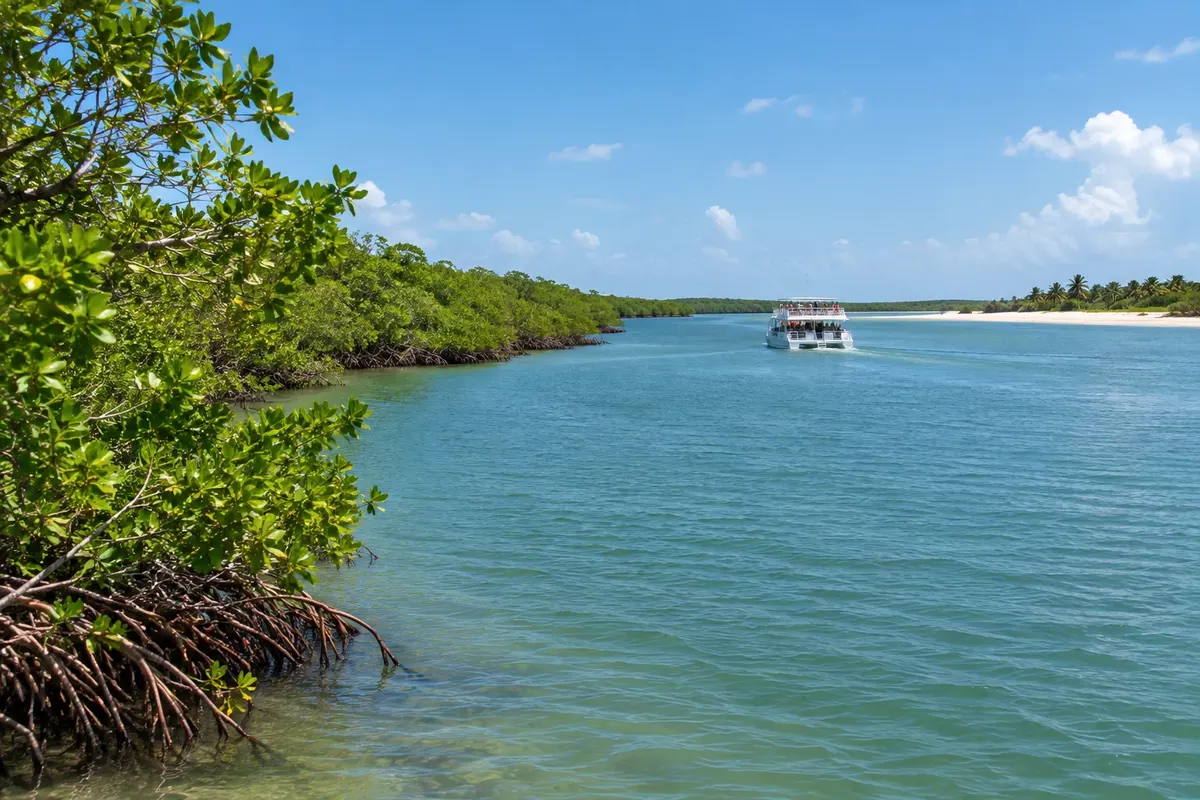
river · Canguaretama, RN
Rio Curimataú e manguezais
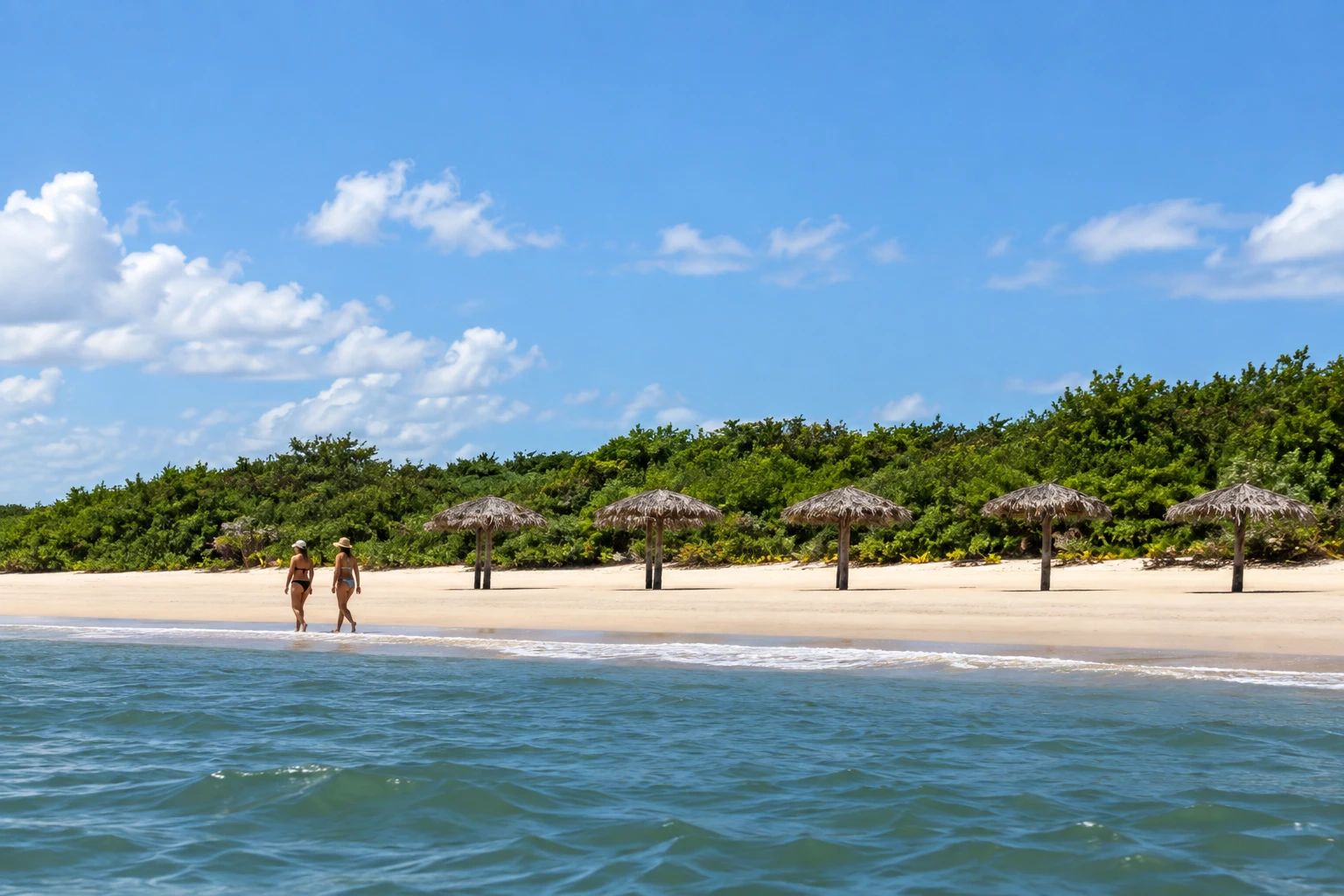
The river runs through almost 20 km of mangroves, home to crabs, oysters and shrimp, before meeting the sea at Barra do Cunhaú. Boat trips explore the estuary and the deserted beaches along its banks.
Illustrative images. The pictures in this guide are illustrations based on the real place, not photographs, and may differ from it.


Pogled na kraj
Rio Curimataú e manguezais v slikah
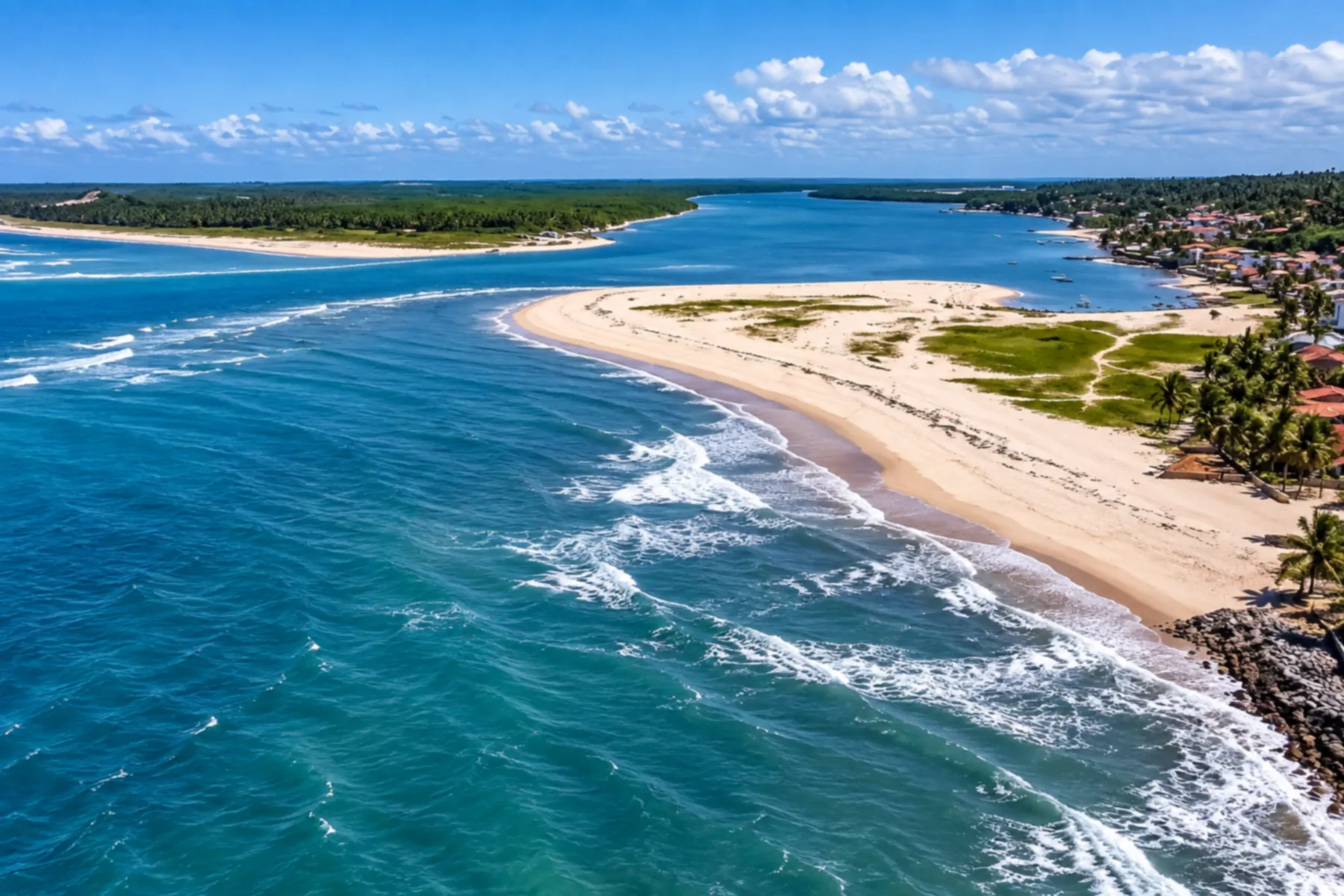
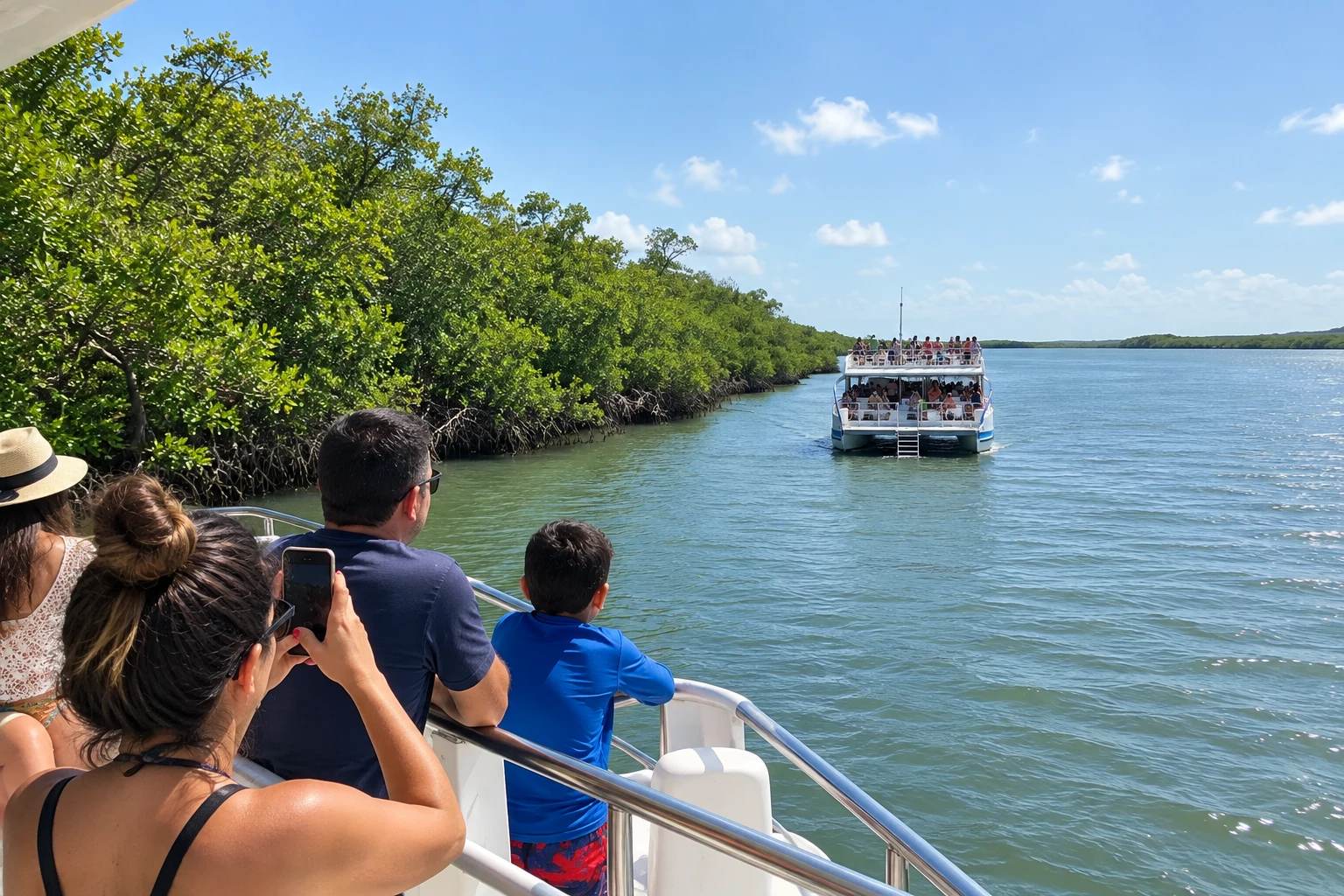
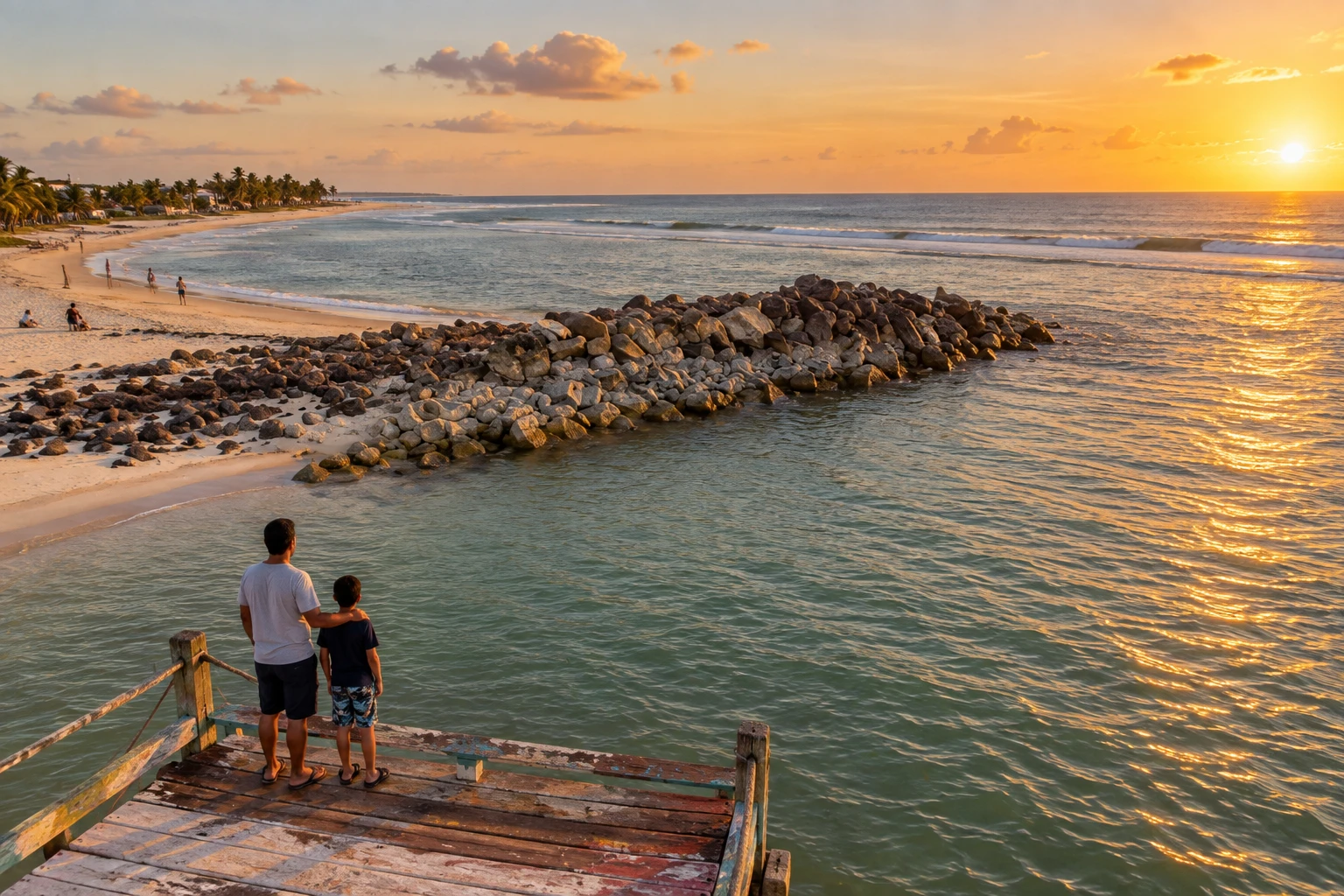
These pictures are illustrations based on the real place, not photographs. They may differ from the place.
Kliknite fotografijo za povečavo.
Spoznajte
O znamenitosti Rio Curimataú e manguezais
The Curimataú River is the main river in Canguaretama, on the southern coast of Rio Grande do Norte. Before reaching the sea at Barra do Cunhaú, it crosses a large area of mangroves, so vast that the region earned the nickname "Amazônia Potiguar" (Rio Grande do Norte's Amazon).
The most common way to see the river is by boat or catamaran, leaving from Barra do Cunhaú. The trip explores the estuary among mangrove islands, passes the point where the Curimataú meets the Penha River and usually stops at the almost deserted Restinga beaches, across the inlet, already in the municipality of Baía Formosa.
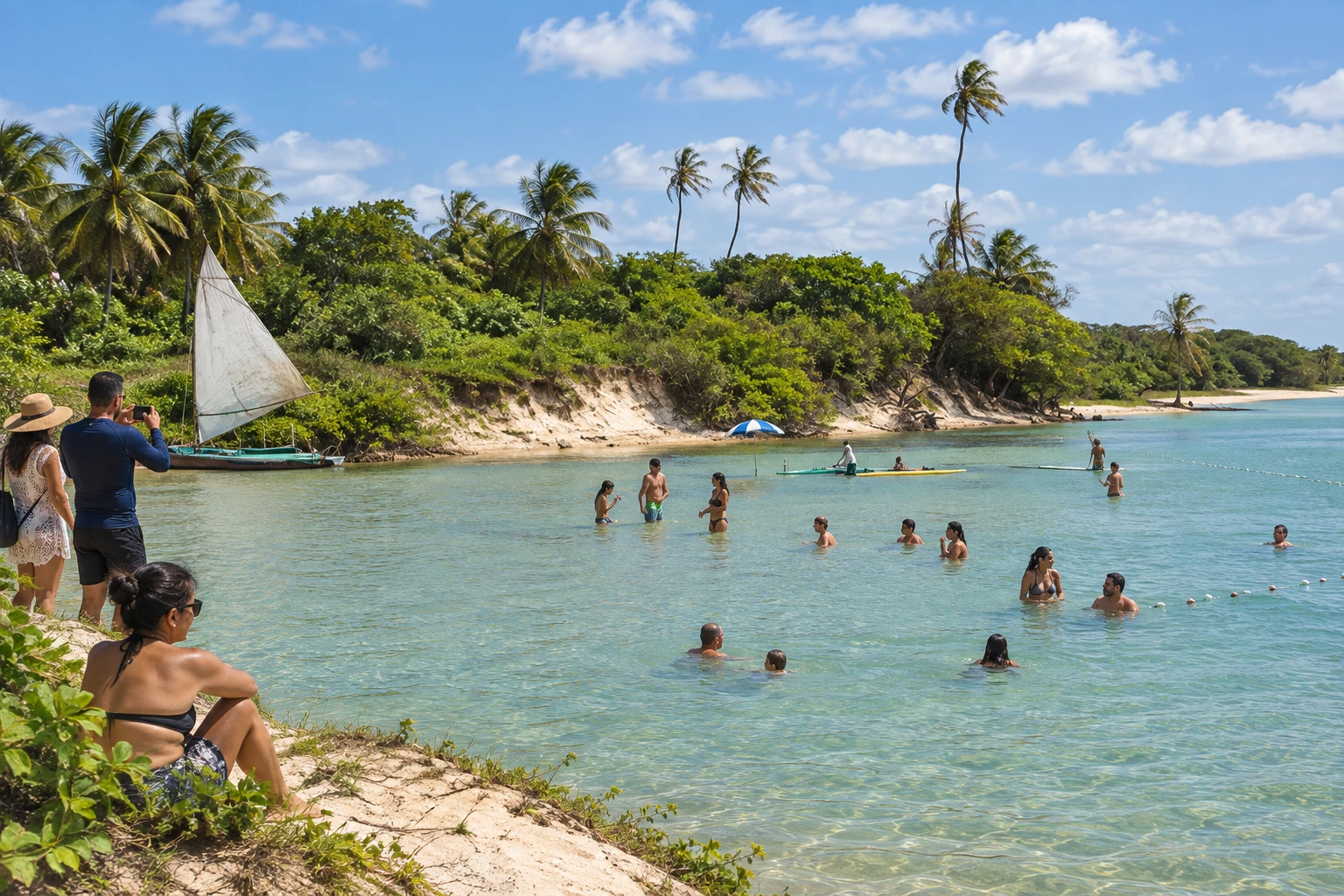
Crabs, oysters and shrimp live in the mangroves, and along the way you can see fish, birds and locals catching crabs. At the river mouth, the scenery changes: on the river side, the water is calm; on the sea side, the waves are strong and draw surfers.
The boat trip requires no physical effort and suits families. If you prefer to paddle, there are kayaks and stand-up paddleboards on the calm waters near the inlet.
Pred odhodom
Praktične informacije
Cidade Turismo reviews its information regularly, but something may have changed. Check with the place before planning your trip.
Koliko časa si vzemite
The boat trip along the river and through the mangroves takes two and a half to three hours, with a stop at the Restinga beaches.
Najboljši čas
During the day, in sunshine, when the green of the water and the mangroves shows best; the drier second half of the year is usually recommended to avoid the rains.
Kako do tja
Tours leave from Barra do Cunhaú, Canguaretama's beach. From Natal, take the BR-101 to Canguaretama and then about 13 km on the RN-269 to the coast. Many agencies in Natal and Pipa sell the outing with transportation included.
Nasvet
Boat trips leave from Barra do Cunhaú and are also sold by agencies in Natal and Pipa; check with the operator on the duration and stops included.
Odgovori na vaša vprašanja
Pogosta vprašanja – Rio Curimataú e manguezais
How do I take the Curimataú River tour?
By boat or catamaran, leaving from Barra do Cunhaú, in Canguaretama. Agencies in Natal and Pipa also sell the outing with transportation.
How long is the boat ride?
Between two and a half and three hours, counting the stop at the Restinga beaches.
What will I see on the trip?
Mangrove islands, the meeting of the Curimataú and the Penha River, birds, fish, crab fishing and the almost deserted Restinga beaches, across the inlet.
Where does the Curimataú River meet the sea?
At Barra do Cunhaú. On the river side the water is calm; on the sea side the waves are strong.
How do I get to Barra do Cunhaú from Natal?
Take the BR-101 to Canguaretama and then about 13 km on the RN-269 to the coast.
Več kot vodnik


