Dolomites

Trentino-South Tyrol · Veneto · Italija

Dolomites

Pale-rock mountains in northern Italy, with cable cars, alpine lakes and trails, between Bolzano, the Val Gardena and Cortina d'Ampezzo.

North

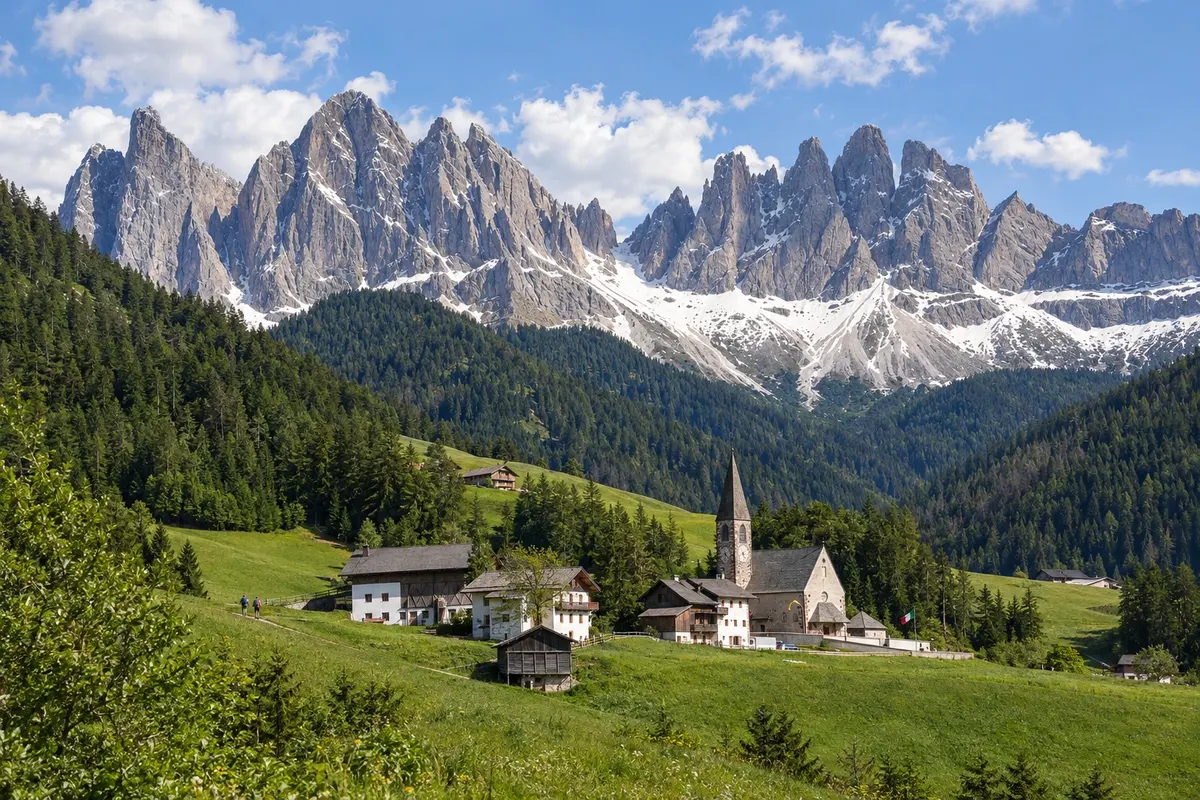
Na fotografiji: Santa Maddalena and the Odle group, Val di Funes, Dolomites

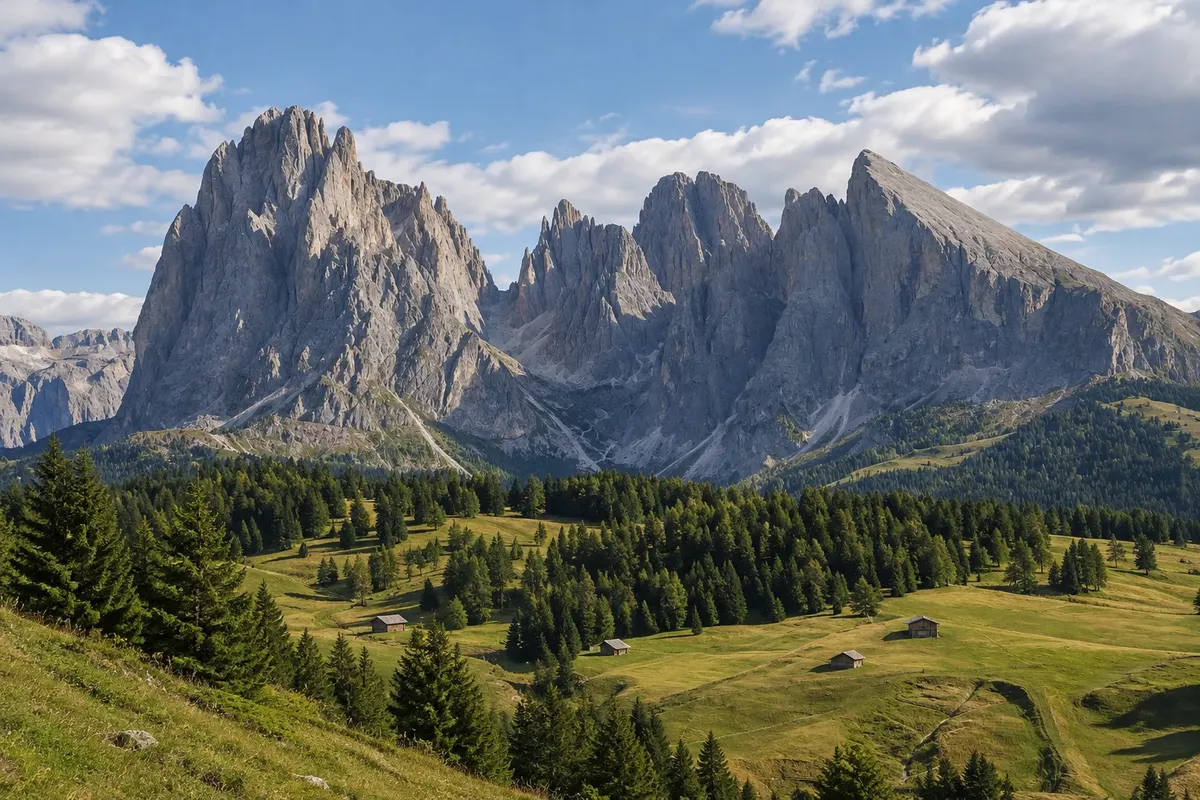
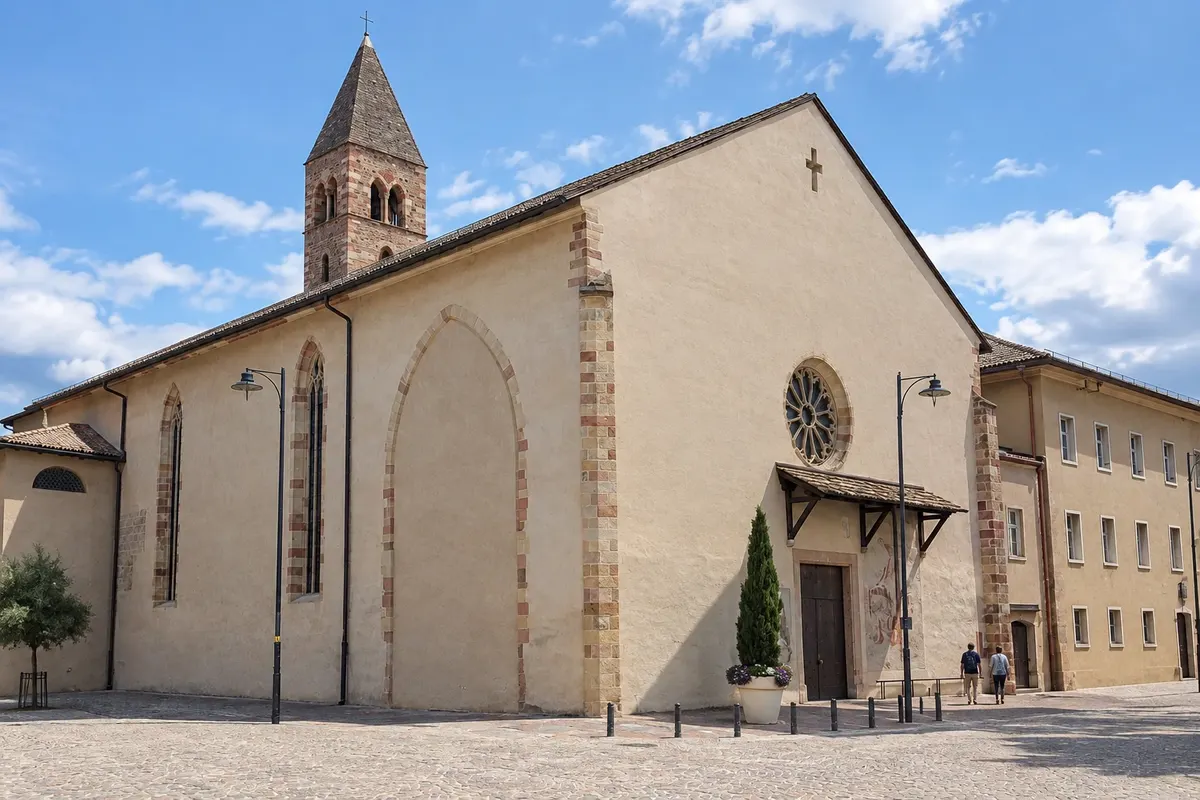
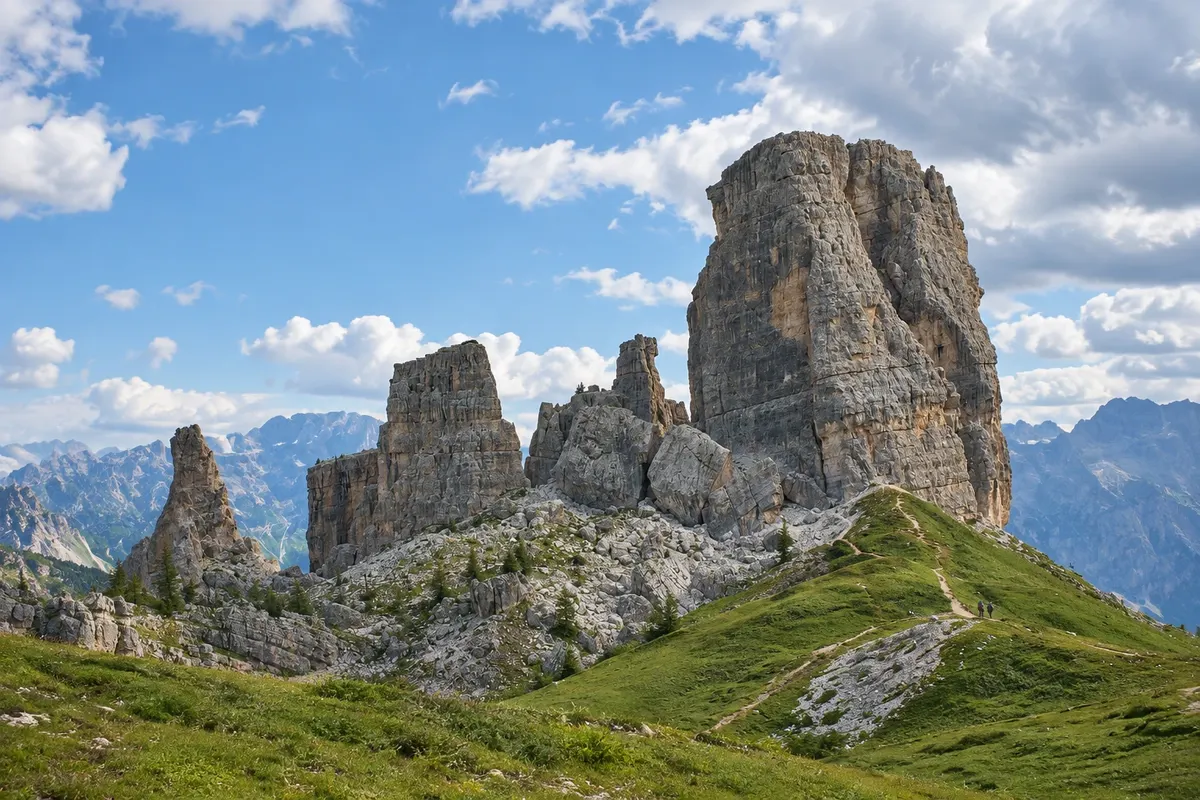
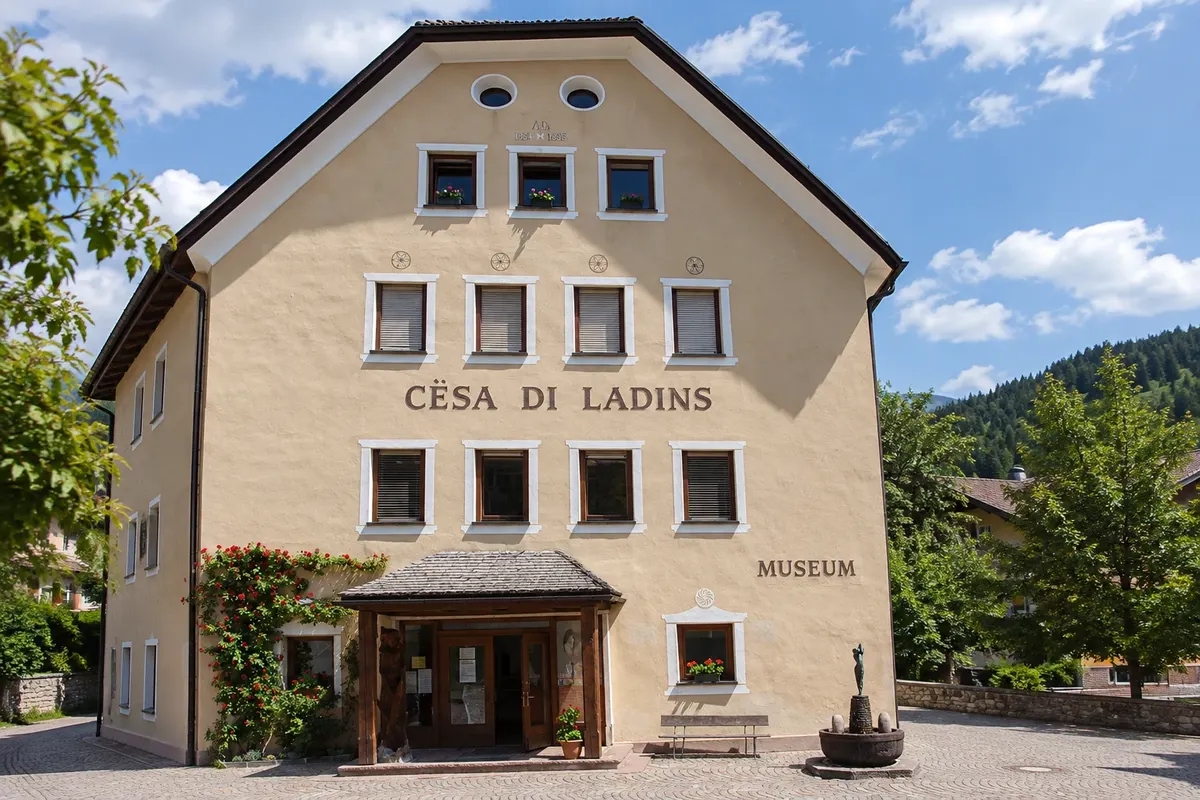
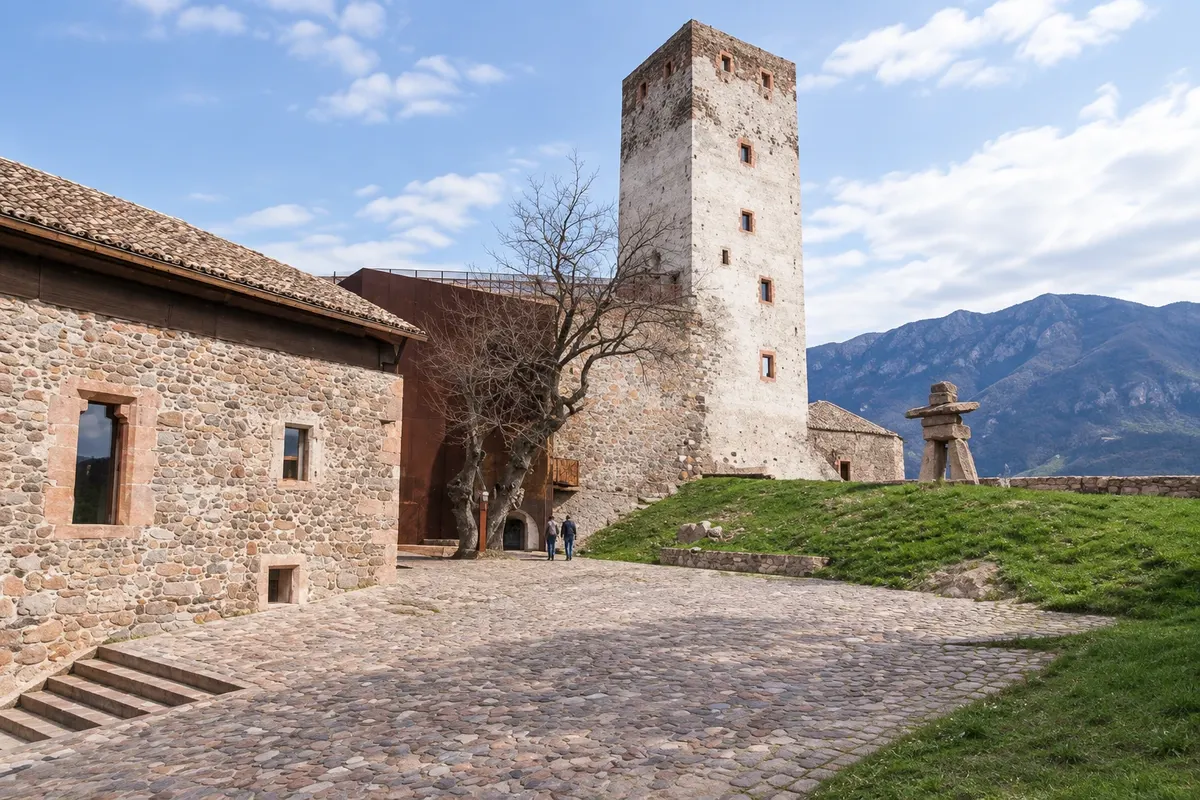
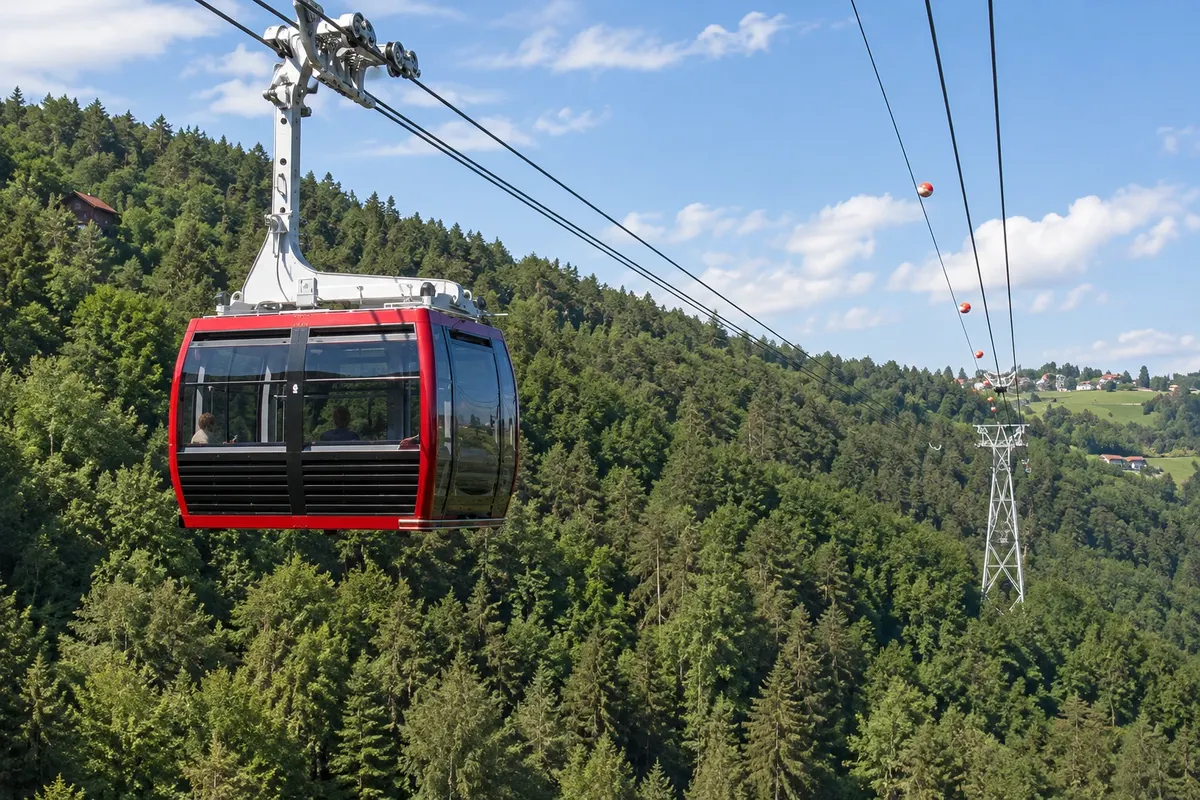
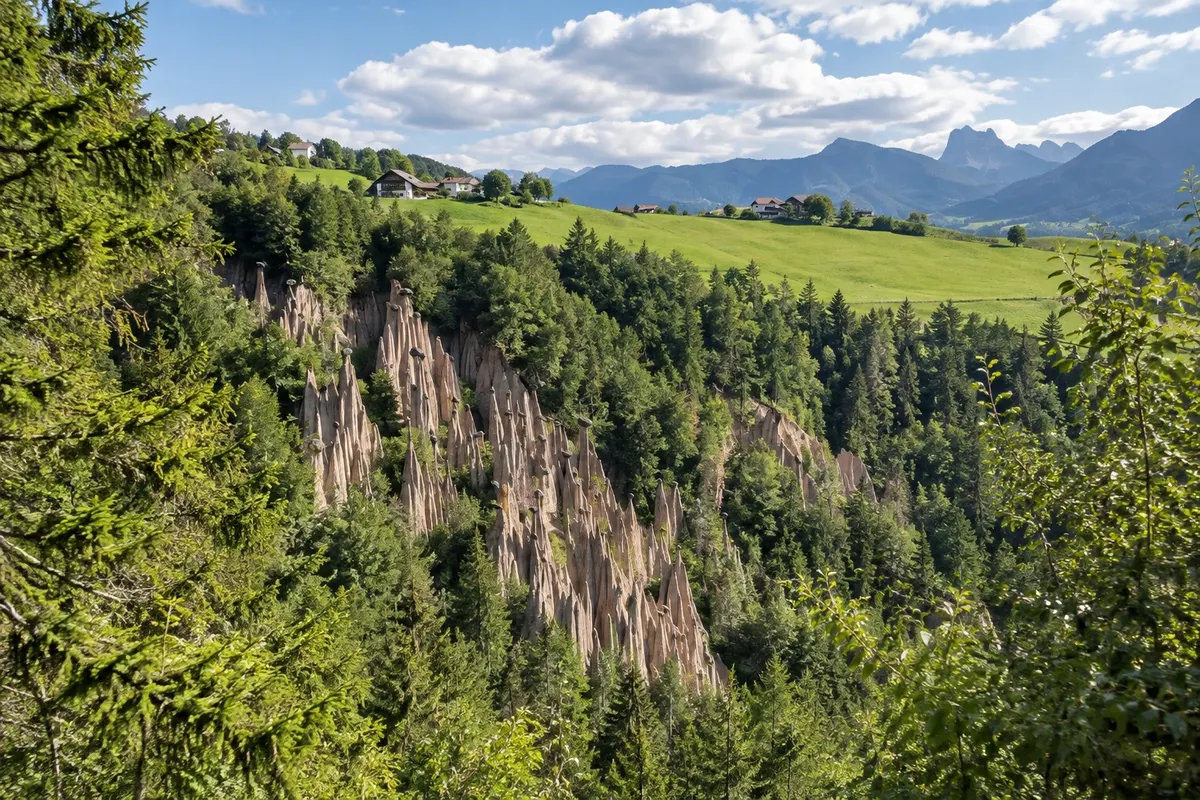
Illustrative images. The pictures in this guide are illustrations based on the real place, not photographs, and may differ from it.

Na voljo v trgovini Google Play Pošljite svoje fotografije

Spoznajte kraj

Pokrajina, ki jo doživite
v svojem ritmu.

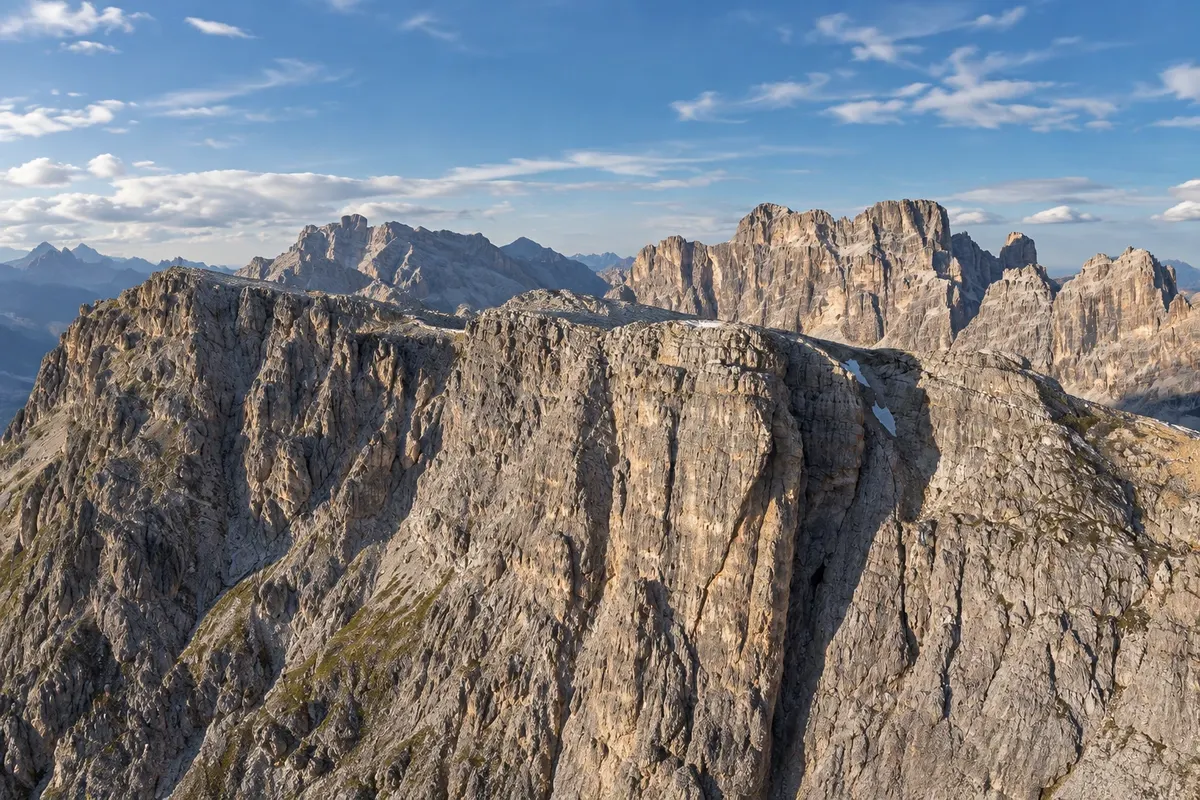
The Dolomites are a mountain range in northeastern Italy, with pale rock walls and towers that turn pink in the evening light. Since 2009 the whole area has been a UNESCO natural heritage site. The region is split between Trentino-Alto Adige and Veneto, and trips typically combine an entry city, a valley with cable cars, and a base near the mountain passes.

Bolzano is the most practical gateway. It lies on the rail line descending from the Brenner Pass to Verona and houses the Museo Archeologico dell'Alto Adige, where Ötzi, the 5,300-year-old Iceman, is kept. In Alto Adige signs are in Italian and German, and in parts of the valleys also in Ladin, the local language: Bolzano is Bozen, Ortisei is St. Ulrich and Urtijëi.

About 35 km from Bolzano the Val Gardena begins, with Ortisei as the main village. From there cable cars climb to Seceda and to the Alpe di Siusi, the largest high-altitude pasture plateau in Europe, and the Sassolungo closes the valley head. Further east, in Veneto, Cortina d'Ampezzo is the base for the Tre Cime di Lavaredo, the Cinque Torri, Lagazuoi and the lakes of Sorapis and Braies.

Cable cars, refuges and high-altitude roads open in summer—usually from May or June to October—and in winter, from December to March or April, with pauses in spring and late autumn. Plan your trip within those windows and confirm the opening dates of each place before you go.

This destination brings together 3 cities: Bolzano, Cortina d'Ampezzo, Ortisei.

Delite: WhatsApp
Delite svoja popotniška doživetja s fotografijami Pošljite fotografije vsakega kraja, ki ste ga obiskali. Največje število fotografij na kraj: 5.

Ena destinacija, več poti

Mesta na tej poti

Začnite v enem mestu ali v načrt poti vključite več mest.

Dolomites – lega
BolzanoOrtiseiCortina d'Ampezzo

Obrisi: ISTAT, limites administrativos 2026, CC BY 4.0. Priredba: Cidade Turismo.

Kako do tja:Dolomites

✈ Aeroporto di Verona Villafranca Valerio Catullo (VRN), kraj: Verona· 160 km do cilja (Bolzano)

✈ Aeroporto di Venezia Marco Polo (VCE), kraj: Veneza· 260 km do cilja (Bolzano)

Check before you buy. The most commonly used airports are Verona (VRN), Venice (VCE) and Milan-Malpensa (MXP). Bolzano is served by trains from Verona, and from Milan or Venice usually with a change in Verona; from Bolzano buses go up to the Val Gardena. For Cortina there are buses from Venice and Mestre.

Predlagana točka prihoda:Bolzano

Doživite kraj

Kaj početi – Dolomites

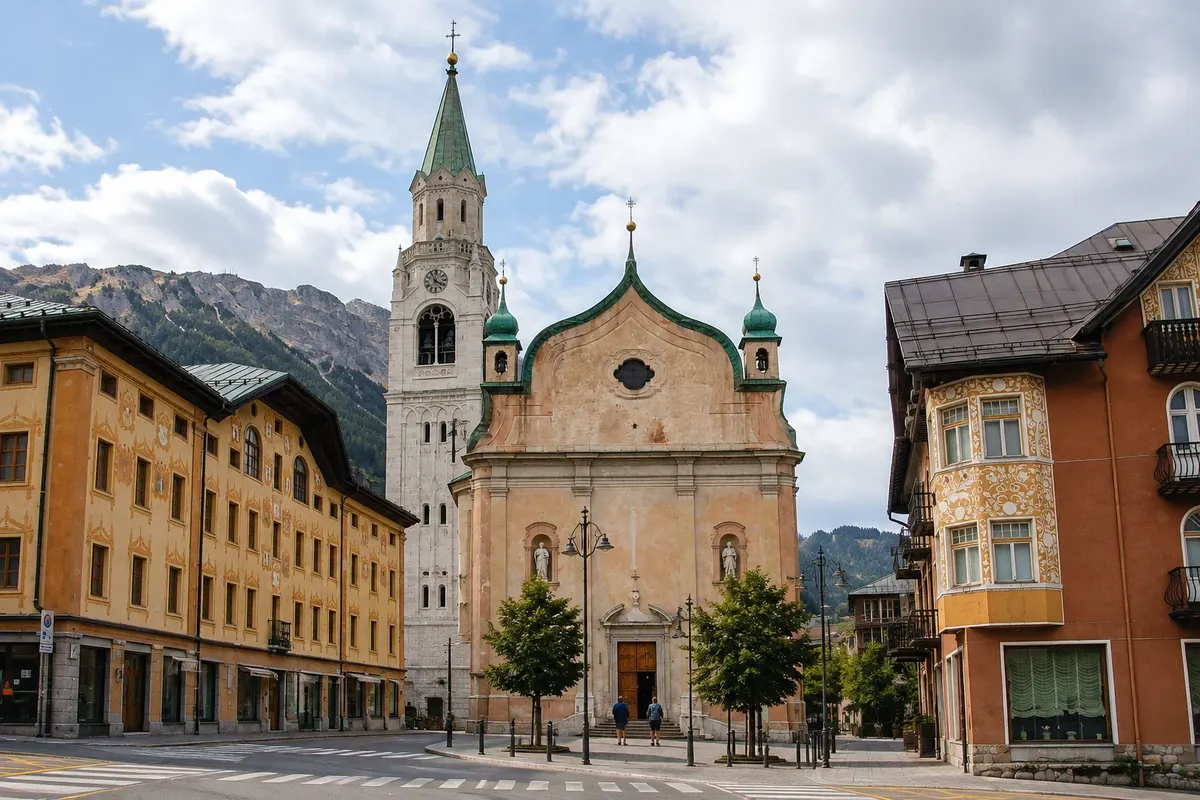
Basilica of Saints Philip and James
Cortina d'Ampezzo · Veneto · Cerkev

Basilica of Saints Philip and James

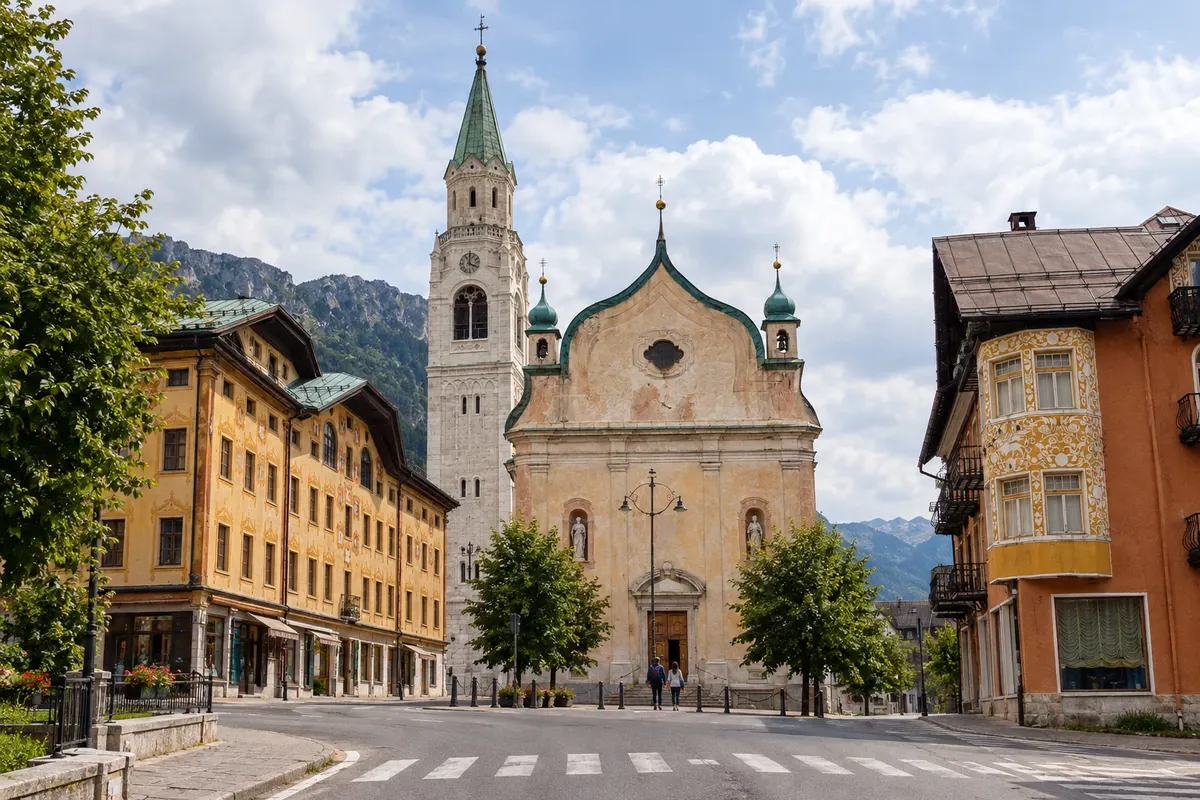
Cortina's parish church from the 18th century, in the middle of Corso Italia, with an interior decorated by the Tyrolean Franz Anton Zeiller, an altar by Andrea Brustolon and a bell tower that is a symbol of the town.

South Tyrol Archaeological Museum (Ötzi Museum)
Bolzano · Trentino-South Tyrol · Muzej

South Tyrol Archaeological Museum (Ötzi Museum)

Archaeological museum in central Bolzano where Ötzi, the Iceman, is displayed — the natural mummy of a man who lived around 5,300 years ago, with the clothes, the copper axe and the bow found with him.

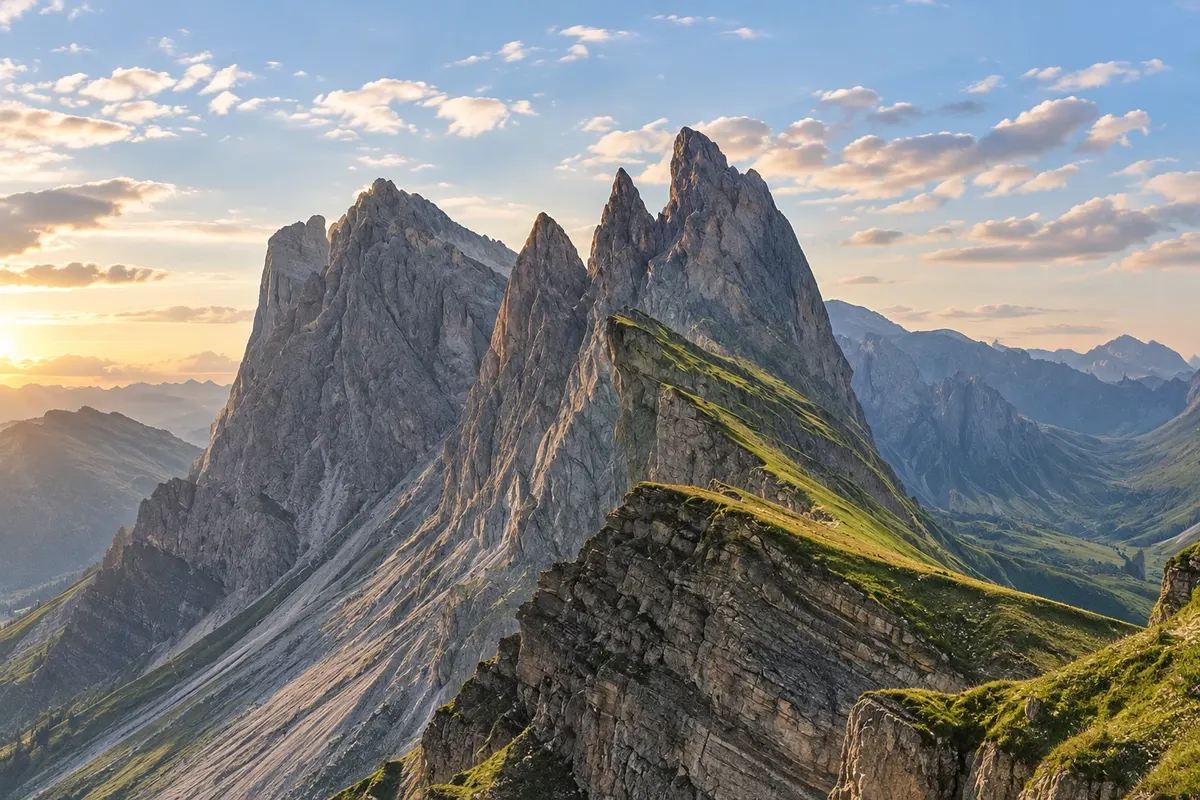
Seceda
Ortisei · Trentino-South Tyrol · Razgledišče

Seceda

Mountain at about 2,500 meters above Ortisei, reached by gondola and cable car, with close views of the pointed Odle ridge and much of the Dolomites.

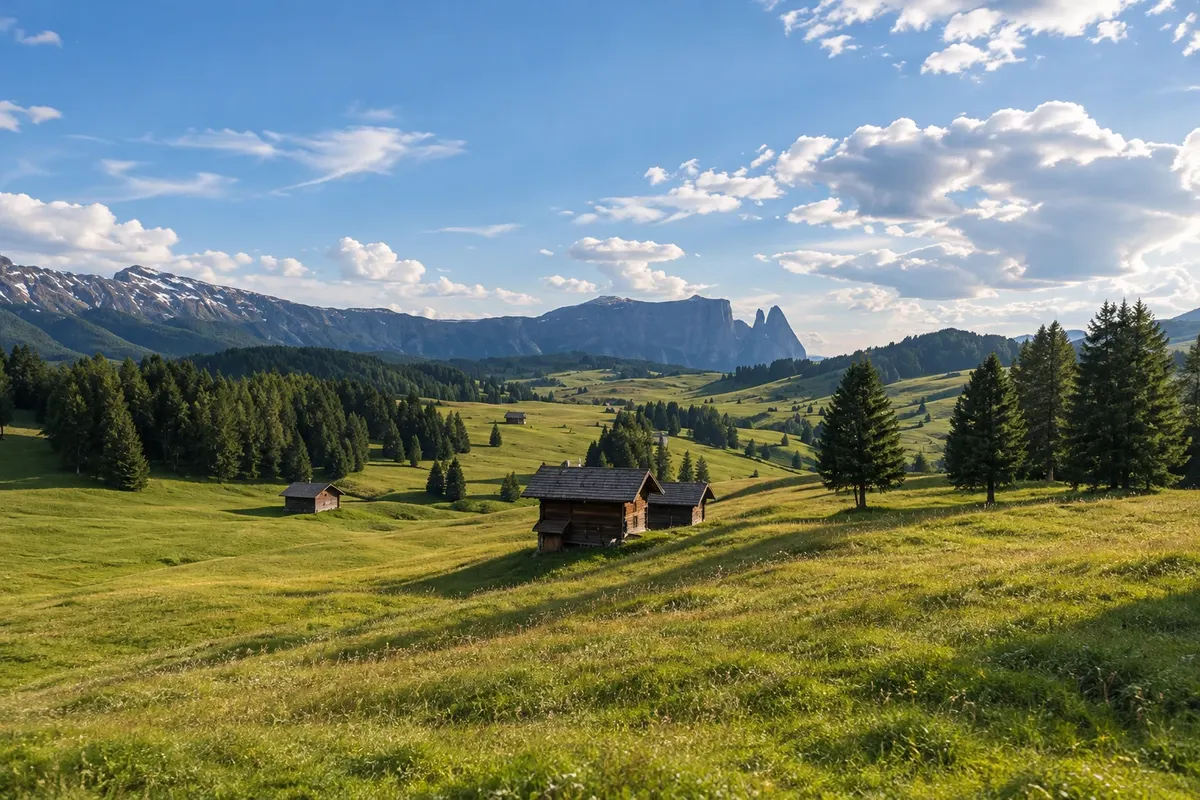
Seiser Alm
Ortisei · Trentino-South Tyrol · Park

Seiser Alm

High-altitude plateau of meadows between 1,680 and 2,350 meters, the largest in Europe, with the Sciliar and the Sassolungo around it, flat trails, huts, and cable car access from Ortisei.

Dolomites – prikaži dodatne kraje (15)
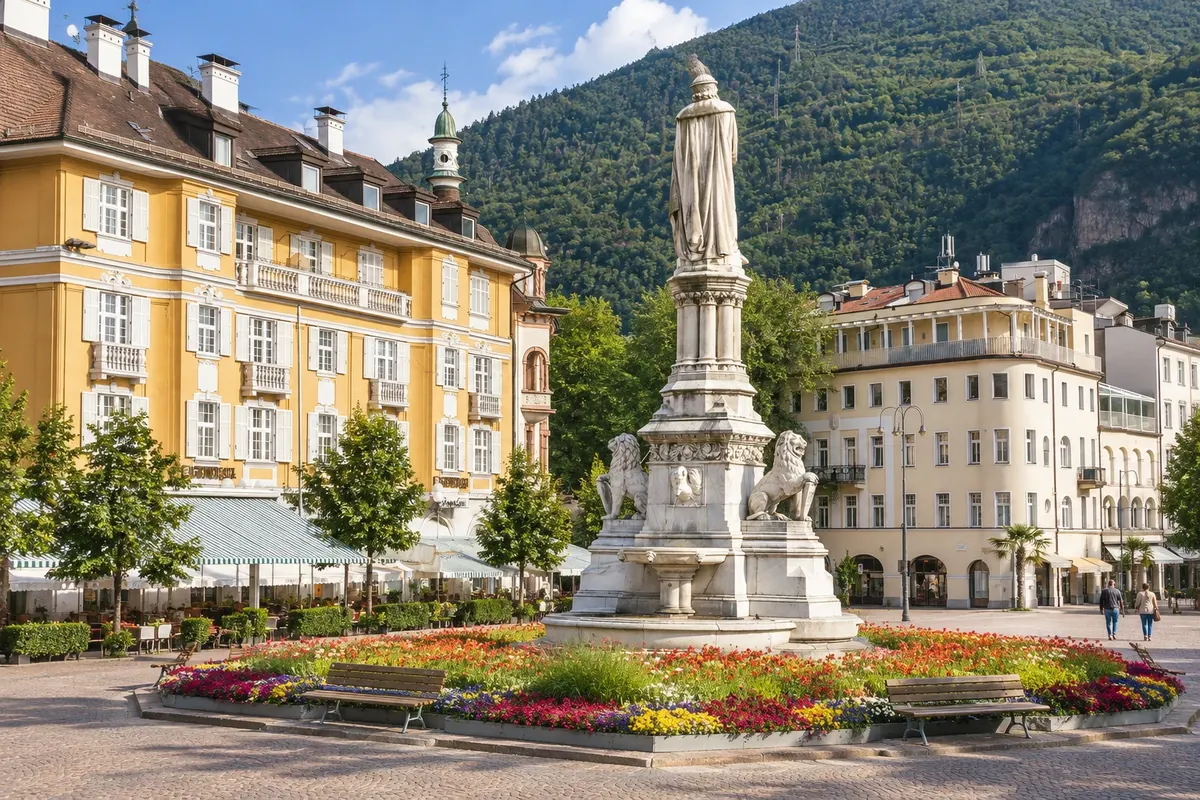
Walther Square (Piazza Walther)
Bolzano · Trentino-South Tyrol · Trg

Walther Square (Piazza Walther)

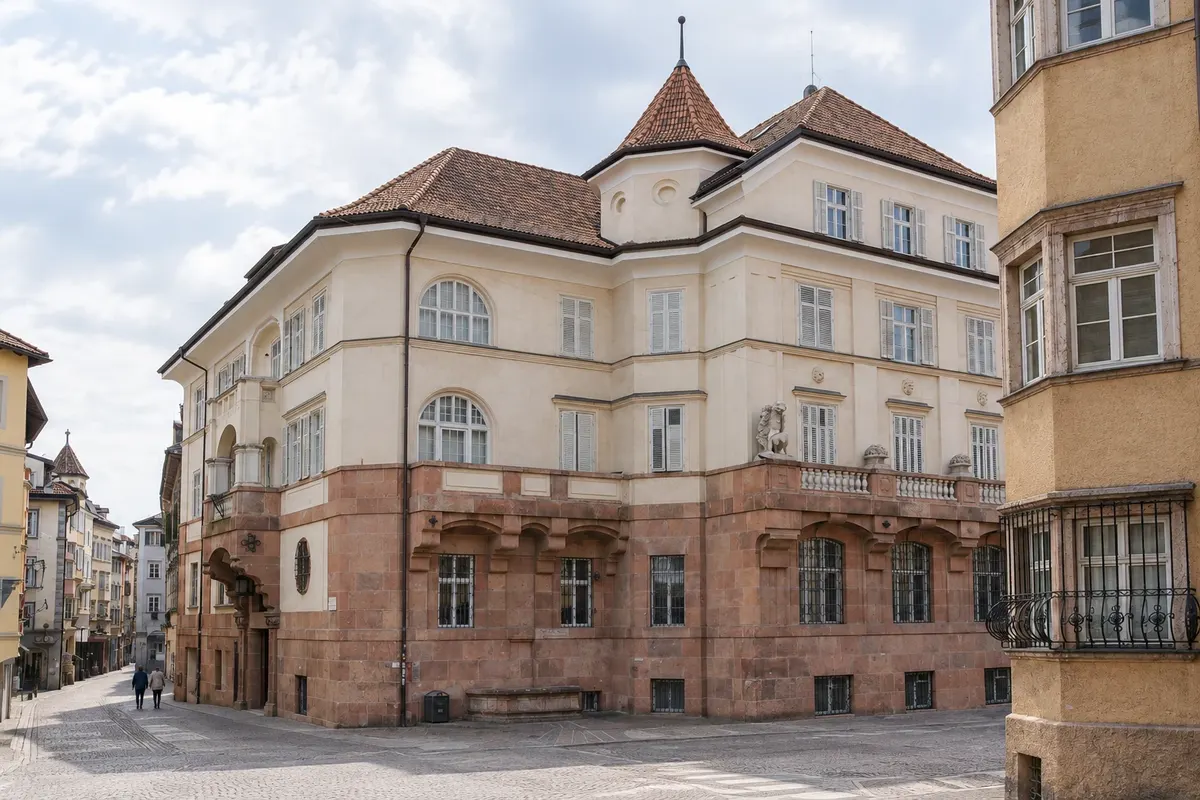
Bolzano's main square, with the statue of the medieval poet Walther von der Vogelweide, the Duomo on one side and the historic centre just behind. It hosts the Christmas market.

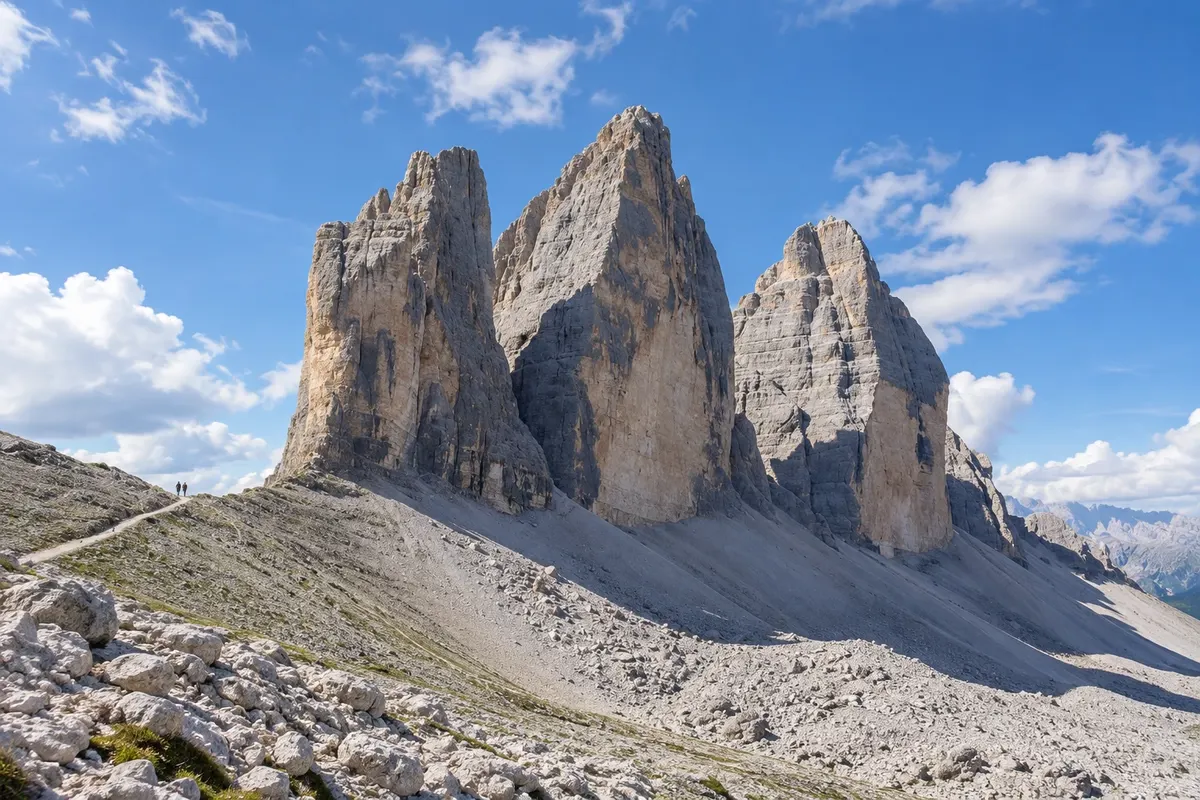
Tre Cime di Lavaredo
Cortina d'Ampezzo · Veneto · Gora

Tre Cime di Lavaredo

The three best-known rock towers of the Dolomites, up to 2.999 metres high, encircled by a trail that starts at Rifugio Auronzo, at the end of a toll road requiring a reservation.

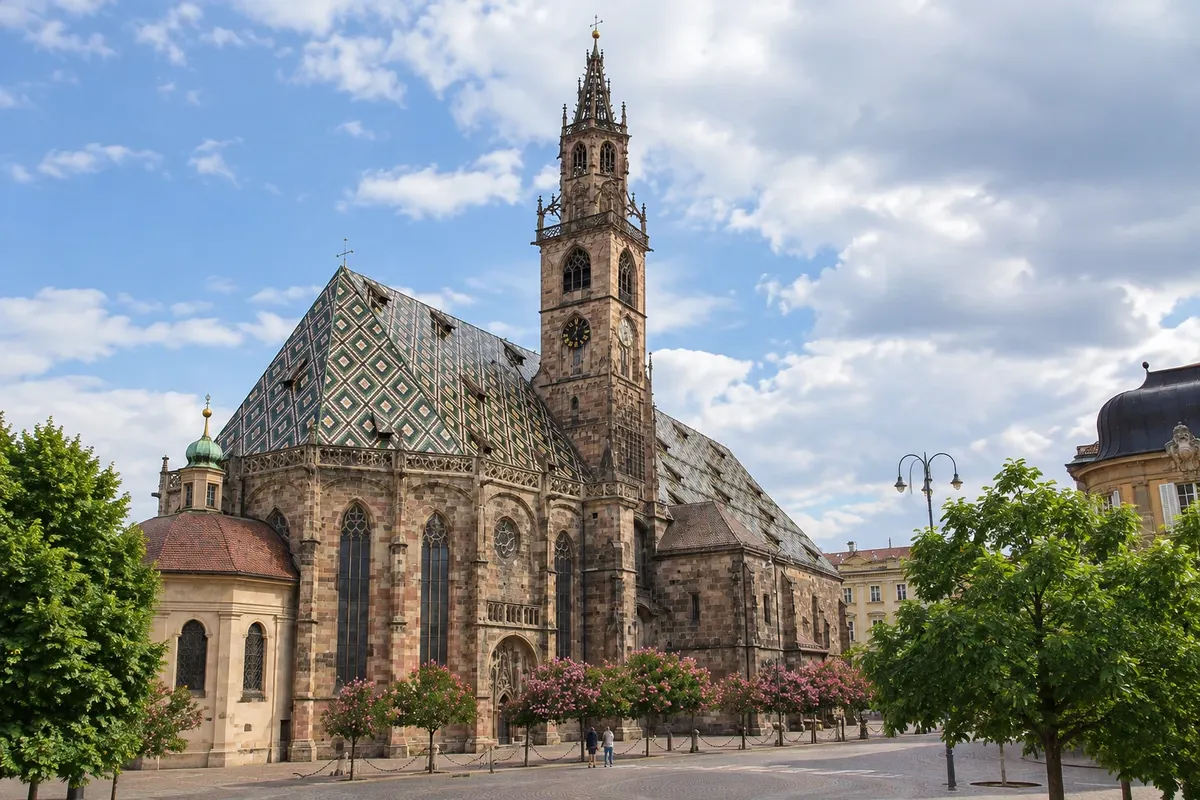
Bolzano Cathedral (Duomo di Bolzano)
Bolzano · Trentino-South Tyrol · Stolnica

Bolzano Cathedral (Duomo di Bolzano)

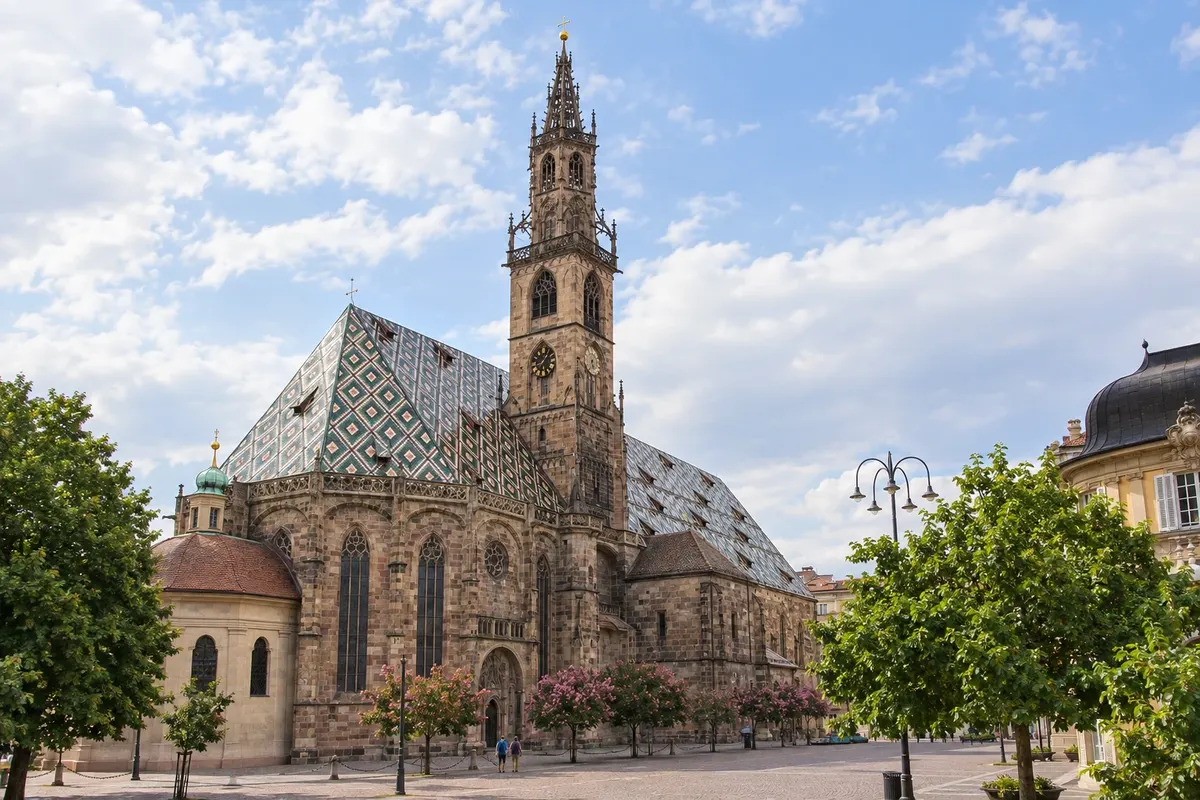
Bolzano's main church, Gothic, dedicated to Santa Maria Assunta, with a 65-metre bell tower completed in 1519 and a colourful tiled roof, beside Piazza Walther.

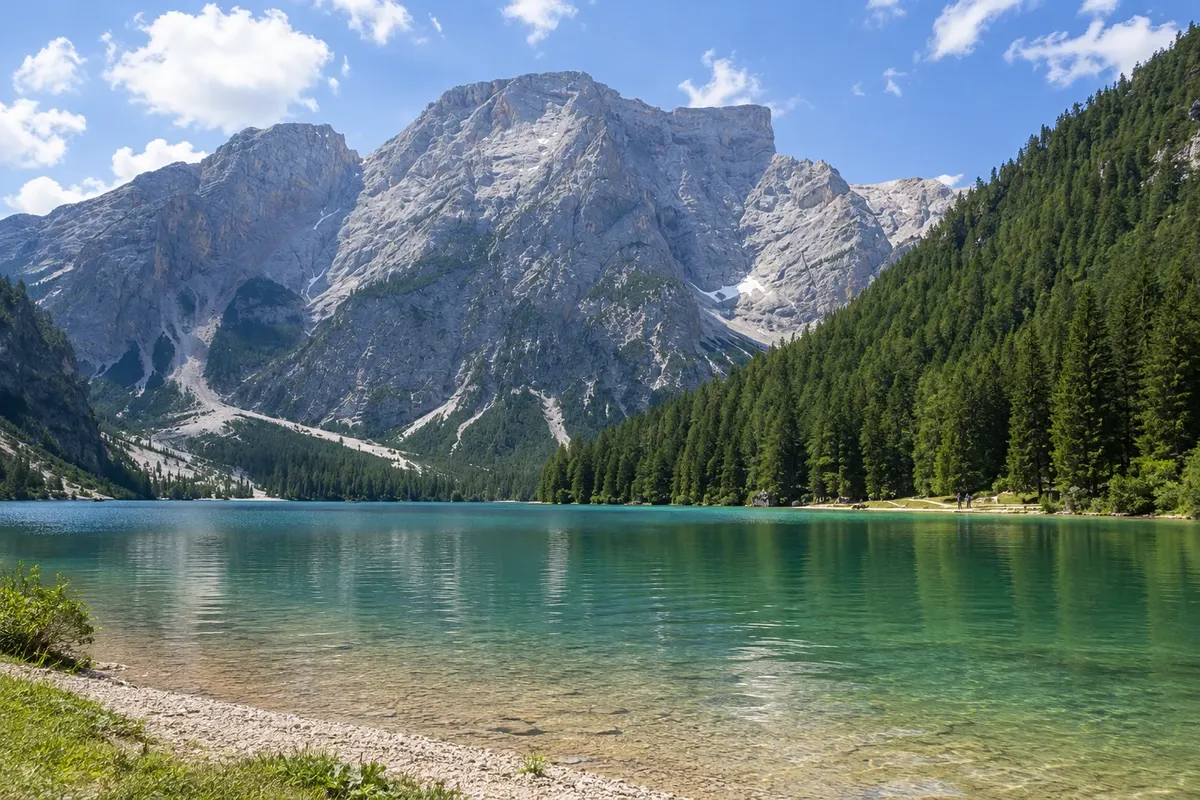
Lago di Braies
Cortina d'Ampezzo · Veneto · Park

Lago di Braies

Alpine lake with green water at 1.496 metres, at the foot of the Croda del Becco wall in Alto Adige, with a trail around it, rowboats in season and limited car access at the height of summer.

Sassolungo (Langkofel)
Ortisei · Trentino-South Tyrol · Gora

Sassolungo (Langkofel)

3,181-metre massif that closes the end of Val Gardena, with vertical walls, a cable car that rises from Passo Sella to the forcella between the towers, and a trail that circles the group.

Church of the Dominicans
Bolzano · Trentino-South Tyrol · Cerkev

Church of the Dominicans

Gothic church of the Dominican friars, from the late 13th century, with the Cappella di San Giovanni covered in frescoes from the school of Giotto and an altarpiece by Guercino.

Cinque Torri
Cortina d'Ampezzo · Veneto · Historic site

Cinque Torri

Group of rock towers up to 2.361 metres west of Cortina, with an open-air First World War museum, short trails among restored trenches and refuges with views of the Tofane.

Museum Gherdëina
Ortisei · Trentino-South Tyrol · Muzej

Museum Gherdëina

Museum of Val Gardena in the centre of Ortisei, with wood sculpture from the 16th to the 20th century, wooden toys, fossils and minerals from the Dolomites, and the archive of filmmaker Luis Trenker.

Lagazuoi
Cortina d'Ampezzo · Veneto · Razgledišče

Lagazuoi

Mountain above Passo Falzarego, reached by cable car in about 3 minutes, with a refuge at 2.752 metres, a 360-degree panorama and tunnels carved into the rock during the First World War.

Via dei Portici
Bolzano · Trentino-South Tyrol · Street

Via dei Portici

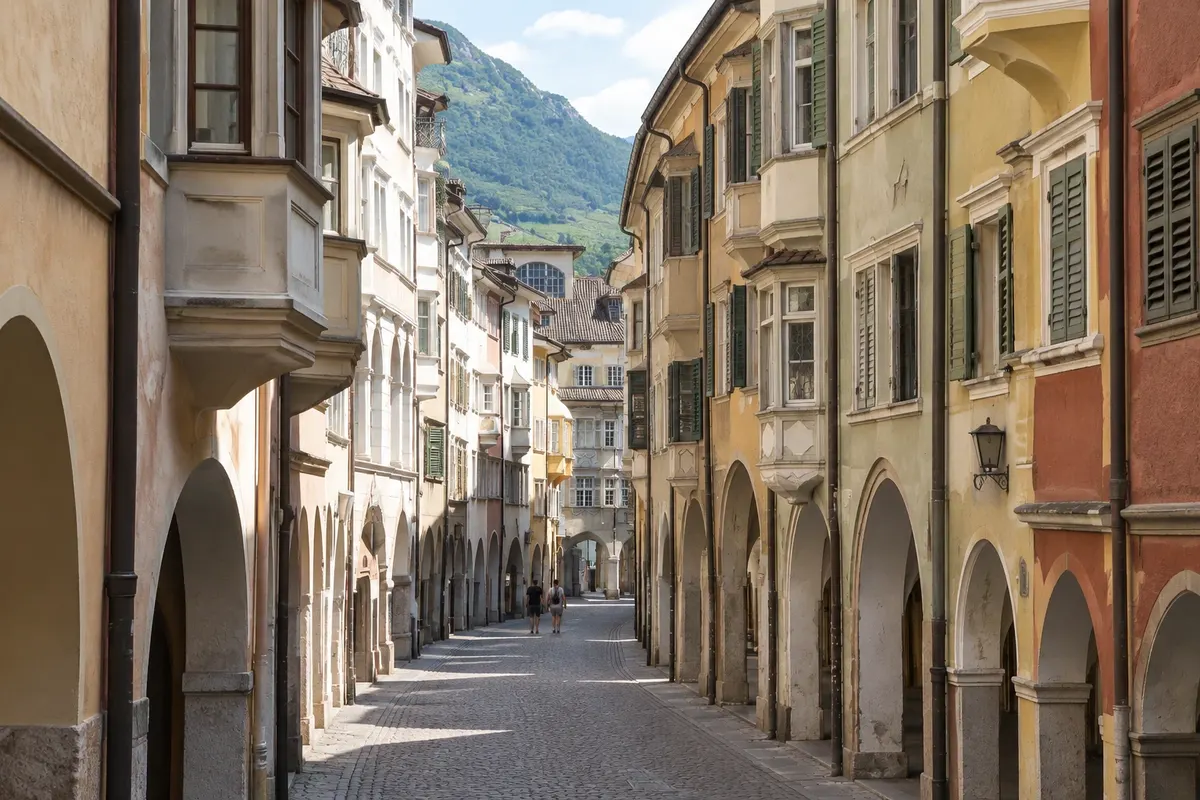
Medieval commercial street of Bolzano, from the late 12th century, with arcades on both sides, old shops and, at one end, the Piazza delle Erbe and its fruit and vegetable market.

Runkelstein Castle (Castel Roncolo)
Bolzano · Trentino-South Tyrol · Grad

Runkelstein Castle (Castel Roncolo)

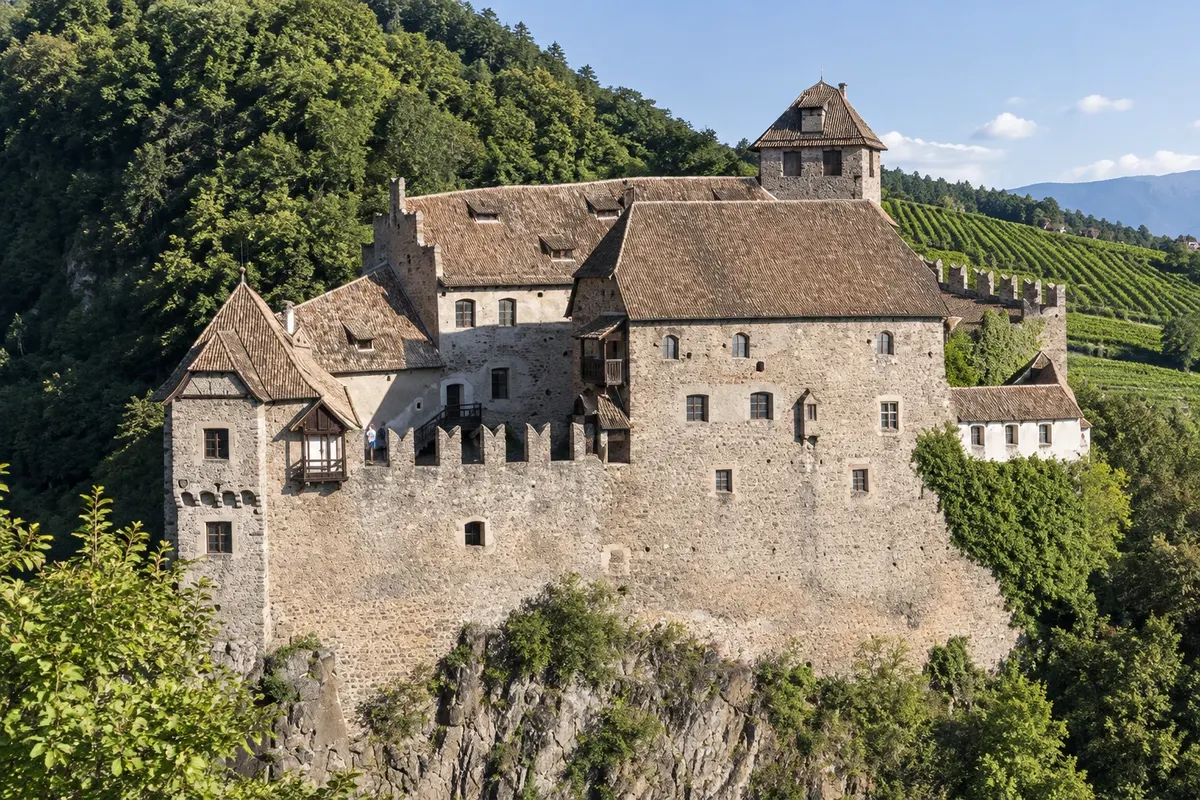
Castle from 1237 on a rock spur at the entrance to the Val Sarentino, with the largest cycle of medieval non-religious frescoes in Europe, including the legend of Tristan and Isolde.

Lake Sorapis
Cortina d'Ampezzo · Veneto · Park

Lake Sorapis

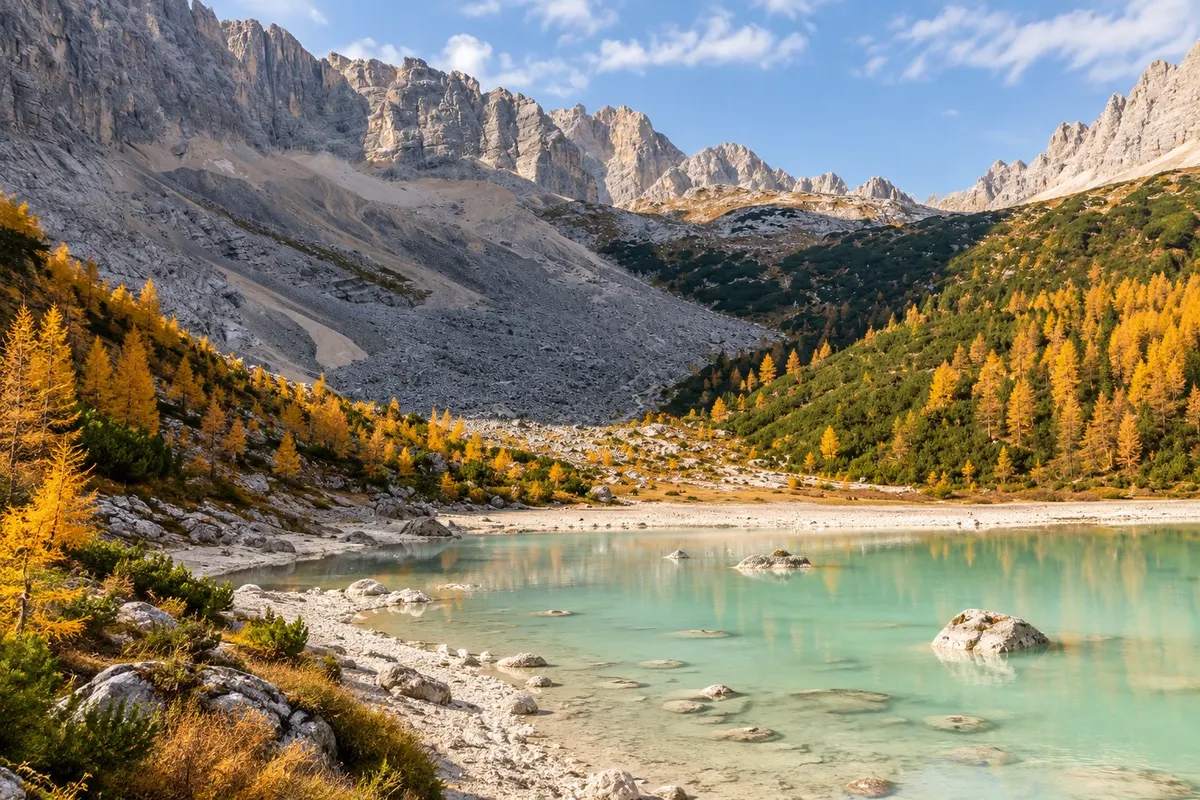
High-altitude lake of milky turquoise color at about 1,925 meters, in the middle of the Sorapis group, reached by a trail of roughly 2 hours from Passo Tre Croci.

Castel Firmian – Messner Mountain Museum Firmian
Bolzano · Trentino-South Tyrol · Grad

Castel Firmian – Messner Mountain Museum Firmian

Medieval fortress on a hill on the outskirts of Bolzano, mentioned since the 10th century, which houses the mountain museum created by mountaineer Reinhold Messner about the relationship between humans and the mountain.

Ritten
Bolzano · Trentino-South Tyrol · Razgledišče

Ritten

Plateau above Bolzano, over a thousand meters in altitude, reached by cable car in 12 minutes and crossed by a small 1907 train, with views of the Dolomites, woods and Tyrolean villages.

Earth Pyramids of Ritten
Bolzano · Trentino-South Tyrol · Park

Earth Pyramids of Ritten

Columns of clay carved by erosion, many with a balancing stone on top, on the slopes of the Renon plateau, considered among the tallest in Europe and visible from short trails.

Kaj izbrati pred odhodom

Izleti – Dolomites

Izhodišče, trajanje, potek, vključene storitve in okvirna cena vsakega izleta.

Bolzano on foot: Piazza Walther, the Duomo, Via dei Portici and the market

Odhod: Piazza Walther, Bolzano (5 min from the station) Peš po središču mesta Približno 2 uri in pol Dopoldne Lahko

Bolzano (Bozen, in German) is the capital of Alto Adige/Südtirol, the bilingual province where most people speak German, and the southern gateway to the Dolomites. Piazza Walther, with the monument to the medieval poet Walther von der Vogelweide, is the showpiece, with cafés and the Christmas market; the Duomo di Bolzano, Gothic, built 1300–1420, has a roof of glazed diamond-pattern tiles and a 65 m openwork bell tower. The Via dei Portici (Laubengasse), the 300 m medieval street with arcades on both sides, houses shops in narrow, deep buildings, and the Piazza delle Erbe at the end hosts the daily market for fruit, speck, cheeses and strudel. The Chiesa dei Domenicani preserves the Chapel of San Giovanni with frescoes from Giotto’s school, dated c.1330. The Museion of contemporary art and the Colle funicular of 1908, the world’s first passenger funicular, complete the centre.

Kraji na poti: Piazza Walther, Duomo di Bolzano, Via dei Portici, Chiesa dei Domenicani.

Vključuje: Free walk; churches without charge; Museion has an admission fee.

Nasvet: The Piazza delle Erbe market runs Monday to Saturday mornings; try the speck and the Krapfen. Bolzano is a base with lower prices than Cortina or Ortisei and has train and bus connections to all the valleys.

Najboljši čas za obisk: All year; from late November to Christmas the Piazza Walther Christmas market, one of Italy’s most traditional.

Museo Archeologico dell'Alto Adige: Ötzi, the Iceman

Odhod: Via Museo, Bolzano Museum Približno 1 uro in 30 minut Dopoldne ali popoldne Lahko

The Museo Archeologico dell'Alto Adige houses Ötzi, the 5,300-year-old mummy found in 1991 by climbers on a Similaun glacier at the border with Austria, the oldest human body preserved together with its clothing, weapons and belongings: the 1.80 m yew bow, the copper axe, the grass cloak, the leather shoes lined with hay, the 61 tattoos and the arrowhead in the shoulder that killed him. The mummy is kept in a cold chamber viewed through a small window; three floors explain Neolithic life, the discovery, the dispute between Italy and Austria over the border and the facial reconstruction. It is the most visited museum in the province, and lines are long on rainy days.

Kraji na poti: Museo Archeologico dell'Alto Adige.

Vključuje: Separate paid ticket, with a time reservation recommended on the website (mandatory in some periods); closed on Mondays off-season.

Nasvet: Book the time slot online for 10:00 or late afternoon; rainy mountain days make the museum busy. An hour and a half is enough.

Najboljši čas za obisk: Vse leto.

Renon: the Soprabolzano rack railway and the earth pyramids

Odhod: Renon cable car, Via Renon, Bolzano (next to the station) Cable car, historic train and hike Približno 4 ure Dopoldne ali popoldne Lahko

The Renon (Ritten) is the plateau 1,200 m above Bolzano, the summer resort of Bolzano residents since the 18th century (Freud and Mahler spent summers there). The cable car climbs from Bolzano station to Soprabolzano in 12 minutes, with vineyards and the town below; from there, the Renon electric train, from 1907, runs 7 km through meadows and farms to Collalbo in 18 minutes, with the Dolomites (Sciliar, Catinaccio, Latemar) on the horizon. The Piramidi di terra del Renon, at Longomoso, a 20-minute walk from Collalbo, are clay columns up to 30 m high with a stone on top, carved by rain, the tallest in Europe; the panoramic walk (Freud-Promenade) from Soprabolzano to Collalbo, about 1 h 30, is flat and has benches. In summer, the Corno del Renon cable car rises to 2,000 m for a view of the entire Dolomites.

Kraji na poti: Renon, Piramidi di terra del Renon.

Vključuje: Renon cable car and train paid separately (the local transport ticket, Mobilcard or city ticket, covers both); pyramids have no fee.

Nasvet: Buy the Mobilcard for 1 or 3 days (or use the hotel transport ticket, the Südtirol Guest Pass, included at many accommodations) and take the cable car, train and buses without paying again. Go in the morning, with a clear sky for the Dolomites.

Najboljši čas za obisk: All year; from May to October for hikes; in winter the train runs and there is snow on the plateau.

Castel Roncolo and Castel Firmian: the fresco castle and the Messner Mountain Museum

Odhod: Bolzano (bus 12 to Roncolo; bus 10 to Firmian) Two castles Približno 4 ure Dopoldne ali popoldne moderate (stairs and stone paths)

Castel Roncolo (Schloss Runkelstein), dating from 1237, sits on a rock at the edge of Bolzano and preserves the largest surviving cycle of secular medieval frescoes: c.1390 paintings by the Vintler brothers depicting tournaments, hunts, games, Tristan and Isolde and the Nine Heroes, displayed in halls and loggias, a rare portrait of noble life; it is reached by bus or a 30-minute walk along the Talvera River. Castel Firmian (Sigmundskron), 3 km away on another hill, is the main seat of the Messner Mountain Museum, the six museums of mountaineer Reinhold Messner, the first to climb Everest without oxygen and all fourteen 8,000 m peaks: MMM Firmian, opened in 2006 within the ruins, explores human relationships with mountains, with artworks, objects and paths through towers and walls, offering valley views. The two lie on opposite sides of the town.

Kraji na poti: Castel Roncolo, Castel Firmian - Messner Mountain Museum Firmian.

Vključuje: Tickets paid separately at each castle (Roncolo closed on Mondays; MMM Firmian closed on Thursdays and in winter). Bus fares paid separately (covered by the Mobilcard).

Nasvet: Roncolo in the morning, with guided tour included at some times; Firmian in the afternoon, with time to walk the ramparts. The MMM Firmian is closed from mid-November to mid-March.

Najboljši čas za obisk: From March to November.

Ortisei and Seceda: the cable car to the Odle viewpoint

Odhod: Ortisei (Val Gardena), Seceda station Cable car and hike up high Približno 4 ure Dopoldne moderate (trails at 2,500 m)

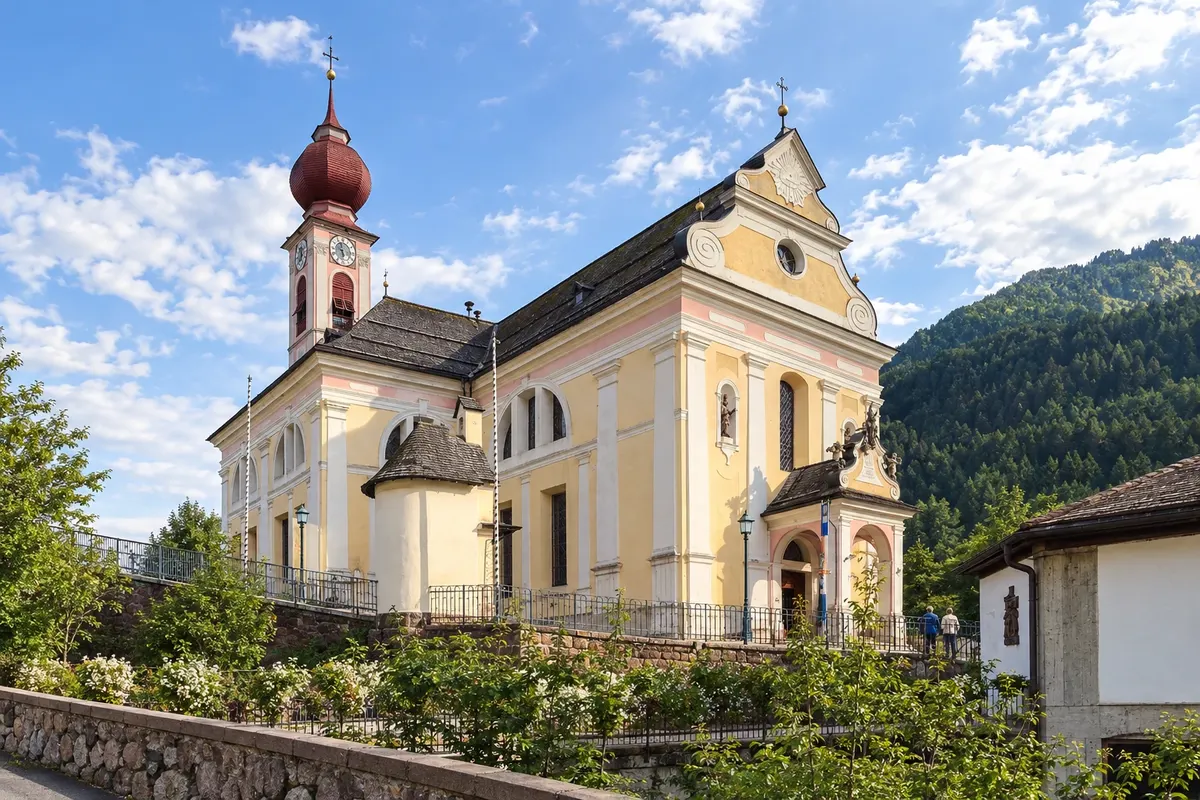
Ortisei (St. Ulrich, Urtijëi), at 1,236 m, is the capital of Val Gardena, the valley where Ladin is spoken, the Rhaeto-Romance language, and where woodcarving has been practiced for 300 years; the pedestrian street houses workshops and churches, and the Museum Gherdëina tells the Ladin and carving history, with fossils from the Sciliar. From the center, the Seceda cable car rises in two sections to 2,500 m in 15 minutes, to the viewpoint with the Odle (Geisler) ridge, the 3,000 m spires that drop like blades over the steep meadows, the most iconic image of the Dolomites, seen up close and from above. From the top, trails descend via Pieralongia and the huts (Baita Troier, Rifugio Firenze) to Col Raiser and the Santa Cristina cable car in 2 to 3 hours, or return to Seceda; the Sentiero delle Odle at the foot is the half-day circuit.

Kraji na poti: Seceda, Museum Gherdëina.

Vključuje: Cable car paid separately (round trip or one way; the Val Gardena Card includes valley cable cars for 3 or 6 days). Museum Gherdëina with admission.

Nasvet: Take the first cabin, before the midday clouds arrive; at the top it is 10 °C cooler. The cable car operates from June to October and from December to April; check the dates for the year. Bring trail shoes, a jacket and sunscreen.

Najboljši čas za obisk: From June to October for hiking; from December to April for skiing. Closed in shoulder seasons.

Alpe di Siusi: the plateau of meadows, by cable car or on foot

Odhod: Ortisei (Alpe di Siusi cable car) or Siusi (Seiser Alm Bahn) Cable car and hikes on high mountain meadows Približno 5 ur Ves dan easy (wide paths, little elevation change)

Alpe di Siusi (Seiser Alm) is the largest high-altitude pasture in Europe: 56 km² of rolling meadows between 1,680 and 2,350 m, with wooden huts, cows and flowers, ringed by the Sassolungo (Langkofel) at 3,181 m, the Sassopiatto and the Sciliar, the flat-topped rock with two teeth that is the symbol of South Tyrol. The Ortisei cable car climbs to Mont Sëuc in 12 minutes; the Siusi cable car reaches Compatsch, the plateau’s center; from there, wide, flat paths lead to huts (Gostner Schwaige, Malga Sanon, Rifugio Molignon) in 1–2 hours, and the Panorama cable car and the Florian chairlift take you to viewpoints. In summer the road to the plateau is closed to outside cars between 9:00 and 17:00; in winter it is the valley’s largest cross-country skiing area and an alpine resort linked to Dolomiti Superski. It’s the outing for those who want the Dolomites without effort.

Kraji na poti: Alpe di Siusi, Sassolungo.

Vključuje: Cable cars are paid separately (included in the Val Gardena Card and the Seiser Alm Card). Hikes are free; food at the huts is extra.

Nasvet: Take the cable car from Ortisei and descend via Siusi, or do the crossing to Saltria and Sassolungo. In summer, start early; the huts serve lunch until 3:00 PM. A stroller can negotiate the main paths.

Najboljši čas za obisk: From June to October; December to April with snow. Closed in the shoulder seasons from April to May and from October to November.

Prikaži dodatne izlete (6)

Sassolungo and Passo Sella: the standing cabin and the Torri del Sella

Odhod: Passo Sella (bus from Ortisei, Selva or Canazei) Cable car and high-mountain trail Približno 4 ure Dopoldne difficult (rocky trail, at 2,700 m)

Passo Sella, at 2,218 m, between Val Gardena and Val di Fassa, is the pass of the Torri del Sella, the three rock teeth beside the road, and the base of the Sassolungo (Langkofel), the 3,181 m massif that dominates Val Gardena. From the pass a 'standing-cabin' lift (the Cabinovia Forcella Sassolungo, two-person, standing, from 1970) rises in 10 minutes to the Forcella, at 2,681 m, the notch between Sassolungo and Sassopiatto, with the Rifugio Toni Demetz; from there a rocky trail descends through the glacial valley to Rifugio Vicenza and around Sassolungo, 5 to 6 hours for experienced hikers, or you can return to the road. The Città dei Sassi, the rock blocks fallen at the foot of the pass, has an easy 1-hour trail; Passo Sella is part of the Sellaronda, the circuit around the Sella massif over four passes, for skiing in winter and cycling in summer, when the road is closed to motor traffic on some days.

Kraji na poti: Sassolungo, Seceda.

Vključuje: Cabin lift paid separately (one way or return); trails free; buses paid separately (Mobilcard). Mountain huts with food charged separately.

Nasvet: The standing cabin is not for those with vertigo; the Sassolungo loop requires boots, a map and good weather. For an effortless view, Passo Sella already serves as the lookout. Check the 'Sellaronda Bike Day' dates (road closed to cars) in summer.

Najboljši čas za obisk: From June to September (the cabin) and in winter for skiing; check the seasonal opening.

Cortina d'Ampezzo: the village, the basilica and the Tofana and Faloria cable cars

Odhod: Corso Italia, Cortina d'Ampezzo Hike and cable car Približno 4 ure Dopoldne ali popoldne Lahko

Cortina d'Ampezzo, at 1,224 m in an amphitheater of mountains (Tofane, Cristallo, Sorapis, Faloria), is the “queen of the Dolomites,” a winter resort for the 1956 and 2026 Games, with the pedestrian Corso Italia, shops, the Basilica dei Santi Filippo e Giacomo (1775) whose 65 m bell tower defines the square, and the Rimoldi modern art museum; the Museo delle Regole, the old community of families that manages the forests, tells the village’s history. From the center, the Faloria cable car climbs to 2,123 m in 10 minutes, with the whole village below and trails to Rifugio Faloria; the Freccia nel Cielo, up Tofana di Mezzo, reaches 3,244 m in three stages, the “Dolomites’ terrace,” with views of Lagazuoi, the Tre Cime and the Austrian Alps. Summer Cortina is for hiking and cycling; in winter, the 2026 Games upgraded slopes and the bobsleigh track.

Kraji na poti: Basilica dei Santi Filippo e Giacomo, Cinque Torri.

Vključuje: Self-guided hike; cable cars paid separately (Faloria and Tofana, round trip); museums require admission.

Nasvet: Go up to the Tofana only with clear skies (check the webcams on the Freccia nel Cielo website); there may be snow at the top in July. The village is expensive in August and at Christmas; June and September are quieter. The local bus serves the cable car stations.

Najboljši čas za obisk: June to September for hiking; December to March for skiing. Cable cars close during shoulder seasons.

Tre Cime di Lavaredo: the circuit around the three towers

Odhod: Rifugio Auronzo (toll road from Misurina or bus from Cortina/Dobbiaco) High-mountain circular trail about 4 hours (10 km) Ves dan moderate (300 m elevation gain, at 2,300 m)

The Tre Cime di Lavaredo (Drei Zinnen) are the three rock towers (the Grande is 2,999 m) that are the symbol of the Dolomites, a UNESCO site, on the border between Veneto and South Tyrol. The classic route, numbers 101 and 105, starts at Rifugio Auronzo, at 2,320 m, at the end of the toll road that climbs from Misurina, skirts the towers on the south to Rifugio Lavaredo and Forcella Lavaredo, from where the three north faces, 500 m vertical, appear head-on; it continues to Rifugio Locatelli (Dreizinnenhütte), the classic photo spot, with World War I trenches carved into the rock, and returns via the north side, about 10 km and 4 hours, on a wide stony path. On summer weekends the Auronzo parking fills before 9:00 and the road is closed; the bus from Cortina (via Misurina) and from Dobbiaco reaches the rifugio in season.

Kraji na poti: Tre Cime di Lavaredo, Lago di Braies.

Vključuje: Toll road paid separately (per car, includes parking); buses paid separately, with bookings required in some periods; trail free of charge. Rifugios with food charged separately.

Nasvet: Leave early or take the bus: the toll stop stops admitting cars when the parking fills. Bring a jacket, water and trail shoes; snow can remain on the route until June and return in September. On low-cloud days the towers may not be visible.

Najboljši čas za obisk: From mid-June to mid-October, when the road is open; July and August are crowded; September combines good weather and fewer people.

Lago di Braies: the green lake among the mountains

Odhod: Braies (bus from Dobbiaco or Villabassa; car with parking reservation) Walk around the lake and boat Približno 3 ure early morning easy (3.5 km, wooden steps)

Lago di Braies (Pragser Wildsee), at 1,496 m, in the Fanes-Sennes-Braies Nature Park, is the emerald-green water lake at the foot of the Croda del Becco, with the 1899 hotel and the wooden pier for rowboats—the image the series 'Un passo dal cielo' and social media made the most sought-after in the Dolomites. The circuit around the lake, 3.5 km, takes 1 to 1.5 hours on a dirt path with sections of wooden stairs on the east shore, and has benches and a chapel on the north side; rowboats are rented by the half hour in season, with a line early. From July to September the access road is closed to outside cars between 9:30 and 16:00, with online parking reservations or buses from Dobbiaco and Villabassa. Trails from the lake climb to Rifugio Biella and Croda del Becco, 3 to 4 hours, for experienced hikers.

Kraji na poti: Lago di Braies, Tre Cime di Lavaredo.

Vključuje: Lake with no entrance fee; parking paid separately, with reservation in high season; boats paid separately; buses paid separately.

Nasvet: Arrive before 8:00 or after 17:00; at midday in summer the path around the lake gets crowded. On the provincial website you reserve a car slot and check the annual access plan. In October the lake falls silent and the larches turn yellow; in winter it freezes.

Najboljši čas za obisk: From June to October; from July to September access is controlled; winter gives a different landscape.

Cinque Torri and Lagazuoi: the First World War trenches and the Passo Falzarego cable car

Odhod: Passo Falzarego (bus from Cortina) and Bai de Dones Funiculars and museum-trails Približno 5 ur Ves dan moderate (altitude; tunnel requiring a flashlight)

Passo Falzarego, at 2,105 m and 15 km from Cortina, was the frontline between Italians and Austrians from 1915 to 1917, and the surrounding mountains are open-air museums of the First World War. The Cinque Torri, the five rock towers up to 2,361 m, reached by the Bai de Dones chairlift or by a one-hour trail, have restored Italian trenches, posts and shelters with information panels around them, in a 1 h 30 circuit among the towers; they are also a climbing school. Rifugio Scoiattoli sits at their base. Lagazuoi, on the other side of the pass, goes up by cable car to 2,752 m in 4 minutes for a 360-degree view (Marmolada, Tofane, Civetta); from there you descend the Galleria del Lagazuoi, the 1 km tunnel dug into the rock by Italians to undermine Austrian positions, with windows onto the valley, traversed with helmet and torch in about 1 h 30 back to the pass. In winter, both are part of the Grande Guerra Ski Tour.

Kraji na poti: Cinque Torri, Lagazuoi.

Vključuje: Funiculars and chairlift paid separately (Lagazuoi; Cinque Torri chairlift); trails and trenches free of charge; helmet and flashlight for the tunnel can be rented at the Lagazuoi station. Bus fares paid separately.

Nasvet: Do the Cinque Torri in the morning and Lagazuoi in the afternoon, descending through the tunnel only when the weather is dry and with a flashlight; the tunnel is dark, wet and steep. The Cortina–Falzarego bus has few departures: check the timetable. In August the pass road can be congested.

Najboljši čas za obisk: From June to September (funiculars and tunnel); winter use is for skiing.

Lago di Sorapis: the trail to the milky-blue lake

Odhod: Passo Tre Croci (bus from Cortina) Peš do slapa in nazaj about 5 hours (12 km) Dopoldne moderate (sections with cables, 400 m)

Lago di Sorapis, at 1,925 m, is the milky-blue water lake—color caused by glacier-ground rock—nestled beneath the walls of Sorapis and the Dito di Dio (the Finger of God), 12 km from Cortina. Trail 215 starts at Passo Tre Croci, at 1,805 m, and climbs 2 hours through forest and then along a ledge with sections protected by steel cables and metal ladders above the valley, to Rifugio Vandelli and the lake, 6 km one way; return the same way. It is not long nor very steep, but the exposed sections require a steady step, and in summer the trail becomes congested; the lake shrinks late in summer and freezes in winter. Swimming and camping are not allowed: it is a reserve. The Cortina bus to Passo Tre Croci runs in season.

Kraji na poti: Lago di Sorapis, Cinque Torri.

Vključuje: Trail with no entrance fee; bus paid separately; Rifugio Vandelli food paid separately (open June to September).

Nasvet: Leave at 7:00 or 8:00: after 10:00 the ledge becomes a queue. Hiking boots, water and a jacket; on rainy or icy days the trail is not passable. Overnight at Rifugio Vandelli with reservation to see the lake at dawn.

Najboljši čas za obisk: From mid-June to September; in July and August it gets crowded; in early October the color is more intense and there are fewer people, with risk of ice.


Po dnevih

Dolomites – načrt poti. Število dni: 3, 5in7

Predlogi za načrtovanje poti. Vrstni red dni prilagodite vremenu in razpoložljivosti izletov.

3 dni · Dolomites in 3 days: Bolzano and Val Gardena

ZaFor those arriving by train who want the Dolomites without a car, via South Tyrol. · Izhodišče:Bolzano (1 night) and Ortisei (2 nights)
  1. Dan 1 · Bolzano and Renon

    Arrival in Bolzano by train (from Verona 1 h 30, from Milan 3 h, from Venice 3 h 30 with a change in Verona). Ötzi museum booked; Piazza Walther, Duomo, Via dei Portici; Renon cable car and little train to Collalbo in the afternoon, with the earth pyramids; night in Bolzano.

  2. Dan 2 · Seceda

    Bus to Ortisei (1 hour); Seceda cable car in the morning, with the Odle; hike to Col Raiser and return to Santa Cristina; Museum Gherdëina late afternoon; night in Ortisei.

  3. Dan 3 · Alpe di Siusi

    Alpe di Siusi cable car from Ortisei; walk across the meadows to the huts with Sassolungo facing you; descent via Siusi and bus back to Bolzano for the train, or night in Ortisei.

5 dni · Dolomites in 5 days: Val Gardena and Cortina
ZaBoth sides of the Dolomites, by car or by summer bus. · Izhodišče:Ortisei (2 nights) and Cortina d'Ampezzo (3 nights)
  1. Dan 1 · Bolzano and Ortisei

    Arrival in Bolzano; Ötzi museum and historic center in the morning; bus or car to Ortisei; Alpe di Siusi in the afternoon via the Ortisei cable car.

  2. Dan 2 · Seceda and Passo Sella

    Seceda early in the morning; Passo Sella in the afternoon, with the standing cable car to Forcella Sassolungo or the Città dei Sassi trail; night in Ortisei.

  3. Dan 3 · Road to Cortina

    Drive along Passo Gardena, Corvara and Passo Falzarego (the Grande Strada delle Dolomiti, about 3 h with stops), with the Cinque Torri en route; or bus from Bolzano to Cortina via Dobbiaco. Village and Faloria late in the afternoon.

  4. Dan 4 · Tre Cime and Braies

    Tre Cime di Lavaredo in the morning (bus or early toll road); Lago di Braies in the late afternoon, after 5:00 p.m.; night in Cortina.

  5. Dan 5 · Lagazuoi or Sorapis

    Lagazuoi by cable car with the Great War tunnel, or the trail to Lago di Sorapis; Tofana if the sky is clear; exit via Venice (2 h 30 bus) or Dobbiaco (train).

7 dni · Dolomites in 7 days: the full crossing
ZaOne week by car or bus, from Bolzano to Cortina at a relaxed pace. · Izhodišče:Bolzano (2 nights), Ortisei (2), Cortina (3)
  1. Dan 1 · Bolzano

    Arrival. Ötzi museum booked, Piazza Walther, Duomo, Portici and the market; Castel Roncolo in the afternoon; night in Bolzano.

  2. Dan 2 · Renon and Firmiano

    Renon cable car, little train and earth pyramids in the morning; Castel Firmiano and the Messner Mountain Museum in the afternoon; night in Bolzano.

  3. Dan 3 · Val Gardena: Seceda

    Bus or car from Bolzano to Ortisei in the morning (about 1 hour); Seceda cable car with the sky still clear, Odle path to Col Raiser and return via Santa Cristina; Museum Gherdëina and the wood workshops late afternoon; night in Ortisei.

  4. Dan 4 · Alpe di Siusi and Passo Sella

    Alpe di Siusi in the morning, by the cable car from Ortisei, with the walk among the huts and the Sassolungo ahead; bus to Passo Sella in the afternoon, with the standing cable car to Forcella or the easy Città dei Sassi trail; night in Ortisei.

  5. Dan 5 · Grande Strada delle Dolomiti and Cinque Torri

    Drive along the Gardena and Falzarego passes to Cortina, with the Cinque Torri and the trenches on the way; Cortina at dusk, with the basilica and the Corso.

  6. Dan 6 · Tre Cime and Braies

    Tre Cime di Lavaredo very early, by bus or via the toll road before it gets crowded, with the full loop around the three towers (4 hours); Lago di Braies after 5:00 p.m., when access reopens and the light drops; night in Cortina.

  7. Dan 7 · Lagazuoi and Sorapis

    Lagazuoi with the Great War tunnel in the morning; Lago di Sorapis or Tofana in the afternoon; depart the next day via Venice or Dobbiaco.

Najboljši čas za obisk

Kdaj se odpraviti:Dolomites po mesecih

For hikes and cable cars, mid-June to mid-October; July and August are the busiest months. September usually has more stable weather and fewer crowds. For skiing, the season typically runs from December to March or April. Between mid-April and May and from November to early December many cable cars and refuges close for maintenance.

The seasons shown are the most usual ones; nature doesn't always follow the calendar.

januar Malo padavin

winter · skiing

Winter. At the stations of Bolzano (262 m) and Cortina d'Ampezzo (1,216 m), normals 1991–2020; at higher elevations, 2,000–3,000 m, it is 10 to 15 °C cooler: average 2 °C in Bolzano and -0.8 °C in Cortina (night lows below -5 °C), with 25 mm in Bolzano and 48 mm in Cortina, with snow. Peak ski season at Dolomiti Superski (Val Gardena, Alpe di Siusi, Cortina); ski cable cars open, summer trails closed. Lago di Braies frozen. Bring snow clothing.

februar Malo padavin

winter · skiing and sun

Winter. At the resorts of Bolzano (262 m) and Cortina d'Ampezzo (1,216 m), 1991–2020 normals; higher up, at 2,000–3,000 m, it’s 10–15 °C cooler: averages of 4.7 °C in Bolzano and -0.1 °C in Cortina, with 20 mm and 41 mm. Longer, sunnier days on the slopes; Carnival week fills the resorts. European school holidays fill the hotels.

marec Malo padavin

Konec zime · spomladanski sneg

Late winter. At the stations of Bolzano (262 m) and Cortina d'Ampezzo (1,216 m), 1991–2020 normals; at altitude, 2,000–3,000 m, it is 10 to 15 °C cooler: average 9.8 °C in Bolzano and 2.9 °C in Cortina, with 35 mm and 54 mm. Skiing until the end of the month or April, with soft snow in the afternoons; in the valley almond trees and vineyards are budding.

april Zmerne padavine

shoulder season · cable cars closed

Shoulder season. At the stations of Bolzano (262 m) and Cortina d'Ampezzo (1,216 m), 1991–2020 normals; at altitude, 2,000–3,000 m, it is 10 to 15 °C cooler: average 13.7 °C in Bolzano and 6.3 °C in Cortina, with 50 mm and 74 mm. Ski resorts close and the summer cable cars have not yet opened; high trails still have snow. Good season only for Bolzano, Renon and the castles. Easter in Bolzano and Merano.

maj Zmerne padavine

spring · green meadows, still snowy higher up

Spring. At the stations of Bolzano (262 m) and Cortina d'Ampezzo (1,216 m), normals 1991–2020; higher up, at 2,000–3,000 m, it is 10 to 15 °C cooler: averages of 17.9 °C in Bolzano and 10.5 °C in Cortina, with 72 mm and 113 mm. Meadows and flowers in the valleys, snow on trails above 2,000 m; summer cable cars open at the end of the month or in June. Low activity; some hotels in Cortina closed.

junij Veliko padavin

early summer · trails opening

Early summer. At the stations of Bolzano (262 m) and Cortina d'Ampezzo (1,216 m), normals 1991–2020; higher up, at 2,000–3,000 m, it is 10 to 15 °C cooler: averages of 21.7 °C in Bolzano and 14.2 °C in Cortina, with 87 mm and 115 mm, occurring in afternoon storms. Cable cars and rifugi open in the second half of the month; the Tre Cime road opens; residual snow on high trails. Days with 16 hours of daylight. One of the best months to hike with few people.

julij Veliko padavin

summer · trails and storms

Summer. At the stations of Bolzano (262 m) and Cortina d'Ampezzo (1,216 m), normals 1991–2020; higher up, at 2,000–3,000 m, it is 10 to 15 °C cooler: averages of 23.4 °C in Bolzano and 16.1 °C in Cortina, with 87 mm and 127 mm. All cable cars and rifugi open; storms almost daily in the mid-afternoon: walk in the morning and be down by 2 p.m. Lago di Braies and Tre Cime have controlled access. High activity.

avgust Veliko padavin

summer · peak and Ferragosto

Summer. At the stations of Bolzano (262 m) and Cortina d'Ampezzo (1,216 m), normals 1991–2020; higher up, at 2,000–3,000 m, it is 10 to 15 °C cooler: averages of 23.1 °C in Bolzano and 16 °C in Cortina, with 88 mm and 143 mm, the wettest month in Cortina, mainly as storms. This is the peak season: Cortina, Ortisei and the famous trails are crowded, parking lots full, rifugi reservations required months in advance. Ferragosto is on August 15. If possible, many choose September.

september Zmerne padavine

late summer · ideal month

Late summer. At the stations of Bolzano (262 m) and Cortina d'Ampezzo (1,216 m), normals 1991–2020; higher up, at 2,000–3,000 m, it is 10 to 15 °C cooler: averages of 18.5 °C in Bolzano and 11.8 °C in Cortina, with 70 mm and 107 mm. More stable skies, fewer storms, trails empty after the first week, cable cars open until the end of the month or October; the first larches turning yellow at altitude. For many, the favorite month in the Dolomites.

oktober Zmerne padavine

autumn · golden larches and closures

Autumn. At the stations of Bolzano (262 m) and Cortina d'Ampezzo (1,216 m), normals 1991–2020; at higher elevations, 2,000–3,000 m, it is 10 to 15 °C cooler: average 13 °C in Bolzano and 7.9 °C in Cortina, with 82 mm and 121 mm. Golden larches on the Alpe di Siusi and at Braies, first snows at altitude; cable cars close during the month and the Tre Cime road shuts. Törggelen (chestnuts and new wine) in the valleys.

november Veliko padavin

shoulder season · everything closed

Shoulder season. At the stations of Bolzano (262 m) and Cortina d'Ampezzo (1,216 m), normals 1991–2020; at higher elevations, 2,000–3,000 m, it is 10 to 15 °C cooler: average 6.8 °C in Bolzano and 3.1 °C in Cortina, with 81 mm and 132 mm. Cable cars and mountain huts closed, hotels on pause, snow arriving. Only Bolzano is worth a visit, with the Christmas market opening at the end of the month.

december Malo padavin

winter · Christmas and slopes opening

Winter. At the stations of Bolzano (262 m) and Cortina d'Ampezzo (1,216 m), normals 1991–2020; at higher elevations, 2,000–3,000 m, it is 10 to 15 °C cooler: average 2.2 °C in Bolzano and -0.2 °C in Cortina, with 40 mm and 62 mm, with snow in the mountains. Christmas markets in Bolzano, Merano and Bressanone (usually from late November to January 6); slopes open at the start of the month; Christmas and New Year fill Cortina and Ortisei.

Načrtujte pot

Kako do tja:Dolomites

By train: Bolzano and the Brennero line

Bolzano is on the Brennero line (Verona–Innsbruck): from Verona about 1 h 30, from Milan about 3 h, from Rome about 4 h 30 to 5 h, from Venice about 3 h 30 (with a change in Verona), from Munich about 4 h. Ortisei and Val Gardena have no train service: bus from Bolzano (about 1 hour) or from Chiusa/Ponte Gardena, the nearest station. Cortina has no train: the nearest stations are Calalzo di Cadore (1 hour by bus) and Dobbiaco (Toblach), on the Pusteria line, 50 minutes by bus. Buy long‑distance trains in advance; regional trains have no reservation.

By car: the Grande Strada delle Dolomiti and the passes

A car gives freedom in the Dolomites, but in summer the pass roads and parking at popular sites fill up. The A22 Brennero links Verona to Bolzano (1 h 30) and the Brenner; from Bolzano to Ortisei it is 40 km (1 hour via Val Gardena); the Grande Strada delle Dolomiti (SS241, SS48) goes from Bolzano to Cortina via Canazei and the Pordoi and Falzarego passes, about 3 h 30 without stops; Cortina–Venice, 160 km via SS51 and A27 (2 h 30). Tolls on the A22 and A27. Controlled access in summer: Lago di Braies (parking reservation), Tre Cime (toll and closure when full), Alpe di Siusi (road closed by day to outside cars). Winter tires or chains mandatory from November 15 to April 15.

How to get around without a car: buses, cable cars and the cards

In Alto Adige, Südtirol Mobil buses cover all the valleys, with the Mobilcard (1, 3 or 7 days, including regional trains, buses, the cable car and the Renon train) and the Südtirol Guest Pass, provided by many accommodations, which covers public transport free during your stay. In Cortina, the town bus links the cable cars and, in summer, Dolomiti Bus and Cortina Express lines reach Misurina, Tre Cime, Passo Falzarego and Dobbiaco. Summer cable car cards (Val Gardena Card, Seiser Alm Card, Cortina Card) pay off after about three rides. In winter, Dolomiti Superski is a single pass for 12 valleys.

Reservations, controlled access and mountain safety

Ötzi Museum: time‑slot reservation online. Lago di Braies: parking reservation from July to September on the provincial website. Tre Cime: toll road that closes when full; buses require reservation on some days. Mountain huts for sleeping: reserve months in advance for July and August. On trails: afternoon storms in summer, snow up to June and from September at high elevations, and the emergency number 112; cable cars and chairlifts stop in wind. Municipalities charge a tourist tax per night, paid at your accommodation. Check the annual opening dates of the cable cars, which change.

Pred odhodom

Praktične informacije

Z nekaj načrtovanja boste imeli več časa za uživanje na poti.

Kdaj se odpraviti

For hikes and cable cars, mid-June to mid-October; July and August are the busiest months. September usually has more stable weather and fewer crowds. For skiing, the season typically runs from December to March or April. Between mid-April and May and from November to early December many cable cars and refuges close for maintenance.

The seasons shown are the most usual ones; nature doesn't always follow the calendar.

Koliko dni ostati

Allow at least 5 to 7 days: 1 or 2 in Bolzano, 2 in the Val Gardena for Seceda and the Alpe di Siusi, and 2 or 3 in Cortina d'Ampezzo for the Tre Cime, Lagazuoi and a lake. Rainy or very windy days can close cable cars, so it’s wise to include a buffer day in your itinerary.

V katerem mestu prenočiti

Bolzano has the largest accommodation offer and a direct train link, which is convenient for those arriving and departing by public transport; the historic center, near Piazza Walther and the station, keeps everything within walking distance. In the Val Gardena, Ortisei is the most complete village, with the Seceda and Alpe di Siusi cable cars departing from the center; Santa Cristina and Selva are closer to Passo Sella. In Cortina d'Ampezzo the area around Corso Italia concentrates shops, bus stops and the coach station. In the high season—summer and winter—accommodation tends to sell out early.

Spoštujte kraj

Odnesite svoje odpadke, upoštevajte oznake in podprite lokalne ponudnike. V naravi upoštevajte navodila za obiskovalce.

Odgovori na vaša vprašanja

Pogosta vprašanja – Dolomites

Do I need to rent a car in the Dolomites?

It’s not mandatory. Bolzano has train service; the Val Gardena and Cortina have regional buses and the cable cars depart from the village centers. A car gives more freedom to combine mountain passes and lakes in one day, but some roads have special rules: the Alpe di Siusi road is closed to private traffic during the day in season, and the roads to the Tre Cime and Lago di Braies require reservations for parts of the year. In town centers, look for parking outside limited-traffic zones.

Can you visit the Dolomites on a day trip?

From Bolzano you can go up to the Renon plateau or the Val Gardena and return the same day. From Venice, Cortina is a little over two hours by bus, which leaves little time in the mountains. Ideally you should spend at least two nights in a valley to make the most of the cable cars early in the morning.

What language is spoken in the Dolomites?

Italian everywhere. In Alto Adige, where Bolzano and the Val Gardena are located, German is also an official language, and Ladin—a Romance language—is spoken in the Val Gardena. That’s why signs can show two or three names: Bolzano and Bozen, Ortisei, St. Ulrich and Urtijëi. In Cortina d'Ampezzo, in Veneto, signs are in Italian.

Odkrijte druge destinacije Iskanje po zvezni državi in mestu

Več kot vodnik