Chiloé

Los Lagos · Čile

Chiloé

Island of wooden churches, stilt houses, penguins and myths, on the other side of the Canal de Chacao, south of Puerto Montt.

South

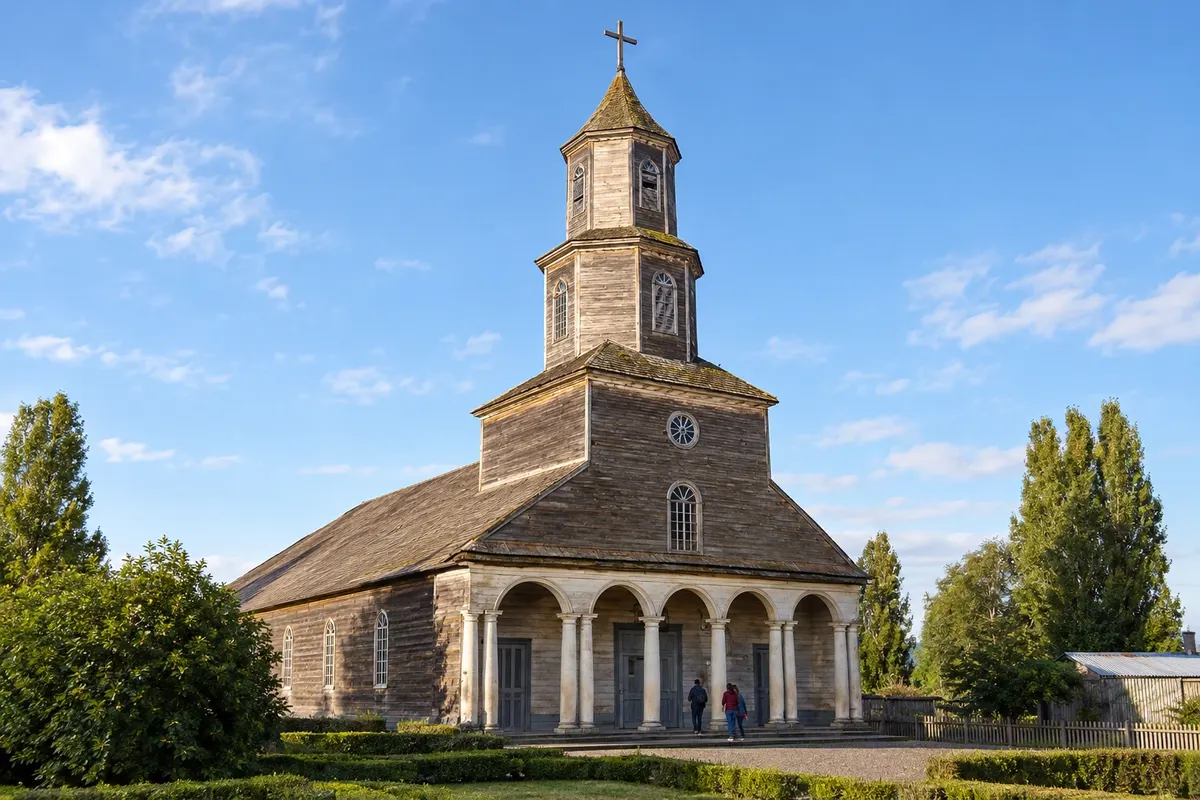
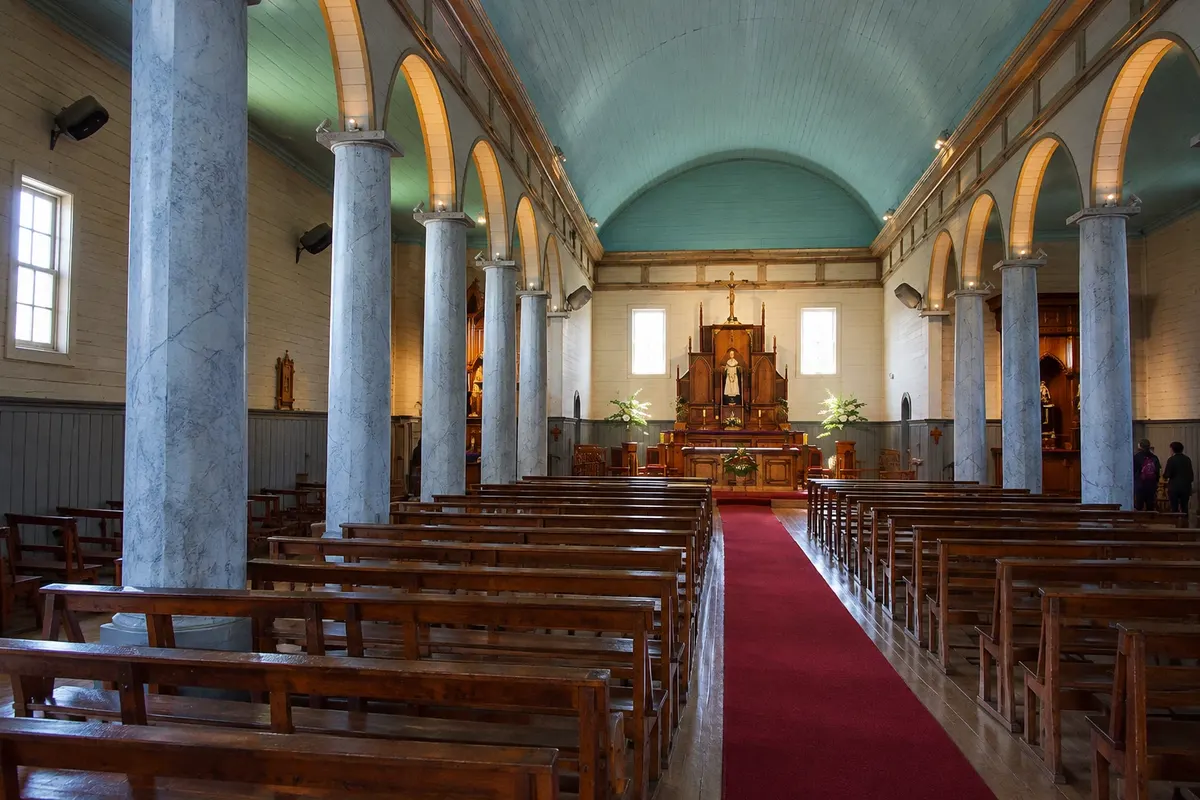
Na fotografiji: Igreja de Nossa Senhora da Graça de Nercón, Chiloé

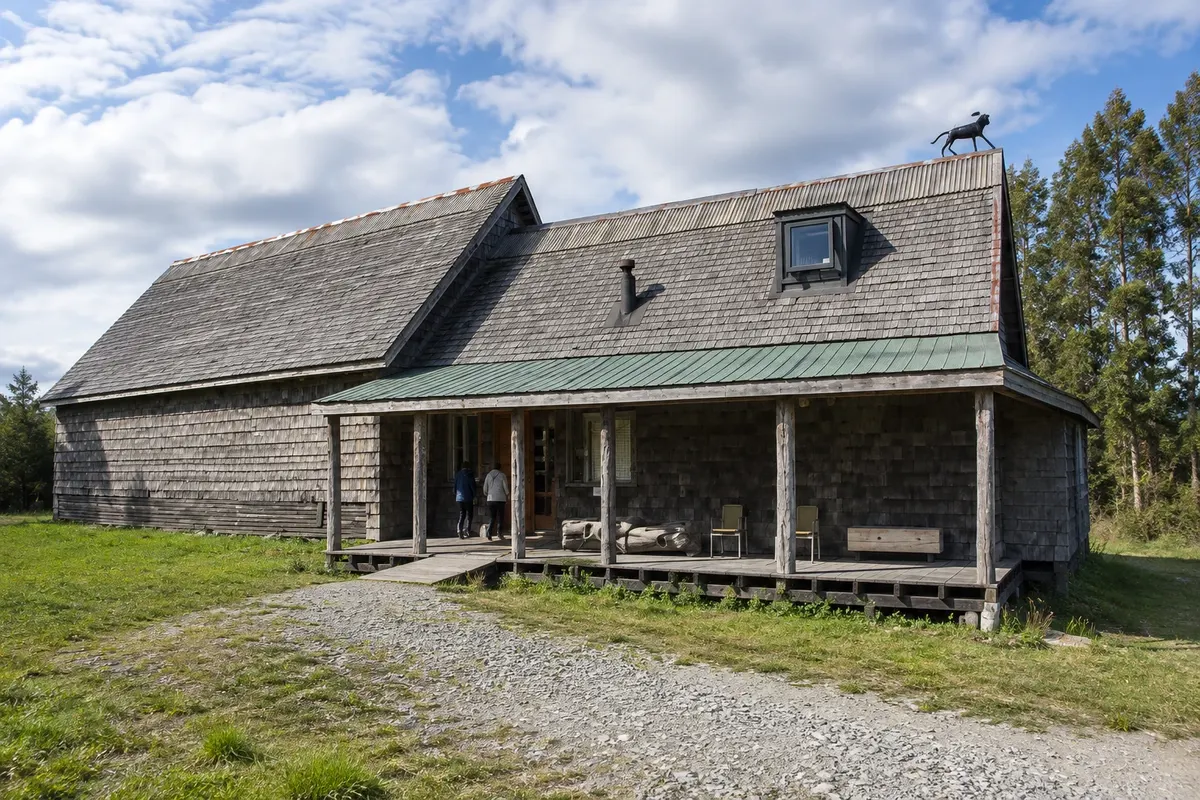
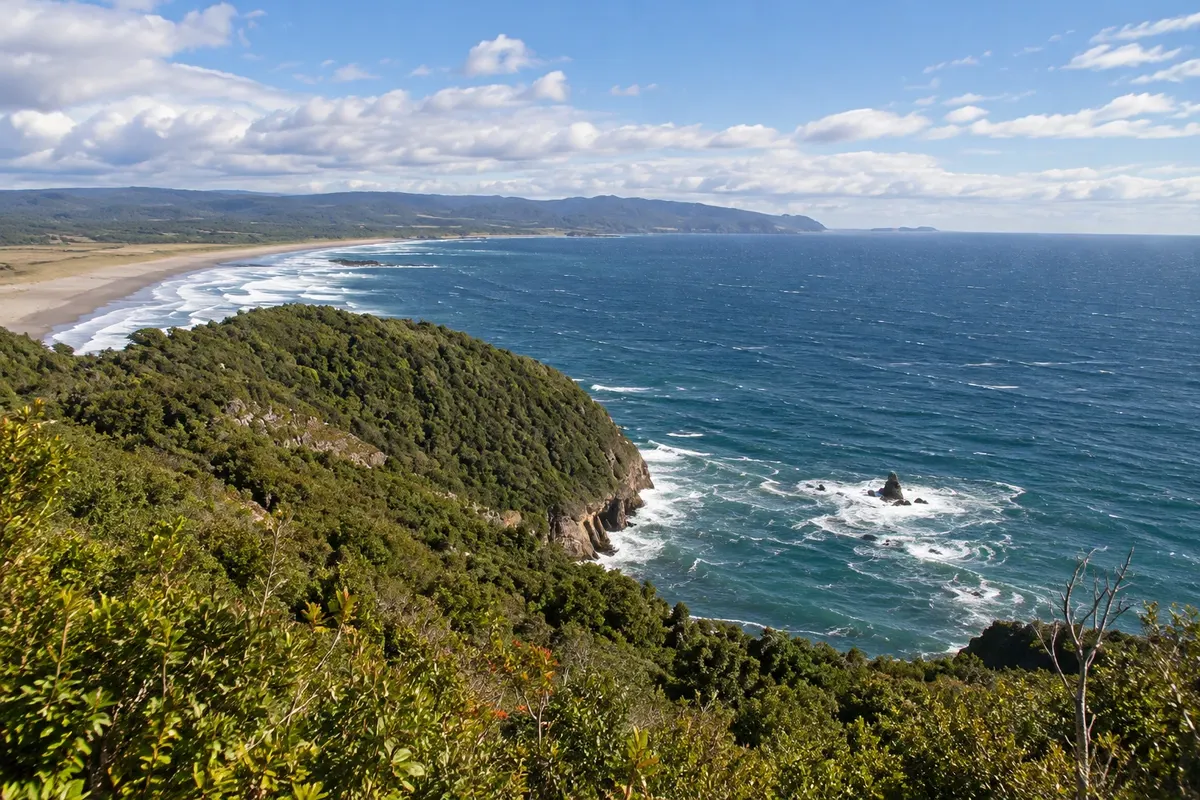
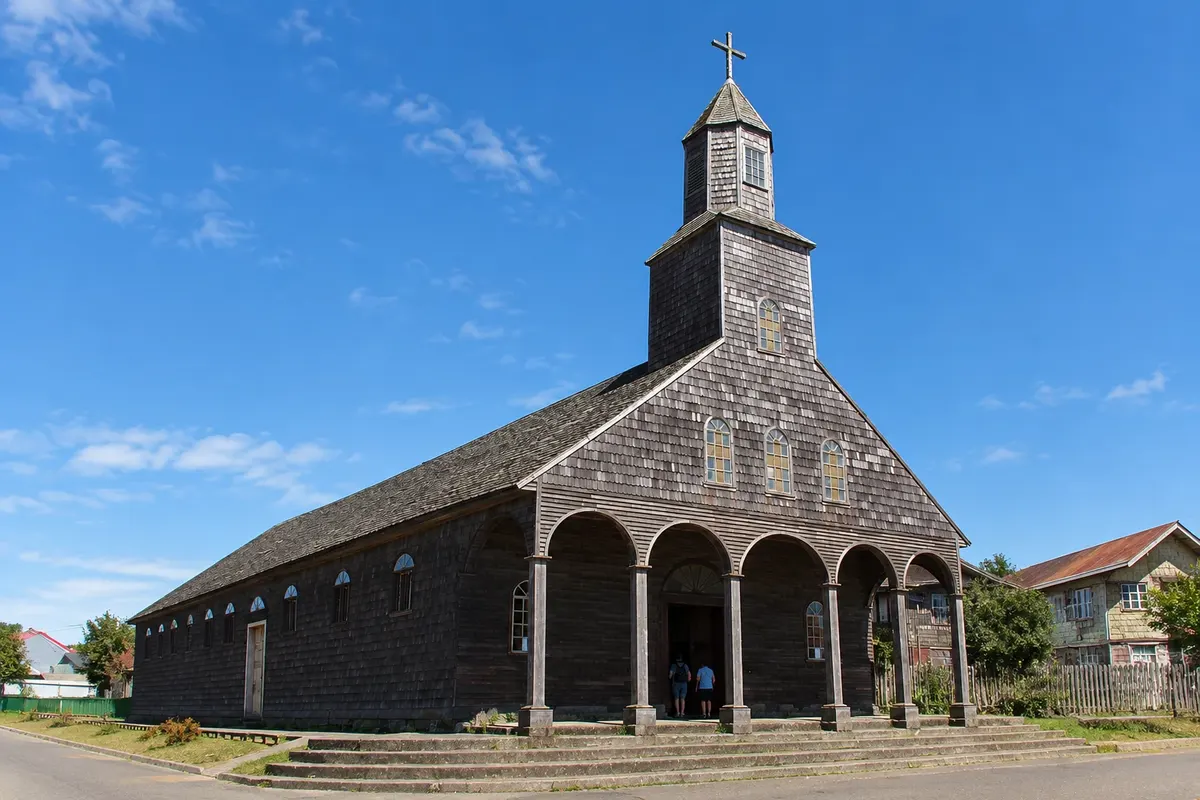
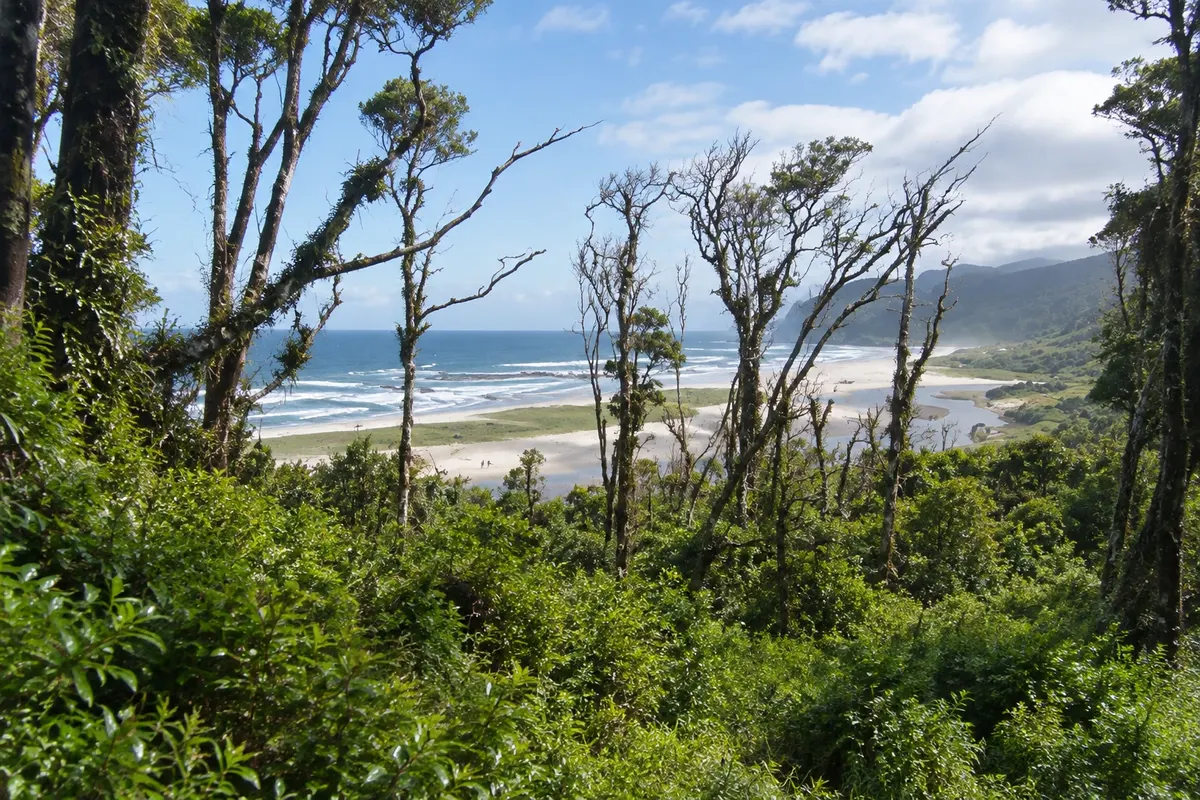
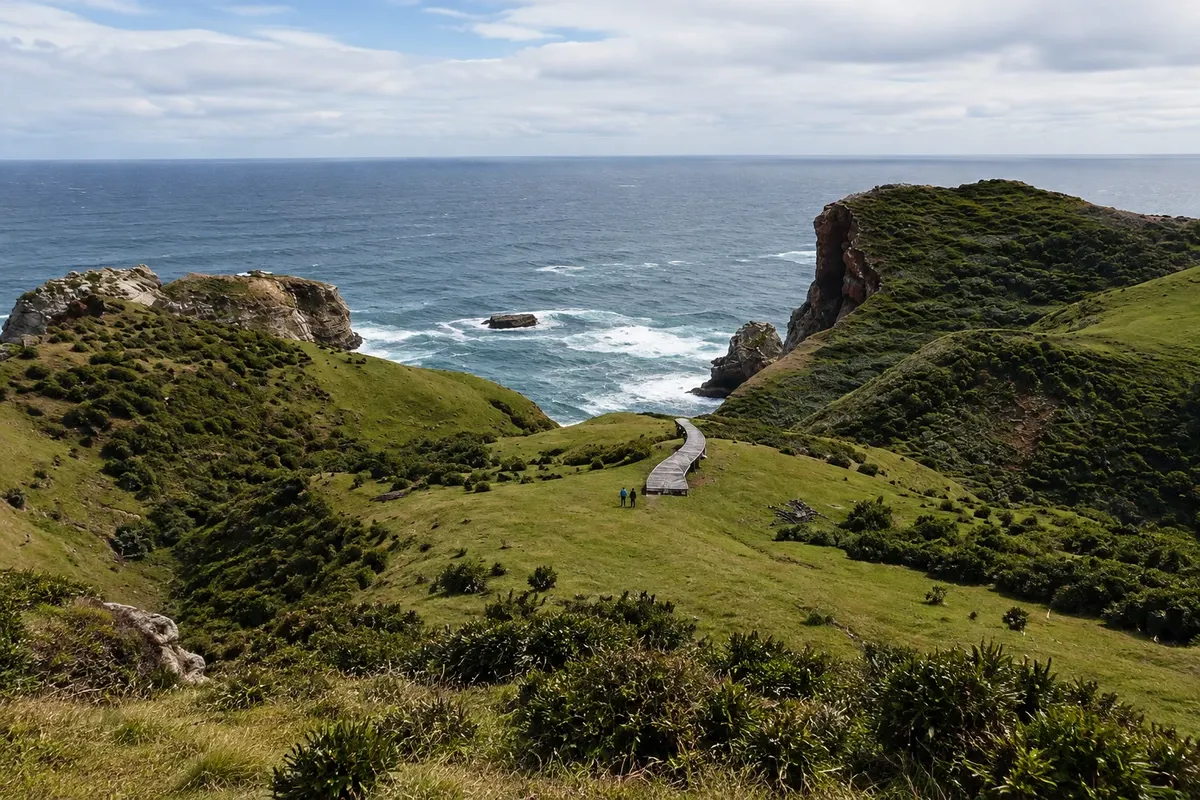
Illustrative images. The pictures in this guide are illustrations based on the real place, not photographs, and may differ from it.

Na voljo v trgovini Google Play Pošljite svoje fotografije

Spoznajte kraj

Pokrajina, ki jo doživite
v svojem ritmu.

Chiloé is an archipelago in southern Chile, in the Los Lagos Region. Isla Grande, the largest of the islands, lies just south of Puerto Montt, separated from the mainland by the Canal de Chacao, which is crossed by ferry. The climate is oceanic: it can rain in any month, the greenery is intense and the sea sets the rhythm of life in the fishing villages.

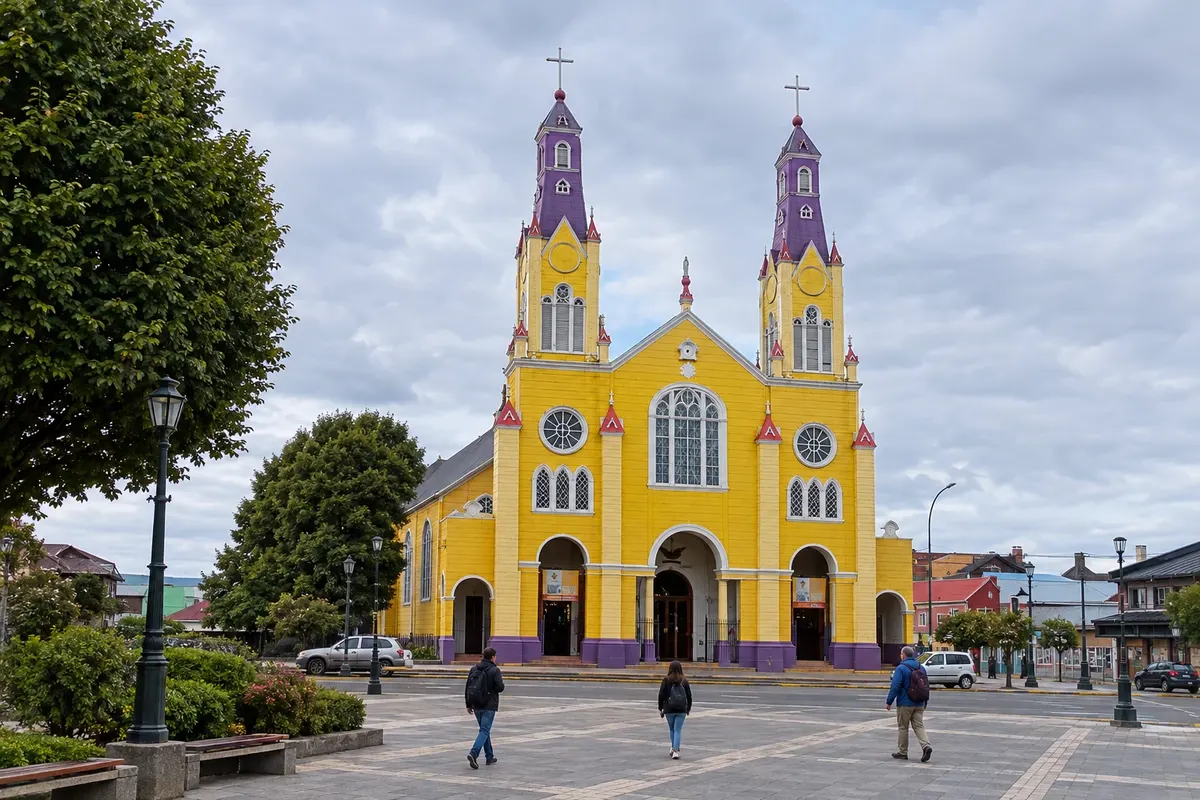
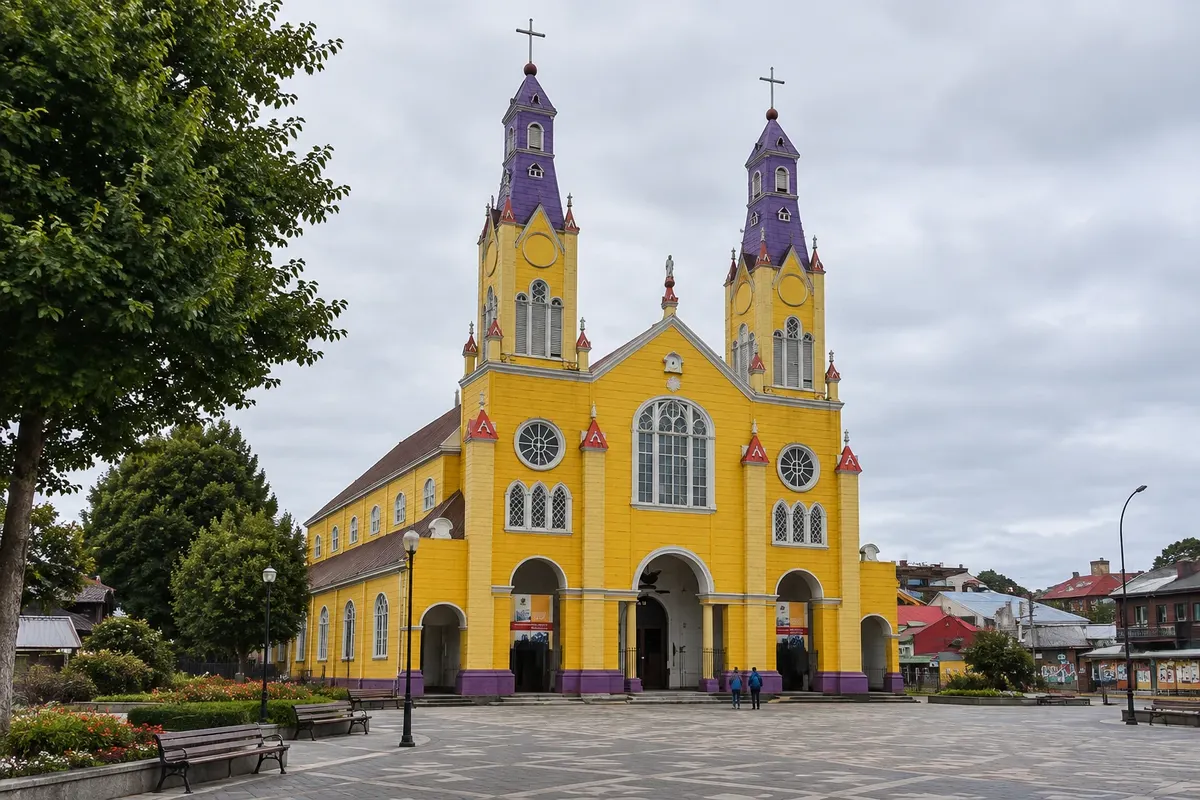
Castro, in the center of the island, is the base for most excursions. In the Plaza de Armas stands the Iglesia de San Francisco, with a yellow and lilac façade, one of the wooden churches of Chiloé inscribed as a UNESCO World Heritage Site. On the city's edges, the palafitos of Gamboa and Pedro Montt rise and fall with the tide. In the Parque Municipal, the Museo de Arte Moderno de Chiloé shows Chilean contemporary art.

Near Castro are Dalcahue, with a church with an arched portico and a craft fair on the canal's edge, and Achao, on Isla Quinchao, where the church of Santa María de Loreto preserves a carved wooden interior from the Jesuit era. On the other side of the island, on the Pacific coast, are Parque Nacional Chiloé, with access via Cucao, and the Muelle de las Almas, a wooden walkway atop a cliff.

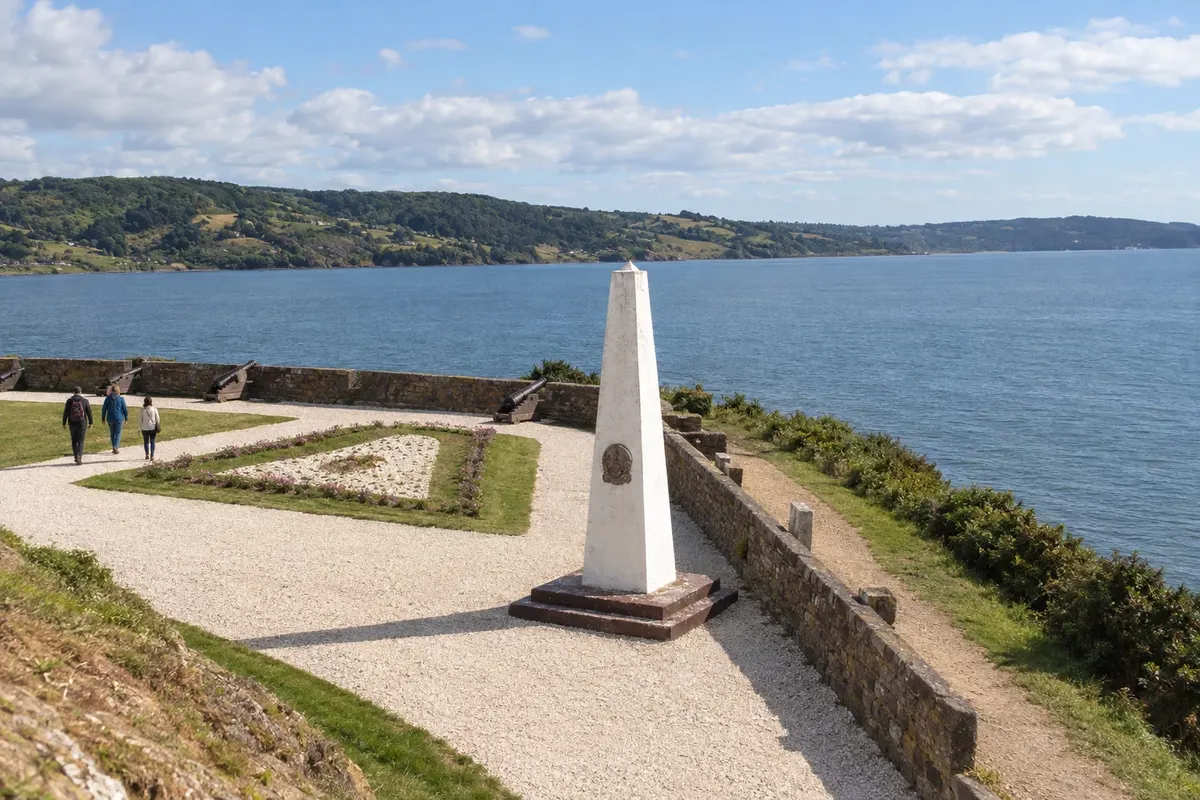
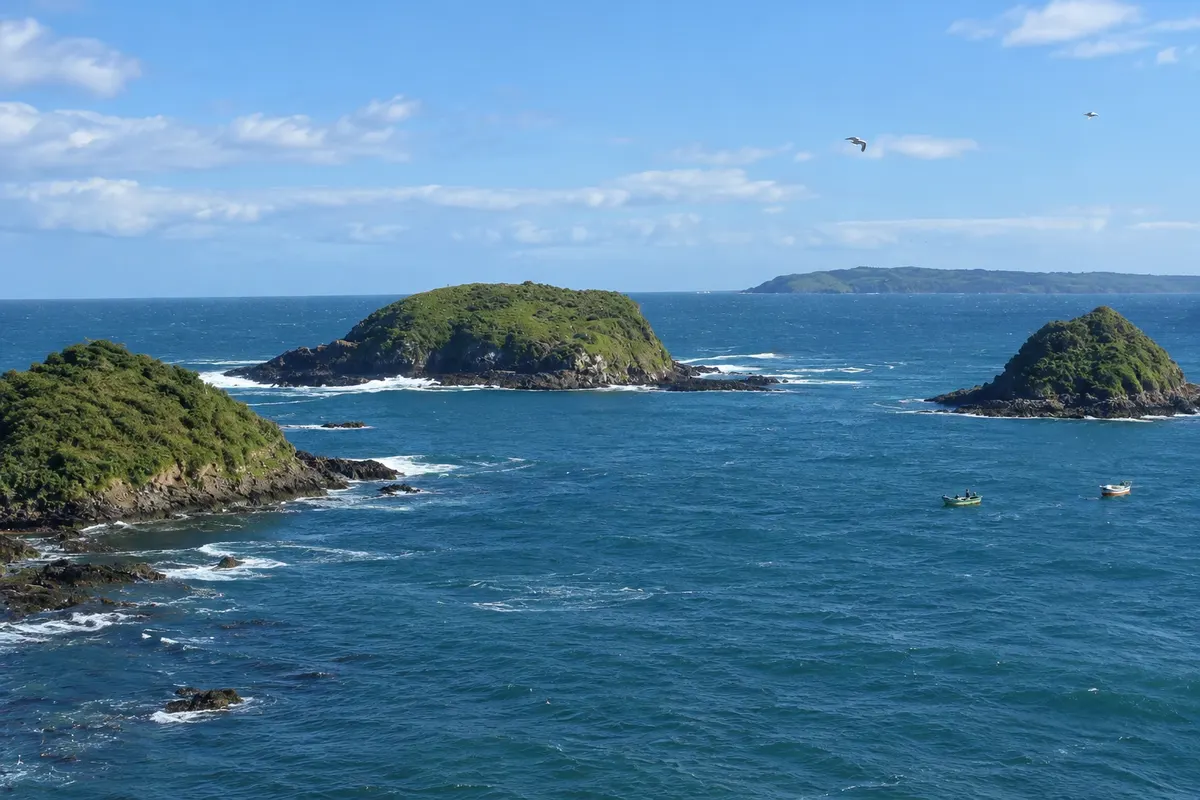
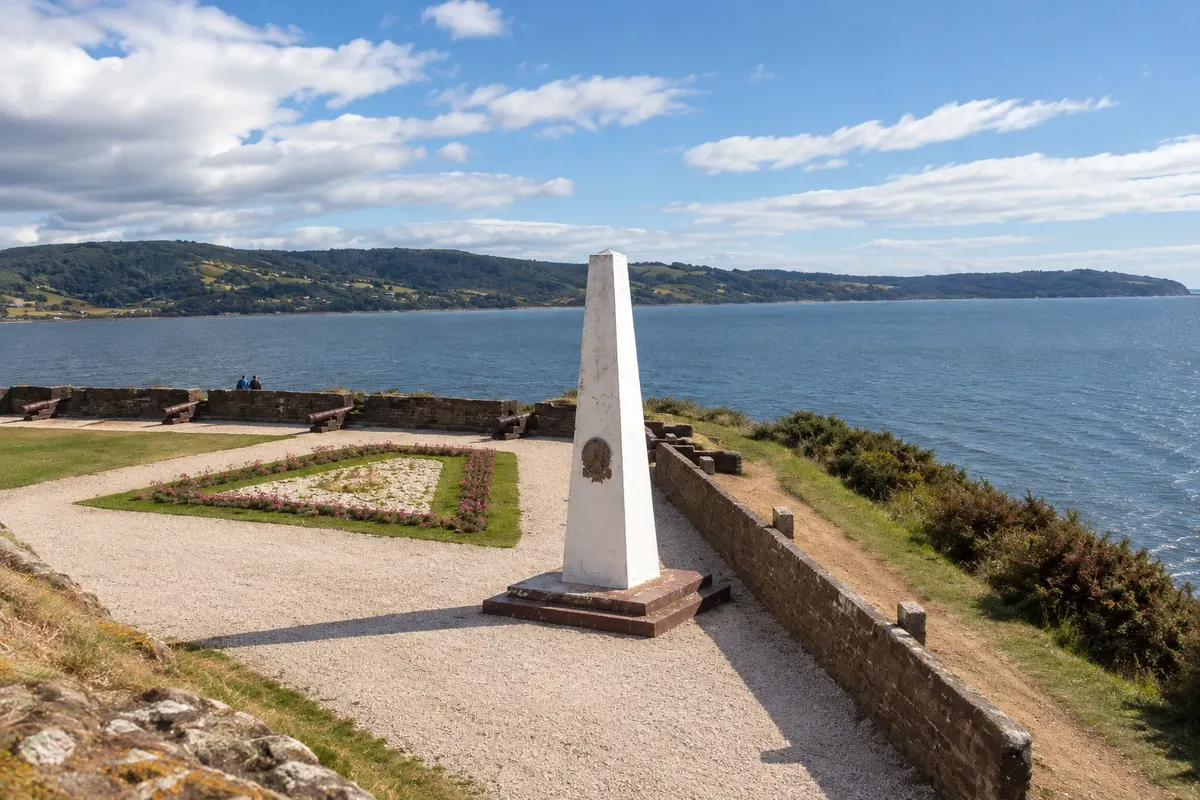
Ancud, in the north, was the last Spanish stronghold in South America and still preserves the cannons of Fuerte San Antonio. The Museo Regional de Ancud tells the archipelago's story. Less than 30 km away, boats from the Puñihuil cove circle islets where Humboldt and Magellanic penguins nest, and to the south the Chepu valley brings together river, wetland and sunken forest.

Chilote culture appears at the table and in conversations. The curanto, a stew of shellfish, meats and potatoes cooked over hot stones, is the island's dish. Locals tell stories of the Caleuche, the ghost ship, and the Pincoya, a sea spirit, which are part of the archipelago's oral tradition.

This destination brings together 2 cities: Castro, Ancud.

Delite: WhatsApp
Delite svoja popotniška doživetja s fotografijami Pošljite fotografije vsakega kraja, ki ste ga obiskali. Največje število fotografij na kraj: 5.

Ena destinacija, več poti

Mesta na tej poti

Začnite v enem mestu ali v načrt poti vključite več mest.

Chiloé – lega
AncudCastro

Obrisi: Natural Earth (javna domena). Priredba: Cidade Turismo.

Kako do tja:Chiloé

✈ Aeródromo Mocopulli (MHC), kraj: Dalcahue· 20 km do cilja (Castro)

✈ Aeropuerto El Tepual (PMC), kraj: Puerto Montt· 165 km do cilja (Castro)

There are domestic flights to the Mocopulli airfield, near Castro, and to Puerto Montt airport. From Puerto Montt, buses and cars take Ruta 5 to Pargua and cross the Canal de Chacao by ferry in about half an hour. Confirm before booking.

Predlagana točka prihoda:Castro

Doživite kraj

Kaj početi – Chiloé

Church of San Francisco de Castro
Castro · Los Lagos · Historic church

Church of San Francisco de Castro

A neo-Gothic wooden igreja in Castro’s Plaza de Armas, with a yellow and lilac façade and 42-meter towers. It is part of the churches of Chiloé listed as UNESCO World Heritage.

Puñihuil Islets Natural Monument
Ancud · Los Lagos · Wildlife observation

Puñihuil Islets Natural Monument

Three islets on the northwest coast of Chiloé where Humboldt and Magellanic penguins nest. Community boats depart from Puñihuil beach and circle the islands.

Fort San Antonio
Ancud · Los Lagos · Historic fort

Fort San Antonio

An 18th-century Spanish battery atop Ancud, with cannons facing the bay. It was Spain's last stronghold in Chile until the surrender of 1826.

Palafitos of Castro
Castro · Los Lagos · Traditional architecture

Palafitos of Castro

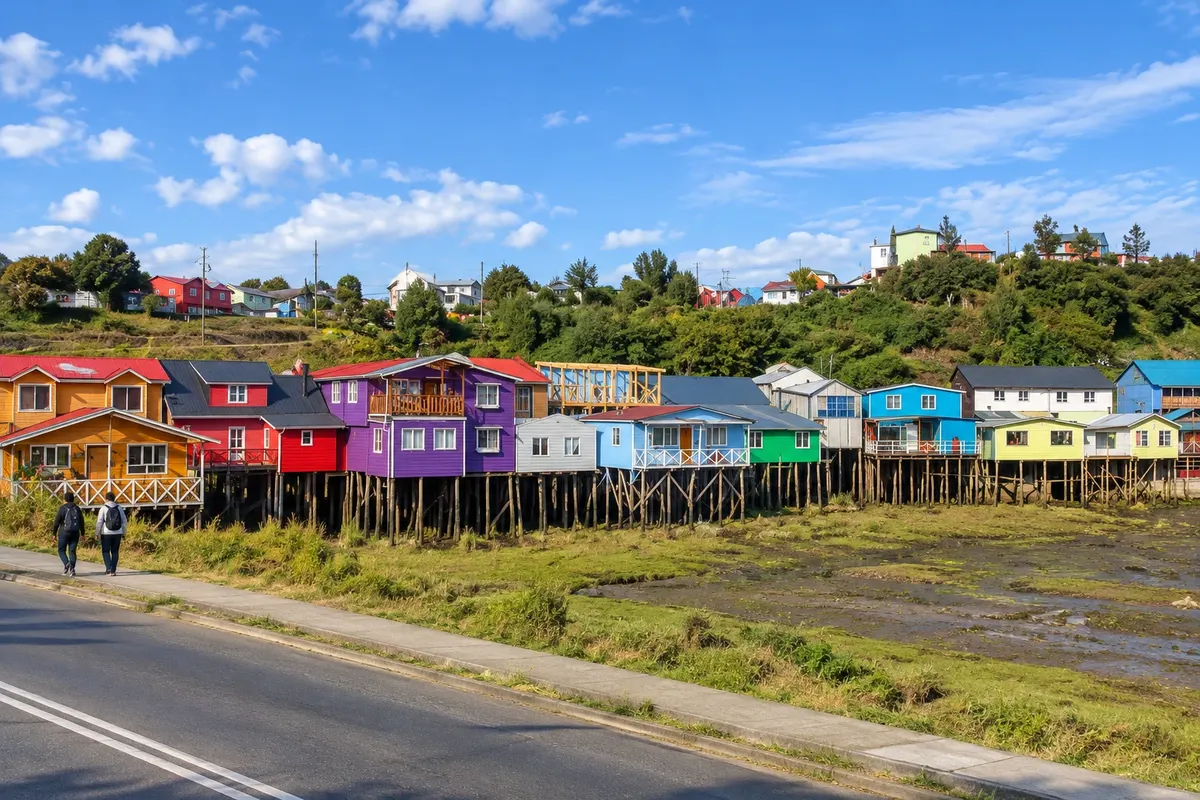
Wooden houses supported on stilts along the shore of Castro’s fjord, in the Gamboa and Pedro Montt areas, with their fronts facing the street and their backs to the sea.

Chiloé – prikaži dodatne kraje (7)
Regional Museum of Ancud
Ancud · Los Lagos · History museum

Regional Museum of Ancud

Museum on the Plaza de Armas in Ancud with collections of archaeology, basketry and textiles from Chiloé, the skeleton of a large whale and the replica of the schooner Ancud in the courtyard.

Chiloé Museum of Modern Art
Castro · Los Lagos · Art museum

Chiloé Museum of Modern Art

Contemporary art museum in the Parque Municipal de Castro, established in 1988, with a collection of Chilean artists and exhibitions that change each summer.

Chepu
Ancud · Los Lagos · Nature and birdwatching

Chepu

Valley of rivers and wetlands south of Ancud, formed when the 1960 earthquake sank the coastal forest. Kayak and boat trips take you to Muelle de la Luz and Parque Nacional Chiloé.

Church of Our Lady of Sorrows of Dalcahue
Castro · Los Lagos · Historic church and craft market

Church of Our Lady of Sorrows of Dalcahue

Wooden church with a porch of nine arches in the plaza of Dalcahue, a UNESCO World Heritage site, next to the craft market on the canal's edge, 20 km from Castro.

Church of Santa María de Loreto of Achao
Castro · Los Lagos · Historic church

Church of Santa María de Loreto of Achao

Jesuit wooden church on Isla Quinchao, dating to around 1730, assembled with wooden pegs and decorated inside with baroque-inspired carvings. UNESCO World Heritage.

Chiloé National Park
Castro · Los Lagos · National park

Chiloé National Park

Protected area on the Pacific coast with humid forest, dunes, Lago Cucao and deserted beaches. The most used entrance is the Chanquín sector, in Cucao, about 58 km from Castro.

Muelle de las Almas
Castro · Los Lagos · Viewpoint and sculpture

Muelle de las Almas

A wooden walkway that ends in the air at the top of a cliff at Punta Pirulil, south of Cucao. The work is inspired by the legend of the souls who wait for the boatman Tempilkawe.

Kaj izbrati pred odhodom

Izleti – Chiloé

Izhodišče, trajanje, potek, vključene storitve in okvirna cena vsakega izleta.

Castro centre: Plaza de Armas and Iglesia de San Francisco de Castro

Odhod: Plaza de Armas of Castro Samostojno peš Približno 2 uri Dopoldne ali popoldne Lahko

Castro is the capital of the Chiloé province and was founded in February 1567 by Martín Ruiz de Gamboa, under the name Santiago de Castro. The visit starts at Castro’s Plaza de Armas, where the Iglesia de San Francisco de Castro stands — one of the 16 wooden churches of Chiloé recognized as a UNESCO World Heritage Site in 2000. The current church was completed in 1912, designed by Italian architect Eduardo Provasoli and built by Chilote carpenters. Its style is neo-Gothic, different from the island’s rural churches. The structure is made of native timbers such as alerce, cypress and coigüe, and the facade and roof are covered with painted metal sheets in strong colors. Inside, wood is fully exposed, with raulí and olivillo finishes. It is the largest of the UNESCO-listed churches, at 52 m long. Around the square you’ll find shops, cafés and the Museo Regional de Castro, with objects made on the island and ethnography and archaeology collections. The tourism office at the square hands out a map with a walking route through the center.

Kraji na poti: Plaza de Armas of Castro, Iglesia de San Francisco de Castro, Museo Regional de Castro.

Vključuje: Walk on your own. Entry to the church is free; respect Mass times. Check on site for the museum’s visiting conditions.

Nasvet: Bring a rain poncho even in summer: in Castro the weather changes quickly. Combine this walk with the Palafitos of Castro and the craft fair, all a few blocks away.

Najboljši čas za obisk: All year. December–March has more dry days and more activity.

Palafitos of Castro: Gamboa and the north waterfront

Odhod: Castro town center Samostojno peš around 1 hour and a half Dopoldne ali popoldne Lahko

The palafitos are wooden houses on stilts that rest on the shore of Castro’s fjord: the fronts face the street and the backs are over the water, which rises and falls with the tide. Many are clad in tejuelas, the wooden shingles typical of Chiloé, and painted in different colors. The best-known group is in the Gamboa neighborhood, west of downtown; from the street viewpoint you can see the houses from the side, with the stilts exposed. Another row is on the east waterfront, north of the Plazuela del Tren, with a viewpoint at the northern tip that removes the need for a boat. There are also palafitos visible from Plazuela Henríquez in the southwest of the town. Several houses have become cafés and restaurants, and in some you can go inside to see the fjord view. At high tide the water reaches under the houses; at low tide the stilts and the mudflat are exposed, and the photos look different.

Kraji na poti: Palafitos de Castro, Palafitos de Gamboa, Plaza de Armas de Castro.

Vključuje: Self-guided walk. There is no ticket: the palafitos are houses and businesses; enter only those that are open to the public.

Nasvet: Check the tide table and try to see the Gamboa palafitos at high tide. Wear footwear that can handle rain and wet surfaces.

Najboljši čas za obisk: All year. From December to March, with more dry days, the late-afternoon light lasts longer.

Feria Lillo and Feria Yumbel: wool crafts and Castro market

Odhod: Castro town center On foot or by taxi, on your own Približno 2 uri Dopoldne Lahko

Castro has two markets with different profiles. The Feria Artesanal Lillo, near the center, brings together stalls of Chilote crafts, with hand-knitted wool items such as hats, socks, blankets and sweaters, as well as basketry and wooden objects. The Feria Yumbel (Mercado Alcalde José Sandoval Gómez), in the upper part of town, is the supply market: fruits and vegetables from the island’s small farms, fresh fish and shellfish, and household utensils. It’s the place to see up close what goes into curanto and the everyday cooking of Chiloé. Both are a few minutes from the center and pair well with a walk among the palafitos and Castro’s Plaza de Armas.

Kraji na poti: Feria Artesanal Lillo, Feria Yumbel, Palafitos de Castro.

Vključuje: Self-guided visit. There is no admission fee; purchases are paid separately.

Nasvet: Go in the morning, when the market is fullest of fresh produce. Some stalls accept cash only; bring small change.

Najboljši čas za obisk: All year. In summer, from December to February, there are more craft stalls.

Churches of Nercón and Rilán, near Castro

Odhod: Castro By taxi, local bus or car Približno 3 ure Dopoldne ali popoldne Lahko

Two of the churches on the UNESCO list are in the comuna of Castro and make for a short outing. The Iglesia de Nercón (Nuestra Señora de Gracia) is about 5 km south of the center, next to the village cemetery. It was built entirely of wood, mainly larch and cypress, with complex joinery and no metal nails. Inside, the columns and walls are painted to imitate marble, and the church houses old images and furniture. The Iglesia de Rilán (Santa María) sits on a peninsula northeast of Castro, overlooking the inner sea. It stands out for its multi-tiered tower, which decreases in size from bottom to top, and for the wooden lining with rib-like patterns that resembles the vaults of European Gothic churches. Between them, the route passes fields, small farms and houses covered with wooden shingles.

Kraji na poti: Iglesia de Nercón, Iglesia de Rilán, Castro.

Vključuje: Self-guided outing. There is no admission fee for the churches, but they may be closed outside mass times or visiting hours. Check before you go.

Nasvet: For Nercón, a taxi or local bus from Castro center will do. For Rilán, a car gives more freedom.

Najboljši čas za obisk: All year. In summer the churches are usually open more days for visits.

Dalcahue: World Heritage church and Sunday market

Odhod: Castro By bus, car or tour Približno 4 ure Dopoldne Lahko

Dalcahue is about 20 km north of Castro, on the east coast, facing Isla Quinchao. The name comes from the dalcas, the plank-bound boats used by the Chonos. In the square stands the Iglesia de Nuestra Señora de los Dolores de Dalcahue, a World Heritage site, built between 1893 and 1902 over the old chapel of a Jesuit mission. It has three naves, is 38 m long and its tower is 26.5 m tall; the exterior cladding is made of larch shingles. The façade porch has nine arches of different shapes. Inside there is a crucifix with articulated shoulders, made for the descent ceremony on Good Friday. Two blocks away, on the waterfront, is the Feria Artesanal de Dalcahue: on Sundays artisans from neighboring islands arrive with wool, basketry and carved wood pieces; there is also a market on Thursdays. Beside it, a wooden building shaped like a boat houses the cocinerías, where you can eat curanto, milcao and fish. From the pier the ferry departs to Isla Quinchao.

Kraji na poti: Dalcahue, Iglesia de Nuestra Señora de los Dolores de Dalcahue, Feria Artesanal de Dalcahue.

Vključuje: Self-guided visit or as part of a tour from Castro. Entry to the church is free. Meals and purchases are paid separately.

Nasvet: Go on Sunday morning, when the market is busiest. If you have the whole day, continue on the ferry to Achao.

Najboljši čas za obisk: All year round. On Sundays the market has more stalls, especially from December to March.

Isla Quinchao: Curaco de Vélez and Iglesia de Santa María de Loreto de Achao

Odhod: Castro Bus or car to Dalcahue and ferry to Isla Quinchao about 7 hours Ves dan Lahko

The tour begins in Dalcahue, from where the ferry crosses the channel to Isla Quinchao in a few minutes, with frequent departures throughout the day. On the island, the first stop is Curaco de Vélez, a village of old wooden houses from the time when wool and whale hunting brought money to the region; on the water’s edge there are places that serve freshly shucked oysters. The road continues over hills and fields to Achao, a former Jesuit mission. Facing the square is the Iglesia de Santa María de Loreto de Achao, built by the Jesuits around 1730 and rebuilt in 1784 after a fire. It is considered one of the oldest churches in Chile. It has three naves, is 46 m long and has a 22 m tower; the skeleton is made of mañío and cypress, with many joints held by wooden pegs. On the outside it is simple, covered with shingles; inside it has a baroque-style altarpiece and pulpit carved in wood, Solomonic columns and a wooden vault with colorful details. The patron saint’s festival is on December 10.

Kraji na poti: Dalcahue, Isla Quinchao, Curaco de Vélez, Achao, Iglesia de Santa María de Loreto de Achao.

Vključuje: Self-guided or guided tour. Vehicle ferry crossing is paid separately. Church entrance is free. Check the current schedule.

Nasvet: On the return, stop again in Dalcahue to eat at the cocinerías. From Achao’s pier boats leave for smaller islands, like Mechuque, with the fare arranged on the spot.

Najboljši čas za obisk: All year. From December to March there are more bus departures and longer days.

Prikaži dodatne izlete (10)

Chiloé National Park: Cucao, Chanquín sector and trails

Odhod: Castro Car, minibus from Castro’s municipal terminal or a tour about 8 hours Ves dan Lahka do srednje zahtevna pot

Chiloé National Park protects more than 42,000 hectares on the island’s west coast facing the Pacific. The most used entrance is Cucao, about 58 km from Castro: 24 km via Route 5 to the Notuco junction and then 34 km of paved road along Lake Huillinco and Lake Cucao, just over an hour by car. The park gate is in the Chanquín sector, next to the river of the same name, with a CONAF visitor center, a camping area and a small museum. From there short, well-marked trails depart. The Sendero El Tepual is about 2.7 km, almost entirely on wooden boardwalks over a flooded forest of tepú, a tree with reddish, twisted trunks; it takes 40 minutes to 1 hour. The Sendero Dunas de Cucao, about 1 km, crosses the forest to the dunes and the open Pacific beach. The Sendero Los Quiles, about 500 m, has a viewpoint over Lake Cucao. For those wanting a longer walk, the Huentemó–Cole Cole trail is about 12 km, takes around 7 hours and reaches Cole Cole beach. The forest is Valdivian temperate rainforest, with arrayán, tepa and alerce. Among the animals are the pudú, one of the world’s smallest deer, and Darwin’s fox (Chilote fox), threatened with extinction; there is no guarantee of seeing them. Huilliche communities live in the area and participate in tourism together with CONAF.

Kraji na poti: Chiloé National Park, Cucao, Chanquín, Lake Cucao, Sendero El Tepual, Sendero Dunas de Cucao.

Vključuje: There is an entrance fee from CONAF, purchased at the park gate. Transport, guide and meals are paid separately. Check the current schedule.

Nasvet: Bring a raincoat, waterproof footwear and a snack: in Cucao there are few places to eat. Combine the day with the Muelle de las Almas, a few kilometers to the south.

Najboljši čas za obisk: All year. From December to March there are more dry days; from May to August it rains a lot and the trails become muddy.

Muelle de las Almas, near Cucao

Odhod: Cucao Car or organized tour to the parking area and hike on foot about 2½ hours Dopoldne ali popoldne moderate (ups and downs)

The Muelle de las Almas (Pier of Souls) is a wooden sculpture in the shape of a pier that ends in midair, atop a cliff over the Pacific, near Punta Pirulil, south of Cucao. It was created by Chilean sculptor Marcelo Orellana Rivera and was inspired by a legend from Chilote mythology: the souls of the dead went to these cliffs and called the Tempilkawe, a ferryman who carried them to the other side of the sea, paid with polished beach stones. Access is across land owned by local residents. From Cucao the road goes south; the last kilometers are unpaved, with a steep climb. At the top there are parking areas and a kiosk where the entrance fee is paid. From the parking to the pier it is about 2 km of trail, roughly 45 minutes each way, with uphill and downhill sections and muddy stretches. The trail is single and without detours. There are no facilities on the trail or at the pier: bring water and snacks. In strong wind, visiting the cliff requires caution.

Kraji na poti: Muelle de las Almas, Cucao, Punta Pirulil.

Vključuje: There is an entrance fee charged by local residents and parking is paid separately. Check the current schedule and whether access is open before you go.

Nasvet: Drive slowly on the dirt section, especially after rain. Wear hiking boots or trail shoes.

Najboljši čas za obisk: From December to March, with more dry days. In winter the trail becomes very muddy.

Puñihuil penguin colonies: boat around the Islotes de Puñihuil

Odhod: Ancud Car or tour to Caleta Puñihuil and local boat Približno 4 ure Dopoldne ali popoldne Lahko

The Islotes de Puñihuil Natural Monument protects islets a few hundred meters off Chiloé’s northwest coast, about 27 km from Ancud. It is one of the few places in the world where two penguin species nest together: the Humboldt penguin and the Magellanic penguin. Other seabirds and the chungungo, the Chilean coastal sea otter, also live there. Landing on the islets is not allowed: visits are made on boats from the Caleta Puñihuil community, which depart from the beach every 15 to 20 minutes and circle the islets in about 30 minutes. The route from Ancud follows road W-20 to Pumillahue and then a roughly 3 km turnoff to Puñihuil beach. The penguin season in Puñihuil usually runs from October to March: the birds arrive in October to breed, chicks hatch around January and the colony returns to sea at the end of March. The number of birds varies during the season, and boat departures depend on sea conditions.

Kraji na poti: Islotes de Puñihuil Natural Monument, Caleta Puñihuil, Pumillahue, Ancud.

Vključuje: On excursions, generally: transport from Ancud, Castro or Puerto Montt and a guide. The boat trip is usually paid separately, on the beach. Check the current rates.

Nasvet: Bring a waterproof jacket: the sea wind is cold even in summer. Guides request distance from the islets; do not use a drone. Outside the season, boats may not run.

Najboljši čas za obisk: The penguin season usually runs from October to March. Confirm with CONAF and with the boatmen.

Ancud: Fuerte San Antonio and Museo Regional de Ancud

Odhod: Ancud centre Samostojno peš Približno 3 ure Dopoldne ali popoldne Lahko

Ancud, on the north of Chiloé Island (Isla Grande de Chiloé), was the last Spanish stronghold in South America: it only surrendered to Chilean troops in January 1826. The walk starts at the Museo Regional de Ancud, beside Ancud’s Plaza de Armas. The permanent exhibition covers about 6,000 years of the archipelago’s history, with over 2,000 archaeological items, basketry and textiles, and a model of the schooner Ancud, which took possession of the Strait of Magellan in 1843. On the museum grounds is the skeleton of a blue whale that stranded near Ancud in 2004. From there a short walk leads to Fuerte San Antonio, overlooking the bay. The site originally held the Tecque battery from the late 18th century, refortified and renamed San Antonio in 1820. Low ramparts and seven cannons facing Ancud Bay remain, with views of the sea and the town. Ancud also houses a museum dedicated to Chiloé’s wooden churches.

Kraji na poti: Ancud, Fuerte San Antonio, Museo Regional de Ancud, Plaza de Armas de Ancud.

Vključuje: Walk on your own. Entry to the Museo Regional de Ancud is free. Check locally whether the fort requires an entrance fee.

Nasvet: Combine it with the Puñihuil Penguin Colonies tour on the same day.

Najboljši čas za obisk: All year. December–March has more dry days.

Chepu: sunken forest by boat or kayak and Muelle de la Luz

Odhod: Ancud or Castro Tour or car, with stretches of gravel road, and boat or kayak Približno 6 ur Ves dan Lahka do srednje zahtevna pot

Chepu is on Chiloé’s west coast, south of Ancud, where the Río Chepu meets the Pacific; the name, in the Mapuche language, means meeting place. In the 1960 earthquake, the largest on record, the land near the river subsided, seawater flooded the valley and killed the forest. Many dry, bleached trunks were left standing in a wetland, giving the site the nickname sunken forest. The area is a bird refuge, including migratory species, and part of it belongs to the Chepu sector of Chiloé National Park. There are two ways to visit: by boat, a roughly 40-minute navigation among the trunks followed by about a 20-minute walk to the Muelle de la Luz, a wooden sculpture shaped like a pier over the Pacific by the same sculptor of the Muelle de las Almas; or by kayak, in dawn and early-morning outings organized by local operators. Access from Ruta 5 is via a gravel road.

Kraji na poti: Chepu, Río Chepu, Muelle de la Luz, Parque Nacional Chiloé.

Vključuje: On excursions from Castro, generally: transport, navigation, guide, park admission and lunch with a local family. The kayak is booked separately with operators in Chepu. Check the current schedule.

Nasvet: For the dawn kayak, the most practical option is to sleep in Chepu the night before. Bring waterproof clothing and a dry change of clothes.

Najboljši čas za obisk: From October to March. Outings depend on the weather and can be canceled in heavy rain or strong wind.

Chonchi and Vilupulli: churches south of Castro

Odhod: Castro By local bus, car or tour via Ruta 5 Približno 4 ure Dopoldne ali popoldne Lahko

South of Castro, along Ruta 5, there are two churches on the UNESCO list. The Iglesia de Vilupulli (San Antonio de Padua), about 15 km from Castro, sits on a hill above the Yal Channel and has the tallest, most slender tower in the archipelago; it was built by minga, the Chilote community work tradition. About 7 km further on is Chonchi, nicknamed the town of three levels because its streets step down to the sea. Facing the town square is the Iglesia de Chonchi (Nuestra Señora del Rosario), with neoclassical influence; it preserves the original pulpit attached to a column and has a blue vaulted ceiling painted with stars. Chonchi retains old wooden houses from the time the port exported cypress, and a waterfront for walking. At the village market you can buy licor de oro, a traditional milk-based liqueur. The path to the ferry for Isla Lemuy also departs from Chonchi.

Kraji na poti: Iglesia de Vilupulli, Chonchi, Iglesia de Chonchi.

Vključuje: Self-guided visit or tour. Entrance to the churches is usually free, but they may be closed outside mass times.

Nasvet: You can combine it with Isla Lemuy the same day if you’re driving. On the way back to Castro, stop at the Iglesia de Nercón.

Najboljši čas za obisk: All year. In summer the churches are open more often.

Isla Lemuy: churches of Ichuac, Aldachildo and Detif

Odhod: Castro or Chonchi Car or tour, with ferry from Chonchi Približno 6 ur Ves dan Lahko

Isla Lemuy lies east of Chonchi and belongs to the commune of Puqueldón. You reach it by a short ferry that departs from Chonchi’s coast and lands at Chulchuy; the crossing takes only a few minutes. The island is rural, with roads through fields, woods and small coves, and has three churches on the UNESCO list. The Iglesia de Ichuac (Natividad de María), from 1880, has a clock painted on the façade showing three o’clock. The Iglesia de Aldachildo (Jesús Nazareno), from about 1910, was made of cypress, coigüe and alerce and has a blue vault dotted with small yellow stars. The Iglesia de Detif (Santiago Apóstol), from the early 19th century, is one of the simplest in Chiloé: it stands on a stone base, and inside there are miniature boats hanging, offerings from local sailors. The outing is more rewarding by car.

Kraji na poti: Isla Lemuy, Puqueldón, Iglesia de Ichuac, Iglesia de Aldachildo, Iglesia de Detif.

Vključuje: Drive or join a tour. The ferry is paid separately. Entrance to the churches is free, but they are often closed outside mass or visiting hours.

Nasvet: Bring snacks and fuel: the island has little commerce. Check beforehand whether the churches will be open.

Najboljši čas za obisk: From December to March, when the churches are more open to visitors and the days are longer.

East coast: Tenaún, Quemchi and Isla Aucar

Odhod: Castro or Ancud Car or excursion along the east coast about 7 hours Ves dan Lahko

This east‑coast route combines churches, fishing villages and a small cemetery island. The Iglesia de Tenaún (Nuestra Señora del Patrocinio), a World Heritage site, stands beside the square facing the sea and is the most visible building for visitors arriving by boat; its façade is blue and white, and the patron saint’s festival is January 30. Further north, the Iglesia de Colo (San Antonio de Colo) is another UNESCO entry. Quemchi lies between Ancud and Castro, about 60 km from Ancud and 65 km from Castro. It is the home of writer Francisco Coloane, born in a stilt house in the village; the Casa Museo Francisco Coloane, next to the library, commemorates his work. About 5 km from Quemchi, a 500 m wooden walkway links Isla Aucar to the Isla Grande. The islet has a chapel of Nuestra Señora de la Merced, a cemetery, a botanical park with native plants and a wetland with black‑necked swans. Coloane called it the island of sailing souls. Between Quicaví and Tenaún there is also the Los Molinos trail, about 10 km long.

Kraji na poti: Tenaún, Iglesia de Tenaún, Quemchi, Isla Aucar, Iglesia de Colo.

Vključuje: Self-guided outing or guided tour. Entrance to the churches is free. Check locally for visiting conditions at the Casa Museo Francisco Coloane and Isla Aucar.

Nasvet: Public transport between these settlements is limited; go by car. For Isla Aucar, prefer mornings and weekdays.

Najboljši čas za obisk: From December to March. Tenaún’s feast day is January 30 and the festival of the chapel on Isla Aucar is September 23–24.

Curanto and Chilote cuisine

Odhod: Castro, Dalcahue or Ancud At restaurants, cocinerías and traditional festivals Približno 2 uri Popoldne Lahko

Curanto is the dish most associated with Chiloé. In its traditional form, curanto al hoyo, stones are heated in a fire and placed in a pit dug into the ground. Layers of shellfish, meats, potatoes and vegetables are placed on top, covered with nalca or pangue leaves and soil; everything steams for several hours. In Chiloé, curanto gained its own accompaniments, such as milcao and chapalele, doughs made from potato. The technique comes from indigenous peoples of southern Chile and has been passed down through generations. On the island, curanto is found in restaurants in Castro and Ancud, in the cocinerías beside the Dalcahue market and at summer traditional festivals like the Festival Costumbrista de Castro, on the third weekend of February, which brings together curanto, milcao, chochoca and Chilote music groups. Beyond curanto, the island’s cuisine includes shellfish such as mussels (choritos) and clams, oysters in Curaco de Vélez, native potatoes of many colors and apple chicha.

Kraji na poti: Castro, Dalcahue, Feria Artesanal de Dalcahue, Feria Yumbel.

Vključuje: Meals paid separately. In restaurants, curanto is usually served in a large portion that can be shared.

Nasvet: Ask whether the curanto is prepared al hoyo, in the hole in the ground. Fermented drinks, such as chicha, are optional; the dish is the focus.

Najboljši čas za obisk: All year round. In summer, from January to February, traditional festivals spread curanto across several villages.

Museo de Arte Moderno de Chiloé (MAM Chiloé)

Odhod: Castro By taxi or car to the Parque Municipal de Castro around 1 hour and a half Popoldne Lahko

The Museo de Arte Moderno de Chiloé (MAM Chiloé) is located inside Castro’s Parque Municipal, north of downtown. It began in 1988 when a group of artists and residents sought a space to show Chilean contemporary art; it first exhibited in an old boarding school in Gamboa Alto and in 1998 moved to the park building, a 1970s structure designed by architect Isaac Ezquenazi that was later renovated and expanded. The collection holds more than 400 works by artists from Chiloé, Chile and other countries, and the main exhibitions change each summer. It’s a short visit, good for a rainy day, and shows another side of Castro beyond the churches and palafitos.

Kraji na poti: Museo de Arte Moderno de Chiloé, Parque Municipal de Castro.

Vključuje: Entrance is by voluntary contribution. Check locally for opening days, which may change outside of summer.

Nasvet: Take a taxi: the park is outside the center. Plan to combine it with an evening in downtown Castro.

Najboljši čas za obisk: From December to March, when the new summer exhibitions arrive.

Po dnevih

Chiloé – načrt poti. Število dni: 2, 3in5

Predlogi za načrtovanje poti. Vrstni red dni prilagodite vremenu in razpoložljivosti izletov.

2 dni · Castro and the churches of Chiloé in 2 days

ZaFor those with little time who want to see Castro, the palafitos, Dalcahue and a World Heritage church. · Izhodišče:Castro
  1. Dan 1 · Arrival from Brazil and Castro town center

    Flight from Brazil to Santiago early in the morning and a same-day connection to Castro, at Mocopulli aerodrome (about 2 hours flight). Flights to Mocopulli are not daily: if there is no flight that day, fly to Puerto Montt (about 1 hour 45 minutes) and continue by bus to Castro, with the Chacao Channel ferry along the way. If arrival from Brazil is at night, sleep in Santiago and fly the next morning. Mocopulli is about 20 km from Castro. In the late afternoon, take the Centro de Castro walk: Plaza de Armas and Iglesia de San Francisco de Castro, and have curanto or seafood for dinner in town.

  2. Dan 2 · Palafitos, Dalcahue and Nercón

    In the morning, see the palafitos of Castro in Gamboa and visit Feria Lillo. Continue to Dalcahue, about 20 km away, for the church and the market (on Sundays it has more stalls) and have lunch at the cocinerías. On the way back, stop at Iglesia de Nercón, about 5 km from Castro. The return flight to Santiago departs from Mocopulli; if the schedule does not fit, leave the return for the next morning.

3 dni · Chiloé in 3 days: Castro, churches and Chiloé National Park
ZaFor those who want to combine a town, wooden churches, and a day of nature on the Pacific coast. · Izhodišče:Castro
  1. Dan 1 · Arrival from Brazil and Castro town center

    Flight from Brazil to Santiago early and connection to Castro (Mocopulli, about 2 hours flight), on days with service. Alternatively, fly to Puerto Montt and take a bus to Castro, a journey of about 3 hours including the Chacao Channel ferry. If arrival from Brazil is at night, spend the first night in Santiago. In Castro, do the town center walk and visit Iglesia de San Francisco de Castro and see the palafitos late in the afternoon.

  2. Dan 2 · Chiloé National Park and Muelle de las Almas

    Leave early for Cucao, about 58 km from Castro, by car, minibus or tour. In Chiloé National Park, do the Sendero El Tepual and the Sendero Dunas de Cucao, which reaches the open Pacific beach. After lunch, continue south to the Muelle de las Almas parking lot and hike to the pier, about 45 minutes each way. Return to Castro at the end of the day.

  3. Dan 3 · Dalcahue and Isla Quinchao

    Go to Dalcahue for the church and the market and cross by ferry to Isla Quinchao. Stop in Curaco de Vélez and continue to Iglesia de Santa María de Loreto de Achao, one of the oldest in Chile. Have lunch in Achao or at the cocinerías in Dalcahue on the way back. At night, Castro; the return flight departs the next day.

5 dni · Chiloé from north to south in 5 days, arriving via Puerto Montt
ZaFor those who want to see Ancud and the penguins, the UNESCO churches, the islands of the inland sea and Chiloé National Park, by car. · Izhodišče:Ancud (1 night) and Castro (3 nights)
  1. Dan 1 · Arrival from Brazil, Puerto Montt and ferry to Ancud

    Flight from Brazil to Santiago early and connection to Puerto Montt (about 1 hour 45 minutes flight). From El Tepual airport, rent a car or take a bus. The road follows Ruta 5 to Pargua, about 60 km from Puerto Montt, where the ferry crosses the Chacao Channel in about 30 minutes. The Chacao bridge is under construction; until it opens, the crossing is by ferry. On the other side, Ancud is about 30 km. If arrival from Brazil is at night, sleep in Puerto Montt or Santiago and make the crossing the next morning.

  2. Dan 2 · Puñihuil penguin colonies and Ancud

    In the morning, go to Caleta Puñihuil, about 27 km from Ancud, for the boat trip around the Islotes de Puñihuil; the penguin season usually runs from October to March. In the afternoon, visit the Museo Regional de Ancud and Fuerte San Antonio. After that, continue to Castro, about 85 km via Ruta 5. If you have time, stop in Quemchi and on Isla Aucar along the way, on the east coast.

  3. Dan 3 · Castro, palafitos and Nercón

    Day in Castro: downtown and Iglesia de San Francisco de Castro, Palafitos de Castro, Feria Lillo and Feria Yumbel. In the afternoon, go to the Iglesia de Nercón, about 5 km away, and finish at the Chiloé Modern Art Museum in the Municipal Park. Dine on curanto or seafood in Castro.

  4. Dan 4 · Chiloé National Park and Muelle de las Almas

    Continue to Cucao, about 58 km, passing beside Lago Huillinco. Do the El Tepual and Dunas de Cucao trails in Chiloé National Park and then the trail to the Muelle de las Almas. On the way back to Castro, stop in Chonchi to see the church and waterfront, and at the Iglesia de Vilupulli.

  5. Dan 5 · Dalcahue, Achao and return

    In the morning, Dalcahue and the ferry to Isla Quinchao, including Curaco de Vélez and the Iglesia de Santa María de Loreto de Achao. If you prefer a shorter day, swap Quinchao for Isla Lemuy. To return, the Mocopulli aerodrome is about 6 km from Dalcahue, with flights to Santiago on some days of the week; if you will return the car in Puerto Montt, leave Castro with plenty of time for the ferry and stay there the night before your flight.

Najboljši čas za obisk

Kdaj se odpraviti:Chiloé po mesecih

From December to March the days are long, temperatures are milder and the rain tends to ease more often. The Puñihuil penguin season usually runs from September to March. In winter, from June to August, it rains a lot and it's windy, but the churches and markets remain open.

The seasons shown are the most usual ones; nature doesn't always follow the calendar.

januar Zmerne padavine

summer · summer holidays

Summer. In Castro, average highs near 20 °C and lows of 8 °C. It rains less than in winter, but rainy days are still common. It is penguin season in Puñihuil, and the Iglesia de Tenaún holds its patron saint festival on January 30.

februar Malo padavin

driest month · traditional festival

The driest month in Castro, with highs near 20 °C and lows of 8 °C, and long days. The third weekend hosts the Festival Costumbrista de Castro, with curanto and chilote music. A good month for Chiloé National Park and the Muelle de las Almas, with trails less muddy. Penguin season at Puñihuil continues, with fewer birds than in December and January.

marec Zmerne padavine

late summer · quieter

Highs near 19 °C and lows of 6 °C. Rain begins to increase at the end of the month. With the end of the holidays, there are fewer people on excursions and ferries. The penguin season at Puñihuil usually ends in late March. A good time for churches, islands and hikes without queues.

april Zmerne padavine

autumn · rain increases

Autumn. Highs near 16 °C and lows of 4 °C. Rain increases considerably compared with summer and days shorten. Outside the penguin season, boats from Puñihuil may not run. Churches, museums, fairs and the palafitos of Castro remain visitable; bring a rainproof and layered clothing.

maj Veliko padavin

frequent rain · low season

Highs near 13 °C and lows around 3 °C, with heavy rain and wind. Low season: fewer excursions and some services with reduced hours. Trails in Chiloé National Park and at the Muelle de las Almas become muddy. Good month for those who want Castro, the churches, and curanto without crowds.

junij Veliko padavin

winter · short days

Winter. Highs near 11 °C and lows around 2 °C, with frequent rain and short days. Low season: fewer flights and excursions; check operations in advance. Ferries on the Chacao Channel and to Dalcahue continue to run, weather permitting.

julij Veliko padavin

rainiest month · winter holidays

The rainiest month in Castro, with highs near 11 °C and lows around 2 °C. Favor short, covered outings: Castro, museums, fairs, and nearby churches. Long trails become very muddy.

avgust Veliko padavin

wet winter · few tourists

Highs near 11 °C and lows around 2 °C, with still heavy rain. Few tourists and reduced services. Days start to get longer toward the end of the month. Good for those seeking an empty island, with waterproof clothing and a flexible itinerary.

september Zmerne padavine

spring · Fiestas Patrias

Spring. Highs near 13 °C and lows around 3 °C; rain decreases but remains frequent. Chilean Fiestas Patrias in mid-month bring a long holiday and increased domestic traffic. The chapel on Isla Aucar holds its celebration on September 23 and 24. The penguins at Puñihuil usually start arriving from October.

oktober Zmerne padavine

start of the penguins · long days

Highs near 16 °C and lows of 4 °C, with less rain than in winter. The penguin season at Puñihuil begins, usually running from October to March. Days become longer and excursions run more often. There is still little crowds.

november Malo padavin

drier spring · little activity

One of the driest months, with highs near 18 °C and lows of 6 °C. A good month for hikes in Chiloé National Park, for the Muelle de las Almas and for Chepu, still without summer crowds. Penguin season at Puñihuil. Even so, it rains on several days: bring a raincoat.

december Malo padavin

start of summer · penguins

Start of summer, with highs near 20 °C and lows of 7 °C and little rain by the island’s standard. The Puñihuil colony is usually full, and the Iglesia de Achao holds its patron saint festival on December 10.

Načrtujte pot

Kako do tja:Chiloé

By plane from Santiago to Castro (Mocopulli) or to Puerto Montt

Mocopulli aerodrome (MHC) is about 6 km from Dalcahue and about 20 km from Castro, roughly a 20-minute taxi, transfer or bus ride. LATAM and Sky fly from Santiago to Mocopulli in around 2 hours on some days of the week, not daily. The other option is El Tepual airport (PMC) in Puerto Montt, with multiple daily flights from Santiago of about 1 hour 45 minutes. El Tepual is about 16 km from Puerto Montt. From there, travel to Chiloé continues by bus or car, using the Chacao Channel ferry. Check Mocopulli flight days before planning your route.

Via the Chacao Channel ferry

Chiloé is an island, and the land approach from the mainland uses the Chacao Channel ferry between Pargua on the mainland and Chacao on Chiloé’s Isla Grande. The crossing takes about 30 minutes and ferries depart frequently, every 15–20 minutes during the day, with less frequent departures at night. Cars pay for the crossing; on buses it’s included in the fare. The Chacao Channel bridge is under construction; until it opens, crossings are by ferry. Within the archipelago there are other short ferries: Dalcahue to Isla Quinchao and Chonchi to Isla Lemuy. In bad weather, departures may be delayed.

Z avtom

From Santiago to Pargua is about 1,150 km via Ruta 5 (Panamericana Sur), a long journey few do in one go. The usual option is to fly to Puerto Montt and rent a car there. From Puerto Montt to Pargua is about 60 km on Ruta 5. After the ferry, Ruta 5 continues across the island: Ancud is about 30 km from the Chacao Channel, and Castro about 85 km from Ancud. From Castro the road continues south to Chonchi and Quellón; to reach Cucao turn off at the Notuco junction. Fuel stations are sparse outside towns: refuel in Ancud, Castro or Chonchi before outings. Chepu and the Muelle de las Almas have dirt road sections.

How to get around Chiloé

Castro and Ancud town centers are walkable, and there are taxis and colectivos (shared fixed-route taxis) for the neighborhoods. Between the Ruta 5 towns (Ancud, Castro, Chonchi) and to Dalcahue and Achao, local buses run frequently and are simple to use. For Cucao there are minibuses from Castro’s municipal terminal several times a day. For Puñihuil, Chepu, Isla Lemuy, Tenaún and the Muelle de las Almas, public transport is scarce: the route is a rental car or an excursion. With 4–5 days, a car is more useful, and you can rent one in Puerto Montt, Castro or Mocopulli.

Park and attraction tickets

Chiloé National Park is managed by CONAF and requires an entrance ticket, purchased at the Cucao gatehouse. At the Puñihuil Islets Natural Monument you do not disembark: the visit is made from community boats from Caleta Puñihuil, paid for separately. The Muelle de las Almas is on private land owned by locals, who charge an entrance fee and for parking. The churches of Chiloé do not charge admission, but open at variable times. Check the current schedule and conditions before you go.

Pred odhodom

Praktične informacije

Z nekaj načrtovanja boste imeli več časa za uživanje na poti.

Kdaj se odpraviti

From December to March the days are long, temperatures are milder and the rain tends to ease more often. The Puñihuil penguin season usually runs from September to March. In winter, from June to August, it rains a lot and it's windy, but the churches and markets remain open.

The seasons shown are the most usual ones; nature doesn't always follow the calendar.

Koliko dni ostati

Three days allow you to see Castro, Dalcahue and Achao and spend a day in Ancud with the penguins. With four or five days you can include Parque Nacional Chiloé, the Muelle de las Almas and the Chepu valley, without rushing and allowing for rainy weather.

V katerem mestu prenočiti

Castro concentrates the largest range of accommodation and is in the middle of the island, close to almost everything. The palafitos of Gamboa and Pedro Montt have guesthouses over the water; the center, around the Plaza de Armas, has restaurants and the bus terminal a few steps away. Ancud serves those who want to prioritize Puñihuil and Chepu. Dalcahue and Cucao offer smaller, more rural options for those who prefer to stay near the canal or the park.

Spoštujte kraj

Odnesite svoje odpadke, upoštevajte oznake in podprite lokalne ponudnike. V naravi upoštevajte navodila za obiskovalce.

Odgovori na vaša vprašanja

Pogosta vprašanja – Chiloé

How many days to spend in Chiloé?

Three days are enough for Castro, the churches of Dalcahue and Achao and a morning with the penguins in Puñihuil. Those who want to hike in Parque Nacional Chiloé and visit Chepu should add one or two more days.

What is the best time to visit Chiloé?

Summer, from December to March, has more daylight hours and milder temperatures. Rain can occur in any month, so bring a raincoat. For the penguins, the season usually runs from September to March; check before you go.

Do you need a car in Chiloé?

It's not mandatory. Buses connect Ancud, Castro, Dalcahue and Cucao, and there is a ferry to Isla Quinchao. A car helps to visit several points in the same day, such as Dalcahue and Achao, or to reach Puñihuil and the Muelle de las Almas, where public transport is scarce.

Can you do a day trip from Santiago to Chiloé?

No. Chiloé is more than a thousand kilometers from Santiago. The shortest way is by plane to Mocopulli or Puerto Montt, and even then it's worth staying at least two nights on the island.

Odkrijte druge destinacije Iskanje po zvezni državi in mestu

Več kot vodnik