

Pijača · Burgenland
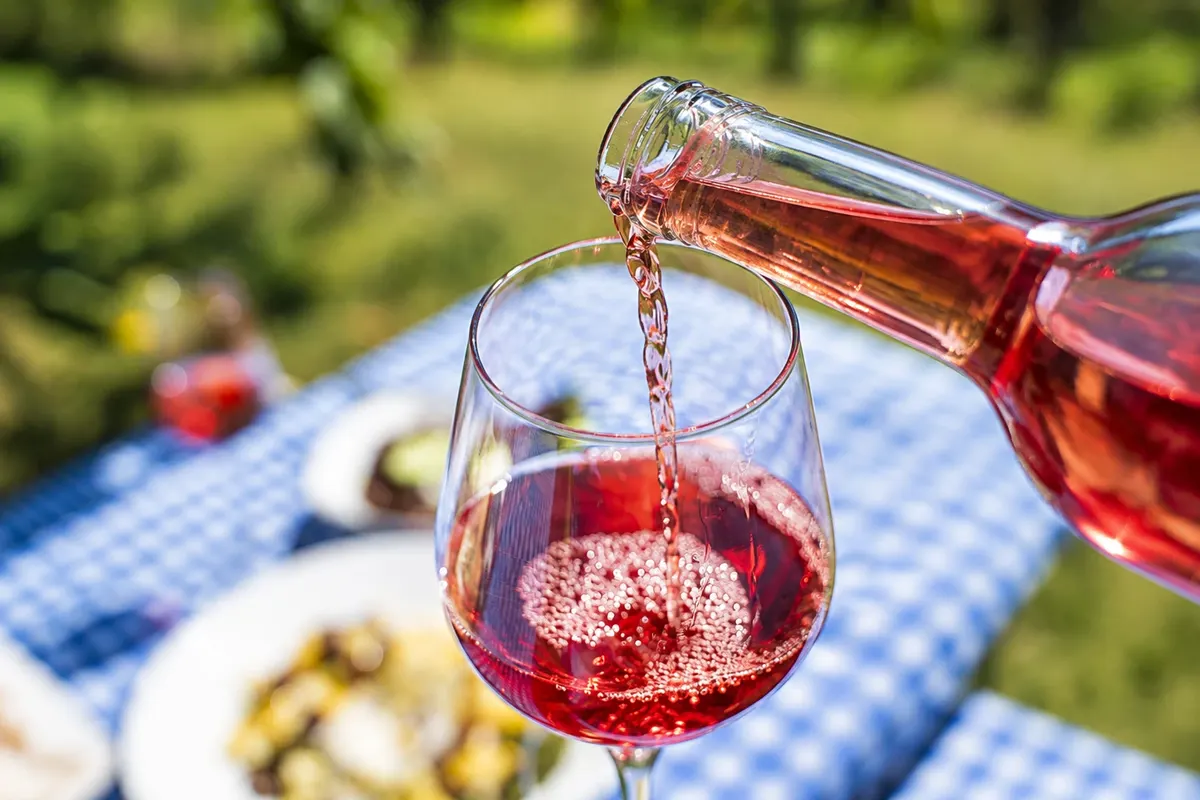
Uhudler
Wine from the southern Burgenland made from American vines planted after the phylloxera outbreak, with aromas of strawberry and wild berries. It was banned for decades and returned to sale in 1992.

 Išči
 Brazilija
 Antarktika
 Argentina
 Bolivija
 Čile
 Kolumbija
 Ekvator
 Gvajana
 Francoska Gvajana
 Falklandski otoki (Malvini)
 Paragvaj
 Peru
 Surinam
 Urugvaj
 Venezuela
 NemčijaAvstrija
 Belgija
 Hrvaška
 Danska
 Slovaška
 Slovenija
 Španija
 Finska
 Francija
 Grčija
 Nizozemska
 Madžarska
 Irska
 Islandija
 Italija
 Luksemburg
 Norveška
 Poljska
 Portugalska
 Združeno kraljestvo
 Češka
 Švedska
 Švica
 Turčija
 Bermudi
 Kanada
 Združene države Amerike
 Grenlandija
 Mehika
 Sveta Peter in Mihael
 Dominikanska republika
 JaponskaTurčija
 Južnoafriška republika
 Egipt
 Avstralija
 Fidži
 Nova Zelandija
 Papua Nova Gvineja
Okusi · Avstrija
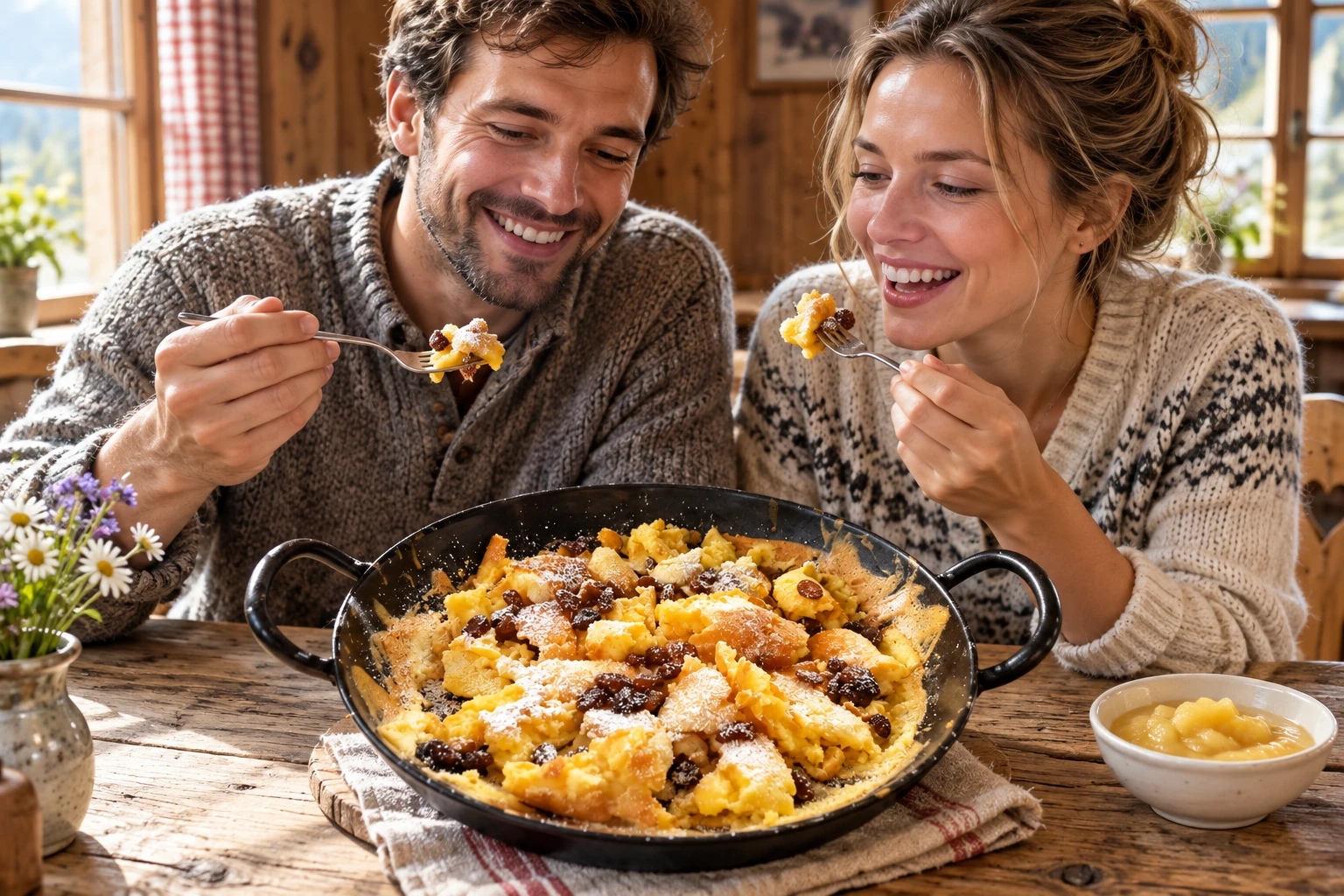
Thick, fluffy pancake fried in butter, shredded into pieces in the pan, caramelized and dusted with powdered sugar, served with raisins and plum jam. It is one of Austria’s best-known desserts, surrounded by legends about an emperor.
Traditional sladica izAvstrija
Druga imena: Kaiserschmarren, Schmarrn, Schmarren
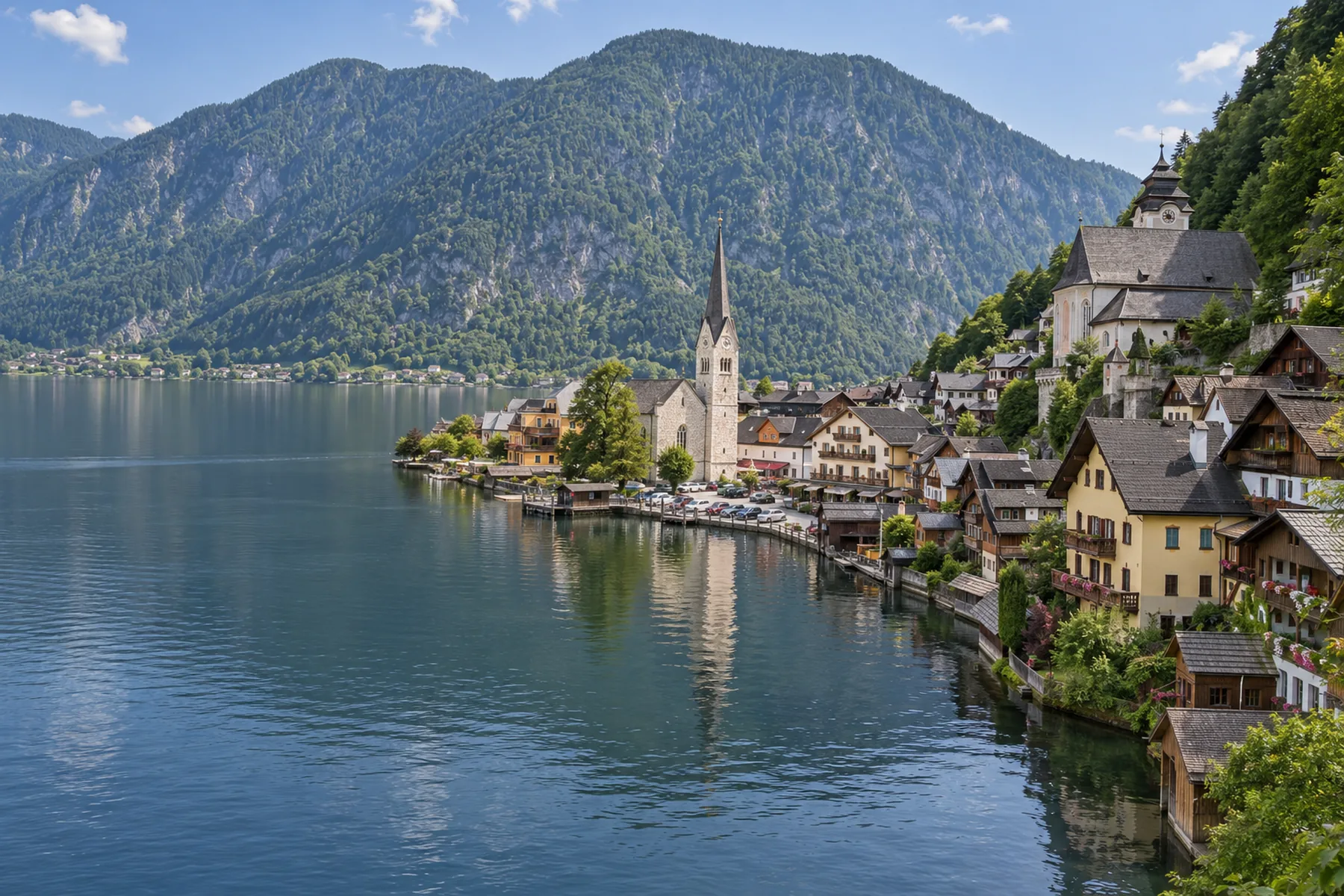
Illustrative images. The pictures in this guide are illustrations based on the real place, not photographs, and may differ from it.
Kliknite fotografijo za povečavo.
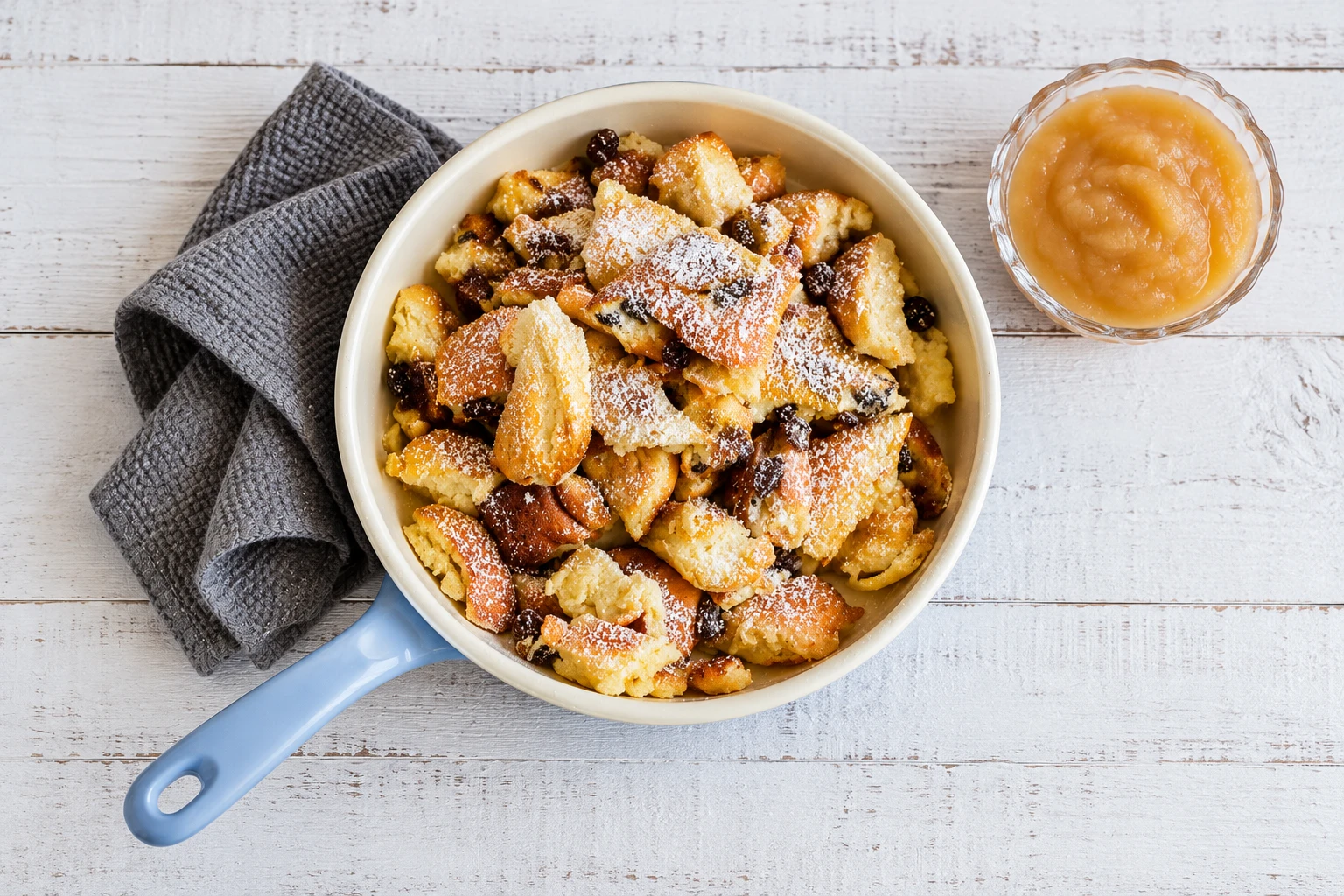
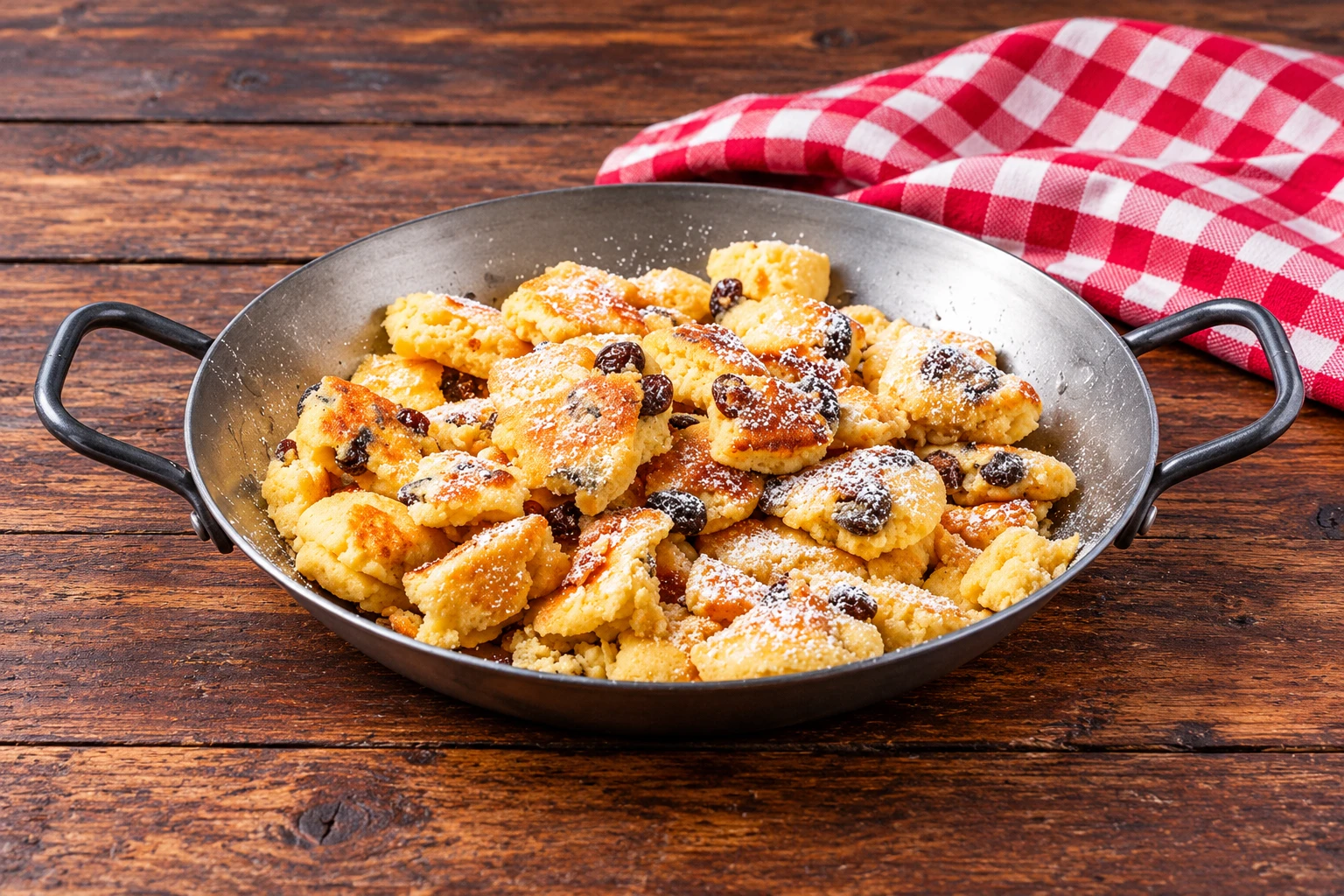
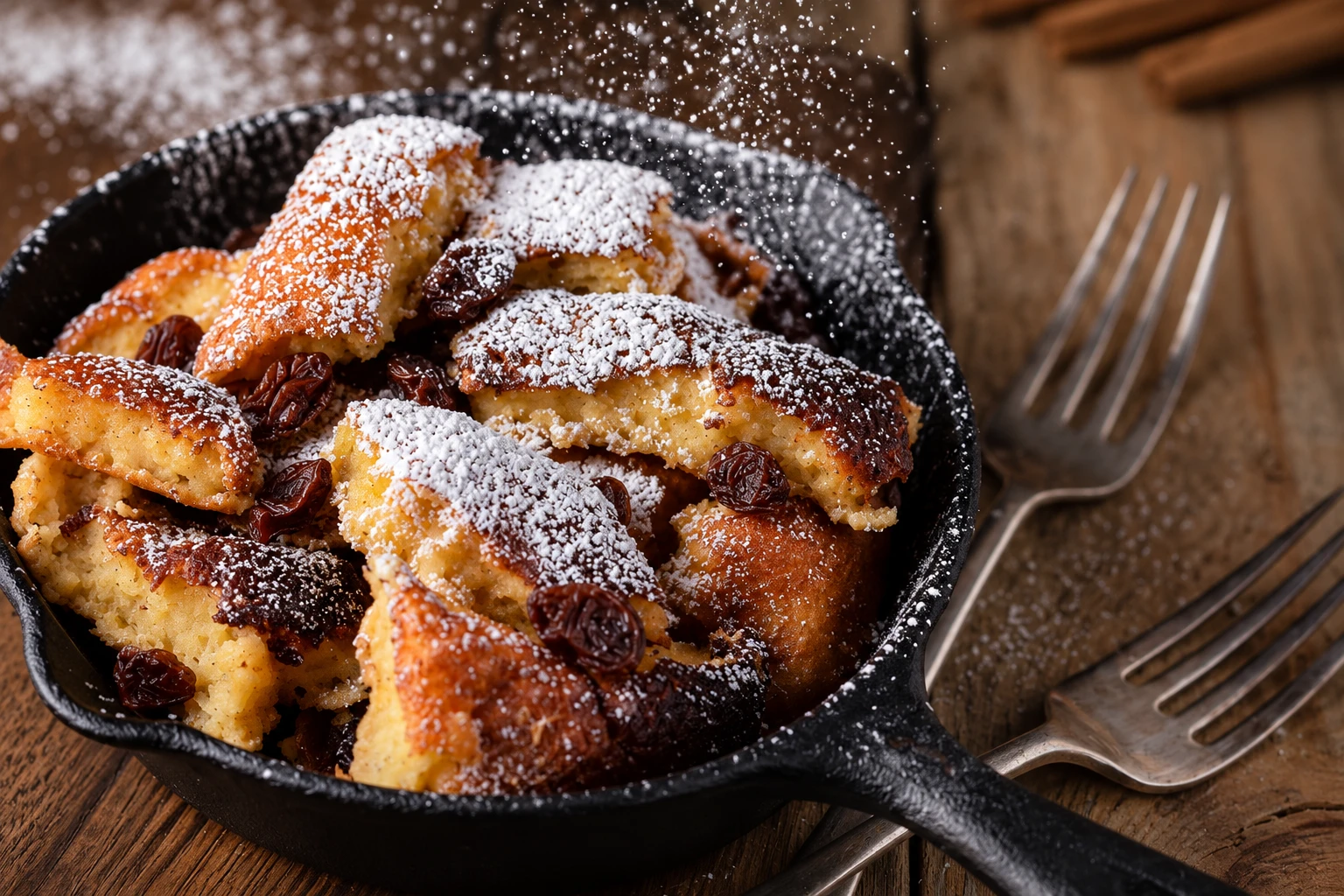
Kaiserschmarrn — Avstrija
Kaiserschmarrn is made from a batter of milk, flour, egg yolks and egg whites beaten to stiff peaks, which keeps the pancake tall and airy. The batter goes into a pan with hot butter, raisins are scattered on top and it cooks until set. Then it is turned, finished on the stove or in the oven and shredded with two forks into irregular pieces that are caramelized with sugar. It arrives at the table dusted with powdered sugar, with Zwetschkenröster, a plum compote, or with apple jam.
Austria’s official register of traditional foods lists Schmarren as an old rural dish, food of peasants, herders and woodcutters, because it was nourishing, cheap and quick to make over an open fire, served straight from the pan for everyone to help themselves. In the 18th century, urban kitchens adopted and refined the recipe.
The origin of the name is surrounded by legends about Emperor Franz Joseph I and Empress Elisabeth, “Sisi.” One legend says that on a hunt in the Salzkammergut he tasted a shepherd’s Schmarrn; another that a pancake accidentally torn was refused as unfit for an emperor; others involve the empress in Vienna or Bad Ischl. The ministry itself says little is known for certain, and historians link the word Kaiser to Kaser, the Alpine herdsman, or to Casa, from Casaschmarren, the home Schmarren.
The dish is served in restaurants, cafés and mountain huts across the country, as a dessert or as a sweet meal. Bavaria, in southern Germany, also has it in its tradition, and some Bavarians claim the recipe came to Austria from there; the Austrian register only notes that it is also served in Bavaria and Hungary.
Avstrija
Registered among Austria’s traditional foods by the Ministry of Agriculture, as one of the country’s best-known desserts, without a proven city of origin.
Milk, flour, eggs, butter, sugar, vanilla sugar, raisins and salt; powdered sugar on top; Zwetschkenröster (plum compote) or apple jam.
Hot, straight from the pan or on the plate, with powdered sugar and plum or apple compote; as a dessert or as a sweet meal.
All year; very popular in mountain huts after hikes and on ski days.
Odgovori na vaša vprašanja
Legends link the name to Emperor Franz Joseph I, but historians point to origins in Kaser, the Alpine herdsman, or in Casaschmarren, the home Schmarren.
With powdered sugar and plum compote called Zwetschkenröster, or with apple jam.
It is registered as a traditional food of Austria, but it is also part of Bavaria’s tradition, where some claim the recipe originated there.
Lokalni okusi – of Avstrija
Wine from the southern Burgenland made from American vines planted after the phylloxera outbreak, with aromas of strawberry and wild berries. It was banned for decades and returned to sale in 1992.
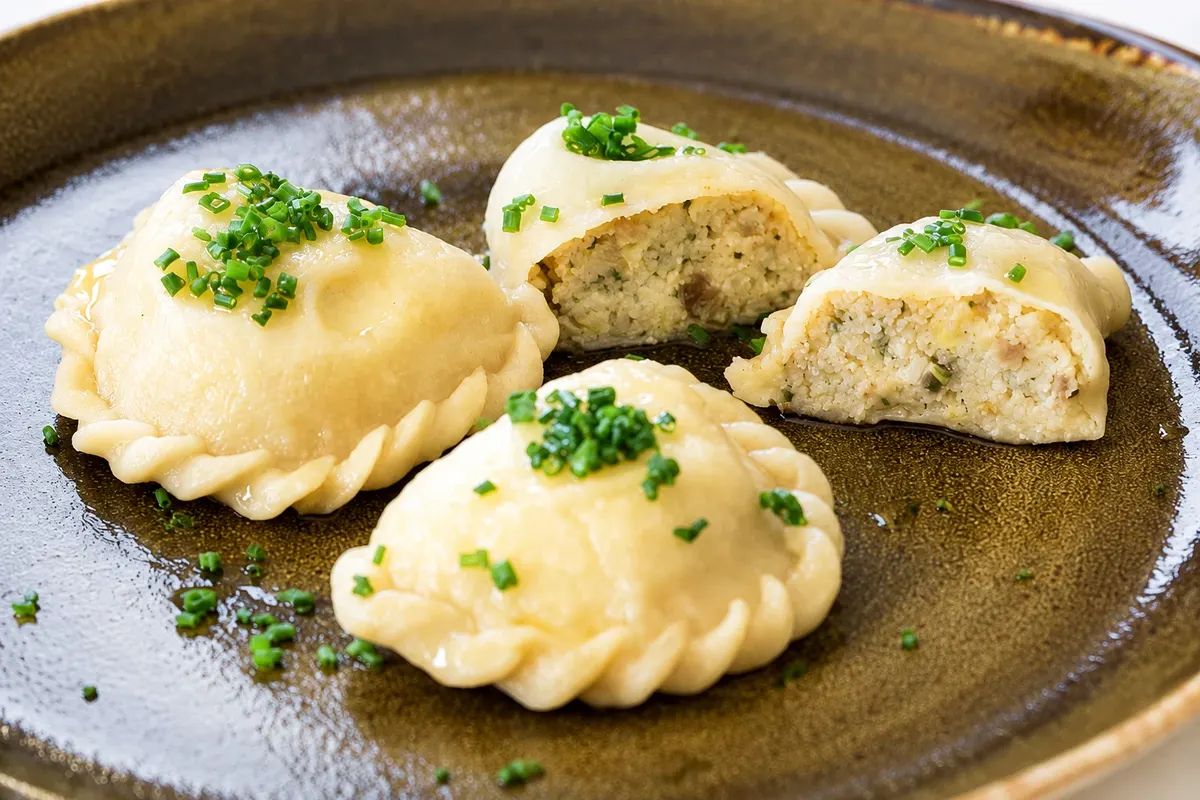
Dough filled with dry farmer’s cheese (requeijão seco), potato and herbs like mint and chervil, sealed with a hand-braided edge and served with melted butter. It is the dish most associated with Carinthia.
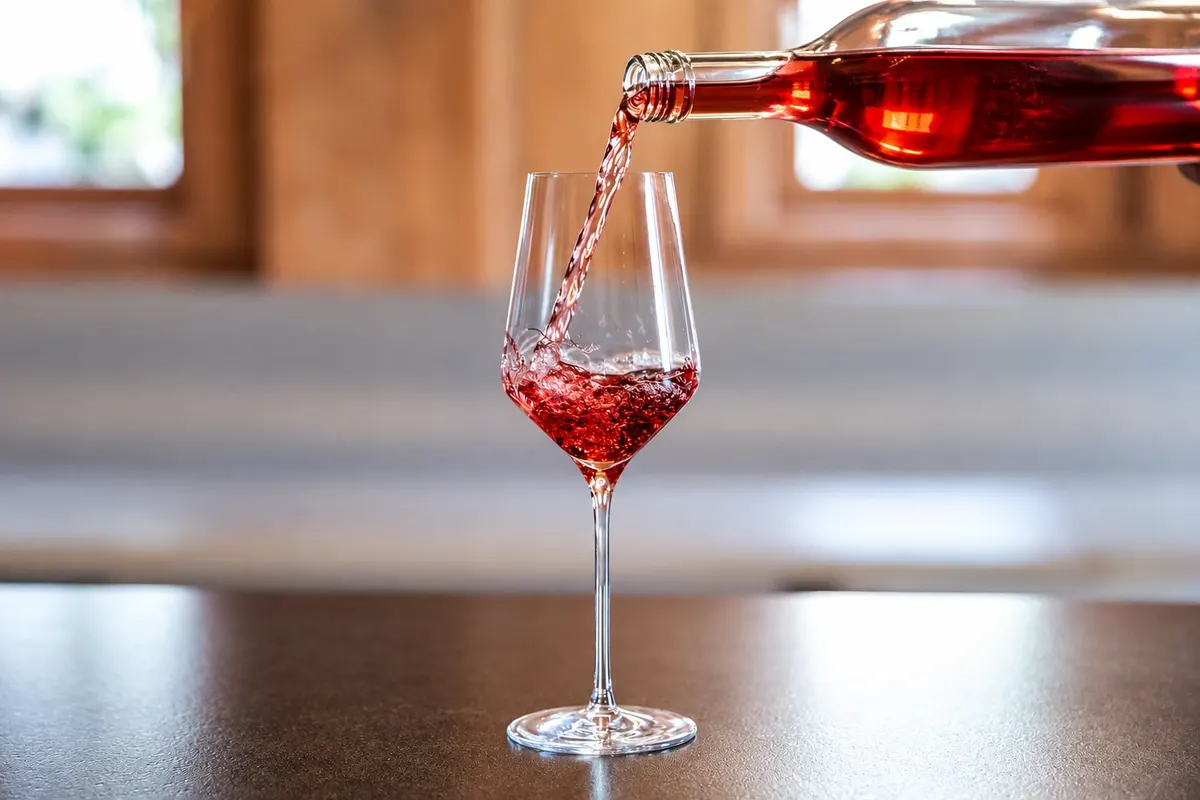
Rosé wine from Styria, with high acidity and a fruity aroma, made only from the Blauer Wildbacher grape. The name is protected by the European Union as a traditional term.
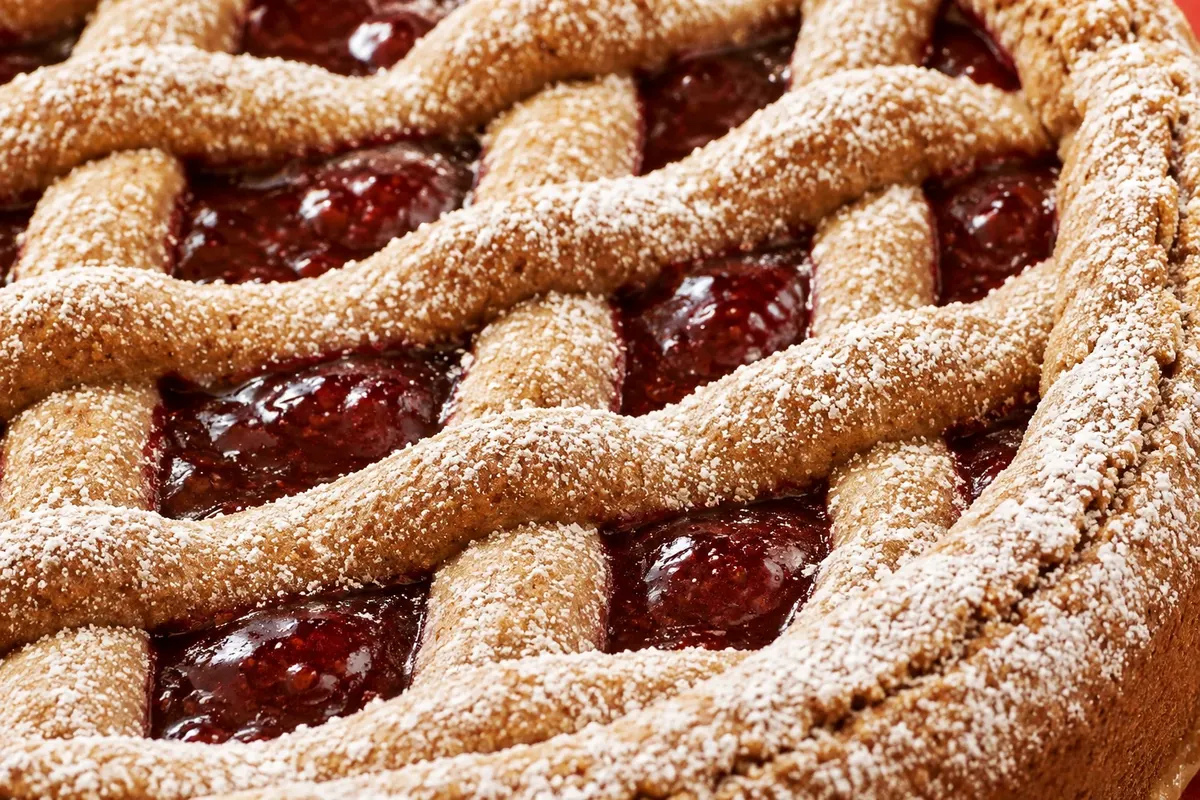
Shortcrust tart with butter dough and ground almonds or hazelnuts, filled with currant jam and topped with a lattice of dough. Its oldest known recipe dates from 1653.
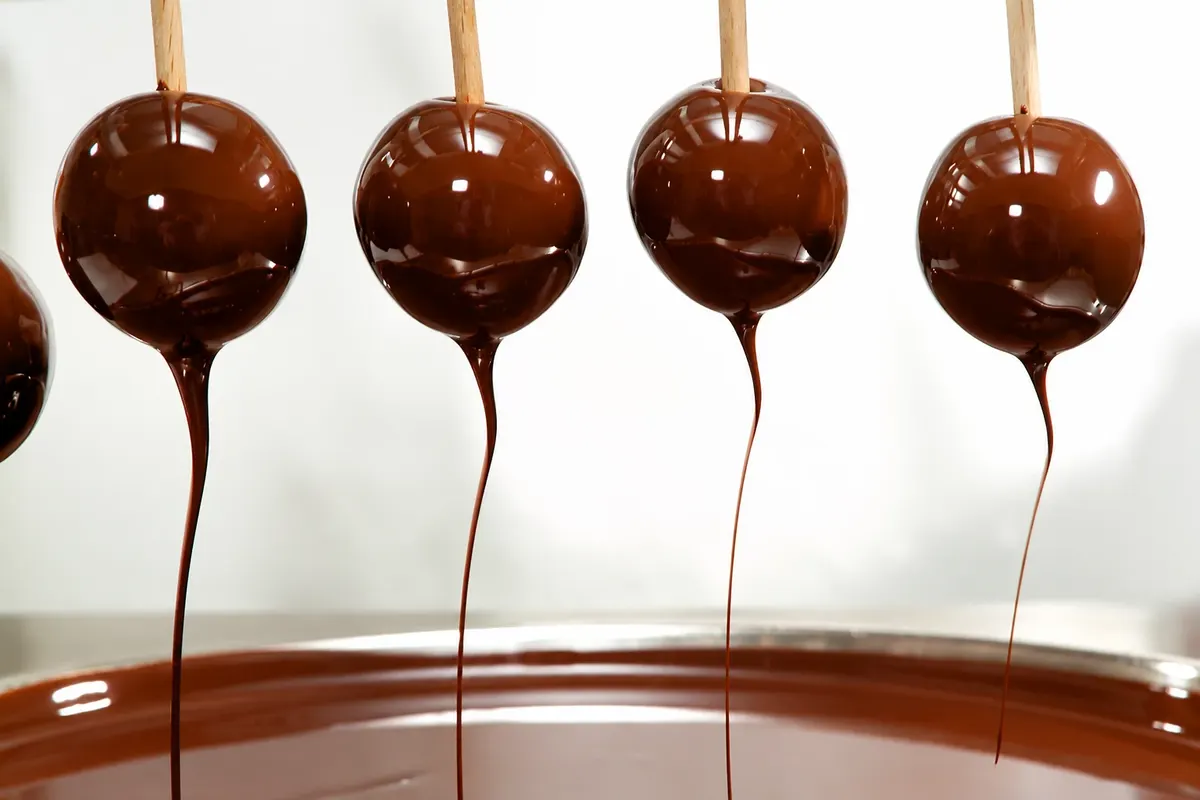
Round bonbon with a pistachio marzipan center, a layer of hazelnut nougat, and a dark chocolate coating, created in Salzburg and named in honor of Mozart.
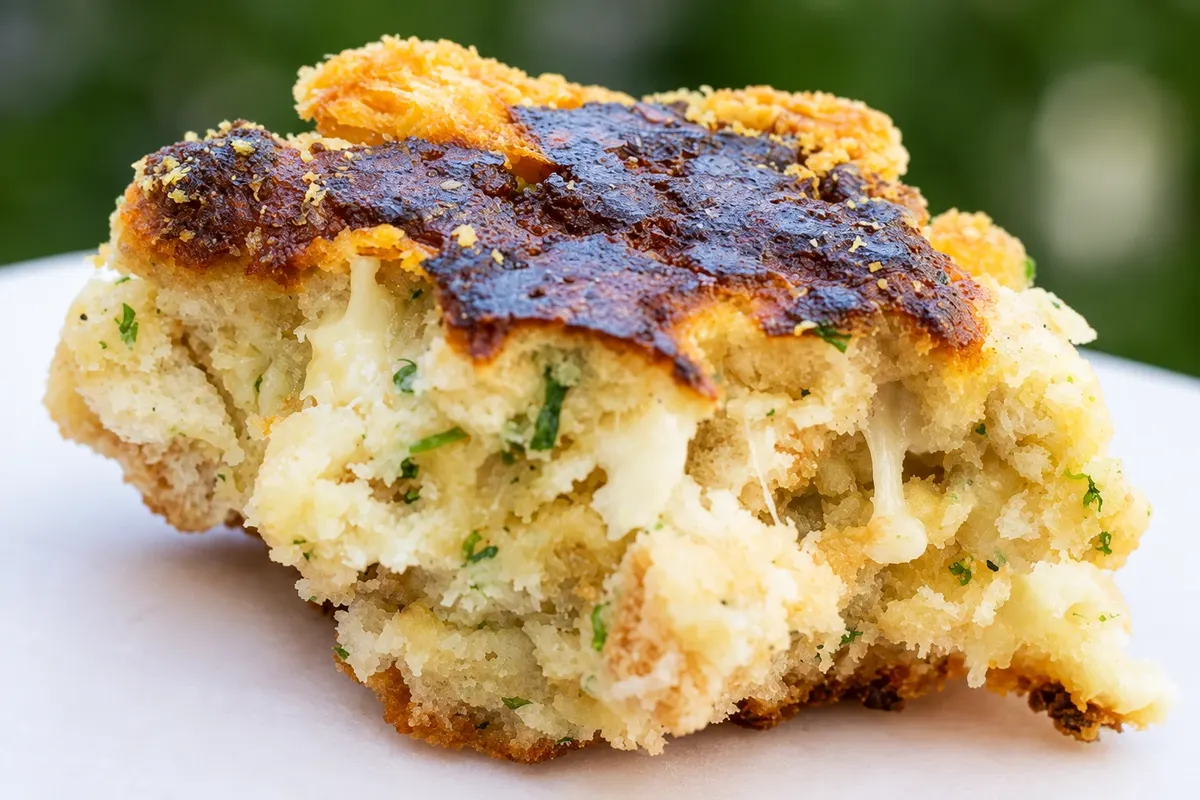
Flattened dumplings made from day‑old bread, cheese, eggs and onion, browned in butter and served in beef broth or with a green salad. A dish from the Pinzgau mountains in Salzburg.
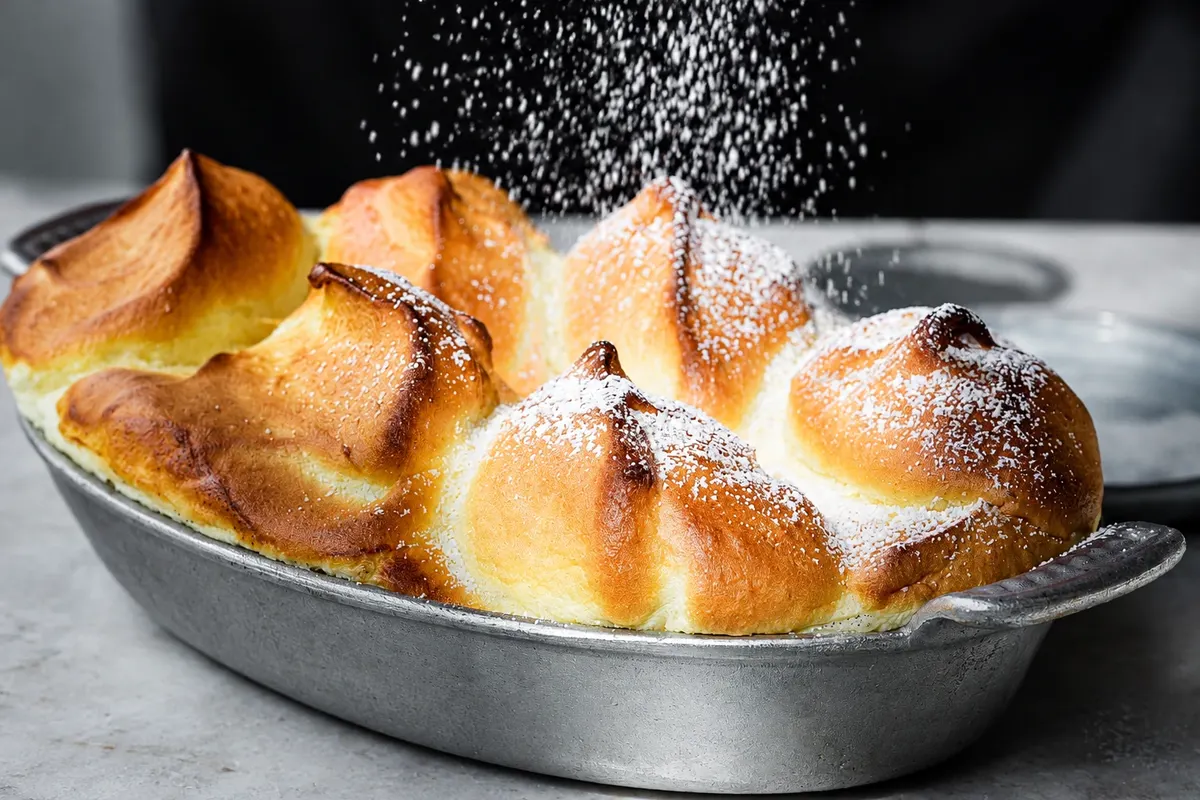
Sweet soufflé made from beaten egg whites, yolks, sugar and a little flour, baked into three golden mounds and dusted with sugar. It is brought to the table as soon as it comes out of the oven.
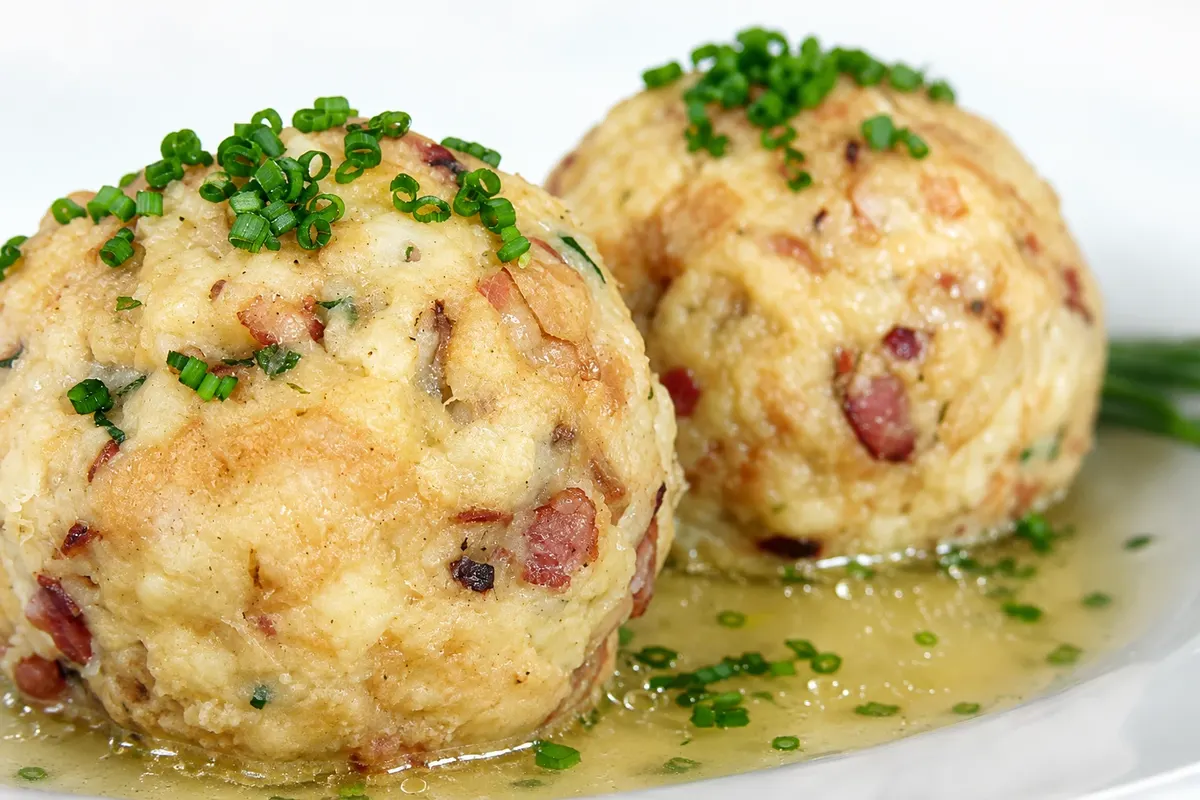
Bread dumplings made from day‑old bread with smoked bacon, eggs, milk and chives, cooked in water and served in the broth or with cabbage salad. Tirol tourism calls them a state classic.
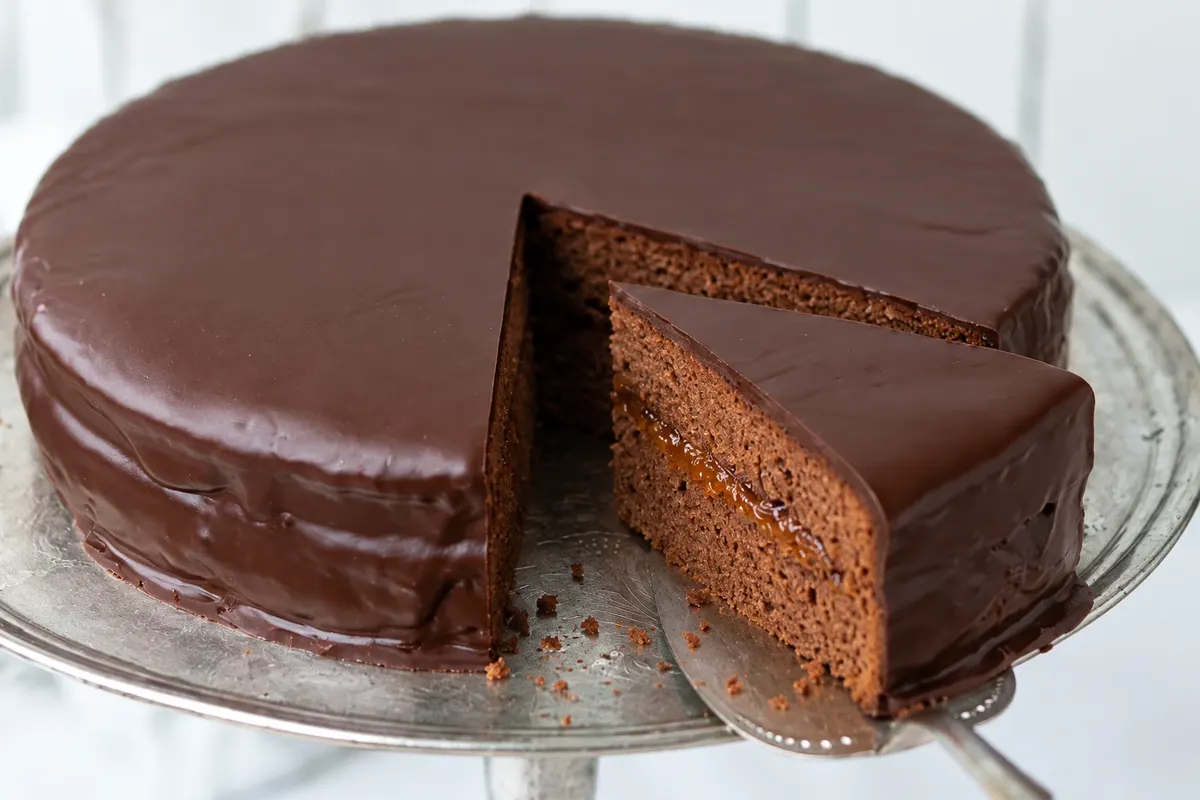
Dense chocolate cake, with apricot jam and a smooth chocolate coating, served with unsweetened whipped cream. The basic recipe is attributed to Franz Sacher, in 1832.
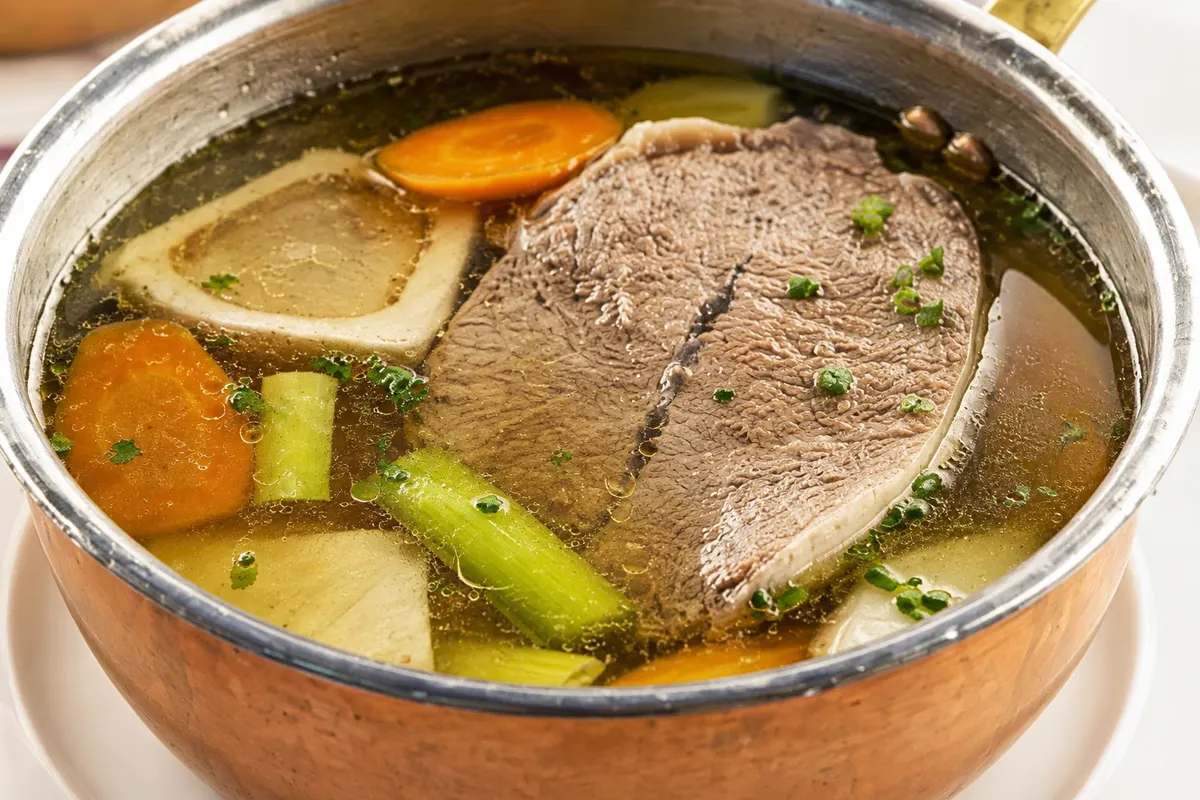
Beef cut slow-cooked for hours with roots and bones, served sliced with the broth, grated horseradish, chive sauce, and potatoes sautéed in butter.
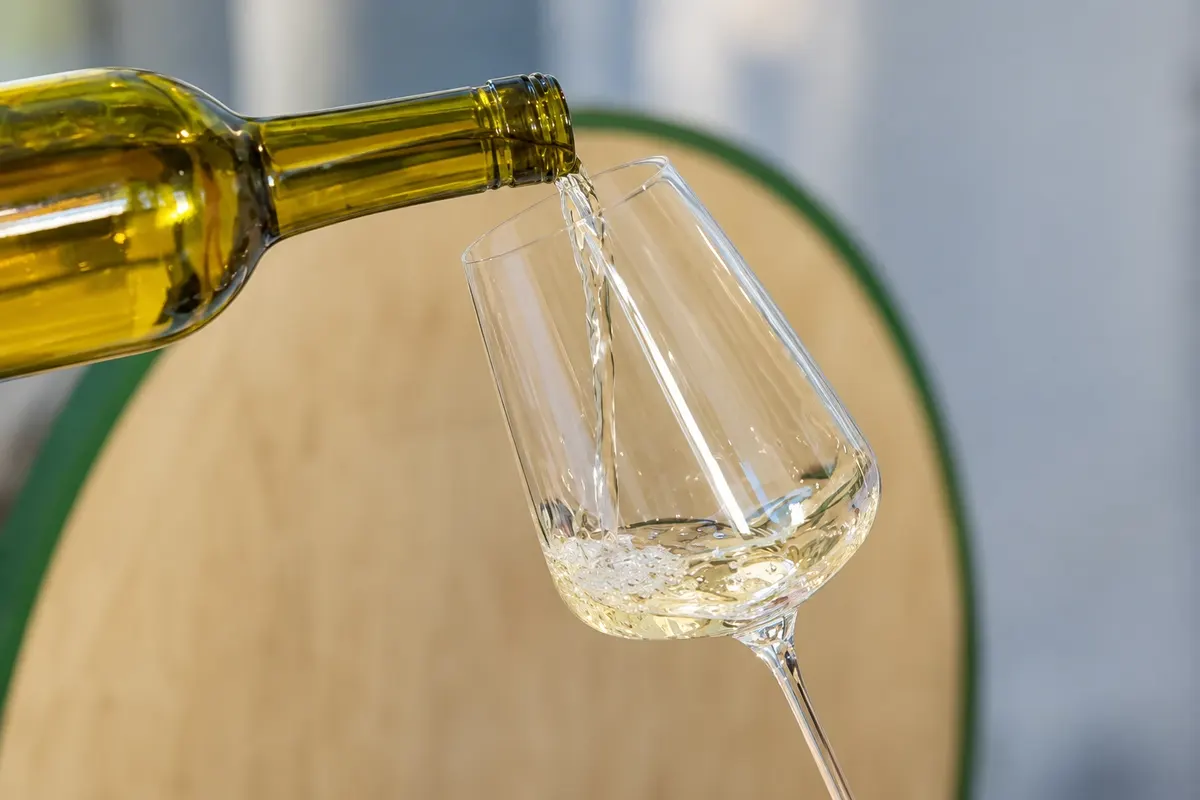
Dry white wine made from several grape varieties planted together in the same vineyard of Vienna, harvested and vinified together. It has a designation of origin (DAC) since 2013.
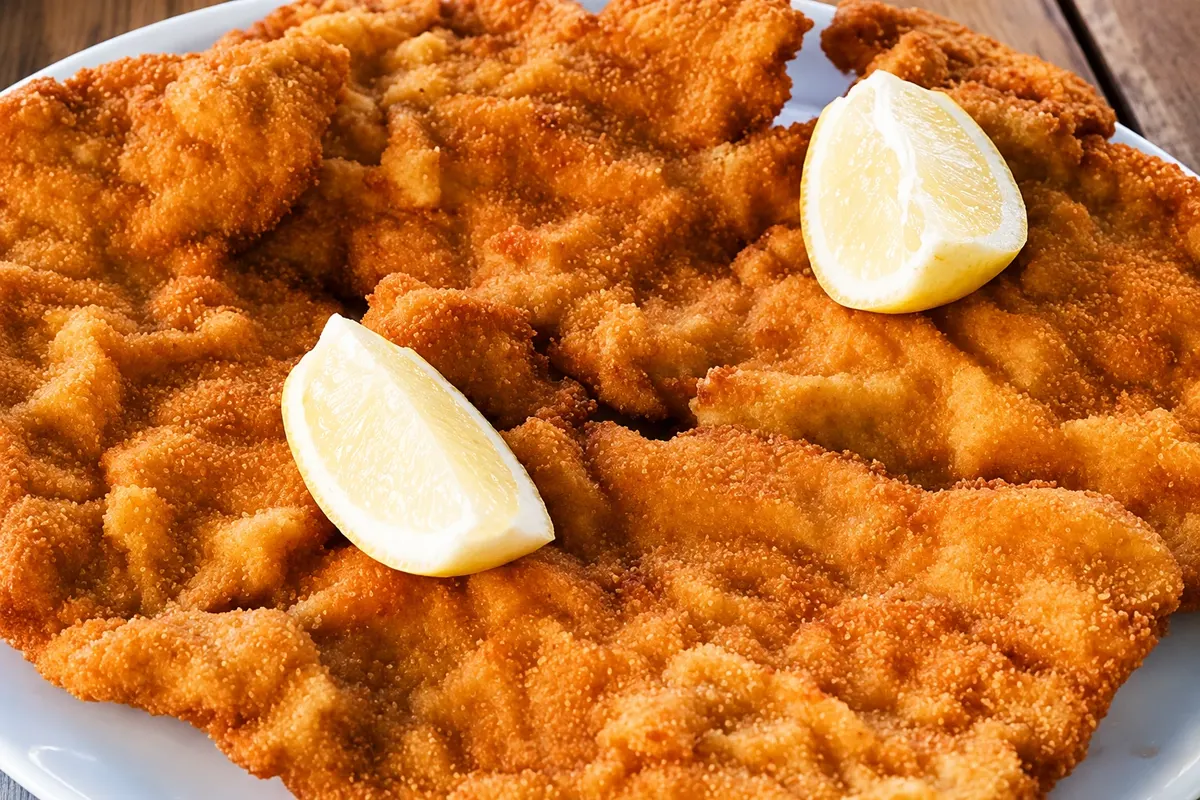
Veal pounded very thin, coated in flour, egg and breadcrumbs and fried until the crust is golden and separates from the meat. By Austrian regulation, the name applies only to the veal version.
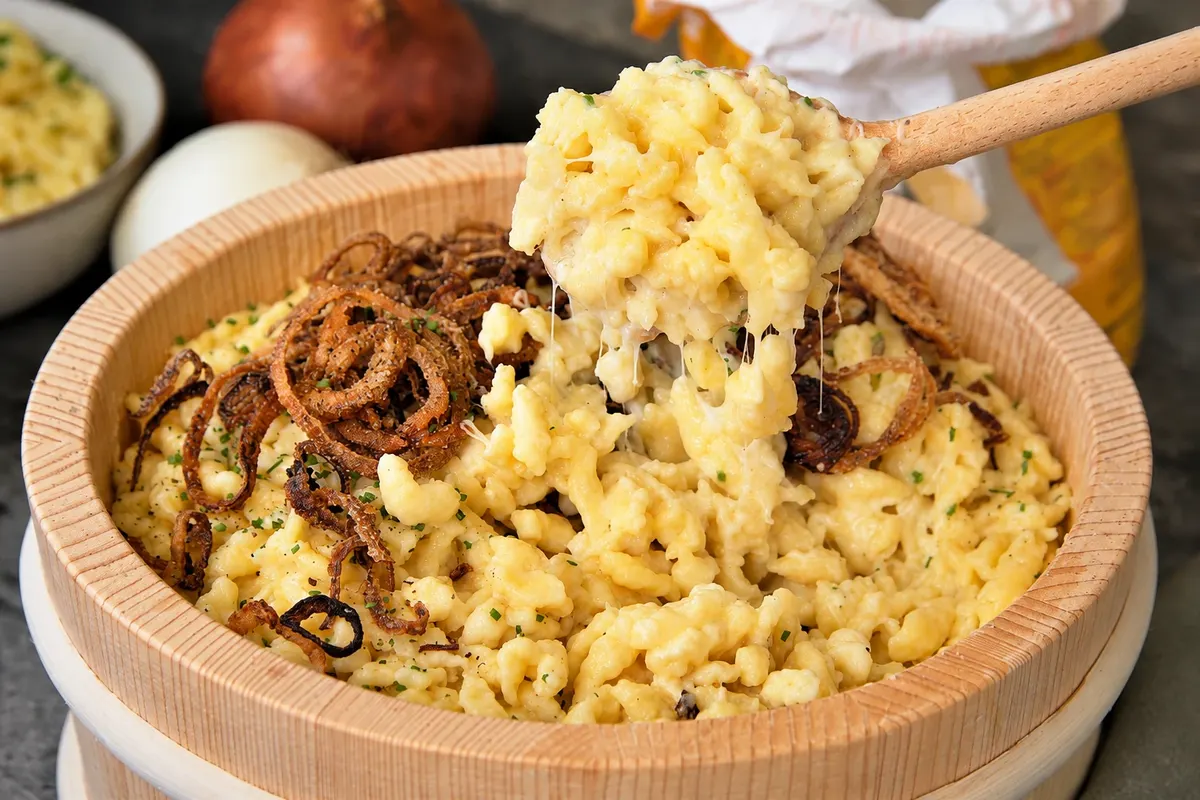
Small cooked egg dumplings assembled in layers with melted mountain cheeses, topped with fried onion. Vorarlberg tourism calls them the state's traditional cheese dish.
Več kot vodnik


