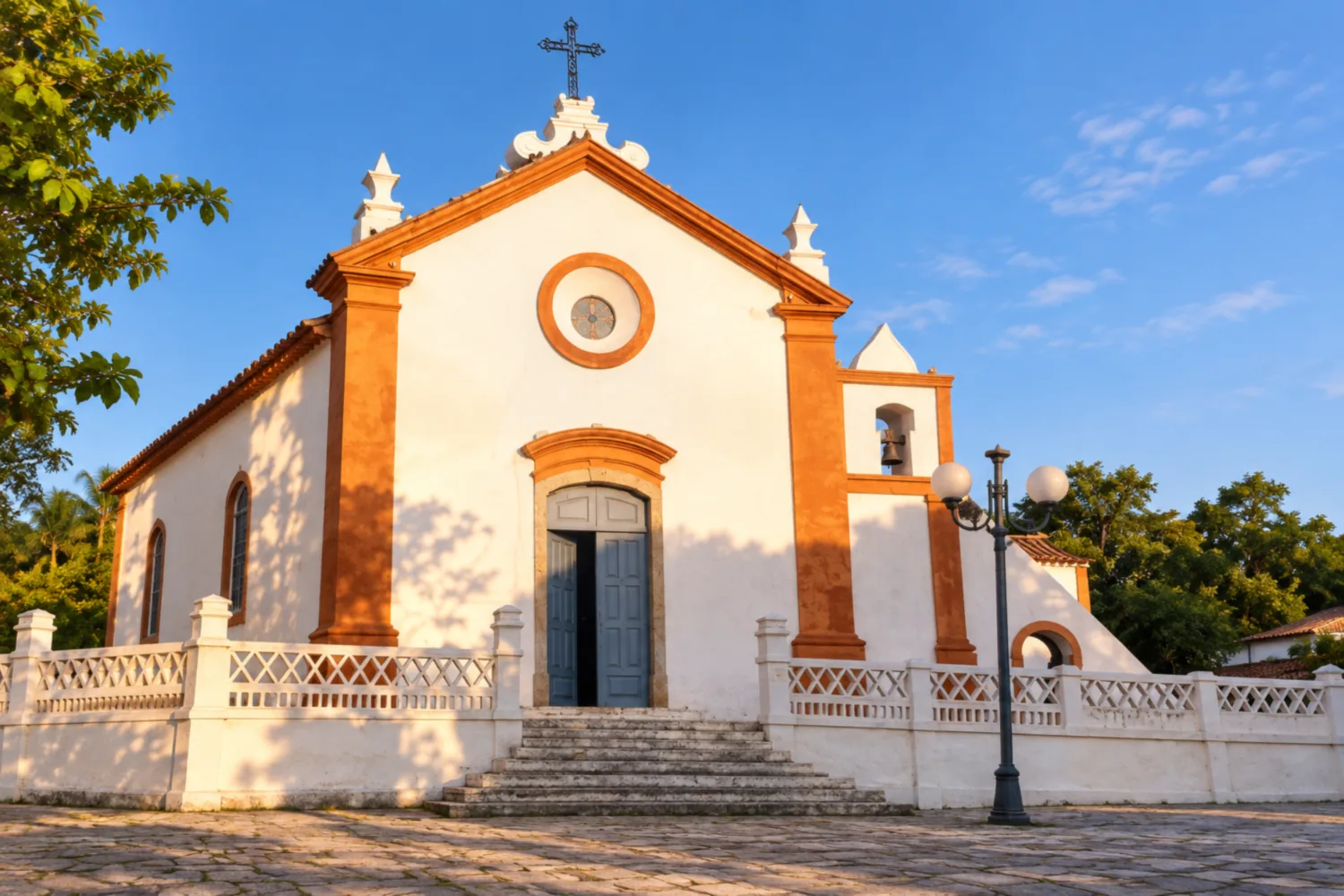
Florianópolis
Florianópolis combines historic neighborhoods, beaches and hills on Santa Catarina Island and the mainland. You can alternate cultural outings with trails, lagoons and walks by the sea.
SC · Brazil
Dozens of beaches, a lagoon and Azorean villages on a single island.
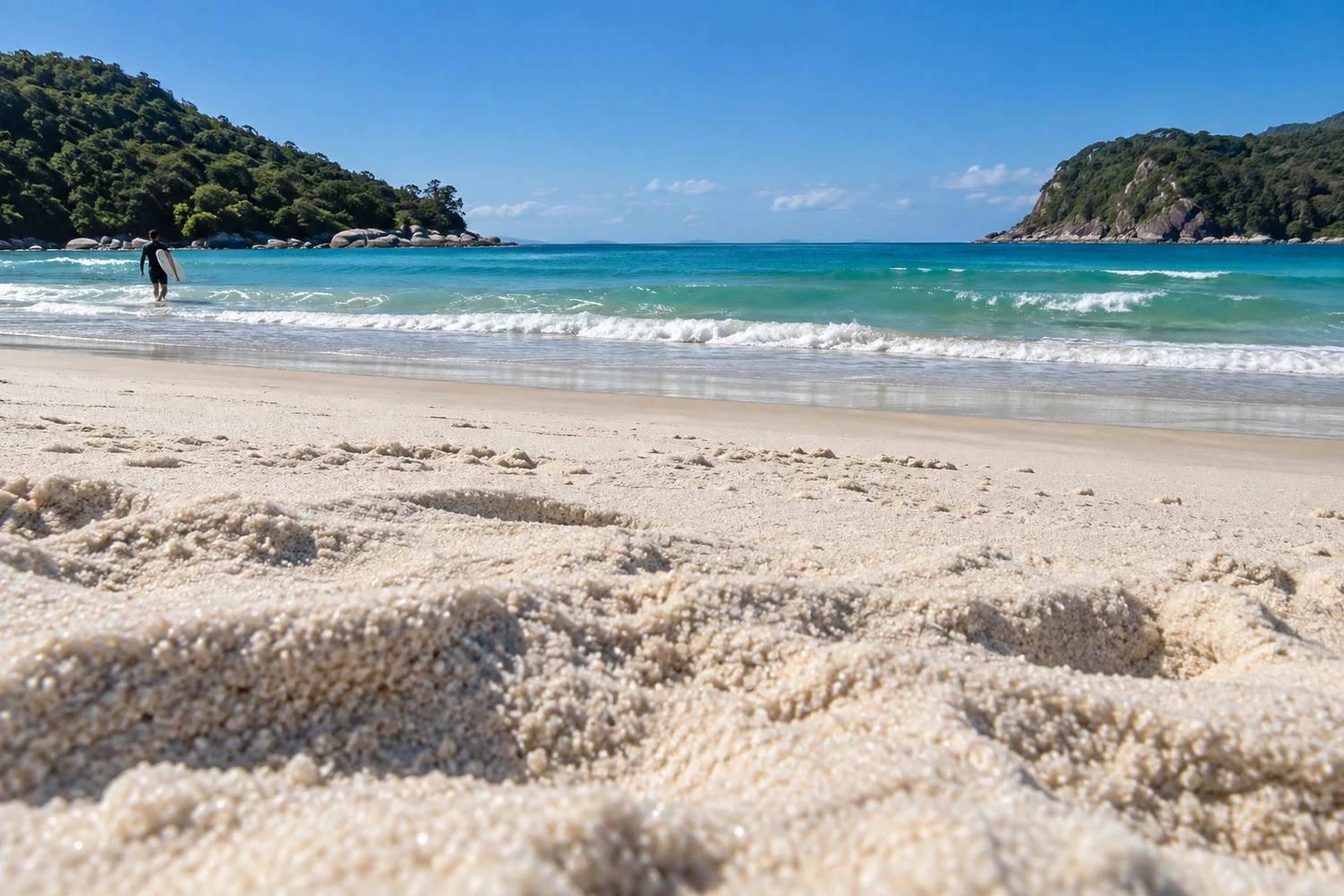
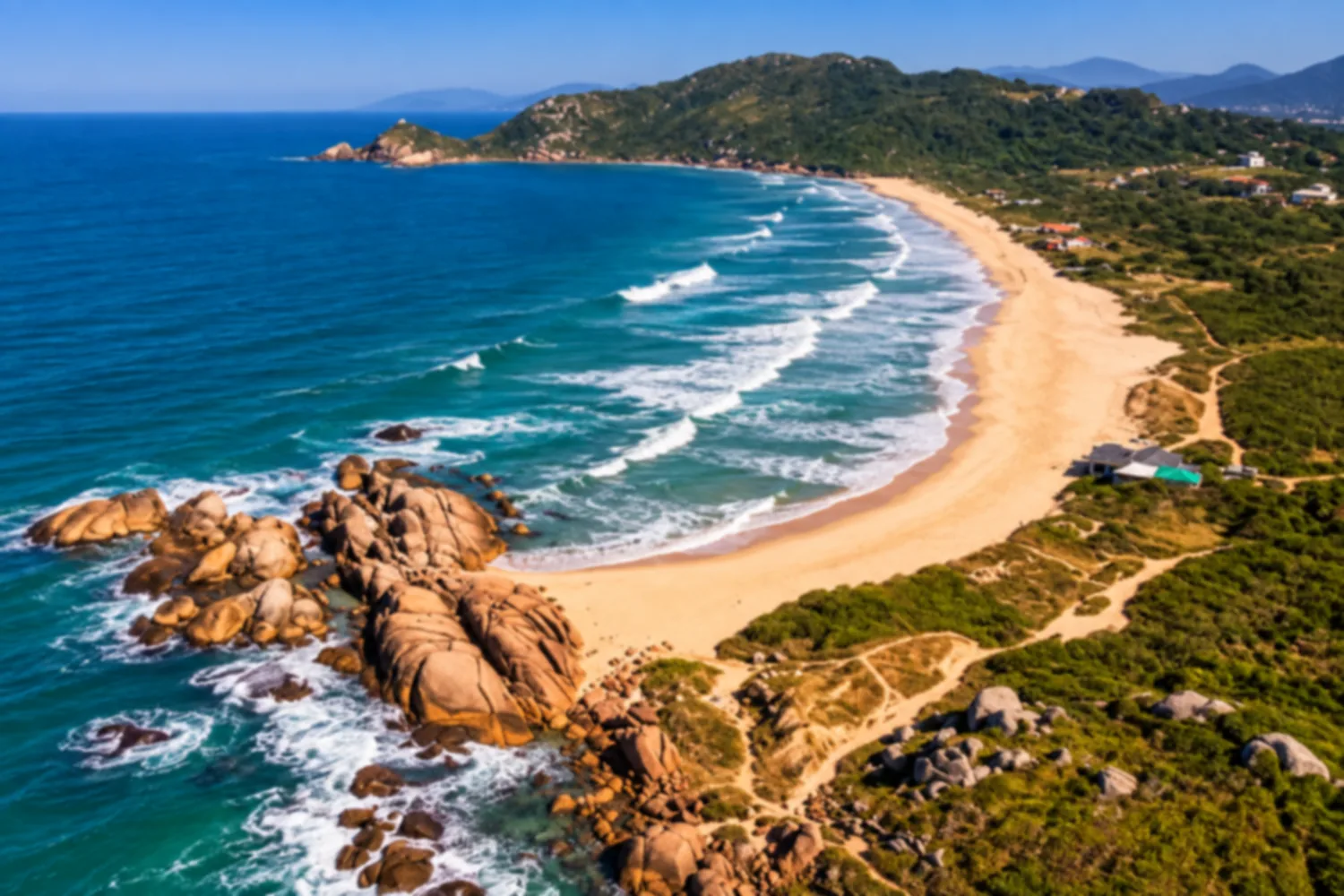
Illustrative images. The pictures in this guide are illustrations based on the real place, not photographs, and may differ from it.
Get to know the place
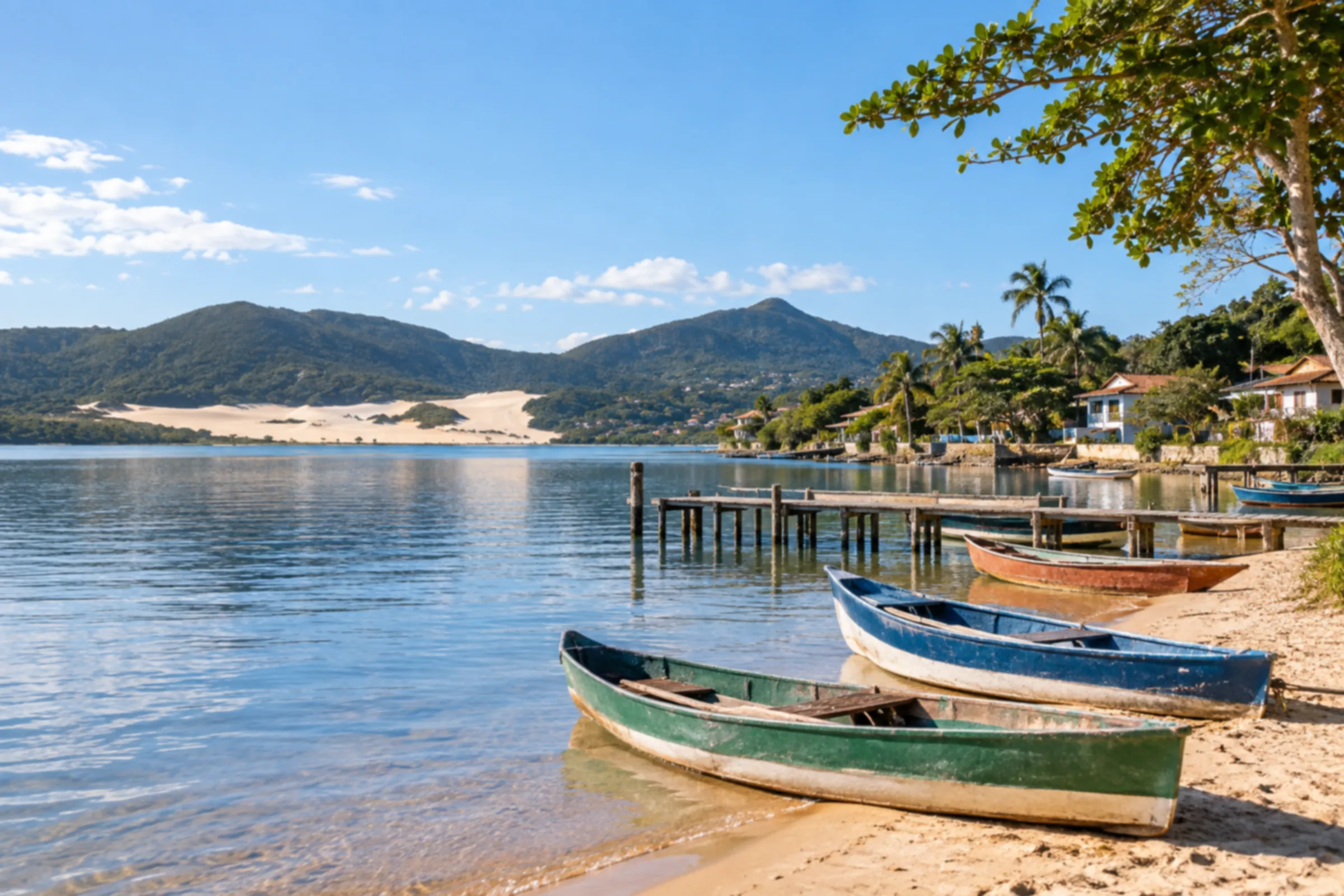
Floripa is the island of dozens of beaches, where in a single day you can swap the rough surf of the east for the calm water of the north and end the night eating oysters in a fishing village of Azorean origin. It has dunes for sandboarding, trails that lead down to deserted beaches, 18th-century forts and a lagoon that is the heart of the nightlife.
The island splits into different ways to travel. The north, with Jurerê, Canasvieiras and Ingleses, has calmer water and resort-town infrastructure. The east brings together Lagoa da Conceição, Joaquina and Praia Mole, with dunes, surfing and bars. The south, better preserved, is home to Lagoinha do Leste, reached by trail or, in season, by boat, and villages such as Pântano do Sul. Santo Antônio de Lisboa and Ribeirão da Ilha keep their Azorean houses and oyster farms.
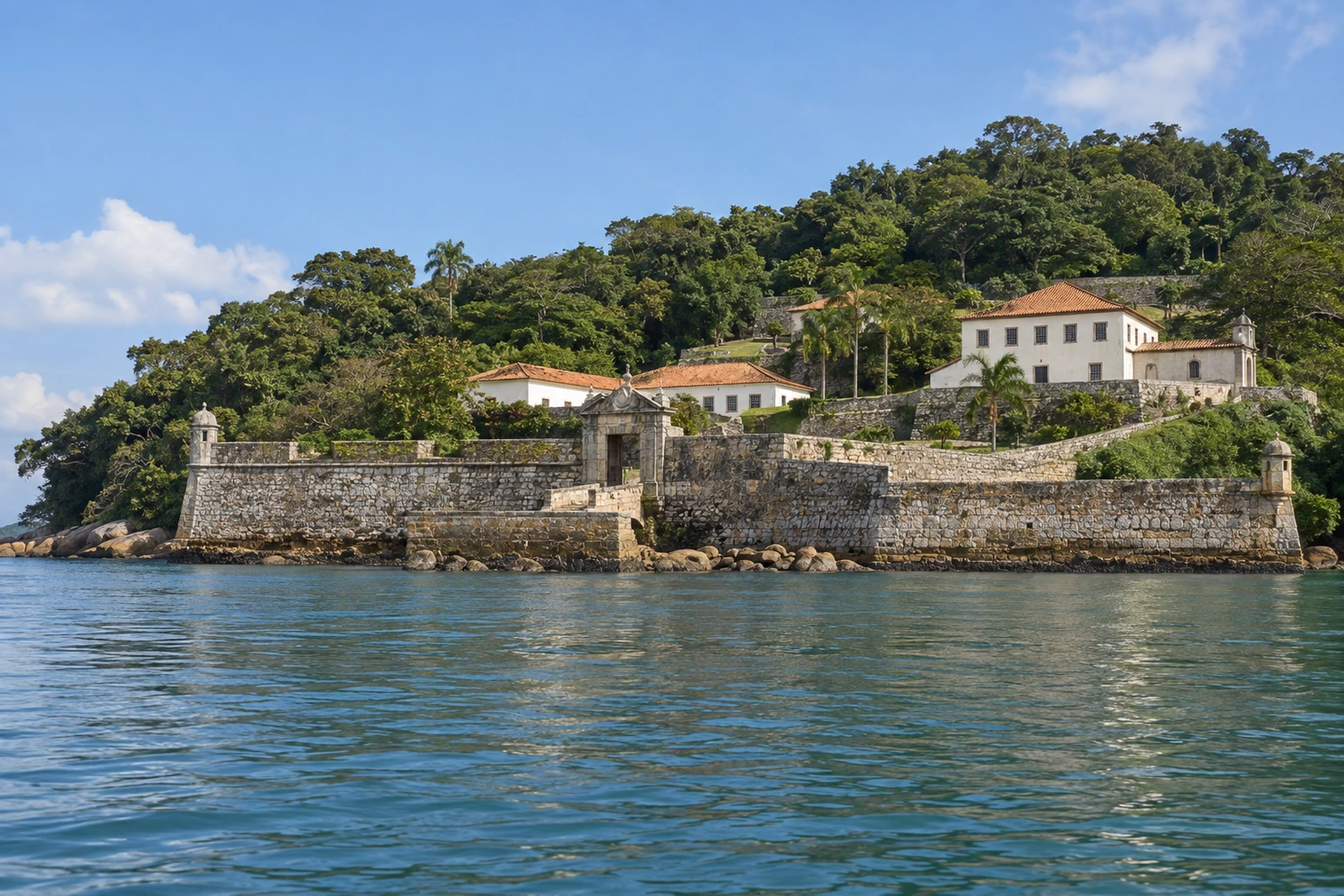
Across the bridges, the destination continues: São José and Biguaçu have the oldest historic centers in the region, Governador Celso Ramos offers boat trips to the Fortaleza de Anhatomirim (fort) and the dolphins, and Palhoça has Guarda do Embaú, Pinheira and the Parque da Serra do Tabuleiro (state park). It's beach life with a big city close by.
This destination brings together 5 cities: Florianópolis, São José, Palhoça, Biguaçu, Governador Celso Ramos.

A look at the place
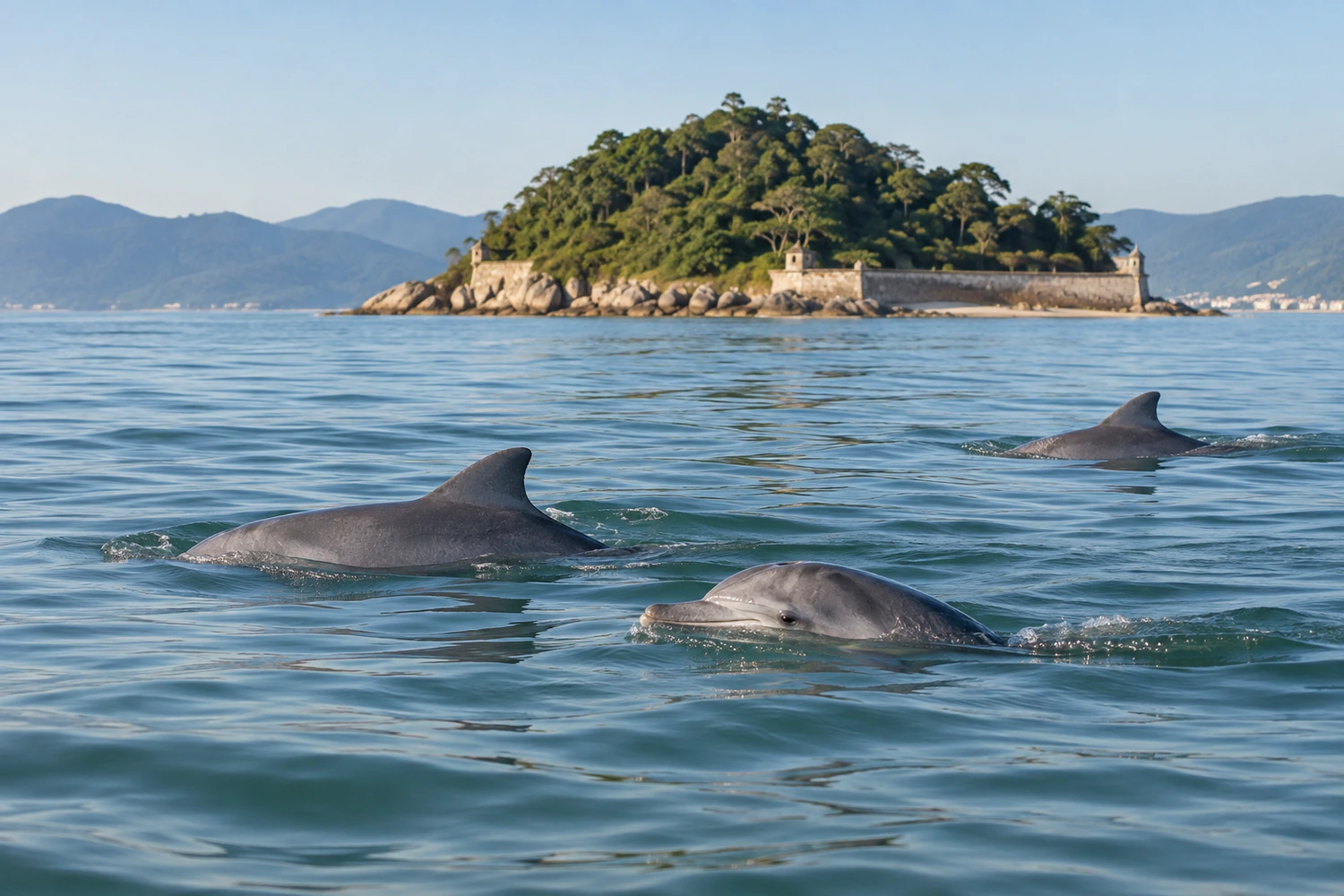
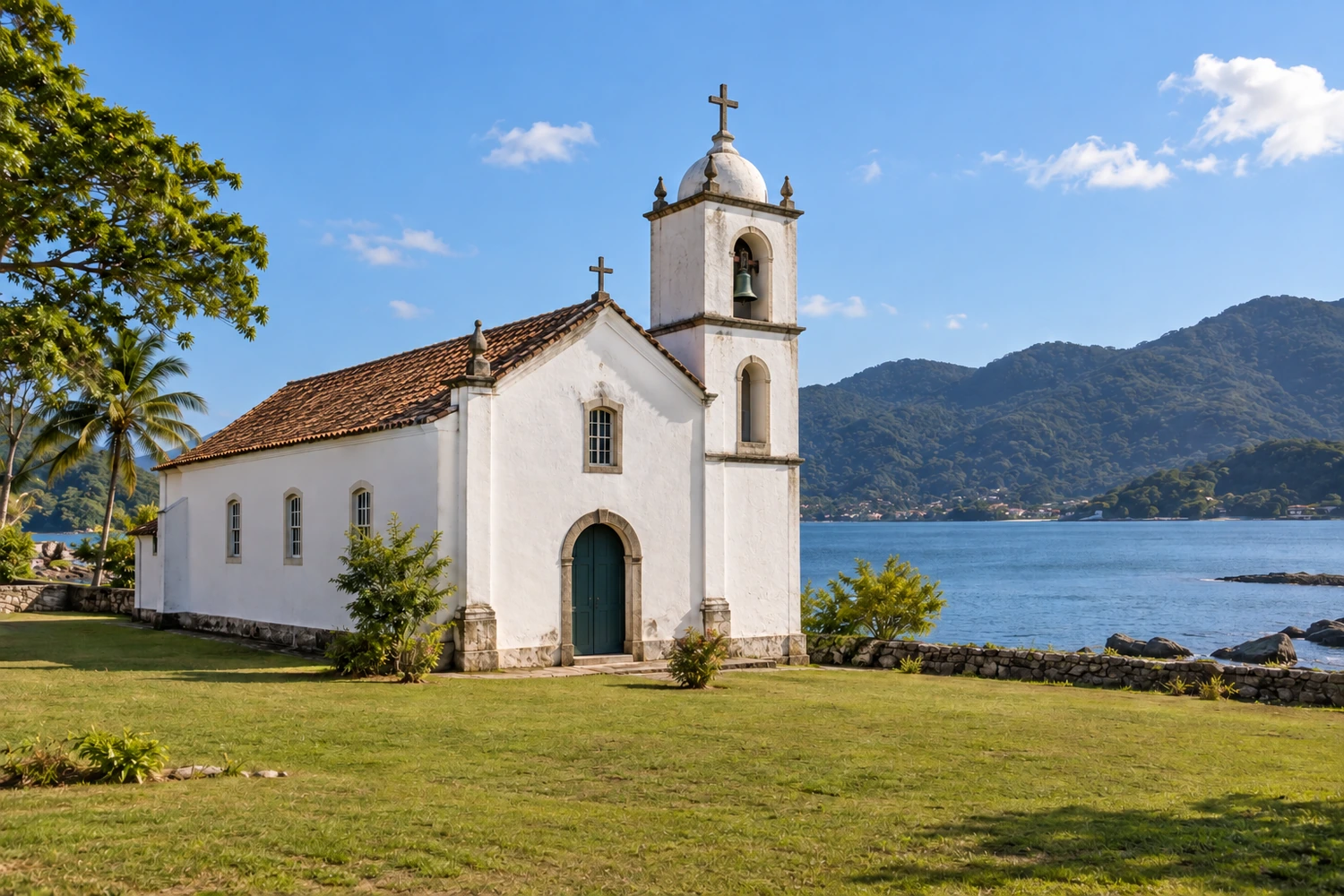
These pictures are illustrations based on the real place, not photographs. They may differ from the place.
Click the picture to enlarge it.
One destination, many paths
Start with one city or combine several in your itinerary.
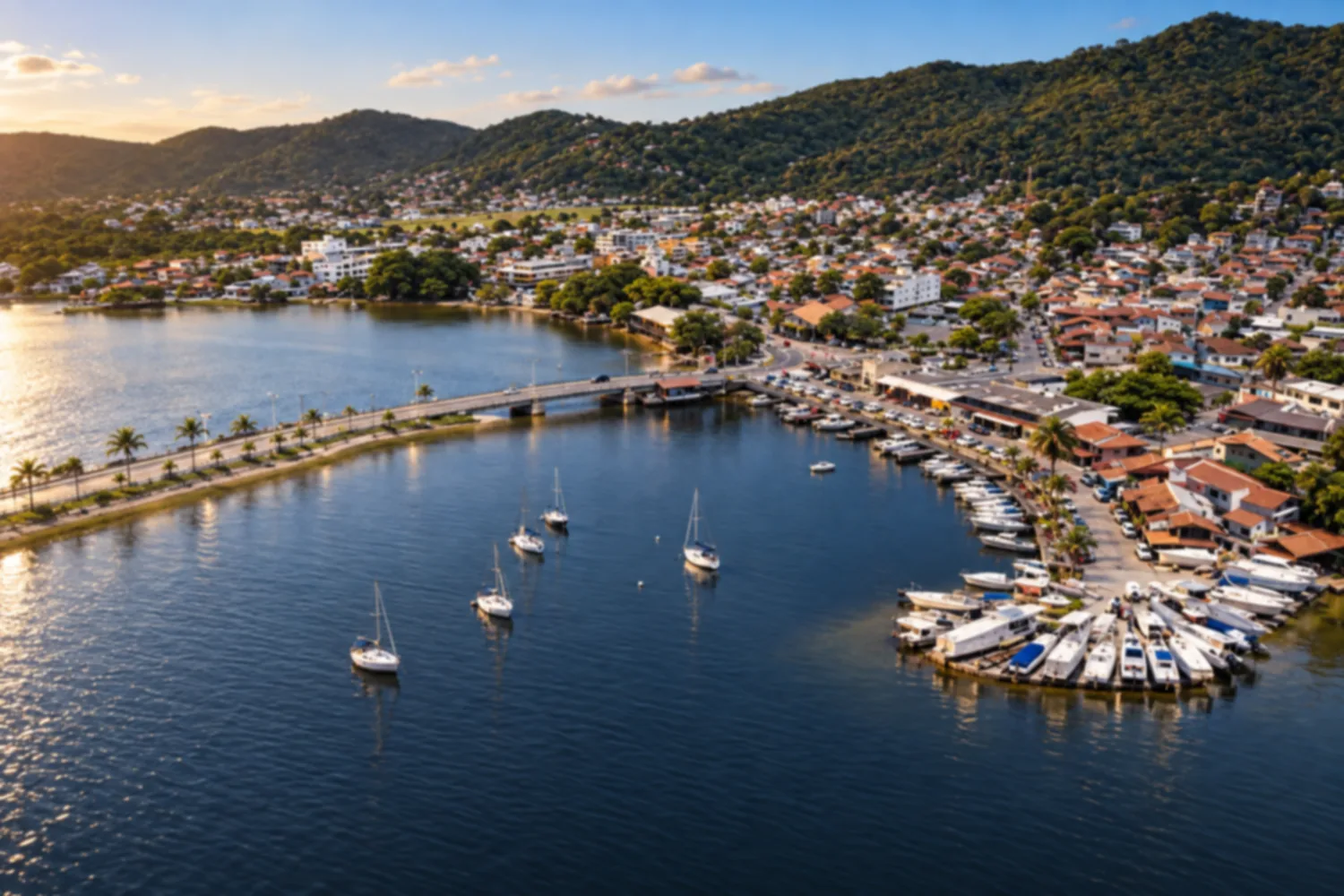
Florianópolis combines historic neighborhoods, beaches and hills on Santa Catarina Island and the mainland. You can alternate cultural outings with trails, lagoons and walks by the sea.
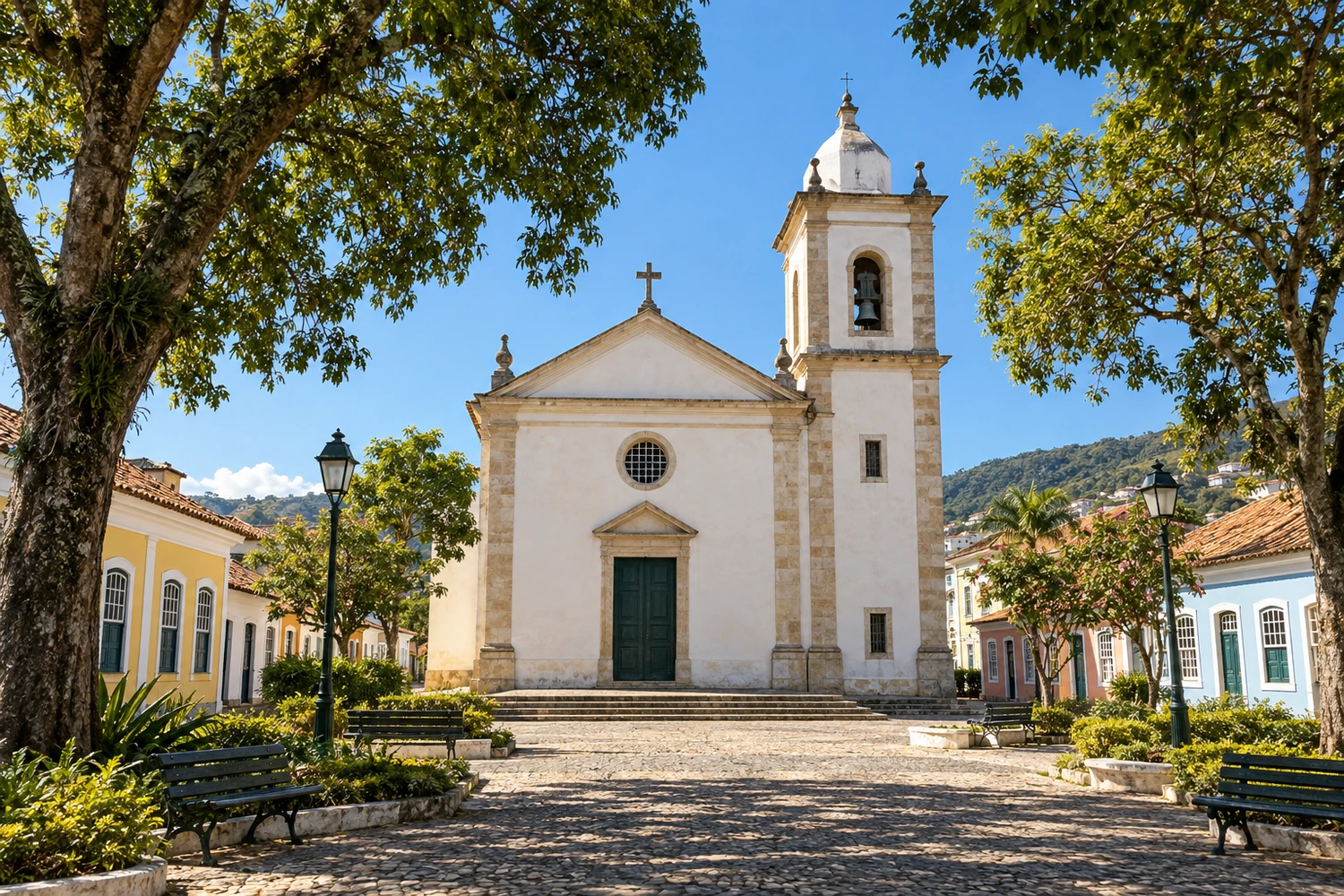
São José preserves a historic center of Azorean origin on the shores of the Baía Sul (South Bay). Walks through the old squares and streets let you discover its architectural heritage and the town's bond with the sea.
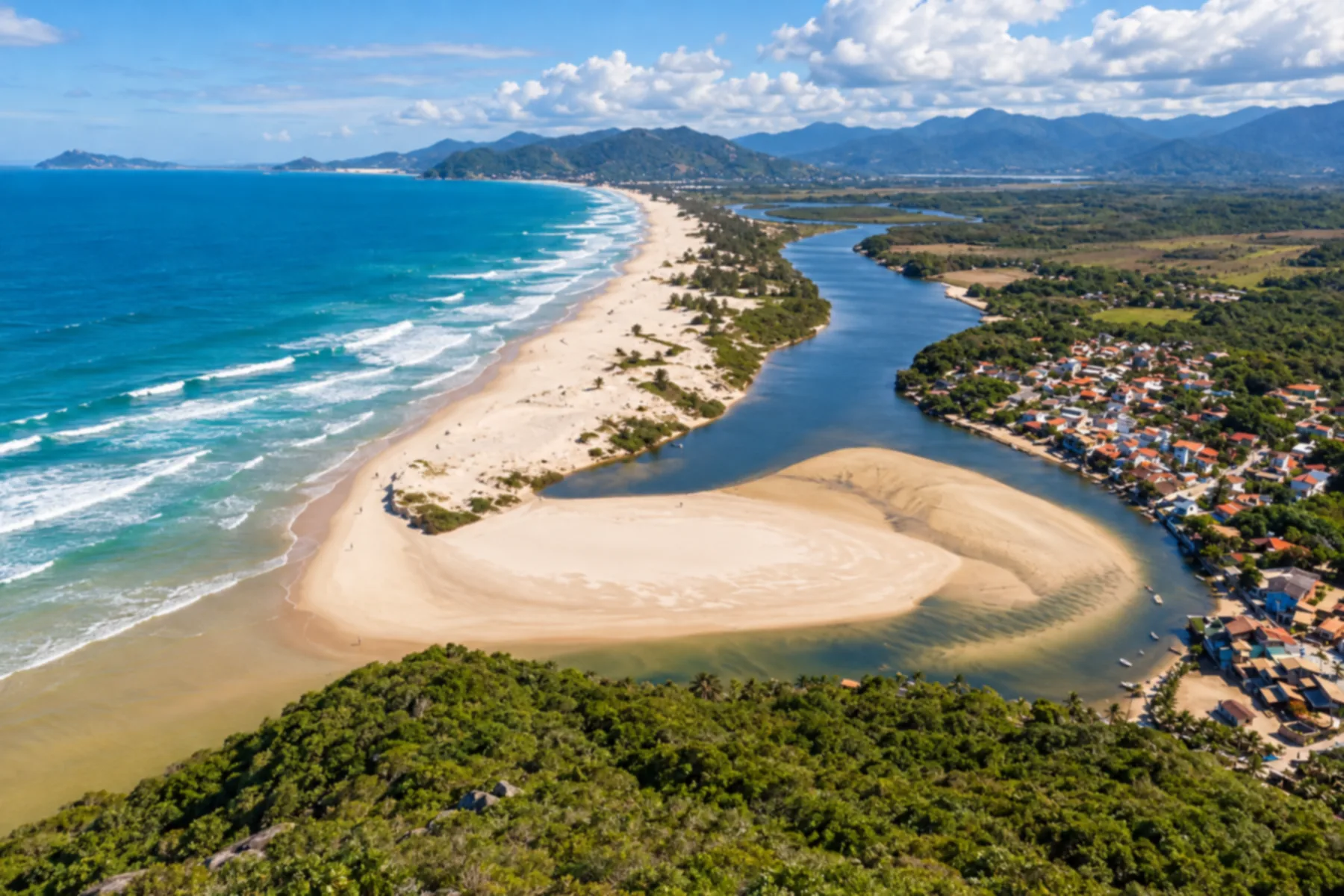
Palhoça brings together beaches, rivers and Atlantic Forest on the Santa Catarina coast. At Guarda do Embaú, you'll find the mouth of the Rio da Madre and paths that reveal the landscape between the restinga and the sea.
Biguaçu combines rural areas and historic heritage near the Baía Norte (North Bay), in Greater Florianópolis. A stroll through São Miguel lets you see old buildings and take in the coastal scenery.
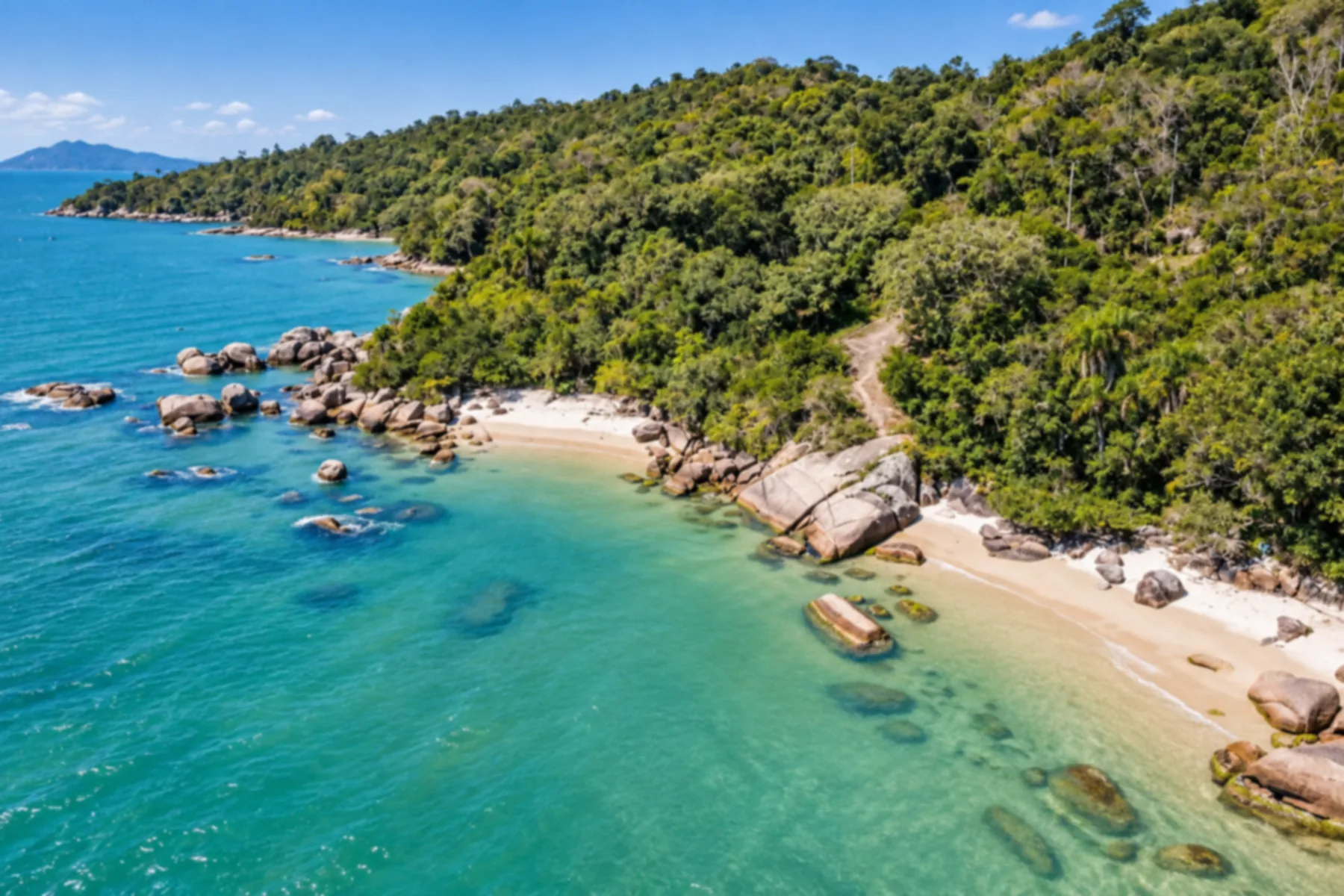
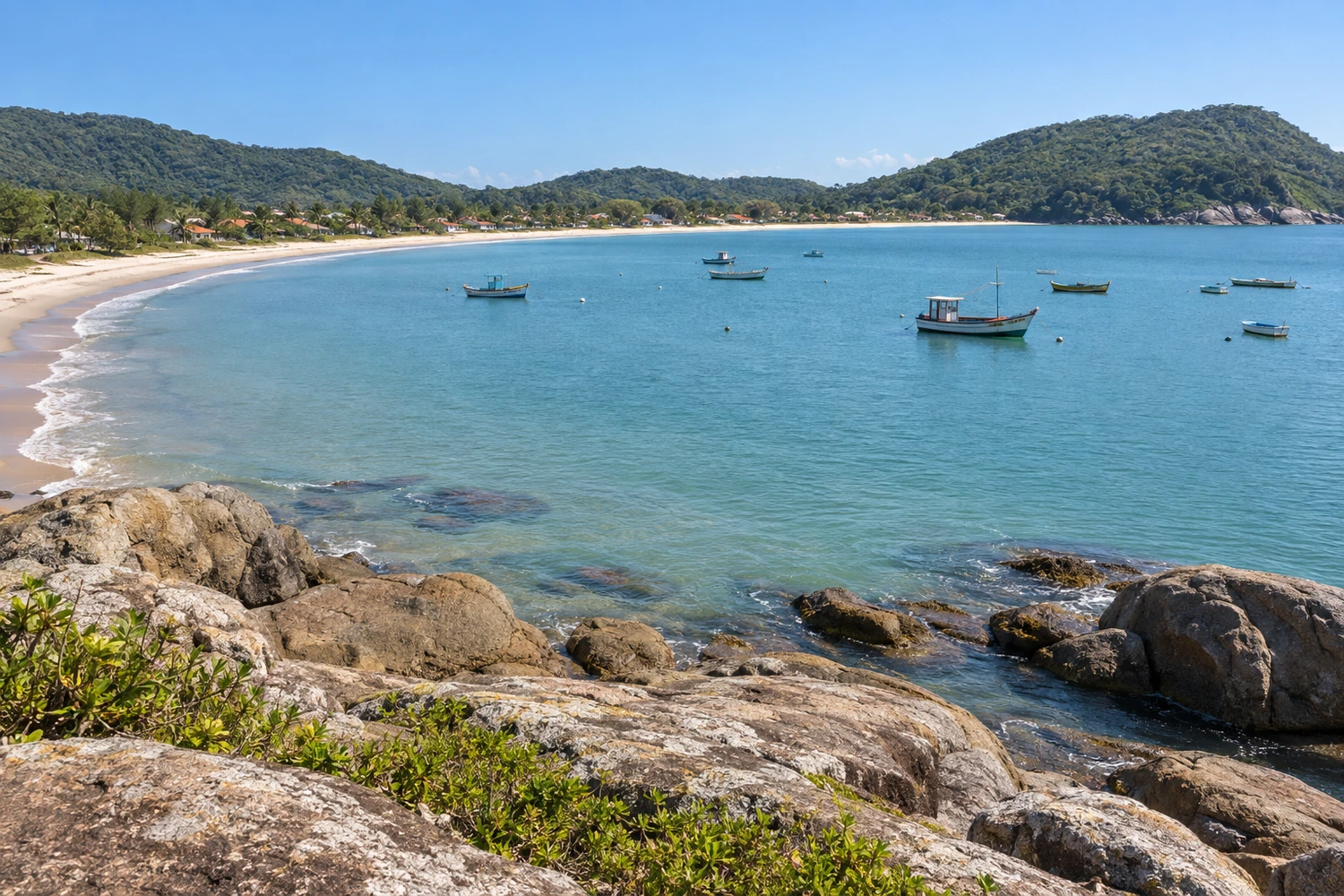
Governador Celso Ramos occupies a peninsula with coves, rocky headlands and fishing communities. You can explore small beaches and take in the seascape framed by the Atlantic Forest.
The local experience
Laid out on a grid of streets to receive Azorean immigrants, it brings together Portuguese-Brazilian houses around Praça Hercílio Luz. The Igreja Matriz (main church), built in 1765, is the oldest building in the ensemble, which also includes the Bica da Carioca, from 1840.
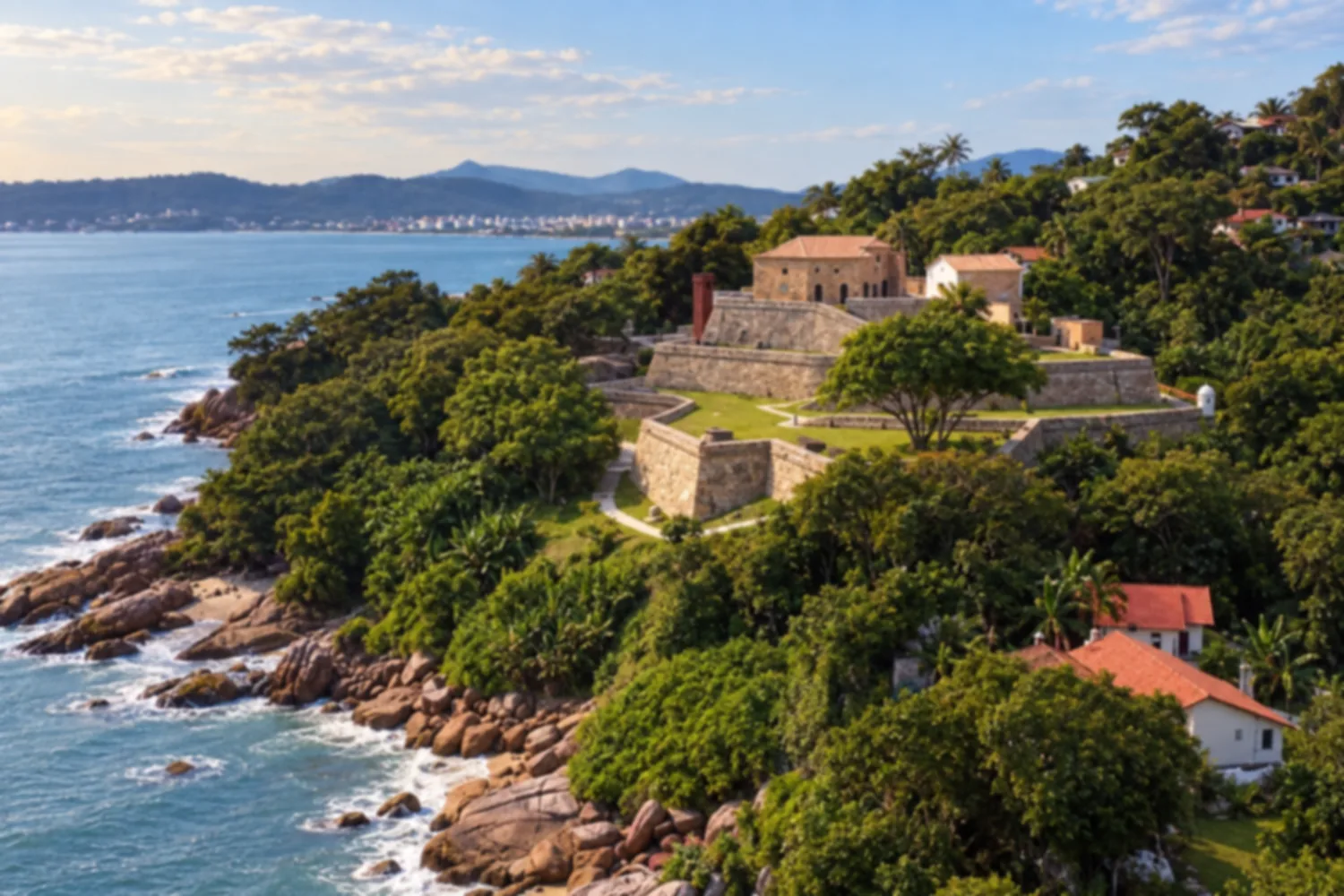
Designed by Brigadier José da Silva Paes and built from 1739 on Ilha de Anhatomirim, it was listed as national heritage in 1938. Restored by UFSC in partnership with Iphan, it's open to visitors and reached on boat trips.
Discover Fortaleza de Santa Cruz de Anhatomirim
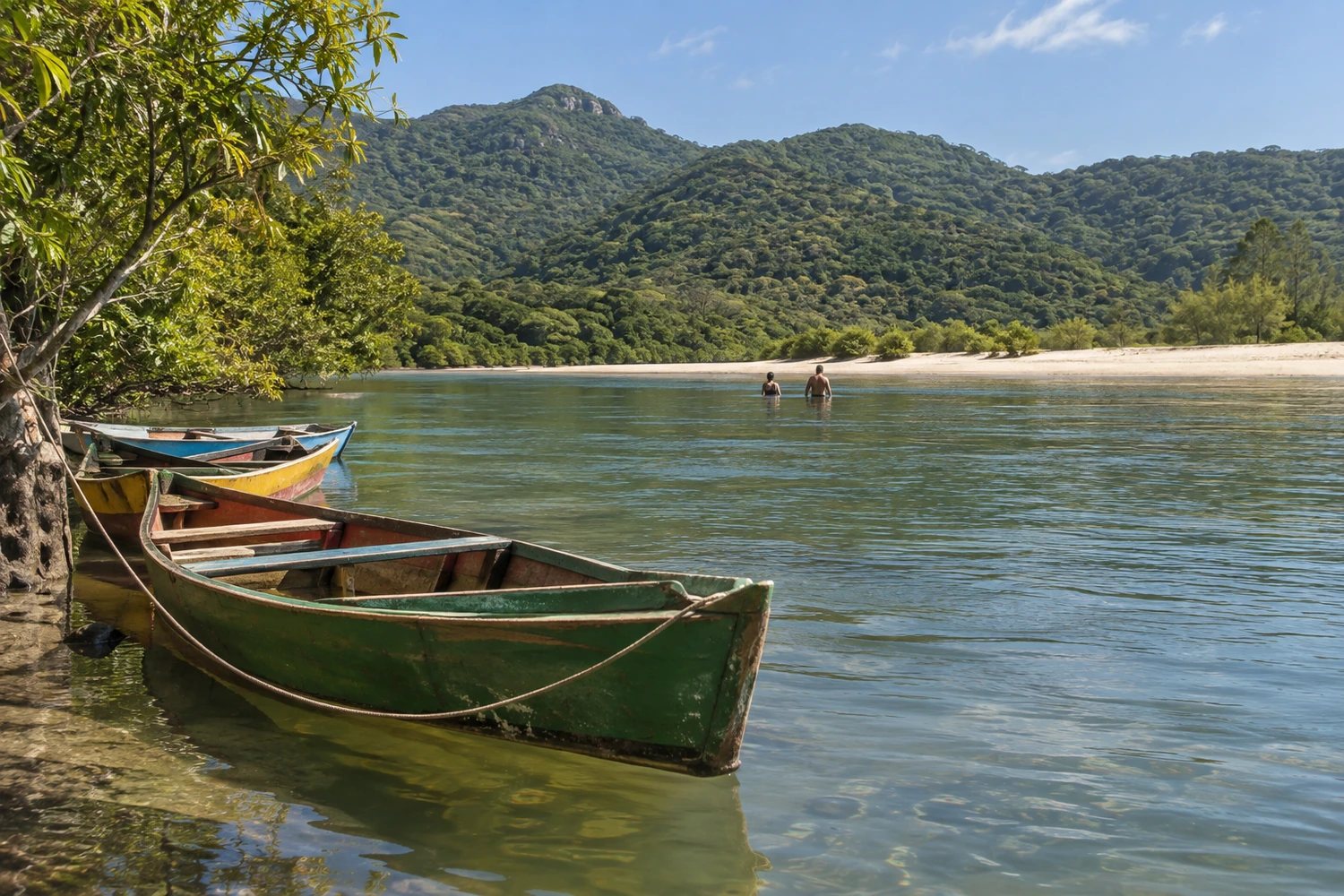
A village of fishermen and surfers surrounded by Atlantic Forest, it became famous in the 1980s and was recognized as a World Surfing Reserve. To reach the beach you have to cross the Rio da Madre by swimming, on foot at low tide or in the locals' canoes.
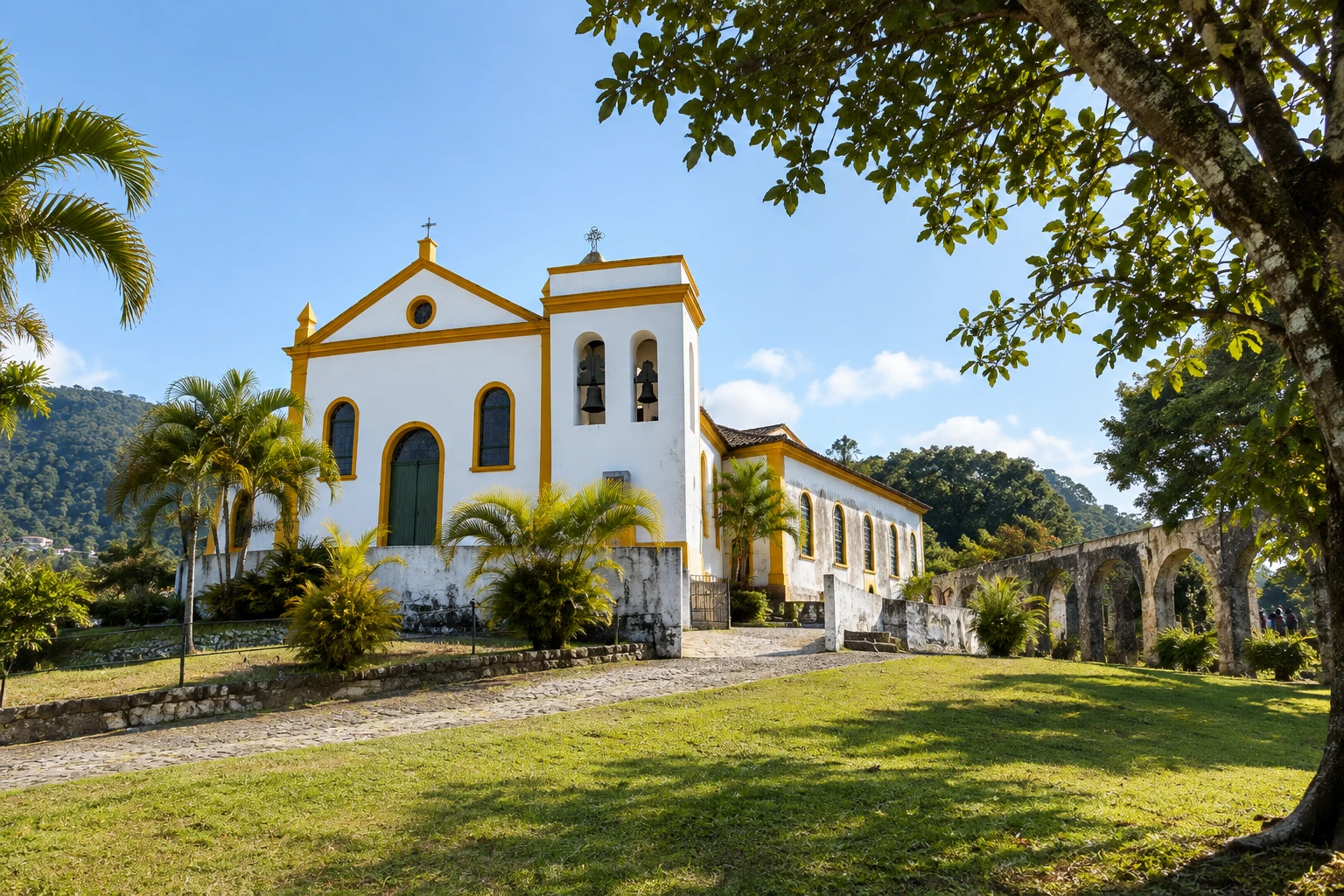
It's part of the architectural and landscape ensemble of the old Vila de São Miguel, listed by Iphan in 1969. Considered one of the oldest churches in the state, it's the result of enlarging a church built in the first half of the 18th century.
Discover Igreja de São Miguel Arcanjo
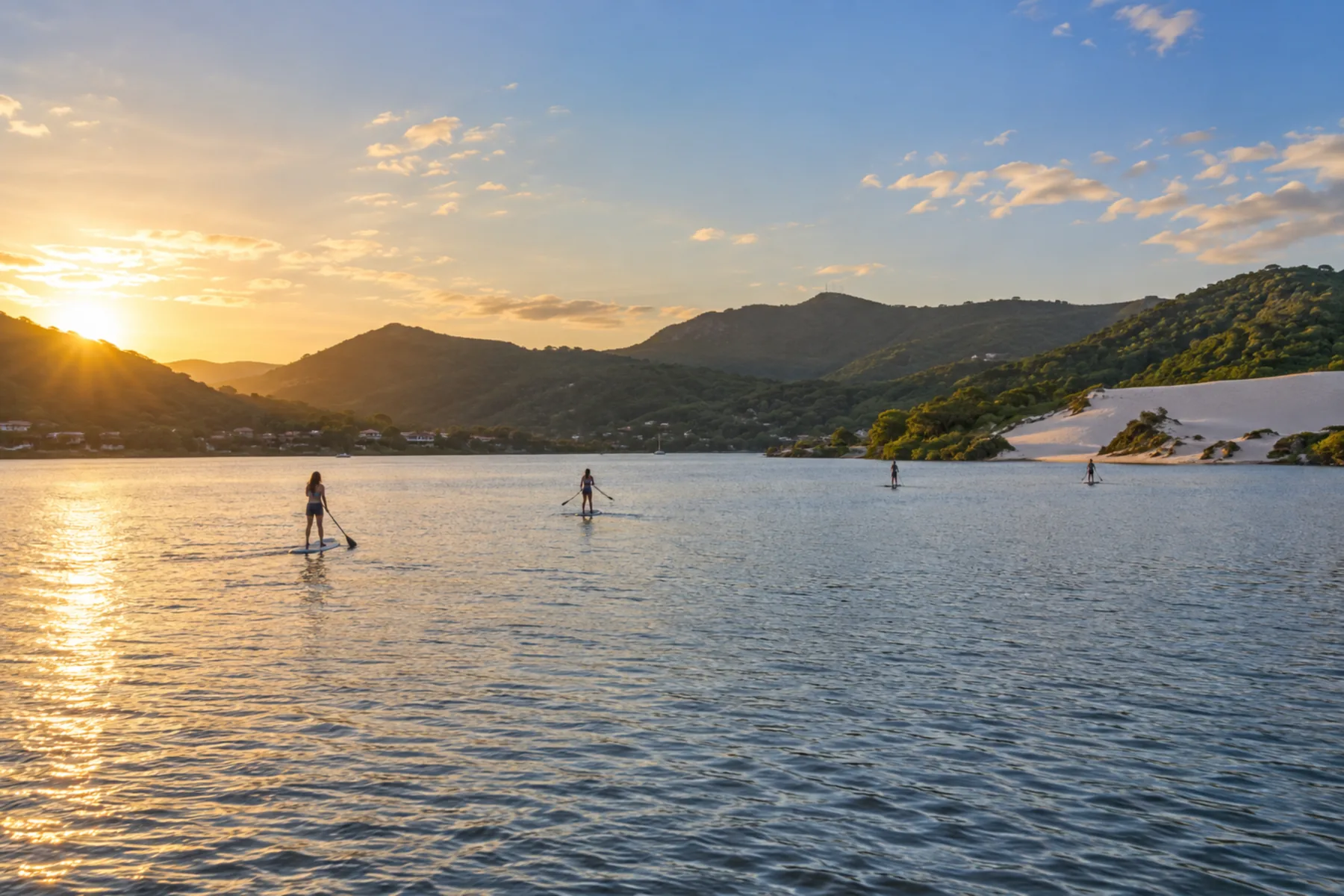
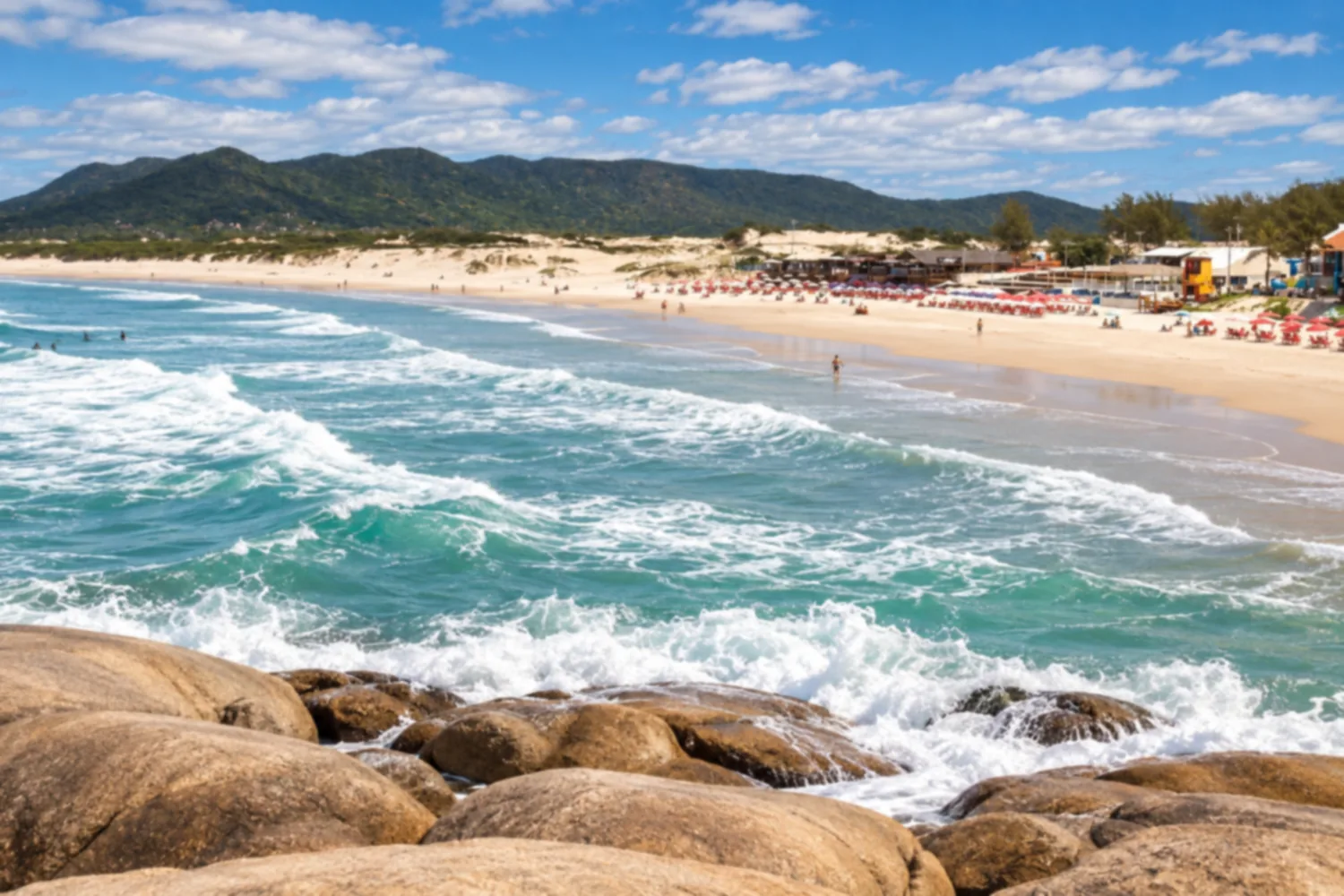
The heart of the island, it brings together water sports, dunes, restaurants and the lively Avenida das Rendeiras. By day it's stand-up paddling and kiting; at night it becomes Floripa's main nightlife hub.
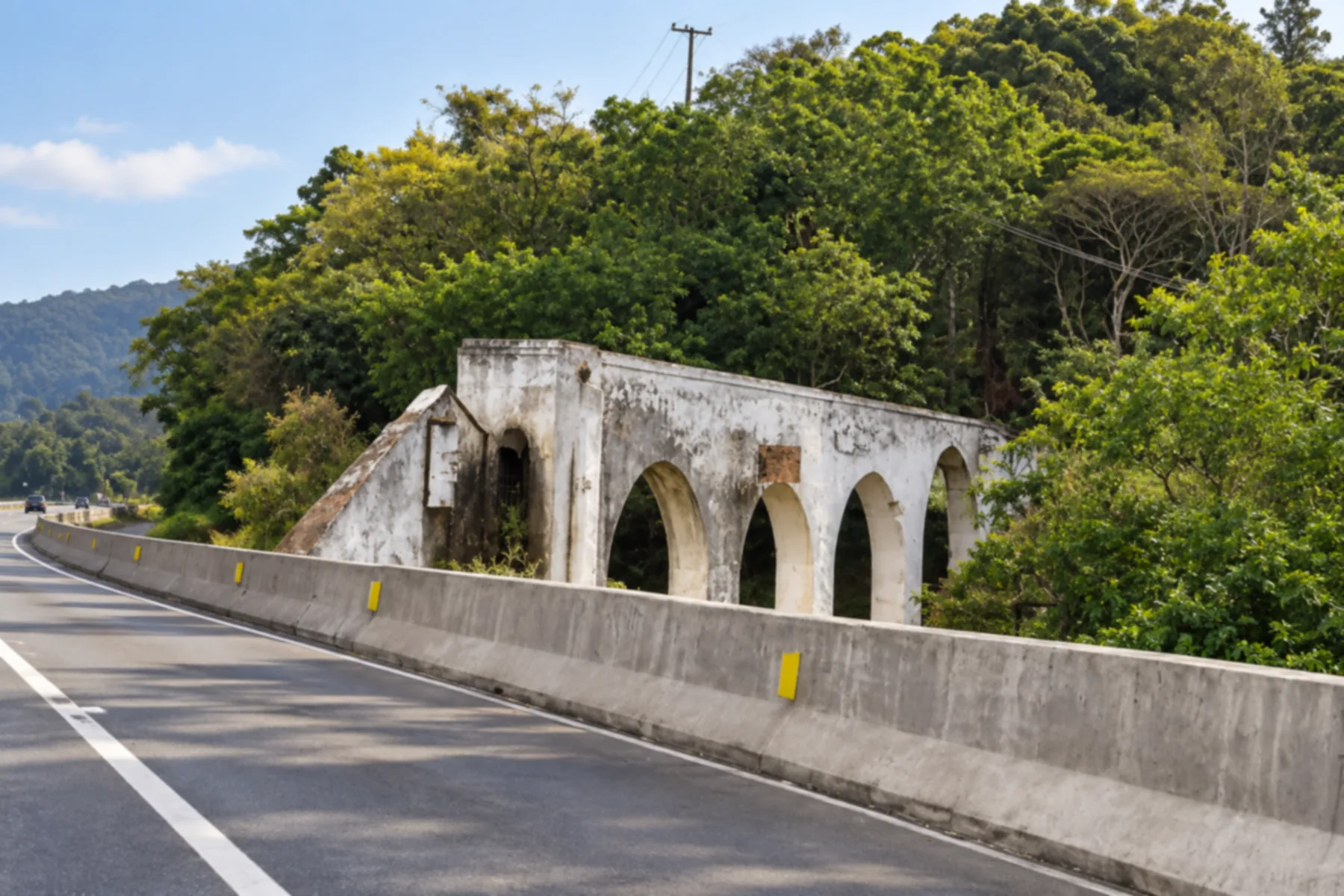
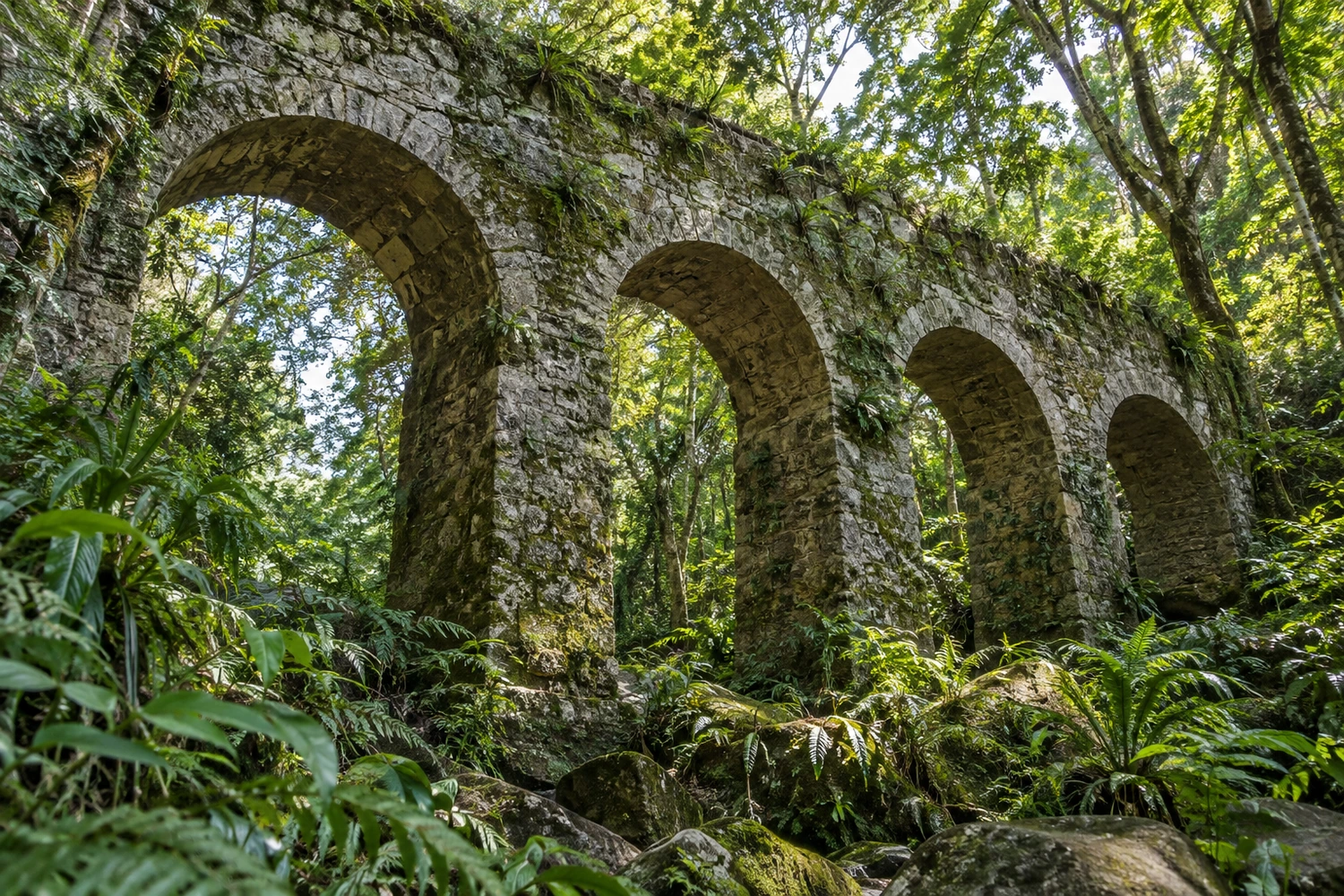
Built with stone arches by enslaved labor, it carried water from the Cachoeira de São Miguel (waterfall) to the village's old beach. Four arches remained after the BR-101 was built, and the monument is part of the ensemble listed by Iphan in 1969.
Discover Aqueduto de São Miguel
Famous for its strong waves and for hosting surf contests, it also has huge dunes used for sandboarding. It's one of the most iconic spots in Brazilian surfing.
Divided into Praia de Baixo and Praia de Cima, it has clean, calm water, sheltered from the south wind. The longer stretch, about 7 km, keeps the feel of a fishing village of Azorean tradition, and trails to the south lead to natural pools among the rocks.
The largest beach in the municipality, almost 3 km long, it has the main concentration of services on the local coast. The southern end, sheltered by a rocky headland, has calm water and is popular for kayaking and banana boat rides.
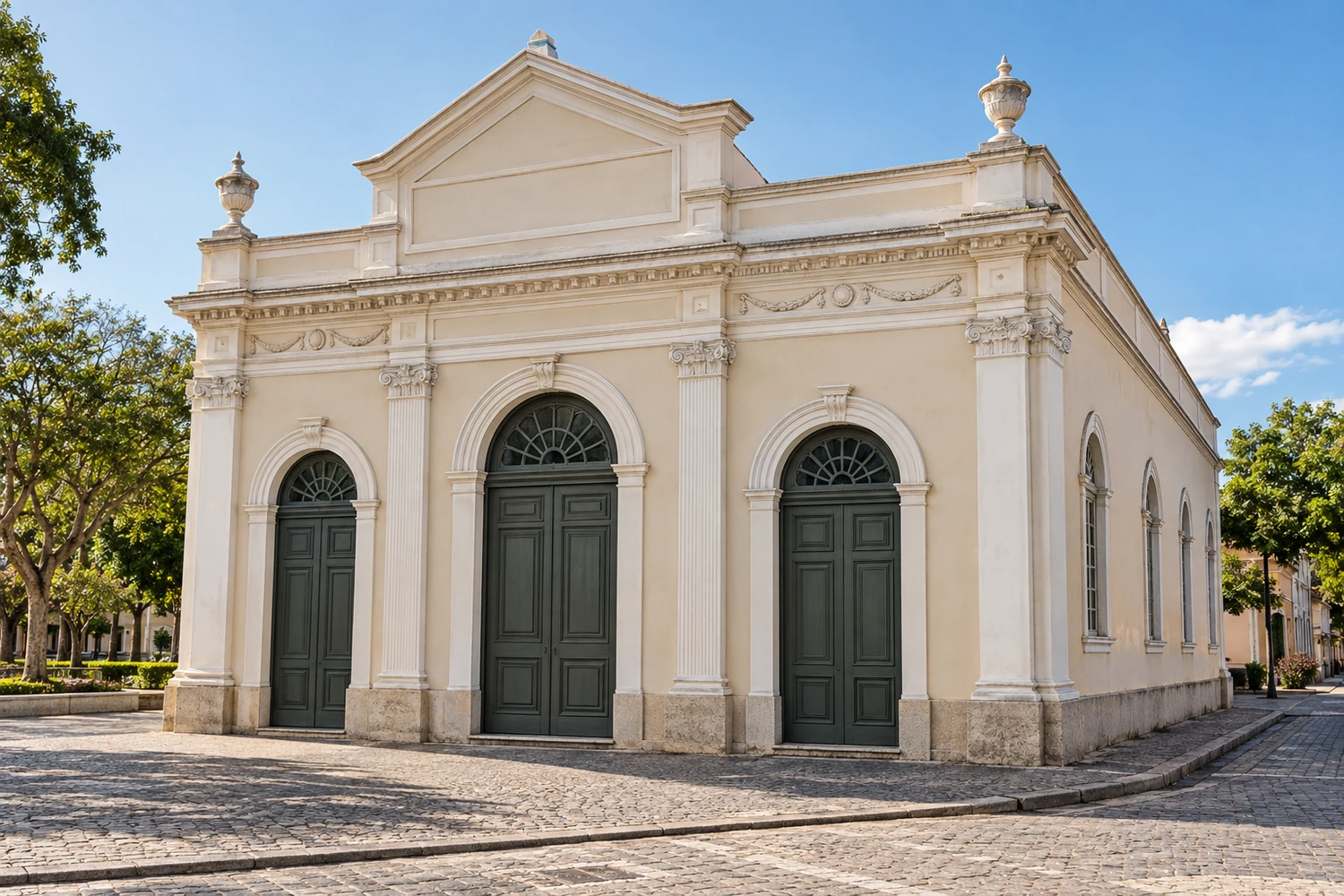
Opened in 1856, it's the oldest theater in Santa Catarina and has served as a movie theater and as barracks during the 1930 Revolution. Restored and reopened in 2020, it's named after violinist and composer Adolpho Ferreira Mello.
Discover Theatro Adolpho Mello
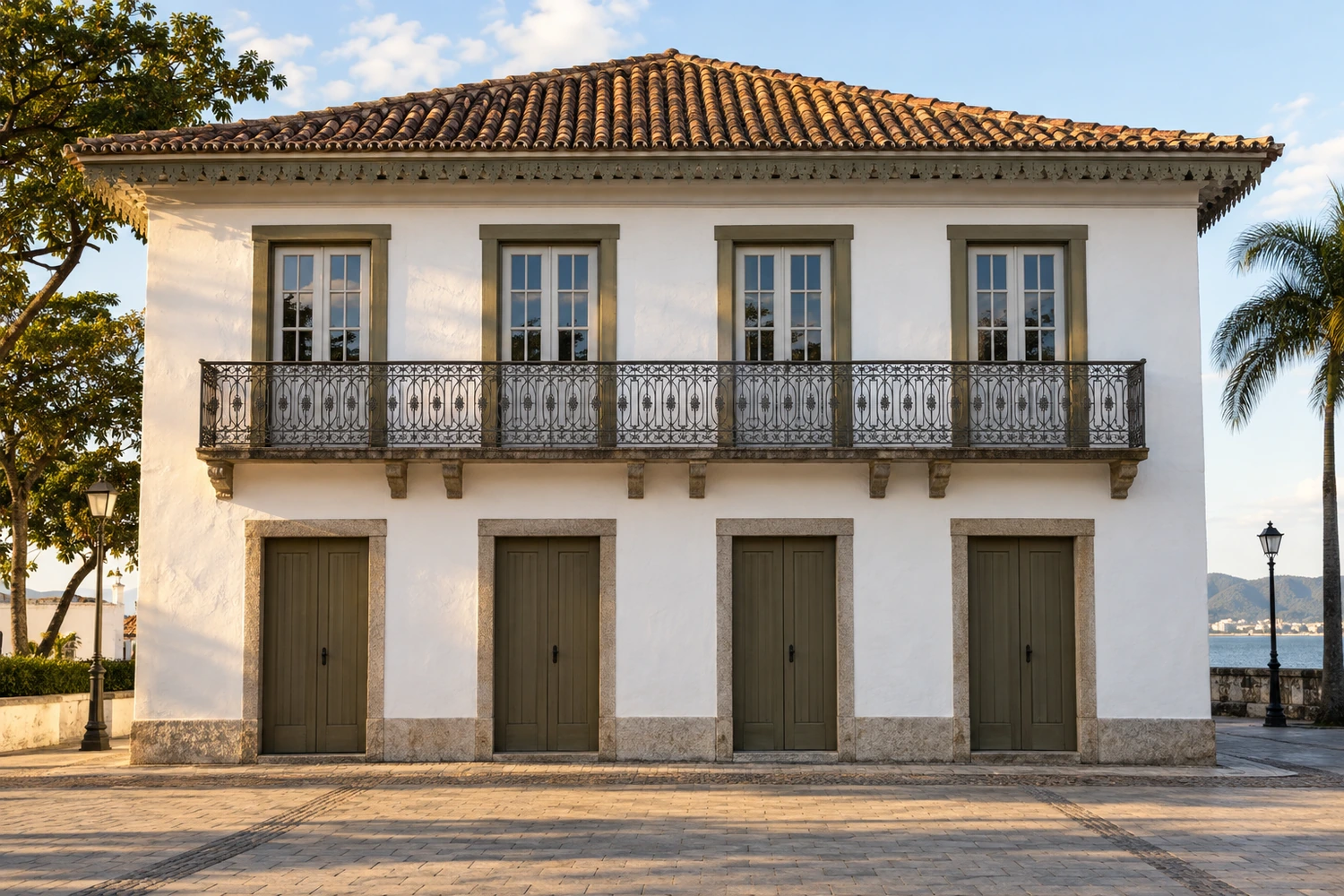
Housed in a colonial townhouse with sash windows, it's part of the listed Vila de São Miguel ensemble. The collection includes furniture, clothing and objects of Azorean culture, plus a model of a sugar mill and a life-size ox cart.
Discover Museu Etnográfico Casa dos Açores
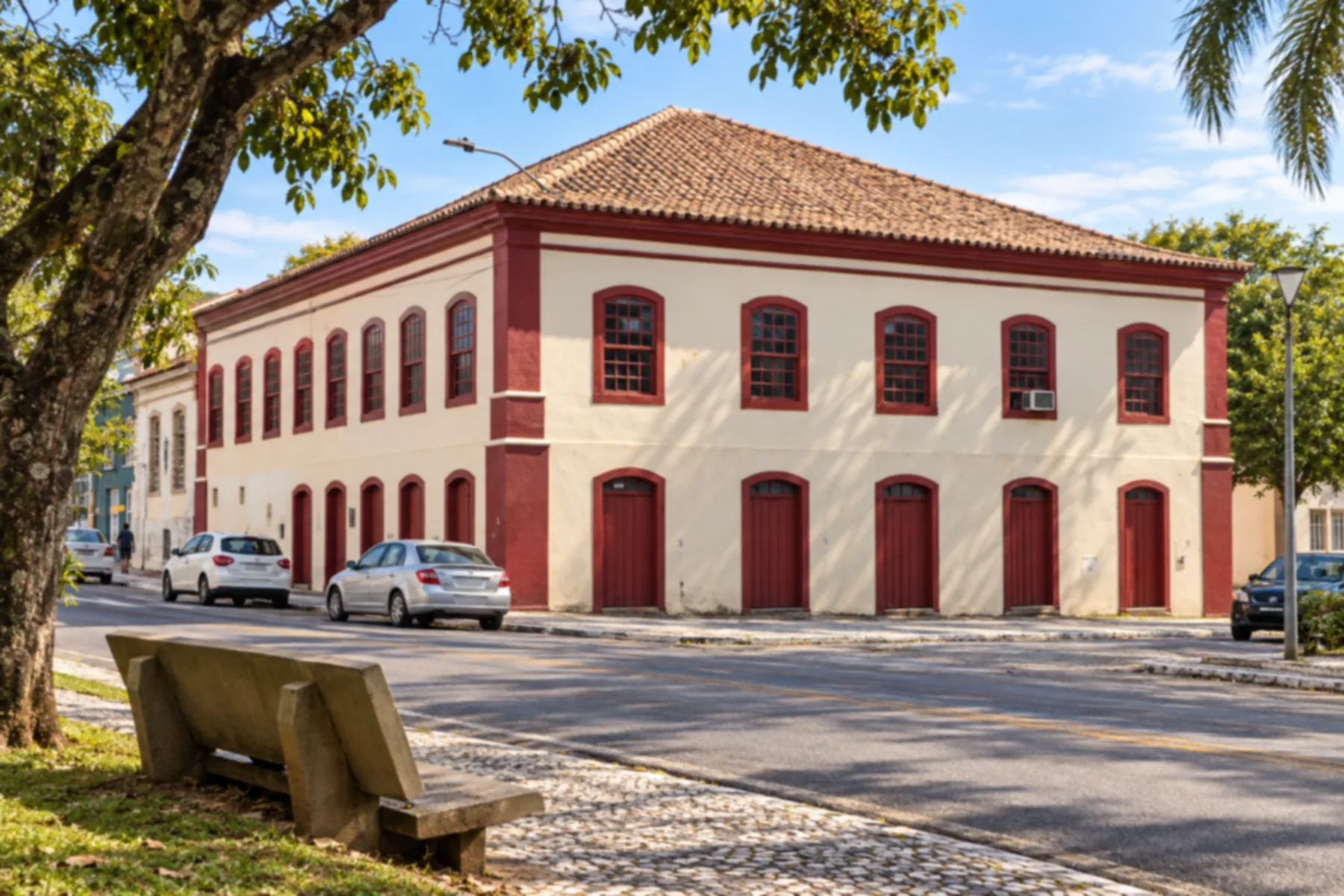
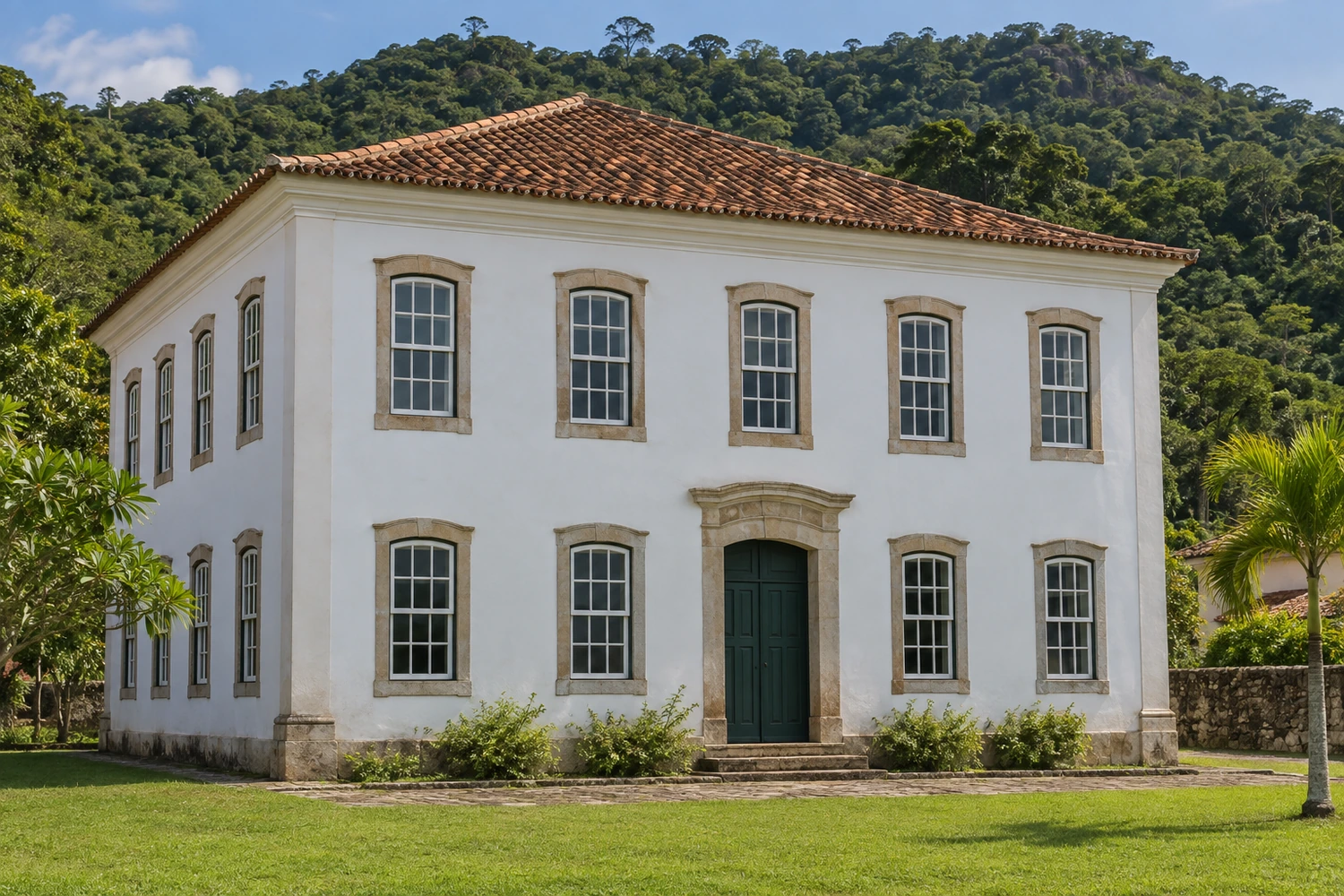
It occupies a colonial townhouse from the 1770s that belonged to Luiz Ferreira de Mello, president of the province, and hosted Emperor Dom Pedro II in 1845. The collection, with about 5,000 pieces, ranges from Indigenous objects to porcelain, weapons, coins and historic documents.
Discover Museu Histórico Gilberto Gerlach
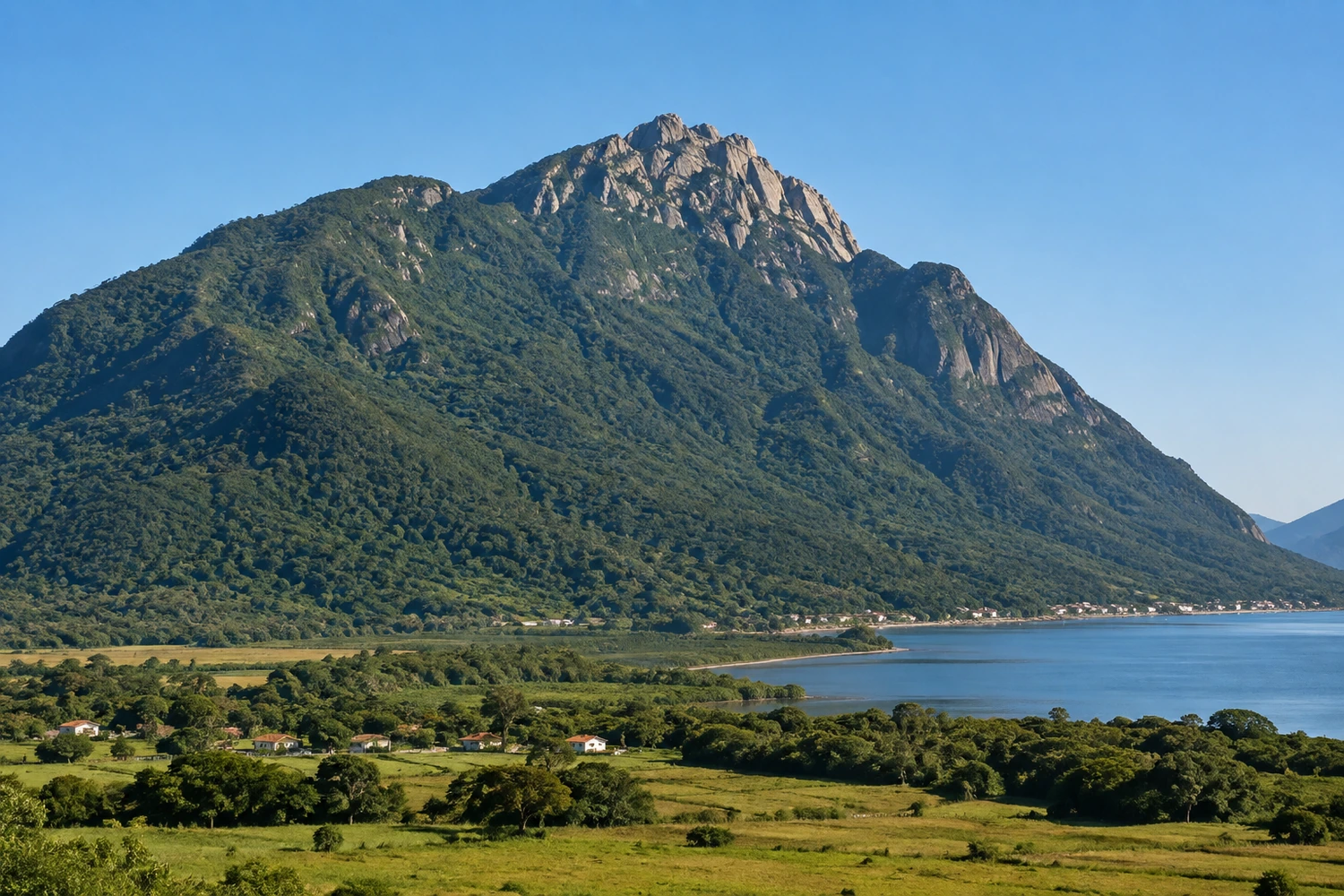
The largest protected area in Santa Catarina has one of its main gateways in the municipality. It's home to Morro do Cambirela, whose demanding trail leads to a view that, on clear days, takes in all of Santa Catarina Island.
Discover Parque Estadual da Serra do Tabuleiro
With about 1 km of white sand surrounded by vegetation, it has held the international Blue Flag certification since the 2016/2017 season. It has kiosks, restrooms and showers and is also popular with surfers.
A traditional hangout for young people and surfers, with bars on the sand and a hang-gliding ramp on the hill next to it. The sea is strong, so the beach is as much about the vibe as about swimming.
Also called Baía de São Miguel, it's home to a population of 60 to 80 Guiana dolphins, which can be seen year-round. The best viewing spot is near the Fortaleza de Anhatomirim, reached on boat trips.
A village founded in 1750 by navigator Domingos de Brito Peixoto, it's home to one of the three oldest parishes in Santa Catarina. The church, listed by the state in 1998, has a three-tier tower and holds statues of Nossa Senhora do Rosário (Our Lady of the Rosary), Saint Francis and Saint Dominic.
Discover Enseada de Brito e Igreja de Nossa Senhora do Rosário
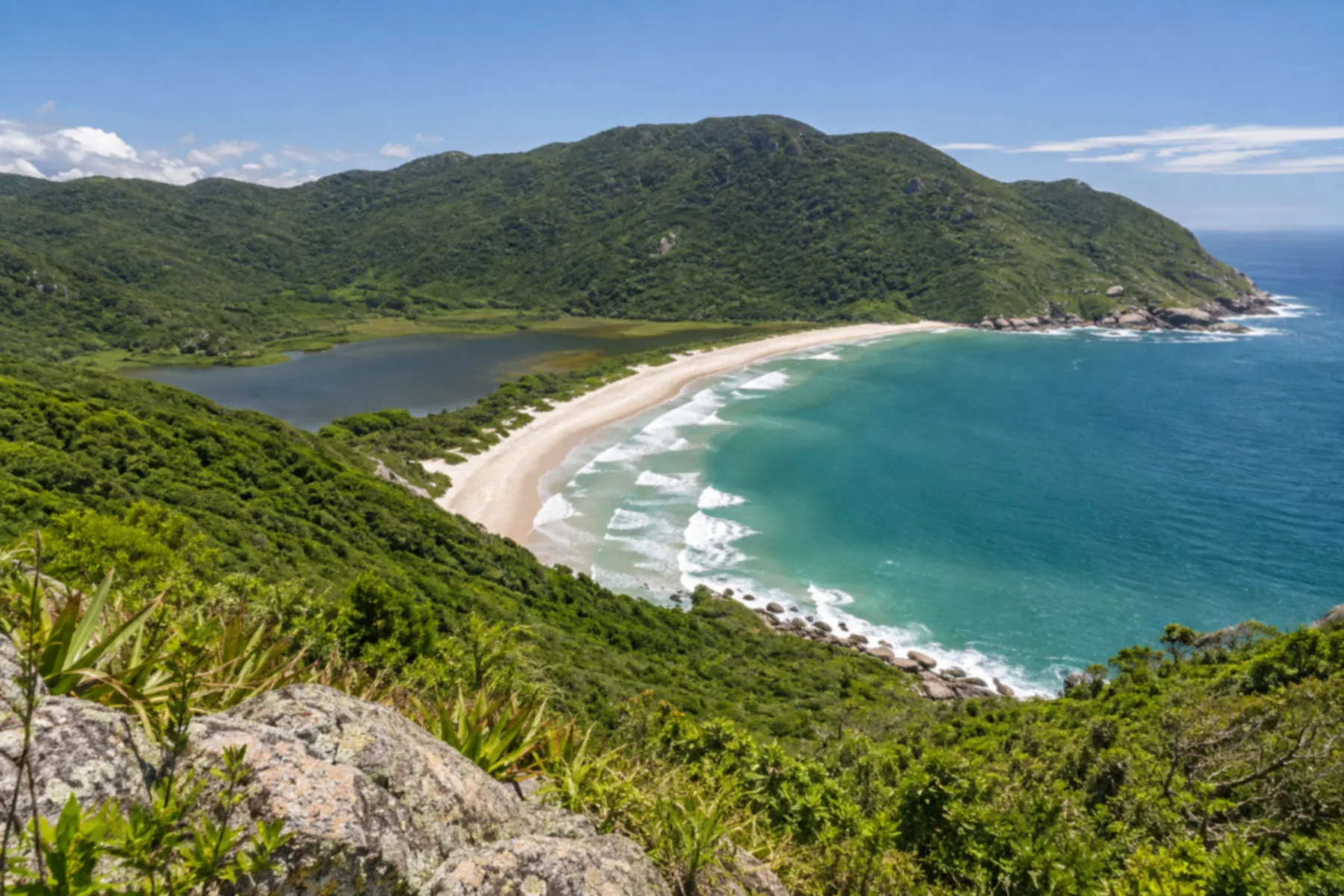
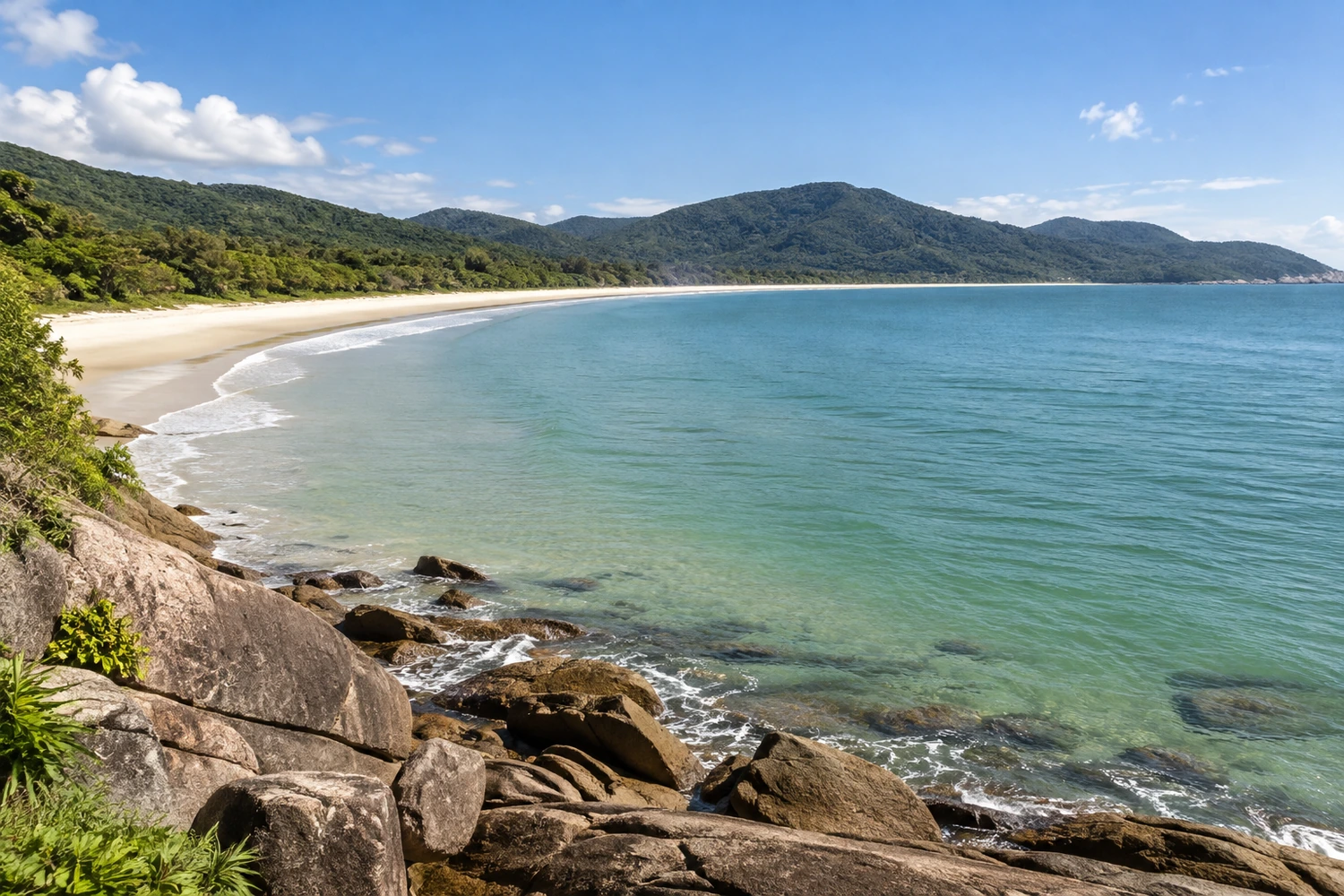
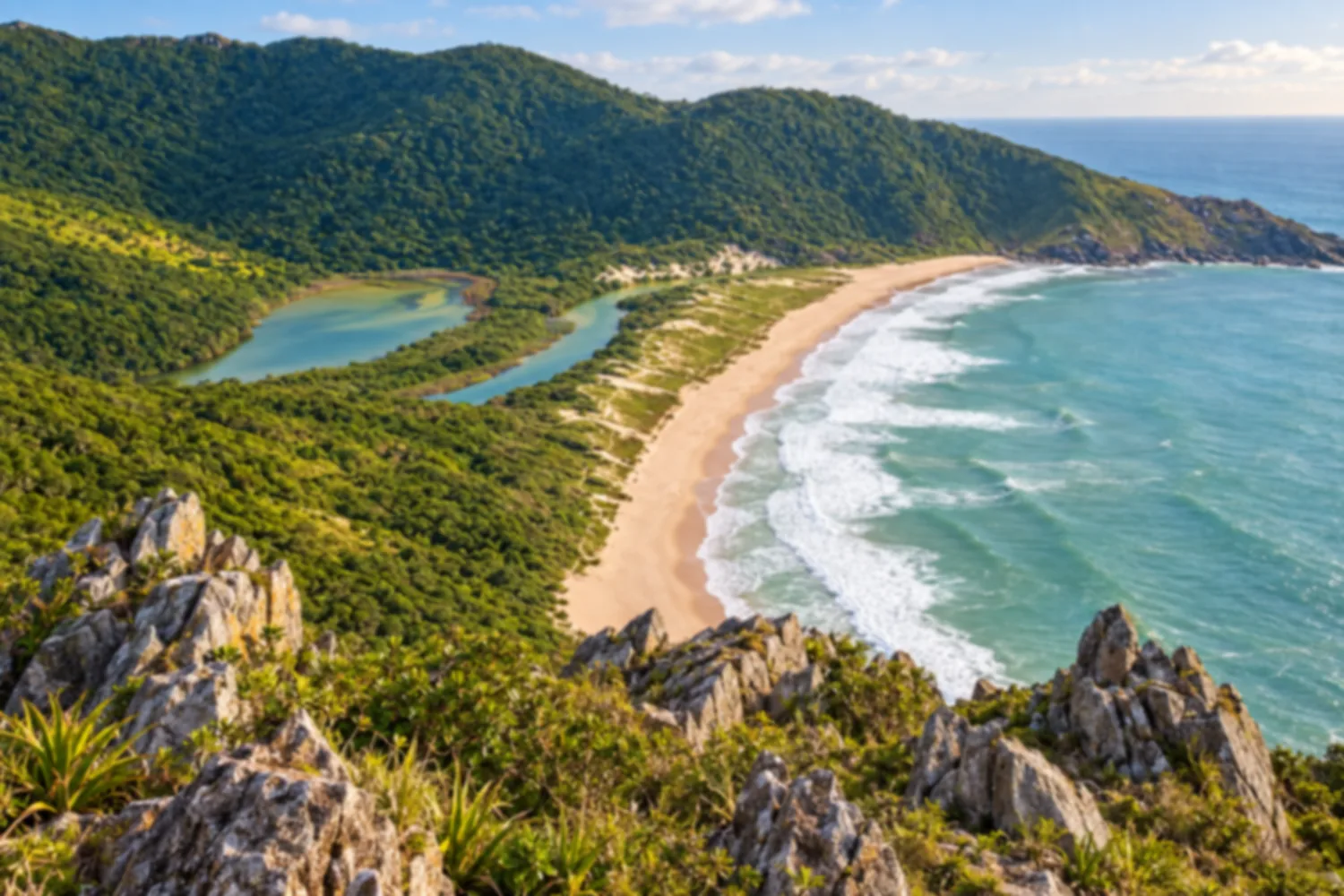
A wild beach with no car access, reached only by trail from Pântano do Sul or Matadeiro. The viewpoint along the way offers one of the most beautiful views on the island.
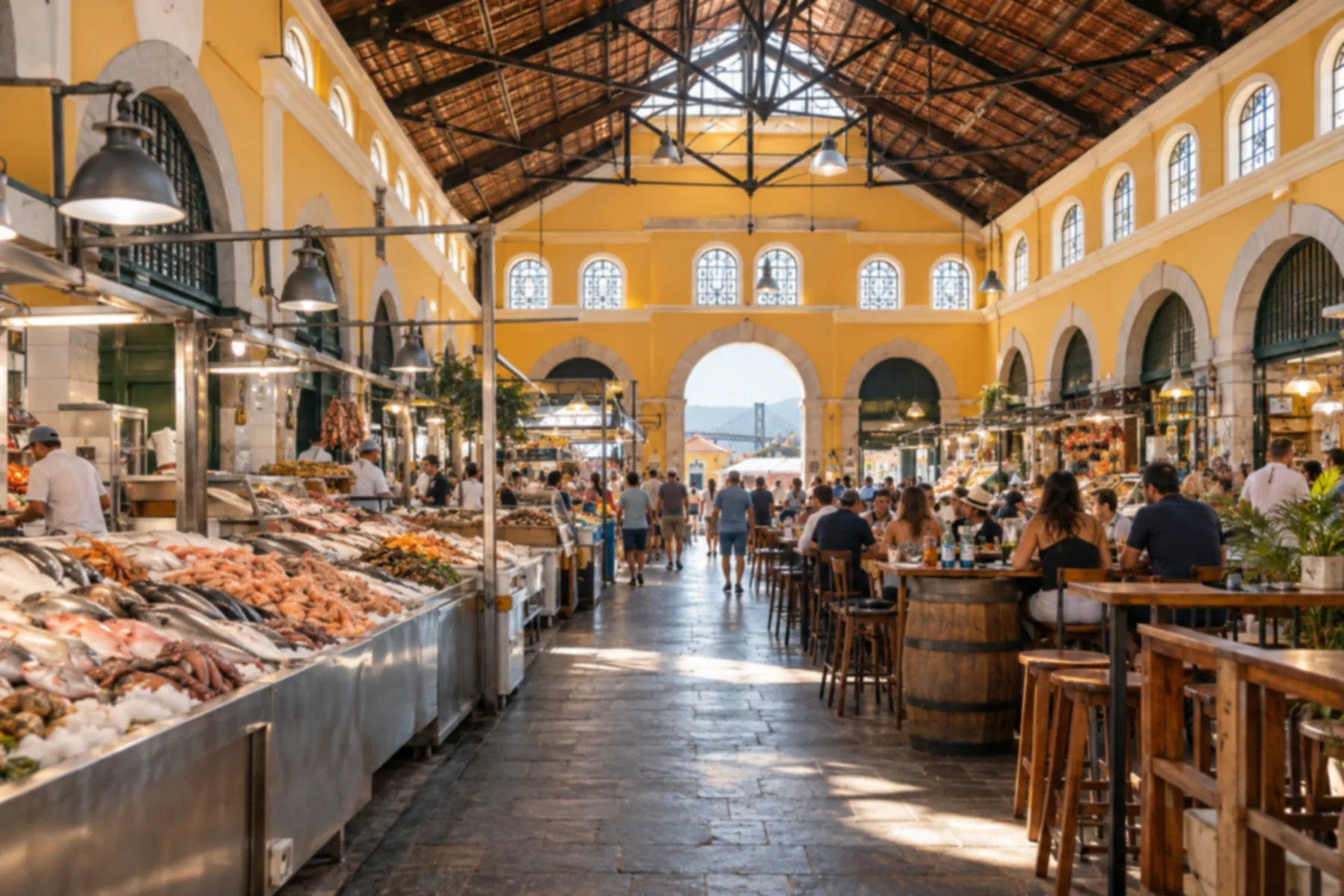
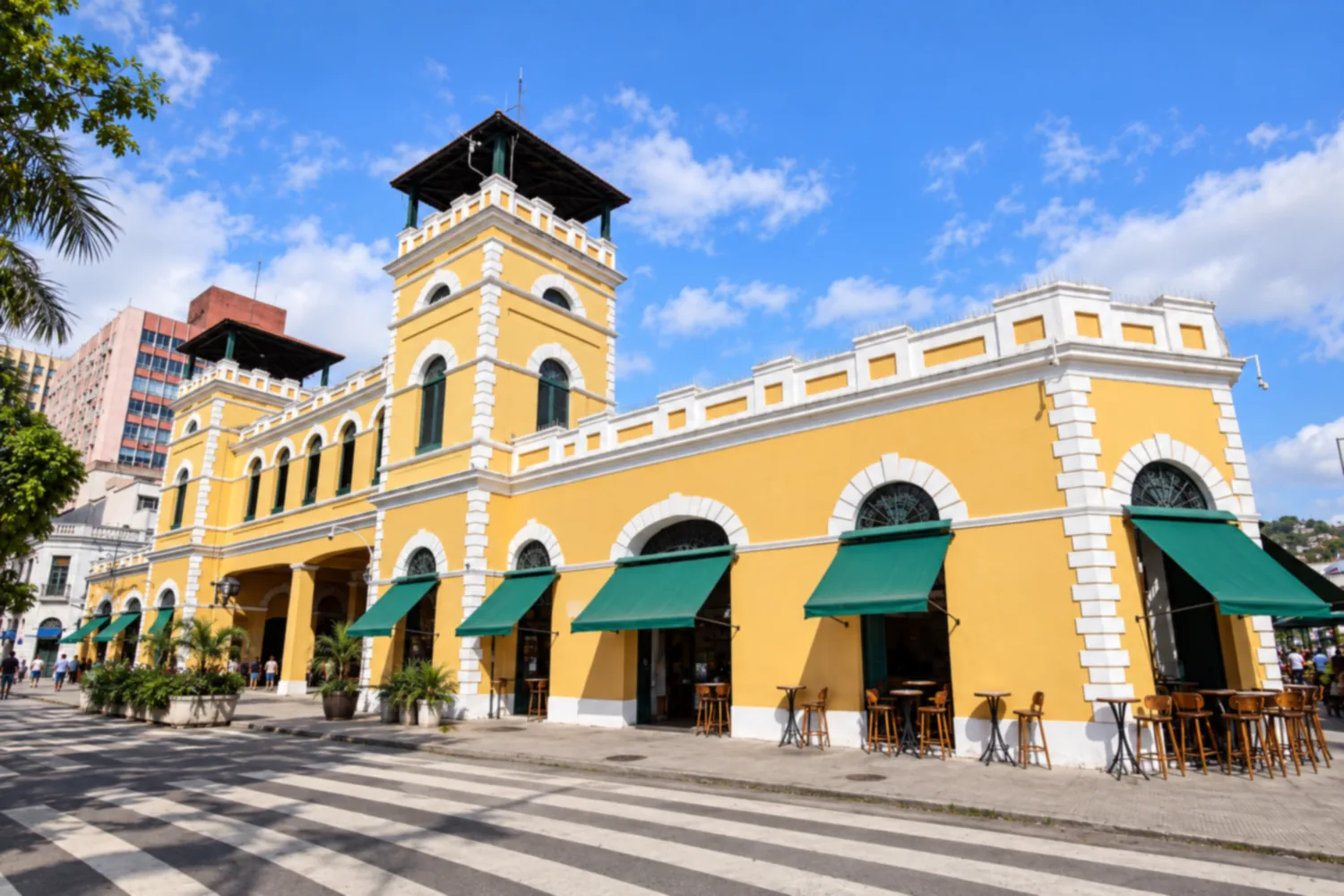
A historic downtown building full of fresh fish stalls, bars and traditional restaurants. It's a must-stop for a shrimp pastel (fried pastry) and a draft beer in the late afternoon.
Discover Mercado Público de Florianópolis
A restored 18th-century fort between Praia do Forte and Jurerê, with walls, cannons and the commander's house open to visitors. It offers a superb view of the Baía Norte.
Discover Fortaleza de São José da Ponta Grossa
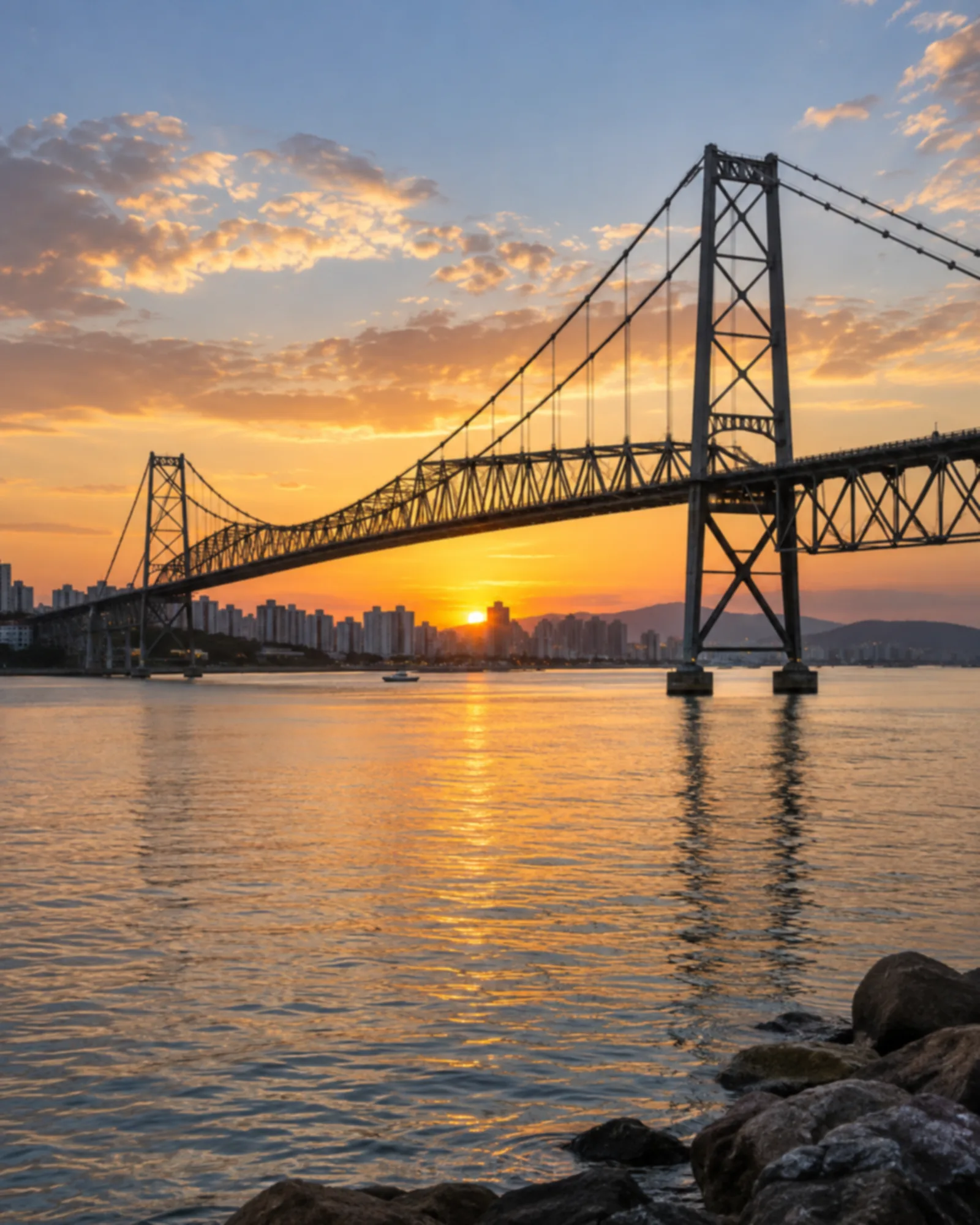
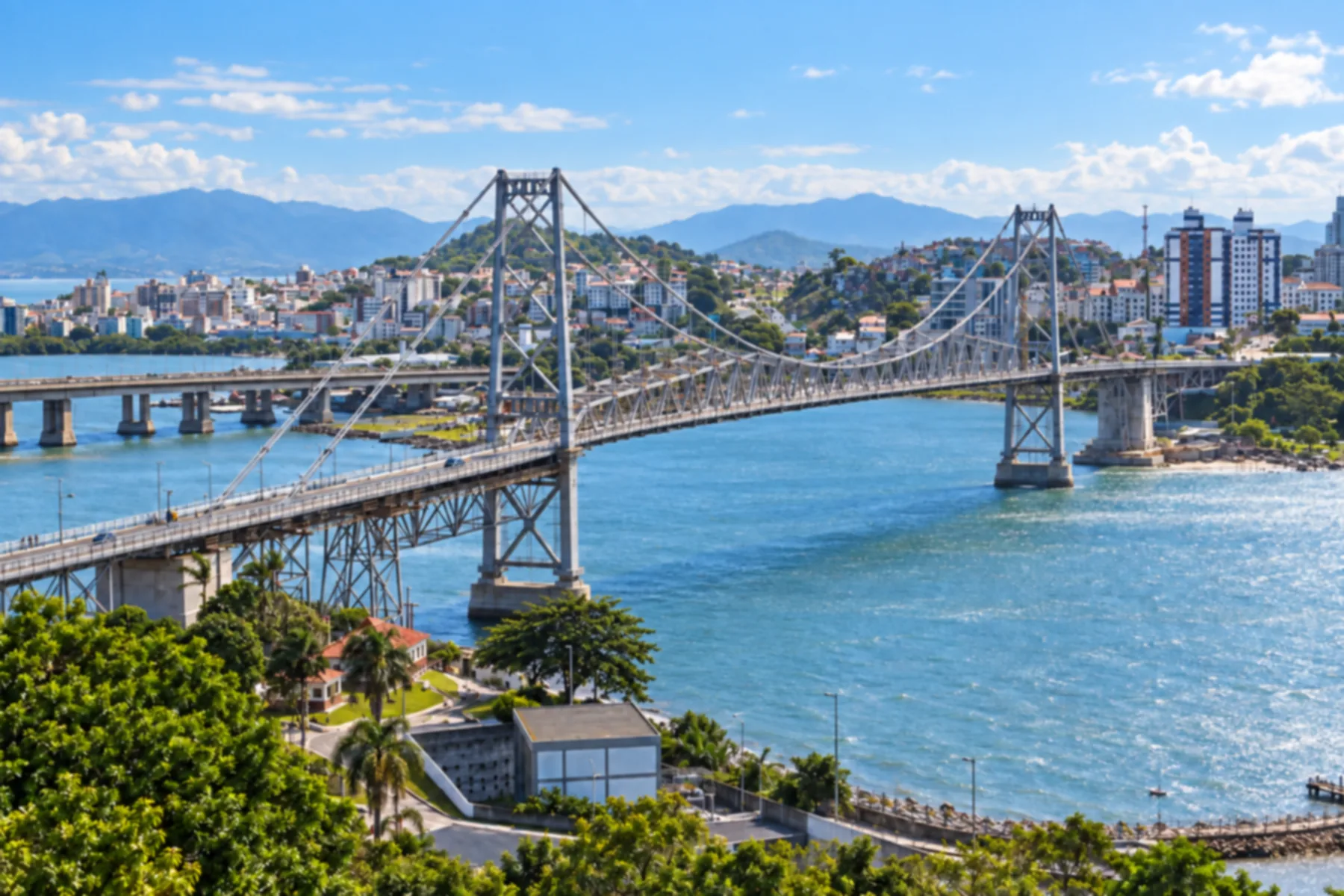
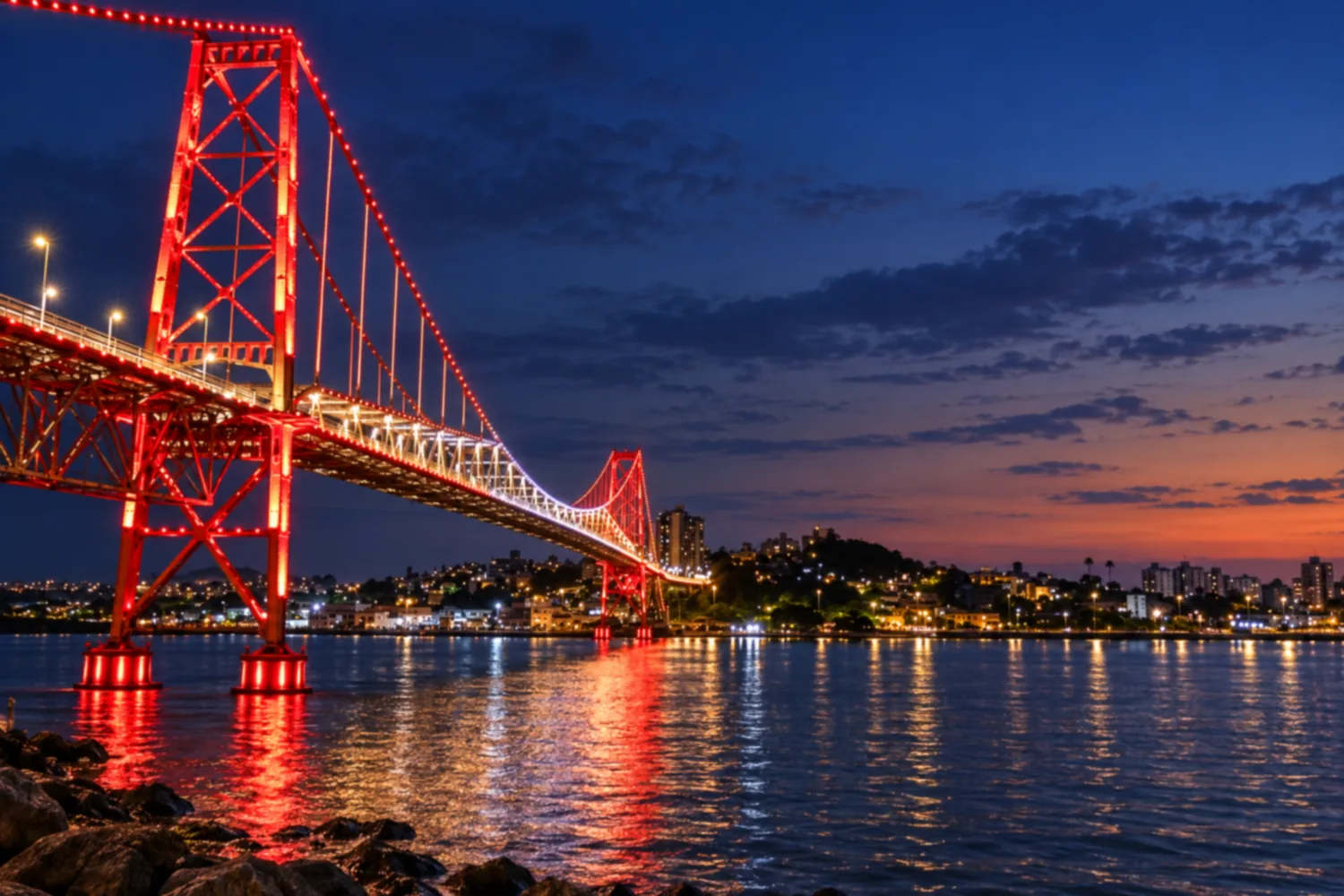
The capital's postcard image, built in 1926 and 819 meters long, now restored and open to pedestrians. At night, the lighting makes the metal structure stand out over the bay.
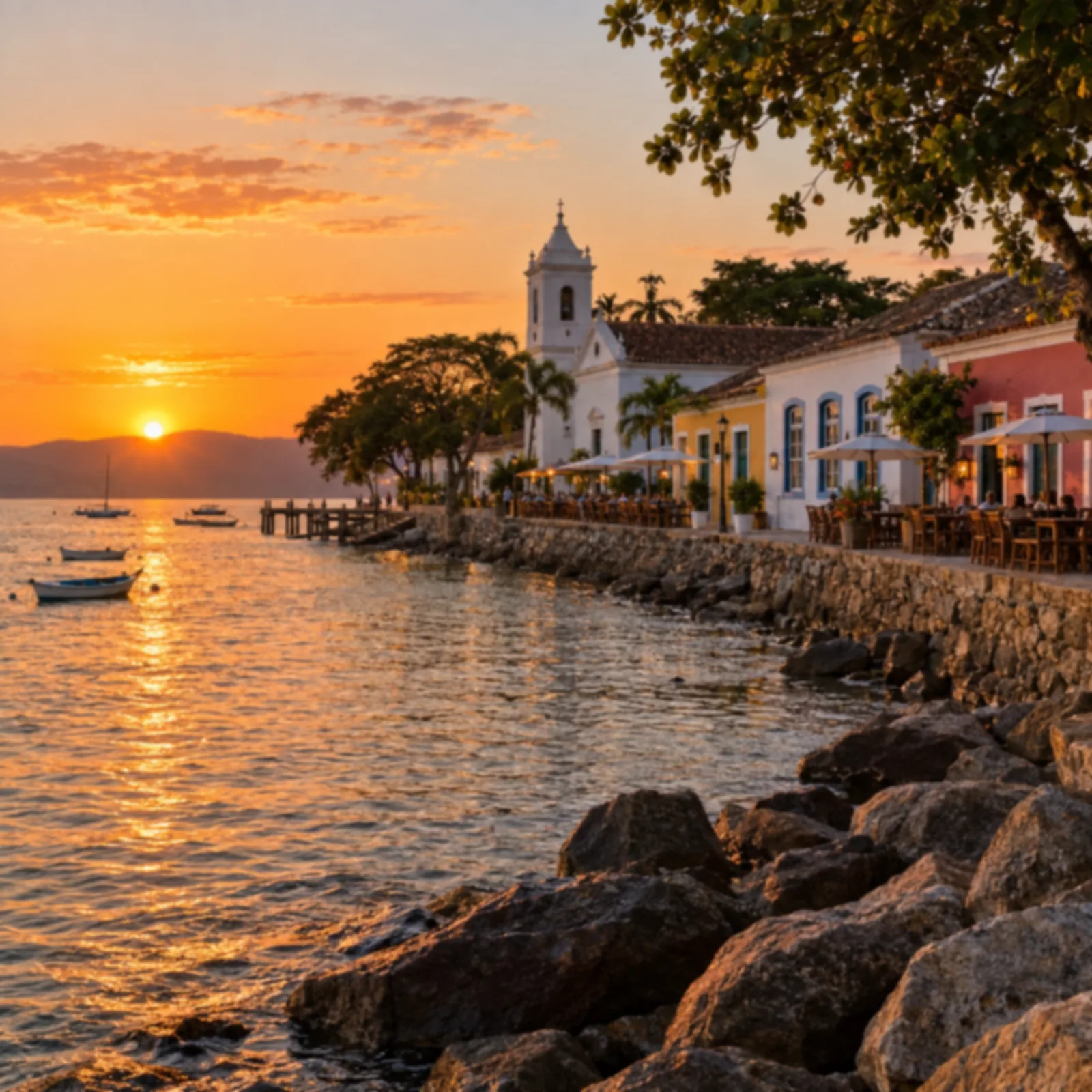
An Azorean village in the north of the island that preserves colonial houses, an old church and bobbin lace workshops. It's the best place to eat oysters while watching the sunset over the bay.
Discover Santo Antônio de Lisboa
Your base to explore
Where you stay is part of the trip. Choose the area that best fits your itinerary.
A hotel of private villas on a peninsula in Governador Celso Ramos, formerly called Ponta dos Ganchos, with its own spa and restaurants. It suits those seeking seclusion, trails and guided outings facing the Três Ilhas archipelago.
A simple hotel off the BR-101, in the Serraria neighborhood, in Biguaçu. It suits travelers driving on the highway who need an overnight stop near Florianópolis, about 20 km from Hercílio Luz airport.
A Mediterranean-inspired resort on Avenida dos Búzios, in Jurerê Internacional, with suites, a heated pool and its own restaurants. It suits families and couples who want to stay in the north of the island, near Jurerê beach.
A 120-room hotel in the Campinas neighborhood, part of the K-Platz Center, a complex with restaurants, a brewery and an event space. It serves business travelers, families and those who want to stay a few kilometers from downtown Florianópolis.
A pousada opened in 1997 one block from the beach at Guarda do Embaú, with ten suites and practices such as rainwater harvesting and solar power. It suits couples, families and surfers visiting the World Surfing Reserve.
A hotel with 75 rooms in three buildings at Praia de Palmas, with a water park and a beach kiosk. It mainly serves families and also hosts events and celebrations.
A 259-room hotel on Avenida Beira-Mar Norte, next to Beiramar Shopping, with a spa, a restaurant and event spaces. It serves business and leisure travelers who want to stay downtown, on the Baía Norte waterfront.
A pousada at Praia de Cima, in Pinheira, 150 meters from the sea, with one- to three-bedroom apartments and suites with kitchens on wooded grounds. It serves families and groups and is about 2 km from Guarda do Embaú.
A budget hotel of the Slaviero chain with 58 rooms in Kobrasol, near the access to the BR-101. It suits business travelers and those using São José as a base to visit the beaches of Greater Florianópolis.
An apartment hotel in Cidade Universitária Pedra Branca, with apartments and suites equipped with a kitchenette. It suits those visiting Unisul or the Arena Opus and those needing an extended stay on the mainland side of Greater Florianópolis.
A hotel in the Campinas neighborhood, near São José's Centro Multiuso, with three rooms for small meetings and breakfast served to guests. It serves business travelers, families and passengers in transit through Florianópolis airport.
A farm hotel with a spa in an Atlantic Forest area near Praia de Palmas, with indoor and outdoor pools and trails. It suits those who want to combine countryside rest with access to the municipality's beaches.
An eco-minded pousada with 16 units, including suites, bungalows and chalets, a few minutes' walk from Praia do Campeche. It offers yoga classes and suits those looking for rest amid a garden in the south of the island.
Joaquina Beach Hotel is a few meters from the sea, near Praia da Joaquina and 2 km from Lagoa da Conceição, in Florianópolis. It has a pool, games, parking and room service.
Hotel Boutique Quinta das Videiras is in Lagoa da Conceição, in Florianópolis. It has Wi-Fi, a pool, a bistro, a spa and smart TVs.
Faial Prime Suítes is downtown, in Florianópolis. It has breakfast, a restaurant, room service, is pet-friendly, and has laundry, internet, parking and a gym.
Pousada dos Sonhos is on the waterfront in Jurerê, in Florianópolis. It has breakfast, a restaurant, a kids' area and beach access.
Hotel Costa Norte Ingleses is on the waterfront, in the north of Santa Catarina Island, in Florianópolis. It has Wi-Fi and breakfast included.
Hotel Cambirela is downtown, in Palhoça. It has air-conditioning, Wi-Fi, breakfast, parking, 24-hour front desk, minibar and games; outsourced laundry.
Diaudi Hotel is in São José. It has breakfast, valet parking, Wi-Fi, room service with frozen meals, event rooms and pets allowed according to the rules.
Hotel Lunes is about a 6-minute walk from the Centro Multiuso, in São José. Breakfast is included; pets are accepted for a fee and on request.
Flavors of the destination
A seafood restaurant in Balneário São Miguel, with outdoor tables facing the bay. It's open for lunch and is a stop for travelers on the BR-101 between Florianópolis and the northern Santa Catarina coast.
A restaurant serving Brazilian food and seafood on Rua Hercílio Nicolau dos Santos, near the beach at Guarda do Embaú. It has more than one floor and parking, and welcomes families for lunch after the beach.
A restaurant set in a historic mansion on Rua Gaspar Neves, in São José's Historic Center, with a sea view. The menu works with fresh local products and includes fondues in the winter months.
A restaurant opened in 1997 by Jaime Barcellos in his former auto repair shop, in the Freguesia do Ribeirão da Ilha. It specializes in locally farmed oysters, served raw, steamed and au gratin, with its own purification system.
A beachfront restaurant in Armação da Piedade, opened by fisherman Tonho, with tables under trees facing the bay. It serves fish, shrimp, oysters and mussels and took part in the Sabores do Mar festival in 2025.
A waterfront bar and restaurant in São José's Historic Center, with indoor and outdoor areas facing the bay. Chef Filipe Duarte's kitchen works with fish, oysters and seafood, and the place has live music.
A bar opened in 1984 by Beto Barreiros inside Florianópolis's Mercado Público, where it became a downtown meeting point. It serves seafood snacks, such as the shrimp pastel, and a selection of cachaças (sugarcane spirits).
A seafood restaurant in Balneário São Miguel, by the BR-101, with tables on the bay and a sea view. It serves families and groups exploring the beach town's seafood restaurant row.
An Italian restaurant on Avenida Caravelas, at Praia Grande, with pasta and sauces made in-house. It hosted the launch of the 2nd Governador Celso Ramos Food Festival in September 2026.
A Japanese restaurant in the Office Green building, on Rua da Praça, in the planned Pedra Branca neighborhood, with sushi, temaki and a wine list. It serves residents and visitors who want dinner without crossing over to Florianópolis.
A chef-driven restaurant opened in 2023 in Rio Tavares, in the south of the island, led by chef Rafael Sinko. It uses seasonal ingredients from small local producers and was a finalist in the 2026 Prêmio Prazeres da Mesa (a food award) in the South category.
A pizzeria with long-fermented dough, with a location on Avenida Presidente Kennedy, in the Campinas neighborhood, and others in Florianópolis. It has a supervised kids' area and caters to families with children.
A restaurant by the BR-101, next to a waterfall and near the old São Miguel aqueduct, specializing in seafood. The dishes, with shrimp as the highlight, come in portions for sharing, and the place suits families and groups looking for lunch surrounded by nature.
A restaurant with a sea view at Praia de Calheiros, serving regional seafood cooking. It took part in the 2025 Sabores do Mar festival with a shrimp dish.
A craft beer pub on Rua da Universidade, in Pedra Branca, with tables on the ground floor and mezzanine and orders placed by tablet. It serves draft beer and snacks to anyone looking for a happy hour in the neighborhood.
Before you go
A little planning leaves more time to enjoy the journey.
Hercílio Luz International Airport (FLN), in the south of the island, has flights from Brazil's main state capitals and neighboring countries. By road, the island is linked to the mainland by bridges, from the BR-101; it's about 300 km from Curitiba and 470 km from Porto Alegre.
From December to March for beaches, warmer water and nightlife, keeping in mind that January is the busiest month. From September to November and in April, the weather is mild, the trails are emptier and prices drop. From June to August, it's mullet season and southern right whale watching on the southern coast, with cold days.
Plan 4 to 7 days. In 4 days you can see downtown and the Ponte Hercílio Luz (bridge), Lagoa da Conceição with the eastern beaches and a day in the south of the island. With a week, you can add the Lagoinha do Leste trail, the boat trip to Anhatomirim and a day at Guarda do Embaú.
For beaches with infrastructure and calm water, the north of the island, in Jurerê, Canasvieiras or Ingleses. For nightlife and quick access to the eastern beaches, Lagoa da Conceição. For peace and nature, the south, with Campeche and Ribeirão da Ilha. Downtown is practical if you're there for work, but far from the beaches. Since the island is large and traffic is heavy in summer, choose your base by the area you most want to enjoy.
Take your trash with you, follow the signs and support local businesses. In natural areas, follow the visiting guidelines.
Get your questions answered
It helps a lot. The island is 54 km from north to south, the beaches are far from one another and the bus requires changing lines at the terminals. With a car or a ride-hailing app, you can enjoy more than one area a day. In summer, plan your trips outside rush hours, because the island's roads get congested.
Those in the north of the island, such as Jurerê, Canasvieiras, Daniela and Ponta das Canas, and those on the bay, such as Santo Antônio de Lisboa. They're the best for children. In the east and south, the open-sea beaches, such as Joaquina, Mole and Moçambique, have strong waves and are surfers' favorites.
Florianópolis is Brazil's largest oyster producer. The most traditional places to eat them are Santo Antônio de Lisboa and Ribeirão da Ilha, villages of Azorean origin on the west coast of the island, with restaurants on the bay and the oyster farms right in front.
Only by trail or by boat. The most used trail leaves from Pântano do Sul and takes about an hour and a half; there's another, longer and tougher, from Praia da Armação. There are no facilities on the beach: bring water and food and carry your trash back.
Southern right whales appear off the southern coast of Santa Catarina between July and November, most often from August to October. Near Florianópolis, whale watching is done from viewpoints and rocky headlands, mainly around Garopaba and Imbituba, south of Pinheira.