Jed · Porto
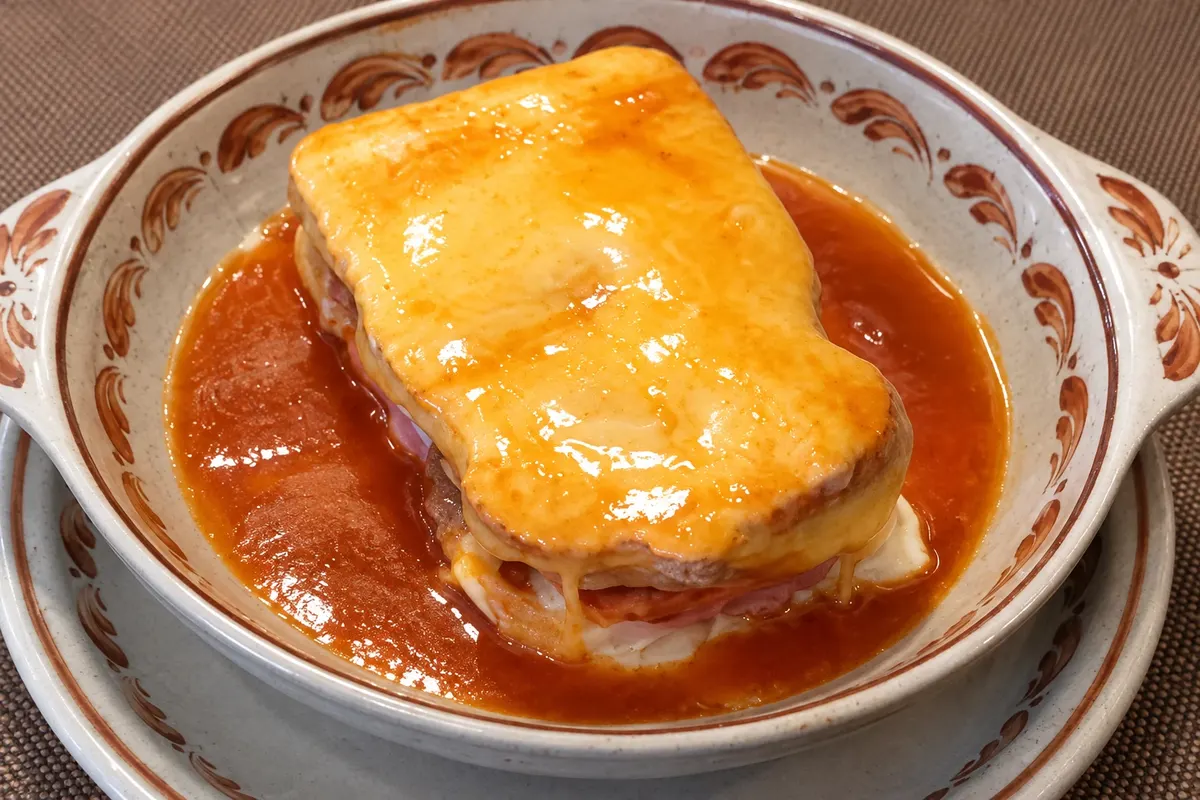
Francesinha
Sandwich made with sliced sandwich bread and meats, topped with melted cheese and bathed in a hot tomato-and-beer sauce. It originated in Porto in the 20th century and is a common sight in the city's cafés.

 Išči
 Brazilija
 Antarktika
 Argentina
 Bolivija
 Čile
 Kolumbija
 Ekvator
 Gvajana
 Francoska Gvajana
 Falklandski otoki (Malvini)
 Paragvaj
 Peru
 Surinam
 Urugvaj
 Venezuela
 Nemčija
 Avstrija
 Belgija
 Hrvaška
 Danska
 Slovaška
 Slovenija
 Španija
 Finska
 Francija
 Grčija
 Nizozemska
 Madžarska
 Irska
 Islandija
 Italija
 Luksemburg
 Norveška
 PoljskaPortugalska
 Združeno kraljestvo
 Češka
 Švedska
 Švica
 Turčija
 Bermudi
 Kanada
 Združene države Amerike
 Grenlandija
 Mehika
 Sveta Peter in Mihael
 Dominikanska republika
 JaponskaTurčija
 Južnoafriška republika
 Egipt
 Avstralija
 Fidži
 Nova Zelandija
 Papua Nova Gvineja
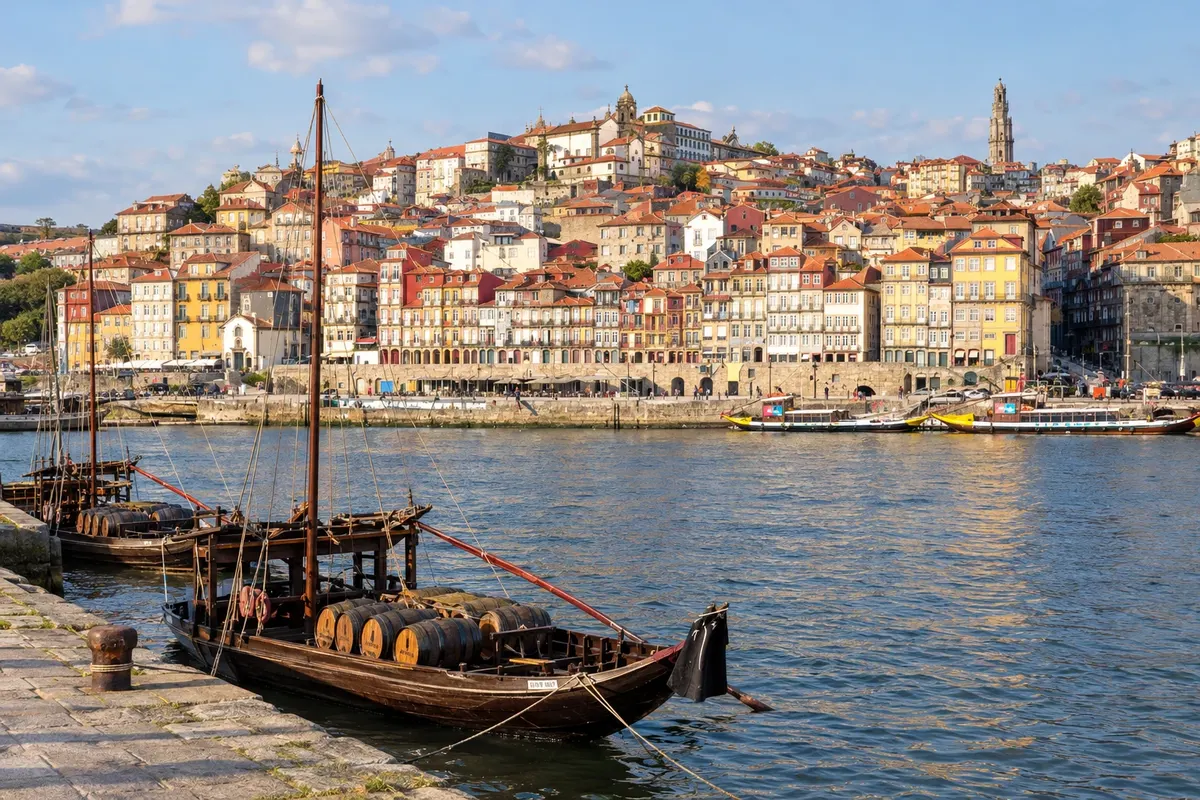
Porto · Portugalska Capital
Destinacija: Porto.
Na fotografiji: Ribeira do Porto
Illustrative images. The pictures in this guide are illustrations based on the real place, not photographs, and may differ from it.
Mesto
Second city of Portugal, on the north bank of the Douro, with a historic center that is a World Heritage Site. The Ribeira, the Ponte Luís I, the Sé, the Palácio da Bolsa and São Francisco lie close to the river; higher up are São Bento, the Clérigos, the Lello, the Carmo, the Aliados, the Bolhão and the Capela das Almas. To the west are the Palácio de Cristal, Soares dos Reis, the Casa da Música, Serralves and the Foz, linked by tram.
V vodniku še ni nastanitev – Porto.
kako do tja · koliko dni · načrt poti · vprašanja
Lokalni okusi – of Portugalska
Sandwich made with sliced sandwich bread and meats, topped with melted cheese and bathed in a hot tomato-and-beer sauce. It originated in Porto in the 20th century and is a common sight in the city's cafés.
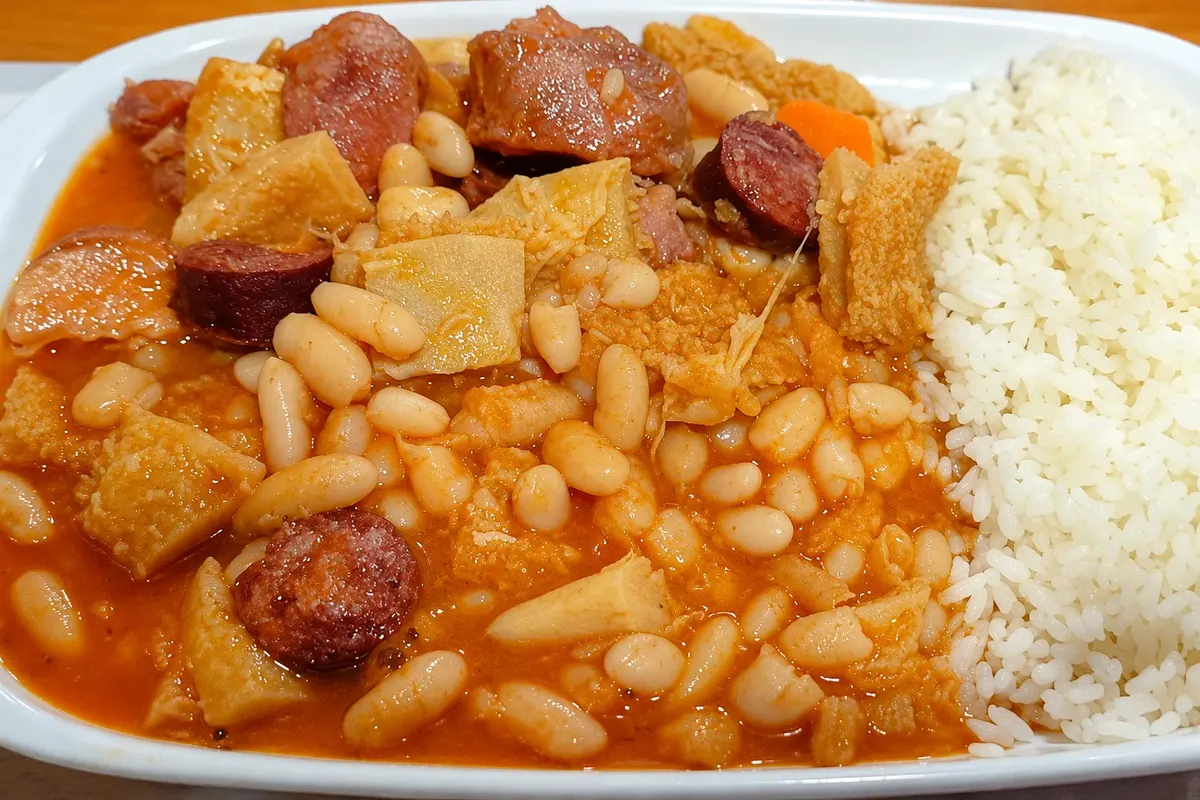
Veal tripe stew with cured meats, white beans and carrot, served with rice. It is a historic Porto dish and the reason people from Porto are called tripeiros.
Doživite kraj
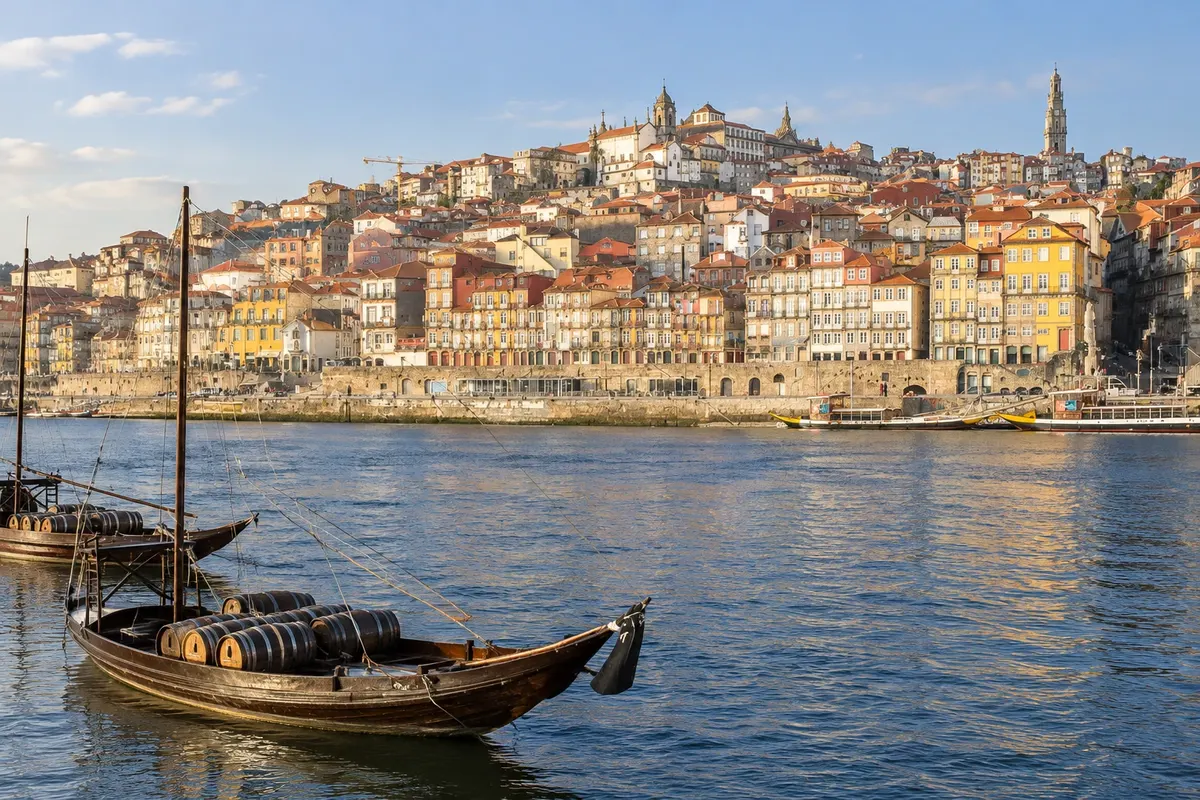
Porto's riverside, with narrow, colorful houses, cafés and restaurants on the Cais da Ribeira, facing Gaia and the Ponte Luís I. It's where the boats that pass under the Douro bridges depart.
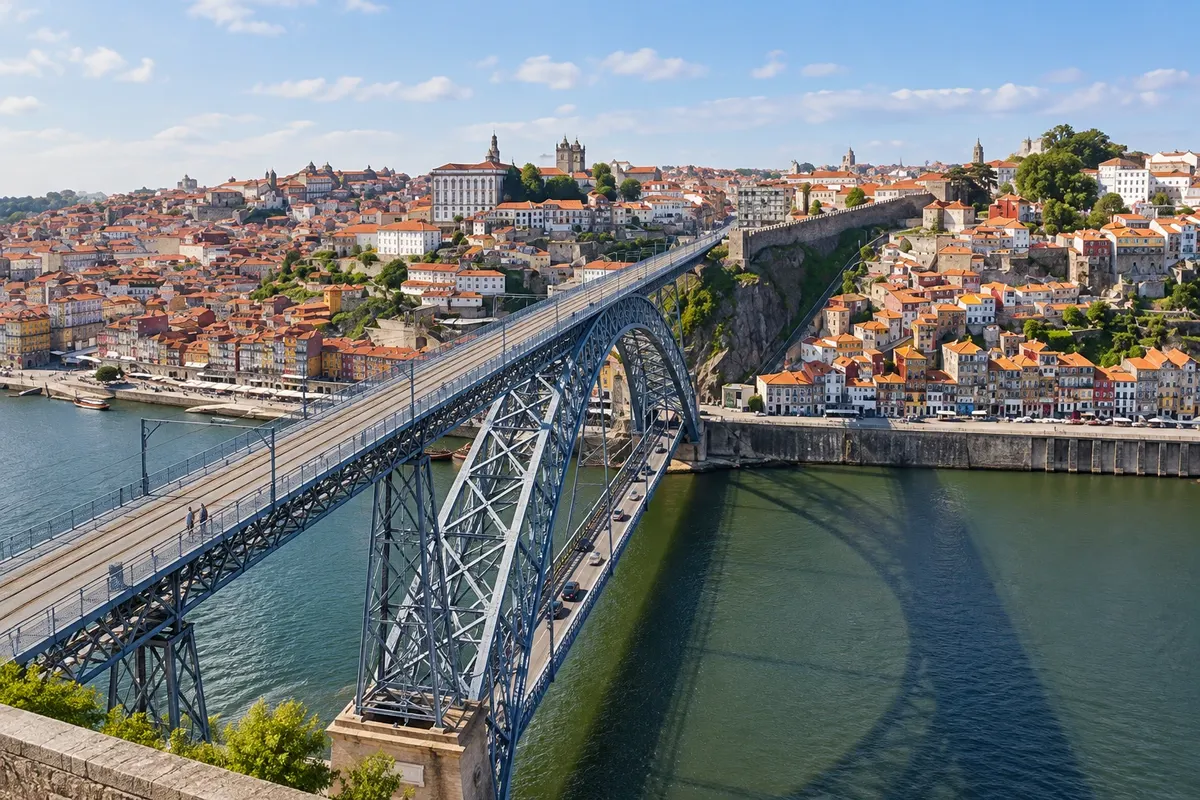
Iron bridge from 1886 over the Douro, with two decks: the upper one, for the metro and pedestrians, links Porto's high ground to the Serra do Pilar; the lower one links the Ribeira to the Cais de Gaia.
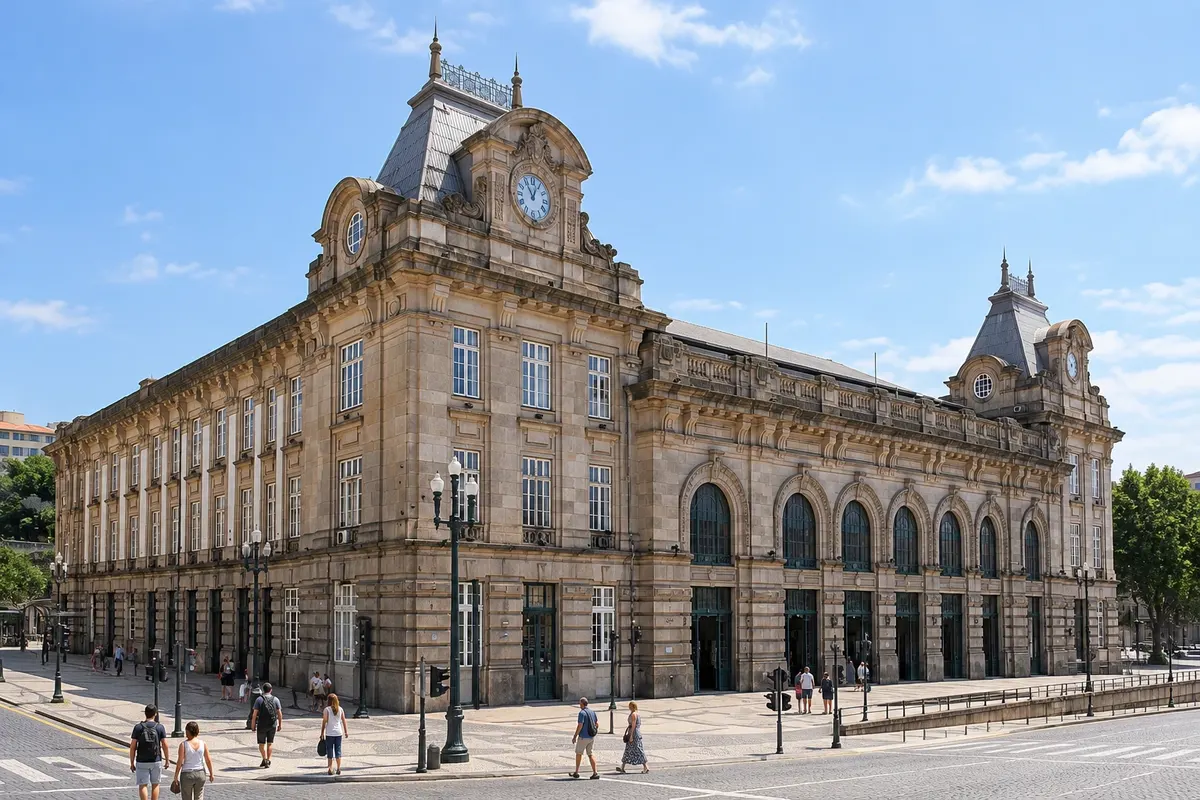
Central train station in Porto, inaugurated in 1916, whose hall is covered by about 20,000 tiles by Jorge Colaço depicting scenes from Portugal's history.
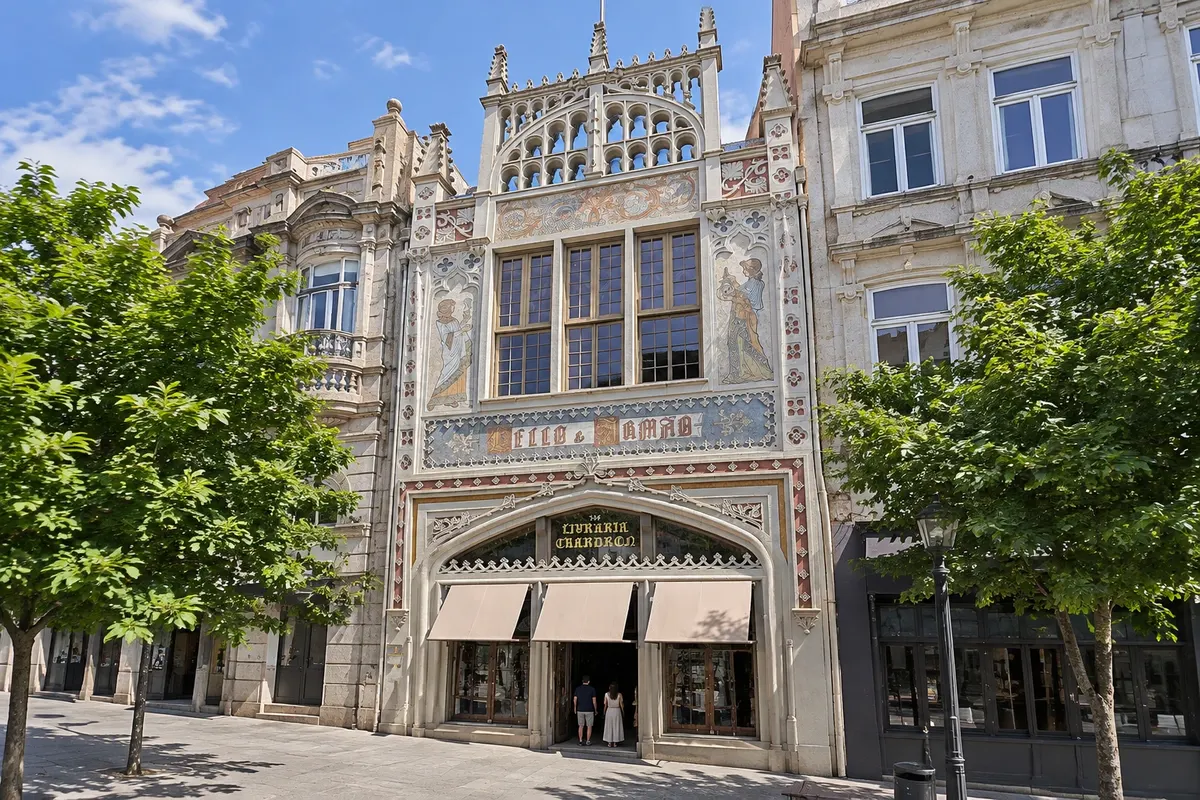
Bookshop from 1906 with a neo‑Gothic façade and carved wooden interior, a skylight stained glass in the ceiling and a curved red staircase. It is one of the most visited bookshops in the world, with controlled entry.
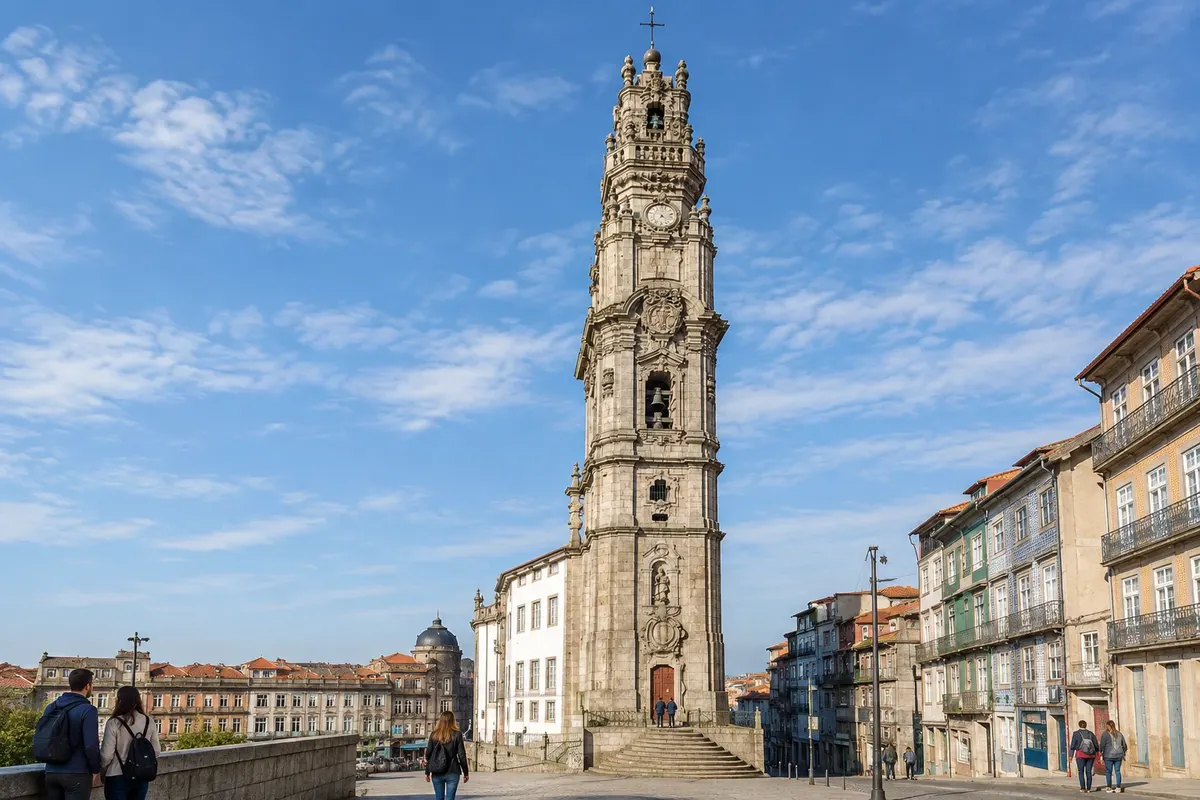
Baroque church from the 18th century with a tower of around 75 metres, a symbol of Porto, by the Italian Nicolau Nasoni. The climb of about 240 steps leads to a viewpoint over the city and the river.
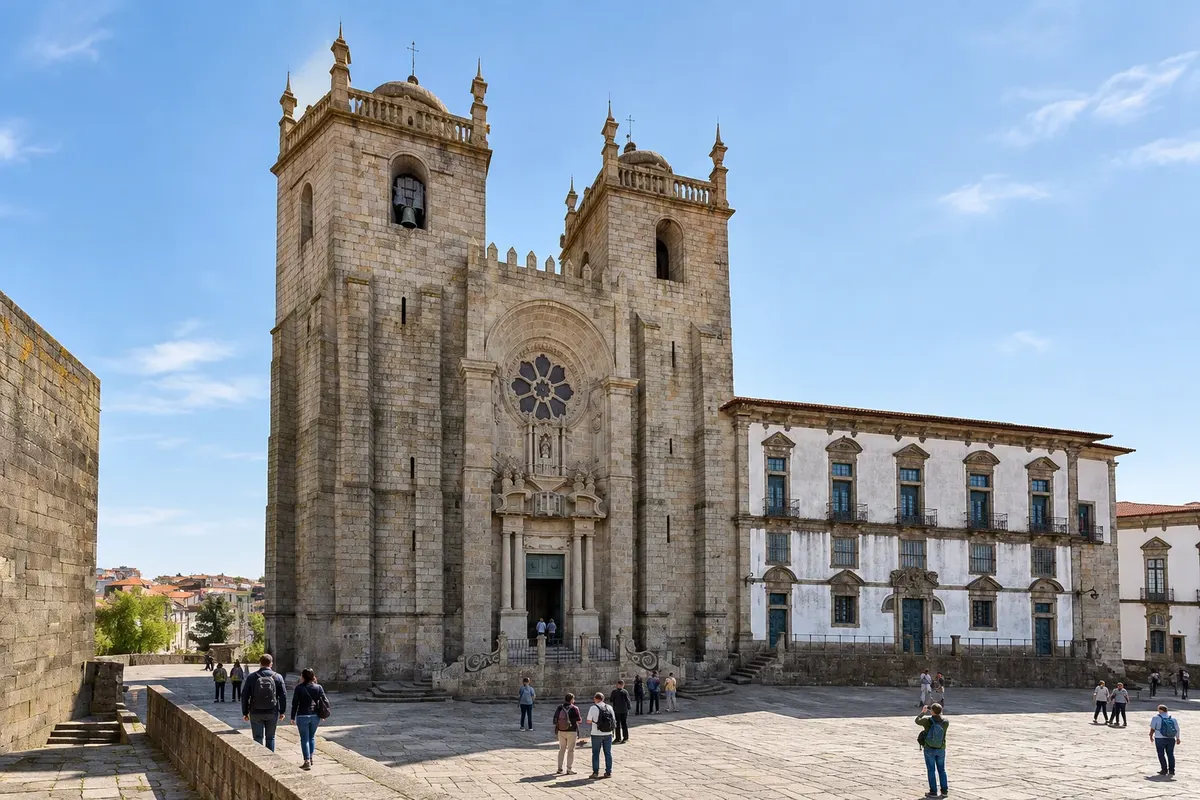
Romanesque cathedral from the 12th century atop the city’s oldest hill, with a fortress‑like appearance, a Gothic cloister covered in tiles and a square with views over the Ribeira and Gaia.
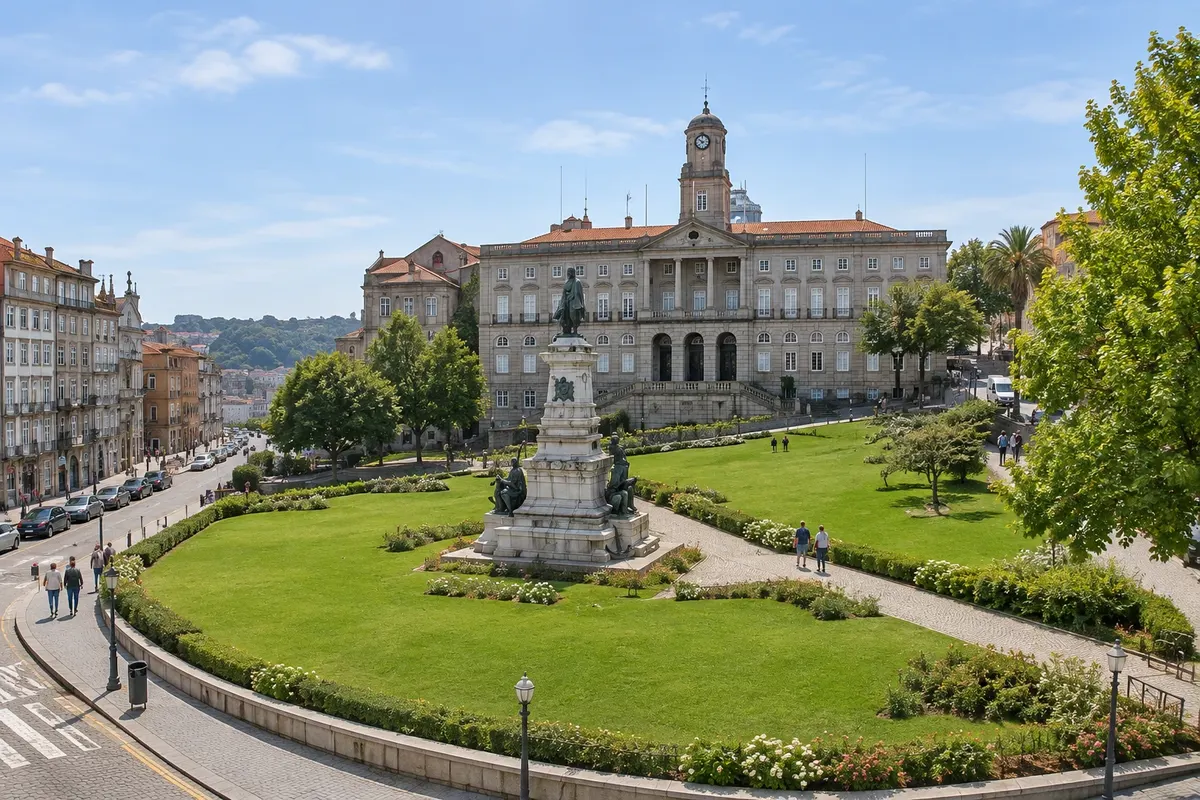
Headquarters of the Associação Comercial do Porto, built from 1842 on the site of an old convent, with decorated rooms and the Salão Árabe, inspired by the Alhambra. Visits are only with a guide.
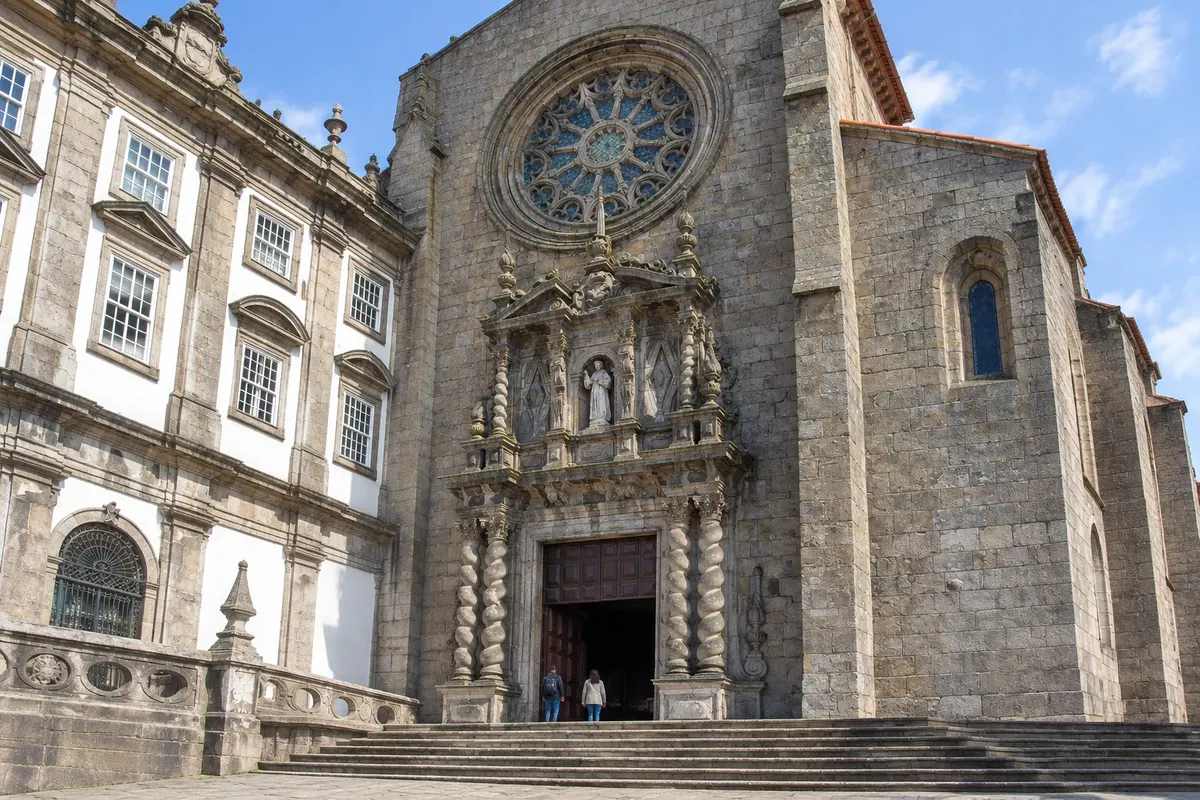
Gothic church from the 14th century that hides one of the richest Baroque interiors in Portugal, covered in gilded woodwork, featuring a carved Tree of Jesse. Beneath the church there are catacombs that can be visited.
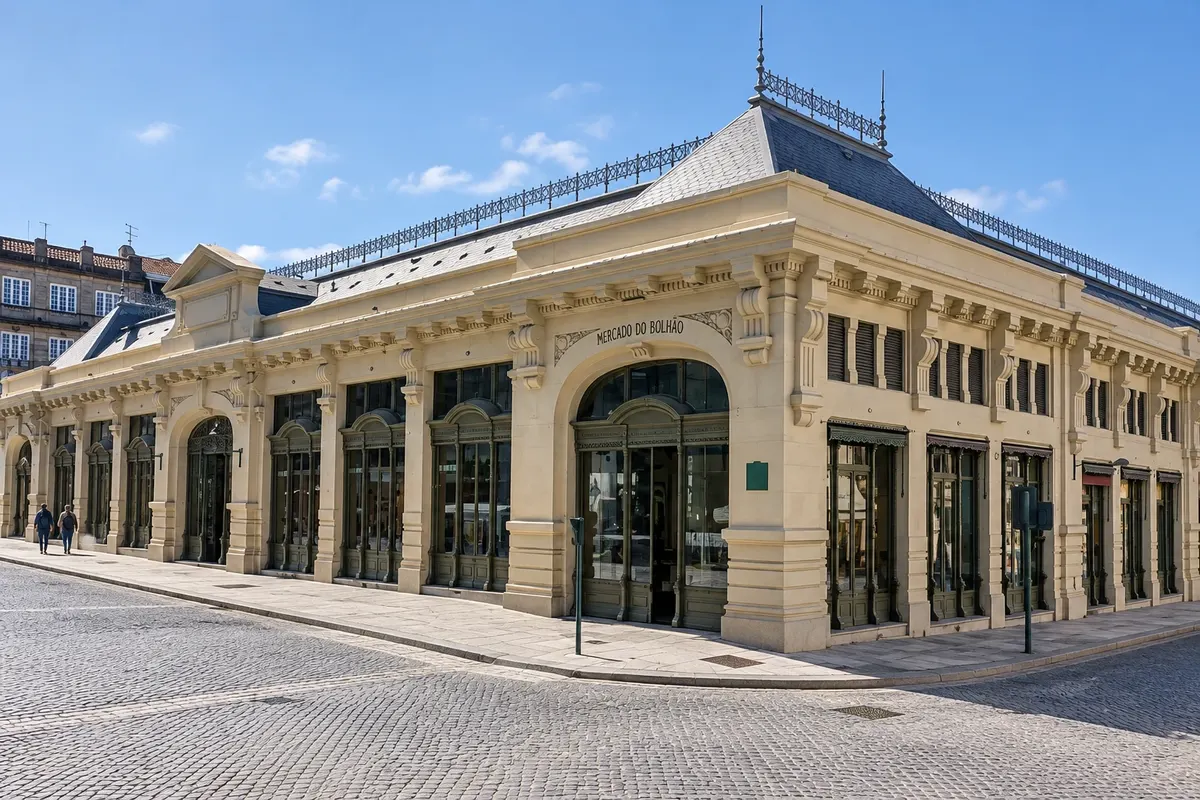
Traditional market of Porto, in an early 20th-century building with two floors around a courtyard, where fruits, fish, meat, flowers, cheeses and regional products are sold.
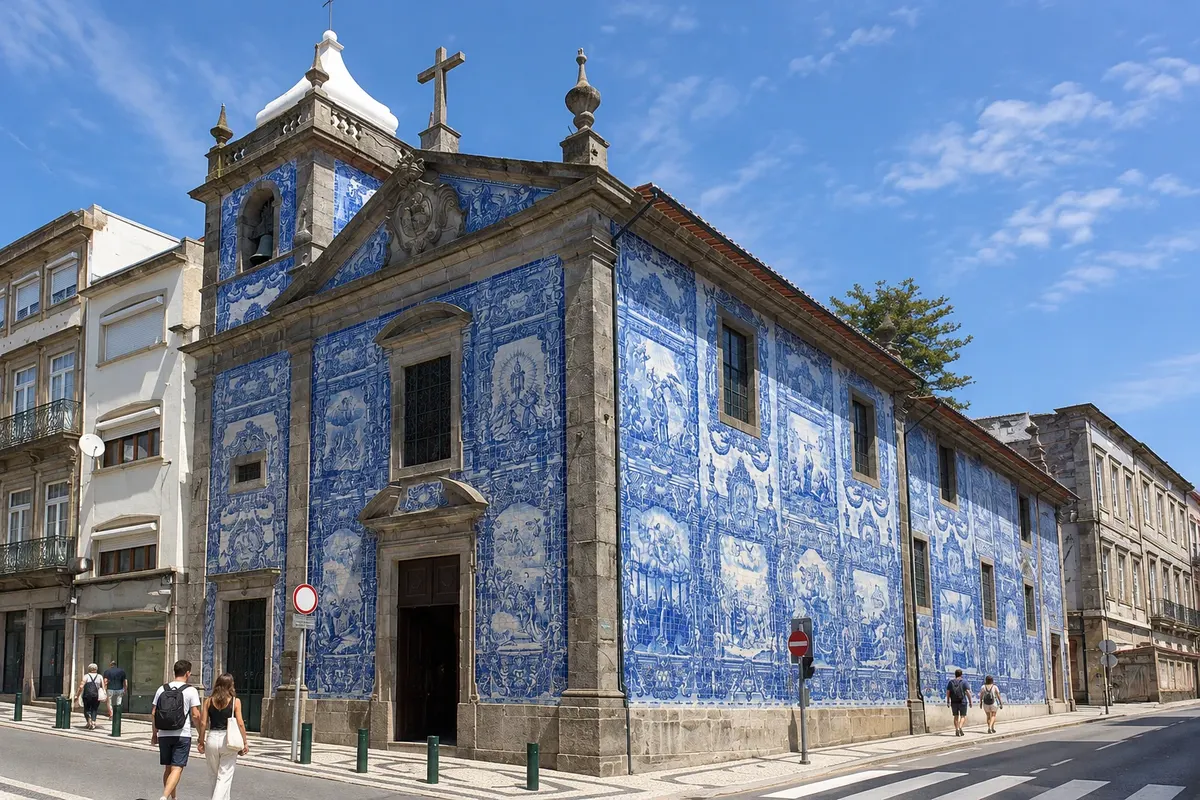
18th-century chapel whose façade and side are covered by about 15,000 blue and white tiles from 1929, depicting scenes from the lives of São Francisco and Santa Catarina. It is on Rua de Santa Catarina.
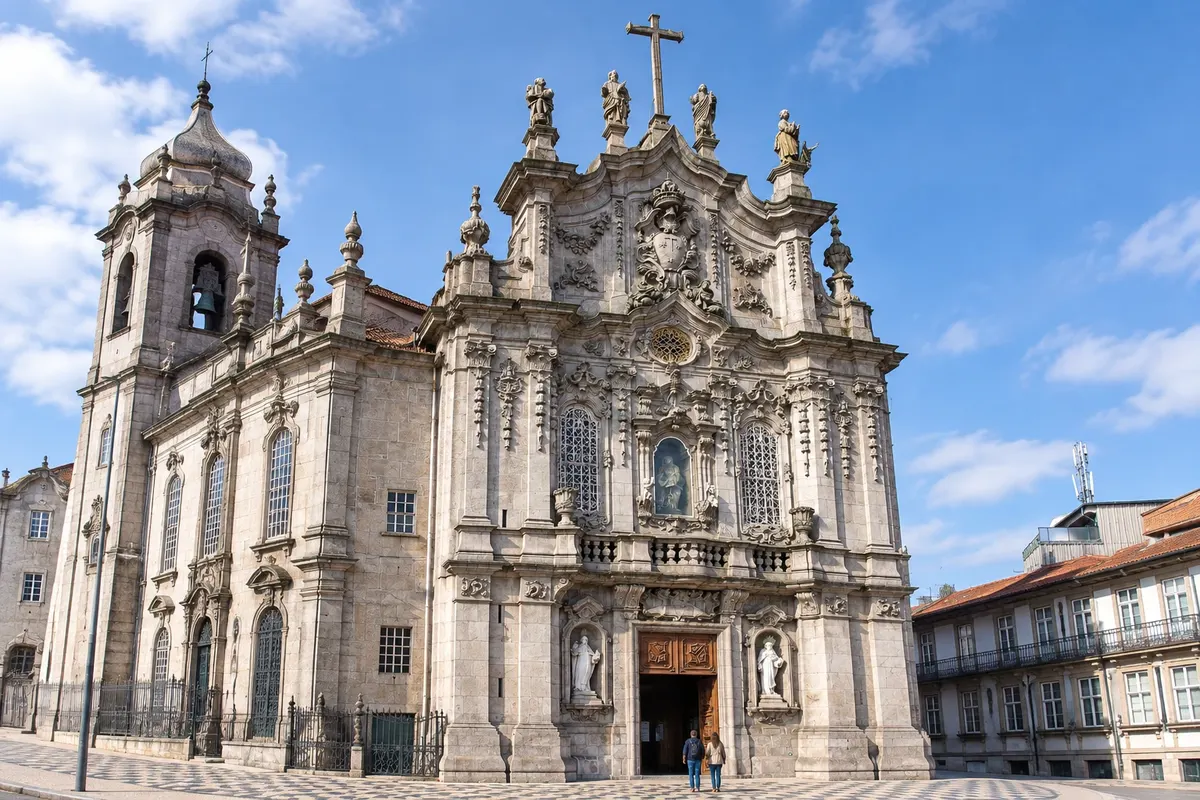
Two neighboring churches from the 17th and 18th centuries separated by a narrow house about one meter wide. The side of the Igreja do Carmo features a large tile panel from 1912.
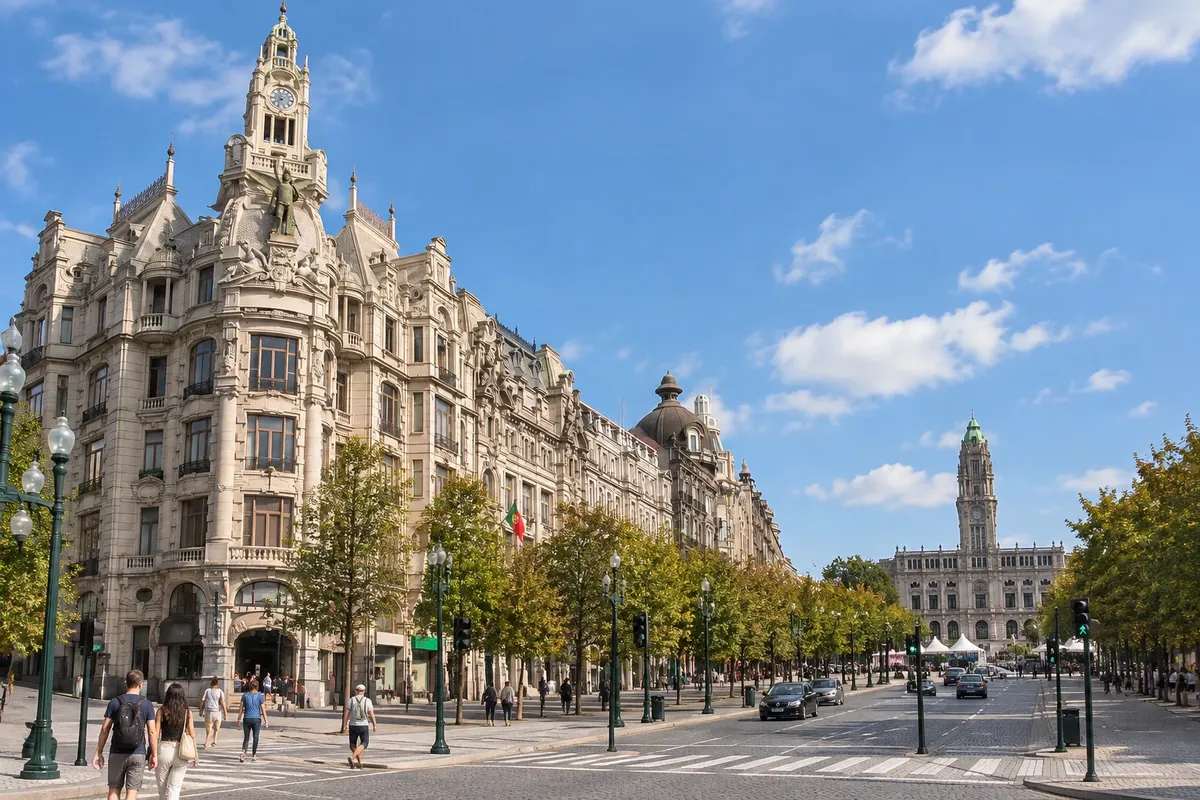
The main avenue in central Porto, flanked by early 20th-century buildings and crowned by the Câmara Municipal with a tower of about 70 meters. It is the setting for the city's festivals and celebrations.
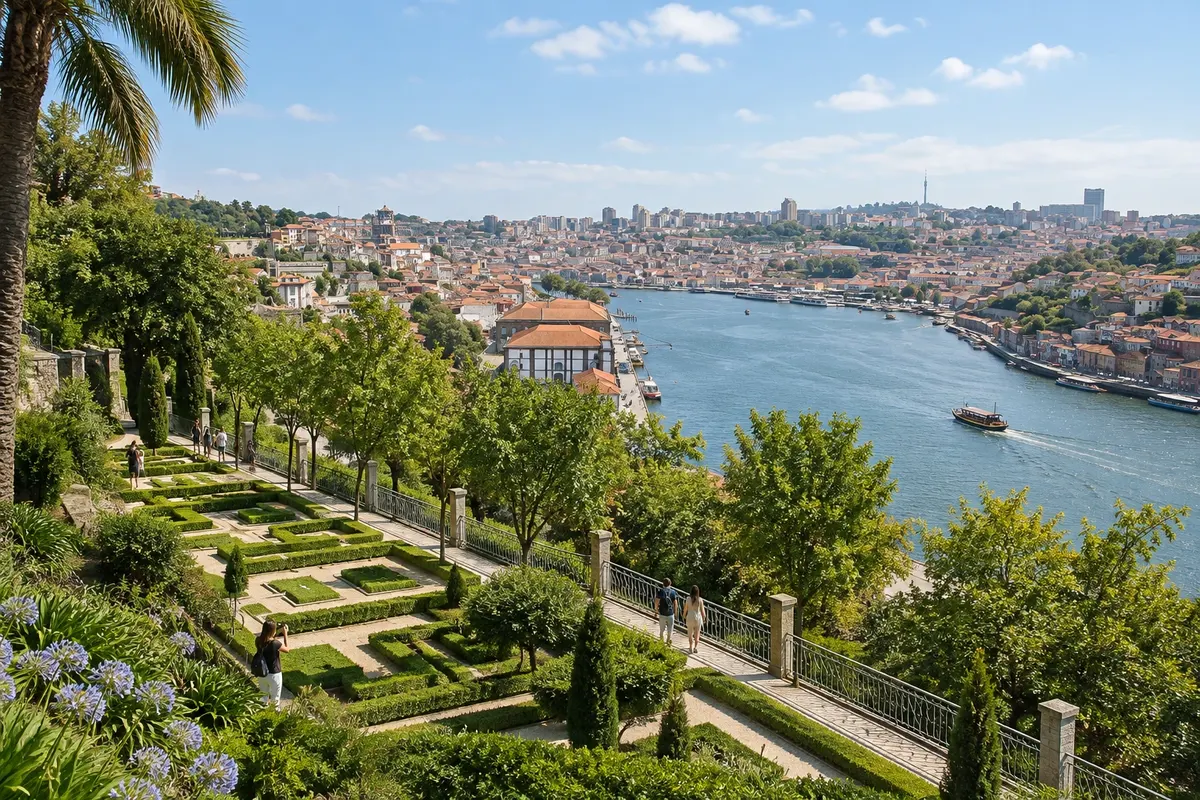
Romantic 19th-century garden on the top of a slope above the Douro, with free-roaming peacocks, tree-lined paths, rose beds and viewpoints over the river and Gaia.
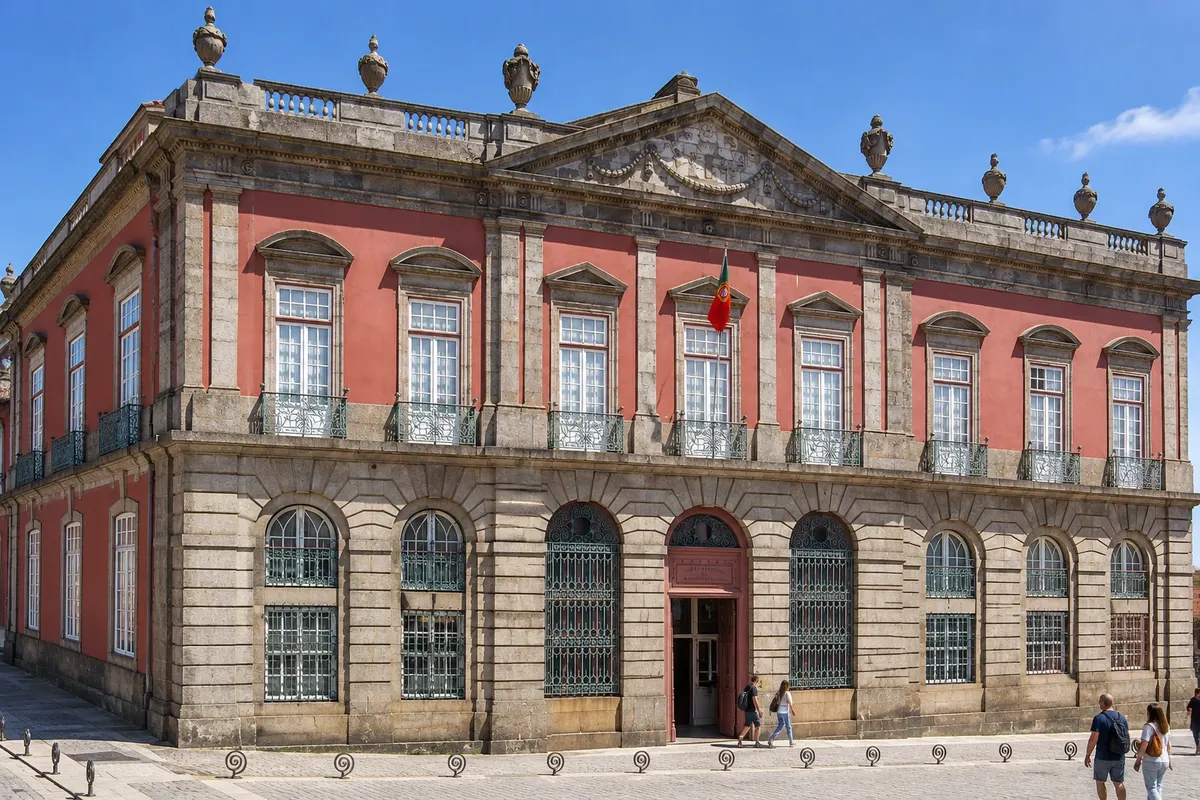
The first public art museum in Portugal, founded in 1833 at the Palácio dos Carrancas. It houses 19th-century Portuguese painting and sculpture, with emphasis on the sculptor António Soares dos Reis.
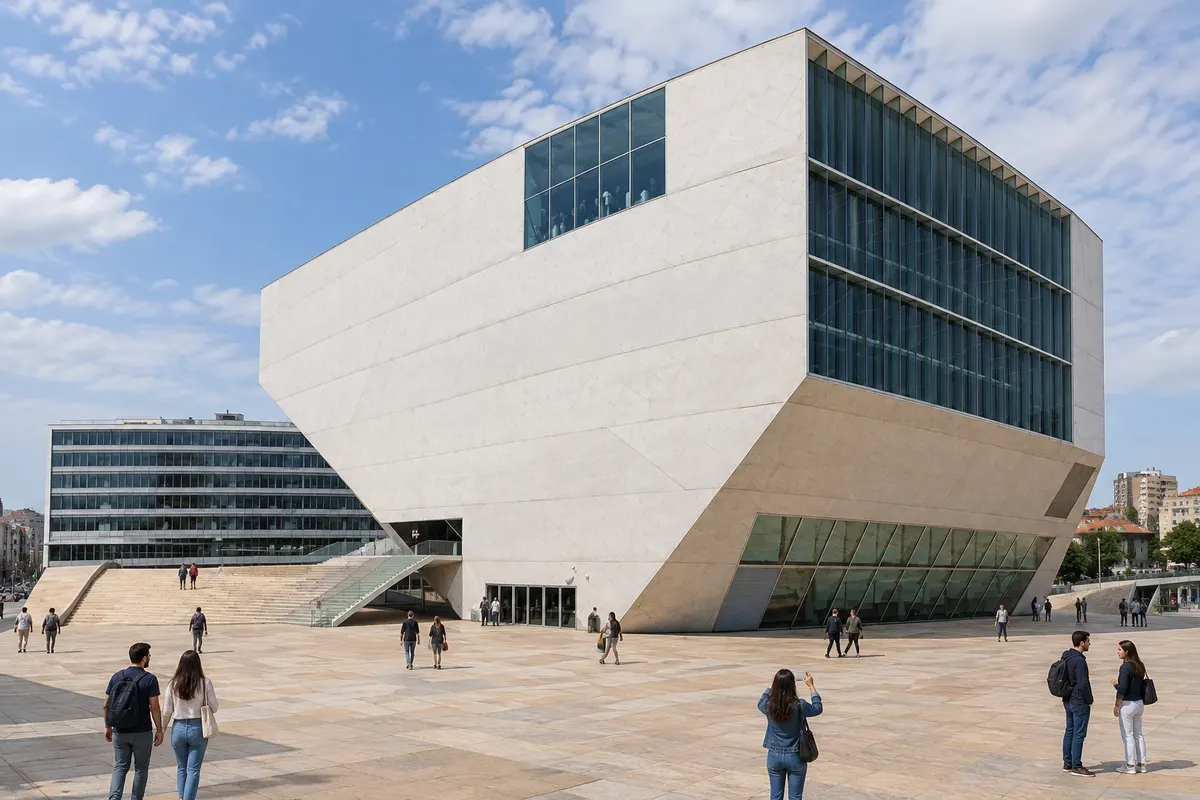
Concert hall with angular white concrete forms, designed by the Dutch architect Rem Koolhaas and opened in 2005, offering guided tours and a program of classical, jazz and pop music.
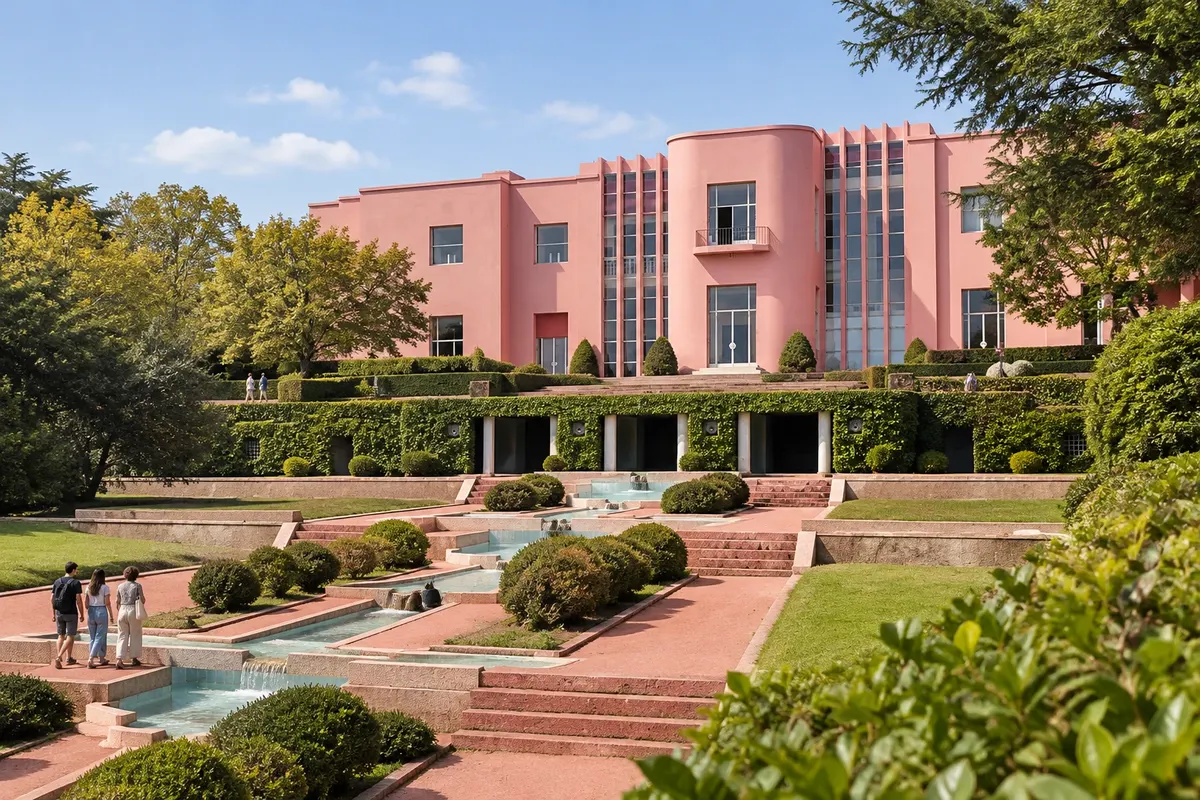
Contemporary art museum designed by Álvaro Siza, a pink art déco house and an 18-hectare park with gardens, lakes, a farm and a treetop walkway.
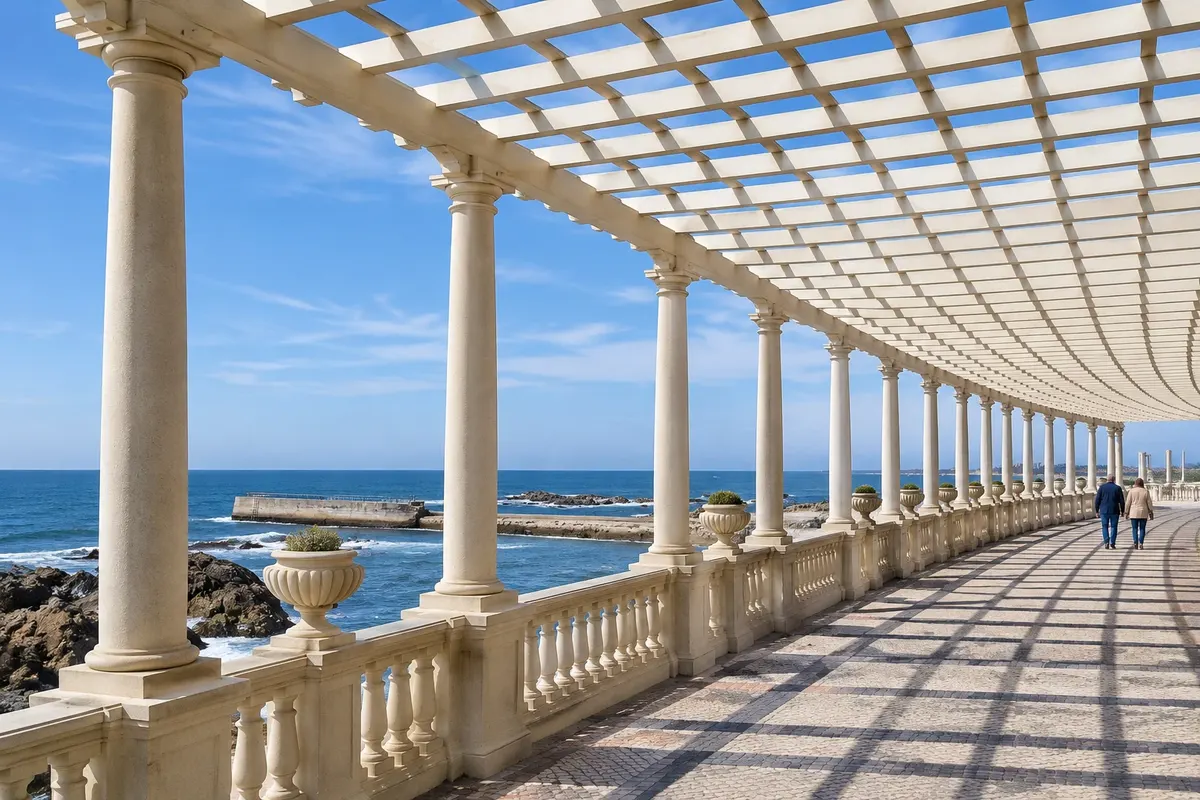
Neighborhood where the Douro meets the Atlantic, with the Jardim do Passeio Alegre, the farolim de Felgueiras, the pérgola da Foz and a stretch of beaches and esplanadas that continues to Matosinhos.
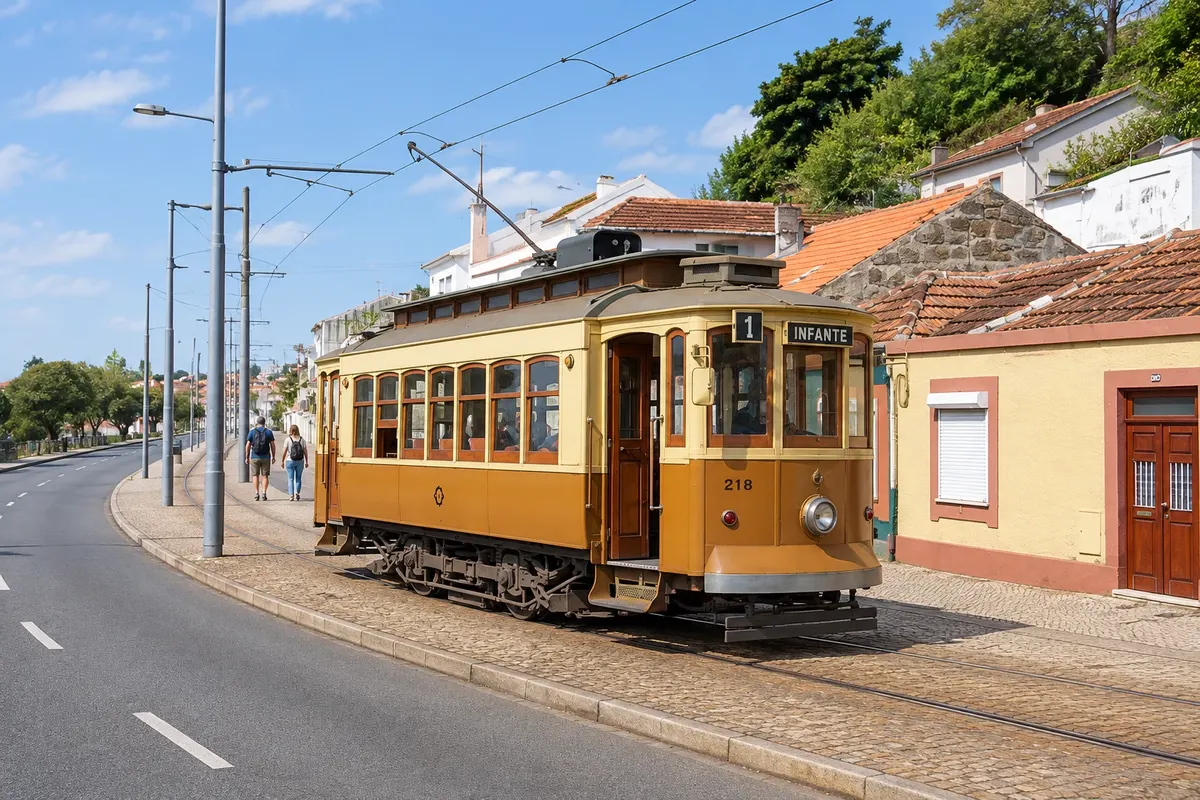
Historic tram line that connects Infante, near the Ribeira, to Foz do Douro along the riverbank, operating old wooden cars. The Museu do Carro Elétrico is along the route.
Pred odhodom
Porto – Porto Destinacija Porto Capital
Razdalje so približne. Pred potovanjem preverite lete in vozne rede avtobusov, vlakov ali ladij.
Francisco Sá Carneiro Airport (OPO) is about 17 km from the center, with metro service (purple line). Check before booking. From Lisboa, the train reaches Campanhã in about three hours; from there, a local train takes you to São Bento in the center.
One day covers the Ribeira, the Sé, São Bento, the Clérigos and the Lello. With two days you can add the cellars in Gaia and the Palácio da Bolsa. Three days allow including Serralves, the Casa da Música and the Foz.
From May to September there is usually less rain and longer days. June has the São João festival. October and April are good for walking. From November to March it rains a lot and it gets dark early.
The seasons shown are the most usual ones; nature doesn't always follow the calendar.
No. The center is best explored on foot, with steep streets; the metro links the airport, Campanhã, the Aliados and Gaia, and the tram goes to the Foz. Parking in the center is difficult.
Predlog poti
Pot povezuje znamenitosti na tej strani. Za oglede boste imeli dovolj časa.
Start with the tiles of São Bento, climb up to the Terreiro da Sé and continue to the Torre dos Clérigos.
Visit the Livraria Lello with timed entry, then walk down to the Ribeira for lunch by the river.
Cross the upper deck of the Ponte Luís I and view Porto from the Jardim do Morro in Gaia.
Descend by cable car or on foot to the Cais de Gaia and dine facing the Ribeira.
Dan 1
São Bento Station and the Sé do Porto, with the view from the Terreiro da Sé.
Guided visit to the Palácio da Bolsa and the Church of São Francisco, side by side.
Walk along the Ribeira and, if you wish, take the six-bridges boat.
Try the francesinha at a restaurant in the center.
Dan 2
Torre dos Clérigos, the Churches of Carmo and das Carmelitas, and the Livraria Lello.
Cross the bridge and visit a Port wine cellar, with a tasting.
Go up to the Serra do Pilar viewpoint to see the center and the river.
Return by metro to Aliados and dine near Bolhão.
Dan 1
São Bento, Sé and Clérigos.
Lunch in the Ribeira and a visit to the Palácio da Bolsa and São Francisco.
Walk across the Ponte Luís I and spend the late afternoon in the Jardim do Morro.
Dinner on the riverside, in Gaia.
Dan 2
Mercado do Bolhão, Capela das Almas and Rua de Santa Catarina.
Port wine cellar and one of the WOW museums.
Livraria Lello and the churches of Carmo.
Dinner in the Baixa and a walk along the illuminated Aliados.
Dan 3
Museum, house and park of Serralves.
Guided visit to the Casa da Música and a walk through the gardens of the Palácio de Cristal.
Take the tram on line 1 to Passeio Alegre and walk to the farolim, where the river meets the sea.
Have grilled fish in the Foz or in Matosinhos, a neighboring town to the north.
Check before you go. Opening hours and days change, and places may close for renovations, holidays or events. This itinerary is a suggestion from Cidade Turismo, not a commitment: plan yours by checking directly with each place you intend to visit.
Pred odhodom
Yes. The historic center slopes down to the river via steep streets and staircases. Wear comfortable shoes and make use of the metro and the Funicular dos Guindais for the climbs.
The francesinha, a sandwich with meats covered in cheese and sauce; tripas à moda do Porto; bacalhau; and Port wine, sampled in the caves of Gaia.
By metro, the violet line, to Trindade or Aliados in about half an hour. There are also taxis and ride‑hailing apps.
A boat trip on the Douro that departs from the Ribeira or from Gaia and passes under the city's bridges, taking about 50 minutes.
Yes, it is usually a bit colder and noticeably rainier in the European winter, from November to March.
Rotas entre países
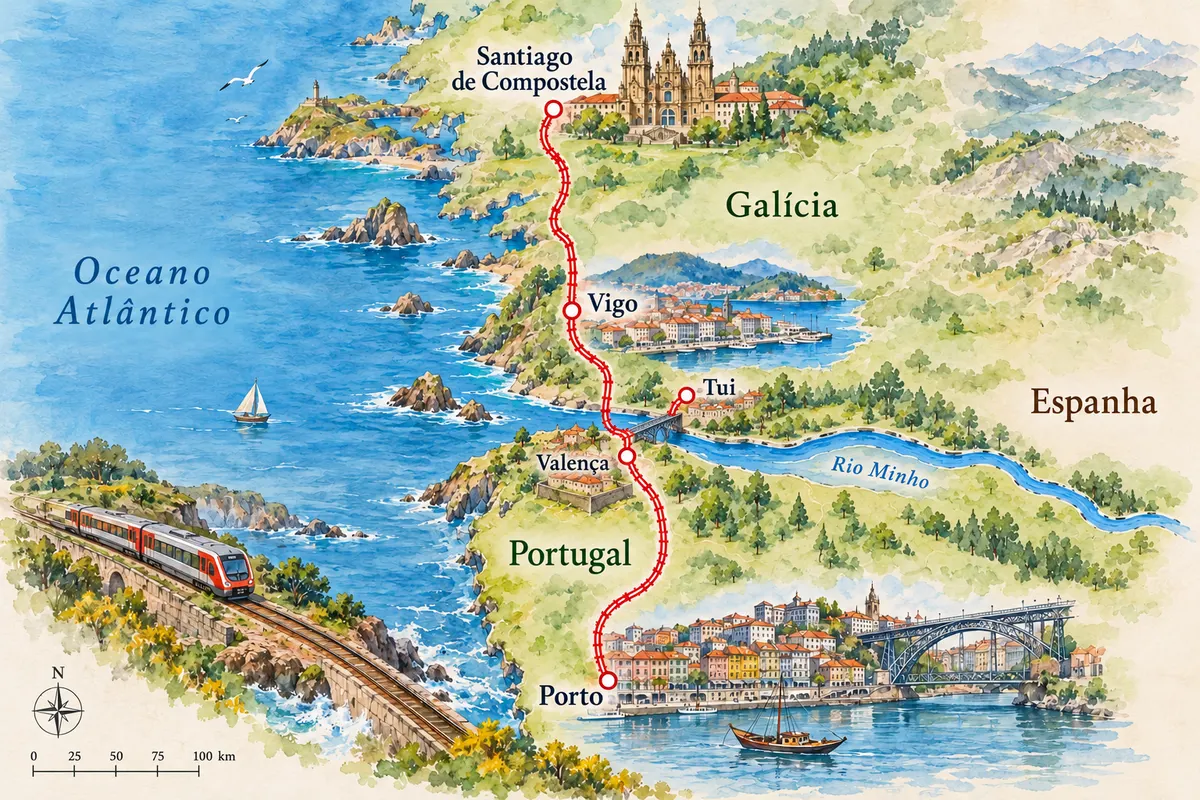
From Porto to Galicia by train: the Celta crosses the Minho to Vigo, and a regional train takes you to Santiago de Compostela in about an hour.
Rotas entre países
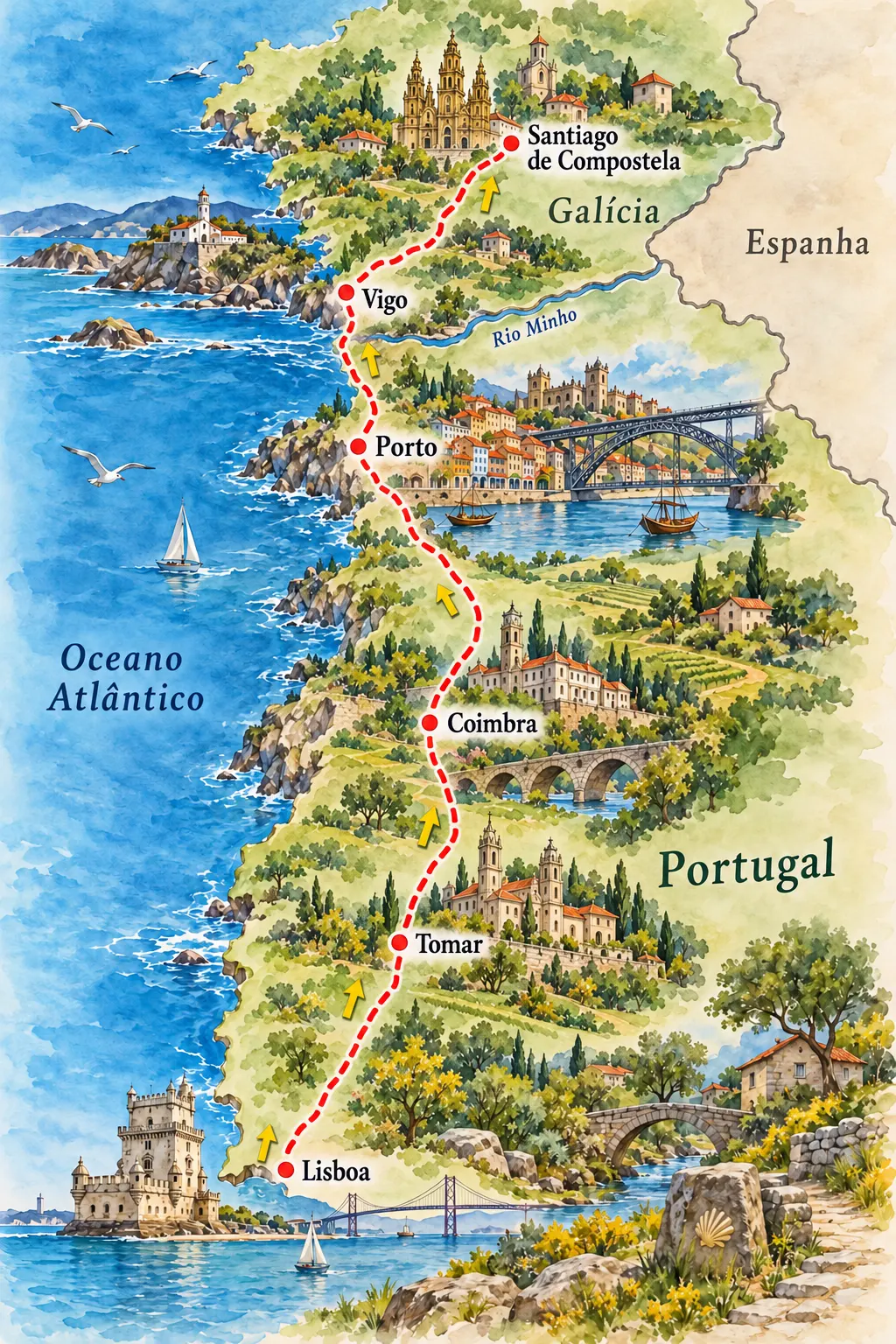
On foot from Portugal to Santiago de Compostela: the pilgrimage route that starts in Lisbon or Porto, follows yellow arrows and ends at Obradoiro Square.
Rotas entre países
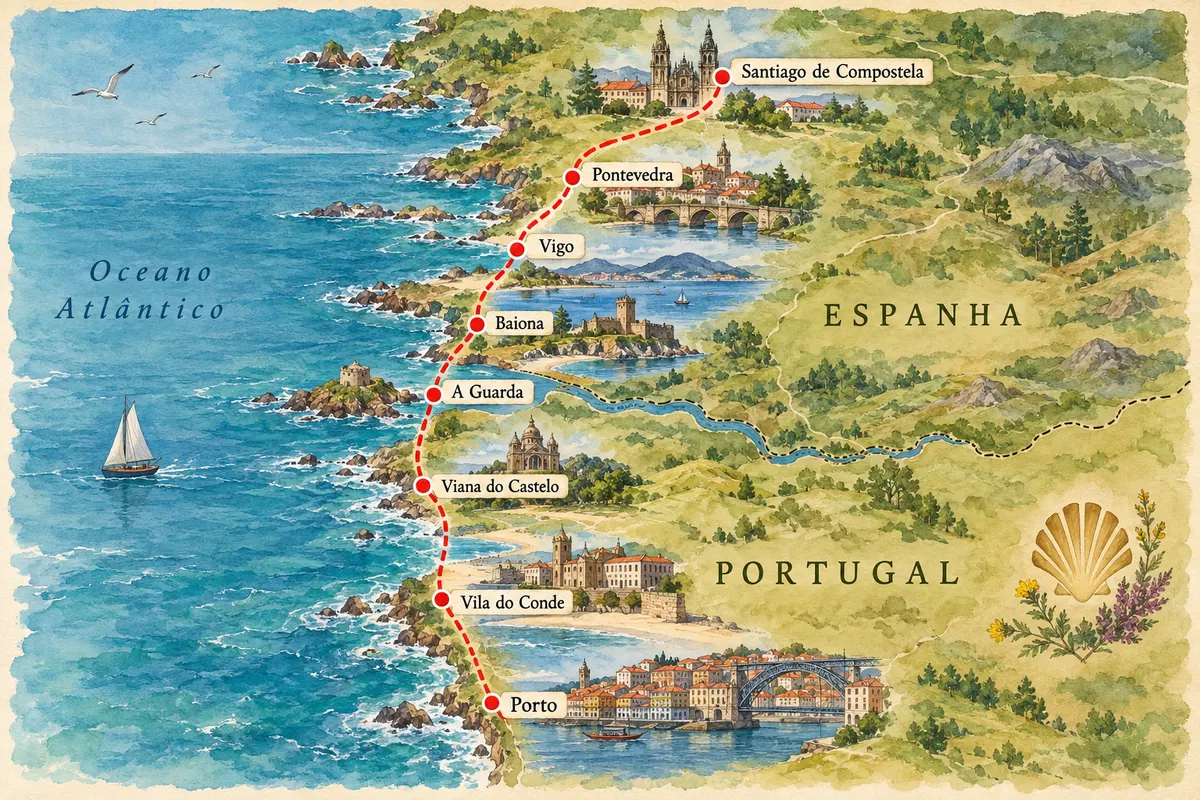
The Camino de Santiago along the Atlantic: from Porto to Galicia via the coast, through Vila do Conde, Viana do Castelo, A Guarda, Baiona and Vigo, ending at Santiago Cathedral.
Več kot vodnik