Fado night
Odhod: Alfama, Mouraria or Bairro Alto On foot or by taxi Približno 3 ure night Lahko
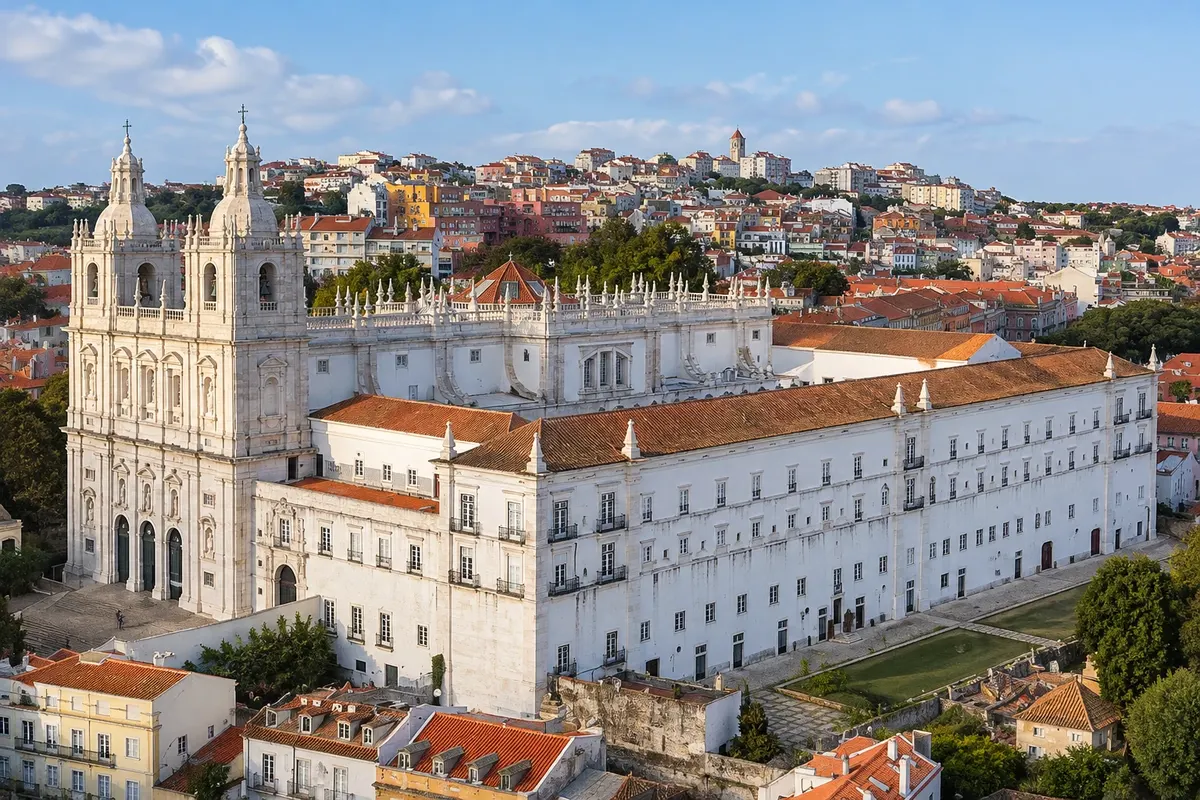
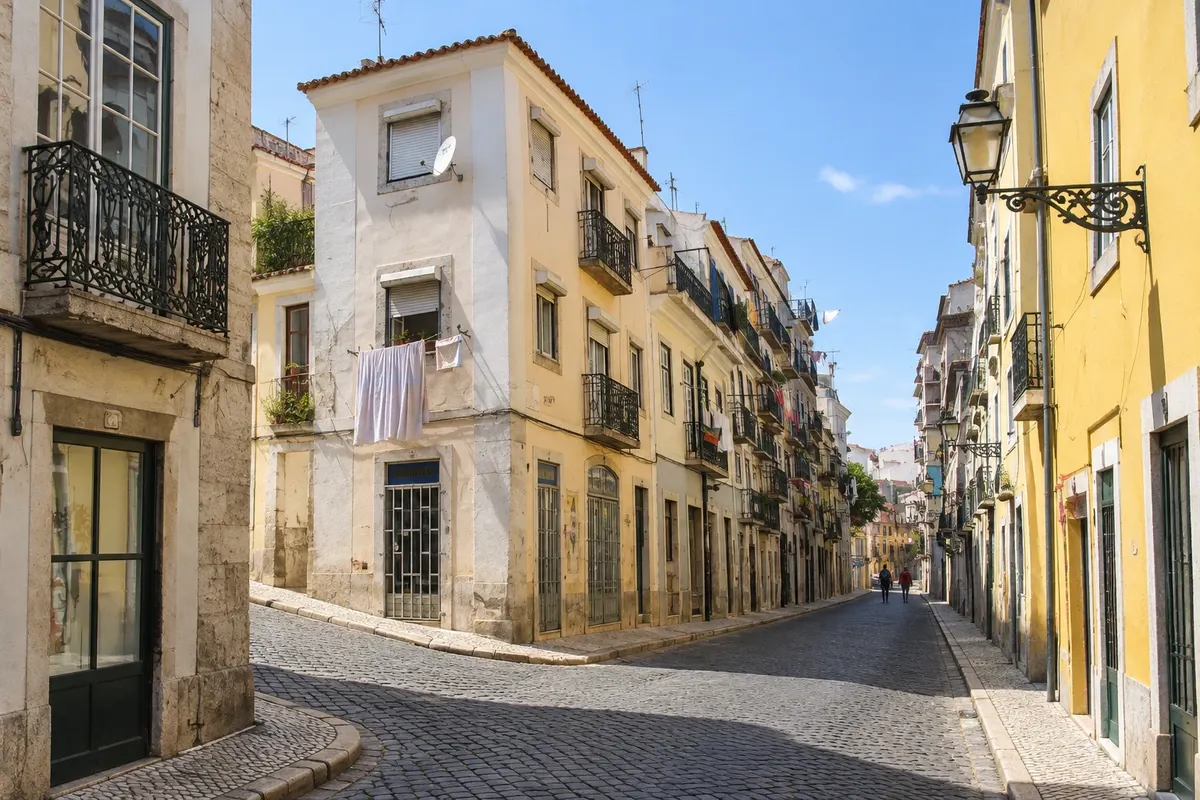
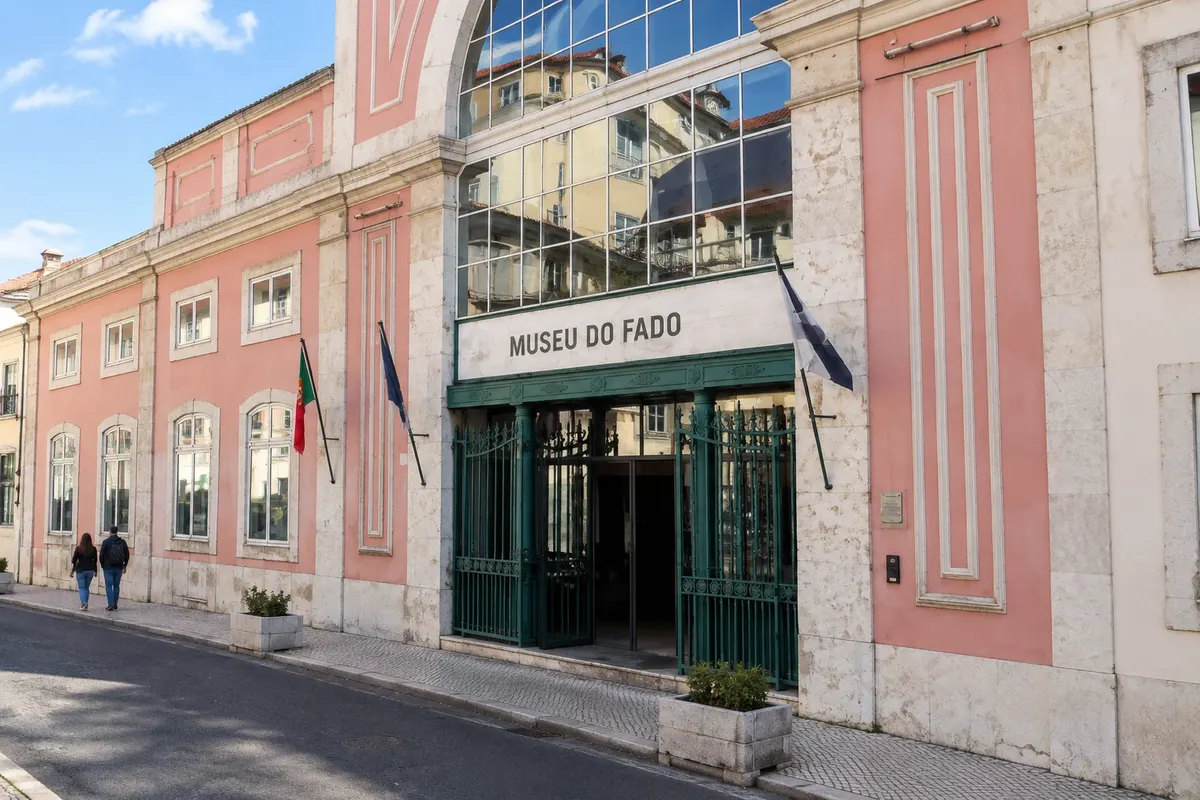
Fado is Lisbon’s urban song, recognized by UNESCO as Intangible Cultural Heritage of Humanity in 2011. A singer performs accompanied by the Portuguese guitar, with twelve metal strings and a pear-shaped body, and by the viola, as the Portuguese call the acoustic guitar. Fado houses are located in Alfama, Mouraria and Bairro Alto. Typically the performance takes place during dinner: musicians play in short sets, and between sets the kitchen service continues. During the songs the lights are dimmed and silence is requested in the room. There are also neighborhood taverns where fado is sung by amateurs, known as fado vadio, in a simpler setting. To learn the history beforehand, the Fado Museum in Alfama brings together instruments, recordings and portraits of fadistas.
Kraji na poti: Alfama, Mouraria, Bairro Alto, Fado Museum.
Vključuje: Dinner or fado live performance, paid separately; many venues charge a minimum amount per person. Check the current rates.
Nasvet: Book in advance, especially Friday through Sunday. Ask whether the price includes dinner or only the minimum consumption. Visit the Fado Museum in the afternoon and have dinner with fado the same night in Alfama.
Najboljši čas za obisk: All year; the venues operate in every season.
Parque das Nações and Oceanário de Lisboa
Odhod: Oriente Station Metro (red line) to Oriente Približno 5 ur Ves dan Lahko
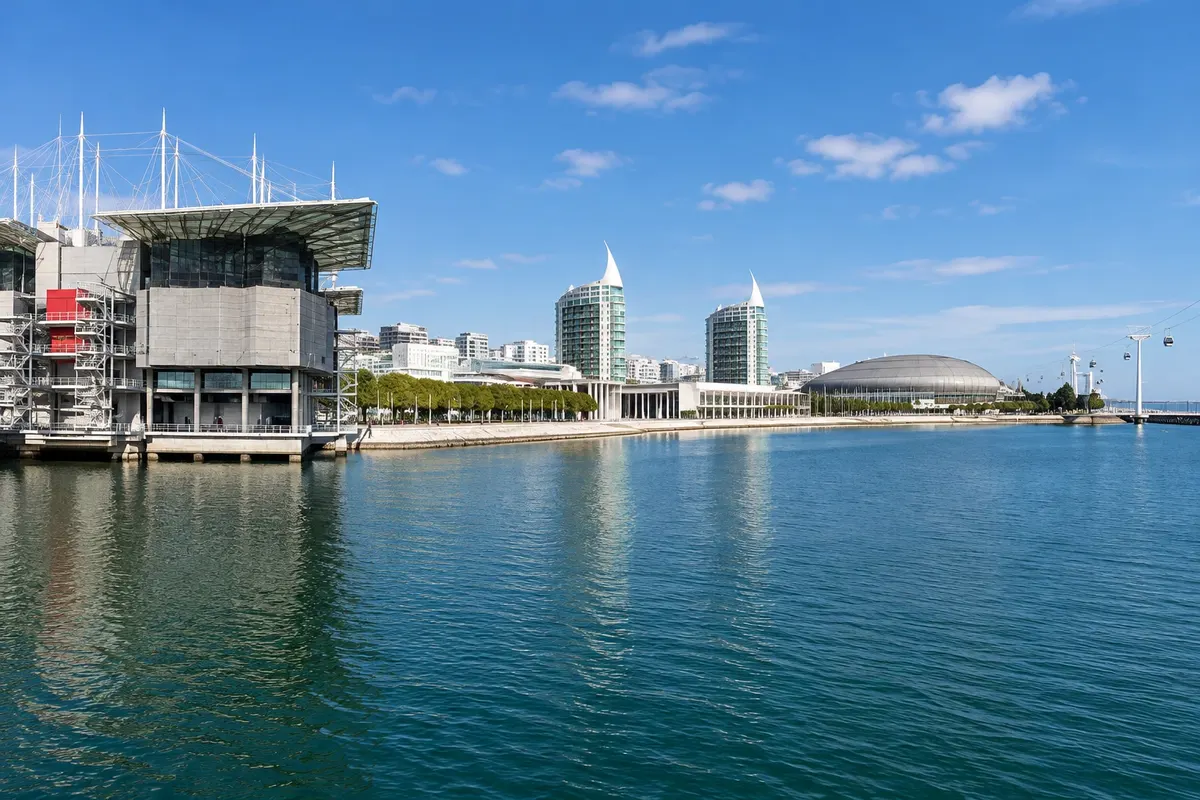
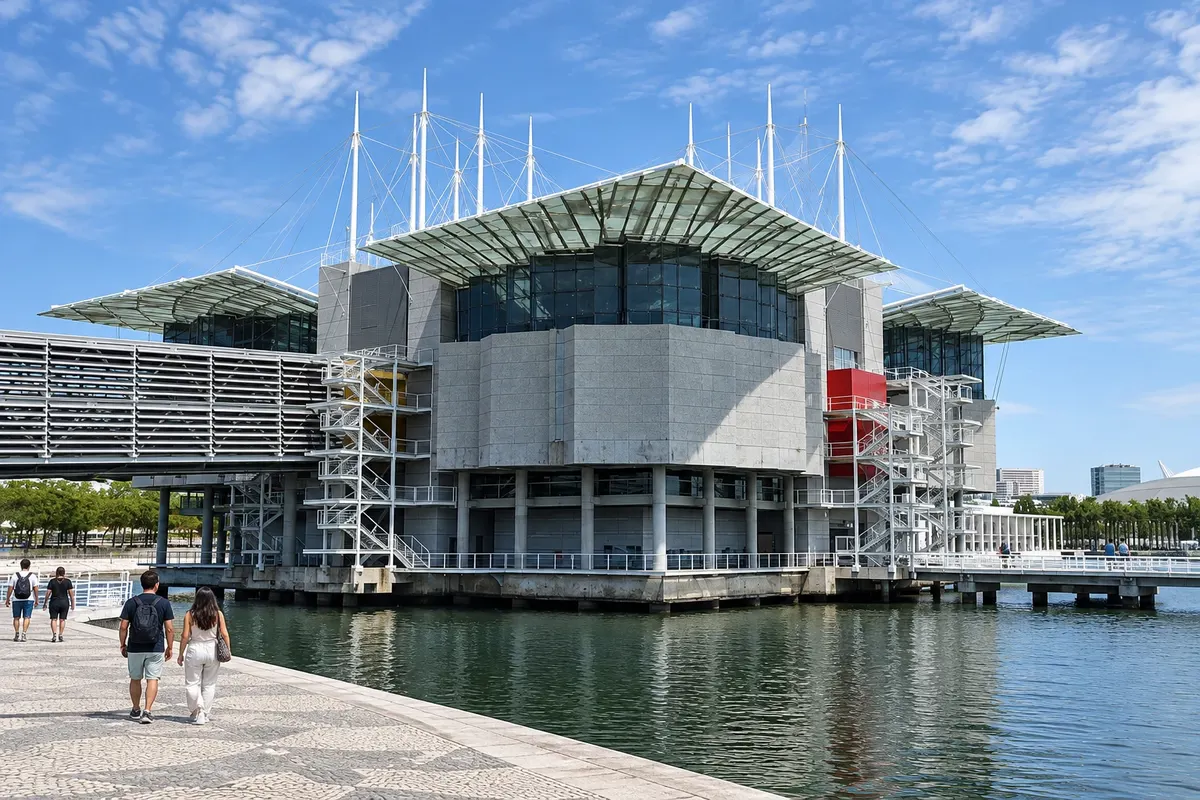
Parque das Nações is the neighborhood built in eastern Lisbon for Expo 98, on the banks of the Tagus River, featuring contemporary architecture and a long waterfront promenade. Oriente Station, by Santiago Calatrava, has a steel-and-glass canopy that resembles a forest of trees. The Oceanário de Lisboa, at Doca dos Olivais, displays more than 500 species around a large central aquarium, seen from multiple levels, with sharks, rays, sunfish and schools of fish. Around it are tanks of coastal habitats with otters, penguins and seabirds, plus temporary exhibitions. On the promenade you’ll find the Pavilhão de Portugal, by Álvaro Siza Vieira, with a thin curved concrete canopy, the Pavilhão do Conhecimento science museum, and the 140-meter Vasco da Gama Tower. The Telecabine Lisboa runs along the river, with views of the Vasco da Gama Bridge.
Kraji na poti: Oceanário de Lisboa, Oriente Station, Pavilhão de Portugal, Pavilhão do Conhecimento, Telecabine Lisboa, Vasco da Gama Tower, Vasco da Gama Bridge, Garcia de Orta Gardens.
Vključuje: Oceanário ticket and Telecabine ride paid separately; check the current price list. Walk along the promenade and the Garcia de Orta Gardens.
Nasvet: Allow two to three hours for the Oceanário and buy your ticket in advance. Weekends and Portuguese school holidays are busier. The red line metro that serves the airport stops at Oriente station.
Najboljši čas za obisk: All year; on rainy days, from October to March, the Oceanário is a good indoor option.
LX Factory and Ponte 25 de Abril
Odhod: Alcântara Tram (eléctrico) 15E or train (comboio) on the Cascais line Približno 3 ure Popoldne Lahko
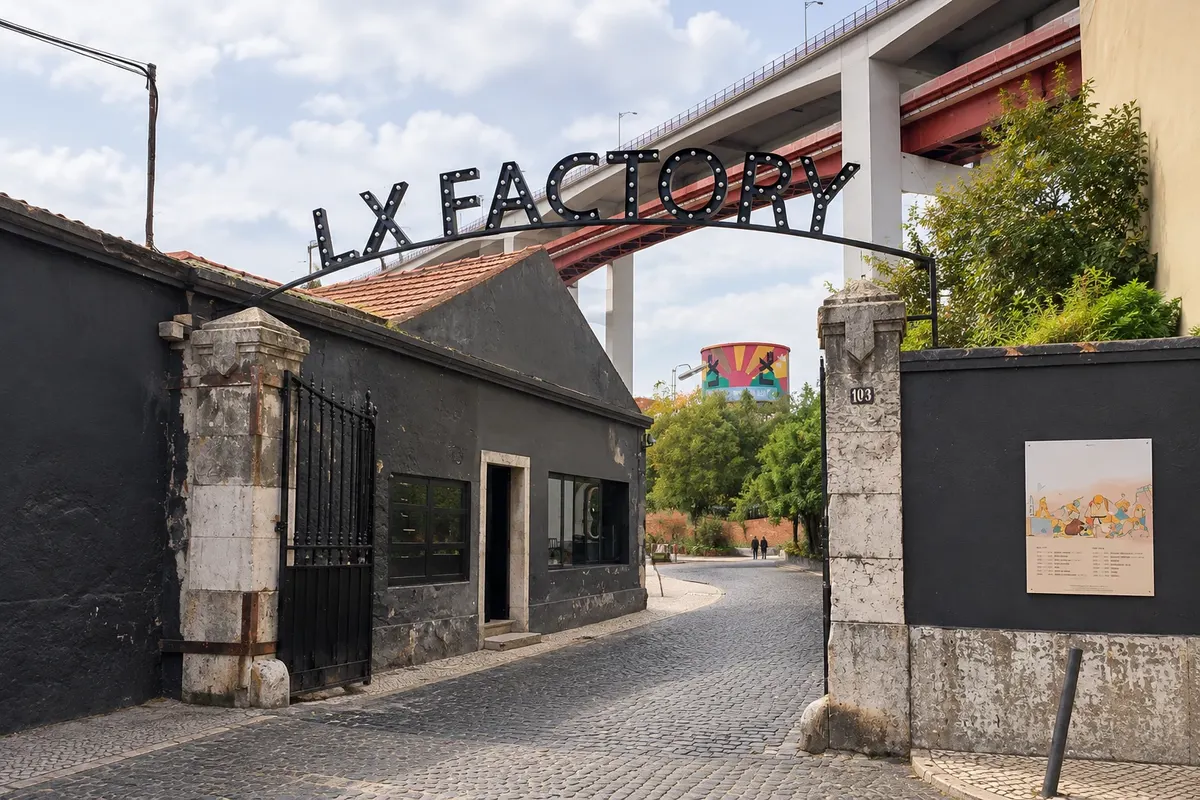
LX Factory occupies the former complex of the Companhia de Fiação e Tecidos Lisbonense, a factory founded in 1846 in Alcântara beneath the Ponte 25 de Abril. The warehouses, covering 23,000 square meters, were turned into design shops, studios, restaurants, cafés and offices, with graffiti-covered walls and an industrial vibe. The Livraria Ler Devagar occupies a former printing press, with shelves to the ceiling, a suspended bicycle and a reading mezzanine. On Sundays, a market fills the main street with crafts, clothing and food. Next to it is the Ponte 25 de Abril, a suspension bridge opened in 1966, about 2.3 km long, linking Lisbon to Almada and with separate decks for cars and trains. At the base of one of the pillars, the Experiência Pilar 7 tells the story of the bridge’s construction through interactive exhibits and has an elevator up to a viewpoint with views of the river and the city, from where you can see cars passing overhead.
Kraji na poti: LX Factory, Ler Devagar Bookshop, 25 de Abril Bridge, Pilar 7 Experience, Alcântara.
Vključuje: Visit to LX Factory (complex open to the public) and the Experiência Pilar 7, with separate paid admission; check the current price list.
Nasvet: Go on Sunday to see the market, but arrive before lunch, when it gets busier. Combine it with Belém or the MAAT on the same day: tram (eléctrico) 15E links all three. Check beforehand if the elevator at the Experiência Pilar 7 is operating.
Najboljši čas za obisk: Vse leto.
Time Out Market and Cais do Sodré
Odhod: Cais do Sodré Metro (green line) or train (comboio) to Cais do Sodré Približno 2 uri night Lahko
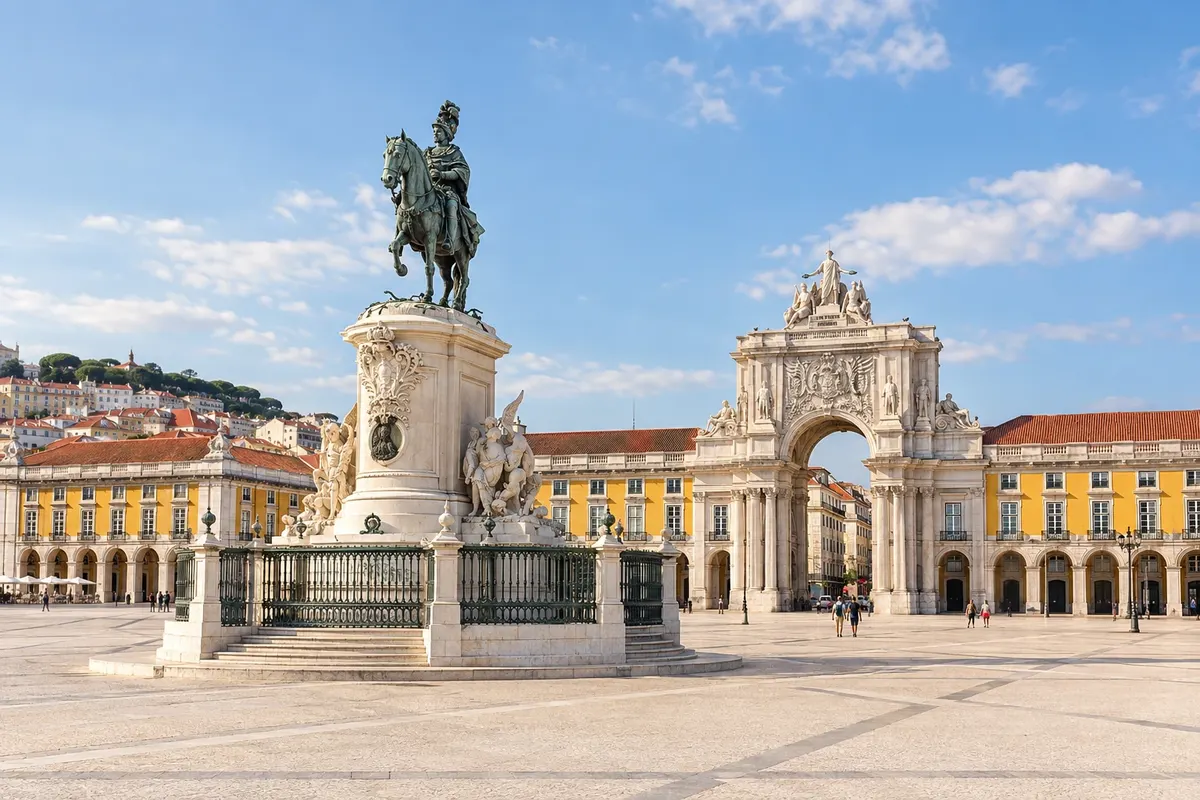
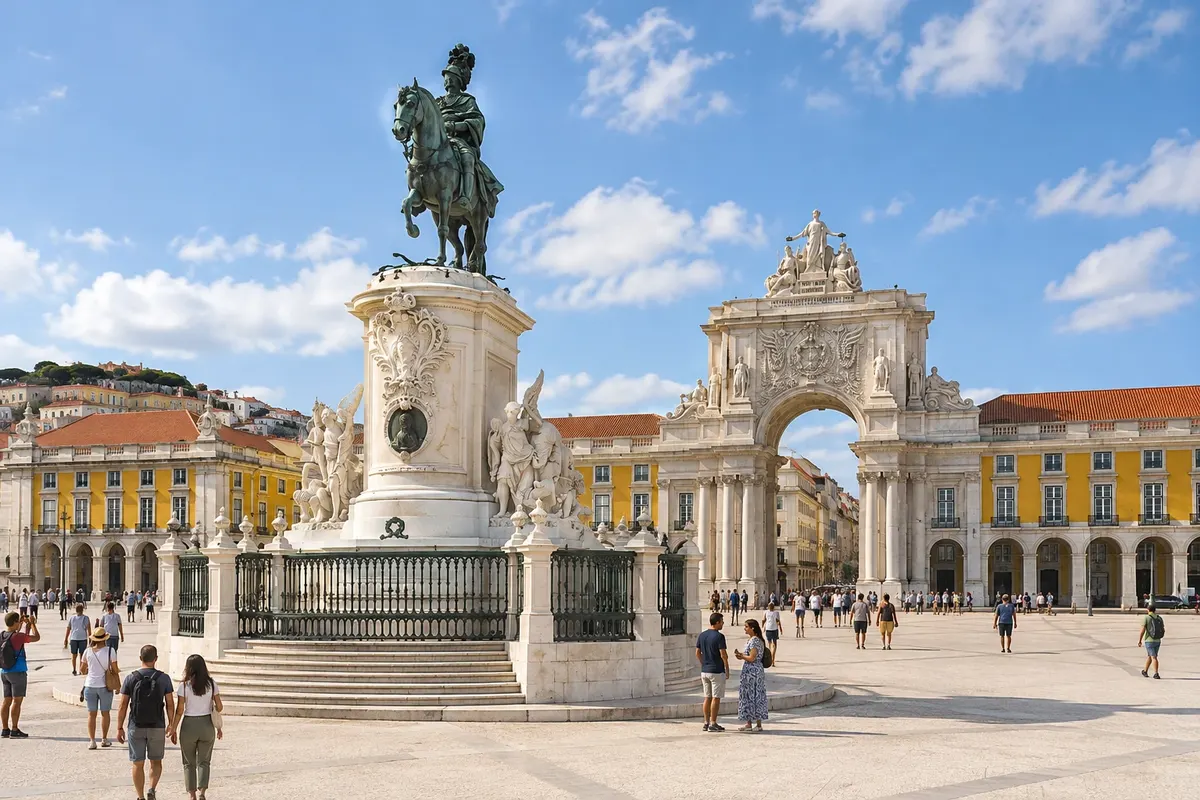
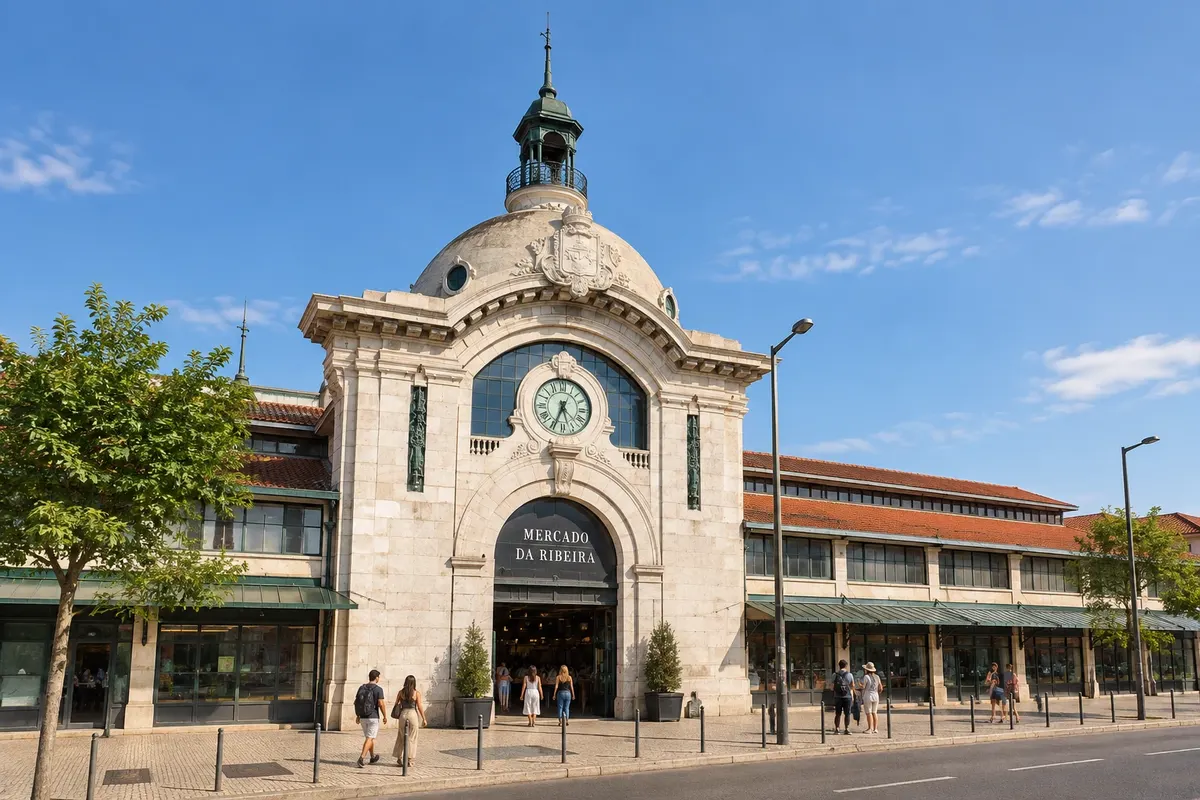
The Time Out Market Lisboa operates inside Mercado da Ribeira in Cais do Sodré, in a hall with stalls from restaurants, bakeries and city chefs arranged around communal tables. Each person chooses what they want at different stalls and sits where there is space, which makes it easy for groups and families with varied tastes. The menu ranges from Portuguese snacks and seafood to burgers and sweets, including the pastel de nata. Cais do Sodré is a transport hub: the metro, the Cascais line train and ferries to the other side of the Tagus all arrive there. A few steps away is Rua Nova do Carvalho, the street with the pink-painted pavement, with bars that enliven the neighborhood’s night. Along the river, the Ribeira das Naus promenade continues to Praça do Comércio.
Kraji na poti: Mercado da Ribeira, Time Out Market Lisboa, Cais do Sodré, Rua Nova do Carvalho, Praça Dom Luís I, Ribeira das Naus.
Vključuje: Meals paid separately at each stall; check prices on site.
Nasvet: At lunch and dinner on weekends tables are in demand; go outside those times or take food to the Ribeira das Naus riverside promenade. Walk back along the riverfront to Praça do Comércio.
Najboljši čas za obisk: Vse leto.
Calouste Gulbenkian Museum
Odhod: Avenidas Novas Metro to São Sebastião or Praça de Espanha Približno 3 ure Dopoldne Lahko
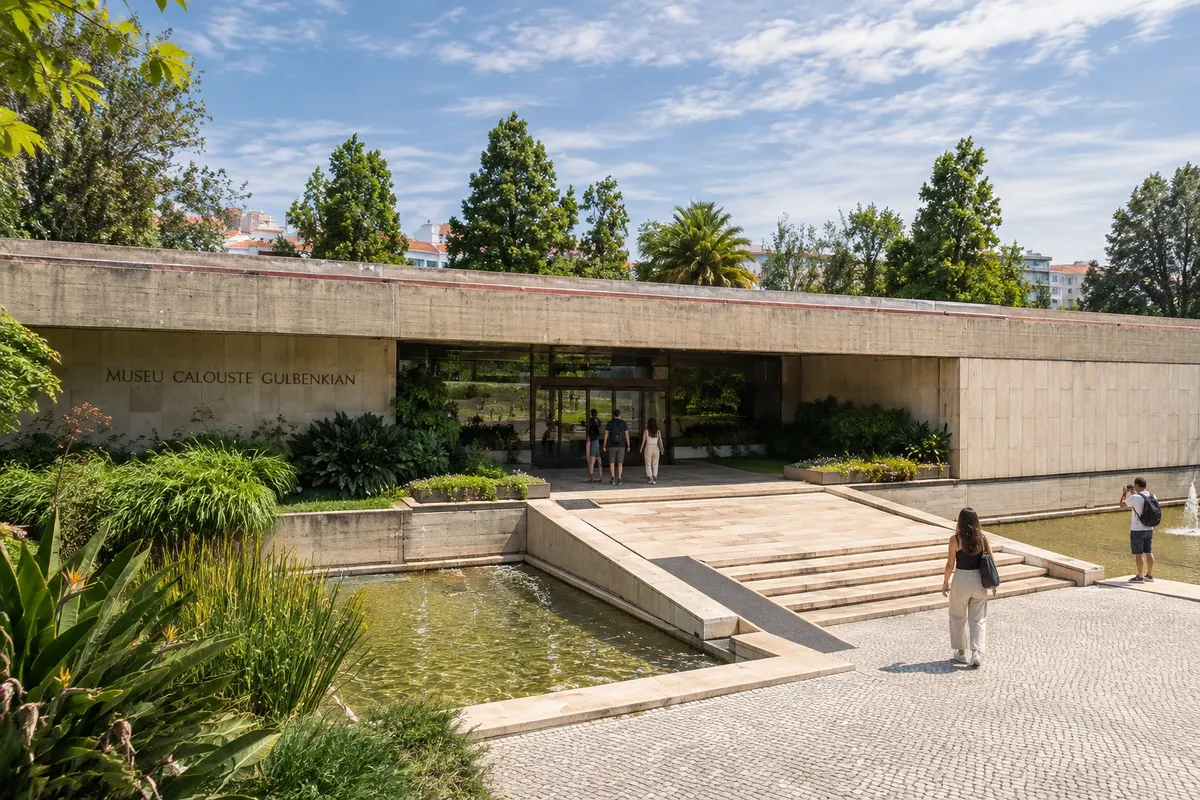
The Calouste Gulbenkian Museum houses the collection of businessman Calouste Gulbenkian, who established the foundation in his will. The Founder’s Collection spans millennia of art in rooms organized by region and period: Ancient Egypt, Greco-Roman art, Mesopotamia, the Islamic world with carpets and ceramics, China and Japan, and European art from the 12th to the 18th centuries, featuring painting, sculpture, furniture and a room dedicated to René Lalique’s jewelry. The Modern Art Centre, on the other side of the grounds, holds a large collection of 20th-century Portuguese art and hosts temporary exhibitions. The buildings sit within the Jardim Gulbenkian, with ponds, paths, an open-air amphitheater and plenty of shade. It’s a peaceful stroll away from the bustle of the historic center.
Kraji na poti: Calouste Gulbenkian Museum, Founder’s Collection, Gulbenkian Modern Art Centre, Jardim Gulbenkian.
Vključuje: Visit to the museum and the Modern Art Centre, with separate admission fees; check the current price list. The garden is open to the public.
Nasvet: The museum is usually closed on Tuesdays. Allow at least two hours for the Founder’s Collection. The garden is good for resting between visits.
Najboljši čas za obisk: All year; from April to June the garden is greener and more in bloom.
National Tile Museum
Odhod: Santa Apolónia Bus or taxi from the Baixa Približno 2 uri Dopoldne Lahko
Tiles appear on Lisbon’s façades, churches and stations, and the National Tile Museum tells that story from the 15th century to today. The museum occupies the Convent of Madre de Deus, founded in 1509 by Queen D. Leonor, in the eastern part of the city. The collection shows panels from several periods, including 17th-century hunting scenes, early 18th-century panels and 20th-century works by artists such as Maria Keil, Júlio Pomar and Querubim Lapa. Among the highlighted pieces is a long panel with a panoramic view of Lisbon before the 1755 earthquake. The visit includes the mannerist cloister, the church and the Chapel of Santo António, with Baroque gilt carving and 18th-century tiles.
Kraji na poti: National Tile Museum, Convent of Madre de Deus, Church of Madre de Deus, Chapel of Santo António.
Vključuje: Visit to the museum and the convent church, with separate admission fees; check the current price list.
Nasvet: The museum is outside the historic center; combine it with Alfama or Santa Apolónia.
Najboljši čas za obisk: All year; it’s a covered option for rainy days, from October to March.
Cristo Rei and Almada
Odhod: Cais do Sodré Boat to Cacilhas and bus (autocar) to the sanctuary Približno 4 ure Popoldne Lahko
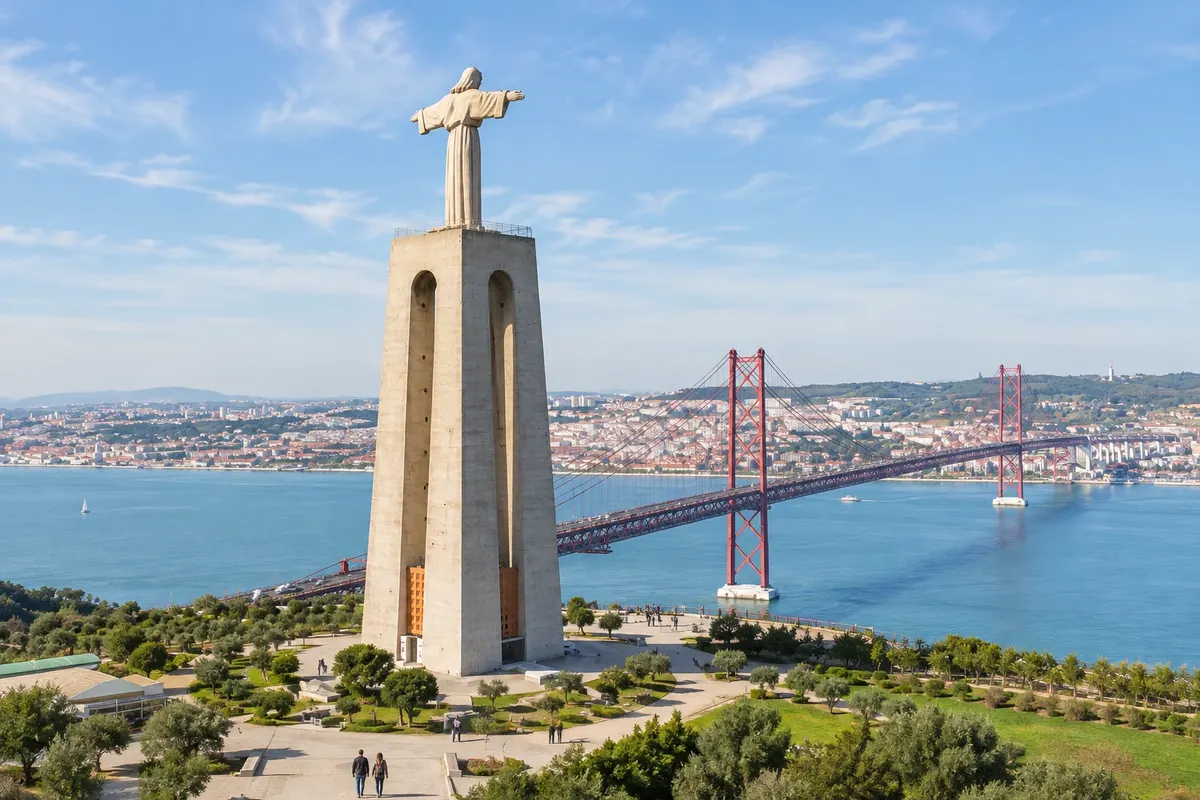
On the opposite bank of the Tagus River, in Almada, the Sanctuary of Cristo Rei has a statue of Christ with open arms facing Lisbon. The monument was inaugurated in 1959, after a vow made by Portuguese bishops during World War II, and the design was inspired by Rio de Janeiro’s Christ the Redeemer. The statue is 28 meters tall and stands on an 82-meter pedestal. An elevator takes you to the terrace atop the pedestal, offering 360-degree views of the Ponte 25 de Abril, the river and Lisbon. The trip itself is a short excursion: the boat departs Cais do Sodré and crosses the river to Cacilhas in about 10 minutes. In Cacilhas there are fish restaurants by the quay, and the Cais do Ginjal, a riverside walk among old warehouses, looks out toward Lisbon.
Kraji na poti: Cais do Sodré, Cacilhas, Sanctuary of Cristo Rei, Cais do Ginjal, Almada, Tagus River, Ponte 25 de Abril.
Vključuje: Boat and bus paid separately (use the loaded transport card). Sanctuary elevator paid separately; check the current rate. The terrace and chapel are open to the public.
Nasvet: Check at the Cacilhas stop which bus line goes to the sanctuary. Go on a clear day, when the view reaches farther. On the return, take the boat in the late afternoon to see Lisbon lit by the low sun.
Najboljši čas za obisk: Year-round; on foggy days, more common from November to February, the view is reduced.
Boat trip on the Tagus
Odhod: Doca do Bom Sucesso or Doca de Santo Amaro Sailing boat or catamaran from a local operator Približno 2 uri Popoldne Lahko
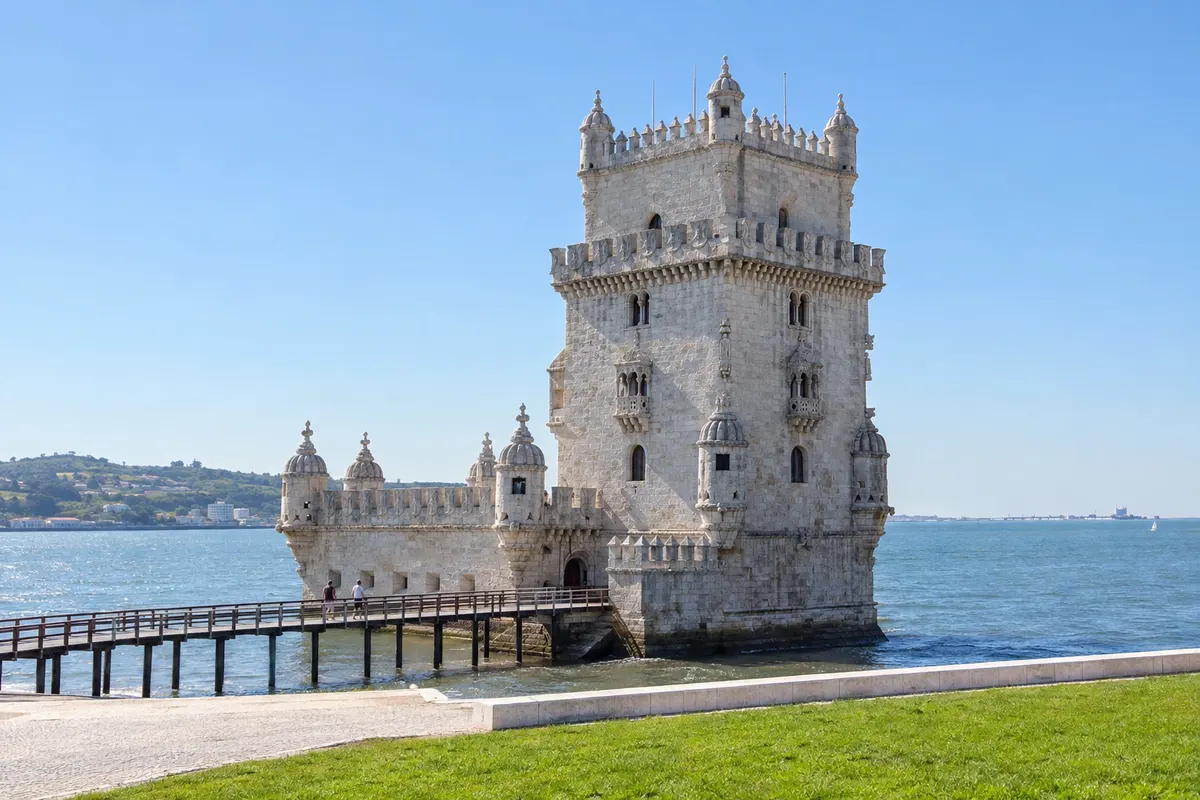
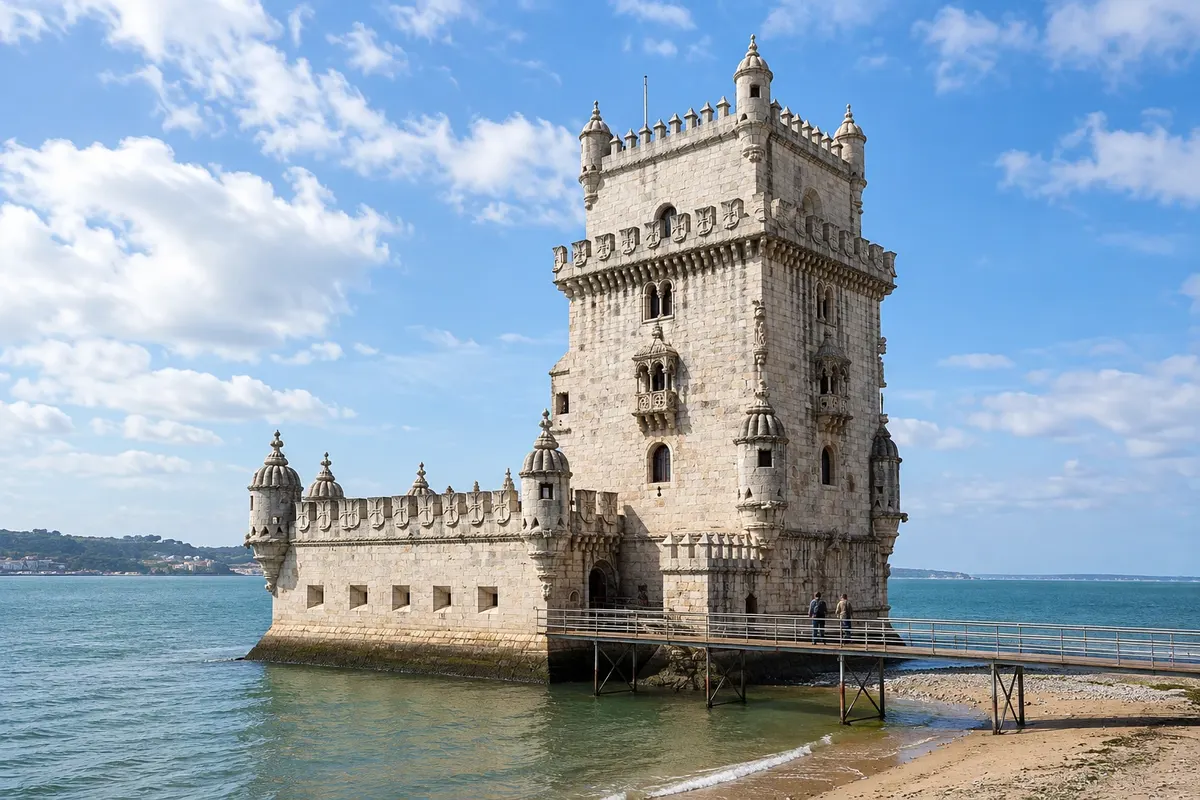
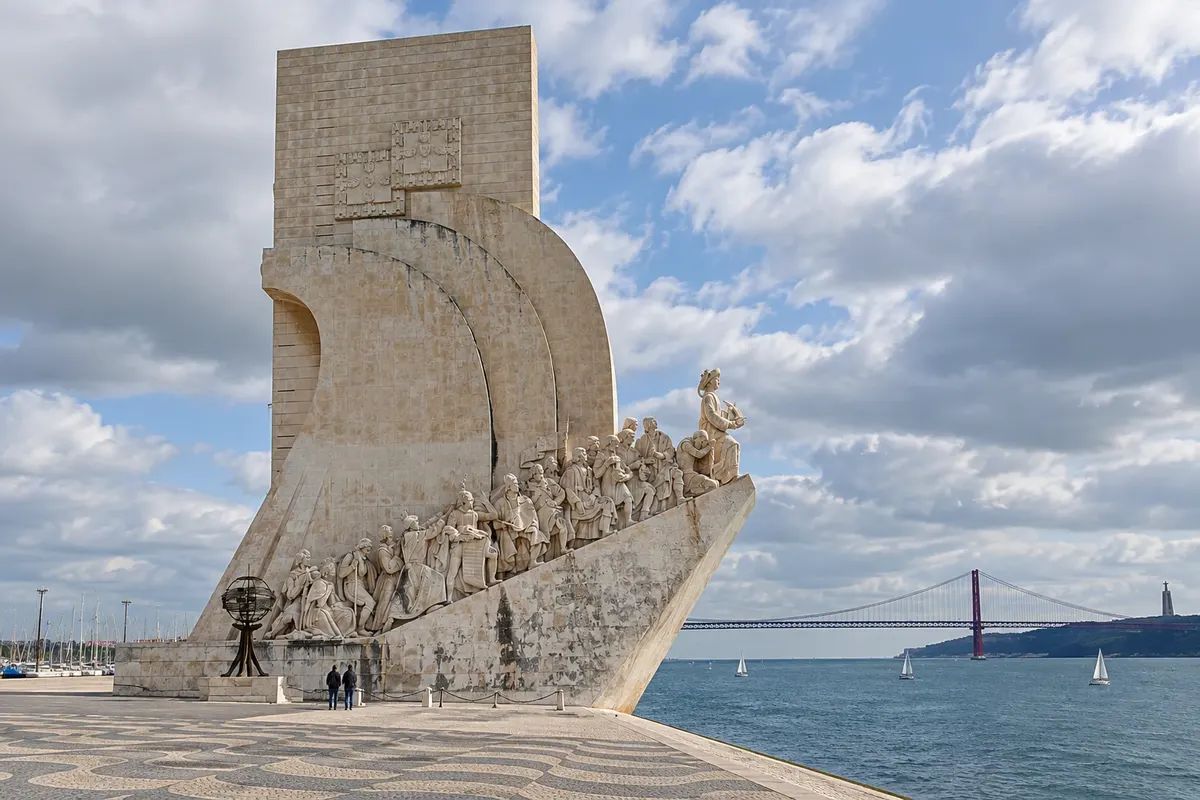
From the river you can see how Lisbon was born facing the water. Local operators run sailing boat or catamaran tours that depart from the docks of Belém and Alcântara and sail the Tagus estuary, usually for about two hours. From the boat you’ll see the Belém Tower, the Padrão dos Descobrimentos, the MAAT, passage under the 25 de Abril Bridge, Cristo Rei on the south bank and, depending on the route, Praça do Comércio and Alfama. Many departures are at sunset to watch the river sunset. For a short crossing, the regular ferries between Cais do Sodré and Cacilhas take about 10 minutes and show the city’s waterfront.
Kraji na poti: Tagus River, Belém Tower, Padrão dos Descobrimentos, 25 de Abril Bridge, Sanctuary of Cristo Rei, Praça do Comércio.
Vključuje: Boat tour with an operator, paid separately; some include a drink or snack. Check the current price list.
Nasvet: Book in advance for summer. Bring a jacket: it’s windier on the river and temperatures drop late in the day. Departure depends on wind and tide, and the operator may reschedule.
Najboljši čas za obisk: The busiest season runs from April to October; there are fewer departures in winter.
MAAT and Belém riverside
Odhod: Belém Tram (electric) 15E or train (comboio) to Belém Približno 2 uri Popoldne Lahko
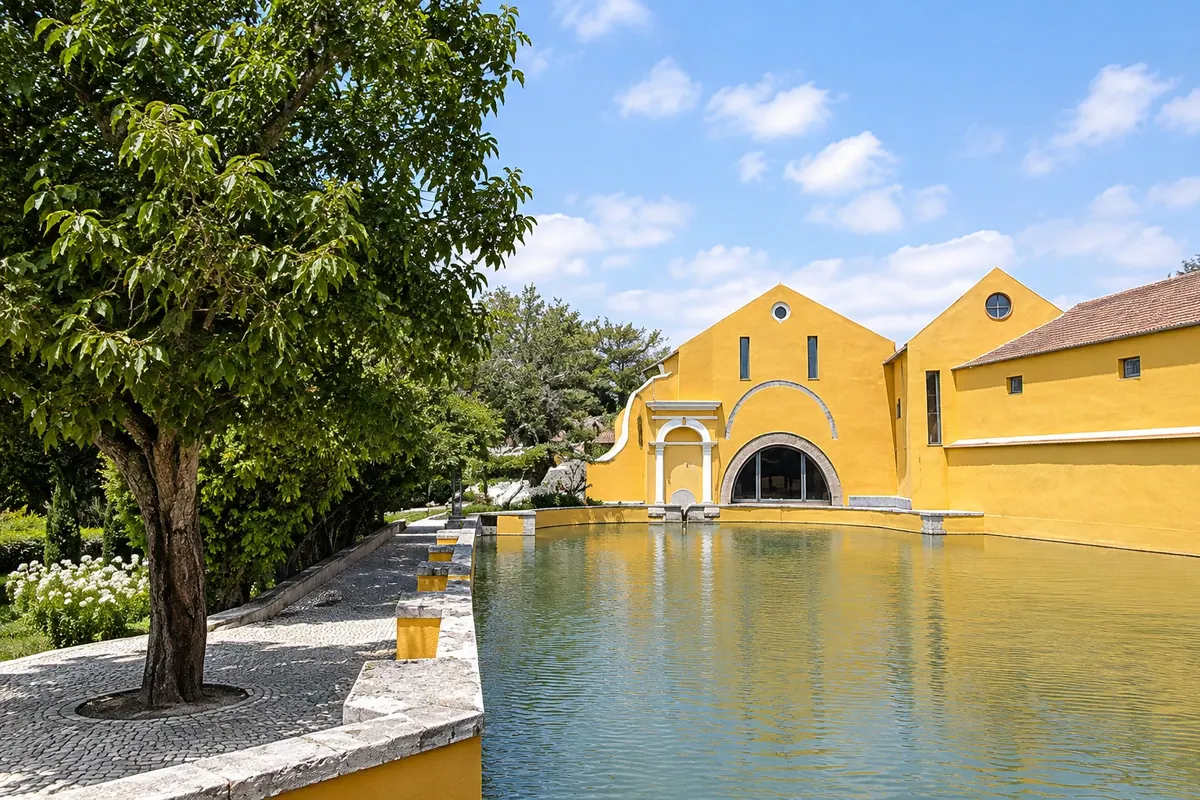
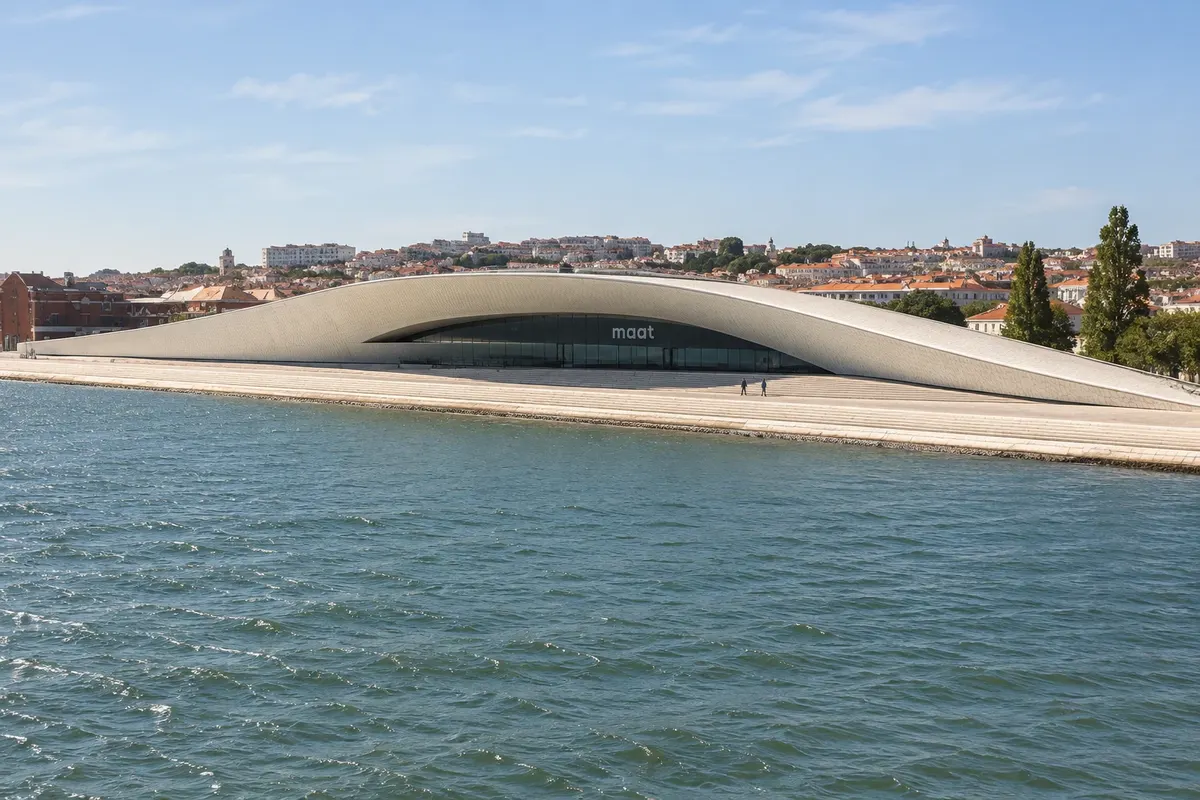
The MAAT, Museum of Art, Architecture and Technology, is run by Fundação EDP and occupies two buildings on the banks of the Tagus River, between Belém and Alcântara. Central Tejo is a former brick thermoelectric power plant that houses the boilers and machines and hosts exhibitions. Next to it, the contemporary building, with curved lines and clad in white ceramic tiles, has a rooftop walkway with views of the river and the 25 de Abril Bridge. The temporary exhibitions cover contemporary art, architecture and technology. From the MAAT a riverside promenade runs on foot to the Padrão dos Descobrimentos and the Belém Tower.
Kraji na poti: MAAT, Central Tejo, Tagus River, Belém.
Vključuje: Visit to the exhibitions, with admission paid separately; check the current price list. Walk along the riverside promenade.
Nasvet: The museum is closed on Tuesdays. Combine it with the Belém walk in the afternoon, after visiting the monuments. Go up to the rooftop at the end of the day, facing the sunset.
Najboljši čas za obisk: All year; from May to September the riverside promenade is more enjoyable in the late afternoon.
Costa da Caparica
Odhod: Lisbon Bus (autocarro) direct or ferry to Cacilhas and bus Približno 6 ur Ves dan Lahko
Costa da Caparica is the stretch of open-ocean beaches closest to Lisbon, on the south bank of the Tagus River, in the municipality of Almada. It’s about 15 km of continuous sand, from the center of Costa da Caparica to Fonte da Telha. The beaches near the center have a promenade, surf schools, restaurants and beach bars; farther south, the sand lies at the foot of the Arriba Fóssil, a cliff protected as a natural landscape. The sea is the Atlantic: the waves favor surfing and the water is usually cold, even in summer. Lisbon residents visit the Costa on summer weekends, and traffic on the Ponte 25 de Abril increases on those days.
Kraji na poti: Costa da Caparica, Fonte da Telha, Protected Landscape of the Arriba Fóssil of Costa da Caparica, Almada.
Vključuje: Transport paid separately (bus and boat use the loaded transport card). Chair and umbrella rental and surf lessons are paid separately.
Nasvet: Go on a weekday to avoid bridge traffic. Bring sunscreen and a light jacket: the sea breeze usually blows in the afternoon. Respect the lifeguards' flags.
Najboljši čas za obisk: The beach season runs from June to September; surfing takes place year-round.
Setúbal and Serra da Arrábida (round trip)
Odhod: Lisbon (Roma-Areeiro or Entrecampos station) Fertagus train and bus, or car about 9 hours Ves dan Lahko
About 50 km south of Lisbon, Setúbal lies between the estuary of the Sado River and the Serra da Arrábida. The hills, within the Parque Natural da Arrábida, slope down in forested flanks to clear-water sea, with beaches in small coves: Figueirinha, Creiro, Galapos and Portinho da Arrábida. The road across the hills has viewpoints over the sea and the Tróia peninsula. A group of dolphins (common dolphins/roazes) lives in the Sado estuary, and operators from Setúbal run boat trips to watch them. In Setúbal, Mercado do Livramento sells fish and seafood, and choco frito is the town's typical dish. On the way back, the village of Azeitão is known for its cheese and for its tortas.
Kraji na poti: Setúbal, Parque Natural da Arrábida, Serra da Arrábida, Portinho da Arrábida, Praia da Figueirinha, Praia do Creiro, Estuário do Sado, Azeitão.
Vključuje: Transport paid separately; boat trip on the Sado and meals paid separately. Check the current table.
Nasvet: From June to September, car access to the Arrábida beaches is restricted during the day, and buses run from Setúbal to the beaches. Outside summer the road is open. The Fertagus train crosses the 25 de Abril Bridge and takes about one hour to reach Setúbal.
Najboljši čas za obisk: The beach season runs from June to September; for hiking in the hills, from March to June and in September and October.
Fátima, Batalha, Nazaré and Óbidos (round trip)
Odhod: Lisbon Organized tour, car or regular bus (autocar) about 9 hours Ves dan Lahko
North of Lisbon, four stops are commonly made in the same day on agency tours or by car. The Sanctuary of Fátima, about 130 km from Lisbon, includes the Chapel of the Apparitions, at the site where it is said that Our Lady appeared to three shepherd children in 1917, the Basilica of Our Lady of the Rosary, with the tombs of Francisco, Jacinta and Lúcia, and the modern Basilica of the Holy Trinity. The Monastery of Batalha, of Santa Maria da Vitória, is a Gothic work and a UNESCO World Heritage Site. In Nazaré, the Sítio viewpoint looks over the beach and the fishing village; in winter, Praia do Norte receives the big waves that attract surfers. Óbidos is a walled town with streets of white houses and the castle on the hill.
Kraji na poti: Sanctuary of Fátima, Capelinha das Aparições, Basilica of Our Lady of the Rosary, Basilica of the Holy Trinity, Monastery of Batalha, Nazaré, Sítio da Nazaré, Óbidos.
Vključuje: Excursion with transport and guide, paid separately; admissions and meals are extra. Check the current price list.
Nasvet: If you go only to Fátima you can take the regular bus that departs from Sete Rios or Oriente, with about a 1 hour 30 minute journey. On May 12 and 13 and in October the sanctuary receives the large pilgrimages and becomes very crowded. Óbidos also has a direct bus from Lisbon, with about a one-hour trip.
Najboljši čas za obisk: Year round; for Nazaré’s waves, from October to March.


 Brazilija
 Antarktika
 Argentina
 Bolivija
 Čile
 Kolumbija
 Ekvator
 Gvajana
 Francoska Gvajana
 Falklandski otoki (Malvini)
 Paragvaj
 Peru
 Surinam
 Urugvaj
 Venezuela
 Nemčija
 Avstrija
 Belgija
 Hrvaška
 Danska
 Slovaška
 Slovenija
 Španija
 Finska
 Francija
 Grčija
 Nizozemska
 Madžarska
 Irska
 Islandija
 Italija
 Luksemburg
 Norveška
 Poljska
 Združeno kraljestvo
 Češka
 Švedska
 Švica
 Turčija
 Bermudi
 Kanada
 Združene države Amerike
 Grenlandija
 Mehika
 Sveta Peter in Mihael
 Dominikanska republika
 Japonska
 Južnoafriška republika
 Egipt
 Avstralija
 Fidži
 Nova Zelandija
 Papua Nova Gvineja