Sericaia com ameixas de Elvas
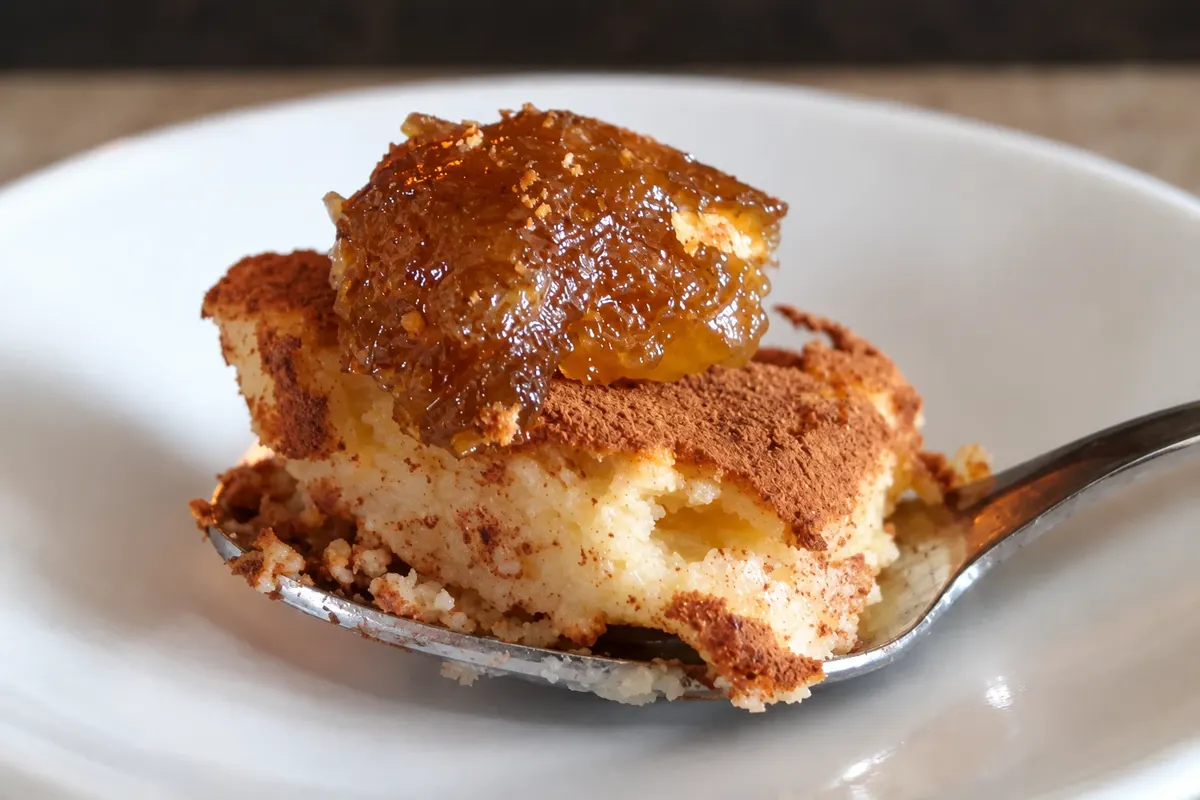
Sweet made from egg yolks, milk, flour and cinnamon, baked in a clay dish until it cracks, served with Elvas plums in syrup. Eating sericaia with Elvas plums is one of Turismo de Portugal's recommendations for the city.
Antarktika
Portalegre · Portugalska
Destinacija: Évora and the Alentejo.
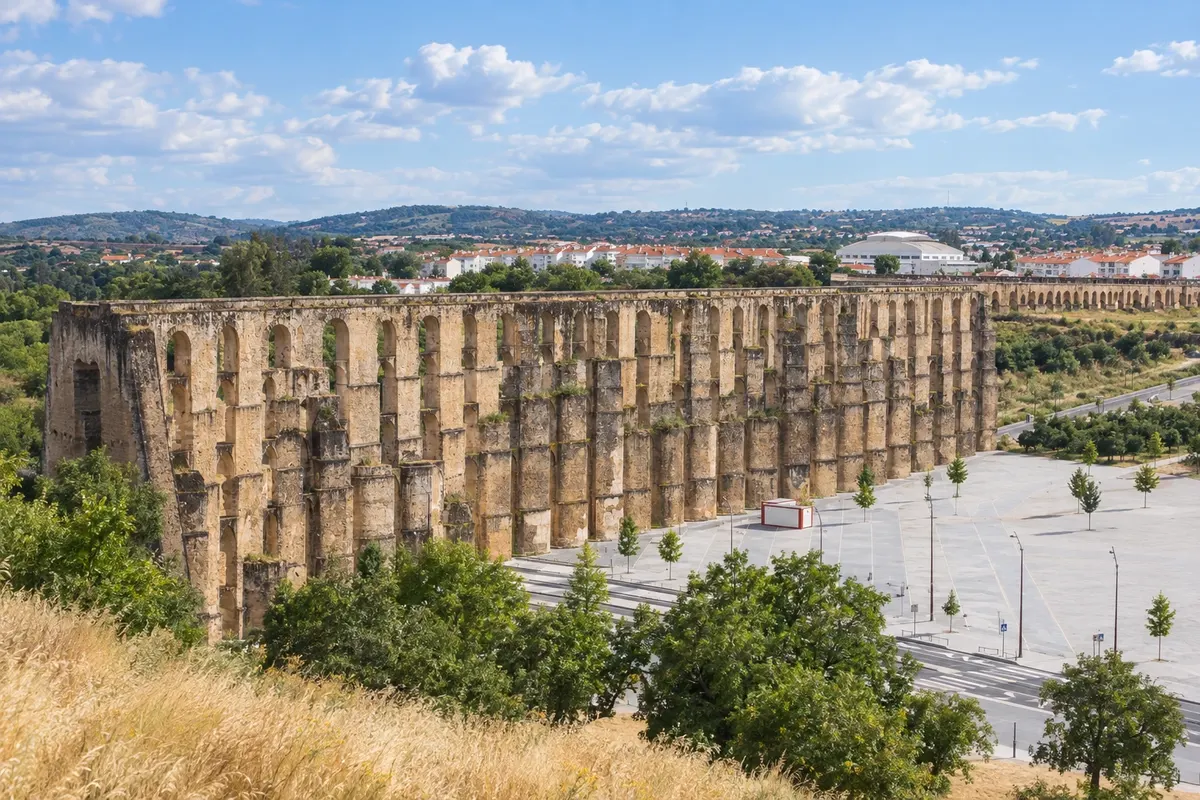
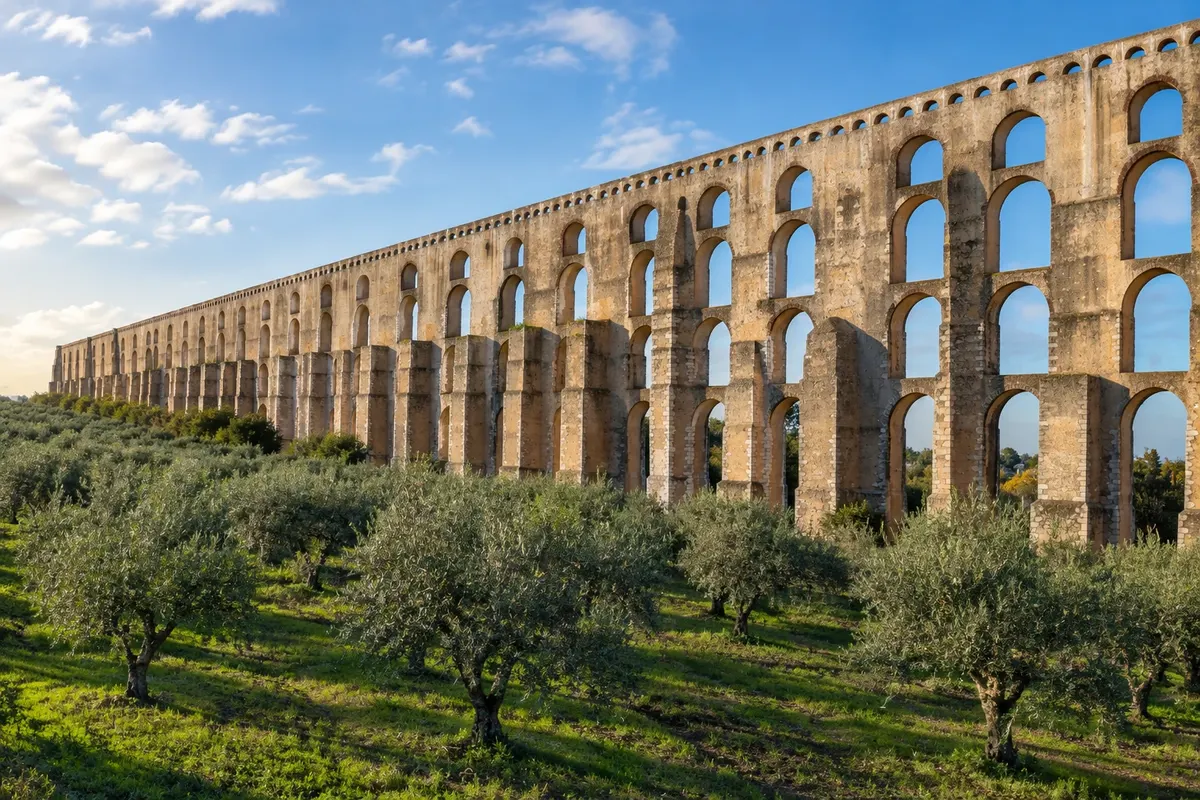
Na fotografiji: Aqueduto da Amoreira, Elvas
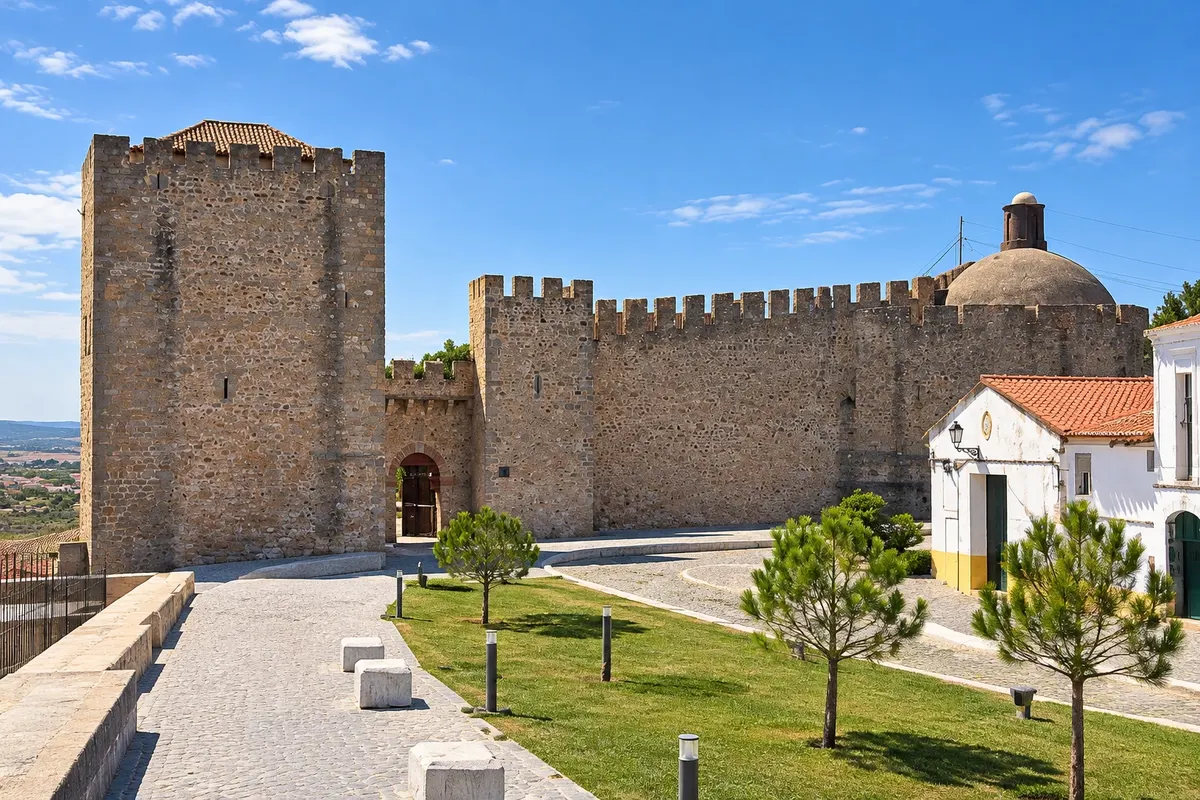
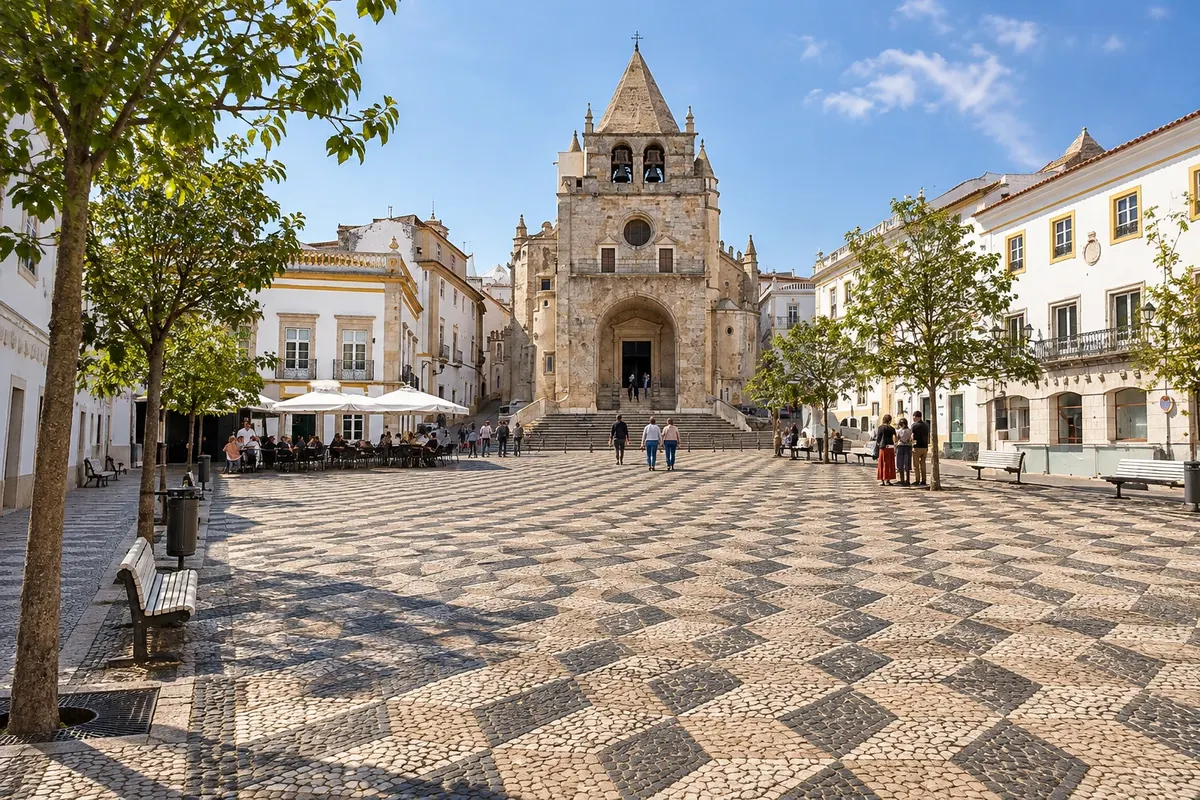
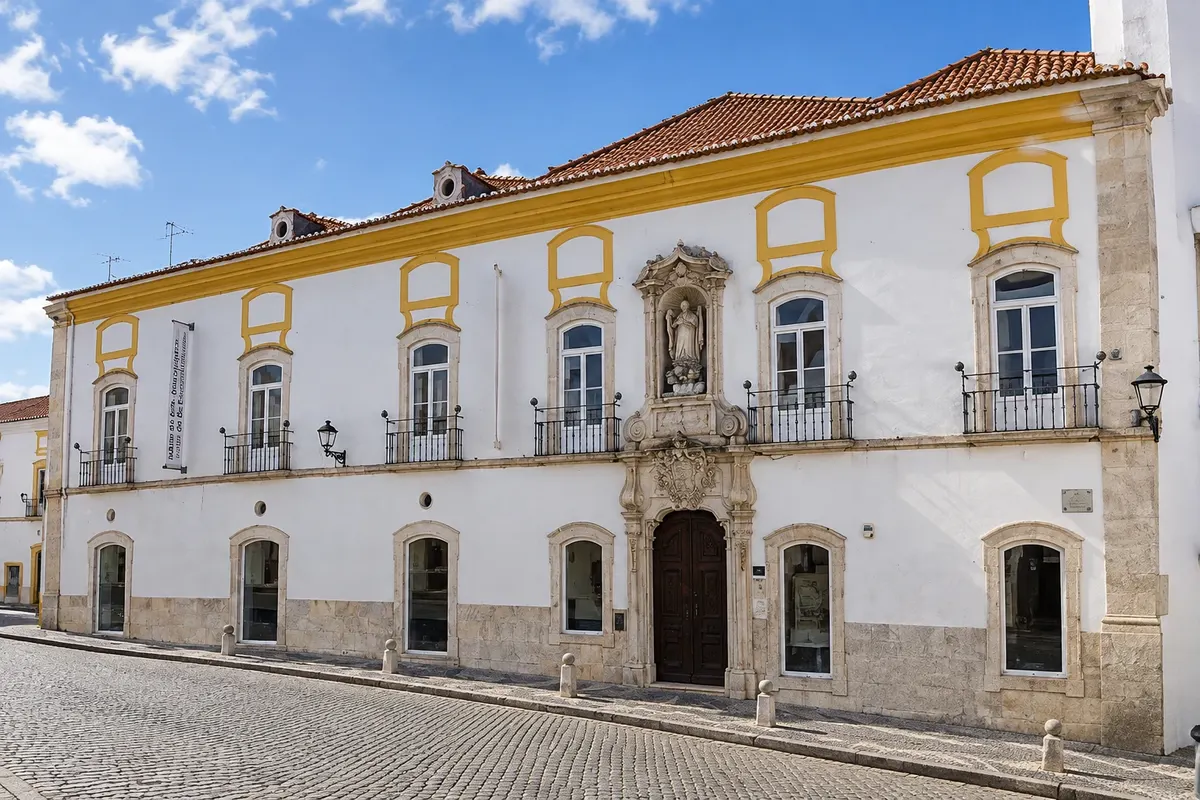
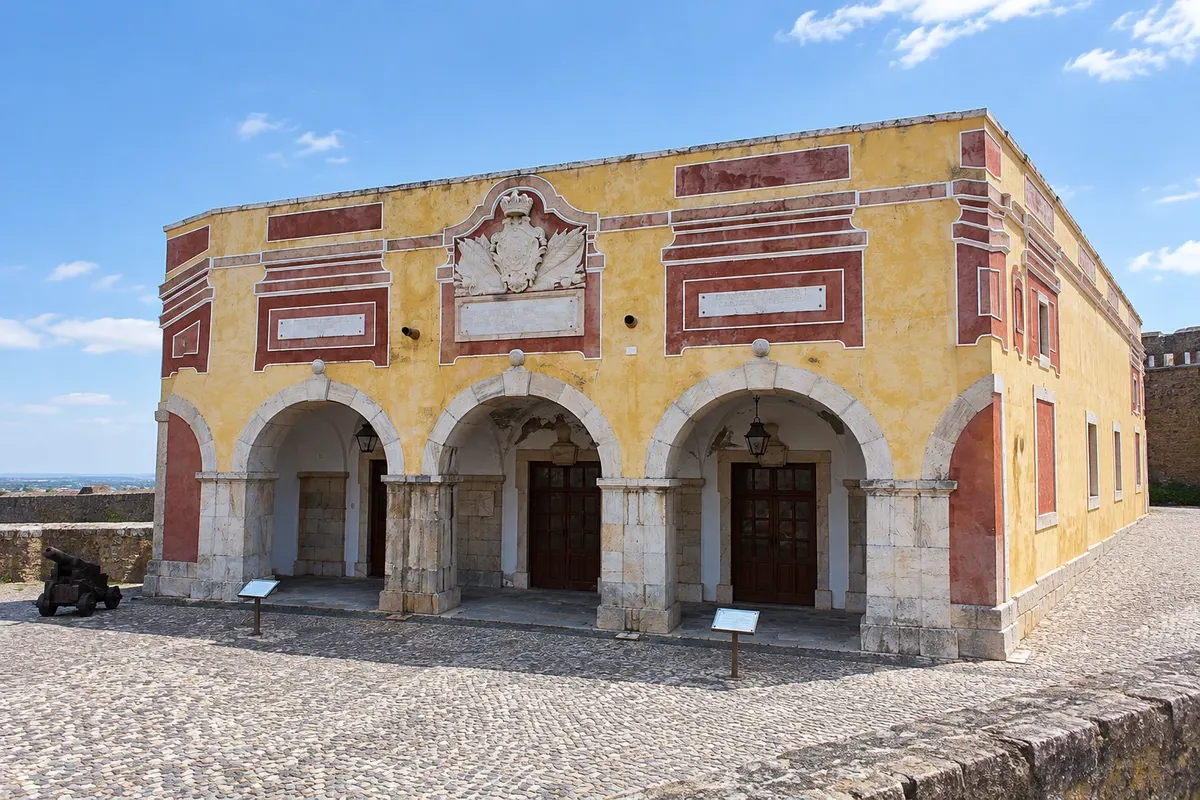
Illustrative images. The pictures in this guide are illustrations based on the real place, not photographs, and may differ from it.
Mesto
Alentejo town in the district of Portalegre, about 12 km from Badajoz in Spain. The star-shaped walls, the forts of Santa Luzia and da Graça and the Aqueduto da Amoreira form the border garrison city, a UNESCO World Heritage Site since 2012. Inside the walls lie the Praça da República, the old cathedral, the medieval castle and streets of white houses. It is the last stop in Portugal on the route between Lisbon and Madrid.
V vodniku še ni nastanitev – Elvas.
kako do tja · koliko dni · načrt poti · vprašanja
Lokalni okusi – of Portugalska
Doživite kraj
Stone aqueduct of about 8.5 km that carries water from the Amoreira to the center of Elvas, with arcades up to 31 meters high where it reaches the town. Built between the 16th and 17th centuries, it is part of the World Heritage ensemble.
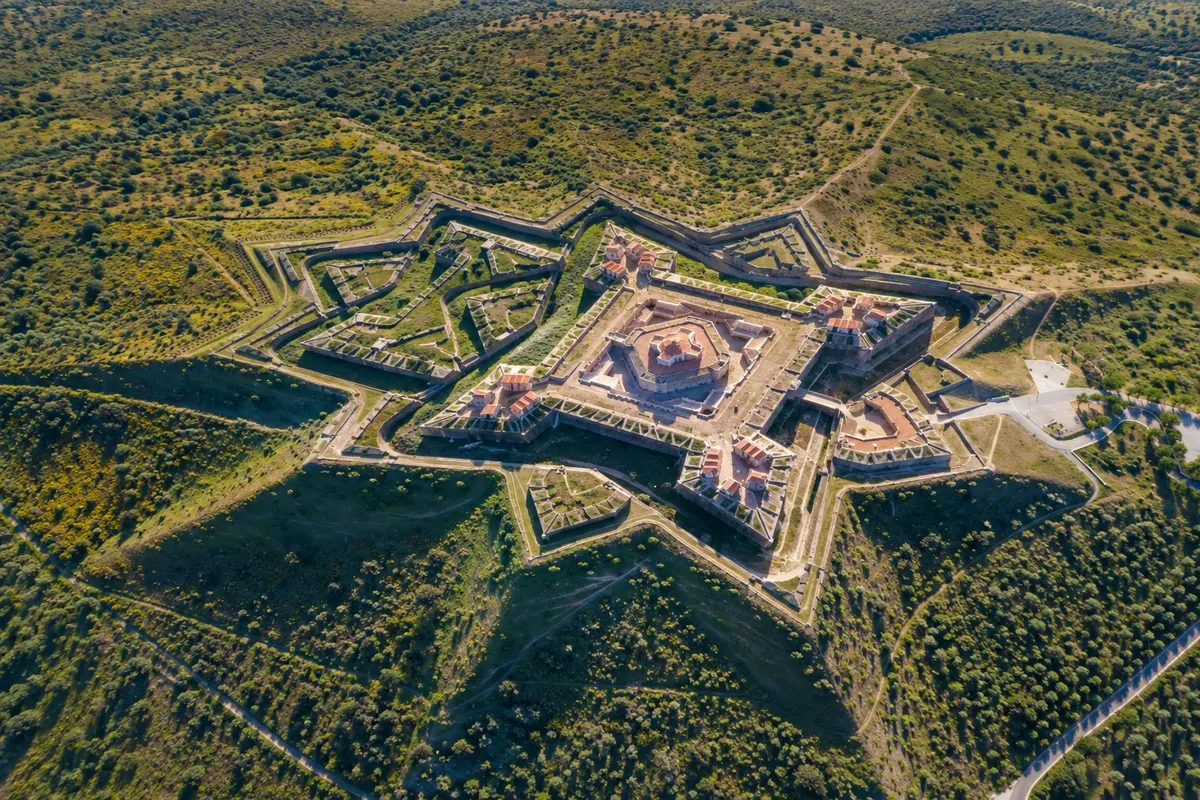
18th-century fort on the summit of Monte da Graça, north of Elvas, with star-shaped ramparts, a moat, galleries and the Casa do Governador at its center. From the top you can see Elvas, the aqueduct and the plain stretching to Spain.
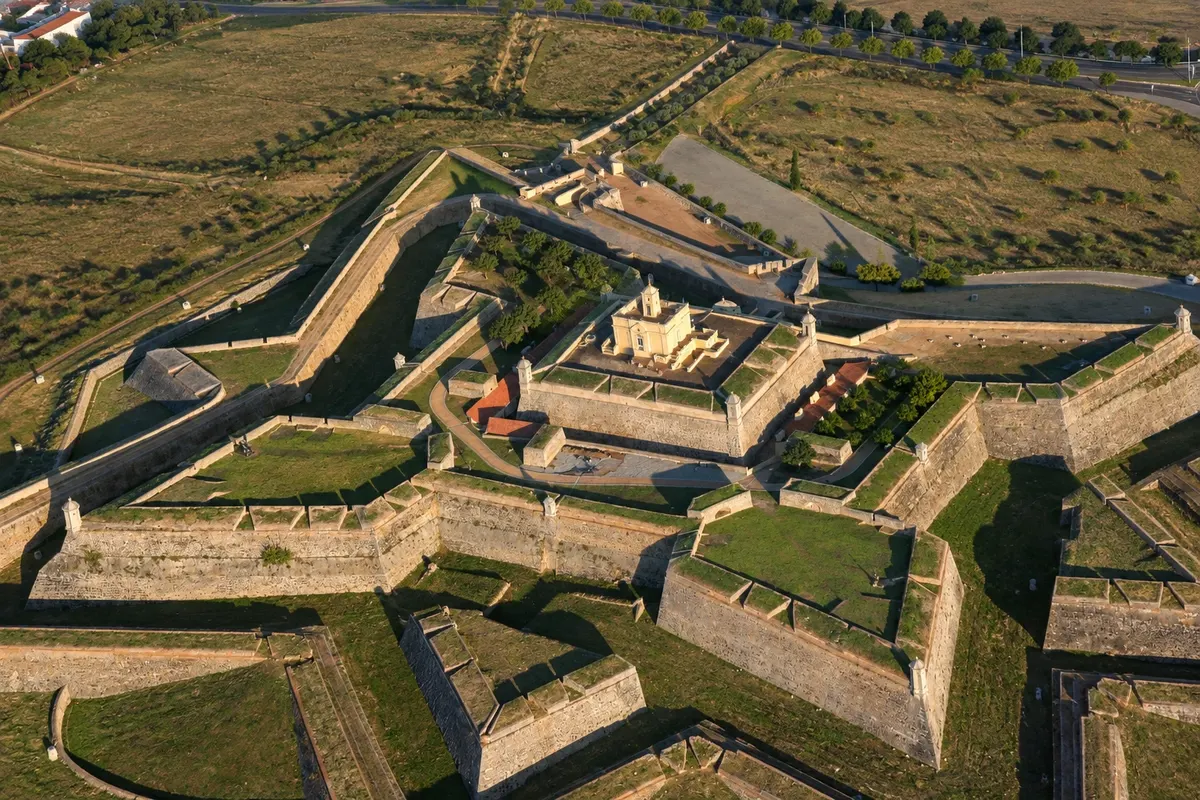
17th-century star-shaped fort south of Elvas’s walls that withstood the Spanish siege of 1658. It houses a section of the military museum, with rooms on the history of the city's fortifications.
Medieval castle at the highest point of the old town, built over an Arabic fortress and renovated in subsequent centuries. From the walls the view reaches the city, the forts and the Guadiana plain.
Elvas’s main square, with geometric-patterned paving, the former cathedral (Igreja de Nossa Senhora da Assunção) from the 16th century, and the old paço do concelho. It is the starting point for the historic center.
Museum of contemporary Portuguese art installed in a former hospital in central Elvas, with the collection of collector António Cachola, featuring Portuguese artists from recent decades.
Museu do Exército installed in a former military complex within the walls of Elvas, with collections of weaponry, uniforms, vehicles and horse-drawn carriages used by the Portuguese Army.
Pred odhodom
Elvas – Portalegre Destinacija Évora and the Alentejo
Razdalje so približne. Pred potovanjem preverite lete in vozne rede avtobusov, vlakov ali ladij.
Check before you buy. From Lisbon it's about 2h30 by car on the A6 motorway, and about 1 hour from Évora. There are buses from Lisbon and Évora, and the regional Raiano train, between Entroncamento and Badajoz, stops at Elvas station, outside the walls. From Badajoz, in Spain, it's about 20 minutes by car. Confirm schedules before you set out.
A full day is enough for the historic center, the walls, the aqueduct and one of the forts. With one night you have time for both forts, the museums and sunset over the walls, and Elvas can be a stop on the way between Évora and Spain.
From March to May and from October to November temperatures are usually pleasant for walking and climbing the forts. In summer, from June to September, the Alentejo heat is strong at midday: schedule visits for the morning and late afternoon. In winter the days are short and mornings are cold.
The seasons shown are the most usual ones; nature doesn't always follow the calendar.
Not needed for the historic center, the castle, the museums and the aqueduct, which are visited on foot. A car helps for Forte da Graça, on a hill north of the town, and to continue to Évora, Monsaraz or Spain. There is parking by the gates of the walls.
Predlog poti
Pot povezuje znamenitosti na tej strani. Za oglede boste imeli dovolj časa.
Start at the Praça da República, with the old cathedral and the geometric patterned paving. Walk up Largo de Santa Clara, with the pelourinho and the Igreja das Domínicas, to the castle, and view the town from the top of the walls.
After lunch, head to Forte de Santa Luzia to the south, a few minutes from the walls, and see the rooms of the military museum. Return along the walls path, with views toward Forte da Graça.
Walk to the highest arches of the Aqueduto da Amoreira on the west side of the town. The low light at the end of the day brings out the stone.
Dine in the historic center, with Alentejo dishes such as sopa de cação and migas. The ameixa de Elvas, with protected designation of origin, often appears for dessert.
Check before you go. Opening hours and days change, and places may close for renovations, holidays or events. This itinerary is a suggestion from Cidade Turismo, not a commitment: plan yours by checking directly with each place you intend to visit.
Pred odhodom
Because it brings together the largest ensemble of land bastion fortifications in the world, according to UNESCO: 17th-century star-shaped walls, the forts of Santa Luzia and da Graça, smaller fortifications and the Aqueduto da Amoreira. The ensemble was inscribed in 2012.
Yes. It's about 1 hour by car on the A6. In one day you can see the center, the castle, the aqueduct and one of the forts. There are few bus departures: check in advance.
No. Forte de Santa Luzia is a few minutes' walk from the walls to the south. Forte da Graça sits atop a hill, a little over 1 km to the north, and access is easier by car or taxi.
Yes. Badajoz is about 12 km away, roughly 20 minutes by motorway. In Spain the clock is one hour ahead.
Portuguese. Because of the border, many people also understand Spanish.
Rotas entre países
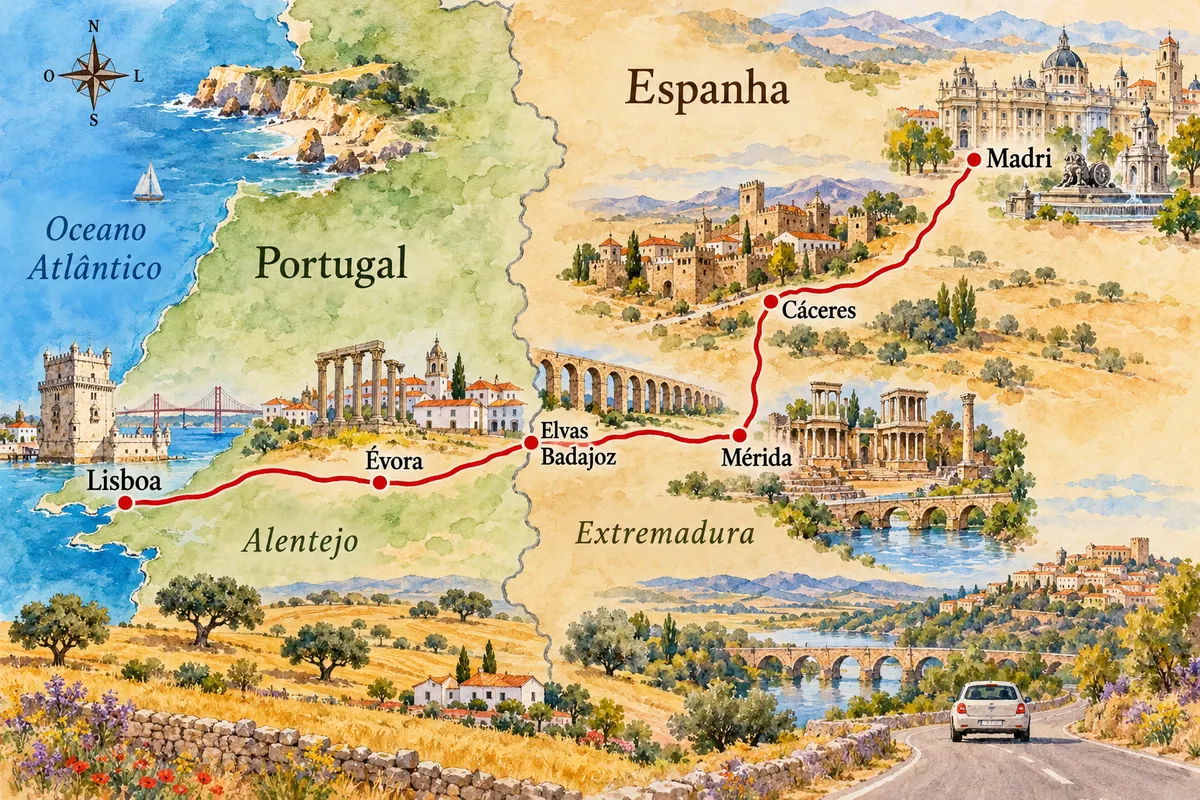
By car between the two capitals of the peninsula: the Alentejo around Évora, Roman Mérida and medieval Cáceres on the route from Lisbon to Madrid.
Več kot vodnik