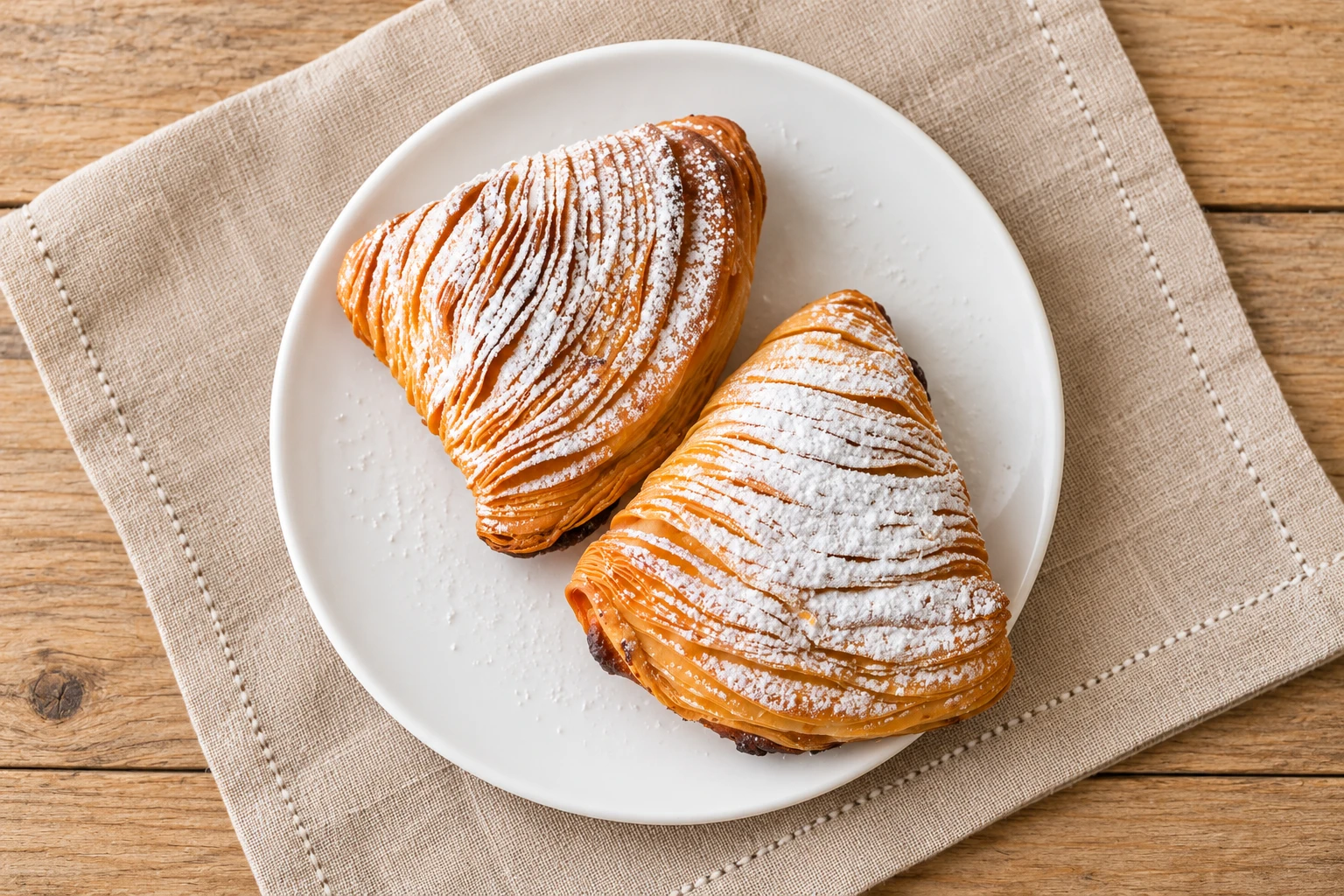
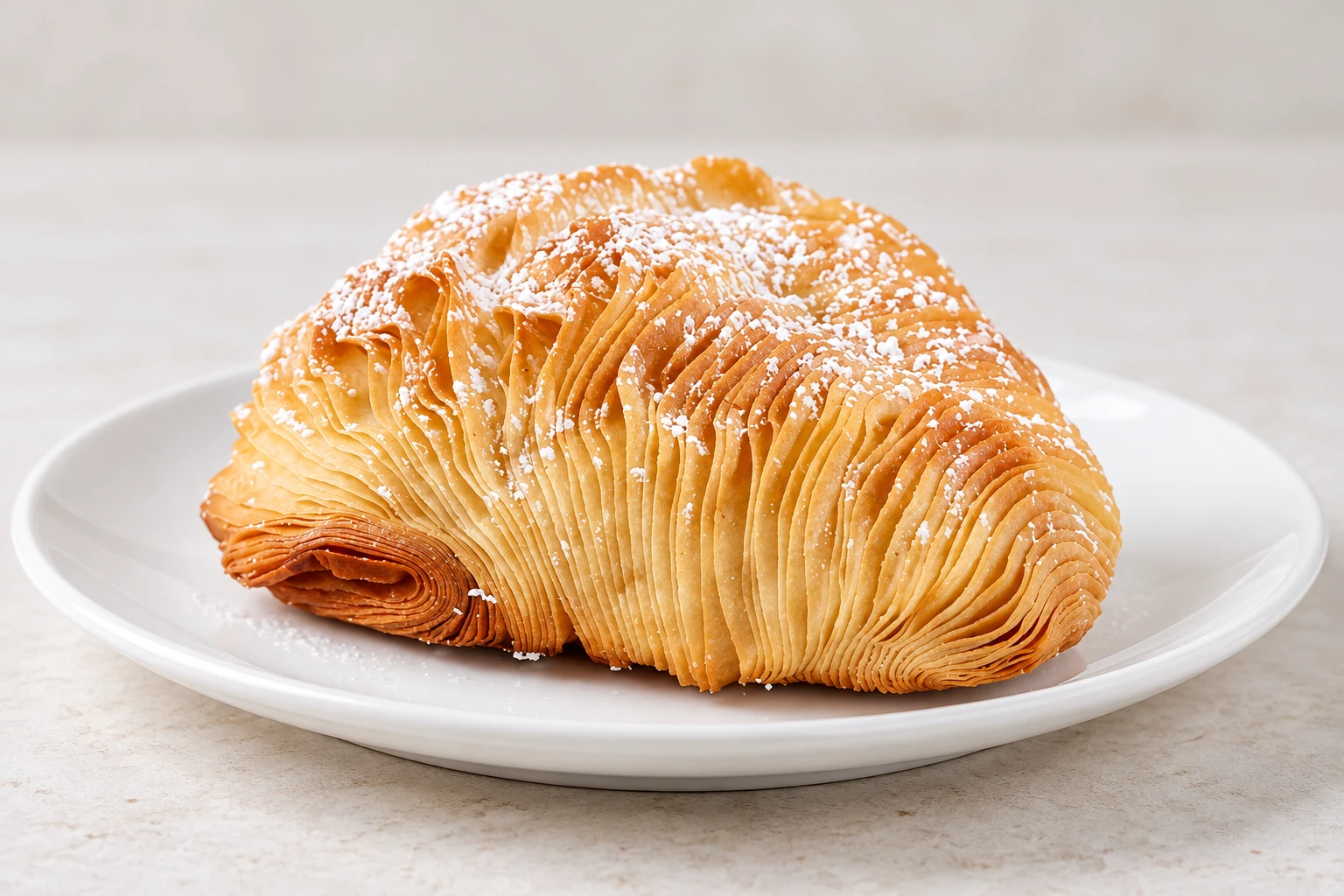
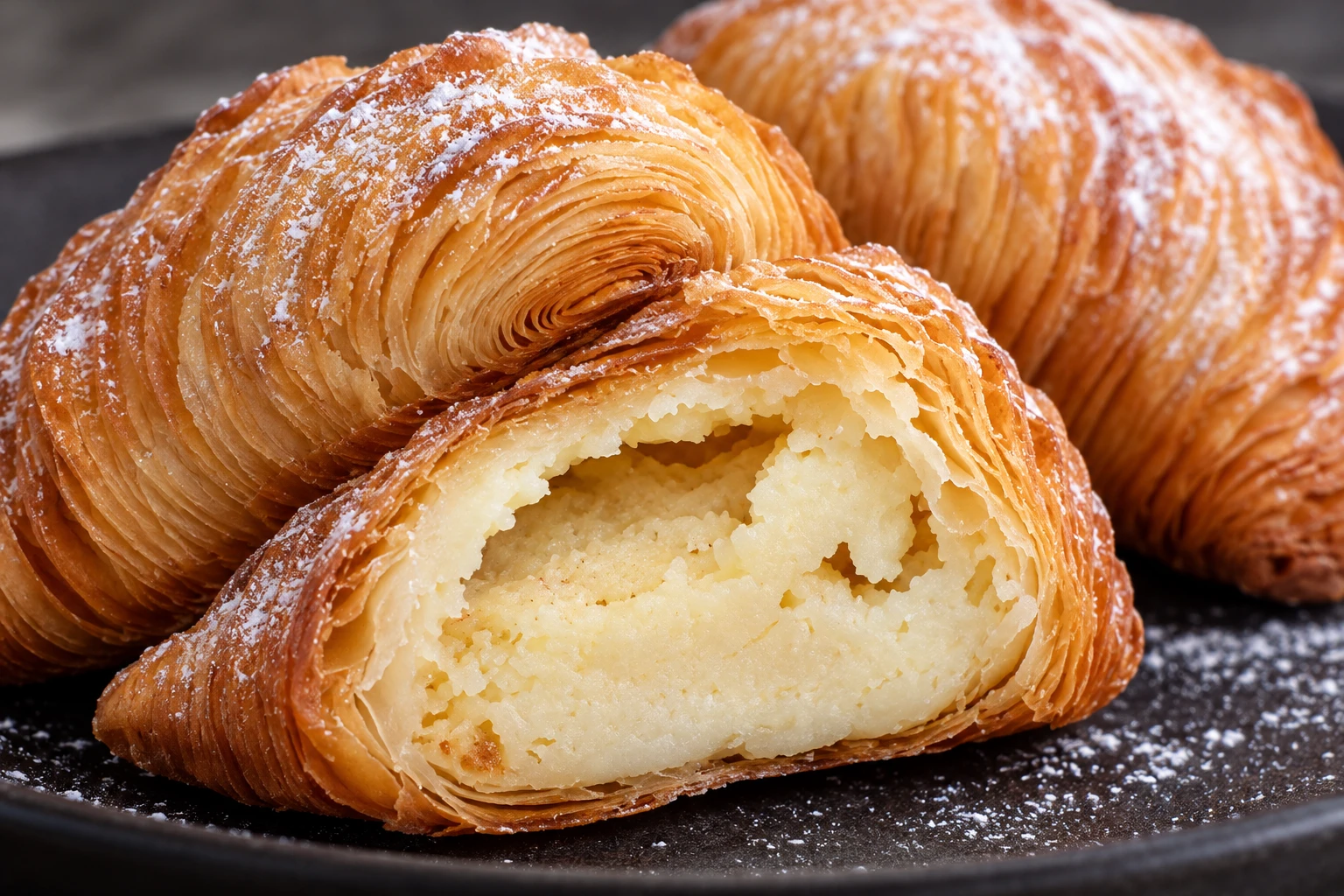
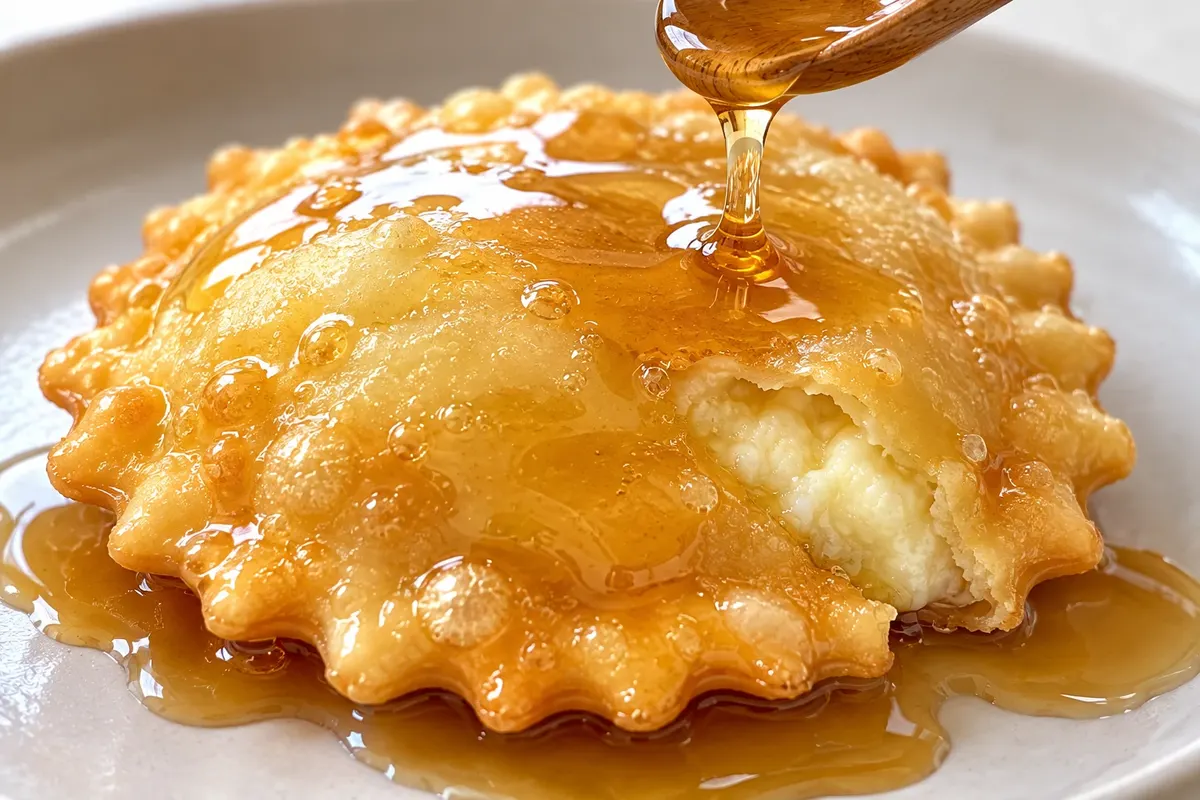
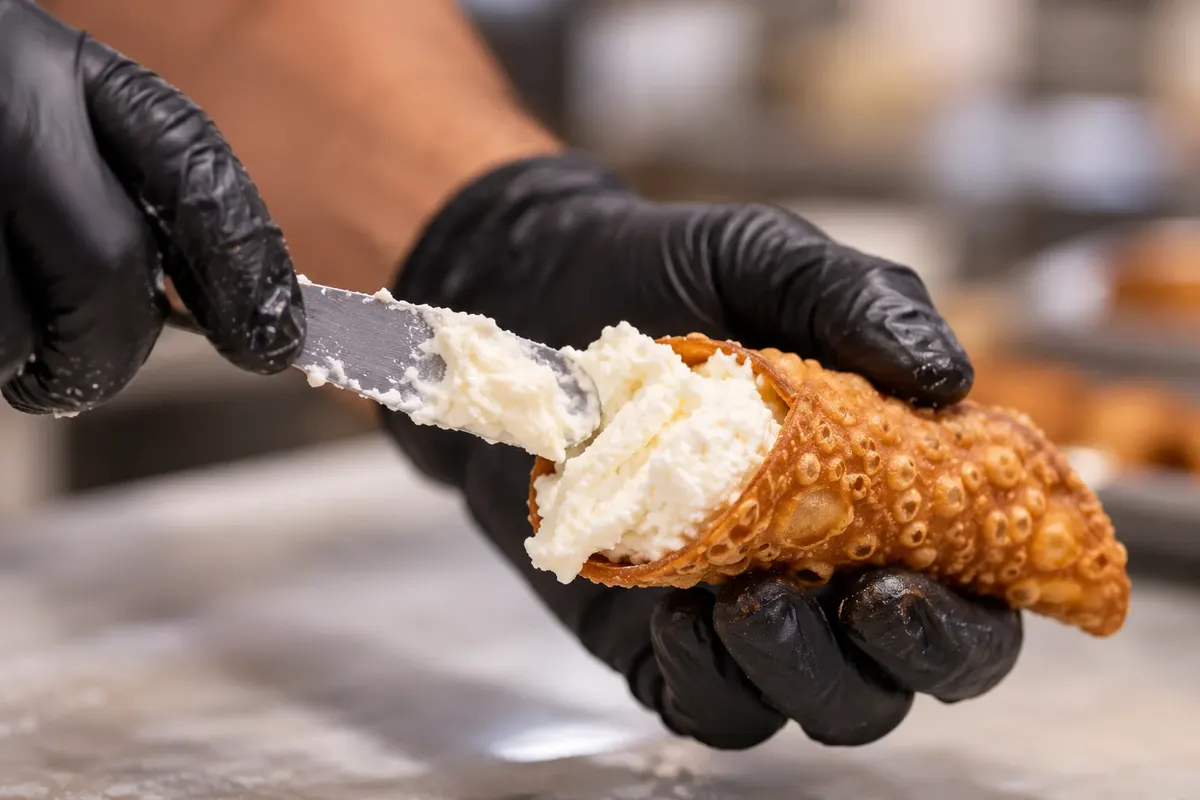
The sfogliatella riccia has the shape of a shell with ridges. The dough, made from flour, water, salt and lard, is stretched until very thin, rolled into layers and cut into discs, which are opened into cones and filled. In the oven, the sheets separate and become crisp. The filling contains semolina cooked in milk, ricotta, sugar, candied fruit and flavorings such as cinnamon and vanilla.
There is also the sfogliatella frolla, with the same filling but a smooth, tender pastry similar to a tart crust. Both coexist in the city’s pastry shops.
The most often-told history begins outside Naples, in a cloistered convent dedicated to Saint Rosa in Conca dei Marini on the Amalfi Coast, between the 17th and 18th centuries. There the santarosa is said to have been born, still a distinct sweet today, with cream and cherries in syrup. According to tradition, around 1818 a tavern owner on Via Toledo, Pasquale Pintauro, obtained the recipe, removed the cream and cherries, added candied fruit and turned the business into a pastry shop. How the nuns’ recipe came into his hands is disputed in the different versions.
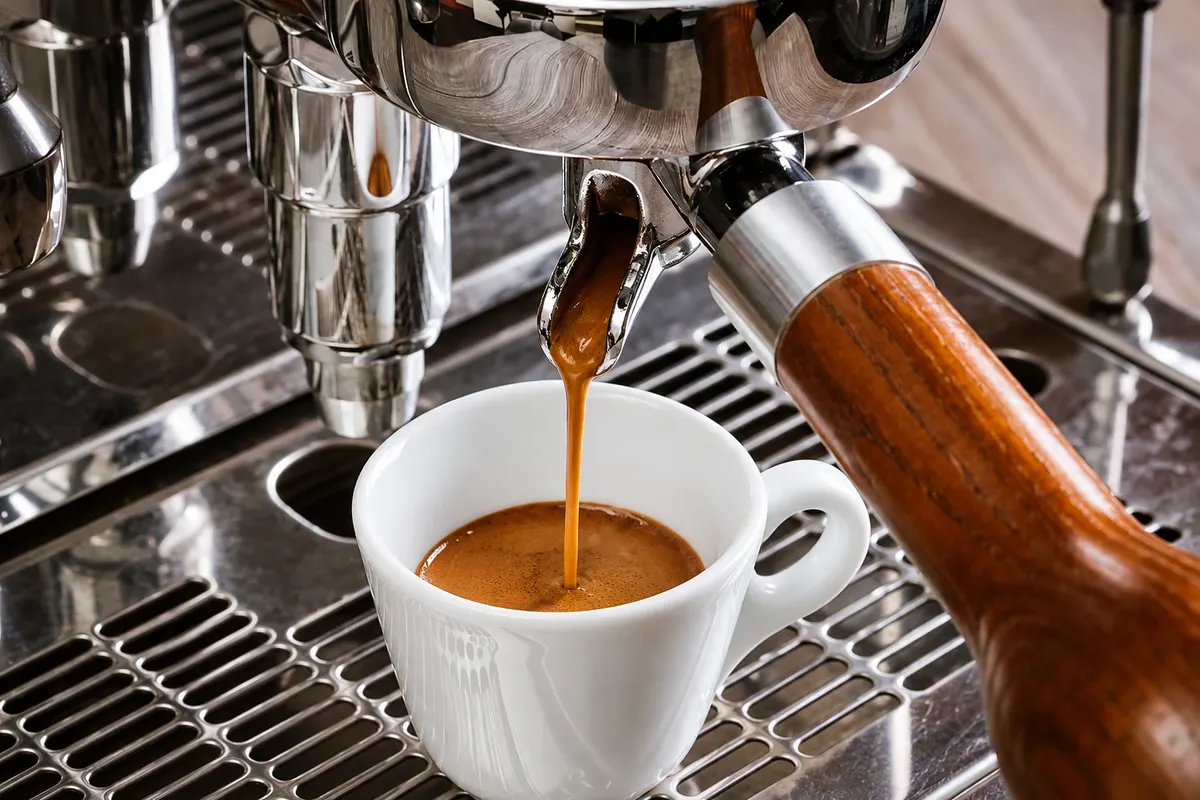
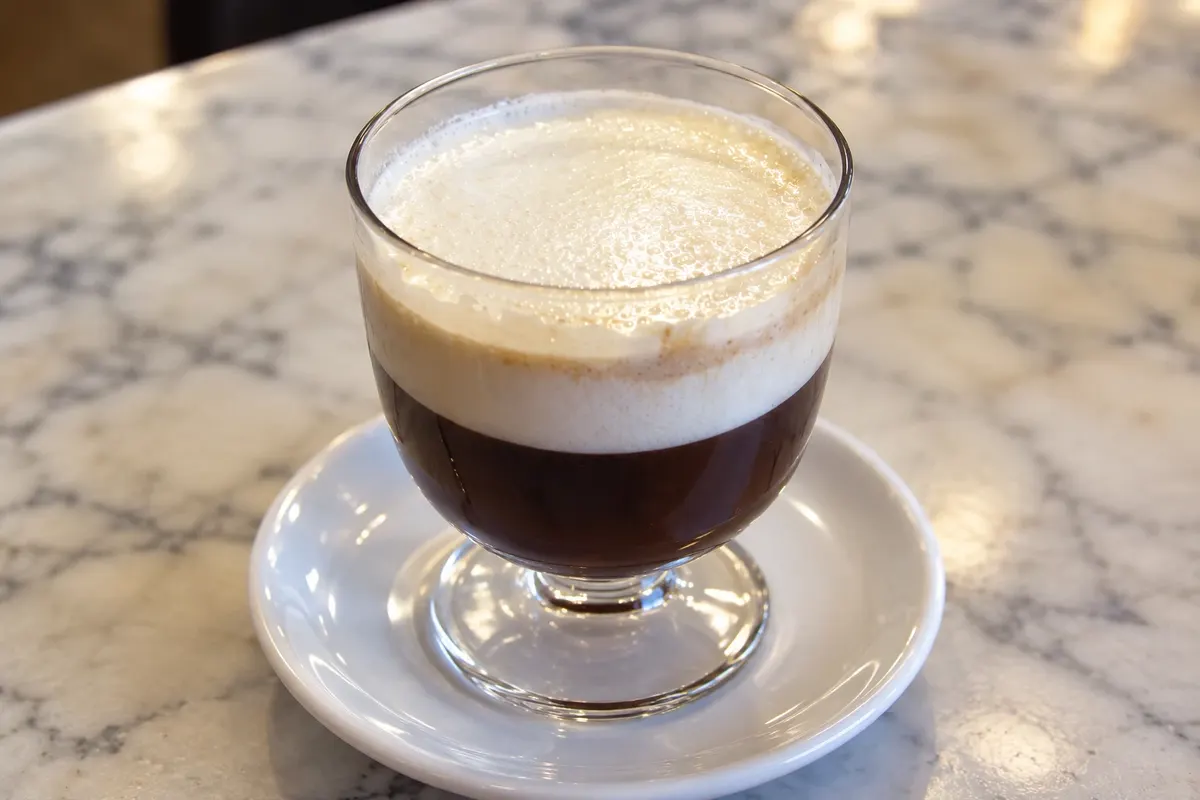
In Naples, sfogliatella is eaten at any time, preferably still warm, accompanied by a coffee. The debate over which is the true one — the Neapolitan riccia or the Amalfi santarosa — remains lively among locals.


 Brazilija
 Antarktika
 Argentina
 Bolivija
 Čile
 Kolumbija
 Ekvator
 Gvajana
 Francoska Gvajana
 Falklandski otoki (Malvini)
 Paragvaj
 Peru
 Surinam
 Urugvaj
 Venezuela
 Nemčija
 Avstrija
 Belgija
 Hrvaška
 Danska
 Slovaška
 Slovenija
 Španija
 Finska
 Francija
 Grčija
 Nizozemska
 Madžarska
 Irska
 Islandija
 Luksemburg
 Norveška
 Poljska
 Portugalska
 Združeno kraljestvo
 Češka
 Švedska
 Švica
 Turčija
 Bermudi
 Kanada
 Združene države Amerike
 Grenlandija
 Mehika
 Sveta Peter in Mihael
 Dominikanska republika
 Japonska
 Južnoafriška republika
 Egipt
 Avstralija
 Fidži
 Nova Zelandija
 Papua Nova Gvineja