

Utrecht · Utrecht · Tower
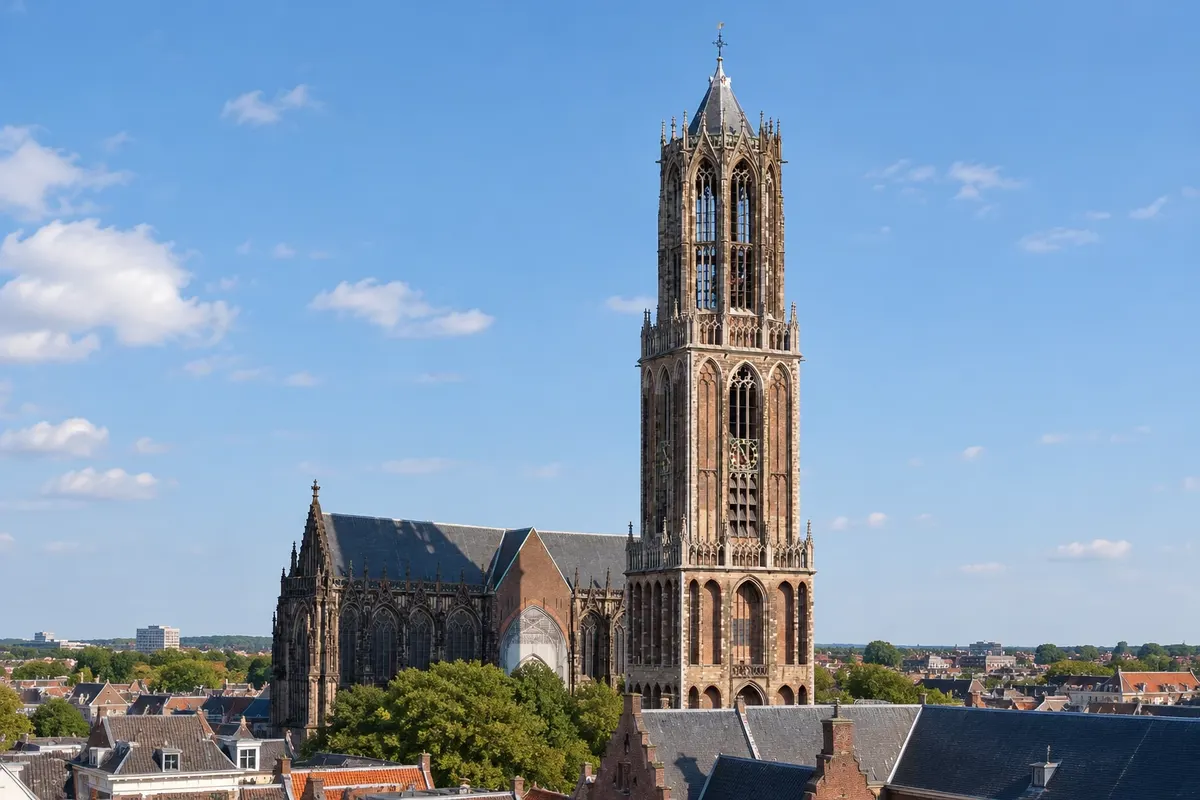
Domtoren (Dom Tower)
Gothic tower of 112 metres, the tallest church tower in the Netherlands and a symbol of Utrecht. The ascent is only possible with a guided tour, starting from the Domplein.

 Išči
 Brazilija
 Antarktika
 Argentina
 Bolivija
 Čile
 Kolumbija
 Ekvator
 Gvajana
 Francoska Gvajana
 Falklandski otoki (Malvini)
 Paragvaj
 Peru
 Surinam
 Urugvaj
 Venezuela
 Nemčija
 Avstrija
 Belgija
 Hrvaška
 Danska
 Slovaška
 Slovenija
 Španija
 Finska
 Francija
 GrčijaNizozemska
 Madžarska
 Irska
 Islandija
 Italija
 Luksemburg
 Norveška
 Poljska
 Portugalska
 Združeno kraljestvo
 Češka
 Švedska
 Švica
 Turčija
 Bermudi
 Kanada
 Združene države Amerike
 Grenlandija
 Mehika
 Sveta Peter in Mihael
 Dominikanska republika
 JaponskaTurčija
 Južnoafriška republika
 Egipt
 Avstralija
 Fidži
 Nova Zelandija
 Papua Nova Gvineja
Utrecht · Nizozemska
University city in the center of the Netherlands, with the country's tallest church tower, canals with quays at water level and the Rietveld house, a World Heritage Site.
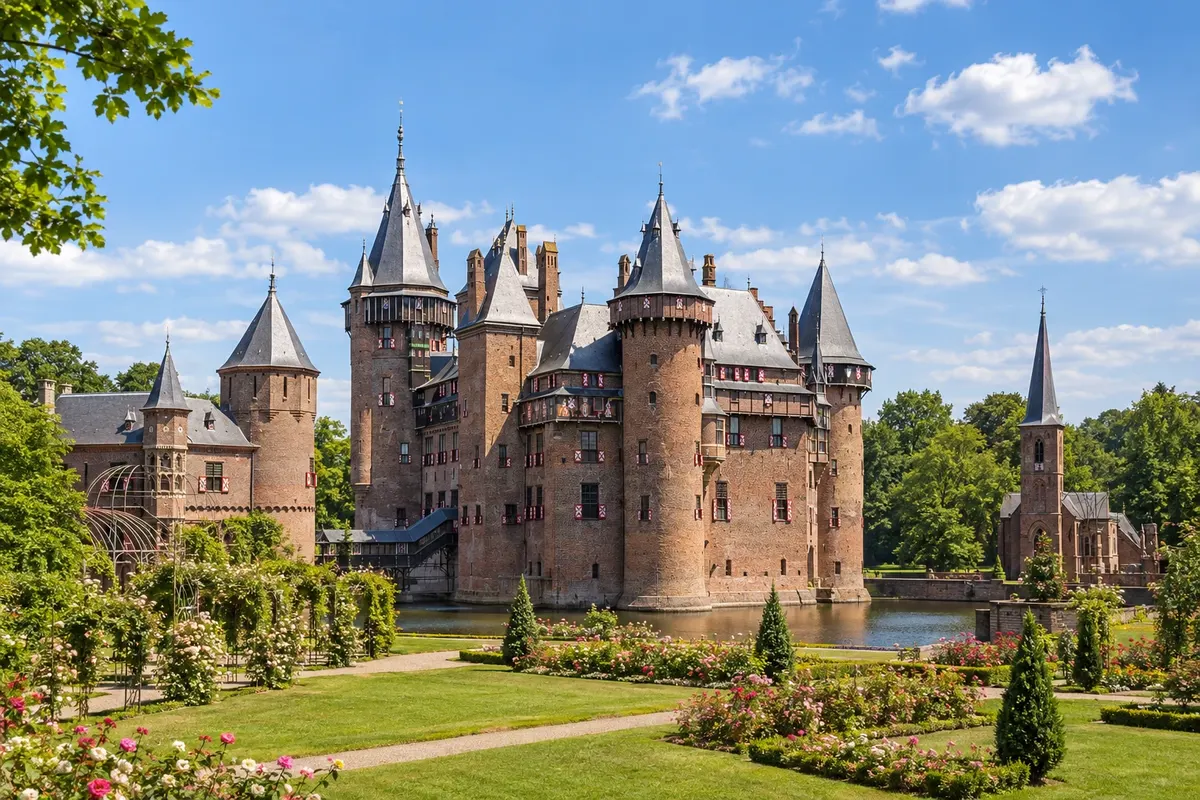
Na fotografiji: Kasteel de Haar, Haarzuilens
Illustrative images. The pictures in this guide are illustrations based on the real place, not photographs, and may differ from it.
Spoznajte kraj
Utrecht sits in the middle of the Netherlands and serves as the country’s major rail hub. Utrecht Centraal is the largest station in the Netherlands, about half an hour from Schiphol airport and roughly 25 minutes from Amsterdã. For that reason the city works both for a multi-day stay and for a day trip.
The old center is organized around the Domtoren, the 112-metre tower that is the tallest church tower in the Netherlands. It was left standing after a storm in 1674 toppled the cathedral nave. Of what remains of the church, the Domkerk, you can still visit the Gothic choir and the cloister with its garden. Under Domplein square, the DOMunder tour shows remains of the Roman fort that gave rise to the city.
Utrecht’s hallmark is the Oudegracht, the oldest canal in the center. Unlike Amsterdã, here the quays are down at water level: the werven, with medieval cellars excavated under the street that now house cafés and restaurants. You can see it all by boat or on foot along the banks.
The museums make a route of their own: the Centraal Museum, the Museum Speelklok of self-playing instruments, the Museum Catharijneconvent of religious art and the Nijntje Museum, about the bunny Miffy, for very young children. East of the center is the Rietveld Schröderhuis, a 1924 house listed as a UNESCO World Heritage Site. About 10 km away, Kasteel de Haar is the largest castle in the Netherlands.
Utrecht is also a university town and very bicycle-friendly. Next to the station is the world’s largest bicycle parking facility, with space for 12,500 bikes. English is widely spoken and the center is walkable.
V vodniku še ni nastanitev – Utrecht.
kako do tja · koliko dni · načrt poti · vprašanja
✈ Amsterdam Airport Schiphol (AMS), kraj: Haarlemmermeer· 45 km do cilja (Utrecht)
Confirm before buying. The airport is Schiphol, near Amsterdã, and it has a train station inside the terminal. From there a direct train runs to Utrecht Centraal in about 30 minutes. From Amsterdam Centraal it’s about a 25-minute train ride.
Doživite kraj
Gothic tower of 112 metres, the tallest church tower in the Netherlands and a symbol of Utrecht. The ascent is only possible with a guided tour, starting from the Domplein.
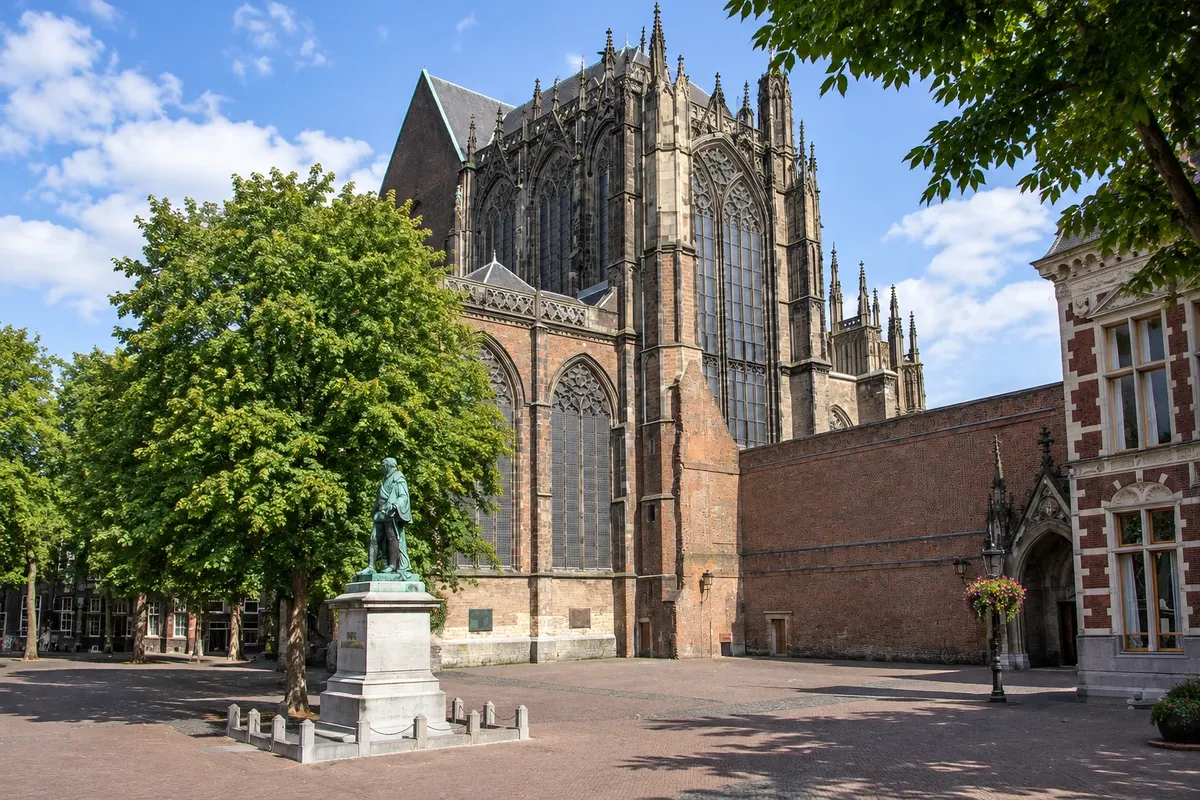
The Gothic choir of the former cathedral of São Martinho, which remained standing after the nave collapsed in 1674. It has a cloister garden, the Pandhof, and Saturday concerts.
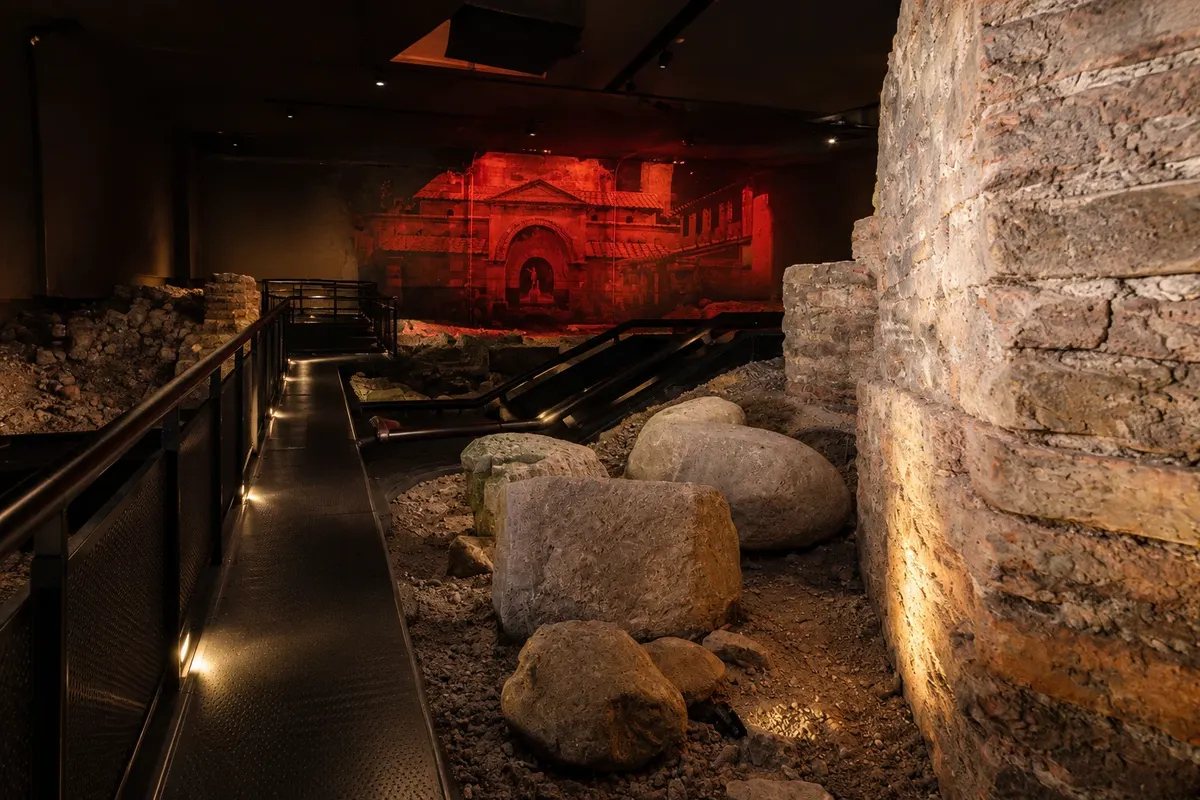
A guided underground tour beneath the Domplein, flashlight in hand, to see the foundations of the Roman fort Traiectum and medieval remains of the city.
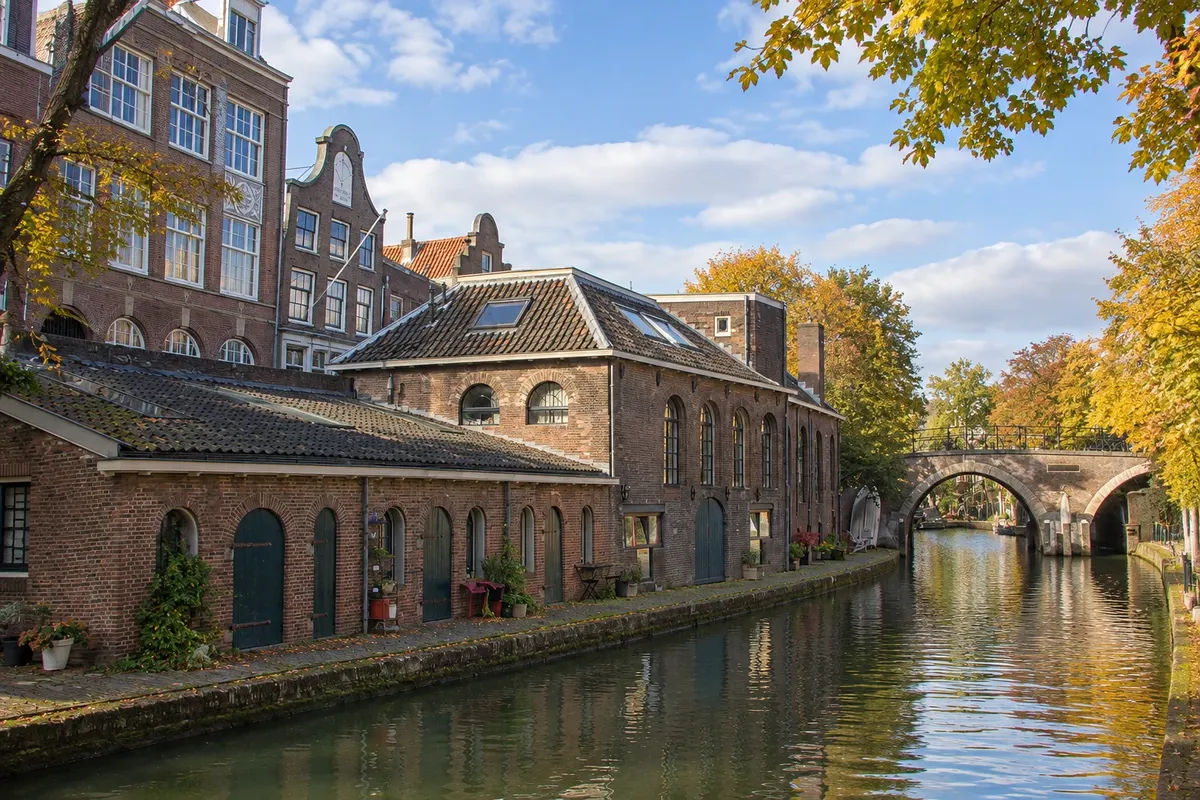
Utrecht's oldest canal, about 2 km through the centre, with quays at water level (werven), where medieval cellars became cafés and restaurants. There are boat trips and canoe rentals.
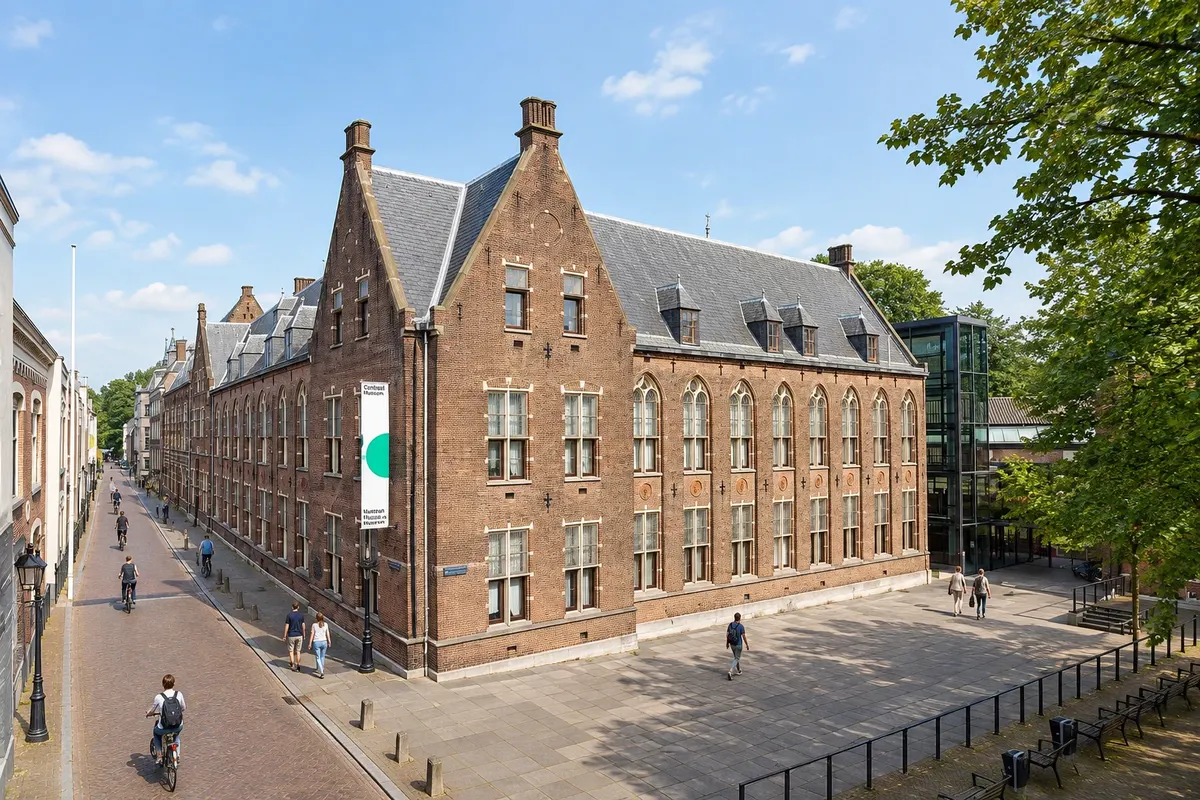
Utrecht's main museum, founded in 1838, with painting by Utrecht's Caravaggisti, the world's largest Rietveld collection, fashion and a boat about a thousand years old.
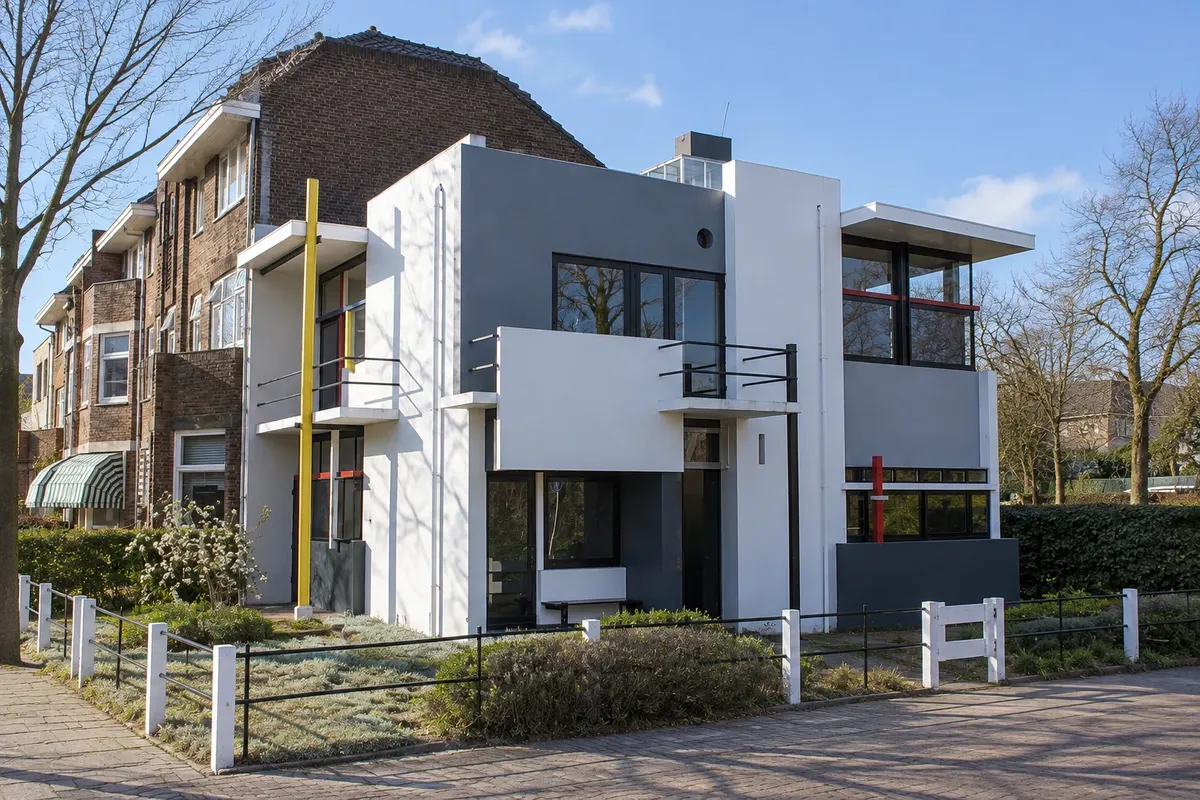
House from 1924 designed by Gerrit Rietveld with Truus Schröder, an icon of the De Stijl movement and a UNESCO World Heritage site. Visits only by reservation.
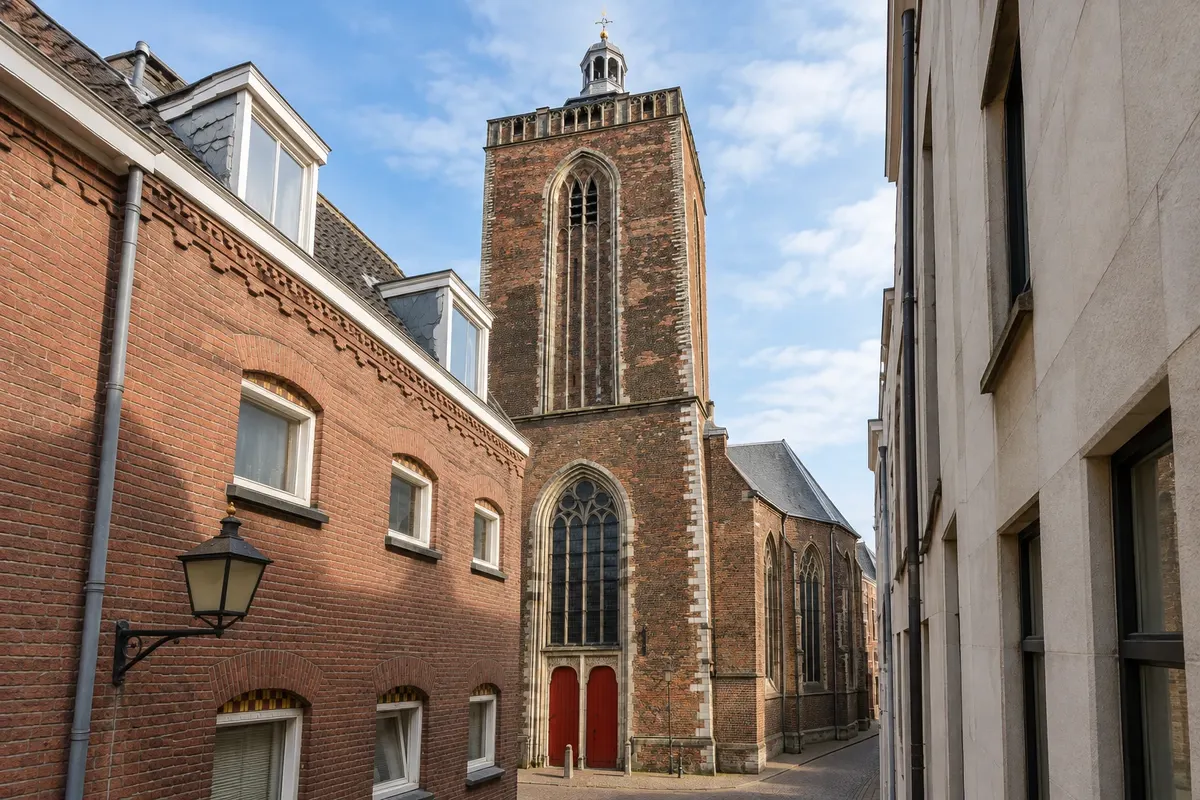
Museum of self-playing instruments, from music boxes to large street organs, housed in the Buurkerk, a medieval church in the city centre. The guides set the pieces to play.
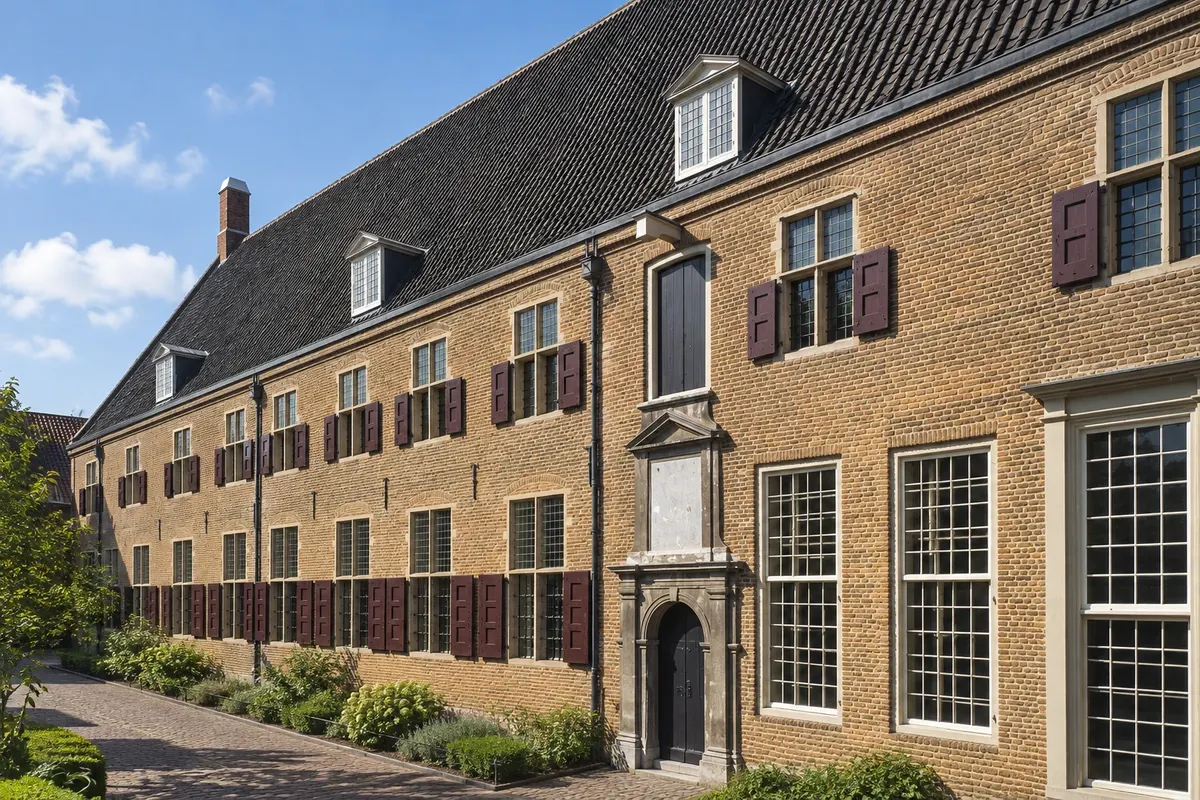
National museum of religious art in a former convent in the city centre, with the largest collection of medieval art in the Netherlands, a treasury of gold and silver, and paintings by Rembrandt and Jan Steen.
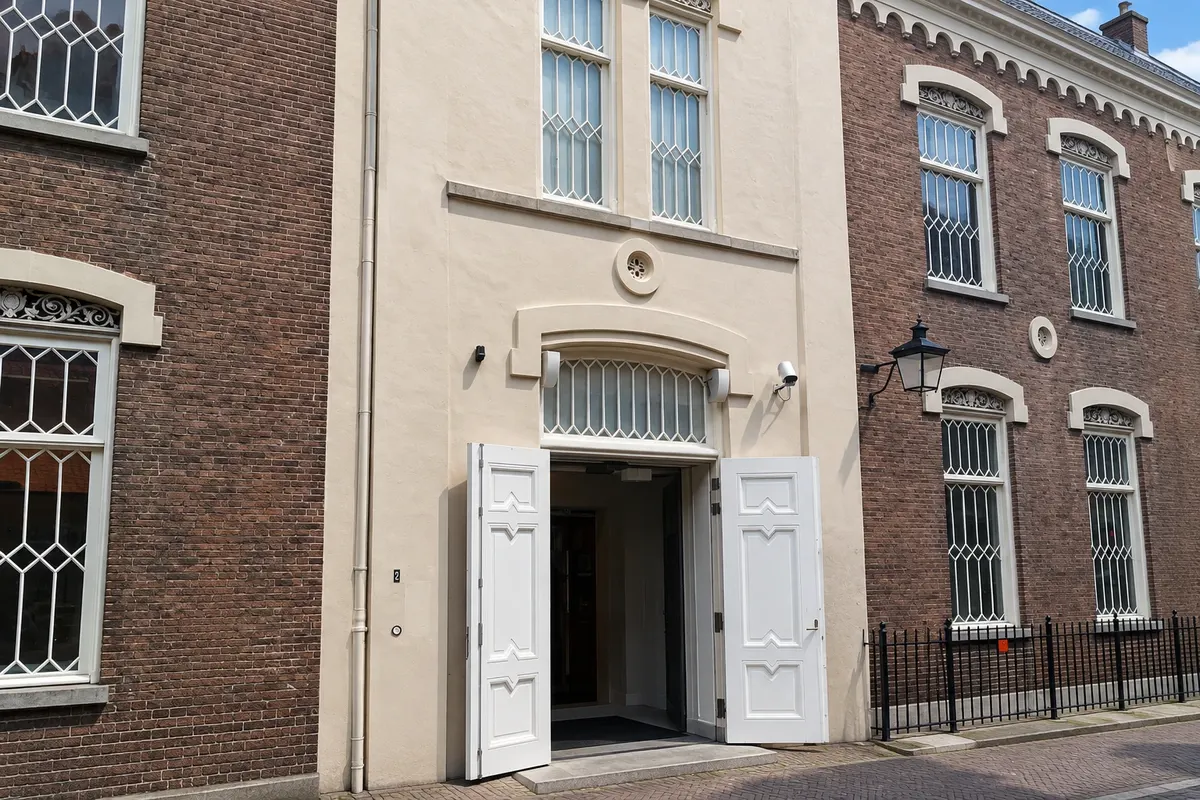
Museum of the little rabbit Miffy, created by Utrecht artist Dick Bruna, designed for young children to play and explore. Online reservation required.
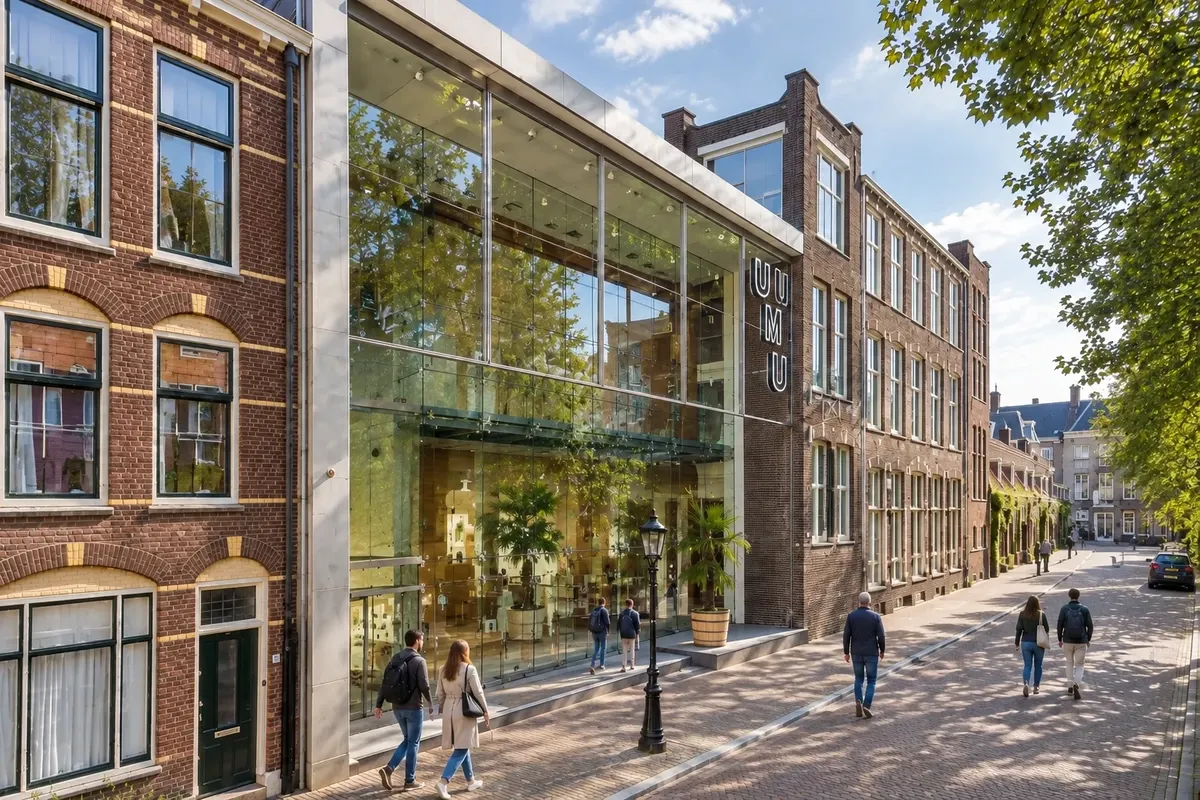
University of Utrecht museum aimed at families, with experiments and scientific collections, next to the Oude Hortus, the former botanical garden dating from 1723.
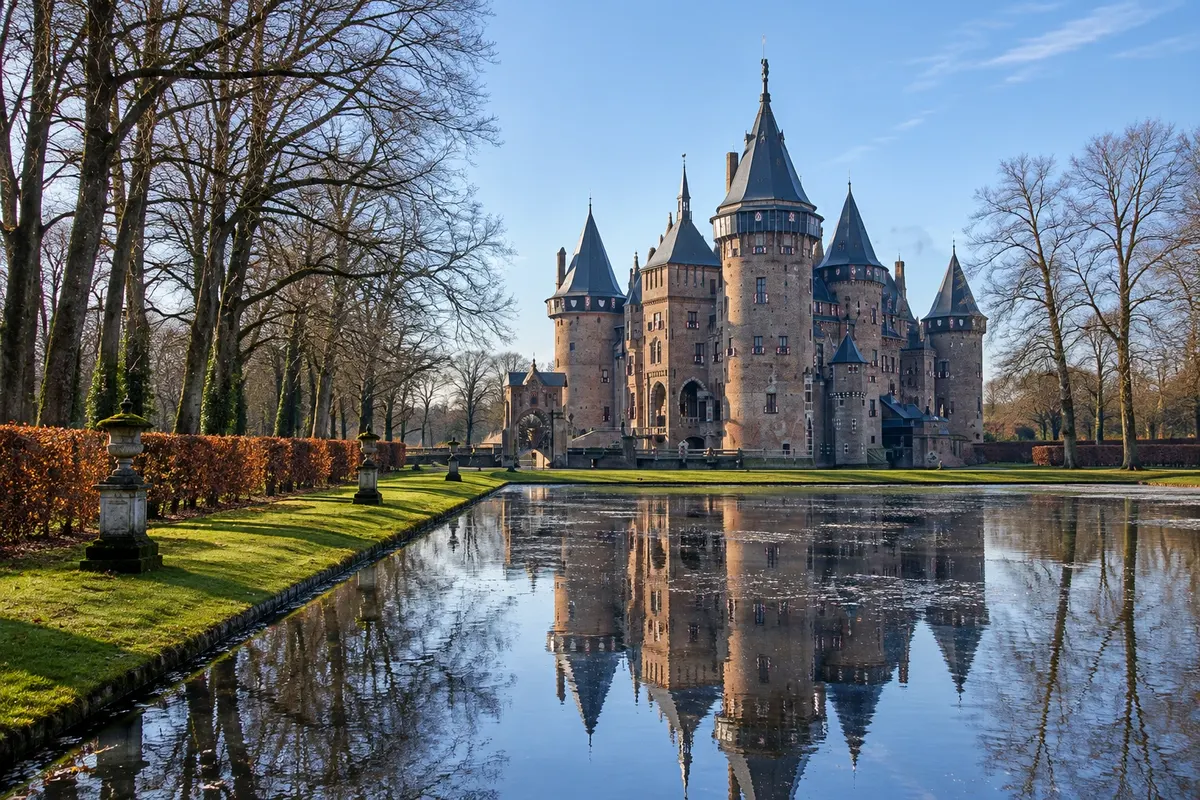
The largest castle in the Netherlands, rebuilt in a neo‑Gothic style from 1892 by Pierre Cuypers, with extensive gardens. It is in Haarzuilens, about 10 km from Utrecht.
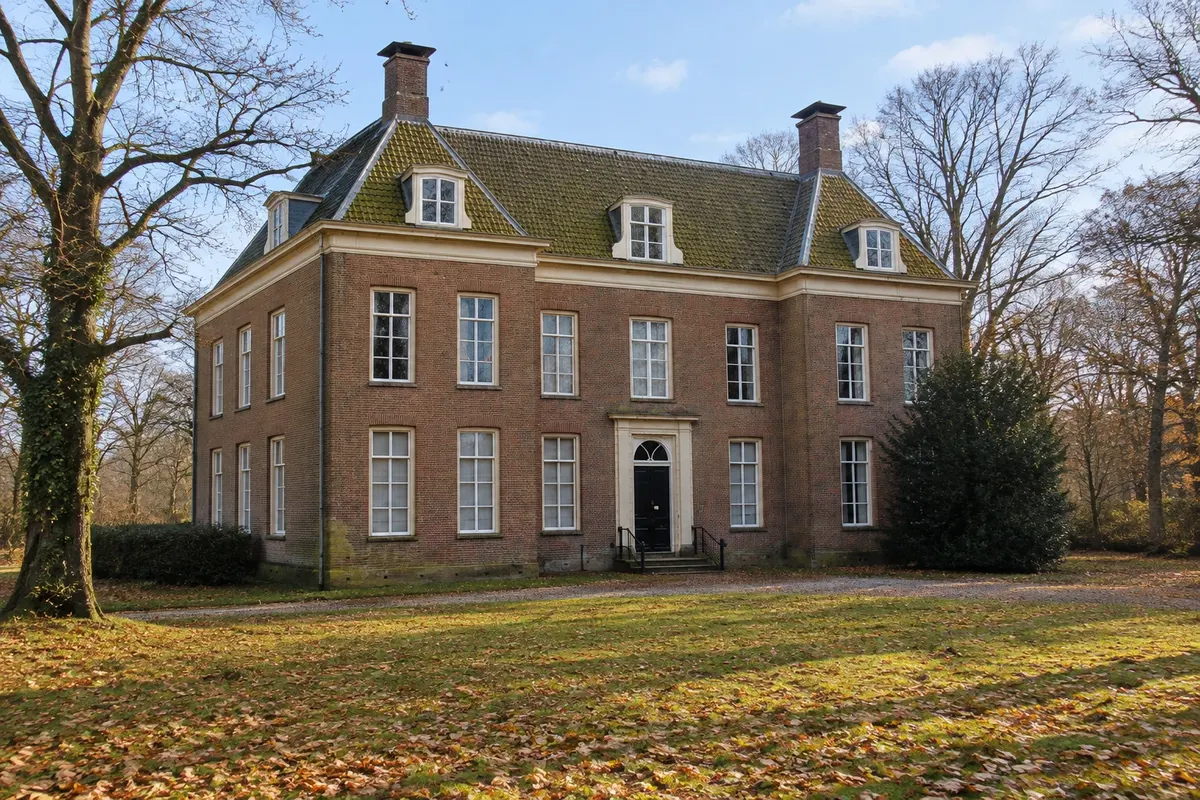
Rural estate with woodlands on the banks of the Kromme Rijn, east of Utrecht, with walking trails, historic manor houses and the Fort bij Rijnauwen next door.
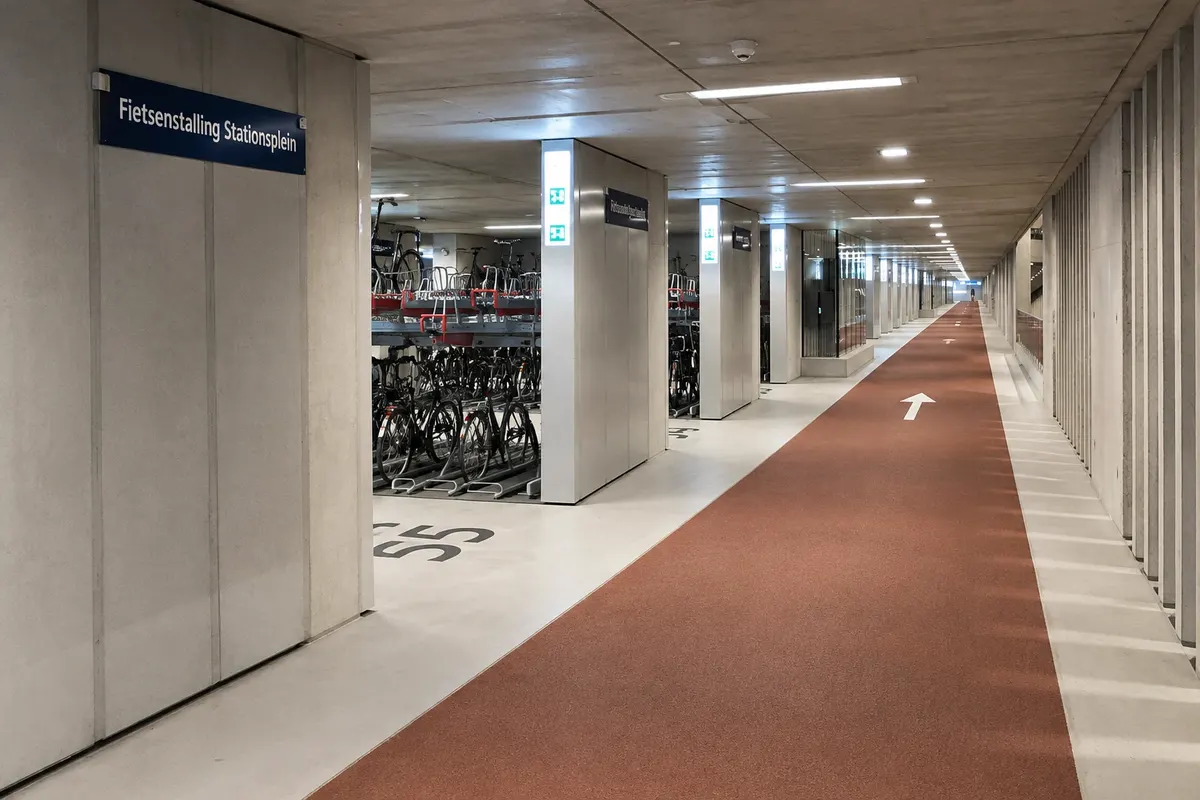
The largest bicycle parking facility in the world, with space for 12,500 bicycles, under the square next to Utrecht Centraal station. It shows how the bicycle shapes life in the Netherlands.
Kaj izbrati pred odhodom
Izhodišče, trajanje, potek, vključene storitve in okvirna cena vsakega izleta.
The Domtoren is the tallest church tower in the Netherlands, at 112 meters, and you may only climb it accompanied by a guide. The group departs from the tourist information point at Domplein 9, right next to the tower. There are 465 steps, climbed in stages: the guide stops at the Chapel of St. Michael (11 m), the Egmond Chapel (25 m), the bell floor (49 m) and the galleries at 70 m and 95 m to tell the history and explain the construction. From the top, on a clear day, the view reaches the historic center, the Oudegracht and the countryside around the city. The climb takes about an hour. Bags and backpacks are not allowed in the tower; there are lockers at the starting point. The tower stands apart from the Domkerk across a square: the nave that connected them collapsed in a storm in 1674 and was never rebuilt.
Kraji na poti: Domtoren, Domplein, Sint-Michaëlskapel, Egmondkapel.
Vključuje: Guided climb to the highest gallery, with stops at the chapels and the bell floor. Ticket paid separately, with a reserved date and time.
Nasvet: Buy on the official website with a timed slot, especially on weekends and during Dutch school holidays. Wear sturdy shoes and avoid large bags. There is also a combined ticket with DOMunder, the archaeological visit under the square, but that combined version is only in Dutch.
Najboljši čas za obisk: All year. On a clear spring or autumn day the view is usually sharper; in summer (June to August) there are more groups.
The Domkerk is Utrecht’s former Gothic cathedral, now a Protestant church. The choir and transept remain: the nave was taken down by a storm in 1674, and the empty space became the Domplein, the square between the church and the tower. Stones in the square mark where the columns stood. Entrance to the church is by donation, and there is an audio guide available for a separate fee. Beside it is the Pandhof, the medieval cloister with an herb garden in the courtyard, one of the quietest corners of the center. Under the square is DOMunder, an archaeological tour where each person receives a flashlight and walks through the remains of the Roman fort and the successive churches that occupied the site, in timed groups. Around the area are the university building (Academiegebouw) and the cobbled streets that lead to the Oudegracht.
Kraji na poti: Domkerk, Pandhof, Domplein, DOMunder, Academiegebouw.
Vključuje: Visit to the church (donation) and the cloister. DOMunder has a separate paid ticket with a scheduled time.
Nasvet: Combine with the tower climb in the same time slot: both start on the same block. On Sunday mornings the church is often closed for worship.
Najboljši čas za obisk: All year. In spring (April to June) the Pandhof garden is usually in bloom.
The Oudegracht is the canal that runs through central Utrecht for about 2 km, from north to south. What sets it apart from Amsterdam’s canals are the werven: quays at water level, one floor below the street, with medieval cellar doors dug under the houses. Since the locks fixed the water level in the 13th century, those cellars dried out and became storage spaces; today many are cafés and restaurants with tables at the canal’s edge. The walk is to go down the stairs next to a bridge and walk along the quay, switching sides when it ends. Good stretches: between the Stadhuisbrug and the city castle Oudaen to the north, and the southern stretch down to Ledig Erf, where the Oudegracht meets the outer canal. Along the way is Twijnstraat, a street of food shops and small neighborhood cafés.
Kraji na poti: Oudegracht, Stadhuisbrug, Stadskasteel Oudaen, Ledig Erf, Twijnstraat, Vismarkt.
Vključuje: Leisurely walk along the canal quays and bridges.
Nasvet: Go late afternoon, when the tables along the werven fill up. In rain the quay becomes slippery; prefer the street above. At night the city lights an art route with illuminated installations along the canals, which is best explored on foot.
Najboljši čas za obisk: From April to October, when the terraces usually operate; in winter (December to February) the quay is empty and it gets dark early.
The covered boat runs along the Oudegracht at the level of the werven, which changes the perspective: the cellars, stairs and bridges pass at eye level. The basic line lasts about one hour, with a digital guide in several languages, and departs from Oudegracht 85, near the Stadhuisbrug; there is a one-and-a-half-hour variant and another that departs from the quay under the Hoog Catharijne shopping center by the station. In summer (June to August) there is also an open boat. If you have a free day you can take the long trip of about five and a half hours along the Kromme Rijn to the Rhijnauwen estate outside the city, with a stop for a walk. Departures and frequency change with the season; check the day’s schedule.
Kraji na poti: Oudegracht, Stadsbuitengracht, Hoog Catharijne, Rhijnauwen.
Vključuje: Covered boat with digital guide. Separate paid ticket.
Nasvet: Sit on the right-hand side outbound to see the werven up close. In high season buy tickets in advance on the company website.
Najboljši čas za obisk: April to October. In winter (December to February) the service is usually reduced.
If you prefer paddling, you can rent canoes and kayaks at a quay on the Oudegracht, on the southern stretch of the canal, at number 275. The short circuit goes around the center: Oudegracht, outer canal, and back through the center, passing under low bridges and beside the tables of the werven. For more time, the Minstroom route leaves the town via a narrow creek and reaches the woods of Amelisweerd. If you don’t want to paddle, rent a small electric boat for up to eight people, which requires no license. Rental includes a map of the waterways and a dry bag. There are also guided night departures on the canals’ light route.
Kraji na poti: Oudegracht, Stadsbuitengracht, Minstroom, Amelisweerd.
Vključuje: Canoe, kayak, or electric boat, with map and dry bag. Paid separately.
Nasvet: Reserve by phone or email the day before on hot days. In the central canals, scheduled boats have priority; wait by the quay.
Najboljši čas za obisk: May to September. Outside the season, confirm whether the quay is open.
Museum Speelklok occupies the Buurkerk, a medieval church two blocks from the Domtoren, and houses musical machines: music boxes, clocks with carillons, player pianos, street barrel organs and the large painted Dutch fair organs full of moving figures. The museum experience is driven by the guided tour: rather than looking at display cases, the group follows a guide who switches the instruments on one by one, from the smallest to the largest. Tours start on the hour and are in Dutch or English depending on the group; there are leaflets in other languages at the entrance. The last tour of the day is a short version. There is also a restoration workshop visible from inside the museum. It’s an activity that appeals equally to children and adults.
Kraji na poti: Museum Speelklok, Buurkerk, Steenweg.
Vključuje: Admission includes a guided tour and instrument demonstrations. Separate paid ticket.
Nasvet: Arrive a little before the hour to join the next guided tour. There is a combined ticket with the Domtoren, sold only at the counters.
Najboljši čas za obisk: All year; a good option for a rainy day.
The Centraal Museum is the oldest municipal museum in the Netherlands and is located in the Museumkwartier, the quiet-street neighborhood south of the center, between the canal and the Lange Nieuwstraat. The collection mixes art, fashion, design, and the city's history. The most sought-after highlights are the furniture and projects by Gerrit Rietveld, the Utrecht architect associated with the De Stijl movement, including the red-and-blue chair, and the paintings by 17th-century Utrecht painters who followed Caravaggio in Rome. The museum also houses the work of Dick Bruna, creator of the little rabbit Nijntje (Miffy), and manages the Nijntje Museum across the street and the Rietveld Schröderhuis. The route is self-guided; the café can be used without a ticket. It usually closes on Mondays.
Kraji na poti: Centraal Museum, Museumkwartier, Agnietenstraat.
Vključuje: Museum entry and temporary exhibitions. Admission paid separately.
Nasvet: Buy the combined ticket with the Rietveld Schröderhuis on the official website — it has a timed entry — and visit that museum first to understand the house.
Najboljši čas za obisk: Vse leto.
The house Gerrit Rietveld designed in 1924 for Truus Schröder stands at the end of a street of ordinary houses in the east of the city and has been a UNESCO World Heritage site since 2000. From the outside it is white and gray planes cut by red, yellow, and blue lines; inside, the upper floor is a single open space that sliding panels divide into bedrooms at night. Truus lived there until 1985. Visits are by prebooked online ticket only, for a specific date and time, in small groups, with an audio guide. The house does not accommodate wheelchairs or baby strollers. You can reach it by bus 8 from Utrecht Centraal toward Wilhelminapark, getting off at De Hoogstraat and walking about five minutes, or by bicycle in about 15 minutes from the station. The ticket office is at number 50a, to the left of the house.
Kraji na poti: Rietveld Schröderhuis, Prins Hendriklaan, Wilhelminapark.
Vključuje: Visit with audio guide and timed entry. Separate paid ticket, purchased in advance online.
Nasvet: Book in advance: groups are small. Go first to the Centraal Museum, which has the largest Rietveld collection. It usually closes on Mondays.
Najboljši čas za obisk: year-round. Between May and August there is often a late-night opening on Fridays.
The museum dedicated to her sits opposite the Centraal Museum and is made for babies up to preschool age: instead of display cases, there is Nijntje’s child-sized house, a doctor's office, a street with a traffic light and bicycles, a garden and reading nooks — all designed to touch, climb and play. Parents accompany. Visits require online reservation because the number of people per time slot is limited. Travelers without young children can skip it; Bruna’s work is also in the Centraal Museum. Around the city there are signs of the character: a traffic light featuring Nijntje and a small square named after her in the Museumkwartier.
Kraji na poti: Nijntje Museum, Agnietenstraat, Centraal Museum.
Vključuje: Timed-entry ticket for children and accompanying adults. Ticket sold separately.
Nasvet: Book the earliest morning slot, when the museum is less crowded. It usually closes on Mondays.
Najboljši čas za obisk: Vse leto.
The national railway museum occupies the old 19th-century Maliebaan station, with a restored hall and covered platforms. In the yard and sheds are steam locomotives, royal carriages, electric trains and a simulator; there are areas where children can climb on the carriages and an indoor roller coaster that tells the story of the railway. The arrival is part of the experience: from Utrecht Centraal a NS train runs roughly once an hour to the Utrecht Maliebaan stop, inside the museum. Those who don't want to wait for the train can take one of the buses that stop at Stadsschouwburg and walk a few minutes. You must reserve a timed entry online before entering, even with a ticket or museum card. It usually closes on Mondays outside school holidays.
Kraji na poti: Spoorwegmuseum, Maliebaanstation, Utrecht Maliebaan.
Vključuje: Museum entry with a timed reservation. Admission is paid separately; the train journey is paid as a normal NS trip.
Nasvet: Allow half a day; with children, a full day. For the train to Maliebaan, buy the NS return ticket before boarding.
Najboljši čas za obisk: All year; a good option for a rainy day.
The Catharijneconvent is the national museum of Christian art and history of the Netherlands and occupies a 15th-century Carmelite convent on Lange Nieuwstraat, which later served as a hospital of the Order of Saint John. The route passes through the cloister and the convent rooms: the treasury room contains medieval gold and silver pieces, reliquaries and illuminated manuscripts; the painting galleries include works by Rembrandt, Jan Steen and contemporaries, as well as sculptures and liturgical vestments. The exhibition explains the split between Catholics and Protestants that shaped the country. The building is a few minutes from the Centraal Museum, in the same museum quarter. It usually closes on Mondays.
Kraji na poti: Museum Catharijneconvent, Lange Nieuwstraat, Museum Quarter.
Vključuje: Museum admission and temporary exhibition. Separate paid ticket; card only, no cash.
Nasvet: Combine with the Centraal Museum and the Universiteitsmuseum, all on Lange Nieuwstraat, for a day of museums on foot.
Najboljši čas za obisk: Vse leto.
The University of Utrecht museum is a science museum designed for hands-on experiments: the rooms cover the human body, animals, the earth and social issues, and visitors perform the tests with their own hands. It’s a good option for families with children aged 8 to 14, who have activities on weekends and during school holidays. At the back is the Oude Hortus, the university’s historic botanical garden, about 300 years old: historic greenhouses with tropical plants, including the Amazonian victoria-regia, old trees such as a ginkgo, a medicinal herb garden and ponds. The museum café is in the former orangerie, facing the garden. It usually closes on Mondays outside school holidays.
Kraji na poti: Universiteitsmuseum, Oude Hortus, Lange Nieuwstraat.
Vključuje: Entrance to the museum and to the garden. Separate paid ticket; the garden has its own entrance.
Nasvet: Outside school holidays, weekdays are quieter. The garden surface is gravel.
Najboljši čas za obisk: April to September for the garden; the museum is worth visiting year-round.
Sonnenborgh is a 1552 bastion built to defend Utrecht from cannon fire, on top of which a 19th-century astronomical observatory with three domes was erected. Today it is a museum: inside the bastion are the firing galleries and archaeological finds, such as a chemistry laboratory from around 1700; above are the domes with telescopes and rooms about weather, the Sun and timekeeping, with a tablet guide. On Sundays there is solar observation with a solar telescope. In autumn and winter the museum runs stargazing evenings in English, with a talk, telescope and a short visit; places usually sell out quickly. From the top of the bastion you can see the outer canal and the Museumkwartier. It normally closes on Mondays.
Kraji na poti: Sonnenborgh, Zonnenburg, Stadsbuitengracht.
Vključuje: Admission includes the museum and the bastion. Separate paid ticket; the observation nights have their own ticket.
Nasvet: For the observation nights in English, subscribe to the museum newsletter and buy tickets as soon as sales open.
Najboljši čas za obisk: Autumn and winter (October to February) for stargazing; the museum is open year-round.
Utrecht is a bicycle city, and the symbol of that is the parking garage under the station square: three levels and about 12,500 spaces, the largest in the world, with access by public transport card and the first 24 hours free. Inside you’ll also find the OV-fiets, NS rental bikes that you pick up with the OV-chipkaart or via the app. By bike, the classic ride is to head south along the Oudegracht to Ledig Erf and from there follow the bike lane along the Kromme Rijn river to the Amelisweerd and Rhijnauwen woods, two former country estates with manor houses, avenues of old trees and meadows, open from sunrise to sunset. It’s a flat route on a signed bike path (LF 4 route from the station). Those who don’t cycle can do the section on foot via the RP 13 trail, which is longer, or take a bus from Utrecht Centraal.
Kraji na poti: Stationspleinstalling, Utrecht Centraal, Oudegracht, Ledig Erf, Kromme Rijn, Amelisweerd, Rhijnauwen.
Vključuje: Self-guided ride. Bicycle rental paid separately.
Nasvet: Only go by bicycle if you already ride safely: the city center bike lanes are busy and the Dutch cycle fast. Keep to the right and signal with your arm. Always ride on the red lanes.
Najboljši čas za obisk: April to October. In winter (December to February) it rains more and it gets dark earlier.
Kasteel de Haar, in Haarzuilens west of Utrecht, is the largest castle in the country. Built on the ruins of a medieval castle, architect Pierre Cuypers—the same who designed the Rijksmuseum and Amsterdam Central Station—constructed from 1892 a neo-Gothic palace with towers, moat and bridges for Baron Etienne van Zuylen van Nijevelt, financed with his wife Hélène de Rothschild’s fortune. The interior has halls with tapestries, a kitchen, chapel and bedrooms where the family entertained guests; the entire village was moved one kilometer to make room for the park, which features formal gardens, a lake and tree-lined avenues. The family still retains the right to spend one month a year in the castle. It is reached by Sprinter train from Utrecht Centraal toward Den Haag (The Hague) to Vleuten, and from there bus 111 to the castle gate; on weekends and during school holidays there is often a direct bus from Utrecht Centraal. Castle and gardens have separate tickets, with timed entry reserved online.
Kraji na poti: Kasteel de Haar, Haarzuilens, Vleuten.
Vključuje: Castle and park with separate paid admission, reserved for a time online.
Nasvet: Check the day’s bus on the 9292 planner before you leave. By bike, there are OV-fiets at Vleuten station. Reserve the garden for the end of your visit.
Najboljši čas za obisk: April to October for the park. In winter (December to February) there is usually Christmas decoration in the castle.
Slot Zuylen is in Oud-Zuilen, a village just north of Utrecht, on the bank of the Vecht river. It began as a defensive tower in the 13th century, was destroyed in 1422 during wars between Dutch factions, rebuilt from 1510, and took its current form in 1752. It was the home of Belle van Zuylen, an 18th-century writer who corresponded with thinkers across Europe. The visit includes halls with tapestries, the kitchen and the bedrooms, and the garden features a serpentine fruit wall, rare in the Netherlands. In high season (April to October) it is open Wednesday to Sunday; in low season, only Friday to Sunday. From the city, the nicest route is the bike path along the Vecht, flat and passing country houses; bicycles are left outside the gate. The castle has no wheelchair access; the garden and the café do.
Kraji na poti: Slot Zuylen, Oud-Zuilen, Vecht.
Vključuje: Castle and garden require a separate paid ticket. Online reservation recommended.
Nasvet: Combine it with the return by bicycle along the Vecht riverbank to Utrecht city center. Bags can be left in the luggage storage.
Najboljši čas za obisk: April to October, when it is open more days and the garden is at its best.
Amersfoort is about 15 minutes by direct Intercity train from Utrecht Centraal and has a compact medieval centre surrounded by canals. The most photographed entrance is the Koppelpoort, a city gate completed around 1425 that combines land and water passages over the Eem River; it was attacked in 1427 and never taken. From the gate you follow the Muurhuizen, the street of houses built on the old city wall, to the Onze-Lieve-Vrouwetoren tower in the centre. At Kortegracht 11 is the house where Piet Mondrian was born, today the Mondriaanhuis: early-career paintings, the reconstructed Paris studio, an interactive studio and projections about the final phase, including the Victory Boogie Woogie. It usually closes on Mondays. The centre is walkable from the station in about 15 minutes.
Kraji na poti: Amersfoort Centraal, Koppelpoort, Muurhuizen, Mondriaanhuis, Onze-Lieve-Vrouwetoren.
Vključuje: Self-guided stroll through the city. Mondriaanhuis with separate admission; train paid separately.
Nasvet: Go in the morning, have lunch at the Hof (market square) and return in the mid-afternoon for an evening along the Oudegracht.
Najboljši čas za obisk: April to October for walking; the Mondriaanhuis is worth visiting year-round.
Gouda is about a 20-minute Intercity train ride from Utrecht Centraal toward Rotterdam. The town center centers on the Markt, the square with the Gothic town hall built between 1448 and 1450, one of the oldest in the country, and the Waag, the 1667 weigh house where cheese was weighed for tax purposes; today it houses a small cheese museum. On Thursdays from April through August the square usually hosts the cheese market, with traders in traditional dress and carts piled with wheels of cheese. A few steps away is the Sint-Janskerk, the longest church in the Netherlands, famous for its stained glass made between 1530 and 1603, the country’s main set of stained glass windows. The town is also the home of the stroopwafel, the syrup cookie sold warm at stalls in the square.
Kraji na poti: Gouda, Markt, Stadhuis de Gouda, Waag, Sint-Janskerk.
Vključuje: Self-guided visit. Church and museum with separate admission; train paid separately.
Nasvet: If you can, go on a Thursday from April to August to see the cheese market; out of season the square is quiet and the church is worth the visit on its own.
Najboljši čas za obisk: April to August, cheese market season.
Po dnevih
Predlogi za načrtovanje poti. Vrstni red dni prilagodite vremenu in razpoložljivosti izletov.
Arrive at Utrecht Centraal and walk through Hoog Catharijne to the centre, about 15 minutes. Start at the Domtoren with the guided climb reserved for the morning and, next to it, the Domkerk and the Pandhof. Have lunch in one of the cellars on the Oudegracht werven. In the afternoon, visit Museum Speelklok, two blocks away, with the guided tour on the hour. Finish by walking along the quays to Ledig Erf and return to the station via the high street, or take the one-hour boat tour.
From the overnight flight from Brazil, take the direct Intercity from Schiphol Airport to Utrecht Centraal, about 30 minutes. Drop off your luggage and walk to Domplein: Domkerk, Pandhof and, at your reserved time, the climb of the Domtoren. Lunch at the Oudegracht werven and, in the afternoon, take the canal boat tour, good for those arriving tired. Late afternoon in Twijnstraat and at Ledig Erf.
In the morning, Centraal Museum, with the Rietveld collection, and, for those travelling with small children, the Nijntje Museum opposite. Lunch on Lange Nieuwstraat. In the afternoon, take bus 8 to the Rietveld Schröderhuis at your reserved time. Return by bus or on foot via Wilhelminapark and finish at Museum Speelklok or, if the weather is good, with a one-hour canoe on the Oudegracht.
Direct train from Schiphol Airport to Utrecht Centraal. Domkerk, Pandhof and the Domtoren climb at the reserved time; if you have time, visit DOMunder beneath the square. Lunch at the Oudegracht werven and, in the afternoon, Museum Speelklok. Finish the afternoon walking along the quays to Ledig Erf; at night, the light route along the canals.
Morning in the Museumkwartier: Centraal Museum and, depending on your taste, Catharijneconvent or Universiteitsmuseum with the Oude Hortus. In the afternoon, Rietveld Schröderhuis with a timed entry, by bus 8 or by bike. Return via Wilhelminapark and finish at Sonnenborgh, the observatory on the bastion, near the outer canal.
Choose one of two options: take the Sprinter to Vleuten and bus 111 to Kasteel de Haar, with the castle and park in the morning and return in the mid-afternoon; or, if you cycle, hire an OV-fiets at the station and follow the cycle path along the Kromme Rijn to Amelisweerd and Rhijnauwen, returning via the Oudegracht. With children, swap this for a full day at the Spoorwegmuseum, arriving by train to Maliebaan. If you are continuing your trip, the Intercity takes you to Amsterdam Centraal in about 27 minutes and to Rotterdam Centraal in about 40.
Najboljši čas za obisk
From May to September the days are longer and the quayside terraces tend to be busy. Spring and early autumn are good for walking with fewer people. Winter, from December to February, is cold and it gets dark early, but the museums are open. Rain and wind can occur any month: bring a waterproof jacket.
The seasons shown are the most usual ones; nature doesn't always follow the calendar.
Deep winter · Empty museums
It gets dark before 17:00. It’s a month for museums, Speelklok, Spoorwegmuseum and the cellars on the werven; the Domtoren climb is open year-round. Boats and canoes reduce service. Hotels and trains are quiet.
Dry cold · Days lengthening
February is still winter: highs near 7 °C, lows around 1 °C, with days already longer and a bit more sun than in January. Morning frost is possible. A good time for Catharijneconvent, the Centraal Museum and observation nights at Sonnenborgh. During Dutch school holidays some museums also open on Mondays.
Early spring · Wind
March marks the arrival of spring in the northern hemisphere: highs around 10 °C, lows of 2 °C and less rain. The wind still calls for a coat, but walks along the werven become pleasant again. Terraces begin to open on sunny days. Last month of the low season at Slot Zuylen, which is open only Friday to Sunday until the end of March.
Driest month · King’s Day
April is, by De Bilt normals, the least rainy month, with highs near 15 °C and lows of 4 or 5 °C. Boats and canoes return to the Oudegracht and the Gouda cheese market usually starts. On April 27 the Netherlands celebrates King’s Day, with street parties and the city turning orange; several museums close that day. Kasteel de Haar and Slot Zuylen enter high season.
Full spring · Terraces
May has highs around 18 °C, lows of 8 °C and many hours of sunshine; it’s one of the most pleasant months for walking and cycling. The Oude Hortus and the Pandhof are often in bloom. The Rietveld Schröderhuis usually also opens Friday nights from May to August. Weekends get busier, with Dutch and European holidays.
Early summer · Long days
It’s the ideal month for cycling to Amelisweerd, canoeing and open boats on the Oudegracht. There are showers, usually short. Many students are still in town; terraces fill up.
Warmest month · European holidays
July is the warmest month, with highs around 23 °C and lows of 13 °C, but also the wettest by volume, with summer showers. School holidays in the Netherlands and Europe: the Domtoren, Kasteel de Haar and Spoorwegmuseum often require advance booking. A good time for water trips and countryside outings; carry a raincoat in your pack.
Busy summer · Lots of people
August repeats July: highs around 23 °C, lows of 12 °C and frequent rain in showers. Last month of the Gouda cheese market and the evening openings of the Rietveld Schröderhuis. At the end of the month the city welcomes new students and the center gets busy. Book timed-entry museums in advance.
Early autumn · Good light
September still has mild afternoons, with highs around 19 °C and lows of 10 °C, and the low light favors photos at the werven. Holidays end and museums become quieter. First yellow leaves in Amelisweerd. It generally rains about 11 days; keep an umbrella in your bag.
Autumn · Colorful forests
October brings highs near 15 °C, lows of 7 °C and regular rain. It’s the month of autumn colors in Amelisweerd, Rhijnauwen and in the park of Kasteel de Haar, and the last month of high season at Slot Zuylen. Sonnenborgh resumes its observation nights in English.
Cold and rain · Indoors
November is the month with the most rainy days in De Bilt normals, about 13, with highs around 10 °C and lows of 4 °C and little daylight. Plan museum and cellar visits: Speelklok, Catharijneconvent, Spoorwegmuseum and cafés on the werven. Boats reduce departures. On the canals, the evening light route compensates for the early darkness.
Winter · Christmas lights
December has highs near 7 °C, lows of 2 °C and the shortest day of the year, with rare sunshine. The center is dressed for Christmas, and Kasteel de Haar often sets up period decorations. Several museums close on December 25 and January 1; check in advance. Ice skating rinks may appear in squares, depending on the year. Trains and hotels are quiet outside the holiday dates.
Načrtujte pot
From Schiphol Airport station an Intercity train departs directly to Utrecht Centraal, with a journey of about 30 minutes and several departures per hour during the day. It is not necessary to go via Amsterdam. The gates accept contactless credit or debit cards (OVpay) and the OV-chipkaart; tap when entering and when exiting. Utrecht Centraal is the busiest station in the country; from the concourse follow signs to Centrum and walk through the Hoog Catharijne shopping center to the historic center, about 15 minutes to Domplein.
Utrecht is the hub of the Dutch rail network, and most services arrive directly at Utrecht Centraal. From Amsterdam Centraal, Intercity in about 27 minutes; from Rotterdam Centraal, about 40 minutes; from Den Haag Centraal, about 40 minutes; from Maastricht, direct Intercity in about 2 hours. From Brussels there are NS International and Eurostar trains to Amsterdam or Rotterdam, with a change to Utrecht; total journey time is between 2 and 2½ hours. Check schedules and buy on the NS website or app; on the same day you can simply tap your card at the gates.
Utrecht sits at the junction of motorways A2 (Amsterdam–Maastricht), A12 (The Hague–Arnhem–Germany) and A27 (Breda–Almere), about 45 km from Amsterdam and 60 km from Rotterdam. The historic center has restricted traffic and limited parking; the most practical option is to leave the car at a P+R on the city edge and enter by bus or tram. For Kasteel de Haar and Slot Zuylen a car works, but train and bus handle it without one. If you stay only in Utrecht and visit other cities, a car tends to be more of a hindrance than a help.
The historic center is walkable: from the station to Domplein is about 15 minutes, and from Domplein to the Museumkwartier another 10. U-OV city buses and the tram (Uithoflijn) depart from the terminal next to Utrecht Centraal; bus 8 goes to the Rietveld Schröderhuis and several lines stop at Stadsschouwburg, near the Spoorwegmuseum. Pay with contactless card (OVpay) or OV-chipkaart by tapping when you board and when you exit. The bicycle is the local way to get around: there are OV-fiets at the station parking and rental shops in the center; it’s suitable only if you already ride safely in traffic. To plan any route, use the 9292 app.
On tours, attractions that require a date-and-time reservation are the Domtoren, the Rietveld Schröderhuis, the Nijntje Museum, the Spoorwegmuseum and Kasteel de Haar; DOMunder operates in scheduled groups. If you plan to visit several museums in the country you can consider the Dutch museum card; check the website to see if it’s available to visitors, the current list and which museums accept it.
Pred odhodom
Z nekaj načrtovanja boste imeli več časa za uživanje na poti.
From May to September the days are longer and the quayside terraces tend to be busy. Spring and early autumn are good for walking with fewer people. Winter, from December to February, is cold and it gets dark early, but the museums are open. Rain and wind can occur any month: bring a waterproof jacket.
The seasons shown are the most usual ones; nature doesn't always follow the calendar.
A full day is enough to climb the Domtoren, walk along the Oudegracht, take the boat tour and visit a museum. With two days you can include the Rietveld Schröderhuis, the Centraal Museum and Kasteel de Haar in the surroundings. Travelers with young children can add the Nijntje Museum and the Museum Speelklok.
The historic center (binnenstad), around the Domtoren and along the Oudegracht and Nieuwegracht, makes almost everything walkable and is the most popular area for first-time visitors. The Utrecht Centraal and Jaarbeurs district is practical for those catching early trains or doing day trips to other cities. The Museumkwartier, south of the center, is quieter and close to the Centraal Museum. Utrecht-Oost, near Wilhelminapark, is residential and close to the Rietveld Schröderhuis.
Odnesite svoje odpadke, upoštevajte oznake in podprite lokalne ponudnike. V naravi upoštevajte navodila za obiskovalce.
Odgovori na vaša vprašanja
Yes — it’s one of the simplest day trips in the Netherlands. The direct train from Amsterdam Centraal takes about 25 minutes and departs frequently throughout the day. From Utrecht Centraal station to the Domtoren is about a 15-minute walk. In one day you can see the tower, the canals and a museum.
One day covers the essentials of the center: the Domtoren, Domkerk, Oudegracht and a museum. Two days allow you to include the Rietveld Schröderhuis, which requires a timed reservation, and Kasteel de Haar, about 10 km from the city.
No. The historic center is explored on foot and by bike, and connections to other cities are by train. A car is only helpful if you want to go to Kasteel de Haar without relying on train and bus; the castle has its own parking.
Več kot vodnik


