Palais des Papes
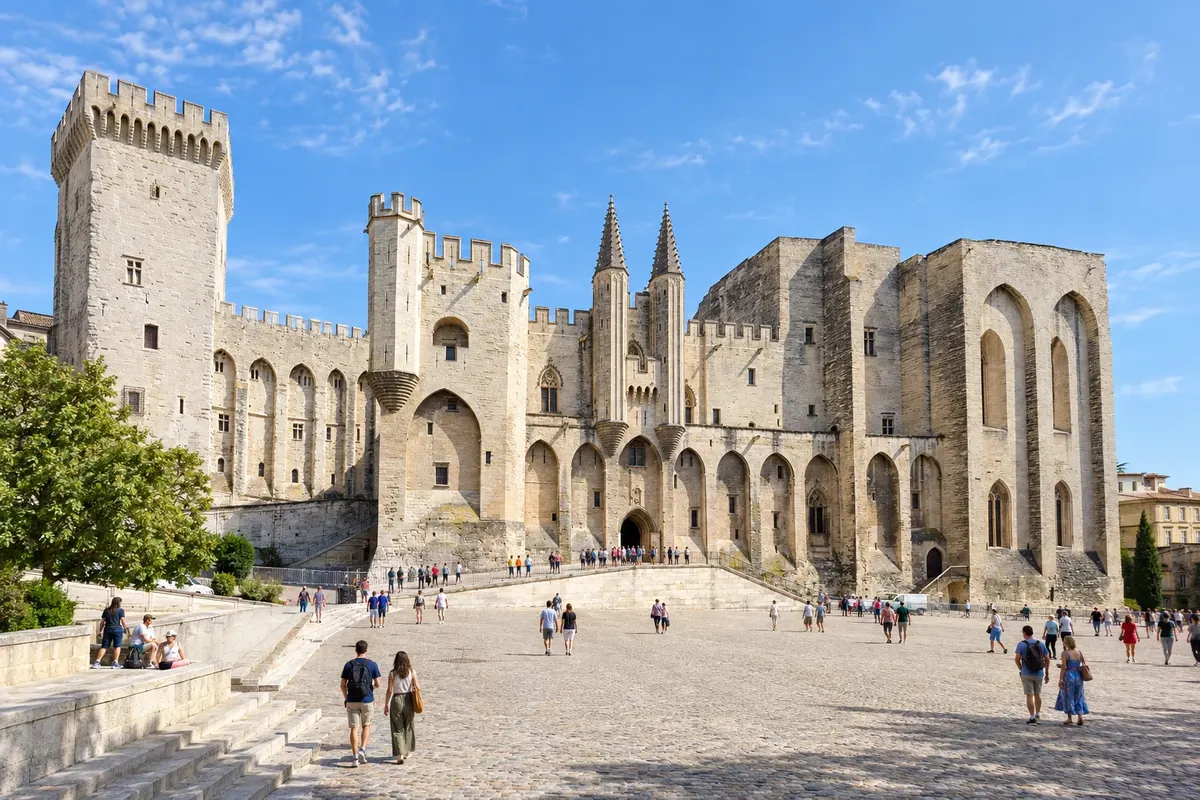
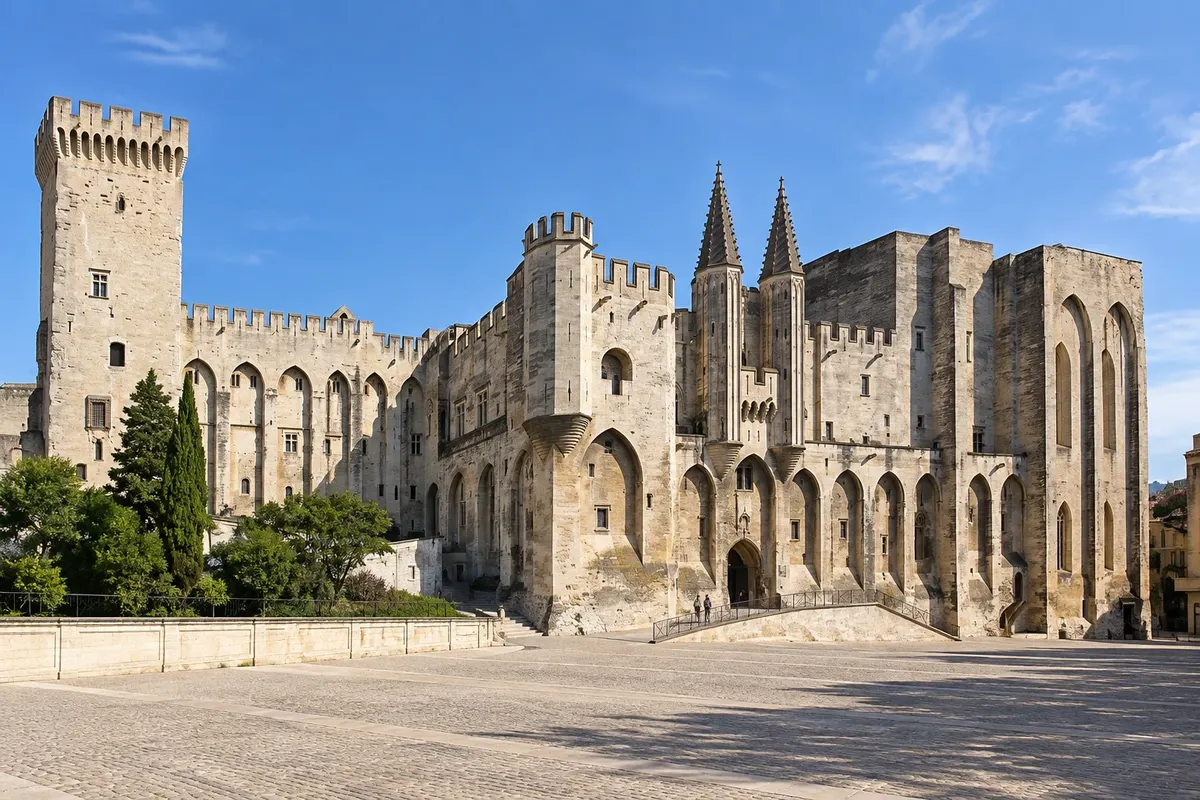
The popes' residence in Avignon in the 14th century, one of the largest Gothic buildings in Europe, with ceremonial halls, chapels with frescoes and the Jardins pontificaux. It is the core of the historic ensemble listed by UNESCO.
Antarktika
Provença-Alpes-Costa Azul · Francija
Destinacija: Provence.
Na fotografiji: Palais des Papes · Avignon
Illustrative images. The pictures in this guide are illustrations based on the real place, not photographs, and may differ from it.
Mesto
Avignon was the seat of the popes in the 14th century and is still enclosed by medieval walls. The Palais des Papes, the Pont Saint-Bénézet and the Rocher des Doms garden stand side by side in the center, which is a UNESCO World Heritage Site. The town is the best base for visiting the Pont du Gard, Châteauneuf-du-Pape, Villeneuve-lès-Avignon and the villages of the Luberon: Gordes, Roussillon, Sénanque and Fontaine-de-Vaucluse.
V vodniku še ni nastanitev – Avignon.
kako do tja · koliko dni · načrt poti · vprašanja
Doživite kraj
The popes' residence in Avignon in the 14th century, one of the largest Gothic buildings in Europe, with ceremonial halls, chapels with frescoes and the Jardins pontificaux. It is the core of the historic ensemble listed by UNESCO.
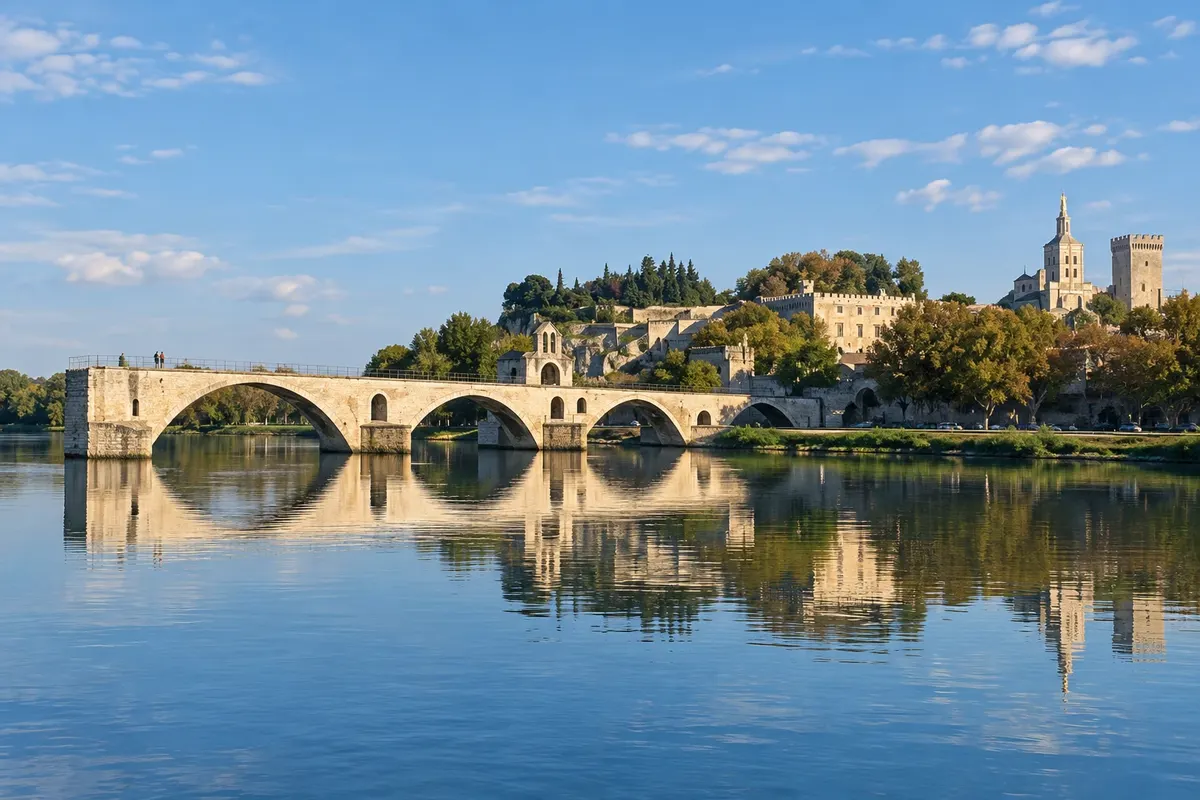
The Avignon bridge from the children's song: four medieval arches that extend over the Rhône and stop in the middle of the river, with a small chapel on one of the piers.
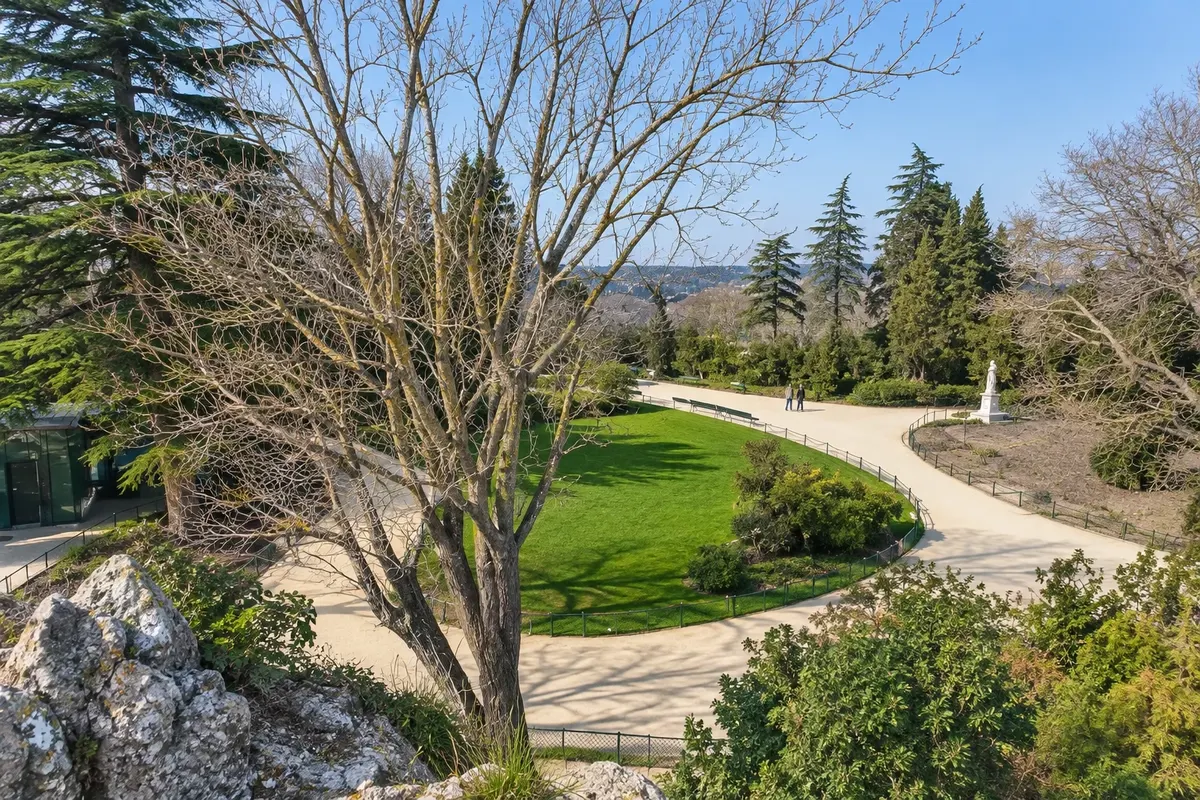
Public garden on top of the rock where Avignon originated, beside the Palais des Papes, with views over the Rhône, the Pont Saint-Bénézet and Villeneuve-lès-Avignon. Admission is free.
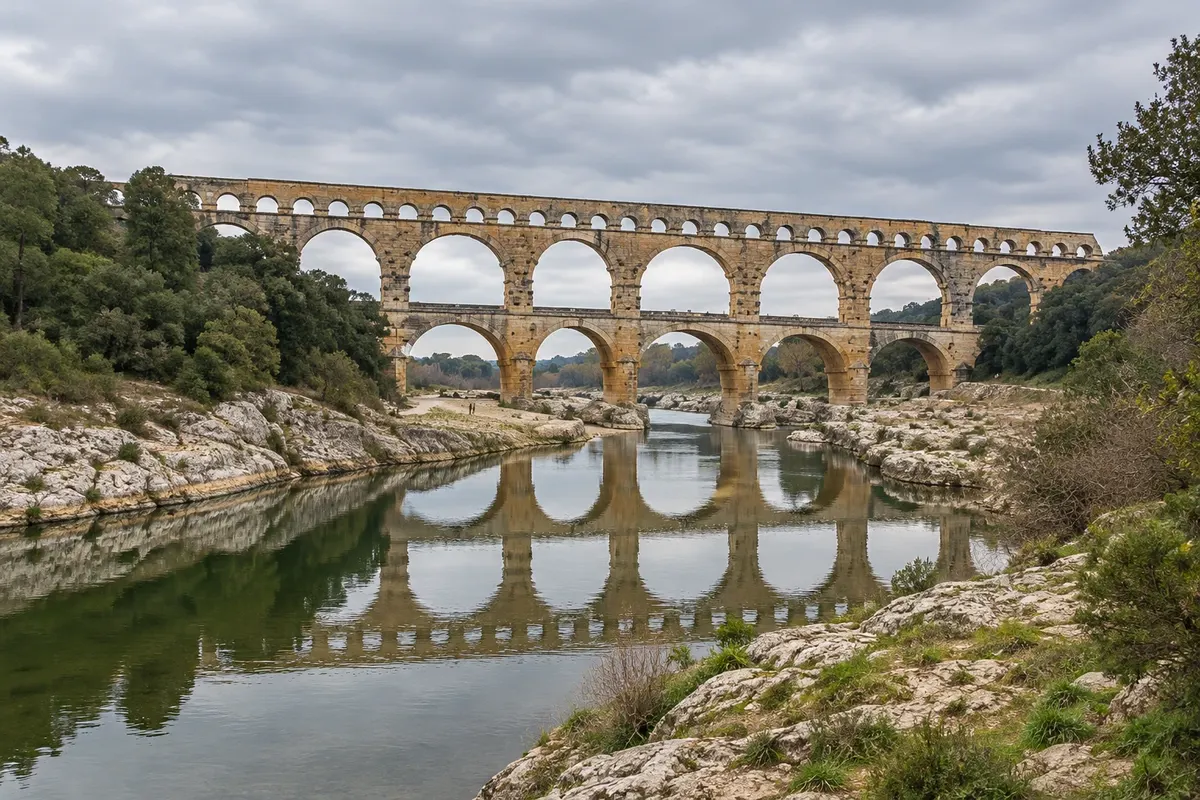
Roman aqueduct of three tiers across the Gardon River, built in the 1st century to bring water to Nîmes. It is the tallest aqueduct-bridge known from the Roman world and a UNESCO World Heritage Site.

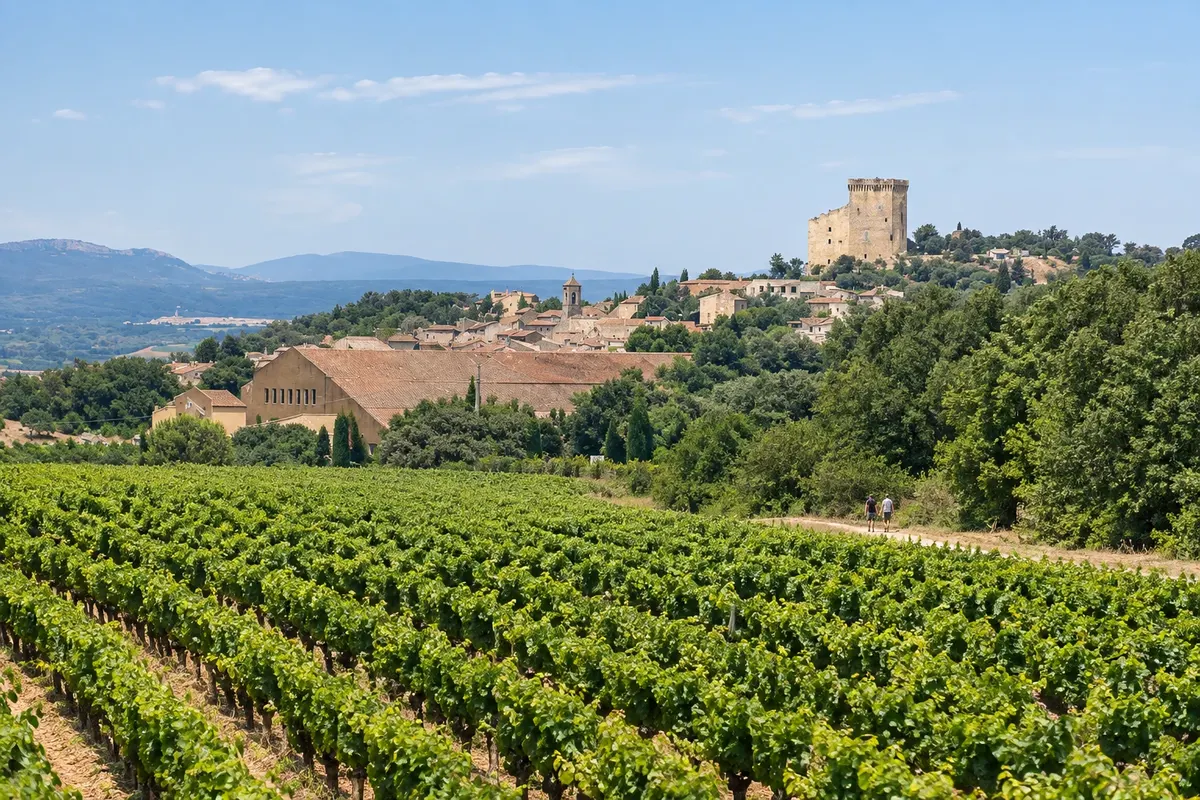
Small village surrounded by vineyards between Avignon and Orange, with the ruins of the popes' summer castle on the hill and dozens of wineries that welcome visitors for tastings.
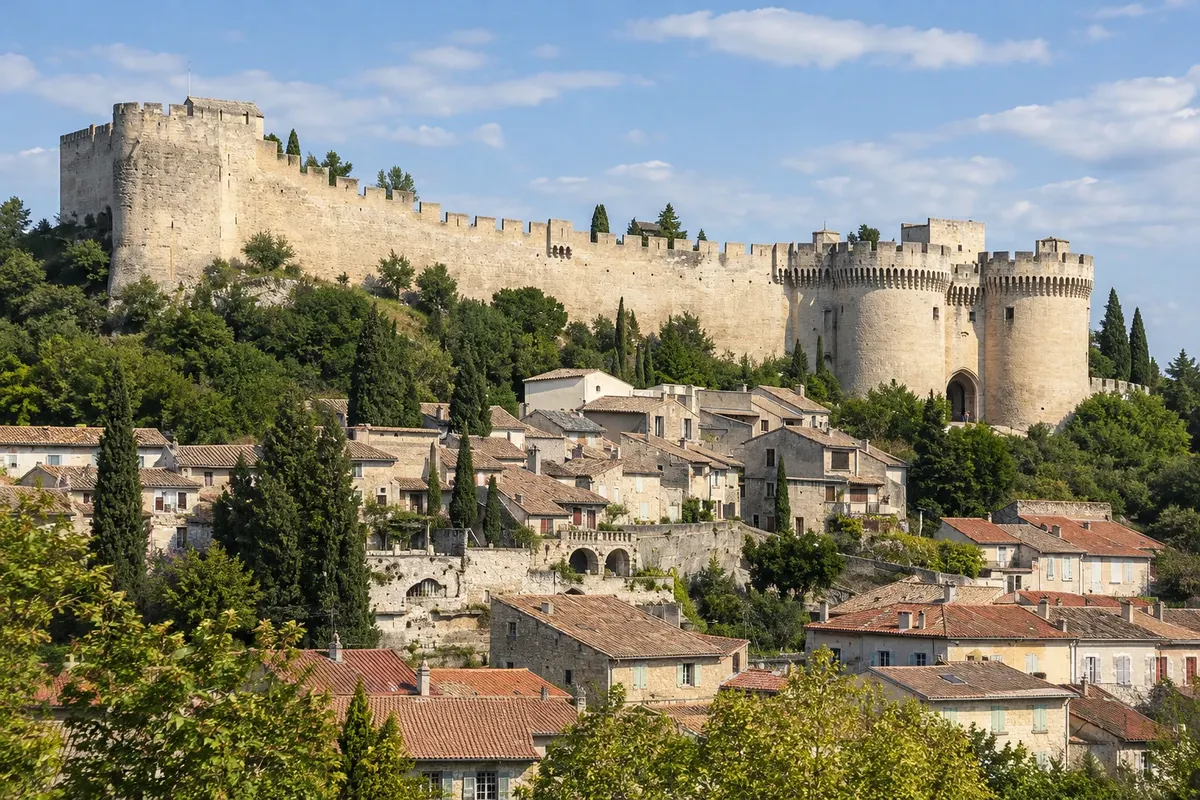
Medieval fortress atop Mont Andaon in Villeneuve-lès-Avignon, on the far side of the Rhône, with twin towers, ramparts and views of the Palais des Papes.
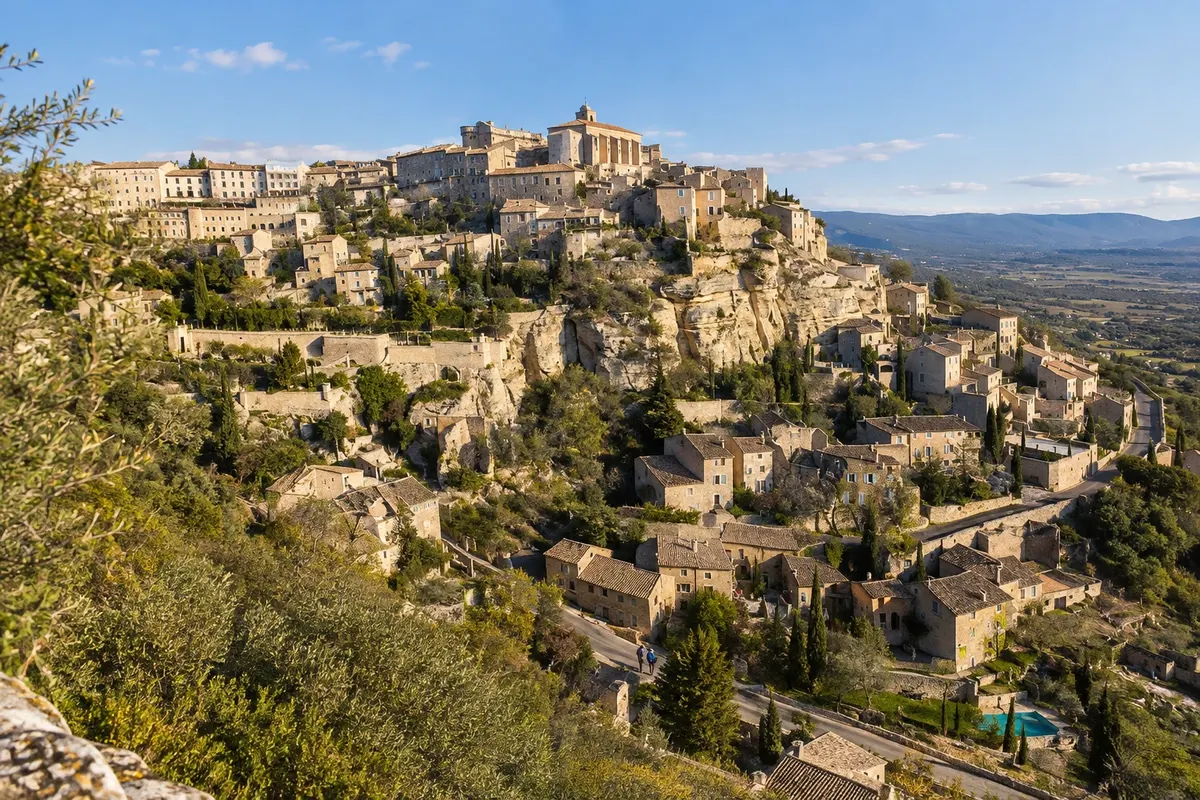
Stone village perched on a hill of the Monts de Vaucluse, on the edge of the Luberon, with a Renaissance castle at the top and houses that step down the slope.
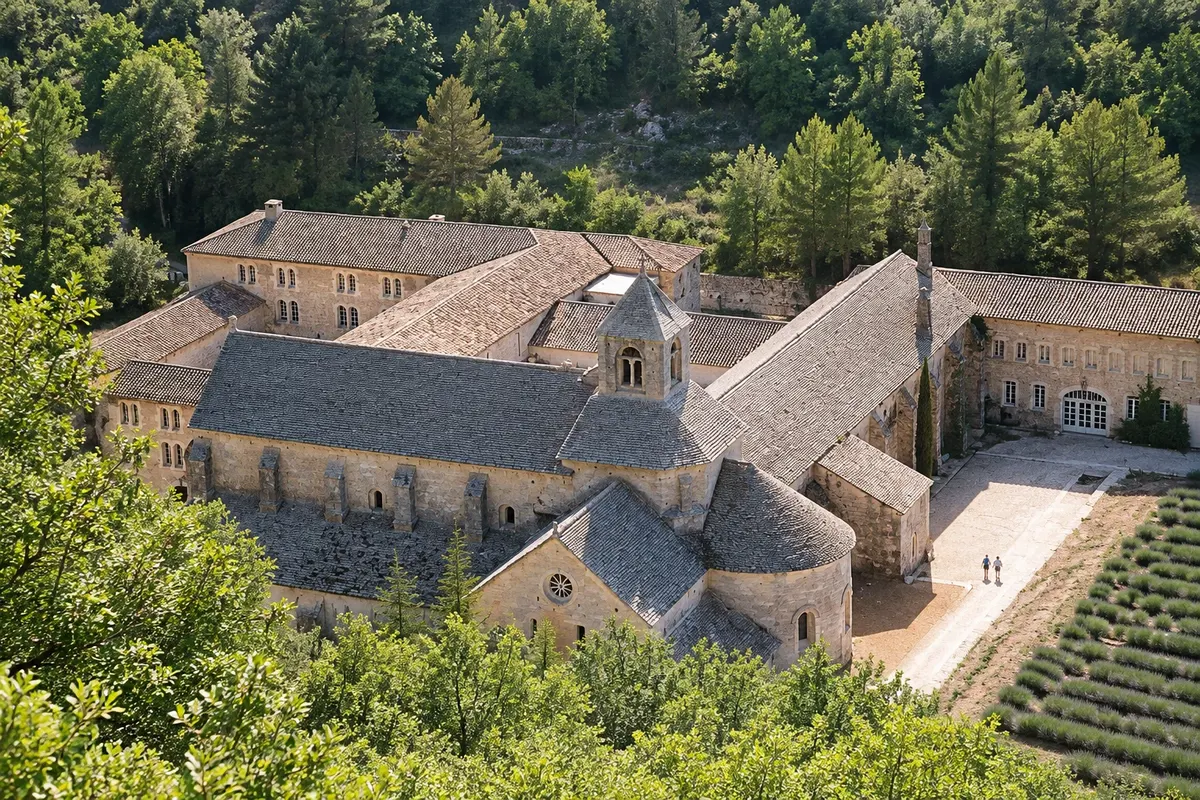
12th-century Cistercian abbey still inhabited by monks, in an isolated valley near Gordes. In front of it, a lavender field usually blooms from mid-June to mid-July.
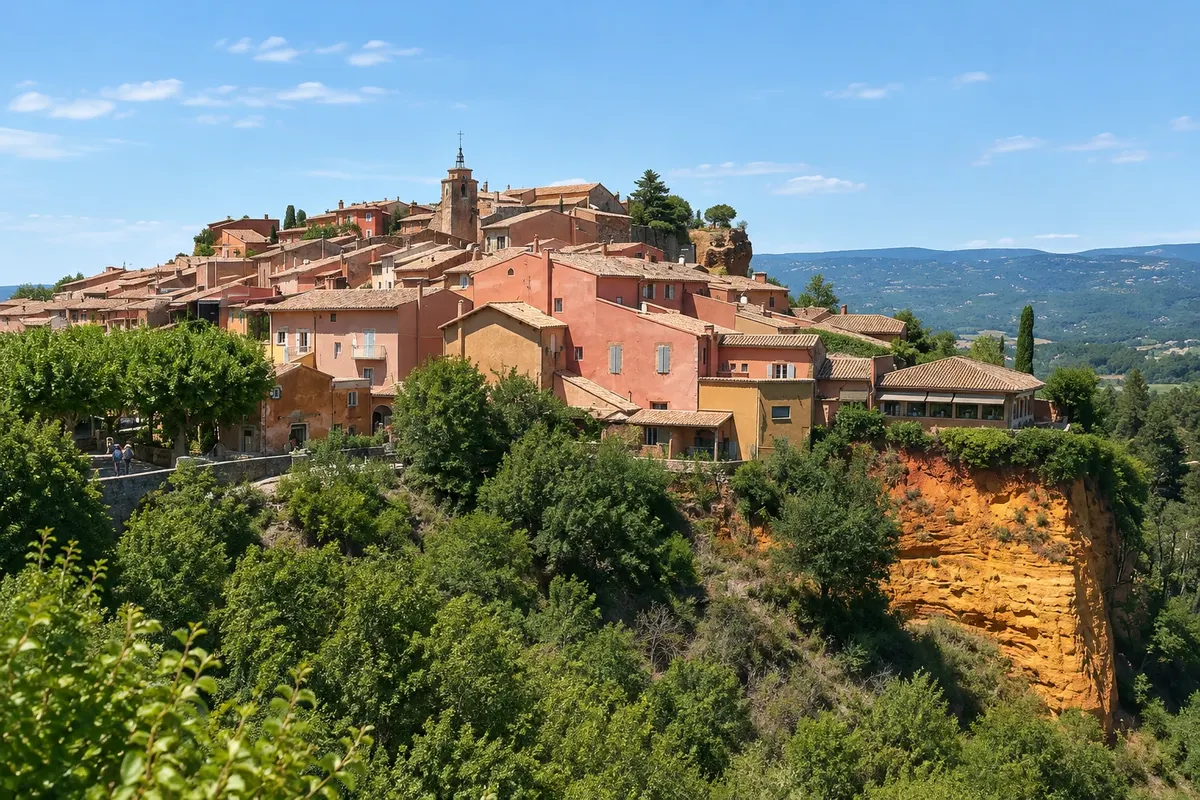
Luberon village built on ochre deposits, with houses painted in shades of red and orange and the Sentier des Ocres trail winding among colorful cliffs.
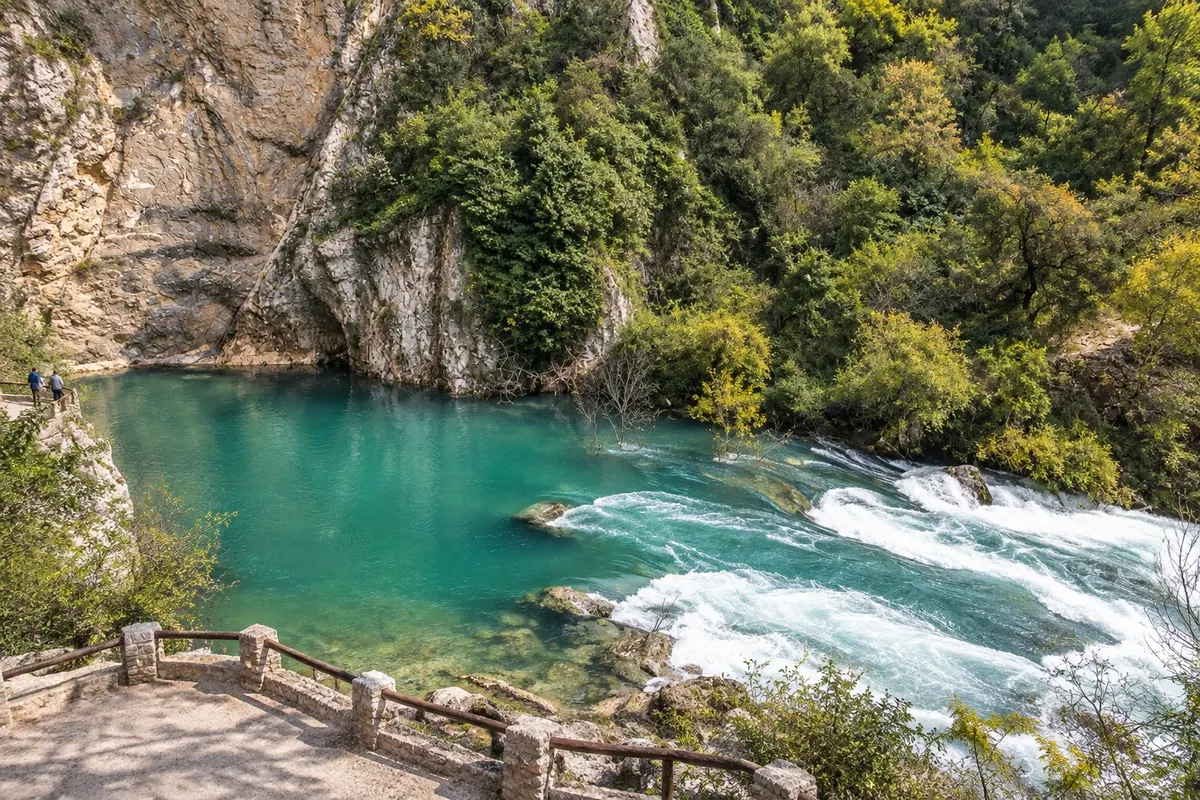
The source of the river Sorgue, at the foot of a rock cliff, the largest in metropolitan France by water volume. A riverside path leads from the village to the cave where the water springs forth.
Pred odhodom
Avignon – Provence-Alpes-Côte d'Azur Destinacija Provence približno 100 km stran (izhodišče: Marseille)
Razdalje so približne. Pred potovanjem preverite lete in vozne rede avtobusov, vlakov ali ladij.
From Paris the TGV reaches Avignon TGV station in about 2 h 40 min; from there a shuttle train takes you to Gare d'Avignon-Centre, in front of the walls, in roughly 5 minutes. TER regional trains link Avignon to Arles in about 20 minutes and to Marseille in just over an hour. The most commonly used airport is Marseille.
One day is enough for the Palais des Papes, the bridge, the Rocher des Doms and the streets within the walls. With two days, add the Pont du Gard or Villeneuve-lès-Avignon. For the Luberon (Gordes, Roussillon, Sénanque and Fontaine-de-Vaucluse) allow an extra full day, preferably with a car.
April to June and September to October offer pleasant temperatures for walking. In July the Festival d'Avignon takes place, the town gets very crowded and accommodation becomes expensive: book early or avoid it depending on your interest. Luberon lavender typically blooms from mid-June to mid-July. In winter (December to February) the mistral blows strongly and it's cold.
The seasons shown are the most usual ones; nature doesn't always follow the calendar.
For the town itself, no: the center is walkable and Avignon-Centre station is right next to the walls. A car makes a difference for the Luberon and the lavender fields, which have limited bus service. There is a regional bus to the Pont du Gard from Avignon's bus station—check schedules. Inside the walls the streets are narrow: leave the car in the edge parking lots.
Predlog poti
Pot povezuje znamenitosti na tej strani. Za oglede boste imeli dovolj časa.
Begin early at the Palais des Papes, before the tour groups arrive. The route goes through the Grand Tinel, the chapels with frescoes and the papal apartments. Finish in the Jardins pontificaux, which are included in the ticket.
Have lunch near the place de l'Horloge. Afterwards walk down to the Pont Saint-Bénézet, enter with the same combined ticket and stroll along the four remaining arches over the Ródano.
Climb up to the Rocher des Doms garden, next to the cathedral, to see the Ródano, the bridge and Villeneuve-lès-Avignon on the far bank. On a clear day Mont Ventoux is visible in the background.
Dine in the streets around the place de l'Horloge or the rue des Teinturiers, with its waterwheels by the canal. The palace façades are lit up at night.
Dan 1
Do the full visit of the Palais des Papes with the audio guide and the augmented reality tablet, and finish in the Jardins pontificaux.
Visit the Pont Saint-Bénézet and walk along the bank of the Ródano, at the foot of the walls, to the porte de l'Oulle.
Climb the Rocher des Doms via the staircase beside the Cathédrale Notre-Dame des Doms and stay to watch the sunset over the river.
Dine in the centre and take a stroll along the rue des Teinturiers and the place Pie, where the covered market Les Halles is located.
Dan 2
Drive or take a bus to the Pont du Gard, about 25 km away. Cross the aqueduct on the pedestrian side and visit the museum.
Have lunch on site or enjoy a picnic. In summer many people cool off in the Gardon river just below the aqueduct.
On the way back, stop in Villeneuve-lès-Avignon and climb Fort Saint-André to view Avignon and the Palais des Papes from across the Ródano.
Return to Avignon for dinner. If you have an extra day, reserve it for the Luberon: Gordes, Sénanque, Roussillon and Fontaine-de-Vaucluse.
Check before you go. Opening hours and days change, and places may close for renovations, holidays or events. This itinerary is a suggestion from Cidade Turismo, not a commitment: plan yours by checking directly with each place you intend to visit.
Pred odhodom
TGV trains from Paris stop at Gare d'Avignon TGV, about 4 km from the centre. From there a shuttle train takes you to Gare d'Avignon-Centre in about 5 minutes. Centre station sits in front of the walls and serves TER regional trains to Arles, Marseille and Orange.
It is one of the world's largest theatre festivals, founded in 1947, held every July. The official program uses the Cour d'honneur of the Palais des Papes and other venues, while the so‑called Off takes over hundreds of rooms and squares. The town becomes very crowded and accommodation must be booked well in advance.
It's difficult. There are regional buses to some villages with limited schedules, and organized day tours from Avignon that cover Gordes, Roussillon, Sénanque and Fontaine-de-Vaucluse in one day. With a car you can build your own itinerary and stop at lavender fields during the bloom.
Yes. The Avignon City Pass includes the Palais des Papes, the Jardins pontificaux, the Pont Saint-Bénézet and other monuments and museums, plus discounts. There is also a combined ticket just for the palace, the gardens and the bridge. Check prices and what's included before you go.
Yes. The city has both TGV and regional train stations, is 20 minutes from Arles and just over an hour from Marseille by train, and is the closest hub for the Luberon, the Pont du Gard and Châteauneuf-du-Pape.
Več kot vodnik