Arles Amphitheatre
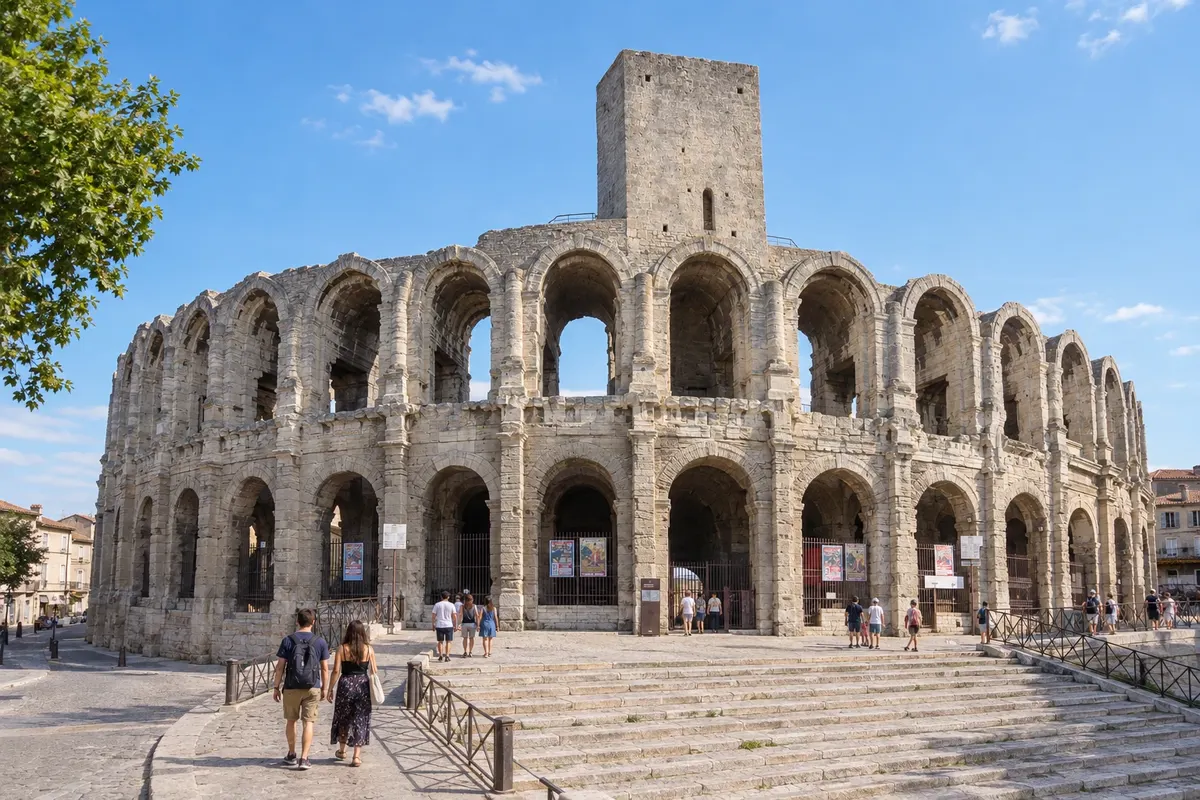
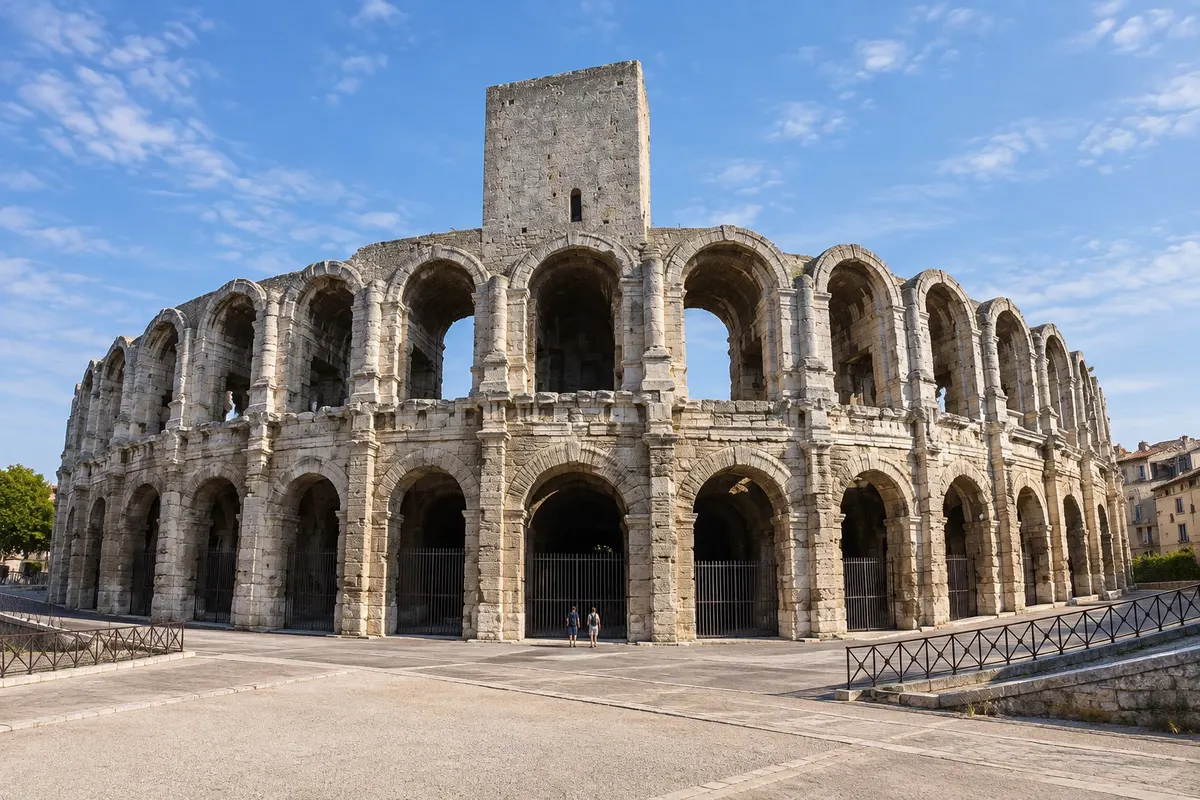
The Roman arena of Arles, built around the year 90 for about 25,000 spectators, with two rows of arcades and medieval towers on top. It still hosts the course camarguaise and other events.
Antarktika
Provença-Alpes-Costa Azul · Francija
Destinacija: Provence.
Na fotografiji: Arènes d’Arles
Illustrative images. The pictures in this guide are illustrations based on the real place, not photographs, and may differ from it.
Mesto
Arles, on the banks of the Ródano, preserves a Roman arena and theatre, baths, underground galleries and the Alyscamps necropolis, all UNESCO World Heritage, as well as the church and cloister of Saint-Trophime. Van Gogh lived and painted there in 1888 and 1889. The city also has Frank Gehry’s LUMA tower and is the gateway to the Camargue and Les Baux-de-Provence.
V vodniku še ni nastanitev – Arles.
kako do tja · koliko dni · načrt poti · vprašanja
Doživite kraj
The Roman arena of Arles, built around the year 90 for about 25,000 spectators, with two rows of arcades and medieval towers on top. It still hosts the course camarguaise and other events.
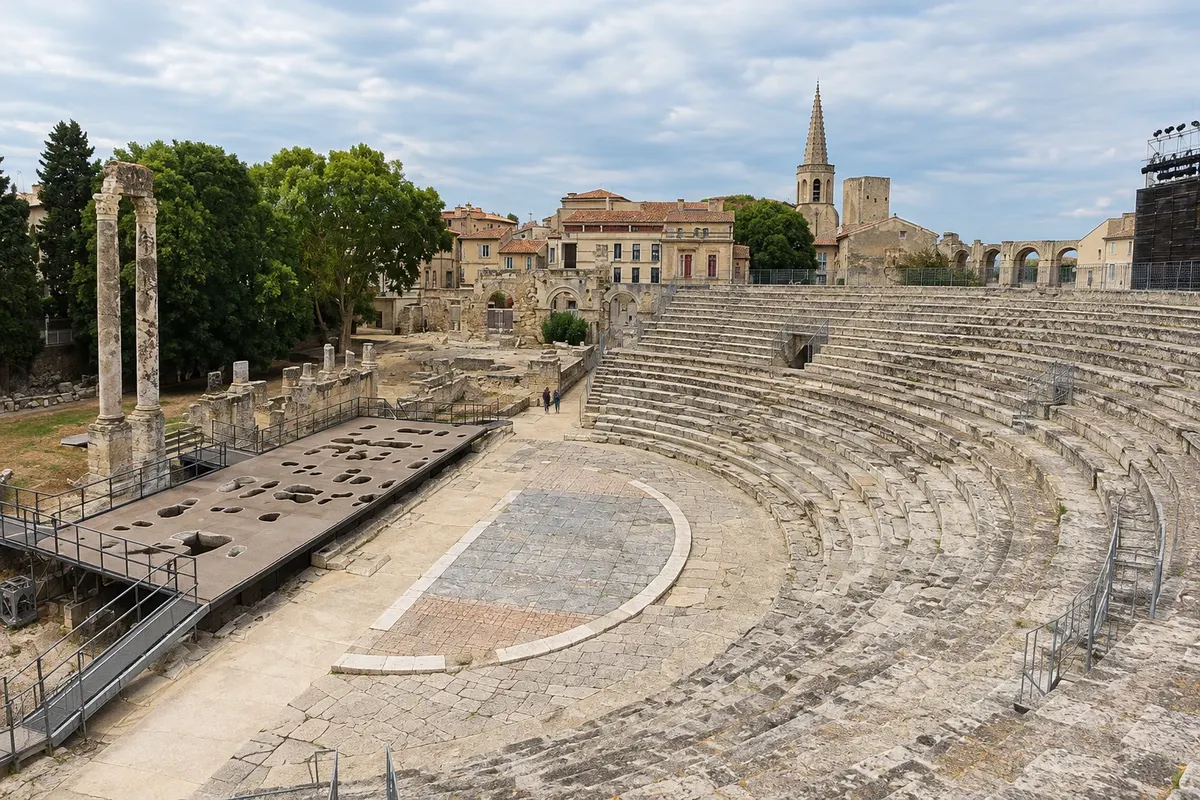
1st-century BC Roman theatre, one of the earliest stone theatres in the Roman world, with two marble columns still standing at the back of the stage. Hosts performances in summer.
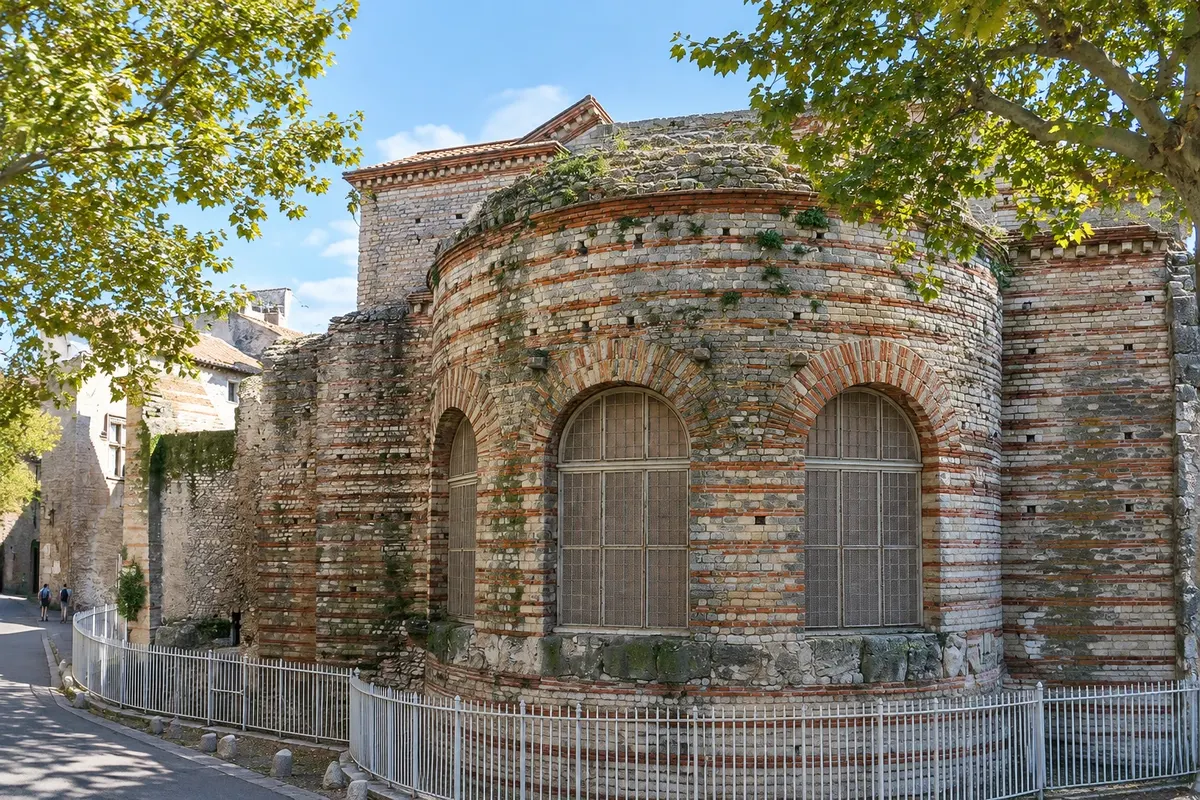
Remains of 4th-century Roman baths on the banks of the Ródano, with the hot-bath room and the underfloor heating system still visible.
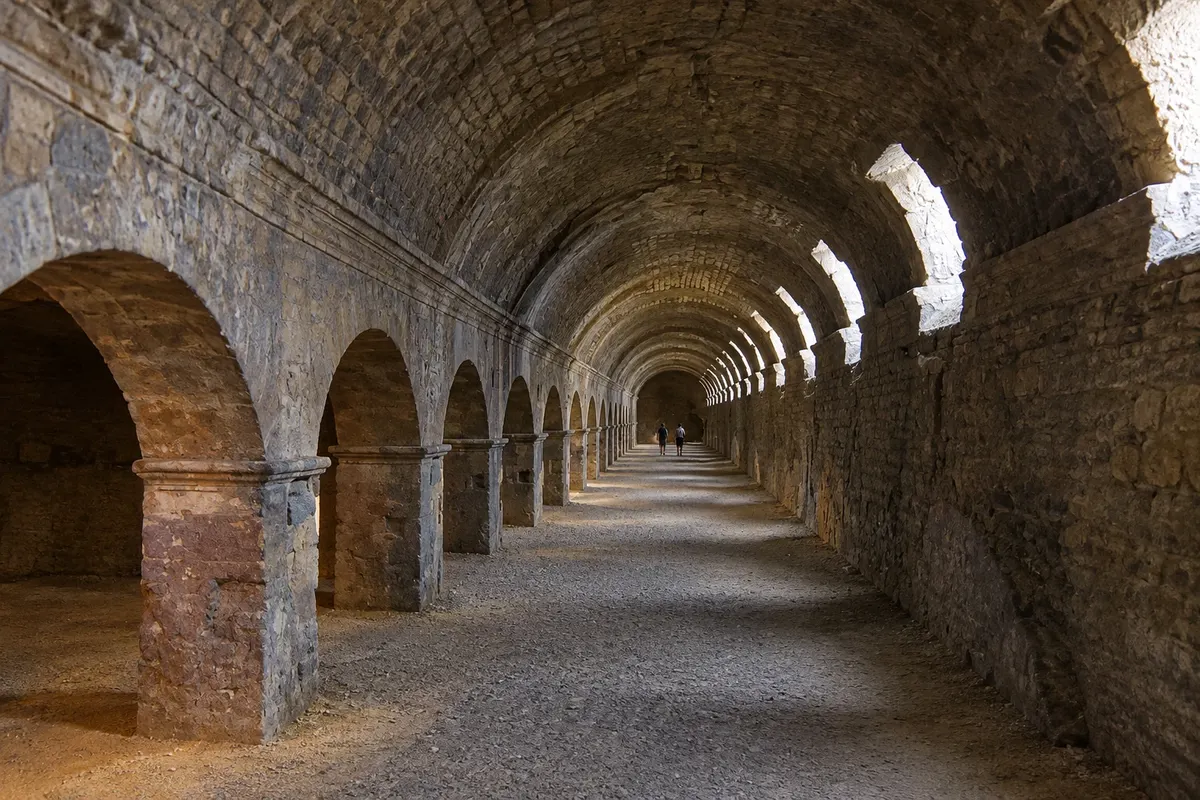
Roman underground galleries in a U shape that supported the forum of Arles, with access via the town hall. Being underground, they are cool even in summer.
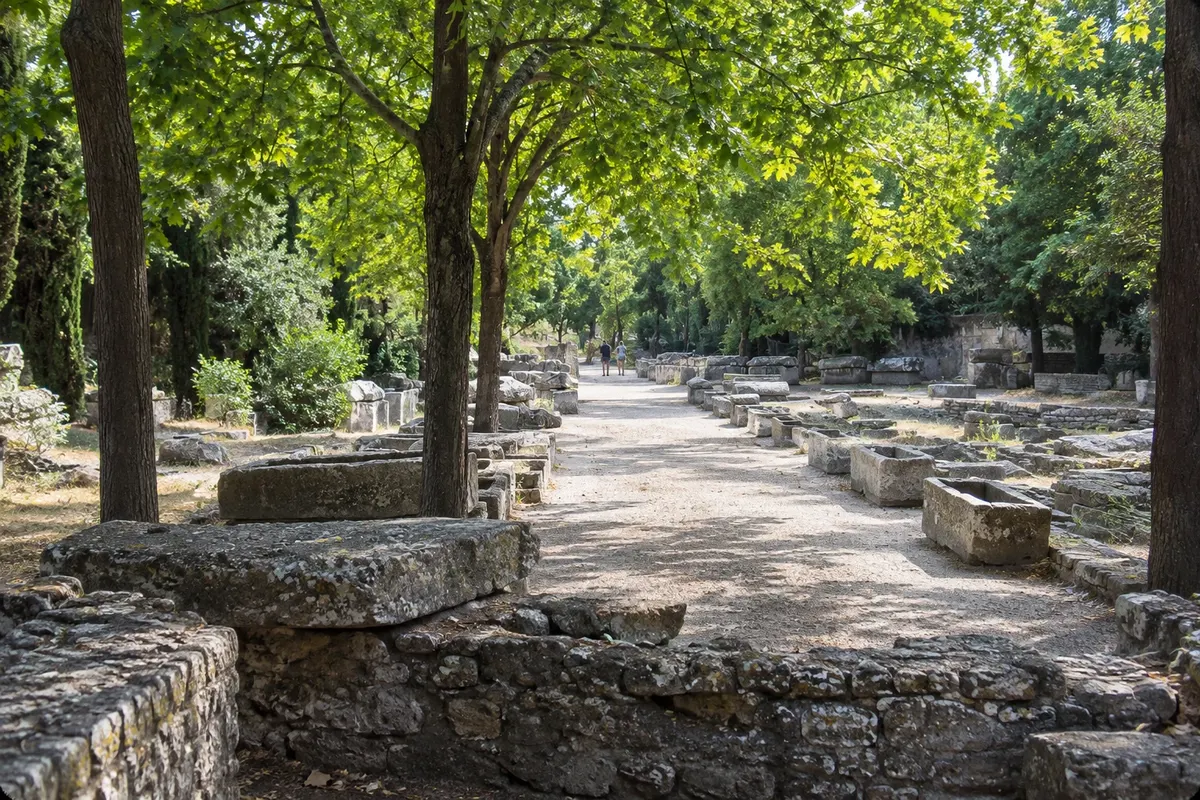
Ancient Roman and Christian necropolis, with an avenue of sarcophagi under the trees leading to the Romanesque church of Saint-Honorat. Van Gogh and Gauguin painted the site in 1888.
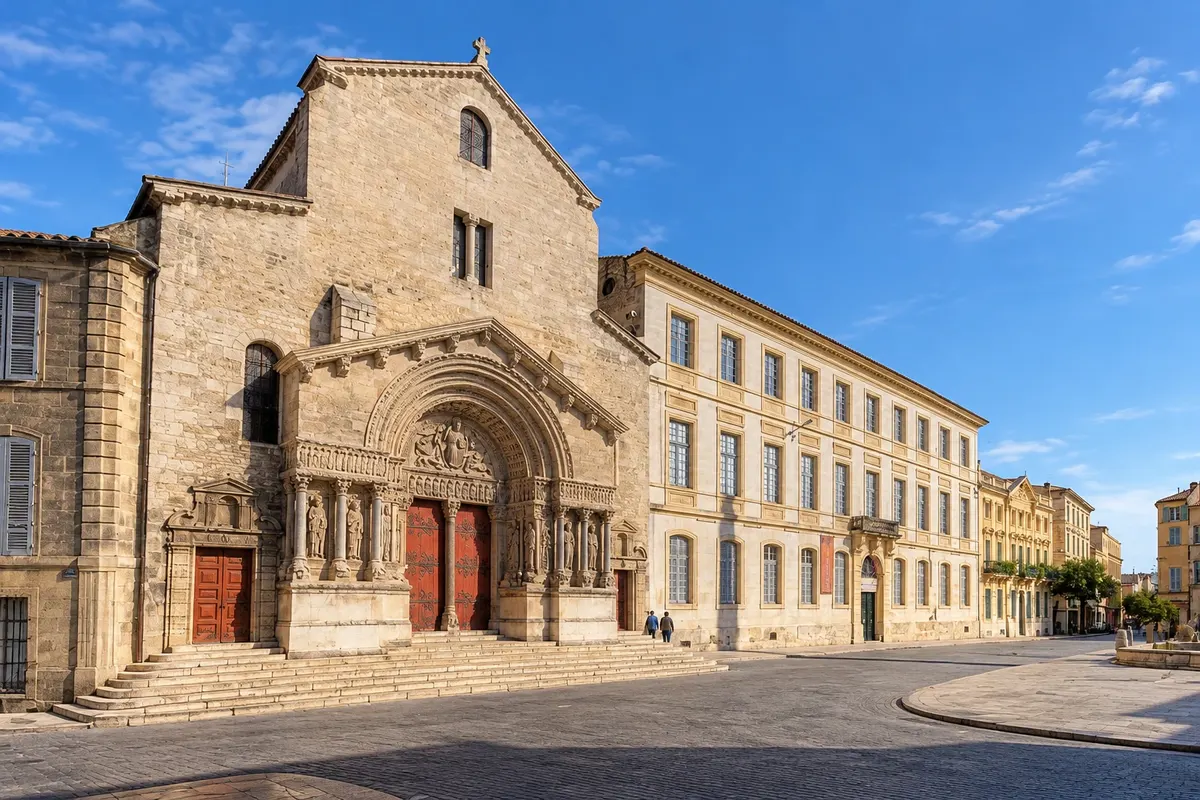
Former cathedral of Arles, with one of the best-known Romanesque sculpted portals in Provence, and the cloister beside it, with Romanesque and Gothic galleries.
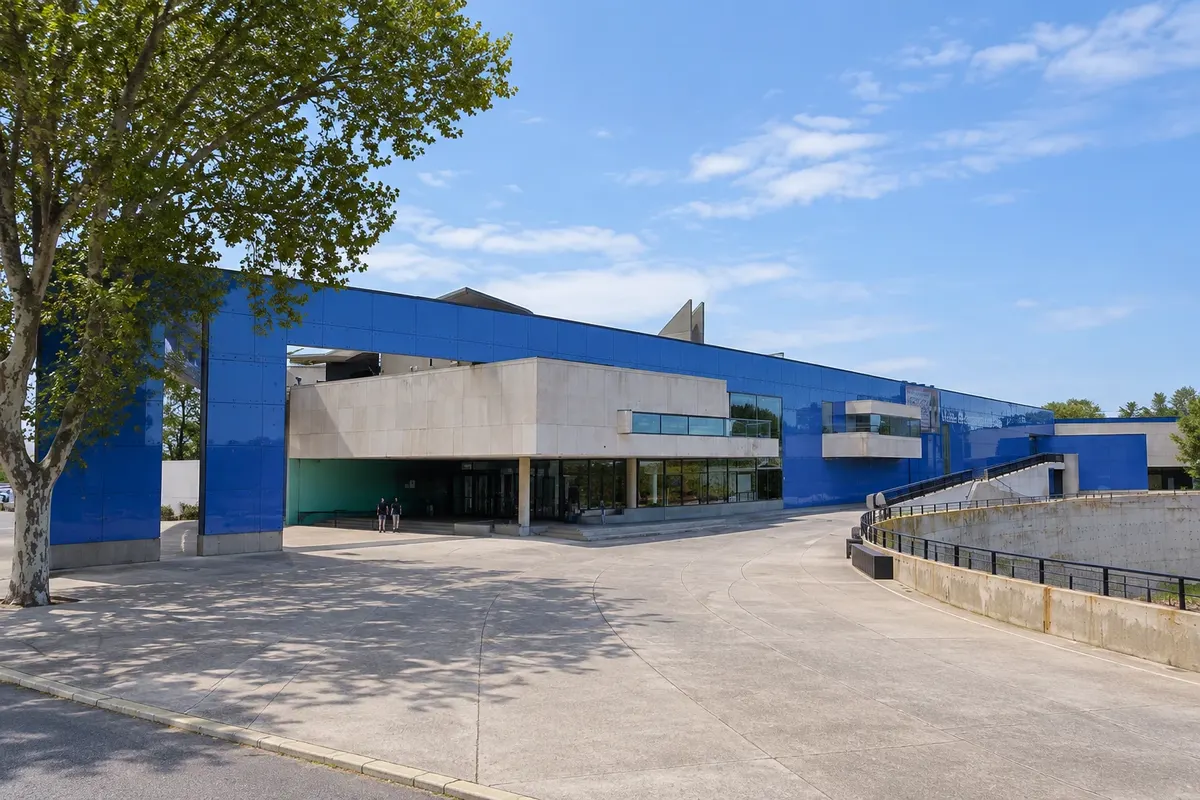
The archaeology museum of Arles, in a blue building on the banks of the Rhône, with mosaics, sarcophagi, a 31-metre Roman boat taken from the river and the bust attributed to Julius Caesar.
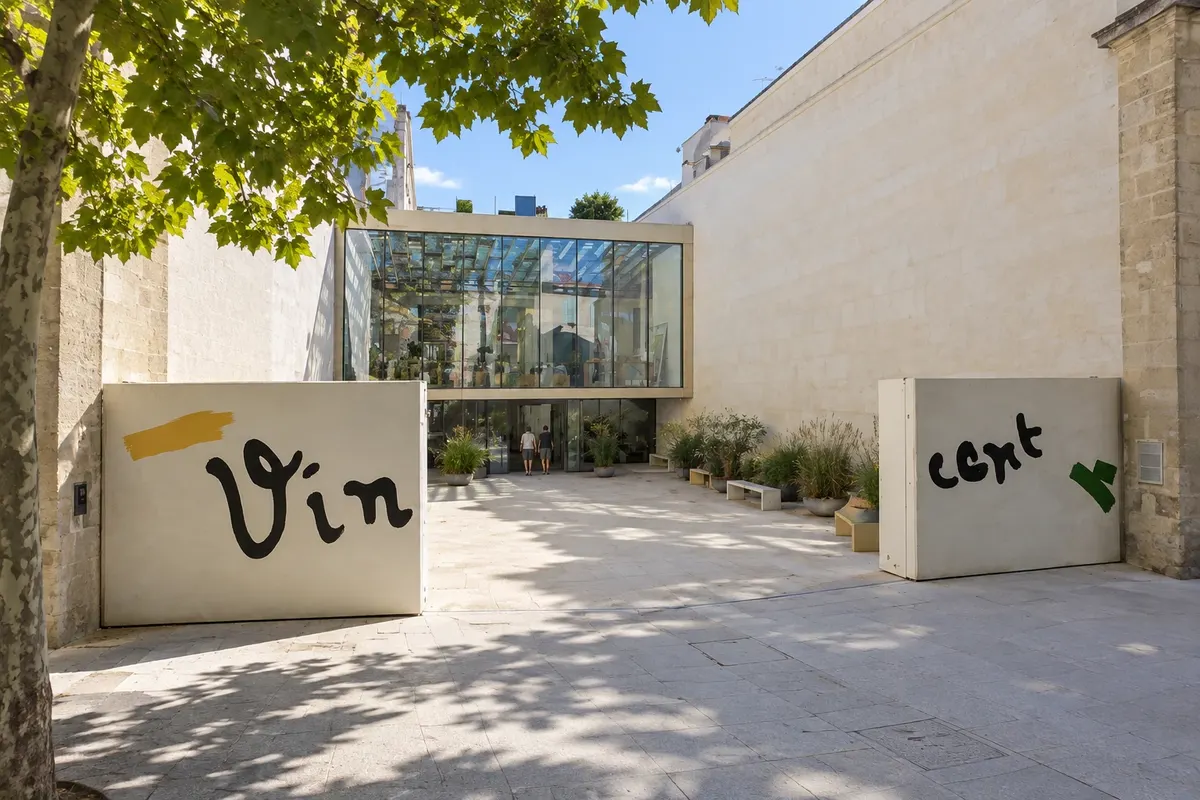
Art centre in a mansion in central Arles that usually exhibits Van Gogh works on loan, alongside modern and contemporary artists connected to him.
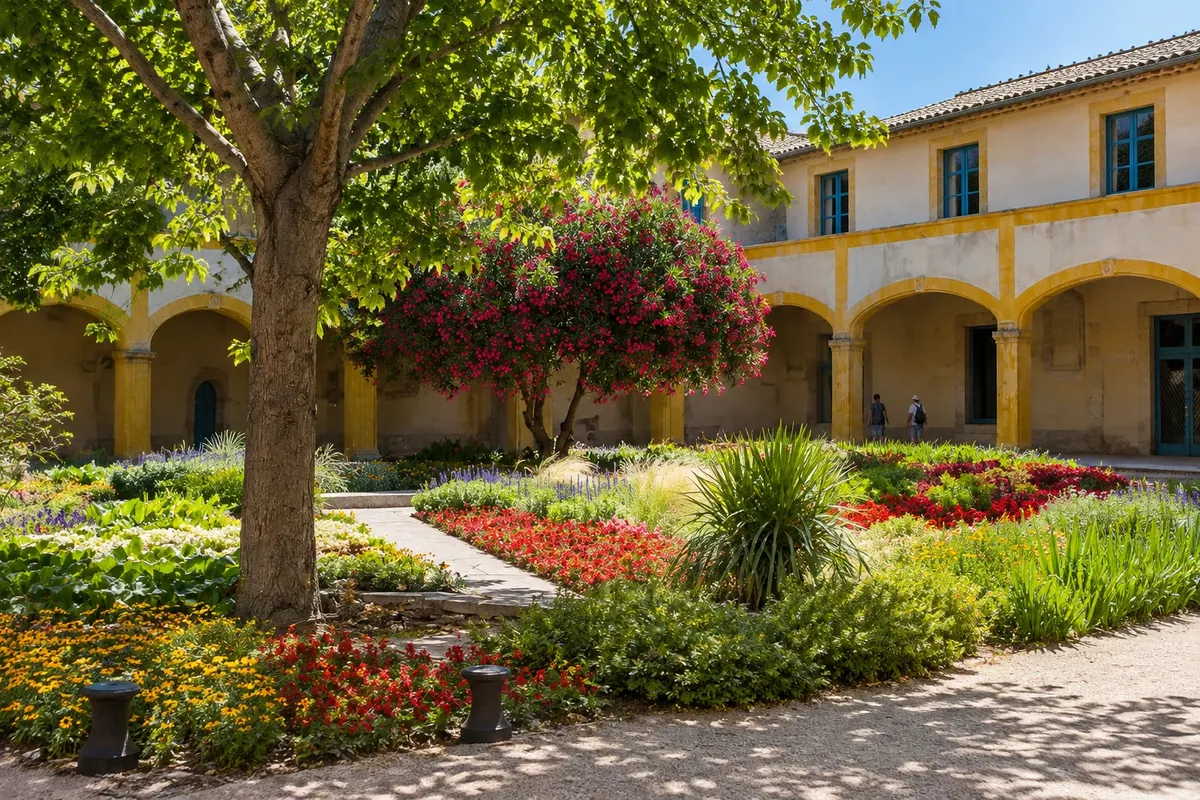
The former Hôtel-Dieu, the hospital where Van Gogh was treated in 1888 and 1889, with the courtyard garden he painted. Today it is a cultural centre and entry to the courtyard is free.
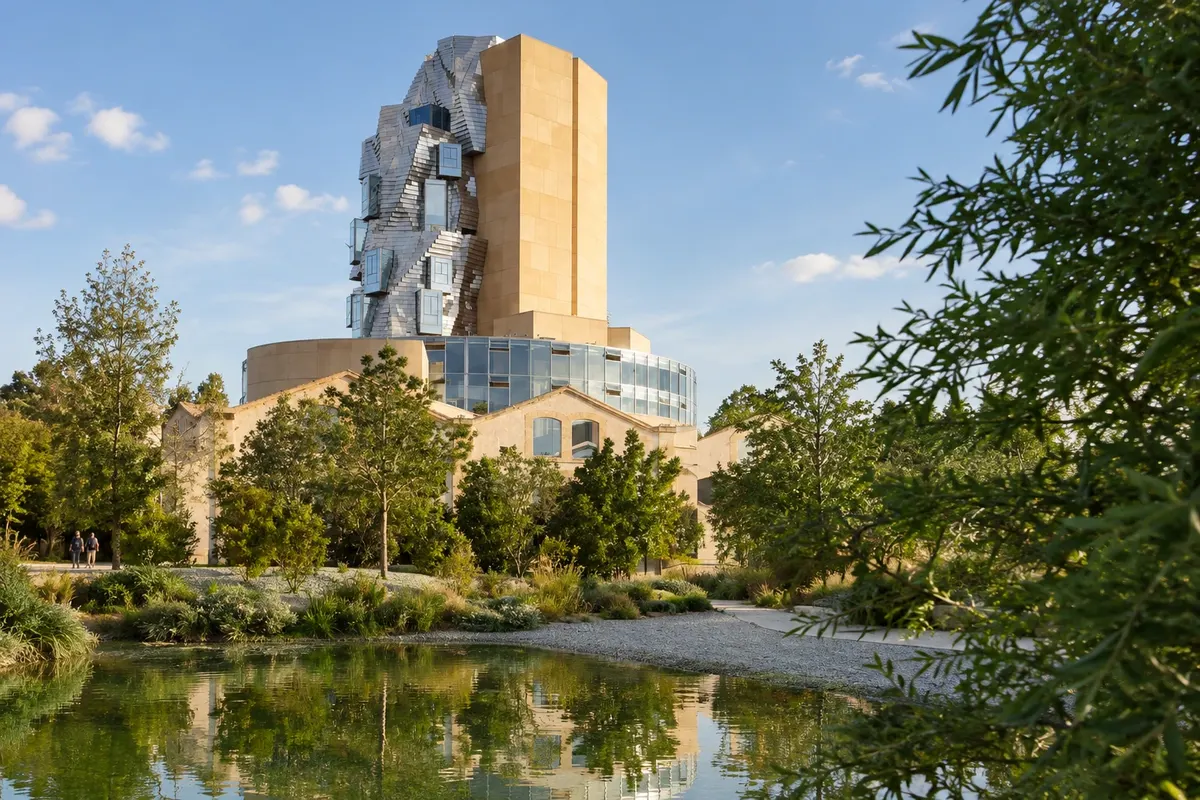
Contemporary art center in a former railway workshops courtyard, featuring Frank Gehry's steel tower, 19th-century sheds with exhibitions, and a park with a lake.
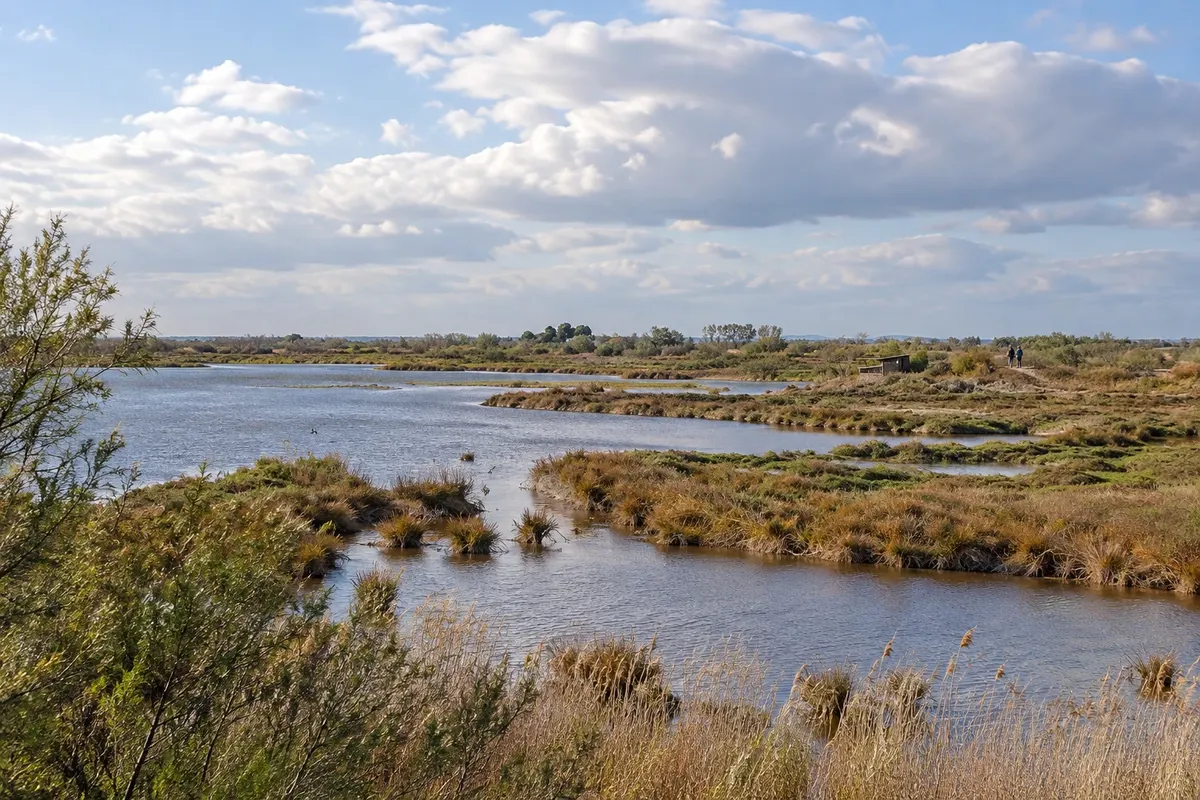
A 60-hectare park of marshes and reedbeds in the Camargue, with trails and hides for watching flamingos and other birds. It is 4 km from Saintes-Maries-de-la-Mer.
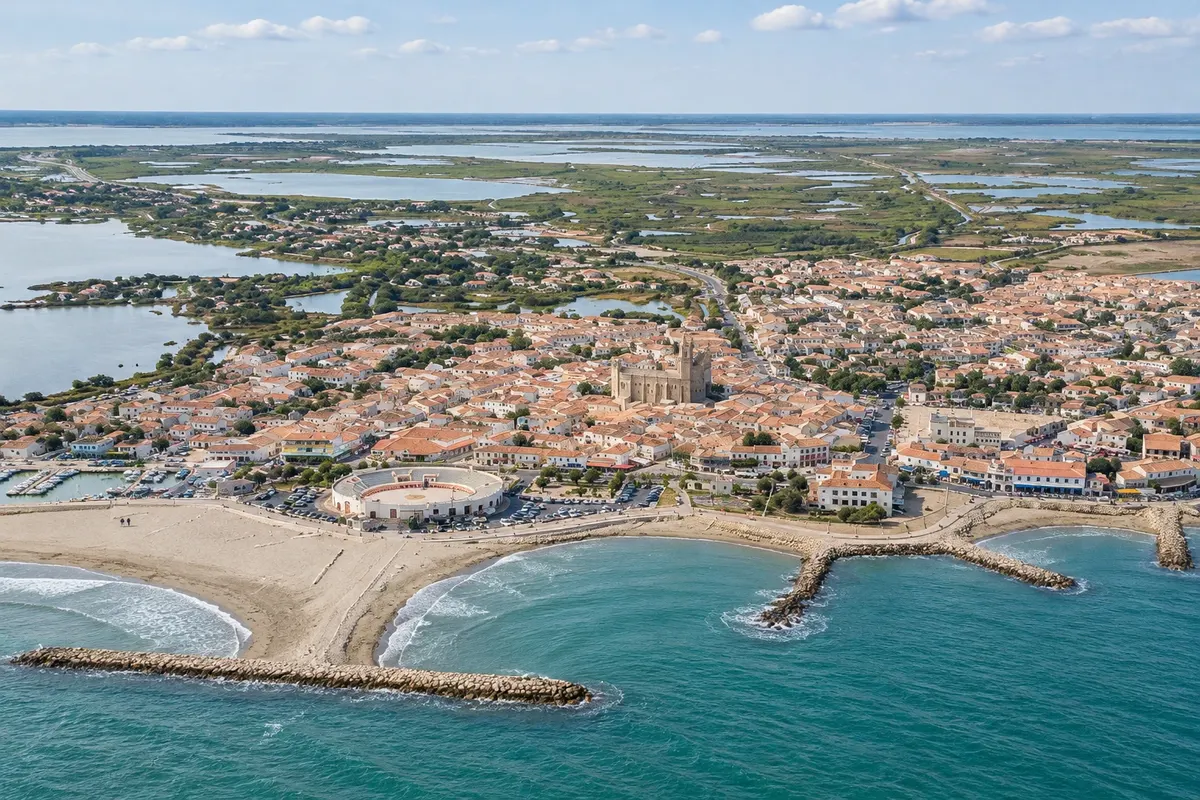
The capital of the Camargue, on the Mediterranean coast, with a fortified Romanesque church, beaches, horse rides and located in the Rhône delta. It hosts the Roma pilgrimage in May.
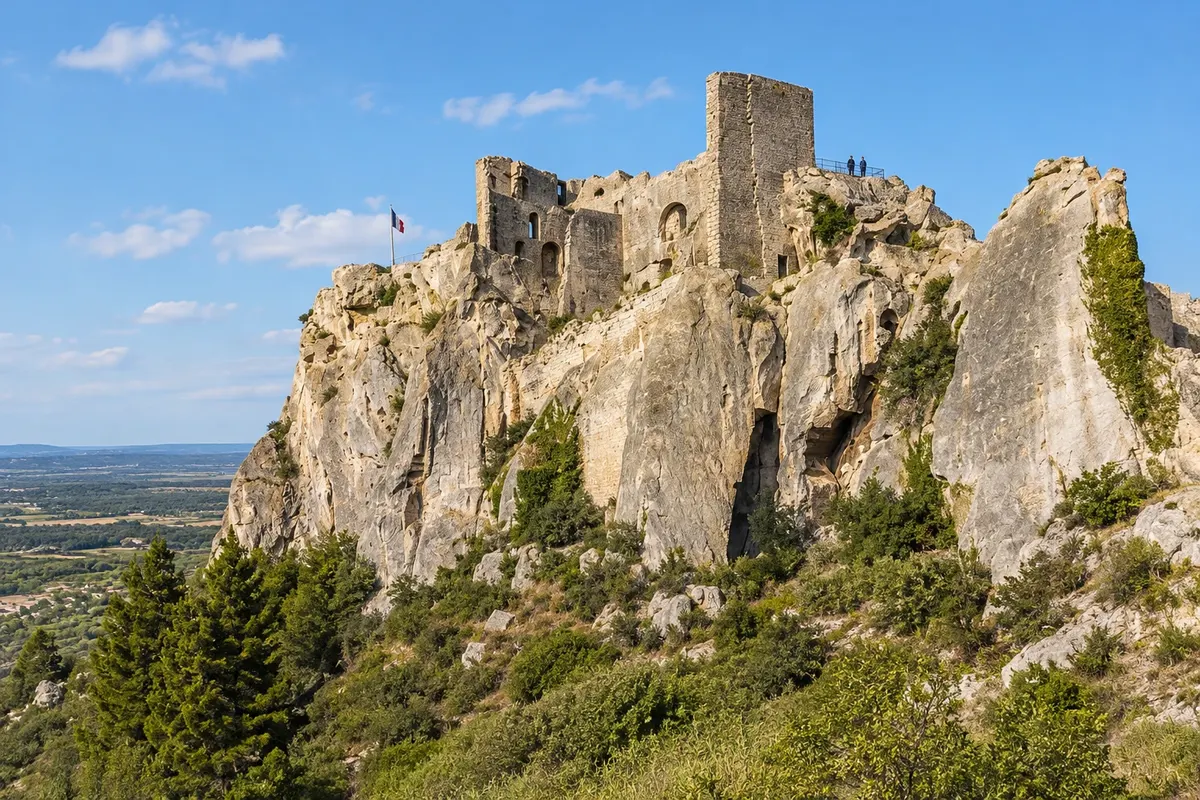
Ruins of a medieval fortress atop a rocky outcrop in the Alpilles, above the village of Les Baux-de-Provence, with views over the olive groves and the plain as far as the Camargue.
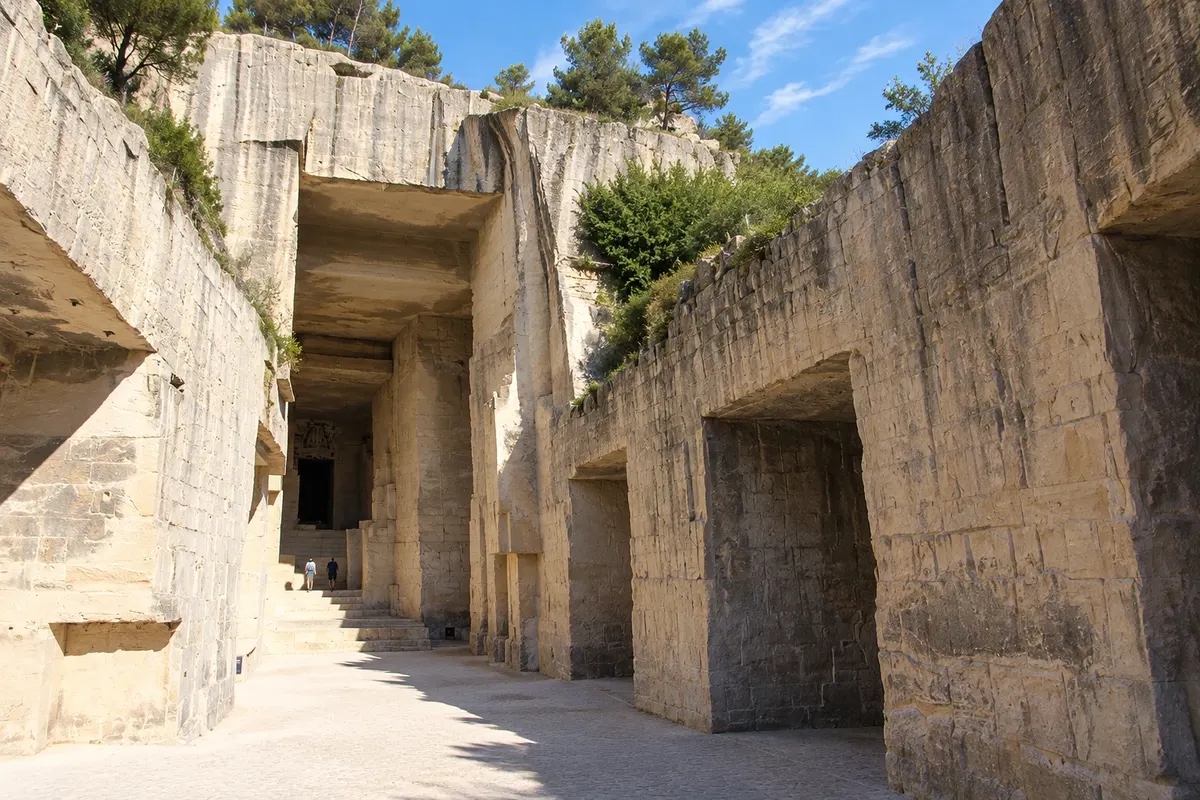
Former limestone quarries in Les Baux-de-Provence, with high walls where immersive art-and-music exhibitions are projected. The program changes each season.

Pred odhodom
Arles – Provence-Alpes-Côte d'Azur Destinacija Provence približno 92 km stran (izhodišče: Marseille)
Razdalje so približne. Pred potovanjem preverite lete in vozne rede avtobusov, vlakov ali ladij.
TER trains link Arles to Avignon-Centre in about 20 minutes and to Marseille-Saint-Charles in under an hour. From Paris, the most common route is the TGV to Avignon TGV or Marselha and the TER to the Gare d'Arles. The most used airport is Marselha. Confirm before buying.
One day is enough for the Roman monuments, Saint-Trophime and a walk to Van Gogh’s sites. With two days you can include the Arles antique museum, LUMA and the Fondation Vincent van Gogh. Allow an extra day for the Camargue and another day, or half a day, for Les Baux-de-Provence.
April to June and September to October are the best times. In summer (June to August) it gets very hot and the Rencontres de la photographie take place, from July to September. In the Camargue there are many mosquitoes in summer. In winter the city is quiet, some venues reduce opening hours and the mistral can be strong.
The seasons shown are the most usual ones; nature doesn't always follow the calendar.
For getting around the city, no car is needed: everything can be done on foot from the station. For the Camargue and Les Baux-de-Provence a car is very helpful. There are regional buses from Arles to Saintes-Maries-de-la-Mer, which pass near the Parc ornithologique, and to Les Baux, with limited schedules; check before you go.
Predlog poti
Pot povezuje znamenitosti na tej strani. Za oglede boste imeli dovolj časa.
Start with the arena, the Amphithéâtre, and climb one of the medieval towers. Walk to the Théâtre antique, a few steps away, with its two standing columns.
Have lunch near the place du Forum. Afterwards see the portal of Saint-Trophime, the cloister and go down to the Cryptoportiques beneath the town hall.
Pass through the courtyard of the Espace Van Gogh, the former hospital where the painter was treated, and finish at the quay of the Ródano, near the Thermes de Constantin.
Dine at the place du Forum, where the café Van Gogh painted in Terrasse du café le soir is located, or in the streets around the arena.
Dan 1
Visit the Amphithéâtre and the Théâtre antique with the combined ticket. Climb the arena tower to see the rooftops and the Ródano.
After lunch, visit Saint-Trophime and the cloister. Walk to the Alyscamps, the avenue of sarcophagi painted by Van Gogh and Gauguin.
Walk to LUMA, beside the Alyscamps. See Frank Gehry’s tower and the surrounding park, if it is open.
Return to the centre to dine at the place du Forum or the place Paul-Doumer.
Dan 2
Go to the Musée départemental Arles antique, on the banks of the Ródano, and see the Roman boat Arles-Rhône 3 and the bust attributed to Julius Caesar.
Have lunch in the centre and visit the Fondation Vincent van Gogh Arles and the Thermes de Constantin, close to each other.
Walk through the Espace Van Gogh garden and along the Ródano quay to the Trinquetaille bridge.
Dine in the centre. If you stay another day, reserve it for the Camargue or for Les Baux-de-Provence.
Check before you go. Opening hours and days change, and places may close for renovations, holidays or events. This itinerary is a suggestion from Cidade Turismo, not a commitment: plan yours by checking directly with each place you intend to visit.
Pred odhodom
Yes. The city sells passes that combine the Roman monuments, the cloister of Saint-Trophime, the Alyscamps and museums, as well as a combined ticket for the arena and the theatre. It usually pays off for those who plan to visit more than three sites. Check prices and what’s included before you go.
There is no museum with a permanent collection of the painter in the city. The Fondation Vincent van Gogh Arles often displays one or more loaned works by him, alongside contemporary artists. Around the city, panels mark the places he painted, such as the place du Forum, the Espace Van Gogh and the Alyscamps.
Partly. Regional buses connect Arles to Saintes-Maries-de-la-Mer and pass near the Parc ornithologique du Pont de Gau, with limited timetables. To explore the marshes and secondary roads, a car or an organized tour is more practical.
It is one of the world’s largest photography festivals, held in Arles every summer, usually from July to September. Exhibitions take over churches, warehouses and spaces across the city, and the first week features the most intense programme.
Yes. They are about 40 km apart, and the TER covers the route in roughly 20 minutes. Many people stay in one of the two and make the other a day trip.
Več kot vodnik