Dinard by boat from Saint-Malo
Odhod: Saint-Malo (cale de Dinan, at the foot of the ramparts) Passenger boat of the Compagnie Corsaire, about 10 minutes Približno 4 ure Dopoldne ali popoldne Lahko
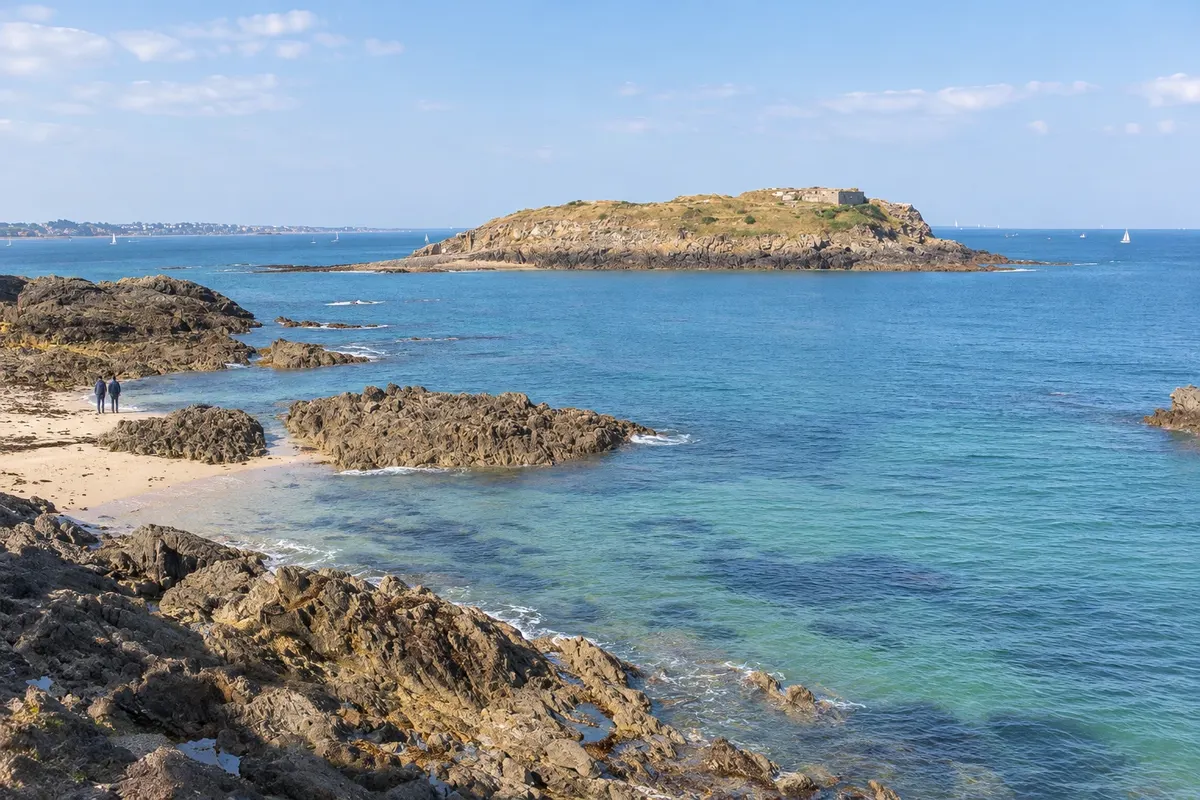
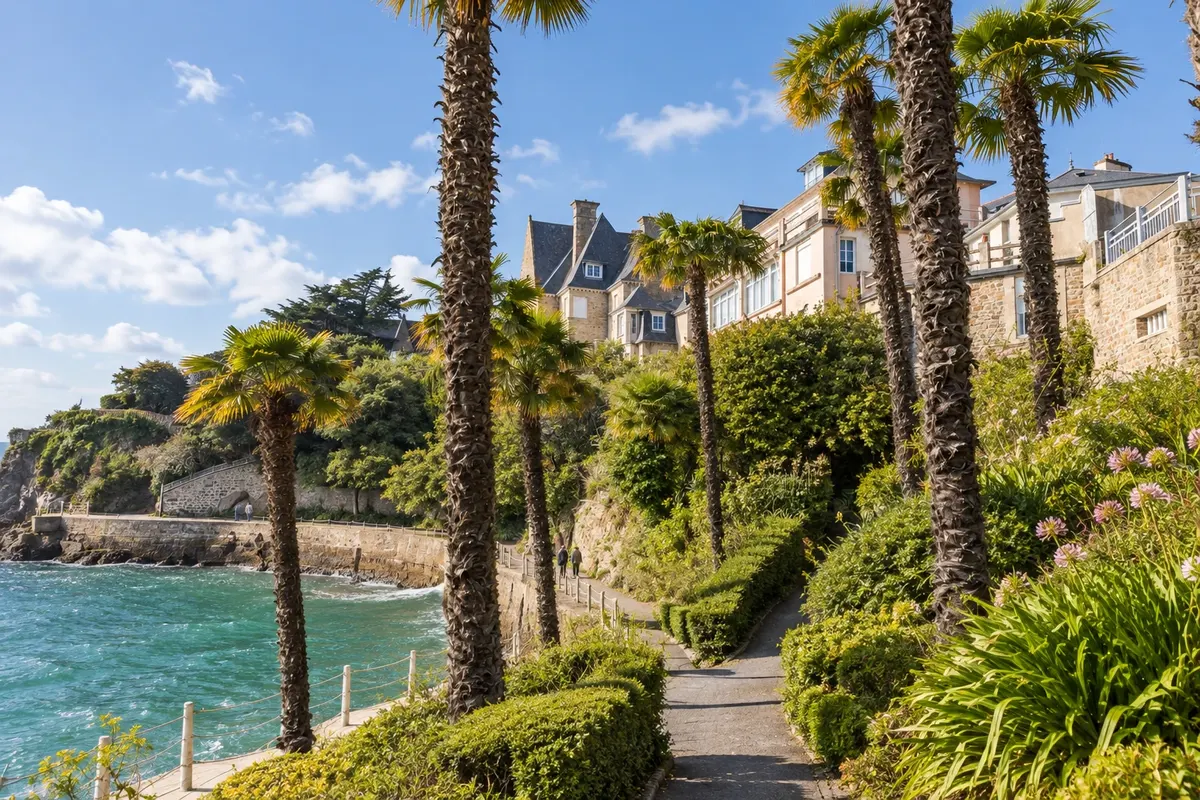
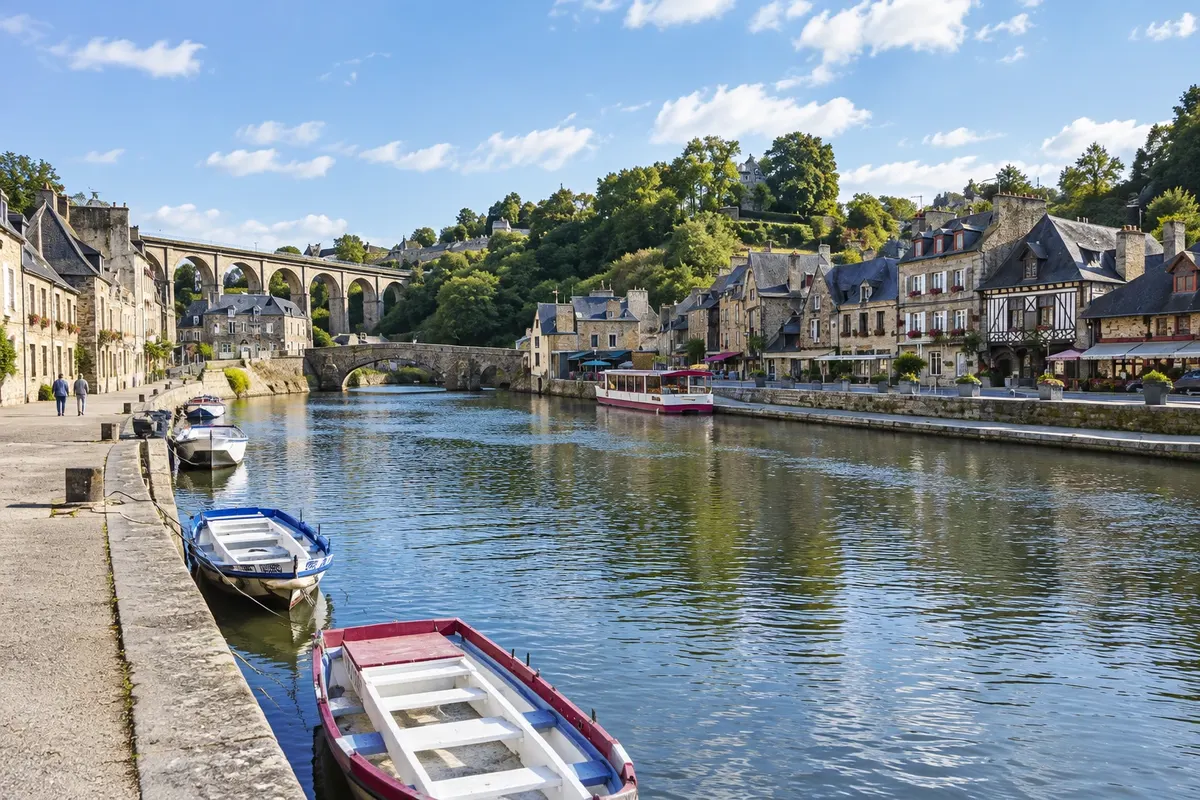
Dinard lies on the other side of the Rance estuary, facing Saint-Malo. The crossing departs from the cale de Dinan, at the foot of the Intra-Muros ramparts, and takes about 10 minutes, with frequent departures throughout the day; in Dinard the boat stops at the Promenade du Clair de Lune, near the Yacht Club. Dinard grew in the 19th century as a seaside resort popular with British and Parisian high society, and has around 400 protected mansions, from Belle Époque to art déco. The Promenade du Clair de Lune runs along the seafront, among palm trees and mansions, from the Pointe du Moulinet to the Plage du Prieuré. The Plage de l'Écluse is the main beach, with a wide promenade. From the Pointe du Moulinet, a rocky point, the view opens to the bay and to the ramparts of Saint-Malo on the opposite side. The return can be by boat or by regional bus, by road, about 10 km.
Kraji na poti: Dinard, Promenade du Clair de Lune, Plage de l'Écluse, Pointe du Moulinet, Plage du Prieuré.
Vključuje: Paid boat crossing, one-way or round-trip; bicycle boards for an extra fee. Check the current tariff table.
Nasvet: Buy the ticket online to avoid queues; the purchase does not reserve a time, so you can return whenever you want. In summer there are departures at night as well.
Najboljši čas za obisk: The boat usually operates from the end of March to the beginning of November. Outside that period, go by bus or car.
Cancale and the oysters of the Port de la Houle
Odhod: Saint-Malo Car by car or local bus, about 20 minutes. about 3 to 4 hours Dopoldne ali popoldne Lahko
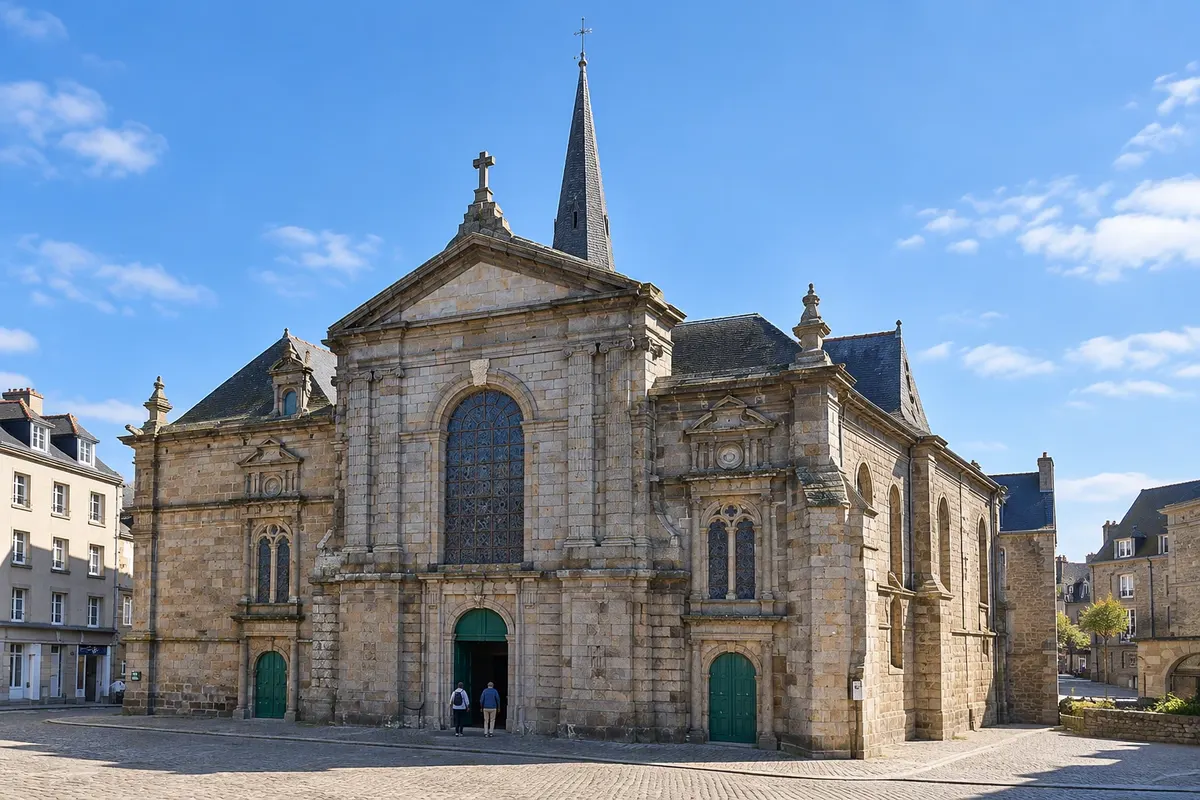
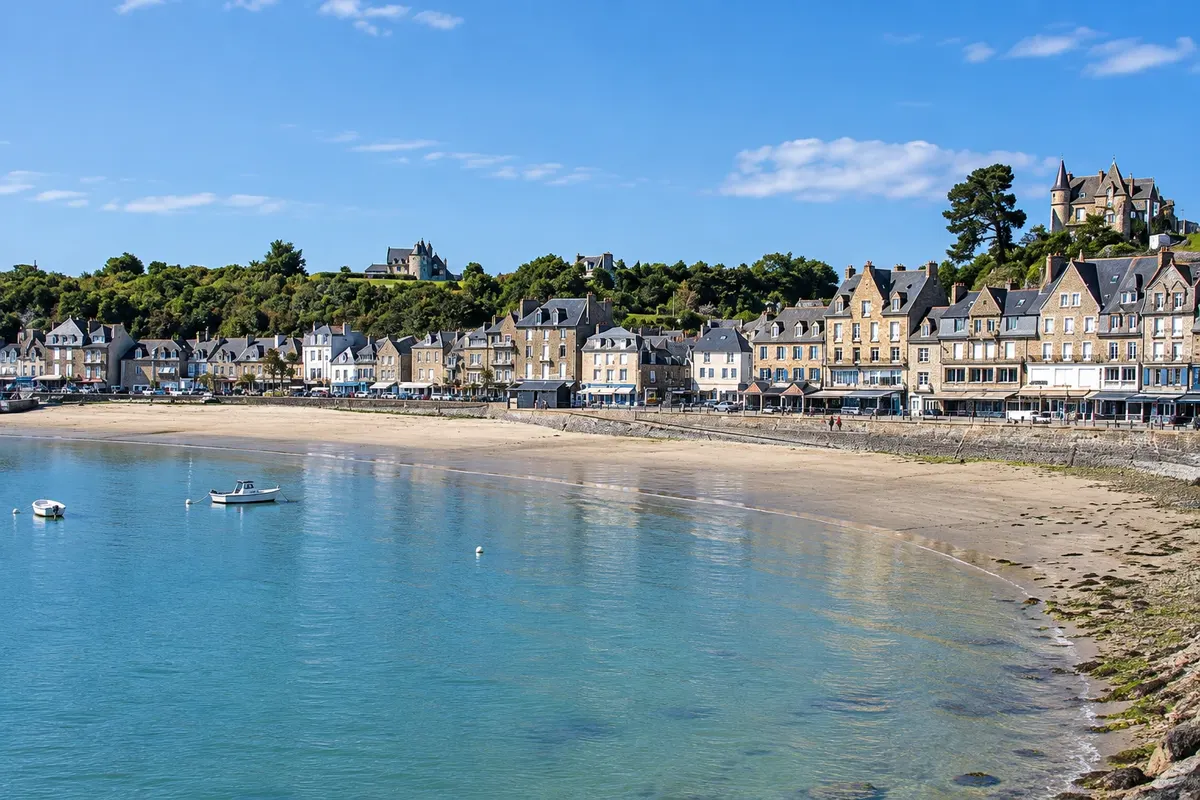
Cancale is about 15 km from Saint-Malo, already in the bay of Mont-Saint-Michel, and its economy centers on oyster farming. Cancale oysters, either cupped or flat, are listed in France’s inventory of intangible cultural heritage, and the producers are called gardeners of the sea. The visit focuses on the Port de la Houle, the small lower-town harbor with fishermen’s houses, seafood restaurants and the oyster market where producers sell straight from their stalls. At low tide the oyster beds—tables where they grow—are exposed on the sand; some operators offer guided visits to the beds, with boots and explanations about farming. Higher up is the Église Saint-Méen; a town walk links the church to the harbor. From the quay the view opens onto the bay.
Kraji na poti: Cancale, Port de la Houle, Marché aux huîtres de Cancale, Église Saint-Méen.
Vključuje: Strolling the harbor is free. Oysters and visits to the beds are charged separately; check the current pricing.
Nasvet: Go at low tide to see the exposed oyster beds. Combine it with the Pointe du Grouin, on the northern exit of the town.
Najboljši čas za obisk: All year. At low tide the landscape changes a lot; check the tide table.
Tides of Saint-Malo: the Sillon, the breakwaters and the bay
Odhod: Saint-Malo (Intra-Muros) On foot, along the ramparts and the Digue du Sillon Približno 2 uri depending on the tide Lahko
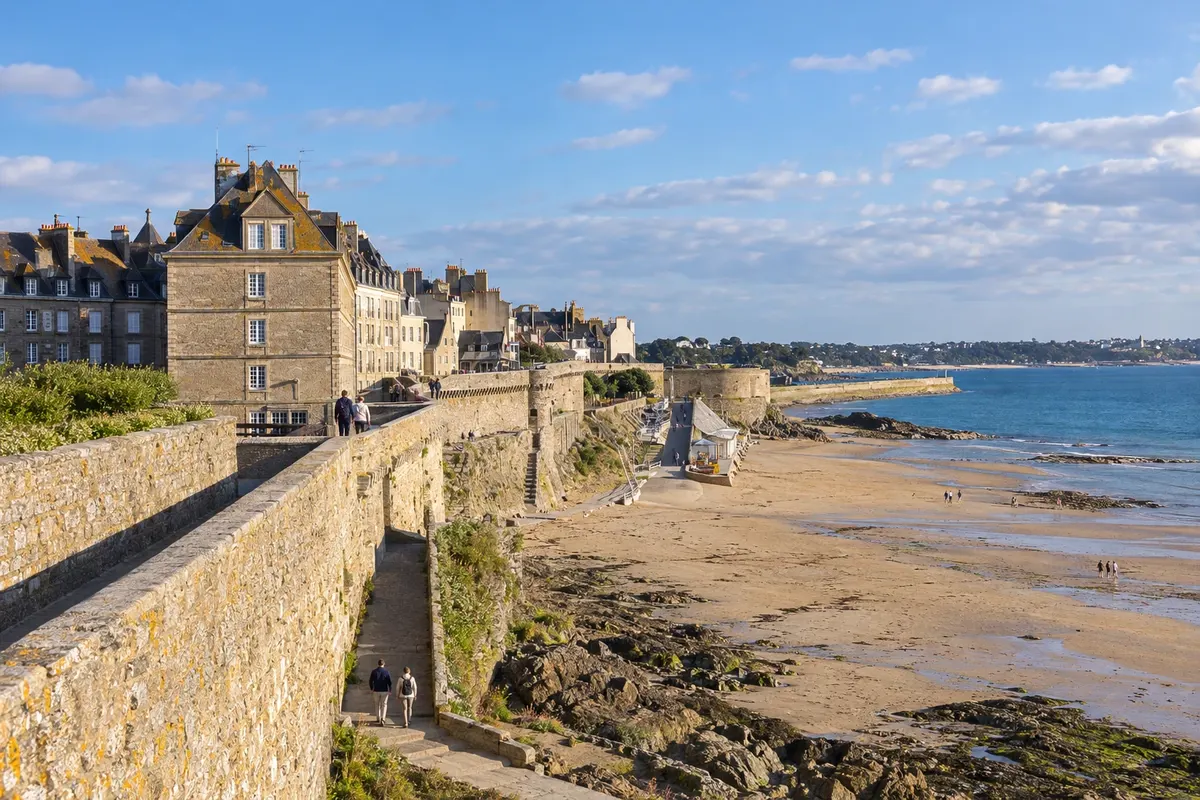
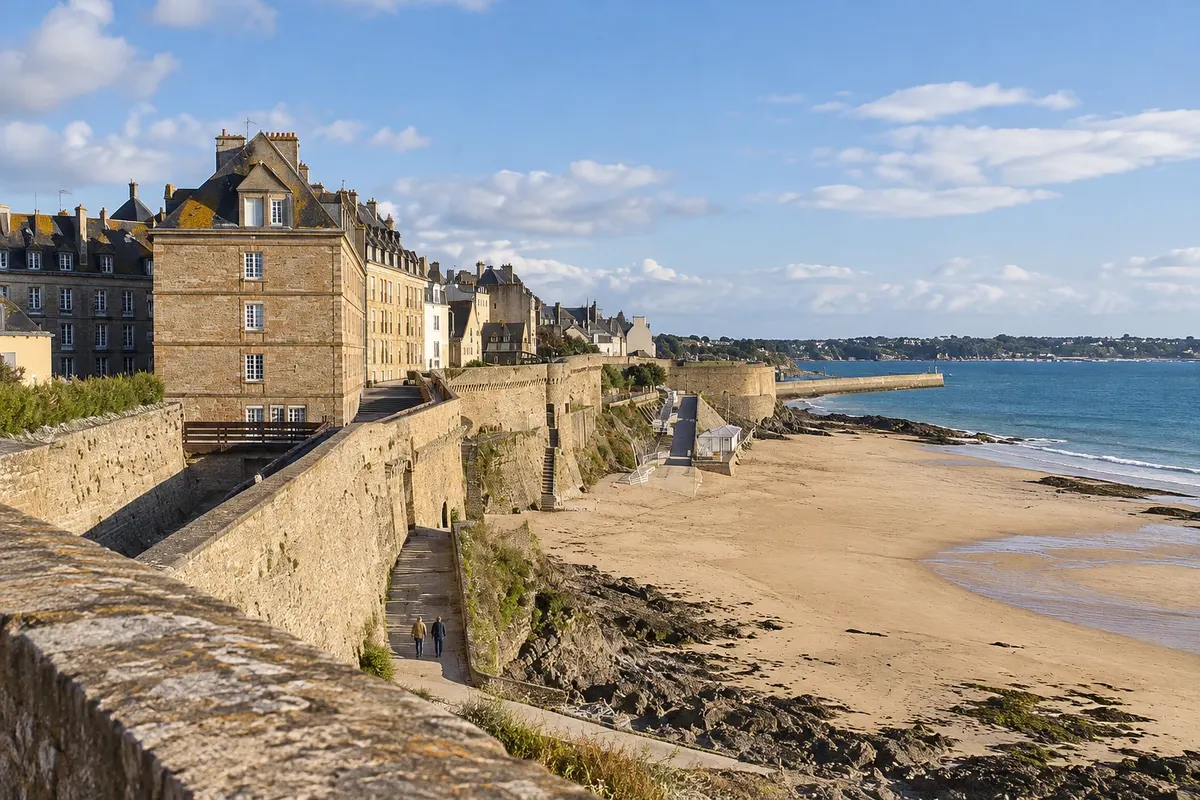
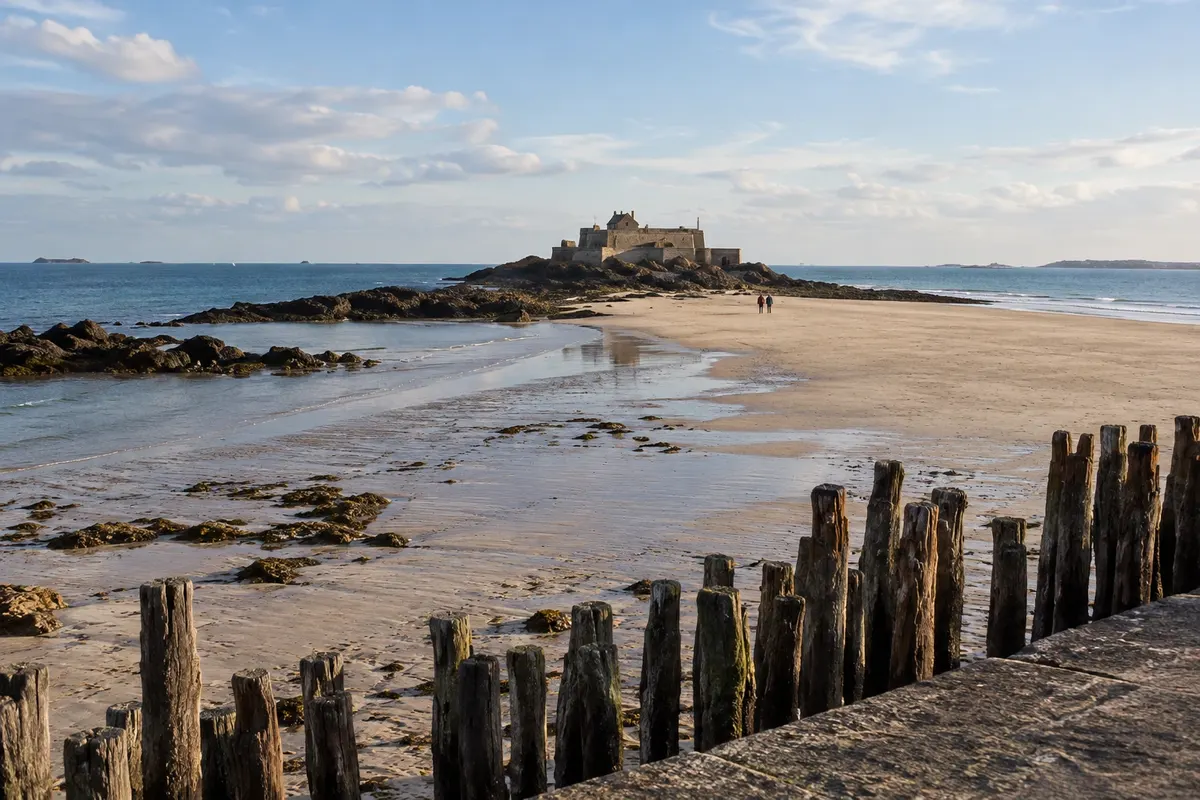
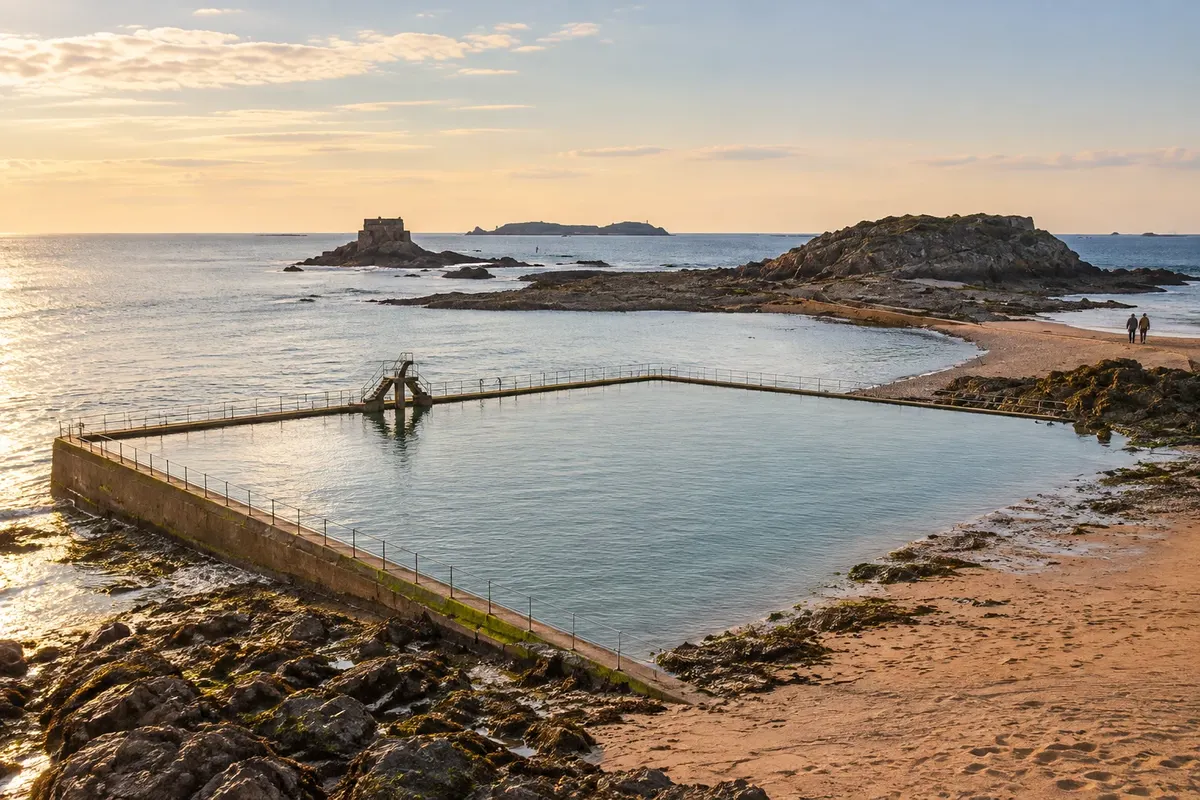
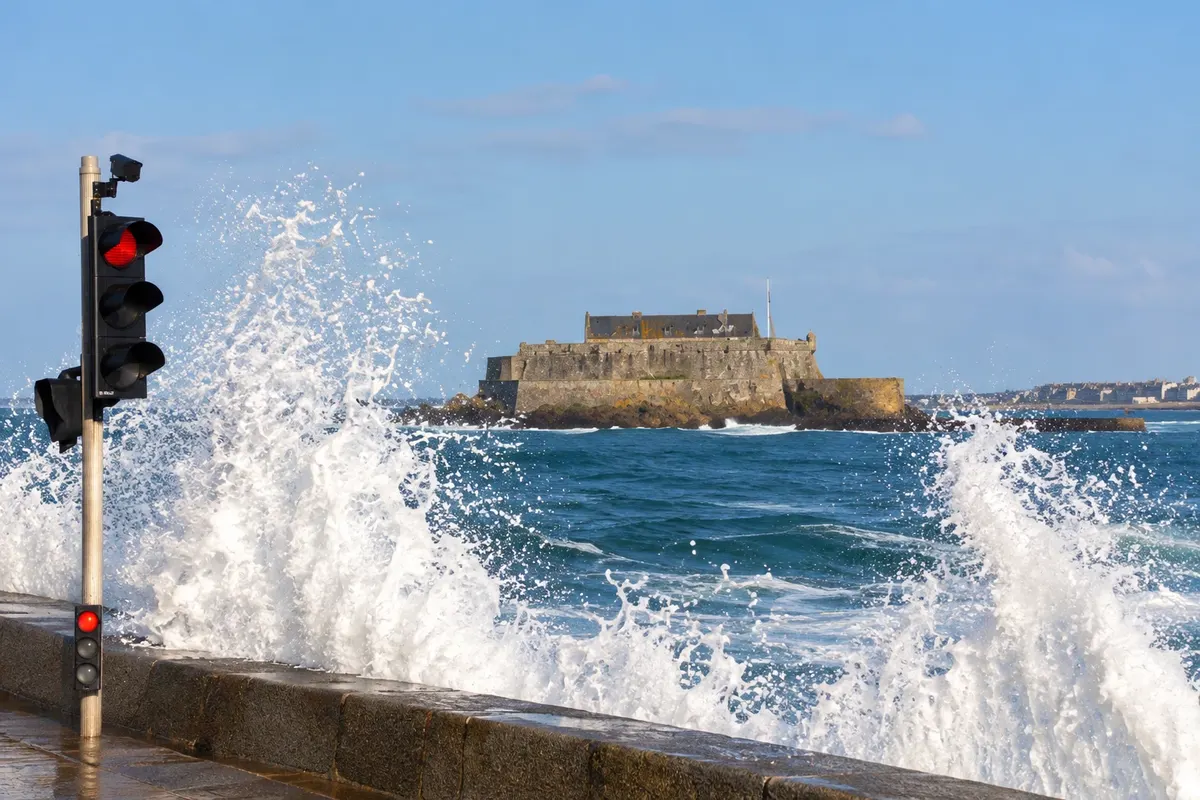
The bay of Saint-Malo has some of the largest tides in Europe. Between low tide and high tide, the sea level can change by more than 12 meters, and during most months, near full moon and new moon, there are high-coefficient tides; that coefficient is the number used in France to measure the tide's strength. The largest tides tend to occur near the equinoxes, in March and September. Along the beach, about 3,000 oak trunks driven into the sand serve as breakwaters. The Digue du Sillon, an almost 3 km promenade between Intra-Muros and Paramé, is flat and takes about 40 minutes to 1 hour to walk. A good vantage point is the walls on the Fort à la Reine side, facing Fort National. Large waves breaking over the walls depend on wind and swell as well as the coefficient, and do not happen on every spring tide.
Kraji na poti: Digue du Sillon, Plage du Sillon, Remparts de Saint-Malo, Fort National, Plage de l'Éventail.
Vključuje: Free walk, no ticket required.
Nasvet: Check the tide table at the tourist office and arrive a little before high tide. On a large-tide day with wind, watch from a distance and do not lean over the edge.
Najboljši čas za obisk: Spring tides occur in almost every month; the largest are usually in March and September. Check the coefficient calendar.
Pointe du Grouin and the GR 34 trail
Odhod: Cancale Car, summer bus or on foot via the coastal trail Približno 2 uri Dopoldne ali popoldne easy to moderate (trail with ascents)
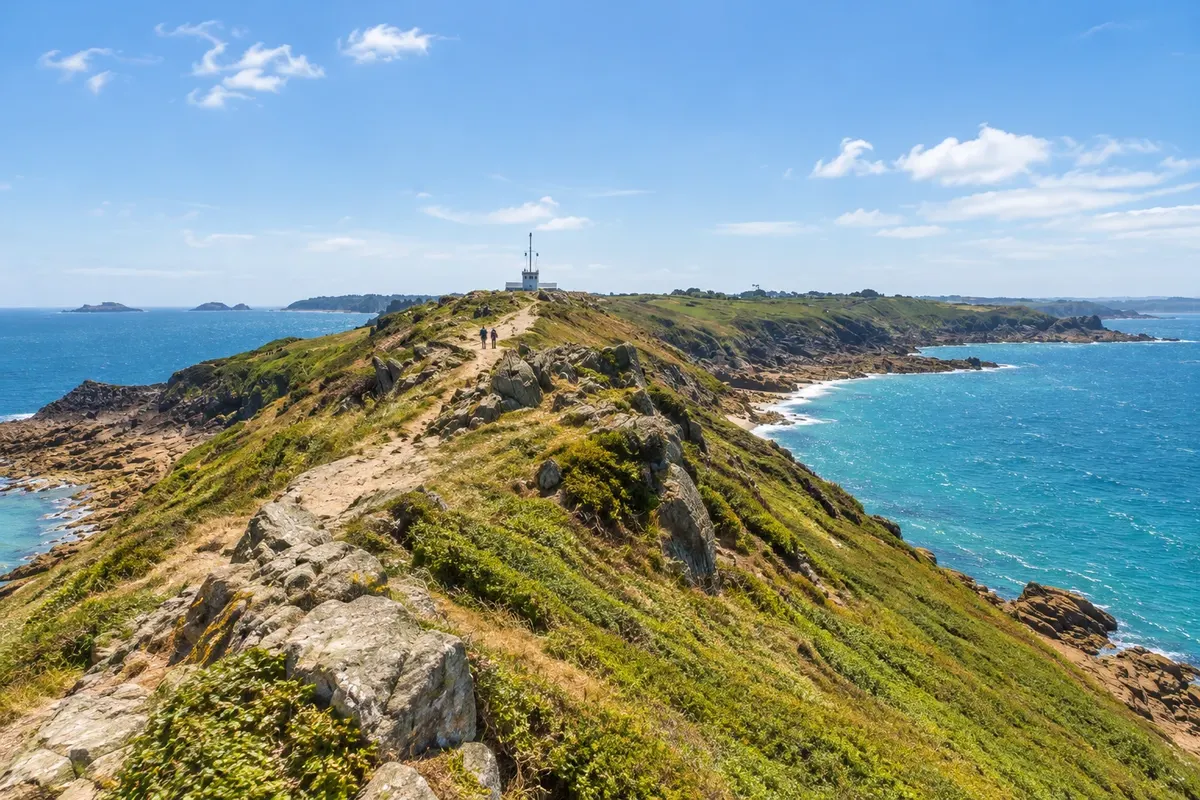
The Pointe du Grouin is the rocky promontory that juts furthest into the sea in the department of Ille-et-Vilaine, a few minutes from Cancale center. From the top the view stretches from Cap Fréhel on the left to the bay of Mont-Saint-Michel on the right; on the horizon you can see Mont-Saint-Michel, about 25 km away, and the Chausey islands. Opposite lies the Île des Landes, a protected island, called by locals the island of birds, with no access on foot. The Pointe du Grouin is the final stage of the GR 34, the coastal trail between Saint-Malo and Cancale, which is walked only on foot. From the point you can walk the trail to Port Mer, a family beach where boat trips depart, and continue to the Pointe du Chatry, along a rocky coast with low vegetation.
Kraji na poti: Pointe du Grouin, Île des Landes, GR 34, Port Mer, Pointe du Chatry.
Vključuje: Free access to the promontory and the trail.
Nasvet: Bring a jacket even in summer: the wind is often strong on the headland. Combine it with Cancale on the same day. In summer a bus line from Saint-Malo to Cancale stops at the headland; check the timetables.
Najboljši čas za obisk: From April to October, with longer days. On a day with good visibility, Mont-Saint-Michel appears on the horizon.
Parc du Thabor
Odhod: Rennes (Place Saint-Melaine) On foot, a few minutes from the center Približno 1 uro Dopoldne ali popoldne Lahko
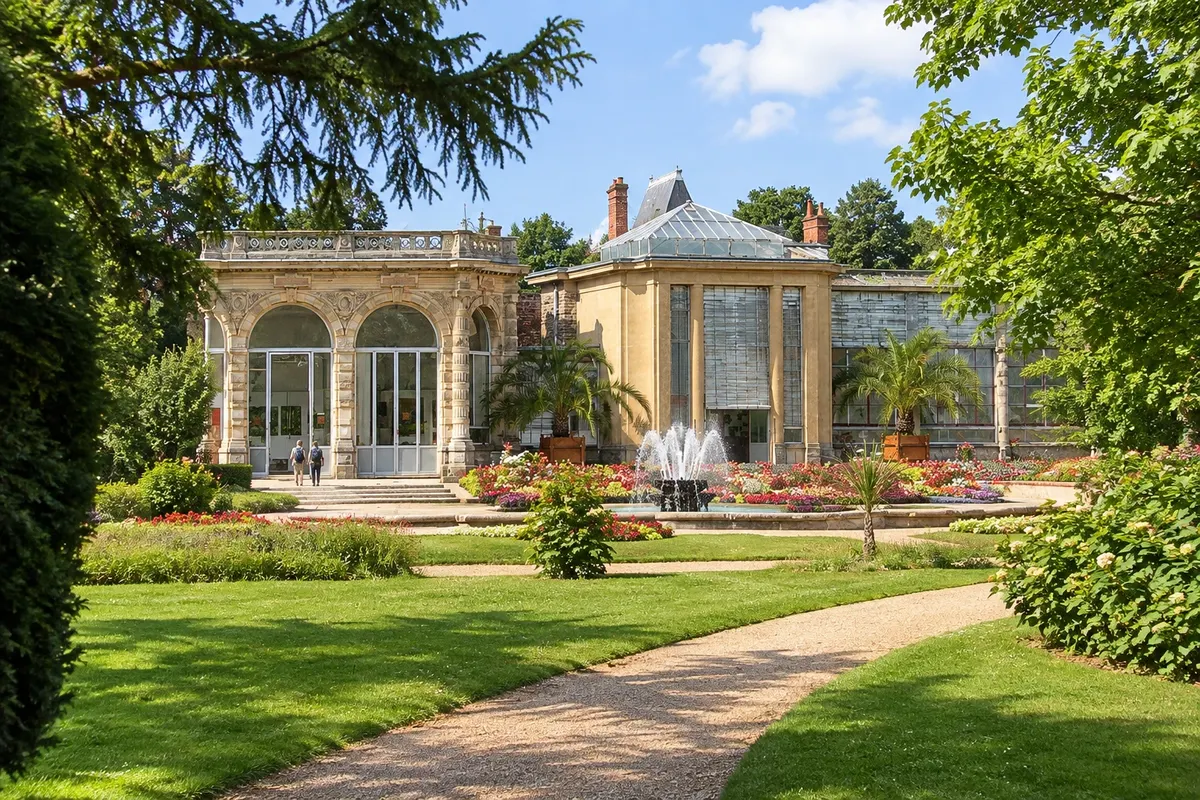
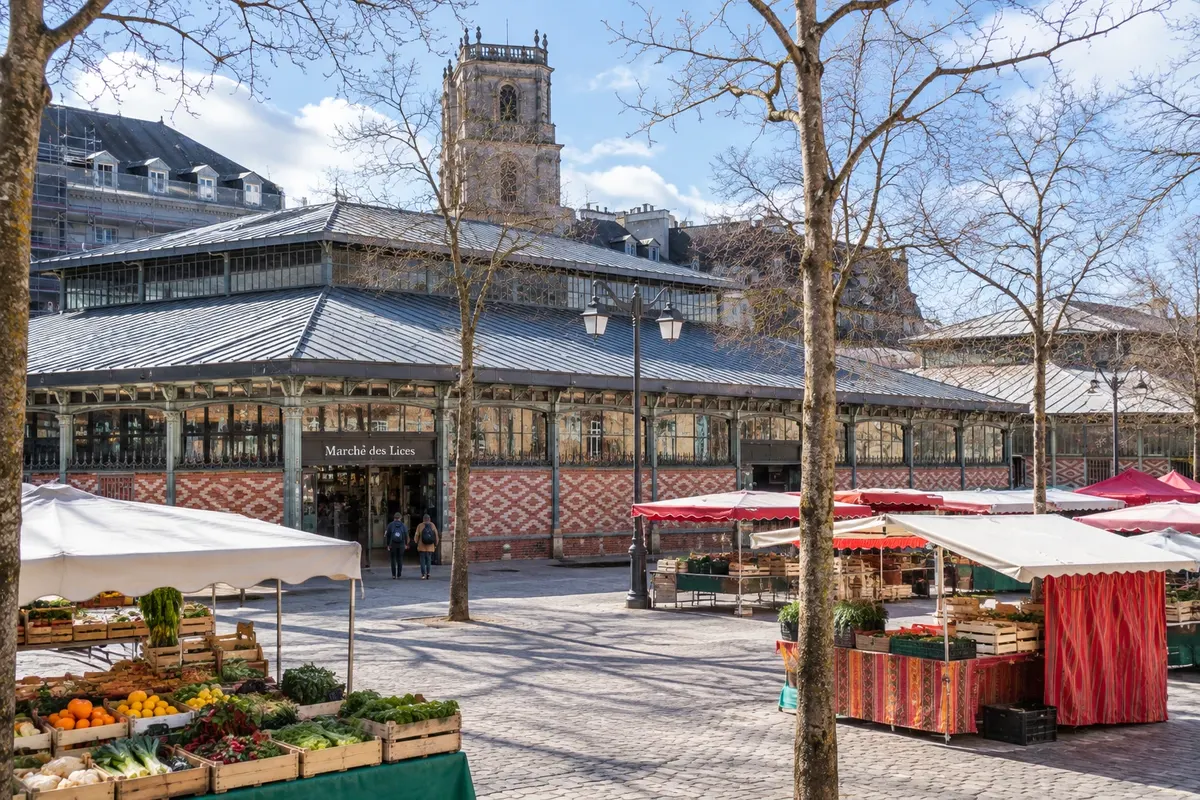
Thabor is the large central park of Rennes, nearly 10 hectares in size, just a few minutes' walk from the historic center. It occupies the former orchard of one of the city's oldest abbeys and was laid out as a park in the 19th century by Denis Bühler. It brings together a French formal garden with geometric beds; a landscaped garden with exotic species; a botanical garden; a rose garden; greenhouses; and an orangery. Along the way there are fountains, cascades, statues, a bandstand, and a bird aviary. It is where Rennes residents stroll on weekends and a pleasant break between the historic center and the museums.
Kraji na poti: Parc du Thabor, Roseraie du Thabor, Jardin botanique du Thabor.
Vključuje: Entrance is free.
Nasvet: Enter via Place Saint-Melaine and combine it with the historic center on the same day.
Najboljši čas za obisk: From spring to early autumn, April to September, with the rose garden in bloom in late spring and summer.
Les Champs Libres and Musée des Beaux-Arts de Rennes
Odhod: Rennes (near the train station) On foot or by metro Približno 3 ure Dopoldne ali popoldne Lahko
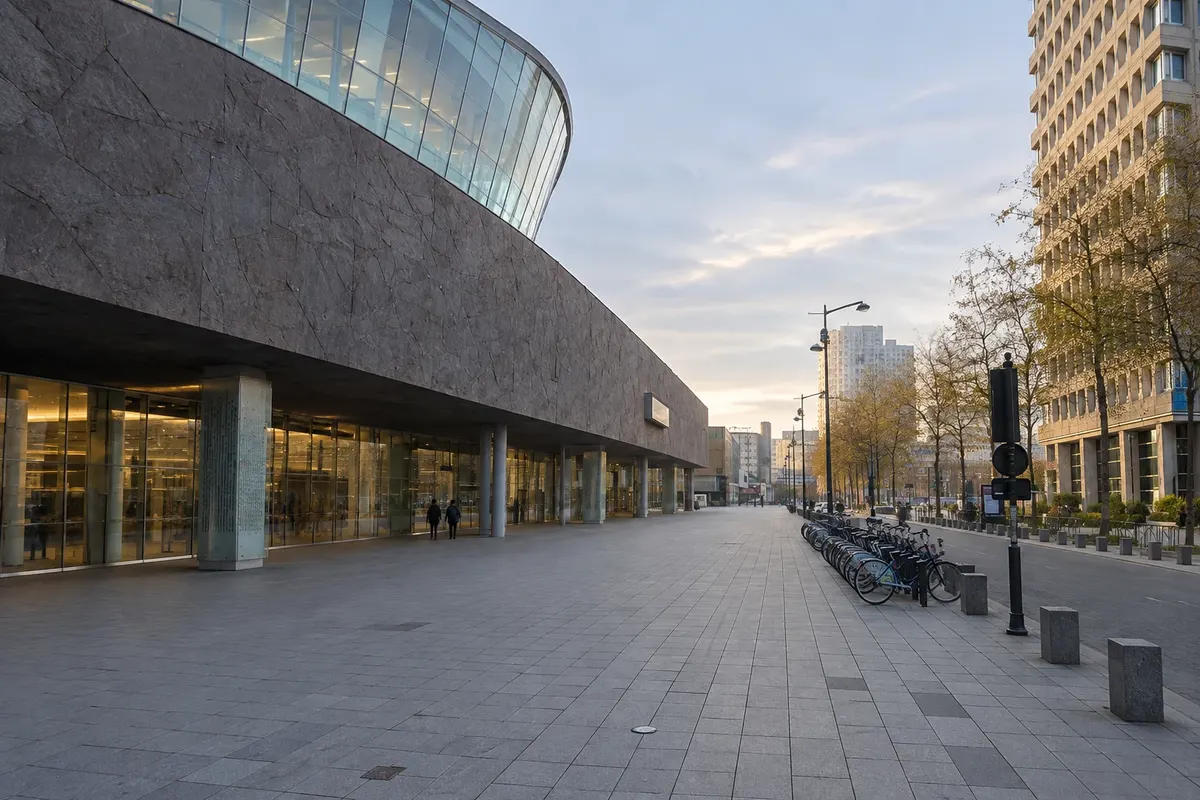
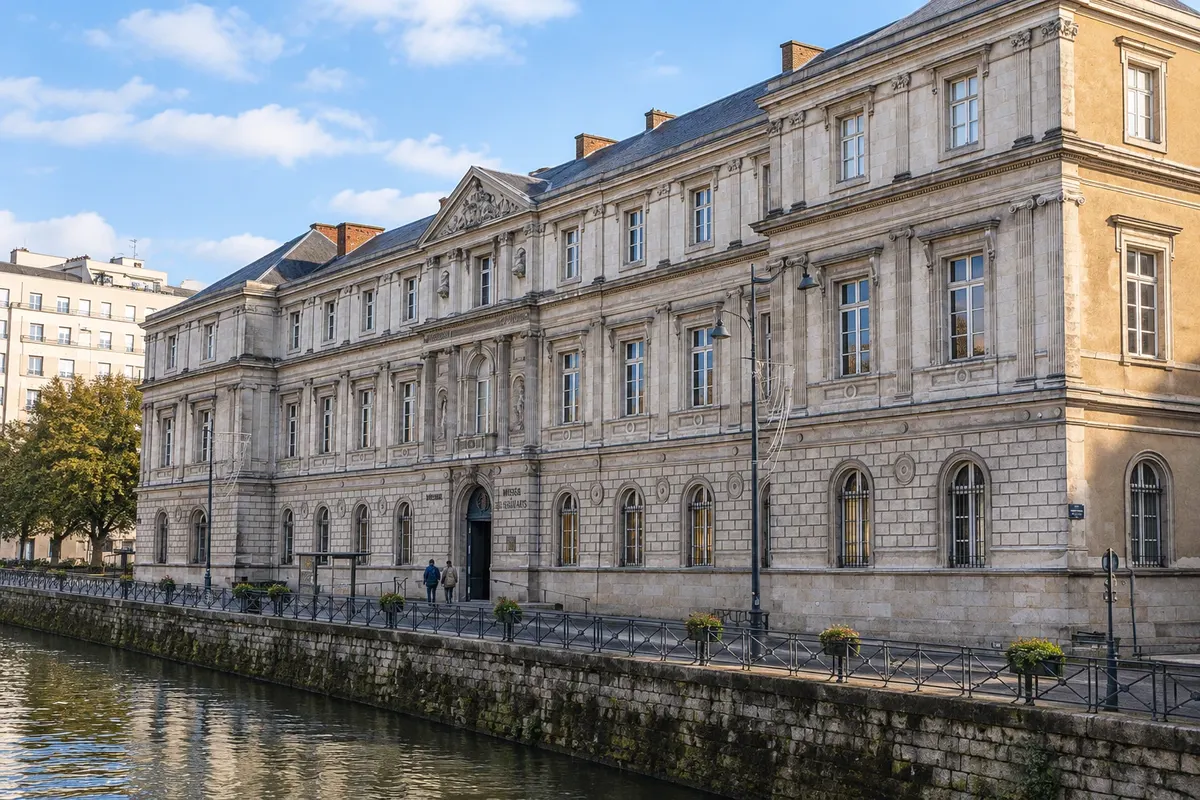
Les Champs Libres is Rennes’ cultural center, a 5-minute walk from the train station and close to the metro. It houses three institutions. Musée de Bretagne tells the region’s story, from early settlements to Breton culture, and holds one of the main public collections on the Dreyfus affair, whose second trial took place in Rennes. Espace des Sciences features a planetarium and science exhibits. The library hosts exhibitions and events. Musée des Beaux-Arts de Rennes, a few minutes away on the banks of the Vilaine River, has painting and sculpture collections spanning several centuries; the permanent display is free and temporary exhibitions require a ticket. Both are a good option for a rainy day in the city.
Kraji na poti: Les Champs Libres, Musée de Bretagne, Espace des Sciences, Musée des Beaux-Arts de Rennes.
Vključuje: Musée de Bretagne, Espace des Sciences and the planetarium require tickets, as do temporary exhibitions at Musée des Beaux-Arts. Check the current schedule.
Nasvet: Leave them for the end of your arrival or departure day, since they are near the station.
Najboljši čas za obisk: Year-round, especially on rainy days from October to February.
Cap Fréhel and Fort La Latte via the coastal trail
Odhod: Saint-Malo or Dinard Drive along the coast west of Dinard, or take a boat cruise. about 5 hours including the route Ves dan moderate (trail of 9 to 10 km)
Cap Fréhel is a headland of pink sandstone cliffs over 70 meters high, surrounded by heathland that turns yellow with gorse in spring and purple with blooming heath in summer. Seabirds nest on the cliffs, such as gulls, gannets and razorbills; the Réserve de la Fauconnière, at the tip of the cape, is the observation point, and binoculars help. The lighthouse, dating from 1950, can be climbed part of the year. East of the cape lies Fort La Latte, a castle-fortress on a rock by the sea, a privately owned historic monument, with a drawbridge, keep tower and coastal views. The GR 34 trail, the old customs officers’ path, links the two: the round trip between the fort and the cape is 9 to 10 km and takes a little over 2 hours 30 minutes with stops. Another way to see the site is the guided cruise by Compagnie Corsaire, departing from Saint-Malo and Dinard, about 2 hours 30 minutes, passing by the cape and the fort at sea.
Kraji na poti: Cap Fréhel, Phare du Cap Fréhel, Fort La Latte, GR 34, Réserve de la Fauconnière.
Vključuje: The trail is free. Fort La Latte sells tickets only on site, parking at Cap Fréhel is paid, and the lighthouse climb and the cruise are also charged. Check current fares.
Nasvet: Park at Fort La Latte, visit the fort and follow the trail on foot to the cape. In the morning the sun is behind you and lights the lighthouse.
Najboljši čas za obisk: From April to October. Fort La Latte usually opens from February to mid-November; the cruise runs from April to the end of October.
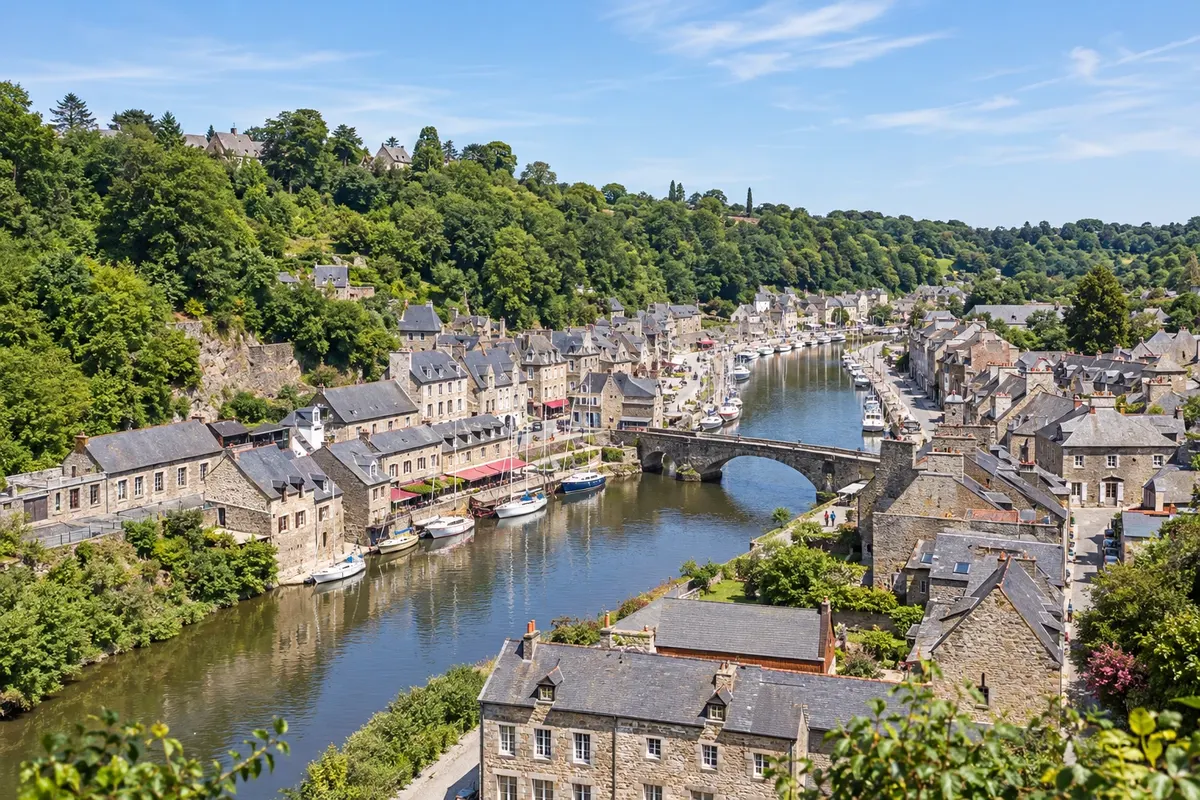
Vitré: medieval castle and old streets
Odhod: Rennes TER from Rennes, from 20 minutes about 4 hours including travel Dopoldne ali popoldne Lahko
Vitré lies east of Rennes, near the border of Bretagne with the neighboring region, and is reached by TER in 20 minutes on the fastest trains, with frequent departures. The historic center is a 5-minute walk from the station. The Château de Vitré, rebuilt between the 13th and 15th centuries as a fortress, features a wooden drawbridge, loopholes and towers, and overlooks the Vilaine River and the old town; the visit includes three towers and eight rooms. Rue de la Baudrairie, paved with stone, has old merchant houses and independent shops. Église Notre-Dame, Gothic, rebuilt in the 15th and 16th centuries, has frescoes, vaults, side chapels and a south façade with seven pediments. It’s a half-day round trip from Rennes.
Kraji na poti: Vitré, Château de Vitré, Rue de la Baudrairie, Église Notre-Dame de Vitré.
Vključuje: The walk around the town is free of charge. The castle requires an entrance fee; check the current price list.
Nasvet: Go in the morning, visit the castle first and have lunch in town before returning to Rennes.
Najboljši čas za obisk: Vse leto; od aprila do oktobra so dnevi daljši.
Brocéliande Forest and the legends of King Arthur
Odhod: Rennes Car, about 40 km west of Rennes about 6 hours including travel Ves dan easy to moderate (forest trails)
The Forêt de Brocéliande, also called the forest of Paimpont, is about 40 km from Rennes and covers more than 7,500 hectares. It is linked to the legends of King Arthur, Merlin and the fairy Viviane, and sites in the forest bear names from those stories. The Val sans Retour, a closed valley near Tréhorenteuc, is the easiest starting point; the legend says unfaithful lovers were trapped there. Along the way is the Arbre d'Or, a golden tree placed by local artists in memory of a fire that affected the area. The Fontaine de Barenton is the spring where, according to legend, pouring water over a flat stone makes it rain, and where Viviane supposedly met Merlin. The Tombeau de Merlin is actually a Neolithic dolmen of three stone blocks, where visitors leave notes. The sites are a few minutes' drive from each other, connected by short trails.
Kraji na poti: Forêt de Brocéliande, Paimpont, Val sans Retour, Arbre d'Or, Fontaine de Barenton, Tombeau de Merlin, Tréhorenteuc.
Vključuje: Sites in the forest are not charged. Parking and any guided tours may be paid separately.
Nasvet: Go by car: without it it's difficult to link the sites. Start at the Val sans Retour and wear hiking footwear, because the ground is wet for much of the year.
Najboljši čas za obisk: From April to October. In autumn, the forest changes color.
Grand Aquarium Saint-Malo
Odhod: Saint-Malo Car or local bus from the center Približno 2 uri Dopoldne ali popoldne Lahko
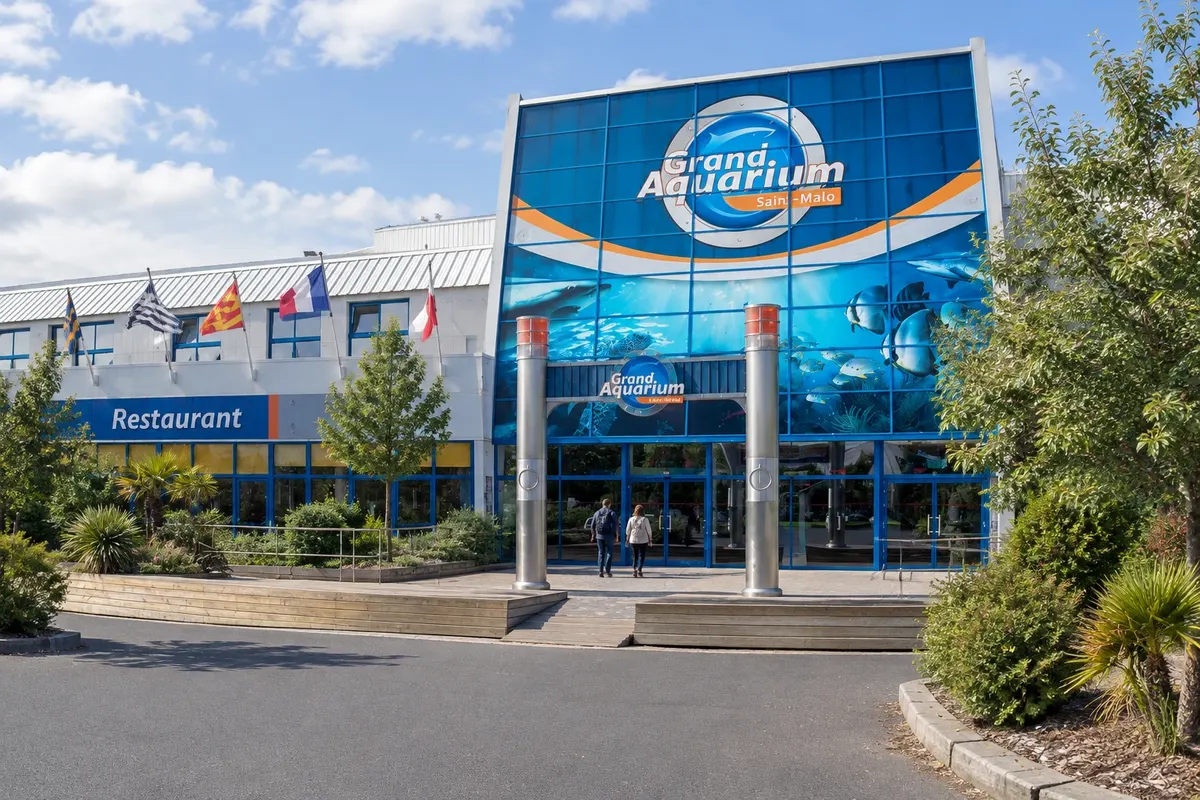
The Grand Aquarium Saint-Malo is located at the entrance to the city, a few kilometers from Intra-Muros. It houses more than 600 marine species and over 10,000 fish, from piranhas to barracudas, as well as sharks, sea turtles, jellyfish, seahorses and giant spider crabs from Japan. The central attraction is the Anneau des mers, a 360-degree circular aquarium that surrounds the visitor, with sharks and turtles. The Nautibus is a small route simulating a submarine, passing in front of a large tank. The visit takes about 2 hours and is a good option for children and for rainy days.
Kraji na poti: Grand Aquarium Saint-Malo, Anneau des mers, Nautibus.
Vključuje: Paid ticket; it is recommended to reserve a time. Check the current schedule.
Nasvet: Book a time slot in advance during French school holidays and on rainy days in summer.
Najboljši čas za obisk: The aquarium is open for much of the year, with periods and hours that change; check the calendar before you go.


 Brazilija
 Antarktika
 Argentina
 Bolivija
 Čile
 Kolumbija
 Ekvator
 Gvajana
 Francoska Gvajana
 Falklandski otoki (Malvini)
 Paragvaj
 Peru
 Surinam
 Urugvaj
 Venezuela
 Nemčija
 Avstrija
 Belgija
 Hrvaška
 Danska
 Slovaška
 Slovenija
 Španija
 Finska
 Grčija
 Nizozemska
 Madžarska
 Irska
 Islandija
 Italija
 Luksemburg
 Norveška
 Poljska
 Portugalska
 Združeno kraljestvo
 Češka
 Švedska
 Švica
 Turčija
 Bermudi
 Kanada
 Združene države Amerike
 Grenlandija
 Mehika
 Sveta Peter in Mihael
 Dominikanska republika
 Japonska
 Južnoafriška republika
 Egipt
 Avstralija
 Fidži
 Nova Zelandija
 Papua Nova Gvineja