Slovak Karst

Košice · Slovaška

Slovak Karst

Limestone plateaus with UNESCO caves, such as Domica, Gombasek and the Ochtiná aragonite cave, the Zádiel Gorge and the Andrássy manor in Betliar, from Rožňava.

The Tatras and Eastern Slovakia

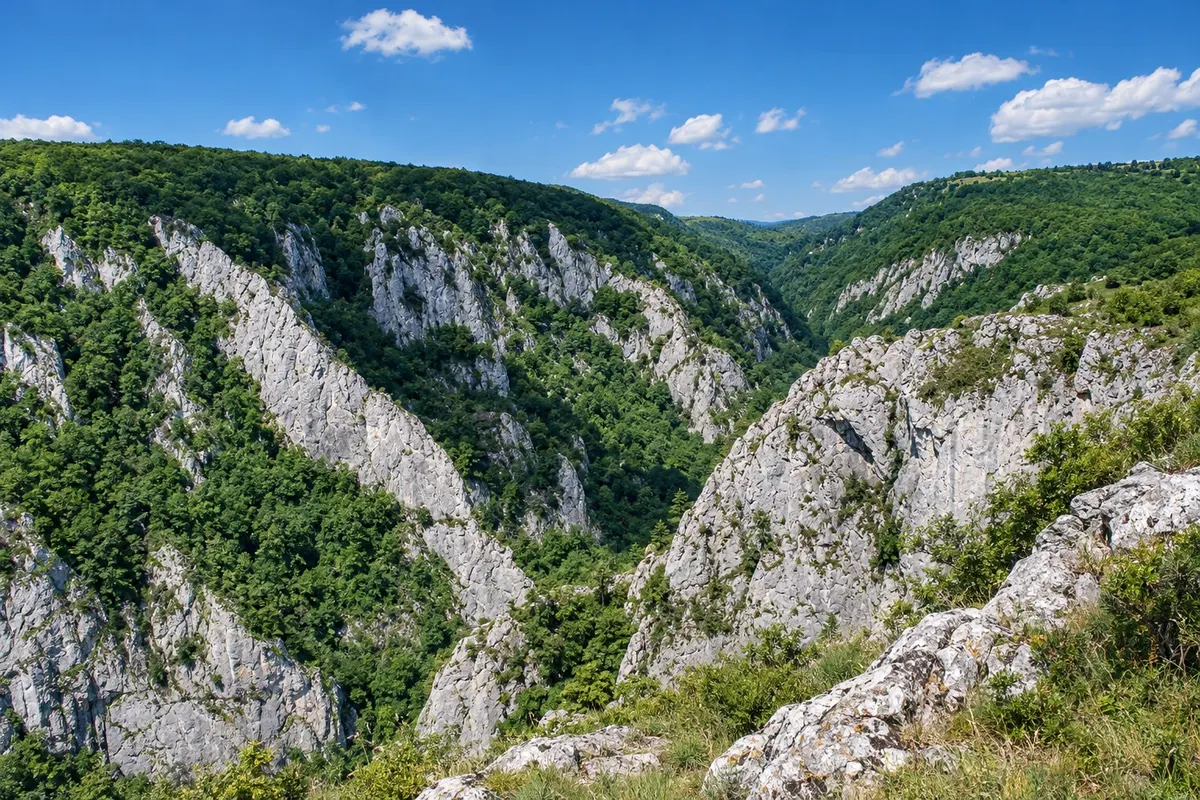
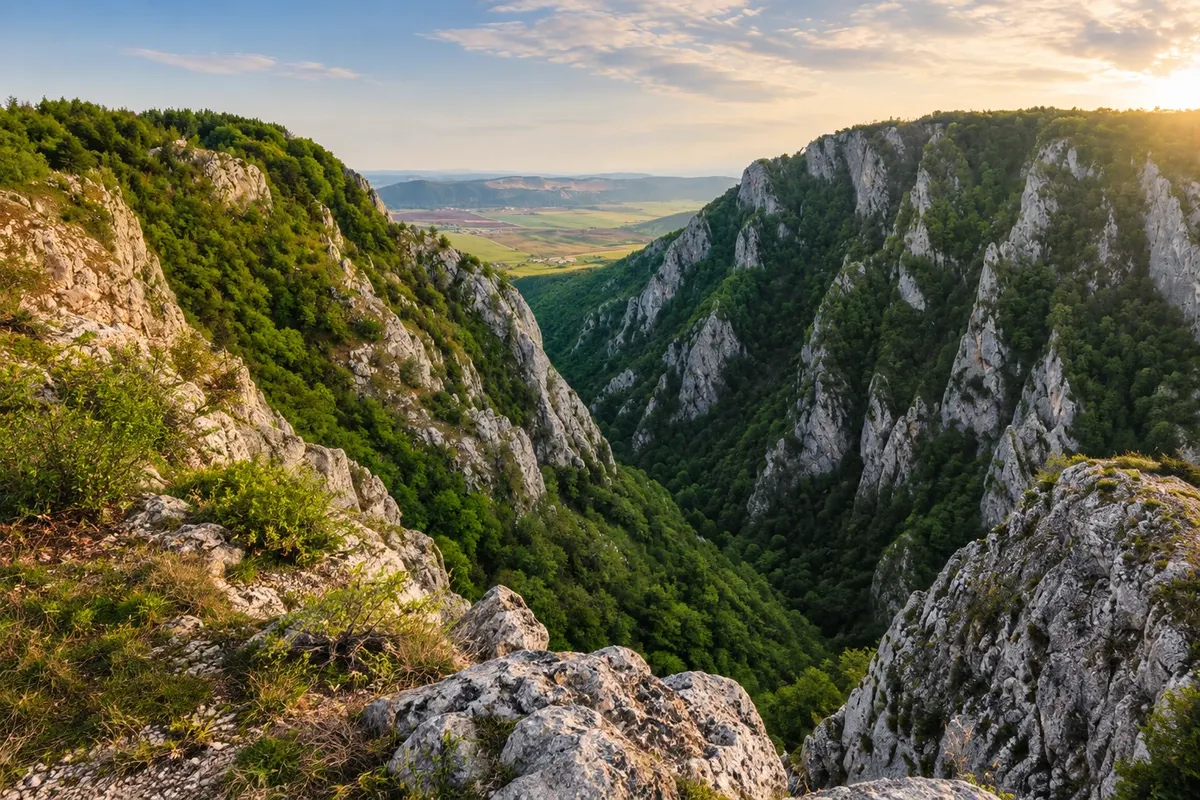
Na fotografiji: Karst landscape of the Zádiel Gorge

Illustrative images. The pictures in this guide are illustrations based on the real place, not photographs, and may differ from it.

Na voljo v trgovini Google Play Pošljite svoje fotografije

Spoznajte kraj

Pokrajina, ki jo doživite
v svojem ritmu.

The Slovak Karst (Slovenský kras) is a limestone plateau region in the south of the country, along the border with Hungary, between Rožňava and Košice. Water has carved deep valleys, sinkholes and many caves here, and the area forms a national park. On the other side of the border, the karst continues in Hungary’s Aggtelek park, and the caves on both sides were inscribed together on the UNESCO World Heritage List in 1995.

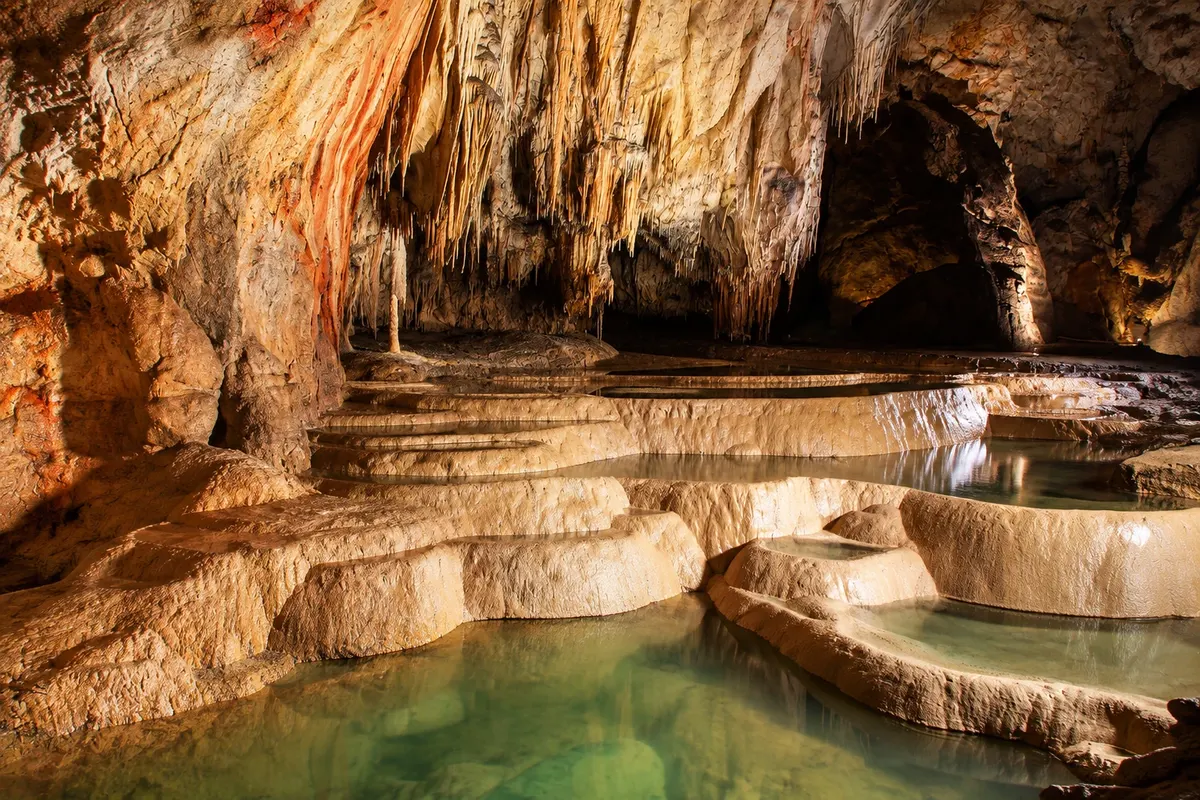
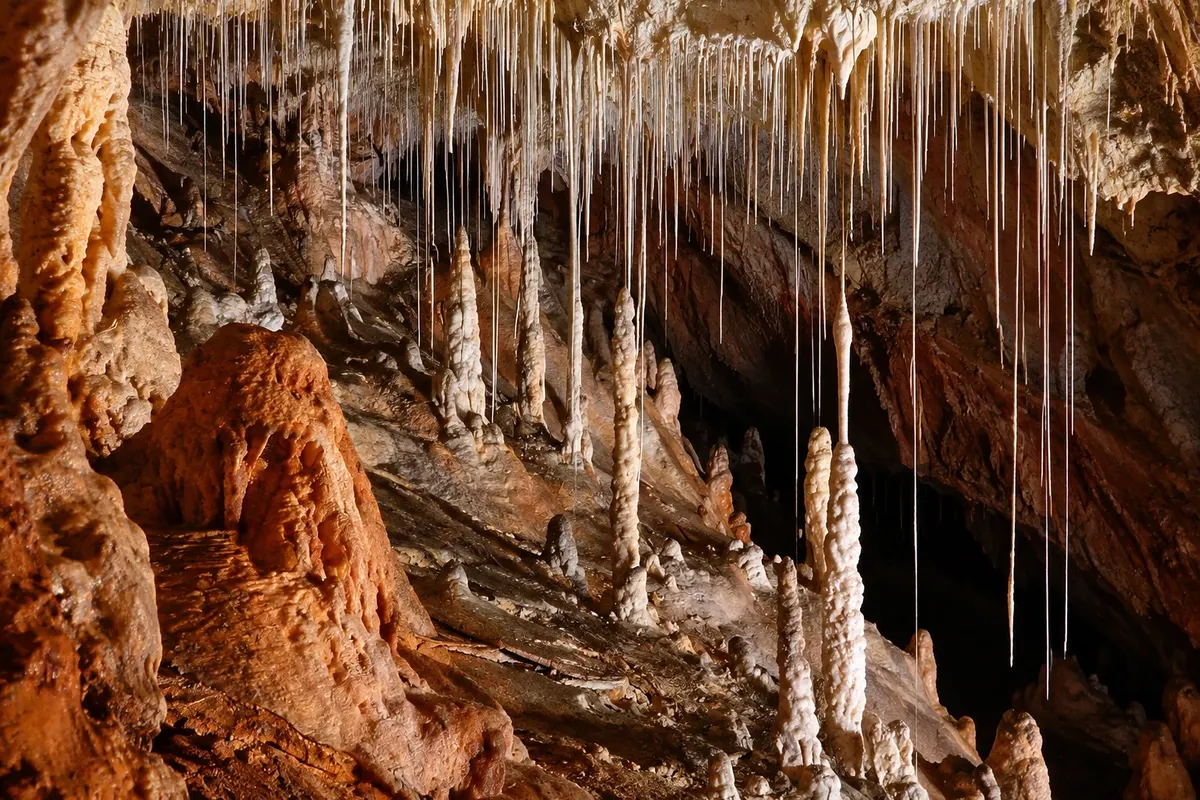
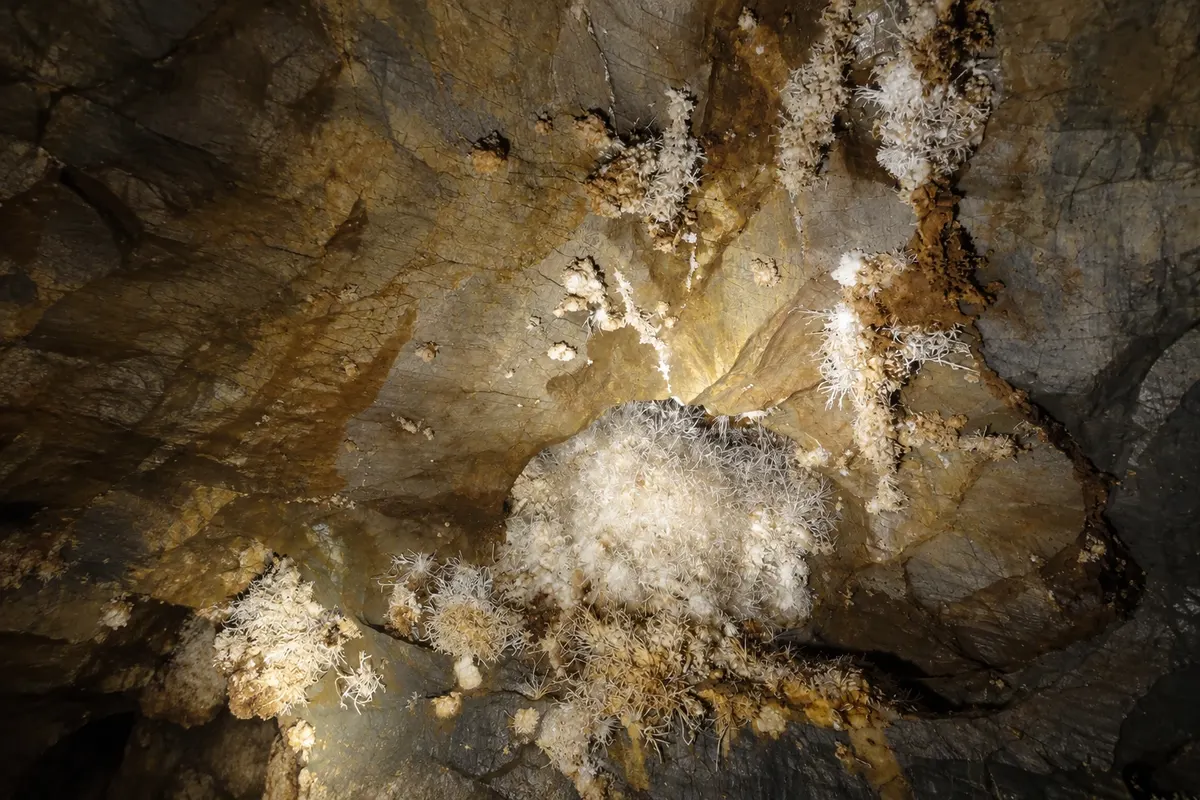
Three show caves open to visitors demonstrate how different each cave is. Domica, the largest cave of the Slovak Karst, connects beneath the border to Hungary’s Baradla system and contains an underground river, the Styx. In Gombasek, the ceiling is covered with thin straw-like stalactites up to 3 m long. The Ochtiná cave, already in the nearby mountains, is a rarity, lined with aragonite crystals.

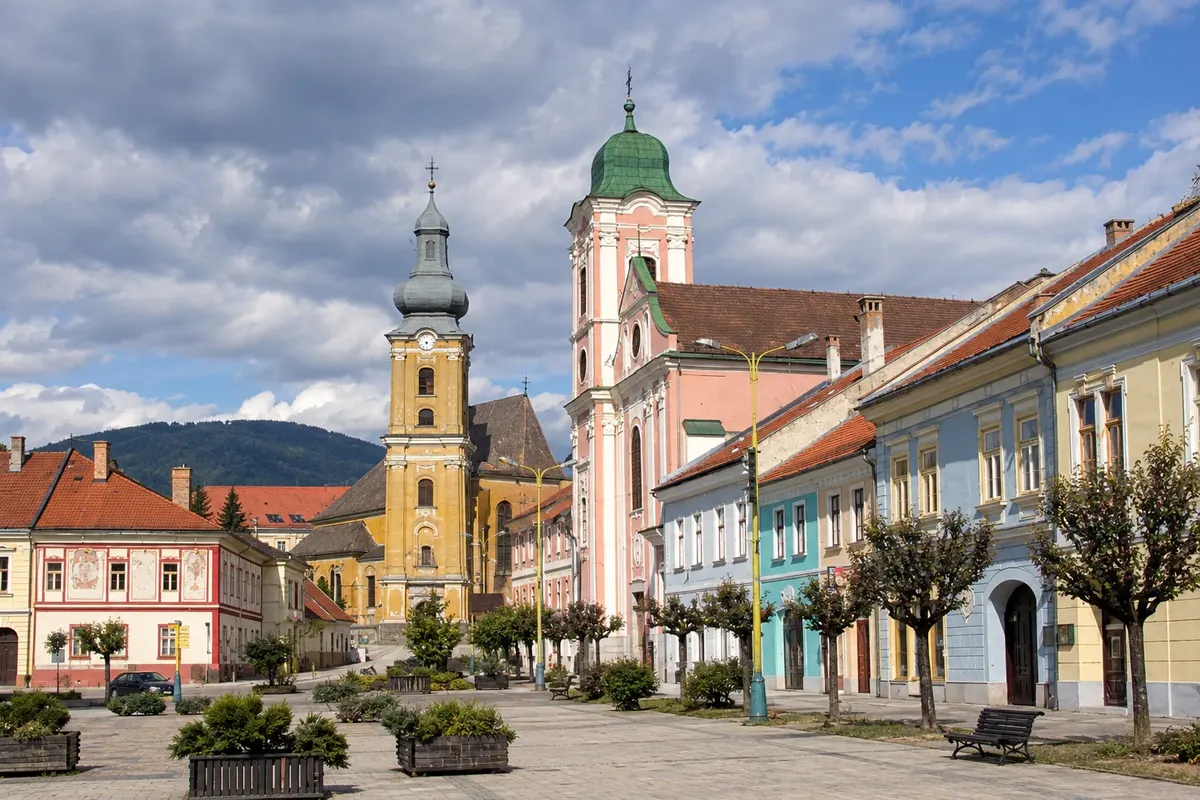
On the surface, the Zádiel Gorge cuts the plateau with high cliffs and an isolated stone tower in the middle of the valley, the Cukrová homoľa. Rožňava, the arrival town, was a mining center for gold, silver and iron and preserves a medieval square, a Renaissance watchtower and a Gothic cathedral.

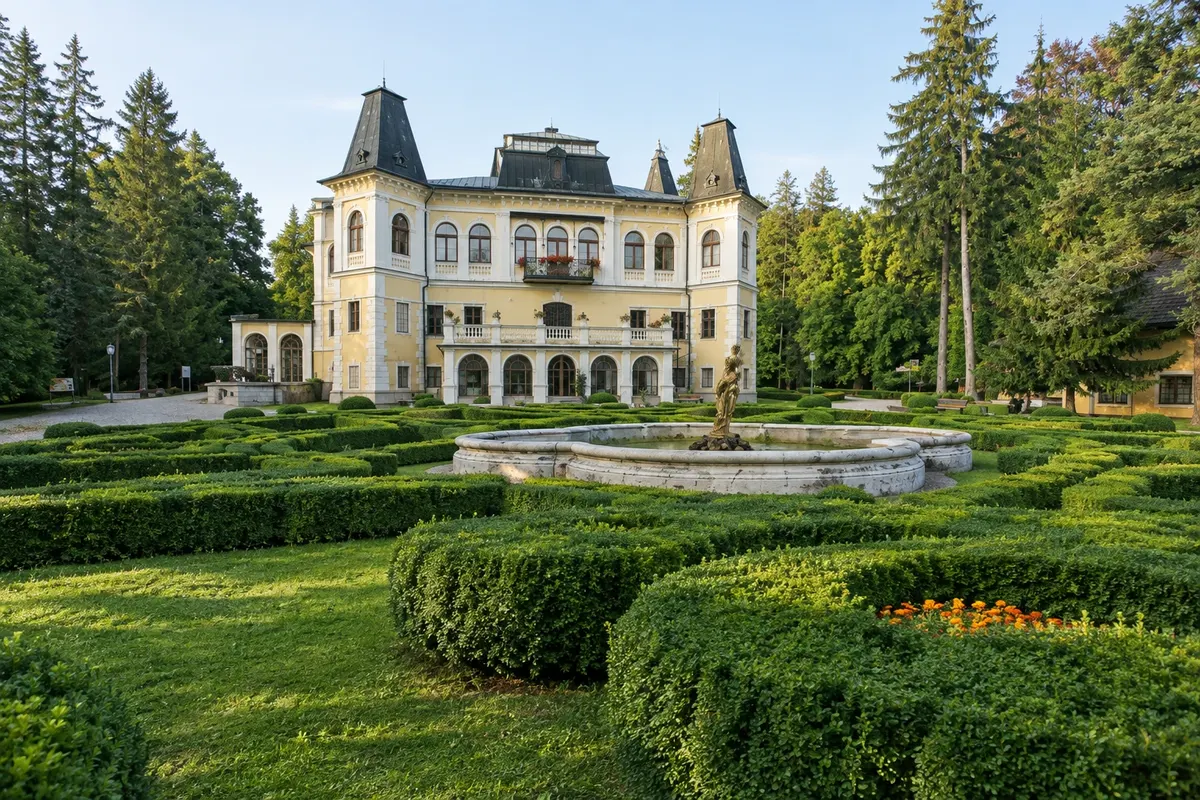
A few kilometres away, the Betliar manor houses the furniture and collections of the Andrássy family, set in one of the country’s largest historic parks.

This destination brings together 1 city: Rožňava.

Delite: WhatsApp
Delite svoja popotniška doživetja s fotografijami Pošljite fotografije vsakega kraja, ki ste ga obiskali. Največje število fotografij na kraj: 5.

Ena destinacija, več poti

Mesta na tej poti

Začnite v enem mestu ali v načrt poti vključite več mest.

Slovak Karst – lega
Rožňava

Meje: geoBoundaries (dados do OpenStreetMap, licença ODbL). Priredba: Cidade Turismo.

Kako do tja:Slovak Karst

✈ Letisko Košice – Košice International Airport (KSC), kraj: Košice· 75 km do cilja (Rožňava)

Rožňava is about 70 km from Košice, with regional buses and trains. Košice Airport is the nearest, with flights from Vienna, Warsaw and Prague. The caves and the gorge are outside the town and are easier to reach by car.

Doživite kraj

Kaj početi – Slovak Karst

Watchtower in Rožňava
Rožňava · Košice · Tower

Watchtower in Rožňava

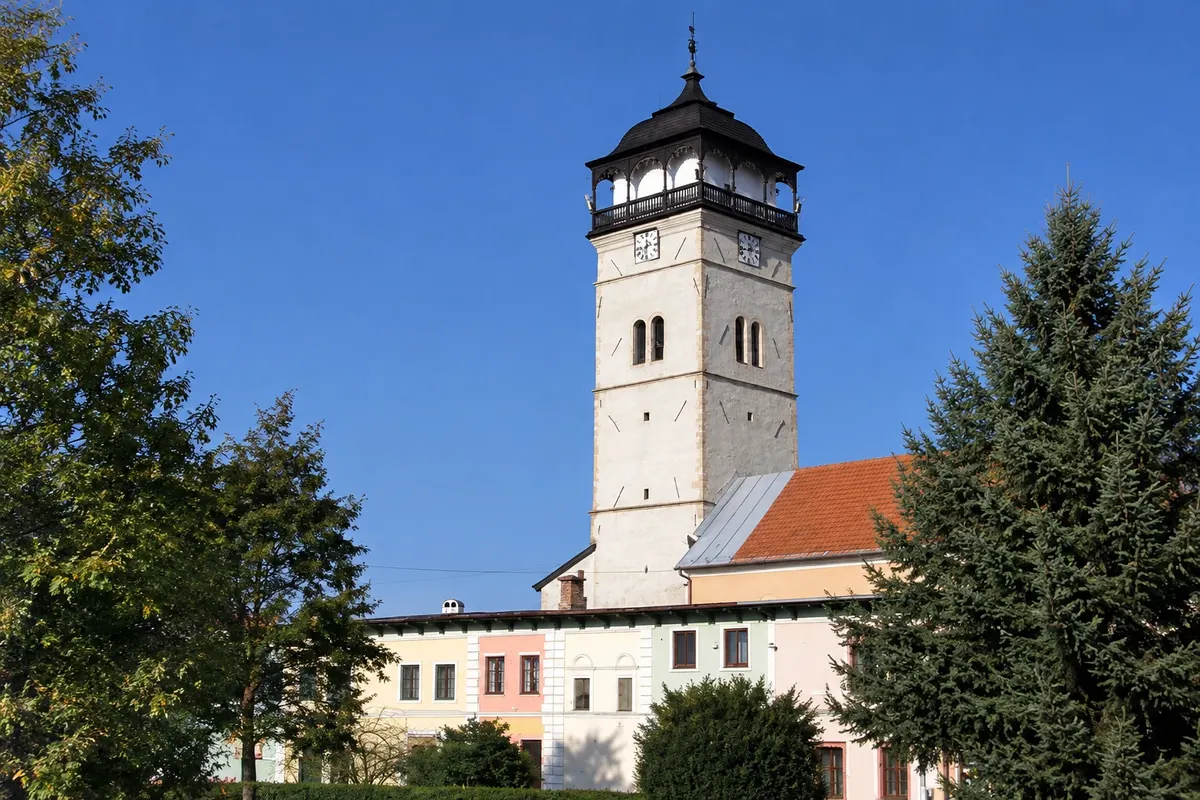
Renaissance watchtower in the middle of Rožňava’s square, built in the 17th century as an observation post during the Ottoman threat. A staircase of 144 steps leads to the gallery, with views over the town and the Slaná valley.

Cathedral of the Assumption of Rožňava
Rožňava · Košice · Stolnica

Cathedral of the Assumption of Rožňava

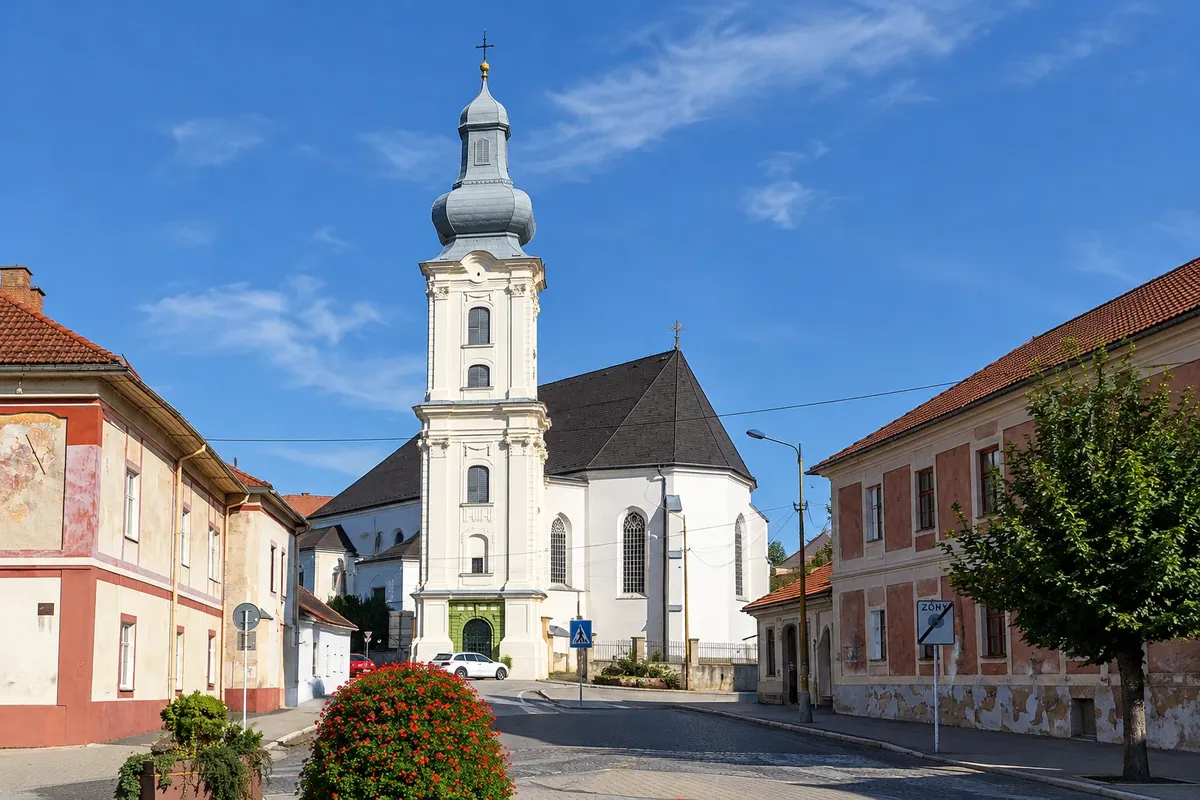
A late 13th-century Gothic church, cathedral since 1776. It houses the 1513 Saint Anne panel, the Metercia of Rožňava, with mining scenes considered the oldest depiction of mine work in Central Europe.

Betliar Manor House
Rožňava · Košice · Palace

Betliar Manor House

A hunting residence of the Andrássy family with four corner towers, preserved with its original furniture and collections. The library dates to 1790, and the 57-hectare English park is one of the largest historic parks in the country.

Domica Cave
Rožňava · Košice · Jama

Domica Cave

The largest cave of the Slovak Karst, a UNESCO World Heritage site, connected beneath the border to Hungary’s Baradla system. It has large chambers, terraced lakes, pagoda-shaped stalagmites and the underground Styx River.

Slovak Karst – prikaži dodatne kraje (3)
Gombasek Cave
Rožňava · Košice · Jama

Gombasek Cave

UNESCO World Heritage cave on the Silica Plateau, known for hair‑thin, straw‑like stalactites 2 to 3 millimeters thick and up to 3 m long that cover the ceiling of some chambers.

Ochtina Aragonite Cave
Rožňava · Košice · Jama

Ochtina Aragonite Cave

A rare cave decorated by aragonite crystals in the form of needles, spirals and coral‑like masses, discovered in 1954 in the mountains west of Rožňava. It is part of the UNESCO World Heritage Site.

Zádiel Gorge
Rožňava · Košice · Gorge

Zádiel Gorge

A gorge of about 4 km carved into the plateau by the Blatný stream, with limestone walls up to 300 m high and the Cukrová homoľa, a 105 m stone tower. An educational trail starts from the village of Zádiel.

Pred odhodom

Praktične informacije

Z nekaj načrtovanja boste imeli več časa za uživanje na poti.

Kdaj se odpraviti

From late spring to early autumn. The caves operate seasonally, and most are open from May to September; Domica has the longest season, from February to December. Inside the caves it is about 10 °C year-round. Summer is the best time for hikes in the Zádiel Gorge.

The seasons shown are the most usual ones; nature doesn't always follow the calendar.

Koliko dni ostati

Two days allow seeing Rožňava, the Betliar manor and two caves. With three days you can add the third cave and a walk through the Zádiel Gorge. If you have little time, you can do Betliar and Domica in a day from Košice.

V katerem mestu prenočiti

Rožňava is the most practical base, with accommodation in the centre and near the square. Betliar and the villages in the Slaná valley have guesthouses and a campsite, and are quieter. Those who prefer a larger city can stay in Košice and do day trips.

Spoštujte kraj

Odnesite svoje odpadke, upoštevajte oznake in podprite lokalne ponudnike. V naravi upoštevajte navodila za obiskovalce.

Odgovori na vaša vprašanja

Pogosta vprašanja – Slovak Karst

How many days to plan for the Slovak Karst?

Two days for Rožňava, Betliar and two caves; three days to include the third cave and the Zádiel Gorge.

Do you need a car in the Slovak Karst?

It’s the most practical option. The caves, the Betliar manor and the gorge are spread out from Rožňava, and buses to them are infrequent.

Which caves in the Slovak Karst can be visited?

Domica, Gombasek and the Ochtiná aragonite cave, the three on the UNESCO World Heritage List, with guided visits in season.

What is the temperature inside the Slovak Karst caves?

About 10 °C year-round, with high humidity. Bring a jacket and closed shoes, even in summer.

Can you visit the Slovak Karst from Košice?

Yes. Rožňava is about 70 km away, and by car it’s possible to see Betliar and one cave in a day.

Odkrijte druge destinacije Iskanje po zvezni državi in mestu

Več kot vodnik