Salta and Cafayate

Salta · Argentina

Salta and Cafayate

Museums and churches in Salta, high-altitude wine in Cafayate, and the village of Cachi among the Valles Calchaquíes.

North

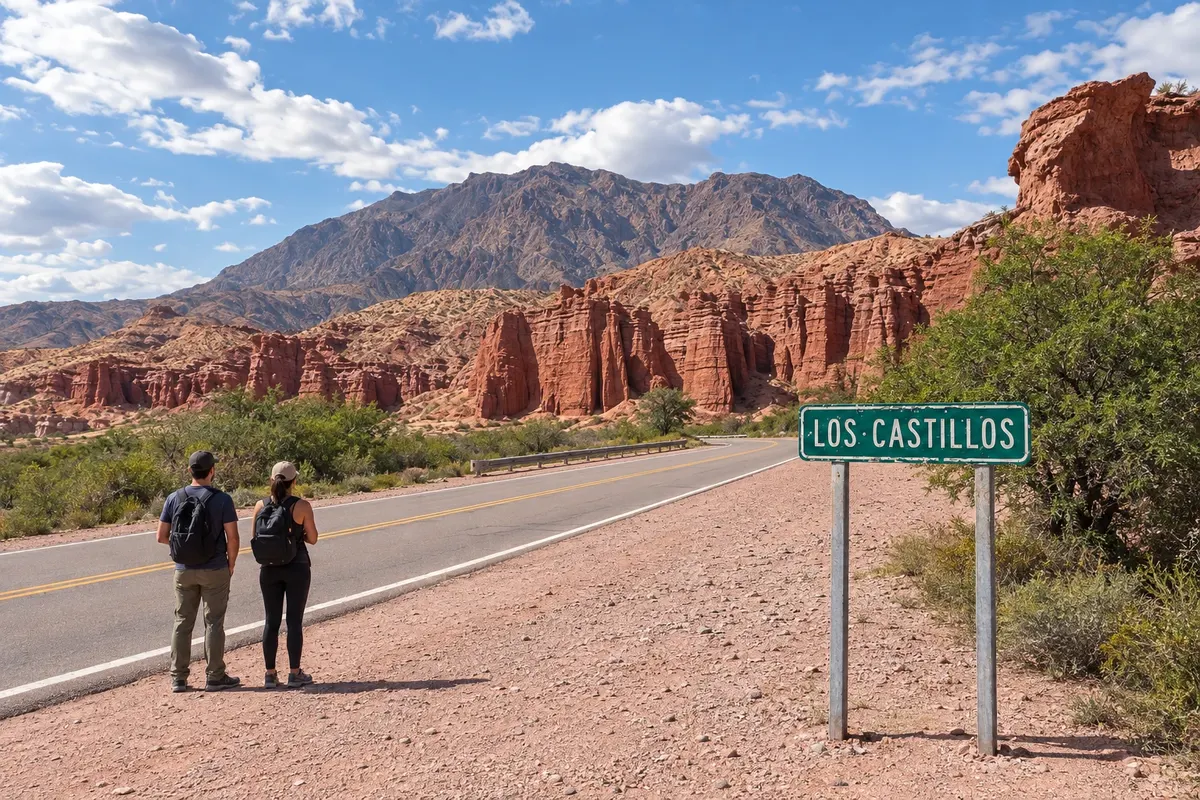
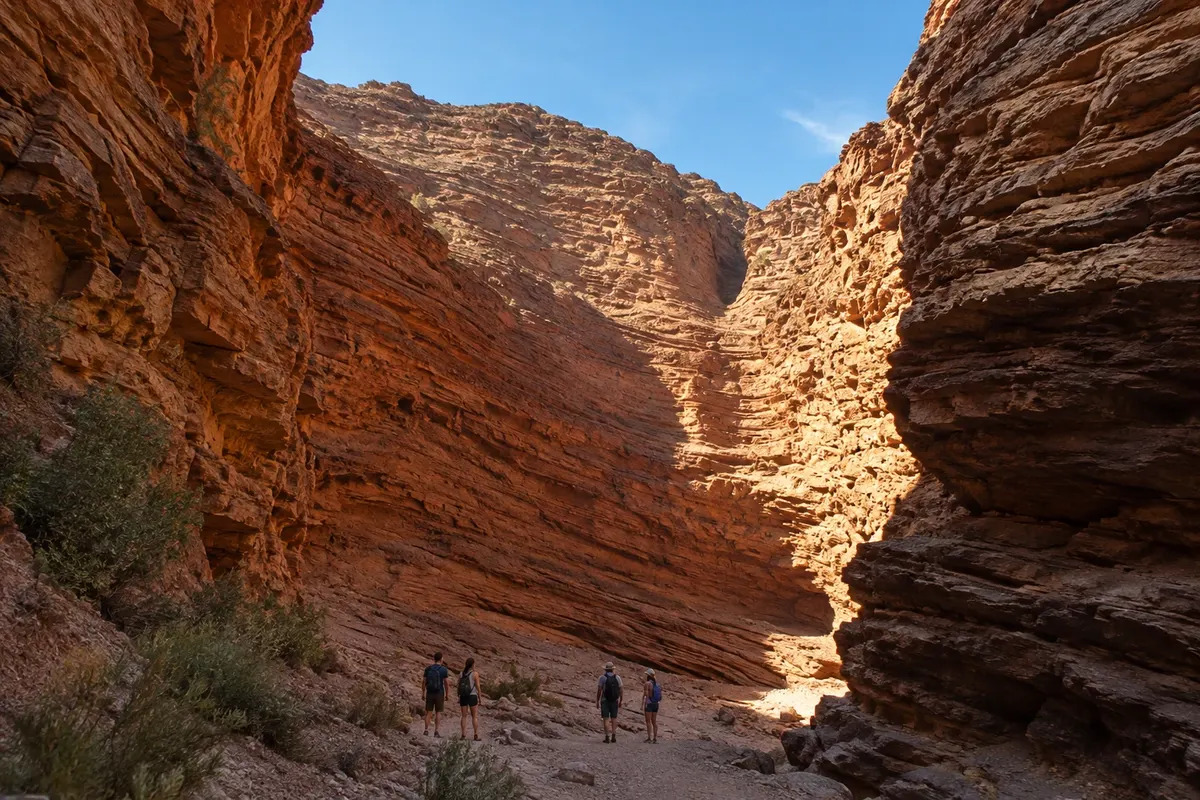
Na fotografiji: Los Castillos — Quebrada de las Conchas

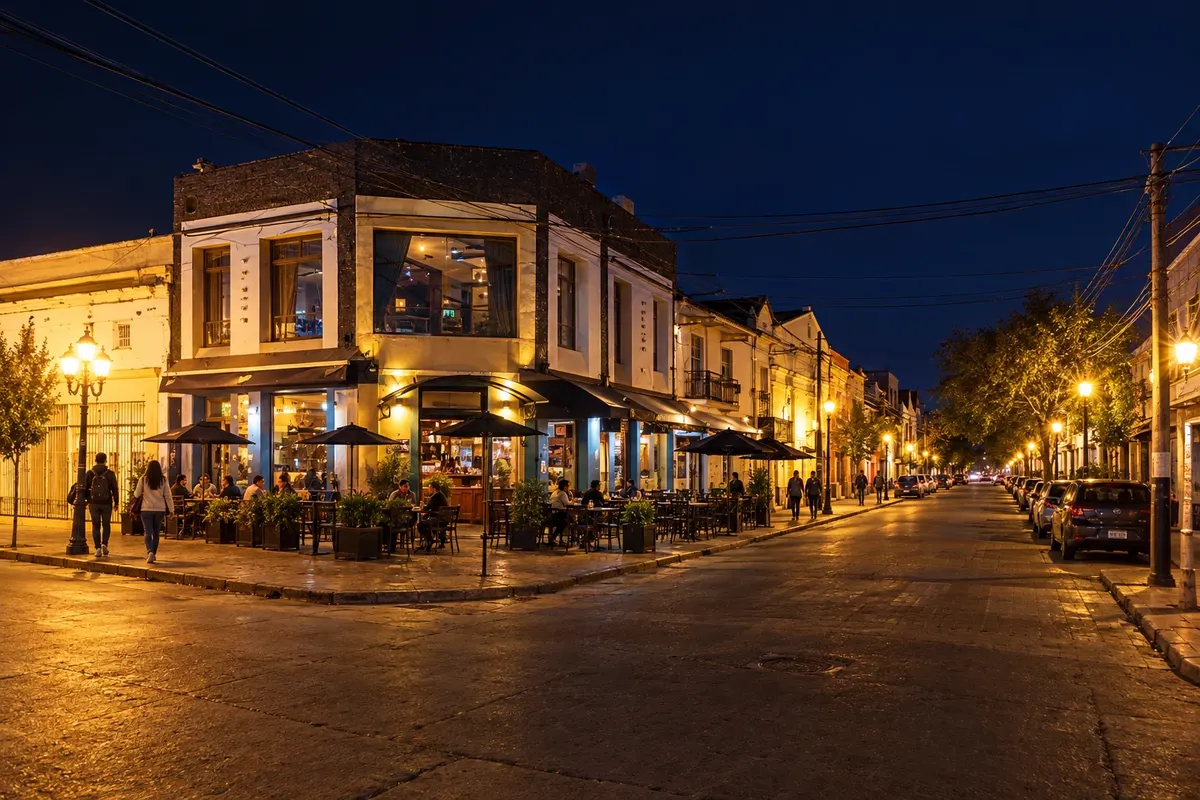
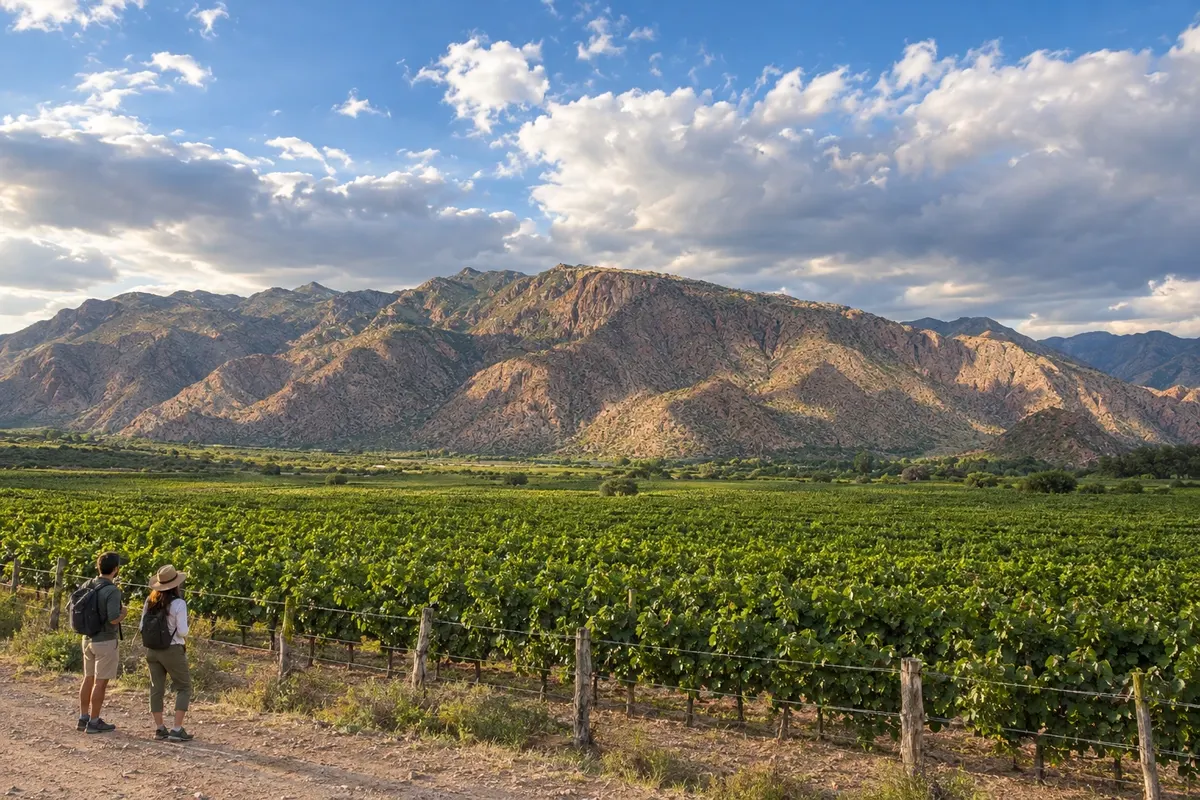
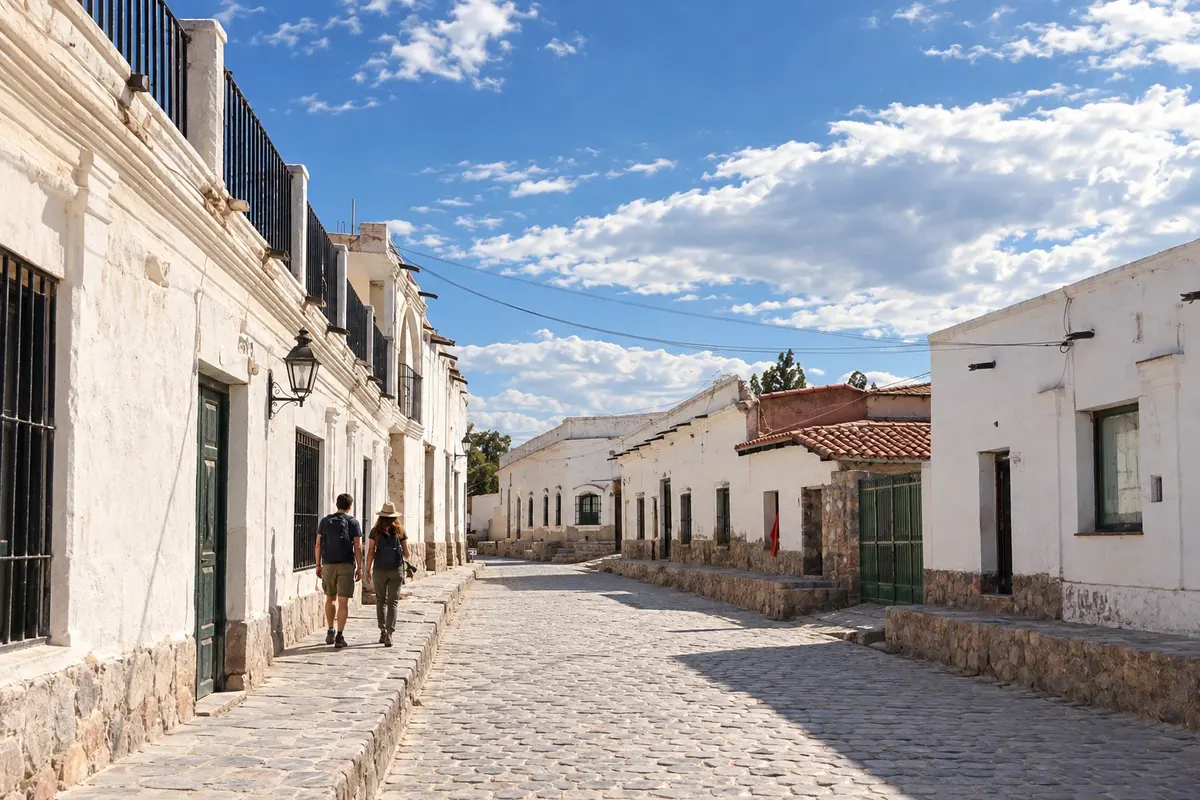
Illustrative images. The pictures in this guide are illustrations based on the real place, not photographs, and may differ from it.

Na voljo v trgovini Google Play Pošljite svoje fotografije

Spoznajte kraj

Pokrajina, ki jo doživite
v svojem ritmu.

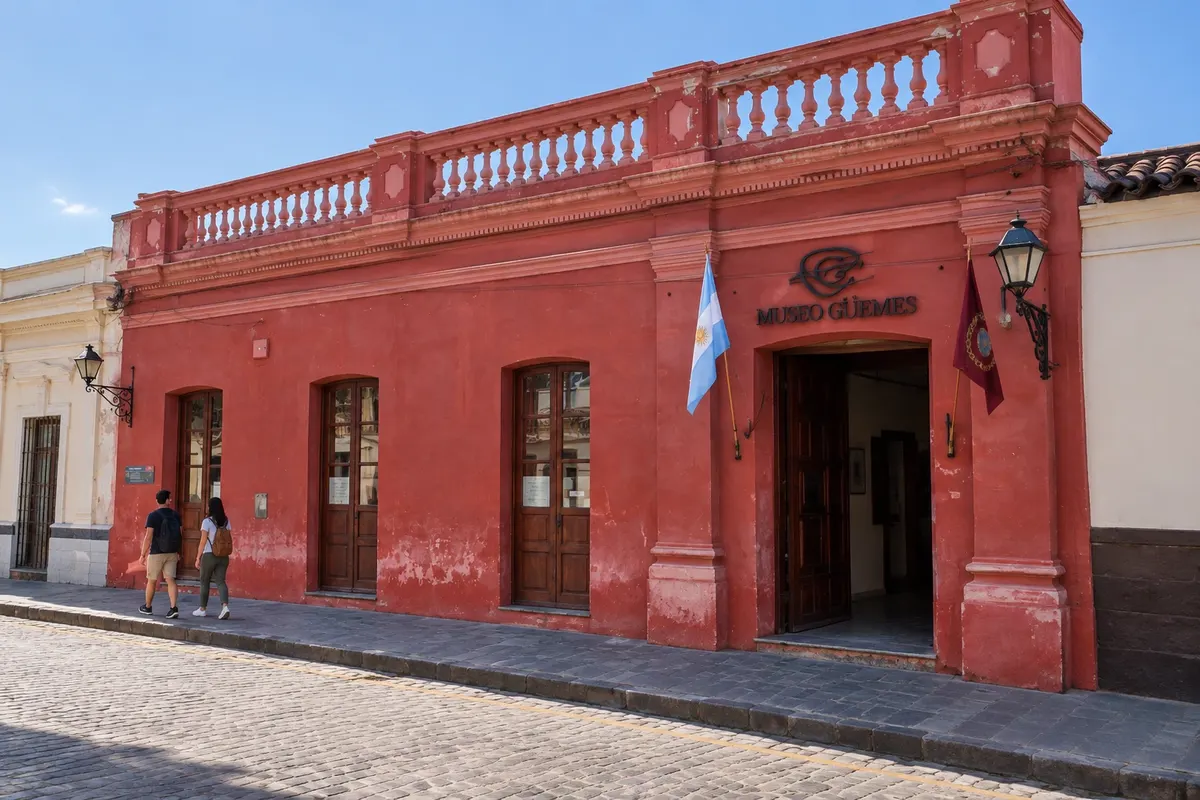
Salta has a historic center organized around the Plaza 9 de Julio. The cathedral, the Cabildo and the Museo de Arqueología de Alta Montaña are in the same urban ensemble. The Museo Güemes brings travelers closer to the history of independence, while Cerro San Bernardo offers views over the city and the Lerma valley.

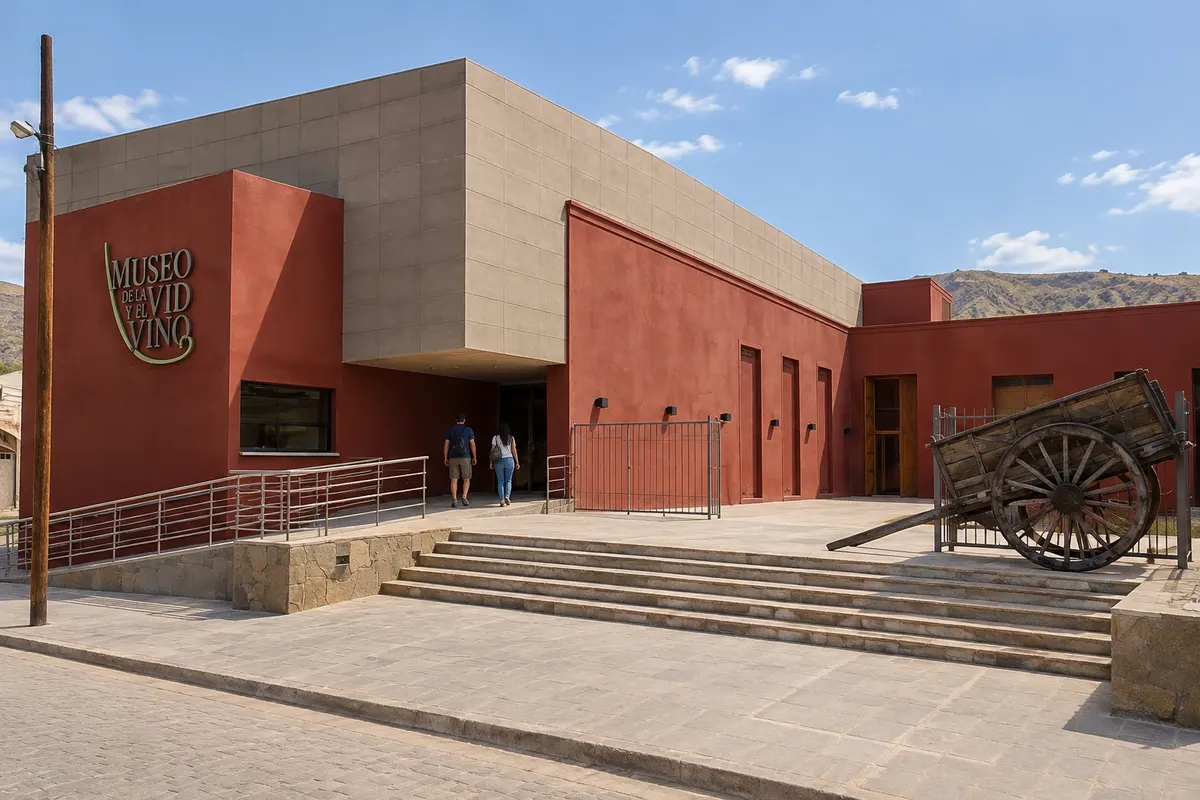
Cafayate lies further south, in the Valles Calchaquíes. The Museo de la Vid y el Vino explains the conditions for producing high-altitude wines, and the wineries El Esteco and Vasija Secreta offer visits. On the road between Salta and Cafayate, the Quebrada de las Conchas has reddish cliffs and cavities such as El Anfiteatro and the Garganta del Diablo.

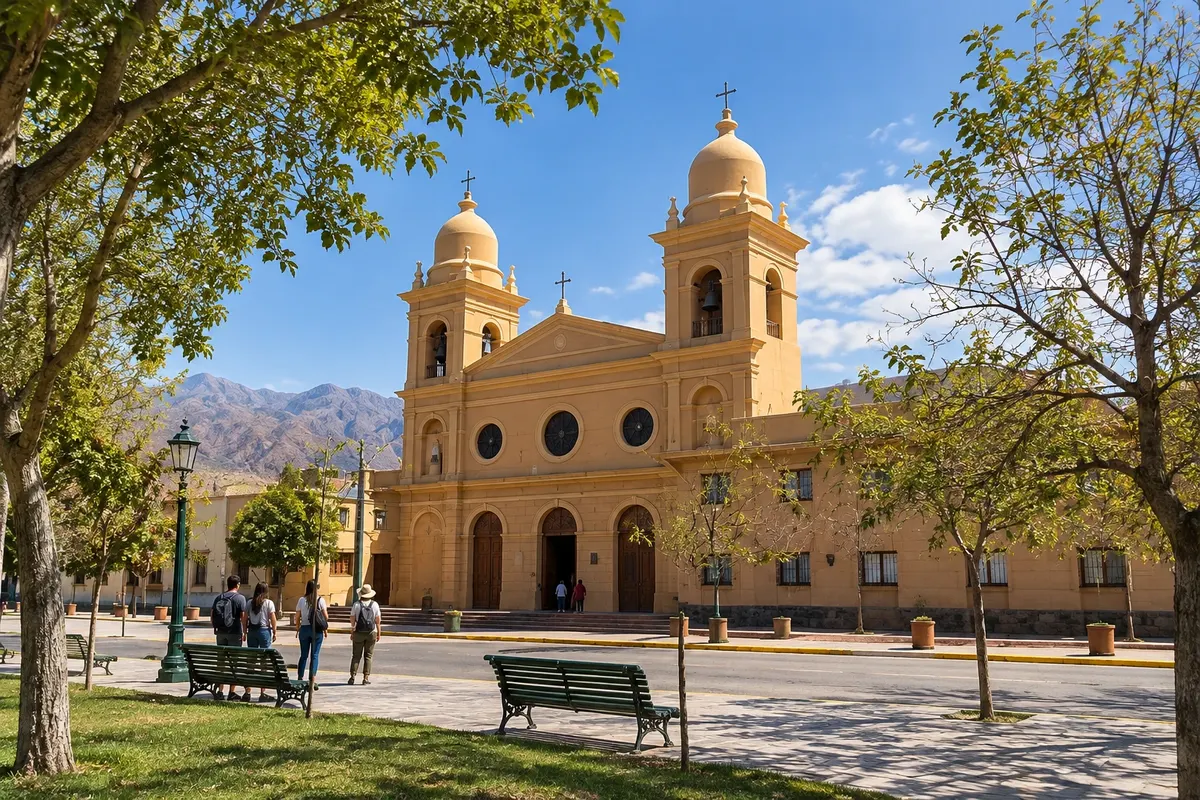
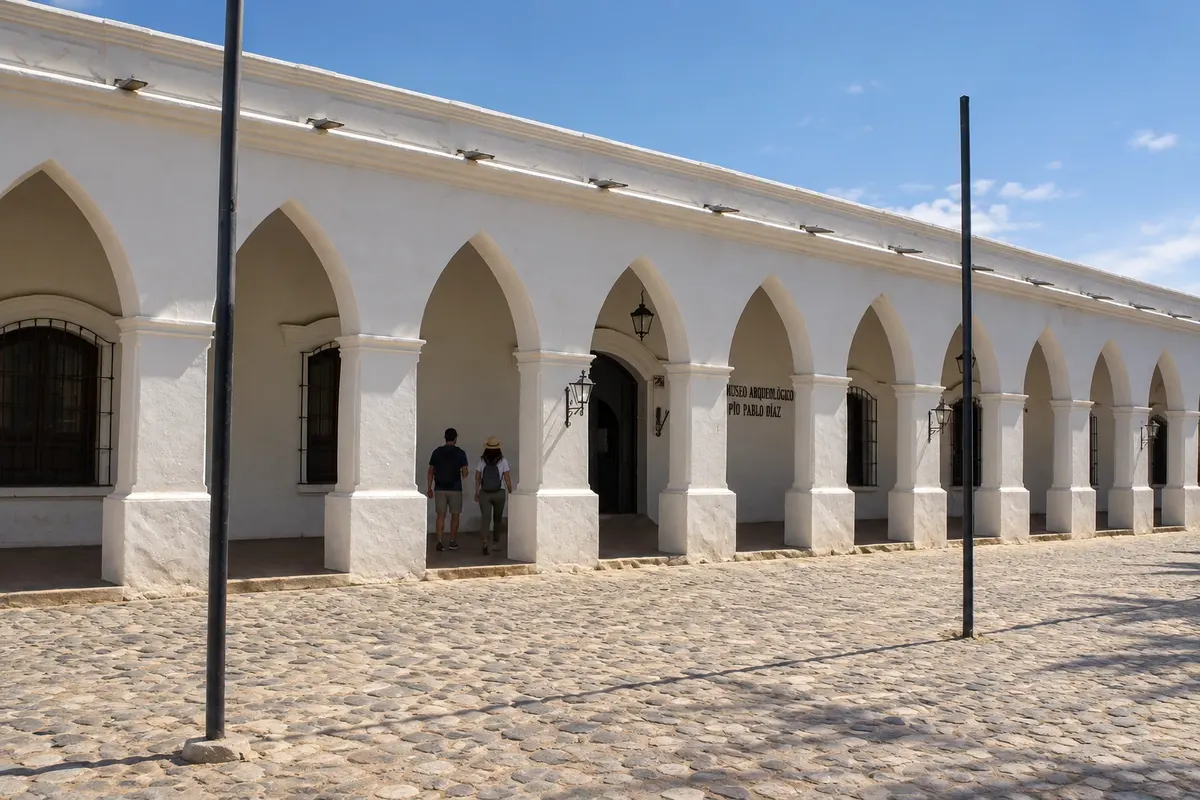
Cachi has narrow streets, adobe houses and the Iglesia San José next to the plaza. The Museo Arqueológico Pío Pablo Díaz gathers remains of the peoples who occupied the valley. Access via Ruta Provincial 33 crosses the Parque Nacional Los Cardones, where columnar cacti give the landscape a different scale.

The three places require road stages, and sleeping in Cafayate and Cachi prevents each visit from becoming a long round trip. Altitude, cold nights and differences between the routes require allocating time beyond the urban tours.

This destination brings together 3 cities: Salta, Cafayate, Cachi.

Delite: WhatsApp
Delite svoja popotniška doživetja s fotografijami Pošljite fotografije vsakega kraja, ki ste ga obiskali. Največje število fotografij na kraj: 5.

Ena destinacija, več poti

Mesta na tej poti

Začnite v enem mestu ali v načrt poti vključite več mest.

Salta and Cafayate – lega
CafayateCachiSalta

Vir: Instituto Geográfico Nacional de la República Argentina (IGN), obrisi iz leta 2019. Priredba: Cidade Turismo.

Kako do tja:Salta and Cafayate

✈ Aeropuerto Internacional Martín Miguel de Güemes (SLA)· 12 km do cilja (Salta)

Check whether an itinerary via Buenos Aires requires changing airports. Ruta Nacional 68 links Salta to Cafayate; for Cachi, the route uses rutas 68 and 33.

Predlagana točka prihoda:Salta

Doživite kraj

Kaj početi – Salta and Cafayate

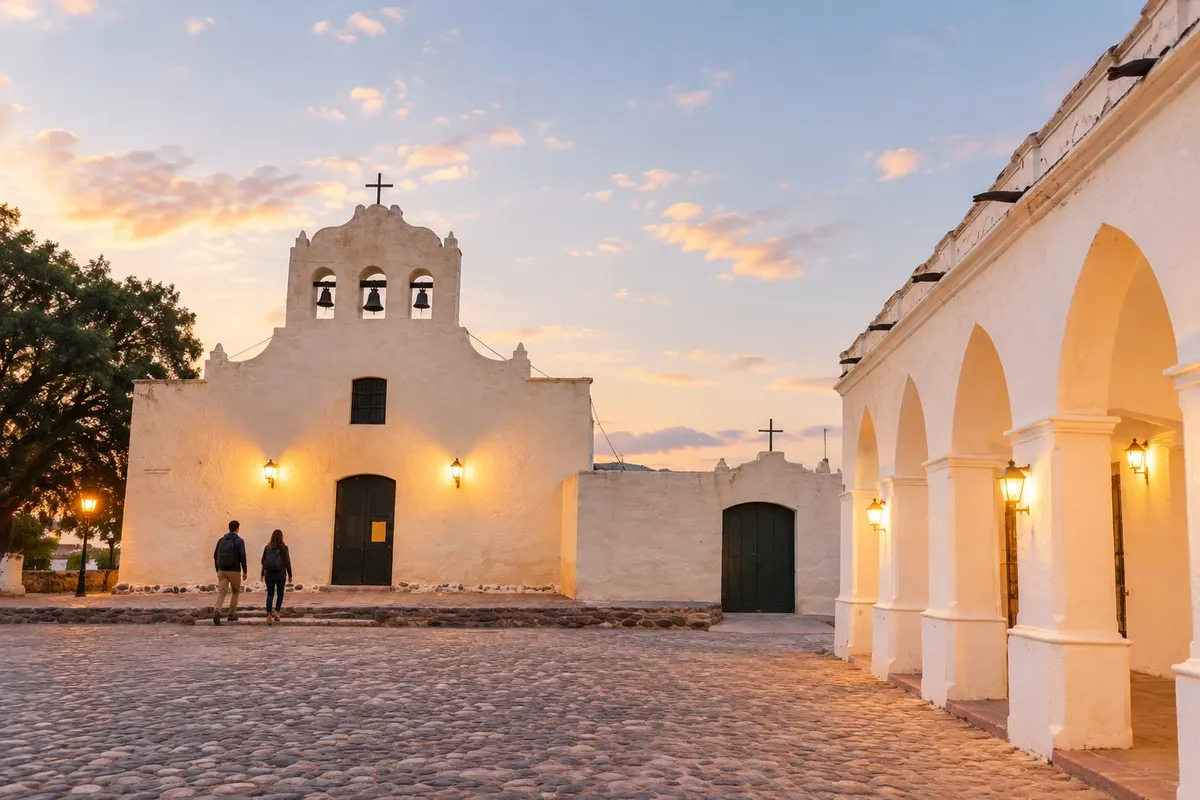
San José Church
Cachi · Salta · Cerkev

San José Church

The white temple of Cachi has adobe walls and cardón wood elements in its interior.

Museum of Grapes and Wine
Cafayate · Salta · Muzej

Museum of Grapes and Wine

Visual and sound exhibitions explain high-altitude wines and the work in the Valles Calchaquíes.

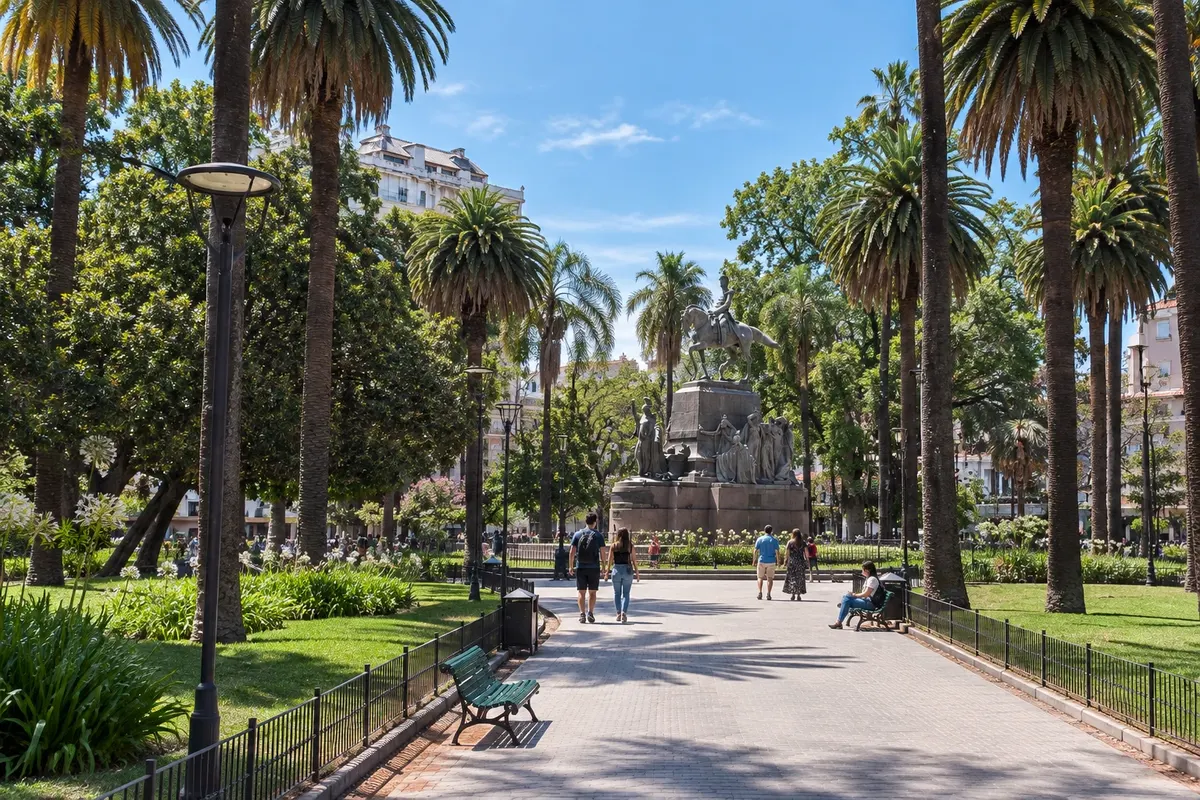
9 de Julio Plaza
Salta · Salta · Trg

9 de Julio Plaza

Salta's central plaza brings together trees, promenades and historic façades, between the cathedral and the Cabildo.

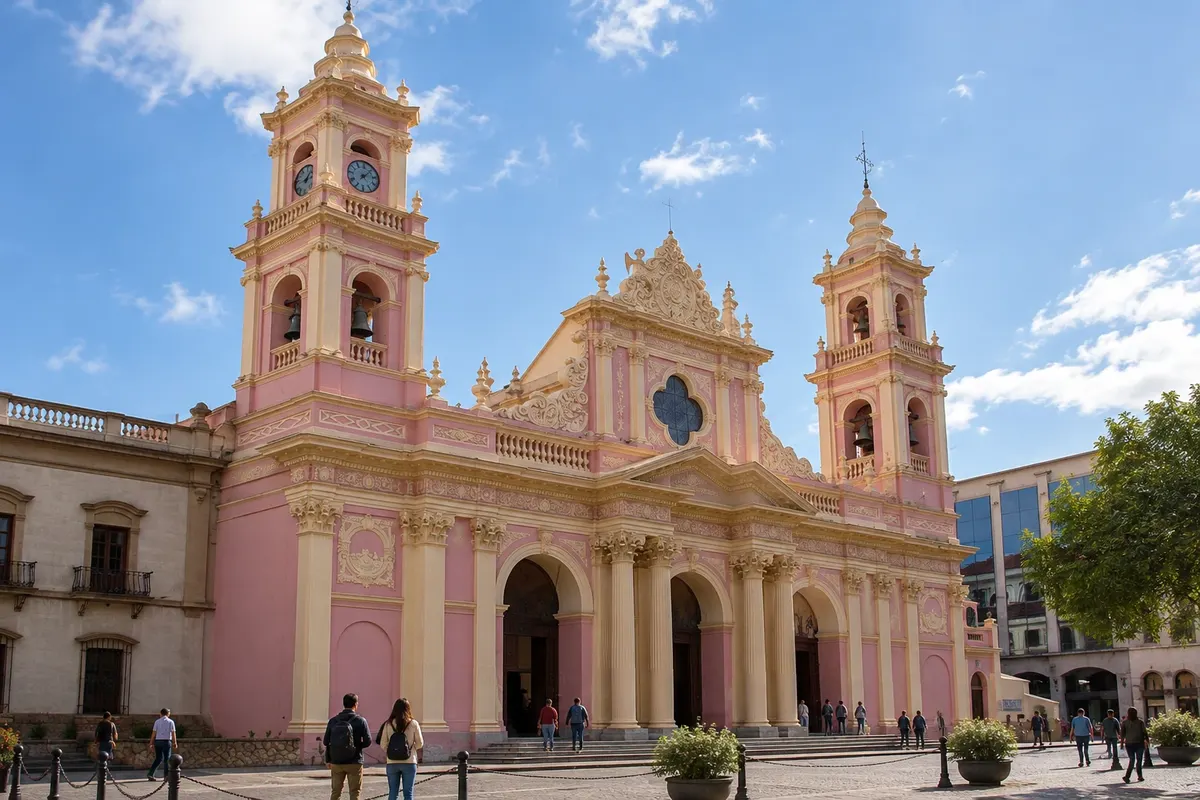
Salta Cathedral Basilica
Salta · Salta · Cerkev

Salta Cathedral Basilica

The pink-and-cream façade, the towers and the religious interior mark the north side of the central plaza.

Salta and Cafayate – prikaži dodatne kraje (14)
Cathedral of Our Lady of the Rosary
Cafayate · Salta · Cerkev

Cathedral of Our Lady of the Rosary

The cathedral of Cafayate has five naves and a façade with two towers facing the central square.

Pío Pablo Díaz Archaeological Museum
Cachi · Salta · Muzej

Pío Pablo Díaz Archaeological Museum

Ceramics and other archaeological materials present the peoples and the occupation of the valleys in the Cachi region.

Historic Cabildo of Salta
Salta · Salta · Muzej

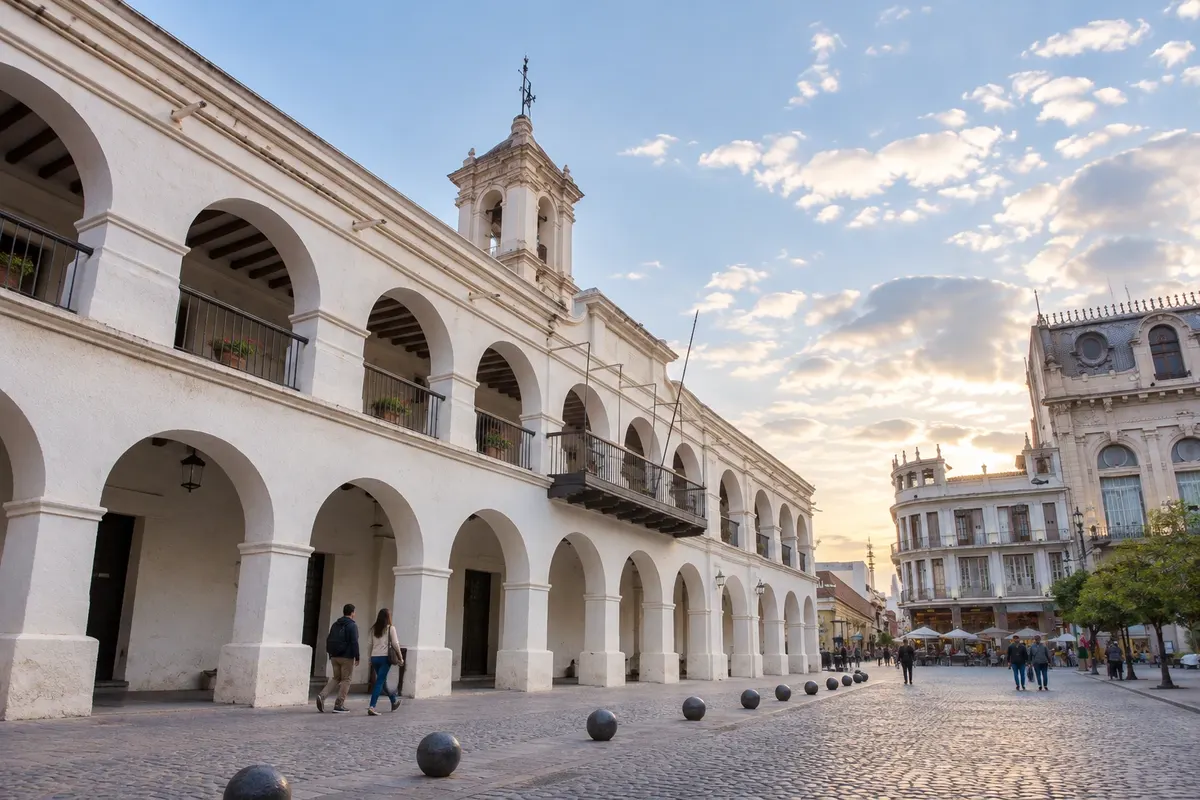
Historic Cabildo of Salta

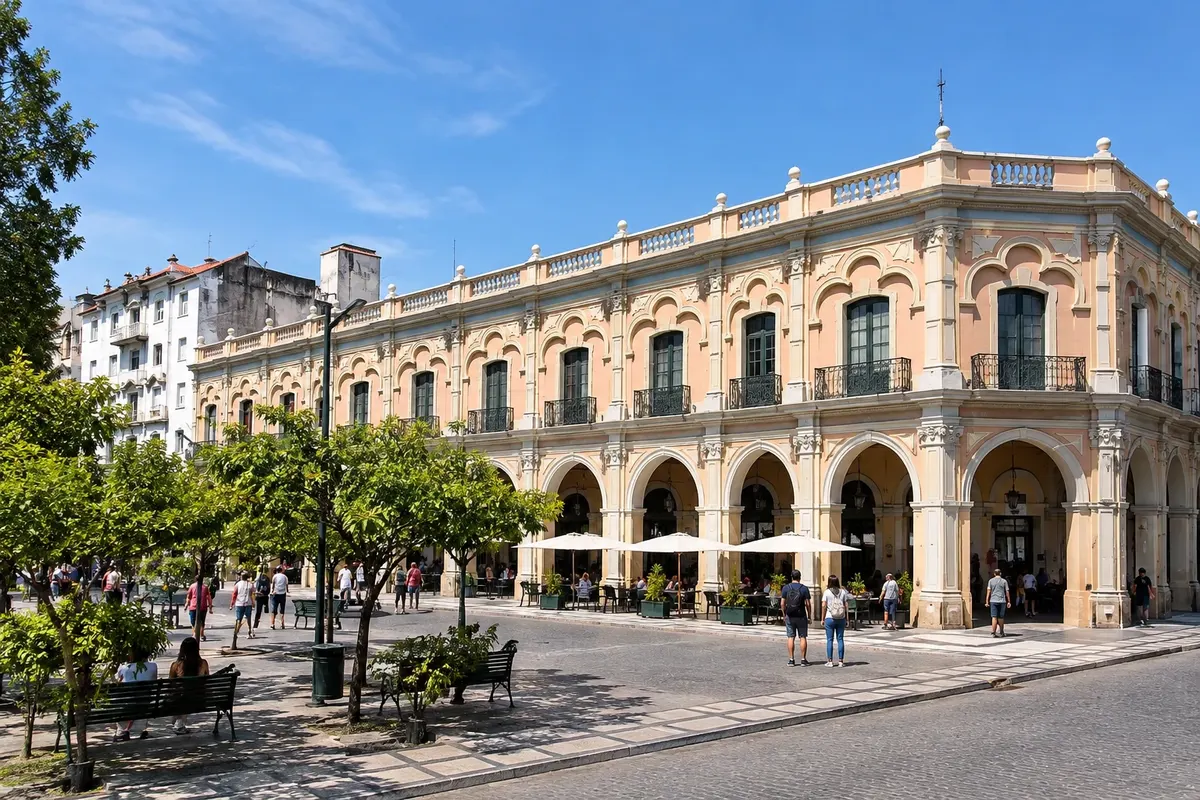
The old cabildo preserves galleries with arches and houses the Museo Histórico del Norte.

Devil's Throat (Tilcara)
Cafayate · Salta · Rock formation

Devil's Throat (Tilcara)

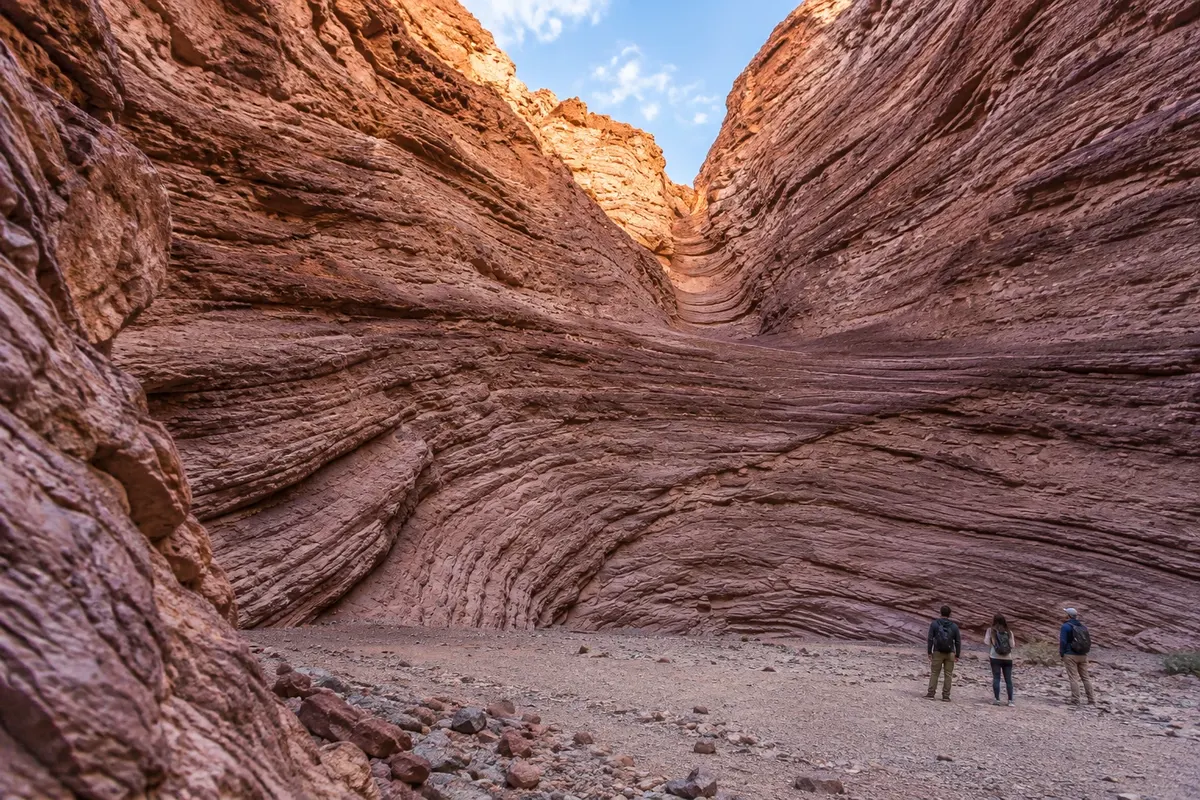
The narrow cavity of the Quebrada de las Conchas has slanted walls and layers of reddish rock.

9 de Julio Plaza
Cachi · Salta · Trg

9 de Julio Plaza

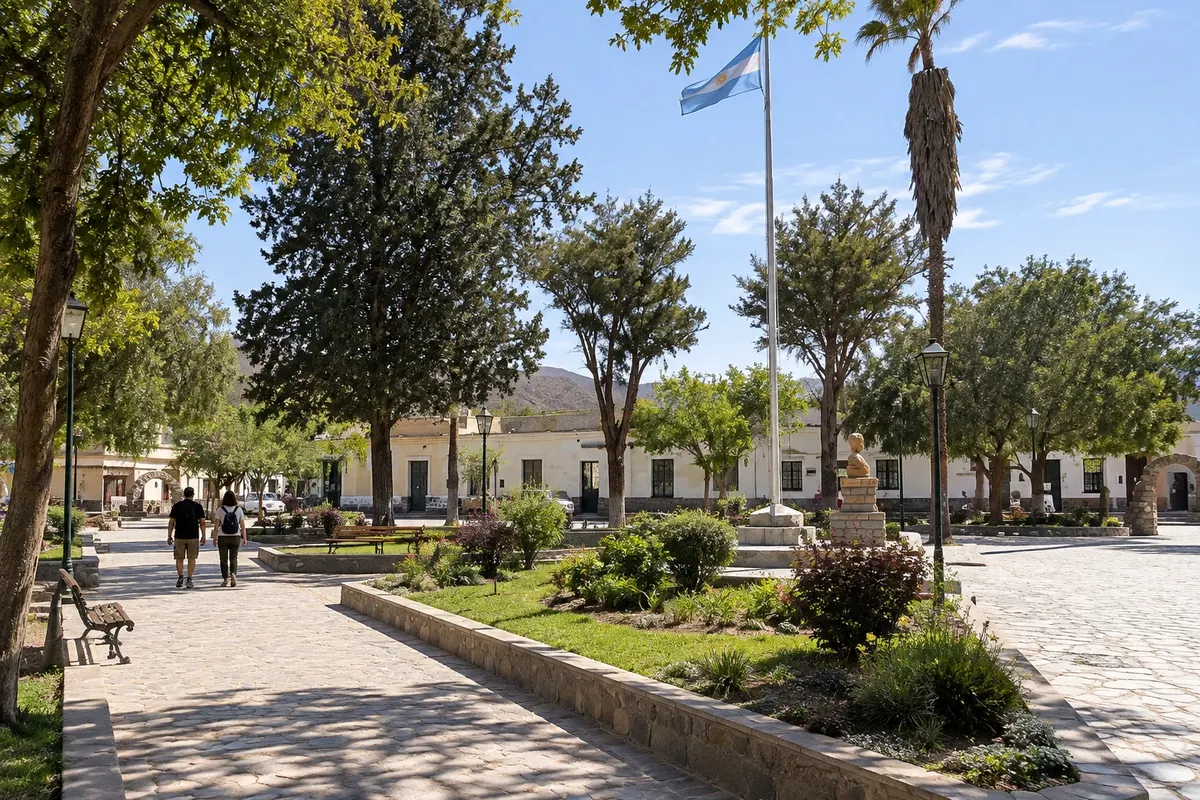
The main square brings together trees and pathways between the church, the museum and the town's low houses.

The Amphitheater
Cafayate · Salta · Rock formation

The Amphitheater

A cavity with high, curved walls forms the natural amphitheater of the Quebrada de las Conchas.

High Mountain Archaeology Museum (MAAM)
Salta · Salta · Muzej

High Mountain Archaeology Museum (MAAM)

The MAAM presents Andean archaeology and the discovery of the Niños del Llullaillaco in a building next to the plaza.

Los Cardones National Park
Cachi · Salta · National park

Los Cardones National Park

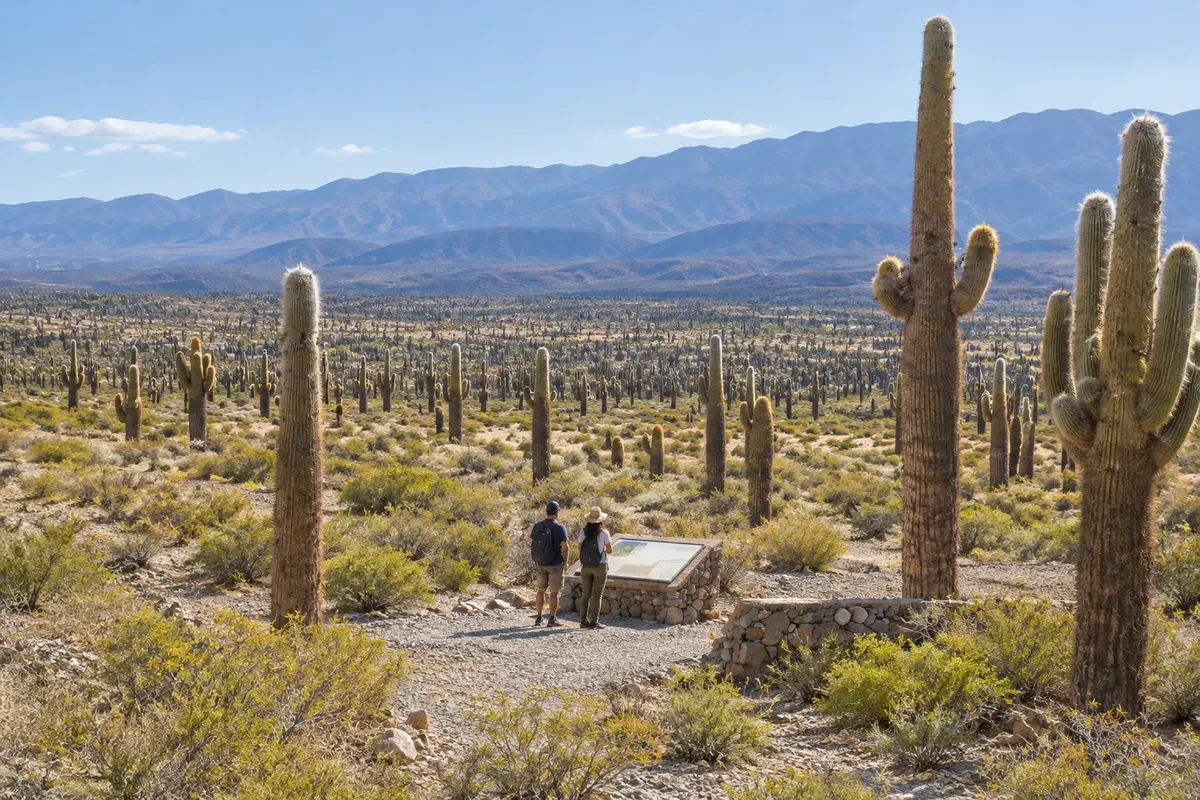
Cardones and mountains line Ruta 33, with interpretive trails in the access corridor to Cachi.

Basilica and Convent of Saint Francis
Salta · Salta · Cerkev

Basilica and Convent of Saint Francis

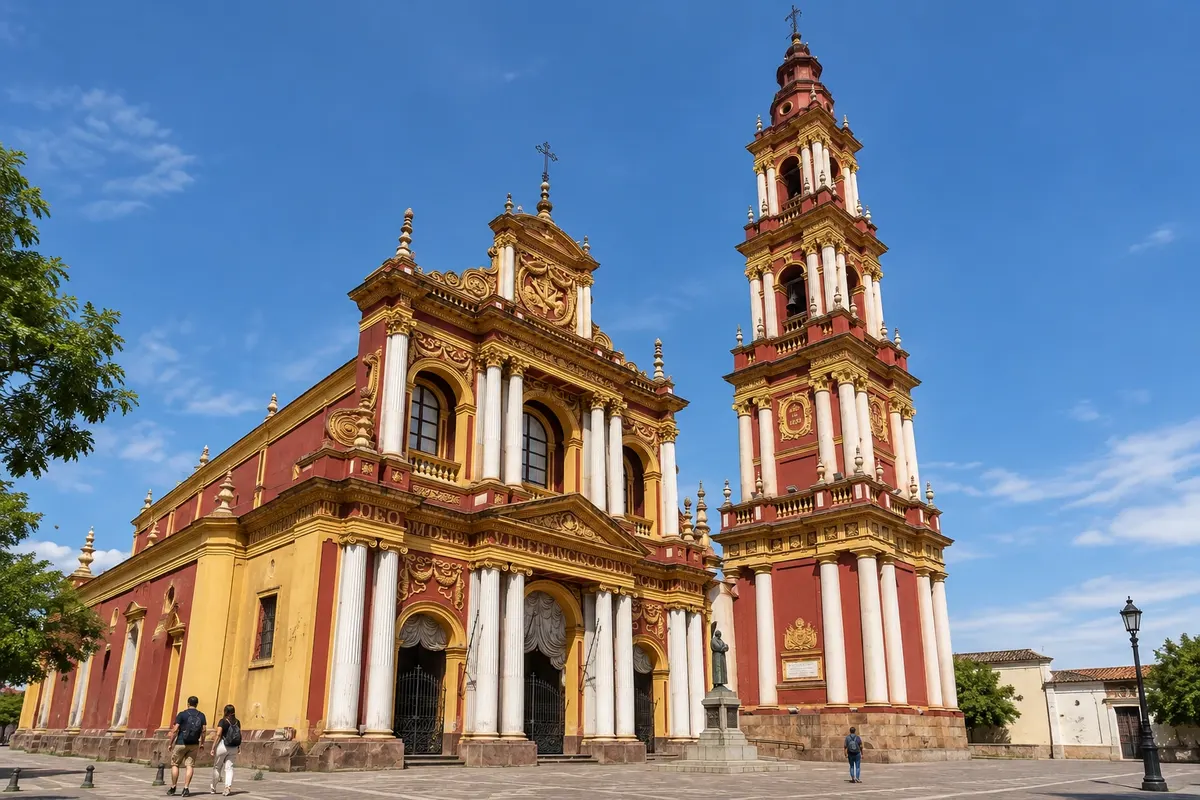
The light‑red façade and the tall bell tower identify the Franciscan complex in the center.

El Esteco Winery
Cafayate · Salta · Winery

El Esteco Winery

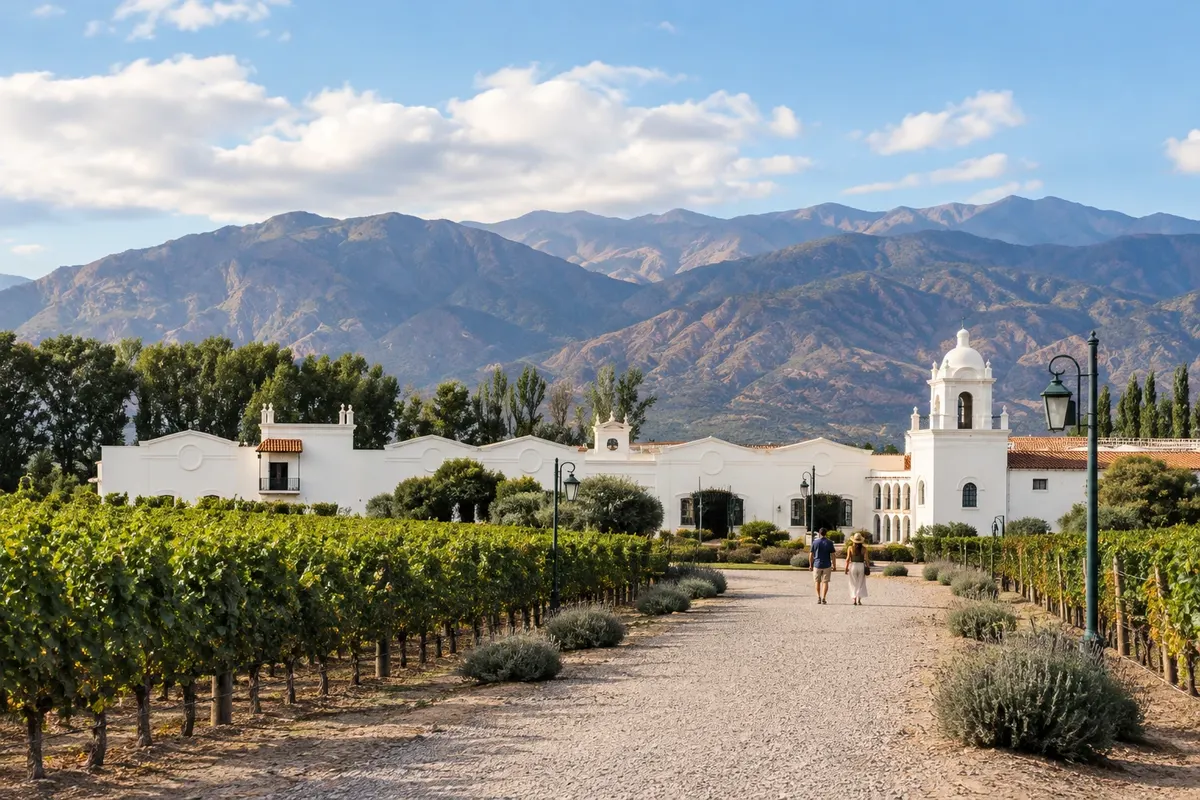
The winery combines production in the Valles Calchaquíes, historic architecture, and visits with tastings.

Vasija Secreta Winery
Cafayate · Salta · Winery

Vasija Secreta Winery

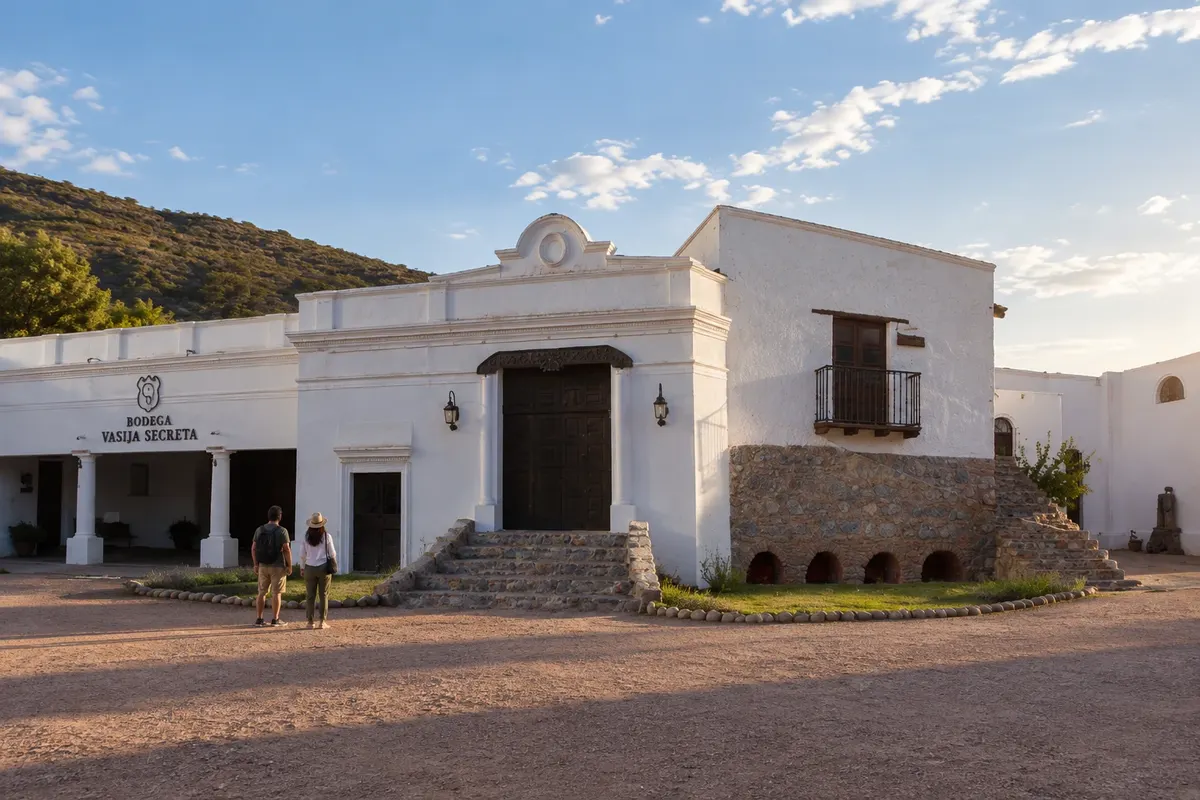
The old bodega La Banda brings together wine history and production visits near the Cafayate access.

San Bernardo Hill
Salta · Salta · Razgledišče

San Bernardo Hill

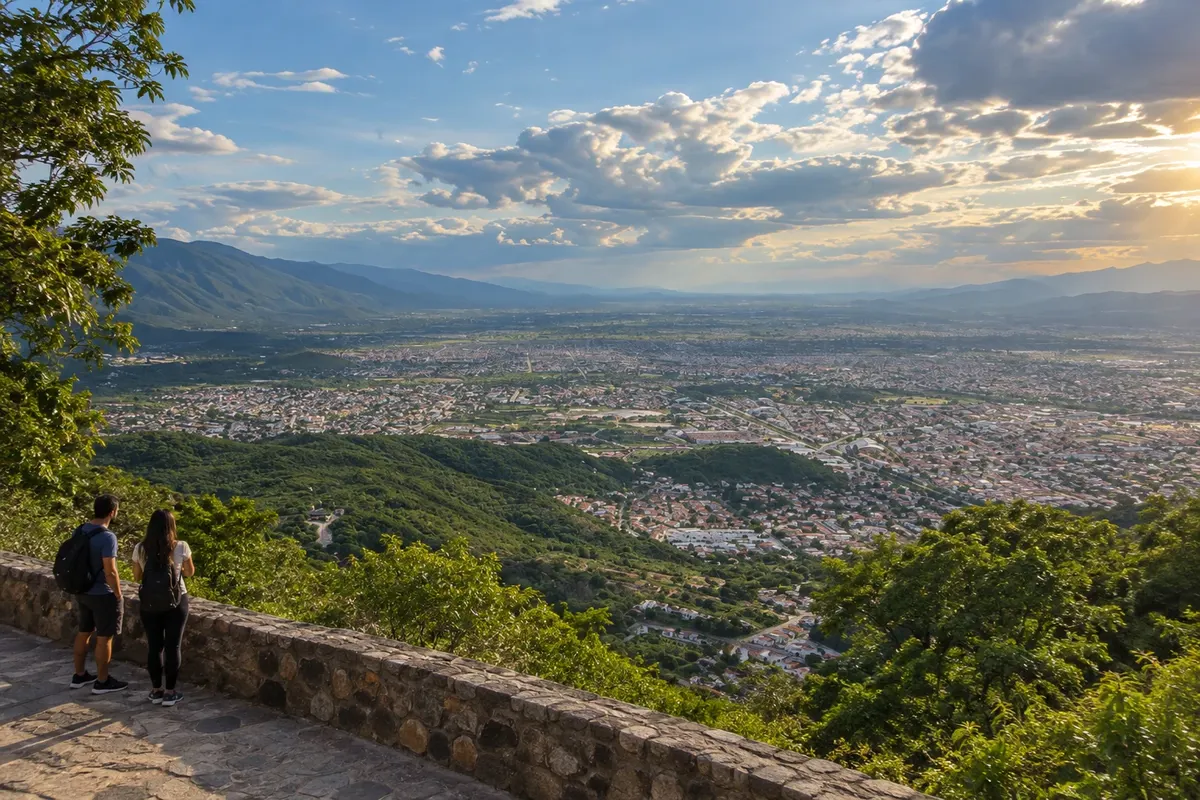
The hill's viewpoints show Salta's street grid and the Lerma valley, with different ways to ascend.

Güemes Museum
Salta · Salta · Muzej

Güemes Museum

The former house linked to the Güemes family presents their life and role in the independence in exhibition rooms.

San Lorenzo Gorge
Salta · Salta · Narava

San Lorenzo Gorge

River, trees and yungas vegetation form the nature walk near the city of Salta.

Kaj izbrati pred odhodom

Izleti – Salta and Cafayate

Izhodišče, trajanje, potek, vključene storitve in okvirna cena vsakega izleta.

Historic center of Salta: Plaza 9 de Julio, Cathedral, Cabildo and Iglesia San Francisco

Odhod: Salta city centre On foot, on your own or with a guide Približno 3 ure Dopoldne Lahko

Salta was founded in 1582 by Hernando de Lerma and preserves one of Argentina’s best‑kept colonial centers. It all starts at Plaza 9 de Julio, the main square, surrounded by arcades. On one side stands the Cathedral Basilica, the shrine of the Señor and the Virgen del Milagro, built between 1856 and 1882 after earthquakes destroyed the earlier churches. On the other side is the Cabildo, the seat of colonial government from 1626, now a museum. Two blocks away is the Basílica y Convento de San Francisco, with a terracotta façade and a 54‑meter bell tower, one of the tallest in South America. There is the Campana de la Patria, cast at Manuel Belgrano’s request from weapons from the Battle of Salta, 1813. The walk continues to the Convento de San Bernardo, dating to 1586, one of the city’s oldest buildings, and ends at the Monumento a Güemes, at the foot of Cerro San Bernardo.

Kraji na poti: Plaza 9 de Julio, Catedral Basílica de Salta, Cabildo de Salta, Basílica y Convento de San Francisco, Convento de San Bernardo, Monumento a Güemes.

Vključuje: On your own, the churches and the plaza can be visited without a guide. The Cabildo and the museum of the Convento de San Francisco have their own opening hours; the Cabildo charges admission. There are guided city tours that depart from the plaza.

Nasvet: Start in the morning, when the churches are usually open. Arrange with the MAAM, which is located on Plaza 9 de Julio. The Convento de San Bernardo is cloistered: it is generally only seen from the outside.

Najboljši čas za obisk: All year. From May to September days are usually dry and sunny; from December to March there are afternoon showers.

MAAM – Museum of High Altitude Archaeology and the Llullaillaco children

Odhod: Salta city centre On foot, from Plaza 9 de Julio Približno 2 uri Dopoldne ali popoldne Lahko

The museum displays the archaeological find from the Llullaillaco volcano, on the border with Chile, at about 6,700 m altitude: three Inca children offered in the capacocha, a ritual ceremony, found in 1999 by an expedition led by Johan Reinhard, along with the offerings that accompanied them. Studies indicate a young woman of about 15 years, a girl of 6 years, known as La niña del rayo for having been struck by lightning after burial, and a boy of 7 years. For conservation, the children are shown to the public one at a time; the others remain stored. The permanent galleries exhibit about 140 pieces of the funerary trousseau that accompanied the children. There are also rooms for temporary exhibitions.

Kraji na poti: MAAM – Museum of High Altitude Archaeology, Plaza 9 de Julio.

Vključuje: There is an entrance fee, payable at the gate. Check the current fee schedule.

Nasvet: Visit before high-altitude excursions: the museum helps you understand the Andean world you will see in the Valles Calchaquíes and the Puna. The subject is sensitive: some people prefer not to see the bodies, and that room can be avoided.

Najboljši čas za obisk: Year-round. A good option for rainy afternoons from December to March.

Teleférico San Bernardo and Cerro San Bernardo

Odhod: Parque San Martín, downtown Salta Cable car, on foot via the stairway, or by car Približno 2 uri Popoldne easy (moderate if you climb on foot)

Cerro San Bernardo is the hill rising east of the center and provides the widest view of the city and the Valle de Lerma. The cable car departs from Parque San Martín and reaches the top in about eight minutes. At the top there are viewpoints, short trails through vegetation, artificial waterfalls, craft stalls and places to eat. Those who prefer to walk climb the stairway that begins behind the Monumento a Güemes: it is more than a thousand steps, with the Stations of the Cross along the way. It is also possible to drive or take a taxi up the paved avenue that leads to the summit.

Kraji na poti: Teleférico San Bernardo, Cerro San Bernardo, Parque San Martín, Monumento a Güemes.

Vključuje: The cable car is paid separately, with one-way or round-trip tickets. Check the current schedule/prices.

Nasvet: Go up late in the afternoon to see the city in low light and descend by cable car. If you plan to climb on foot, take water: even at about 1,200 m, the stairway is tiring in the heat.

Najboljši čas za obisk: All year. From May to September the sky is usually clearer.

Quebrada de las Conchas and Cafayate via Route 68

Odhod: City of Salta Van tour or own-car trip along National Route 68 about 12 hours Ves dan Lahko

This is Salta’s classic excursion. National Route 68 links Salta to Cafayate over 183 km, all paved. The first part crosses the Valle de Lerma, with tobacco plantations. Then the road enters the Quebrada de las Conchas, a nature reserve of about 25,000 hectares that follows the Río de las Conchas. The red sedimentary rocks, shaped by wind and water, form figures with their own names: El Sapo (the toad), El Fraile (the friar), Los Castillos (the castles), Tres Cruces. The two longer stops are the Garganta del Diablo, a narrow fissure you walk into, and the Anfiteatro, a semicircular rock wall with good acoustics, where musicians often play. Near Cafayate appear Los Médanos, light-colored sand dunes. In Cafayate, at 1,683 m, there is time to have lunch, see the main square and visit a bodega before returning.

Kraji na poti: Valle de Lerma, Quebrada de las Conchas, Garganta del Diablo, Anfiteatro, El Sapo, El Fraile, Los Castillos, Tres Cruces, Los Médanos, Cafayate.

Vključuje: On tours, generally: round-trip transport from Salta and a guide. Lunch and tastings are usually paid separately. Check the current rates.

Nasvet: Sit on the right side on the outbound trip to get a better view of the quebrada. If you have more time you can sleep in Cafayate and do the stretch more leisurely, stopping at the viewpoints in the late-afternoon light.

Najboljši čas za obisk: All year. From April to November the road is usually dry; from December to March heavy rains can cause temporary closures of Route 68.

Cafayate wineries and the torrontés wine

Odhod: Cafayate On foot, by bicycle, taxi or private car Približno 4 ure Popoldne Lahko

Cafayate is the center of high-altitude wines in northern Argentina. The local Wine Route brings together about 40 producers, from family wineries to large estates. The signature grape is torrontés, a white variety with floral aromas, but red wines of malbec, cabernet sauvignon and tannat are also made. Several wineries are in the town itself or nearby, and you can go on foot or by bicycle. Vasija Secreta, with origins in 1857, is cited as the oldest in the region and has a small museum with old machines and barrels. El Porvenir preserves a historic house from 1890. El Esteco and Piattelli are among vineyards, with the hills in the background. The Museo de la Vid y el Vino, at the town entrance, explains grape cultivation and the history of wine in the Valles Calchaquíes.

Kraji na poti: Cafayate, Museo de la Vid y el Vino, Bodega Vasija Secreta, Bodega El Esteco, Bodega El Porvenir, Piattelli Vineyards.

Vključuje: Guided visits and tastings are paid separately at each winery; some require reservations. The museum charges an admission fee. Check the current price list.

Nasvet: Try the torrontés, which is Cafayate’s signature. If you drink, don’t drive: do the circuit on foot, by bicycle or by taxi.

Najboljši čas za obisk: All year. Harvest usually runs from February to April, when the vineyards are heavy with grapes.

Cachi via the Cuesta del Obispo and Parque Nacional Los Cardones

Odhod: City of Salta Tour by van or private car along Ruta Provincial 33 about 12 hours Ves dan easy (altitude up to 3,348 m)

Ruta Provincial 33 links Salta to Cachi over about 160 km. After the Valle de Lerma, the road enters the Quebrada de Escoipe, still green, and begins to climb in switchbacks along the Cuesta del Obispo. Near the top, the Valle Encantado has lagoons that form in the rainy season and rock paintings. At the summit is the Piedra del Molino, at 3,348 m, with the small chapel of San Rafael. From there the road enters Parque Nacional Los Cardones, covering 64,000 hectares, and continues along the Recta del Tin Tin, a roughly 19 km straight stretch among thousands of cardones, columnar cacti that grow up to 3,400 m altitude and take centuries to reach about 3 meters. After Payogasta, Ruta 40 leads to Cachi, at about 2,300 m, with cobblestone streets, adobe houses and the Iglesia San José, with a cardón wood roof.

Kraji na poti: Valle de Lerma, Quebrada de Escoipe, Cuesta del Obispo, Valle Encantado, Piedra del Molino, Parque Nacional Los Cardones, Recta del Tin Tin, Payogasta, Cachi.

Vključuje: On tours, generally: round-trip transport from Salta and a guide. Meals and museum admissions are paid separately. Check the current table.

Nasvet: Bring a jacket: at the top of the Cuesta del Obispo it is often cold and windy, even in summer. Altitude may cause headaches; eat lightly and drink water. If possible, stay overnight in Cachi and return the following day.

Najboljši čas za obisk: All year. From April to November the weather is usually dry; from December to March fog and rain can obscure the view on the Cuesta del Obispo.

Prikaži dodatne izlete (9)

Train to the Clouds: San Antonio de los Cobres and La Polvorilla Viaduct

Odhod: City of Salta Bus to San Antonio de los Cobres and train to the viaduct about 14 hours Ves dan easy (altitude 4,220 m)

The excursion combines bus and train. The bus leaves Salta via the Quebrada del Toro, with stops at Campo Quijano, the El Toro Viaduct and El Alfarcito, where breakfast is usually served. The landscape changes from the green valley to the dry Puna. In San Antonio de los Cobres, at 3,775 m, passengers board the train, which climbs to the La Polvorilla Viaduct. The iron bridge is 224 meters long and 63 meters high and sits at 4,220 m. At the viaduct there is a stop to disembark and take photos; afterwards the train returns to San Antonio de los Cobres, where there is time for lunch and to walk through the village. On the return to Salta, the bus usually stops at Santa Rosa de Tastil, a village next to an archaeological site of the Qhapaq Ñan, the Inca road recognized as a World Heritage site.

Kraji na poti: Campo Quijano, Quebrada del Toro, El Toro Viaduct, El Alfarcito, San Antonio de los Cobres, La Polvorilla Viaduct, Santa Rosa de Tastil.

Vključuje: Generally: bus from Salta, train, guide and breakfast. Lunch is usually paid separately. Those traveling by car can buy only the train segment in San Antonio de los Cobres. Check the current schedule/prices.

Nasvet: The train does not run every day and seats sell out during holidays: book in advance. Bring warm clothing, a hat, sunscreen and water. The altitude can cause headache and shortness of breath; eat lightly, avoid alcohol the night before and ascend without hurry.

Najboljši čas za obisk: All year round, according to the departure schedule. From April to November the weather is usually dry; from June to August mornings on the Puna are very cold.

Route 40 from Cafayate to Cachi: Quebrada de las Flechas, Angastaco, Molinos and Seclantás

Odhod: Cafayate or Cachi Private car or tour via National Route 40 about 8 hours Ves dan easy (road with gravel sections)

The 157 km of National Route 40 between Cafayate and Cachi cross the heart of the Valles Calchaquíes. The route has paved sections and others of ripio (gravel), sand and dirt. Leaving Cafayate, the road passes through Animaná and San Carlos, villages of vineyards. Between San Carlos and Angastaco lies the Quebrada de las Flechas: for about 20 km, tilted slabs of sandstone point to the sky like arrows, in shades from gray to ochre. Further north, Molinos has the Iglesia de San Pedro Nolasco, in the Cusco style and declared a National Historic Monument, where Nicolás Severo de Isasmendi, the last Spanish governor of Salta del Tucumán, is buried. Seclantás is the land of the teleros, weavers of the salteño poncho; on the Camino de los Artesanos, along Provincial Route 55, there are workshops open to visitors.

Kraji na poti: Animaná, San Carlos, Quebrada de las Flechas, Angastaco, Molinos, Seclantás, Valles Calchaquíes, Cachi.

Vključuje: On your own, there is no ticket for the road viewpoints. Tours that cover the route generally include transportation and a guide; meals are paid separately. Check the current table.

Nasvet: Refuel in Cafayate or Cachi: there are few gas stations along the way. A standard car can make it, but drive slowly on the ripio and avoid traveling at night. You can do the stretch as a transfer between Cafayate and Cachi without returning to Salta.

Najboljši čas za obisk: From April to November, with the road dry. From December to March, rains can wash out portions of Route 40 at river fords.

Folkloric peñas on Calle Balcarce

Odhod: Salta city centre On foot or by taxi Približno 3 ure night Lahko

The peña is the folk music venue of northern Argentina: long tables, regional food and musicians on stage playing zamba, chacarera, baguala and carnavalito, often with the audience singing and dancing along. Salta is the birthplace of folk acts such as Los Chalchaleros, Los Fronterizos and Eduardo Falú. The best-known address is Calle Balcarce, opposite the train station: within about three blocks peñas like La Vieja Estación, bars and restaurants gather. Elsewhere, Boliche Balderrama is a traditional peña in the city. The menu includes empanadas salteñas, humitas, tamales and locro. On Sundays the same street hosts a daytime craft fair.

Kraji na poti: Calle Balcarce, La Vieja Estación, Boliche Balderrama.

Vključuje: In general, food and drink consumption applies, and some venues also charge for the show (cover or ticket). Check with the venue.

Nasvet: Peñas start late and fill up on Fridays and Saturdays: arrive early or reserve a table. If the night includes wine, take a taxi back.

Najboljši čas za obisk: All year; busier in January, July and on weekends.

Quebrada de Humahuaca and Purmamarca from Salta

Odhod: City of Salta Van excursion along National Route 9 about 12 hours Ves dan easy (altitude above 2,300 m)

If you have only a few days in the north you can visit the Quebrada de Humahuaca, in the neighbouring province of Jujuy, on a full-day excursion from Salta. The van follows National Route 9 to San Salvador de Jujuy, 115 km away, then enters the gorge. The first stop is usually Purmamarca, at 2,324 m, at the foot of the Cerro de los Siete Colores, with a craft fair in the plaza. Next are Tilcara, with the Pucará, a reconstructed pre-Inca fortress on top of a hill, and Humahuaca, with cobbled streets and the Monument to the Heroes of Independence atop a staircase. Along the way the road crosses the Tropic of Capricorn. Return to Salta is at the end of the day.

Kraji na poti: Purmamarca, Cerro de los Siete Colores, Tilcara, Pucará de Tilcara, Humahuaca, Quebrada de Humahuaca.

Vključuje: On excursions, typically: round-trip transport from Salta, guide and insurance. Meals and entrance fees, such as for the Pucará de Tilcara, are paid separately. Check the current schedule/price list.

Nasvet: The day is long, with many hours on the road. If you have time it’s better to stay overnight in the gorge itself. Bring a jacket and sunscreen.

Najboljši čas za obisk: All year. From April to November the weather is usually dry; from December to March rains can cause road closures.

Cachi on foot: the square, Iglesia San José, Museo Pío Pablo Díaz and Cachi Adentro

Odhod: Cachi On foot, by bicycle or car Približno 4 ure Dopoldne easy (altitude around 2,300 m)

Cachi deserves more than the quick stop of the typical tours. The village has cobblestone streets, white adobe houses and a view of Nevado de Cachi, at 6,720 m, the highest mountain of the Valles Calchaquíes. In the main square is the Iglesia San José, a National Historic Monument, with adobe walls and a cardón wood roof. Across from it, the Museo Arqueológico Pío Pablo Díaz displays ceramics and items from about ten thousand years of occupation of the region. The cemetery, atop a hill, gives the widest view of the valley. A few kilometers away is Cachi Adentro, an agricultural valley of small farms and streams that descend from the snowcapped peaks, good for walking or cycling. In autumn, the surrounding fields turn red as peppers dry in the sun for the region’s pimentón (paprika).

Kraji na poti: Cachi, Iglesia San José, Museo Arqueológico Pío Pablo Díaz, Cementerio de Cachi, Cachi Adentro, Nevado de Cachi.

Vključuje: The museum charges an admission fee. Check the current price list. The walk through Cachi Adentro can be done independently.

Nasvet: Buy ground red pepper and textiles at the Plaza de Artesanos, near the main square. The sun is strong at altitude: use sunscreen and wear a hat.

Najboljši čas za obisk: All year. The red pepper is usually dried in the fields in autumn, from March to May.

Cascadas del Río Colorado

Odhod: Cafayate Taxi or car to the trailhead and hike with a guide Približno 4 ure Dopoldne Zmerno zahtevno

About a ten‑minute drive southwest of Cafayate, the Río Colorado trail climbs the river gorge and passes a sequence of waterfalls and pools, plus a small cave. The path is rocky and runs along the riverbed. Local guides accompany visitors from the start of the trail, and the route can stop at the lower falls or continue to the higher ones. It’s an active break between visits to the wineries.

Kraji na poti: Cascadas del Río Colorado, Río Colorado, Cafayate.

Vključuje: Local guides charge separately at the trailhead. Check the rate on site.

Nasvet: Wear shoes with good grip and bring water and swimwear in summer. Go in the morning, before the strongest heat.

Najboljši čas za obisk: From September to April, with more water in the waterfalls from December to March; after heavy rain the river can rise.

Ciudad Sagrada de Quilmes

Odhod: Cafayate Private car or tour via National Route 40 Približno 5 ur Dopoldne ali popoldne easy (optional climb to the viewpoints)

South of Cafayate, already in Tucumán province, the Ciudad Sagrada de Quilmes is one of the main pre-Hispanic sites in the Valles Calchaquíes. The Quilmes people, of the Diaguita group, occupied the slope of Cerro Alto del Rey, at about 1,700 m, in a city of about 30 hectares. They resisted the Incas and, for about 130 years, the Spaniards, until being defeated in 1667; afterward, about 2,000 people were forced to march to near Buenos Aires, where the city of Quilmes stands today. Reconstructed stone walls climb the slope in terraces. Access leaves Ruta Nacional 40 along about 5 km of gravel road. The site is managed together with the Amaicha indigenous community, and some visits are guided by local residents.

Kraji na poti: Ciudad Sagrada de Quilmes, Cerro Alto del Rey, Amaicha del Valle.

Vključuje: There is an entrance fee, payable at the gate; the guided tour is optional. Check the current fee schedule.

Nasvet: Climb the side trails up to the viewpoints to get a sense of the city’s scale. There is no shade: bring a hat, sunscreen and water.

Najboljši čas za obisk: Year-round. From December to February the midday heat is strong; prefer the morning.

San Lorenzo and the Yungas quebrada

Odhod: City of Salta City bus, taxi or car via Provincial Route 28 Približno 4 ure Popoldne Lahko

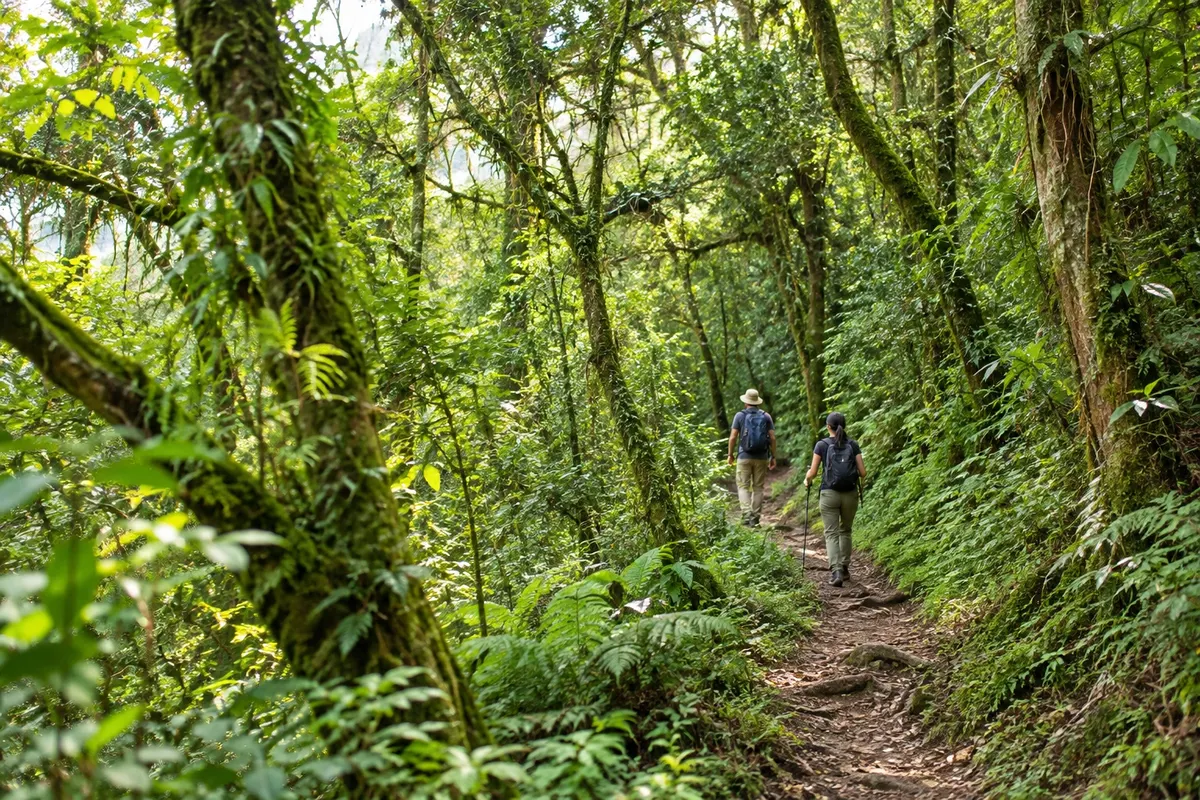
About 10 km from the center, along Ruta Provincial 28, San Lorenzo is a village of summer houses and tree-lined streets at about 1,450 m, where people from Salta escape the heat. There the landscape changes: the mountain jungle of the Yungas begins, humid and green, with more than 200 bird species. The Quebrada de San Lorenzo follows the river through the vegetation and has trails for walking. There are also horseback rides, mountain biking and paragliding flights with local operators. It contrasts with the dry landscape of the Valles Calchaquíes and fits into a free afternoon.

Kraji na poti: San Lorenzo, Quebrada de San Lorenzo, Yungas.

Vključuje: On your own, visiting the village and the quebrada has no entrance fee. Horse rides and other activities are paid separately. Check the current table.

Nasvet: Take a jacket: temperature drops quickly late in the afternoon. Pair the visit with dinner in the village before returning to Salta.

Najboljši čas za obisk: All year. From December to March the Yungas are greener, with more rain.

Rafting on the Río Juramento and Cabra Corral Dam

Odhod: City of Salta Tour with an operator or own vehicle via Coronel Moldes Približno 6 ur Ves dan Zmerno zahtevno

South of Salta, past Coronel Moldes, the Cabra Corral dam creates a large lake between the hills, used for water sports. Just below the dam, the Río Juramento is the rafting spot: the descent has ten rapids and a calm section where the group can swim, with safety kayaks accompanying the rafts. Time on the water is usually about two hours. When the dam opens its gates, the river volume increases and the rapids grow stronger. There is also bungee jumping from the bridge over the river.

Kraji na poti: Cabra Corral Dam, Río Juramento, Coronel Moldes.

Vključuje: Generally: equipment, instructors and insurance are included. Transport from Salta and meals depend on the operator. Check the current rates.

Nasvet: Bring a change of clothes, sunscreen and footwear that can get wet. Confirm with the operator the minimum age and the river level on the day.

Najboljši čas za obisk: All year; from October to March the water and weather are usually warmer.


Po dnevih

Salta and Cafayate – načrt poti. Število dni: 3, 5in7

Predlogi za načrtovanje poti. Vrstni red dni prilagodite vremenu in razpoložljivosti izletov.

3 dni · Salta and Cafayate in 3 days

ZaFor those with a long weekend who want the colonial center and the Quebrada de las Conchas. · Izhodišče:City of Salta
  1. Dan 1 · Arrival, historic center and peña

    Arrival in Salta with a connection in Buenos Aires. From the airport to downtown it takes about 20 to 30 minutes by taxi or remis. In the afternoon, do Salta’s historic center: Plaza 9 de Julio, the Cathedral, the Cabildo and the San Francisco Church. At night, dinner with music at the folk peñas on calle Balcarce.

  2. Dan 2 · Quebrada de las Conchas and Cafayate

    Full day in the Quebrada de las Conchas and Cafayate along Route 68: Garganta del Diablo, Amphitheater and the canyon formations on the way there, lunch in Cafayate and a visit to one of the Cafayate Wineries to taste torrontés. Return to Salta early in the evening.

  3. Dan 3 · MAAM, Cerro San Bernardo and return

    Morning at the MAAM – Museum of High Mountain Archaeology, at Plaza 9 de Julio. Then take the cable car up Cerro San Bernardo to see the city from above. In the afternoon, depart for the airport and return flight with a connection in Buenos Aires.

5 dni · Salta, Cafayate, Cachi and Train to the Clouds in 5 days
ZaFor first-time visitors who want the three major excursions departing from Salta without changing base. · Izhodišče:City of Salta
  1. Dan 1 · Arrival and historic center

    Arrival in Salta with a connection in Buenos Aires. In the afternoon, Salta’s historic center: Plaza 9 de Julio, the Cathedral, the Cabildo and the San Francisco Church. Easy day to acclimatize to the roughly 1,200 m altitude of the city.

  2. Dan 2 · MAAM, cable car and peña

    Morning at the MAAM – Museum of High Mountain Archaeology. In the afternoon, San Bernardo Cable Car and Cerro San Bernardo, with views of the Lerma Valley. At night, folkloric peñas on Balcarce Street. Sleep early: the next day starts at dawn.

  3. Dan 3 · Train to the Clouds

    Full day on the Train to the Clouds: bus through the Quebrada del Toro to San Antonio de los Cobres, at 3,775 m, and train to the La Polvorilla Viaduct, at 4,220 m. Return with a stop in Santa Rosa de Tastil and arrival in Salta at night. Bring a coat and eat lightly.

  4. Dan 4 · Quebrada de las Conchas and Cafayate

    Full day along National Route 68 to Cafayate, with stops at the Garganta del Diablo and the Amphitheater of the Quebrada de las Conchas. In Cafayate, lunch, the main square and a visit to the Cafayate Wineries. Return to Salta at the end of the day.

  5. Dan 5 · Cachi via the Cuesta del Obispo

    Full day in Cachi via the Cuesta del Obispo, with a stop at Piedra del Molino, at 3,348 m, and the Recta del Tin Tin in Los Cardones National Park. Free time in Cachi to see the San José Church and the main square. Return to Salta at night; return flight is scheduled for the following day.

7 dni · Salta and Calchaquí Valleys in 7 days: circuit via Cafayate, Route 40 and Cachi
ZaFor those driving a rental car who want to sleep in the villages, doing the Salta–Cafayate–Cachi–Salta circuit. · Izhodišče:Salta, Cafayate and Cachi
  1. Dan 1 · Arrival and historic center

    Arrival in Salta with a connection in Buenos Aires. In the afternoon, Salta’s historic center: Plaza 9 de Julio, the Cathedral, the Cabildo and the San Francisco Church. At night, the folk peñas on calle Balcarce.

  2. Dan 2 · MAAM, Cerro San Bernardo and San Lorenzo

    Morning at the MAAM – Museum of High Mountain Archaeology. Then, San Bernardo Cable Car and Cerro San Bernardo. Late afternoon, head to San Lorenzo, about 10 km away, to hike in the Yungas canyon and have dinner in the village.

  3. Dan 3 · Train to the Clouds

    Full day on the Train to the Clouds to the La Polvorilla Viaduct, at 4,220 m, with a bus through the Quebrada del Toro and lunch in San Antonio de los Cobres. Return to Salta in the evening. Pick up the rental car for the following day.

  4. Dan 4 · Quebrada de las Conchas to Cafayate

    Leave Salta via National Route 68 and cover the 183 km to Cafayate at a relaxed pace, stopping at El Sapo, Los Castillos, the Garganta del Diablo, the Amphitheater and Los Médanos. Arrival in Cafayate in the afternoon and first visit to the Cafayate Wineries in town. Overnight in Cafayate.

  5. Dan 5 · Cafayate: waterfalls and wineries

    Morning at the Cascades of the Río Colorado with a local guide. In the afternoon, Cafayate Wineries and the Wine and Vine Museum. Alternative: swap the cascades for the Sacred City of Quilmes, to the south, already in Tucumán. Overnight in Cafayate.

  6. Dan 6 · Ruta 40 to Cachi

    Full day on Ruta 40 from Cafayate to Cachi: 157 km with gravel sections, passing San Carlos, the Quebrada de las Flechas, Angastaco, Molinos and Seclantás. Fill up before you leave and drive slowly. Arrival in Cachi late afternoon. Night in Cachi.

  7. Dan 7 · Cachi and return to Salta via the Cuesta del Obispo

    Morning on the walking tour of Cachi: plaza, Iglesia San José, museum and Cachi Adentro. After lunch, return to Salta via Provincial Route 33, crossing the Recta del Tin Tin in Parque Nacional Los Cardones and descending the Cuesta del Obispo from the Piedra del Molino, at 3,348 m. Return flight the next day.

Najboljši čas za obisk

Kdaj se odpraviti:Salta and Cafayate po mesecih

From April to June and from September to November, road routes usually encounter milder temperatures. Between December and March, rains are more common and can alter the pace of travel. From June to August, nights in the valleys are usually cold. Grape harvest generally takes place between February and March.

The seasons shown are the most usual ones; nature doesn't always follow the calendar.

januar Veliko padavin

rainy summer · summer holidays

Wettest month in Salta: about 200 mm, in heavy afternoon and evening downpours. Average highs near 28 °C and lows of 17 °C in the city. In the Valles Calchaquíes it rains much less. Rains can cause temporary closures on mountain roads.

februar Veliko padavin

summer rain · Carnival

Still rainy, with about 150 mm in Salta. Average highs of 26 °C and lows of 16 °C. Green valleys and waterfalls with more water. Grape harvest begins in Cafayate. Carnival is celebrated in the northern towns, with music and comparsas.

marec Veliko padavin

grape harvest · end of the rains

Rains decrease during the month but still total about 100 mm in Salta. Average highs of 25 °C and lows of 15 °C. Harvest in Cafayate vineyards. Around Cachi, peppers begin to sun-dry in the fields.

april Zmerne padavine

dry autumn · pepper fields

Start of the dry season: about 40 mm in Salta. Average highs of 23 °C and lows of 12 °C. Clearer skies and dry roads, good month for Ruta 40 and for Cachi. Red pepper fields in the Valles Calchaquíes. Easter week brings activity to the city.

maj Malo padavin

dry days · cold nights

Almost no rain: about 10 mm. Average highs around 20 °C and lows of 8 °C in the city; at altitude nights are already cold. Good time for all excursions, with fewer crowds.

junij Malo padavin

dry winter · clear skies

Dry winter, with sunny days and average highs near 20 °C, but lows of 4 °C in Salta. In San Antonio de los Cobres and on the Puna, mornings fall below zero. Bring warm clothing for the Tren a las Nubes and for Cachi.

julij Malo padavin

coldest month · winter school break

Coldest month: average highs of 20 °C and lows near 3 °C in Salta, with frosts on the coldest nights. Almost no rain. In Payogasta the Fiesta del Pimiento takes place.

avgust Malo padavin

dry winter · wind on the Puna

Dry, with average highs of 23 °C and lows of 5 °C in Salta. Warm days and cold nights. On the Puna and in the high areas the wind is often strong in the afternoon.

september Malo padavin

dry spring · Fiesta del Milagro

Dry spring: average highs of 25 °C and lows of 8 °C. In mid-month, the Fiesta del Señor y la Virgen del Milagro brings thousands of pilgrims to the Cathedral of Salta, with a procession on the 15th. The city is very busy on those days.

oktober Malo padavin

warm spring · dry roads

Warm-up: average highs around 27 °C and lows around 12 °C. The first rains appear at the end of the month but total only about 25 mm. Good month for driving on Ruta 40 and the Cuesta del Obispo.

november Zmerne padavine

warm · return of the rains

Average highs around 28 °C and lows around 14 °C. Rains return, about 60 mm in Salta, usually in afternoon downpours. The Valles Calchaquíes remain dry and sunny.

december Veliko padavin

hot summer · afternoon rains

Warmest month: average highs around 28 °C and lows around 16 °C. About 140 mm of rain in Salta, in late-afternoon storms. Fog can obscure the view on the Cuesta del Obispo. Traffic increases in the second half of the month with year-end festivities.

Načrtujte pot

Kako do tja:Salta and Cafayate

From Buenos Aires by plane

Aerolíneas Argentinas, Flybondi and JetSMART fly direct from Buenos Aires to Salta in about 2 hours. Martín Miguel de Güemes International Airport (SLA) is on Ruta Nacional 51, southwest of the city; the trip to the center takes 20–30 minutes. At arrivals there are taxi and remis counters; city bus line 8A stops in front and requires a transport card, purchased at the airport. There are car rental agencies in the terminal.

From Buenos Aires by bus

The bus trip between Buenos Aires and Salta takes about 22 hours. Buses depart from Retiro and other terminals in the capital with companies such as Flecha Bus, La Veloz del Norte, Andesmar and Chevallier, and arrive at Salta’s Bus Terminal near the center. Long-distance buses have semi-reclining and sleeper seats. It only makes sense for those with time or combining several northern cities.

By car: routes and distances

From Buenos Aires to Salta is about 1,510 km. In the region, the main routes are: Ruta Nacional 68, from Salta to Cafayate, 183 km, fully paved, through the Quebrada de las Conchas; Ruta Provincial 33, from Salta to Cachi, about 160 km, via the Cuesta del Obispo and Los Cardones National Park, to Ruta 40 at Payogasta; Ruta Nacional 40, from Cafayate to Cachi, 157 km, with sections of gravel, sand and dirt; Ruta Nacional 9, from Salta to San Salvador de Jujuy, 115 km. The Salta–Cafayate–Cachi–Salta circuit totals about 500 km. In the rainy season, December to March, check road conditions before you go.

Prevoz in poti po dolini

Salta’s center is explored on foot. For full-day tours there are two options: vans that pick up passengers in the center, or a rental car. Regular buses run from Salta to Cafayate in about 4 hours, and also to Cachi. On Ruta 40 between Cafayate and Cachi public transport is scarce, and a car gives more freedom. Fuel stations are few outside towns: fill up in Salta, Cafayate and Cachi. Drive by day and take it slow on mountain roads and gravel stretches.

Tickets and fees

Several attractions charge separate admission: the MAAM, the Cabildo of Salta, the San Bernardo Cable Car, the Train to the Clouds, the Sacred City of Quilmes, and the museums of Cachi and Cafayate. Wineries charge for guided tours and tastings, and the hike to the Cascadas del Río Colorado is done with a paid local guide. Check the current price list for each site before you go.

Pred odhodom

Praktične informacije

Z nekaj načrtovanja boste imeli več časa za uživanje na poti.

Kdaj se odpraviti

From April to June and from September to November, road routes usually encounter milder temperatures. Between December and March, rains are more common and can alter the pace of travel. From June to August, nights in the valleys are usually cold. Grape harvest generally takes place between February and March.

The seasons shown are the most usual ones; nature doesn't always follow the calendar.

Koliko dni ostati

Allow six to eight days: two or three in Salta, two in Cafayate and one or two nights in Cachi. The roads also take up part of the itinerary. The link between Cafayate and Cachi via Ruta 40 has gravel sections and requires its own planning, rather than being treated as an urban transfer.

V katerem mestu prenočiti

In Salta, the area around Plaza 9 de Julio makes walking tours easy; the Balcarce neighborhood brings accommodation closer to restaurants and regional music. In downtown Cafayate, the plaza and the museum are close, while the vineyard areas require more transport. In Cachi, the core around the plaza concentrates the village's services and allows walking between the church and the museum.

Spoštujte kraj

Odnesite svoje odpadke, upoštevajte oznake in podprite lokalne ponudnike. V naravi upoštevajte navodila za obiskovalce.

Odgovori na vaša vprašanja

Pogosta vprašanja – Salta and Cafayate

Can you visit Cafayate and Cachi without staying overnight outside Salta?

There are day trips to each place, but travel time takes up a large share of the day. Staying overnight in the valleys allows you to visit museums and wineries with fewer hours on the road in the same day.

Do I need a car for this destination?

Salta's center can be explored on foot. For the valleys, choose a car, transfer or tour depending on your itinerary. On tasting days, arrange transport so you don't have to drive afterward.

Are Cafayate and Cachi on the same road?

Ruta 40 connects the two places, with gravel sections. Those who prefer the link via Salta take a different, longer route. Check the conditions of the chosen road before departing.

When does it rain more in this region?

Rains are usually concentrated from December to March. In the other months, the valleys tend to be drier, but cold nights remain relevant when packing.

Odkrijte druge destinacije Iskanje po zvezni državi in mestu

Več kot vodnik