Musée de la Vie wallonne: Liège’s folklore and puppets
Odhod: Liège center (Cour des Mineurs) Peš Približno 2 uri Popoldne Lahko
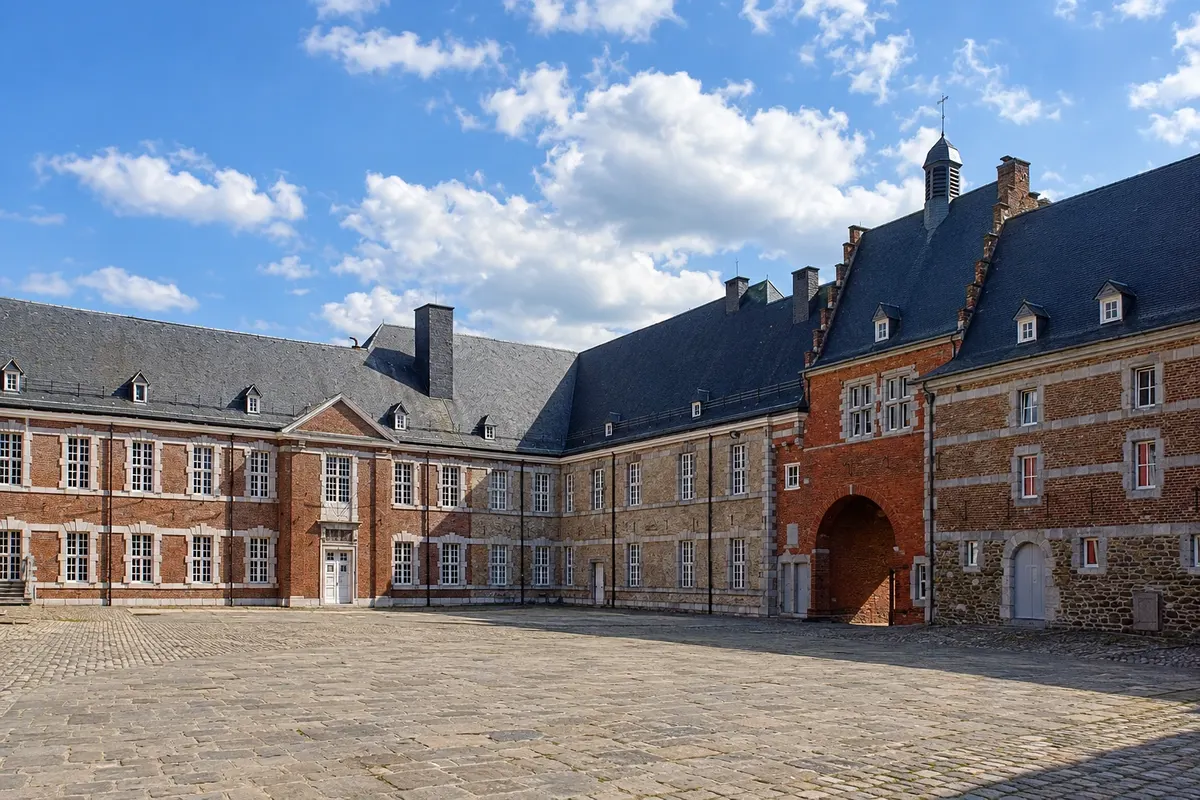
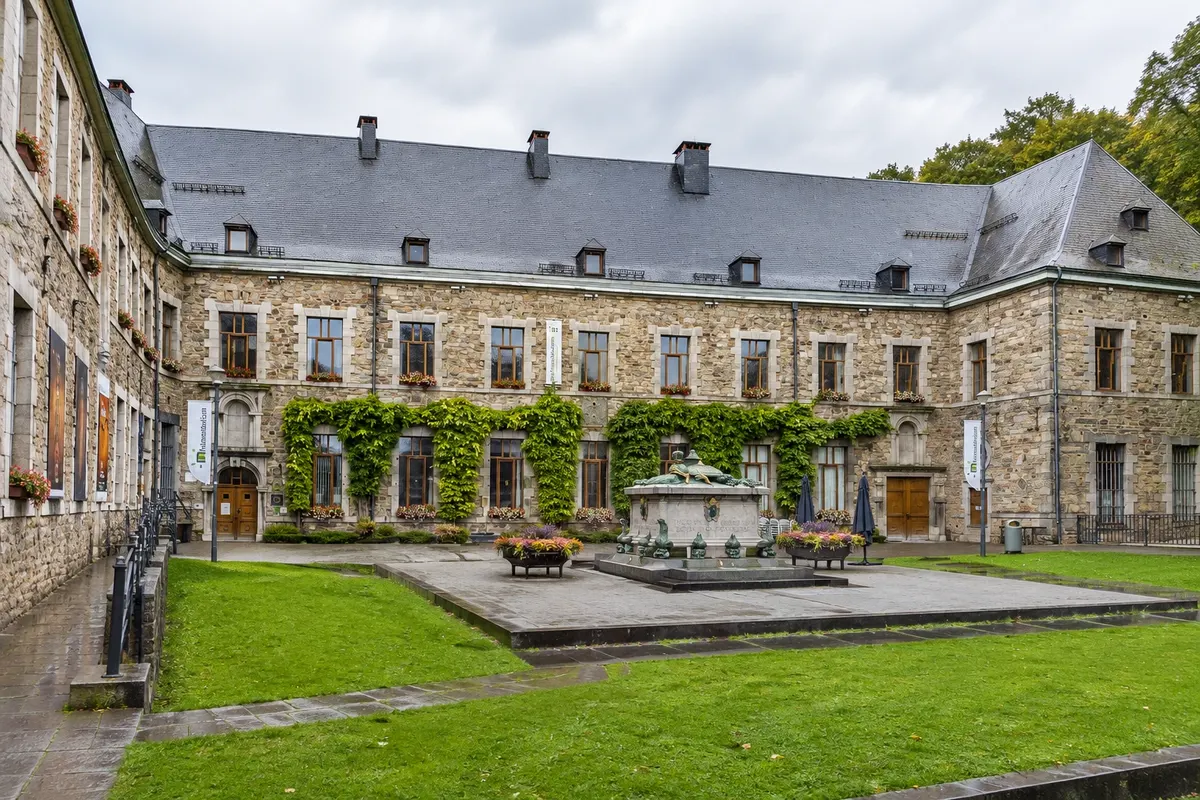
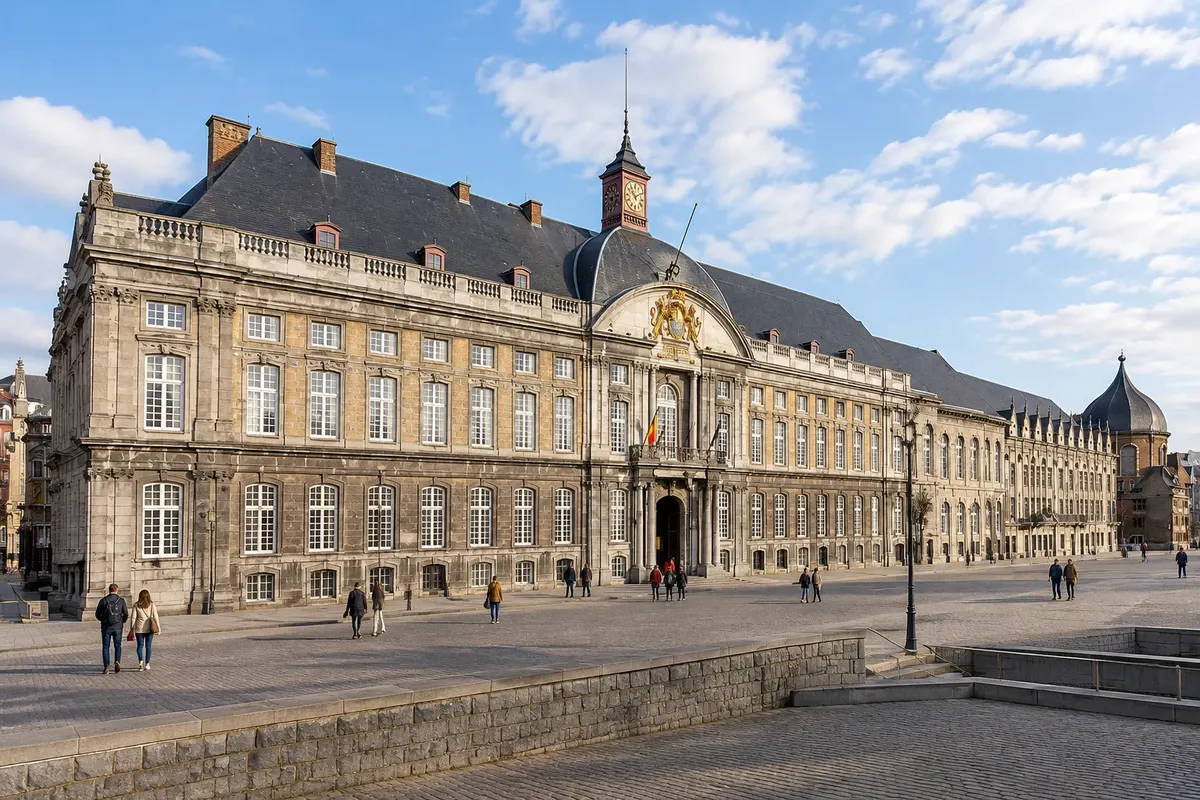
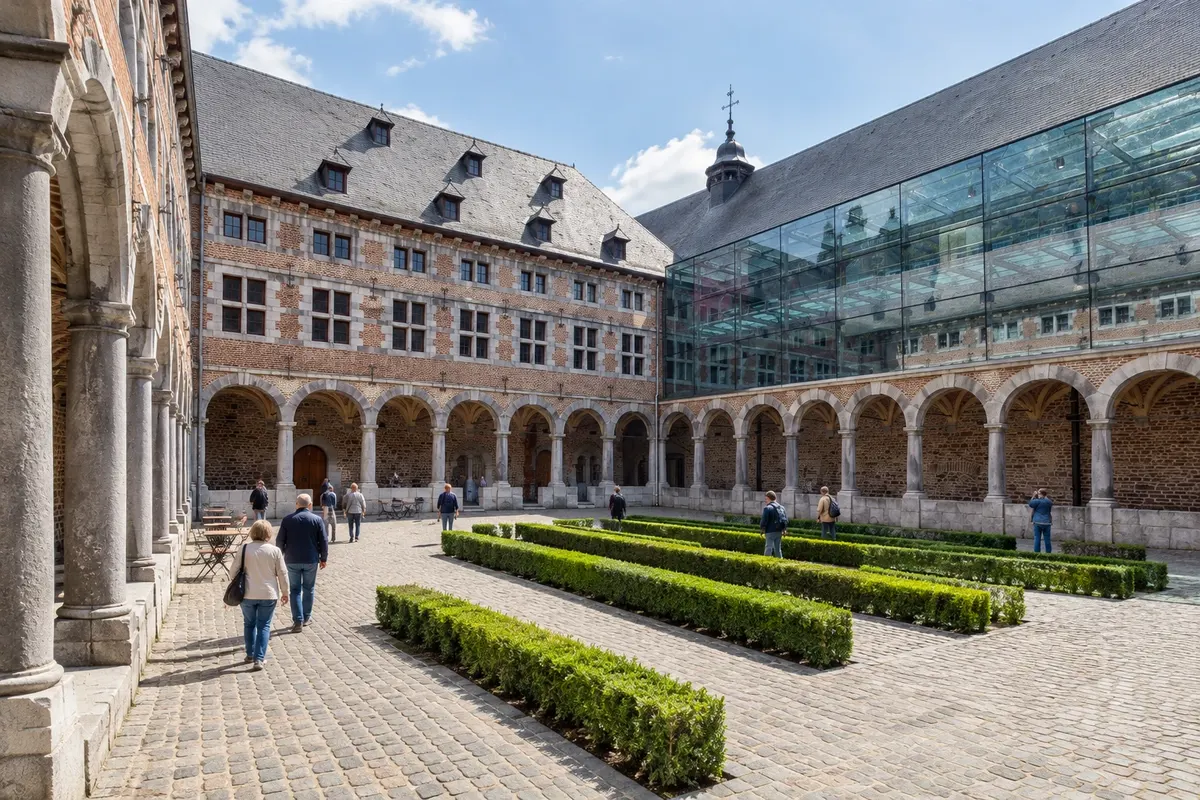
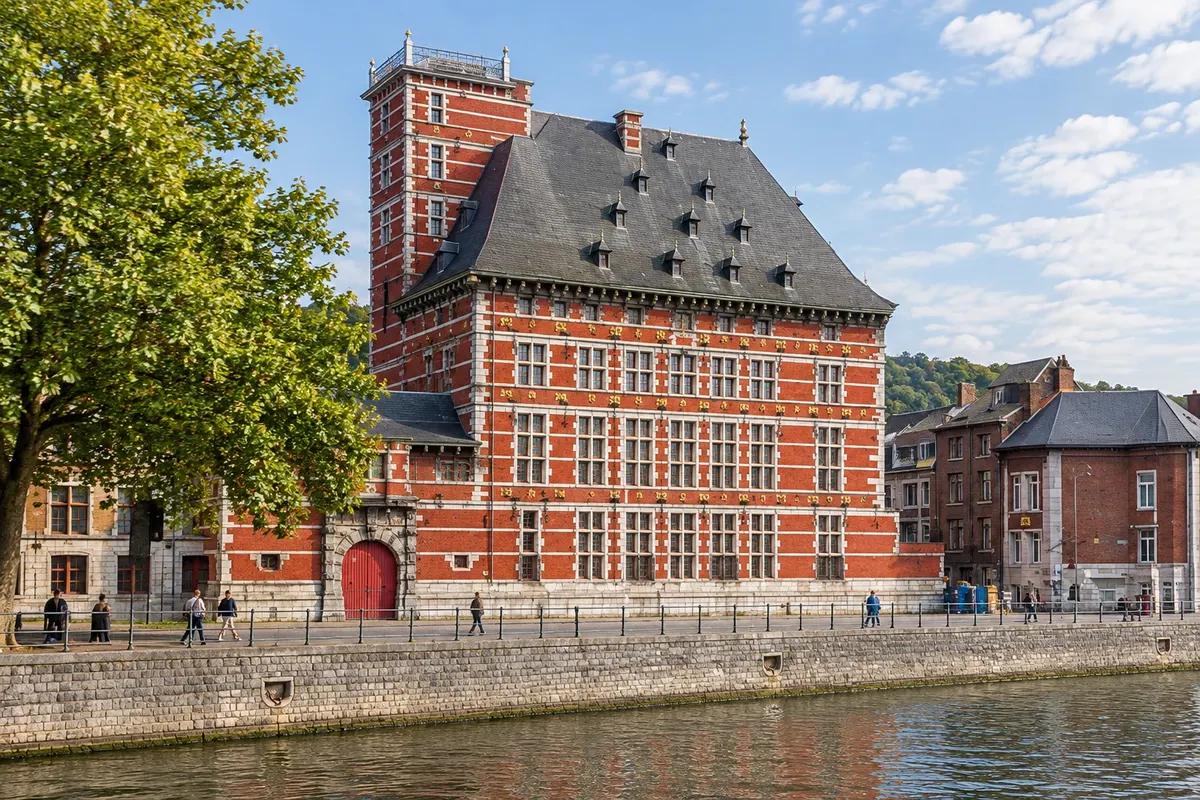
The Musée de la Vie wallonne, founded in 1913, tells the everyday life of Wallonia. It is housed in the former convent of the Mineurs, on the Cour des Mineurs, a few steps from Place Saint-Lambert and Hors-Château street.
About 2,000 objects are on display and show trades, tools, the home, beliefs, festivals and the work that shaped the region. The collection includes nearly 600 rod puppets, the tradition of Liège, with characters such as Tchantchès, the young man who represents the citizen of Liège, Nanesse, Charlemagne and Roland.
The museum’s puppet theatre gives performances for the public several times a week, and there are temporary exhibitions about Walloon culture.
Kraji na poti: Musée de la Vie wallonne, Cour des Mineurs, Rue Hors-Château.
Vključuje: Paid admission, which includes the permanent exhibitions. Puppet performances and temporary exhibitions may require a separate ticket. Check the current pricing.
Nasvet: Visit before going to Outremeuse: the museum helps explain who Tchantchès is and why he appears all over the city. Check the days of the puppet shows. The museum is usually open Tuesday to Sunday; on the first Sunday of the month admission is free.
Najboljši čas za obisk: Vse leto. Ogled je primeren tudi za deževen dan.
Outremeuse and Tchantchès: the neighbourhood on the other side of the Meuse
Odhod: Center of Liège Peš Približno uro in pol Popoldne Lahko
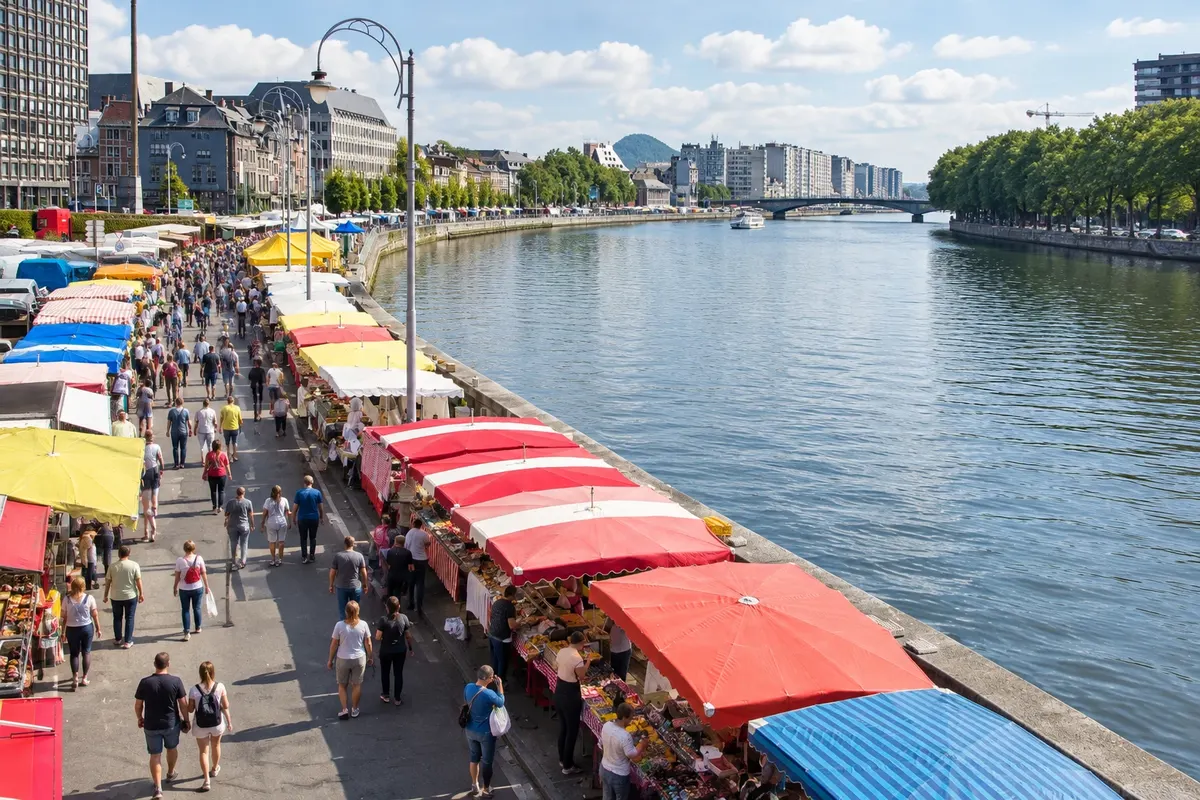
Outremeuse is the neighborhood located on an island between the Meuse and the Dérivation canal, right in front of the center. Locals jokingly call it the Free Republic of Outremeuse. The writer Georges Simenon, author of the Inspector Maigret books, spent his early years there and described the neighborhood in the novel Pedigree.
The neighborhood is home to Tchantchès, the puppet that became a symbol of Liège: a short young man with a cap and a neckerchief, stubborn but kindhearted. There is a monument to Tchantchès in the heart of the neighborhood and the Musée Tchantchès, with the character’s costumes and puppets; from October to April the museum theatre stages performances on Wednesdays and Sundays.
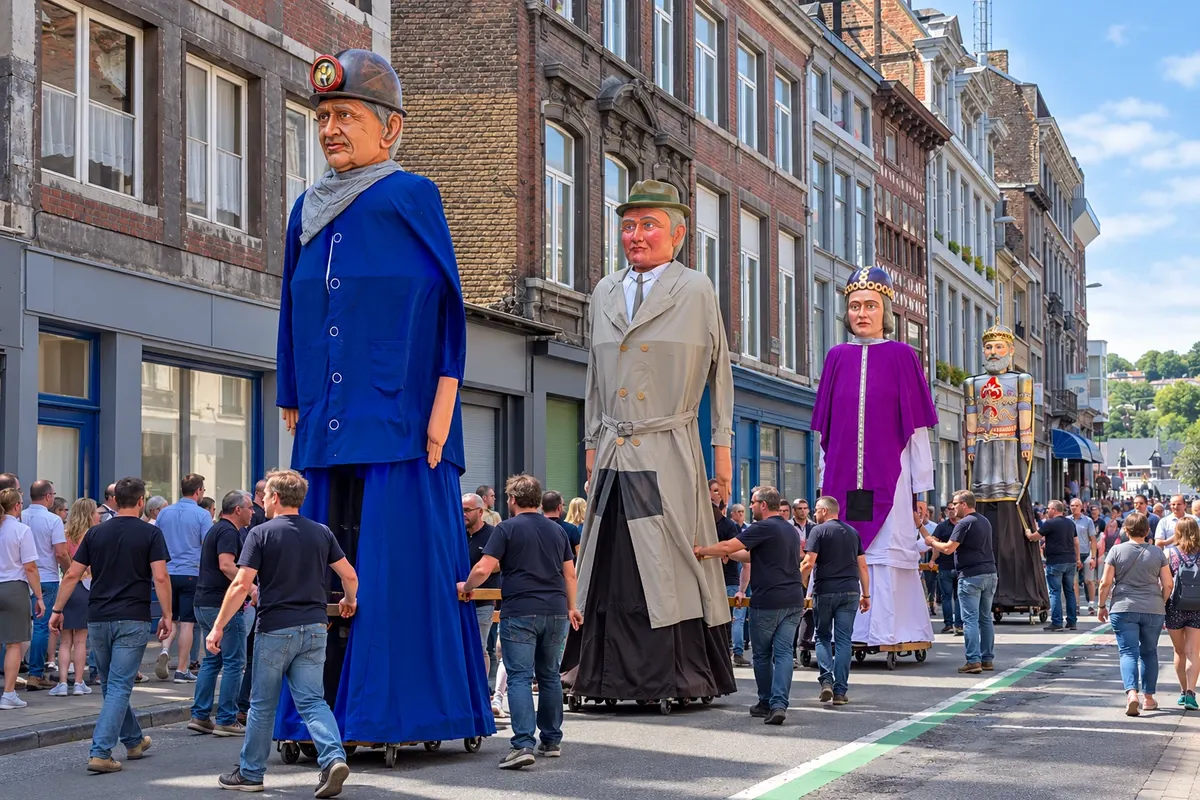
Around August 15, Outremeuse holds its big festival, which lasts about a week, with concerts, stalls, a funfair and péket. On the 15th there is the procession of the Black Virgin, an outdoor mass with a sermon in Walloon, the regional language, and the parade of the neighborhood giants, featuring Tchantchès and Nanesse. Outside the festival the neighborhood is quiet, with streets of old houses and corner cafés.
Kraji na poti: Outremeuse, Musée Tchantchès, Mosa, Dérivation.
Vključuje: Self-guided walk through the neighbourhood. The Musée Tchantchès is open only a few days a week, by reservation, and does not charge admission; puppet performances are paid separately. Check the current schedule and pricing.
Nasvet: At the August 15 festival the neighbourhood fills up: go on foot, book accommodation in advance and drink responsibly. To see the Tchantchès statue and the neighbourhood calmly, prefer a weekday.
Najboljši čas za obisk: All year. The festival usually takes place on days around August 15.
Flavors of Liège: boulets, gaufre, sirop and péket
Odhod: Center of Liège On foot, via brasseries, bakeries and shops in the center about 2 to 3 hours night Lahko
Liège has a cuisine with its own identity, and tasting the city’s dishes is part of the trip. The typical brasserie dish is boulets à la liégeoise: one or two large meatballs of pork and veal or beef, cooked in a sweet‑and‑sour sauce of onion, vinegar, brown sugar, raisins and sirop de Liège, called sauce lapin, served with fries.
Sirop de Liège is a dark, thick paste made from apple and pear juice reduced for hours, sold in jars and spread on bread, often with strong‑smelling Herve cheese. The gaufre de Liège is the city’s waffle: a brioche‑style dough with yeast and sugar pearls that caramelize on the griddle. It’s eaten on the street, hot, without toppings.
Péket is the juniper spirit of the Meuse region, served in small glasses, neat or flavored. You’ll find it in downtown cafés and, above all, at the August 15 festivities in Outremeuse.
Kraji na poti: Place du Marché, Le Carré, Outremeuse.
Vključuje: Self‑guided walk; meals and purchases paid separately.
Nasvet: Order the boulets at a traditional brasserie, around Place du Marché or in Outremeuse. Sip the péket slowly and don’t drive afterwards. For taking home, sirop de Liège in a jar travels well in checked luggage.
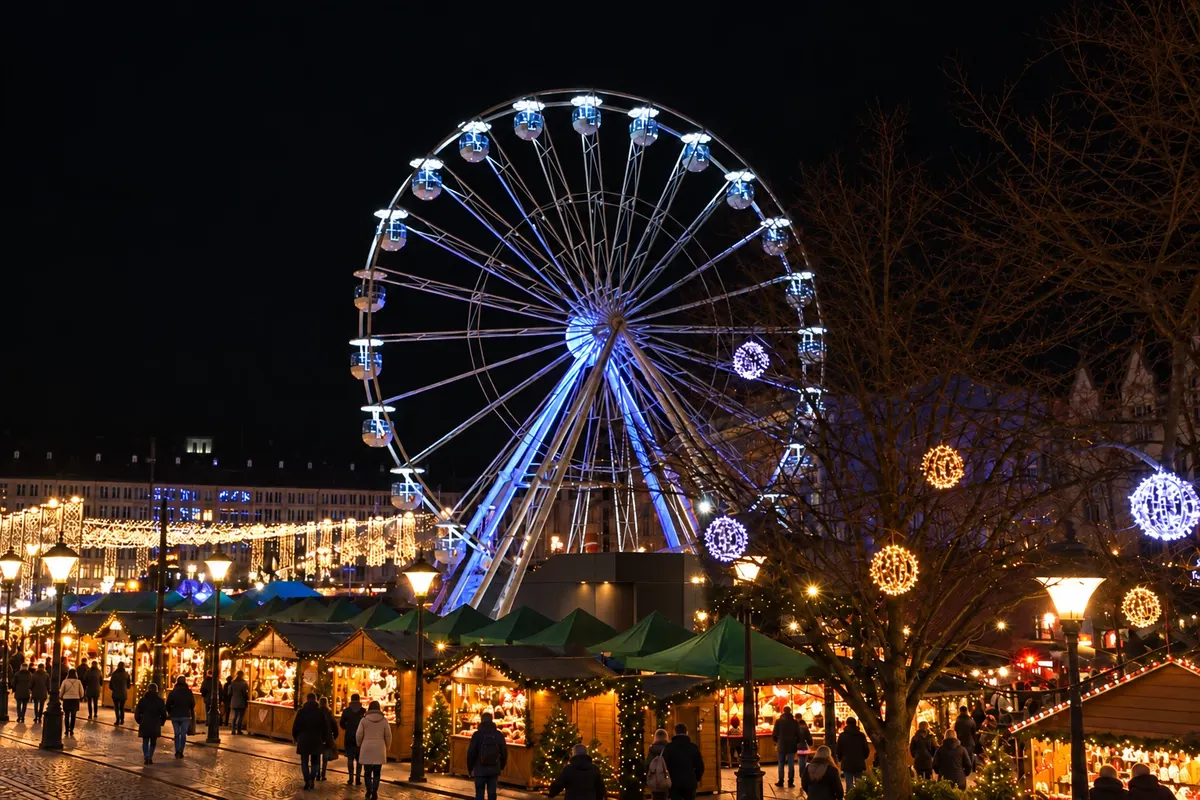
Najboljši čas za obisk: All year. At the Christmas market, from late November to late December, and at the August 15 festival the food stalls multiply.
University of Liège Aquarium (Aquarium-Muséum)
Odhod: Quai Édouard Van Beneden, Outremeuse Peš Približno 1 uro Popoldne Lahko
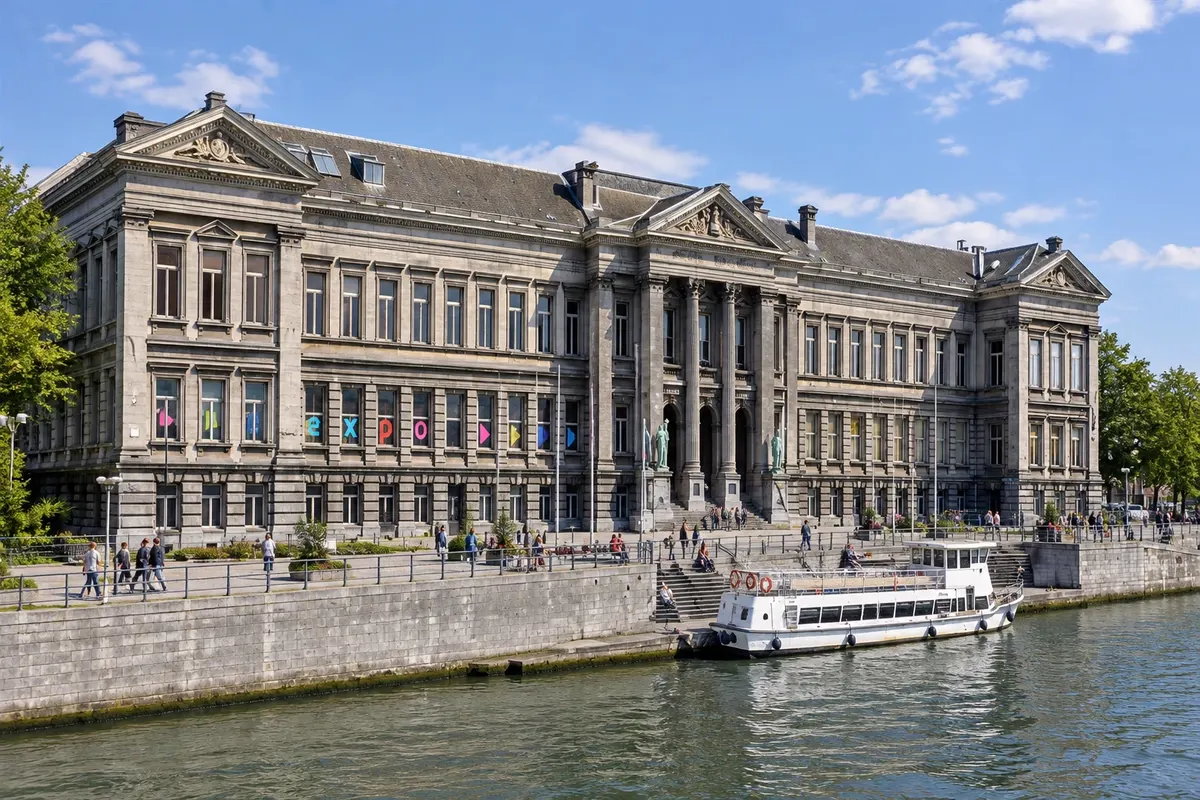
The Aquarium-Muséum belongs to the University of Liège and is in a university building on the banks of the Meuse, in Outremeuse, a few minutes’ walk from the city centre.
The aquarium houses dozens of species of fish and other aquatic animals from a range of environments, from rivers to tropical seas. The visit is short and usually appeals to those travelling with children. It’s a covered activity for a rainy day or for late afternoon after walking around Outremeuse.
Kraji na poti: Aquarium-Muséum, Quai Édouard Van Beneden, Outremeuse.
Vključuje: Paid admission. On the first Sunday of the month entry is often free with a reservation. Check the current schedule.
Nasvet: During term time the aquarium usually closes on Mondays; during Belgian school holidays it is open every day. Confirm the opening hours before you go, because there can be occasional closures.
Najboljši čas za obisk: Vse leto.
Blegny-Mine: descent into a coal mine
Odhod: Liège (about 15 km) Car or bus; guided tour on site Približno pol dneva Dopoldne easy (stairs and damp galleries)
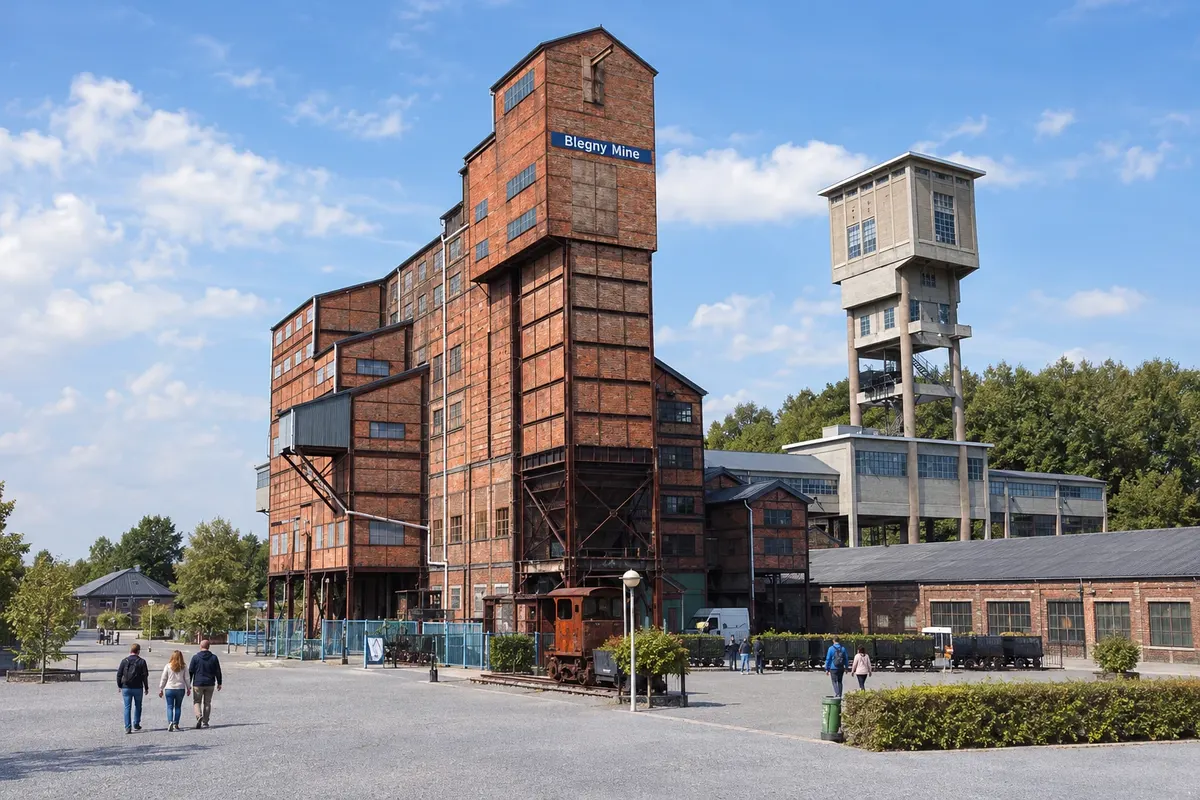
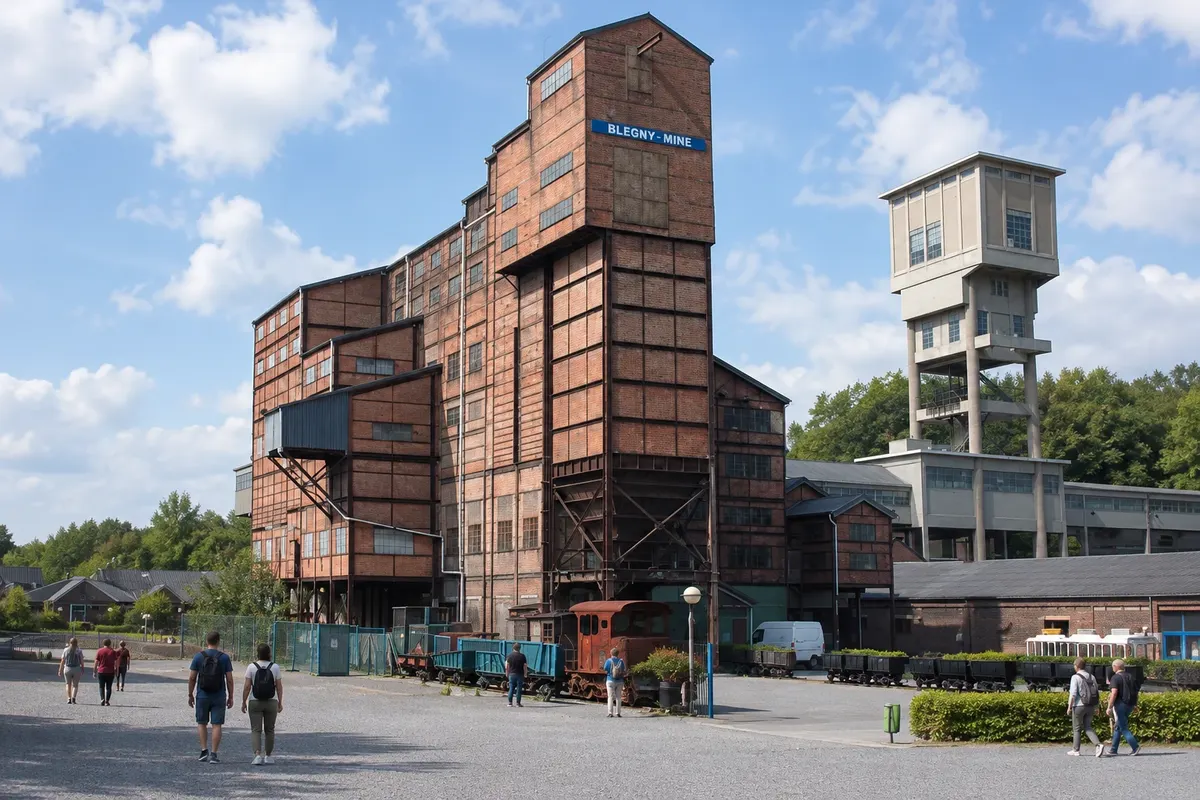
Blegny-Mine is a former coal mine in Trembleur, in the municipality of Blegny, northeast of Liège. Extraction stopped in 1980 after subsidies ended following the oil crisis, and the site was turned into a visitor centre retaining the original installations. In 2012, Blegny-Mine was added to the UNESCO World Heritage list together with other major mining sites in Wallonia.
The visit is guided. Wearing a jacket and helmet, the group descends in the miners’ cage, the shaft elevator, to galleries at 30 and 60 meters depth, where you can see the coal faces and hear the sounds of the machinery. Back on the surface, the route goes through the coal screening and washing installations. A small tourist train, charged separately, runs tours through the surrounding fields.
Kraji na poti: Blegny-Mine, Trembleur, Blegny.
Vključuje: Guided tour with descent to the galleries, jacket and helmet. There is an admission fee; the little tourist train is charged separately. Check the current schedule.
Nasvet: Bring a jacket even in summer and wear closed shoes: the galleries are cool and damp. To descend, a child must be at least 1 meter tall. Buy tickets in advance and check the days and times of visits, which change throughout the year.
Najboljši čas za obisk: All year, with a schedule that changes by season. Check the calendar before you go.
Fort de Loncin: the fort destroyed in 1914
Odhod: Liège (about 8 km) Car, bus or train to Ans Približno uro in pol Popoldne easy (uneven terrain)
At the end of the 19th century, Liège was surrounded by a ring of forts to protect passage along the Meuse. In August 1914, at the start of the First World War, the forts held out for several days against the advancing German army, in an episode known as the Battle of Liège.
Fort de Loncin was destroyed by a 420 mm shell from a German gun nicknamed Grosse Bertha, which hit the ammunition magazine. Hundreds of defenders died, and many remain buried under the rubble; the crypt holds the remains of 69 soldiers. For that reason the site is a national necropolis.
The visit begins in a museum with objects, models and an explanation of the role of the forts, and continues inside the fort, with an audio guide in French, Dutch, German and English. The route is restrained and requires respect: it is both a historic site and a cemetery.
Kraji na poti: Fort de Loncin, Loncin, Ans.
Vključuje: Visit to the museum and the fort with an audio guide, entry included. Groups can have a guided tour. Check the current price list.
Nasvet: Keep a memorial‑appropriate tone: speak quietly and do not climb on the ruins. The fort is open only in the afternoons: from April to September, Thursday to Sunday; from October to March, only on weekends. The nearest train station is Ans, about 2 km away.
Najboljši čas za obisk: From April to September, when it is open on more days.
Spa centre: Pouhon Pierre-le-Grand, Parc de Sept Heures and Galerie Léopold II
Odhod: Spa center Peš about 2 to 3 hours Dopoldne Lahko
Spa is a small town about 35 km from Liège, on the edge of the Ardennes, known for its mineral waters for centuries. Its reputation was such that the town’s name became, in several languages, synonymous with a waterside resort. Around the town more than 300 cold springs emerge, and the fizzy, iron-rich ones are called pouhons.
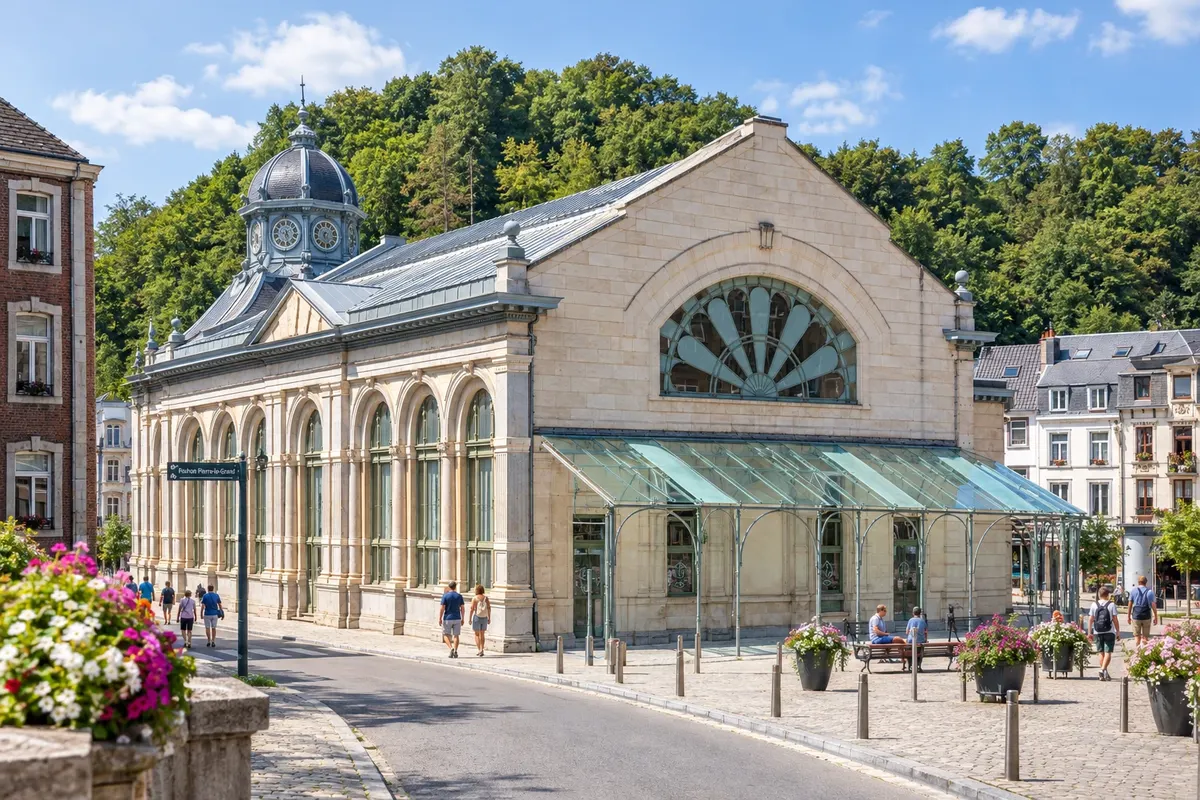
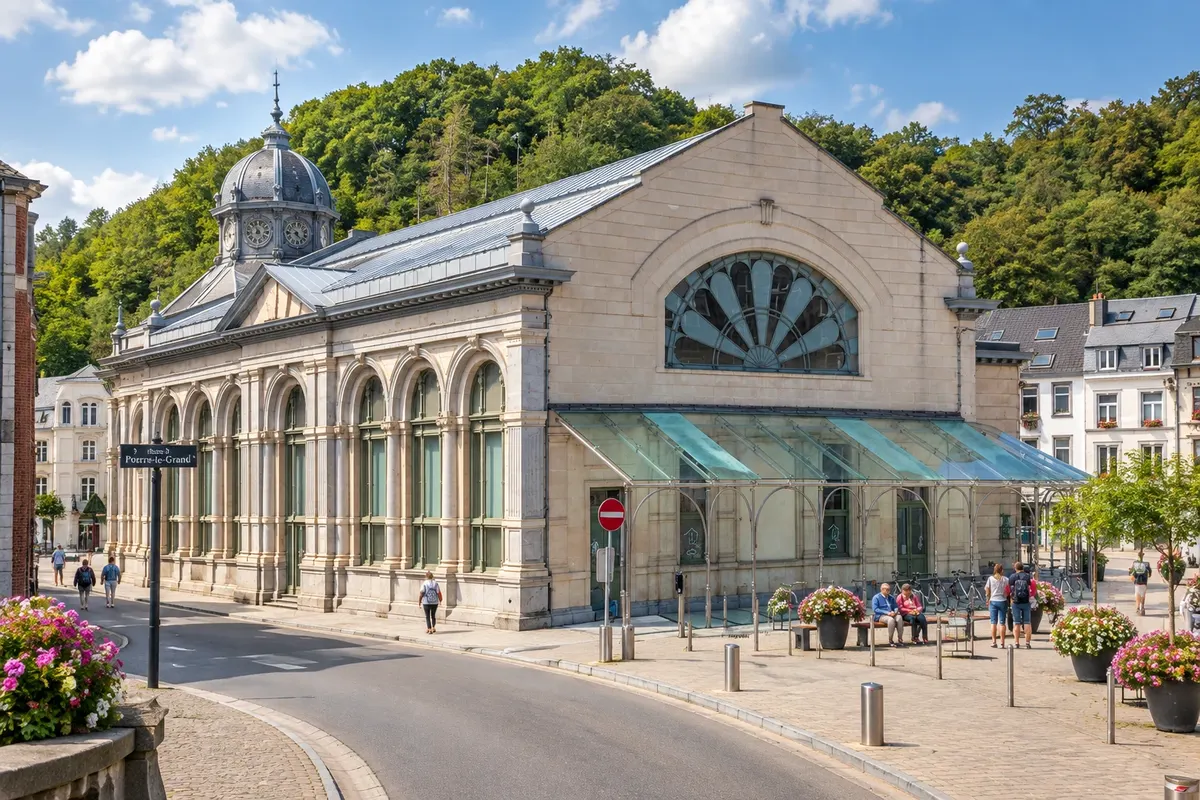
The center revolves around the Pouhon Pierre-le-Grand, the pavilion of the main spring, dating from 1880. The name recalls Czar Peter the Great, who visited Spa in 1717 to treat his health with the waters. Inside is the spout of the spring, which can generally be tasted, and a 9-meter painting by Antoine Fontaine, the Livre d'Or, showing 92 famous visitors to the town. The pavilion also houses the tourist office.
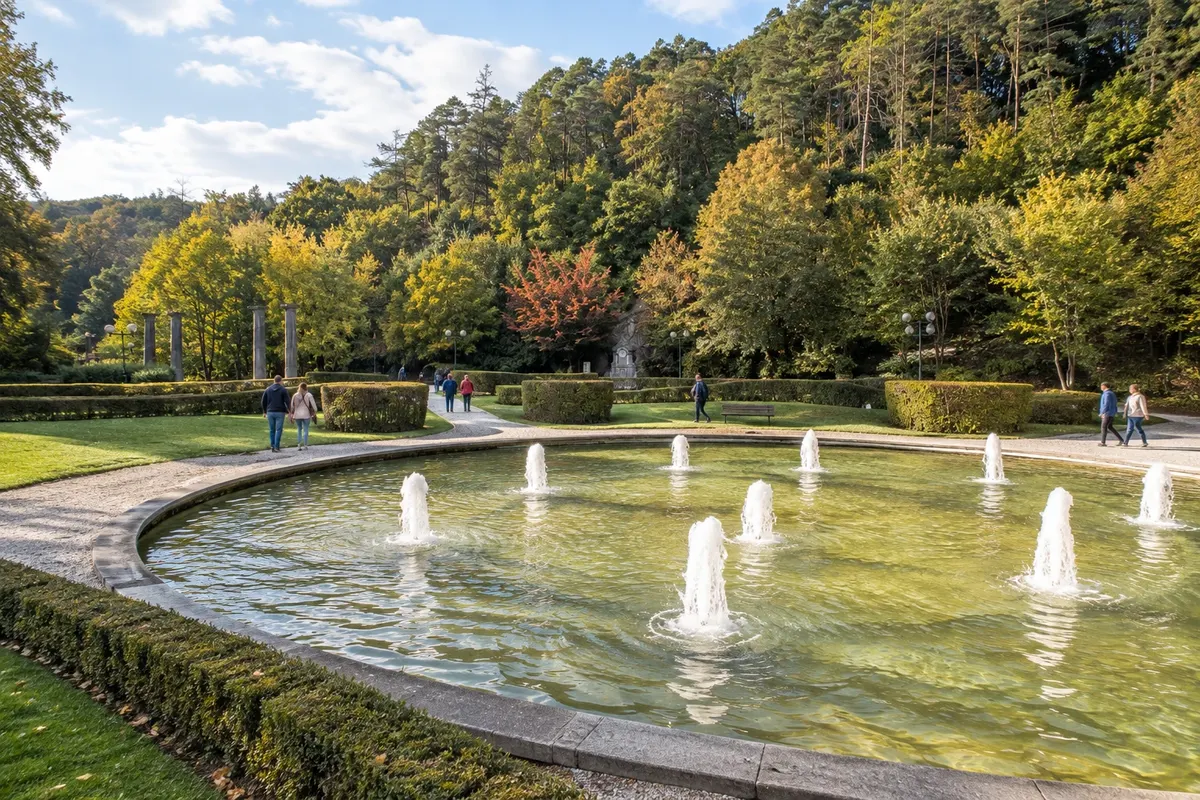
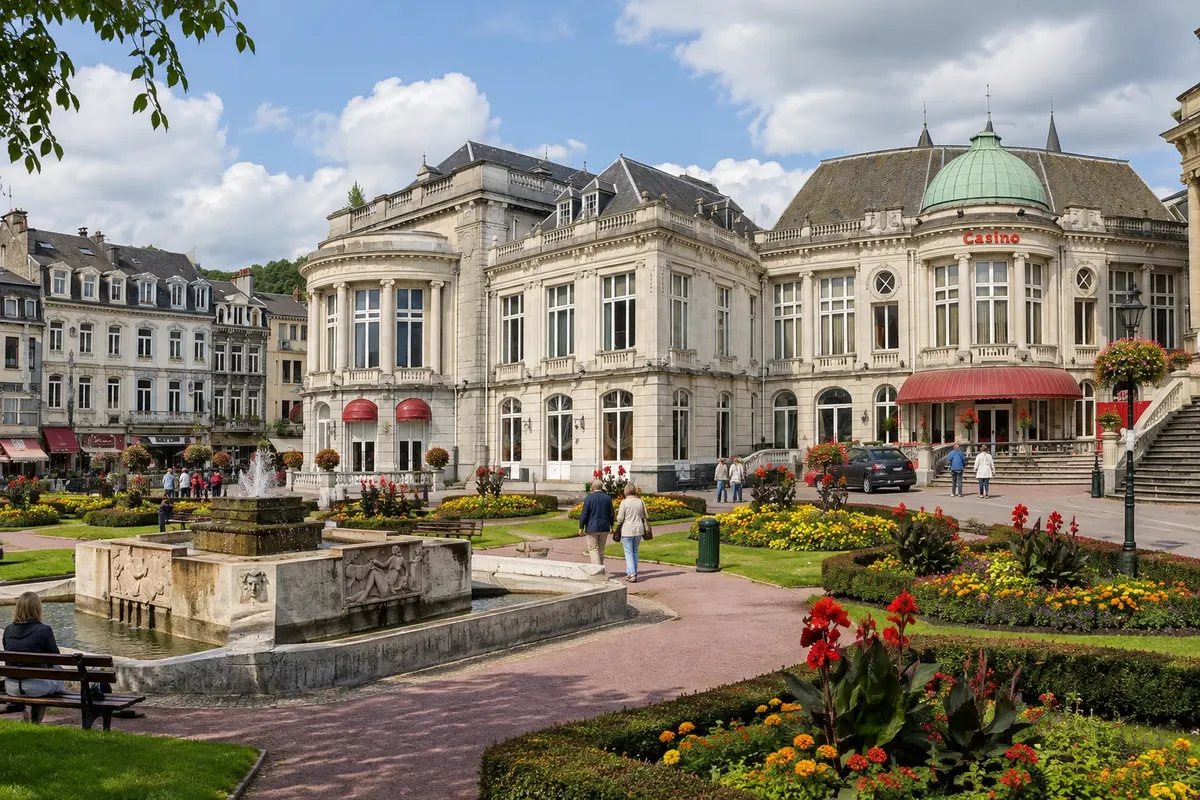
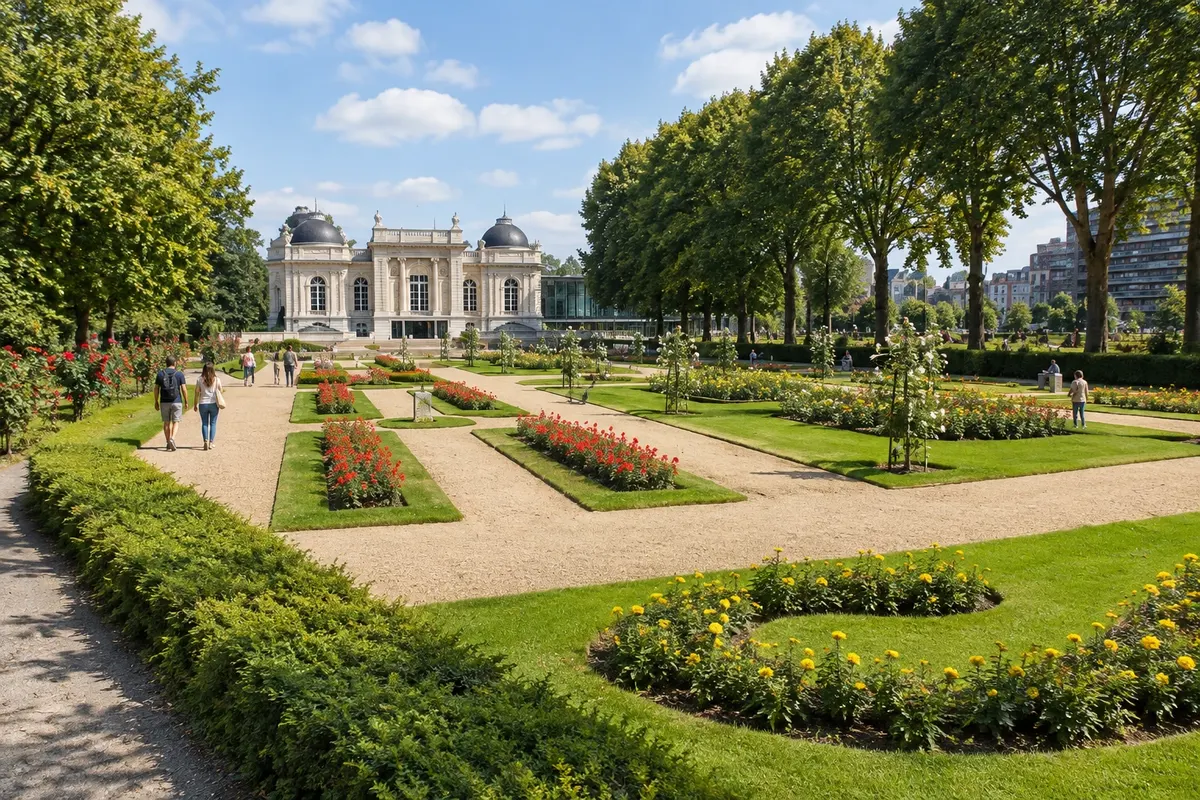
A few steps away is the Parc de Sept Heures, a public promenade since the 18th century, with the Galerie Léopold II, an iron-and-glass covered gallery from 1878 about 130 meters long. Beside it is the Casino de Spa; the town has had gambling houses since the 18th century.
Kraji na poti: Spa, Pouhon Pierre-le-Grand, Parc de Sept Heures, Galerie Léopold II, Casino de Spa.
Vključuje: Free access to the centre and the park. Entry to the Pouhon spring is paid separately. Check the current price list.
Nasvet: If the spout is running, taste the water of the Pouhon: the iron taste is strong. Pick up the map of springs and trails around the town at the tourist office. To enter the casino gaming rooms you must be of legal age and show ID.
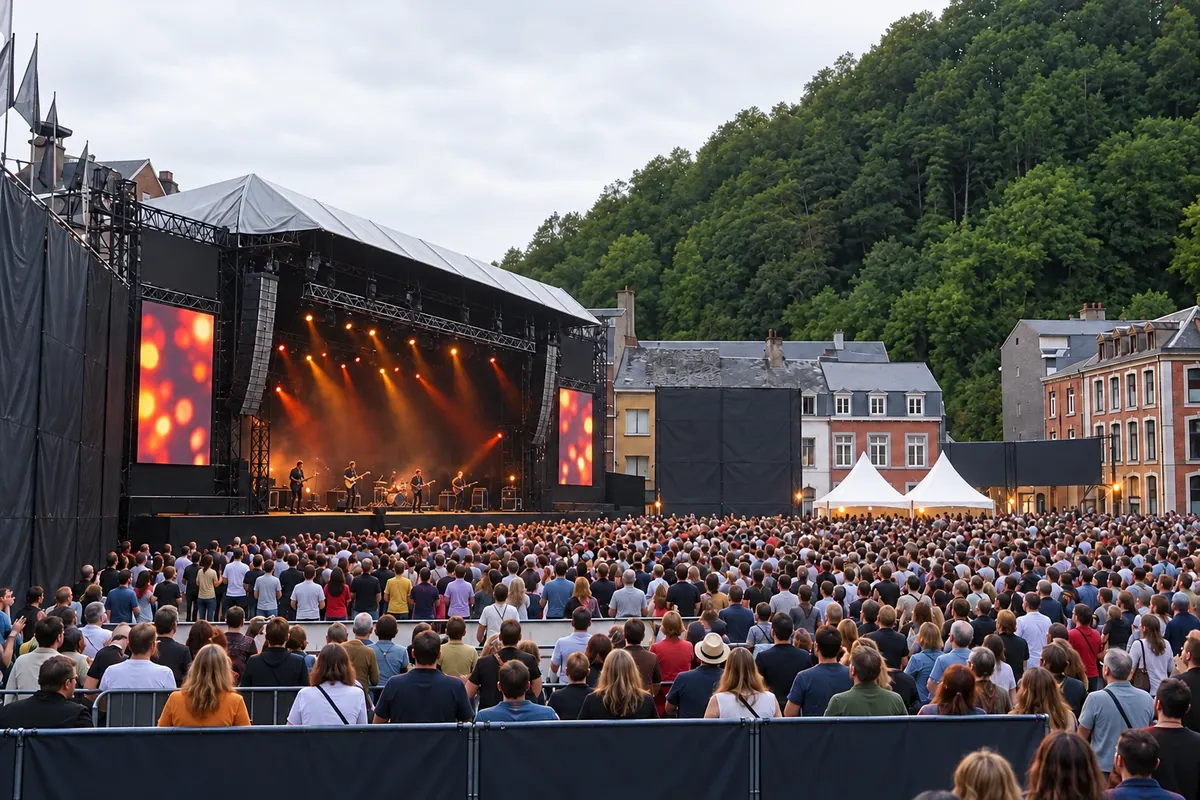
Najboljši čas za obisk: All year. From May to September the park is livelier; in July the town hosts the Francofolies de Spa music festival and fills up.
Thermes de Spa: mineral water baths on the hill
Odhod: Spa center Funicular or car up to the top of the hill Približno 3 ure Popoldne Lahko
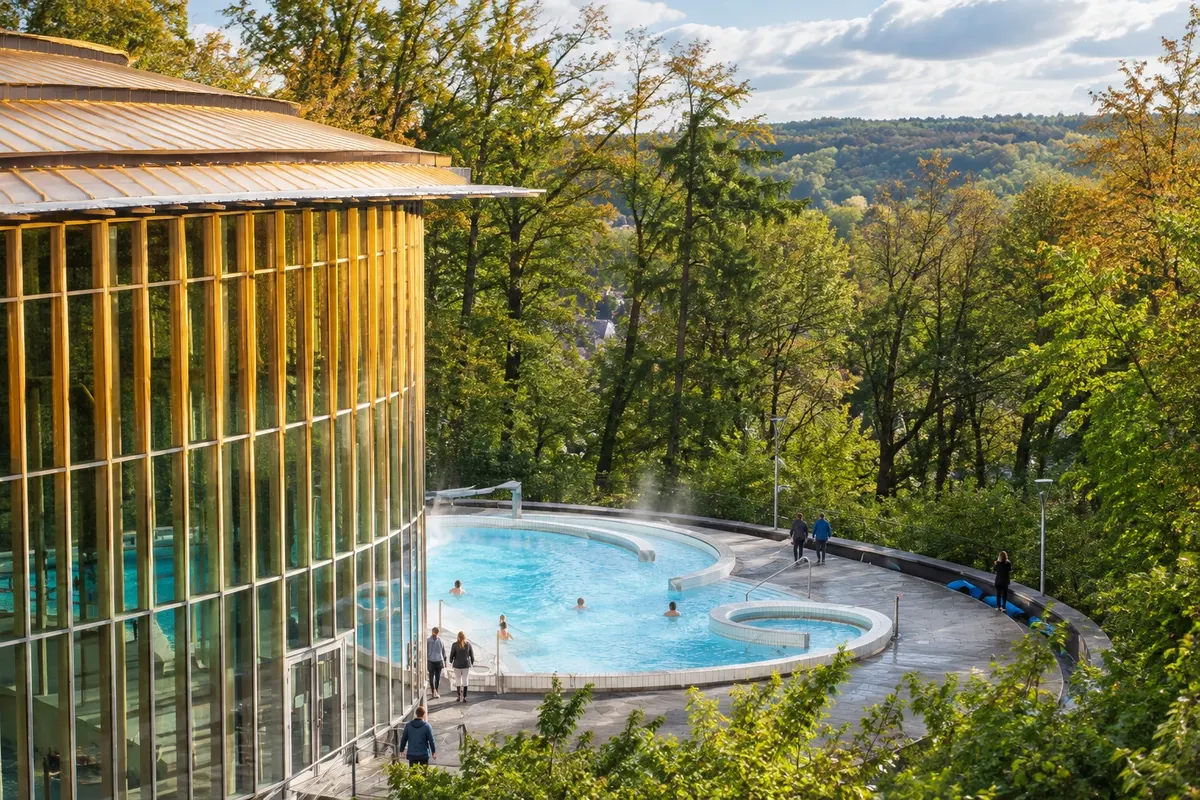
The Thermes de Spa sit atop the d'Annette et Lubin hill, above the town center, in a modern building set in greenery with views over the town. The complex opened in 2005, when the old 1868 baths in the lower town closed, and a funicular links it to the center.
There are about 800 m² of indoor and outdoor pools, with natural mineral water from the Clémentine spring heated to 33 °C, more than 100 hydro‑massage jets, saunas, steam baths and relaxation areas. Massages and treatments are booked separately.
The outdoor pool is much sought after, especially on cold days when steam rises from the water. Pool access is by time slot, from a few hours up to a full day.
Kraji na poti: Thermes de Spa, Colline d'Annette et Lubin, Spa.
Vključuje: Access to the pools, saunas and relaxation areas for the chosen time. Massages and treatments are paid separately and require booking. Check the current price list.
Nasvet: Access is allowed from age 15. Bring a swimsuit or sunga, flip‑flops and a towel. On weekends and public holidays the place fills up: book in advance, especially for treatments. There is a café on site.
Najboljši čas za obisk: All year. In the European autumn and winter, from October to February, the heated outdoor pool in cold weather is often the highlight of the visit.
Spa springs: Sauvenière, Groesbeek, Tonnelet, Barisart and Lac de Warfaaz
Odhod: Spa center Walk, bike or car, from spring to spring Približno 4 ure Ves dan moderate (forest trails, climbs)
Around Spa, in the middle of the forest, are the historic pouhons, carbonated springs with their own pavilions. Since the 17th century visitors made the so‑called Tour des Fontaines, and in 1862 the town opened the Route des Fontaines, which links the Tonnelet, the Sauvenière, the Géronstère and the Barisart.
The Sauvenière, used since the 16th century, has iron-rich water and a legend tied to the foot of Saint Remaclus, the saint who founded the Abbey of Stavelot. Beside it springs Groesbeek, once famed for dissolving kidney stones. The Tonnelet has very fizzy water with little iron, and the Barisart gained fame in the 19th century, promoted by an English doctor. Paths such as the Promenade d'Orléans and the Promenade Meyerbeer link the springs to one another.
Northeast of the town centre is Lac de Warfaaz, an artificial lake formed by a dam from 1892, surrounded by forest and offering pedal boats. From the Thermes de Spa to the lake it’s about a 4 km walk.
Kraji na poti: Fontaine de la Sauvenière, Fontaine de Groesbeek, Pouhon du Tonnelet, Pouhon de Barisart, Pouhon de la Géronstère, Lac de Warfaaz.
Vključuje: Free access to the springs, trails and the lake. Pedal boats are charged separately.
Nasvet: Pick up the trail map at the tourist office, at Pouhon Pierre-le-Grand. Wear hiking shoes and bring a rain jacket. During dry periods, access to the region’s forests may be prohibited due to fire risk: follow the signs and the tourism office’s instructions.
Najboljši čas za obisk: From April to October, with drier trails and longer days. In October the forest changes color.
Musée de la Ville d'eaux and Musée spadois du Cheval
Odhod: Spa centre (avenue Reine Astrid) Peš Približno uro in pol Popoldne Lahko
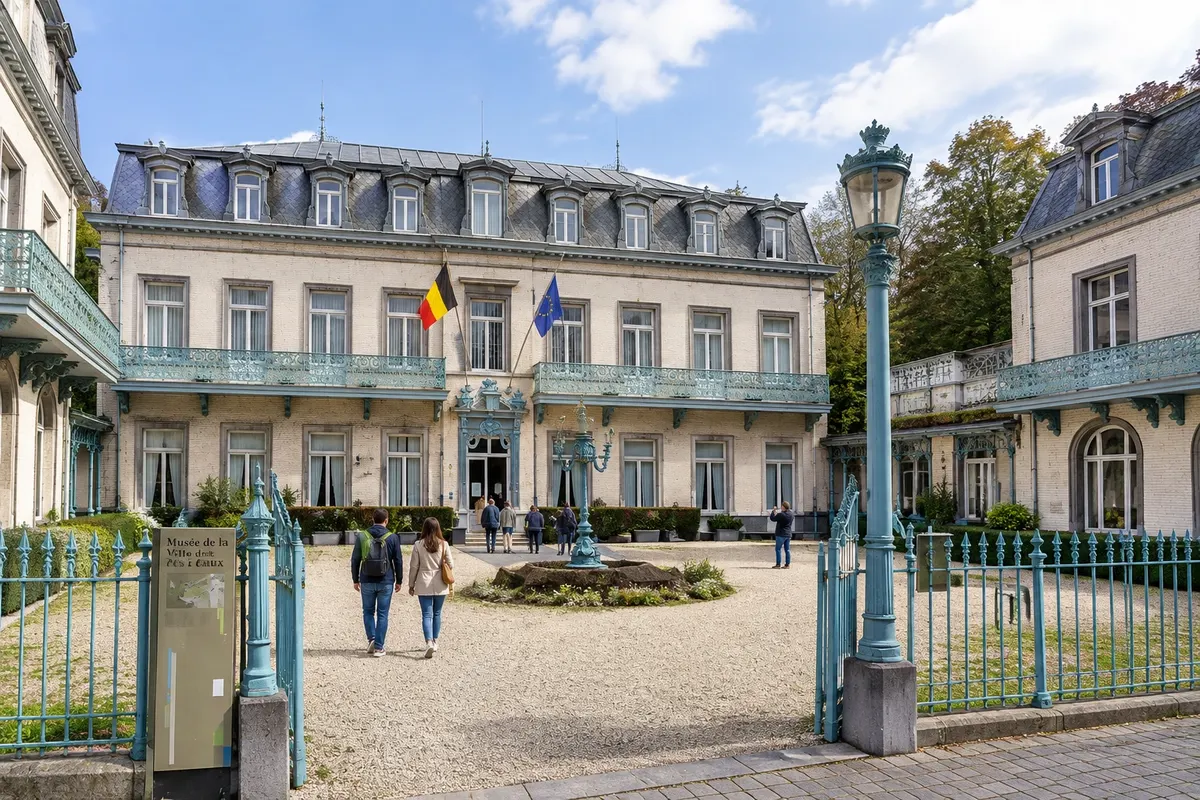
The Musée de la Ville d'eaux operates in the Villa Royale, on avenue Reine Astrid, the house where Queen Marie-Henriette, wife of King Leopold II, lived. The museum tells the history of the spa resort: foreign visitors, treatments, tourism posters and the city’s social life.
The highlight of the collection is the jolités — small boxes and painted, varnished wooden objects that visitors took home as souvenirs after the spa season.
In the same complex is the Musée spadois du Cheval, about the city’s equestrian past, with displays on the horse, racing and the horseback rides that were part of life in Spa.
Kraji na poti: Musée de la Ville d'eaux, Villa Royale Marie-Henriette, Musée spadois du Cheval.
Vključuje: Paid admission. Check the current pricing.
Nasvet: Opening days vary by season and outside summer museums are open fewer days: check before you go. The visit pairs well with a walk through the centre and the Parc de Sept Heures.
Najboljši čas za obisk: From March to November, when museums are open on more days.
Circuit de Spa-Francorchamps: guided tour of the racetrack
Odhod: Spa (about 10 km) Car; guided visit on site Približno uro in pol Dopoldne Lahko
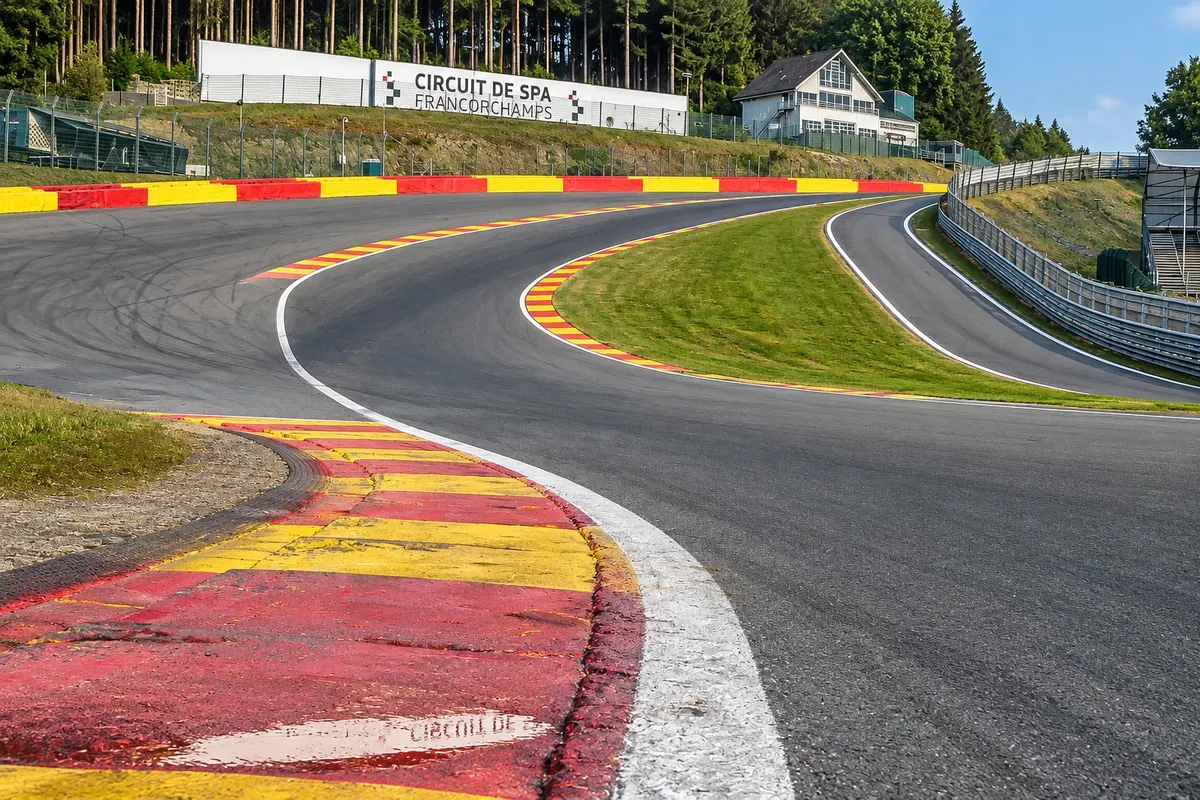
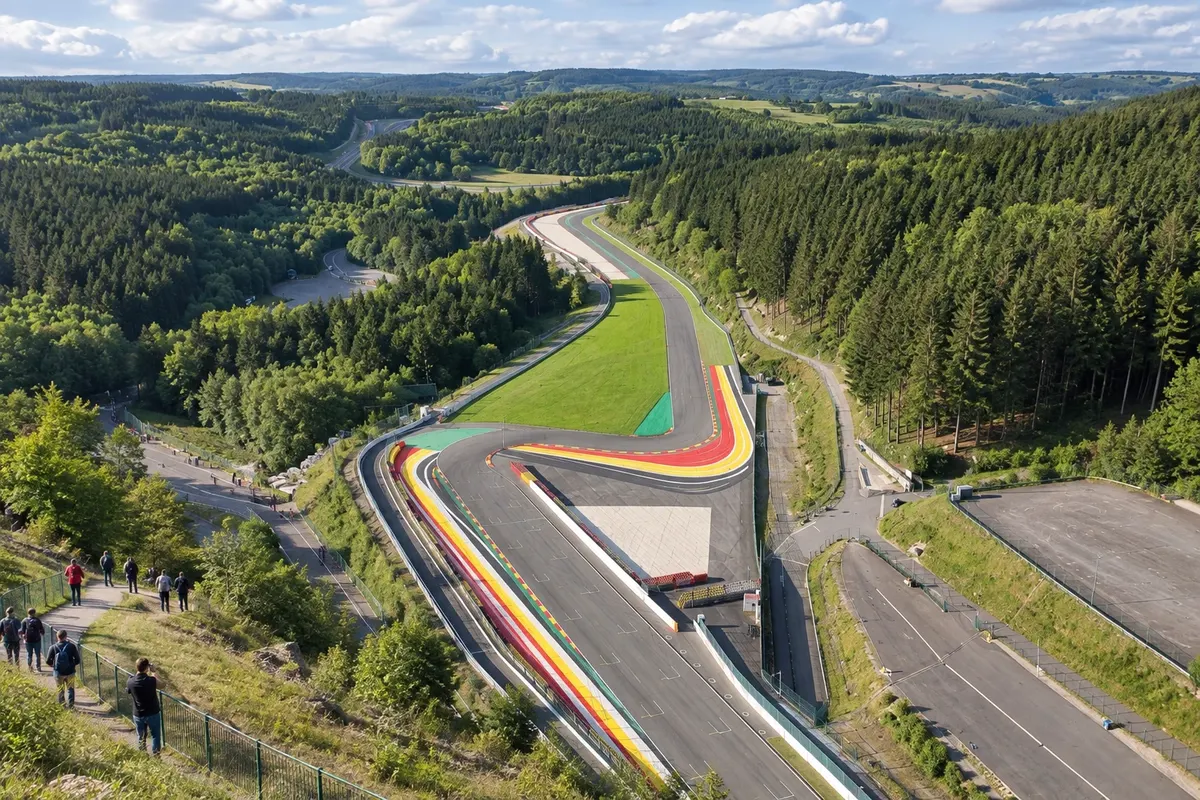
The Circuit de Spa-Francorchamps is located in the municipality of Stavelot, south of the village of Francorchamps, amid hills and forests of the Ardennes. The Grand Prix track is 7,004 meters long with 19 turns. The best-known section is Eau Rouge: cars descend to the stream of the same name and then climb steeply through the Raidillon, a sequence of blind-crested turns.
The circuit hosts the Belgian Grand Prix of Formula 1, the 24 Hours of Spa for GT cars, the 6 Hours of Spa of the World Endurance Championship, and motorcycle races.
The guided tour, about 1 hour 30 minutes long, goes through the paddock, the press room, the commentators' booths, the podium and the race control room, and explains the history and changes of the layout. If you want to see racing cars and bikes, the circuit museum is in the Abbaye de Stavelot.
Kraji na poti: Circuit de Spa-Francorchamps, Francorchamps, Eau Rouge, Raidillon.
Vključuje: Guided tour with a multilingual guide, with ticket and reservation. Race tickets are sold separately. Check the current schedule.
Nasvet: Book the visit in advance: it takes place on scheduled dates from March to November. On race weekends the program changes, the surrounding roads are crowded and accommodation sells out months ahead. The Formula 1 Grand Prix does not take place in Spa every year; confirm the season calendar.
Najboljši čas za obisk: From March to November, when guided visits run. The Formula 1 Grand Prix usually falls in the European summer, generally between July and August, in the years when Spa is on the calendar.
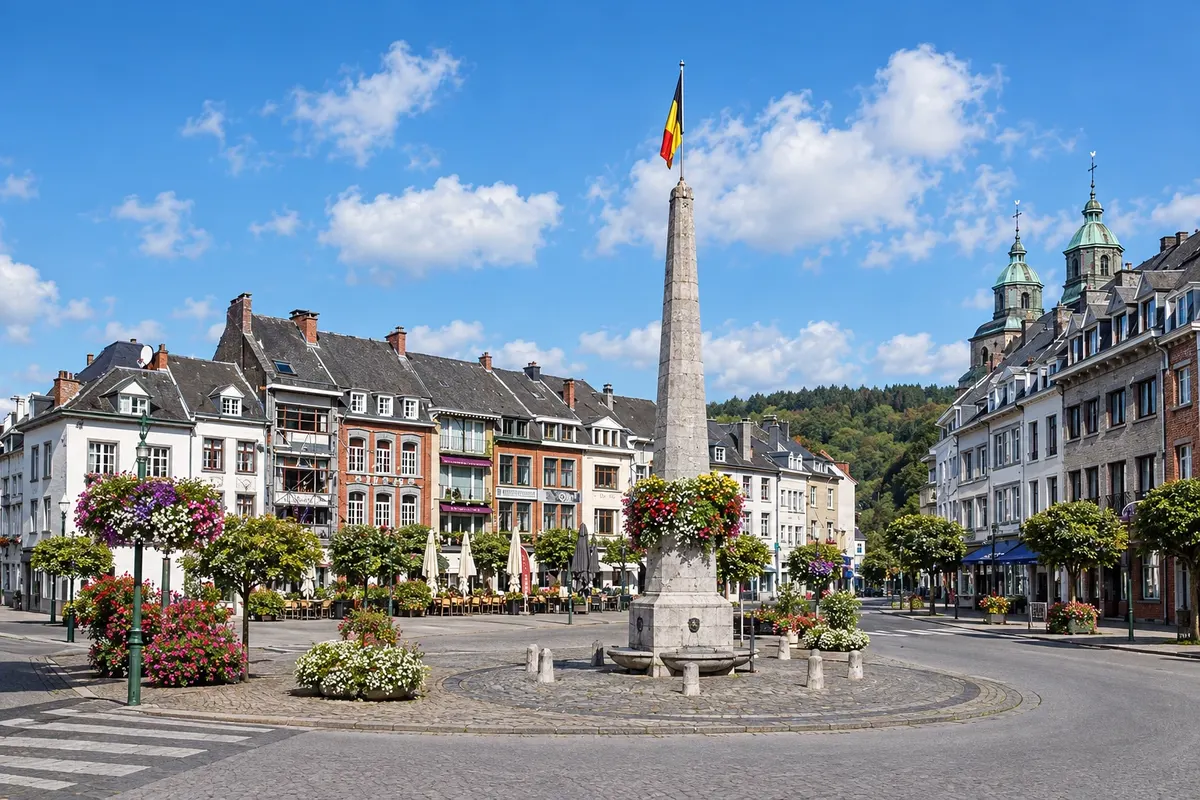
Stavelot: the abbey, the three museums and the Cascade de Coo
Odhod: Spa (about 20 km) Car Približno 5 ur Ves dan Lahko
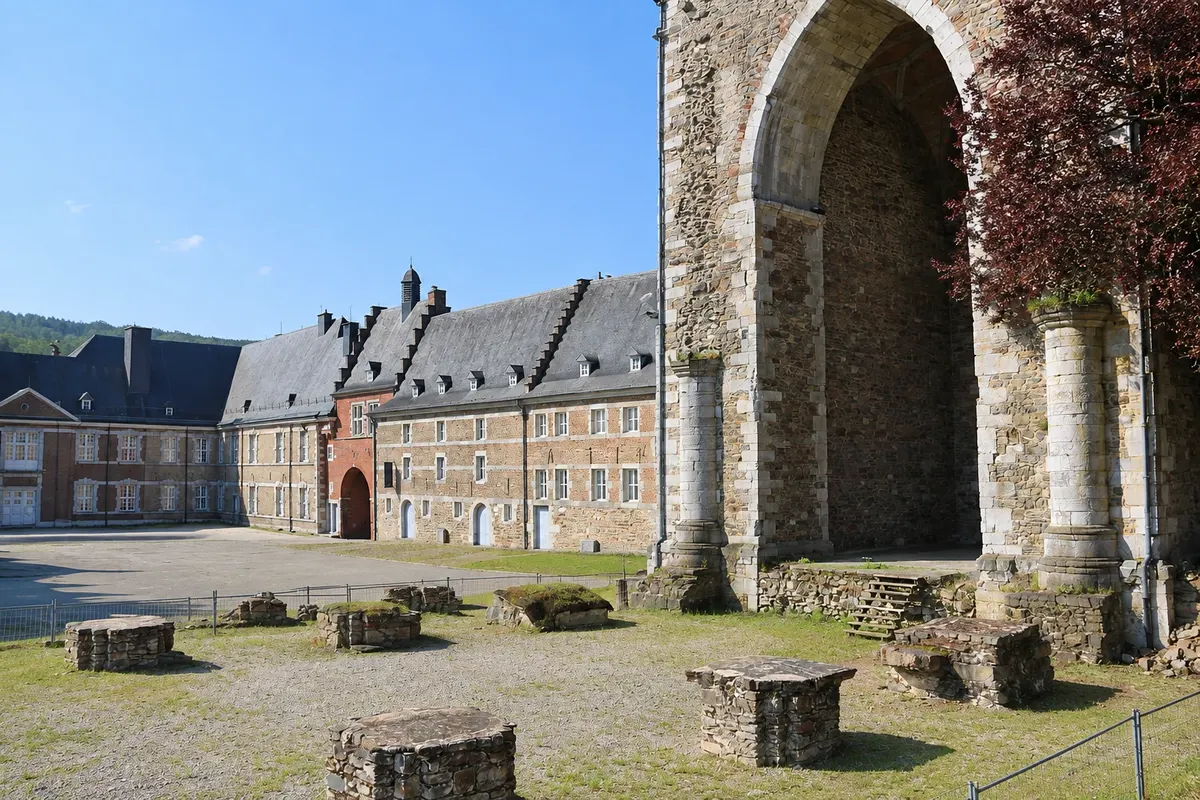
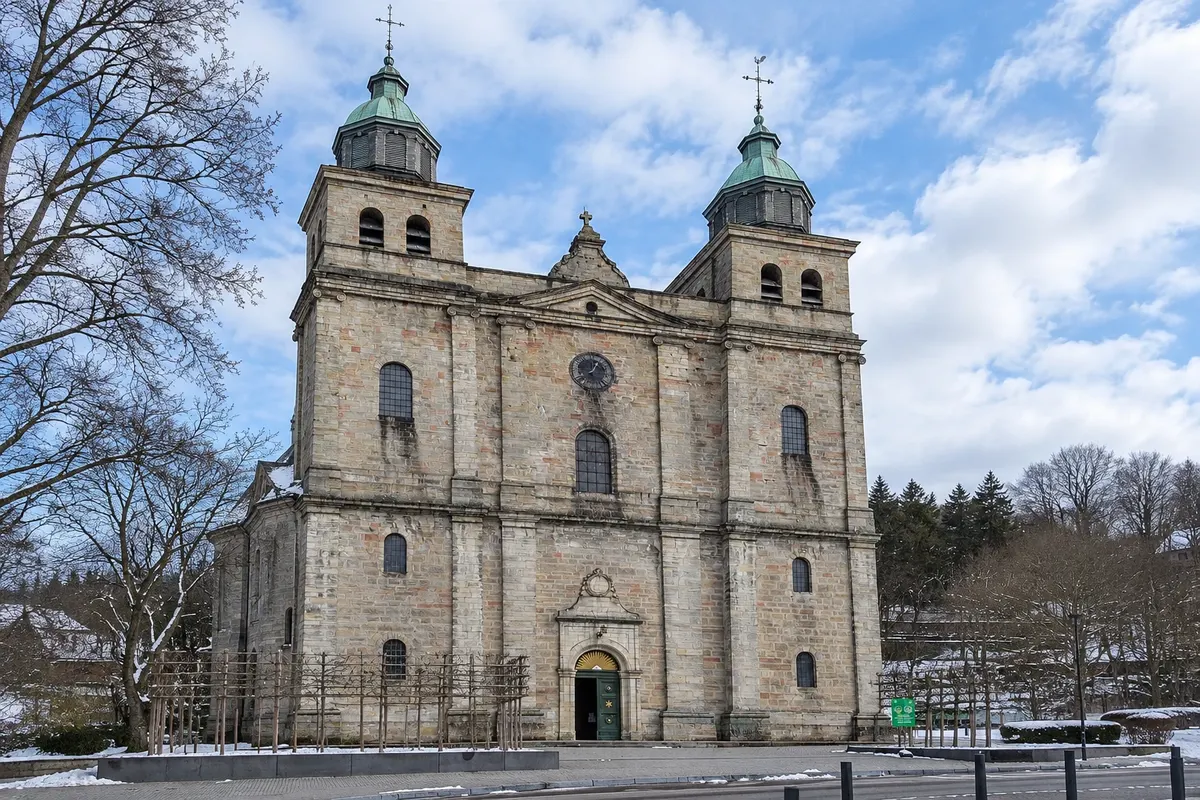
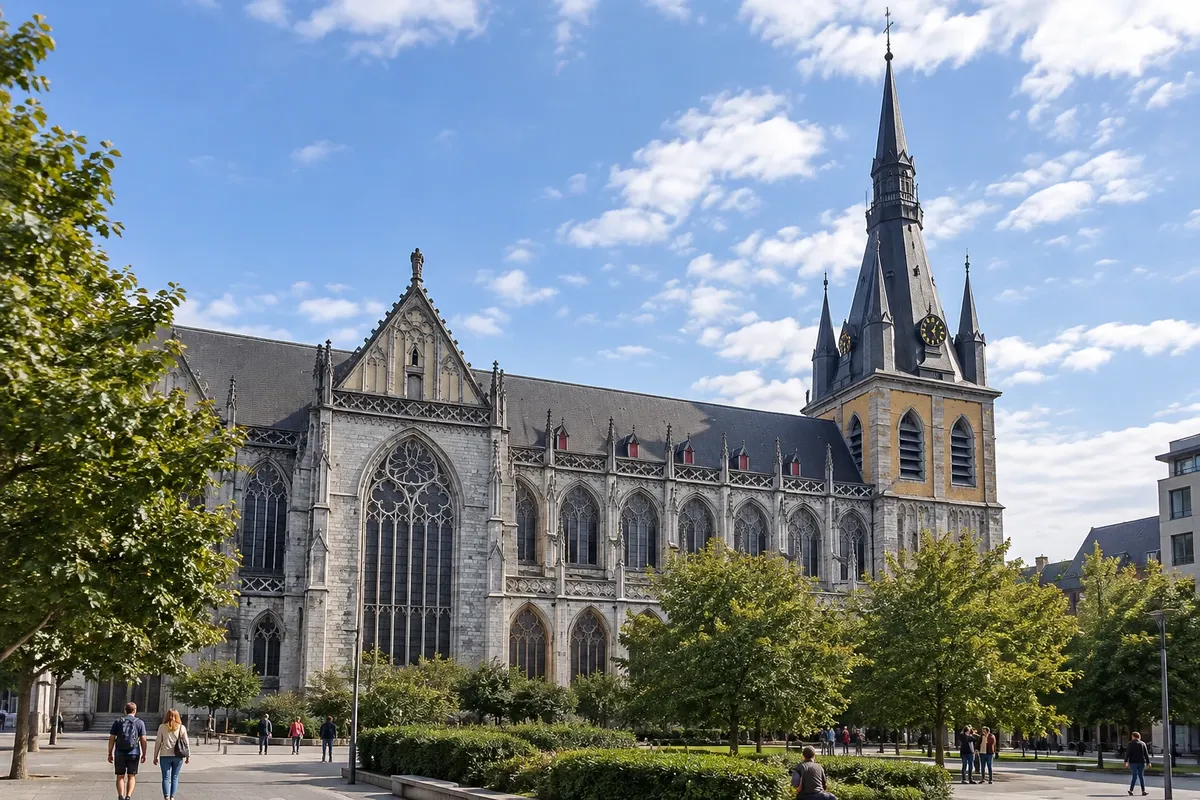
Stavelot is a small town in the Amblève valley, formed around the abbey founded in 651 by Saint Remaclus. From the 10th century the abbots held the title of princes of the Empire and ruled the principality of Stavelot‑Malmedy, which ended with the French Revolution. The abbey church was sold and demolished afterward; only the base of the tower from 1536 remains.
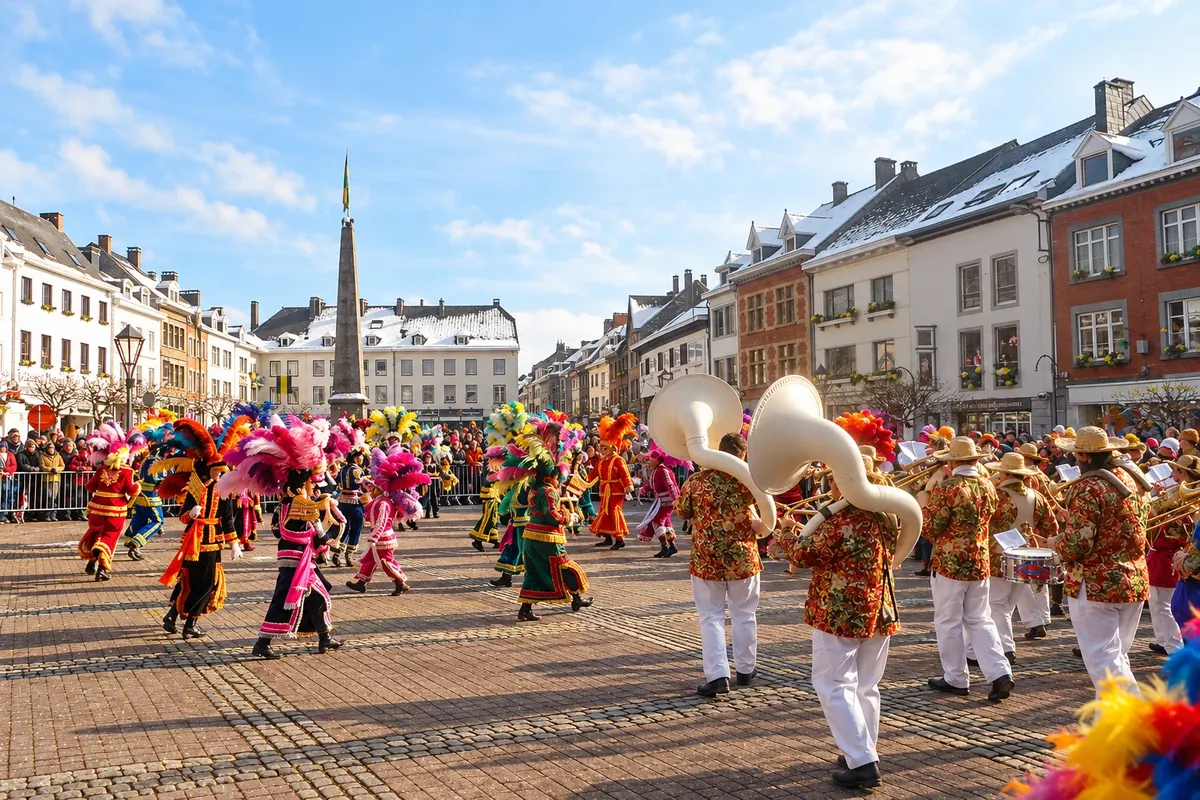
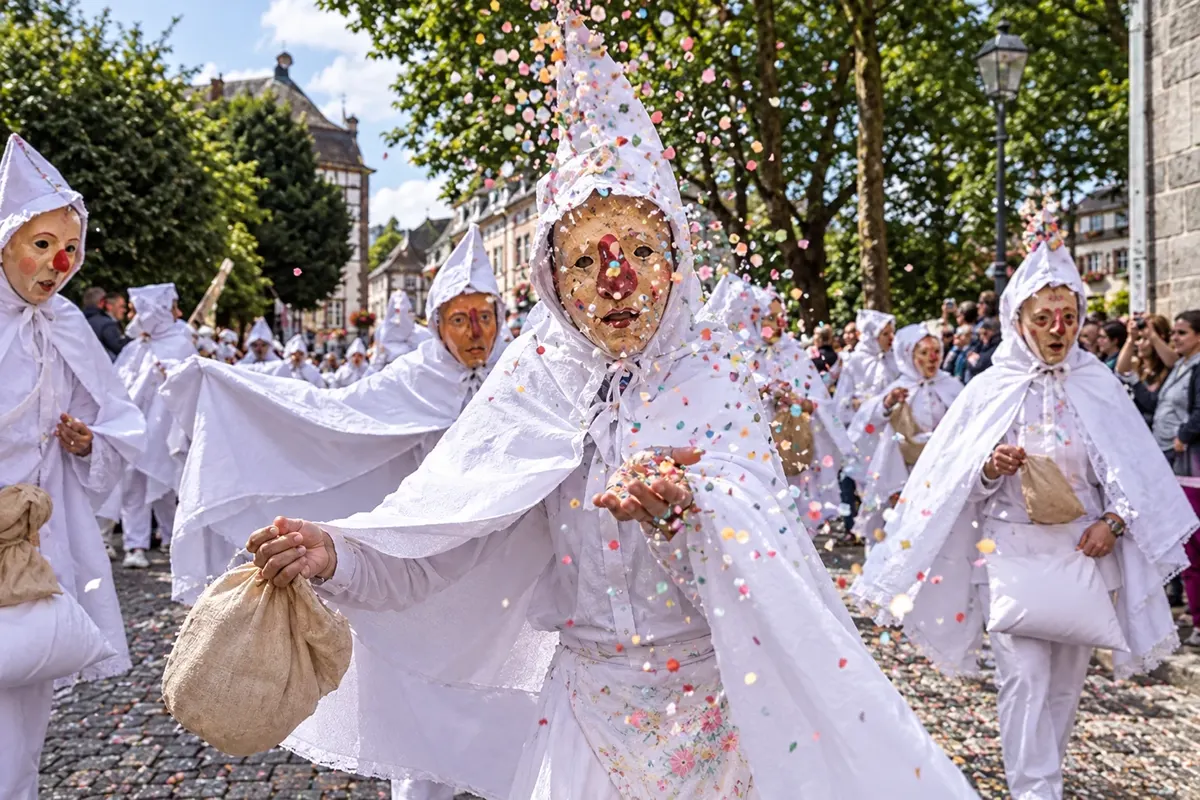
The new abbey, built between 1741 and 1753, houses three museums under a single ticket: the history of the principality, the Circuit de Spa‑Francorchamps museum with racing cars and motorcycles, and the museum for the poet Guillaume Apollinaire, who spent a summer in the town when he was young. During Lent, the Laetare carnival features the Blancs Moussis, figures dressed in white with long noses.
In the same municipality is the Cascade de Coo, a 15‑meter waterfall on the Amblève. There was already a small cascade in the 15th century; in the 18th century the monks of Stavelot cut a bend in the river and formed the current fall. Next to it is the Plopsa Coo amusement park.
Kraji na poti: Stavelot, Abbaye de Stavelot, Cascade de Coo, Amblève.
Vključuje: Single ticket for the three abbey museums. The waterfall has free access. Check the current price list.
Nasvet: Allow two hours for the abbey, which usually opens daily; check the schedule beforehand. The waterfall is a short stop and gets busier on summer weekends. If you go by car, combine this day with the Circuit de Spa‑Francorchamps, which lies along the way.
Najboljši čas za obisk: From April to October. The Laetare of Stavelot falls on the fourth Sunday of Lent, usually in March.


 Brazilija
 Antarktika
 Argentina
 Bolivija
 Čile
 Kolumbija
 Ekvator
 Gvajana
 Francoska Gvajana
 Falklandski otoki (Malvini)
 Paragvaj
 Peru
 Surinam
 Urugvaj
 Venezuela
 Nemčija
 Avstrija
 Hrvaška
 Danska
 Slovaška
 Slovenija
 Španija
 Finska
 Francija
 Grčija
 Nizozemska
 Madžarska
 Irska
 Islandija
 Italija
 Luksemburg
 Norveška
 Poljska
 Portugalska
 Združeno kraljestvo
 Češka
 Švedska
 Švica
 Turčija
 Bermudi
 Kanada
 Združene države Amerike
 Grenlandija
 Mehika
 Sveta Peter in Mihael
 Dominikanska republika
 Japonska
 Južnoafriška republika
 Egipt
 Avstralija
 Fidži
 Nova Zelandija
 Papua Nova Gvineja