Hasselt and Tongeren

Limburg · Belgija

Hasselt and Tongeren

The capital of jenever and the Japanese Garden, the oldest city in Belgium with its Gallo-Roman museum and the national park of heather and pines around Genk, in Belgian Limburg.

Flanders

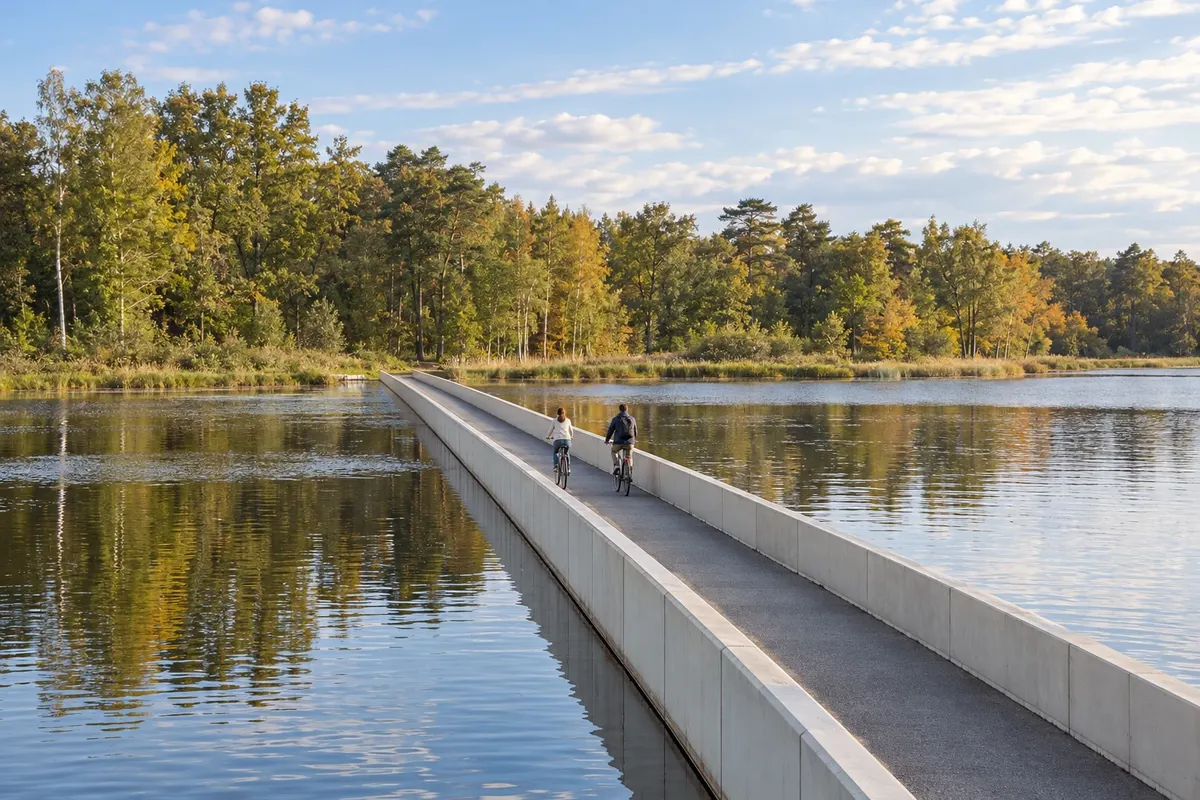
Na fotografiji: Cycling over the water, Bokrijk

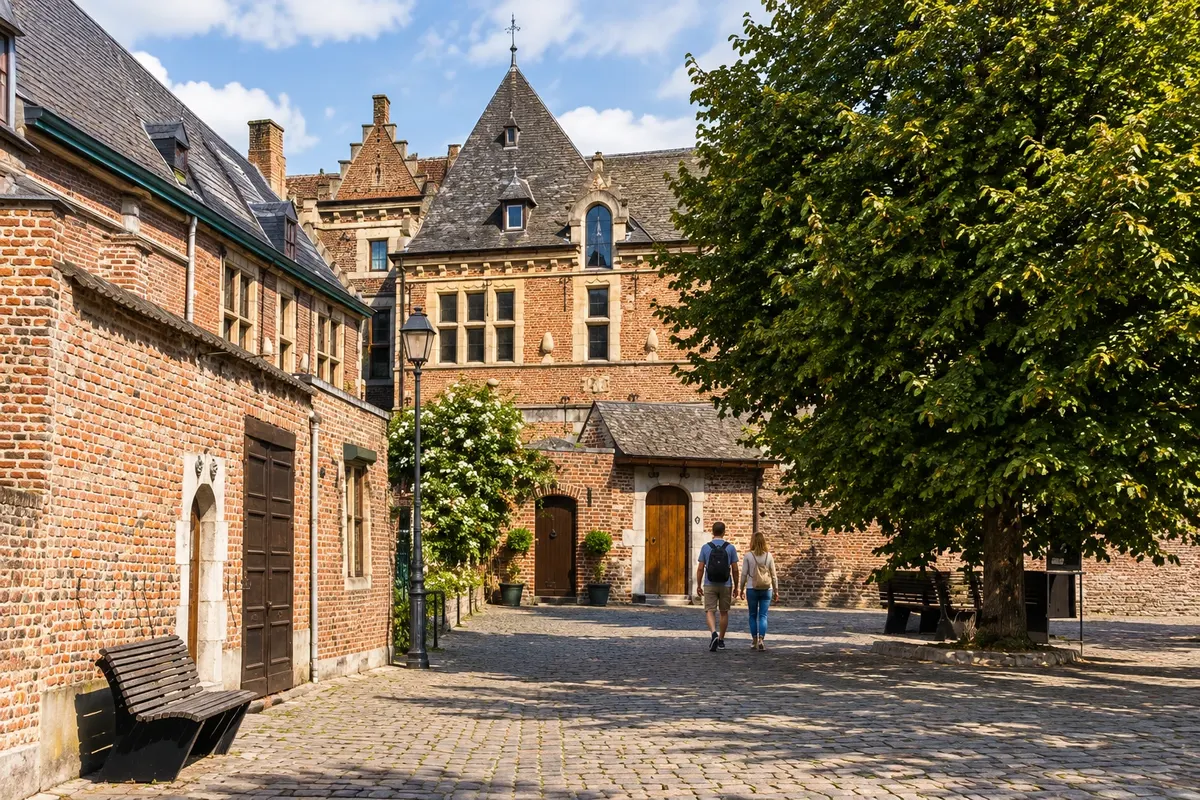
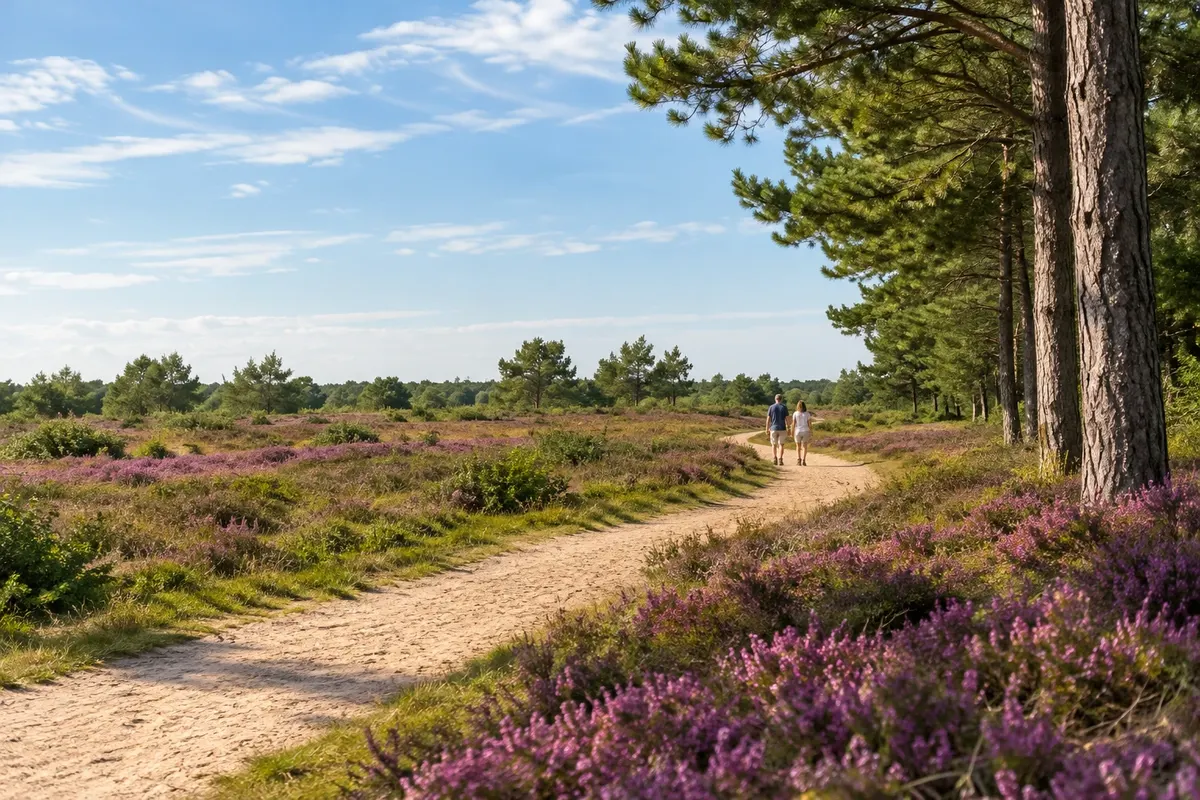
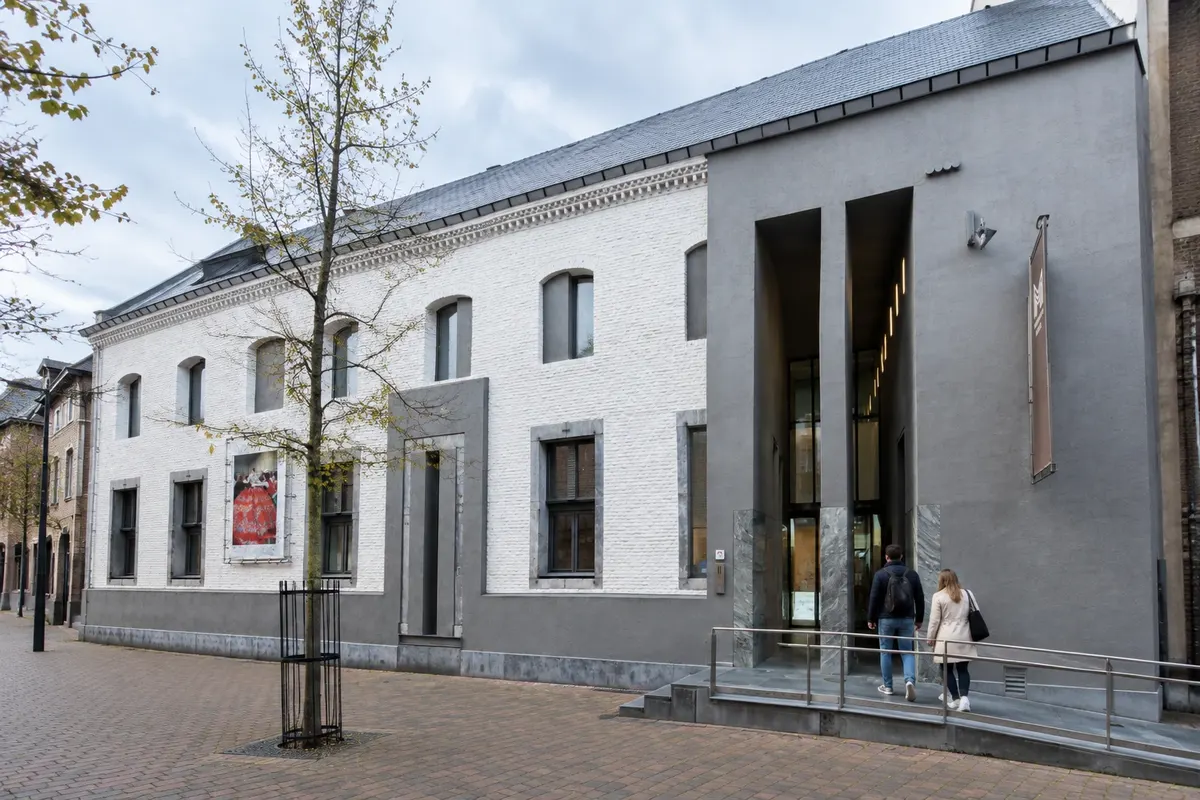
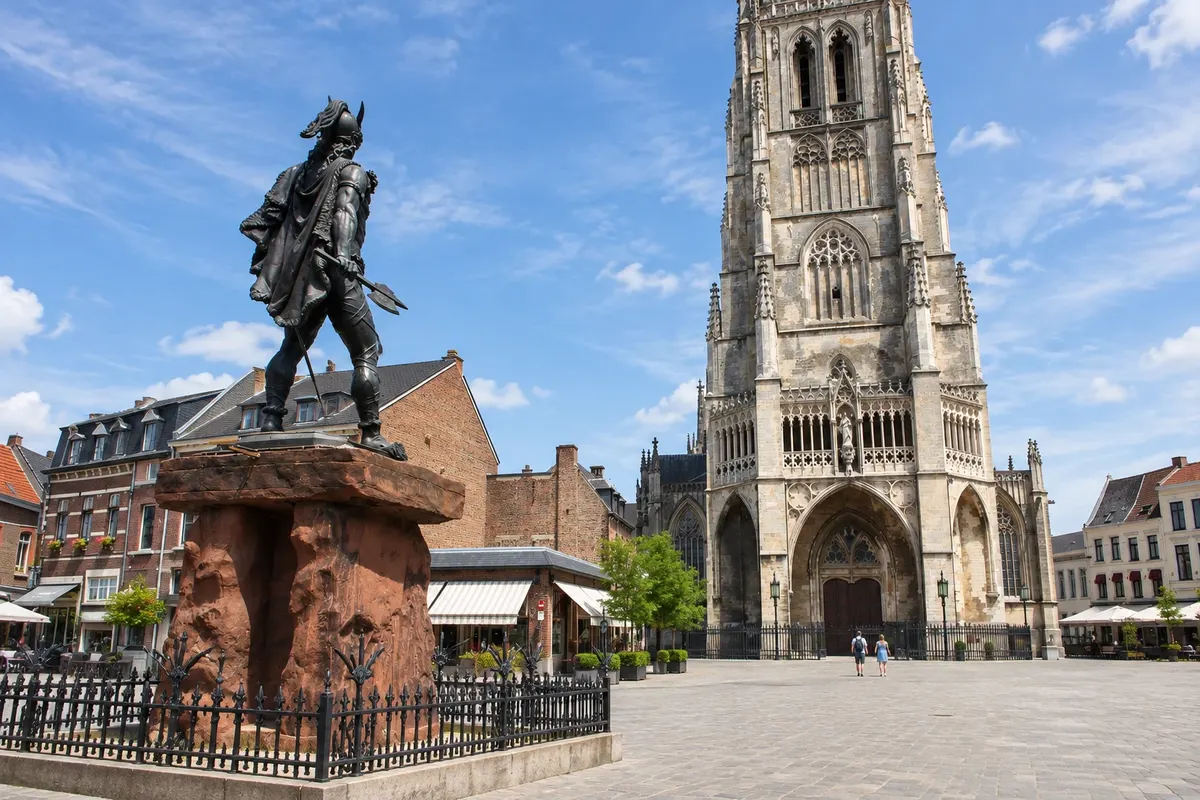
Illustrative images. The pictures in this guide are illustrations based on the real place, not photographs, and may differ from it.

Na voljo v trgovini Google Play Pošljite svoje fotografije

Spoznajte kraj

Pokrajina, ki jo doživite
v svojem ritmu.

Limburg is the easternmost province of Flanders, bordering the Netherlands and the Walloon province of Liège. Hasselt, the capital, Tongeren and Genk are less than 30 km from each other and are linked by train, which makes it possible to visit all three from a single base. The language is Flemish, the Dutch spoken in Belgium, with the Limburgish accent and local words.

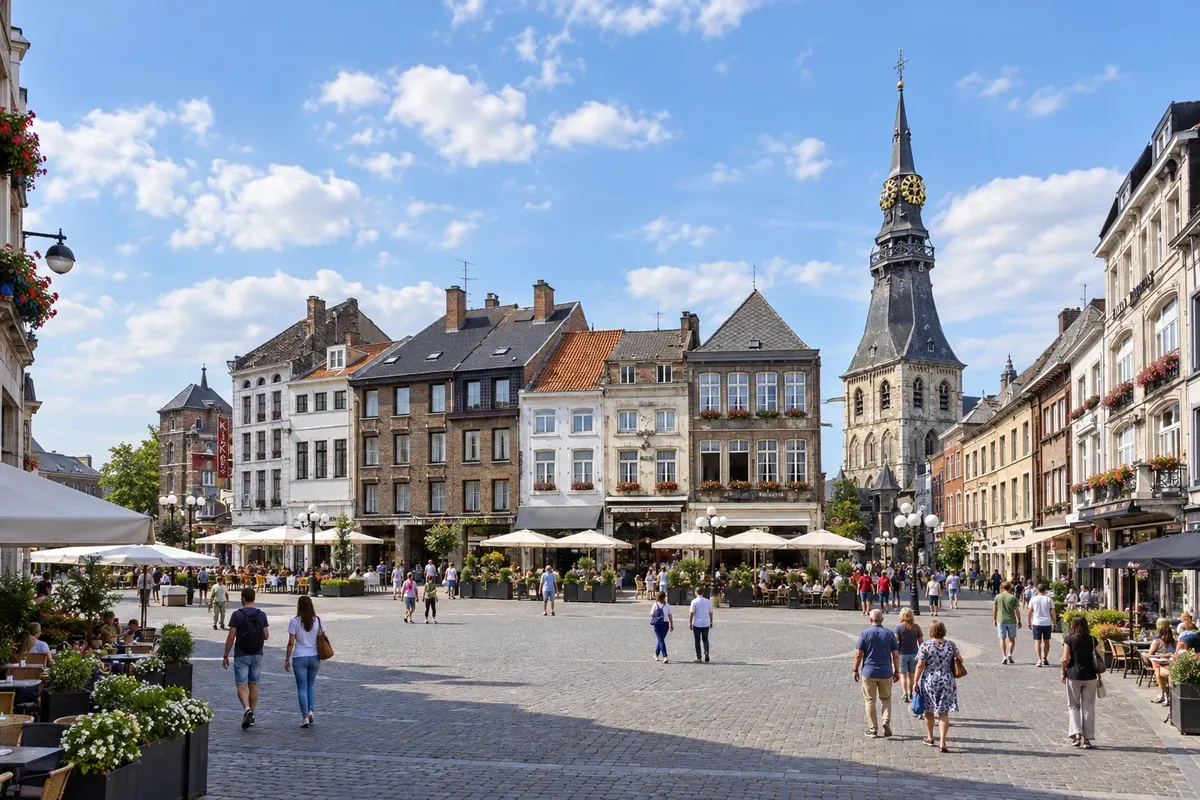
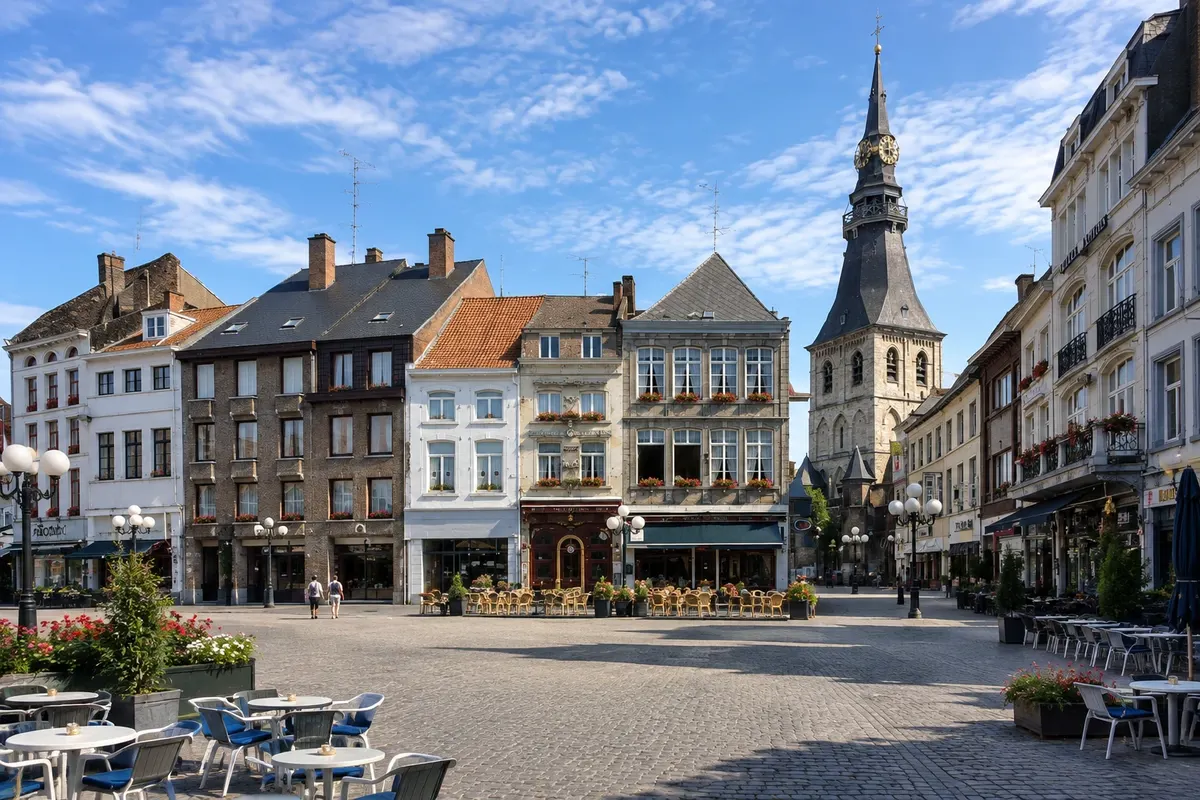
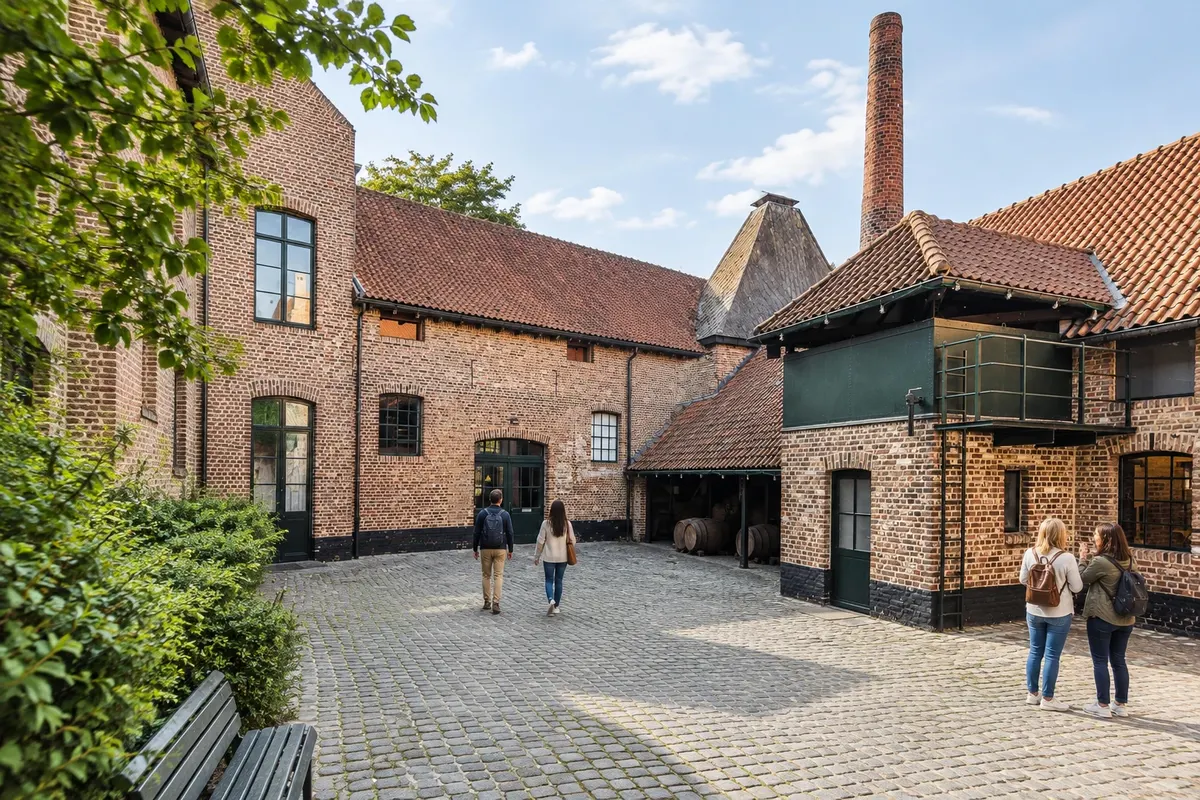
Hasselt is a shopping city with hearty food, known for jenever, the grain spirit that gave rise to gin. The Nationaal Jenevermuseum operates in a 19th-century distillery still equipped. In the center are the Grote Markt, with the half-timbered house Het Sweert, the Sint-Quintinuskathedraal, the Modemuseum and the Het Stadsmus, and within walking distance is the Japanese Garden, a gift from the sister city Itami.

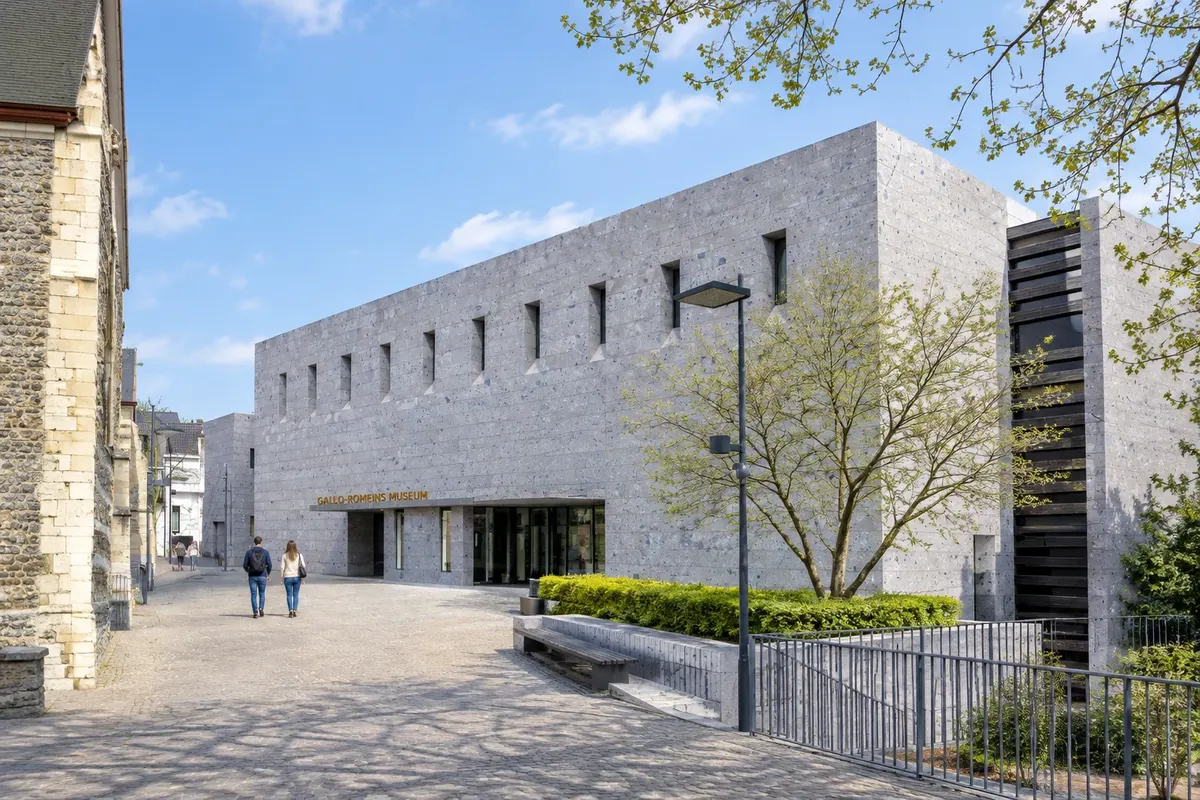
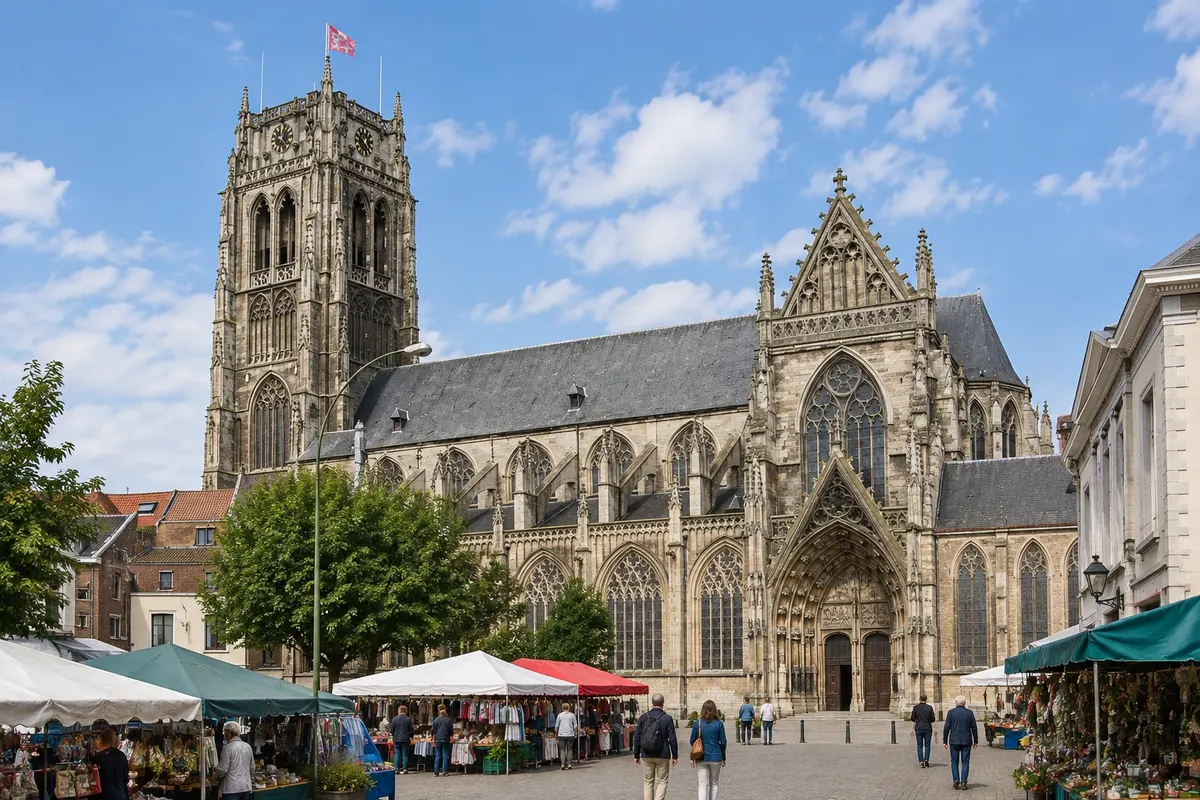
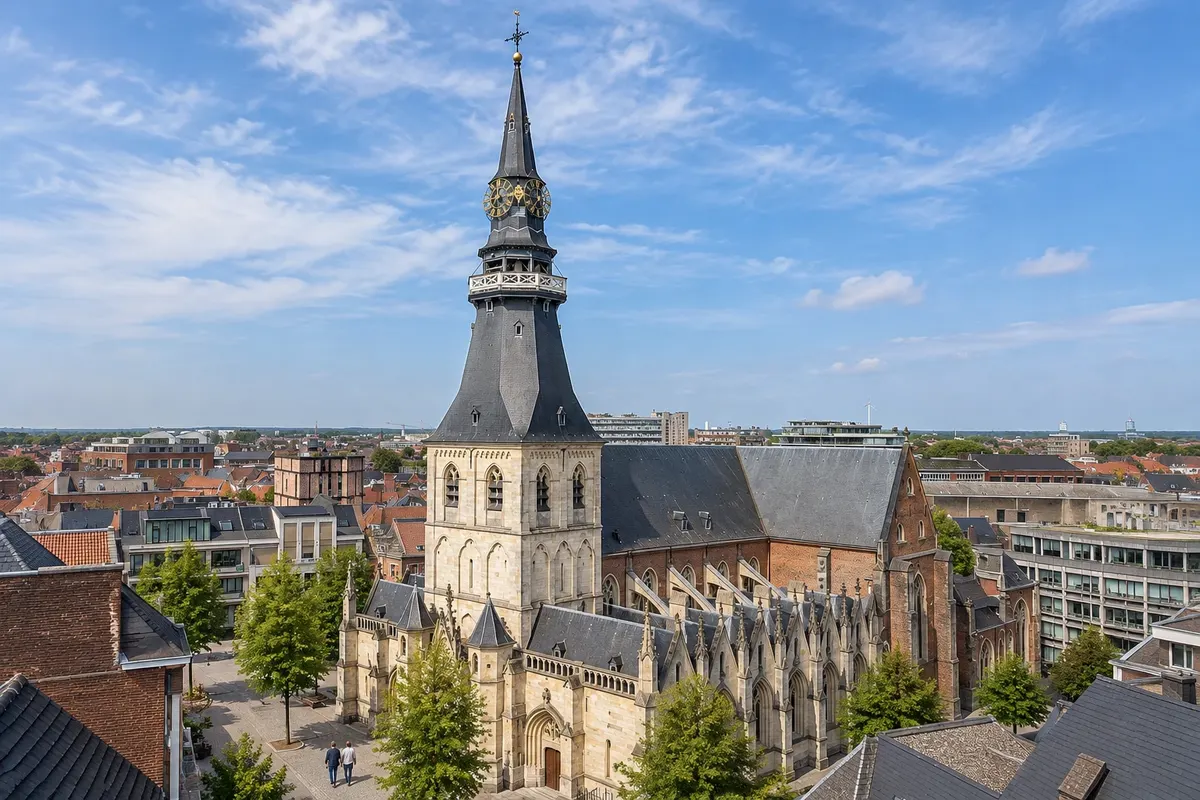
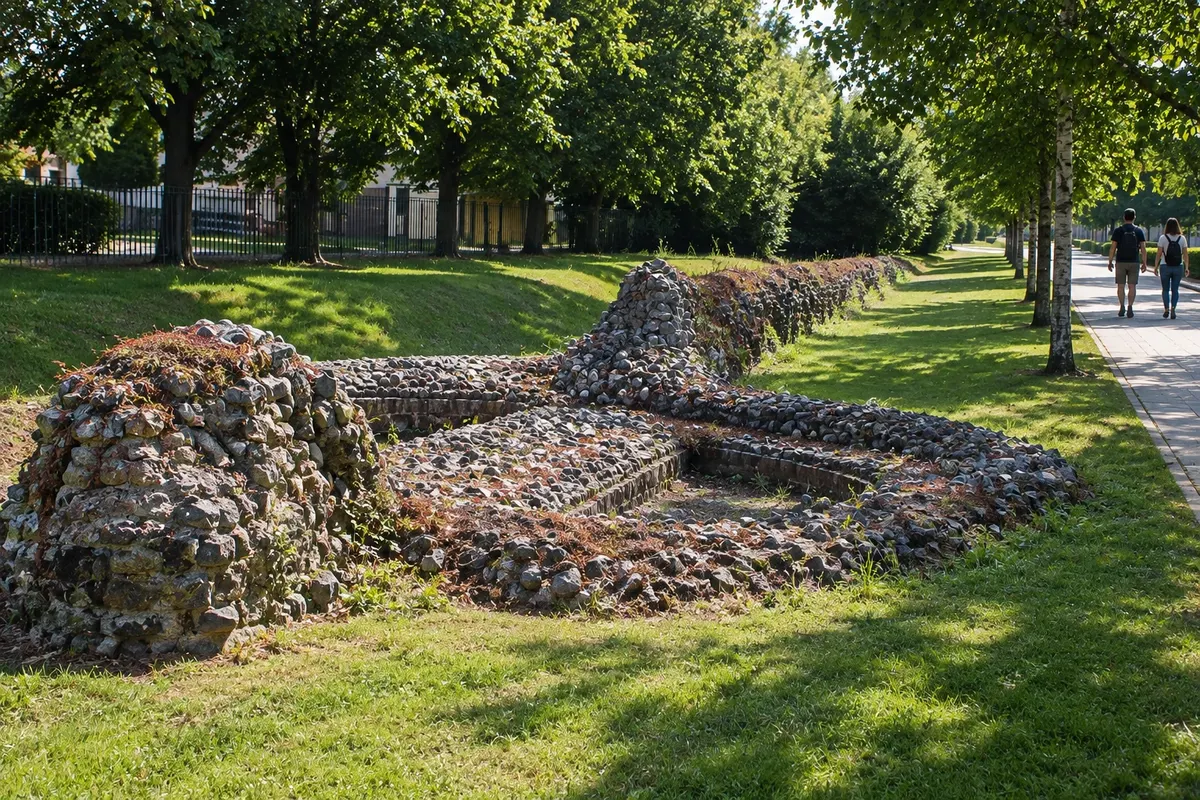
Tongeren is the oldest city in the country. It began as Atuatuca Tungrorum, the Roman capital of the region, and preserves stretches of the 2nd-century wall, the Gothic Basilica of Our Lady with the Teseum archaeological site beneath, and the Gallo-Romeins Museum, named European Museum of the Year in 2011. the Saint Catherine beguinage is a UNESCO World Heritage Site.

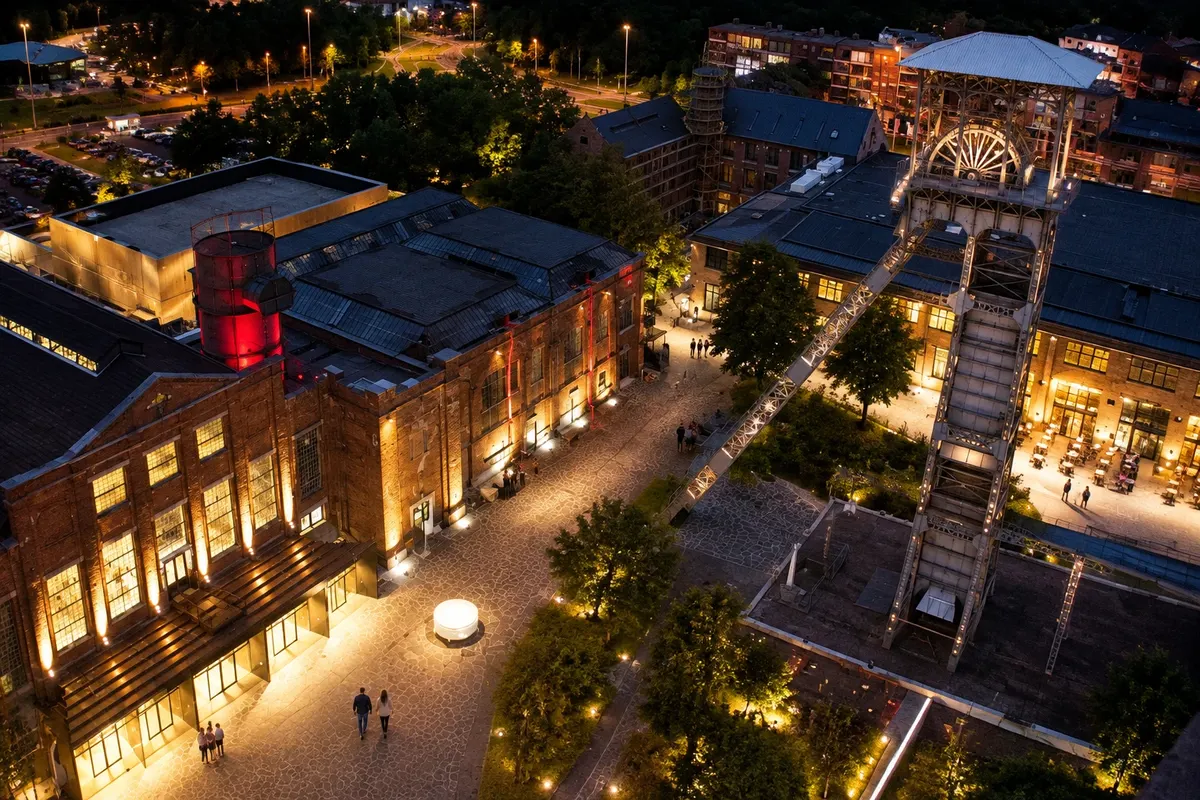
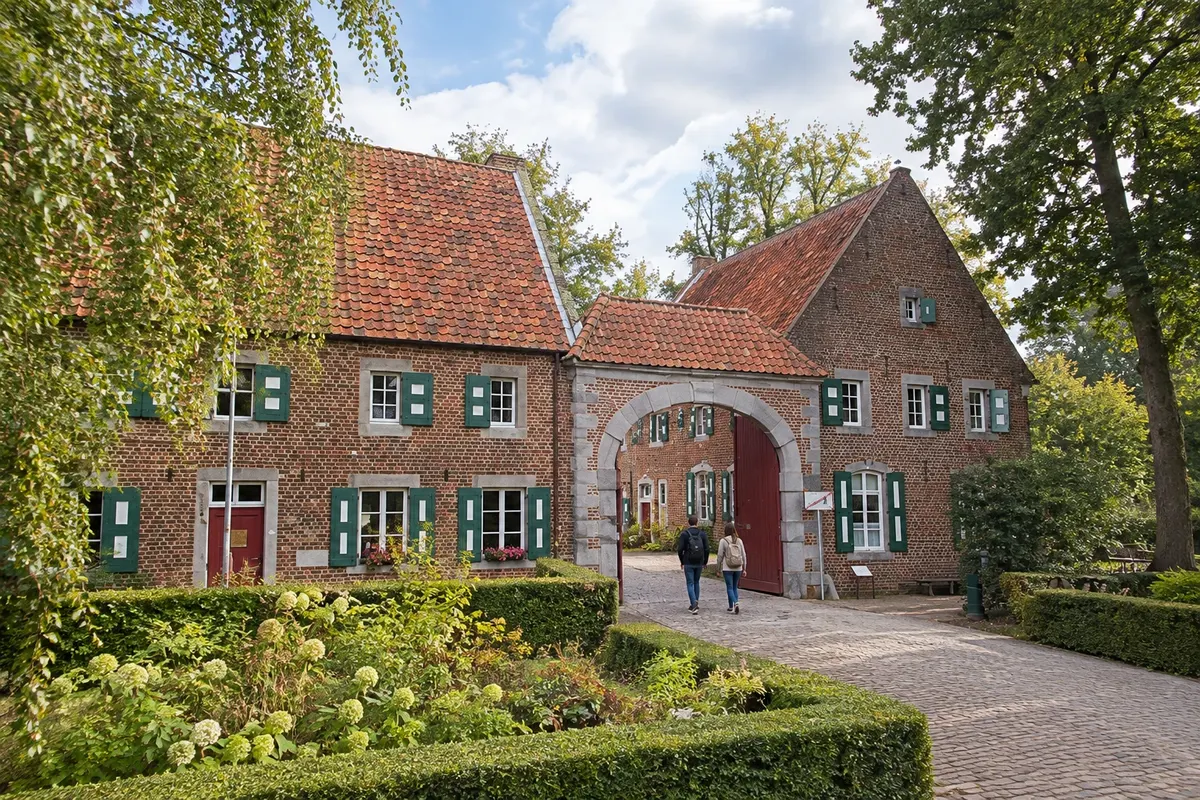
Genk grew with 20th-century coal mines. The former Winterslag mine became the cultural center C-mine, and at the edge of the city the Nationaal Park Hoge Kempen begins, with heather, pine trees and ponds. Between Genk and Hasselt is Bokrijk, an open-air museum with houses, farms and windmills brought from all over Flanders.

This destination brings together 3 cities: Hasselt, Tongeren, Genk.

Delite: WhatsApp
Delite svoja popotniška doživetja s fotografijami Pošljite fotografije vsakega kraja, ki ste ga obiskali. Največje število fotografij na kraj: 5.

Ena destinacija, več poti

Mesta na tej poti

Začnite v enem mestu ali v načrt poti vključite več mest.

Hasselt and Tongeren – lega
HasseltGenkTongeren

Obrisi: © NGI-IGN, AdminVector, CC BY 4.0. Priredba: Cidade Turismo.

Kako do tja:Hasselt and Tongeren

✈ Brussels Airport (BRU), kraj: Zaventem· 75 km do cilja (Hasselt)

✈ Liège Airport (LGG), kraj: Grâce-Hollogne· 50 km do cilja (Hasselt)

The entry point is Brussels Airport, about 75 km from Hasselt. Confirm before you buy. From the airport and from Brussels, SNCB trains go to Hasselt; from there trains run to Genk and Tongeren. Liège Airport is about 35 km from Tongeren.

Predlagana točka prihoda:Hasselt

Praznovanja in dogodki

Praznovanja – vHasselt and Tongeren

Datumi se vsako leto spreminjajo. Pred potovanjem preverite letošnji datum.

Koledar praznovanj – in Belgija

Doživite kraj

Kaj početi – Hasselt and Tongeren

C-mine
Genk · Limburg · Industrijska dediščina

C-mine

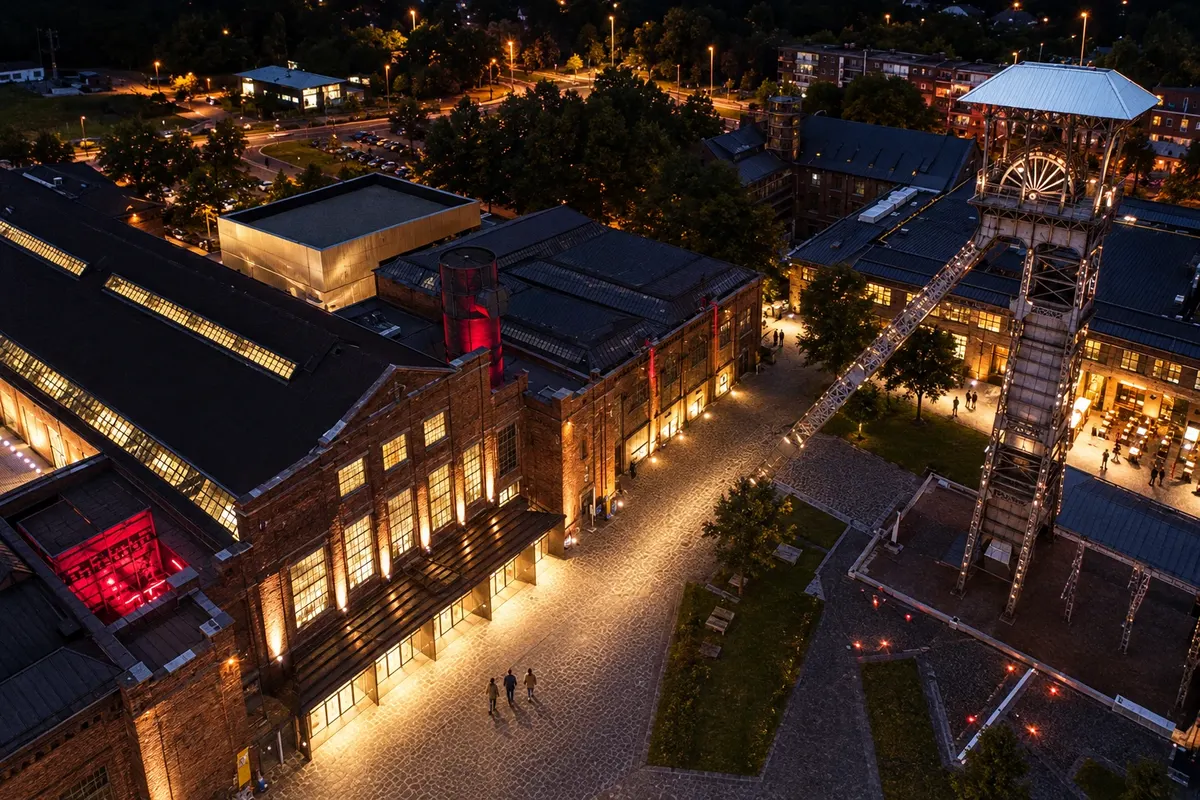
The former Winterslag coal mine, closed in 1988, was transformed into a cultural centre with a cinema, an arts school, restaurants and the C-mine expeditie, which traverses the tunnels and ascends an extraction tower.

Gallo-Roman Museum (Tongeren)
Tongeren · Limburg · Muzej

Gallo-Roman Museum (Tongeren)

Archaeology museum named European Museum of the Year in 2011. It tells the region's history from the Neanderthals to the end of the Roman Empire, with Celtic gold, Roman glass and a bust of Julius Caesar.

Grote Markt
Hasselt · Limburg · Trg

Grote Markt

Hasselt's central square, surrounded by cafés and restaurants, with the half-timbered house Het Sweert on one corner and the cathedral a few steps away.

Basilica of Our Lady (Tongeren)
Tongeren · Limburg · Cerkev

Basilica of Our Lady (Tongeren)

Gothic basilica with a 64-metre tower, built on top of Roman remains. The Teseum, next door, brings together the treasury, the Romanesque cloister, the tower and the underground archaeological site.

Hasselt and Tongeren – prikaži dodatne kraje (11)
Bokrijk Open Air Museum
Genk · Limburg · Muzej

Bokrijk Open Air Museum

Open‑air museum opened in 1958, with around 150 historic buildings from across Flanders, such as farms, windmills, workshops and churches, set in grounds with woods and an arboretum.

Saint Quentin Cathedral
Hasselt · Limburg · Cerkev

Saint Quentin Cathedral

It has been Hasselt's cathedral since 1967, originating in an 8th-century temple, with a Romanesque and Gothic nave, an 18th-century tower and art brought from Herkenrode Abbey.

Japanese Garden (Hasselt)
Hasselt · Limburg · Garden

Japanese Garden (Hasselt)

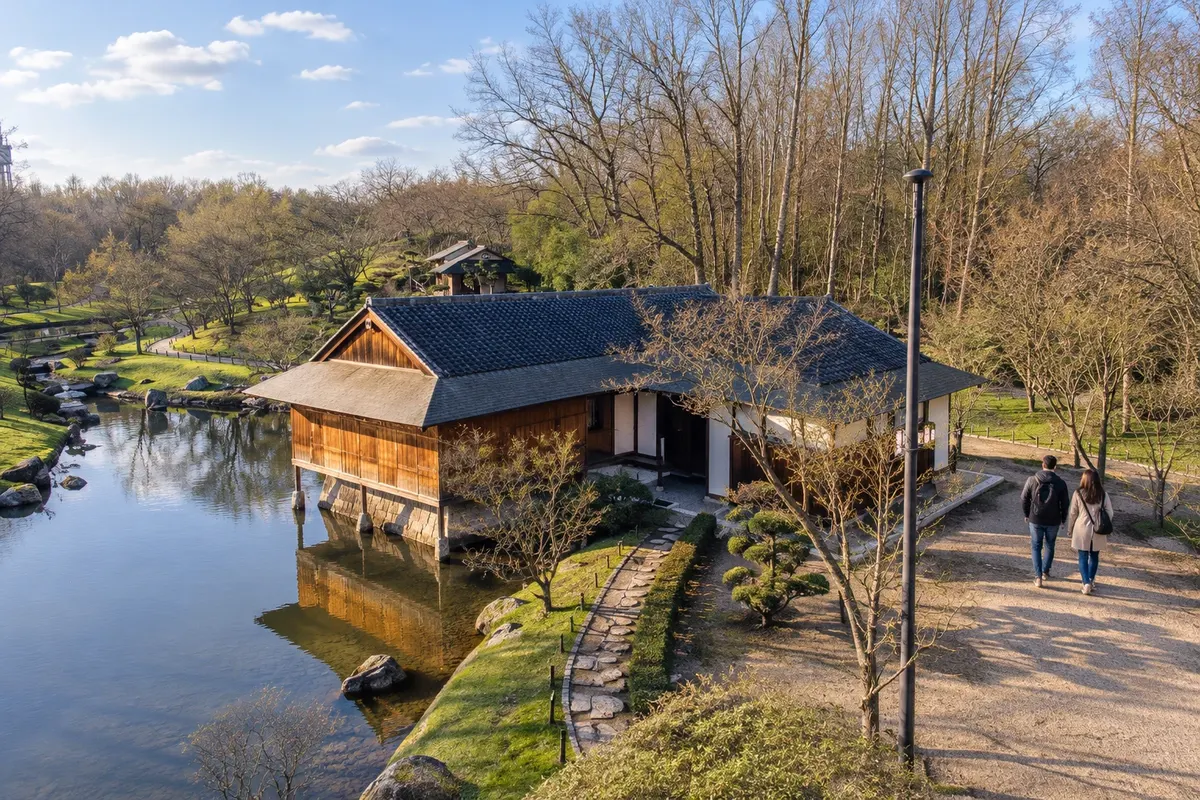
Japanese garden of 2.5 hectares, a gift from the twin city Itami, with a waterfall, carp pond, bridges, a tea house and about 250 cherry trees.

Hoge Kempen National Park
Genk · Limburg · National park

Hoge Kempen National Park

The first national park of Flandres, opened in 2006, with more than 12,000 hectares of pine woodlands and heaths. In Genk, the entrances are Kattevennen and Thor Park.

Saint Catherine Beguinage
Tongeren · Limburg · Historic ensemble

Saint Catherine Beguinage

Beguinage founded in the 13th century on the banks of the Jeker, a UNESCO World Heritage site, with streets of old houses, the church of Santa Catarina and the medieval Moerenpoort gate alongside.

Mechelse Heide
Genk · Limburg · Naravni rezervat

Mechelse Heide

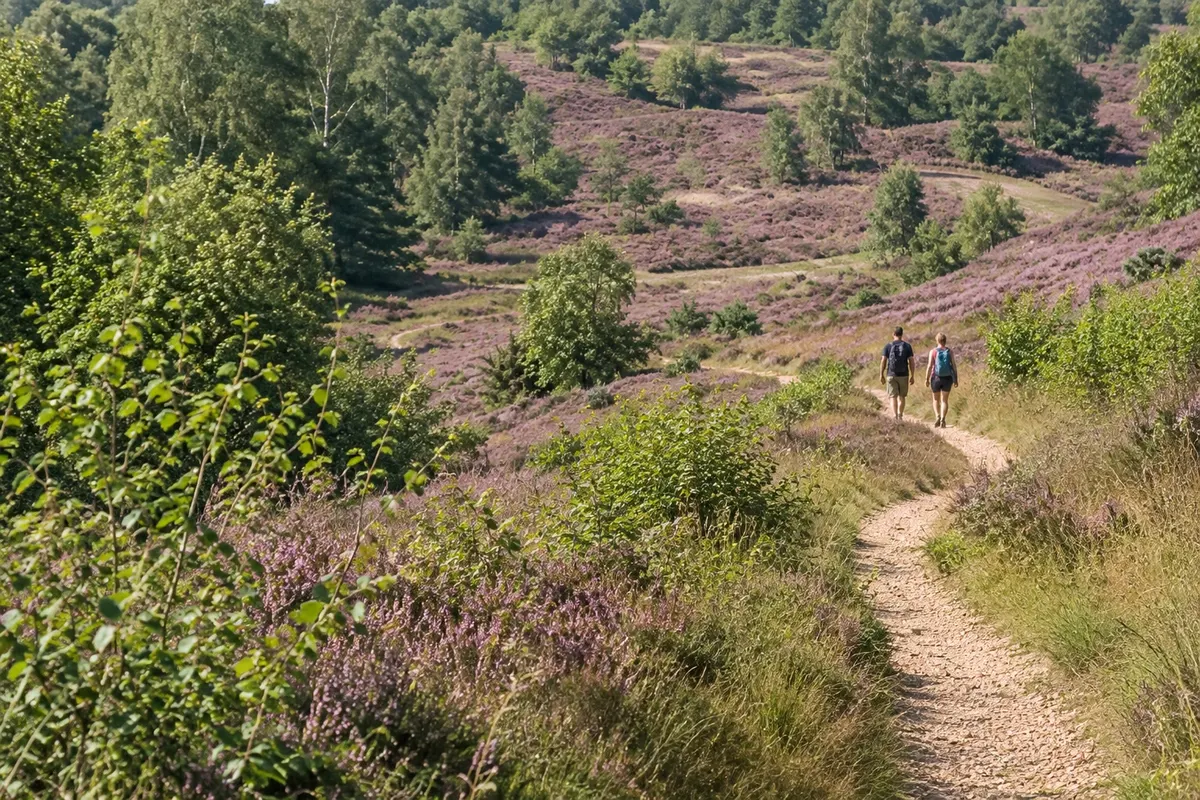
One of the largest heaths in Flandres, within the Nationaal Park Hoge Kempen, with trails across an old sand mine and a viewpoint at 104 metres, the park's highest natural point.

Fashion Museum Hasselt
Hasselt · Limburg · Muzej

Fashion Museum Hasselt

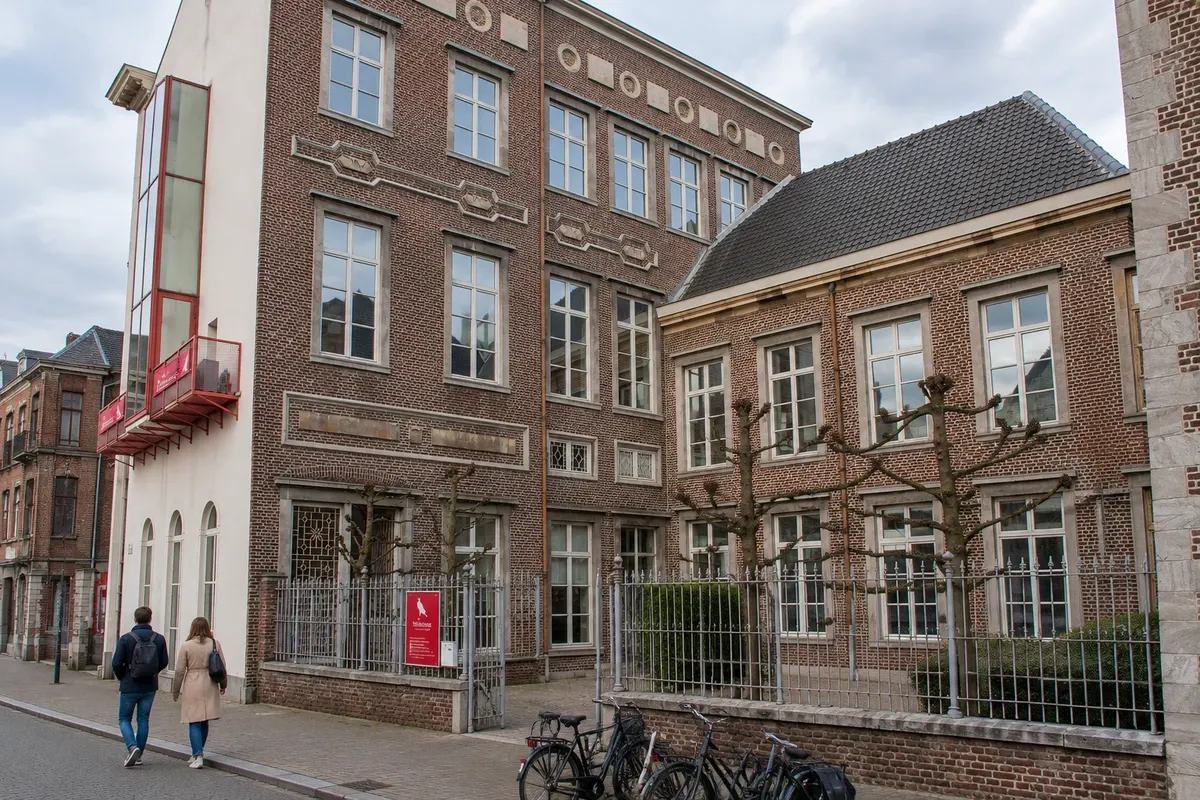
Fashion museum housed in a 17th-century building on Gasthuisstraat, with no permanent collection: it stages two major exhibitions a year about clothing, style and design.

Statue of Ambiorix
Tongeren · Limburg · Monument

Statue of Ambiorix

The bronze statue of the Eburones' leader who confronted Julius Caesar, standing in the centre of Tongeren’s Grote Markt since 1866. On Sundays the nearby streets are often taken over by the antiques market.

National Jenever Museum
Hasselt · Limburg · Muzej

National Jenever Museum

The jenever museum in a 19th-century distillery with steam boilers that still operate, housed in a former 17th-century convent farm.

Roman city wall (Tongeren)
Tongeren · Limburg · Arheološko najdišče

Roman city wall (Tongeren)

Sections of the 2nd-century Roman wall, the oldest Roman fortification in Belgium, with about 2 km preserved and towers along avenues west of the centre.

Het Stadsmus
Hasselt · Limburg · Muzej

Het Stadsmus

The museum of Hasselt's history, housed in two manor houses from the 17th and 19th centuries, featuring the oldest known monstrance in the world and items from the abbey of Herkenrode.

Kaj izbrati pred odhodom

Izleti – Hasselt and Tongeren

Izhodišče, trajanje, potek, vključene storitve in okvirna cena vsakega izleta.

Hasselt historic center: Grote Markt, Sint-Quintinuskathedraal and Begijnhof

Odhod: Hasselt station Peš Približno 3 ure Dopoldne Lahko

Hasselt is the capital of the province of Limburg, in the east of Flanders, where Flemish is spoken, the variety of Dutch used in Belgium. The city centre lies within a tree-lined ring road, the Groene Boulevard, which keeps traffic out of the shopping area and is best explored on foot. The Grote Markt is the main square, surrounded by cafés and restaurants. It is home to Het Sweert, a half-timbered house that houses an old pharmacy. On Tuesdays and Fridays there is a market on the square and in the surrounding streets. A few steps away, the Sint-Quintinuskathedraal (Saint Quentin’s Cathedral) was built between the 11th and 18th centuries and is the seat of the diocese of Hasselt; the tower, with its carillon, can be seen from many points in the city. On the shopping street, the Virga Jessebasiliek guards the wooden image of the Virga Jesse, which is carried in procession through the streets every seven years in August. The walk ends at the Begijnhof, the former beguinage (a group of houses where beguines, lay religious women, lived), which today houses Z33, a centre for contemporary art, design and architecture, with a new building by architect Francesca Torzo linked to the old houses. Z33 has no permanent collection: exhibitions change every few months. The pedestrian streets Kapelstraat and Aldestraat concentrate the shops. Try the Hasseltse speculaas, the city’s spice biscuit, thicker and crunchier than the common speculoos.

Kraji na poti: Grote Markt, Het Sweert, Sint-Quintinuskathedraal, Virga Jessebasiliek, Begijnhof, Z33, Groene Boulevard.

Vključuje: On foot and self-guided. Entry to the churches and Z33 is free; Z33 exhibitions are open Tuesday through Sunday. The city’s museums, such as the Jenevermuseum and Modemuseum Hasselt, are on the same route and have separate paid admission.

Nasvet: Combine this outing with the Jenevermuseum, the Modemuseum Hasselt and Het Stadsmus, which are a few blocks from each other. On Mondays several museums are closed: reserve that day for the walk and the churches.

Najboljši čas za obisk: All year. From May to September the terraces of the Grote Markt are open; from November to February it gets dark in the late afternoon.

Japanse Tuin (Hasselt Japanese Garden)

Odhod: Hasselt city centre Peš ali s kolesom Približno 2 uri Popoldne Lahko

The Japanse Tuin (Japanese Garden) sits on the edge of Hasselt’s center, next to Kapermolenpark. It was born from the friendship with the Japanese city of Itami, twin city of Hasselt since 1985: Itami proposed the garden and funded much of the work, and Hasselt gave in return a carillon tower. It was opened in November 1992, after 250 days of work, and covers about 2.5 hectares. The route follows paths among waterfalls, streams and ponds with koi carp, which visitors can view up close. There are traditional structures, such as the ceremonial house of wood and bamboo with a copper roof, and the peace bell, installed to mark 150 years of friendship between Belgium and Japan. In spring the cherry trees bloom and the garden draws more visitors; during the season there are origami and calligraphy workshops, tea ceremonies and sake tastings on scheduled dates.

Kraji na poti: Japanse Tuin, Kapermolenpark.

Vključuje: Admission paid separately, with purchase online; check the current pricing. Workshops and tea ceremonies have specific dates and do not take place every day.

Nasvet: Cherry blossom usually begins at the end of March and continues through April, but the date changes each year: the garden maintains an online camera to follow it. There are benches and picnic areas.

Najboljši čas za obisk: The season runs from March to October, Tuesday through Sunday. Late March and April for the cherry blossoms; October for the autumn colors.

Nationaal Jenevermuseum: Hasselt’s jenever

Odhod: Hasselt city centre Peš Približno 2 uri Popoldne Lahko

Hasselt is the city of jenever, the genebra, a cereal-based spirit flavoured with juniper that gave rise to gin. Three distilleries still operate in the city. The Nationaal Jenevermuseum (National Jenever Museum) is on Witte Nonnenstraat in the centre, in a 19th-century distillery that continues to produce jenevers and house liqueurs. The visit demonstrates the distillation process, from raw materials to the finished product, and recounts the drink’s history in Belgium. The collection includes bottles, ceramic jugs, glasses, posters and old labels, as well as paintings. At the end there is a tasting bar serving the jenevers and liqueurs made at the museum’s distillery. In October, on one weekend, the city holds the Hasseltse Jeneverfeesten, a jenever festival with street entertainment; on those days the fountain Het Borrelmanneke in the centre serves jenever instead of water.

Kraji na poti: Nationaal Jenevermuseum, Witte Nonnenstraat, Het Borrelmanneke.

Vključuje: Separate paid ticket for the tour and tasting; check the current price list. The museum is open Tuesday through Sunday. Guided tours are available at set times.

Nasvet: Jenever has a high alcohol content: at tastings, sample small amounts and drink water. If you will drive, don’t drink; Hasselt’s centre is walkable.

Najboljši čas za obisk: All year. In October, the Hasseltse Jeneverfeesten make the centre busier.

Modemuseum Hasselt and Het Stadsmus (city museum)

Odhod: Hasselt city centre Peš Približno 3 ure Dopoldne Lahko

The Modemuseum Hasselt (Fashion Museum) is dedicated solely to fashion. It occupies a convent of the Grauwzusters (Grey Sisters), with the date 1664 on the anchors of the façade; it later served as a hospital, prison and barracks. The collection holds about 19,000 garments and accessories that tell the story of Western fashion from 1750 to the present, with pieces by Worth, Chanel, Dior, Yves Saint Laurent, Versace, Martin Margiela and Raf Simons. Exhibitions change twice a year and combine the permanent collection with loaned items. A few blocks away, Het Stadsmus is the city museum, housed in two stately homes containing parts from the 17th and 19th centuries. It tells the story of Hasselt and its residents, and the city’s place in the County of Loon, the Principality of Liège and the province of Limburg. Part of the collection came from Herkenrode Abbey; highlights include a medieval monstrance and a manuscript of the rhetoric chamber De Roode Roos.

Kraji na poti: Modemuseum Hasselt, Het Stadsmus.

Vključuje: Modemuseum Hasselt requires a separate ticket; check the current pricing schedule. Entrance to Het Stadsmus is free. Both are closed on Mondays.

Nasvet: Before you go, check which exhibition is on display at the Modemuseum: between installations some rooms may be closed. The Het Stadsmus also closes for much of January.

Najboljši čas za obisk: All year round, Tuesday to Sunday. A good option for rainy days.

Bokrijk: Openluchtmuseum (open-air museum) and the estate

Odhod: Hasselt or Genk Train to Bokrijk station or car Približno 6 ur Ves dan easy (long walk on flat ground)

Bokrijk is an estate of about 550 hectares between Hasselt and Genk, with woods, lakes and the Openluchtmuseum (open-air museum), opened to the public in 1958. The museum brings together 148 original buildings, dismantled in various parts of Flanders and reassembled there: farmhouses, thatched barns, mills, chapels and workshops. The route is divided by regions. In the Kempen area are the farms of the sandy region in northern Limburg; in Haspengouw and Maasland, the brick and half-timbered houses of the fertile southern lands, with a replica of the village of Ulbeek; in East and West Flanders, typical workshops and dwellings; and one area shows life in the 1960s. Actors play characters from different eras, workshops such as the smithy demonstrate old trades, and the museum farm breeds historical regional animal breeds. The collection has about 30,000 objects, from the 17th century to the 1950s. Outside the museum, the estate includes Bokrijk Castle, an arboretum started in 1965, a large outdoor playground, walking trails and the Fietsen door het water cycle path.

Kraji na poti: Bokrijk, Openluchtmuseum Bokrijk, Kasteel Bokrijk, Arboretum Bokrijk.

Vključuje: The Openluchtmuseum has a separate paid entrance, purchasable online; check the current price list. The park, playground, arboretum and the estate’s trails are freely accessible. There are restaurants and cafés both inside and outside the museum.

Nasvet: Bokrijk station is about a 5-minute walk from the estate, with trains hourly. If you buy the museum ticket online you receive a discount code for the SNCB/NMBS round-trip train fare; check the conditions. Wear comfortable shoes: the museum is large.

Najboljši čas za obisk: The museum season runs from April to early November, Tuesday through Sunday (it opens on Mondays during Belgian school holidays). From May to September there are additional activities in the houses.

Tongeren (Tongres): Grote Markt, Ambiorix, Onze-Lieve-Vrouwebasiliek and Teseum

Odhod: Hasselt Train to Tongeren and walk Približno 4 ure Dopoldne easy (stairs in the tower)

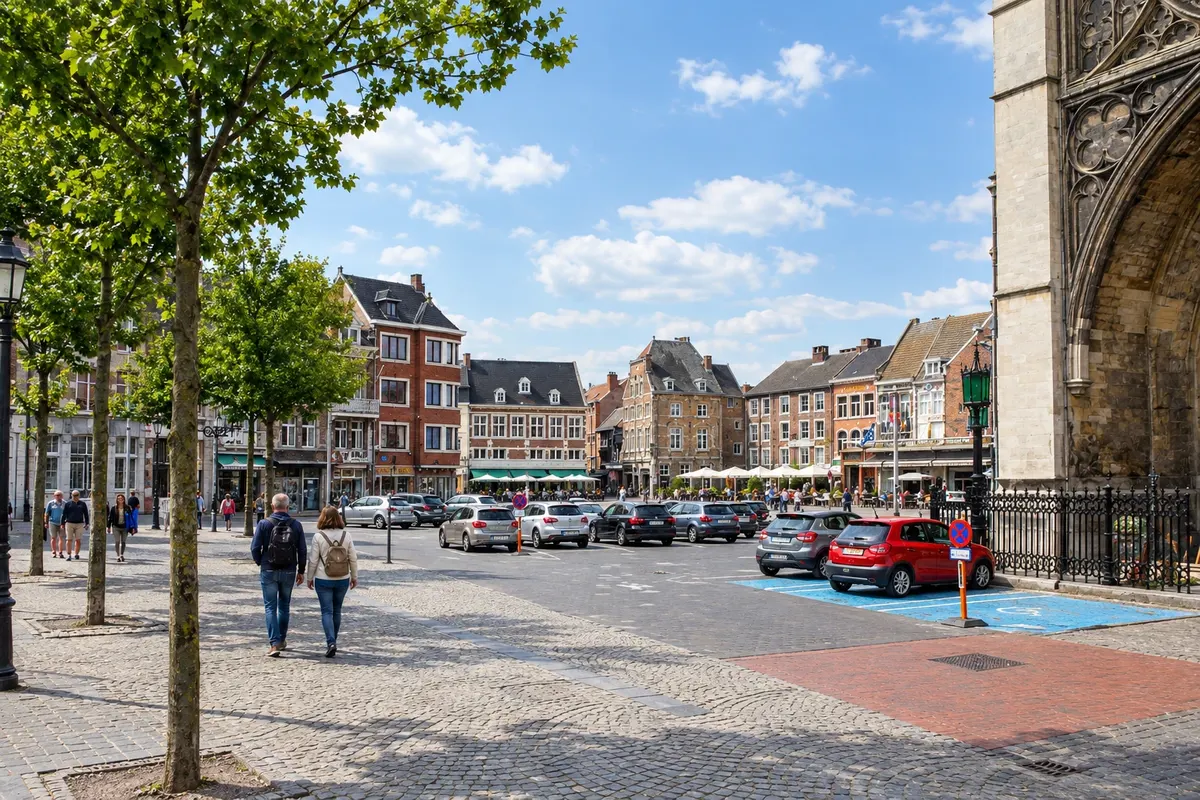
Tongeren (Tongres) presents itself as the oldest city in Belgium, or at least one of the oldest, alongside Doornik (Tournai) and Arlon. It was an important Roman town, and the history goes back further, with the Eburones, a Celtic people led by Ambiorix, who fought Julius Caesar’s forces. The bronze statue of Ambiorix, from 1866, stands in the center of the Grote Markt. On the same square is the Onze-Lieve-Vrouwebasiliek (Basilica of Our Lady), Gothic, begun in the 13th century and completed in the 16th. The tower is part of the bell tower ensemble of Belgium and France listed by UNESCO. Inside is the image of Our Lady, Cause of Our Joy, from 1479. The Teseum brings together three visits around the basilica. Underground, an archaeological site shows foundations of baths and Roman houses and traces of about 2,000 years of history, with an audio guide; the route ends at a charred beam that recalls the city’s destruction in the year 275. The treasury holds around 200 pieces of sacred art and reliquaries. And the climb to the tower goes through the church attic and the carillon room up to the view from above. The Romanesque cloister with garden completes the visit.

Kraji na poti: Tongeren, Grote Markt, Ambiorix, Onze-Lieve-Vrouwebasiliek, Teseum.

Vključuje: The basilica nave has free entry. The Teseum requires a separate paid ticket, with the option to visit only part of it; check the current pricing table.

Nasvet: The archaeological site takes about 45 minutes with an audio guide and is not suitable for a stroller, which can be left at the desk. Tongeren station is a few minutes’ walk from the centre.

Najboljši čas za obisk: All year. On Sunday mornings the antique fair fills the center; to visit at a more relaxed pace, choose another day.

Prikaži dodatne izlete (9)

Gallo-Romeins Museum (Gallo-Roman Museum) of Tongeren

Odhod: Tongeren centre Peš Približno 3 ure Popoldne Lahko

The Gallo-Romeins Museum (Gallo-Roman Museum) is on Kielenstraat, near the basilica, in a modern building opened in 1994 and expanded in 2006. In 2011 it was the first Belgian museum to receive the European Museum of the Year award. The exhibition tells the story of the people in the Limburg region from prehistory to the end of the Roman period and the first signs of Christianity. There are about 2,000 items, with models, full-size reconstructions, animations and films. Right at the entrance, figures of Neanderthals and horses welcome the visitor; then come the first farmers, the Celts and the Roman town, with statues, everyday objects, jewellery and pottery. There are interactive panels and children’s areas, a café and a shop. Nearby, on Keverstraat, the Romeinse tempelsite shows a contemporary reconstruction of the Roman temple that dominated the town, built over the original wall remains, with explanatory panels.

Kraji na poti: Gallo-Romeins Museum, Romeinse tempelsite, Kielenstraat.

Vključuje: Admission is paid separately; the museum recommends buying online in advance. The Romeinse tempelsite is outdoors, with free access during the day.

Nasvet: The museum is closed on Mondays, except on holidays. Reserve a whole afternoon if you like archaeology, and combine it with the basilica and the Teseum on the same day.

Najboljši čas za obisk: All year round, Tuesday to Sunday. A good option for rainy days.

Begijnhof of Tongeren, Roman wall and Moerenpoort

Odhod: Tongeren centre Peš about 2 hours and 30 minutes Popoldne Lahko

The Begijnhof Sint-Catharina (beguinage of Saint Catherine) was founded in the 13th century. It is part of the Flemish beguinages listed as UNESCO World Heritage. Beguines were lay religious women, without perpetual vows, who lived in community; here they lived from the 13th to the 18th century, and at their peak there were about 300 in 100 houses. The cobbled streets and white houses form a distinct neighborhood, and the small Beghina museum explains what their life was like. Next door, the Moerenpoort is the only one of the six gates of the medieval wall that still stands. It houses a military history museum, and from the top there are views over the center and the beguinage. The Roman wall, from the 2nd century, was about 4.5 km long and roughly 6 m high. Many stones were reused in churches and houses, but a stretch of about 2 km, with towers at regular intervals, still stands along Caesarlaan, Legioenenlaan, Cottalaan and Sabinuslaan, a walk in the shade of the trees.

Kraji na poti: Begijnhof Sint-Catharina, Beghina, Moerenpoort, Romeinse omwalling, Legioenenlaan, Caesarlaan.

Vključuje: On foot and independently. The beguinage and the wall have free access. The Begina museum and the Moerenpoort have separate admission; check the current rates and opening days.

Nasvet: Do the route as a loop: center, beguinage, Moerenpoort and the Roman wall along Legioenenlaan, returning to the Grote Markt. Wear comfortable shoes for the cobbled streets.

Najboljši čas za obisk: Year‑round. From April to October the days are longer and small museums have extended openings.

Antiekmarkt: Tongeren’s Sunday antiques market

Odhod: Hasselt Train to Tongeren and walk Približno 3 ure Dopoldne Lahko

Every Sunday morning, year‑round, Tongeren hosts the Antiekmarkt, an antiques and vintage goods market created in 1976 by seven local traders. Today it brings together more than 350 exhibitors from Belgium and other countries. Stalls line the old town wall and the cobbled streets of the center, and about 40 antique shops open the same day. You can find everything: furniture, paintings, tableware, silverware, books, records, toys, tools and decorative items. The market starts a few minutes’ walk from the station, and you can combine it with a coffee on the Grote Markt and a visit to the basilica.

Kraji na poti: Tongeren, Antiekmarkt Tongeren.

Vključuje: No ticket required. Purchases are paid directly to the vendors.

Nasvet: Arrive early: the market starts in the early morning and vendors pack up their stalls in the early afternoon. Large items are hard to take on a plane; opt for small objects.

Najboljši čas za obisk: Year‑round on Sundays, including in winter. From May to September there are more outdoor exhibitors.

C-Mine and the coal-mining past of Genk

Odhod: Hasselt Train to Genk and bus, or car Približno 4 ure Dopoldne easy (tunnels and stairs)

Genk grew up with 20th-century coal mines. The Winterslag mine had its first buildings in 1917 and closed in 1988. The city transformed the site into C-Mine, a center for culture and design: the C stands for creativity. The two headframes, with the large wheels on top, remain standing and define the landscape. You can enter the engine room, with a ceramic floor, iron staircases and the old control panels. The complex also includes a gallery, brasserie and a tourist office. The C-Mine Expeditie is the underground visit. It starts in the power building, 6 m below ground, and continues through the old brick ventilation tunnels, with light, sound and even mine-smell installations that tell how miners worked. In central Genk, Molenvijverpark is an urban park of about 10 hectares, with the pond of the former watermill, where a restaurant now operates, and a sundial park.

Kraji na poti: Genk, C-Mine, Winterslag, C-Mine Expeditie, Molenvijverpark.

Vključuje: The C-Mine grounds and the engine room have free access. The C-Mine Expeditie requires a separate paid ticket, purchasable online; check the current price list. Molenvijverpark has free access.

Nasvet: The C-Mine Expeditie is open Tuesday through Sunday and closed on Mondays, except holidays. Buy tickets online. Part of the route has stairs. There is a family game for children from age 6.

Najboljši čas za obisk: All year. Good option for rainy days.

Nationaal Park Hoge Kempen: heathland, pine forests and lakes

Odhod: Genk Car, bus or bicycle to one of the entrances Približno 5 ur Ves dan easy to moderate (sandy trails)

The Nationaal Park Hoge Kempen (Hoge Kempen National Park) opened in 2006 as Belgium’s first national park. Since then, Flanders has recognized other national parks, and today it is one of several in the country. After the 2020 expansion it protects more than 12,000 hectares of woods and heathland across ten municipalities, including Genk, Maasmechelen, Lanaken, Zutendaal and As. The park occupies the Hoge Kempen plateau, with heathland, pine forests, sand dunes, ponds, lakes and former mine spoil heaps. At the edge of the plateau a slope drops about 45 m down to the Meuse valley. From mid‑August to mid‑September the heather blooms and the Mechelse Heide, in Maasmechelen, turns purple. Visits start at one of the park entrances, each with parking, information and waymarked trails. In Genk, the Kattevennen entrance has a space theme with the Cosmodrome; Mechelse Heide is the most popular for the heather; Lieteberg, in Zutendaal, has a visitor center in a former gravel quarry; Pietersheim, in Lanaken, sits beside the ruins of a Romanesque castle. The Nationaal Park Trail crosses the park in five stages.

Kraji na poti: Nationaal Park Hoge Kempen, Kattevennen, Mechelse Heide, Lieteberg, Pietersheim, Thorpark.

Vključuje: Trail access is free. Parking, guided activities and attractions at the entrances, such as the Cosmodrome, may charge fees; check in advance.

Nasvet: Bring water, a snack and closed shoes: the trails include stretches of loose sand and have few support points. Stay on marked trails.

Najboljši čas za obisk: From April to October. The heather blooms from mid‑August to mid‑September; in autumn the woods change colour.

Thor Park and the Mijndepot: the Waterschei mine

Odhod: Genk Bus G1 from Genk station or car Približno 3 ure Popoldne easy (short climb on the spoil heap)

The Waterschei mine, north of Genk, was turned into Thor Park, a technology and science park of about 93 hectares. The main building of the former mine, Thor Central, has been restored and is now an events and business center; the historic hall can be visited, and there is a restaurant and brasserie. In the former mine depot, ex‑miners from the Het Mijn‑Verleden association established the Mijndepot, an exhibition about the mine’s history and underground work, with films, photos and objects. On guided visits the ex‑miners themselves tell what life in the galleries was like. Behind the complex, about 10 km² of heathland, pine forest, a stream valley and dunes form one of the entrances to Nationaal Park Hoge Kempen. The Steenmannetjespad, a 2 km trail, climbs a mine spoil heap where visitors stack stones; ten other circular trails start from there.

Kraji na poti: Thor Park, Thor Central, Mijndepot, Steenmannetjespad, Waterschei.

Vključuje: Thor Central and the trails are free to access. The Mijndepot has a separate paid ticket, with a guided visit of about 1 hour 30 minutes; check the current schedule.

Nasvet: The Mijndepot is open in the afternoons only on certain days of the week and with reduced hours in winter: check before you go. Combine it with C‑Mine on the same day.

Najboljši čas za obisk: From April to October, when the Mijndepot is open more days and the trails are dry.

Haspengouw (Hesbaye) in bloom: fruit-tree cycling around Sint-Truiden and Borgloon

Odhod: Sint-Truiden By bicycle via the cycle network (train to Sint-Truiden) Približno 5 ur Ves dan moderate (gentle hills)

South of Hasselt begins Haspengouw (Hesbaye), a region of gentle hills, orchards and villages. It is a major fruit-growing area: pear, apple, cherry and strawberry. In spring, the fruit trees’ blossom, the bloesem, covers the landscape in white and pink. Cherry trees bloom first, from the end of March; apple and pear trees follow in April, and the flowering lasts about a month. The classic way to see it is by bicycle. The network of cycle routes with numbered junctions (fietsknooppunten) lets you plan the route and shorten it as you wish. The Bloesemroute, about 50 km, passes orchards, artworks and castles. There are also loops of 38 km starting from Borgloon and 46 km from Sint-Truiden. In Borgloon, trails of 4.4 to 12.6 km start at the Markt and lead to the church-installation Reading Between the Lines, amid the orchards. During the bloom there are flower blessings, open farms and temporary bars among the trees.

Kraji na poti: Haspengouw, Sint-Truiden, Borgloon.

Vključuje: On your own. Bicycles, including electric ones, can be rented at Sint-Truiden station and at rental shops in the area; paid separately.

Nasvet: Prefer an electric bike if you don't ride often: there are climbs. Sint-Truiden is on the train line between Brussels and Hasselt. Watch the bloom tracker the city publishes from the end of March.

Najboljši čas za obisk: April, typically peaking around mid-month; the date shifts depending on each year’s weather.

By bike: Fietsen door het water (Bokrijk) and Fietsen door de bomen (Bosland)

Odhod: Hasselt or Genk Bicycle, with car sections between the two bike paths Približno 6 ur Ves dan easy (flat terrain)

Limburg is Flanders’ cycling province, with a network of bike routes organised by numbered junctions (fietsknooppunten). Two bike paths stand out. Fietsen door het water (cycling through the water) is in the Bokrijk estate, near junction 91 of the network. It is a section of more than 200 m that crosses a lowered lake: the cyclist rides with water at eye level on both sides. It opened in 2016 and also serves pedestrians and runners. Fietsen door de bomen (cycling through the trees) is in the Pijnven forest, in Hechtel-Eksel, inside Nationaal Park Bosland, near junction 272. It is a boardwalk of about 700 m and 3 m wide that rises up to 10 m among the pine crowns, in the shape of a double circle with a 100 m diameter. The two are located in different parts of the province: you can do each one on a half-day bike ride, or drive between them and cycle around each.

Kraji na poti: Fietsen door het water, Bokrijk, Fietsen door de bomen, Pijnven, Hechtel-Eksel, Nationaal Park Bosland.

Vključuje: Both bike paths are freely accessible and open year-round. Bicycle rental is paid separately; in Bokrijk there is rental at parking 1 during the season.

Nasvet: Go on a weekday and early: on sunny weekends there is a queue to cross. In Bokrijk, combine it with the Openluchtmuseum.

Najboljši čas za obisk: From April to October, with long days. In July and August, weekends are busier.

Landcommanderij Alden Biesen (Bilzen): castle and gardens of the Teutonic Order

Odhod: Tongeren or Hasselt Z avtom ali kolesom Približno 3 ure Popoldne Lahko

Alden Biesen, in Rijkhoven in the municipality of Bilzen, was the seat of a commandery (landcommanderij) of the Teutonic Order, the knightly order founded during the Crusades, which managed its estates in the Meuse and Rhine regions from here. The current buildings date from the 16th to the 18th centuries. The castle, surrounded by a moat, was built in the 16th century and became a baroque residence in the 18th. A fire in 1971 destroyed much of the main building, which was later restored. Inside the castle, the DOMUS museum tells the story of the Teutonic Order, with an audio guide. The French gardens, geometric and inspired by Versailles, feature clipped hedges, the Alden Biesen rose and citrus in pots in spring and summer. The English park, dating from 1786, has winding paths, an artificial river, a temple of Minerva and a viewpoint. Around it, more than 40 hectares of orchards with tall trees gather over 500 varieties of fruit. The baroque church is in the outer courtyard. The estate hosts events throughout the year, such as the Scottish Weekend, with bagpipe bands, in September.

Kraji na poti: Alden Biesen, Rijkhoven, Bilzen, DOMUS.

Vključuje: The English park and the courtyards are freely accessible every day. The DOMUS museum and the French gardens require a separate ticket on days when the museum is open; check the current pricing schedule.

Nasvet: Alden Biesen is about 5 km from Bilzen station, with no regular bus: go by car, by bicycle, or by the De Lijn Flex on-demand bus. From Tongeren it’s about a 15-minute drive.

Najboljši čas za obisk: From April to October, when the gardens are in bloom and the fruit trees flower in April. The museum closes during some periods of the year: check before you go.


Po dnevih

Hasselt and Tongeren – načrt poti. Število dni: 3, 5in7

Predlogi za načrtovanje poti. Vrstni red dni prilagodite vremenu in razpoložljivosti izletov.

3 dni · Hasselt and Tongeren in 3 days

ZaIf you arrive from Brazil and want the essentials: Hasselt, Tongeren and Bokrijk or the C‑Mine. · Izhodišče:Hasselt
  1. Dan 1 · Arrival and Hasselt centre

    Arrival via Brussels Airport (BRU) and SNCB/NMBS train to Hasselt, in about 1 hour to 1 hour 30 minutes. In the afternoon, with no rush after the flight, do the Historic Center of Hasselt walk: Grote Markt, Sint-Quintinuskathedraal and Begijnhof. Finish at the Nationaal Jenevermuseum, if there is time, or at a café on the Grote Markt.

  2. Dan 2 · Tongeren, the Roman town

    Train to Tongeren, in about 25 minutes. In the morning, Tongeren (Tongres): Grote Markt, Ambiorix, Onze-Lieve-Vrouwebasiliek and Teseum. In the afternoon, the Gallo-Romeins Museum (Gallo-Roman Museum) of Tongeren and, at the end of the day, a walk through Tongeren’s Begijnhof, the Roman wall and the Moerenpoort. If it’s Sunday, start with the Antiekmarkt.

  3. Dan 3 · Bokrijk or C-Mine

    From April to early November, take the train to Bokrijk station and spend the day in Bokrijk: Openluchtmuseum (open-air museum) and the estate, including the Fietsen door het water. Out of season, do C-Mine and explore the coal-mining past in Genk, and from March to October return early to the Japanse Tuin (Hasselt Japanese Garden).

5 dni · Limburg in 5 days: towns, mines and museums
ZaIf you want to see Hasselt, Tongeren and Genk at a relaxed pace, with a day in nature. · Izhodišče:Hasselt
  1. Dan 1 · Arrival and Hasselt centre

    Arrival via Brussels Airport (BRU) and train to Hasselt. In the afternoon, a gentle walk through the Historic Center of Hasselt: Grote Markt, Sint-Quintinuskathedraal and Begijnhof. Have an early dinner and rest after the flight.

  2. Dan 2 · Hasselt museums and Japanese Garden

    In the morning, Modemuseum Hasselt and Het Stadsmus. In the afternoon, Nationaal Jenevermuseum, with the tasting, or, from March to October, the Japanse Tuin (Hasselt Japanese Garden). Museums are closed on Mondays: swap the order of days if needed.

  3. Dan 3 · Tongeren

    Train to Tongeren. In the morning, Grote Markt, Ambiorix, Onze-Lieve-Vrouwebasiliek and Teseum. In the afternoon, Gallo-Romeins Museum and a walk through Tongeren’s Begijnhof, the Roman wall and the Moerenpoort. If it’s Sunday, start the day at the Antiekmarkt.

  4. Dan 4 · Bokrijk

    Train to Bokrijk station. Full day in Bokrijk: Openluchtmuseum (open-air museum) and the estate, from April to early November. In the late afternoon, rent a bicycle and cross the Fietsen door het water. Out of season, replace it with a walk in Nationaal Park Hoge Kempen.

  5. Dan 5 · Genk: C-Mine and Thor Park

    Train to Genk. In the morning, C-Mine and the coal-mining past in Genk, with the C-Mine Expeditie. In the afternoon, take bus G1 to Thor Park and the Mijndepot, including the climb up the spoil heap via the Steenmannetjespad. Return to Hasselt at the end of the day.

7 dni · Complete Limburg in 7 days
ZaIf you want to see the towns, the national park, Haspengouw and Alden Biesen; a car helps over two days. · Izhodišče:Hasselt
  1. Dan 1 · Arrival and Hasselt centre

    Arrival via Brussels Airport (BRU) and train to Hasselt. In the afternoon, Hasselt historic centre: Grote Markt, Sint-Quintinuskathedraal and Begijnhof, at an easy pace because of the time difference.

  2. Dan 2 · Hasselt museums

    Modemuseum Hasselt and Het Stadsmus in the morning. In the afternoon, Nationaal Jenevermuseum and, from March to October, the Japanse Tuin (Hasselt Japanese Garden), next to Kapermolenpark.

  3. Dan 3 · Tongeren

    Train to Tongeren, preferably on a Sunday to begin at the Antiekmarkt. Then, Grote Markt, Ambiorix, Onze-Lieve-Vrouwebasiliek and Teseum, and in the afternoon the Gallo-Romeins Museum. Finish with Tongeren’s Begijnhof, the Roman wall and the Moerenpoort.

  4. Dan 4 · Alden Biesen and Haspengouw

    By car or by bicycle, go to Landcommanderij Alden Biesen in Bilzen: castle, DOMUS museum and gardens. In the afternoon, cycle through the orchards of Haspengouw (Hesbaye); in April, when the fruit trees are in blossom, swap the order and dedicate the whole day to the Bloesemroute starting from Sint-Truiden or Borgloon.

  5. Dan 5 · Bokrijk

    Train to Bokrijk station and a full day in Bokrijk: Openluchtmuseum (open-air museum) and the estate, from April to early November. In the late afternoon, Fietsen door het water by bike.

  6. Dan 6 · Genk: coal mines

    C-Mine and the coal-mining past of Genk in the morning, with the C-Mine Expeditie and a walk around Molenvijverpark. In the afternoon, Thor Park and the Mijndepot in Waterschei.

  7. Dan 7 · National park and bike trail through the trees

    By car, spend the morning in Nationaal Park Hoge Kempen, hiking on the Mechelse Heide or from the Kattevennen entrance in Genk. In the afternoon, continue to the Pijnven wood in Hechtel-Eksel for the Fietsen door de bomen. Return to Hasselt in the evening.

Najboljši čas za obisk

Kdaj se odpraviti:Hasselt and Tongeren po mesecih

From May to September the days are long and Bokrijk and the Japanese Garden are in season. The heather in Hoge Kempen usually blooms from mid‑August to mid‑September, and the orchards in the south of the province bloom in April. In October, Hasselt typically holds jenever festivals. From December to February it is cold and nights fall early.

The seasons shown are the most usual ones; nature doesn't always follow the calendar.

januar Zmerne padavine

cold winter · short days

In Hasselt, average highs are around 7 °C and lows 1 °C, with rain on about 12 days. It gets dark in the late afternoon. The Japanse Tuin is closed, Bokrijk keeps the open-air museum closed and Het Stadsmus is closed for much of the month; other museums are open Tuesday through Sunday.

februar Zmerne padavine

damp cold · quiet museums

Still winter: average highs around 8 °C and lows of 1 °C, with rain on about 11 days. Days begin to lengthen, but it still gets dark early. Good month for the museums of Hasselt and Tongeren, with few visitors. Bring a heavy coat, hat and waterproof footwear.

marec Zmerne padavine

end of winter · Japanese Garden opens

European spring begins at the end of the month: average highs around 12 °C and lows of 2 °C, with rain on about 11 days. The Japanse Tuin opens its season at the start of the month, and the first cherry trees usually bloom at the end of March.

april Malo padavin

blooming in Haspengouw · Bokrijk opens

Less rainy month, with about 9 days of rain; average highs around 16 °C and lows of 5 °C, still with cold nights. Apple and pear trees usually bloom in Haspengouw (Hesbaye), peaking generally mid-month, and the cherry trees of the Japanse Tuin bloom. The Openluchtmuseum in Bokrijk opens its season at the start of the month. At Easter there are more visitors.

maj Zmerne padavine

spring · long days

steady spring: average highs around 20 °C and lows of 9 °C, with rain on about 10 days. Days become longer and it gets dark later in the evening. A good month for cycling, for Nationaal Park Hoge Kempen and for Bokrijk, which has more activities in the houses. Belgian public holidays make weekends busier.

junij Zmerne padavine

start of summer · late sunsets

European summer begins at the end of the month. Average highs around 22 °C and lows of 12 °C, with rain on about 10 days, sometimes in showers. Days are the longest of the year and it gets very late before dark, allowing outings into the evening. Bring a light jacket for the end of the day.

julij Zmerne padavine

summer · school holidays

Warmest month, with average highs around 24 °C and lows of 14 °C; heat waves occur in some years. Rain falls on about 10 days, sometimes with thunderstorms. Belgian school holidays start: Bokrijk and the bike routes Fietsen door het water and Fietsen door de bomen become busier, especially on weekends.

avgust Veliko padavin

heather in bloom · Pukkelpop festival

Still summer: average highs around 24 °C and lows of 13 °C. It is the wettest month of the year by volume, with heavy downpours on about 11 days. From mid-month onward the heather (urze) blooms on the Mechelse Heide in Nationaal Park Hoge Kempen. The Pukkelpop music festival takes place in Kiewit, near Hasselt; every seven years the Virga Jesse procession parades through the streets.

september Zmerne padavine

late summer · purple heaths

European autumn begins at the end of the month. Average highs around 20 °C and lows of 10 °C, with rain on about 10 days. The heather continues blooming until mid-month. In Alden Biesen, the Scottish Weekend brings bagpipe bands. Fewer people than in summer.

oktober Zmerne padavine

autumn · jenever festival

Autumn: average highs around 16 °C and lows of 7 °C, with rain on about 11 days. The park’s woods and the Japanse Tuin change color; the garden closes the season at the end of the month. On an October weekend, Hasselt holds the Hasseltse Jeneverfeesten.

november Zmerne padavine

cool autumn · short days

Average highs around 10 °C and lows of 4 °C, with often gray skies and rain on about 12 days. Days shorten and it gets dark in the late afternoon. Bokrijk closes the open-air museum at the start of the month. Good month for museums: Gallo-Romeins Museum, Teseum, Modemuseum Hasselt and C-Mine.

december Veliko padavin

winter · year-end lights

Start of the European winter, with the shortest days of the year: it gets dark in the late afternoon. Average highs around 7 °C and lows of 2 °C, with rain on about 14 days—the month with the most rainy days. Cities decorate for the year-end holidays. Several museums close on December 25 and January 1.

Načrtujte pot

Kako do tja:Hasselt and Tongeren

From the airport and from Brussels by train

From Brussels Airport there are direct SNCB/NMBS trains to Hasselt at some times, with a journey of about 1 hour; at other times a change is required and the trip exceeds 1 hour 20 minutes. The ticket from the airport includes an extra fee already added to the fare. From Brussels, trains to Hasselt are frequent and take about 1 hour, passing through Leuven (Lovaina). To Tongeren, the journey from Brussels takes about 1 hour 30 minutes, direct at some times and with a change at others. Genk and Bokrijk station are on the same line, shortly after Hasselt.

By train from Paris, London, Amsterdam or Cologne

High-speed international trains arrive at Brussel-Zuid (Bruxelles-Midi): the Eurostar comes from Paris, London and Amsterdam, and the ICE from Cologne. At the same station take the SNCB/NMBS train to Hasselt. Travelers from Cologne can also disembark the ICE at Liège-Guillemins and continue by regional train to Tongeren, which has hourly trains to Liège. Compare timetables and connections before buying.

Z avtom

Hasselt sits next to the E313 motorway, which links Antwerpen (Antwerp) to Liège, with exits for the city; the E314, coming from Leuven and continuing to Genk and Germany, crosses the E313 near Hasselt. From Brussels take the E40 to Leuven and then the E314: it’s about 80 km to Hasselt. Tongeren is about 6 km from the E313 and about 90 km from Brussels; between Hasselt and Tongeren it’s about 20 km. A car makes visits to Alden Biesen, Nationaal Park Hoge Kempen and the Bosland bike routes easier.

getting around Limburg

Hasselt is the most practical base. The center is walkable, inside the Groene Boulevard ring. By train, Tongeren is about 25 minutes from Hasselt with hourly trains, and Genk about 20 minutes, stopping at Bokrijk station. De Lijn buses complete the network: line 12 links Hasselt to Bokrijk, and the G1 runs from Genk station to Thor Park. For places without regular bus service, such as Alden Biesen, there is De Lijn Flex, on demand. Cycling is the province’s transport mode, with a network of bike routes organized by numbered junctions (fietsknooppunten).

Tickets and opening days

Museums in Hasselt, Tongeren and Genk, such as the Modemuseum Hasselt, the Nationaal Jenevermuseum, the Gallo-Romeins Museum, the Teseum and the C-Mine Expeditie, have their own tickets, and most close on Mondays. The Japanse Tuin is open from March to October, and the Openluchtmuseum in Bokrijk from April until early November. The trails in Nationaal Park Hoge Kempen, the Bokrijk estate and the cycle paths have free access. Several attractions require advance online purchase. Check the current schedule before you go.

Pred odhodom

Praktične informacije

Z nekaj načrtovanja boste imeli več časa za uživanje na poti.

Kdaj se odpraviti

From May to September the days are long and Bokrijk and the Japanese Garden are in season. The heather in Hoge Kempen usually blooms from mid‑August to mid‑September, and the orchards in the south of the province bloom in April. In October, Hasselt typically holds jenever festivals. From December to February it is cold and nights fall early.

The seasons shown are the most usual ones; nature doesn't always follow the calendar.

Koliko dni ostati

Three days allow one day for Hasselt, one for Tongeren and one for Genk and the Hoge Kempen. If you want Bokrijk at a relaxed pace, add another day. With only one day, choose between Hasselt and Tongeren, which are 20 minutes apart by train.

V katerem mestu prenočiti

Hasselt is the best base: it has more hotels, restaurants and the station with trains to Genk and Tongeren. The center, inside the ring road, makes everything walkable, and the area near the station eases departures. In Tongeren, the center around the Grote Markt is quiet at night and close to the beguinage. Those visiting for nature can stay in Genk or on the edges of Hoge Kempen, near Kattevennen or Mechelse Heide.

Spoštujte kraj

Odnesite svoje odpadke, upoštevajte oznake in podprite lokalne ponudnike. V naravi upoštevajte navodila za obiskovalce.

Odgovori na vaša vprašanja

Pogosta vprašanja – Hasselt and Tongeren

Can you visit Hasselt and Tongeren on a day trip from Brussels?

Yes, but it is hectic. The train takes just over an hour from Brussels to Hasselt, and a direct IC 20 service continues to Tongeren. Doing both cities in one day means you will only see each center. Ideally stay overnight in Hasselt and devote a day to each city. Confirm train times before you go.

Do I need a car?

For Hasselt, Tongeren and Genk, no: trains connect the three and the centers are walkable. Bokrijk has its own station on the line between Hasselt and Genk. A car is helpful for Nationaal Park Hoge Kempen, whose entrances are spread across several municipalities, and for Mechelse Heide, which is in Maasmechelen. Without a car, use De Lijn buses.

How many days should I book?

Three days is the minimum to see the three cities: Hasselt with the Japanese Garden and museums, Tongeren with the Gallo‑Roman museum and the beguinage, and Genk with C‑mine and a walk in the national park. With four days you have a full extra day for the open‑air museum of Bokrijk.

What language is spoken? Can you get by in English?

The official language is Flemish, the Dutch spoken in Belgium, and in daily life you will hear the Limburgish accent. English is very common in hotels, museums and restaurants. French is understood by many people, but it is not the local language, so start conversations in English.

Odkrijte druge destinacije Iskanje po zvezni državi in mestu

Več kot vodnik