Sucre and Potosí

Chuquisaca · Potosí · Bolivija

Sucre and Potosí

Sucre, the constitutional capital of white colonial houses where Bolivia declared independence, and Potosí, the silver city at about 4,000 m, with the Casa Nacional de Moneda at the foot of Cerro Rico.

Valleys

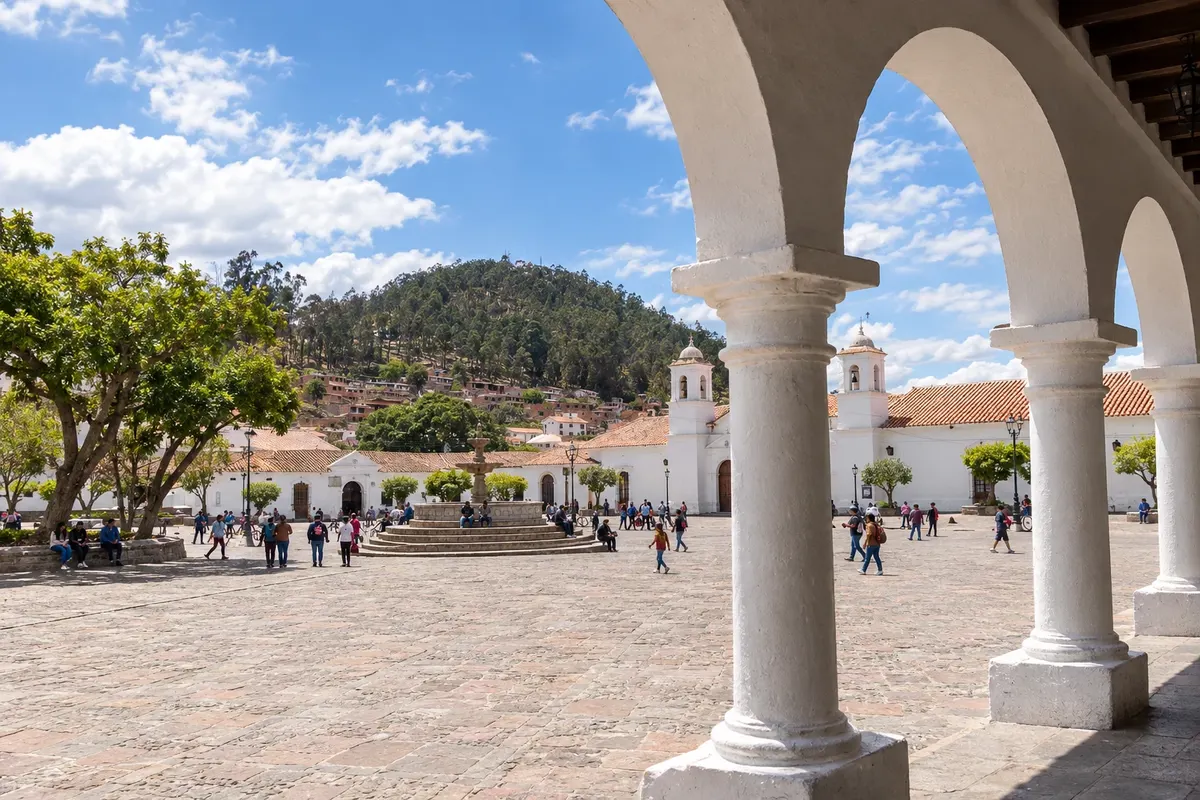
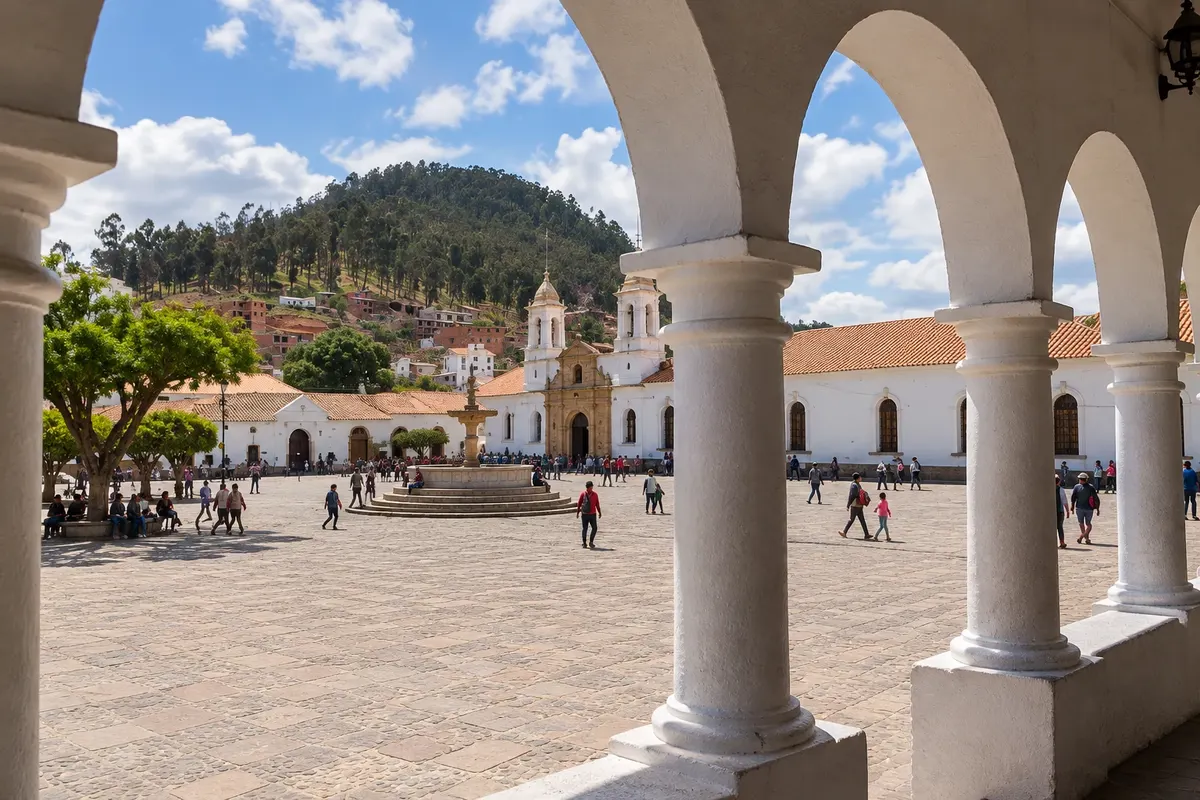
Na fotografiji: Square at Convento de La Recoleta, Sucre

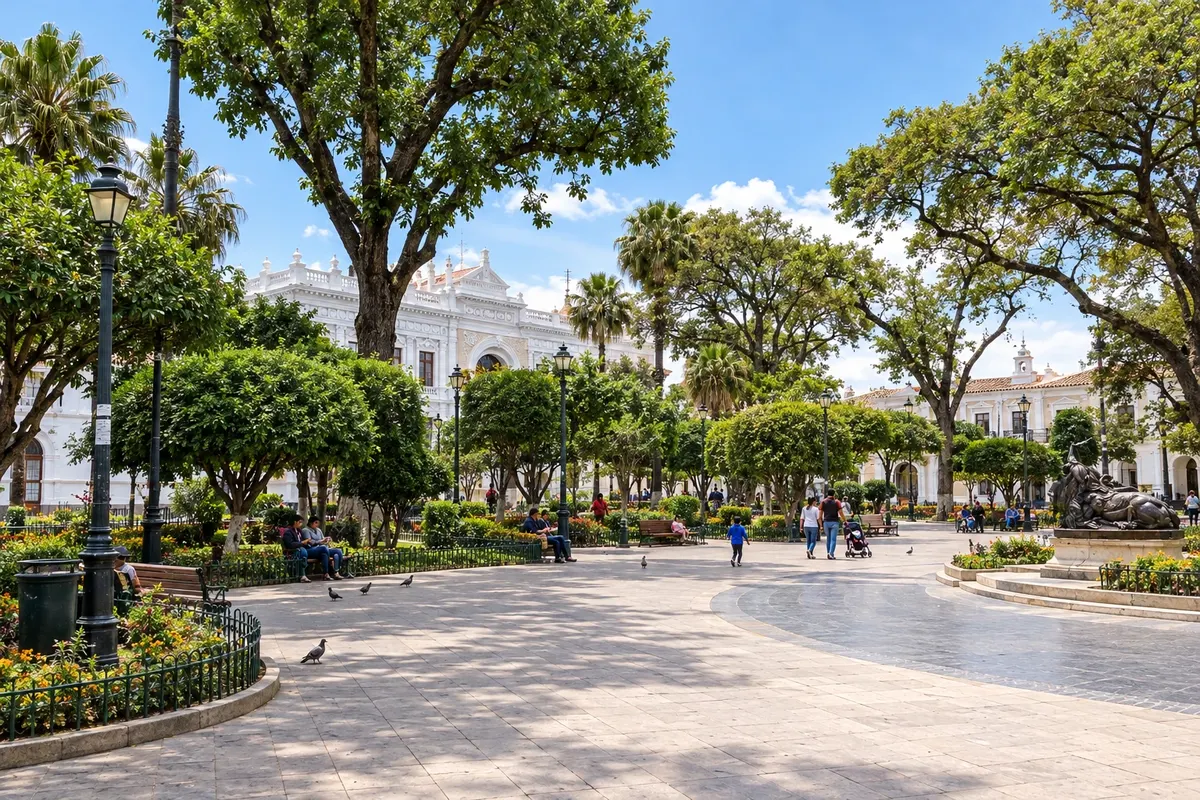
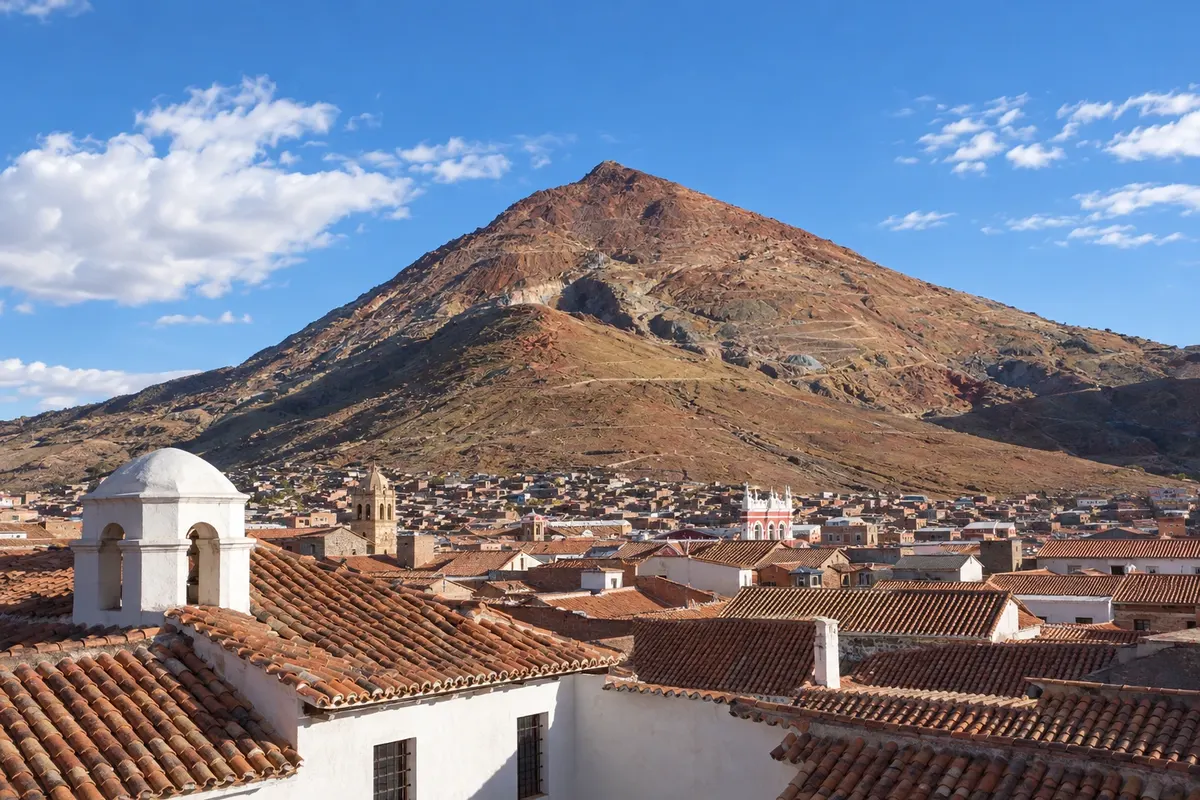
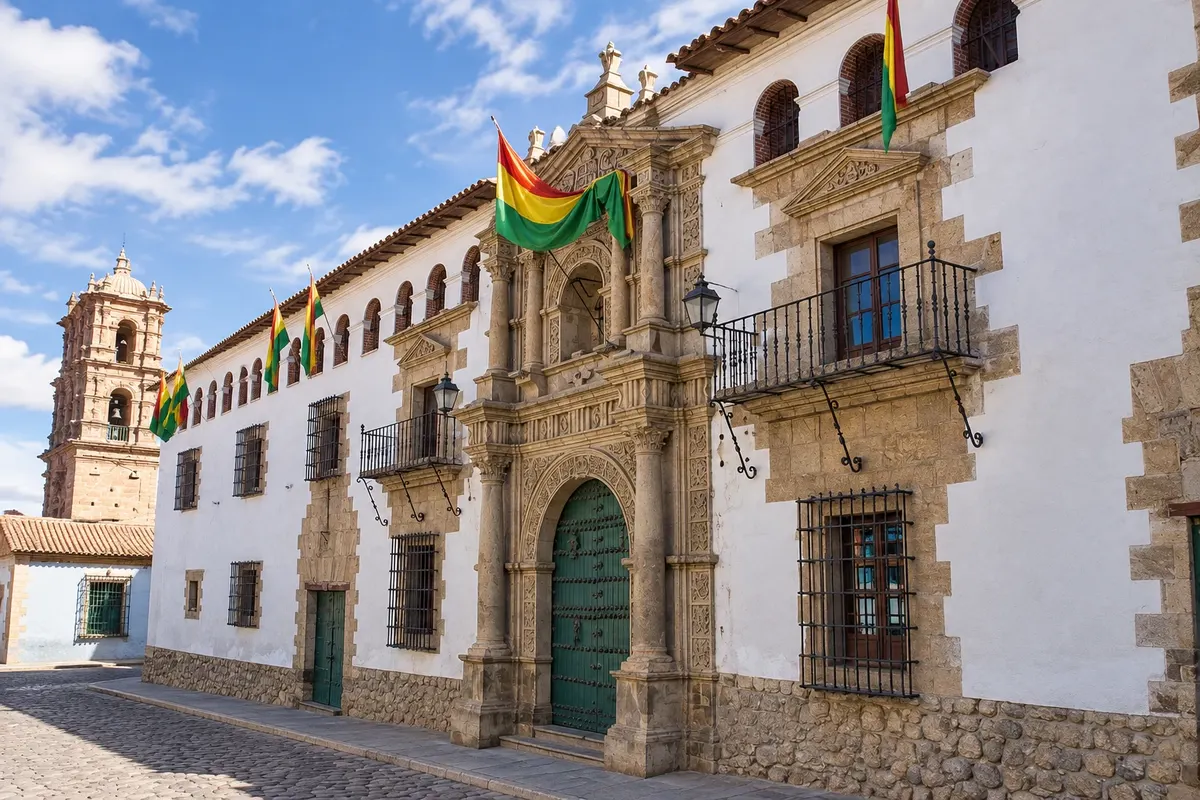
Illustrative images. The pictures in this guide are illustrations based on the real place, not photographs, and may differ from it.

Na voljo v trgovini Google Play Pošljite svoje fotografije

Spoznajte kraj

Pokrajina, ki jo doživite
v svojem ritmu.

Sucre and Potosí are in the southern Bolivian Andes, about 155 km apart, and together tell the colonial history of the country. Potosí grew from 1545 around Cerro Rico, the silver mountain that financed the Spanish empire for more than two centuries. Sucre, then called La Plata, was the administrative and religious city of the region, where judges, bishops and mine owners lived. Both are UNESCO World Heritage sites.

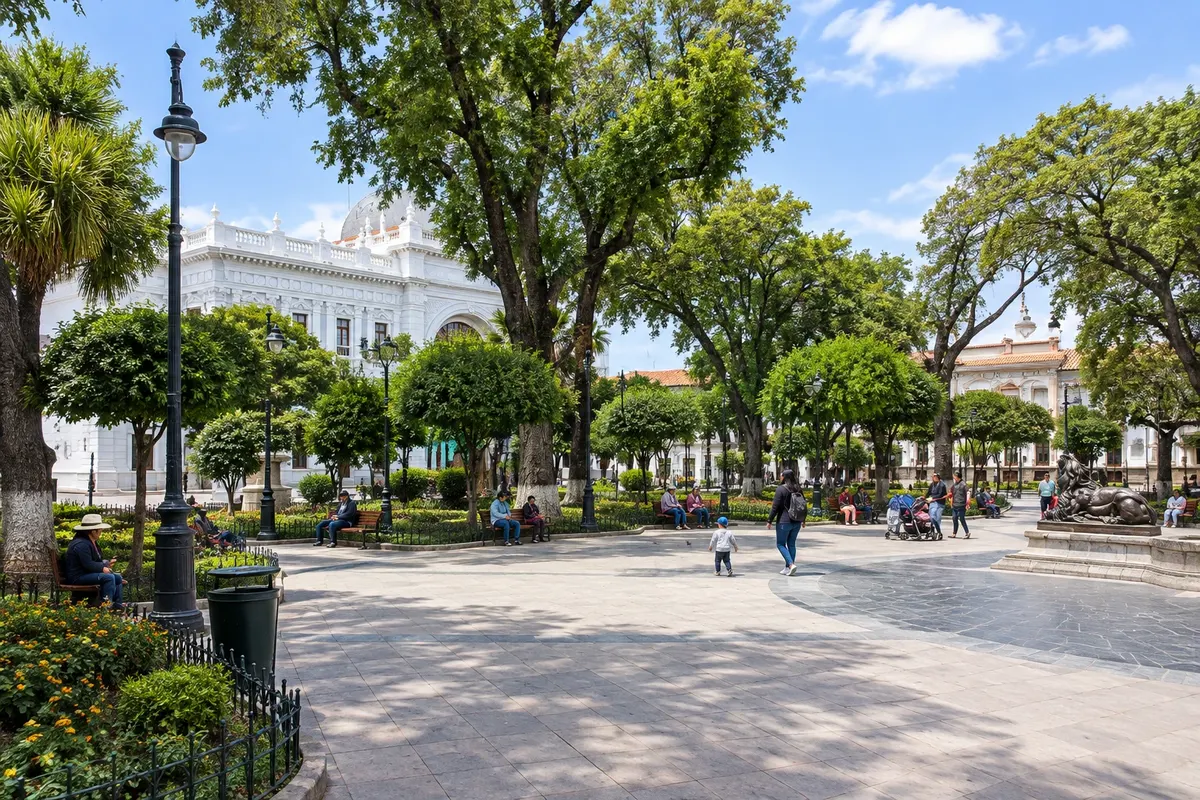
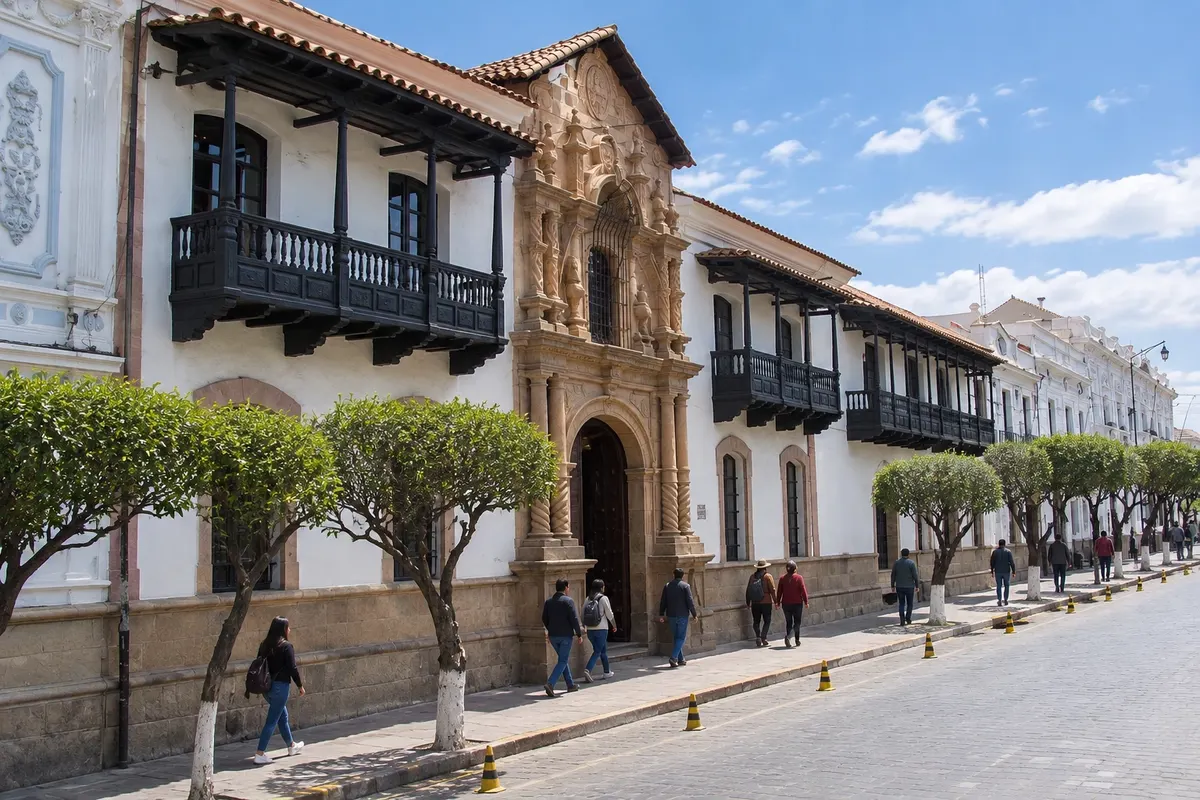
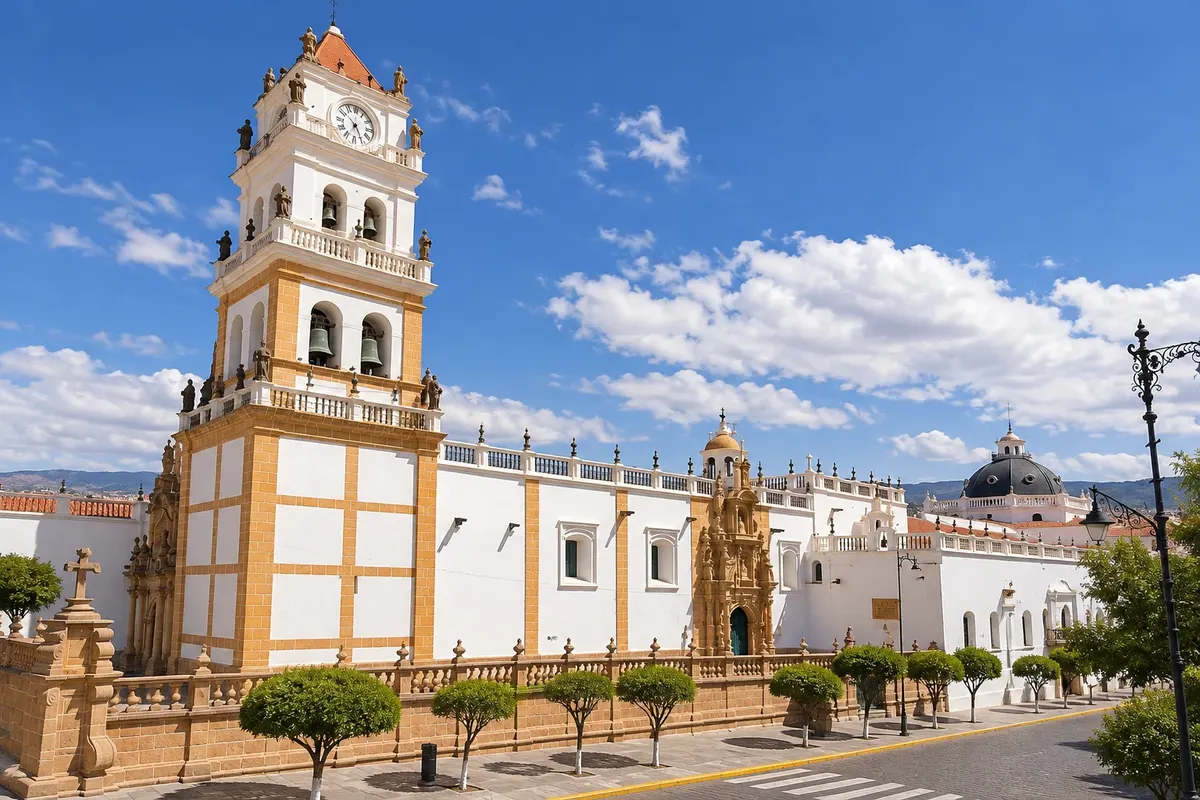
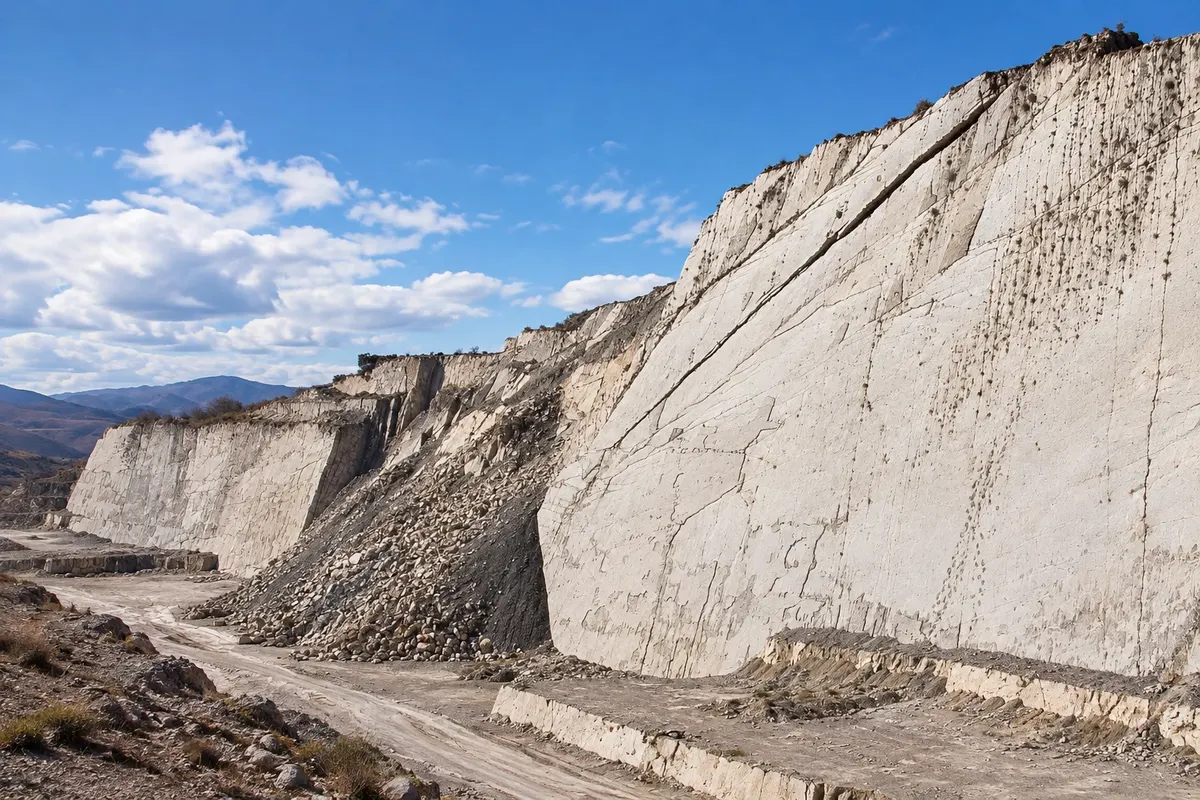
Sucre is the constitutional capital of Bolivia, seat of the Judiciary, while La Paz is the seat of government. It sits in a valley at about 2,800 meters, with a mild climate, and is called the White City because of the whitewashed facades in the center. At the Casa de la Libertad, next to Plaza 25 de Mayo, the declaration of independence was signed in 1825. The Convento de La Recoleta has a viewpoint over the roofs, and nearby the Parque Cretácico shows thousands of dinosaur footprints on a limestone cliff.

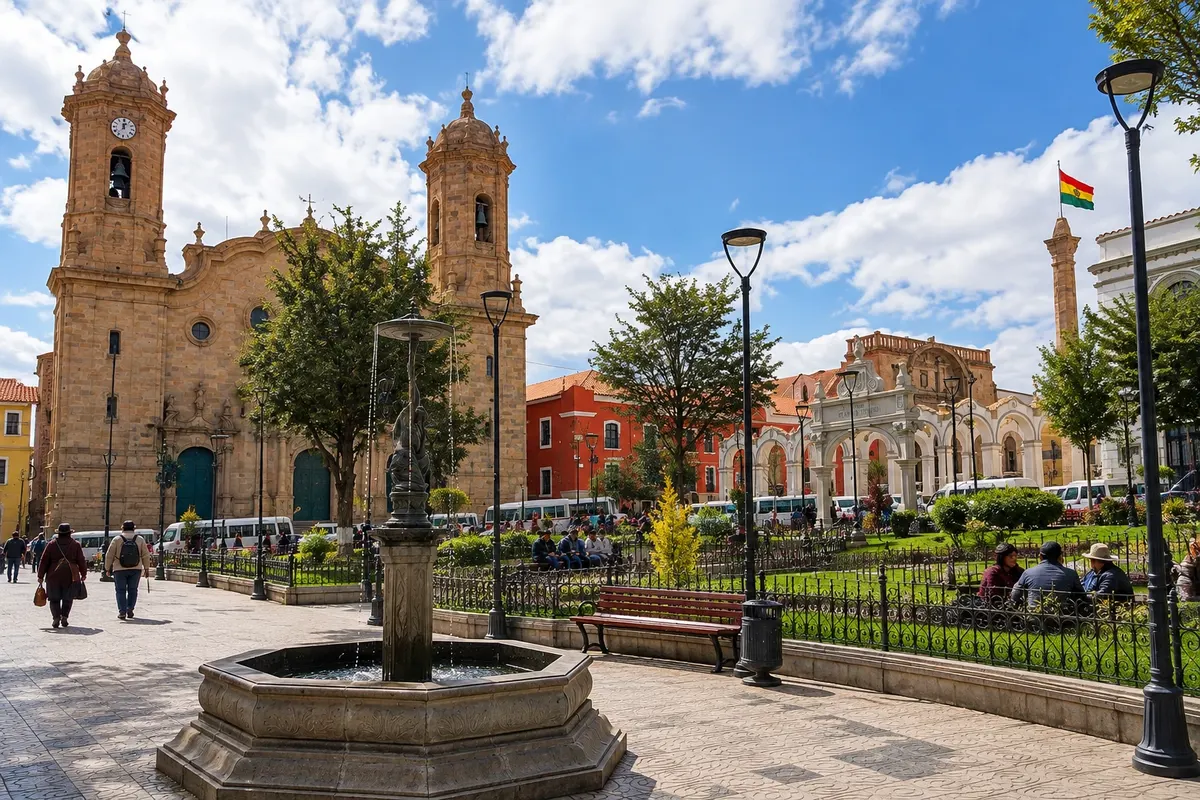
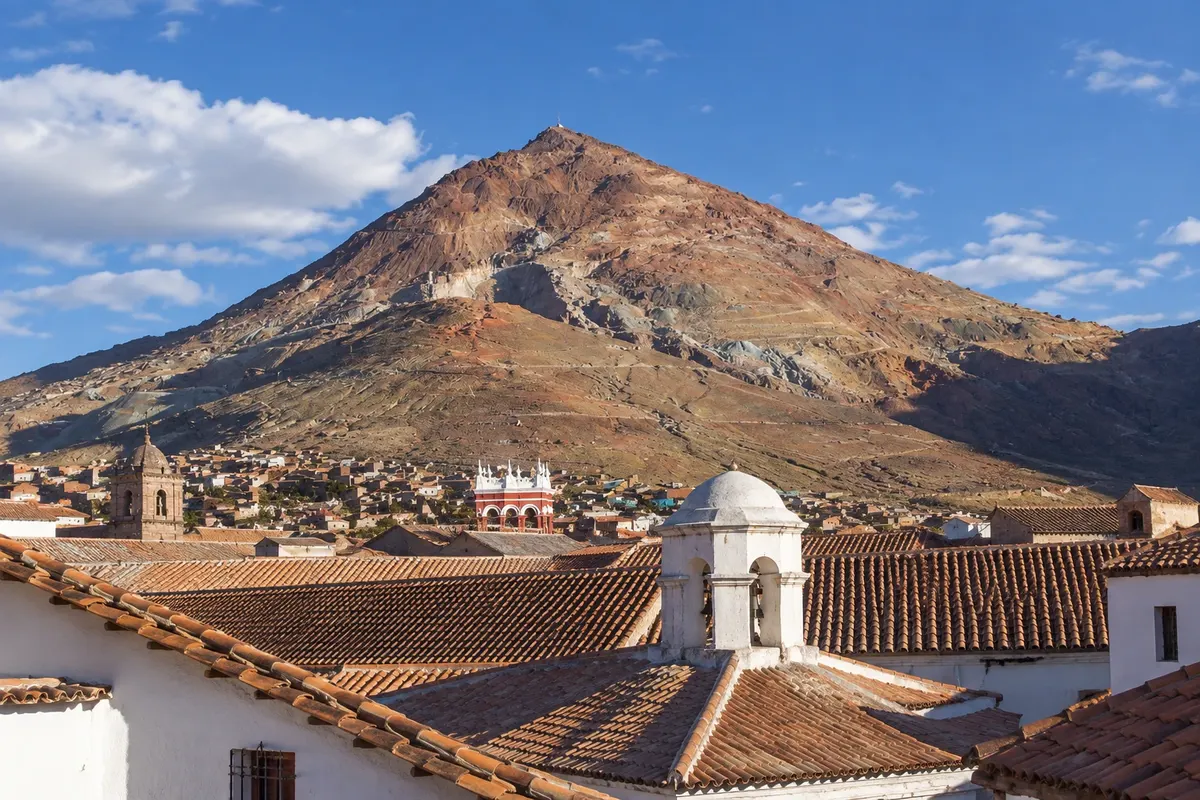
Potosí is at about 4,000 meters, one of the highest cities in the world, with the reddish cone of Cerro Rico always in view. In the 17th century it was among the most populous cities in the world. From that wealth remain the baroque churches, the mansions with wooden balconies and the Casa Nacional de Moneda, where silver was minted during the colonial period and which today is one of the country's largest museums.

Potosí, being higher, requires a calm first day, because many travelers feel the altitude. The two cities are connected by a paved road, about 3 hours apart.

This destination brings together 2 cities: Sucre, Potosí.

Delite: WhatsApp
Delite svoja popotniška doživetja s fotografijami Pošljite fotografije vsakega kraja, ki ste ga obiskali. Največje število fotografij na kraj: 5.

Ena destinacija, več poti

Mesta na tej poti

Začnite v enem mestu ali v načrt poti vključite več mest.

Sucre and Potosí – lega
SucrePotosí

Obrisi: GeoBolivia, via geoBoundaries (CC BY 4.0). Priredba: Cidade Turismo.

Kako do tja:Sucre and Potosí

✈ Aeropuerto Internacional Alcantarí (SRE), kraj: Yamparáez· 30 km do cilja (Sucre)

Confirm before buying. Sucre has Alcantarí airport, about 30 km away, with flights from La Paz, Santa Cruz and Cochabamba. Between Sucre and Potosí, buses and shared taxis take about 3 hours. From Potosí to Uyuni it's about 4 hours.

Predlagana točka prihoda:Sucre

Doživite kraj

Kaj početi – Sucre and Potosí

National Mint House
Potosí · Potosí · Muzej

National Mint House

The old mint of Potosí, built from 1753 to 1773, where colonial silver was coined; today it's a museum with mule-powered minting machines, coins, colonial painting and the Mascarón in the courtyard.

25 de Mayo Plaza
Sucre · Chuquisaca · Trg

25 de Mayo Plaza

Sucre’s central square, with gardens, palm trees and the statue of Sucre, surrounded by the Cathedral, the Casa de la Libertad, the departmental Government Palace and white colonial mansions.

House of Liberty
Sucre · Chuquisaca · Muzej

House of Liberty

The manor house on Plaza 25 de Mayo where Bolivia’s declaration of independence was signed on August 6, 1825, featuring the Hall of Independence, portraits of the liberators, and period documents.

10 de Noviembre Plaza
Potosí · Potosí · Trg

10 de Noviembre Plaza

Potosí's central square, with the neoclassical Cathedral, the Cabildo and large houses with balconies, near the baroque tower of the Compañía de Jesús, which serves as a viewpoint for the Cerro Rico.

Sucre and Potosí – prikaži dodatne kraje (5)
Metropolitan Cathedral of Sucre
Sucre · Chuquisaca · Cerkev

Metropolitan Cathedral of Sucre

Cathedral built from the 16th to the 18th century on Plaza 25 de Mayo, with the white tower and the museum that houses the Virgin of Guadalupe, the city’s patron, painted in 1601 and covered in jewels.

Potosí · Potosí · Convent

Convent of Saint Teresa

Carmelite convent founded in 1685, with a colonial art museum in the old rooms and cloisters, showing the life of cloistered nuns, daughters of Potosí's wealthy families.

Cerro Rico
Potosí · Potosí · Gora

Cerro Rico

The conical, reddish mountain of about 4,780 m to the south of Potosí, from which silver has been extracted since 1545, visible from almost the entire city and from the viewpoints of the downtown towers.

La Recoleta Convent
Sucre · Chuquisaca · Convent

La Recoleta Convent

Franciscan convent founded in 1601 high above the city, with cloisters, a choir of carved choir stalls and a museum, next to the arched viewpoint overlooking Sucre’s white roofs.

Cretaceous Park
Sucre · Chuquisaca · Park

Cretaceous Park

Park next to the Cal Orck'o quarry, about 5 km from Sucre, featuring an almost vertical limestone cliff marked by thousands of dinosaur footprints and life-size replicas.

Pred odhodom

Praktične informacije

Z nekaj načrtovanja boste imeli več časa za uživanje na poti.

Kdaj se odpraviti

The dry season usually runs from May to October, with sun and clear skies; nights are mild in Sucre and very cold in Potosí, below zero. The rains come from December to March, generally in the afternoon. In September Sucre has the festival of the Virgen de Guadalupe, and in August Potosí holds the Ch'utillos festival.

The seasons shown are the most usual ones; nature doesn't always follow the calendar.

Koliko dni ostati

Four days: two in Sucre for the city center, Casa de la Libertad, La Recoleta and Parque Cretácico, and two in Potosí with the Casa Nacional de Moneda, the churches and viewpoints of Cerro Rico. Those heading to Uyuni can depart Potosí at the end of the second day.

V katerem mestu prenočiti

In Sucre, the historic center around Plaza 25 de Mayo and on the way to La Recoleta has hotels and guesthouses in colonial mansions with courtyards. In Potosí, hotels are in the center, near Plaza 10 de Noviembre and the Casa Nacional de Moneda; many have heating, important on cold nights.

Spoštujte kraj

Odnesite svoje odpadke, upoštevajte oznake in podprite lokalne ponudnike. V naravi upoštevajte navodila za obiskovalce.

Odgovori na vaša vprašanja

Pogosta vprašanja – Sucre and Potosí

What is the capital of Bolivia?

Sucre is the constitutional capital and seat of the Judiciary. La Paz is the seat of government, with the presidency and the parliament.

What is the altitude of Sucre and Potosí?

Sucre is at about 2,800 meters and Potosí at about 4,000. Many travelers feel the altitude in the first days, especially in Potosí. The first day in each city should be easy; talk to your doctor before traveling.

Can you visit Potosí on a day trip from Sucre?

Yes, with about 3 hours of road each way, but the day is rushed. One night in Potosí allows you to see the Casa Nacional de Moneda and the center at a relaxed pace.

How to go from Potosí to Uyuni?

By bus, in about 4 hours, on a paved road. It's the route for those doing Sucre, Potosí and the Salar de Uyuni in sequence.

Odkrijte druge destinacije Iskanje po zvezni državi in mestu

Več kot vodnik