

National park
Addo Elephant National Park
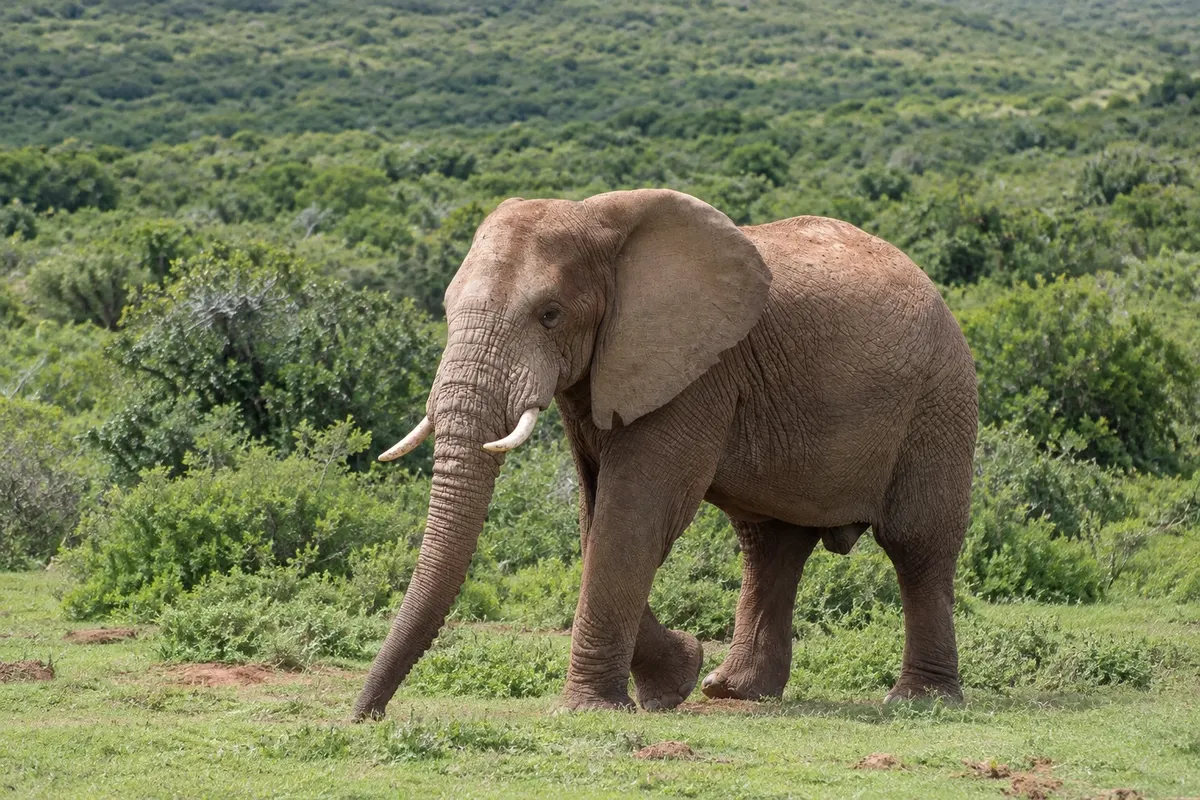
Malaria-free national park an hour from Gqeberha, created in 1931 to protect the region’s elephants, now home to hundreds of them and the five big safari animals.

 Išči
 Brazilija
 Antarktika
 Argentina
 Bolivija
 Čile
 Kolumbija
 Ekvator
 Gvajana
 Francoska Gvajana
 Falklandski otoki (Malvini)
 Paragvaj
 Peru
 Surinam
 Urugvaj
 Venezuela
 Nemčija
 Avstrija
 Belgija
 Hrvaška
 Danska
 Slovaška
 Slovenija
 Španija
 Finska
 Francija
 Grčija
 Nizozemska
 Madžarska
 Irska
 Islandija
 Italija
 Luksemburg
 Norveška
 Poljska
 Portugalska
 Združeno kraljestvo
 Češka
 Švedska
 Švica
 Turčija
 Bermudi
 Kanada
 Združene države Amerike
 Grenlandija
 Mehika
 Sveta Peter in Mihael
 Dominikanska republika
 JaponskaTurčijaJužnoafriška republika
 Egipt
 Avstralija
 Fidži
 Nova Zelandija
 Papua Nova Gvineja
Cabo Oriental · Južnoafriška republika
Destinacija: Gqeberha and Addo.
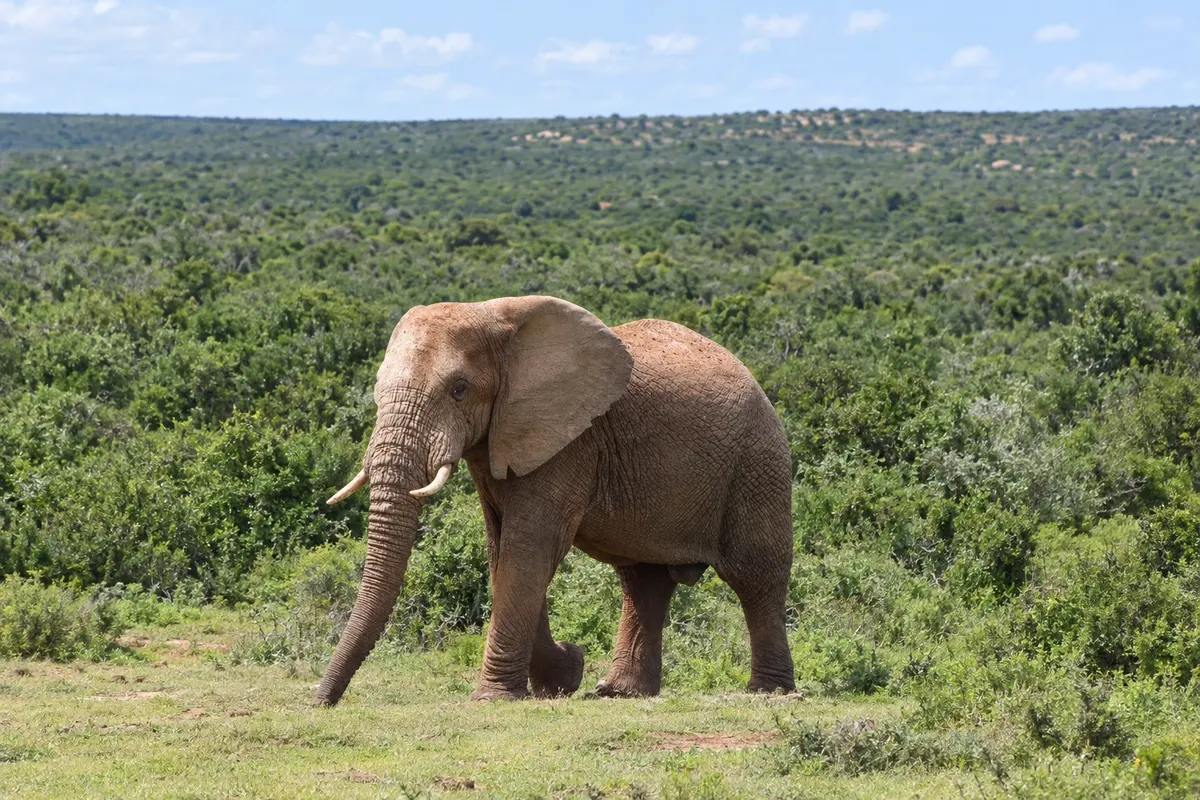
Na fotografiji: Addo National Elephant Park
Illustrative images. The pictures in this guide are illustrations based on the real place, not photographs, and may differ from it.
Mesto
Addo is the village in the Sundays River valley, among orange groves, which gives its name to Addo National Park, about 70 km from Gqeberha. The park, created in 1931 to protect the last 11 elephants of the region, now hosts hundreds of them, as well as lions, buffalo, rhinos and zebras, in dense, malaria-free bush. The main camp has a waterhole illuminated at night and a hide for birdwatching.
V vodniku še ni nastanitev – Addo.
kako do tja · koliko dni · načrt poti · vprašanja
Doživite kraj
Malaria-free national park an hour from Gqeberha, created in 1931 to protect the region’s elephants, now home to hundreds of them and the five big safari animals.
Pred odhodom
Addo – Eastern Cape Destinacija Gqeberha and Addo
Razdalje so približne. Pred potovanjem preverite lete in vozne rede avtobusov, vlakov ali ladij.
From Gqeberha, the arrival city, it’s about 70 km via the R335—about a one-hour drive to the park’s main gate. Gqeberha Airport (PLZ) is roughly 70 km away. There are day safaris departing from Gqeberha.
A full day of safari in the park, or an overnight stay to catch the morning and late afternoon when animals tend to move more. With two days you can include the Colchester area or a guided night safari.
The park is open year-round. Winter, from June to August, is dry, with more open bush and animals at the waterholes. Summer is warmer and greener. The region is malaria-free.
The seasons shown are the most usual ones; nature doesn't always follow the calendar.
For a self-drive safari, yes: the park roads are paved and well-maintained gravel, and a standard car can be used. Without a car, there are guided safaris in open vehicles departing from the main camp and from Gqeberha.
Predlog poti
Pot povezuje znamenitosti na tej strani. Za oglede boste imeli dovolj časa.
Enter the park at gate opening and drive the roads in the southern section to the waterholes, where elephants often appear.
Have lunch at the main camp and sit in the bird hide facing the waterhole.
Return to the roads in the late afternoon when animals leave the bush, and exit before the gate closes.
If you stay at the camp, view the waterhole illuminated at night.
Check before you go. Opening hours and days change, and places may close for renovations, holidays or events. This itinerary is a suggestion from Cidade Turismo, not a commitment: plan yours by checking directly with each place you intend to visit.
Pred odhodom
Hundreds. The park was established in 1931 with 11 elephants, and the population has grown substantially since then.
Yes, the roads are good and a standard car can manage. Stay inside the vehicle, respect speed limits and gate opening hours.
Yes: elephant, buffalo, lion, rhinoceros and leopard live in the park, but lions and leopards are harder to spot. Elephants tend to appear frequently.
About 70 km, roughly a one-hour drive.
Več kot vodnik


