Sladica · Tomar
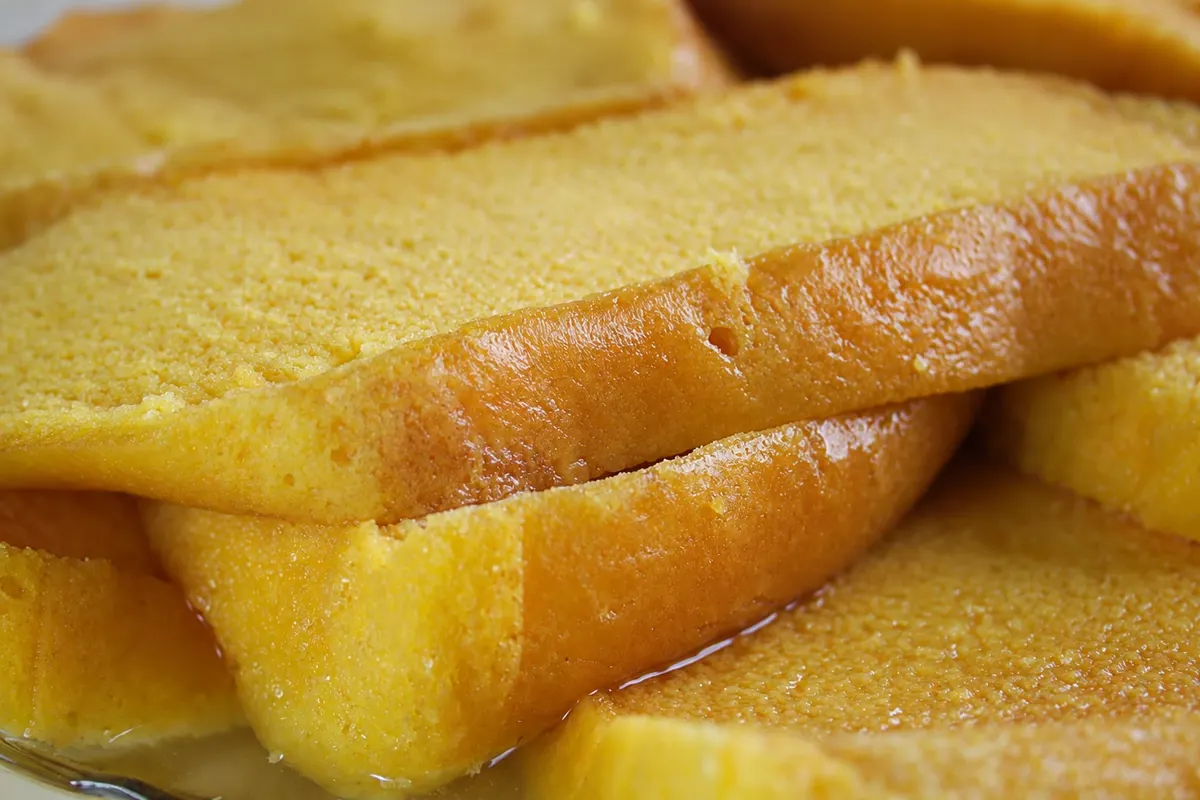
Fatias de Tomar
Slices of egg yolks beaten for a long time, cooked in a bain-marie in a special pan and soaked in sugar syrup. A convent sweet from Tomar, traditionally linked to the Convento de Cristo.

 Išči
 Brazilija
 Antarktika
 Argentina
 Bolivija
 Čile
 Kolumbija
 Ekvator
 Gvajana
 Francoska Gvajana
 Falklandski otoki (Malvini)
 Paragvaj
 Peru
 Surinam
 Urugvaj
 Venezuela
 Nemčija
 Avstrija
 Belgija
 Hrvaška
 Danska
 Slovaška
 Slovenija
 Španija
 Finska
 Francija
 Grčija
 Nizozemska
 Madžarska
 Irska
 Islandija
 Italija
 Luksemburg
 Norveška
 PoljskaPortugalska
 Združeno kraljestvo
 Češka
 Švedska
 Švica
 Turčija
 Bermudi
 Kanada
 Združene države Amerike
 Grenlandija
 Mehika
 Sveta Peter in Mihael
 Dominikanska republika
 JaponskaTurčija
 Južnoafriška republika
 Egipt
 Avstralija
 Fidži
 Nova Zelandija
 Papua Nova Gvineja
Ljudsko praznovanje · Tomar
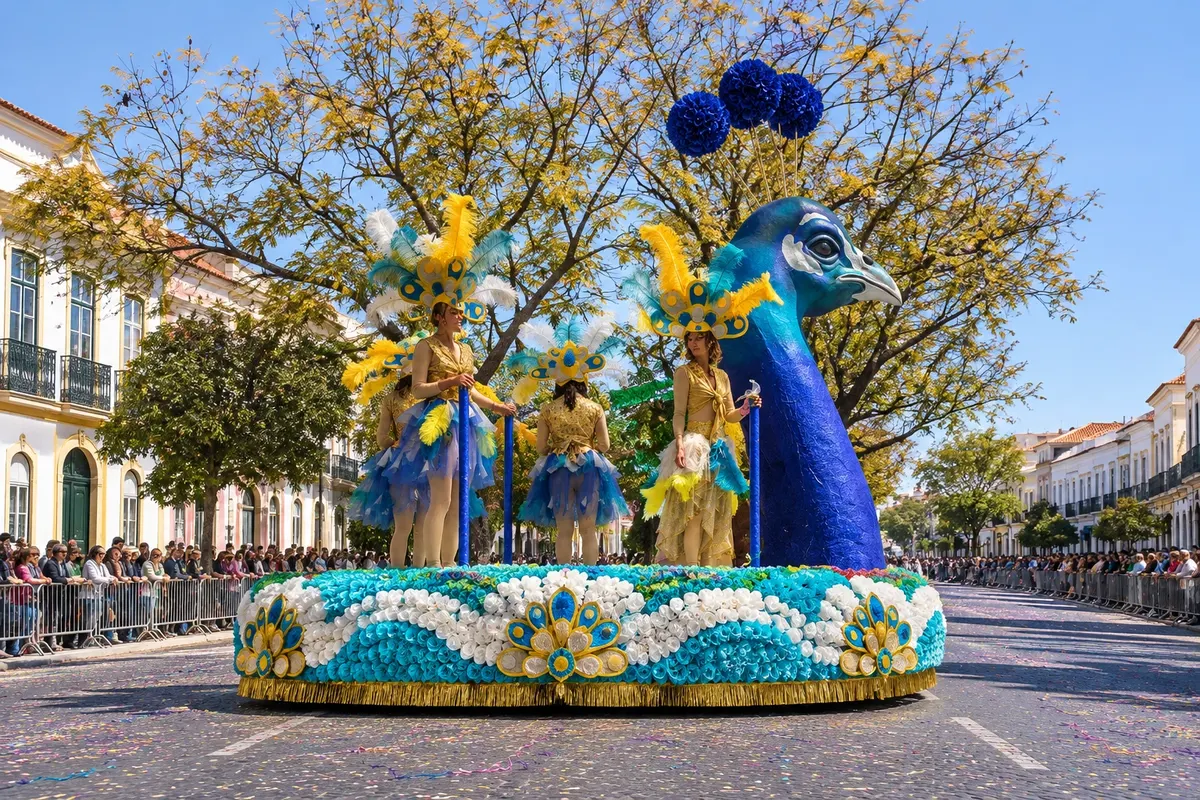
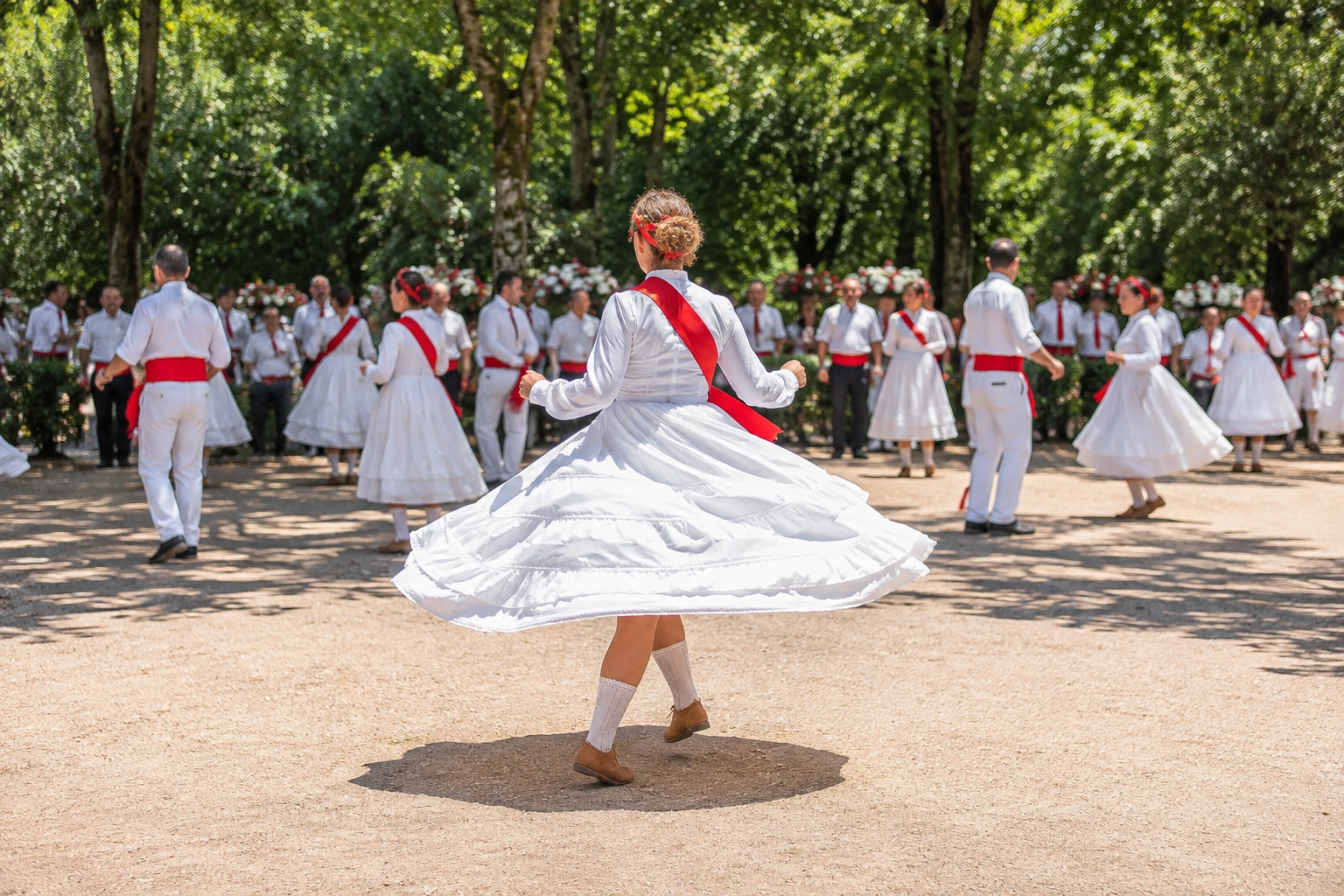
Tomar’s great festival in honor of the Divine Holy Spirit takes place every four years. Hundreds of girls cross the town carrying on their heads tabuleiros as tall as they are, made of 30 breads, paper flowers and sheaves of wheat, with the historic center decorated and, at the end, bread, meat and wine distributed to needy families.
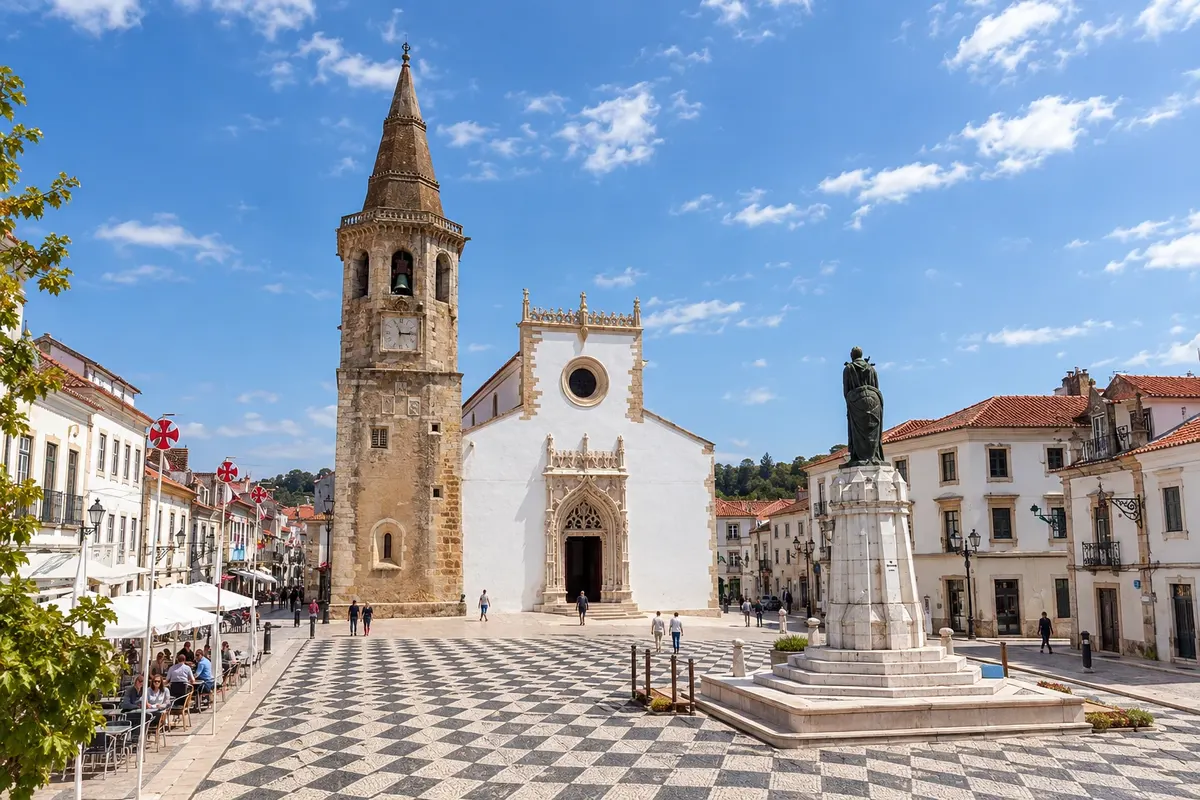
Na fotografiji: Tomar
Illustrative images. The pictures in this guide are illustrations based on the real place, not photographs, and may differ from it.
Kliknite fotografijo za povečavo.
Festa dos Tabuleiros — Tomar
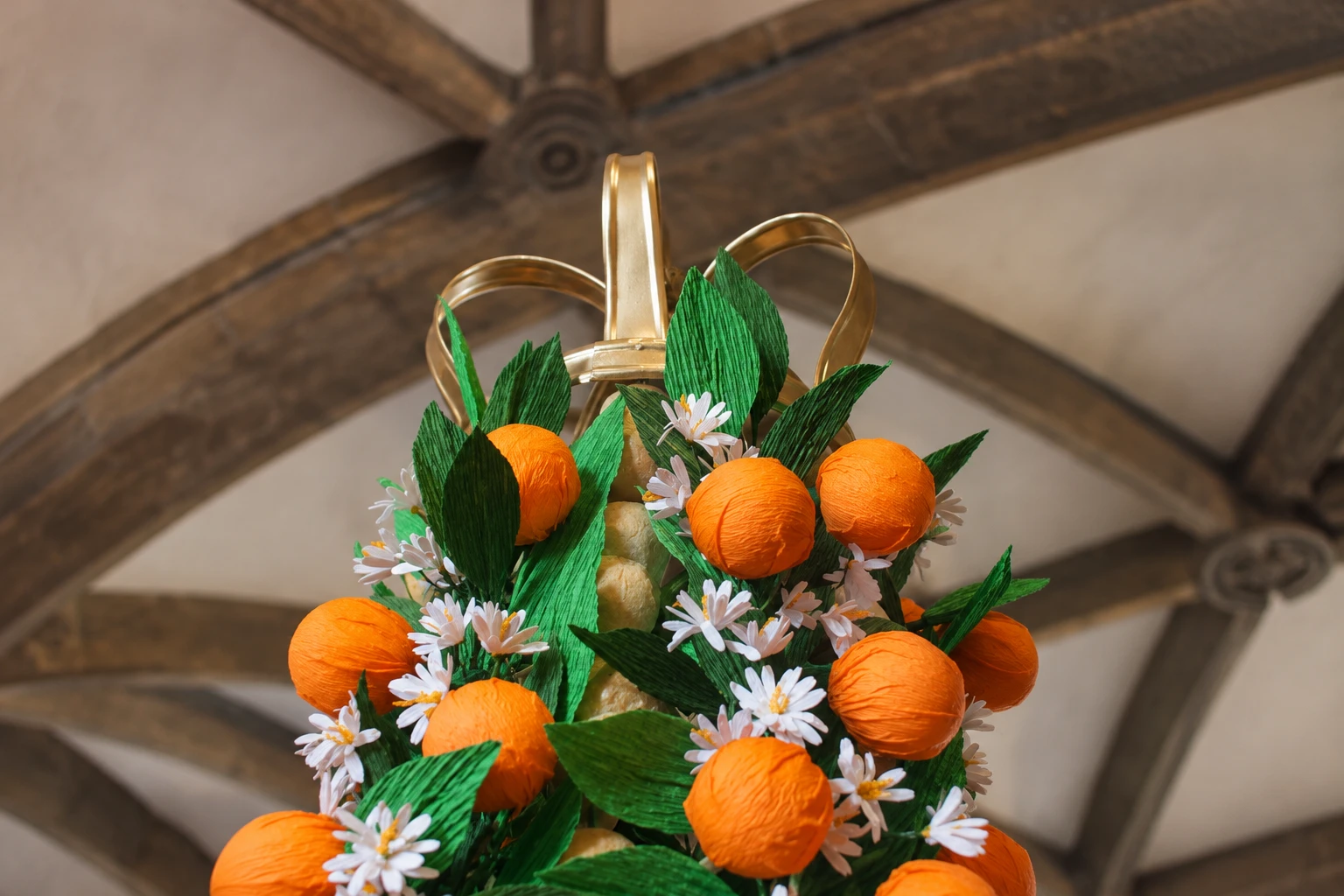
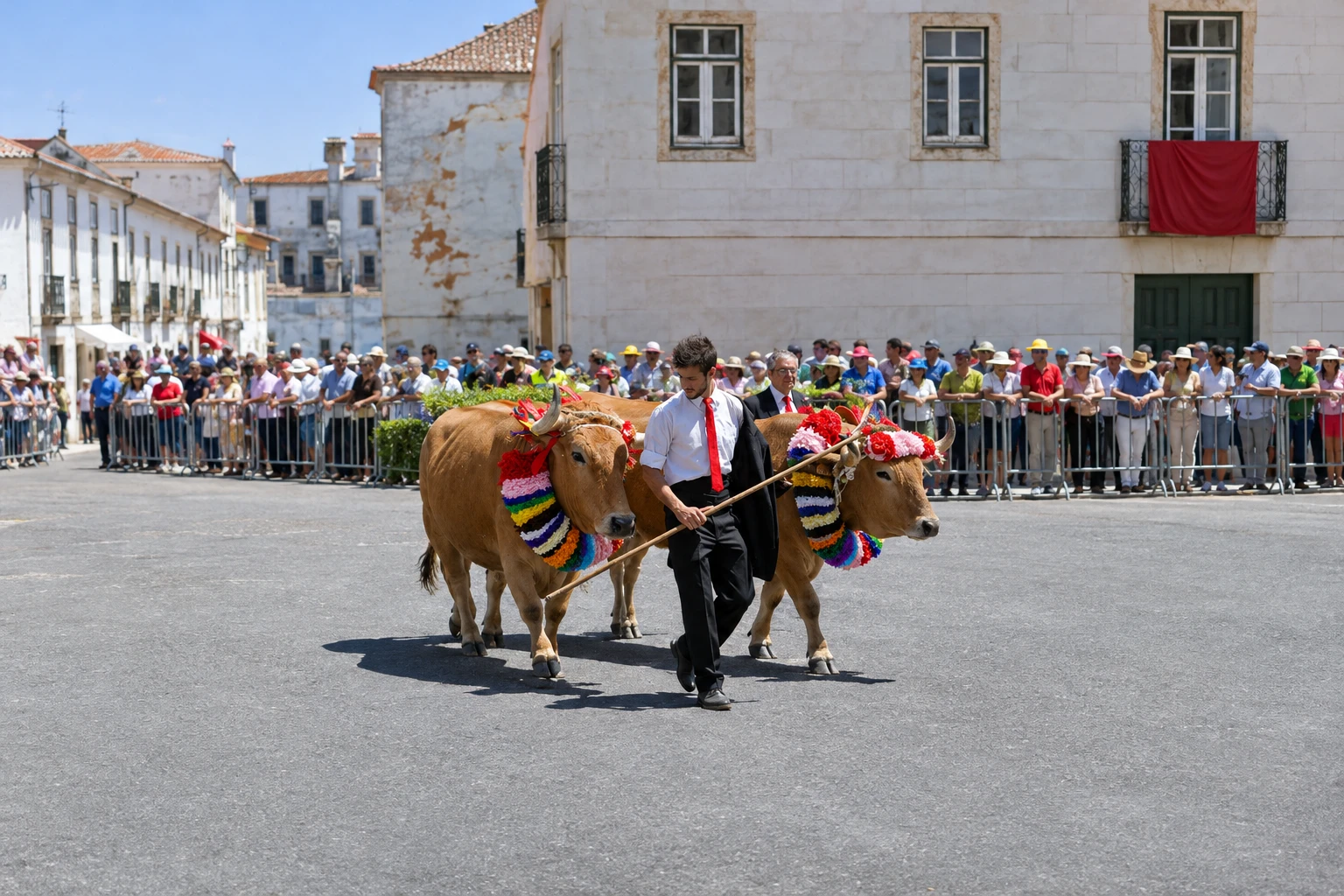
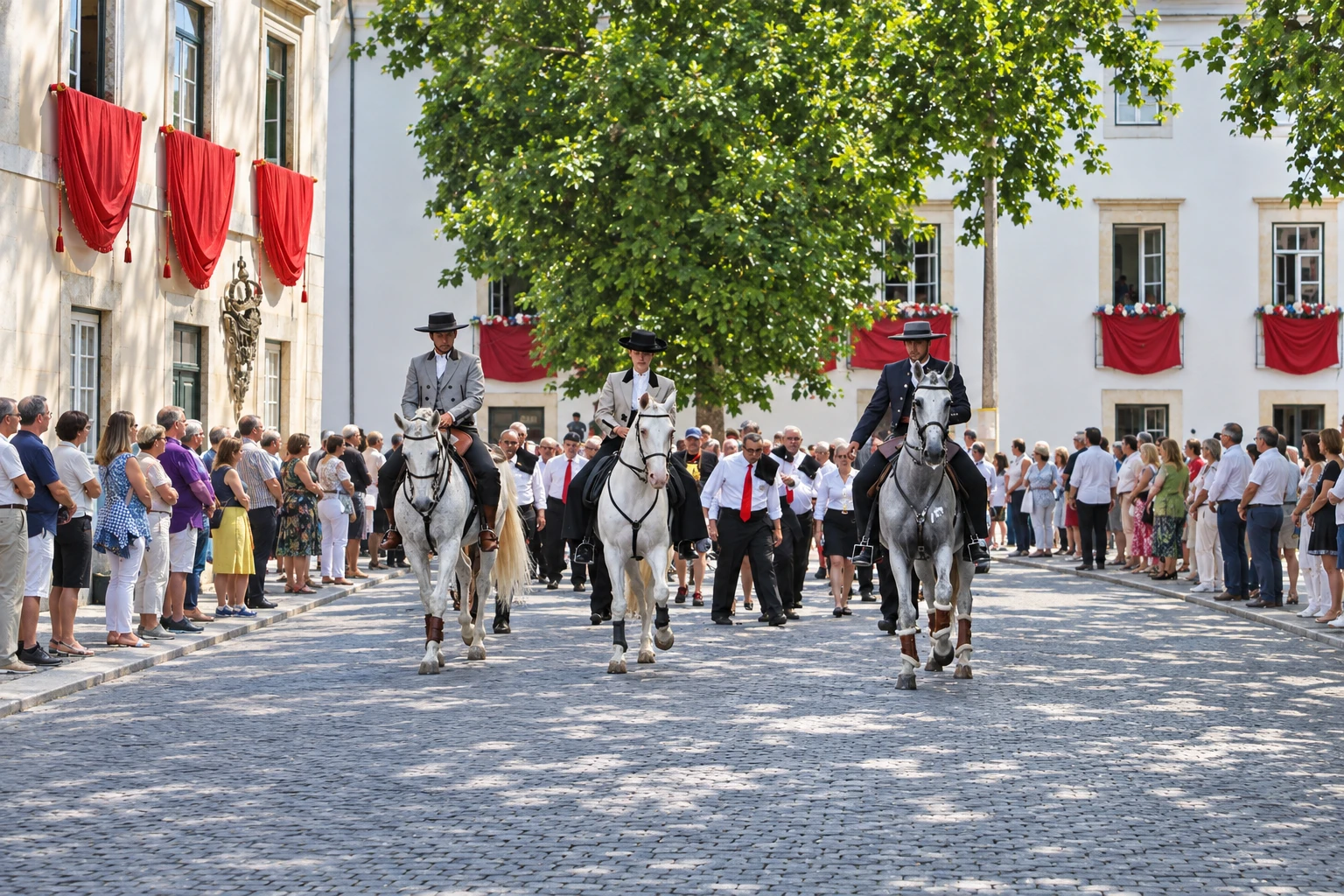
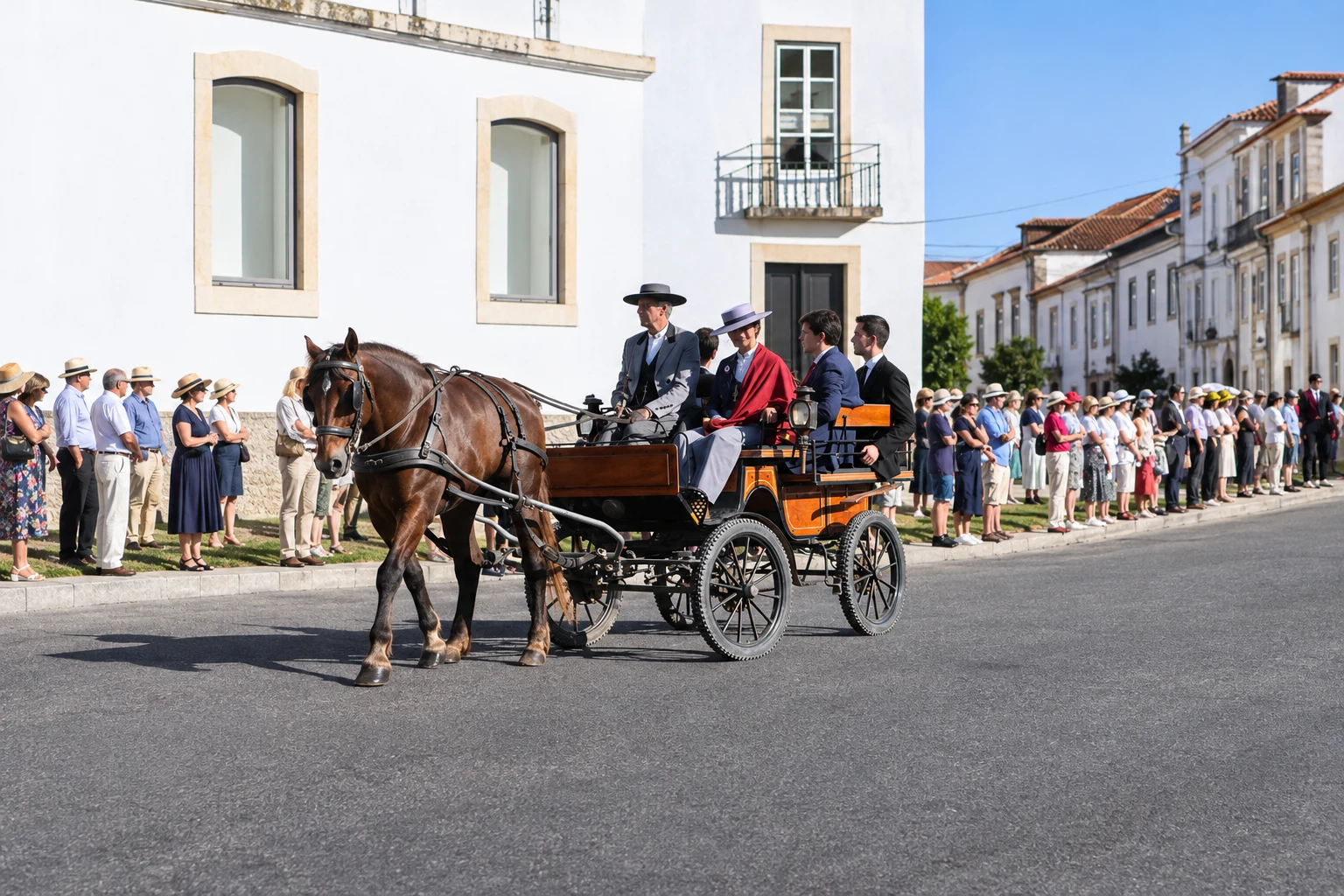
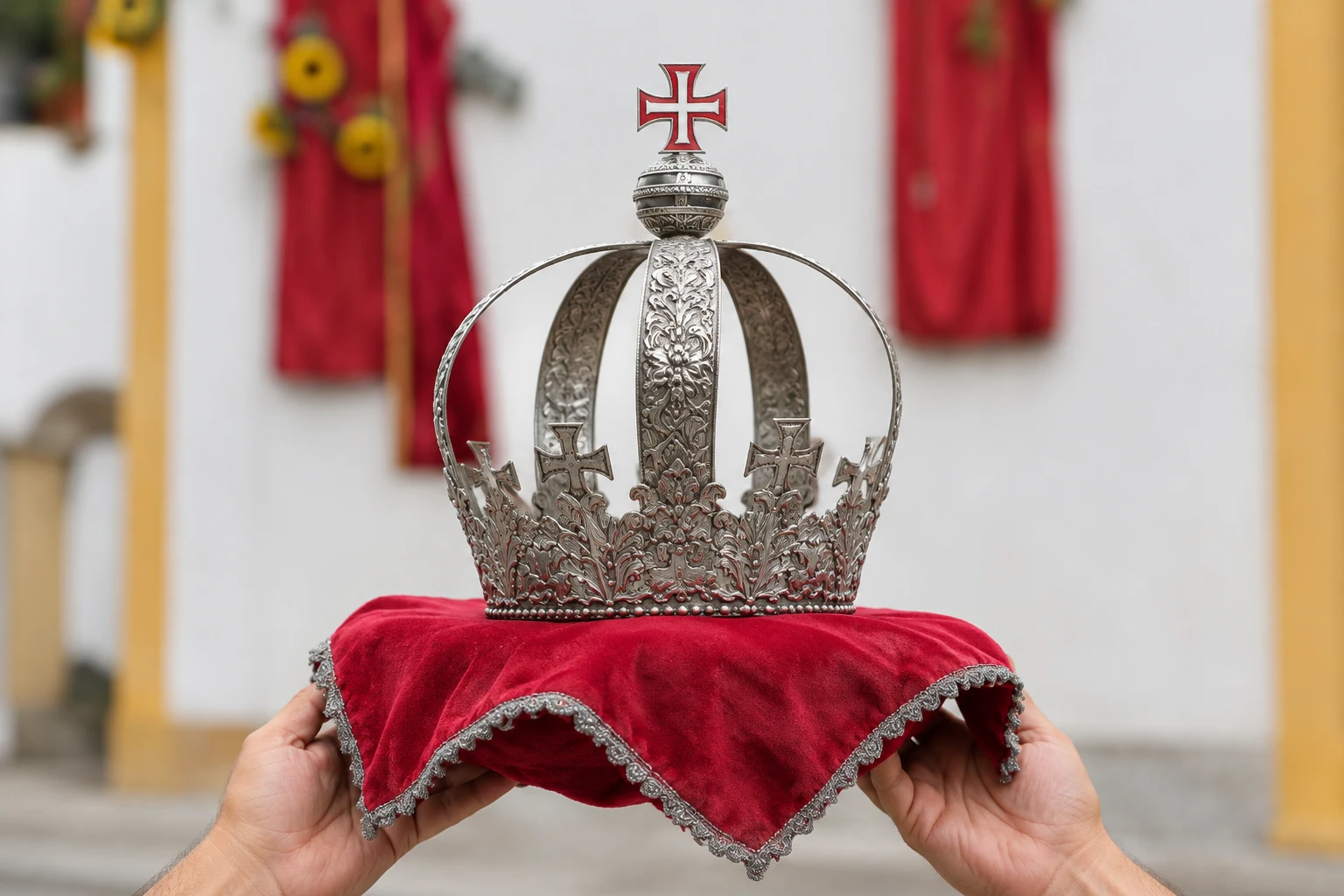
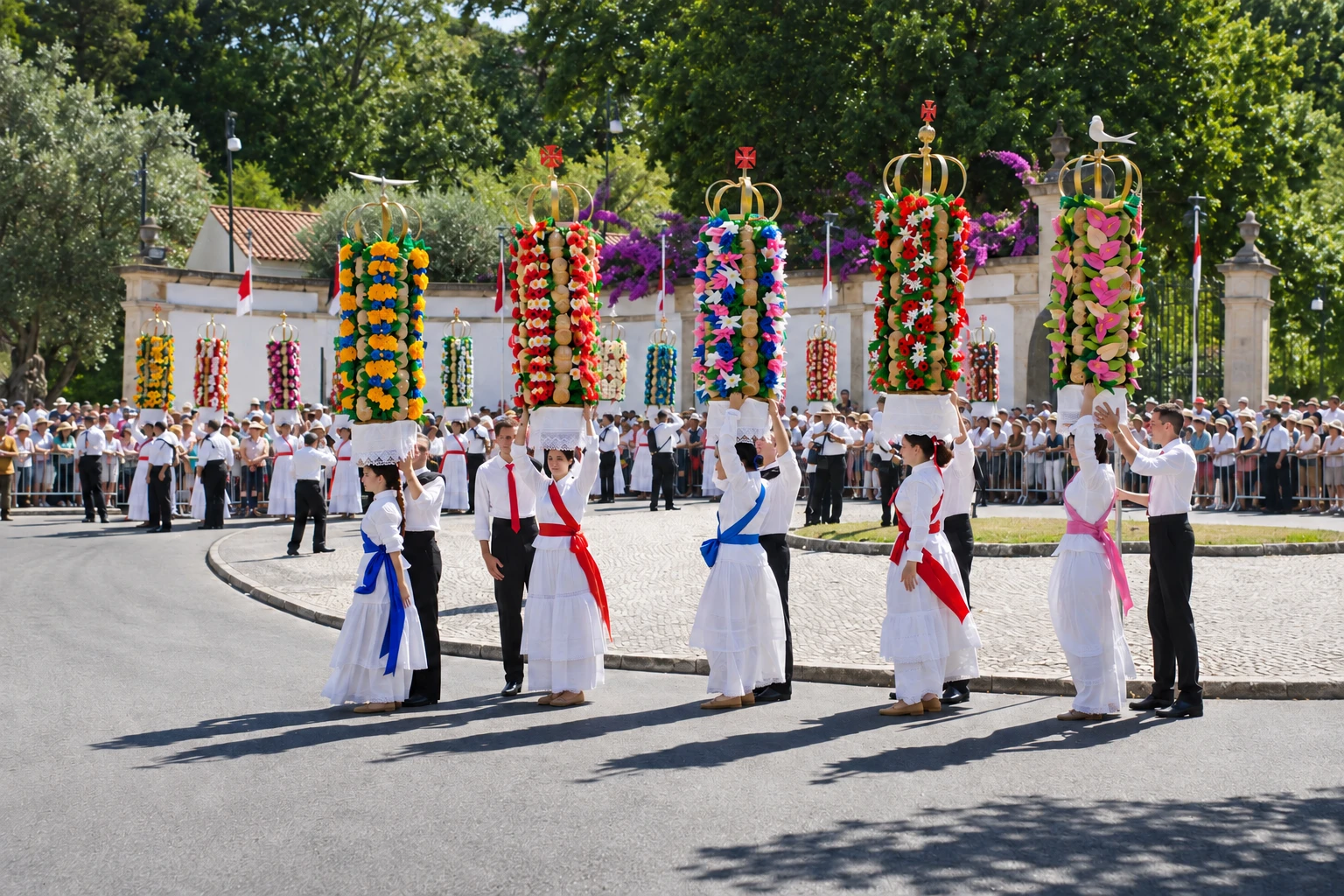
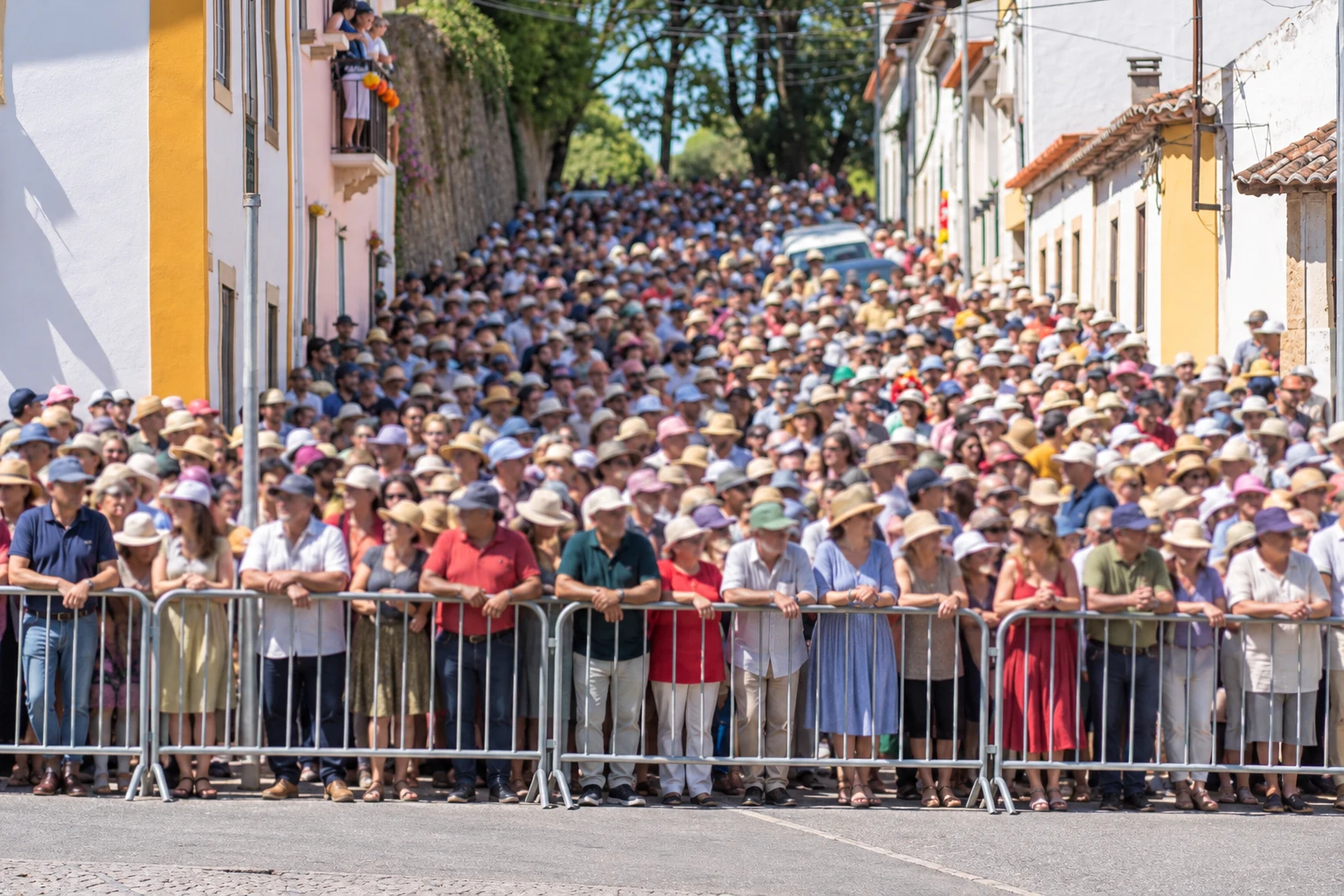
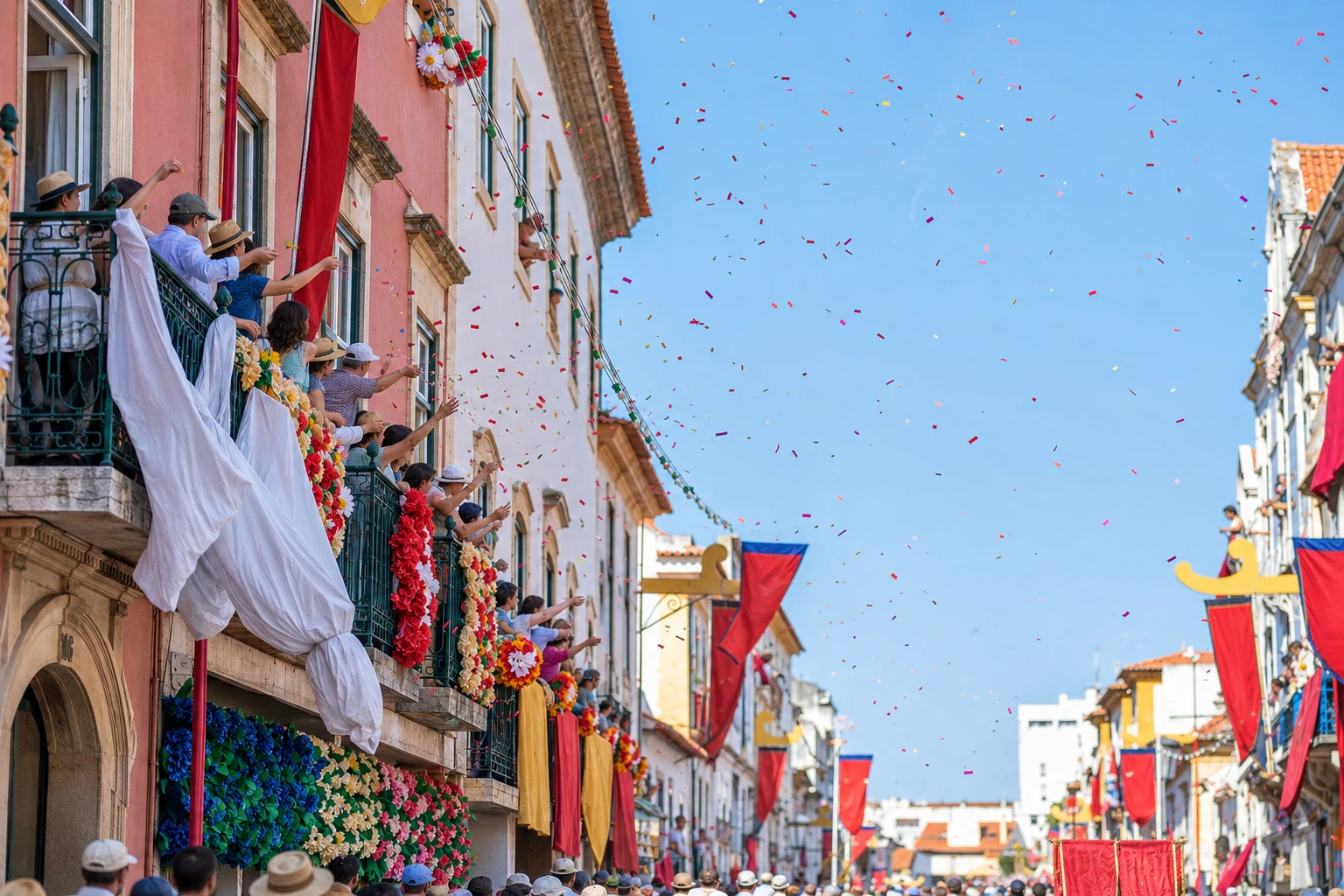
In early July, every four years, in a cycle of about ten days that ends on the Sunday of the Cortejo dos Tabuleiros and on the Monday of the Pêza; the first outings of the crowns begin on Easter Sunday of the festival year.
julij · vsaka štiri leta
Datumi se vsako leto spreminjajo. Pred potovanjem preverite letošnji datum.
Prireditev
The Festa dos Tabuleiros is Tomar’s largest celebration, the town of the Convent of Christ, and one of Portugal’s best-known religious and popular events. It is held every four years, in early July, in honor of the Divine Holy Spirit. Its origins are linked to old harvest festivals that acquired a religious character in the Middle Ages with the cult of the Holy Spirit, spread in Portugal under the influence of Queen Saint Isabel. The festival does not happen automatically: in each cycle the people of Tomar gather to decide whether there will be a festival and to choose the mordomo who will lead it. It was inscribed in the National Inventory of Intangible Cultural Heritage.
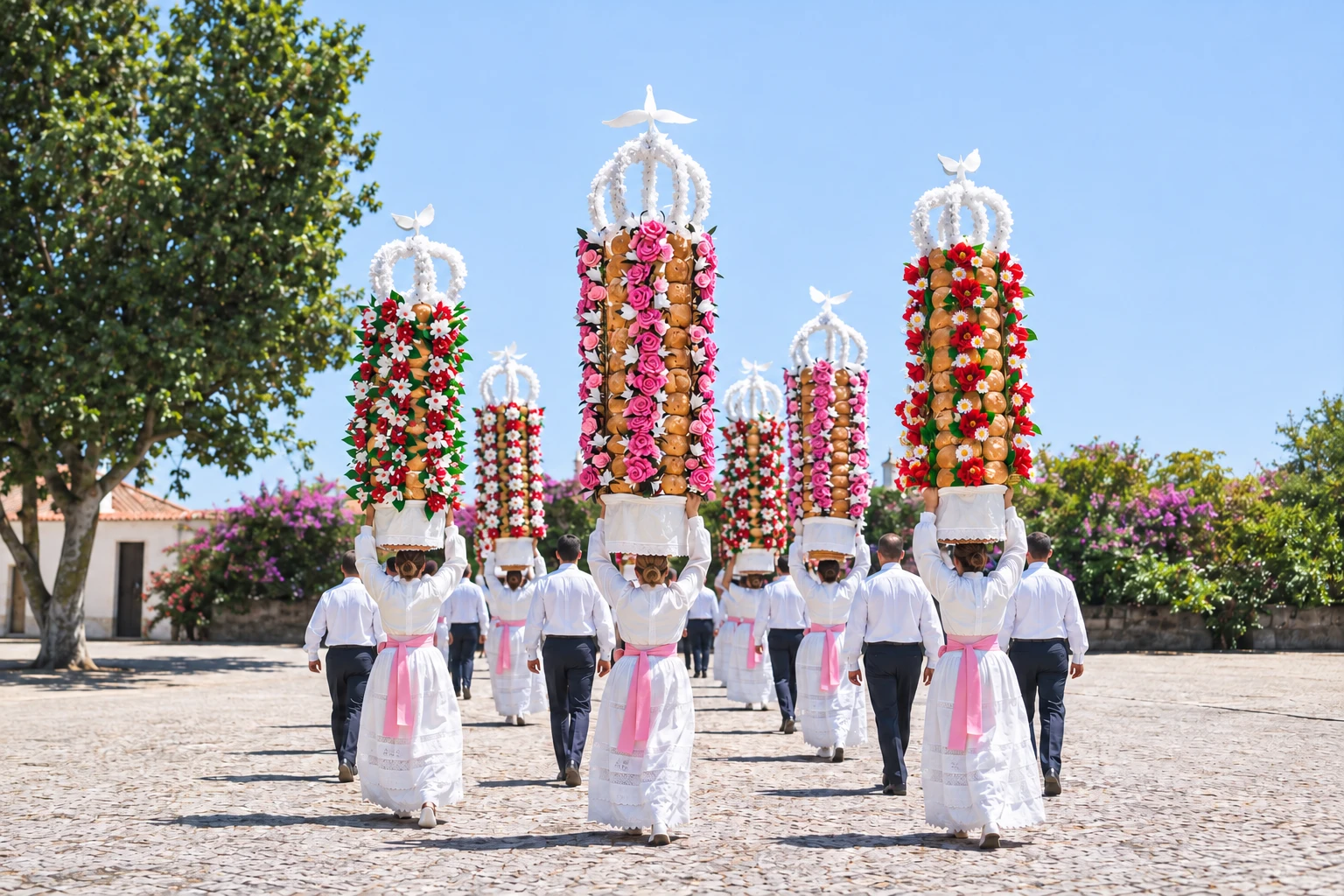
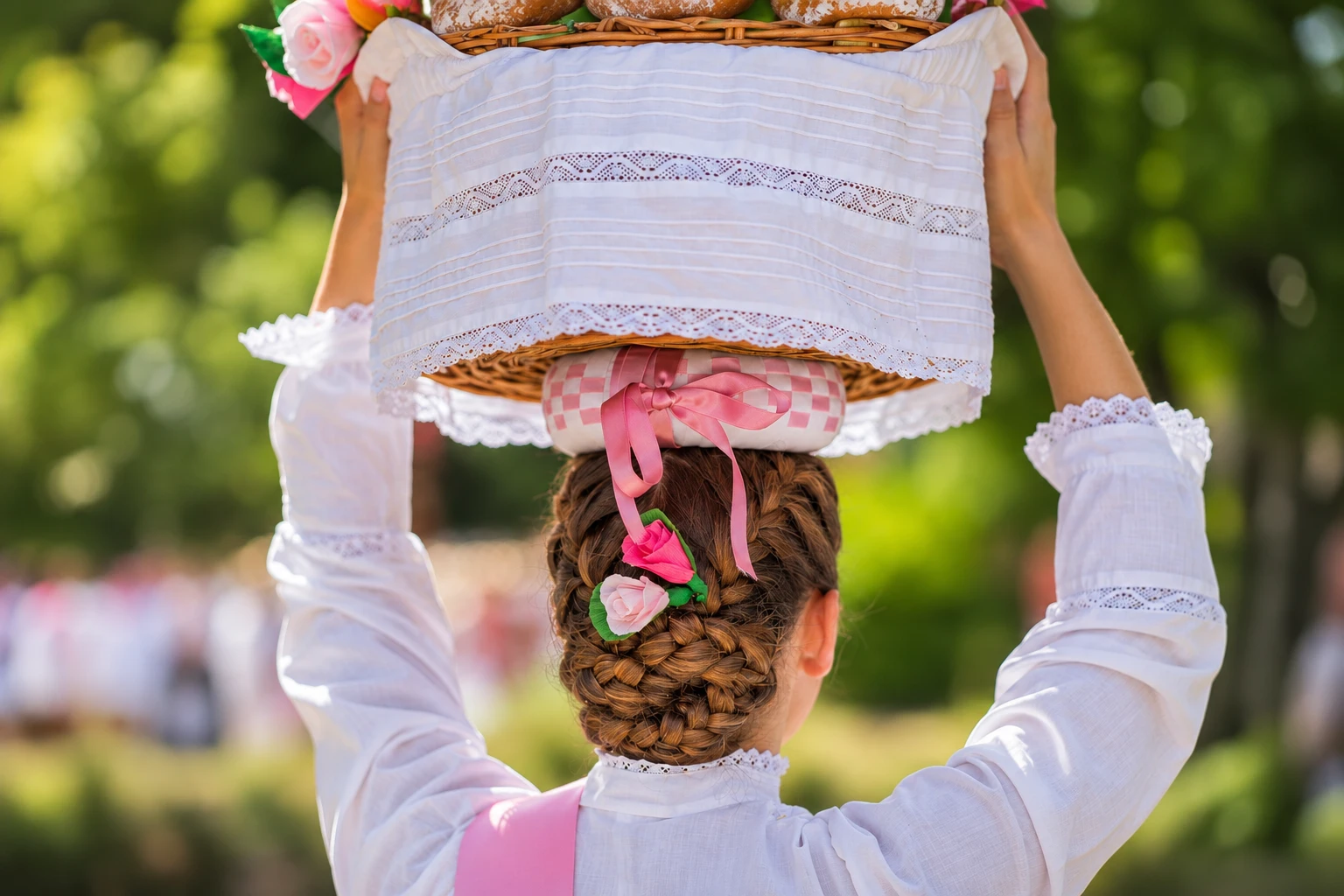
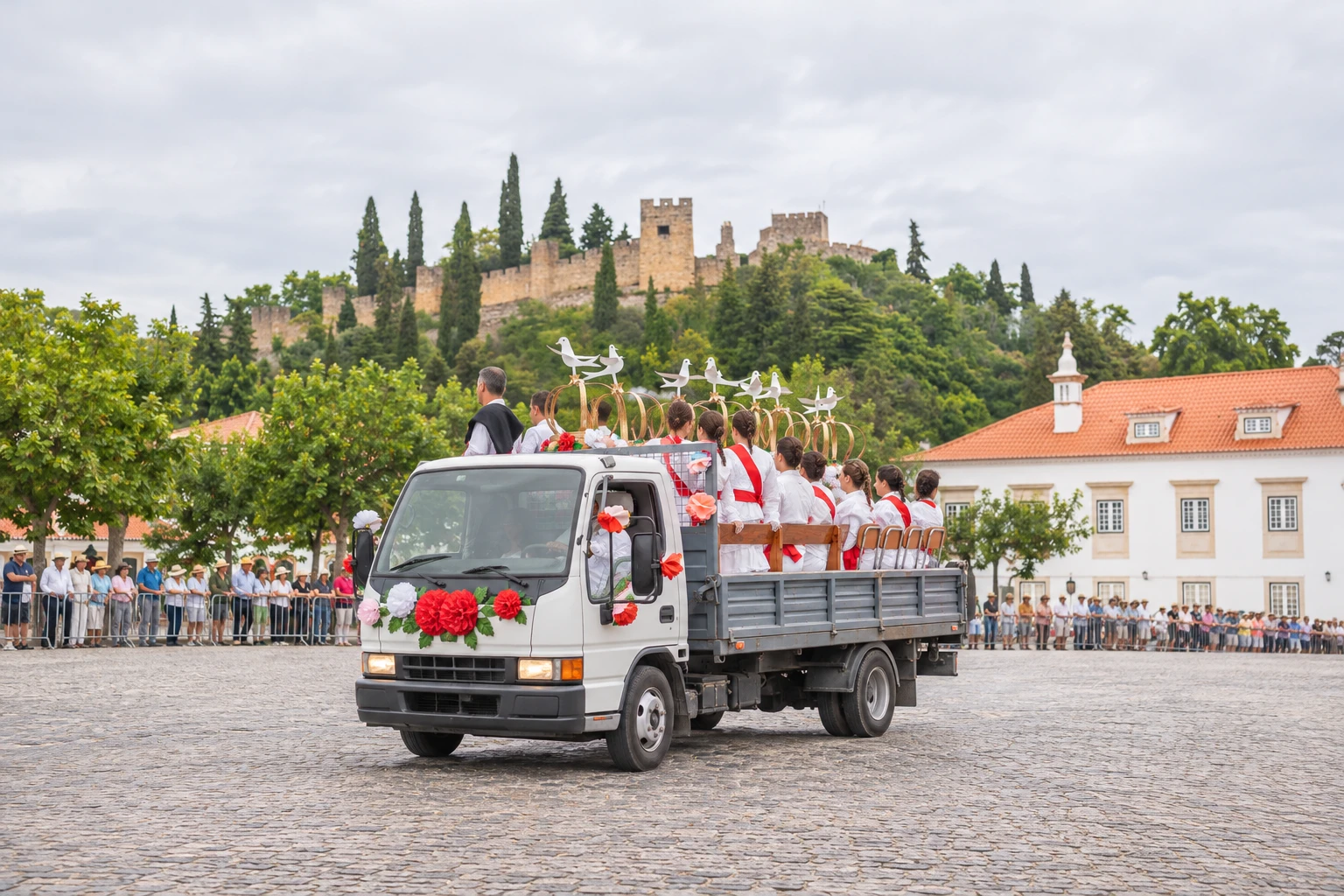
The festival’s symbol is the tabuleiro, which represents the fulfillment of promises to the Divine. It must match the height of the girl who carries it. On top of a wicker basket covered with an embroidered cloth are five or six canes on which 30 specially shaped breads are placed, each weighing about 400 grams, interspersed with paper flowers, greenery and sheaves of wheat. At the top sits a crown topped by the Cross of Christ or by the dove of the Holy Spirit. The breads, the flowers and the decorated streets involve the municipality’s eleven parishes, schools, associations and families for months.
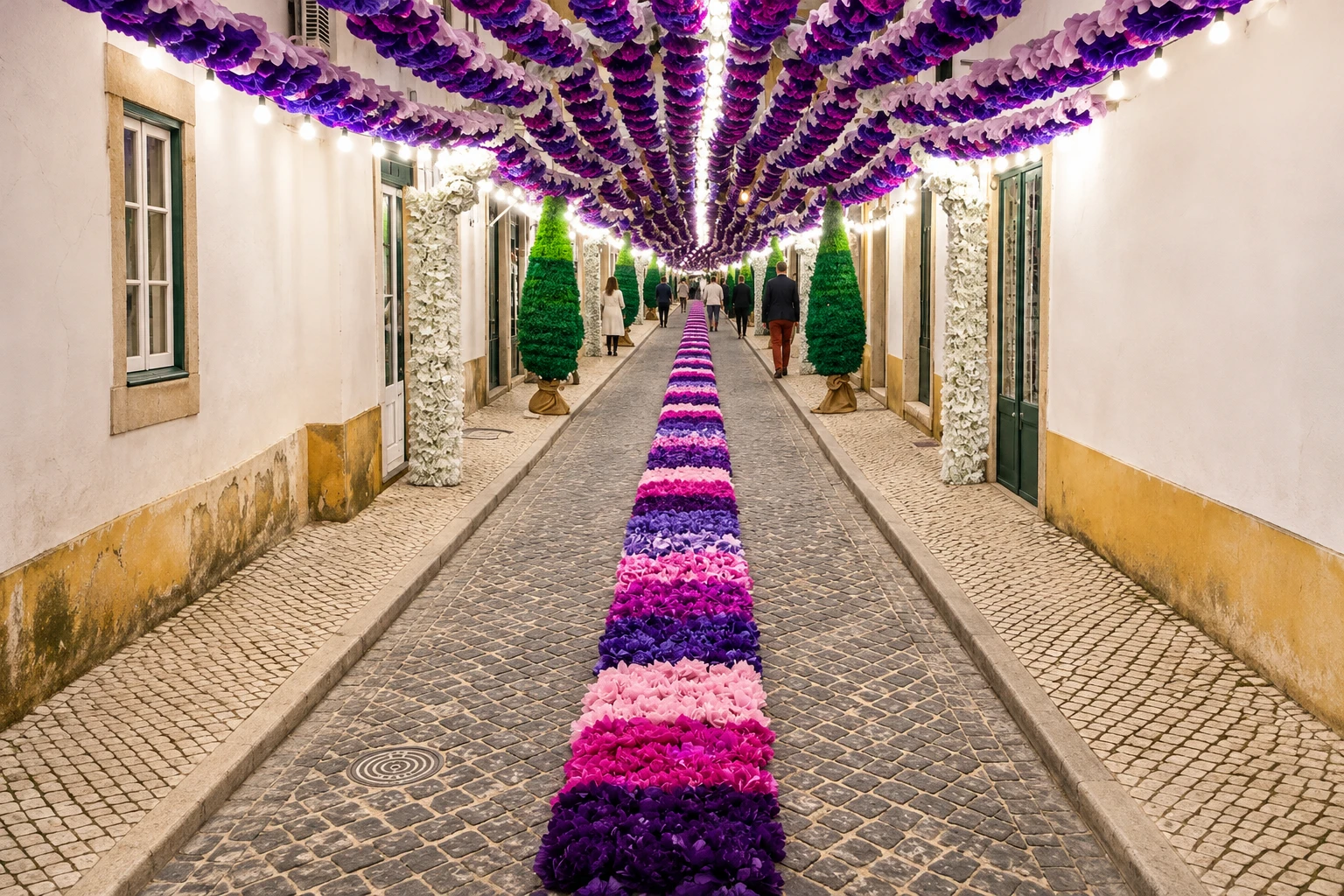
The cycle begins on Easter Sunday, with the first outings of the crowns and banners of the Holy Spirit, which travel through the town with bagpipers, drummers, pyrotechnicians and bands, in a series of seven outings until July. In the big week, the Cortejo dos Rapazes brings children from the municipality’s schools dressed as in the main procession. The popular decorated streets of the historic center are opened, closed to traffic and covered with millions of paper flowers made by residents, with designs kept secret until opening. Next comes the Cortejo do Mordomo, with carriages, riders and pairs of decorated oxen at the front, and on Saturday the partial parish processions and popular games, such as marble racing, tug-of-war, greasy pole and chinquilho.
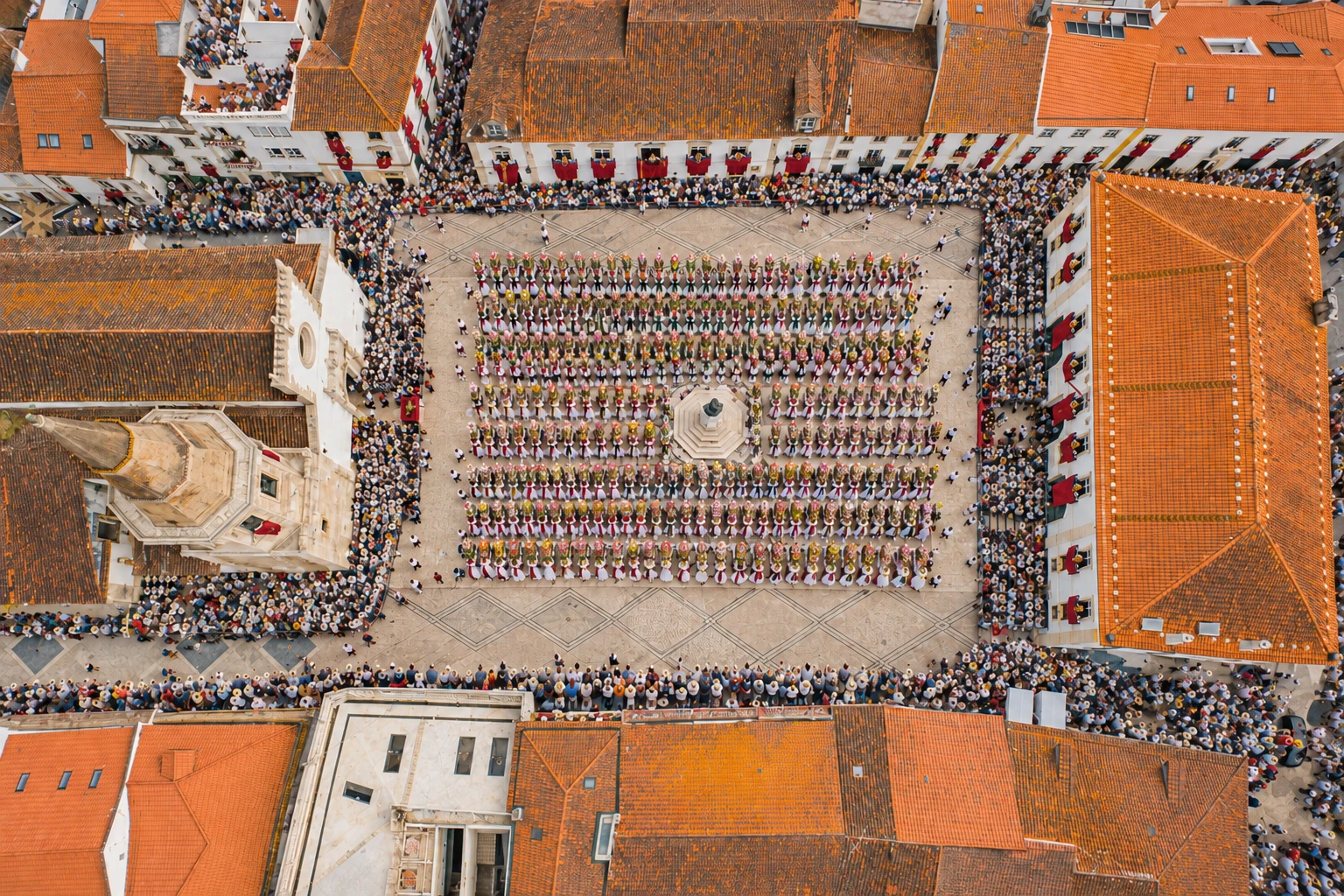
The highlight is the Cortejo dos Tabuleiros on Sunday afternoon. The parade opens with the bagpipers and pyrotechnicians, followed by the Banner of the Holy Spirit, the three crowns of the Emperors and Kings and the banners and crowns of all the parishes. Then come hundreds of pairs: the girl, wearing a long dress with a colored ribbon sash, carries the tabuleiro on her head, and the boy, in a white shirt with rolled sleeves and dark trousers, with his cap on his shoulder and the ribbon-colored tie, walks beside her to assist. The parade closes with the triumphant carts of bread, meat and wine, pulled by oxen. The route runs from Mata dos Sete Montes to Praça da República, where the tabuleiros are blessed in front of the Church of São João Batista.
On Monday the festival ends with the Pêza, or Bodo: the distribution to needy families of the bread, meat and wine blessed the day before, a gesture of sharing that gives meaning to the tradition. Throughout the cycle there are street parties, music and entertainment across the town.
The Cortejo dos Tabuleiros, on Sunday afternoon, with hundreds of pairs crossing the town and the blessing of the tabuleiros at Praça da República in front of the Church of São João Batista. The decorated streets of the historic center, covered with paper flowers, opened from Thursday of the big week. The Cortejo do Mordomo, with decorated oxen, carriages and riders. The partial processions and Saturday’s popular games. The Pêza on Monday, which closes the festival.
On the Sunday of the procession, arrive early along the route, because the streets the tabuleiros pass through fill long before the start; the Praça da República area, where the blessing takes place, is the most sought-after. To see the decorated streets at leisure, go on weekdays, preferably in the morning, when there are fewer people. Wear comfortable shoes: the historic center is explored on foot and traffic is closed. Remember that the procession has a religious character: accompany the passage of banners, crowns and the blessing with respect. In previous editions the organizers set up park-and-ride areas outside the center with train connections and shuttle transport to the town; check the mobility plan on the official website close to the date.
The festival occurs only every four years and the cycle dates are announced by the central committee and the Tomar City Hall: check the program on the official website before booking. Tomar’s hotels fill up well in advance for the procession weekend; book early or stay in Fátima, Entroncamento, Abrantes or Leiria. Tomar is about 140 km from Lisbon, accessible by highway and by train.
V mestu
Lokalni okusi – of Portugalska
julij
Odgovori na vaša vprašanja
Every four years, in early July, in Tomar. The date of each edition is announced by the central committee and Tomar City Hall.
An offering to the Holy Spirit matching the height of the girl who carries it: a wicker basket with five or six canes and 30 breads, decorated with paper flowers and sheaves of wheat, topped by a crown and either the Cross of Christ or the dove.
The Sunday of the Cortejo dos Tabuleiros, in the afternoon, when hundreds of pairs parade through the town to Praça da República, where the tabuleiros are blessed.
It is the festival’s closing on Monday: the distribution to needy families of the bread, meat and wine blessed on the day of the procession.
Praznovanja in dogodki – in Portugalska
Več kot vodnik