Sardinia

Sardinia · Italija

Sardinia

Large island in the middle of the Mediterranean, with clear waters, nuraghes from the Bronze Age, the Cagliari of the Castello, the Alghero of Catalan heritage and the Costa Smeralda.

Islands

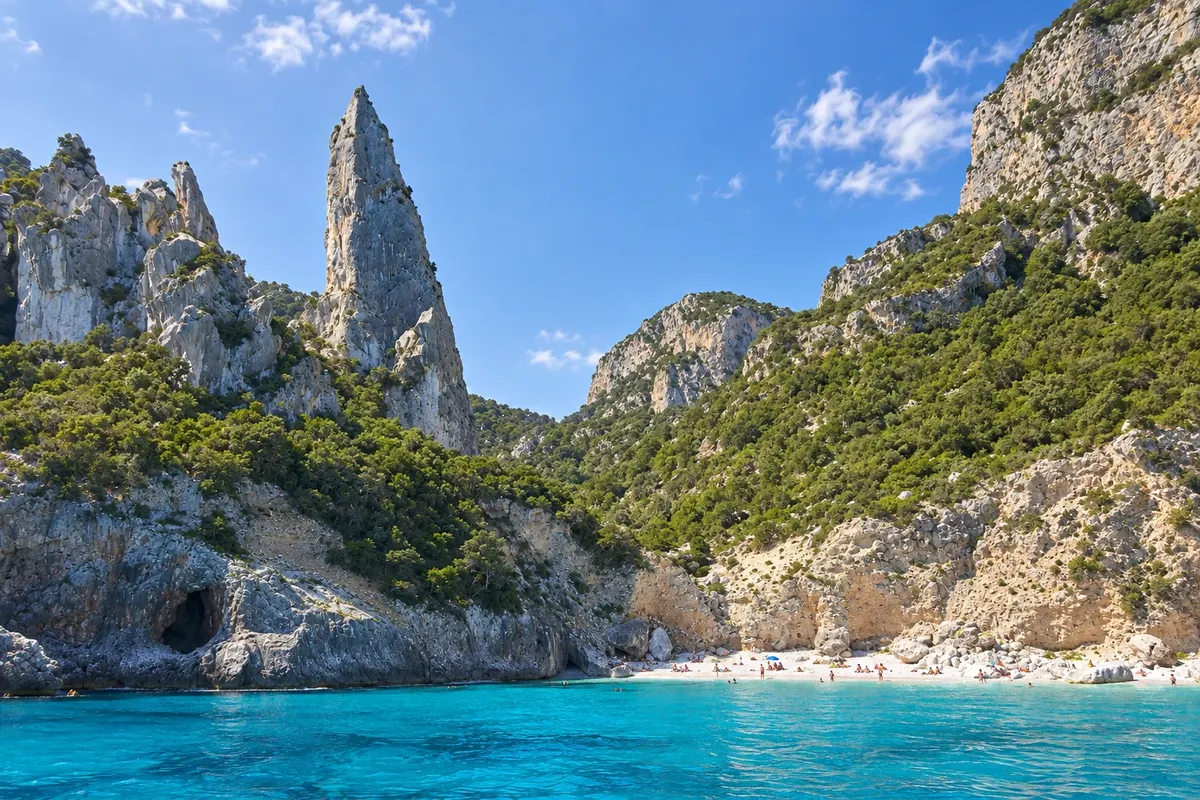
Na fotografiji: Cala Goloritzé and the needle of Punta Caroddi, Baunei, Sardenha

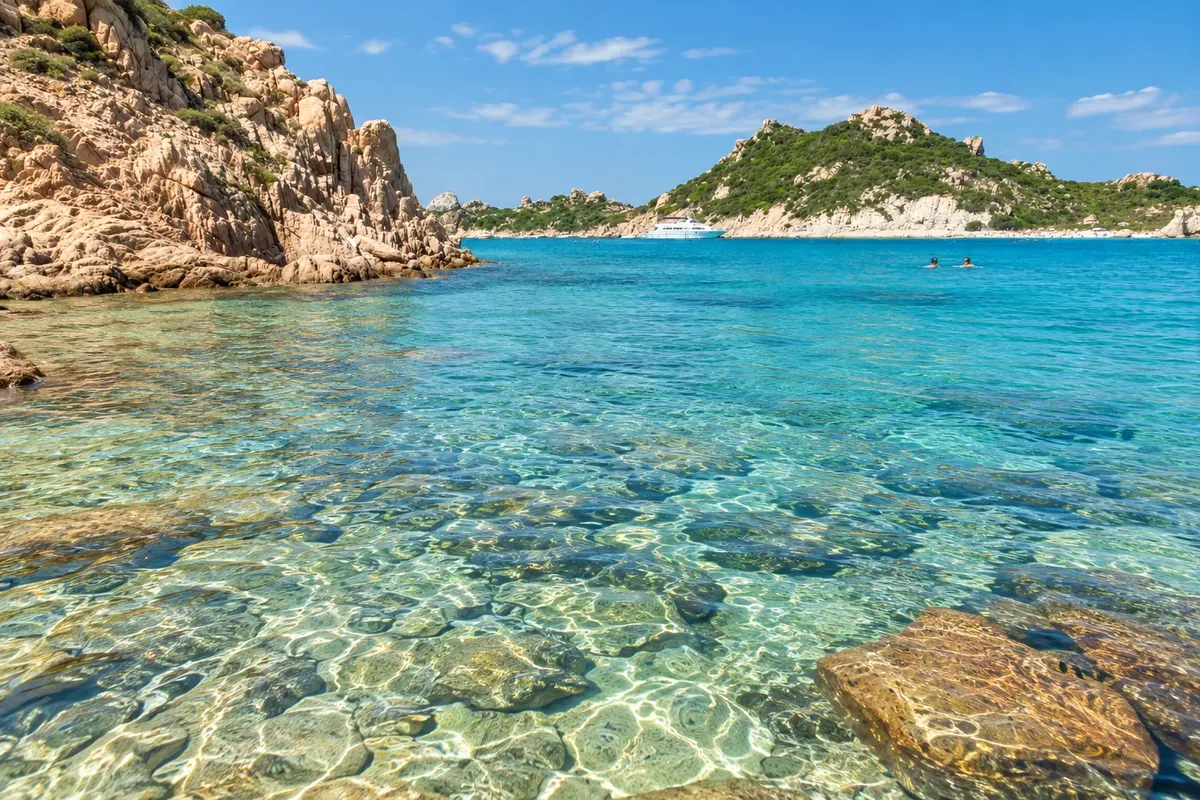
Illustrative images. The pictures in this guide are illustrations based on the real place, not photographs, and may differ from it.

Na voljo v trgovini Google Play Pošljite svoje fotografije

Spoznajte kraj

Pokrajina, ki jo doživite
v svojem ritmu.

Sardenha (Sardegna in Italian) is the second-largest island in the Mediterranean, west of the Italian peninsula and south of Corsica. It is an autonomous region, with its capital in Cagliari, and has its own language, sardo, which appears on signs alongside Italian. In Alghero a Catalan dialect is still heard, a legacy of centuries of Aragonese rule.

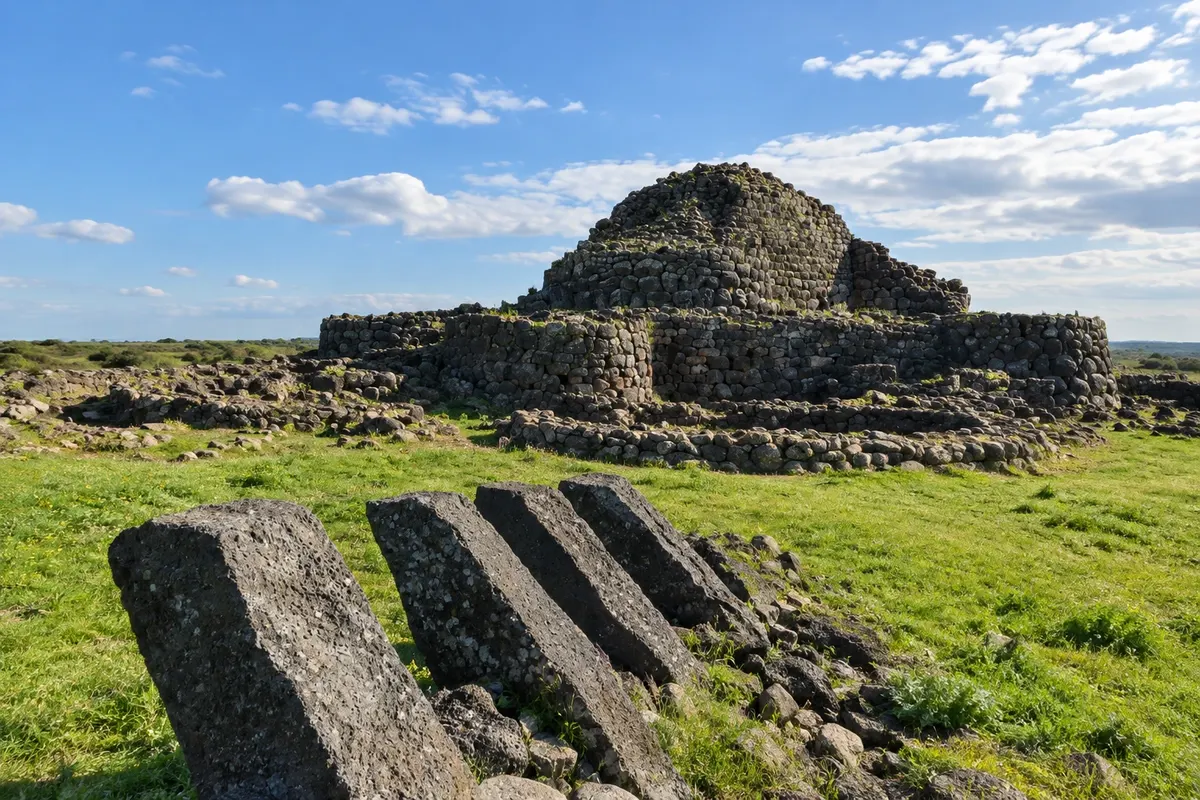
The island preserves thousands of nuraghes, stone towers raised by the Nuragic civilization in the Bronze Age. The best-known complex is Su Nuraxi, in Barumini, a UNESCO World Heritage Site since 1997. Phoenicians, Carthaginians and Romans left towns such as Nora in the south, and Pisa, Aragón and the Casa de Savoia left their mark on Cagliari and Alghero.

The coast is the main reason to travel. In the south, Cagliari has the Poetto, an urban beach of about 8 kilometers. In the northwest, Alghero lies close to the Capo Caccia headland and the Grotta di Nettuno, and the beach La Pelosa, in Stintino, has limited access in summer. In the northeast, Olbia is the gateway to the Costa Smeralda and the La Maddalena Archipelago.

Distances are large: from Cagliari to Olbia it’s about 270 kilometres by road. For this reason, travelers with few days usually choose one or two bases, and a rental car helps a lot to reach beaches, archaeological sites and viewpoints.

This destination brings together 3 cities: Cagliari, Alghero, Olbia.

Delite: WhatsApp
Delite svoja popotniška doživetja s fotografijami Pošljite fotografije vsakega kraja, ki ste ga obiskali. Največje število fotografij na kraj: 5.

Ena destinacija, več poti

Mesta na tej poti

Začnite v enem mestu ali v načrt poti vključite več mest.

Sardinia – lega
CagliariAlgheroOlbia

Obrisi: ISTAT, limites administrativos 2026, CC BY 4.0. Priredba: Cidade Turismo.

Kako do tja:Sardinia

✈ Aeroporto di Cagliari-Elmas Mario Mameli (CAG), kraj: Elmas· 7 km do cilja (Cagliari)

Check before buying. From mainland Italy, the quickest route is a domestic flight to Cagliari (CAG), Alghero (AHO) or Olbia (OLB). There are also ferries from Civitavecchia, Livorno and Gênova to Olbia, from Civitavecchia and Gênova to Porto Torres, and from Civitavecchia to Cagliari.

Predlagana točka prihoda:Cagliari

Doživite kraj

Kaj početi – Sardinia

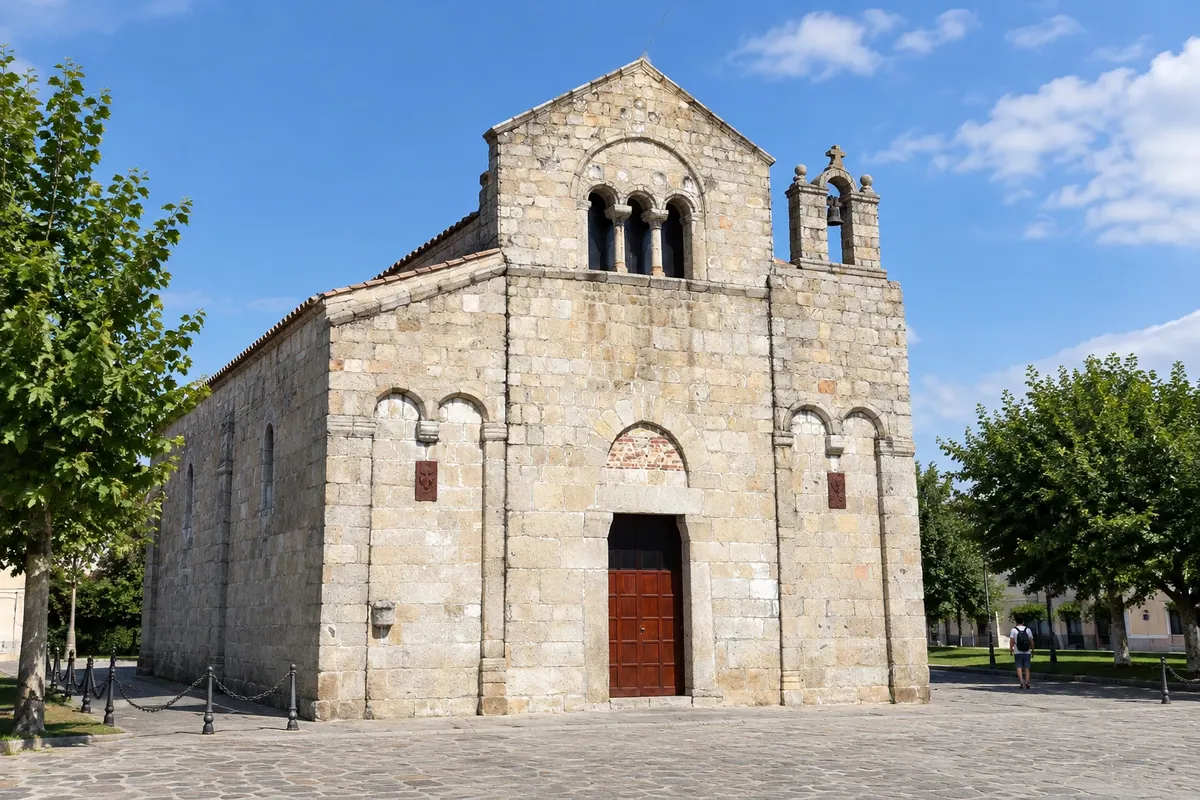
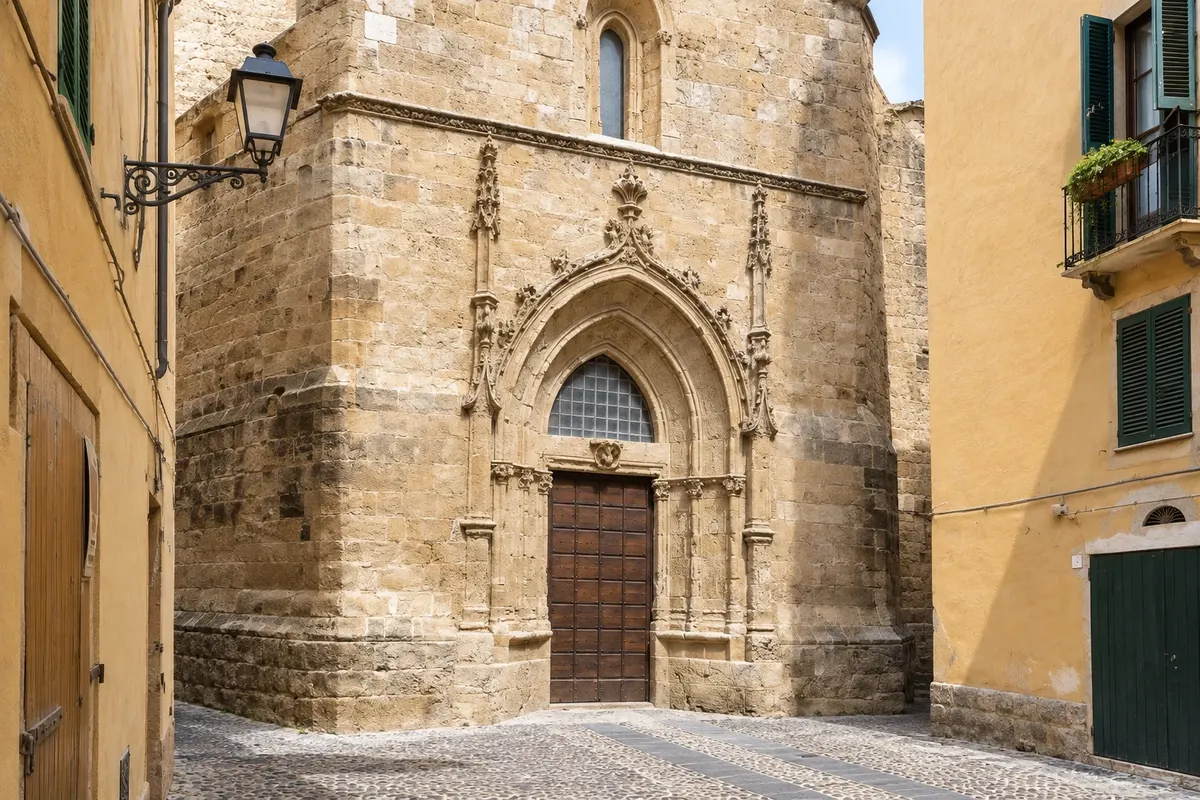
Basilica of San Simplicio
Olbia · Sardinia · Cerkev

Basilica of San Simplicio

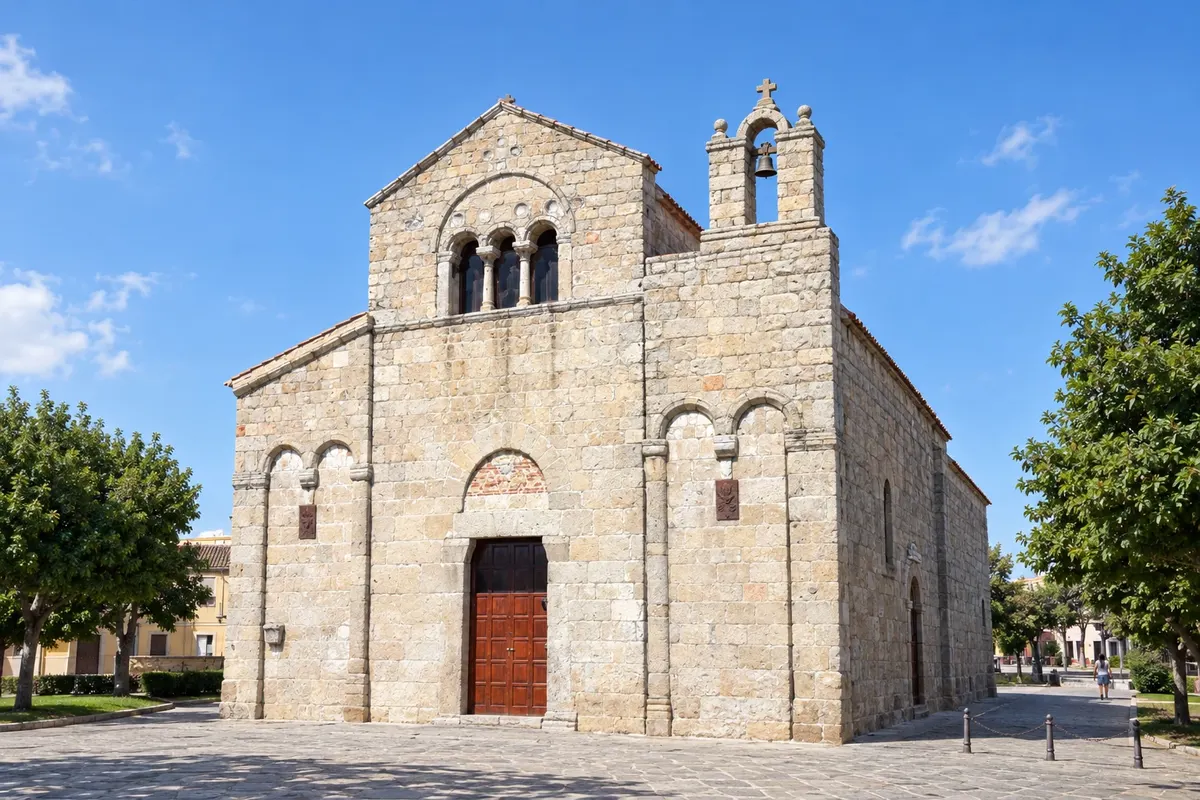
Romanesque granite church from the 11th and 12th centuries, the oldest and most important temple in the northeast of Sardenha, built over an ancient burial area.

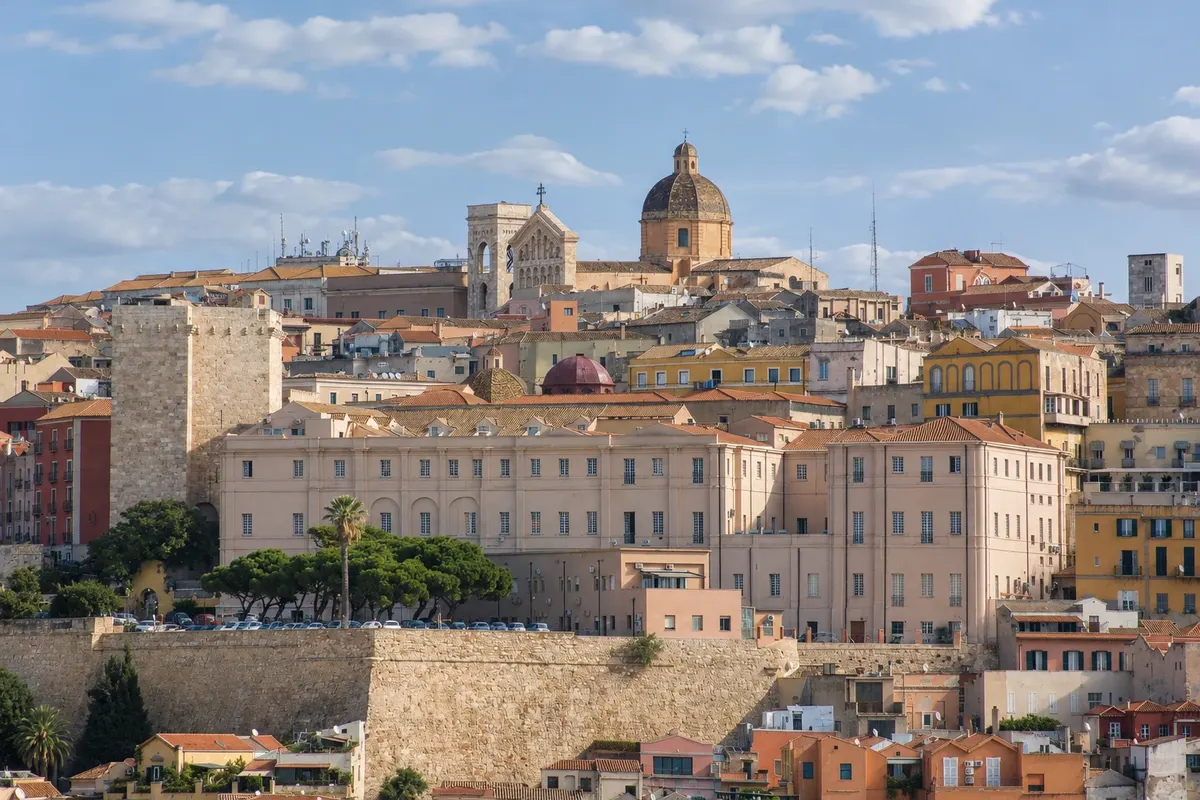
Castello (Cagliari)
Cagliari · Sardinia · Zgodovinska mestna četrt

Castello (Cagliari)

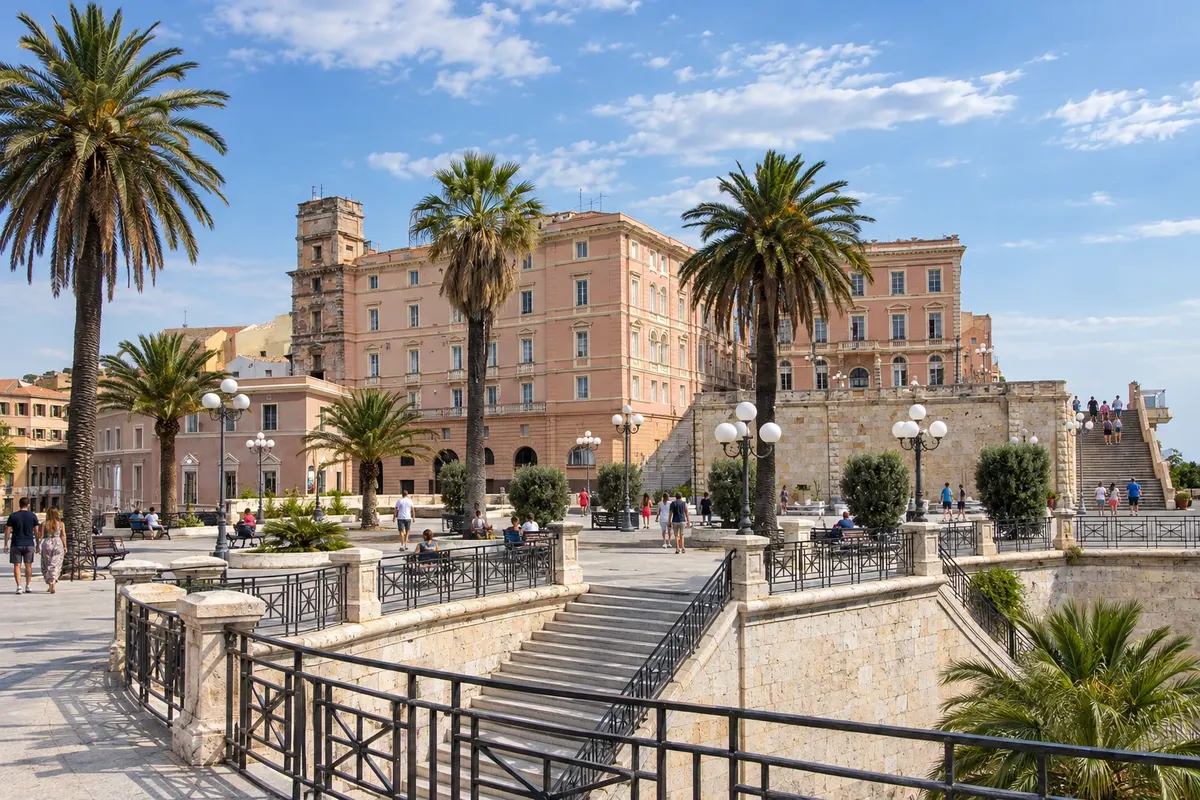
Walled neighborhood atop a hill, founded by the Pisans in the 13th century, with medieval gates, towers, the cathedral, the Palazzo Regio and viewpoints over the port and the lagoons.

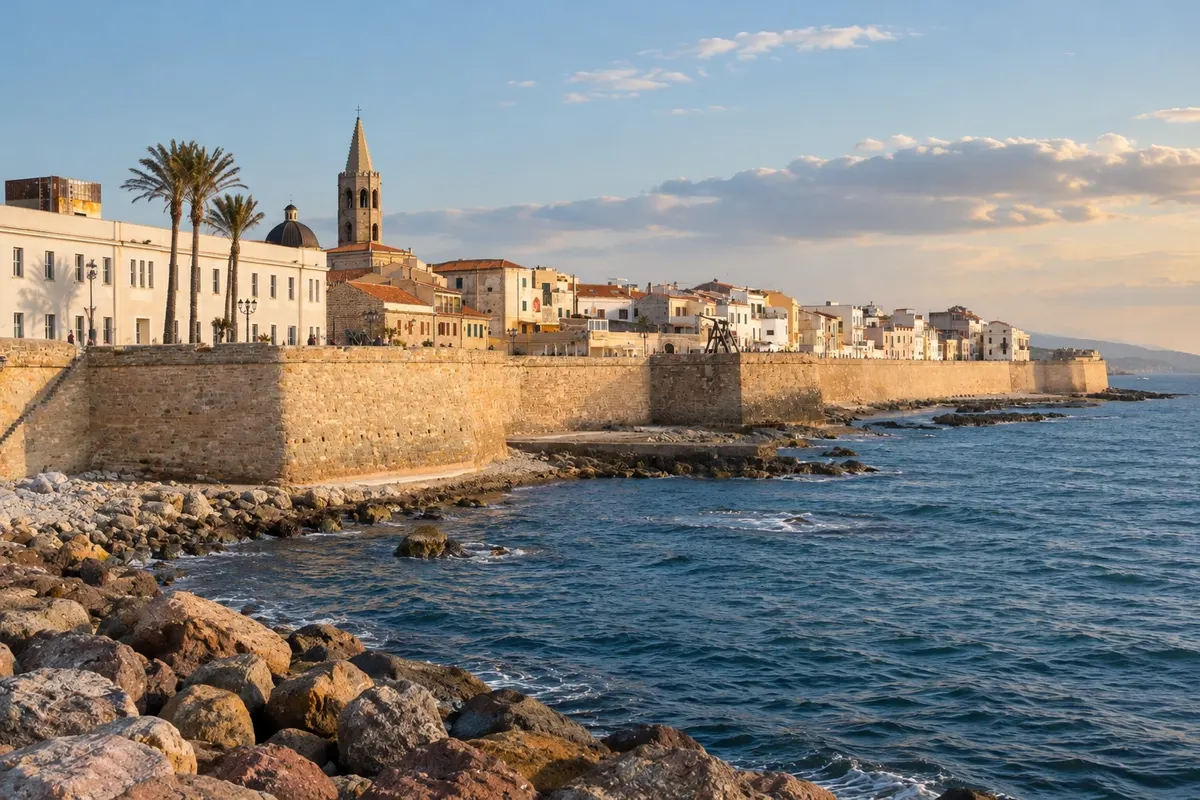
Alghero Historic Centre
Alghero · Sardinia · Zgodovinska mestna četrt

Alghero Historic Centre

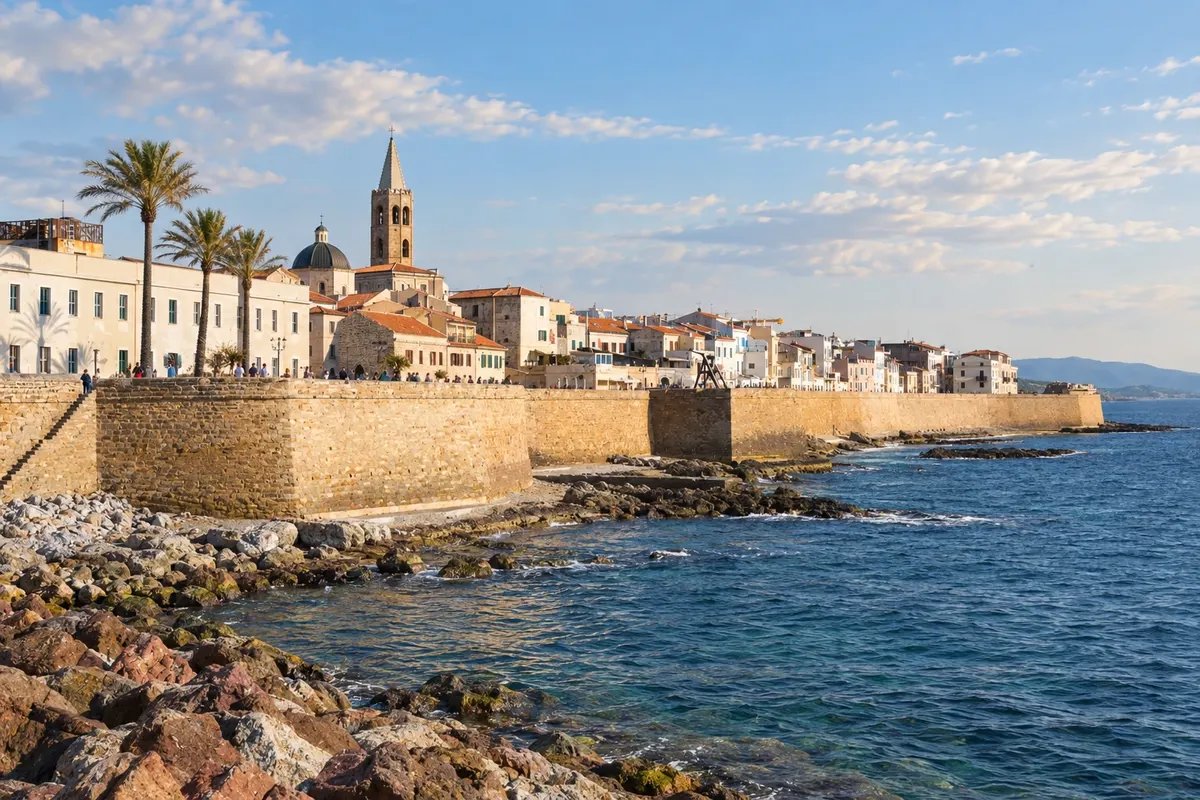
Old town surrounded by walls and Catalan–Aragonese towers overlooking the sea, with stone streets, signs in Italian and Catalan and a promenade along the bastions.

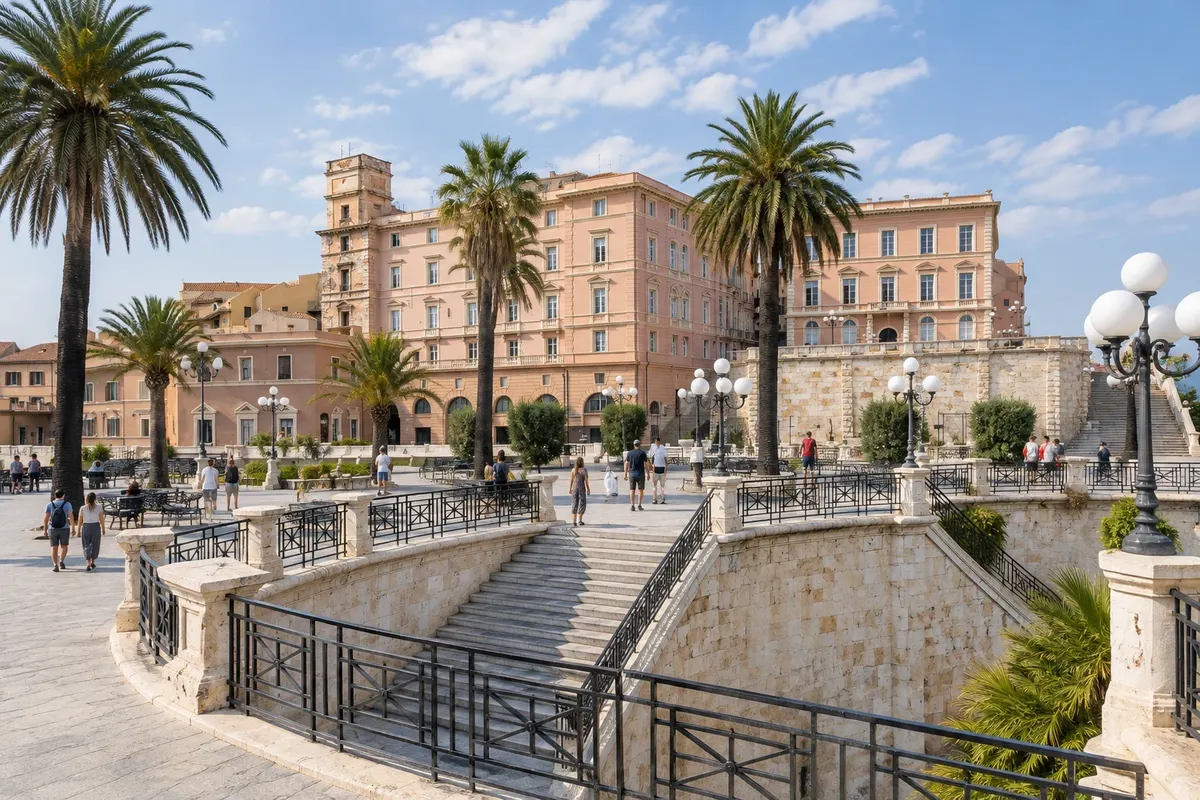
Bastione di Saint Remy
Cagliari · Sardinia · Razgledišče

Bastione di Saint Remy

Neoclassical bastion with stairways and a monumental arch that link Villanova to the Castello; at the top, the Terrazzo Umberto I has views over the port, the Marina and the lagoons.

Sardinia – prikaži dodatne kraje (15)
Cathedral of Santa Maria (Alghero)
Alghero · Sardinia · Stolnica

Cathedral of Santa Maria (Alghero)

Alghero Cathedral, begun in the 16th century, with an octagonal Gothic–Catalan bell tower, a Renaissance interior and a 19th-century neoclassical façade.

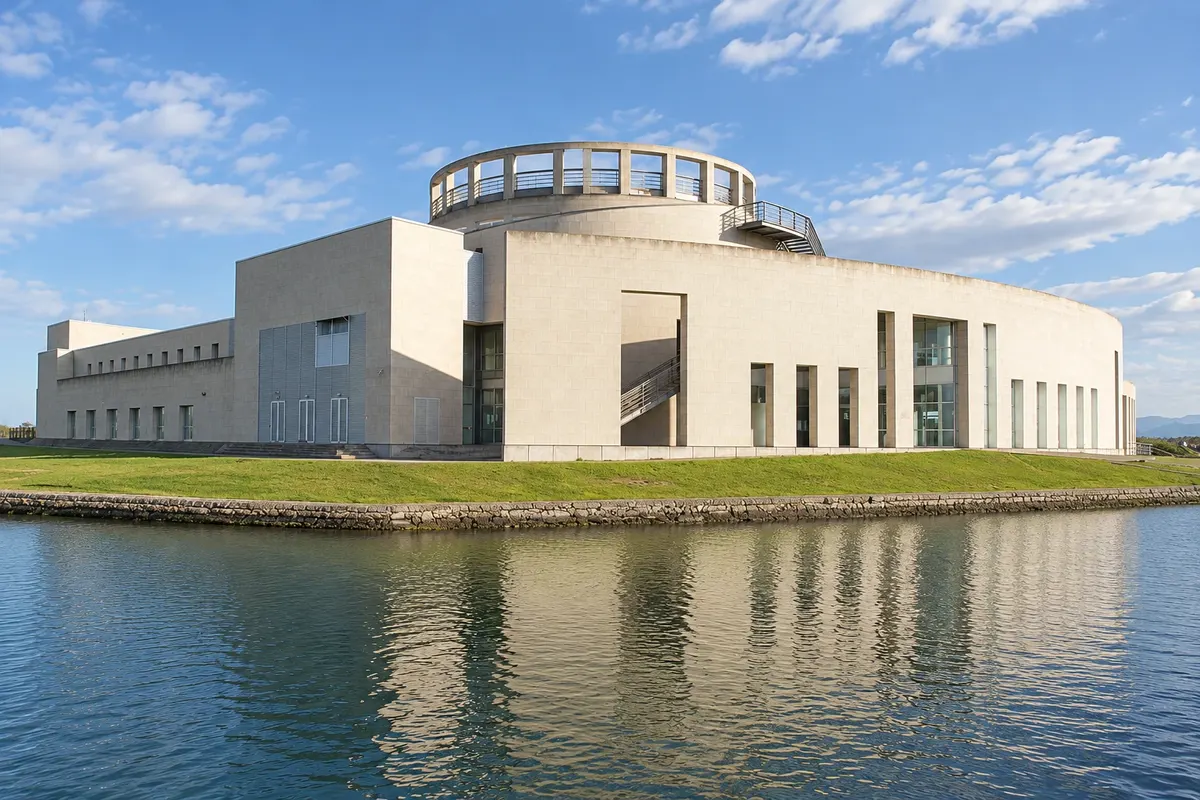
Olbia Archaeological Museum
Olbia · Sardinia · Muzej

Olbia Archaeological Museum

Ship-shaped museum on the islet of Peddone, next to the old harbor, presenting Olbia's history from the Phoenicians to the Romans and the remains of Roman ships found in the harbor.

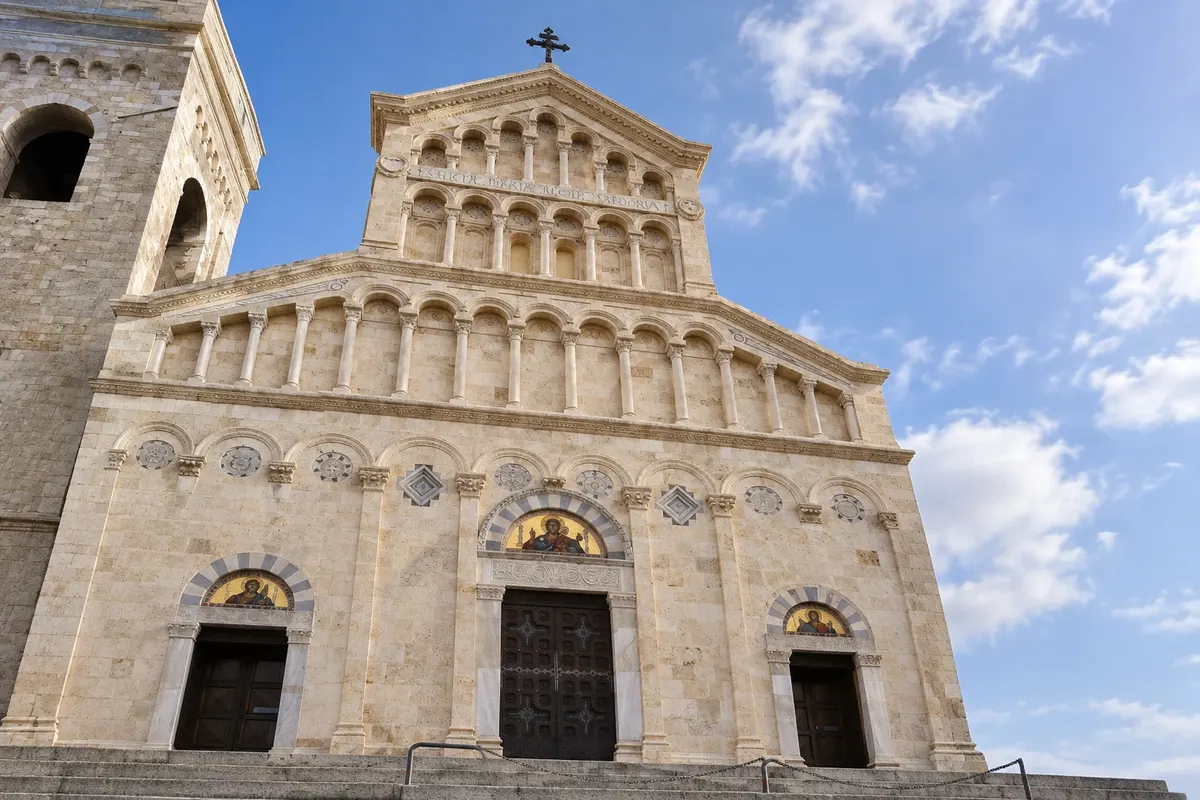
Cathedral of Santa Maria (Alghero)
Cagliari · Sardinia · Stolnica

Cathedral of Santa Maria (Alghero)

Cathedral of the Castello, of Pisan origin from the 13th century, with a Baroque interior, the Aragonese chapel and a crypt of sculpted chapels; the current façade imitates that of the duomo of Pisa.

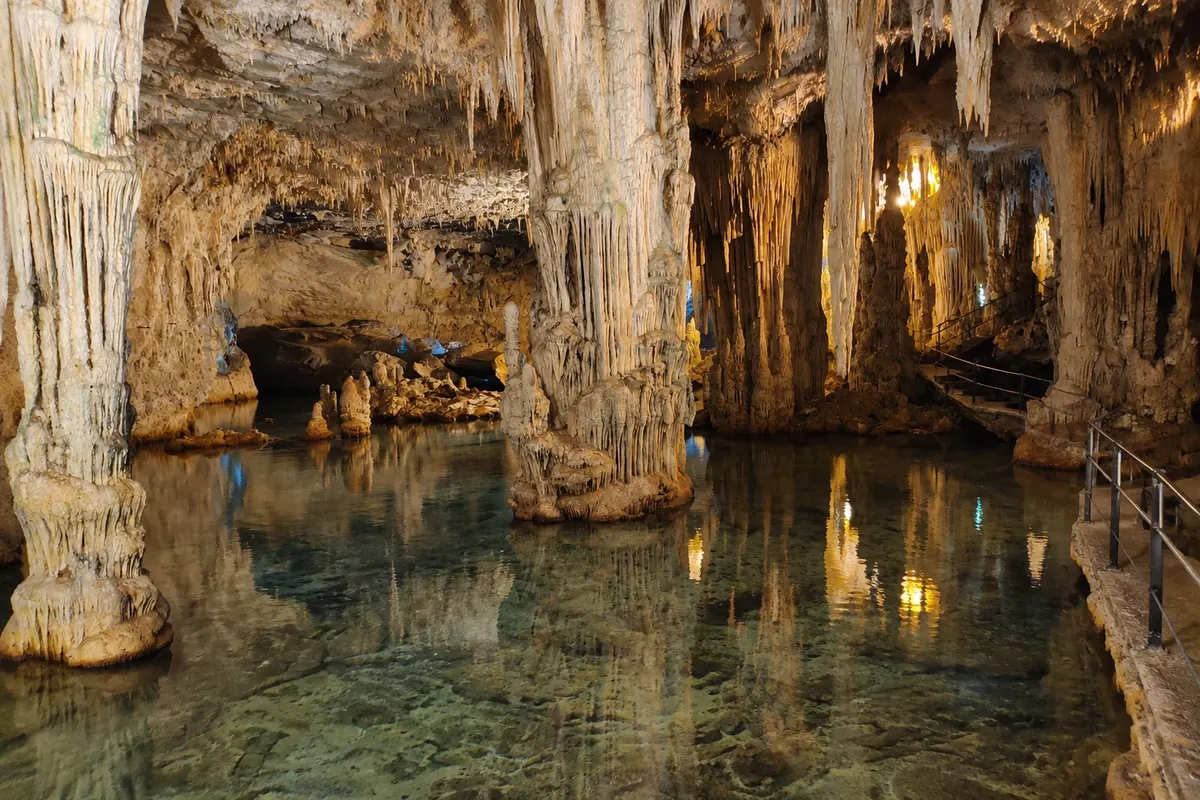
Neptune's Grotto
Alghero · Sardinia · Jama

Neptune's Grotto

Sea cave at the base of Capo Caccia, with stalactites, an underground saltwater lake and columned chambers; access via the Escala del Cabirol stairway or by boat, depending on the sea.

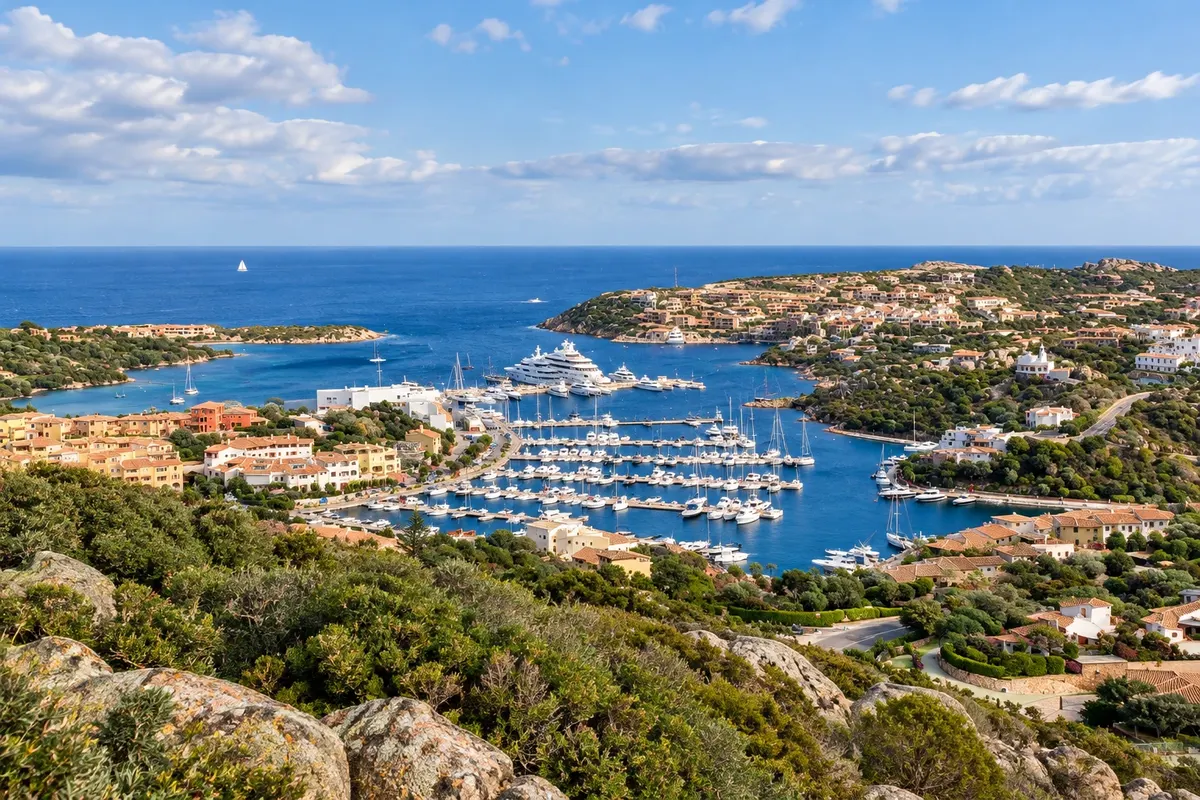
Porto Cervo
Olbia · Sardinia · Harbor

Porto Cervo

Harbour village created in the 1960s as the center of the Costa Smeralda, with Mediterranean stone-and-plaster architecture, a yacht marina, the church Stella Maris and nearby beaches.

La Maddalena Archipelago
Olbia · Sardinia · Park

La Maddalena Archipelago

Granite archipelago off Palau, a national park since 1994, with dozens of islands and coves of clear water; the main island and Caprera can be reached by ferry and bridge, the others by boat.

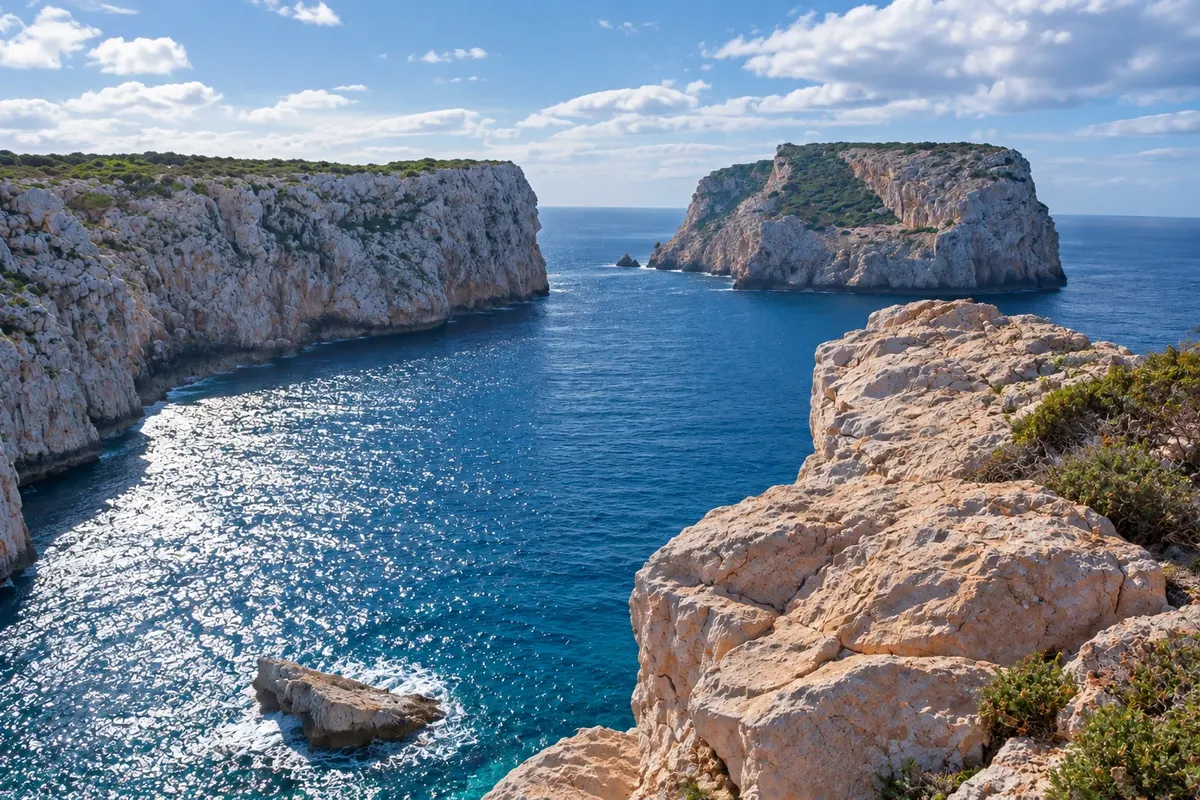
Capo Caccia
Alghero · Sardinia · Razgledišče

Capo Caccia

Limestone promontory that closes Porto Conte bay, with cliffs over the sea, a lighthouse, viewpoints toward the island Foradada and access to the Grotta di Nettuno.

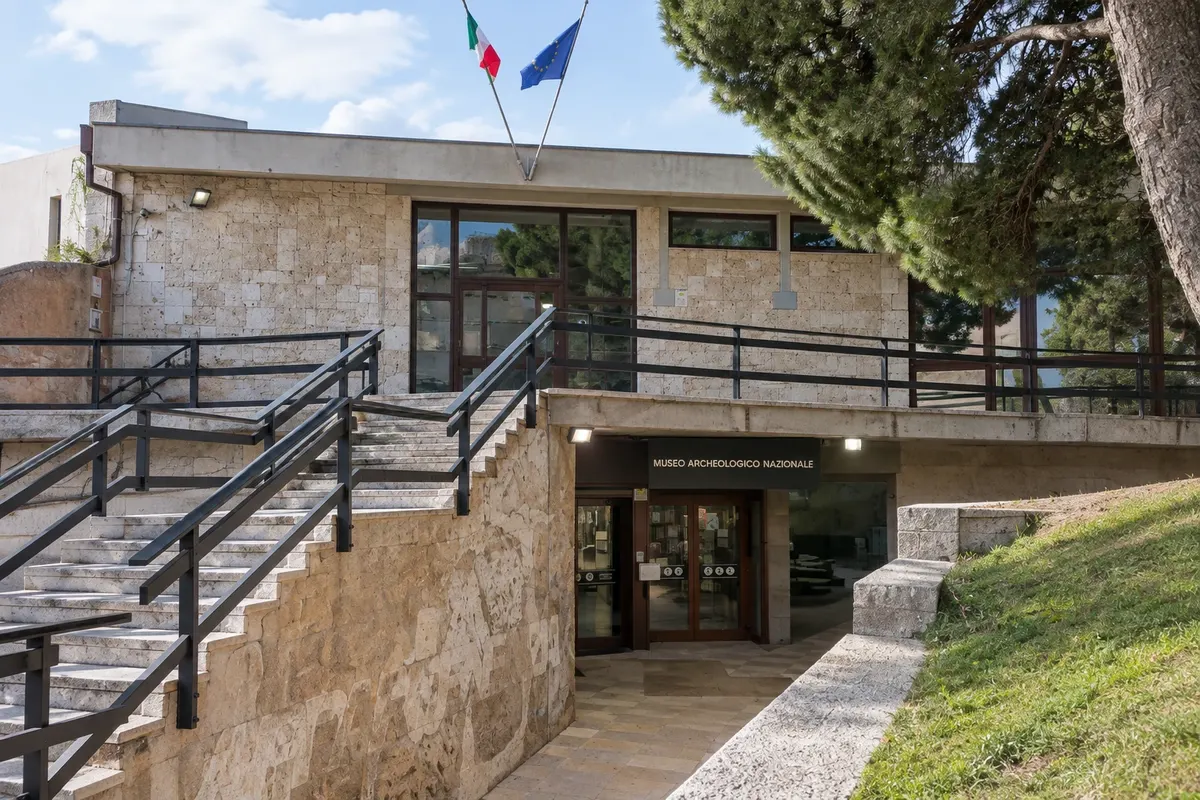
National Archaeological Museum of Cagliari
Cagliari · Sardinia · Muzej

National Archaeological Museum of Cagliari

The main archaeological museum of Sardinia, in the Cittadella dei Musei, with nuragic bronzes, Phoenician, Punic and Roman pieces and the stone statues of Mont'e Prama.

Palmavera Nuraghe Complex
Alghero · Sardinia · Arheološko najdišče

Palmavera Nuraghe Complex

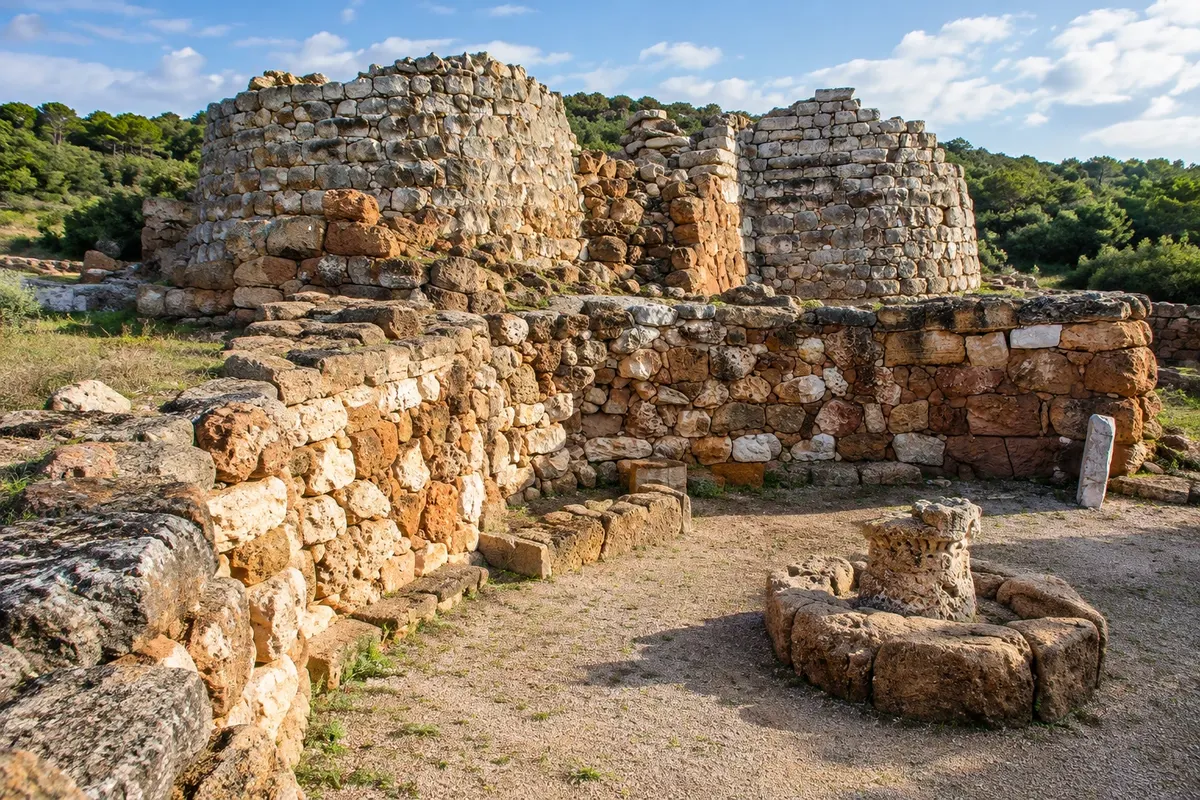
Nuragic village from the Bronze Age between Alghero and Porto Conte, with a two-tower nuraghe, a wall and the meeting hut, with a stone bench and a model of a nuraghe.

Sanctuary and Basilica of Our Lady of Bonaria
Cagliari · Sardinia · Cerkev

Sanctuary and Basilica of Our Lady of Bonaria

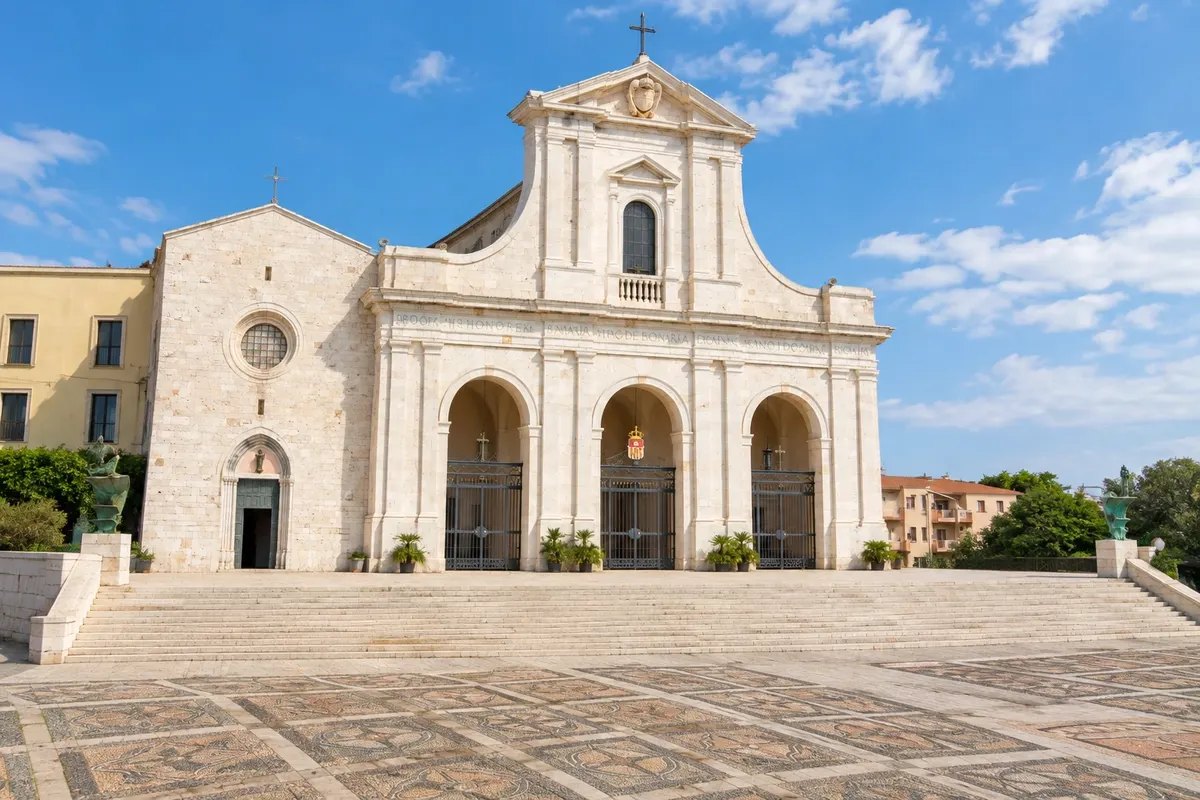
Religious complex atop the Bonaria hill: a 14th-century Catalan-Gothic sanctuary housing the image of Sardinia's patroness, and a Neoclassical basilica facing the port.

Poetto Beach
Cagliari · Sardinia · Plaža

Poetto Beach

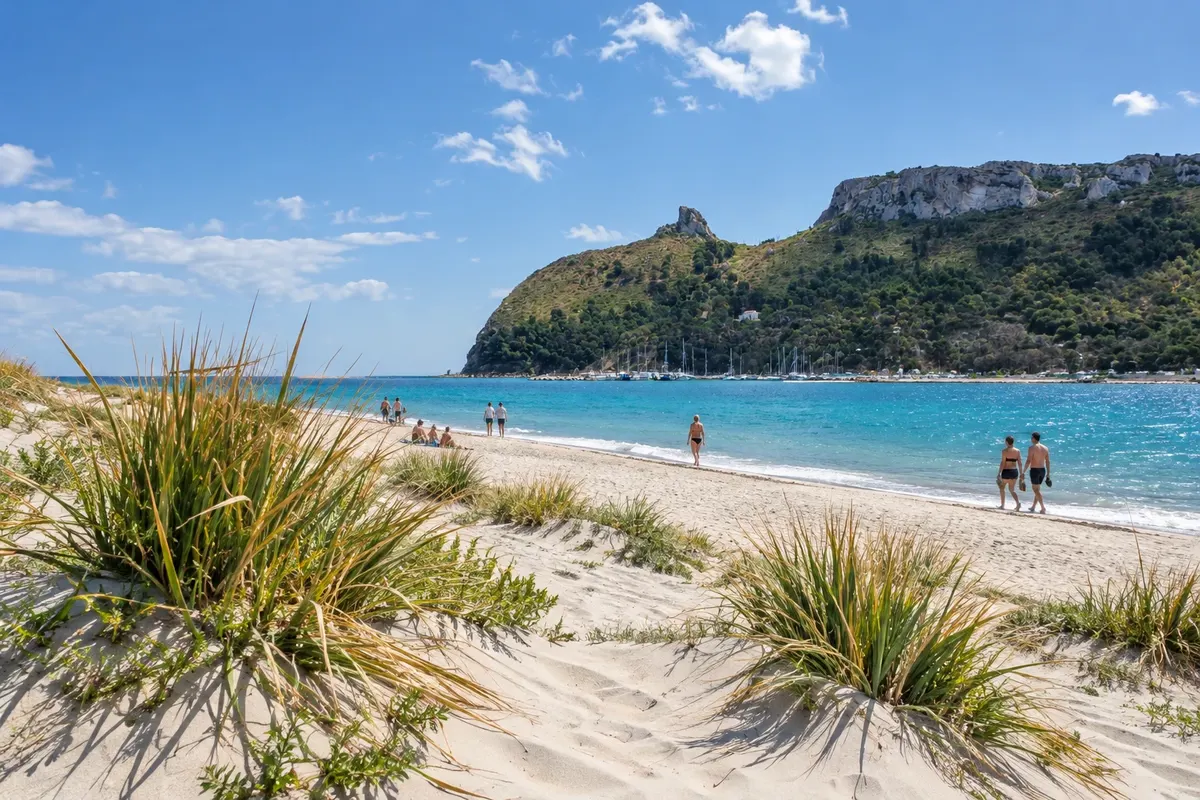
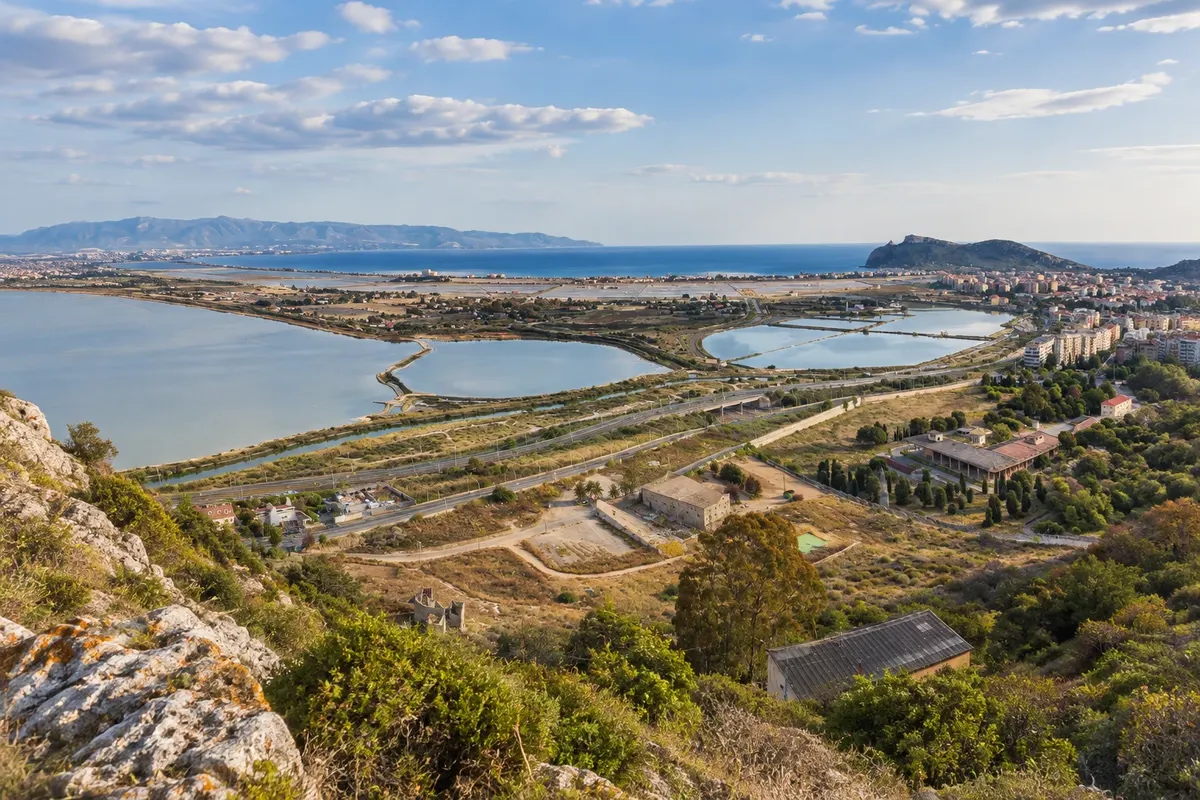
Urban beach of Cagliari, with about 8 km of sand between the Sella del Diavolo and Quartu Sant'Elena, kiosks, establishments and the Molentargius salt pans behind.

La Pelosa Beach
Alghero · Sardinia · Plaža

La Pelosa Beach

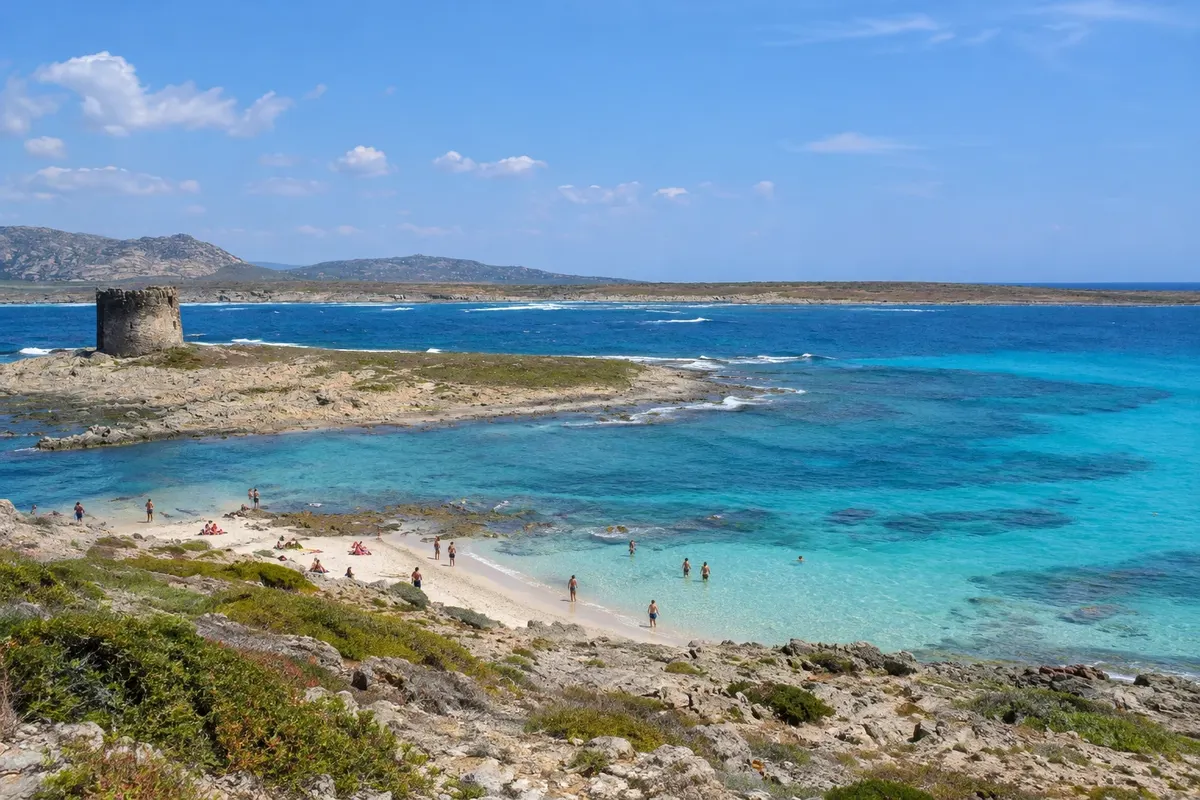
White-sand beach with shallow, clear water at the northwest tip of Sardenha, in Stintino, facing the Torre della Pelosa and the island Asinara; in summer access is limited and by reservation.

Molentargius-Saline Regional Natural Park
Cagliari · Sardinia · Park

Molentargius-Saline Regional Natural Park

Protected wetland area between Cagliari, Quartu and the Poetto, with lagoons, old salt pans and colonies of pink flamingos, crossed by walking and cycling trails.

Su Nuraxi di Barumini
Cagliari · Sardinia · Arheološko najdišče

Su Nuraxi di Barumini

The best-known nuragic complex in Sardinia, a UNESCO World Heritage site: a stone fortress from the Bronze Age surrounded by a village of huts, about 60 km from Cagliari.

Area Archeologica di Nora
Cagliari · Sardinia · Arheološko najdišče

Area Archeologica di Nora

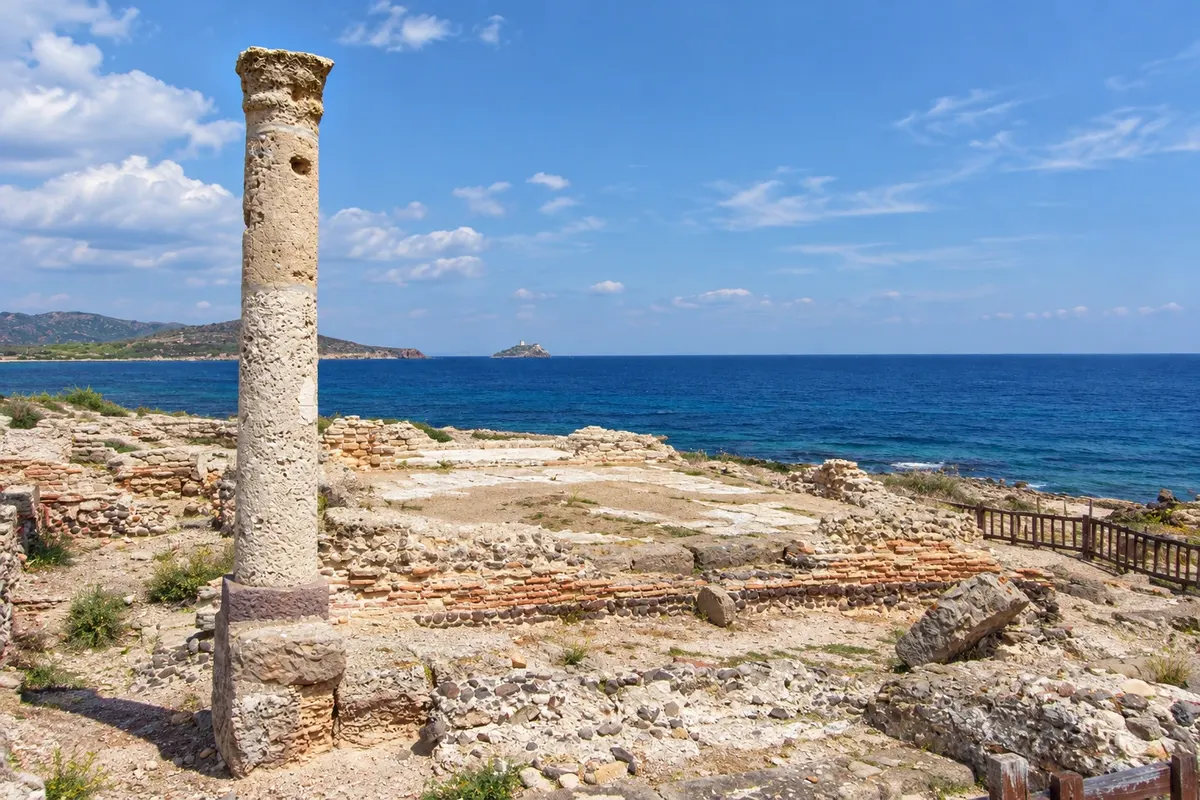
Ruins of a Phoenician, Punic and Roman city on a headland by the sea, near Pula, with a Roman theatre, baths, mosaics and the temple of Tanit, about 40 km from Cagliari.

Kaj izbrati pred odhodom

Izleti – Sardinia

Izhodišče, trajanje, potek, vključene storitve in okvirna cena vsakega izleta.

Cagliari: the Castello district, the Bastione di Saint Remy and the Cattedrale

Odhod: Piazza Yenne or Via Roma, Cagliari (elevator or stairs to the Castello) Walk through the upper town Približno 3 ure late afternoon moderate (hills; there is an elevator)

Cagliari, the capital of Sardinia, rises from the port through four historic neighborhoods, and the Castello sits at the top: the citadel walled by the Pisans in the 13th century, with the white stone Elephant and San Pancrazio towers, narrow streets and palaces that were once the viceroy's seat and now house the university and museums. The Bastione di Saint Remy, the 1901 terrace with its monumental staircase and arch, is the viewpoint over the gulf, the Molentargius lagoon and the rooftops, a meeting place at sunset; you can reach it by elevator from Piazza Costituzione. The Cattedrale di Santa Maria, from 1217, rebuilt in Baroque and with a neo‑Romanesque facade from 1933, has the two Pisan pulpits from 1162, the marble crypt with the martyrs' relics and the Savoy mausoleum. On Via Roma, the port arcades; in the Marina, the trattoria quarter; in Stampace, Via Manno with shops.

Kraji na poti: Castello, Bastione di Saint Remy, Cattedrale di Santa Maria.

Vključuje: Free walk; cathedral free of charge (crypt with voluntary donation); Pisan towers with a small admission fee.

Nasvet: Climb to the Castello late in the afternoon and stay on the Bastione for sunset; dine in the Marina. San Pancrazio tower looks over the mountains; the Elephant tower faces the sea. From May 1 to 4, the feast of Sant'Efisio, the island's largest procession, departs from Stampace with thousands of people in traditional dress.

Najboljši čas za obisk: All year; on summer evenings the Castello has bars on the terraces.

Museo Archeologico Nazionale di Cagliari: the Giants of Mont'e Prama and the Nuragic bronzes

Odhod: Cittadella dei Musei, Piazza Arsenale (Castello) Museum Približno 2 uri Dopoldne Lahko

The Museo Archeologico Nazionale di Cagliari, in the Cittadella dei Musei atop the Castello, is the key to understanding Sardinia before the Romans: the Nuragic civilization, which between 1800 and 500 BC built more than 7,000 nuraghi, the stone towers that define the island’s landscape. Here you can see the bronzetti, the small bronze statuettes of warriors, archers, chiefs and votive boats, and part of the Giants of Mont'e Prama, the sandstone statues over 2 m tall from the 9th century BC — the oldest large-scale sculptures in the western Mediterranean — discovered in 1974 and reassembled from thousands of fragments (others are in the museum of Cabras). On the upper floors are Phoenician, Punic and Roman finds from Nora, Tharros and Sulci. The Cittadella also houses the Pinacoteca Nazionale and the Anatomical Wax Museum.

Kraji na poti: Museo Archeologico Nazionale di Cagliari.

Vključuje: Separate paid admission (ticket office on site or online); closed on Mondays; free entry on the first Sunday of the month.

Nasvet: Go before Barumini and Nora: the museum explains what you will see at the sites. It is small and quiet; two hours are enough.

Najboljši čas za obisk: Vse leto.

Poetto and Molentargius: Cagliari’s beach and the flamingos

Odhod: Cagliari (PF or PQ bus from Via Roma) Beach and natural park by bike Približno 4 ure Popoldne Lahko

The Poetto is Cagliari’s 8 km stretch of pale sand, running from the Sella del Diavolo promontory (the Sella del Diavolo, with a one-hour trail to the top and views over the bay) to Quartu, about 15 minutes by bus from the centre. The seafront has a bike path, seasonal kiosks day and night, paid umbrella facilities and long free stretches, with shallow, clear water. Behind the beach lies the Parco naturale regionale Molentargius-Saline, the old saltworks and lagoons where a colony of thousands of flamingos has nested since 1993, visible up close from the trails and the bike path; the park rents bicycles and has a visitor centre in the old saltworks buildings. It’s the half-day outing that combines sea and nature without leaving the city.

Kraji na poti: Poetto, Parco naturale regionale Molentargius-Saline.

Vključuje: Free beach access; paid umbrellas and chairs. Park free to enter; bike rental at extra cost. Bus fares extra.

Nasvet: Go to the park in the late afternoon, when the flamingos come close to the shores and the light is best for photos; the beach in the morning. The Sella del Diavolo trail starts from Calamosca—bring sneakers and water.

Najboljši čas za obisk: From May to October for swimming; flamingos are present year-round, with more birds in winter and spring.

Nora: the Phoenician and Roman town by the sea

Odhod: Cagliari (ARST bus to Pula and local bus to Nora, or car, 40 km) Round-trip visit to an archaeological site with a beach Približno 5 ur Ves dan Lahko

The Area Archeologica di Nora, on the Capo di Pula, 40 km from Cagliari, is the town founded by the Phoenicians in the 8th century BC, taken by the Carthaginians and later the Romans, abandoned in the 8th century and partly submerged by the sea. The guided tour goes through the Roman theater of 2,000 seats, still used for the summer festival, the baths with colorful mosaics, the Temple of Aesculapius, the paved streets and the houses of the mosaics quarter, with the sea on both sides of the isthmus; the Spanish Coltellazzo tower closes the tip. Beside it is Nora’s sandy beach and the 11th-century church of Sant'Efisio, where the May procession from Cagliari ends. Pula, the village 3 km away, has a museum with the finds and a square with cafés.

Kraji na poti: Area Archeologica di Nora, Poetto.

Vključuje: Separate paid admission, with guided tour included at fixed times (ticket office on site). Buses are paid separately.

Nasvet: Go on the first visit of the morning and save the beach for afterwards; in summer the site is hot and has no shade. Without a car, the ARST bus Cagliari–Pula takes about 1 hour and the bus from Pula to Nora runs only in summer; check schedules.

Najboljši čas za obisk: All year; from May to September with the beach accessible; in July and August the festival La Notte dei Poeti takes place at the theater.

Su Nuraxi di Barumini: the nuraghe listed by UNESCO

Odhod: Cagliari (ARST bus to Barumini, or car, 60 km) Round-trip visit to the archaeological site with guided tour Približno 5 ur Ves dan moderate (stairs and low passages)

Su Nuraxi di Barumini, the only site in Sardinia inscribed by UNESCO, is the largest and most studied of the nuraghes: a central tower 18 m high, from c. 1500 BC, surrounded by four towers joined by a wall and by a village of about 200 circular huts, inhabited until the Roman period, excavated by Giovanni Lilliu between 1951 and 1956. The visit, only with a guide in small groups, enters the central tower through the courtyard, climbs into the false‑dome chambers and walks the walls, from where you can see the village layout. 2 km away is the Giara di Gesturi, the basalt plateau where the Giara’s small wild horses live in herds among holm oaks and ponds; and in Barumini the Giovanni Lilliu Center, with an exhibition about the site, and Casa Zapata, the palace built over another nuraghe, visible through a glass floor.

Kraji na poti: Su Nuraxi di Barumini.

Vključuje: Paid entrance separately, with mandatory guided tour included (Italian and English) at fixed times; combined ticket available with Casa Zapata and the Giovanni Lilliu Center. Buses are paid separately.

Nasvet: Allow half a day; tours depart every 30 minutes. Without a car, the ARST bus from Cagliari takes about 1 h 30 and has limited schedules: check the return times. By car, combine it with the Giara to see the horses at late afternoon.

Najboljši čas za obisk: All year; from April to June and from September to October the plateau is green.

Alghero: the Catalan town, the walls and the Cathedral

Odhod: Alghero (historic centre) Walk in a walled town Približno 2 uri in pol late afternoon Lahko

Alghero was settled by Catalans in 1354 and preserves the language (algherese, a dialect of Catalan, still spoken), bilingual signs and Catalan-Gothic architecture. The Centro storico di Alghero, enclosed by walls above the sea, has bastions (Magellano, Marco Polo, Colombo) turned into a promenade with tables at sunset, the towers (Porta Terra, Sulis), stone streets lined with red coral shops—caught on the Riviera del Corallo—and the churches of San Francesco, with its cloister, and San Michele, with a colourful maiolica dome. The Cattedrale di Santa Maria, from the 16th century, has an octagonal Catalan-Gothic bell tower you can climb for city views; the neoclassical façade dates to 1862. Boats to Capo Caccia and the Grotta di Nettuno depart from the seafront; the tourist harbour and the Lido beach are a 10-minute walk away.

Kraji na poti: Centro storico di Alghero, Cattedrale di Santa Maria.

Vključuje: Self-guided walk; cathedral bell tower and the cloister of San Francesco have small admission fees.

Nasvet: Walk the walls at sunset on the seaward side, and dine in the streets of the center; Catalan-style lobster is the city’s signature dish. On August 14 and 15 the feast of Our Lady features fireworks over the sea.

Najboljši čas za obisk: All year; from May to October for the boats and the beach.

Prikaži dodatne izlete (6)

Grotta di Nettuno and Capo Caccia: the cave via the Escala del Cabirol or by boat

Odhod: Alghero (boat from the port or ARST bus 9321 to Capo Caccia) Sea cave with guided visit Približno 4 ure Dopoldne moderate (656 steps, if accessed by land)

The Grotta di Nettuno (Neptune’s Cave) is a 4 km cave, open to the public for about 500 m, carved by the sea at the base of Capo Caccia, the 168 m limestone headland that closes Alghero’s bay: inside are the Lamarmora lake, of salt water, halls of stalactites and stalagmites, the 'organ' and 9 m columns, visited with a guide in about 45 minutes. There are two ways to reach it: via the Escala del Cabirol, the stairway of 656 steps cut into the cliff in 1954, descending from the road atop the cape with the sea far below (and climbing back up on return), or by boat from Alghero, a 1-hour coastal crossing, docking at the cave entrance only in calm seas. At the top of Capo Caccia is a viewpoint over the island Foradada and the bay, and the reserve with trails and griffon vultures.

Kraji na poti: Grotta di Nettuno, Capo Caccia.

Vključuje: Cave entrance ticket paid separately, with guided visit included; boat from Alghero paid separately (the cave ticket is not included with the boat). ARST bus paid separately, with few departures per day.

Nasvet: With rough seas the boat does not dock and the cave can only be reached via the stairway; check in the morning. If you use the stairs, go early and bring water: the climb back up in the sun is tiring. The cave may be closed in heavy seas even for visitors arriving by land, in some cases.

Najboljši čas za obisk: From April to October; in winter the cave operates reduced hours and the boat does not run.

Palmavera and Spiaggia della Pelosa: nuraghe and Stintino beach

Odhod: Alghero (car or bus; La Pelosa 50 km away) Nuragic site and beach Približno 6 ur Ves dan Lahko

The Complesso nuragico di Palmavera, 10 km from Alghero on the road to Porto Conte, is a two-tower nuraghe from the 15th century BC, surrounded by a village of 50 huts, with the “meeting hut” featuring stone benches around it and a miniature model of the nuraghe; the visit is short and explains the structure of these buildings. On the northern tip of the island, Spiaggia della Pelosa in Stintino, 50 km away, is Sardinia’s most photographed beach: fine white sand, shallow turquoise water for hundreds of meters, the 1578 Aragonese tower on the islet in front and the island of Asinara in the background. Access is limited per day in high season, with reservation on the municipal website, a requirement to use a mat under the towel and a prohibition on taking sand. On the road between them are Porto Conte and the beaches of Le Bombarde and Lazzaretto, closer to Alghero.

Kraji na poti: Complesso nuragico di Palmavera, Spiaggia della Pelosa.

Vključuje: Palmavera has a separate paid entrance. La Pelosa: access by reservation and daily fee in high season (municipal website), paid parking; beach chairs extra.

Nasvet: Book La Pelosa in advance for July and August and go early; outside the high season access is free. Without a car there are ARST buses Alghero–Porto Torres–Stintino with a transfer; a car solves it.

Najboljši čas za obisk: May to October for the beach; Palmavera year-round.

Olbia: San Simplicio and the port museum

Odhod: Olbia (center, Corso Umberto) Short walk with basilica and museum Približno 2 uri Dopoldne ali pozno popoldne Lahko

Olbia is the gateway to the Costa Smeralda and the northeast of the island, with an airport and ferry port, and a small pleasant center around Corso Umberto. The Basilica di San Simplicio, from the 11th century, built in granite, is the most important Romanesque church of the Gallura, built over a Roman necropolis (partly visitable beneath the square), with three naves, columns and inscriptions; in May the saint’s festival, patron of the town, lasts a week. The Museo Archeologico di Olbia, on the islet of Peddone in the port, displays the Roman ships found in 1999 during the port tunnel works—12 vessels sunk in the 5th century—and finds from the Phoenician, Greek and Roman city (Olbia was the only Greek city in Sardinia). The Corso has pizzerias and shops; the tourist port has boats to Tavolara.

Kraji na poti: Basilica di San Simplicio, Museo Archeologico di Olbia.

Vključuje: Basilica free of charge; museum free or with a small ticket, check; necropolis requires an entrance fee.

Nasvet: Olbia is more a base than a destination: use it for the Costa Smeralda, La Maddalena and the beaches of San Teodoro to the south. The island of Tavolara, reached by boat from Porto San Paolo, has a beach and the 'smallest monarchy in the world.'

Najboljši čas za obisk: All year; May to October for the boats.

Costa Smeralda and Porto Cervo: the yacht coast

Odhod: Olbia (car by car or ARST bus to Porto Cervo, 30 km) Drive along the beaches Približno 6 ur Ves dan Lahko

The Costa Smeralda, the 55 km of pink granite coastline and emerald-water coves between Olbia and Arzachena, was created in 1962 by Prince Aga Khan as a luxury-tourism consortium, with an invented Mediterranean-village architecture and rules that ban tall buildings. Porto Cervo, the “capital,” is the small village around the yacht harbor, with the Piazzetta, the church of Stella Maris (housing a Greco), designer shops and the evening promenade to see the boats; empty in winter. The beaches are the reason to visit: Capriccioli, Liscia Ruja, Principe (the Aga Khan’s favorite), Romazzino and Cala di Volpe, all public, with paid parking and access by short trails through the rocks; the shallow, clear water is reminiscent of the Caribbean. To the north are Baja Sardinia and Palau, from where ferries depart for La Maddalena.

Kraji na poti: Porto Cervo, Arcipelago di La Maddalena.

Vključuje: Public beaches; paid parking separately. ARST bus paid separately, with more services in summer.

Nasvet: Rent a car in Olbia: the beaches are spread out and buses are few. Go to the beaches early in July and August, when parking fills up before 10:00; in June and September it is all quieter and the sea is warm.

Najboljši čas za obisk: From May to October; Porto Cervo shuts most services from November to April.

Arcipelago di La Maddalena: boat tour of the islands and Caprera

Odhod: Palau (ferry to La Maddalena, 20 min) or Olbia (excursions) Ferry and boat trip about 7 hours Ves dan Lahko

The Arcipelago di La Maddalena, a national and marine park of seven main islands and dozens of granite islets in the Strait of Bonifacio between Sardinia and Corsica, has the most mentioned beaches of the area: Spiaggia Rosa on Budelli, with pink sand, closed to landings for protection and viewed from the boat; Cala Corsara on Spargi; and the natural pools of Santa Maria. Tour boats depart from Palau and La Maddalena in the morning and circle the islands with stops for swimming and lunch on board. The ferry from Palau reaches the town of La Maddalena in 20 minutes, with its center of narrow streets and the port, from which a bridge leads to Caprera, the island where Giuseppe Garibaldi lived from 1856 until his death in 1882: his house, the Compendio Garibaldino, is a museum with his tomb in the garden, and the beaches of Cala Coticcio (limited access, with guide) and Due Mari.

Kraji na poti: Arcipelago di La Maddalena.

Vključuje: The Palau–La Maddalena ferry is paid separately (car transport on board possible); boat tours are paid separately and require reservation; Compendio Garibaldino has an admission fee. The park charges an access fee for boats.

Nasvet: Book the boat tour in Palau the day before; it is cancelled in rough seas. On the island, rent a bike or car for Caprera and the northern beaches. The Spiaggia Rosa can only be seen from the boat: landing on it is prohibited.

Najboljši čas za obisk: From May to October; in July and August the beaches get crowded and boat trips sell out.

Sanctuary of Bonaria: Cagliari’s sailors’ basilica

Odhod: Viale Bonaria, Cagliari (tram or 15 min walk from the station) Visit to the shrine Približno 1 uro Dopoldne ali popoldne Lahko

The Sanctuary and Basilica of Nostra Signora di Bonaria, on the hill above Cagliari’s harbor, was founded by the Aragonese in 1324 and is Sardinia’s most venerated shrine: according to tradition, the statue of the Virgin arrived in a box brought by the sea during a storm in 1370, and sailors adopted her as their protector; the city of Buenos Aires was named for her (Santa María del Buen Aire). The small Catalan-Gothic sanctuary houses the image and a museum with ship ex-votos; the basilica next to it, begun in 1704 and completed in 1926, is the large domed church, with the terrace of the staircase above the harbor. Popes visited the sanctuary in 1970, 2008 and 2013. In July there is a festival with a boat procession in the gulf.

Kraji na poti: Sanctuary and Basilica of Nostra Signora di Bonaria.

Vključuje: Sanctuary and basilica free to enter; museum by donation.

Nasvet: Go mid-morning, when the museum opens; from the basilica steps you can see the harbour and the Sella del Diavolo. Combine it with a visit to the Poetto, 10 minutes away by bus.

Najboljši čas za obisk: Year-round; on the first Sunday of July there is a festival with a maritime procession.

Po dnevih

Sardinia – načrt poti. Število dni: 3, 5in7

Predlogi za načrtovanje poti. Vrstni red dni prilagodite vremenu in razpoložljivosti izletov.

3 dni · Sardinia in 3 days: Cagliari and the south

ZaFor visitors arriving in Cagliari on a short stopover who want the city, a nuraghe and the sea. · Izhodišče:Cagliari, at the Marina or in the Castello
  1. Dan 1 · Cagliari

    Arrival at Elmas airport (7-minute train to the station). Museo Archeologico in the morning, in the Castello; Cattedrale and the Pisan towers; Bastione di Saint Remy at sunset; dinner at the Marina.

  2. Dan 2 · Barumini

    Car or ARST bus to Su Nuraxi di Barumini: guided tour, Casa Zapata and Centro Lilliu; Giara horses in the afternoon (with a car); return to Cagliari.

  3. Dan 3 · Nora and Poetto

    Nora in the morning, with the guided visit and a swim at the adjacent beach; afternoon at the Poetto, with the flamingos of Molentargius at the end of the day; Sanctuary of Bonaria on the way.

5 dni · Sardinia in 5 days: from the south to the northwest, Cagliari and Alghero
ZaFor those who want the two most interesting towns on the island, by car or by bus. · Izhodišče:Cagliari (2 nights) and Alghero (3 nights)
  1. Dan 1 · Cagliari

    Arrival at Elmas airport and a 7-minute train to the station. Museo Archeologico in the Castello, with the Nuragic bronzes and the Giants; Cattedrale and Pisan towers; Bastione di Saint Remy at sunset and dinner at the Marina.

  2. Dan 2 · Nora and Poetto

    Nora on the first guided visit of the morning, with a swim at the adjacent beach; back to Cagliari, afternoon at the Poetto and the flamingos of Molentargius by bike at the end of the day; Sanctuary of Bonaria at dusk.

  3. Dan 3 · Barumini and road to Alghero

    Su Nuraxi in the morning; drive north (about 3 h from Barumini to Alghero via the SS131 and SS291; by bus, Cagliari–Alghero takes around 4 h with a change in Sassari); Alghero walls at sunset.

  4. Dan 4 · Grotta di Nettuno and Capo Caccia

    Boat from Alghero to the grotto in the morning (or bus and staircase); viewpoint at Capo Caccia; afternoon on the beaches of Le Bombarde or Lazzaretto; dinner in the Catalan quarter.

  5. Dan 5 · Palmavera and Pelosa

    Nuraghe Palmavera in the morning; Spiaggia della Pelosa in Stintino, with a reservation, for the rest of the day; return to Alghero, with outbound flight from Fertilia airport or train to Sassari.

7 dni · Sardinia in 7 days: the coastal circuit, from the south to the northeast
ZaOne week by car, from Cagliari to Olbia, including Alghero and La Maddalena. · Izhodišče:Cagliari (2), Alghero (2), Palau or La Maddalena (1), Olbia/Costa Smeralda (2)
  1. Dan 1 · Cagliari

    Arrival at Elmas, car pick-up or train to the center. Museo Archeologico and the streets of the Castello, Cattedrale and the tower of San Pancrazio; Bastione di Saint Remy at sunset and dinner at the Marina.

  2. Dan 2 · Nora and Poetto

    Nora in the morning, with the guided visit to the theatre and the mosaics, and a swim at Nora beach; afternoon at the Poetto, with the Sella del Diavolo trail or the flamingos of Molentargius; Sanctuary of Bonaria on the way back.

  3. Dan 3 · Barumini and Alghero

    Su Nuraxi in the morning with the guided tour; drive along the SS131 to Alghero (about 3 h); walls at sunset and dinner in the Catalan centre.

  4. Dan 4 · Capo Caccia and the grotto

    Grotta di Nettuno by boat or via the staircase; Capo Caccia; Porto Conte beaches in the afternoon; Palmavera on the way back.

  5. Dan 5 · Pelosa and the road to the north

    Spiaggia della Pelosa in the morning, with a reservation; drive via Castelsardo (village on the rock, with the cathedral and palm baskets) to Palau (about 3 h); night in Palau or La Maddalena.

  6. Dan 6 · La Maddalena and Caprera

    Boat trip around the archipelago with stops for swimming; or ferry to La Maddalena, Caprera and Garibaldi’s house by car; night in Palau.

  7. Dan 7 · Costa Smeralda and Olbia

    Beaches of Capriccioli and Principe in the morning; Porto Cervo in the late afternoon; Olbia, with San Simplicio, for the night and your outbound flight or ferry.

Najboljši čas za obisk

Kdaj se odpraviti:Sardinia po mesecih

From May to October for the beach. July and August are the warmest and busiest months, with higher prices. June and September usually offer good sea for swimming and fewer people. Sightseeing boats usually operate from April or May to October. In winter, from December to February, the coast has mild weather, but many beach services close.

The seasons shown are the most usual ones; nature doesn't always follow the calendar.

januar Malo padavin

winter · empty island

Winter. At the Cagliari Elmas station, normals 1991–2020 (Alghero and Olbia: normals 1981–2010, similar): mean 10 °C in Cagliari (highs of 14 °C) and about 37 mm of rain; Alghero with 9.7 °C and 55 mm. Sunny and windy days (the mistral), cold sea; the Costa Smeralda closed, Alghero and Cagliari with a city pace. Archaeological sites empty. On January 16 and 17, the St. Anthony bonfires in the interior.

februar Malo padavin

winter · Sardinian Carnival

Winter. At Cagliari Elmas station, normals 1991–2020 (Alghero and Olbia: normals 1981–2010, similar): average about 10 °C and around 34 mm of rain. Sardinia’s Carnival is among the oldest in Europe: the Mamuthones of Mamoiada, with wooden masks and bells, and the Sartiglia of Oristano, the horse race. Apart from that, activity is very low.

marec Malo padavin

spring beginning · flowering fields

Early spring. At Cagliari Elmas station, normals 1991–2020 (Alghero and Olbia: normals 1981–2010, similar): average 12.4 °C and about 32 mm of rain. Green fields and flowers inland, almond trees; good days for Barumini, Nora and the walls. Neptune’s Grotto opens on its seasonal schedule.

april Zmerne padavine

spring · Easter

Spring. At Cagliari Elmas station, normals 1991–2020 (Alghero and Olbia: normals 1981–2010, similar): average 14.8 °C and about 46 mm of rain, the rainiest spring month in Cagliari. Holy Week with processions in Alghero and Cagliari, of Spanish rite; on April 25 beach hotels reopen. Sea still cold.

maj Malo padavin

spring · Sant'Efisio and empty beaches

Full spring. At Cagliari Elmas station, normals 1991–2020 (Alghero and Olbia: normals 1981–2010, similar): average 18.7 °C and about 26 mm of rain. From May 1 to 4, the festival of Sant'Efisio, the island’s largest procession, from Cagliari to Nora; the Cavalcata Sarda in Sassari in the penultimate week. Beaches with cold water but almost empty, flamingos in the Molentargius. One of the most pleasant months.

junij Malo padavin

summer · warm sea and no crowds

Summer. At Cagliari Elmas station, normals 1991–2020 (Alghero and Olbia: normals 1981–2010, similar): average 23 °C and about 12 mm of rain. The sea reaches 22 °C, the beaches of the Costa Smeralda and La Pelosa still without July’s crowds; boats to La Maddalena in full service. Long, dry days.

julij Malo padavin

summer · high season

Summer. At Cagliari Elmas station, normals 1991–2020 (Alghero and Olbia: normals 1981–2010, similar): average 25.7 °C (maximums around 31 °C) and about 3 mm of rain. Beaches and coastal roads crowded; La Pelosa requires mandatory reservation; Porto Cervo at its peak. Inland, heat exceeds 35 °C: archaeological sites best visited in the morning. On the first Sunday, the festival of Bonaria with boats.

avgust Malo padavin

summer · Ferragosto

Summer. At Cagliari Elmas station, normals 1991–2020 (Alghero and Olbia: normals 1981–2010, similar): average 26.2 °C and about 11 mm of rain. The busiest month: Ferragosto (August 15), fireworks in Alghero, ferries and flights sold out without reservations. The sea is at its best, but well-known beaches fill up before 10:00. If you can, choose June or September.

september Zmerne padavine

late summer · ideal month

Late summer. At Cagliari Elmas station, normals 1991–2020 (Alghero and Olbia: normals 1981–2010, similar): average 22.7 °C and about 39 mm of rain, in short storms. The sea remains warm, beaches empty after the first week, prices fall and the inland becomes viable again during the day. Harvest of Cannonau and Vermentino. For many, the island’s favorite month.

oktober Zmerne padavine

autumn · last swims

Autumn. At the Cagliari Elmas station, normals 1991–2020 (Alghero and Olbia: normals 1981–2010, similar): mean 18.8 °C and about 44 mm of rain. Sunny days around 24 °C with swimming possible until mid-month; beach hotels begin to close and boats to La Maddalena reduce service.

november Veliko padavin

Jesen · najbolj namočen mesec

Late autumn. At the Cagliari Elmas station, normals 1991–2020 (Alghero and Olbia: normals 1981–2010, similar): mean 14.5 °C and about 74 mm of rain, the wettest month in Cagliari (Alghero with 109 mm). Coast closed, quiet towns, a good time for museums, nuraghes and inland cuisine (porceddu, culurgiones). Strong mistral on some days.

december Zmerne padavine

winter · Christmas in the cities

Winter. At the Cagliari Elmas station, normals 1991–2020 (Alghero and Olbia: normals 1981–2010, similar): mean 11.2 °C and about 55 mm of rain. Christmas markets in Cagliari and Alghero, nativity scenes in churches, sunny days around 16 °C between fronts. Between Christmas and New Year people from Sardinia return home and flights get full.

Načrtujte pot

Kako do tja:Sardinia

By ferry from the mainland

Ferries link Sardinia to mainland Italy, with car on board: Civitavecchia (port of Rome)–Olbia (about 6 to 8 hours, daytime or overnight; Moby, Tirrenia, Grimaldi), Civitavecchia–Cagliari (about 13 hours), Livorno–Olbia (about 8 hours), Genoa–Porto Torres and Genoa–Olbia (about 10 to 12 hours), Naples–Cagliari and Piombino–Olbia seasonally; from Bonifacio, Corsica, to Santa Teresa Gallura in 1 hour. Cabins and car spots sell out in summer: book. Ports are close to the centers of Olbia and Cagliari.

By car: the way to see the island

Sardinia is large (270 km north–south) and buses are few: a car is the way to see the beaches and sites. The SS131 Carlo Felice links Cagliari to Sassari and Porto Torres (about 2 h 30 to 3 h, no toll); the SS131dcn goes from Abbasanta to Olbia; Cagliari–Olbia takes about 3 h 30; Alghero–Olbia about 2 h. On coastal and inland roads expect curves, sheep and slow stretches. There are no tolls on the island. Cities have ZTL (limited traffic zones) in historic centers (Cagliari, Alghero, Olbia), with cameras; park outside. Rent at your arrival airport and return at your departure airport: agencies allow it.

By train and bus within the island

Trenitalia links Cagliari to Oristano (1 hour), Sassari (about 3 h) and Olbia (about 4 h), and Sassari to Alghero (ARST train, 35 minutes) and Porto Torres; the Trenino Verde, the narrow-gauge tourist train, runs interior sections in season. ARST buses cover the island, with transfers and few schedules outside the towns: Cagliari–Pula (Nora) 1 hour, Cagliari–Barumini about 1 h 30, Olbia–Porto Cervo and Olbia–Palau about 1 hour, Alghero–Capo Caccia (summer). In towns, urban buses CTM (Cagliari) and ASPO (Olbia). Check the day’s schedules; on Sundays service is much reduced.

Tickets, reservations and beaches with limited access

Su Nuraxi di Barumini, Nora and Grotta di Nettuno: guided tour required, ticket office on site (online reservation for groups). Museo Archeologico di Cagliari: buying online avoids queues; free entry on the first Sunday of the month. Spiaggia della Pelosa: daily reservation required and summer fee, via the Stintino municipality website; other beaches (Cala Coticcio, Tuerredda, Cala Goloritzé) also limit daily visitor numbers by reservation. La Maddalena Park: fee for boats. Municipalities charge a tourist tax per night, payable at accommodation. Check the current table and rules.

Pred odhodom

Praktične informacije

Z nekaj načrtovanja boste imeli več časa za uživanje na poti.

Kdaj se odpraviti

From May to October for the beach. July and August are the warmest and busiest months, with higher prices. June and September usually offer good sea for swimming and fewer people. Sightseeing boats usually operate from April or May to October. In winter, from December to February, the coast has mild weather, but many beach services close.

The seasons shown are the most usual ones; nature doesn't always follow the calendar.

Koliko dni ostati

One week allows you to see two regions of the island, for example Cagliari in the south and Alghero or Olbia in the north. With 10 to 14 days you can go around the island, with time for beaches, Su Nuraxi, Capo Caccia and a boat trip in La Maddalena. With 3 or 4 days, it’s best to stay in just one region.

V katerem mestu prenočiti

In Cagliari, the historic neighborhoods Marina and Stampace are close to the station and the port, and the Castello has views from above; the Poetto is the option for those who want the beach. In Alghero, the walled historic center and the Lungomare make everything walkable. In the northeast, Olbia is convenient because of the airport and the port; Palau is the base for La Maddalena, and the Costa Smeralda, with Porto Cervo, Cala di Volpe and Baja Sardinia, concentrates high-end accommodation.

Spoštujte kraj

Odnesite svoje odpadke, upoštevajte oznake in podprite lokalne ponudnike. V naravi upoštevajte navodila za obiskovalce.

Odgovori na vaša vprašanja

Pogosta vprašanja – Sardinia

Do you need a car in Sardenha?

It helps a lot. Trains and buses link the main towns, but beaches, nuraghes and viewpoints are often far from bus stops, and frequency drops outside the summer. With a car, leave it outside historic centers: Cagliari and Alghero have ZTL, a limited-traffic zone closed to non-local cars.

Which airport to choose: Cagliari, Alghero or Olbia?

It depends on the region. Cagliari (CAG) serves the south, including the capital, the Poetto, Nora and Su Nuraxi. Alghero (AHO) serves the northwest, with Capo Caccia, the Grotta di Nettuno and Stintino. Olbia (OLB) serves the northeast, with the Costa Smeralda and La Maddalena. You can arrive at one and depart from another.

How many days to set aside for Sardenha?

At least 5 days for one region, a week for two, and 10 to 14 days to circle the island. Road distances are long: Cagliari to Olbia takes about 3 hours by car.

Is it possible to see Sardenha on a day trip from Rome?

It’s not ideal. The flight is short, but adding airport time and transfers leaves little time. To make it worthwhile, book at least three nights in one of the towns.

Odkrijte druge destinacije Iskanje po zvezni državi in mestu

Več kot vodnik