

Helsinki · Uusimaa · Trdnjava
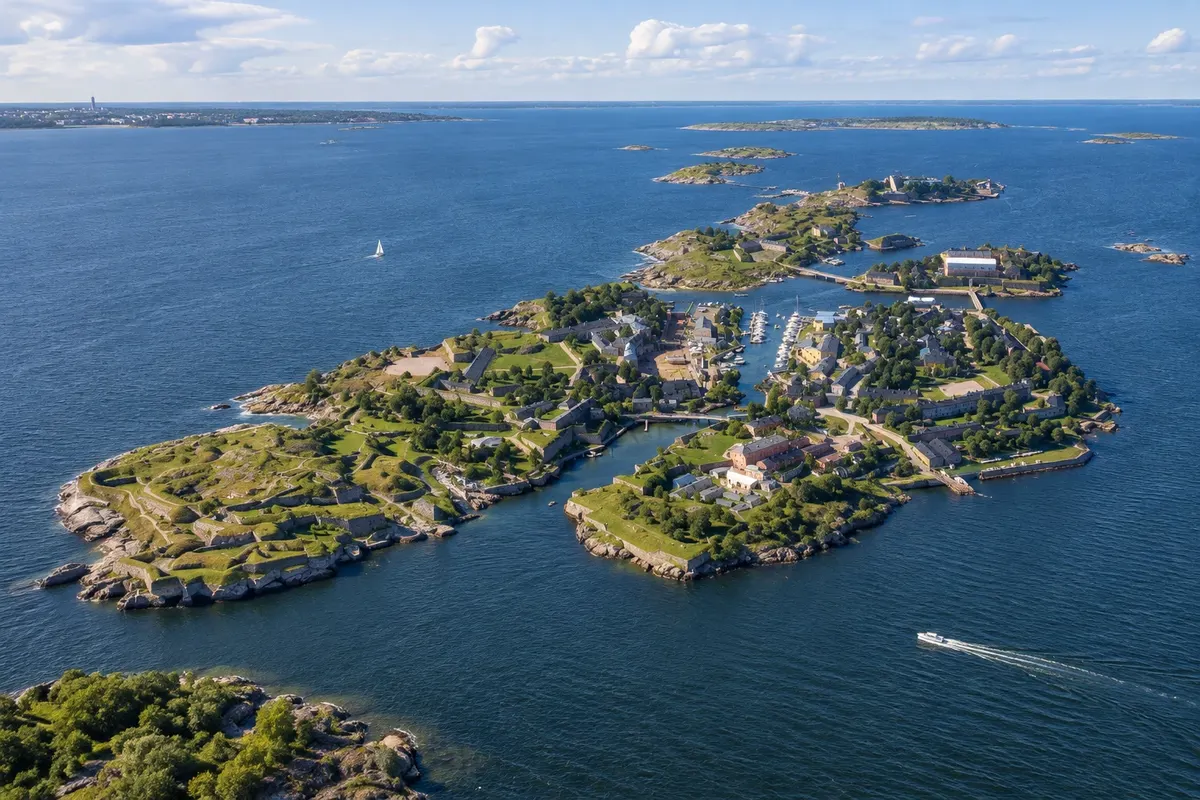
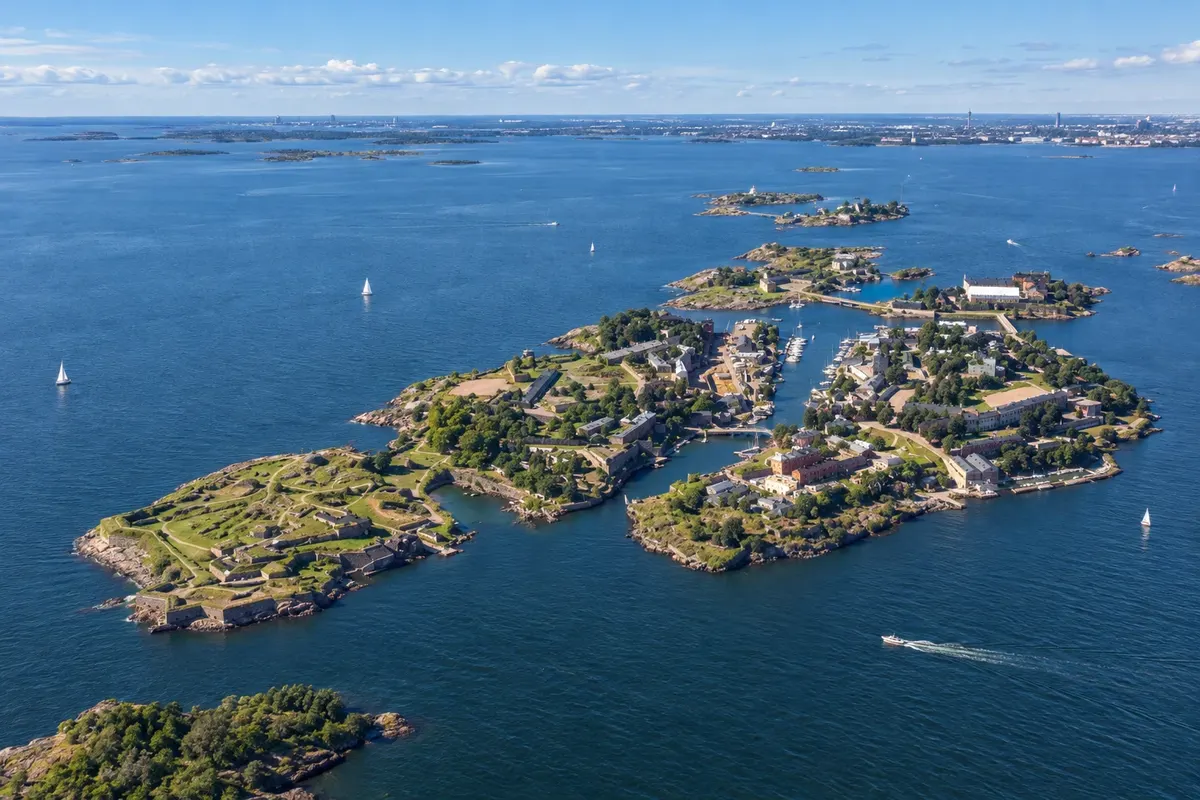
Suomenlinna
Maritime fortress spread over islands off Helsinki, with walls, coastal paths and museums.

 Išči
 Brazilija
 Antarktika
 Argentina
 Bolivija
 Čile
 Kolumbija
 Ekvator
 Gvajana
 Francoska Gvajana
 Falklandski otoki (Malvini)
 Paragvaj
 Peru
 Surinam
 Urugvaj
 Venezuela
 Nemčija
 Avstrija
 Belgija
 Hrvaška
 Danska
 Slovaška
 Slovenija
 ŠpanijaFinska
 Francija
 Grčija
 Nizozemska
 Madžarska
 Irska
 Islandija
 Italija
 Luksemburg
 Norveška
 Poljska
 Portugalska
 Združeno kraljestvo
 Češka
 Švedska
 Švica
 Turčija
 Bermudi
 Kanada
 Združene države Amerike
 Grenlandija
 Mehika
 Sveta Peter in Mihael
 Dominikanska republika
 JaponskaTurčija
 Južnoafriška republika
 Egipt
 Avstralija
 Fidži
 Nova Zelandija
 Papua Nova Gvineja
Uusimaa · Finska
Maritime fortress, churches, museums and Aalto's architecture in a capital linked to the Baltic.
Na fotografiji: Suomenlinna
Illustrative images. The pictures in this guide are illustrations based on the real place, not photographs, and may differ from it.
Spoznajte kraj
Helsinki is the Finnish capital and a base for starting travel around the country. The white cathedral dominates Senate Square; Uspenski marks Katajanokka with red bricks and golden domes. From the central harbor, the crossing takes you to the Suomenlinna fortifications.
The center lets you alternate walking and public transport. Ateneum, Kiasma and Oodi present different ways of occupying the city, between art, architecture and everyday life. In Töölö, the Temppeliaukio church uses the rock as part of the interior space itself.
Reserve another period for Seurasaari or for Aalto’s buildings. Finlandia Hall sits by Töölönlahti; the house and studio are in Munkkiniemi. Finnish and Swedish appear on signs, and English helps with tourist services.
V vodniku še ni nastanitev – Helsinki.
kako do tja · koliko dni · načrt poti · vprašanja
✈ Aeroporto de Helsinque (HEL), kraj: Vantaa· 20 km do cilja (Helsinki)
Confirm before buying. From Helsinki airport there is a train to the city center. Trains from other regions arrive at the central station.
Doživite kraj
Maritime fortress spread over islands off Helsinki, with walls, coastal paths and museums.
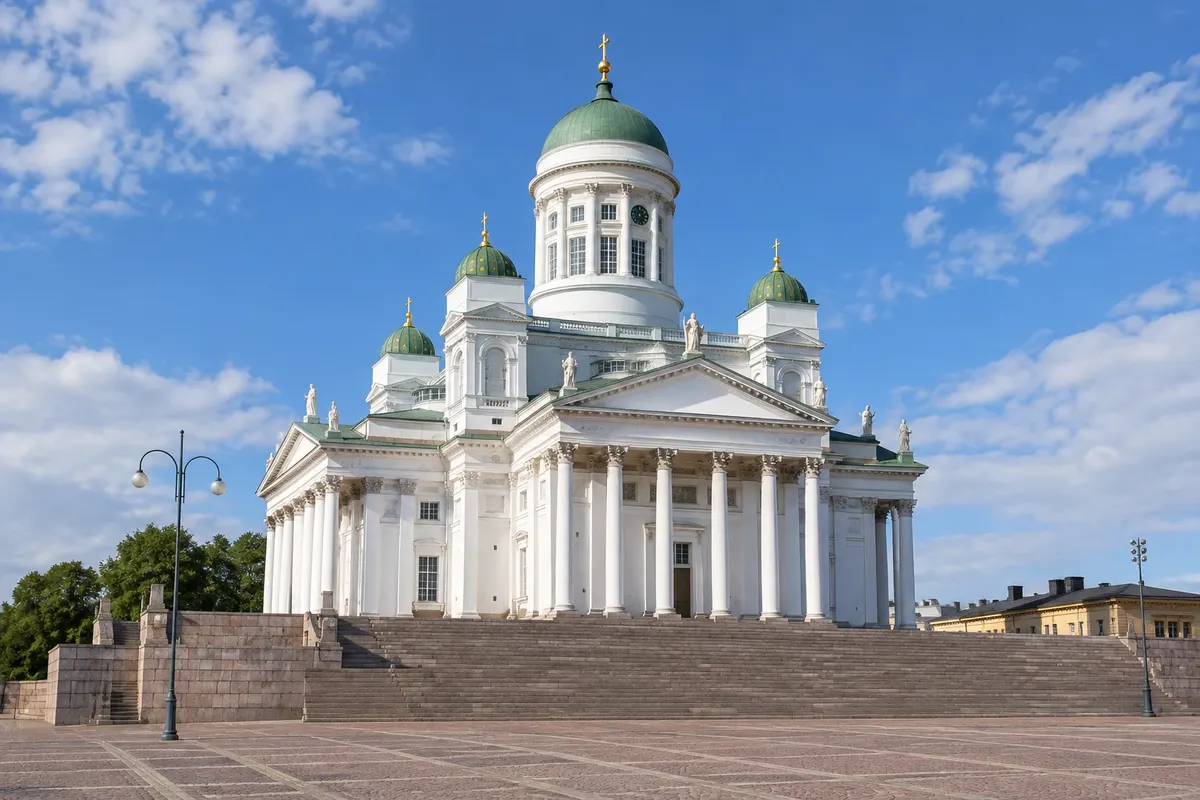
White cathedral with green domes that dominates Senate Square and the neoclassical center.
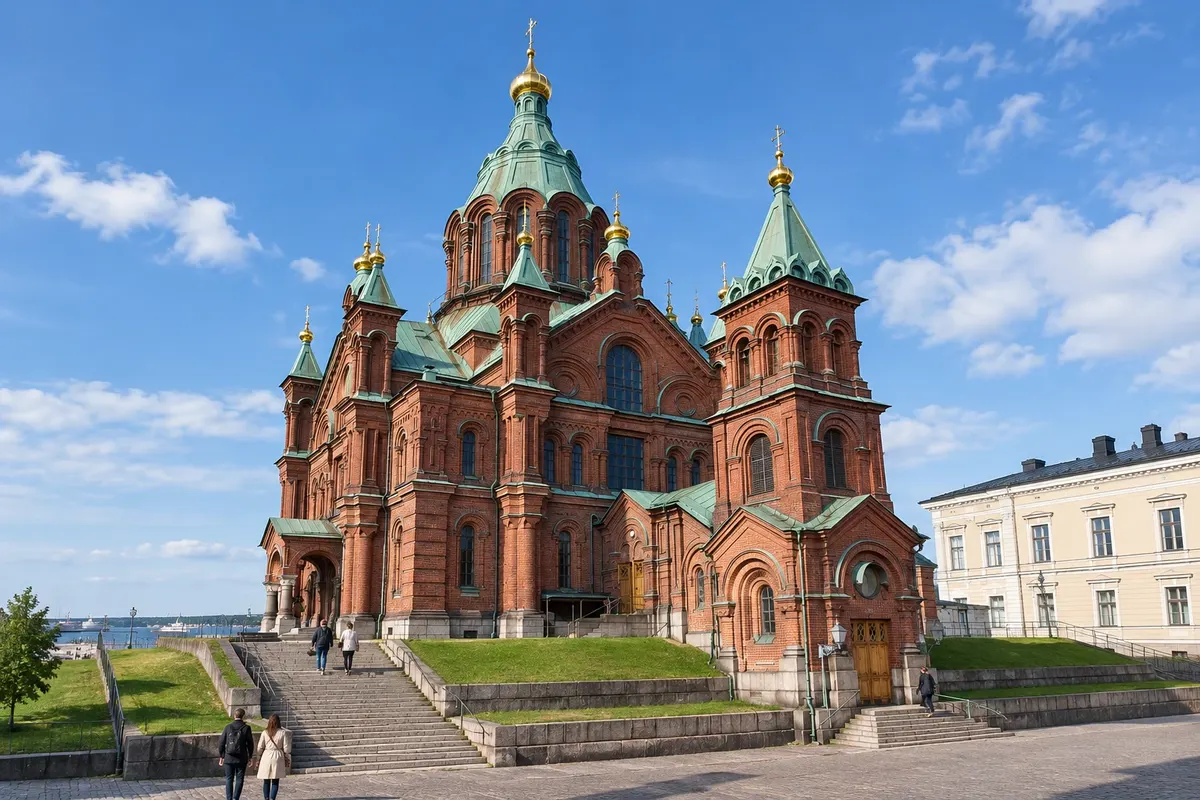
Orthodox cathedral of red brick and golden domes in the Katajanokka district.
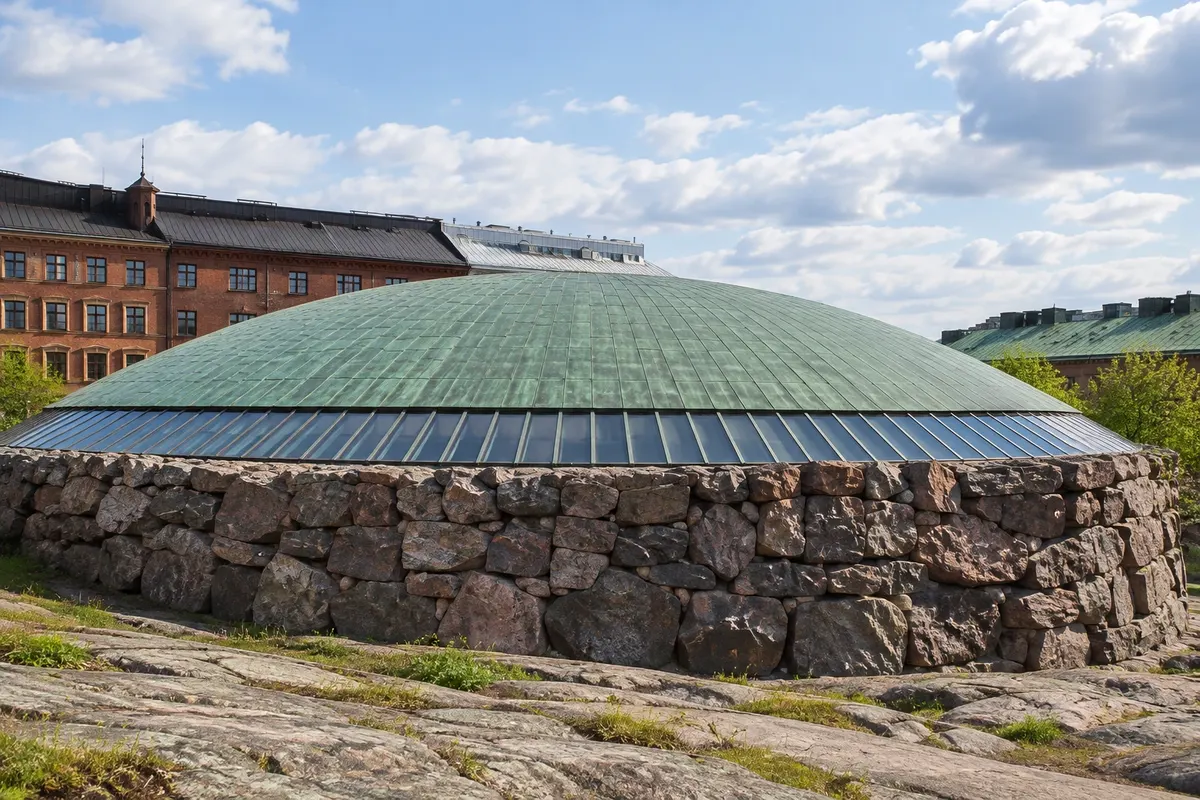
Church carved into rock, with granite walls and a circular roof clad in copper.
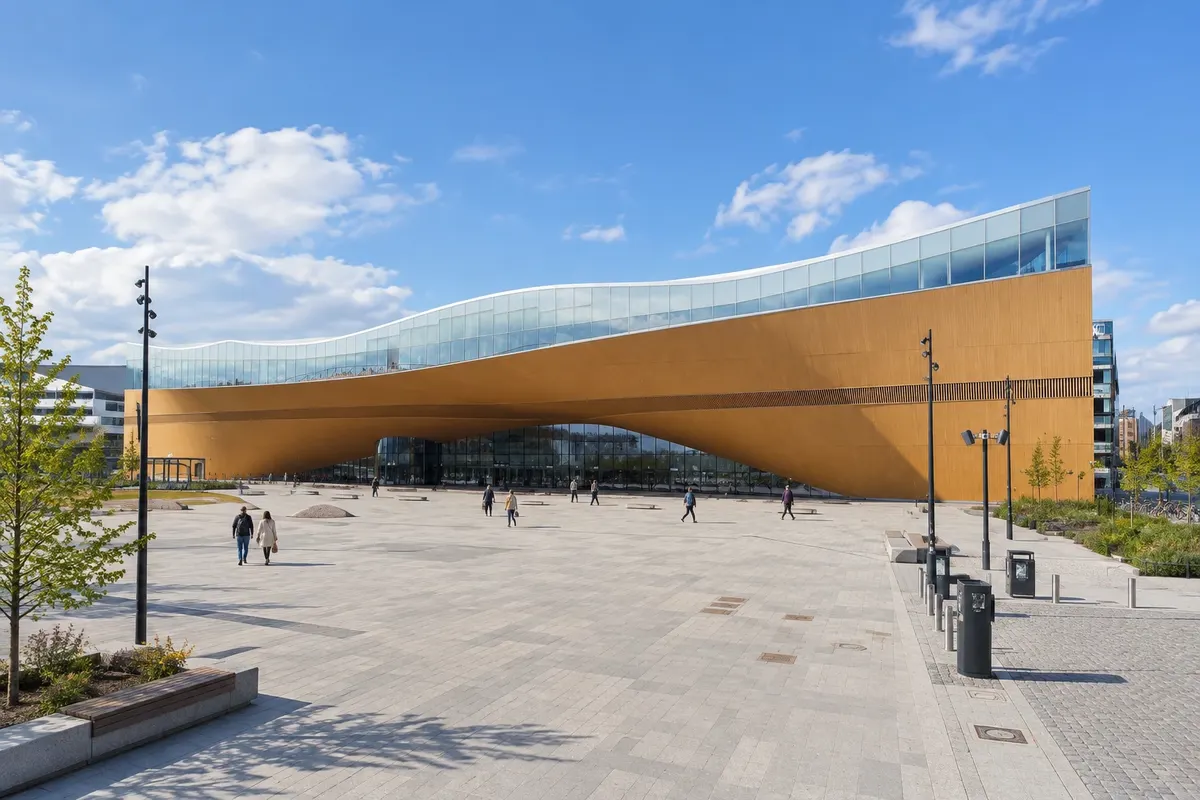
Central library with a curved wooden façade, communal spaces and a reading hall on the upper floor.
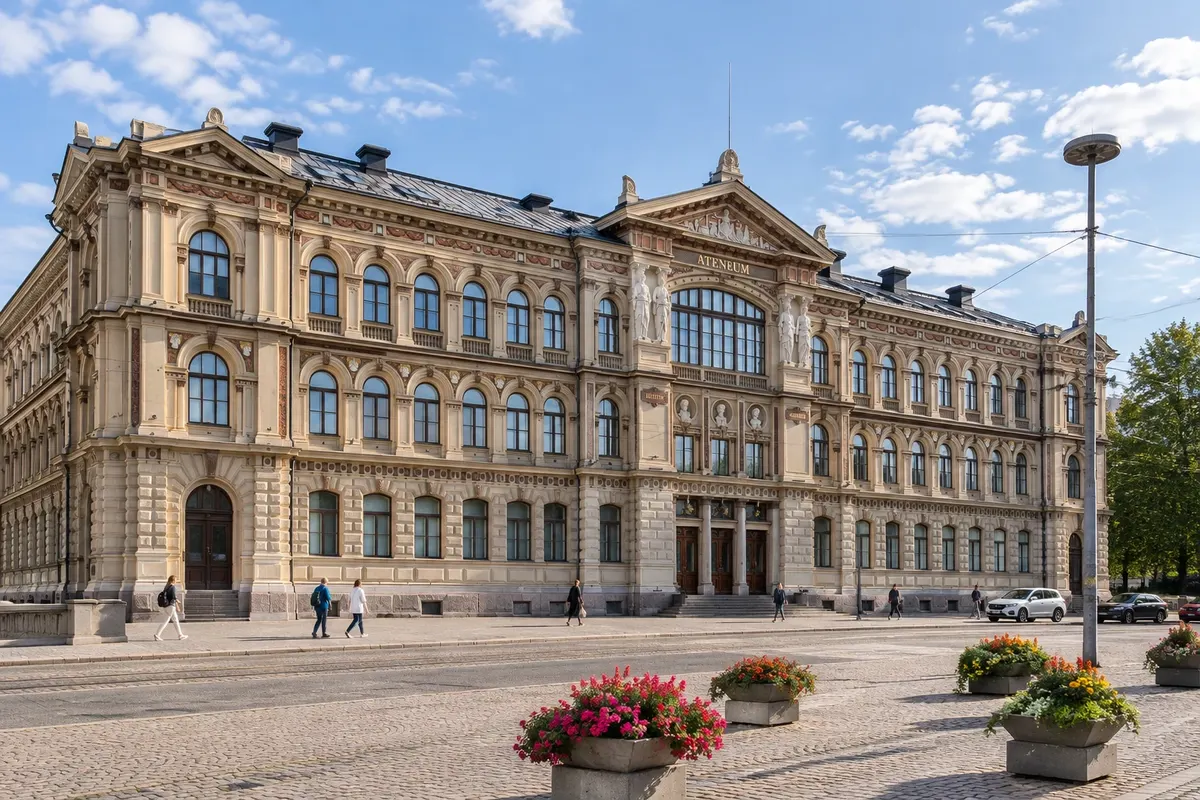
Art museum opposite the central station area, with Finnish collections and temporary exhibitions.
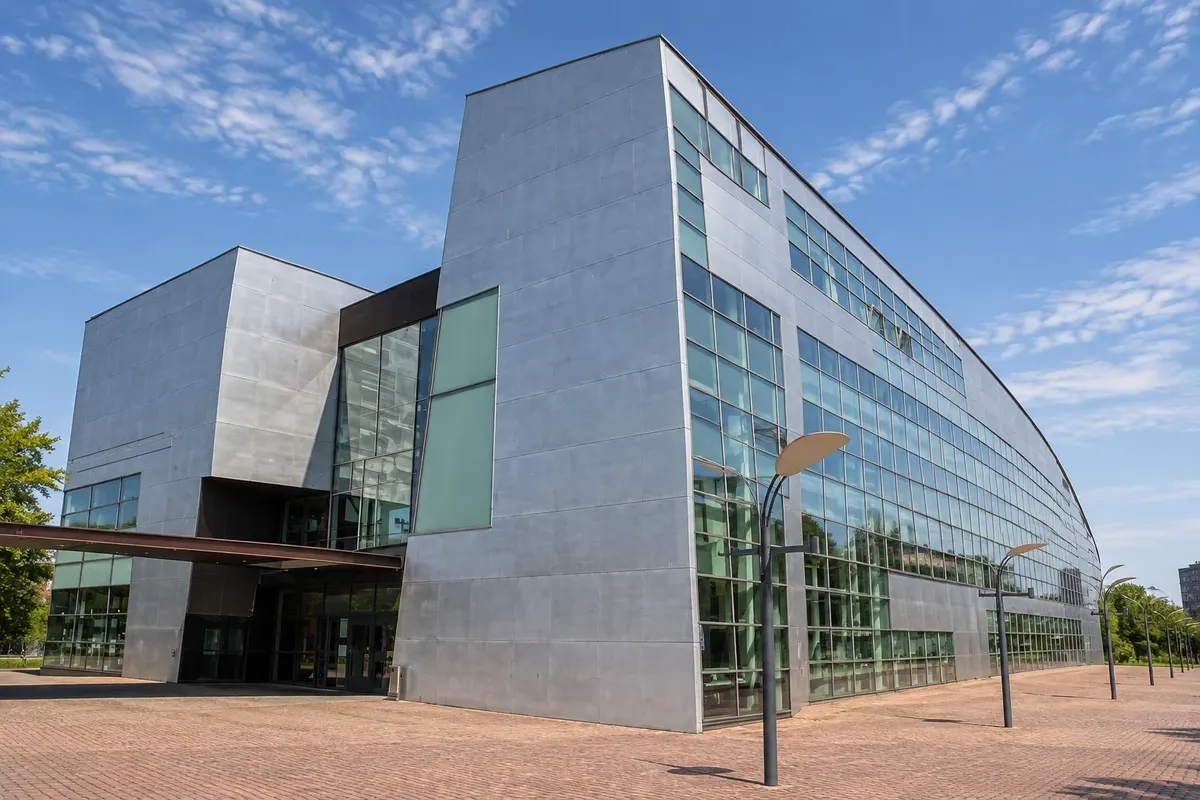
Contemporary art museum of curved forms, designed by Steven Holl in the centre of Helsinki.
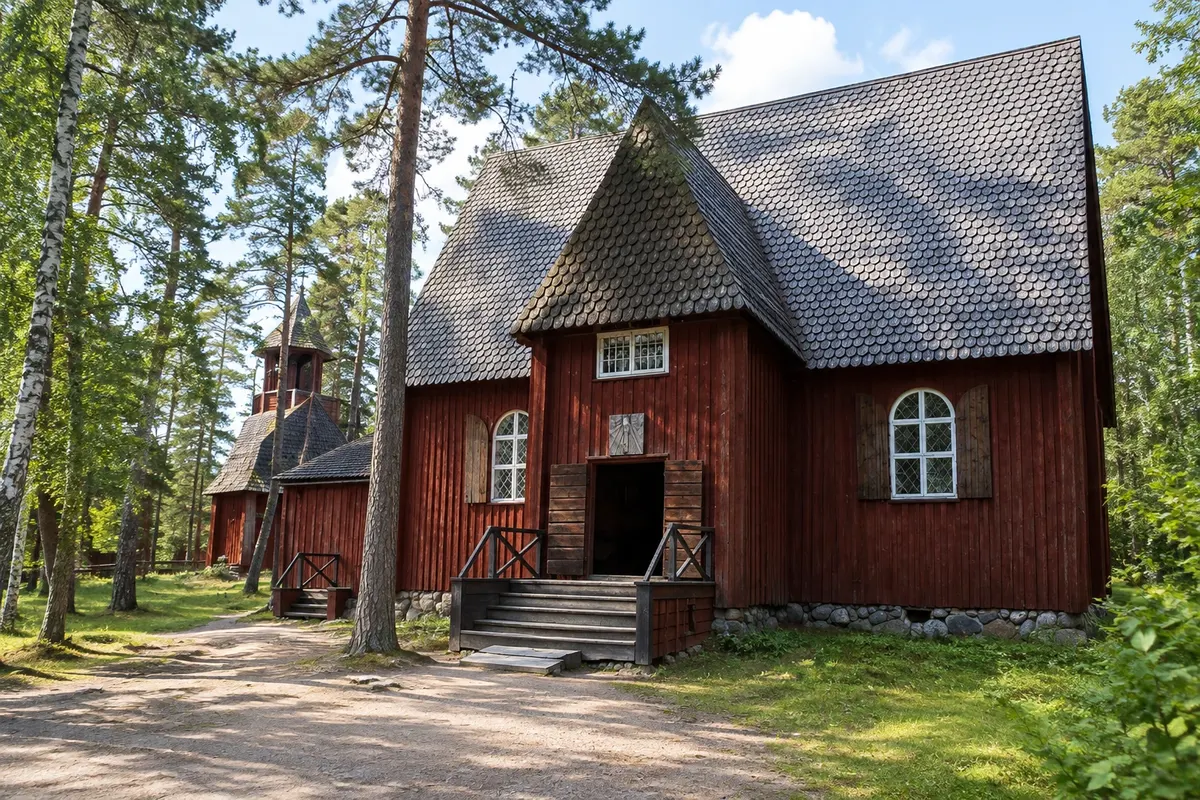
Island linked to the mainland by a bridge, with tree-lined paths and an open-air museum of traditional buildings.
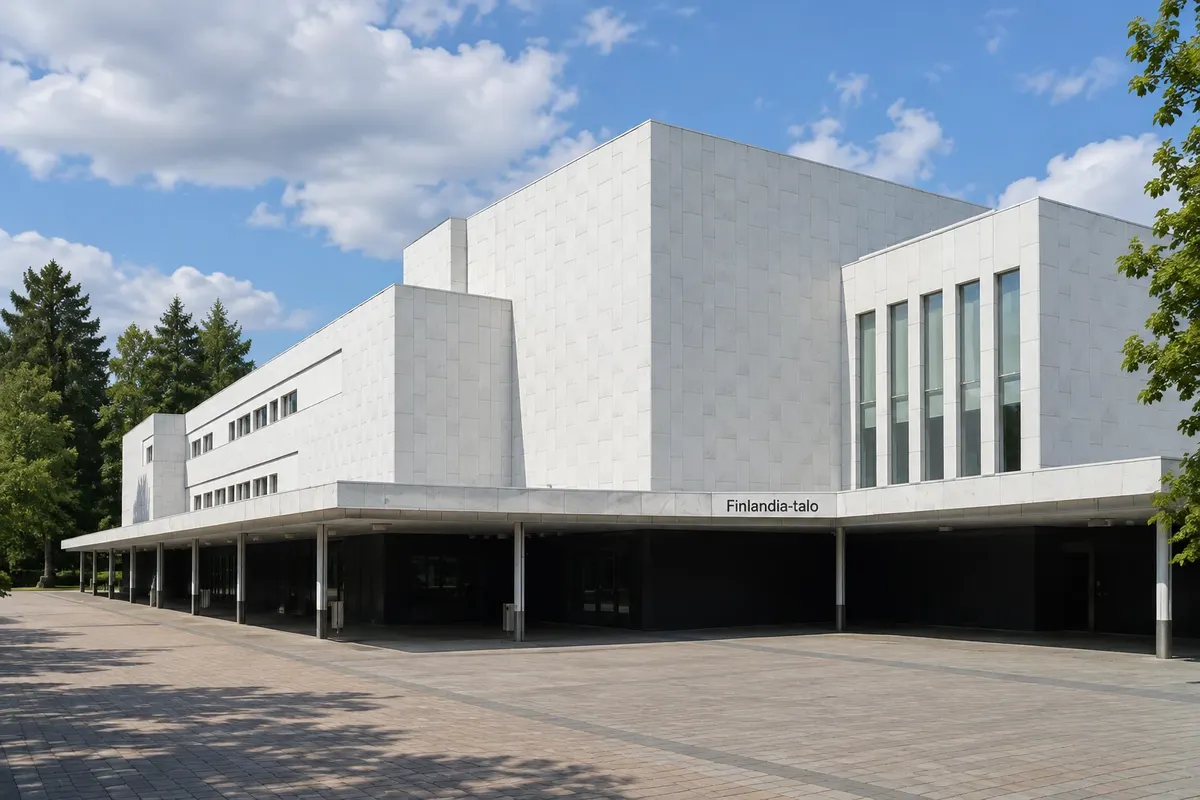
Alvar Aalto building by Töölönlahti, with light cladding, event halls and an architectural visit.
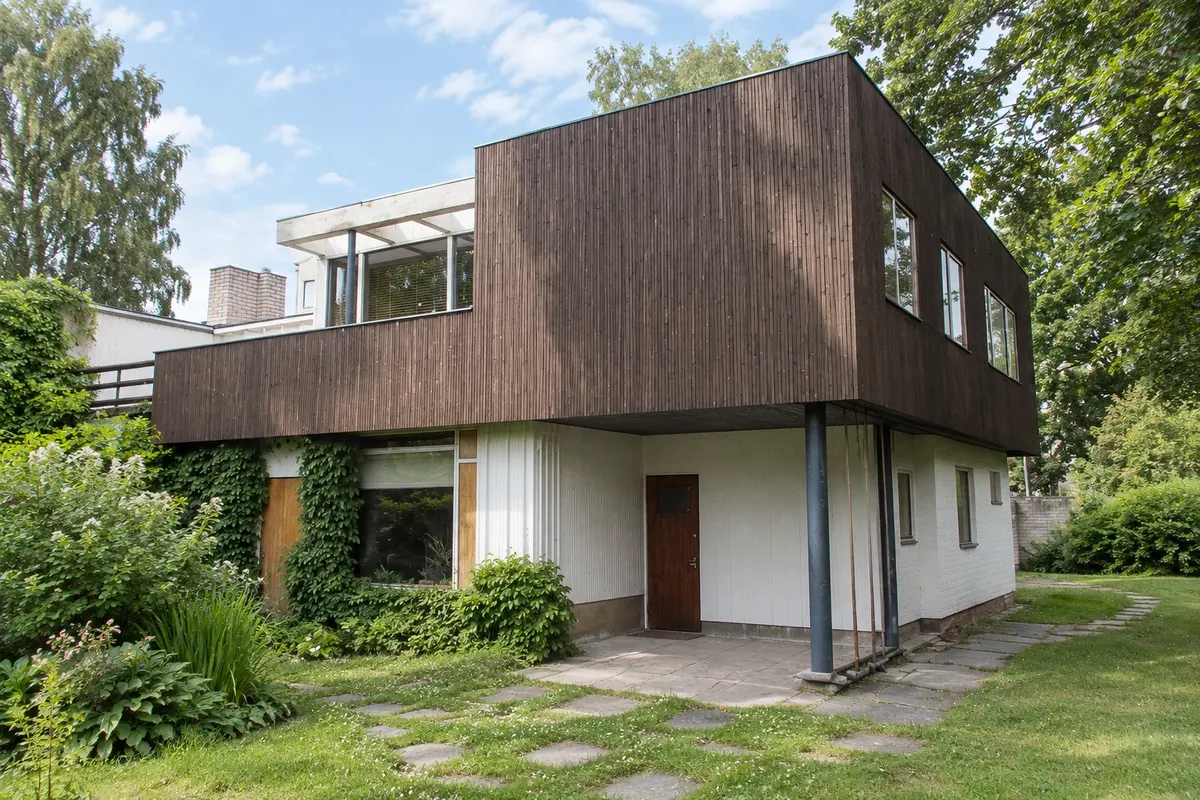
Aino and Alvar Aalto’s house and first studio in Munkkiniemi, visited on a guided tour.
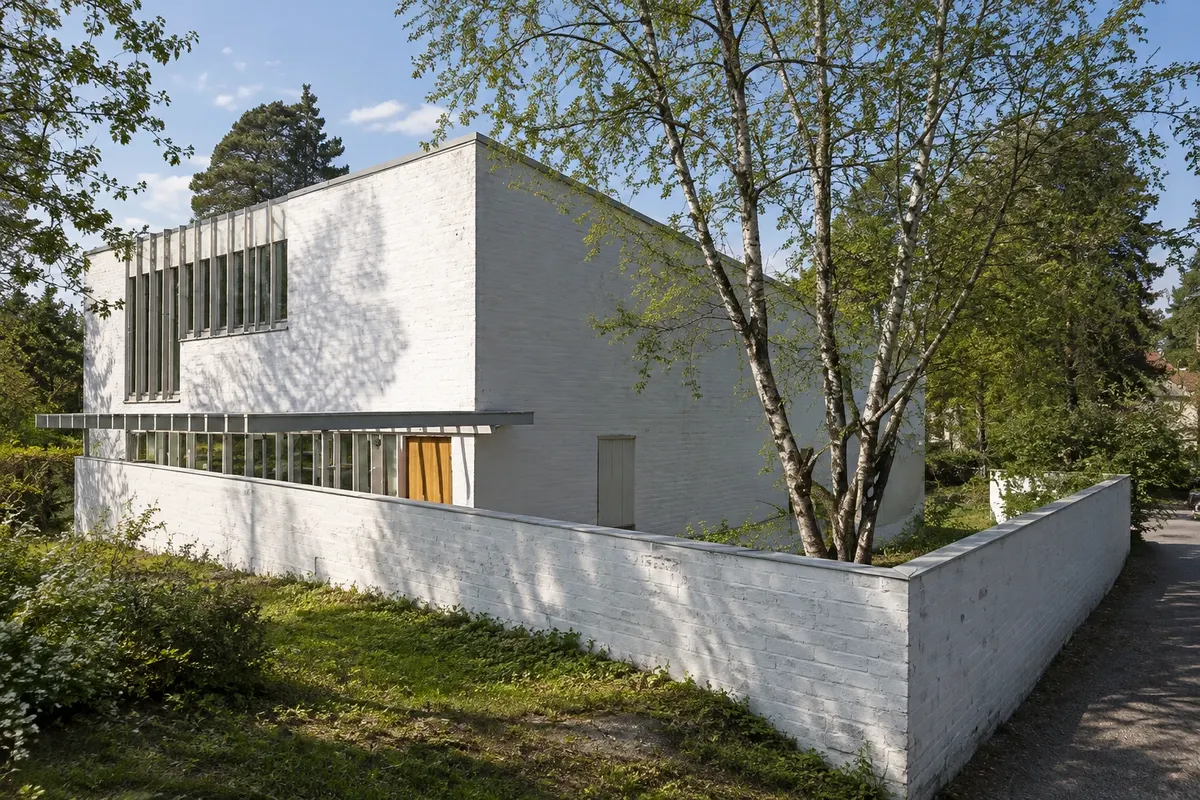
Aalto’s studio in Munkkiniemi, with design spaces organised around light and a garden.
Kaj izbrati pred odhodom
Izhodišče, trajanje, potek, vključene storitve in okvirna cena vsakega izleta.
Suomenlinna occupies a group of islands at the maritime entrance to Helsinki. The fortifications began construction in the 18th century and form a World Heritage site. The visit combines bastions, courtyards, stone passages and stretches of shoreline facing the Baltic. The walk works best on foot, following the main route between the landing and the fortified areas. The paths also cross a residential area. Museums and exhibition spaces have their own accesses, which should be considered separately from the outdoor circuit. The ferry departs from the Market Square and allows you to include the crossing as part of the experience. Reserve part of the day for the island instead of fitting it between two quick visits in the center. From November to March, wind and the limited daylight hours usually reduce comfortable time outdoors.
Kraji na poti: Suomenlinna.
Vključuje: Sea fortress spread across islands off Helsinki, with ramparts, coastal paths and museums. Check the entry modality or whether accompaniment is required before your visit.
Nasvet: Separate the return boat from the schedule of any commitments on the mainland.
Najboljši čas za obisk: From May to September there is usually more daylight for walking the outdoor sections.
The Lutheran cathedral stands at the top of Senate Square, with a wide staircase in front of its façade. Carl Ludvig Engel’s design is part of the neoclassical ensemble in the city center. Construction was completed in the 19th century and it continues to be used for religious services. The columns, pediment and green domes are visible from afar; up close, the interior has a more restrained composition. The staircase also lets you take in the square’s geometry and the neighboring buildings. You don’t need to cross the city to combine it with the harbor area. Visit the interior during visiting hours and allow religious services to proceed uninterrupted. The square and façade can be seen on a walk through the historic center. In winter, from December to February, daylight ends early: prioritize the exterior during the day.
Kraji na poti: Helsingin tuomiokirkko.
Vključuje: White cathedral with green domes that dominates Senate Square and the neoclassical city center. Entry or guided-visit options should be checked before your visit.
Nasvet: View the composition of the façade from the lower part of the square before going up.
Najboljši čas za obisk: The morning allows combining the cathedral with a trip down to the harbor.
Uspenski Cathedral stands on a rocky rise in Katajanokka, near the harbor. Its red-brick masonry and cluster of golden domes contrast with the white architecture of Senate Square. The building was completed in the 19th century as an Orthodox church. The approach climbs up from the neighborhood streets, allowing you to take in the building’s mass and the waterfront. Inside, the icons and the arrangement of the religious space differ from the Lutheran cathedral. That comparison helps you notice distinct architectural traditions on the same walk. Combine the cathedral with the route between the city center and Katajanokka, without planning a separate car trip. Tourist opening hours follow the religious routine, and parts of the visit may be restricted. To photograph the brick façade, choose a time with daylight.
Kraji na poti: Uspenskin katedraali.
Vključuje: Orthodox cathedral of red brick and golden domes in the Katajanokka neighborhood. The entry modality or accompaniment should be checked before the visit.
Nasvet: Compare the façade materials and the proportions of the domes with the Lutheran cathedral.
Najboljši čas za obisk: During the day, before walking the streets of Katajanokka.
Temppeliaukio was set into a rock formation in the Töölö neighborhood. The place of worship sits between exposed granite walls under a circular roof. The solution by architects Timo and Tuomo Suomalainen brings the building close to the very material of the site. The main experience is inside: the irregular texture of the stone contrasts with the copper roof and the light entering at the upper rim. From outside, the volume remains low compared with the neighborhood buildings. The church is also used for musical performances. Take into account religious services and concert schedules when planning entry. Do not confuse viewing the exterior rock with visiting the hall, which has its own access control. It is a stop compatible with a tram route followed by a walk through Töölö.
Kraji na poti: Temppeliaukion kirkko.
Vključuje: Church hewn into the rock, with granite walls and a circular roof lined with copper. The entry modality or accompaniment should be checked before the visit.
Nasvet: The low roof makes the exterior discreet; allow time to observe the light in the hall.
Najboljši čas za obisk: During a visiting period that does not coincide with celebrations.
Oodi is Helsinki’s central library, close to the rail station and Töölönlahti. The project combines a base of collective uses with workspaces and an upper reading floor. The curved wooden façade marks the public space in front of the building. You do not need to treat the visit as an exhibition: the interest is in observing how a library brings together reading, study, maker equipment and social space. On the upper floor, the openings and the continuity of the hall allow you to perceive the relationship between the building and the city. Include Oodi among visits to museums along the central axis or as a pause on a rainy day. Specific services may require registration or reservation and are not part of a spontaneous architectural visit. Respect the everyday use of the spaces by people who are reading or working.
Kraji na poti: Helsingin keskustakirjasto Oodi.
Vključuje: Central library with a curved wooden façade, communal spaces and a reading hall on the upper floor. Entry or accompaniment requirements should be checked before the visit.
Nasvet: Move through the floors to notice the change of function and light.
Najboljši čas za obisk: On the route along the station axis and Töölönlahti.
The Ateneum occupies a 19th-century building in the central station area. It is part of the Finnish National Gallery and brings together an art collection that lets you follow different periods of the country’s production. Its ornate façade already sets the visit apart from nearby contemporary museums. The galleries display paintings and other works according to the collection layout and temporary programming. Visitors can relate landscapes, portraits and scenes of everyday life to shifts in Finnish art. Do not expect a specific work to be on display without checking the current exhibition. Set aside a dedicated block of time for the museum rather than stopping by only during a train transfer. The location makes visiting without a car easy and allows you to rearrange your itinerary if it rains. If you prefer an initial approach, you can pick a core of the collection and study the building’s architecture.
Kraji na poti: Ateneum.
Vključuje: Art museum in front of the central station area, with Finnish collections and temporary exhibitions. The entry type or guided options should be checked before the visit.
Nasvet: Choose in advance between the collection tour and a temporary exhibition.
Najboljši čas za obisk: Allow enough time for the chosen exhibition.
Kiasma is part of the Finnish National Gallery and is devoted to contemporary art. Steven Holl’s building uses curves, ramps and changes in lighting to organize circulation. Its location next to Mannerheimintie places it on the same urban axis as the Oodi library. The route depends on the exhibitions on display and may include installations, moving images and works in different media. The architecture is part of the experience but does not dictate a single type of work. It is advisable to check the program before deciding how long to stay. Combine Kiasma with a walk through the center, allowing time to visit the galleries rather than seeing it only from outside. On rainy days, it functions as a covered visit block that can replace part of an outdoor walk. Internal layout and access vary with the exhibitions.
Kraji na poti: Kiasma.
Vključuje: Contemporary art museum of curved forms, designed by Steven Holl in central Helsinki. Entry or guided-visit options should be checked before your visit.
Nasvet: Also note the ramps and the light entering the building, in addition to any exhibitions on display.
Najboljši čas za obisk: When you can dedicate a continuous block of time to the exhibitions.
Seurasaari is on the west side of Helsinki and is connected to the mainland by a pedestrian bridge. The wooded setting lets you walk by the water without leaving the urban area. Part of the island houses an open-air museum dedicated to traditional buildings from different Finnish regions. Houses, farm outbuildings and other structures were moved here to form the museum complex. The visit can combine viewing these buildings from outside with access to interiors that are open in season. Circulating around the island and visiting the houses are experiences with different conditions. Between May and September it is usually easier to combine the walk with the programming of the historic buildings, but check which interiors welcome visitors. Allow time to cross the bridge and follow the paths. In the short-day season, plan the outdoor portion before it gets dark.
Kraji na poti: Seurasaari.
Vključuje: Island connected to the mainland by a bridge, with tree-lined paths and a museum of traditional buildings. Check the entry modality or whether accompaniment is required before your visit.
Nasvet: Differentiate the island pathways from the museum interiors when planning your visit.
Najboljši čas za obisk: From May to September there are usually more options for visiting the buildings.
Finlandia Hall was designed by Alvar Aalto on the shore of Töölönlahti. The collection of light volumes was conceived for concerts and gatherings, with attention to the sequence of spaces and the relationship with the park. It is part of the World Heritage listing Works of Aalto. The façade, the cut of the volumes and the materials allow a first reading from the outside. To experience the interior spaces, check the guided visit and exhibition offerings or the events program. A concert ticket does not necessarily replace a full architectural visit. Access pairs well with a walk along the bay shore and the central cultural axis. Book in advance on the official website when you choose a timed visit. The building retains its own uses, and the available route may depend on activities taking place that day.
Kraji na poti: Finlandia-talo.
Vključuje: Alvar Aalto building by Töölönlahti, with a light cladding, event rooms and an architectural visit. The entry type or guided arrangements should be confirmed before the visit.
Nasvet: Choose the architecture tour if your main interest is Aalto’s design.
Najboljši čas za obisk: During the day to observe the external volumes and the bay shoreline.
The Aalto House brings together the domestic setting and the workplace that Aino and Alvar Aalto arranged in Munkkiniemi. The building combines light surfaces, wood and garden on a scale very different from the architect’s large public buildings. It is part of the Aalto Works inscribed as a World Heritage Site. The guided tour helps distinguish the living spaces from the project areas. Furniture, lighting and level changes show how the house’s design participates in daily life. Viewing the façade from the street provides only part of that understanding of the interiors. Entry is tied to organized visits, so book in advance on the official website. Munkkiniemi is outside the central core but can be reached by public transport. If you combine the house with the studio, confirm whether separate reservations are required for both buildings.
Kraji na poti: Alvar Aallon kotitalo.
Vključuje: House and first studio of Aino and Alvar Aalto in Munkkiniemi, visited on a guided tour. The type of admission or accompaniment should be checked before the visit.
Nasvet: The house and the studio are different addresses; organize the sequence of reservations.
Najboljši čas za obisk: During the time reserved for the accompanied visit.
The Studio Aalto was created to house the work of the architecture office after the team outgrew the residence space. It is located in Munkkiniemi, within walking distance of the Aalto House. The building is part of the group of Aalto works recognized as a World Heritage site. Drawing rooms, meeting areas and the relationship with the courtyard help to understand an office conceived for architectural production. Light and materials play a role in the composition of the spaces. The visit complements the house without repeating the experience of a domestic interior. See the interiors through an organized visit and book in advance on the official website. Check the sequence if you also want to enter the residence, because the entrances are separate. Travel can be done by public transport to the neighborhood and walking between the two addresses.
Kraji na poti: Alvar Aallon ateljee.
Vključuje: Aalto studio in Munkkiniemi, with design spaces organized around light and a garden. The type of admission or accompaniment should be checked before the visit.
Nasvet: Combine the two Aalto addresses only after confirming the availability of the visits.
Najboljši čas za obisk: At the scheduled time for the guided tour.
Po dnevih
Predlogi za načrtovanje poti. Vrstni red dni prilagodite vremenu in razpoložljivosti izletov.
Arrive at your base by airport or station transport and drop off your luggage before walking. Use the rest of the day to get acquainted with the central axis and the waterfront, without scheduling the crossing to Suomenlinna close to your flight time. Take your first meals near your accommodation.
Sea fortress spread across islands off Helsinki, with ramparts, coastal paths, and museums. Take the ferry from Market Square, Kauppatori, and continue on foot after disembarking. Keep the return boat trip separated from the timing of any commitments on the mainland. Allow the suggested time for the visit and transfer, and avoid scheduling the return close to a long-distance connection.
White cathedral with green domes dominating Senate Square and the neoclassical center. Walk to Senaatintori from the city center; trams serve the nearby streets. View the composition of the façade from the lower part of the square before climbing up. Orthodox cathedral of red brick with golden domes in the Katajanokka district. Walk from the Market Square to the rise at Katajanokka. Compare the façade materials and the domes’ proportions with the Lutheran cathedral. Check both venues’ schedules before deciding the order and allow time for travel and a meal.
Church excavated into the rock, with granite walls and a circular copper-clad roof. Use public transport to Töölö and walk to Lutherinkatu. The low roof makes the exterior discreet; allow time to observe the light inside the hall. Central library with a curved wooden façade, communal areas and a reading hall on the upper floor. Walk from the central station to Töölönlahdenkatu. Move through the floors to notice the change of function and light. Check both venues’ schedules before deciding the order and allow time for travel and a meal.
Art museum facing the central station area, with Finnish collections and temporary exhibitions. Walk from the central station to the façade facing Rautatientori. Decide in advance whether to follow the permanent collection route or a temporary exhibition. Contemporary art museum with curved forms, designed by Steven Holl in central Helsinki. The entrance is a short walk from the central station and the Mannerheimintie stops. Also notice the ramps and the light entry, as well as the works on display. Check both venues’ schedules before deciding the order and allow time for travel and a meal.
Island connected to the mainland by a bridge, with tree-lined paths and a museum of traditional buildings. Take a bus or tram to the Meilahti area and complete access on foot across the bridge. Distinguish the island’s paths from the museum interiors when planning the visit. Alvar Aalto building beside Töölönlahti, with a light façade, event rooms and an architectural tour. Walk along the Mannerheimintie–Töölönlahti axis from the center. Choose the architecture tour if your main interest is Aalto’s design. Check both venues’ schedules before deciding the order and allow time for travel and a meal.
House and first studio of Aino and Alvar Aalto in Munkkiniemi, visited via guided tour. Use public transport to Munkkiniemi and walk to Riihitie. The house and the studio are different addresses; organize the booking sequence accordingly. Aalto’s studio in Munkkiniemi, with workspaces arranged around light and a garden. Go to Munkkiniemi and walk to Tiilimäki. Combine the two Aalto sites only after confirming tour availability. Check both venues’ schedules before deciding the order and allow time for travel and a meal.
Najboljši čas za obisk
From May to September days are usually long and make visiting the islands easier. From December to February it is usually cold and gets dark early; focus your itinerary on museums and architecture.
The seasons shown are the most usual ones; nature doesn't always follow the calendar.
Winter · Short days
Regional references 1991–2020: Helsinki: -3.1 °C and 53 mm. Monthly average temperature and precipitation, including snow equivalent. Cold usually limits outdoor time. Prioritize Ateneum, Kiasma and Oodi; check the ferries to Suomenlinna.
Winter · Short days
Regional references 1991–2020: Helsinki: -3.8 °C and 38 mm. Monthly average temperature and precipitation, including snow equivalent. Cold usually limits outdoor time. Prioritize Ateneum, Kiasma and Oodi; check the ferries to Suomenlinna.
End of winter · Increasing light
Regional references 1991–2020: Helsinki: -0.7 °C and 34 mm. Monthly average temperature and precipitation, including snow equivalent. Cold usually continues despite increasing daylight. Alternate short outdoor routes with visits to Ateneum, Kiasma and Oodi.
Transition · Variable schedule
Regional references 1991–2020: Helsinki: 4.4 °C and 34 mm. Monthly average temperature and precipitation, including snow equivalent. Thawing often changes access. For Seurasaari and the coastal shores, confirm the route before you set out; check the ferries to Suomenlinna.
Spring · Long days
Regional references 1991–2020: Helsinki: 10.4 °C and 38 mm. Monthly average temperature and precipitation, including snow equivalent. Daylight usually allows for longer outdoor excursions. Check conditions at Seurasaari and the coastal shores, especially early in the season; check the ferries to Suomenlinna.
Summer · Extended light
Regional references 1991–2020: Helsinki: 14.9 °C and 60 mm. Monthly average temperature and precipitation, including snow equivalent. Days usually favor Seurasaari and the coastal shores, with possible rain.
Summer · Outdoor activities
Regional references 1991–2020: Helsinki: 18.1 °C and 57 mm. Monthly averages of temperature and precipitation, including the snow equivalent. Schedule Seurasaari and the seaside edges during periods of extended daylight. Rain can still alter the plan; leave room for Ateneum, Kiasma and Oodi.
Summer · Nights lengthening
Regional references 1991–2020: Helsinki: 16.9 °C and 81 mm. Monthly averages of temperature and precipitation, including the snow equivalent. Outdoor options usually continue, but the schedule can change toward the end of the month. Plan Seurasaari and the seaside edges with confirmed access.
Autumn · Vegetation changing
Regional references 1991–2020: Helsinki: 12.3 °C and 56 mm. Monthly averages of temperature and precipitation, including the snow equivalent. Vegetation typically changes color and the days shorten. Choose light periods for Seurasaari and the seaside edges; check the Suomenlinna ferries.
Autumn · Transition of services
Regional references 1991–2020: Helsinki: 6.6 °C and 73 mm. Monthly average temperature and precipitation, including snow equivalent. Cold usually increases and seasonal services may be reduced. Use Ateneum, Kiasma and Oodi as part of the plan and check external access.
Late autumn · Little daylight
Regional references 1991–2020: Helsinki: 2.4 °C and 69 mm. Monthly average temperature and precipitation, including snow equivalent. Days are usually short. Snow and activities depend on conditions; check the ferries to Suomenlinna. Choose outdoor departures compatible with available daylight.
Winter · Short days
Regional references 1991–2020: Helsinki: -0.7 °C and 58 mm. Monthly average temperature and precipitation, including snow equivalent. Cold usually limits outdoor time. Prioritize Ateneum, Kiasma and Oodi; check the ferries to Suomenlinna.
Načrtujte pot
Helsinki: Leave the car behind in the centre. Urban transit and the ferry help avoid drives and parking between visits. Confirm the last return service before starting an outing outside the centre. A vehicle brings you closer, but does not replace the planned walk at the attraction.
Arrive at your base by airport or station transport and drop your luggage off before walking. Use the rest of the day to get familiar with the central axis and the harbour edge, without scheduling the Suomenlinna crossing near your flight time. Take first meals close to your accommodation. Three days allow for the historic centre, Suomenlinna and the museums. With four or five, add Seurasaari and the two Aalto sites in Munkkiniemi.
Suomenlinna: Take the ferry at the Market Square, Kauppatori, and walk after disembarking. Helsingin tuomiokirkko: Walk to Senaatintori from the center; trams serve the nearby streets. Uspenskin katedraali: Walk from the Market Square up to the Katajanokka rise. Temppeliaukion kirkko: Use public transit to Töölö and walk to Lutherinkatu. Helsingin keskustakirjasto Oodi: Walk from the central station to Töölönlahdenkatu. Ateneum: Walk from the central station to the façade facing Rautatientori. Kiasma: The entrance is a short walk from the central station and the Mannerheimintie stops. Seurasaari: Take a bus or tram to the Meilahti area and complete the access on foot across the bridge. Finlandia-talo: Walk along the Mannerheimintie–Töölönlahti axis from the center. Alvar Aallon kotitalo: Use public transport to Munkkiniemi and walk to Riihitie. Alvar Aallon ateljee: Go to Munkkiniemi and walk to Tiilimäki.
Pred odhodom
Z nekaj načrtovanja boste imeli več časa za uživanje na poti.
From May to September days are usually long and make visiting the islands easier. From December to February it is usually cold and gets dark early; focus your itinerary on museums and architecture.
The seasons shown are the most usual ones; nature doesn't always follow the calendar.
Three days allow for the historic center, Suomenlinna and museums. With four or five days, add Seurasaari and Aalto’s two sites in Munkkiniemi.
Kluuvi and the station area make trains and urban travel convenient. Kamppi leaves some museums within walking distance. Katajanokka favors walking along the harbor; Töölö brings visitors close to Temppeliaukio and Töölönlahti.
Odnesite svoje odpadke, upoštevajte oznake in podprite lokalne ponudnike. V naravi upoštevajte navodila za obiskovalce.
Odgovori na vaša vprašanja
Three days cover the center, the fortress and the museums. Munkkiniemi’s architecture requires additional time.
Not for the urban itinerary. Train, tram, bus, metro and ferry serve the main sights.
From May to September days are usually longer; check each island’s service before heading out.
Več kot vodnik


