Torre del Oro and walk along the Guadalquivir
Odhod: Paseo de Cristóbal Colón, by the Torre del Oro on foot from the cathedral (about 10 minutes) Približno 2 uri Popoldne Lahko
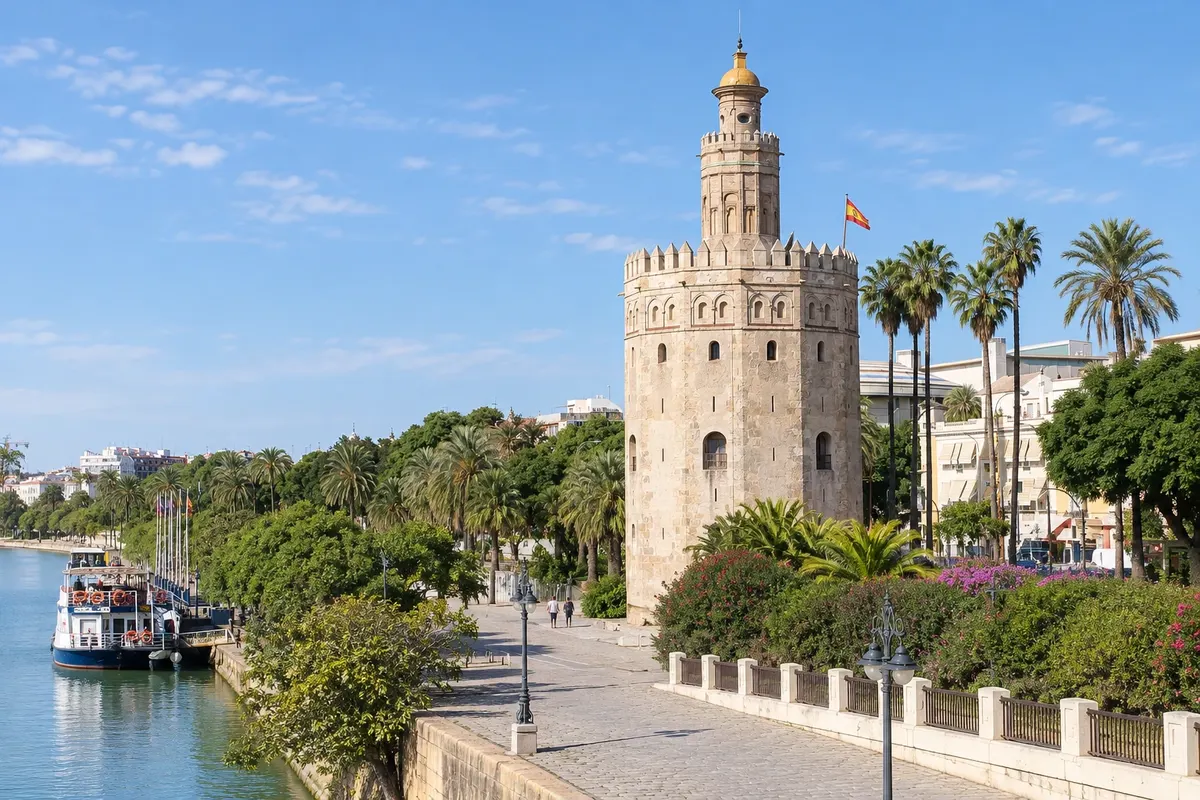
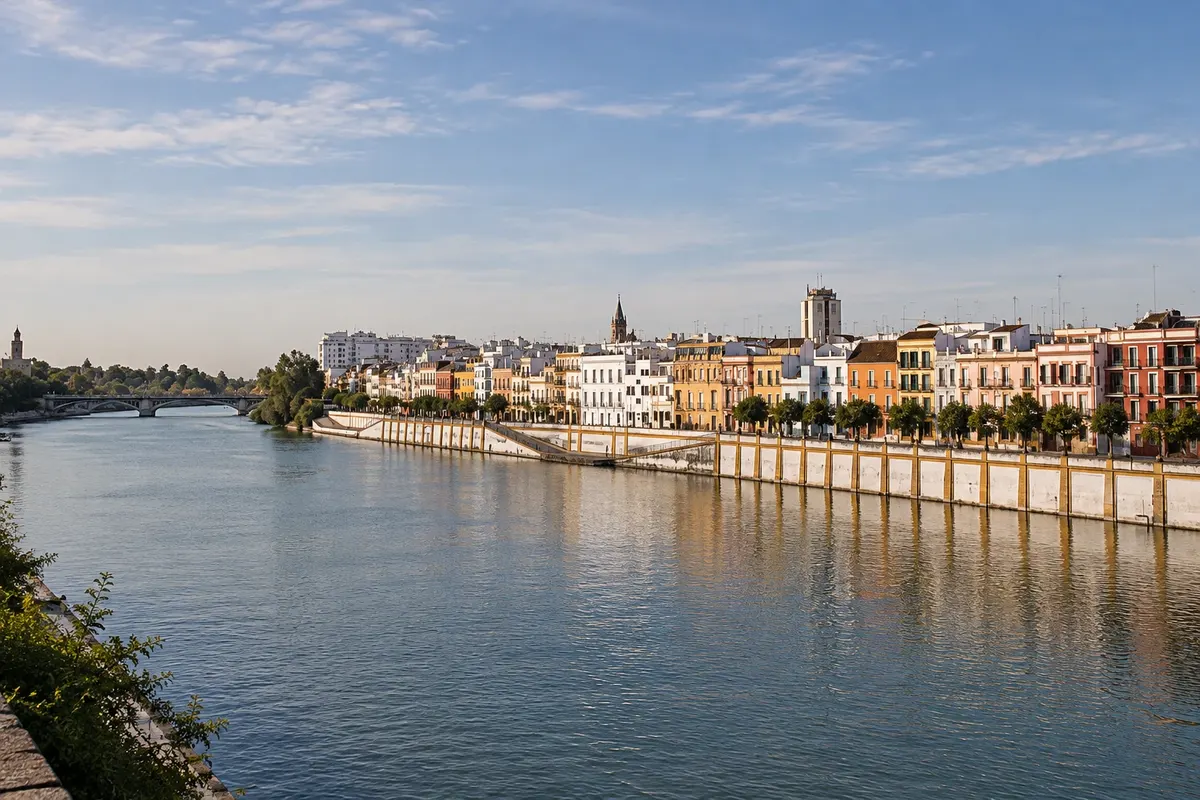
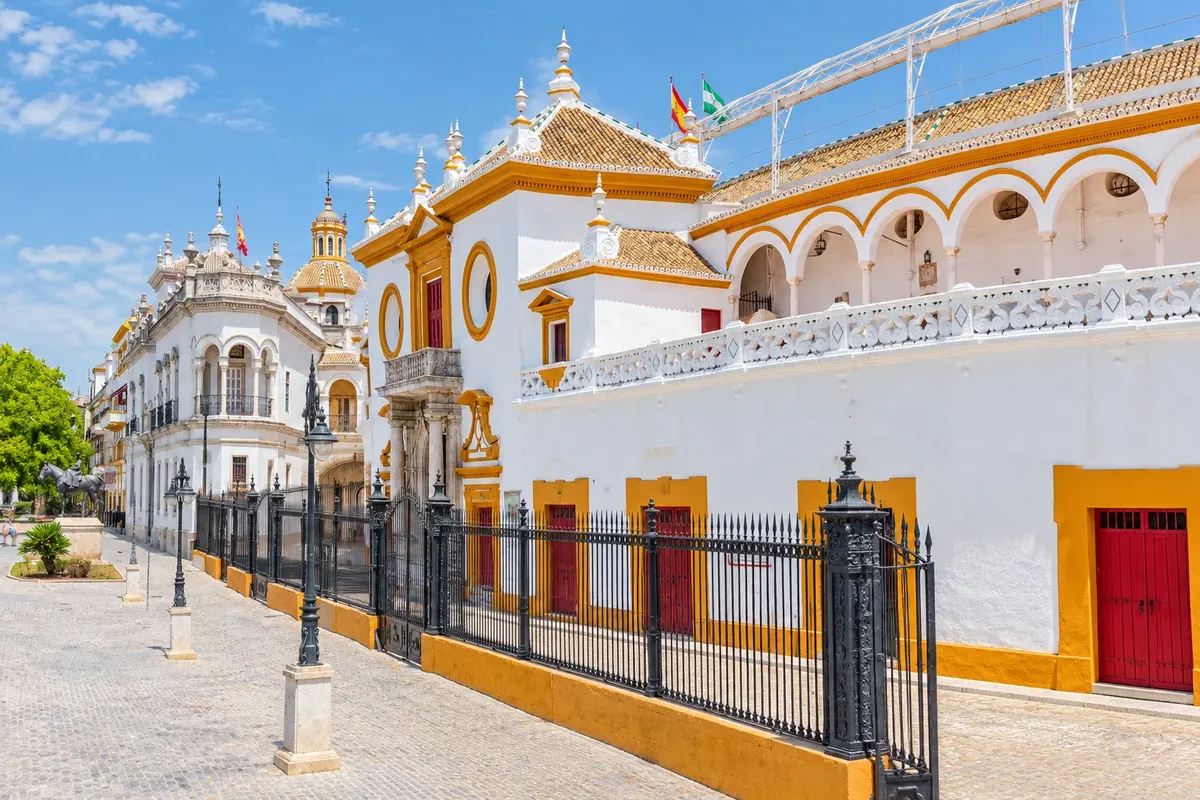
The Torre del Oro is the twelve-sided tower built by the Almohads in the 13th century on the bank of the Guadalquivir, intended to close the river with a chain to the opposite shore. Today it houses a small naval museum, with ship models, instruments and maps that recount the era when the city was the port of the Americas; from the terrace you can see the river, the Puente de Triana and the city center. The visit is short and serves as a starting point for the river tour: tourist boats depart from the adjacent quay, the Muelle de la Sal, and run a circuit of about one hour to the Isla de la Cartuja, passing under the bridges and by the Triana neighborhood. Those who prefer can walk along the Paseo de Cristóbal Colón, pass the Plaza de Toros de la Maestranza and continue to the bridge. There are also kayak and rowboat rentals on the river, offered by companies in the same stretch.
Kraji na poti: Torre del Oro, Naval Museum, Guadalquivir River, Paseo de Cristóbal Colón, Muelle de la Sal, Puente de Triana.
Vključuje: Tower requires a ticket; boat tour booked separately.
Nasvet: The boat ride at sunset catches the light on Triana’s facades. Check the tower’s opening days, as it has reduced hours on weekends. The walk along the riverbank is flat and shaded by trees.
Najboljši čas za obisk: All year round; in summer, only in the late afternoon.
Casa de Pilatos
Odhod: Plaza de Pilatos, 1 on foot from the cathedral (about 15 minutes) around 1 hour and a half Dopoldne ali popoldne Lahko
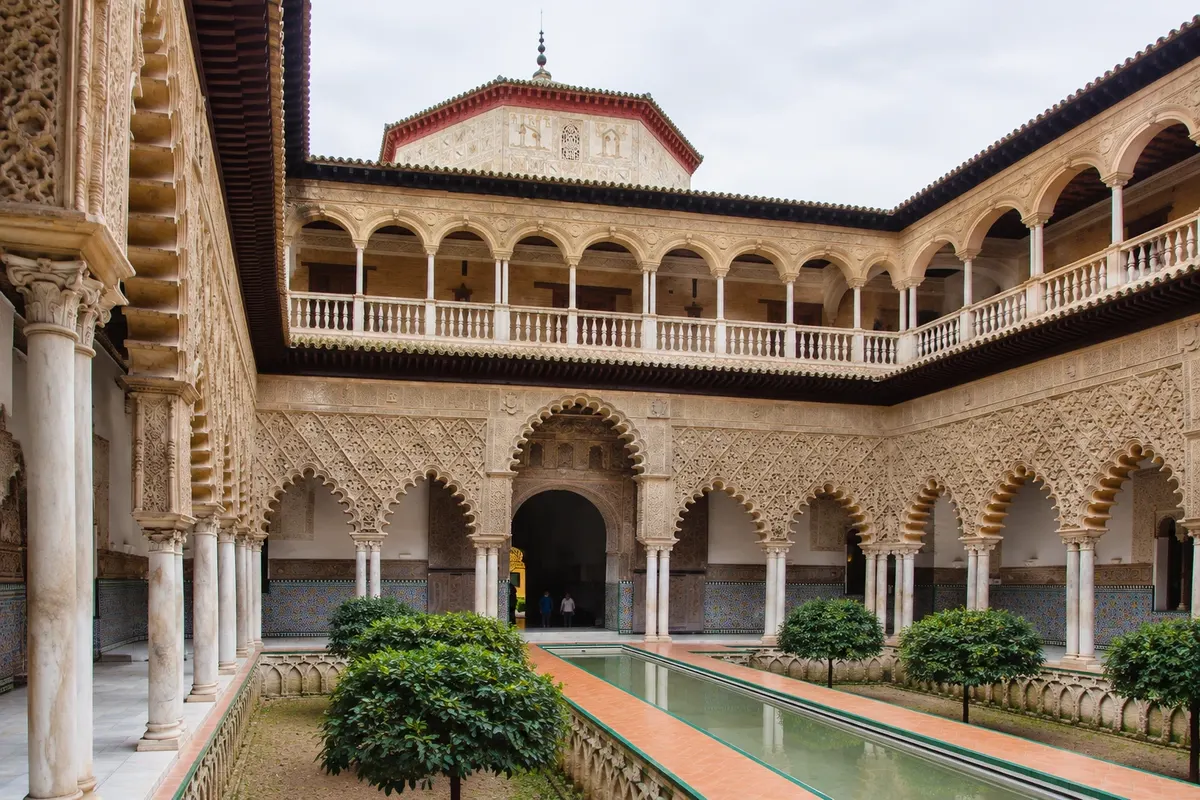
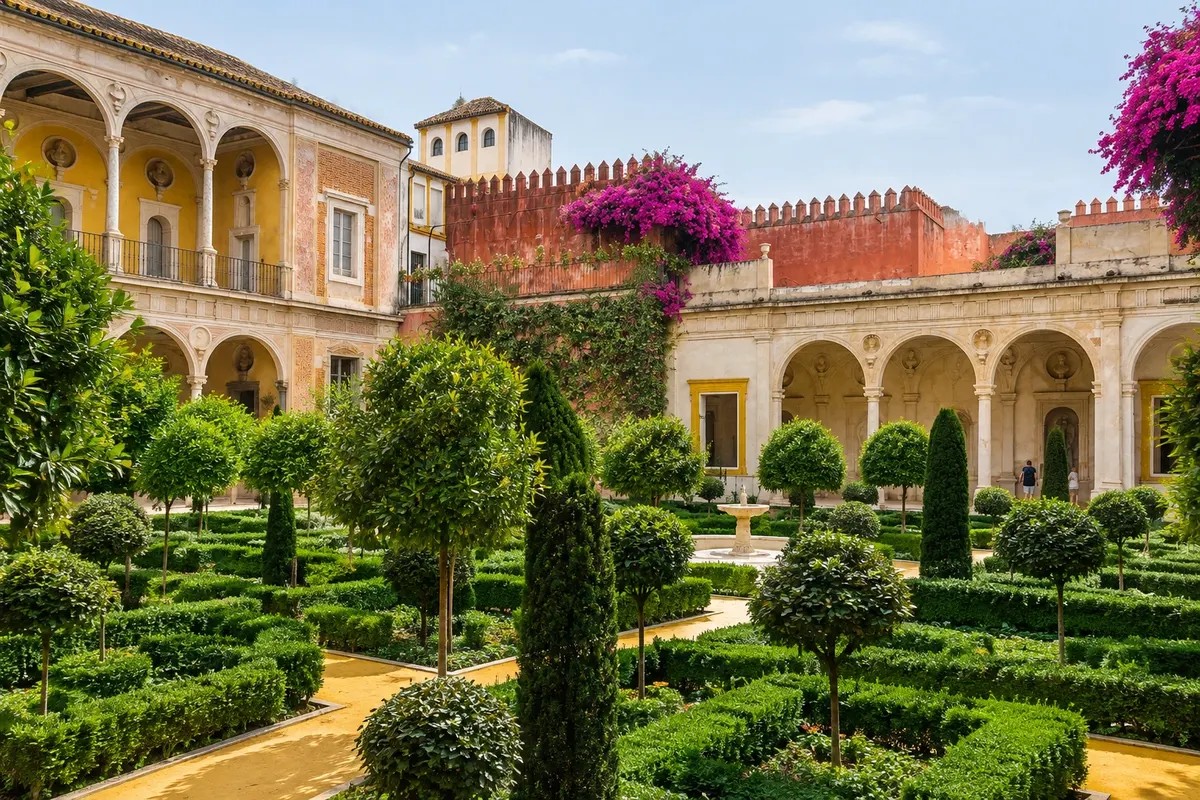
Casa de Pilatos is the palace of the Dukes of Medinaceli, begun at the end of the 15th century, and one of the most complete examples of the Sevillian noble house mixing Mudéjar, Gothic and Renaissance styles. The main courtyard has arches, tiles up to waist height, a marble fountain and Roman statues in the corners, including a Pallas Athena. The staircase covered by a gilded wooden dome leads to the upper floor, with furnished rooms and paintings, visited with a guide at fixed times. Around it are two gardens, the Jardín Chico and the Jardín Grande, with bougainvillea, orange trees and galleries. The name comes from a Stations of the Cross procession that used to leave the palace at Easter Week, associated with Pilate’s praetorium in Jerusalem. The visit is relaxed, with fewer people compared with the Alcázar, and fits into a half-day.
Kraji na poti: Casa de Pilatos, Main Courtyard, Jardín Grande, Main Staircase.
Vključuje: Ground floor and gardens. Upper floor with guided visit included at set times.
Nasvet: The upper floor is only visited with a house guide; ask at the entrance for the next scheduled time. Photos of the courtyard look best in mid-morning. Combine it with the Iglesia de San Esteban and the San Bartolomé neighborhood next door.
Najboljši čas za obisk: Spring, when the gardens are in bloom.
Palacio de las Dueñas
Odhod: Calle Dueñas, 5 on foot from Las Setas (about 10 minutes) around 1 hour and a half Dopoldne ali popoldne Lahko
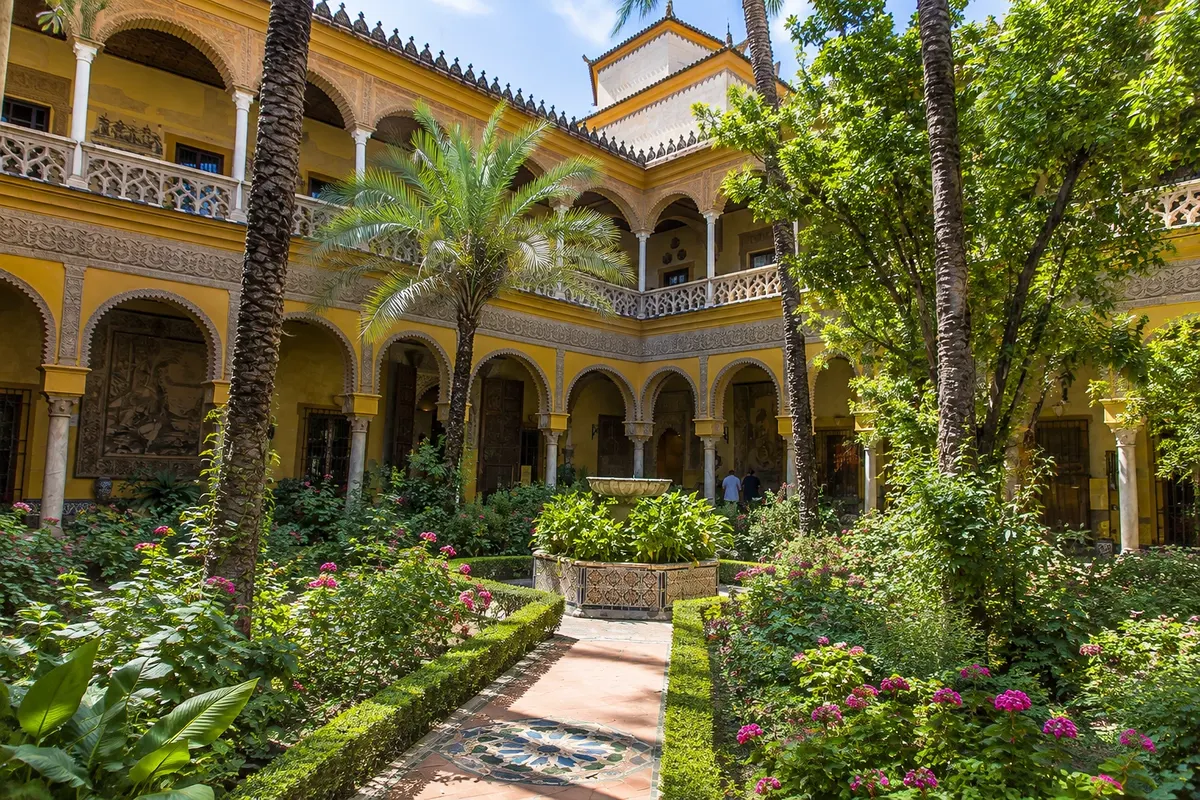
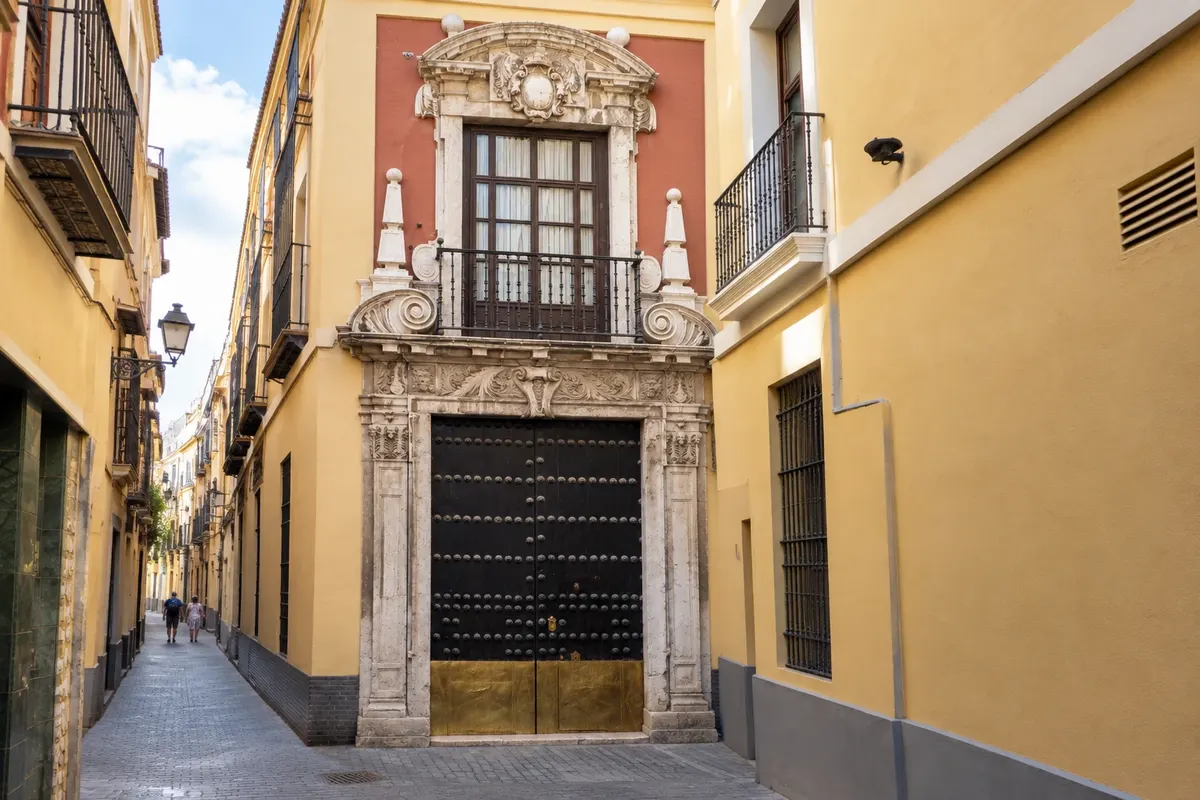
The Palacio de las Dueñas is the Seville home of the House of Alba, built between the 15th and 16th centuries in the Gothic-Mudejar style and opened to visitors after the death of Duchess Cayetana. The entrance is through a garden of palms and orange trees that leads to the main courtyard, with arches and tiles. The rooms display the family collection: paintings, tapestries, ceramics, portraits of bullfighters and mementos of the duchess, such as photos and letters. The poet Antonio Machado was born in one of the palace's rooms in 1875, and his verses about the courtyard and the lemon tree are on tile. The visit includes an audio guide and ends in the gardens, with bougainvillea and a small orange grove. The palace is in the northern part of the center, near the Alameda de Hércules and the Iglesia de San Marcos.
Kraji na poti: Palacio de las Dueñas, Main courtyard, Gardens of the Dueñas, Chapel.
Vključuje: Courtyards, rooms, gardens and audio guide.
Nasvet: Tickets can be bought on the spot for most of the year; during Holy Week and Feria there is higher demand. Combine with Alameda de Hércules and the Basílica de la Macarena, ten minutes on foot.
Najboljši čas za obisk: All year. In spring the garden is in bloom.
Museum of Fine Arts of Seville
Odhod: Plaza del Museo, 9 on foot from Plaza de Armas or from Calle Sierpes Približno 2 uri Dopoldne ali popoldne Lahko
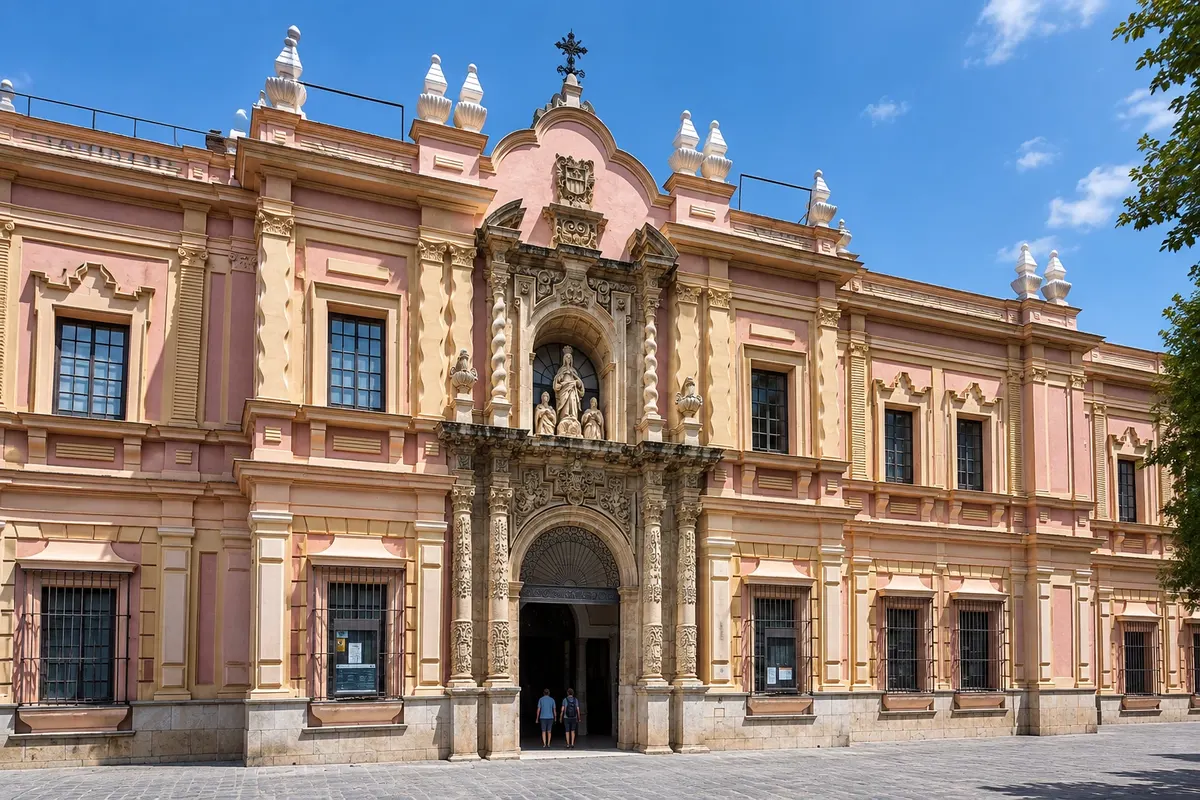
The Museum of Fine Arts occupies the former Convento de la Merced, from the 17th century, and is the museum of Sevillian painting of the Golden Age. The route goes through three tile-decorated courtyards and reaches the convent’s old church, Sala V, where the large Murillo canvases are displayed, including the Inmaculada Concepción and the Virgen de la Servilleta, painted for the city’s convents. There are rooms for Zurbarán, Valdés Leal, Velázquez’s Sevillian phase, El Greco and Pacheco, as well as 19th-century painting and Andalusian customs, with works by Gonzalo Bilbao and Jiménez Aranda. The building itself, with its staircase and painted ceilings, is part of the visit. On Sunday mornings, the Plaza del Museo in front usually hosts a fair of local painters. The museum is closed on Mondays.
Kraji na poti: Museum of Fine Arts of Seville, Convento de la Merced, Sala V (former church), Plaza del Museo.
Vključuje: Permanent collection and courtyards. Temporary exhibitions according to the schedule.
Nasvet: Go in the morning, when light enters Sala V. The museum is small compared with the Prado and can fit between two walks in the center. Check admission conditions at the entrance.
Najboljši čas za obisk: Year-round; it’s a good visit for rainy days or very hot weather.
Archivo General de Indias
Odhod: Avenida de la Constitución, between the cathedral and the Alcázar on foot; tram T1 (Archivo de Indias) Približno 1 uro Dopoldne ali popoldne Lahko
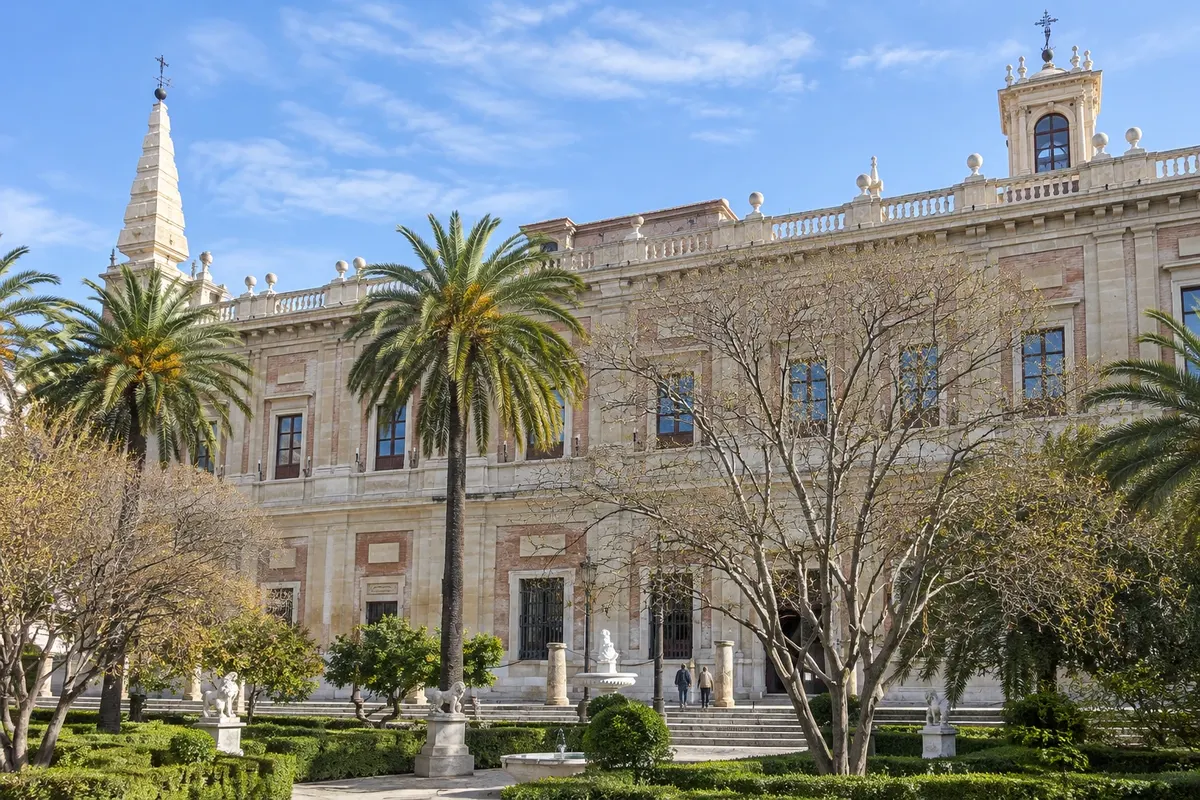
The Archivo General de Indias is housed in the former Lonja de Mercaderes, a Renaissance building by Juan de Herrera, the same architect as El Escorial, between the cathedral and the Alcázar. Since the 18th century it has preserved the documentation of the Spanish administration in the Americas and the Philippines: maps, navigators’ letters, contracts and legal files, in a collection of about 80 million pages. The building, together with the cathedral and the Alcázar, forms the ensemble recognized by UNESCO as a World Heritage Site. The visit is short and fits between the two neighbours.
Kraji na poti: Archivo General de Indias, Antigua Lonja de Mercaderes, Plaza del Triunfo.
Vključuje: Courtyard, galleries and the current exhibition. Check entry conditions at the door.
Nasvet: Closes on Mondays. It's a good place to wait for your scheduled time at the Alcázar.
Najboljši čas za obisk: Vse leto.
Hospital de los Venerables and Centro Velázquez
Odhod: Plaza de los Venerables, 8, in the Barrio de Santa Cruz on foot Približno 1 uro Dopoldne Lahko
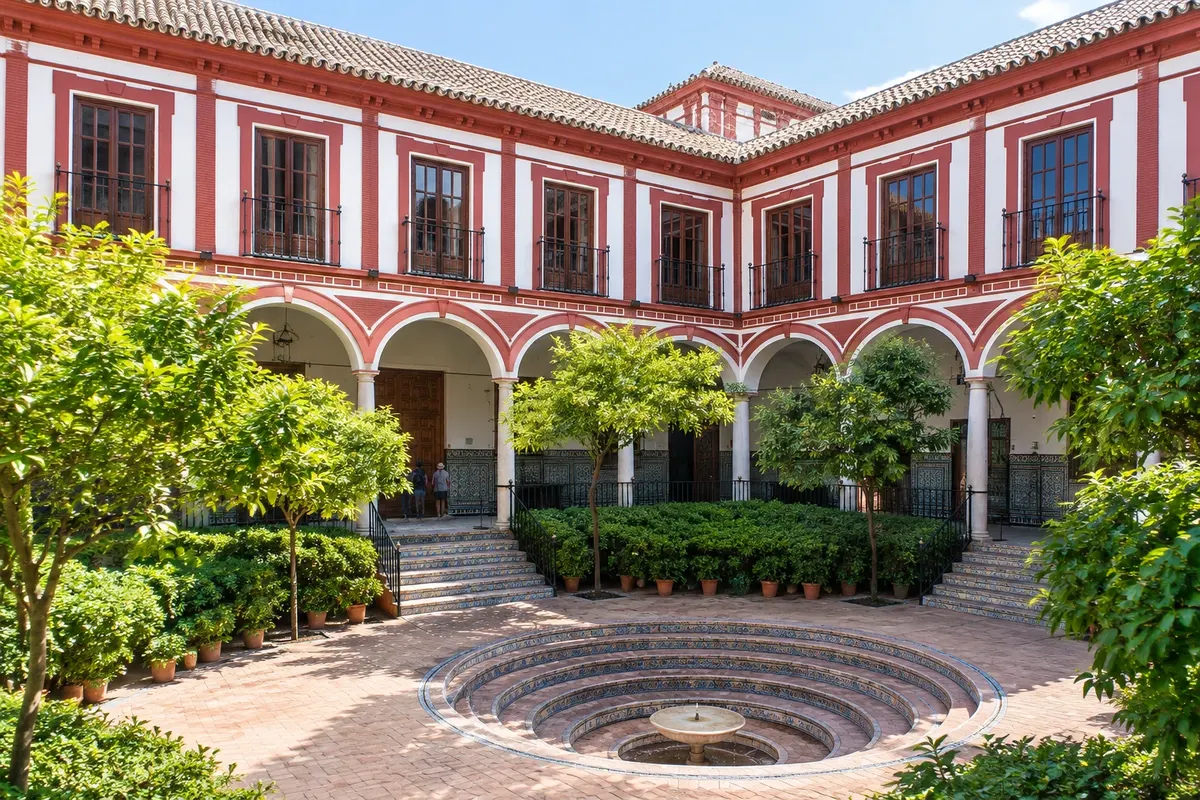
The Hospital de los Venerables Sacerdotes is a 17th-century Baroque building in the heart of Santa Cruz, built to house elderly priests. The central courtyard, with its lowered fountain and arcaded galleries, is one of the most photographed corners of the neighborhood. The church has ceiling and sacristy paintings by Valdés Leal and Lucas Valdés, and an organ used in concerts. Since the restoration carried out by the foundation that runs the house, the building houses the Centro Velázquez, with works by the painter from his Seville period, such as Santa Rufina and the Inmaculada, alongside Murillo, Zurbarán and Martínez Montañés, plus a contemporary art room featuring Carmen Laffón. The visit is short and peaceful, without queues. It’s a nice break during a walk through Santa Cruz.
Kraji na poti: Hospital de los Venerables Sacerdotes, Centro Velázquez, Iglesia de los Venerables, Patio de los Venerables.
Vključuje: Cloister, church and Centro Velázquez.
Nasvet: Check opening days and hours on the foundation's website, as they vary through the year and on event days. Combine it with a walk through the Barrio de Santa Cruz.
Najboljši čas za obisk: Vse leto.
Basílica de la Macarena and Alameda de Hércules
Odhod: Alameda de Hércules on foot from Las Setas (about 15 minutes); bus C3/C4 to La Macarena Približno 2 uri Popoldne Lahko
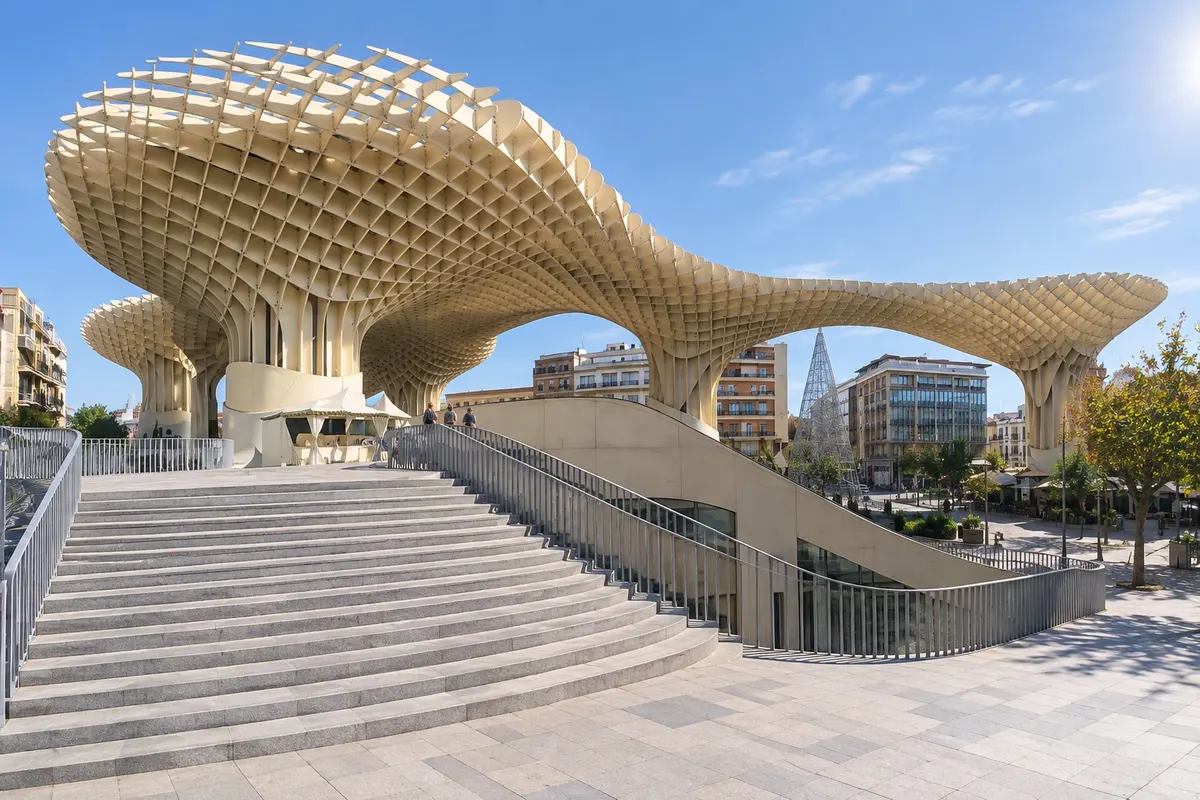
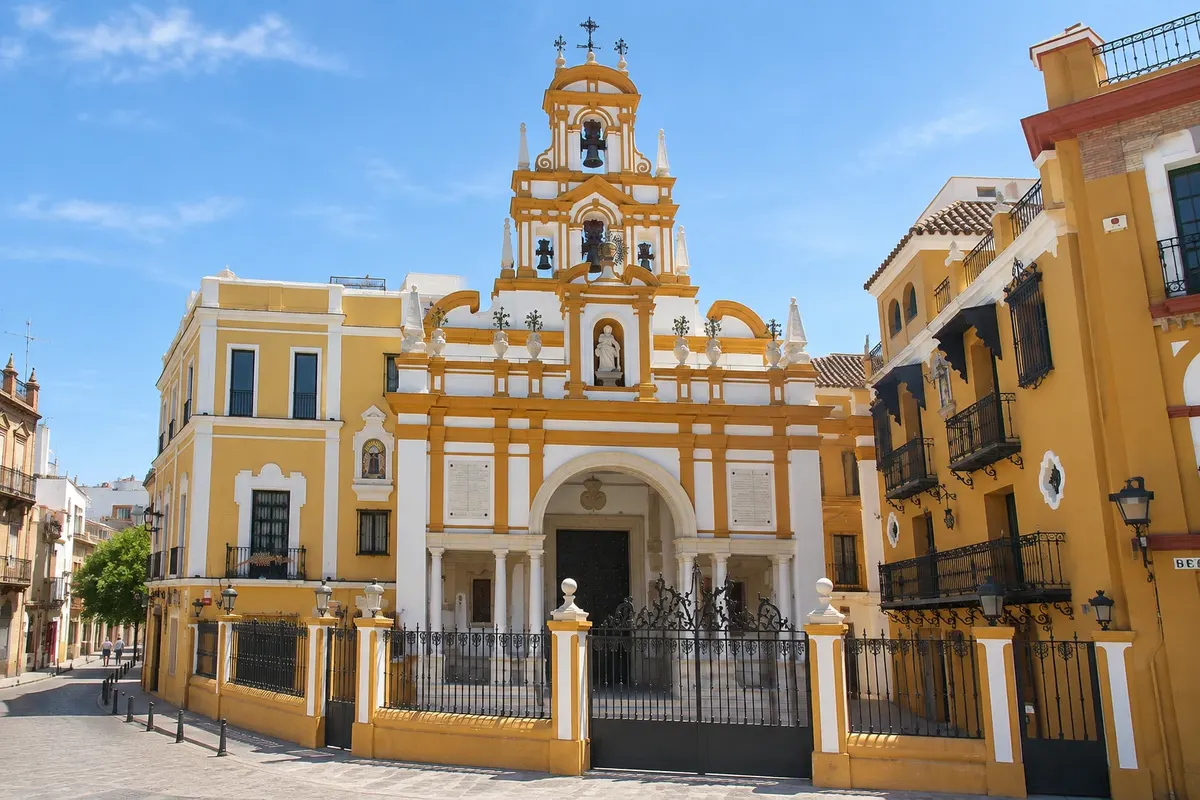
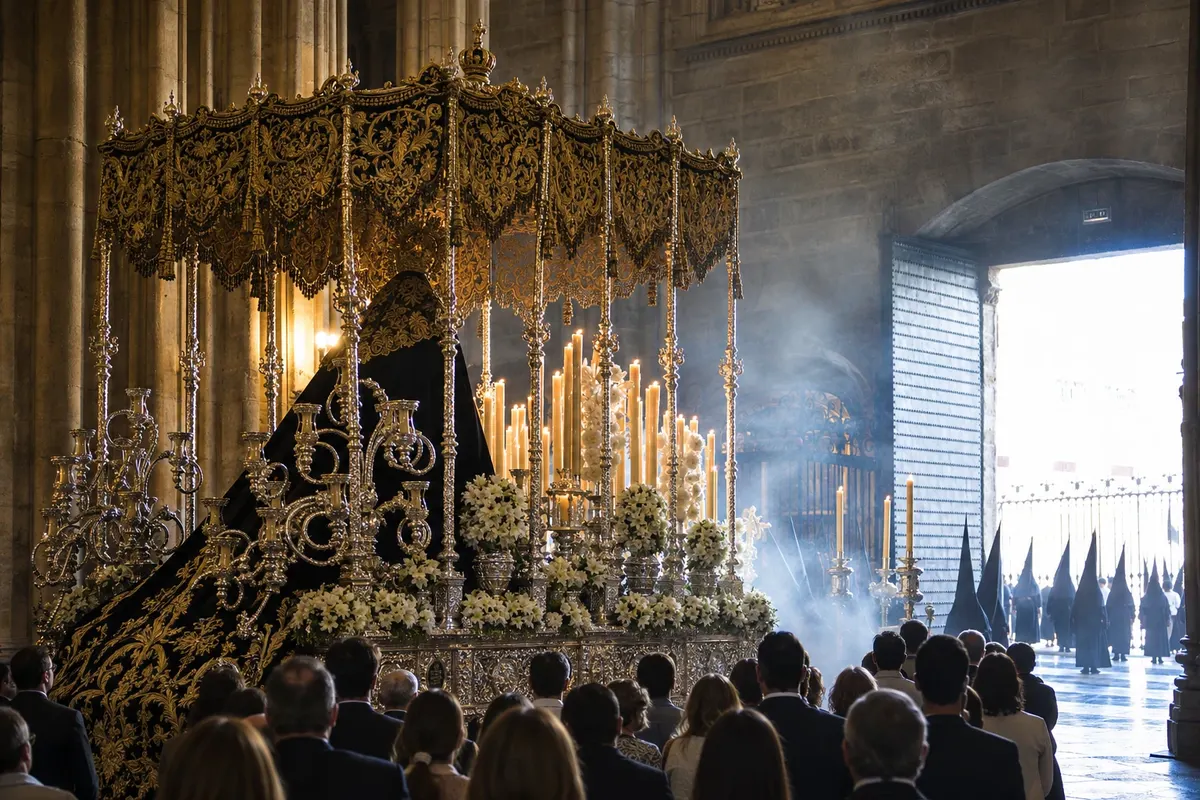
The northern part of Seville’s center is less touristy and shows the city’s neighborhood life. Alameda de Hércules is a wide promenade with two Roman columns at the entrance, topped by Hercules and Julius Caesar, surrounded by bars and terraces; tranquil by day and the neighborhood’s nightlife hub by night. Following Calle San Luis leads to the Iglesia de San Luis de los Franceses, a Baroque church with a circular plan. At the end of the route is the Basílica de la Macarena, which houses the Virgen de la Esperanza Macarena, the city’s most venerated image, and a museum with the mantles and pasos of Holy Week. Beside it survives the longest stretch of the Almohad wall, with the Arco de la Macarena, and opposite stands the Hospital de las Cinco Llagas, today the seat of the Andalusian Parliament.
Kraji na poti: Basílica de la Macarena, Museo de la Macarena, Muralla de la Macarena, Arco de la Macarena, Alameda de Hércules, Iglesia de San Luis de los Franceses.
Vključuje: Self-guided walk. Basilica open during worship hours; museum requires a separate ticket.
Nasvet: The basilica closes during Masses and operates on a special schedule during Holy Week. The museum visit explains what happens on the early hours of Good Friday, when the image goes out in procession. Return via Calle Feria, with its market and the antiques fair on Thursday mornings.
Najboljši čas za obisk: year-round; busier in the days leading up to Holy Week.
Isla de la Cartuja and Andalusian Center of Contemporary Art
Odhod: Monasterio de Santa María de las Cuevas, Avenida Américo Vespucio, 2 bus C1/C2; on foot via the Pasarela de la Cartuja (about 30 minutes) Približno 3 ure Popoldne Lahko
Isla de la Cartuja is the area between the two branches of the Guadalquivir that hosted the 1992 World Exposition. The focus of the visit is the Monasterio de Santa María de las Cuevas, founded in the 15th century, where Columbus stayed and was buried for a while; in the 19th century it became a ceramics factory, and the brick chimneys still stand among the cloisters. Today it houses the Andalusian Center of Contemporary Art, with temporary exhibitions, the Andalusian and Spanish art collection from recent decades, and the monastery gardens. Around it are the remains of Expo 92: the Puente del Alamillo by Calatrava, the Pabellón de la Navegación with a museum about maritime voyages, and the Isla Mágica amusement park, open in the spring-to-autumn season. The area is spacious, with wide streets, unlike the historic center.
Kraji na poti: Isla de la Cartuja, Monasterio de Santa María de las Cuevas, Andalusian Center of Contemporary Art, Puente del Alamillo, Pabellón de la Navegación, Isla Mágica.
Vključuje: Monastery and CAAC with one ticket; other attractions have separate tickets.
Nasvet: The CAAC is closed on Mondays. Check the current exhibition before you go. The walk from the center along the riverbank is long and unshaded in summer; at that time prefer the bus or a bicycle.
Najboljši čas za obisk: October to May. Isla Mágica usually operates from April to October.
Flamenco night
Odhod: Triana or Barrio de Santa Cruz, depending on the tablao on foot about 1 hour and a half of performance night Lahko
Seville is one of the capitals of flamenco, and seeing a show is part of the trip. There are three formats. Tablaos are small rooms with a stage and chairs, where a group of cantaor, guitarist and dancers perform for about an hour; they are located in Santa Cruz, in Triana and near the Alameda. The Museo del Baile Flamenco, created by dancer Cristina Hoyos, combines a museum visit, with costumes and videos, and a daily performance in the courtyard. Peñas, in Triana and La Macarena, are neighborhood associations with more informal performances, usually only on some days. In September and October of even-numbered years the city usually hosts the Flamenco Bienal, with programming in theaters. The show features hand-clapping, foot-stomping and singing, and the audience remains silent during the pieces.
Kraji na poti: Museo del Baile Flamenco, Triana, Barrio de Santa Cruz, Alameda de Hércules.
Vključuje: Ticketed performance. Some tablaos offer dinner separately.
Nasvet: Book your place in advance, especially for early-evening sessions and in high season; schedules change throughout the year, check each venue’s website. Arrive early to sit near the stage. Photos only when the presenter authorizes them.
Najboljši čas za obisk: All year. During the Bienal, in even-numbered years, there are more options.
Day trip to Itálica (Santiponce)
Odhod: Plaza de Armas Bus Station, line M-170 bus (about 30 to 45 minutes) or car via the A-66 (about 10 km) Pol dneva Dopoldne easy (flat terrain, no shade)
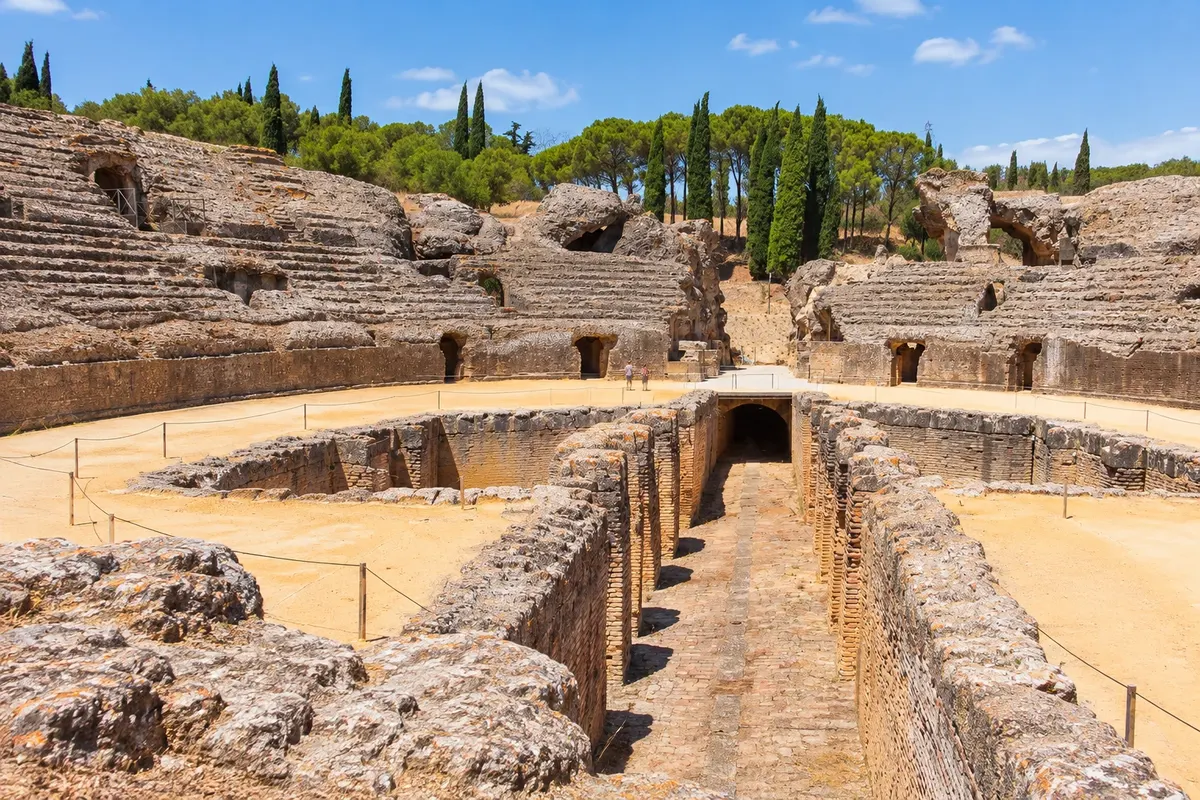
Itálica was the first Roman city founded in Hispania, in 206 B.C., and the birthplace of emperors Trajan and Hadrian. The site is in Santiponce, about 10 km from Seville. The visit starts at the amphitheater, one of the largest in the empire, with capacity for 25,000 people; you descend to the central pit and walk through the galleries. From there the wide streets of Hadrian’s new town climb up, with houses that have mosaics: the Casa de los Pájaros, with the birds mosaic; the Casa de Neptuno; and the Casa del Planetario, with the gods of the days of the week. There are also baths and remains of the city wall. The Roman theatre is inside the village of Santiponce, outside the main enclosure, and the Monastery of San Isidoro del Campo, in Gothic–Mudéjar style, completes the visit. The site is open air with little shade, and the visit takes about two hours.
Kraji na poti: Itálica Archaeological Ensemble, Itálica Amphitheater, Casa de los Pájaros, Casa del Planetario, Itálica Roman Theatre, Santiponce.
Vključuje: Amphitheater, houses and mosaics. Theatre and monastery with separate access.
Nasvet: Closed on Mondays. In summer go in the earliest hours of the morning; bring water, a hat and closed shoes, because there are no shops inside the site. Check the summer schedule, which ends early due to the heat.
Najboljši čas za obisk: October to May. In summer, only early in the morning.
Day trip to Carmona
Odhod: Prado de San Sebastián Bus Station bus (about 45 minutes to 1 hour) or car via the A-4 (about 35 km) half day to full day Ves dan moderate (hills)
Carmona is a walled town on top of a hill, about 35 km from Seville, with Roman, Moorish and Christian history concentrated in a small center. The entrance is through the Puerta de Sevilla, a fortress with Carthaginian and Roman elements that can be visited inside and offers views over the plain. Up there are the Plaza de San Fernando, with houses with balconies, the Iglesia de Santa María, built on top of a mosque with an ablutions courtyard, and streets of palaces with coats of arms. At the highest point, the Alcázar de Arriba, where the Parador is located, has an open terrace overlooking the countryside. At the opposite exit is the Puerta de Córdoba, of Roman origin. Outside the walls, the Roman Necropolis has tombs cut into the rock, such as the Tumba del Elefante and the Tumba de Servilia, and a small museum. The visit is on foot and involves uphill walks.
Kraji na poti: Carmona, Puerta de Sevilla, Alcázar de la Puerta de Sevilla, Roman Necropolis of Carmona, Plaza de San Fernando, Puerta de Córdoba, Parador de Carmona.
Vključuje: Self-guided walk. Puerta de Sevilla and the Necropolis require separate visits.
Nasvet: The Necropolis is closed on Mondays and is a 15-minute walk from the center, on the opposite side of the city. Ask at the tourist office at Puerta de Sevilla for the opening time to climb the fortress. Buses depart from Prado de San Sebastián; check return times, which are infrequent late in the day.
Najboljši čas za obisk: October to May.
Jerez de la Frontera and Cádiz by train
Odhod: Seville Santa Justa Media Distancia train (Jerez about 1 hour; Cádiz about 1 hour 40 minutes) full day morning and afternoon Lahko
The train line that leaves Seville heading south serves two destinations that can be visited in one day or on two separate days. Jerez de la Frontera, about an hour away, is the city of Jerez wine bodegas, with the Moorish Alcázar, the cathedral and the Real Escuela Andaluza del Arte Ecuestre, whose Andalusian horse performances take place on fixed days of the week. The central bodegas offer guided tours showing the cellars and the history of the region’s wine. Cádiz, about 1 hour 40 minutes away, is an ancient city on a peninsula: the cathedral with its golden dome, the Torre Tavira with the camera obscura, the Barrio de la Viña, Playa de la Caleta between two castles and walks along the city walls. Cádiz station is next to the center, and everything is within walking distance. In February Cádiz usually hosts Spain’s largest carnival.
Kraji na poti: Jerez de la Frontera, Alcázar of Jerez, Cathedral of Jerez, Real Escuela Andaluza del Arte Ecuestre, Cádiz, Cathedral of Cádiz, Torre Tavira, Playa de la Caleta, Barrio de la Viña.
Vključuje: Self-guided trip. Train purchased separately; attractions have separate tickets.
Nasvet: Buy round-trip tickets in advance on the rail company's website; Media Distancia trains are frequent but fill up on summer weekends. To do both on the same day, depart early and reserve the morning for Jerez and the afternoon for Cádiz.
Najboljši čas za obisk: March to June and September to October; in summer Cádiz benefits from the sea breeze.
Day trip to Córdoba by AVE
Odhod: Seville Santa Justa AVE or Avant train (about 45 minutes) full day morning and afternoon Lahko
Córdoba is about 45 minutes by train from Seville and is the easiest day trip from Andalusia. The focus of the visit is the Mezquita-Catedral, the caliphal mosque with the forest of columns and two-colored arches, inside which the Renaissance cathedral was built. Around it is the Judería, with the synagogue, the Calleja de las Flores and the patios, and on the bank of the Guadalquivir the Puente Romano and the Alcázar de los Reyes Cristianos, with gardens and Roman mosaics. Córdoba station is about a 20-minute walk from the historic center, or a few minutes by bus. Córdoba has its own guide on this site, covering walks, the Patios festival in May and longer itineraries; for this page a one-day trip from Seville is worthwhile, leaving early and returning in the late afternoon.
Kraji na poti: Córdoba, Mezquita-Catedral of Córdoba, Judería of Córdoba, Puente Romano, Alcázar de los Reyes Cristianos, Calleja de las Flores.
Vključuje: Self-guided visit. Train and tickets not included.
Nasvet: Buy the train ticket in advance; Avant trains use the Media Distancia fare and run several times a day. Reserve the Mezquita-Catedral ticket on the official website. In summer, Córdoba is even hotter than Seville: visit in the morning.
Najboljši čas za obisk: March to May, with the Patios festival in May, and October to November.


 Brazilija
 Antarktika
 Argentina
 Bolivija
 Čile
 Kolumbija
 Ekvator
 Gvajana
 Francoska Gvajana
 Falklandski otoki (Malvini)
 Paragvaj
 Peru
 Surinam
 Urugvaj
 Venezuela
 Nemčija
 Avstrija
 Belgija
 Hrvaška
 Danska
 Slovaška
 Slovenija
 Finska
 Francija
 Grčija
 Nizozemska
 Madžarska
 Irska
 Islandija
 Italija
 Luksemburg
 Norveška
 Poljska
 Portugalska
 Združeno kraljestvo
 Češka
 Švedska
 Švica
 Turčija
 Bermudi
 Kanada
 Združene države Amerike
 Grenlandija
 Mehika
 Sveta Peter in Mihael
 Dominikanska republika
 Japonska
 Južnoafriška republika
 Egipt
 Avstralija
 Fidži
 Nova Zelandija
 Papua Nova Gvineja



 marec/april