Douro Valley

Vila Real · Viseu · Portugalska

Douro Valley

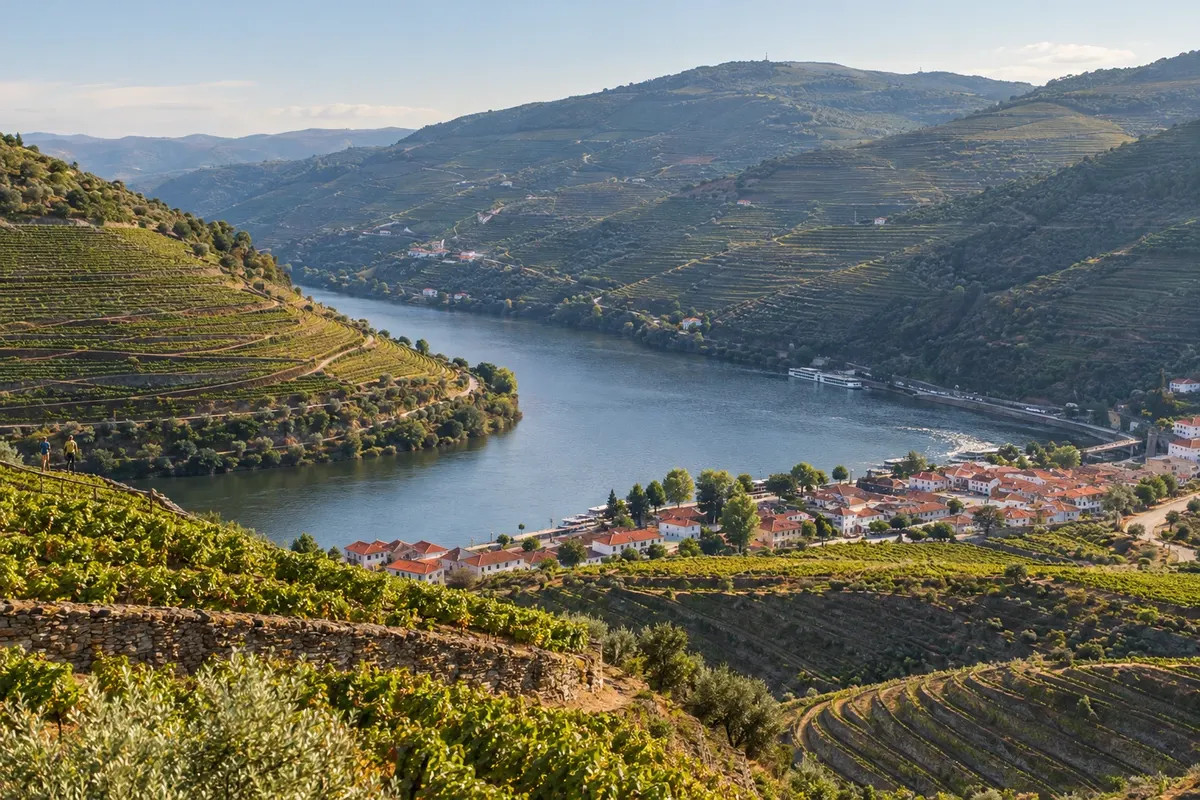
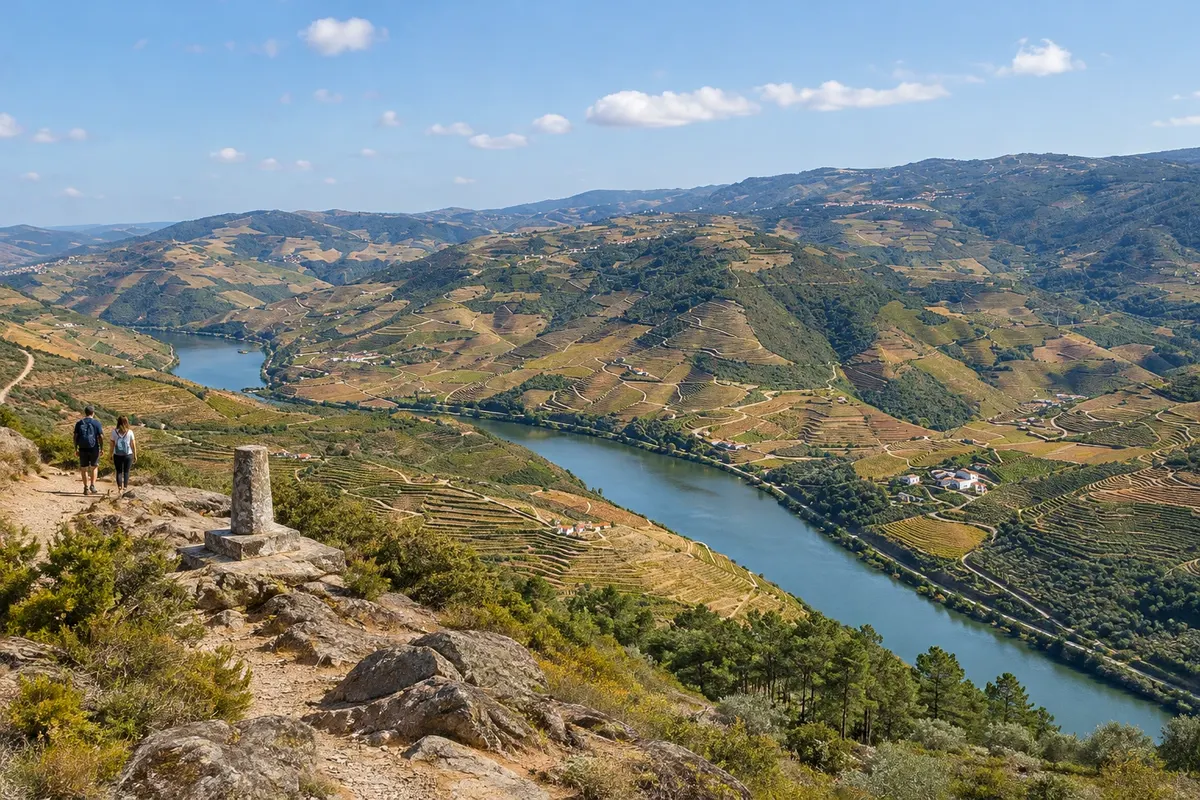
Slopes of terraced vineyards on the Rio Douro, birthplace of the vinho do Porto, with Peso da Régua, Pinhão and Lamego, about two hours from Porto.

North

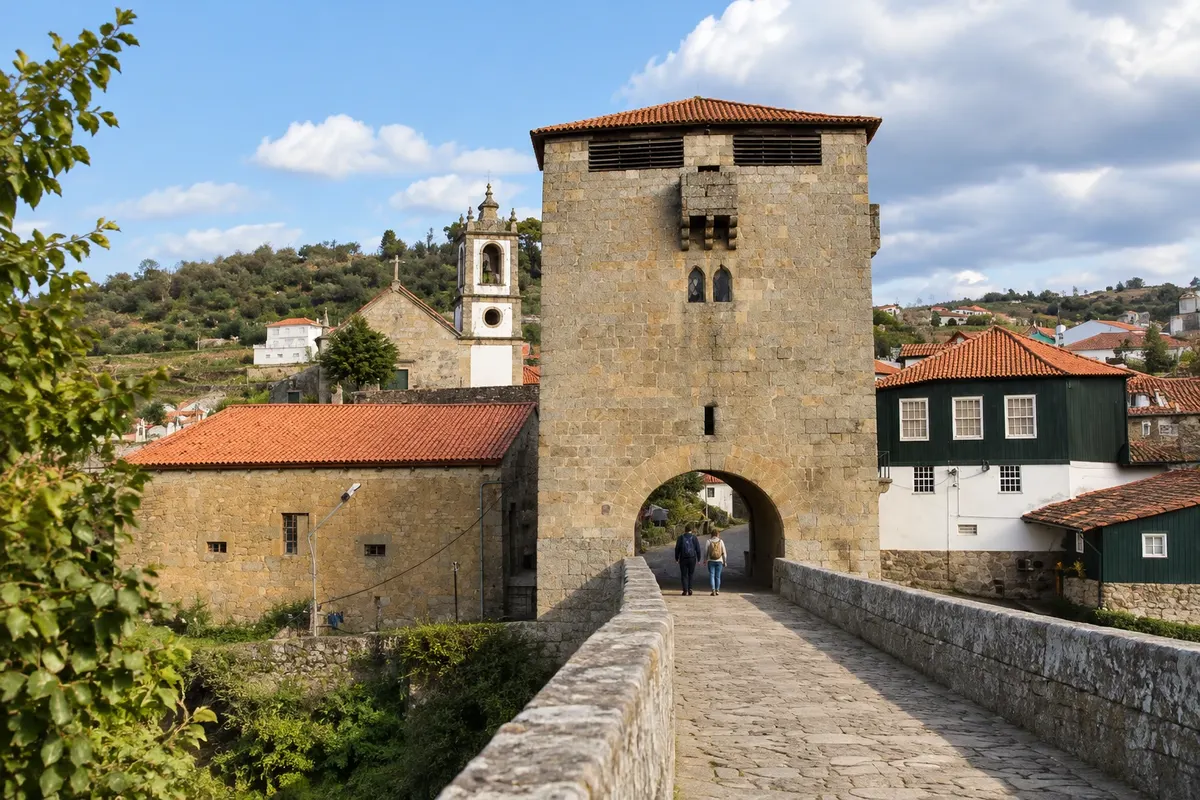
Na fotografiji: Landscape of the Alto Douro Vinhateiro

Illustrative images. The pictures in this guide are illustrations based on the real place, not photographs, and may differ from it.

Na voljo v trgovini Google Play Pošljite svoje fotografije

Spoznajte kraj

Pokrajina, ki jo doživite
v svojem ritmu.

The Vale do Douro, inland in northern Portugal, is where the grapes for the vinho do Porto are grown. In 1756 the Marquês de Pombal created the Região Demarcada do Douro there, considered one of the first demarcated and regulated wine regions in the world. The Alto Douro Vinhateiro has been a UNESCO World Heritage Site since 2001.

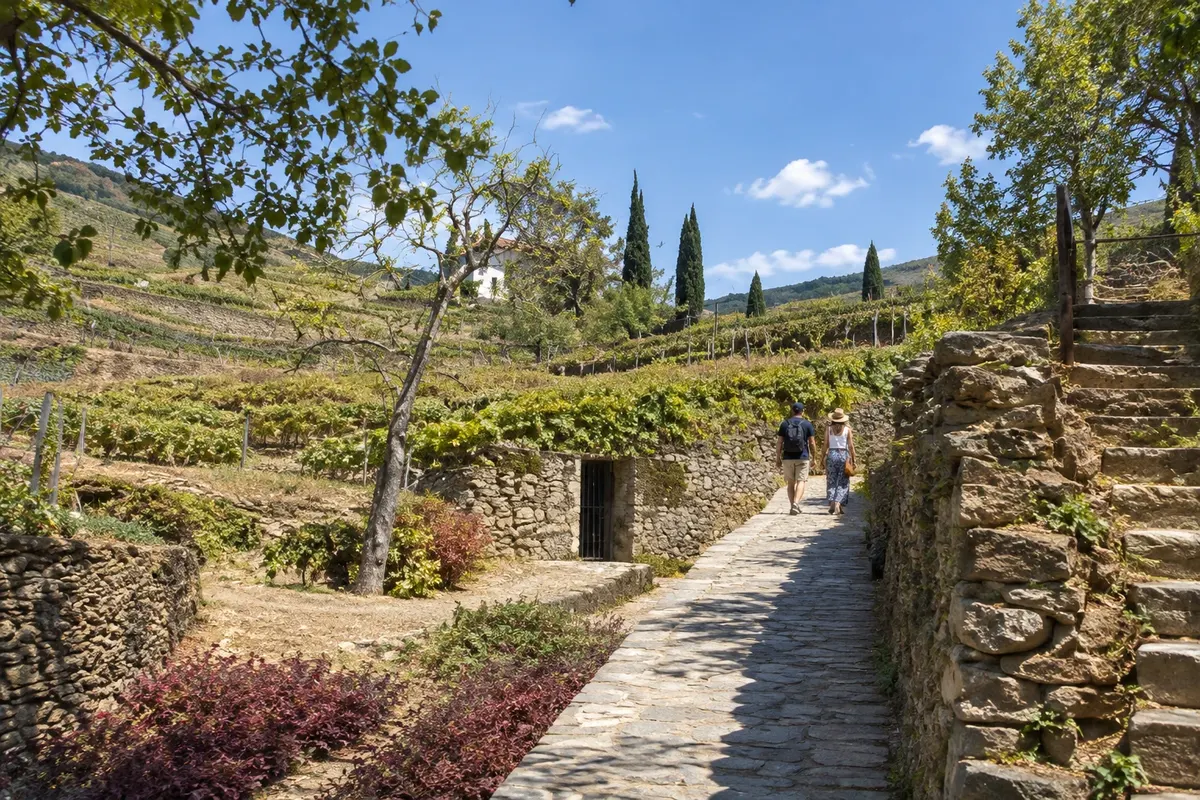
The landscape is made of socalcos, hand-built stone terraces on steep schist slopes, where vineyards descend to the river. Quintas, as the wine estates are called, line the banks, and many welcome visitors for wine tastings.

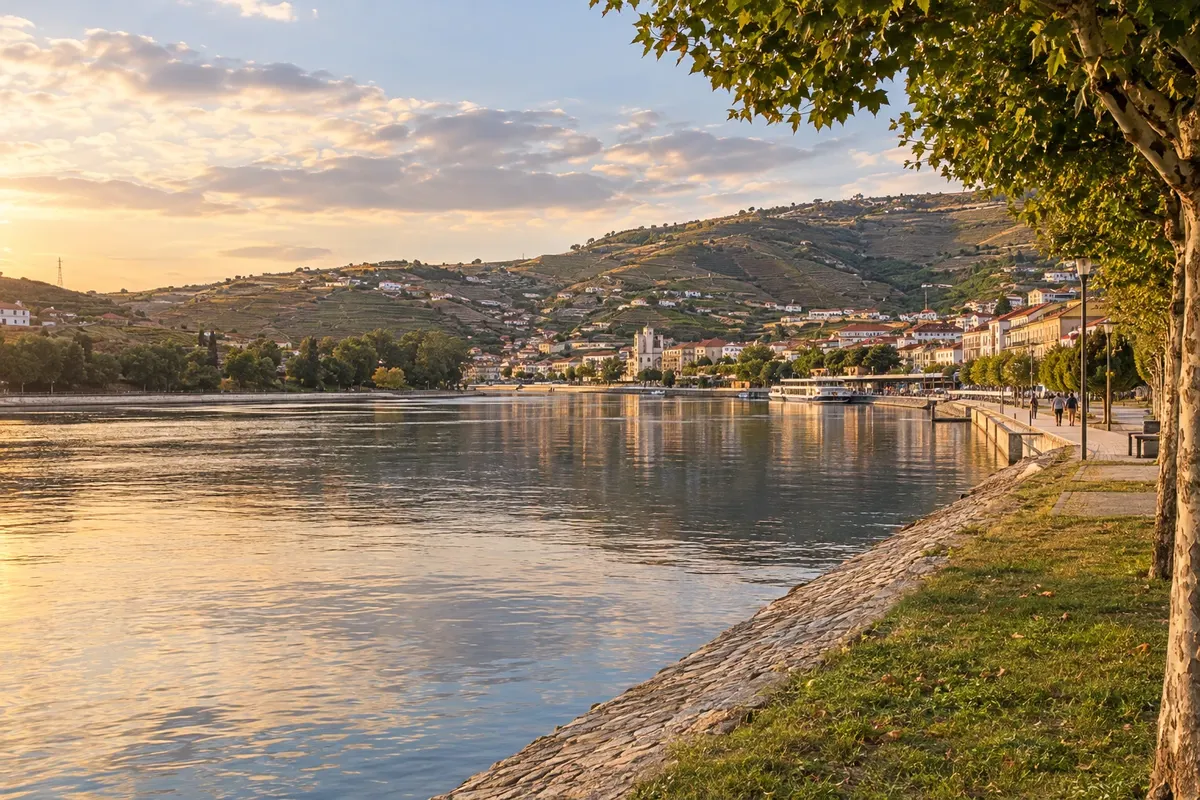
Peso da Régua is the arrival town, with the Museu do Douro and the boat quay. Upstream, Pinhão is a village in the heart of the quintas, with the tiled station and the Casal de Loivos viewpoint. On the south bank, Lamego has the Santuário de Nossa Senhora dos Remédios with its large Baroque staircase, the Sé and the castle; nearby are the fortified bridge of Ucanha and sparkling wine caves.

Summers are hot and dry in the valley, and the harvest usually runs from late August to October.

This destination brings together 3 cities: Peso da Régua, Lamego, Pinhão.

Delite: WhatsApp
Delite svoja popotniška doživetja s fotografijami Pošljite fotografije vsakega kraja, ki ste ga obiskali. Največje število fotografij na kraj: 5.

Ena destinacija, več poti

Mesta na tej poti

Začnite v enem mestu ali v načrt poti vključite več mest.

Douro Valley – lega
PinhãoPeso da RéguaLamego

Obrisi: Direção-Geral do Território, CAOP 2025, CC BY 4.0. Priredba: Cidade Turismo.

Kako do tja:Douro Valley

✈ Aeroporto Francisco Sá Carneiro (OPO), kraj: Maia· 125 km do cilja (Peso da Régua)

Check before booking. From Porto, the Linha do Douro takes about two hours to Régua and two and a half hours to Pinhão; by car, Régua is about 1h15 away.

Predlagana točka prihoda:Peso da Régua

Doživite kraj

Kaj početi – Douro Valley

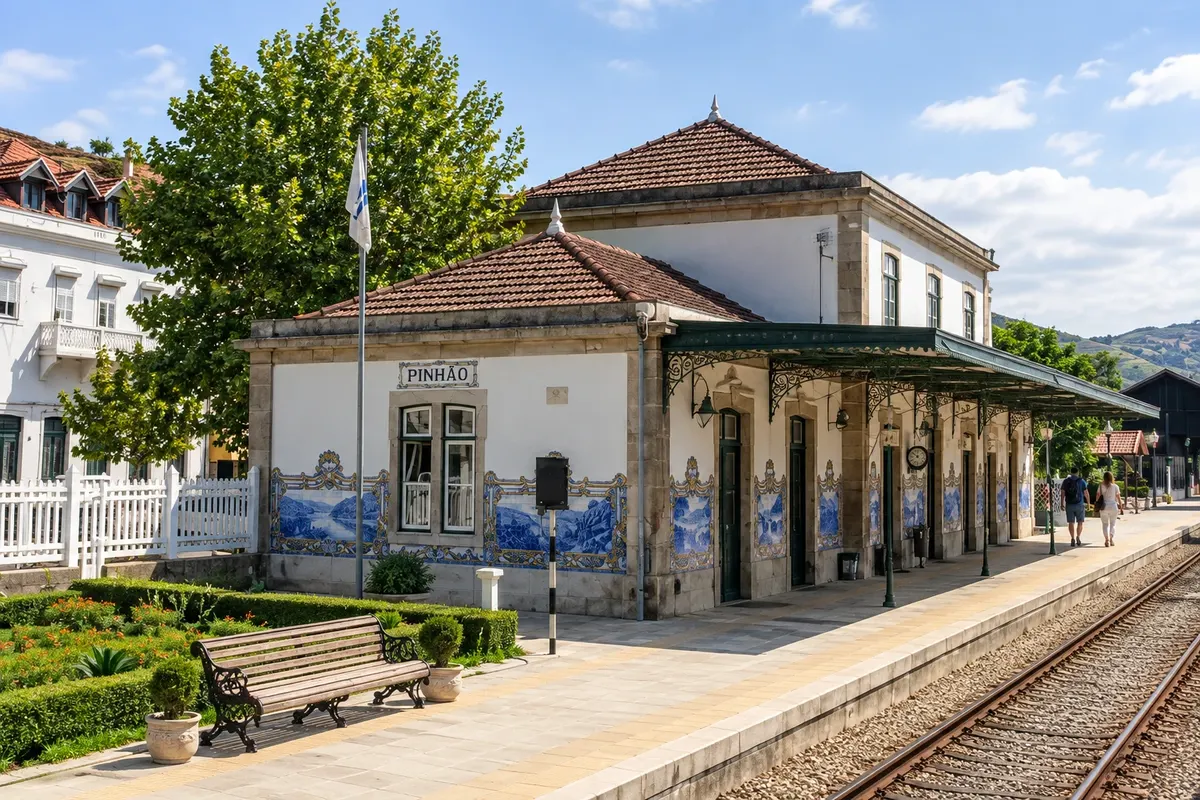
Pinhão Railway Station
Pinhão · Vila Real · Station

Pinhão Railway Station

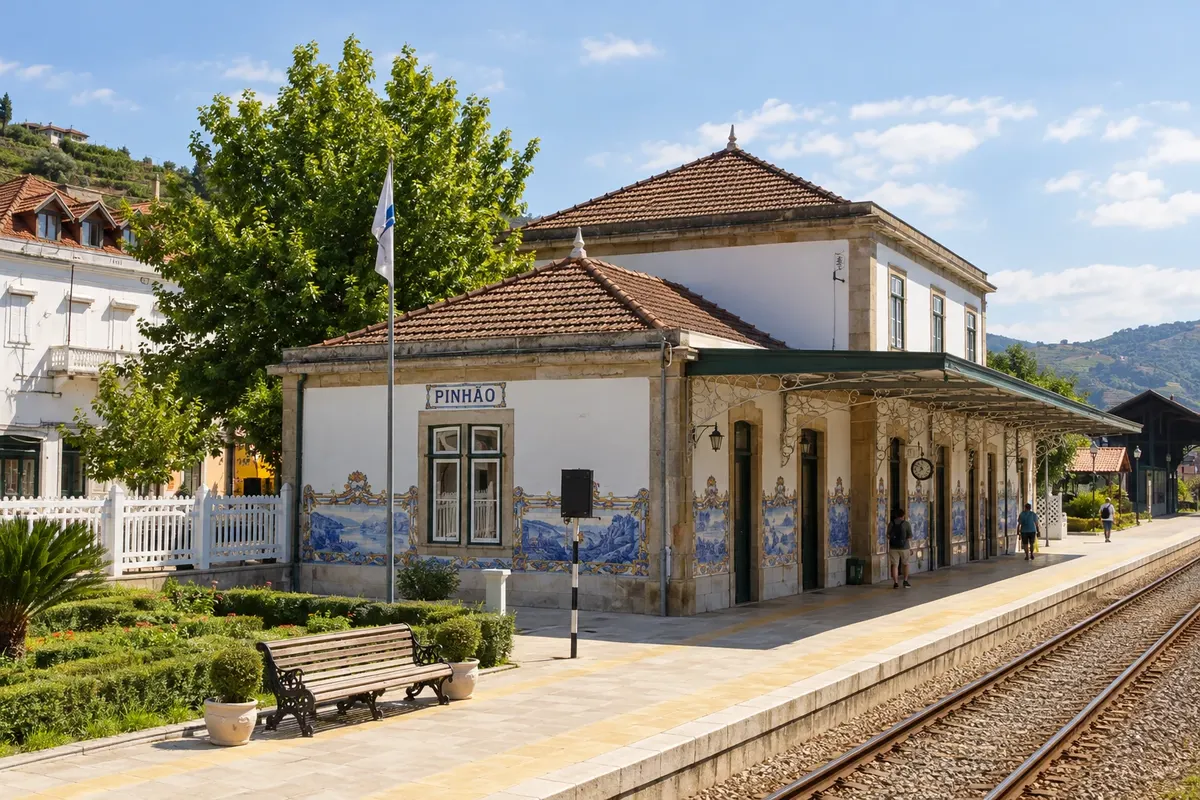
Station on the Linha do Douro decorated with blue-and-white tile panels showing valley landscapes, the grape harvest, and wine transport. It is one of the most photographed stations in Portugal.

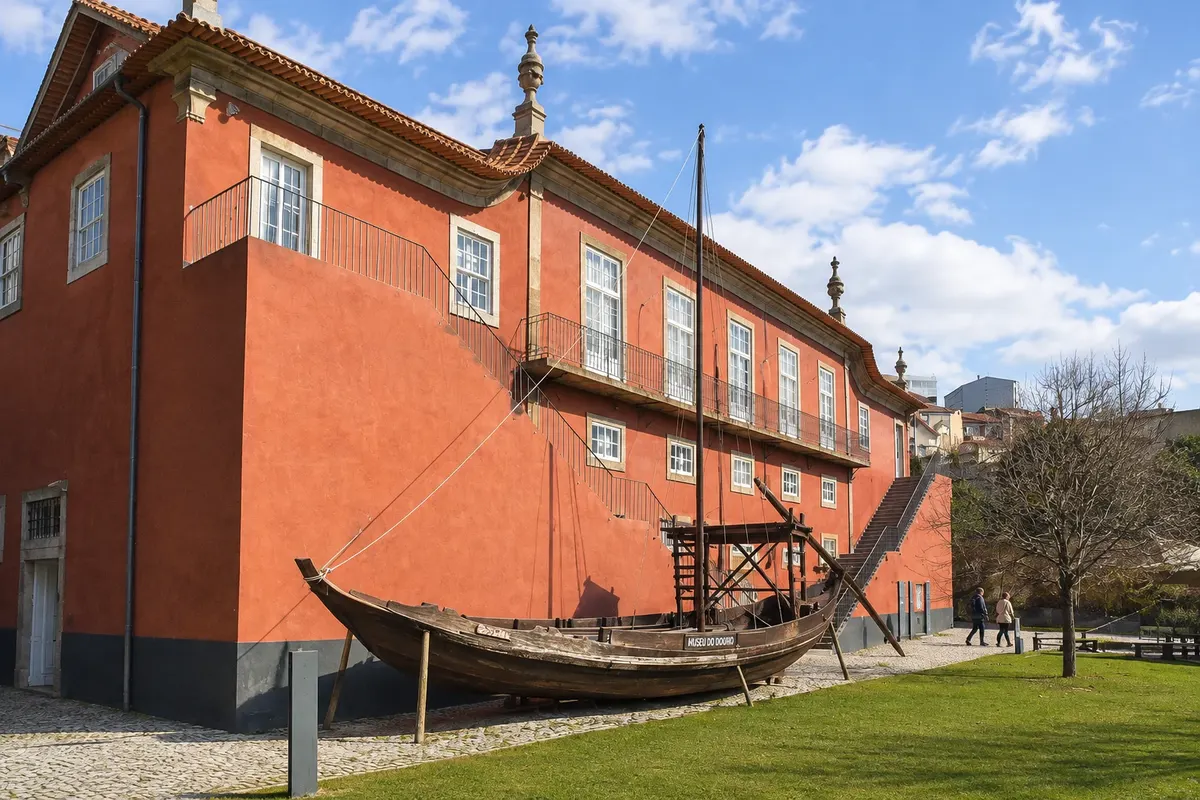
Douro Museum
Peso da Régua · Vila Real · Muzej

Douro Museum

Museum dedicated to the Região Demarcada do Douro and Port wine, housed in the Casa da Companhia Velha, the former headquarters of the company created by the Marquês de Pombal in 1756. It is next to the river, in the center of Régua.

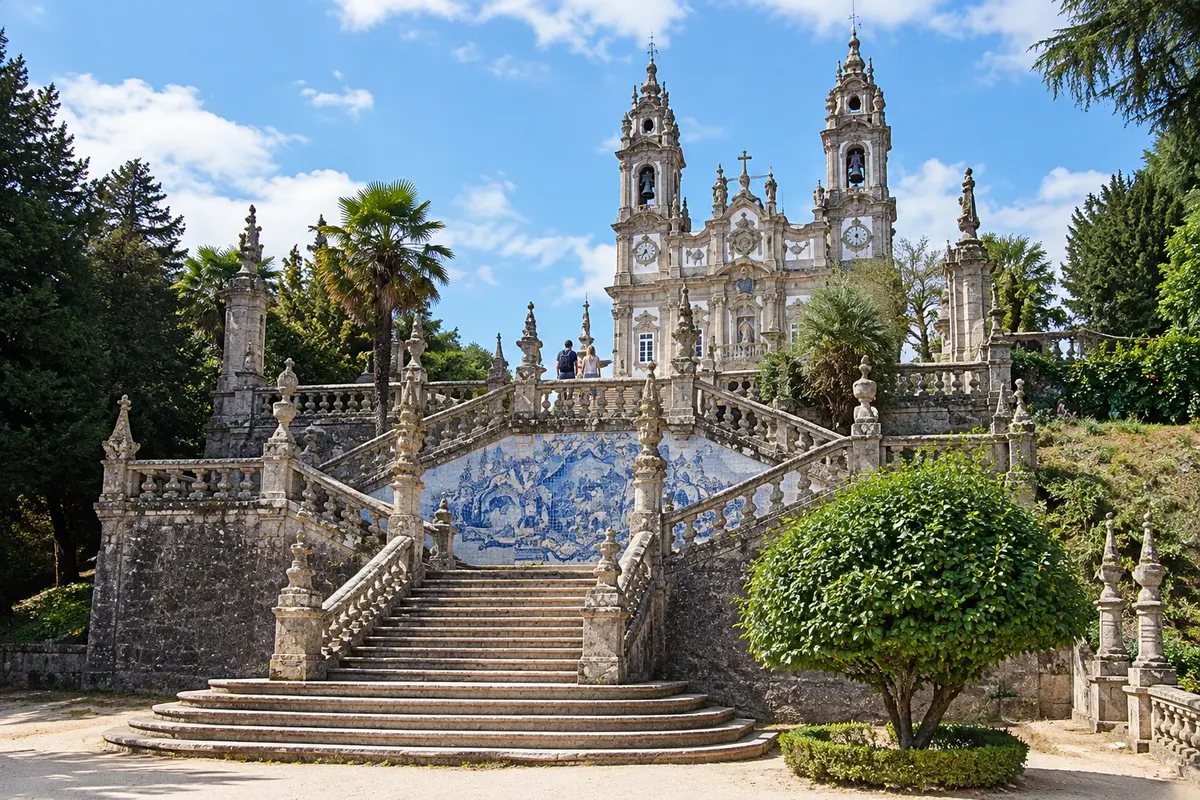
Sanctuary of Our Lady of Remedies
Lamego · Viseu · Romarsko svetišče

Sanctuary of Our Lady of Remedies

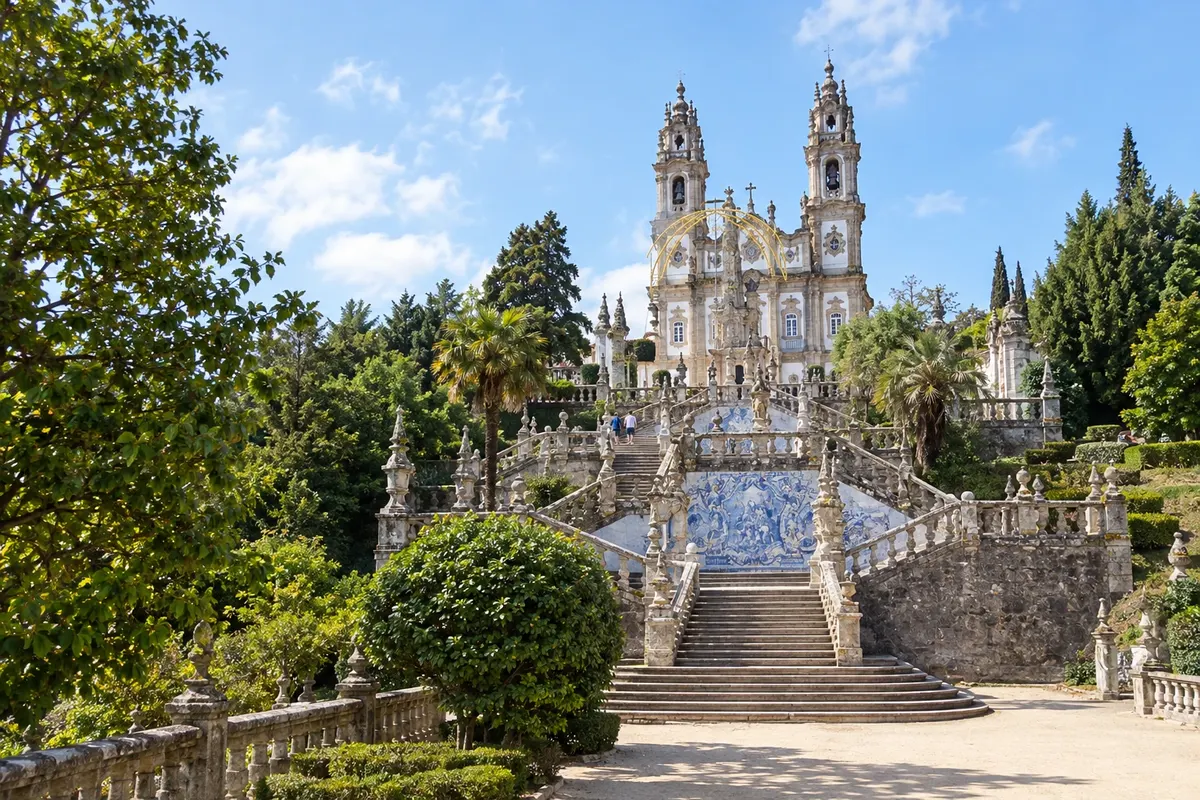
Baroque sanctuary atop the Monte de Santo Estêvão, connected to Lamego's center by a staircase of more than 600 steps with landings decorated with tiles, fountains and statues.

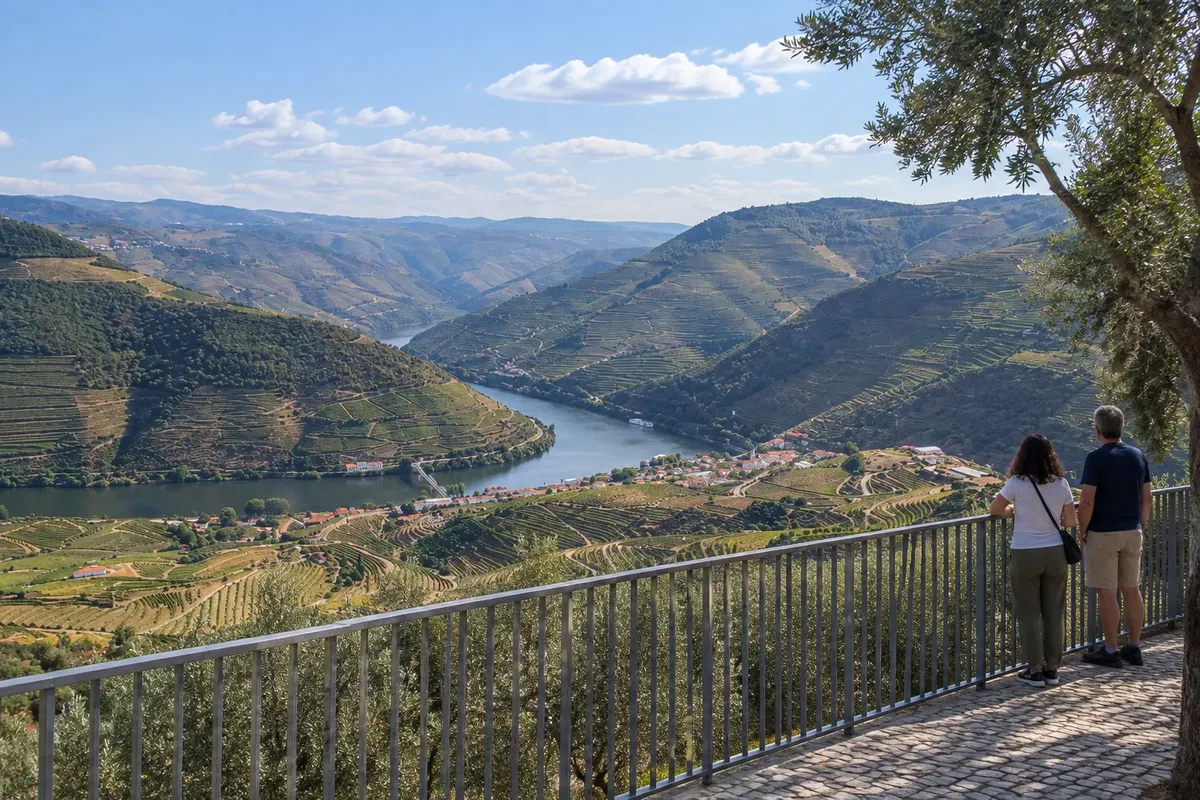
Casal de Loivos Viewpoint
Pinhão · Vila Real · Razgledišče

Casal de Loivos Viewpoint

Viewpoint in the village of Casal de Loivos, high on the hillside above Pinhão, with views of a large bend in the Douro and the quintas and terraced vineyards on both banks.

Douro Valley – prikaži dodatne kraje (5)
São Leonardo de Galafura Viewpoint
Peso da Régua · Vila Real · Razgledišče

São Leonardo de Galafura Viewpoint

Viewpoint at about 640 meters altitude on the hill above Régua, with a chapel and wide views of the socalcos and the Douro's bends. Plaques bearing excerpts by Miguel Torga celebrate the landscape.

Lamego Cathedral
Lamego · Viseu · Stolnica

Lamego Cathedral

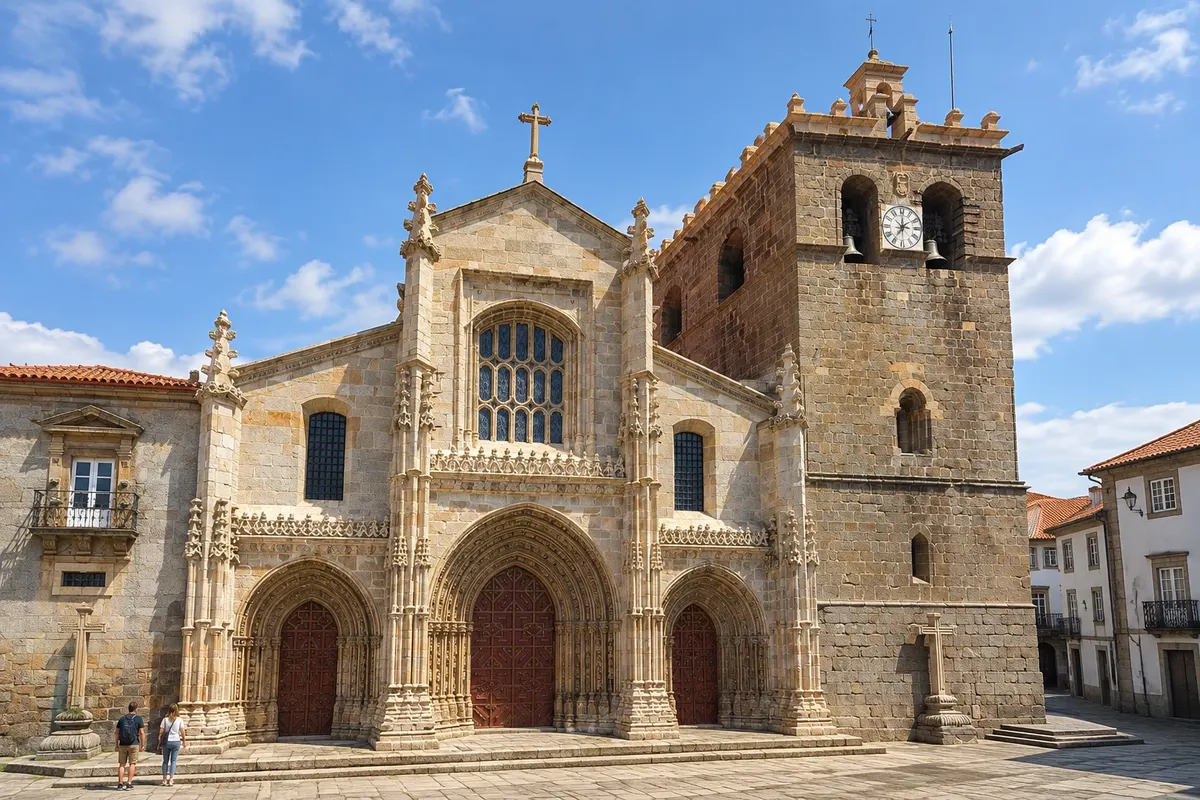
Cathedral founded in 1129, which retains the original square Romanesque bell tower. The façade is 16th-century Gothic, the cloister is Renaissance, and the interior vaults were painted in the 18th century.

Lamego Castle
Lamego · Viseu · Grad

Lamego Castle

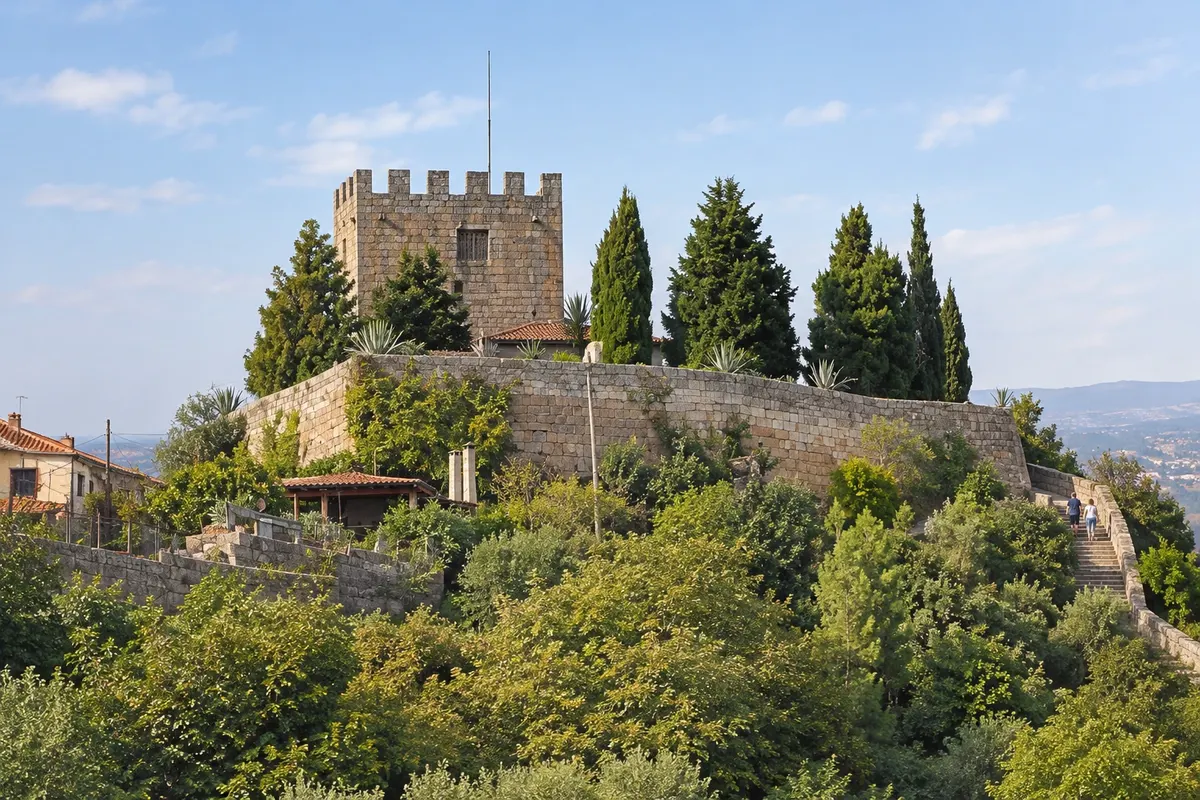
Medieval castle atop the historic center, with a keep tower and walls that today blend with the neighborhood houses. It preserves a medieval cistern covered by stone vaults.

Quinta do Bomfim
Pinhão · Vila Real · Winery

Quinta do Bomfim

Quinta of the Symington family on the banks of the Douro, a few minutes' walk from the village of Pinhão, with terraced vineyards, a visitor centre, vinho do Porto tastings and a restaurant.

Ucanha Fortified Bridge
Lamego · Viseu · Monument

Ucanha Fortified Bridge

Medieval bridge over the Rio Varosa with a fortified tower, where tolls were collected from those entering the lands of the Mosteiro de Salzedas. It is about 15 km from Lamego.

Kaj izbrati pred odhodom

Izleti – Douro Valley

Izhodišče, trajanje, potek, vključene storitve in okvirna cena vsakega izleta.

Day trip from Porto to the Douro Valley

Odhod: Porto (historic centre) Minibus with guide, small group about 10½ hours Ves dan Lahko

This is the simplest way to see the Douro if you are staying in Porto and don’t want to drive. The group leaves Porto’s historic centre early in the morning by minibus and drives up the highway to the Alto Douro Vinhateiro, the slate-terraced vineyard landscape that UNESCO listed as World Heritage. The itinerary varies by agency but generally includes visits to two or three quintas, with explanations about the vineyard and production, a regional lunch and a short boat trip on the river, almost always in Pinhão. Some versions stop at a viewpoint over the valley and pass through Régua. The return to Porto is in the late afternoon or early evening. It’s many hours on the road, with curves on the final section. In return, you see the valley without worrying about a car, train times or bookings at each quinta.

Kraji na poti: Porto, Peso da Régua, Pinhão, Douro River, Alto Douro Vinhateiro.

Vključuje: Round-trip transport from Porto, guide, visits to quintas and, depending on the package, lunch and a boat ride in Pinhão. Check what each offer includes.

Nasvet: Prefer small groups: the minibus can get into narrow roads that a large coach cannot. If you get motion sick on winding roads, sit up front.

Najboljši čas za obisk: From April to October; in September and October it usually coincides with the harvest.

Douro River cruise: Peso da Régua–Pinhão and longer stretches

Odhod: Peso da Régua (quay) or Porto (Cais da Ribeira and Cais do Freixo) River cruise boat, with return by train or bus about 2 hours to a full day Popoldne ali ves dan Lahko

Viewing the valley from the water shows the terraces from bottom to top, as the old rabelo boats saw them. The most popular stretch is from Peso da Régua to Pinhão, upriver: it is just over 2 hours onboard, departing from Peso da Régua quay in the afternoon. Along the way the boat passes through the Bagaúste Dam lock, which raises it about 27 meters; passing through the lock is part of the experience. The return to Peso da Régua is usually by train (comboio) on the Linha do Douro, on the right bank. If you have a full day you can take the long cruise, which departs Porto in the morning and goes upriver to Peso da Régua. On that section the boat passes through two locks: the Crestuma-Lever Dam lock, about 14 meters, and the Carrapatelo lock, about 35 meters. That journey takes about 7 hours onboard, with breakfast and lunch served on the boat, and the return to Porto is by train or bus depending on the operator. There are also two-day versions that continue upriver beyond Pinhão.

Kraji na poti: Peso da Régua, Pinhão, Bagaúste Dam, Carrapatelo Dam, Crestuma-Lever Dam, Douro River.

Vključuje: Boat tour with onboard commentary. On the long cruise departing from Porto, meals are served onboard and return transport is provided; check whether the train ticket is included.

Nasvet: On the Peso da Régua–Pinhão section, buy the return train ticket in advance or check schedules before boarding. The cruise requires a minimum number of passengers.

Najboljši čas za obisk: The season usually runs from April to October; outside that period the locks close for maintenance and departures are rare.

Train on the Douro Line to Pinhão and Tua

Odhod: Porto (São Bento or Campanhã station) CP regional train about 2 hours 30 minutes to Pinhão, one way Ves dan Lahko

The Douro Line links Porto to Pocinho over about 172 km, with 37 stations and halts, and is the most relaxed way to reach the valley without a car. CP regional trains depart from São Bento station in central Porto and call at Campanhã. It’s about 2 hours to Peso da Régua; about 2 hours 30 minutes to Pinhão; and about 3 hours 30 minutes to Pocinho, the end of the line. In the first section the train crosses Porto’s outskirts and the Tâmega valley. After Mosteirô the line moves close to the river and vineyard terraces appear on both sides. From Régua onward the train runs on the right bank, with the river in view, passes the Bagaúste Dam and Covelinhas station and reaches Pinhão, known for its azulejo panels. Continuing to Tua, the landscape becomes rockier. Between Ferradosa and Pocinho the line crosses to the left bank. The line connects three World Heritage sites: Porto’s Historic Centre, the Alto Douro Vinhateiro and the Côa Valley rock art.

Kraji na poti: Douro Line, São Bento Station, Campanhã Station, Peso da Régua, Pinhão, Tua, Pocinho.

Vključuje: Regional train ticket, bought at the station or on CP’s website. There is no reserved seating on regional trains.

Nasvet: Arrive early at São Bento to choose a window seat. If you plan a same-day round trip, get off at Pinhão and check the time of the last return train.

Najboljši čas za obisk: From April to October, when days are long; in winter the service runs but it gets dark early.

Pinhão: tile station and rabelo boat trip

Odhod: Pinhão On foot, from the train station Približno 3 ure Dopoldne ali popoldne Lahko

Pinhão is a small village at the meeting point of the Pinhão River and the Douro, which grew with the Port wine trade and the arrival of the railway. The train station is the main reason to visit: it has 24 panels with 3,047 azulejos, commissioned in 1937 from the Fábrica Aleluia in Aveiro. The panels depict the demarcated region, vineyard work, the grape harvest, the landscapes and the customs of the Douro. In the station itself there is a shop selling wines and regional products. From the station, the riverbank is just a few minutes on foot. Short rides on a rabelo boat leave from there — the square-sailed vessel that carried wine barrels downstream to Porto. These trips last 1 to 2 hours and go upriver or downriver past the neighboring quintas. In the village is Quinta do Bomfim, offering guided visits through the vineyards and the 19th-century warehouse. Pinhão is also the base for the walk up to the Casal de Loivos viewpoint.

Kraji na poti: Pinhão, Pinhão Station, Douro River, Pinhão River, Quinta do Bomfim.

Vključuje: Free entry to the station. Boat trip paid separately, with recorded commentary in Portuguese depending on the operator.

Nasvet: Combine Pinhão with the train trip: you can see the tiles, take the boat and return to Porto the same day. Bring a hat: the riverbank has little shade.

Najboljši čas za obisk: April to October for the boats; the station can be visited year-round.

Visit to a quinta with vineyards

Odhod: Peso da Régua, Pinhão or Lamego Car, taxi or organized tour; some quintas are within walking distance from Pinhão about 1½ to 2 hours Dopoldne ali popoldne Lahka do srednje zahtevna pot

The quintas are the agricultural estates of the Douro, with a house, storage buildings and vineyards planted on dry-stone terraces. Many welcome visitors, and a visit is the way to understand how this landscape was hand-built on schist slopes. Generally, a guide takes the group through the vineyard, explains the terraces, the grape varieties and the work done through the year, and goes into the storage areas, where there are granite lagares and wooden vats. The visit usually ends in a room with a view of the river, with a tasting of the estate’s wines. In the village of Pinhão itself is Quinta do Bomfim, with a 19th-century storage building and a small museum. Near Peso da Régua and Lamego, quintas such as Quinta do Vallado and Quinta da Pacheca offer guided-visit programs. For those who do not drink alcohol, the visit to the vineyards and storage areas is worthwhile on its own: request a nonalcoholic drink at the tasting. In September and October, some quintas run harvest programs: visitors pick grapes with scissors and a basket, see the lagar and, in some cases, take part in foot-treading, accompanied by traditional music. The exact harvest date depends on the summer climate and is sometimes set only a few days beforehand.

Kraji na poti: Quinta do Bomfim, Quinta da Pacheca, Quinta do Vallado, Pinhão, Peso da Régua.

Vključuje: Guided visit of the vineyards and cellars, with a tasting at the end. Harvest and picnic programs are paid separately and require reservation.

Nasvet: Book in advance: many quintas only accept visits by appointment. Most are outside the towns, so a car helps; if you plan to drink, go with a designated driver, taxi or organized tour.

Najboljši čas za obisk: All year; the grape harvest (vendimia) usually takes place in September and October.

N222 road from Peso da Régua to Pinhão

Odhod: Peso da Régua Car about 1 hour, with stops Dopoldne ali popoldne Lahko

The N222 is the national road that follows the Douro along the left bank between Peso da Régua and Pinhão. The stretch is about 27 km long and has 93 curves, almost always right next to the river, with vineyard-covered slopes on one side and water on the other. A car-rental study named the N222 the ideal driving road because of its balance of straights and curves, and the reputation stuck. For the visitor, the interest is the scenery and the stops: there are pull-offs for photos, entrances to quintas, and views of the train line on the opposite bank. In Pinhão, the bridge crosses to the village and the station. The road is winding and narrow in places, with wine trucks during harvest time. Drive slowly and stop only where there is room.

Kraji na poti: N222, Peso da Régua, Pinhão, Douro River, Alto Douro Vinhateiro.

Vključuje: Only the driving route. If you don't drive you can do the section by taxi or as part of an excursion.

Nasvet: Do the Peso da Régua–Pinhão stretch in the morning and return by train if you want variety. In summer, avoid the hottest hours around midday.

Najboljši čas za obisk: From March to June and from September to October; in September and October the vineyards change color.

Prikaži dodatne izlete (9)

São Leonardo de Galafura Viewpoint

Odhod: Peso da Régua Car or taxi about 1 hour on site Dopoldne ali pozno popoldne Lahko

The viewpoint stands at 640 meters altitude, in the parish of Galafura, in the municipality of Peso da Régua, on the high right bank. From there you can see a long stretch of the valley, with the river bending between vineyard-clad slopes and, in the distance, the Serra do Marão. On clear days you can also spot towns such as Armamar, Sabrosa and Tabuaço. The writer Miguel Torga, born nearby, described this landscape as a geological poem and compared the hill to a keel-upturned boat. A tile panel at the site reproduces a text by him. There is a small chapel, a picnic area with stone benches and shade, and a geodetic marker. Access is via a mountain road from the Covelinhas area or, coming from Vila Real, along the EN313 following the signs.

Kraji na poti: São Leonardo de Galafura Viewpoint, Galafura, Peso da Régua, Serra do Marão, Douro River.

Vključuje: Free access to the viewpoint and picnic area.

Nasvet: Go by car: there is no public transport to the top. Bring snacks and water to use the picnic area.

Najboljši čas za obisk: All year; from September to October the vineyards turn yellow and reddish.

Miradouro de Casal de Loivos

Odhod: Pinhão Car or taxi, ascending from Pinhão about 45 minutes on site Dopoldne ali pozno popoldne Lahko

Casal de Loivos is a village in the municipality of Alijó, high on the slope above Pinhão. The viewpoint sits next to the village cemetery and looks down over the village and the river bend, which there forms an S. From the terrace you can spot well-known quintas of the region: Quinta das Carvalhas opposite, Quinta da Roêda just below and Quinta da Foz to the right. The terraces descend in parallel lines to the water. The access road leaves Pinhão and climbs in narrow hairpins. The visit is short and pairs well with Pinhão: go early in the morning or late in the afternoon, when the side light emphasizes the terraces’ pattern.

Kraji na poti: Miradouro de Casal de Loivos, Casal de Loivos, Pinhão, Quinta das Carvalhas, Quinta da Roêda, Quinta da Foz.

Vključuje: Free access to the viewpoint.

Nasvet: The road is narrow; if you don’t want to drive, arrange a taxi in Pinhão to take you up and wait. If you enjoy walking you can climb on foot, but the slope is long and without shade.

Najboljši čas za obisk: From April to October; in September and October you can see the grape harvest on the slopes.

Museu do Douro, in Peso da Régua

Odhod: Peso da Régua On foot, from the train station around 1 hour and a half Dopoldne ali popoldne Lahko

The Museu do Douro occupies the former Casa da Companhia Velha on the riverfront in Peso da Régua, and it’s the place to understand the region before heading out to the quintas and viewpoints. The permanent exhibition, Memória da Terra do Vinho, is housed in the former Warehouse 43, a few meters from the main building. It covers the vine and the wine, how the landscape was shaped, the relief, and the valley’s fauna and flora. It also shows the rabelo boats, the centenary quintas, harvest traditions, the tools and the imagery of Port wine brands. The museum also stages temporary exhibitions and has archives, a library, a restaurant and a bar with river views. It is a short walk from the train station, which allows fitting the visit between arrival in Régua and an afternoon cruise.

Kraji na poti: Museu do Douro, Casa da Companhia Velha, Peso da Régua.

Vključuje: Admission paid separately; check the current price list. Closed on Mondays.

Nasvet: Start the trip at the museum: the exhibition explains the terraces, the demarcated region and the rabelo, and the rest of the route makes sense.

Najboljši čas za obisk: All year; a good option for rainy days in winter or very hot days in summer.

Lamego: Sanctuary of Nossa Senhora dos Remédios and the Cathedral (Sé)

Odhod: Peso da Régua Car, taxi or bus to Lamego; on foot in the town Približno 4 ure Dopoldne ali popoldne moderate (staircase)

Lamego lies on the south bank of the Douro, near Peso da Régua, and is the historic town of the valley. It has no train station: you reach it by car, taxi or bus. Its postcard image is the Sanctuary of Nossa Senhora dos Remédios, atop Monte de Santo Estêvão. A Baroque stairway of 686 steps climbs from the town to the church in several flights with statues, fountains and azulejo panels; one of the fountains is by Nicolau Nasoni. Construction began in 1750 and was only completed in 1905. The church’s tiles depict episodes from Mary’s life. If you don’t want to climb on foot you can drive to the top and descend via the stairway. In the center, Lamego Cathedral (Sé) has Romanesque origins in the 12th century, with Gothic and Renaissance additions. Beside it, the Museu de Lamego occupies the former Paço Episcopal and houses paintings by Grão Vasco. Of the castle only the keep tower remains, also from the 12th century. In September the town holds the Festas de Nossa Senhora dos Remédios, with the 8th as a municipal holiday.

Kraji na poti: Lamego, Sanctuary of Nossa Senhora dos Remédios, Monte de Santo Estêvão, Sé of Lamego, Museu de Lamego, Castle of Lamego.

Vključuje: Access to the sanctuary and the stairway is free; the Museu de Lamego charges a separate admission—check the current price list.

Nasvet: Climb the staircase in the morning, before it gets hot. In summer, bring water: there are few shaded spots on the middle sections.

Najboljši čas za obisk: From March to June and from September to October; in September the festivals fill the town.

Comboio Histórico do Douro

Odhod: Peso da Régua (station) CP historic train, round trip about 3½ hours Popoldne Lahko

The Douro Historical Train is a round-trip tourist ride along the Linha do Douro between Peso da Régua and Tua, with a stop at Pinhão. It covers 36 km each way, at a maximum of 50 km/h, in wooden carriages built between 1908 and 1934. Traction is provided by the 0186 steam locomotive, from 1925, or, in some seasons, by a historic diesel locomotive when the steam engine cannot run. Boarding is at Peso da Régua station in the afternoon, with traditional music on the platform. On the outbound trip they serve a toast with Port wine and regional sweets from Régua. At Tua the train stops while the locomotive is maneuvered for the return, and local producers display their products. On the return there is a stop at Pinhão to see the station tiles. The windows open and the end platforms of the carriages are the preferred spots for photos.

Kraji na poti: Comboio Histórico do Douro, Peso da Régua, Pinhão, Tua, Linha do Douro.

Vključuje: Round-trip Régua–Tua journey with a stop at Pinhão, on-board entertainment and tasting of regional products. Separate paid ticket; check the price list.

Nasvet: Places fill up quickly, especially on summer Saturdays: book as soon as the season is announced. If you’re coming from Porto, take a regional train in the morning to Peso da Régua.

Najboljši čas za obisk: The season usually runs from June to September or October, mainly on Saturdays and Sundays.

Casa de Mateus and Vila Real

Odhod: Peso da Régua Car or taxi via the A24 Približno 3 ure Dopoldne ali popoldne Lahko

Casa de Mateus is about 4 km from the center of Vila Real, to the north of the valley. It is an 18th-century Baroque manor house. The work was completed in 1744; authorship is commonly attributed to architect Nicolau Nasoni, without documentary confirmation. Granite wings embrace an entrance courtyard with an ornate staircase. The façade became famous worldwide for appearing on the label of a rosé wine. The house is visited with a guide who walks through the main reception rooms, and the gardens feature clipped box hedges, statues, rose bushes and a cypress tunnel. The estate belongs to a cultural foundation that also maintains vineyards, orchards and woodland. Vila Real, right next to it, is the region’s main town and can be seen on the same visit. From Peso da Régua to Mateus is about 28 km via the A24.

Kraji na poti: Casa de Mateus, Vila Real, Mateus.

Vključuje: Separate paid admission for the house and gardens, with a gardens-only option; check the current price list.

Nasvet: Fit Mateus into your arrival or departure day from the Douro when coming from Porto via the A4: it’s on the way, near Vila Real.

Najboljši čas za obisk: From April to October, when the gardens are in bloom.

São Salvador do Mundo Viewpoint

Odhod: Pinhão or São João da Pesqueira Car, via the N222 about 1 hour on site Dopoldne ali pozno popoldne Lahka do srednje zahtevna pot

São Salvador do Mundo is a granite hill of 493 meters near São João da Pesqueira, on the south bank of the Douro, east of Pinhão. On its slopes there is a group of small chapels, the oldest from the 16th century, and the site is considered the largest shrine of the Alto Douro Vinhateiro. From the top you can see the Cachão da Valeira, a rocky narrowing of the river, the Valeira Dam and the Ferradosa area. Before river works, the Cachão was an obstacle for rabelo boats; tradition says the boatmen prayed to the saint there. The Baron of Forrester died there in a shipwreck in 1861 and his body was never found. A local tradition says that a girl who ties a knot in a gorse branch with her left hand, without stopping, will marry within a year. Access is by car: from Pinhão follow the N222 to São João da Pesqueira and then the municipal roads toward the Valeira Dam.

Kraji na poti: São Salvador do Mundo Viewpoint, São João da Pesqueira, Cachão da Valeira, Valeira Dam, Ferradosa.

Vključuje: Free access to the hill and the chapels.

Nasvet: Wear sturdy footwear: the path between the chapels has stone climbs. Combine it with Pinhão on the same day.

Najboljši čas za obisk: From March to June and from September to October; in summer, prefer late afternoon.

Ucanha and Salzedas, in the Varosa Valley

Odhod: Lamego Car or taxi Približno 3 ure Dopoldne ali popoldne Lahko

South of Lamego, the Varosa river valley preserves a group of monuments linked to Cistercian monks. In Ucanha, in the municipality of Tarouca, a medieval bridge crosses the Varosa and has at its entrance a fortified tower built in 1465 by the abbot of Salzedas. The tower controlled who entered the monastery lands and charged passage; many consider it Portugal’s first toll house. It is a National Monument. A few kilometers away lies the Monastery of Santa Maria de Salzedas, a male Cistercian monastery begun in 1168 and expanded in the 17th and 18th centuries. The visit includes the church, the monumental 18th‑century cloister, works by Grão Vasco and other painters, and a religious art collection. A combined ticket for the Varosa Valley includes Salzedas, the Monastery of São João de Tarouca and the Convent of Santo António de Ferreirim.

Kraji na poti: Fortified Bridge of Ucanha, Ucanha, Monastery of Santa Maria de Salzedas, Tarouca, Varosa River, Monastery of São João de Tarouca.

Vključuje: Ucanha bridge and village are freely accessible; the monastery requires an entrance ticket, with a combined-ticket option. Check the current fee schedule.

Nasvet: The monastery is closed on Mondays and at lunchtime. Fit Ucanha and Salzedas into the same day as Lamego.

Najboljši čas za obisk: All year; from April to October the valley is greener and more flowery.

Côa Valley: Côa Museum and rock art

Odhod: Vila Nova de Foz Côa (or Pinhão, by car) Drive to Vila Nova de Foz Côa; visit the sites with a guide one day, including travel Ves dan Zmerno zahtevno

At the eastern end of the Alto Douro, the Côa River runs north to the Douro. In the last 17 km of the valley there are open‑air rock engravings, mostly from the Upper Paleolithic, about 25,000 years old, as well as Neolithic, Iron Age and more recent carvings. The ensemble is a World Heritage Site and forms Portugal’s first archaeological park. The Côa Museum in Vila Nova de Foz Côa presents the valley’s art and is the natural starting point for visits. Three sites receive visitors, always with a specialist guide and by reservation: Canada do Inferno, the first discovered, near Vila Nova de Foz Côa; Ribeira de Piscos, in Muxagata; and Penascosa. Light changes what you see: the engravings appear and disappear depending on the hour and season. For those based in Pinhão or Peso da Régua, the outing takes the whole day. By train, the Douro Line reaches Pocinho, near Foz Côa; from there you need a car or taxi.

Kraji na poti: Côa Museum, Archaeological Park of the Côa Valley, Canada do Inferno, Penascosa, Ribeira de Piscos, Castelo Melhor, Muxagata, Vila Nova de Foz Côa, Pocinho.

Vključuje: Museum and site-visit tickets are paid separately; check the current price list. Site visits require a reservation.

Nasvet: Book visits to the sites at least one week in advance: groups are limited. In summer, bring water, a hat and closed shoes.

Najboljši čas za obisk: Spring (March to May) and autumn (September to October); summers are very hot in the valley.


Po dnevih

Douro Valley – načrt poti. Število dni: 2, 3in5

Predlogi za načrtovanje poti. Vrstni red dni prilagodite vremenu in razpoložljivosti izletov.

2 dni · Douro in 2 days, by train and boat

ZaIf you are in Porto and want to see the valley without driving, with one night in Pinhão. · Izhodišče:Pinhão (one night)
  1. Dan 1 · Douro Line and Pinhão

    Leave Porto early in the morning on the Douro Line train from São Bento, and get off at Pinhão after about 2½ hours. See the station’s azulejos and walk down to the riverbank. In the afternoon, take the rabelo boat trip and, if booked, the visit to Quinta do Bomfim. At the end of the day, take a taxi up to the Miradouro de Casal de Loivos to see the S-shaped bend of the river in the low light.

  2. Dan 2 · Quinta in the morning and return via Régua

    In the morning, visit a quinta with vineyards near Pinhão. After lunch, take the short train to Régua and visit the Douro Museum, a few minutes' walk from the station. If it’s a Saturday during the Historic Douro Train season, swap the museum for the historic train ride. Return to Porto on the late-afternoon train.

3 dni · Douro in 3 days, by car
ZaIf you rent a car in Porto and want quintas, viewpoints and Lamego on the same itinerary. · Izhodišče:Peso da Régua
  1. Dan 1 · From Porto to Régua via Mateus

    Leave Porto via the A4 and stop at Casa de Mateus, near Vila Real, for the guided tour and gardens. Continue on the A24 to Peso da Régua. In the afternoon, visit the Douro Museum and, if a departure is available, take the Régua–Pinhão cruise, returning by train. If you prefer to stay on land, drive up to the Miradouro de São Leonardo de Galafura for the late afternoon.

  2. Dan 2 · N222, Pinhão and viewpoints

    Drive the N222 from Peso da Régua to Pinhão in the morning, stopping for photos. In Pinhão, see the tiled station and visit a quinta with vineyards. In the afternoon, go up to the Casal de Loivos viewpoint. If you have time, continue to the São Salvador do Mundo viewpoint and return to Régua at the end of the day.

  3. Dan 3 · Lamego and return to Porto

    Cross to Lamego and climb the staircase of the Sanctuary of Nossa Senhora dos Remédios in the morning. Visit the Cathedral (Sé) and, if possible, the Lamego Museum. After lunch, continue to Ucanha and Salzedas in the Varosa Valley. Return to Porto via the A24 and A4 late in the afternoon.

5 dni · Douro in 5 days, arriving from Brazil
ZaIf you arrive from Brazil via Porto and want to explore the valley at a relaxed pace, from the river to the viewpoints and to Lamego. · Izhodišče:Peso da Régua (3 nights) and Pinhão (1 night)
  1. Dan 1 · Arrival in Porto and train to Régua

    The overnight flight from Brazil generally arrives in the morning. From the airport, take the metro to the city center and catch the Douro Line train at São Bento or Campanhã to Régua, about 2 hours. Those arriving from Lisbon add roughly 3 hours of train travel to Porto. Rest in the afternoon and, if you have the energy, visit the Douro Museum near the station.

  2. Dan 2 · River cruise and Pinhão

    Set aside the day for the Douro river cruise: Régua–Pinhão, passing through the Bagaúste lock. In Pinhão, admire the station’s tiles and walk along the riverfront. Stay overnight in Pinhão. If the visit falls on a summer Saturday, the Historic Douro Train is an alternative to the boat.

  3. Dan 3 · Quinta, Casal de Loivos and São Salvador do Mundo

    In the morning, visit a quinta with vineyards. In September and October, look for a harvest (vindima) program. In the late afternoon, go up to the Casal de Loivos viewpoint or, by car, follow the N222 to the São Salvador do Mundo viewpoint. Return to Régua via the N222 from Peso da Régua to Pinhão.

  4. Dan 4 · Lamego and Varosa Valley

    Spend the morning in Lamego: the staircase and Sanctuary of Nossa Senhora dos Remédios, the Cathedral (Sé) and the Lamego Museum. In the afternoon, visit the fortified bridge of Ucanha and the Monastery of Santa Maria de Salzedas. If you prefer archaeology, you can swap this day for the Côa Valley, leaving early and with visits booked.

  5. Dan 5 · Galafura, Mateus and return to Porto

    Go up in the morning to the São Leonardo de Galafura viewpoint. Continue to Vila Real and visit Casa de Mateus. Take the A4 back to Porto, about 1½ hours, and return the car late in the afternoon. If your return flight to Brazil departs from Lisbon, either spend a night in Porto or take the train to Lisbon the same day.

Najboljši čas za obisk

Kdaj se odpraviti:Douro Valley po mesecih

September and October are usually the harvest season, with vineyards heavy with fruit and leaves changing color. Spring, from April to June, brings green slopes. Summer, July and August, is often very hot in the valley. In winter, December to February, it is cold and some quintas reduce visits.

The seasons shown are the most usual ones; nature doesn't always follow the calendar.

januar Veliko padavin

Winter · Cold and rain

Coldest month in the valley: in Régua average highs are around 13 °C and lows around 4 °C, with about 10 days of rain. The vineyards are leafless and many quintas open only by reservation. Cruises hardly run. Train services, museums and Lamego are operating; it’s a quiet period.

februar Zmerne padavine

Late winter · Pruned vineyards

Still cold, with average highs near 16 °C and foggy mornings along the river. Rain decreases compared with January. It’s pruning time in the vineyards, with grayish slopes. Good for museums, Lamego and the train journey, with empty stations. Tourist boats are often not operating.

marec Zmerne padavine

Spring · Longer days

Spring begins and highs rise to around 20 °C. The vineyards are still leafless, and tourist traffic remains low. A good month for viewpoints and the Côa Valley, without heat.

april Zmerne padavine

Spring · Start of the boat season

Average highs around 21 °C and rain on about 10 days. The vineyards begin to bud. The cruise season usually starts in April, and quintas expand visits. Easter brings more visitors from Portugal and Spain.

maj Zmerne padavine

Spring · Green vineyards

Mild month: highs near 24 °C, green slopes and long days. Cruises, train and quintas operate with moderate traffic. A good month for the N222 and for walking the viewpoints without summer heat.

junij Malo padavin

Summer · Strong heat

Summer arrives: average highs near 29 °C in Régua, with days above that. Little rain. The Comboio Histórico do Douro season usually starts in June. Do viewpoints and hikes early and leave afternoons for the boat, which has a breeze.

julij Malo padavin

Summer · Intense heat

One of the hottest months: average highs near 32 °C, with much hotter days in the valley floor, and almost no rain. It’s high season for boats and trains; book cruises and the Comboio Histórico in advance. Bring water, a hat and sunscreen.

avgust Malo padavin

Summer · High season

Heat at the same level as July, with average highs near 32 °C. Heavy European holiday traffic. Grapes ripen and, in some years, the harvest begins at the end of the month. Schedule visits to quintas in the morning and plan the Côa Valley only for early departures.

september Malo padavin

Harvest · Hot days

A high-demand month in the Douro: the harvest usually takes place in September and October, and many quintas offer harvest programs. Average highs remain near 29 °C. In Lamego, the festas of Nossa Senhora dos Remédios take place at the start of the month. Book everything in advance.

oktober Veliko padavin

Autumn · Colorful vineyards

The hills turn yellow and red, and harvest usually finishes in the first half of the month. Highs drop to around 23 °C and rain returns, with about 10 rainy days. It’s the end of the season for many boats and the Historic Train. A good month for photography.

november Veliko padavin

Autumn · Rain and fog

A rainy month, with highs around 17 °C and frequent morning fog along the river. Cruises barely operate and some quintas reduce visits. Trains, museums, Lamego and Mateus remain options. Few tourists.

december Veliko padavin

Winter · Wettest month

The rainiest month of the year in Régua, with highs near 14 °C and lows near 6 °C. The vineyards are bare. It’s a low-activity period, with the valley quiet; the train journey and visits to museums and churches remain available. Check in advance what is open during the year-end holidays.

Načrtujte pot

Kako do tja:Douro Valley

By train from Porto or Lisbon

Regional trains on the Douro Line depart from São Bento station in central Porto and call at Campanhã. The trip to Peso da Régua takes about 2 hours; to Pinhão about 2½ hours; to Pocinho, the end of the line, about 3½ hours. Tickets are bought at the station or on CP’s website, with no reserved seat. From Lisbon, take CP’s fast train (Alfa Pendular or Intercidades) to Porto (Campanhã), about 3 hours, and change to the Douro Line at Campanhã. Lamego has no station: get off at Régua and continue by bus or taxi.

By car: roads and distances

From Porto, take the A4 motorway toward Vila Real and then the A24 to Peso da Régua: about 120 km, roughly 1½ hours. From Porto to Lamego is about 130 km. From Lisbon the usual route is the A1 to Coimbra, the IP3 to Viseu and the A24 to Lamego and Régua, about 3 hours to Lamego. Inside the valley, the N222 links Peso da Régua with Pinhão along the left bank, about 27 km of winding road. A car helps for quintas outside the towns and for the viewpoints São Leonardo de Galafura, Casal de Loivos and São Salvador do Mundo, which have no public transport. Secondary roads are narrow and twisty; drive calmly and avoid driving after wine tastings.

By bus from Porto or Lisbon

There are long‑distance bus services from Lisbon and Porto to Lamego, operated by Rede Expressos. From Lisbon the trip takes about 5 hours; from Porto about 2 hours, with few departures per day. There are local buses between Régua and Lamego, a roughly 15‑minute trip. For Régua and Pinhão, the train on the Douro Line is often the most practical option from Porto.

How to get around the Douro

The train along the Linha do Douro links Régua, Pinhão, Tua and Pocinho on the right bank and serves well those staying in the riverside villages. Cruises run the Régua–Pinhão stretch in season, which usually goes from April to October. Lamego, Vila Real, Mateus, the high viewpoints and most quintas are off the line: for those destinations use a rental car, taxi or driver-led tour. Taxis can be requested at Régua and Pinhão stations; arrange the return before ascending to a viewpoint. If you don’t want to drive, you can do the valley on day tours from Porto.

Tickets and reservations in the valley

There is no entry fee to circulate in the Alto Douro Vinhateiro, and the viewpoints are freely accessible. Museu do Douro, Casa de Mateus, Museu de Lamego, the Monastery of Santa Maria de Salzedas (with a combined Vale do Varosa ticket) and the Museu do Côa charge admission; check the current price table. Visits to the rock‑art sites in the Vale do Côa are always guided and require advance booking. Quintas, river cruises and the Comboio Histórico do Douro are paid separately and require reservations, especially from June to October.

Pred odhodom

Praktične informacije

Z nekaj načrtovanja boste imeli več časa za uživanje na poti.

Kdaj se odpraviti

September and October are usually the harvest season, with vineyards heavy with fruit and leaves changing color. Spring, from April to June, brings green slopes. Summer, July and August, is often very hot in the valley. In winter, December to February, it is cold and some quintas reduce visits.

The seasons shown are the most usual ones; nature doesn't always follow the calendar.

Koliko dni ostati

One day, leaving Porto, you can reach Régua or Pinhão and visit a quinta. With two or three days staying in the valley you can include Lamego, the viewpoints and more than one quinta, without rushing and without driving after tastings.

V katerem mestu prenočiti

Peso da Régua has more hotels and services, plus the station and the quay. Pinhão is smaller, surrounded by quintas, and several of them offer accommodation among the vineyards. Lamego, on the south bank, has a historic center and serves as a base for the Santuário and Ucanha. Those seeking peace often choose a quinta with rooms on the slopes.

Spoštujte kraj

Odnesite svoje odpadke, upoštevajte oznake in podprite lokalne ponudnike. V naravi upoštevajte navodila za obiskovalce.

Odgovori na vaša vprašanja

Pogosta vprašanja – Douro Valley

Can you do a day trip from Porto to the Douro?

Yes. The comboio to Régua or Pinhão allows you to spend the day and visit a quinta near the station. Organized tours with van, boat and lunch also depart from Porto. Staying overnight in the valley is more rewarding.

Do you need a car in the Douro?

It helps a lot, because the quintas and viewpoints are spread across the slopes. Without a car, use the comboio, boats and taxis, or organized tours. Those who drive should not drink at tastings; the roads are narrow and winding.

What is the best time to go to the Douro?

September and October, when the harvest usually takes place. Spring is also good. July and August tend to be very hot in the valley.

Do you need to book visits to the quintas?

In most cases, yes, especially for tastings and lunches. Book before leaving Porto.

How many days to stay in the Douro?

One day as a day trip; two or three staying in the valley to explore Régua, Pinhão, Lamego and some quintas.

Odkrijte druge destinacije Iskanje po zvezni državi in mestu

Več kot vodnik