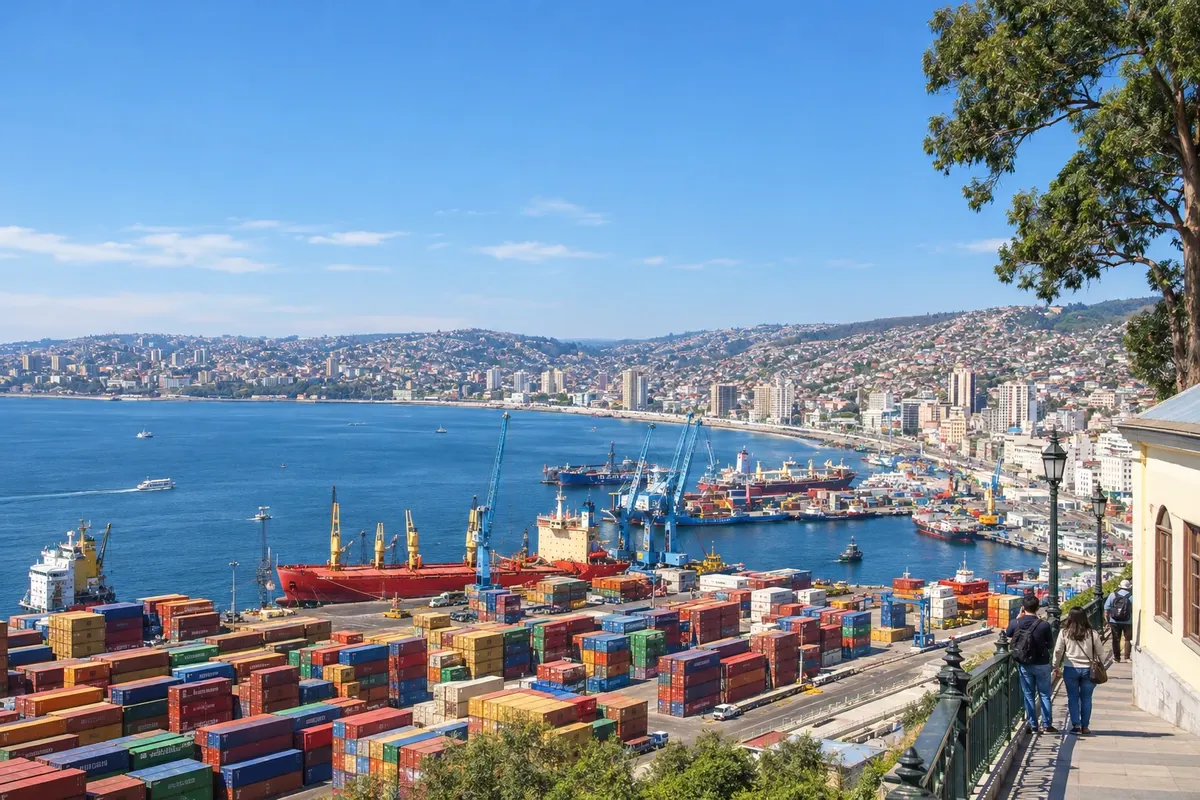
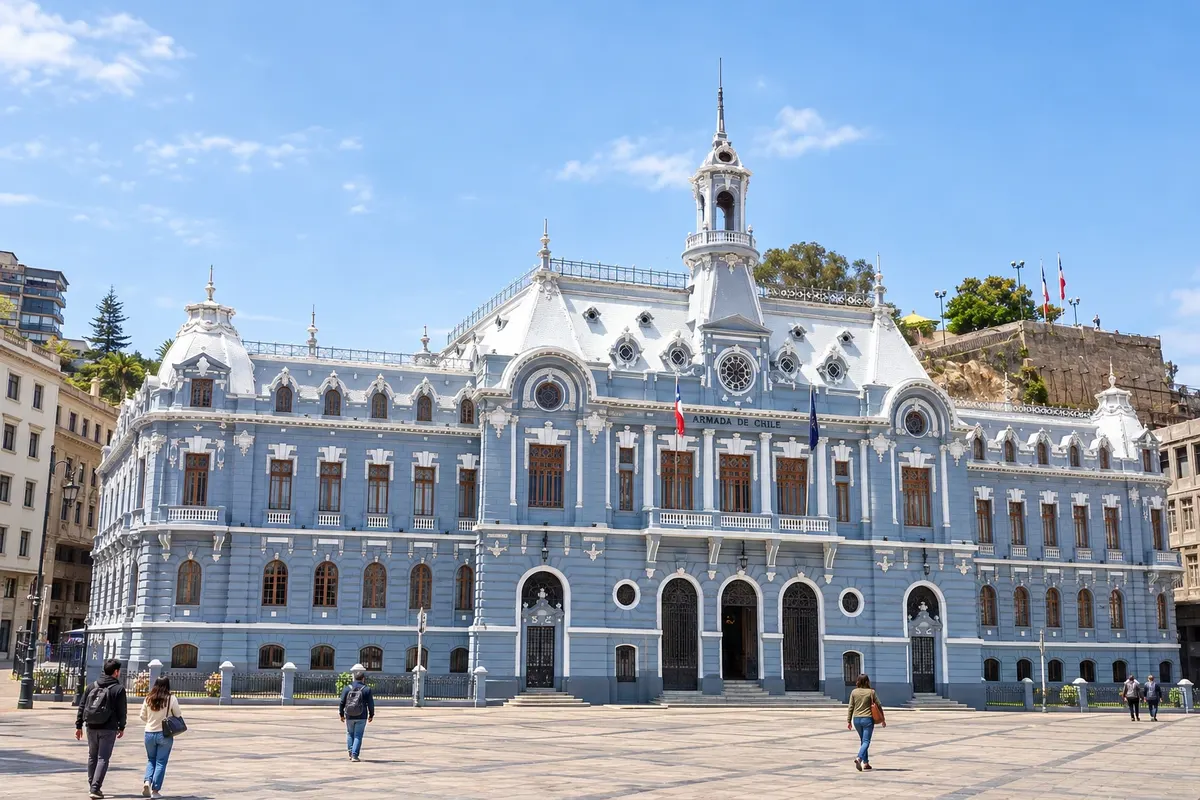
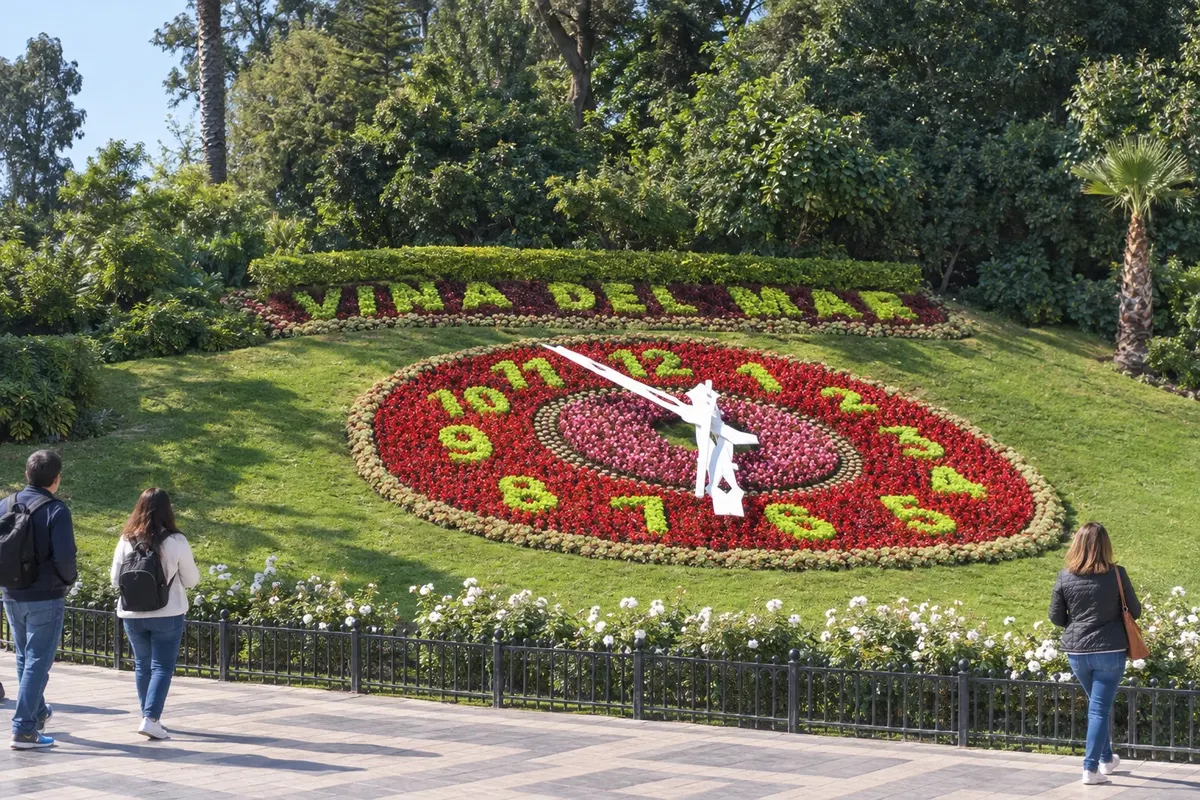
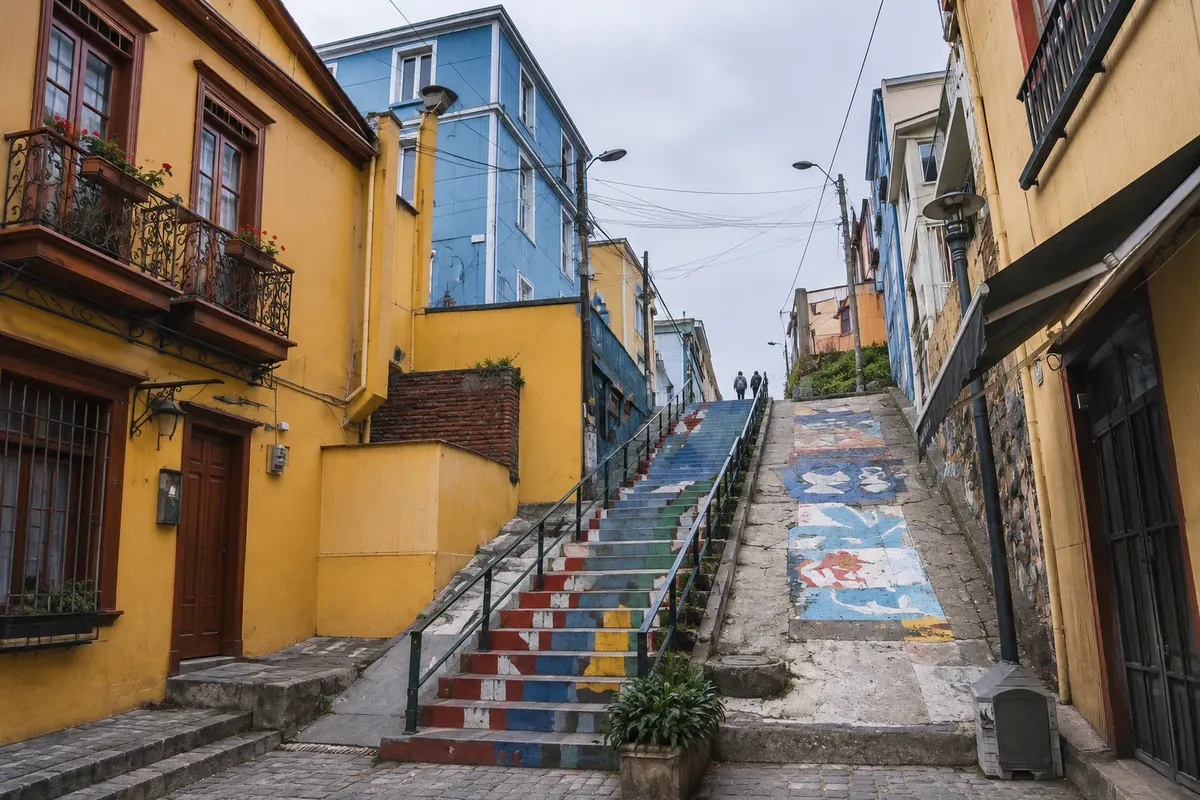
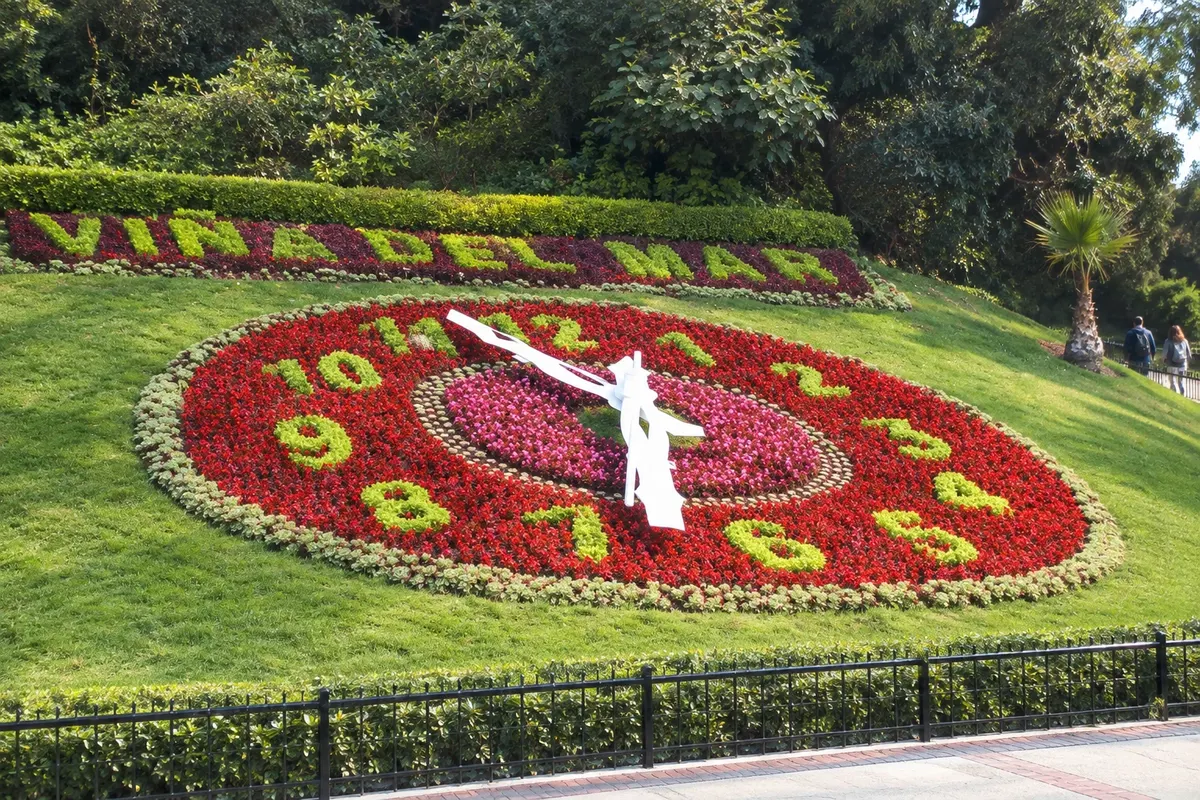
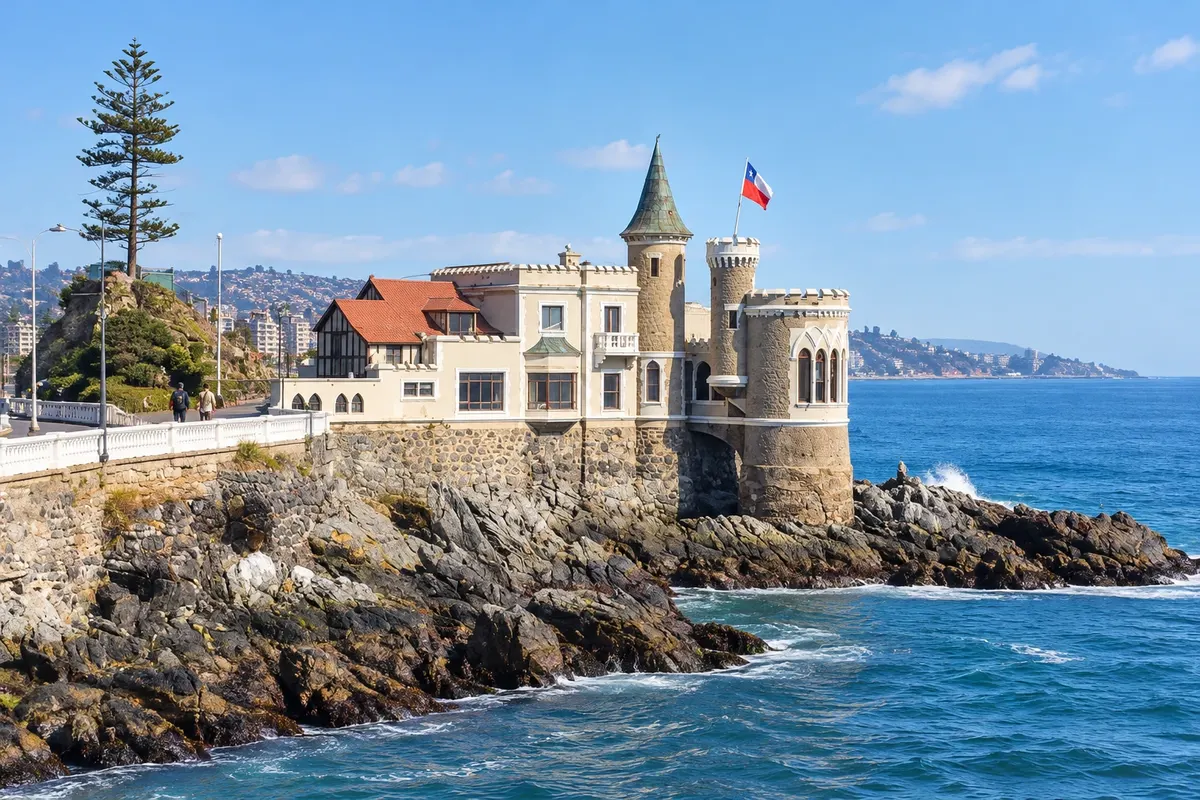
Viña del Mar waterfront: Reloj de Flores, Castillo Wulff and Caleta Abarca
Odhod: Reloj de Flores, Viña del Mar On foot, along the coastal avenue Približno 2 uri Popoldne Lahko
Viña del Mar, the city neighboring Valparaíso, is known in Chile as Ciudad Jardín because of its many squares and gardens. The Reloj de Flores, a clock mounted on a flowerbed on the hillside, was installed for the 1962 World Cup and is the most common starting point for walking along the waterfront. From there, the avenue continues to Castillo Wulff, built between 1905 and 1906 by businessman Gustavo Wulff on the seaside rocks, between the mouth of the Marga Marga stream and Caleta Abarca beach. The castle has towers, terraces and a keep connected to the main building by a bridge; it is a Historic Monument and hosts cultural exhibitions run by the city. To the north, Avenida Perú follows the sea with promenades, benches and restaurants up to Muelle Vergara, an old pier turned walkway. To the south, Caleta Abarca beach sits in a small cove, beside the path to Valparaíso.
Kraji na poti: Reloj de Flores, Castillo Wulff, Caleta Abarca, Avenida Perú, Muelle Vergara.
Vključuje: The waterfront, the Reloj de Flores and Castillo Wulff have free access; the castle's exhibitions may vary.
Nasvet: Take the walk at sunset to see the sun set over the Pacific from the terraces of Castillo Wulff. From downtown Viña, the Miramar station of the Merval is near the Reloj de Flores.
Najboljši čas za obisk: All year; in summer (December to February) the waterfront is crowded on weekends.
Quinta Vergara and Museo de Bellas Artes Palacio Vergara
Odhod: Downtown Viña del Mar, near the Viña del Mar station of the Merval Peš Približno 2 uri Dopoldne ali popoldne Lahko
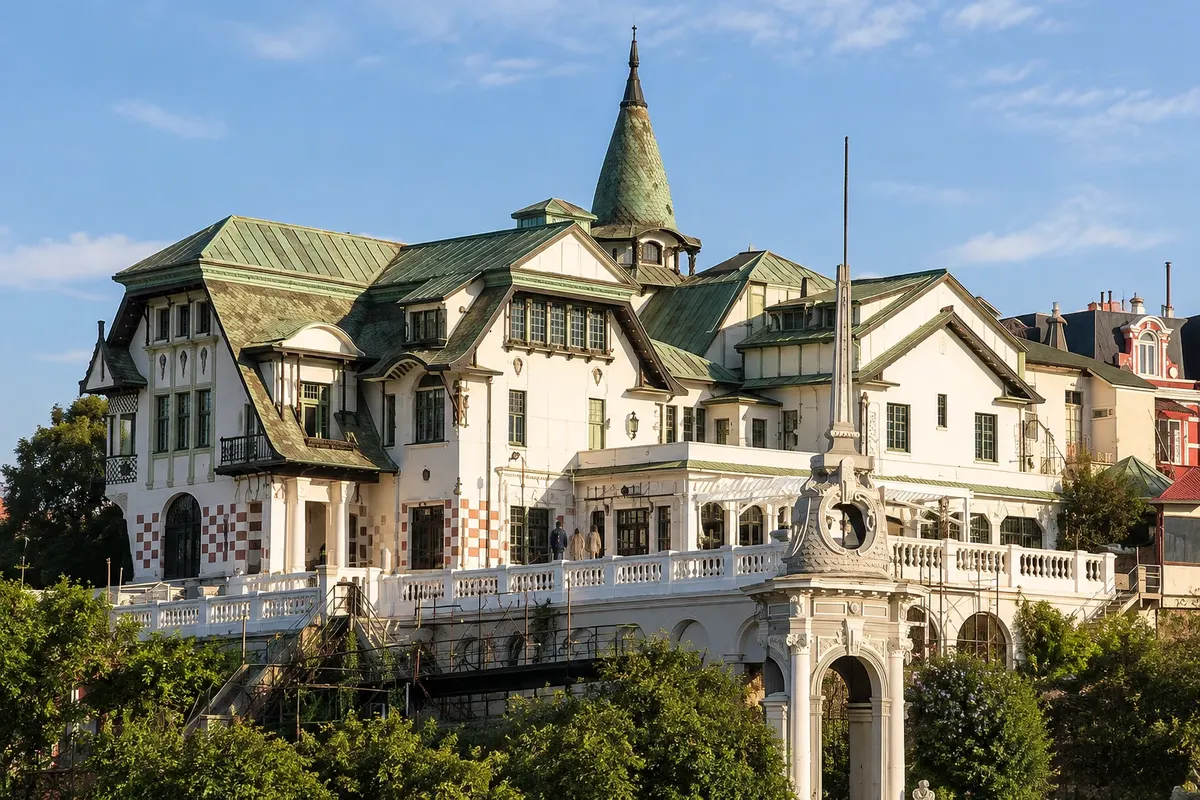
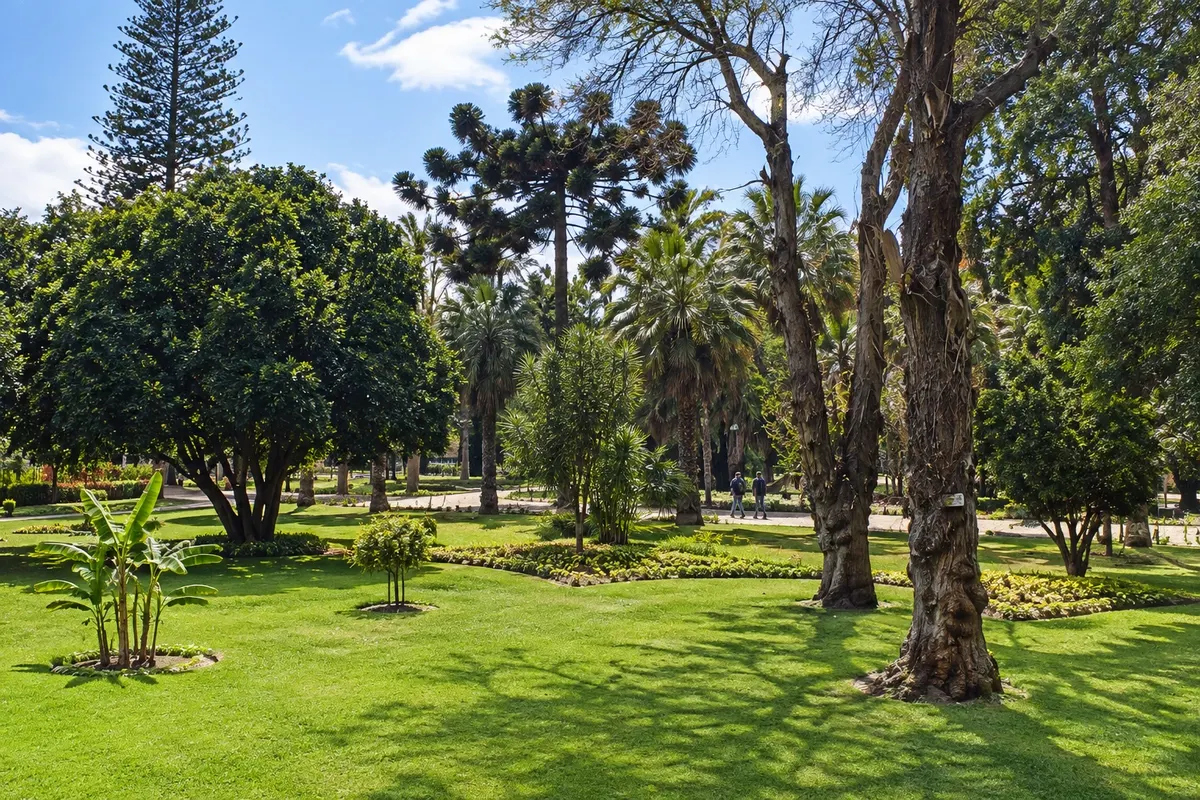
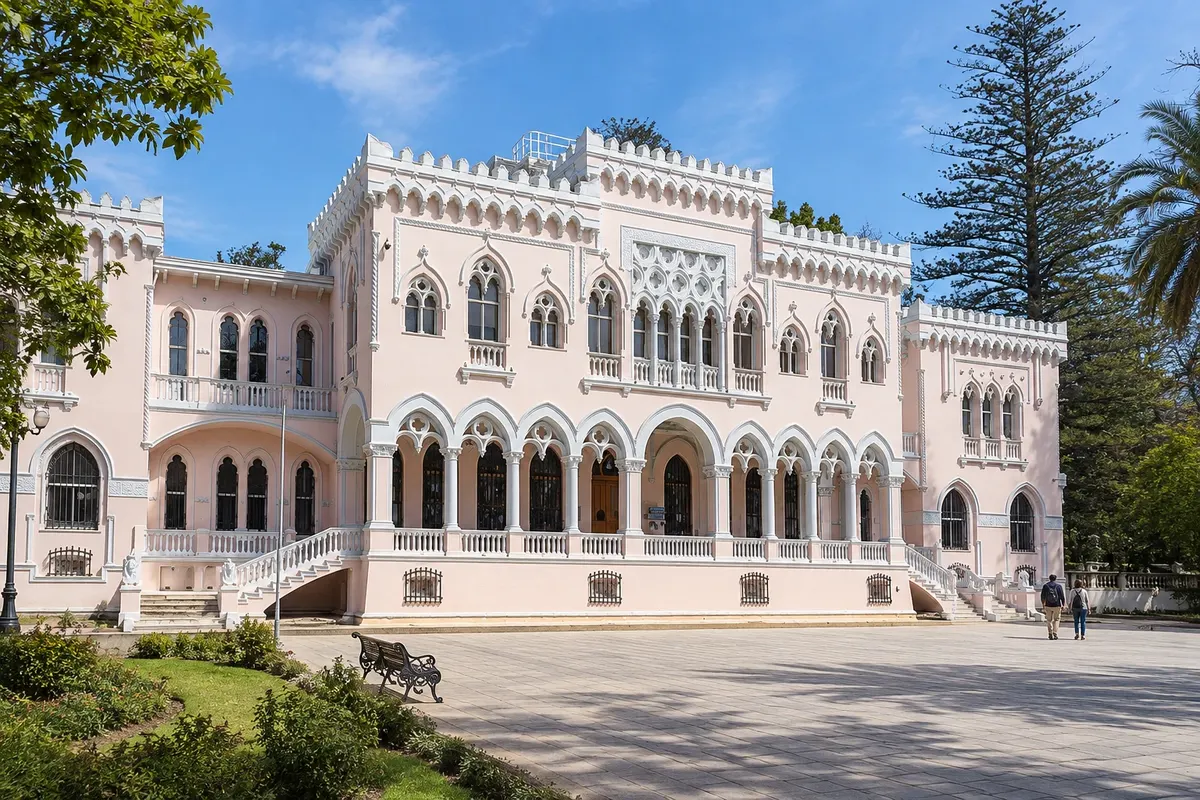
Quinta Vergara is the large park in downtown Viña del Mar, formerly the estate of the Vergara family, founders of the city. The gardens contain trees brought from Asia, Australia and California in the 19th century, promenades and sculptures. In the middle of the park stands Palacio Vergara, dating to 1910 in a Venetian Gothic style, built after the 1906 earthquake destroyed the previous house. The palace houses the Museo de Bellas Artes de Viña del Mar: it was heavily damaged by the 2010 earthquake, underwent a lengthy restoration, and displays across 15 rooms Venetian painting from the 16th century, Spanish and Italian painting from the 17th century, canvases by Joaquín Sorolla and a room of Chilean painting, as well as the original furniture bought in Europe. The park also contains the amphitheater where the Festival Internacional de la Canción de Viña del Mar takes place in February.
Kraji na poti: Quinta Vergara, Museo de Bellas Artes Palacio Vergara, Quinta Vergara Amphitheater.
Vključuje: Park entry is free. Check at the entrance for museum visiting rules and temporary exhibitions.
Nasvet: During the Festival in February, the area around the amphitheater is closed and the park may have restricted access: check in advance. The museum is usually closed on Mondays.
Najboljši čas za obisk: Year‑round; in spring (September to November) the gardens are in bloom.
Museo Fonck and the moai of Viña del Mar
Odhod: Viña del Mar city center Peš about 1 hour to 1½ hours Dopoldne ali popoldne Lahko
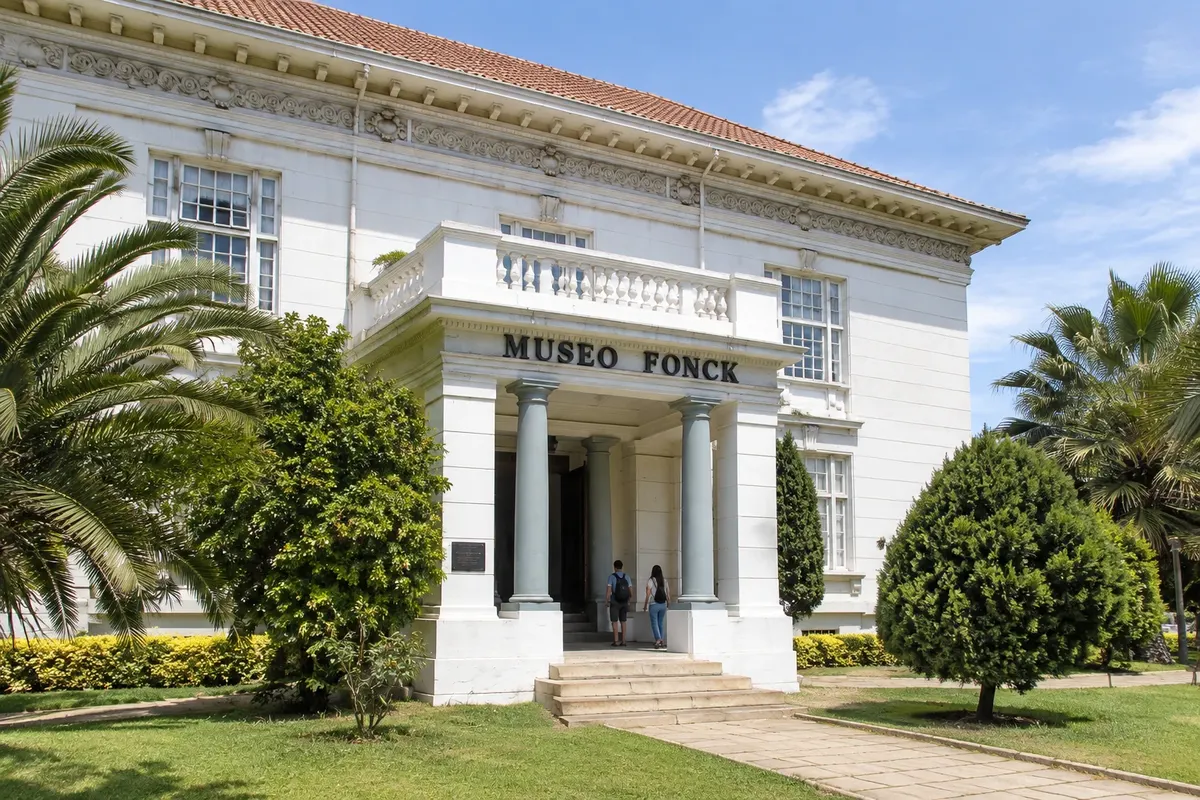
The Museo de Arqueología e Historia Francisco Fonck is located on Calle 4 Norte in downtown Viña del Mar, in a building behind Palacio Carrasco. At the entrance, in the garden, there is a moai carved from volcanic stone brought from Easter Island (Rapa Nui) in 1951. Inside, the Rapa Nui collection is one of the most complete of its kind, with wooden and stone pieces, ritual objects and explanations about the island’s culture. The other rooms display items from indigenous cultures of northern, central and southern Chile, such as the atacameños, the diaguitas and the mapuches, and a natural history section. For those not traveling to Easter Island, it is a chance to see a moai up close; for those who are going, it is a good introduction.
Kraji na poti: Museo Fonck, Palacio Carrasco.
Vključuje: The museum charges admission. Check the current price table.
Nasvet: The moai in the garden can be seen from the street. The museum is usually closed one day a week: check in advance.
Najboljši čas za obisk: All year; a good option for a rainy day.
Playa Acapulco and the downtown beaches of Viña del Mar
Odhod: Viña del Mar city center On foot along the waterfront Približno 3 ure Popoldne Lahko
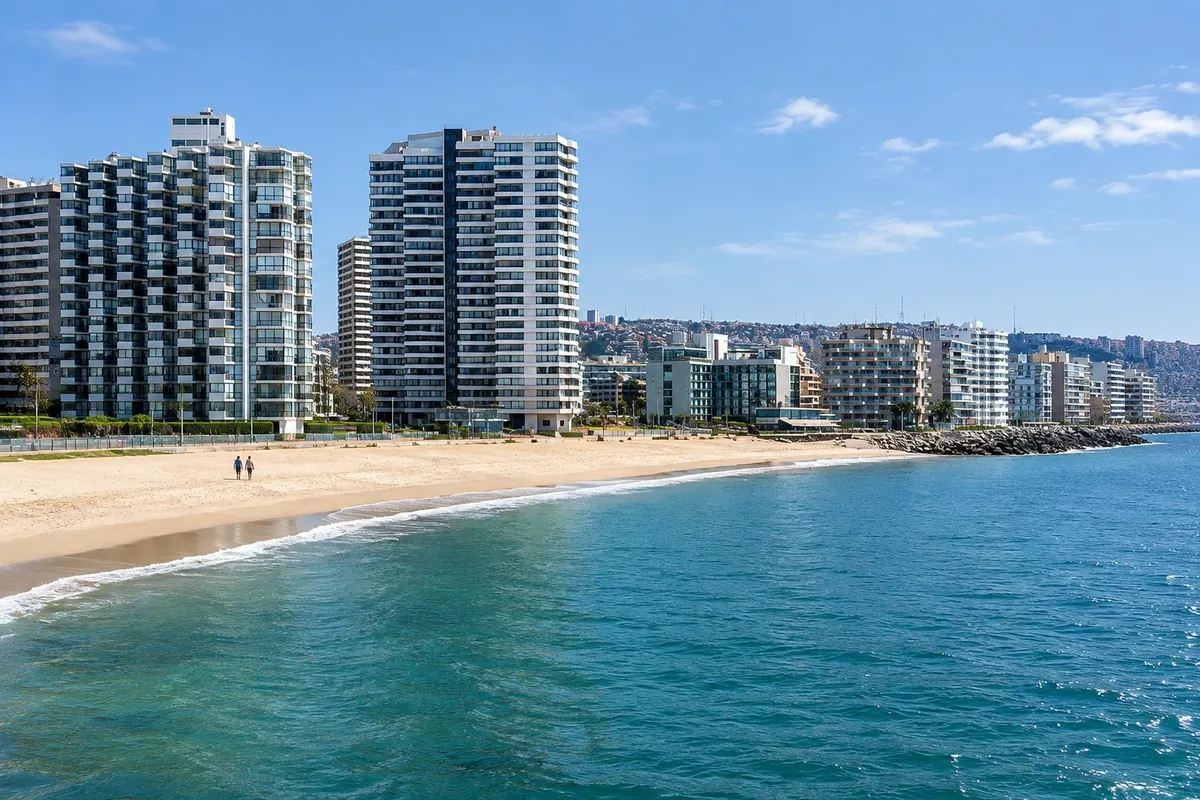
Playa Acapulco is the most central beach in Viña del Mar, with light sand, north of the Marga Marga estuary, facing the buildings on Avenida San Martín and near the Casino Municipal on the estuary edge. The sandy stretch has a boardwalk, kiosks and restaurants, and in summer there are lifeguards, chairs and beach tents. The sea can also have strong waves; respect the flags and enter only at sections with lifeguards. The walk pairs well with the Avenida Perú waterfront and an evening at Castillo Wulff.
Kraji na poti: Playa Acapulco, Casino Municipal de Viña del Mar, Avenida San Martín.
Vključuje: The beach has free access. Chairs and umbrellas are rented separately.
Nasvet: Bring a jacket even in summer: coastal fog can appear in the morning and the wind cools down late in the afternoon. Use sunscreen even with cloudy skies.
Najboljši čas za obisk: From December to March, the beach season with lifeguards. In January and February the beach becomes crowded, especially on weekends.
Reñaca, Viña del Mar’s beach to the north
Odhod: Viña del Mar city center By micro (city bus), taxi, or car via the coastal avenue Približno 4 ure Popoldne Lahko
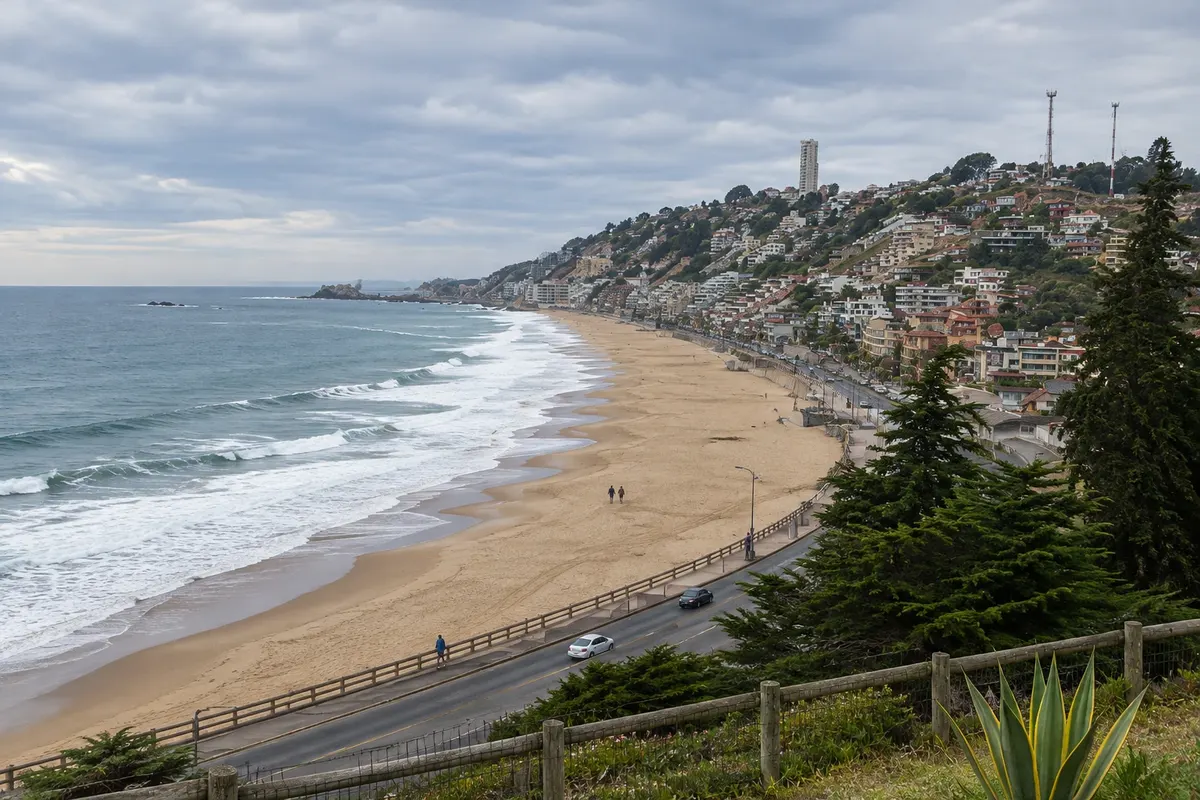
Reñaca is the resort area north of Viña del Mar, linked to the center by the coastal avenue that passes Las Salinas. The beach is long and divided into five sectors, each with its own crowd: some stretches are more family-oriented and others are popular with young people and those who surf or bodyboard. Behind the sand, buildings climb the hillside in steps, a familiar image of the place. The promenade has restaurants, ice cream shops, and stores, and in summer Reñaca is also lively at night. The water is cold, as along the entire central Chilean coast, and the sea can have strong waves. On Reñaca’s northern side the road continues to Concón and its dunes, which allows you to combine both outings.
Kraji na poti: Playa Reñaca, Reñaca.
Vključuje: The beach has free access. Chairs, beach umbrellas, and surfing lessons are paid separately.
Nasvet: In January and February the coastal avenue gets congested on weekends: prefer the micro or leave early. Enter the sea only in sectors with lifeguards.
Najboljši čas za obisk: From December to March for beachgoing; the rest of the year, the promenade and the view are still worthwhile, with far fewer people.
Dunas de Concón and the caletas of Concón
Odhod: Viña del Mar or Reñaca By car, taxi or local bus along the coastal avenue about 3 to 4 hours Popoldne moderate (ascending and descending on sand)
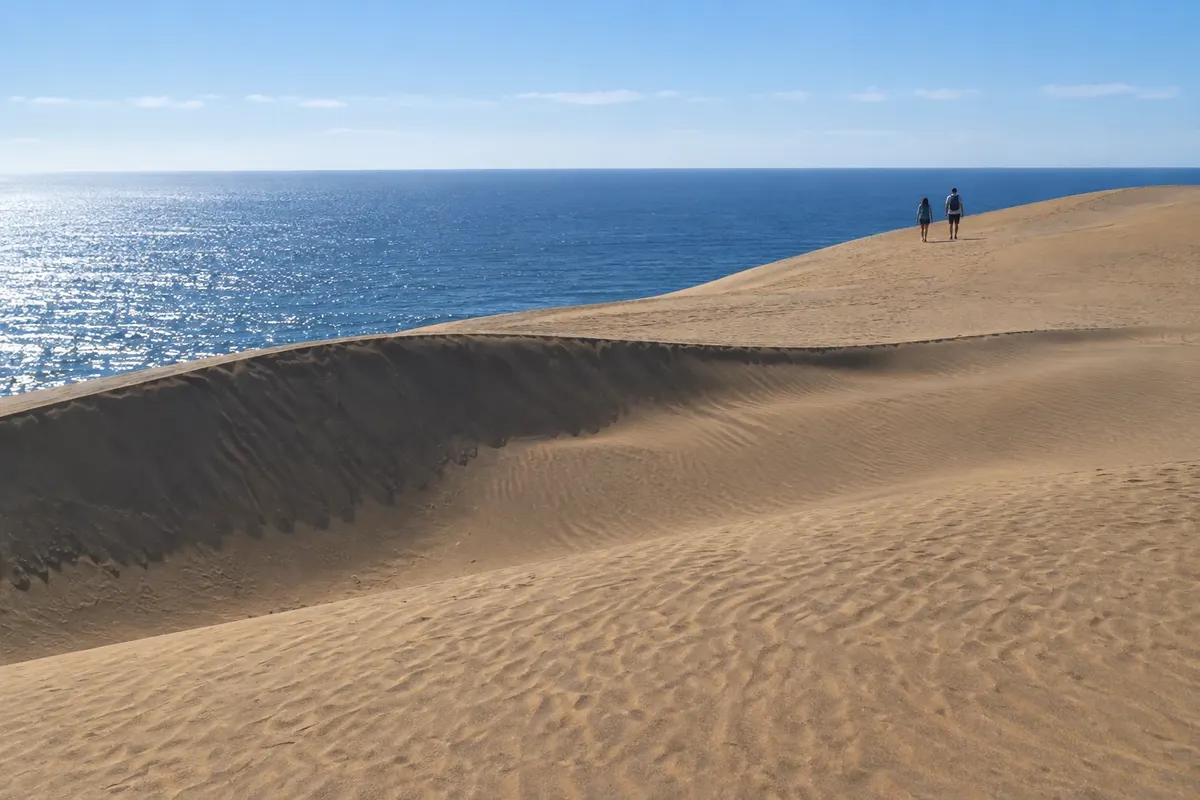
The Campo Dunar de la Punta de Concón is an area of sand dunes on a marine terrace about 30 meters high, beside the coastal road between Reñaca and Concón. It has been a Santuario de la Naturaleza since 1993, protected for its landscape value and for science, and the dunes descend from the ravines to the sea. From the top you can see the coastline from Reñaca to Concón, and the place is sought in the late afternoon to watch the sunset. After the dunes, the road continues to Concón, a city of beaches and seafood restaurants. The fishing coves, such as Higuerillas and San Pedro, have colorful boats, fish stalls and restaurants; empanadas de mariscos (baked or fried pastries filled with seafood) are the region’s specialty.
Kraji na poti: Santuario de la Naturaleza Campo Dunar de la Punta de Concón, Caleta Higuerillas, Caleta San Pedro, Concón.
Vključuje: Access to the dunes and the coves is free of charge. Meals are paid separately.
Nasvet: Stay within the permitted access areas on the dunes and do not bring vehicles onto the sand, which is prohibited. Bring warm clothing: the wind is strong and it cools down in the late afternoon.
Najboljši čas za obisk: All year; from December to March the late afternoon is longer and drier.
Isla Negra, Neruda’s house on the southern coast
Odhod: Santiago or Valparaíso By car, bus or tour about 7 to 8 hours, round trip Ves dan Lahko
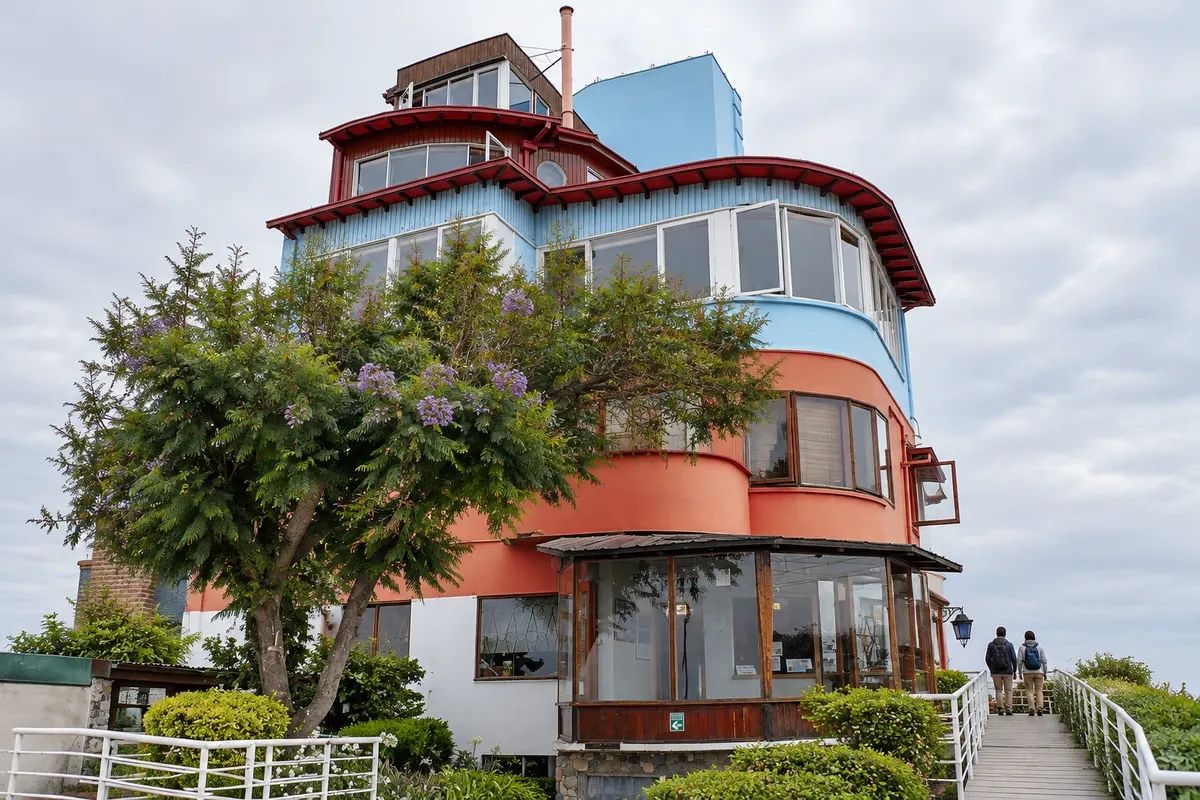
Isla Negra is a locality in the El Quisco commune, on the coast south of Valparaíso, about 110 km from Santiago. There is the house Pablo Neruda favored, facing the Pacific, built gradually to resemble a ship. The visit goes through the rooms with the poet’s collections: figureheads, bottles, ships in bottles, maps and a large collection of shells in a room called Bajo el mar. Neruda and his third wife, Matilde Urrutia, are buried on the house grounds, facing the sea. The house is managed by the Fundación Pablo Neruda. After the visit you can walk on the shoreline rocks in front of the house.
Kraji na poti: Casa Museo Isla Negra, Isla Negra, El Quisco.
Vključuje: There is an entrance fee, with an audio guide in several languages, including Portuguese. Photography inside the house is not allowed. On organized tours, transportation is usually included and the entrance fee may be paid separately. Check the current price table.
Nasvet: The house usually closes on Mondays and has a daily visitor limit: in January, February and on weekends buy the ticket in advance. There are buses from Santiago and Valparaíso that stop near the house; check return schedules when you arrive.
Najboljši čas za obisk: All year; from December to February there is more activity and extended opening hours.
New Year in Valparaíso and Viña del Mar: fireworks in the bay
Odhod: Valparaíso or Viña del Mar On foot to a viewpoint or the waterfront; by boat, with reservation about 3 to 4 hours night easy (many people in the streets)
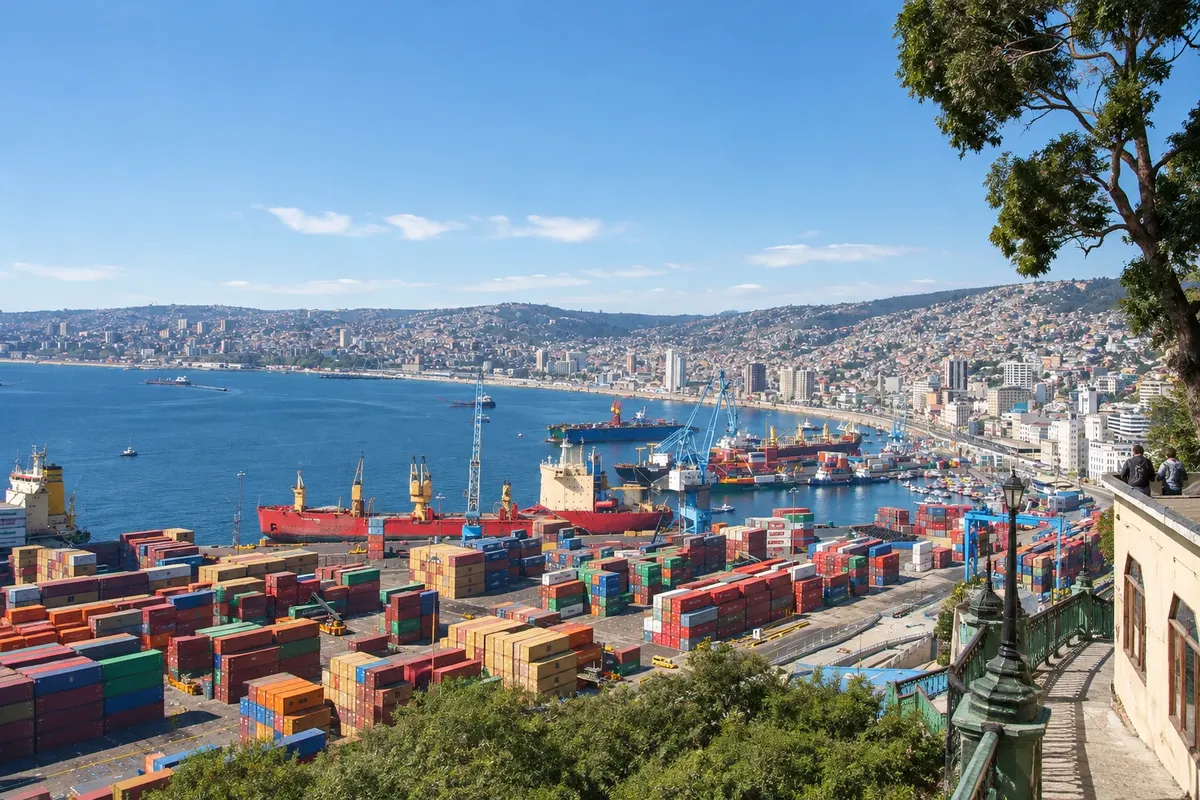
New Year’s Eve in the bay of Valparaíso is one of Chile’s best-known celebrations and draws large crowds to the hills, the waterfront and the sea. Valparaíso and Viña del Mar usually stage fireworks with multiple launch points in the sea along the bay, from Valparaíso to Reñaca, and the city’s celebration often includes performances at Plaza Sotomayor. People watch from hill viewpoints, Viña’s waterfront and from boats and launches that depart Muelle Prat shortly before midnight. Neruda spent New Year’s at La Sebastiana precisely to watch the fireworks over the sea. Timing, program and launch points change each year, and some viewpoints may be closed to the public for safety on the night of the 31st.
Kraji na poti: Plaza Sotomayor, Muelle Prat, Cerro Alegre, Cerro Concepción, Reñaca.
Vključuje: Watching from public spaces is free. New Year’s boat trips are paid separately and require reservation. Check the current rates.
Nasvet: Decide in advance where you will watch and how you will return: on the night of the 31st there are roadblocks, closed walkways and overcrowded transport. Book your trip from Santiago and the return in advance.
Najboljši čas za obisk: Night of December 31 to January 1.


 Brazilija
 Antarktika
 Argentina
 Bolivija
 Kolumbija
 Ekvator
 Gvajana
 Francoska Gvajana
 Falklandski otoki (Malvini)
 Paragvaj
 Peru
 Surinam
 Urugvaj
 Venezuela
 Nemčija
 Avstrija
 Belgija
 Hrvaška
 Danska
 Slovaška
 Slovenija
 Španija
 Finska
 Francija
 Grčija
 Nizozemska
 Madžarska
 Irska
 Islandija
 Italija
 Luksemburg
 Norveška
 Poljska
 Portugalska
 Združeno kraljestvo
 Češka
 Švedska
 Švica
 Turčija
 Bermudi
 Kanada
 Združene države Amerike
 Grenlandija
 Mehika
 Sveta Peter in Mihael
 Dominikanska republika
 Japonska
 Južnoafriška republika
 Egipt
 Avstralija
 Fidži
 Nova Zelandija
 Papua Nova Gvineja