
Historical collection · Rio dos Cedros, SC
Museu da Imigração de Rio dos Cedros
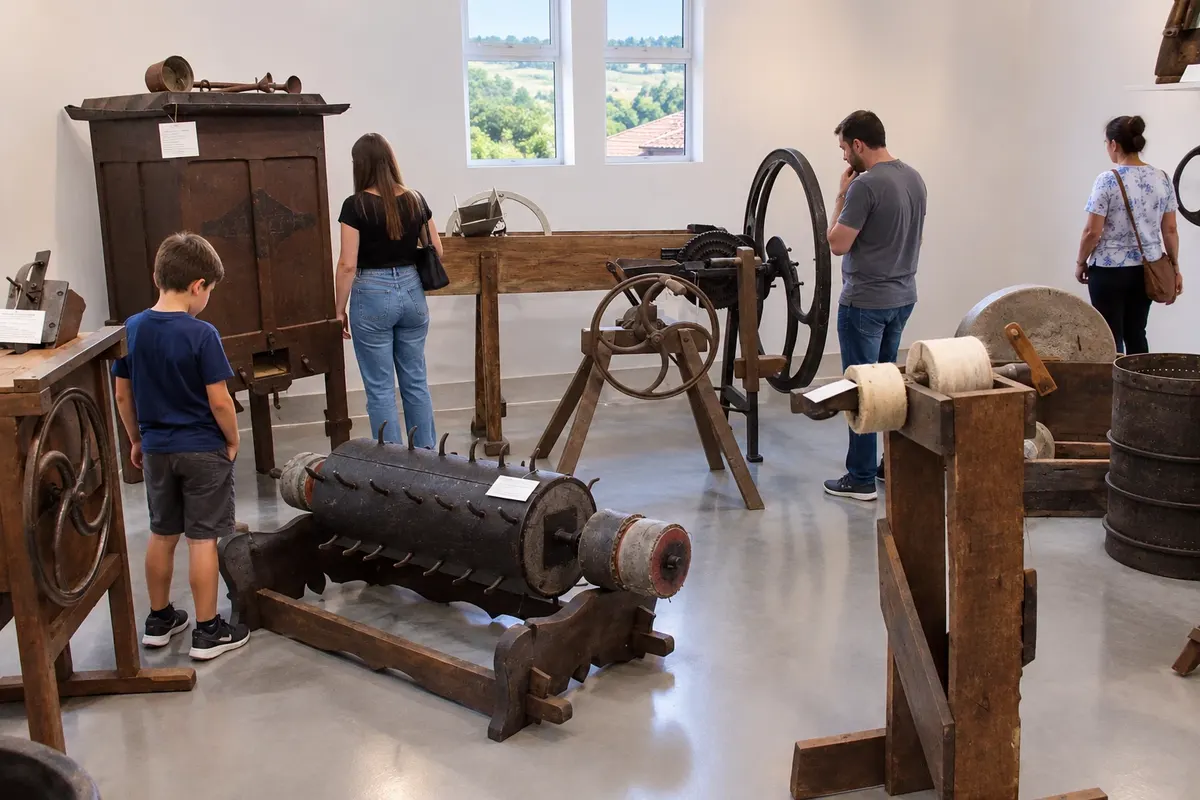
The Museu da Imigração de Rio dos Cedros preserves objects related to the lives of the municipality's colonizers.
Illustrative images. The pictures in this guide are illustrations based on the real place, not photographs, and may differ from it.

Discover
About Museu da Imigração de Rio dos Cedros
The Museu da Imigração de Rio dos Cedros preserves objects related to the lives of the municipality's colonizers. Utensils and tools show work practices and domestic organization. The building was donated by José and Verônica Tafner, linking the museum's existence to the community's role in preserving memory. The collection offers another way to get to know Rio dos Cedros beyond the landscapes of the Região dos Lagos.
Pay attention to the materials and functions of the pieces on display, trying to learn how they were used. Observing the tools can clarify activities that do not appear on a quick visit to the town. Check with the museum about visitor service and access to the building; photographs and close approaches to the objects must follow the staff's guidelines.
Before you go
Practical information
How much time to set aside
Set aside time to interpret the tools and utensils in the Rio dos Cedros collection.
Best time
The museum's visitor service determines the best time to view the Rio dos Cedros collection.
How to get there
Confirm the location and entrance of the Museu da Imigração in the town of Rio dos Cedros before you travel.
Tip
The museum's visitor service determines the best time to view the Rio dos Cedros collection.
Get your questions answered
Frequently asked questions about Museu da Imigração de Rio dos Cedros
How is the Tafner family connected to the museum?
José and Verônica Tafner donated the building that houses the Museu da Imigração, contributing to the preservation of the local collection.
How to organize a visit to the Museu da Imigração de Rio dos Cedros?
The Museu da Imigração de Rio dos Cedros preserves objects related to the lives of the municipality's colonizers. Utensils and tools show work practices and domestic organization. The building was donated by José and Verônica Tafner, linking the museum's existence to the community's role in preserving memory. The collection offers another way to get to know Rio dos Cedros beyond the landscapes of the Região dos Lagos. Pay attention to the materials and functions of the pieces on display, trying to learn how they were used. Observing the tools can clarify activities that do not appear on a quick visit to the town. Check with the museum about visitor service and access to the building; photographs and close approaches to the objects must follow the staff's guidelines.