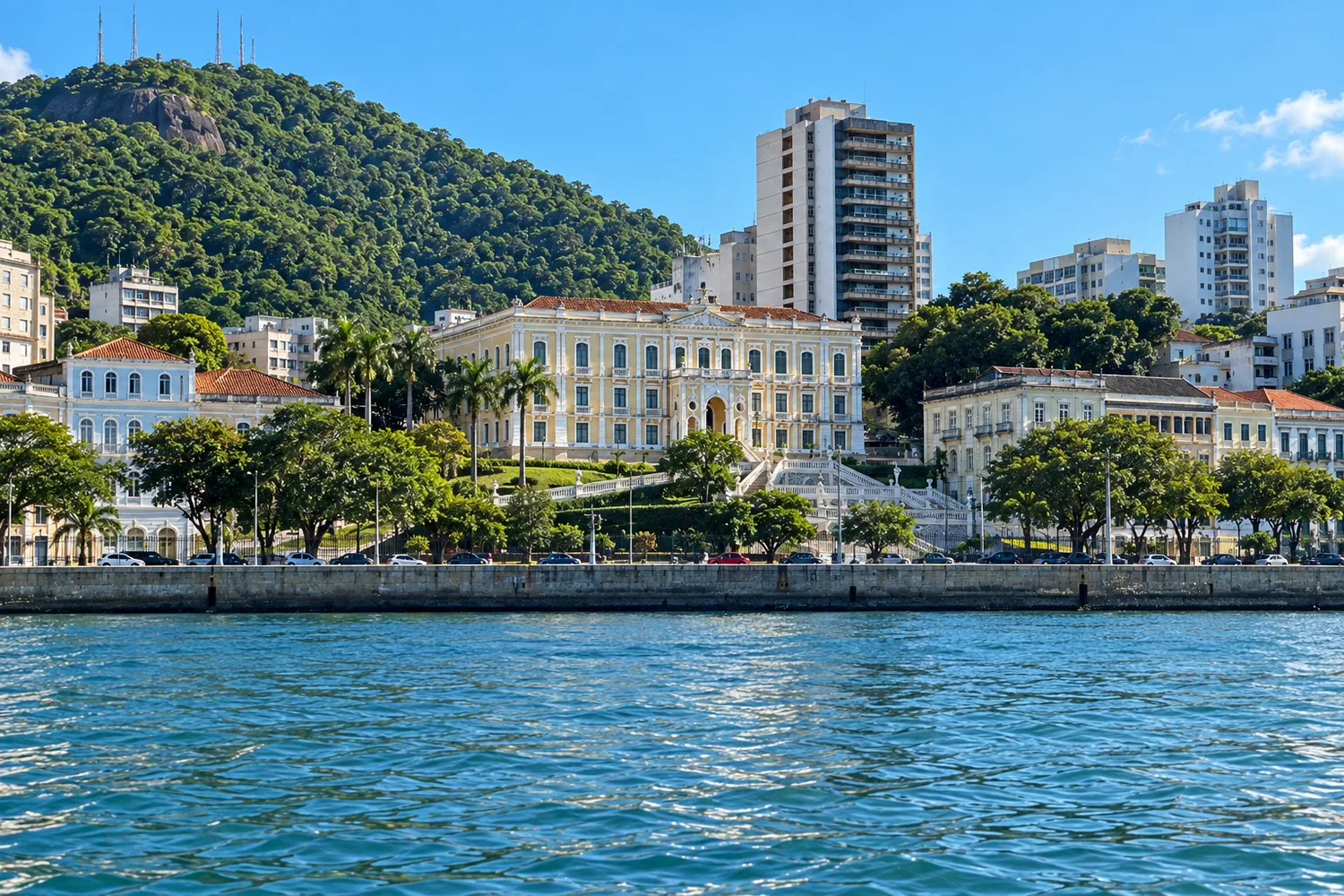
Palácio Anchieta
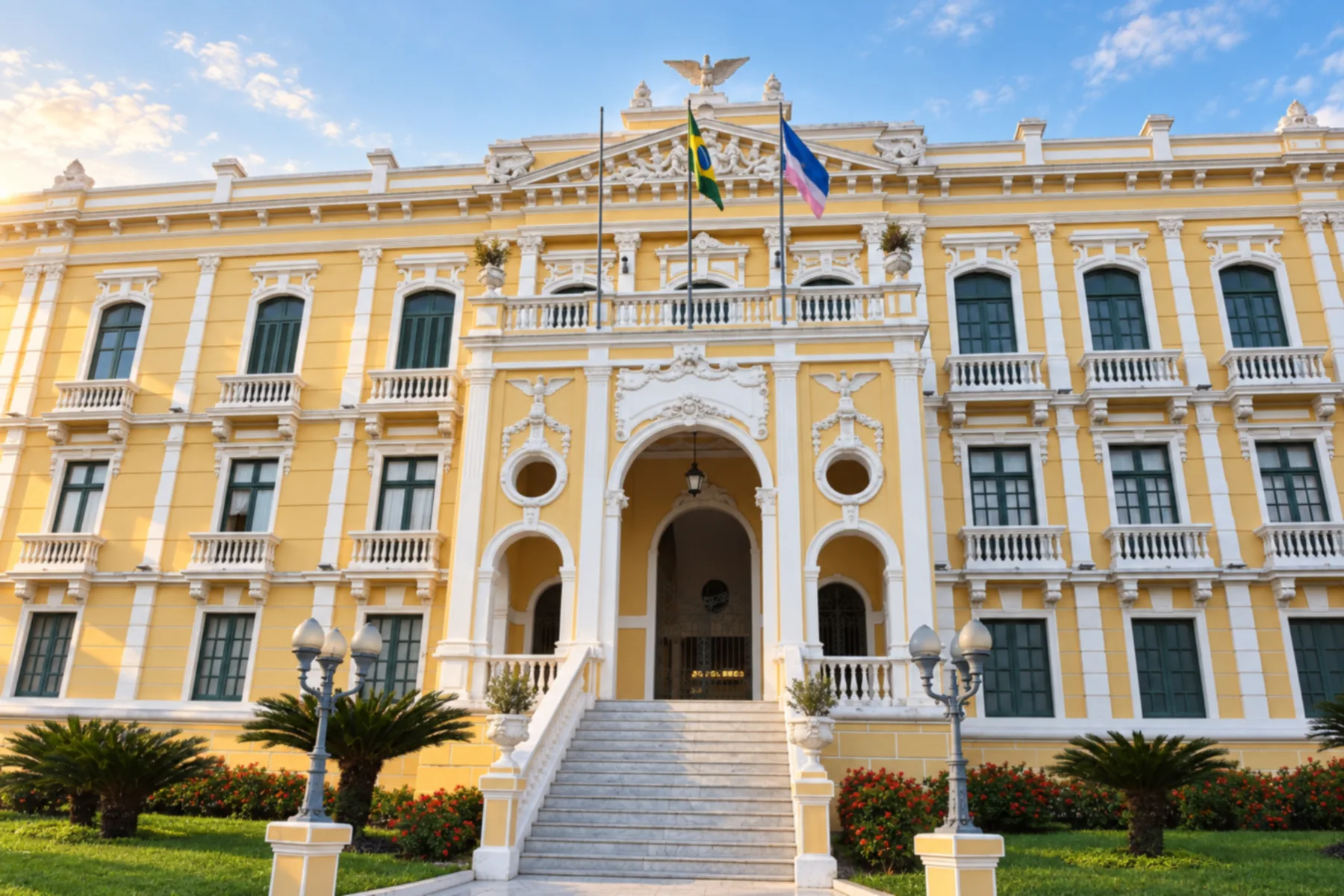
The seat of the state government, it occupies the former college and church built by the Jesuits starting in 1551. The tour includes the symbolic tomb of Father José de Anchieta, whose remains were taken to Bahia in 1610.
Espírito Santo · Brazil Capital
In the destination Vitória.
Illustrative images. The pictures in this guide are illustrations based on the real place, not photographs, and may differ from it.
The city
Vitória brings together beaches, parks and historic heritage in a landscape of islands and bays. Walks along the waterfront can be combined with visits to downtown and to the viewpoints that reveal the capital of Espírito Santo.
15 places to stay in Vitória.
3 places picked to eat.
What to know before you go.
The local experience
The seat of the state government, it occupies the former college and church built by the Jesuits starting in 1551. The tour includes the symbolic tomb of Father José de Anchieta, whose remains were taken to Bahia in 1610.
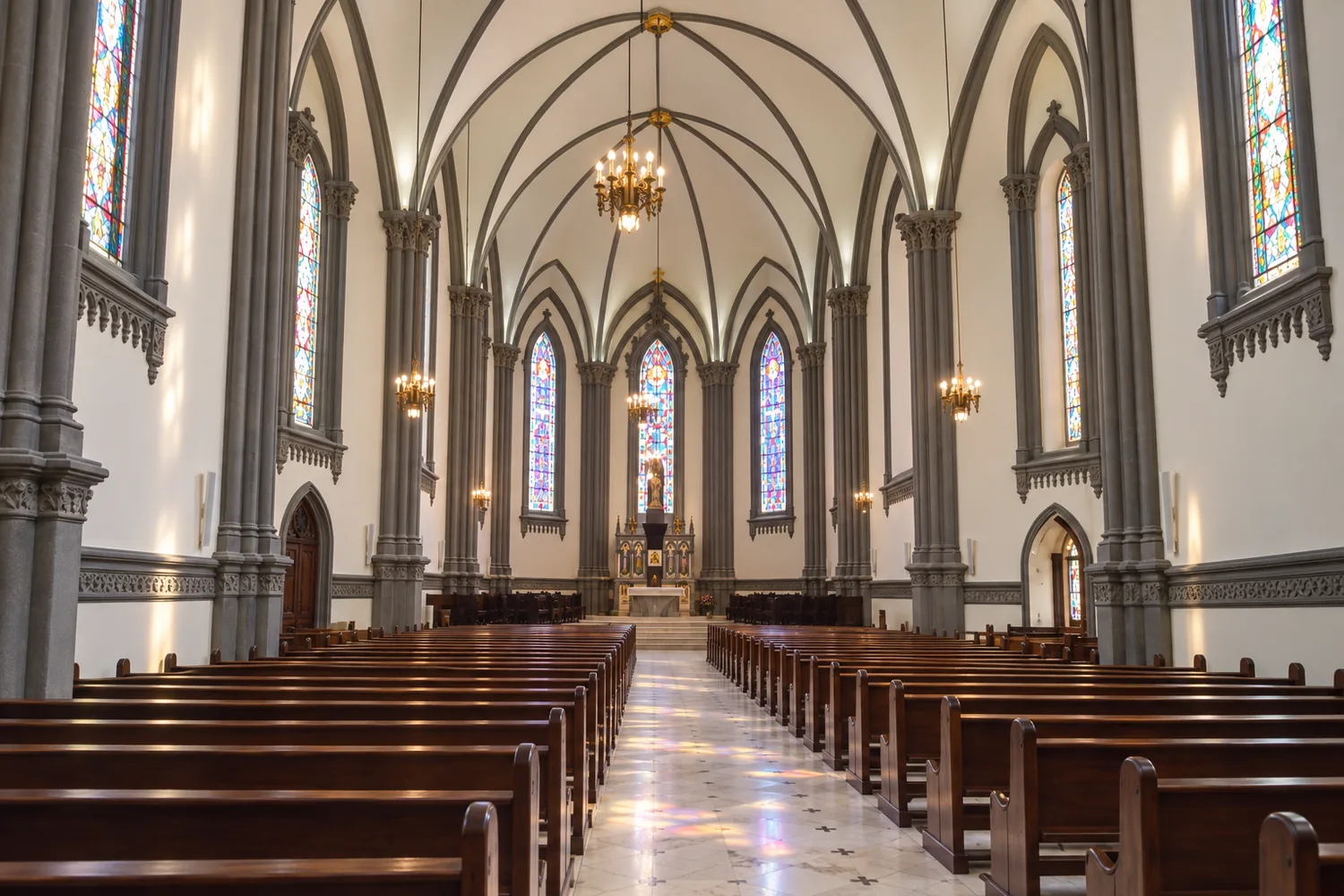
In an eclectic style with neo-Gothic features, it was built between the 1920s and the 1970s on the site of an older church. The stained-glass windows that line the entire nave were made by Italian artist César Formenti and his son Gastão.
Discover Catedral Metropolitana de Vitória
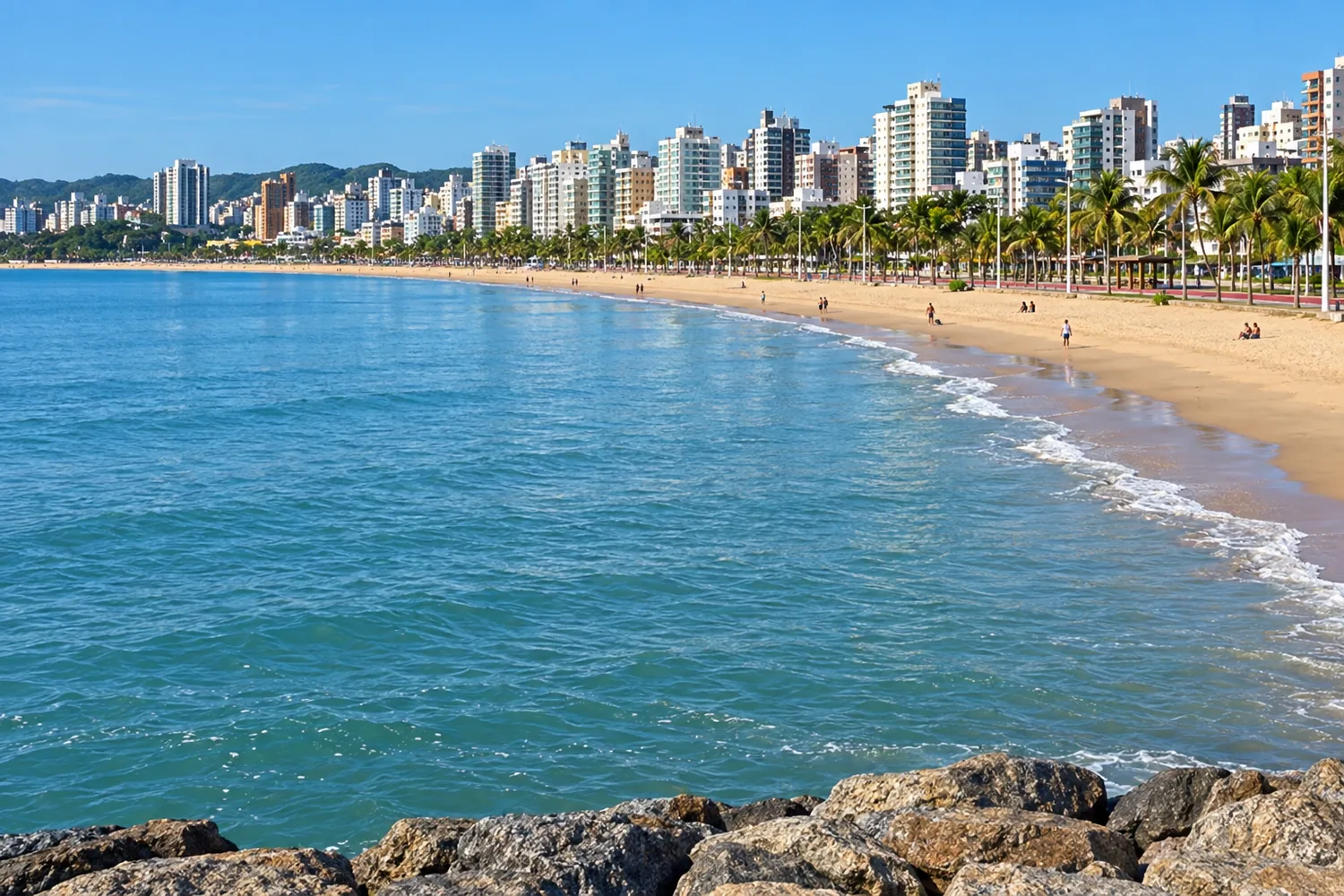
A strip of sand about 6 km long on the mainland, lined by a boardwalk used for walking and sports. At the start of the waterfront is the Píer de Iemanjá, with a statue of the orixá (Afro-Brazilian deity) installed in 1988.
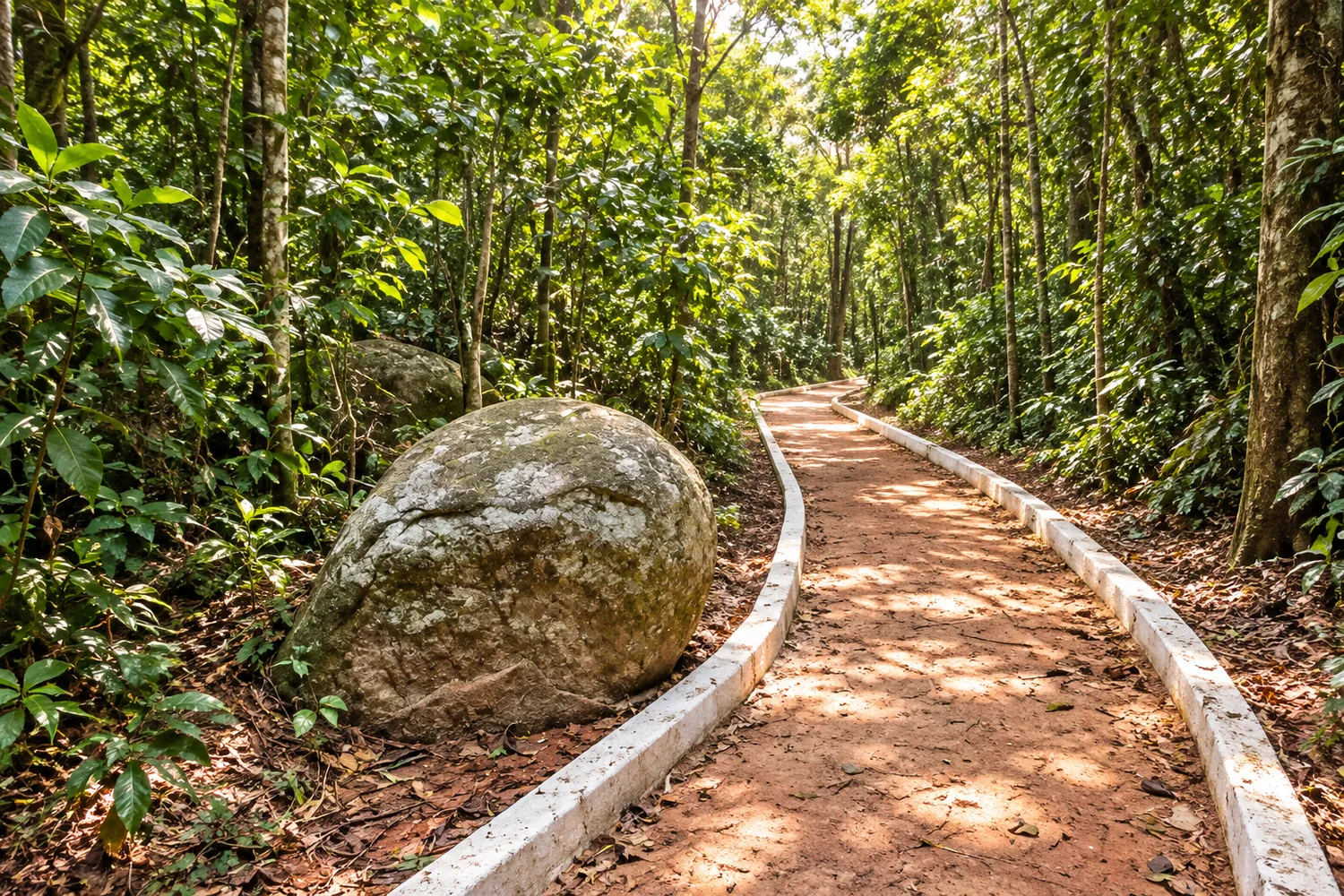
Created in 1986, it protects about 260 hectares of Atlantic Forest on the island's central massif. From the highest point, almost 309 meters above sea level, you can see the bay, the port and much of the metropolitan area.
Discover Parque Estadual da Fonte Grande
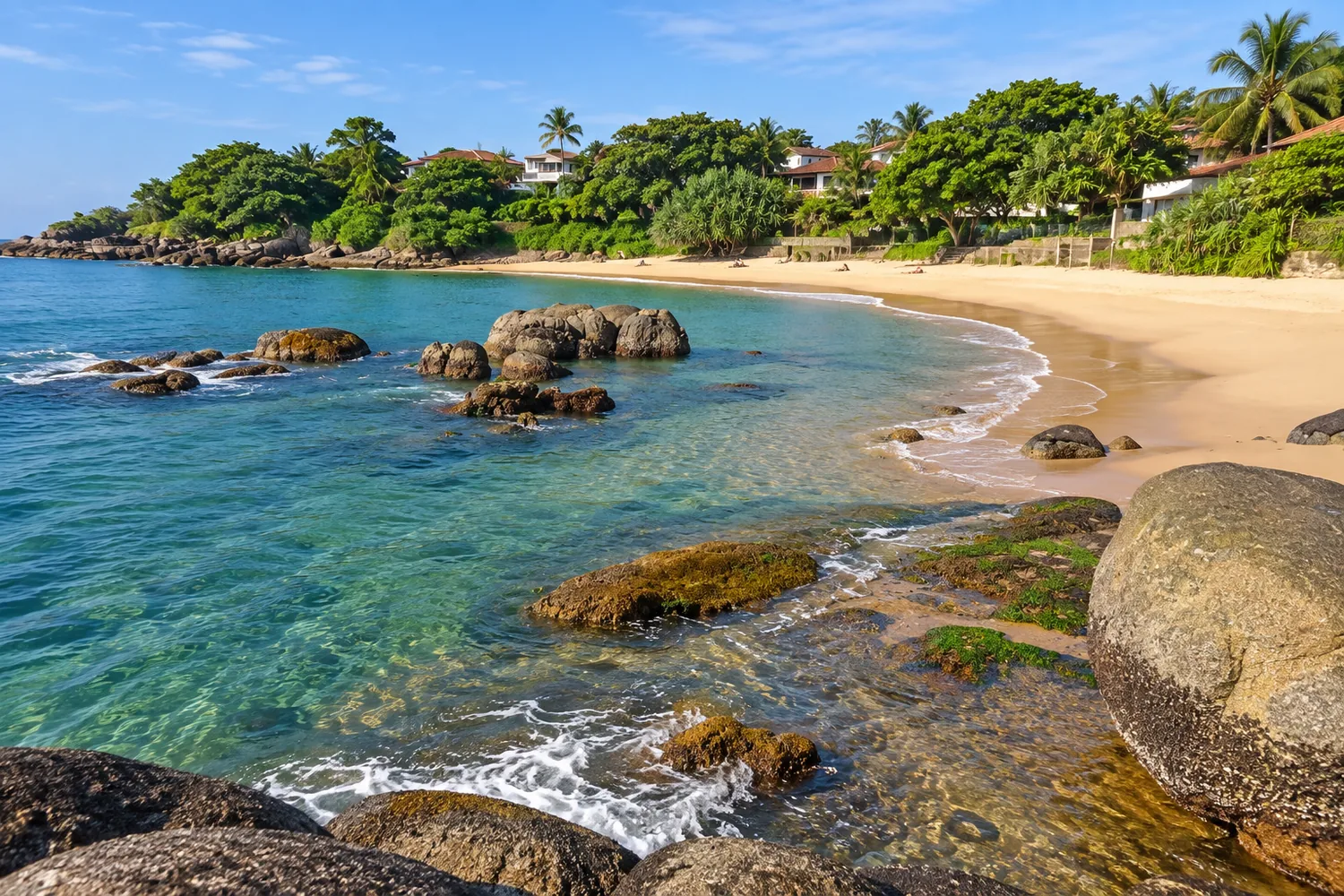
An island neighborhood with two small beaches, Praia da Direita and Praia da Esquerda, surrounded by rocks and vegetation. The calm waters are good for swimming, kayaking and stand-up paddleboarding.
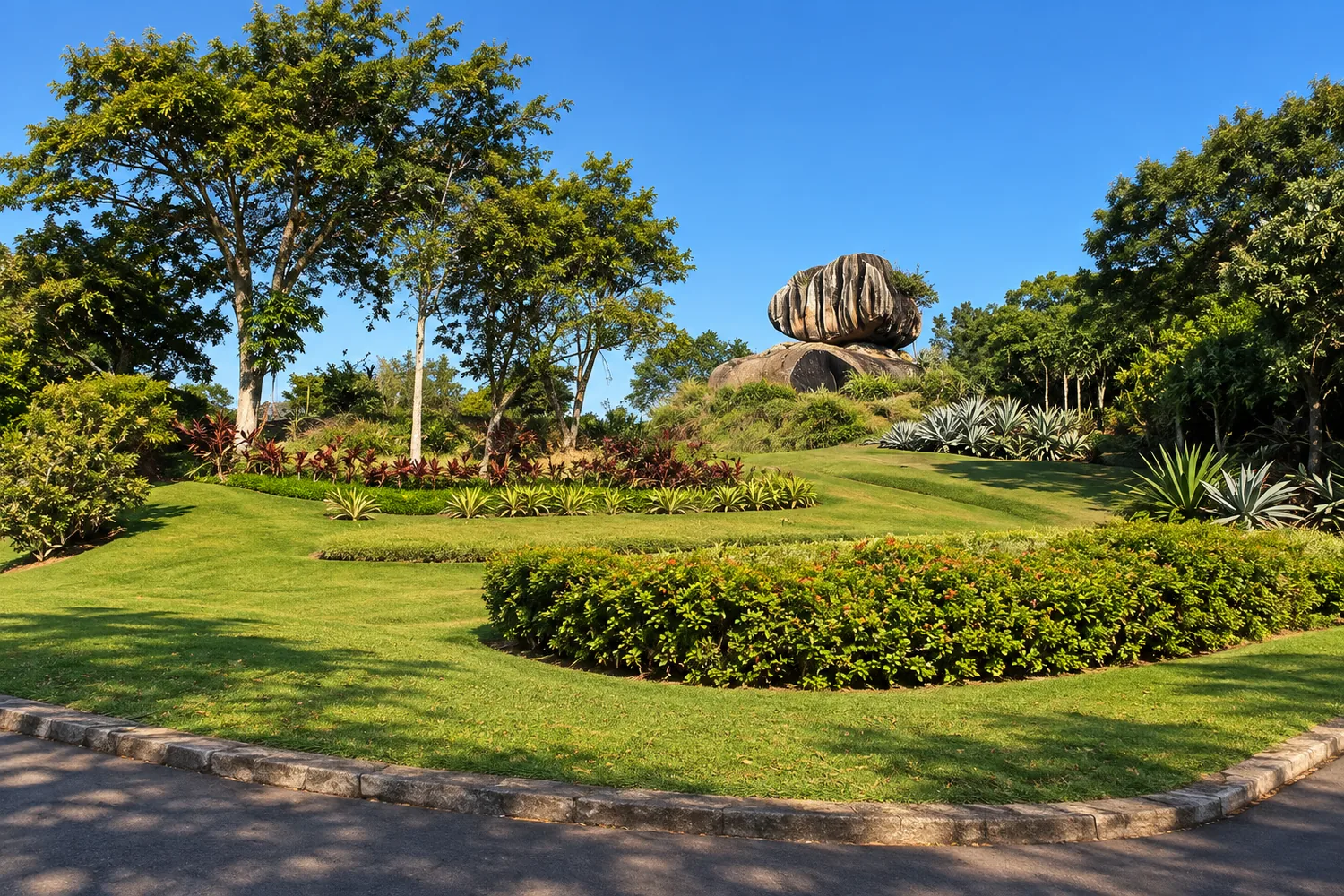
A municipal park of about 10 hectares between Jardim da Penha and Mata da Praia, with restinga (coastal scrub) vegetation. The name comes from the large rounded rock, which has a viewpoint and an Oriental garden around it.
Discover Parque Pedra da Cebola
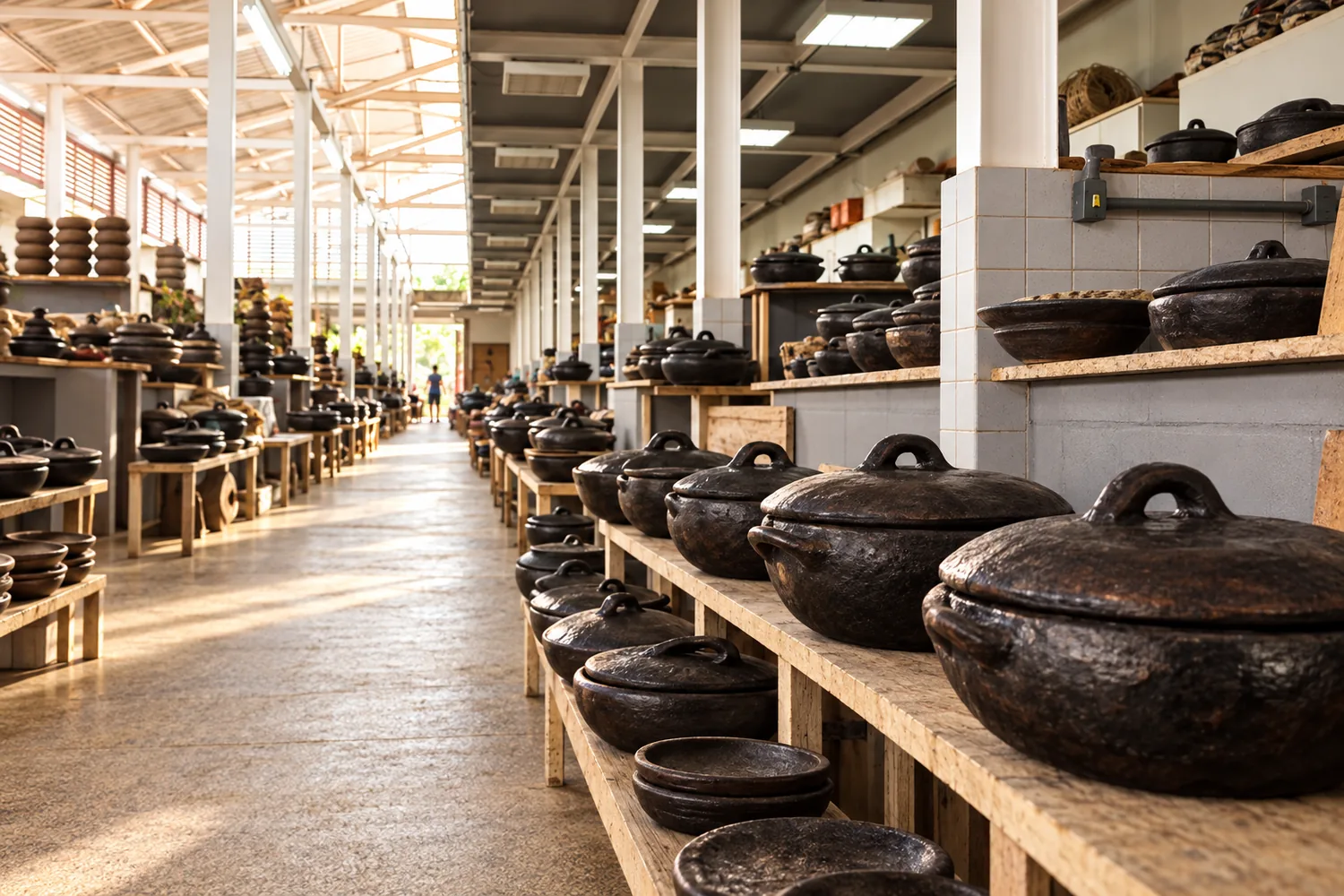
The workspace of the Goiabeiras potters' association, where the clay pots used for moqueca capixaba are shaped by hand. The craft was the first item registered in Iphan's Book of Knowledge, in 2002.
Discover Galpão das Paneleiras de Goiabeiras
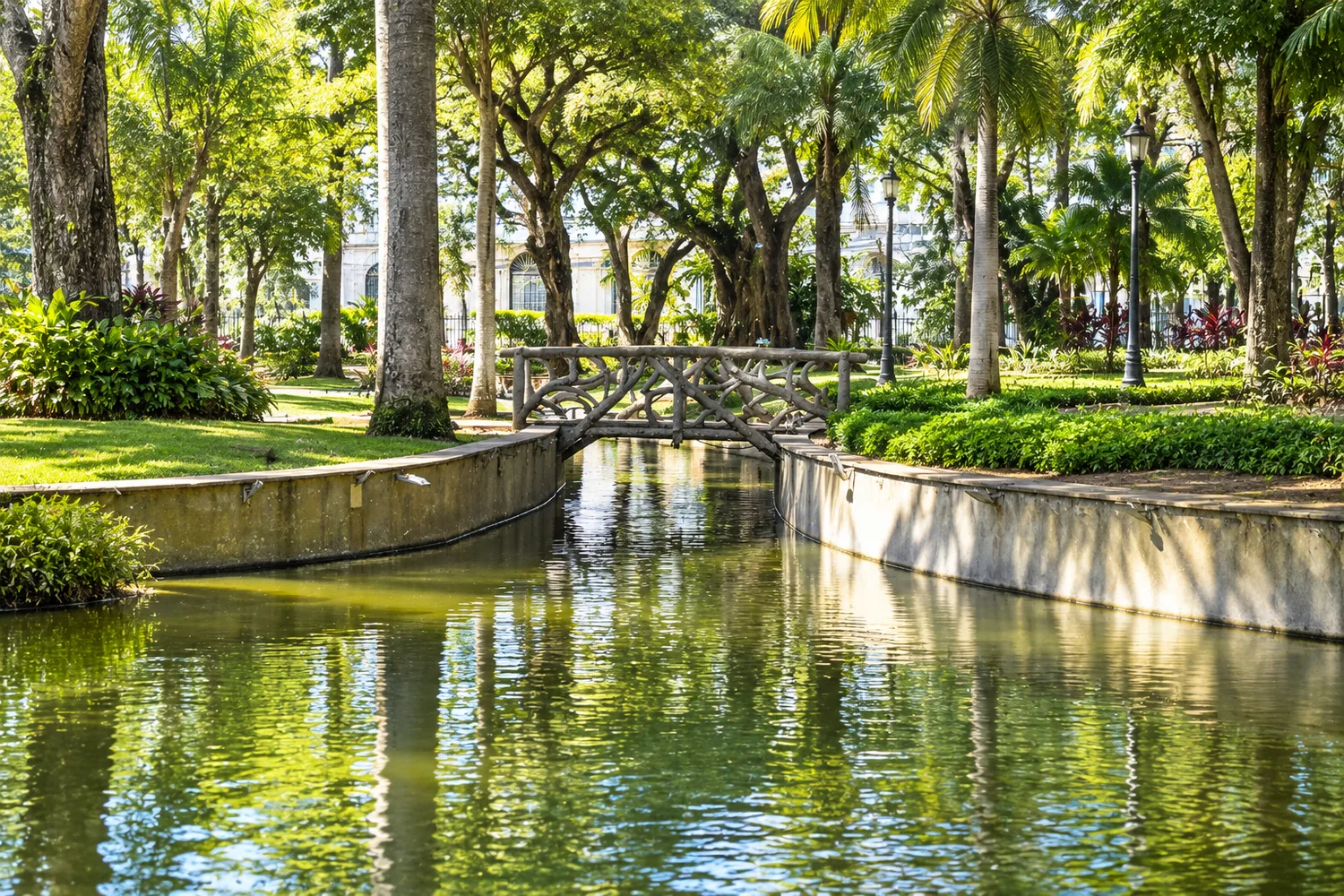
Opened in 1912, it is the city's oldest municipal park, designed by landscape architect Paulo Motta Teixeira. It has a lake with islands and bridges, tree-lined paths and a band shell listed as a state heritage site.