São Paulo
São Paulo combines urban parks, historic architecture and a wide network of cultural spaces. Walks through downtown and along Avenida Paulista can be combined with visits to museums and gardens.
SP · Brazil
Illustrative images. The pictures in this guide are illustrations based on the real place, not photographs, and may differ from it.
Get to know the place
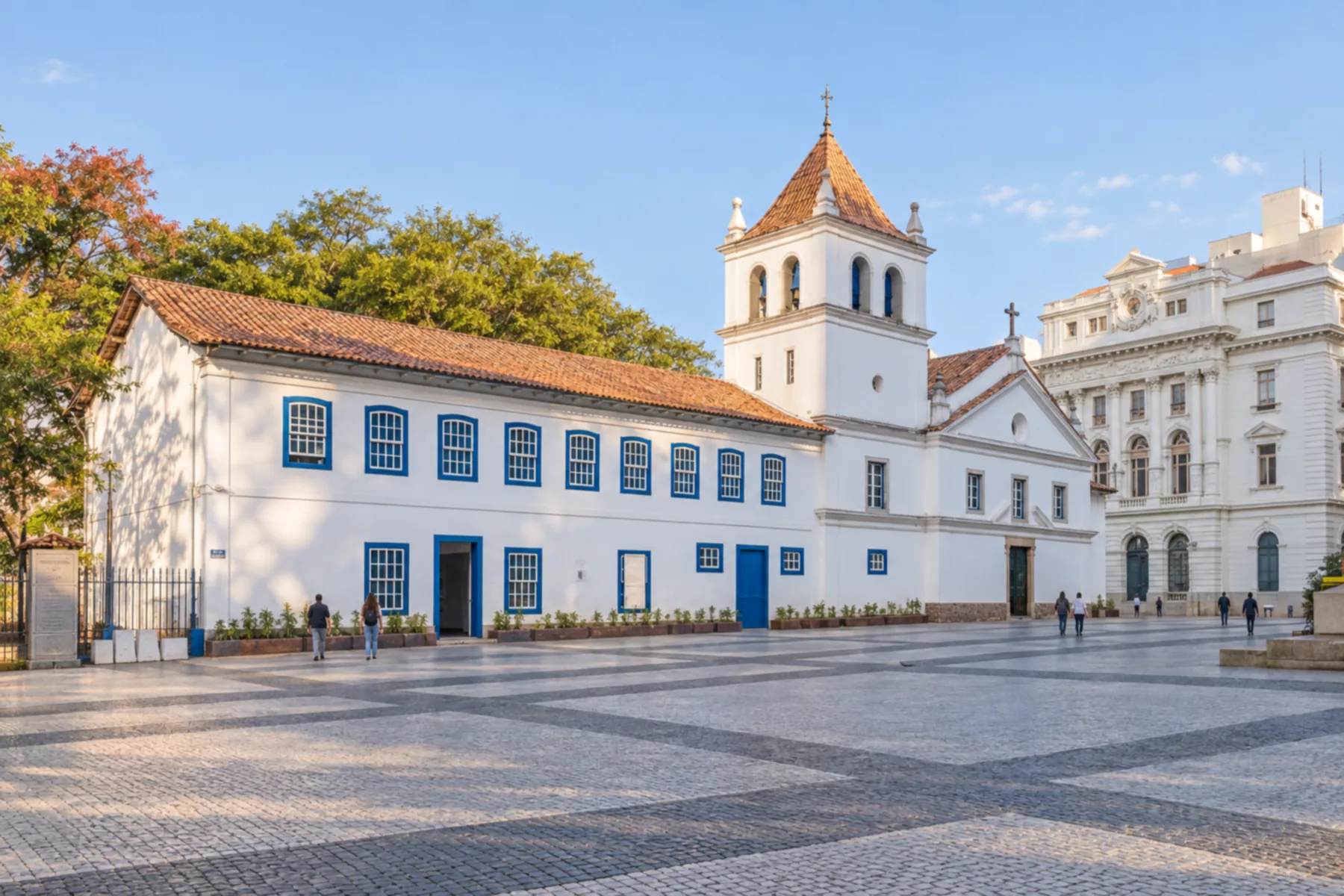
You visit Brazil's largest city for what it holds inside: museums, theaters, restaurants of every cuisine and neighborhoods that feel like different cities. Avenida Paulista brings together MASP and cultural centers; Parque Ibirapuera combines museums, a lake and lawns; and the historic center preserves the Theatro Municipal, the Mercado Municipal and the Pátio do Colégio, where the city was born. It is also the gateway to the São Paulo North Coast and the Serra da Mantiqueira (mountains).
This destination brings together 1 city: São Paulo.
A look at the place
These pictures are illustrations based on the real place, not photographs. They may differ from the place.
Click the picture to enlarge it.
One destination, many paths
Start with one city or combine several in your itinerary.
The local experience
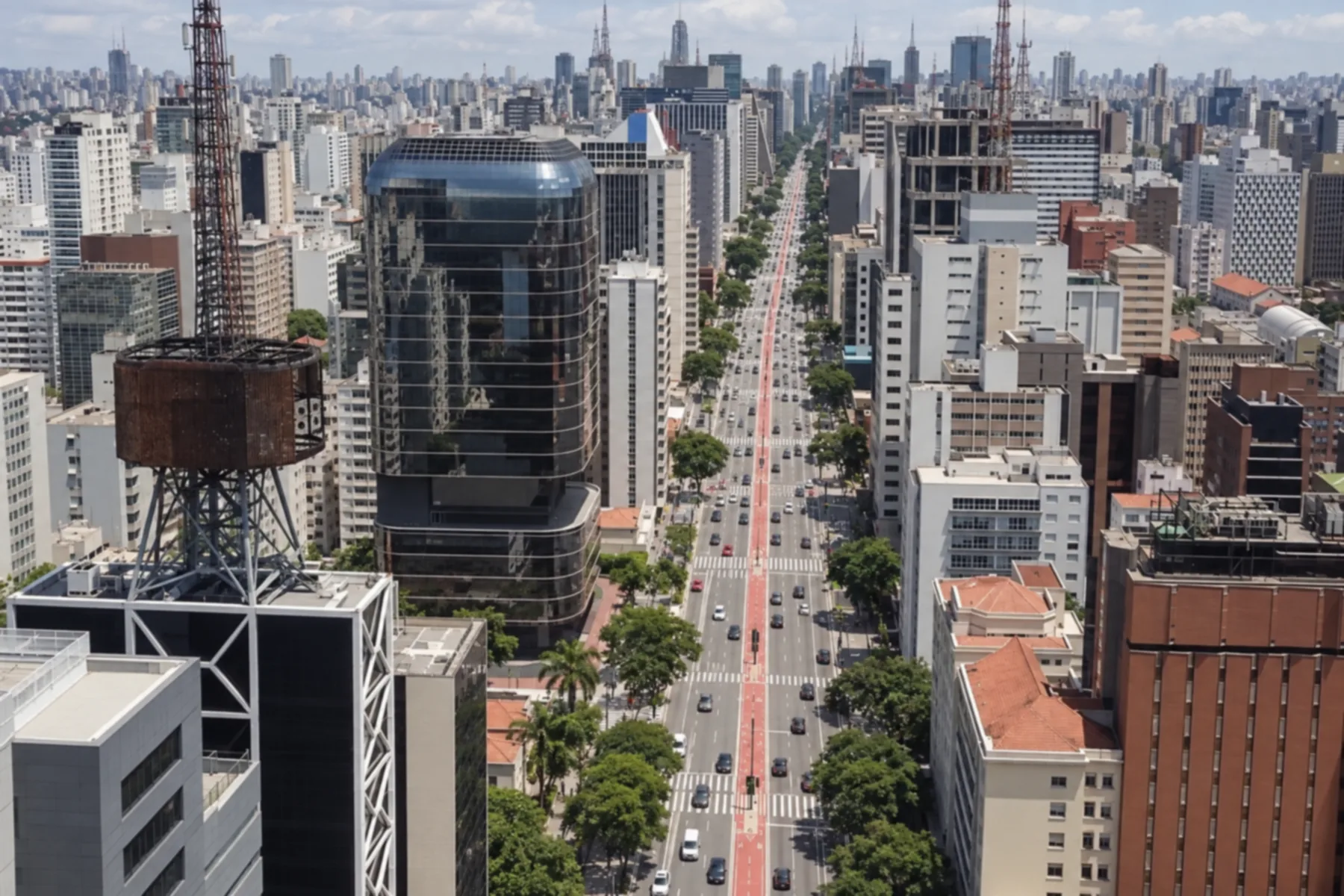
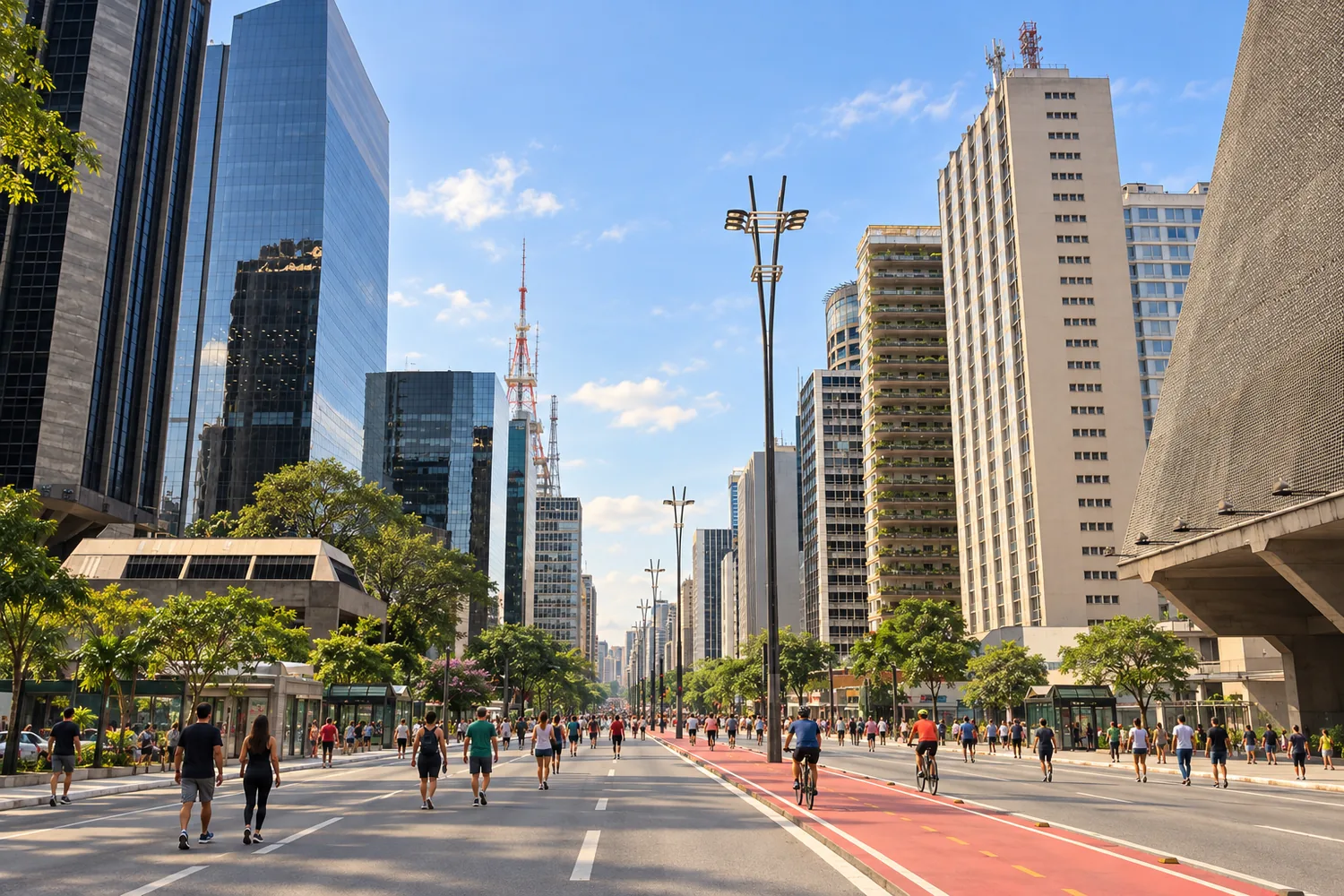
Opened in 1891 on top of the central ridge, it traded the coffee barons' mansions for office towers, banks and cultural centers along almost 3 km. On Sundays it is closed to cars and becomes a leisure space for pedestrians and cyclists.
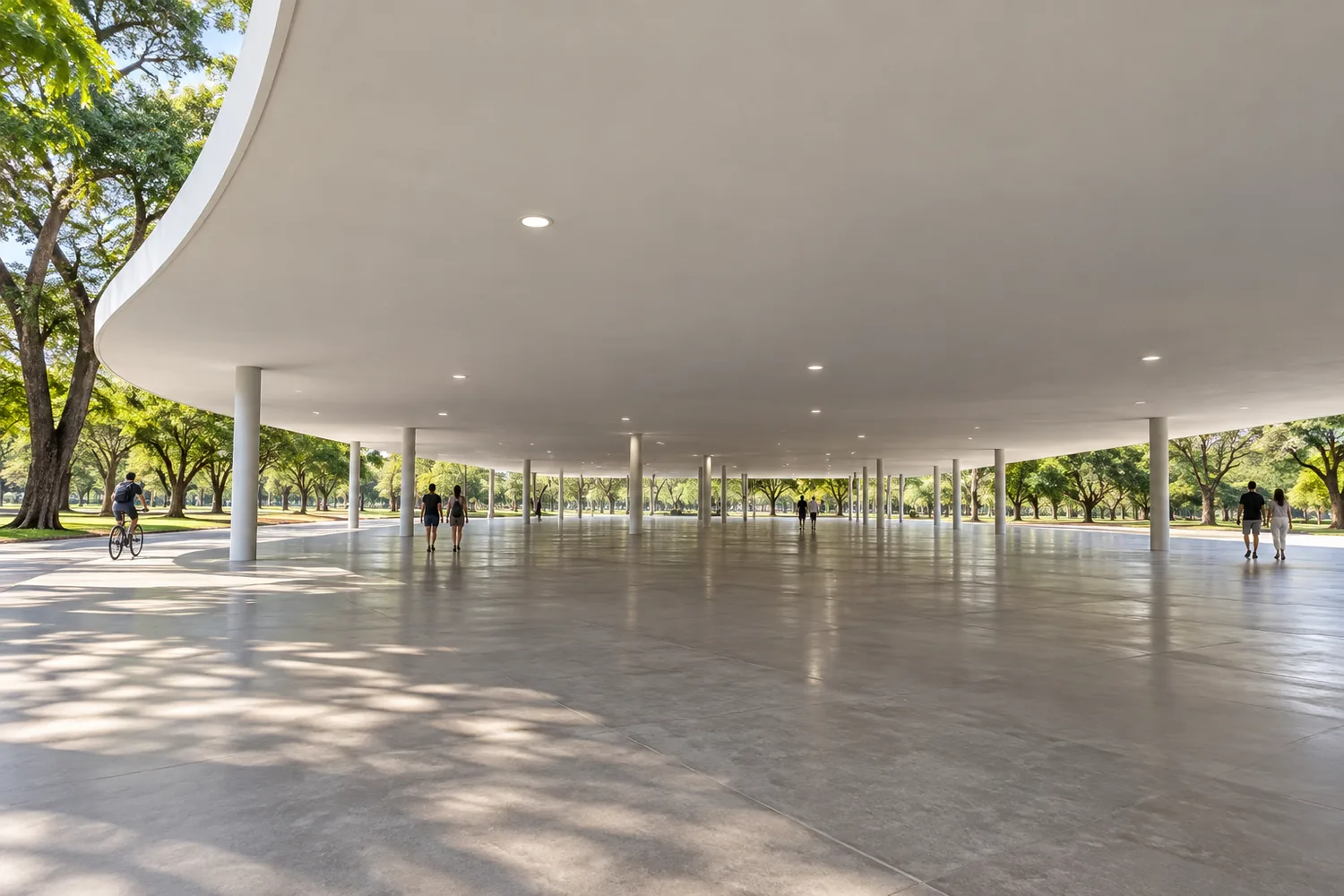
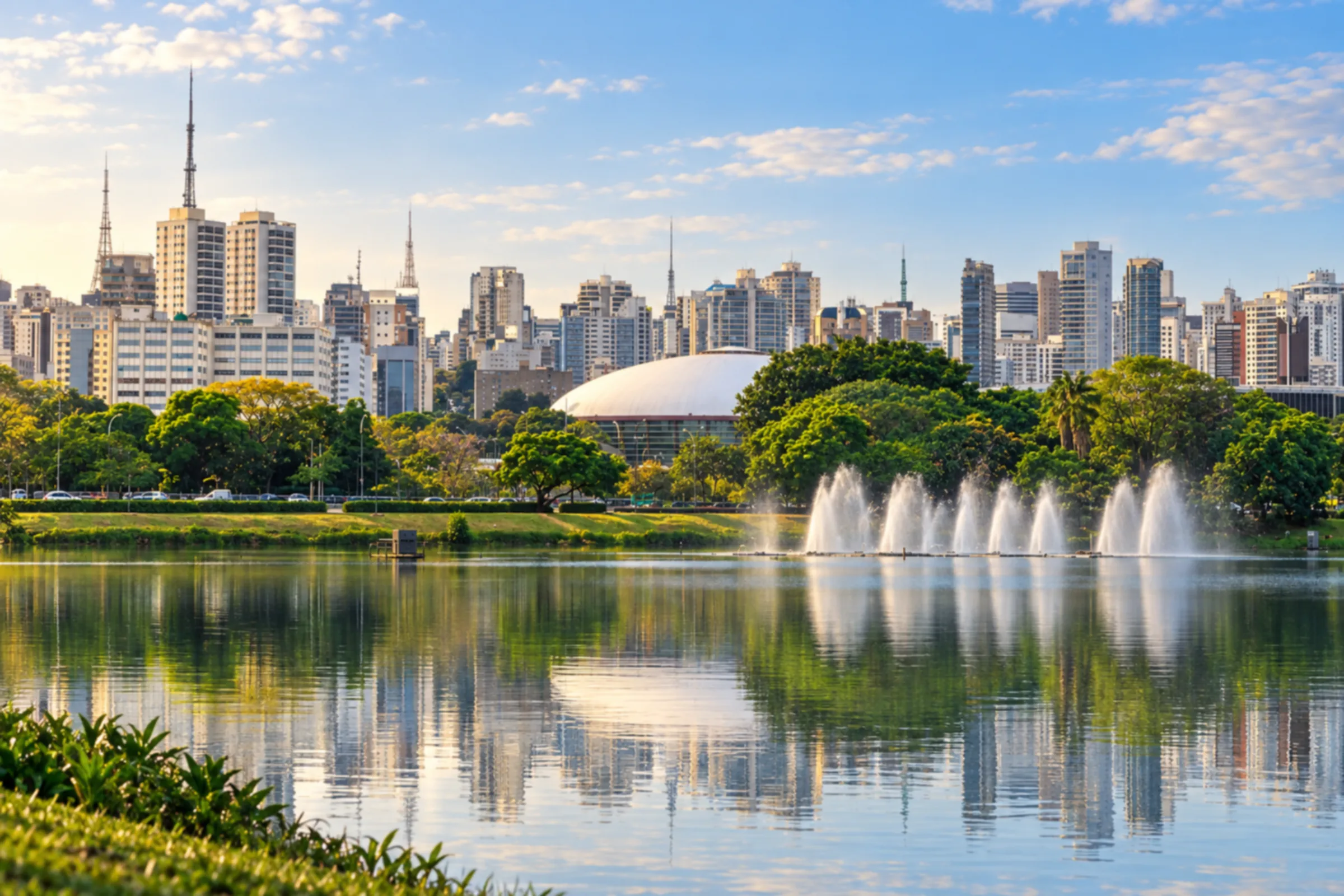
Opened in 1954 for the city's 400th anniversary celebrations, it brings together lakes, lawns and woods around buildings designed by Oscar Niemeyer. Under the marquee and in the pavilions are museums such as MAM and the Museu Afro Brasil, as well as the Bienal.
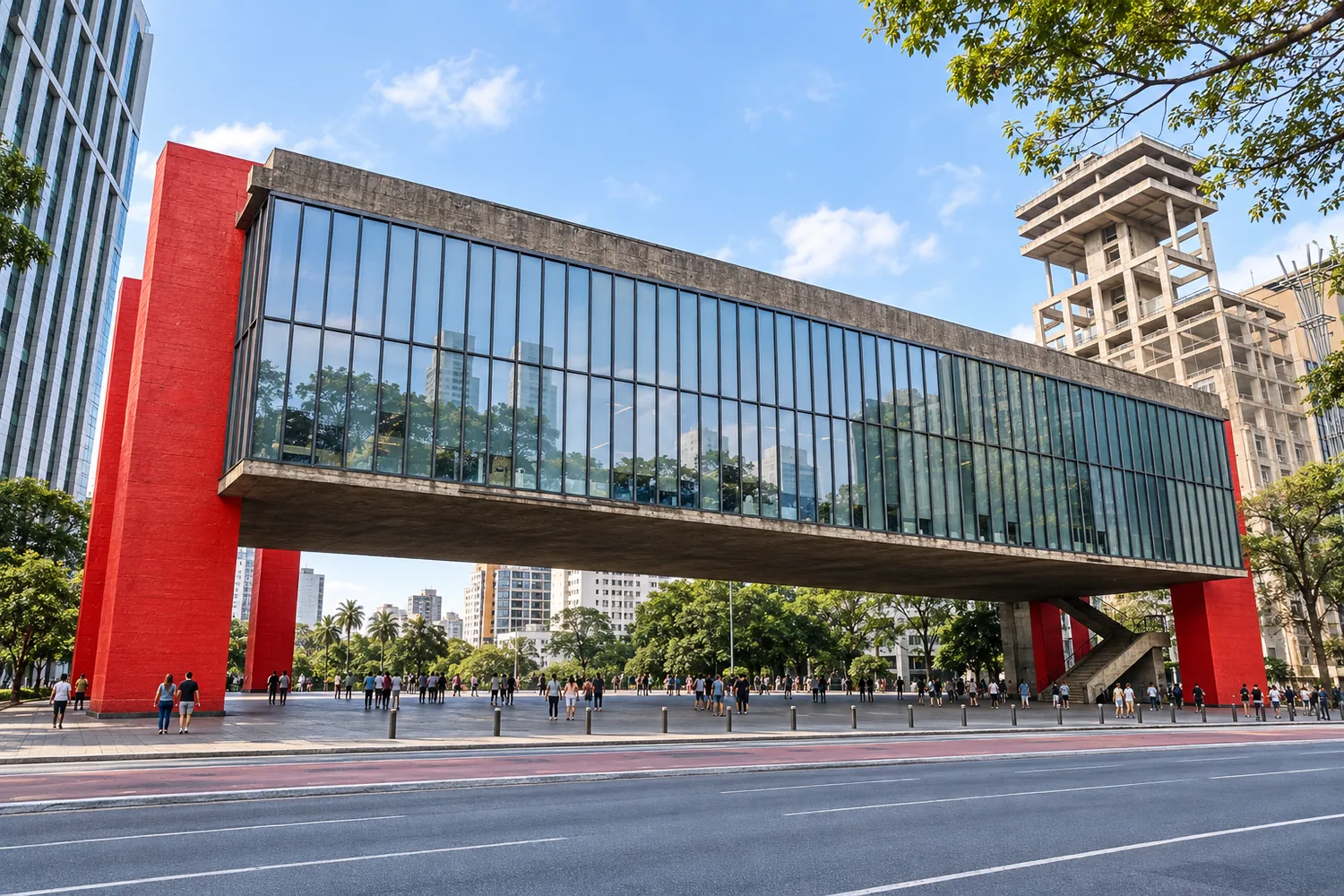
Lina Bo Bardi's building, opened in 1968, holds its glass and concrete volume on four red pillars, leaving an open span of more than 70 meters. The collection includes works by Raphael, Van Gogh, Renoir and Portinari on glass easels.
Discover MASP – Museu de Arte de São Paulo
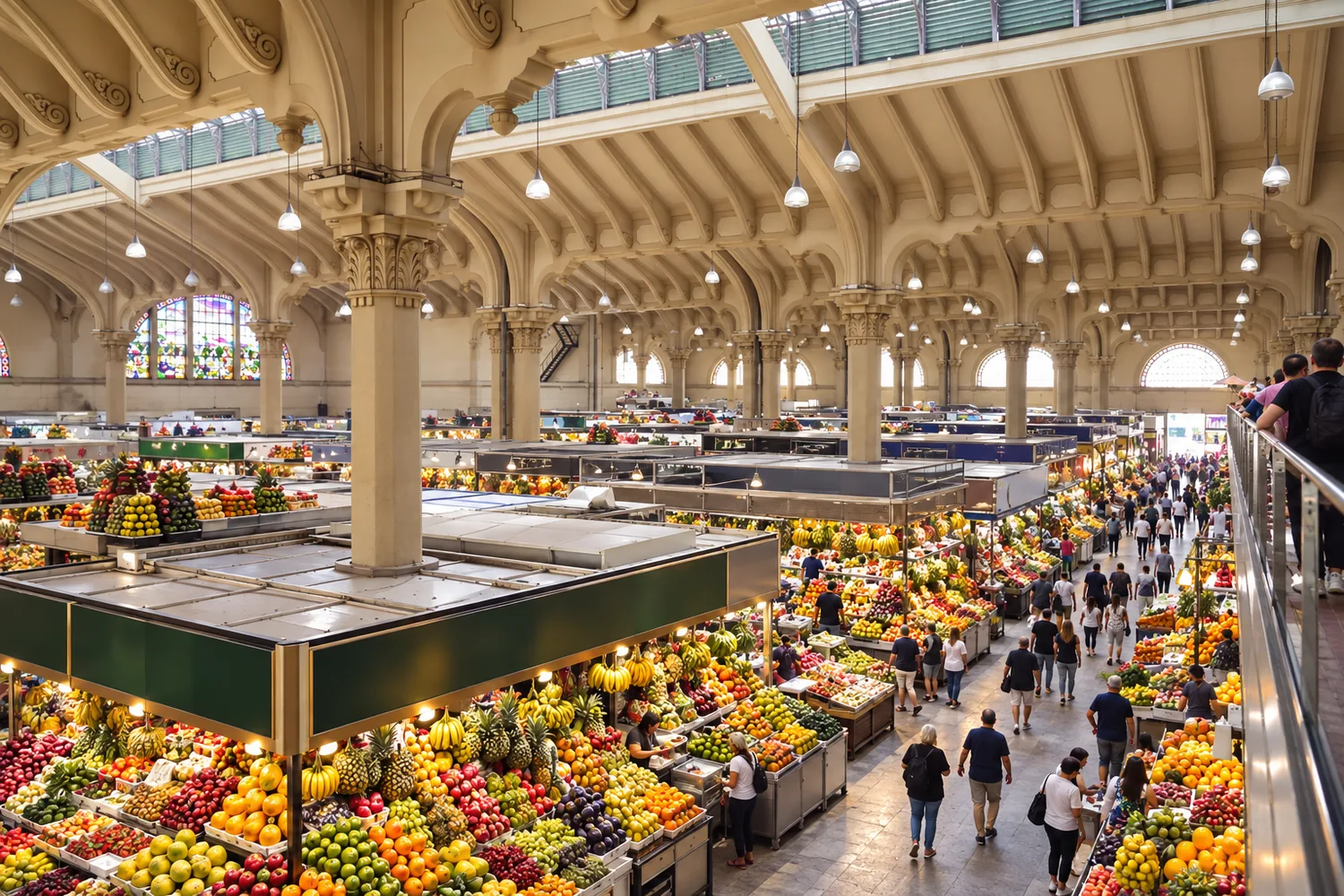
Opened in 1933 on the banks of the Rio Tamanduateí, the building designed by Ramos de Azevedo's firm has stained-glass windows depicting scenes of food production. Among stalls of fruit, cold cuts and spices, it became famous for its mortadella sandwich and codfish pastel.
Discover Mercado Municipal (Mercadão)
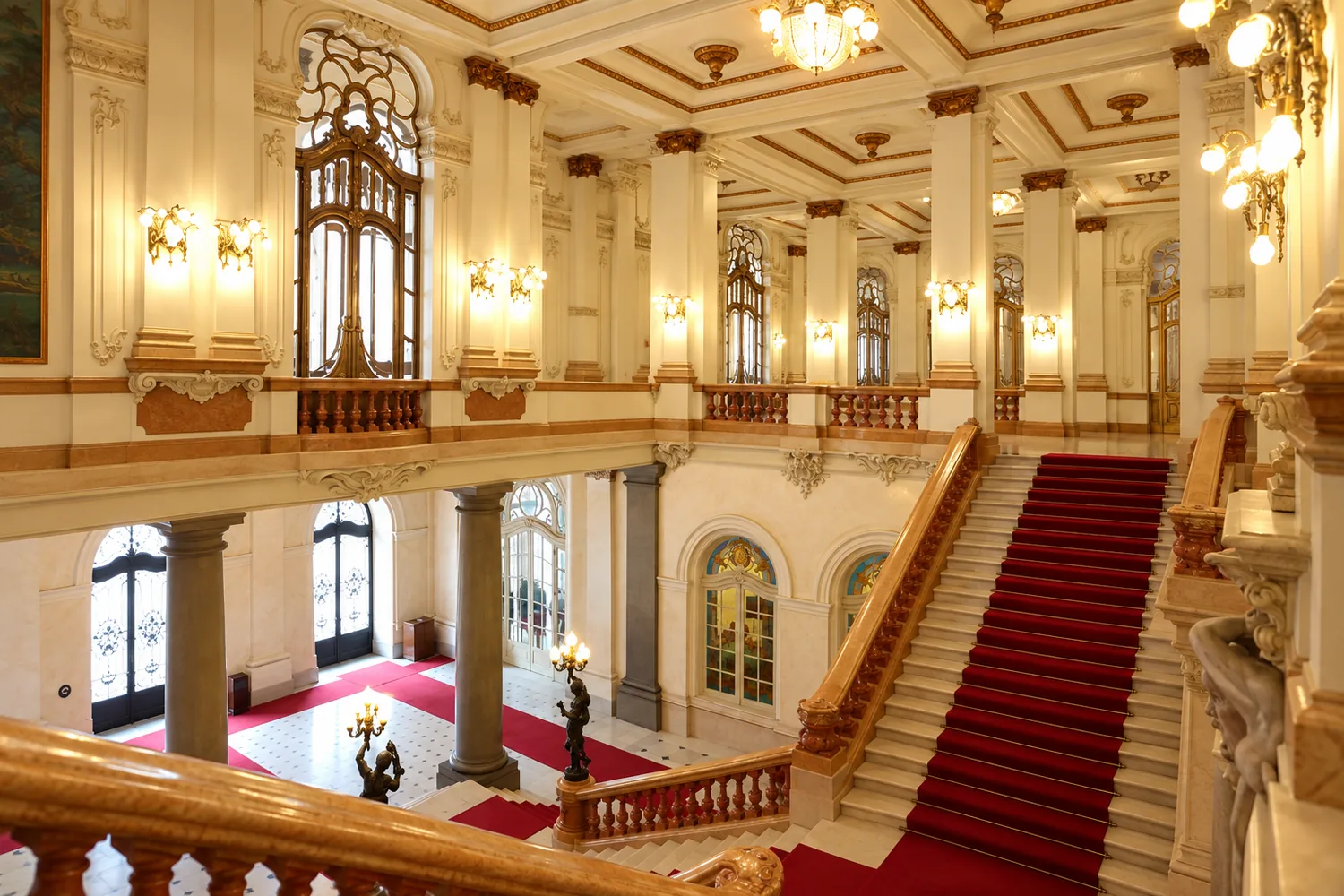
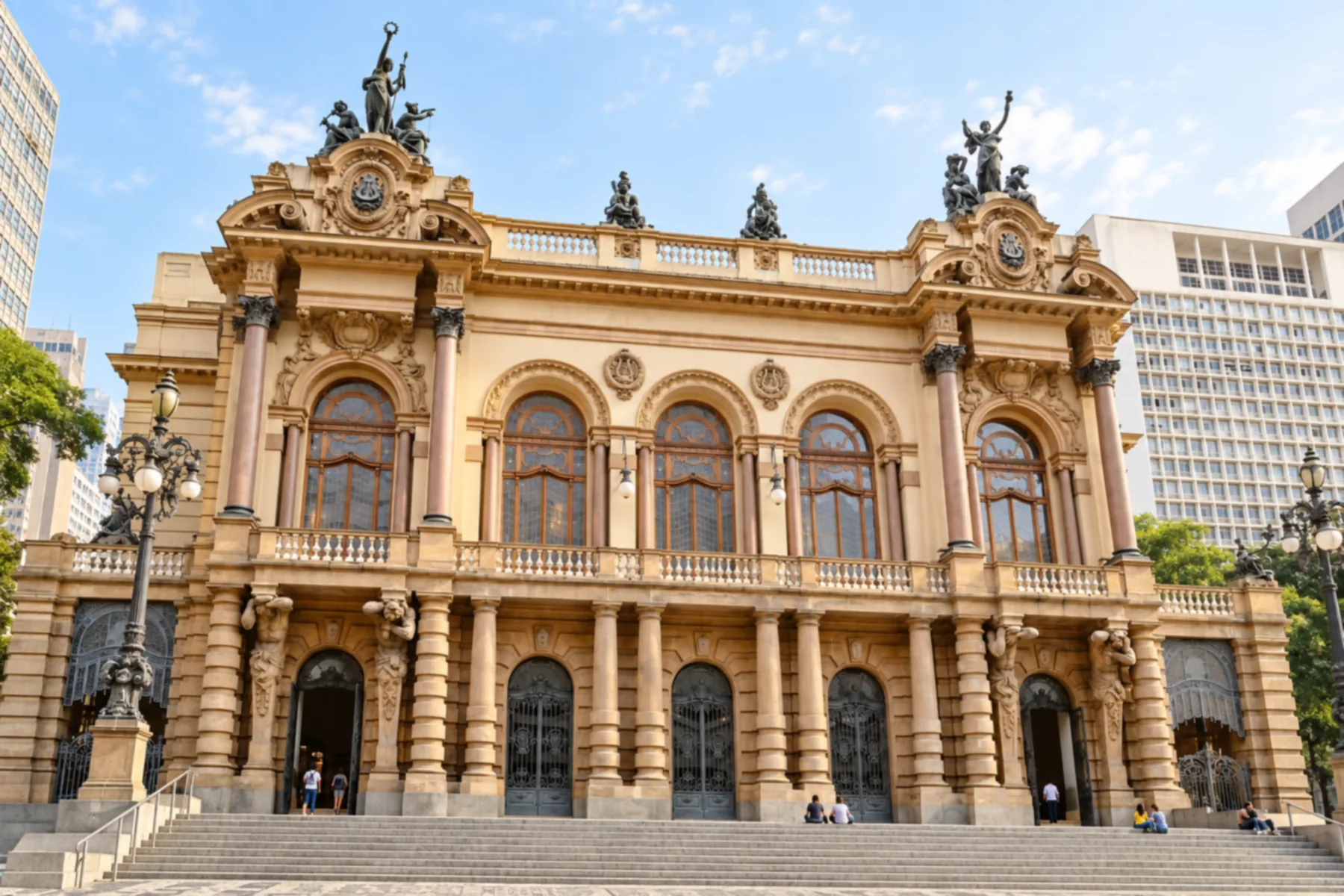
Opened in 1911, the theater designed by Ramos de Azevedo's firm was inspired by the Paris Opera and has a richly decorated hall. In 1922 it hosted the Semana de Arte Moderna (Modern Art Week), and today it stages opera, dance and concert seasons.
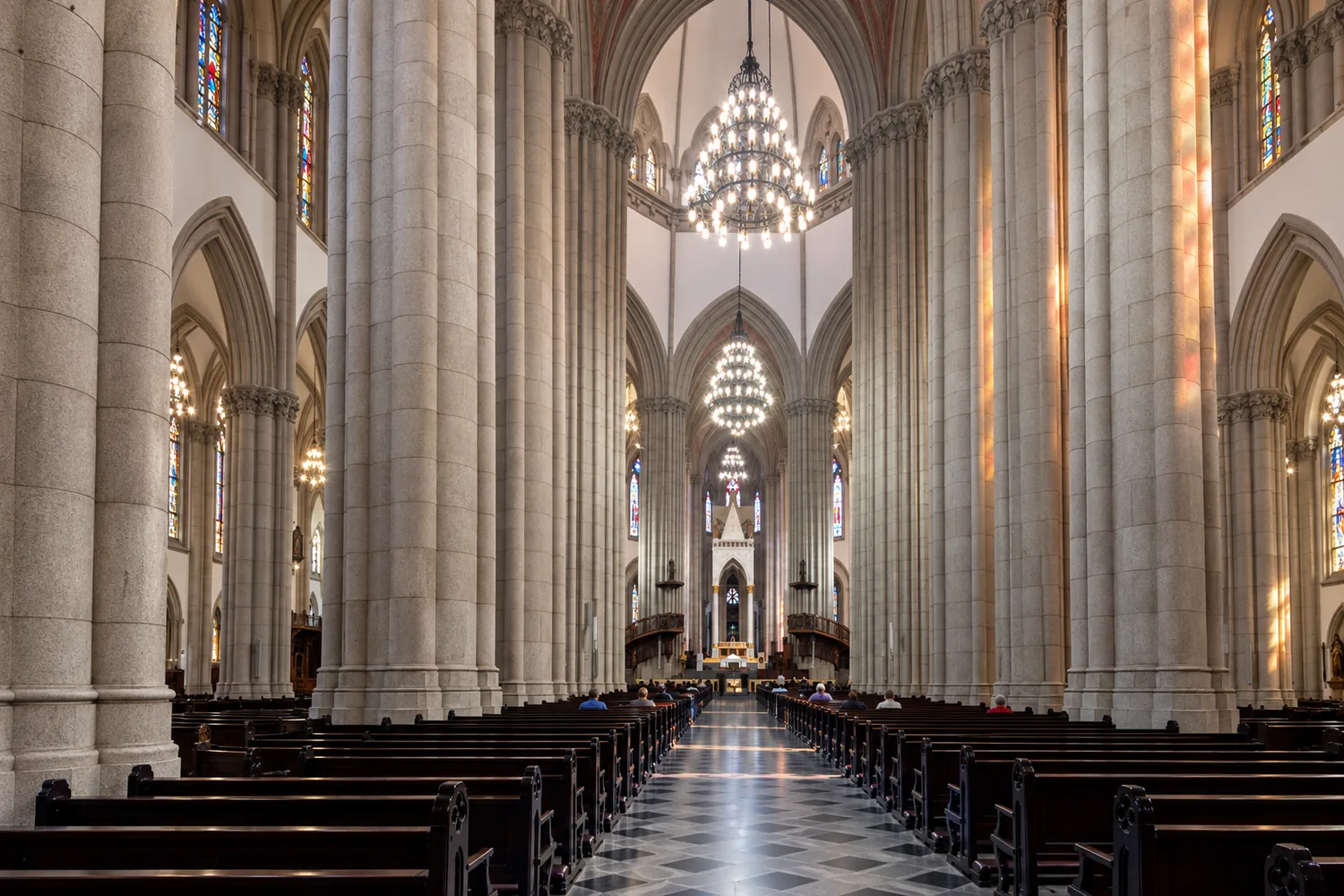
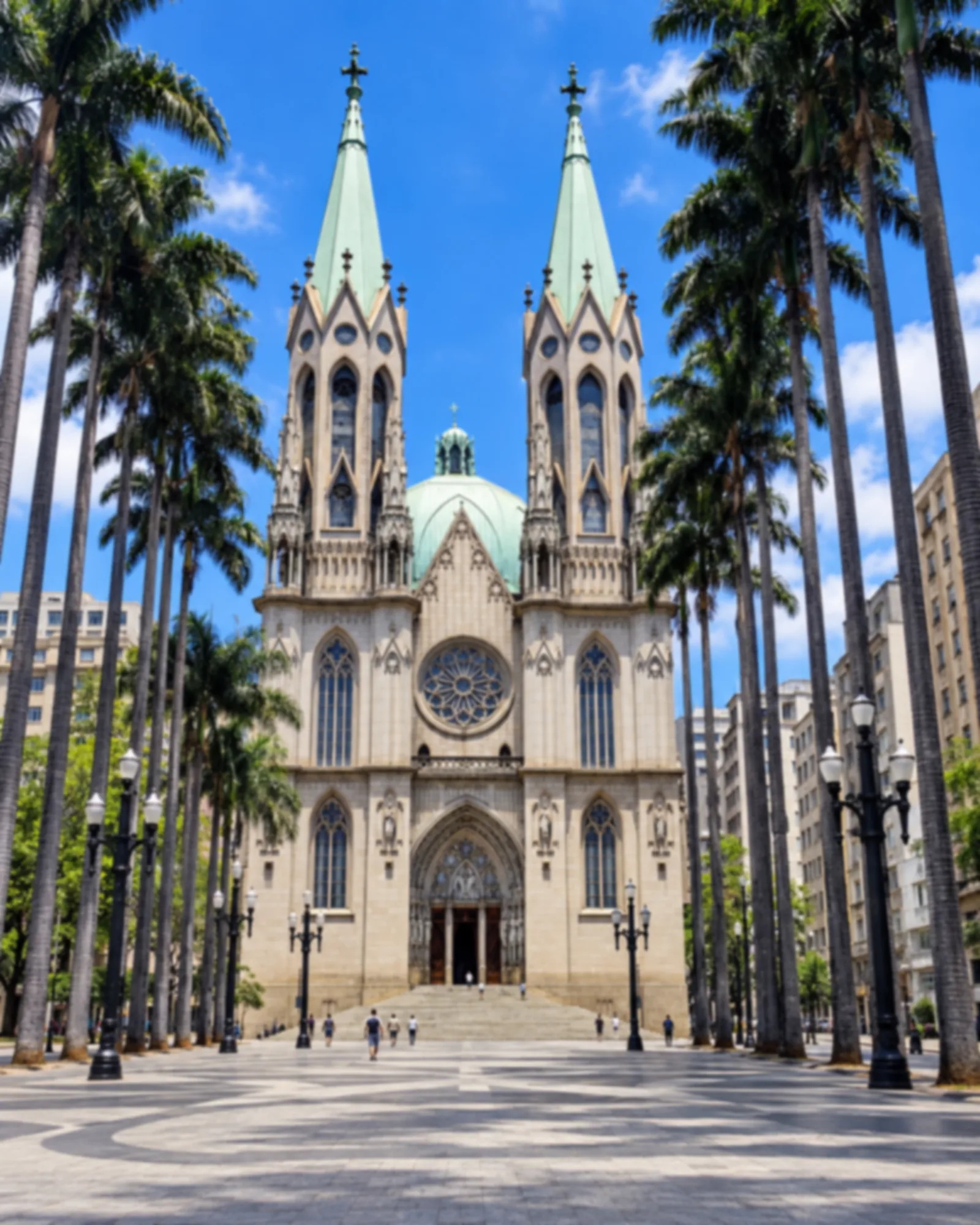
Built in neo-Gothic style over several decades, it was consecrated in 1954 and its towers, more than 90 meters tall, were completed later. In the square in front is the marco zero (zero marker), the reference point for measuring distances from the city center.
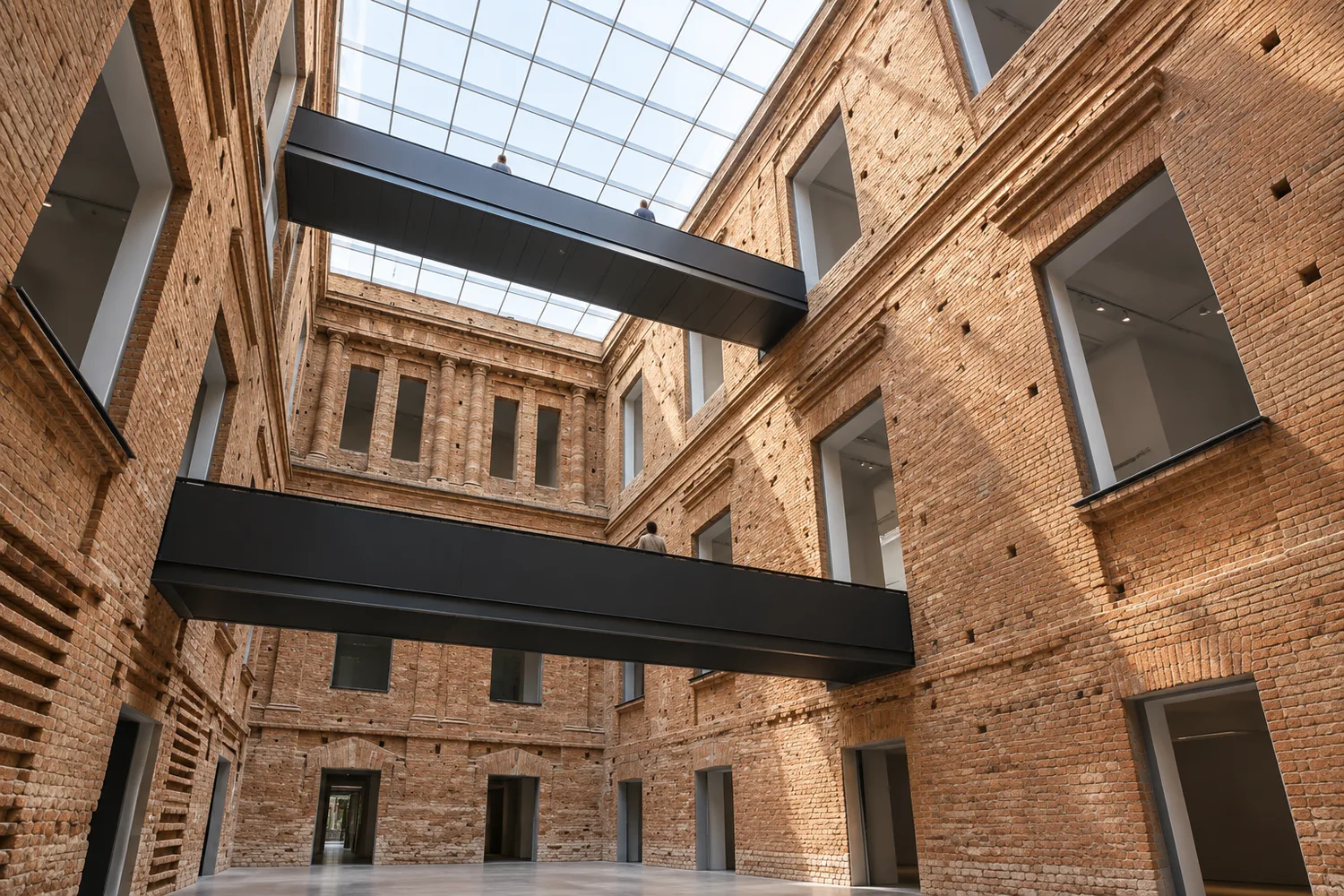
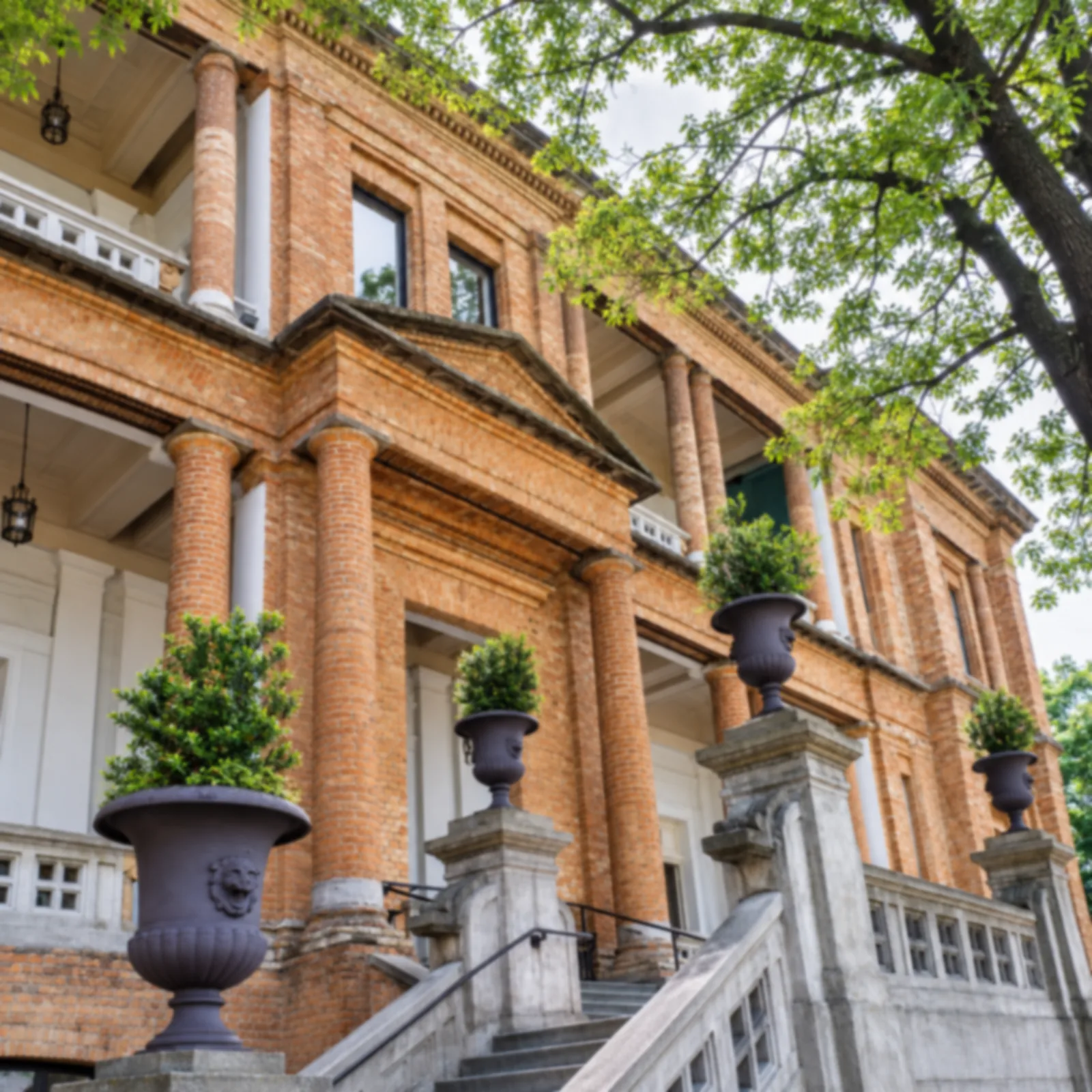
Founded in 1905, it is the city's oldest art museum and occupies an exposed-brick building renovated by Paulo Mendes da Rocha in the 1990s. The collection highlights Brazilian art from the 19th century to the present and sits next to the Jardim da Luz (garden).
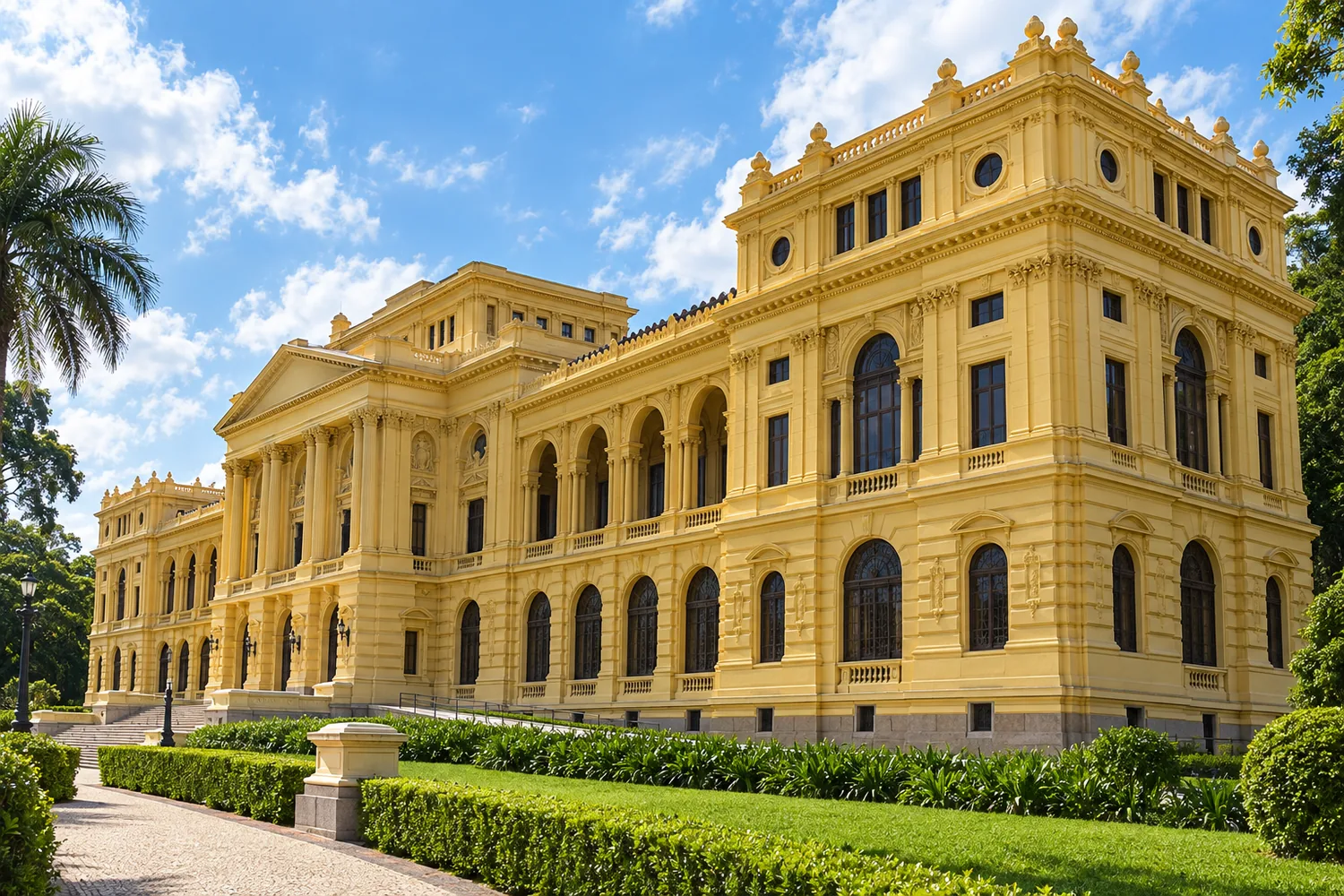
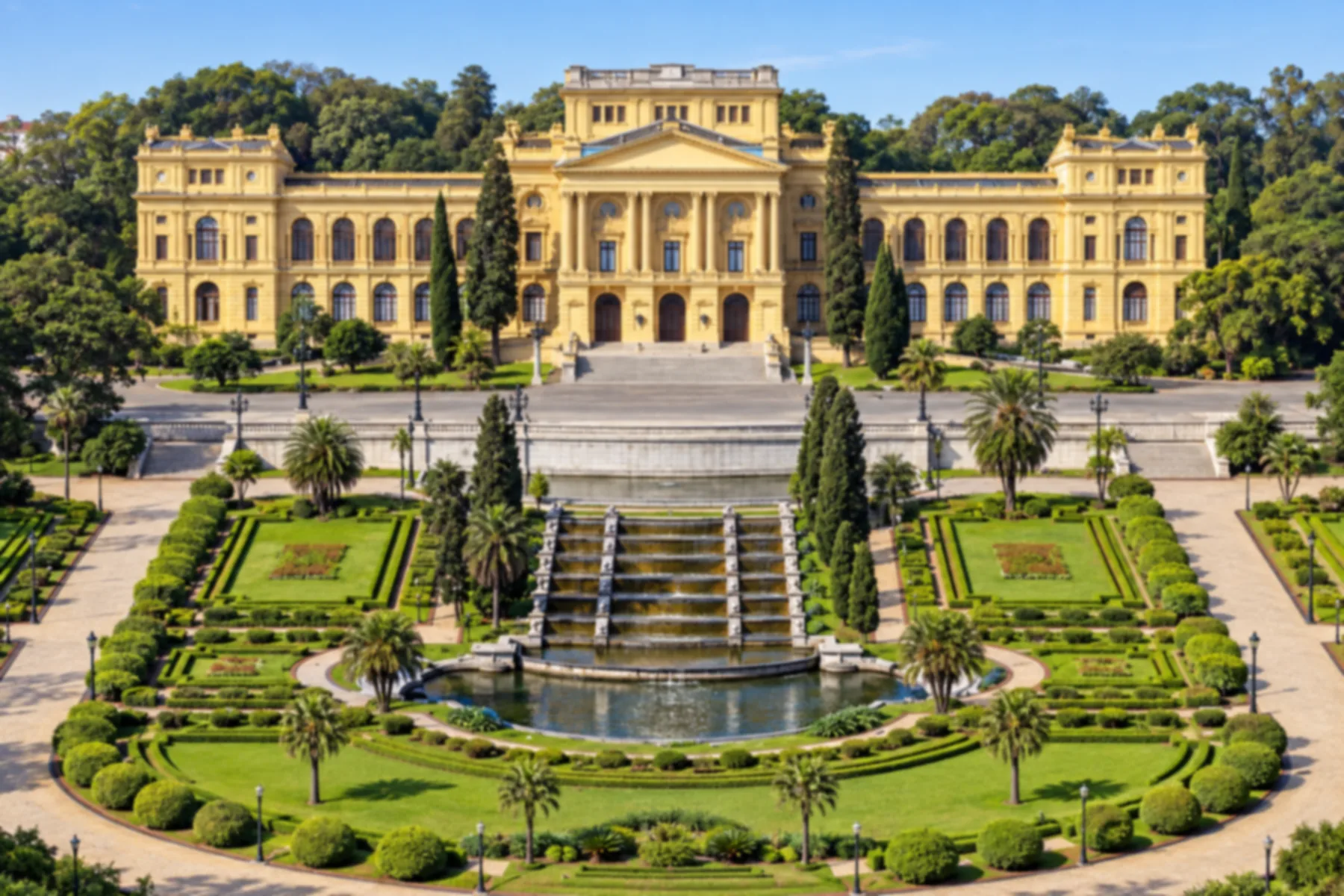
The monument building opened in 1895 marks the site where Independence was proclaimed and holds the painting Independência ou Morte (Independence or Death), by Pedro Américo. Reopened in 2022 after restoration and expansion, it is surrounded by the Parque da Independência and its gardens.
Your base to explore
Where you stay is part of the trip. Choose the area that best fits your itinerary.
A hotel set in a former mid-20th-century maternity hospital, restored with interiors by Philippe Starck and a new garden-covered tower by Jean Nouvel. It suits those who want to stay in a historic complex in Bela Vista.
A hotel designed by Ruy Ohtake in the shape of a half disc, with round windows and a red rooftop pool. It suits those who want to stay in Jardim Paulista, in a signature-architecture building with minimalist interiors by João Armentano.
A 57-room hotel designed by Arthur Casas in the Faria Lima area, with a spa, an indoor pool and a restaurant. It suits business or leisure travelers who want to stay on the city's main business corridor.
Hilton São Paulo Morumbi is in the Berrini area, in São Paulo. It has an indoor pool; restaurant; gym; spa; pet-friendly rooms; electric vehicle charging.
Tivoli Mofarrej São Paulo Hotel is one block from Avenida Paulista, in São Paulo. It has an outdoor pool; Anantara Spa; Seen and Must restaurants.
ibis São Paulo Tatuapé is 300 m from Tatuapé station, in São Paulo. It has breakfast; Wi-Fi; air conditioning; parking; restaurant; bar; accessibility; accepts cats and dogs under certain conditions.
ibis budget SP Centro São João is downtown, a 10-minute walk from Praça da República, in São Paulo. It has breakfast; Wi-Fi; air conditioning; parking; restaurant; accessibility; accepts pets up to 15 kg.
ibis São Paulo Interlagos is in São Paulo. It has breakfast; Wi-Fi; air conditioning; parking; restaurant; 24-hour bar; accessibility; accepts one dog or cat up to 15 kg per room.
Novotel São Paulo Center Norte is next to Shopping Center Norte, in São Paulo. It has breakfast; Wi-Fi; air conditioning; parking; restaurants; gym; accessibility; room service. An official notice states there has been no pool since August 1, 2026.
Flavors of the destination
A restaurant opened more than 50 years ago by Zé Almeida, from Pernambuco, in Vila Medeiros, and now run by his son, chef Rodrigo Oliveira. It serves sertão-style dishes such as dadinho de tapioca (tapioca cubes) and carne de sol (sun-dried beef) and is in the 2026 Michelin Guide.
Chef Jefferson Rueda's restaurant on Rua Araújo, dedicated to pork from its own farming system with Brazilian breeds. It combines caipira (country-style) cooking with contemporary techniques and suits those who want to try the porco san zé downtown.
A bar and restaurant on the ground floor of Oscar Niemeyer's Edifício Copan, led by chef Janaína Torres. It serves Brazilian cuisine with countryside flavors, such as picadinho (diced beef stew), to people visiting the historic center.
Before you go
A little planning leaves more time to enjoy the journey.
Through Guarulhos International Airport and Congonhas Airport, within the city. By bus, through the Tietê, Barra Funda and Jabaquara terminals.
From April to September, with less rain and pleasant temperatures. Summer is hot, with late-afternoon storms.
Take your trash with you, follow the signs and support local businesses. In natural areas, follow the visiting guidelines.