São Luís
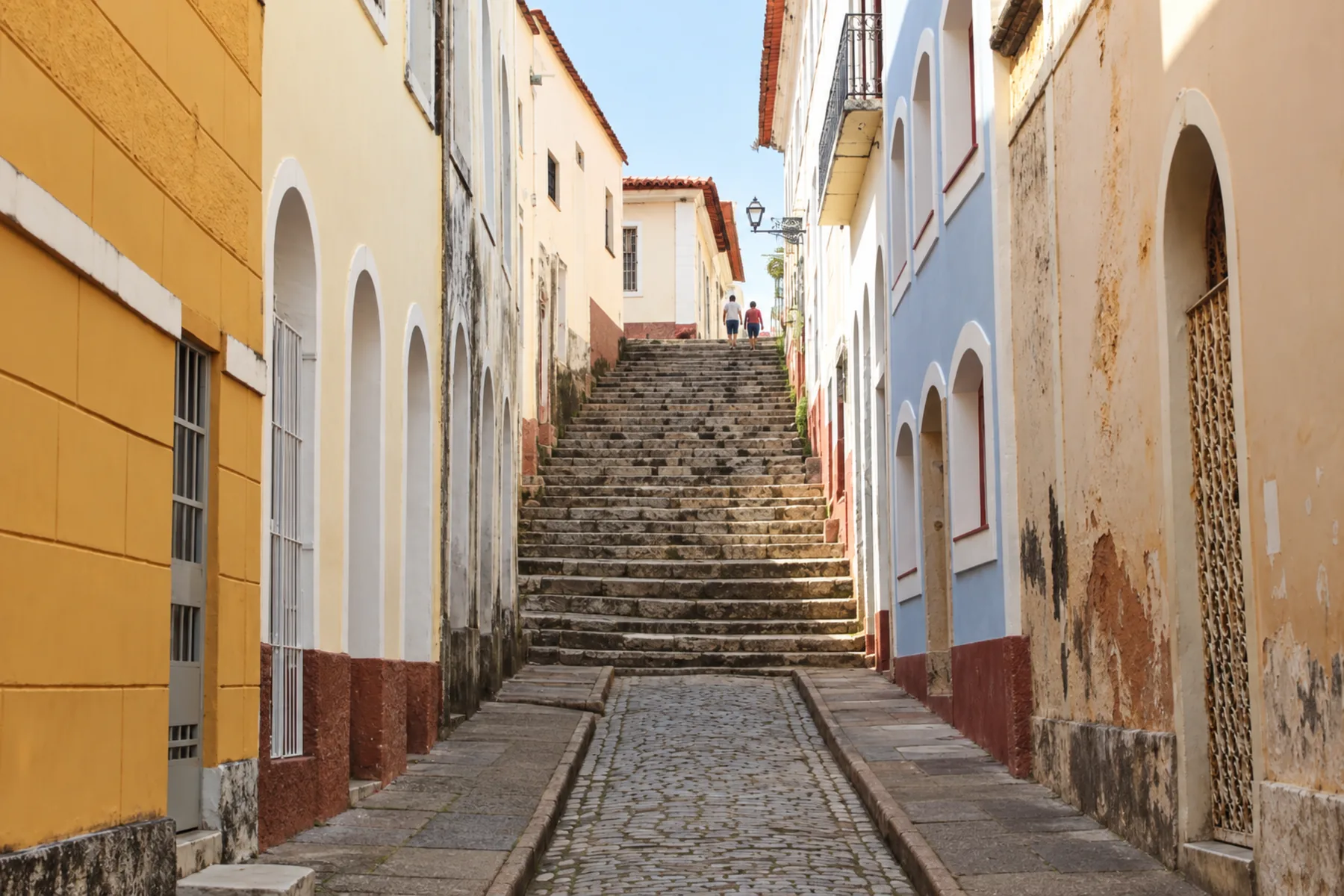
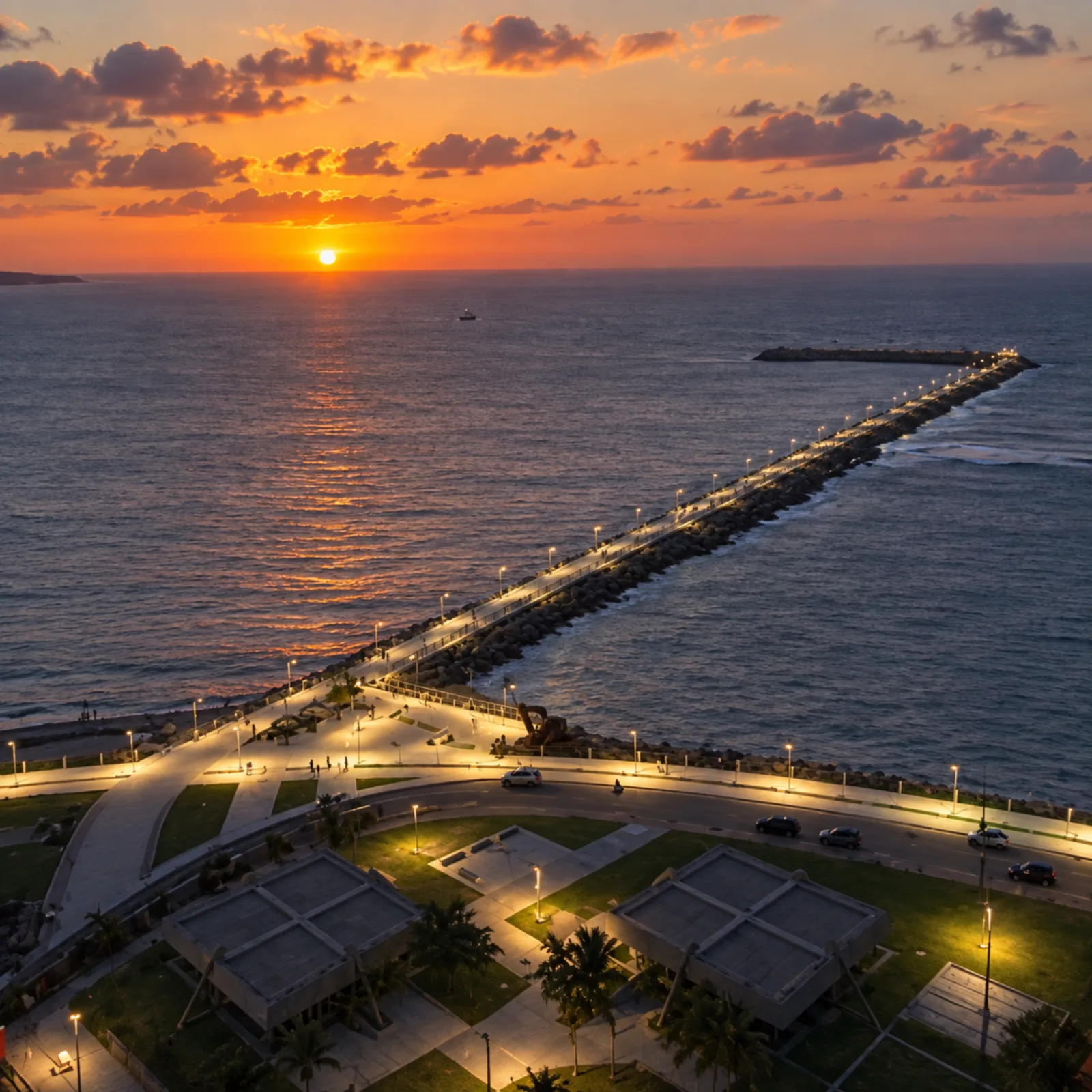
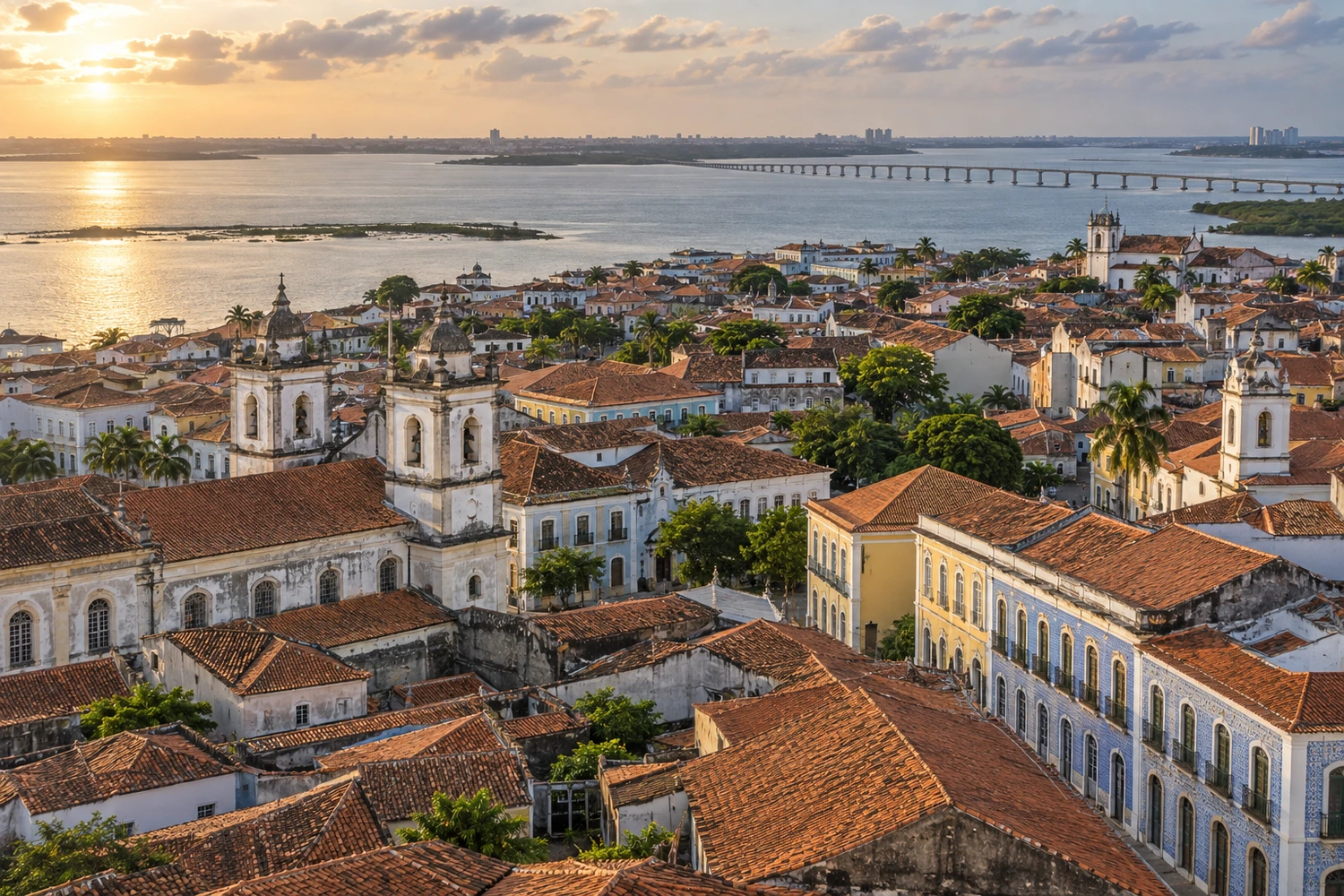
São Luís preserves colonial mansions and tiled facades in its historic center, recognized by UNESCO. Walks through Praia Grande can be combined with visits to churches, fountains and theaters.
MA · Brazil
Illustrative images. The pictures in this guide are illustrations based on the real place, not photographs, and may differ from it.
Get to know the place
The only Brazilian state capital founded by the French has a historic center covered in Portuguese tiles, a UNESCO World Heritage Site. Praia Grande (the old port district) is packed with mansions, museums and stone slopes; bumba meu boi (a folk pageant) takes over the city during the June festivals; and reggae has its Brazilian capital here. It's the gateway to the Lençóis Maranhenses and to Alcântara, across the bay.
This destination brings together 1 city: São Luís.
A look at the place
These pictures are illustrations based on the real place, not photographs. They may differ from the place.
Click the picture to enlarge it.
One destination, many paths
Start with one city or combine several in your itinerary.
The local experience
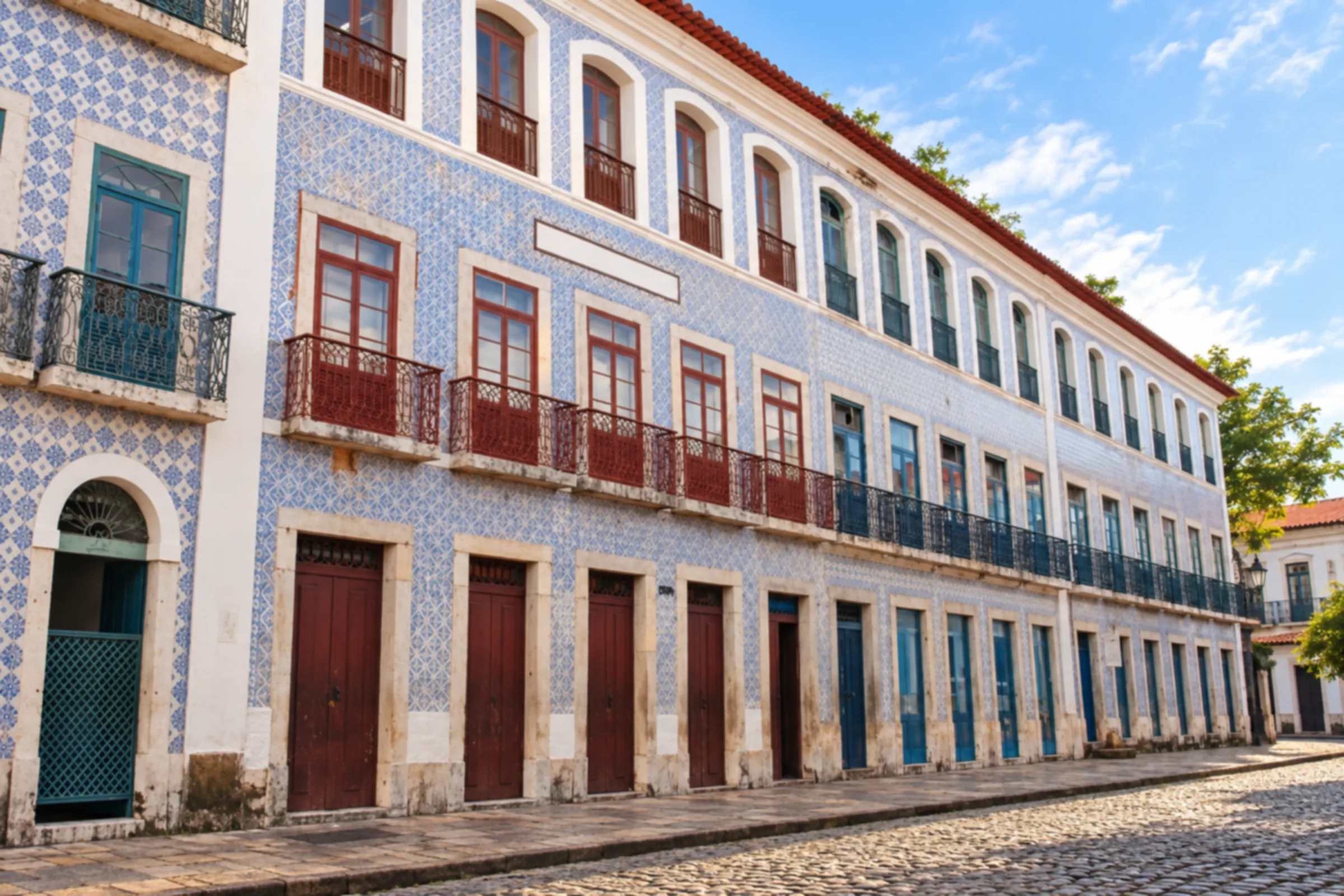
Declared a UNESCO World Heritage Site in 1997, it brings together thousands of Portuguese colonial mansions across about 220 hectares. Many facades are covered in tiles, used to protect the rammed-earth walls from heat and humidity.
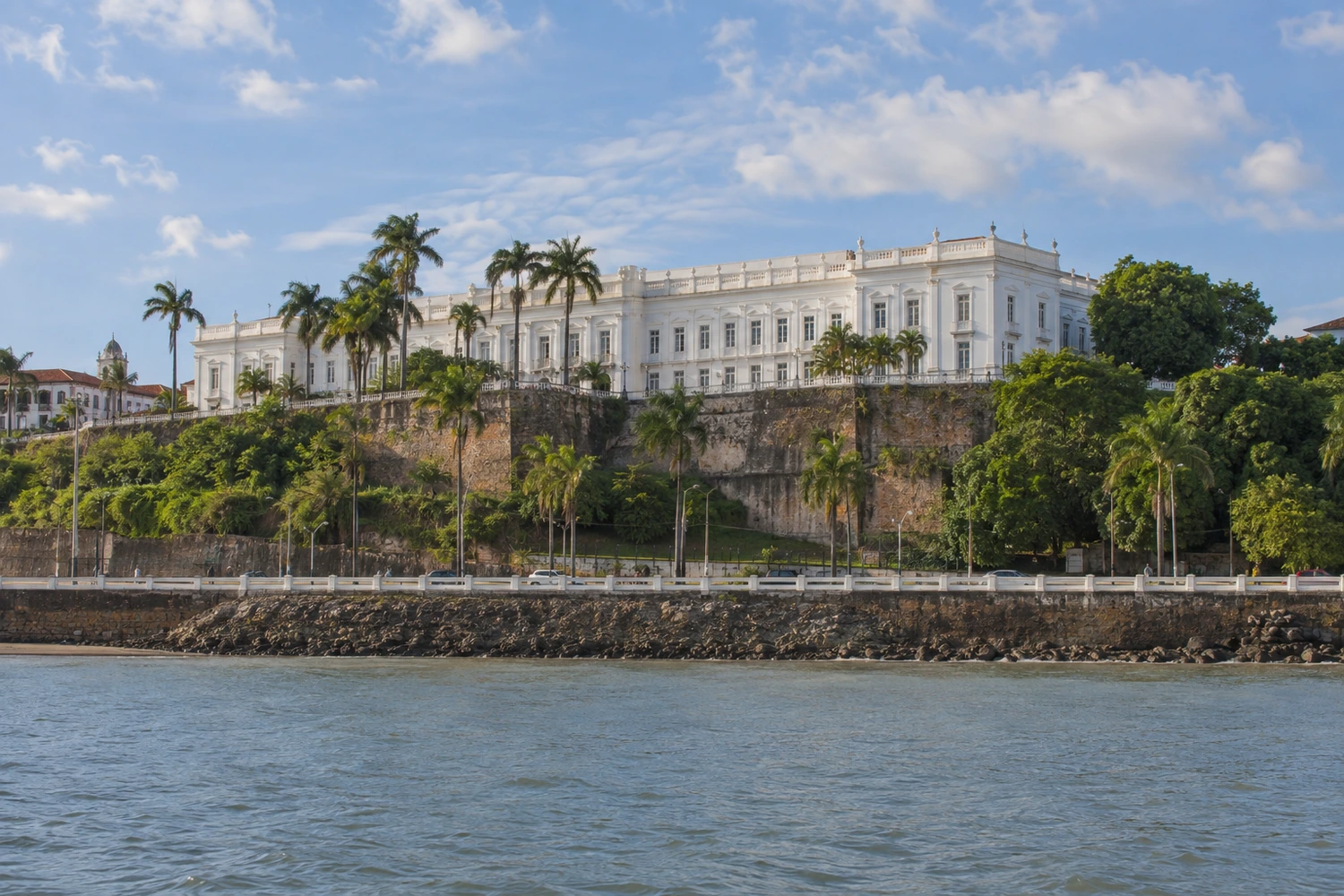
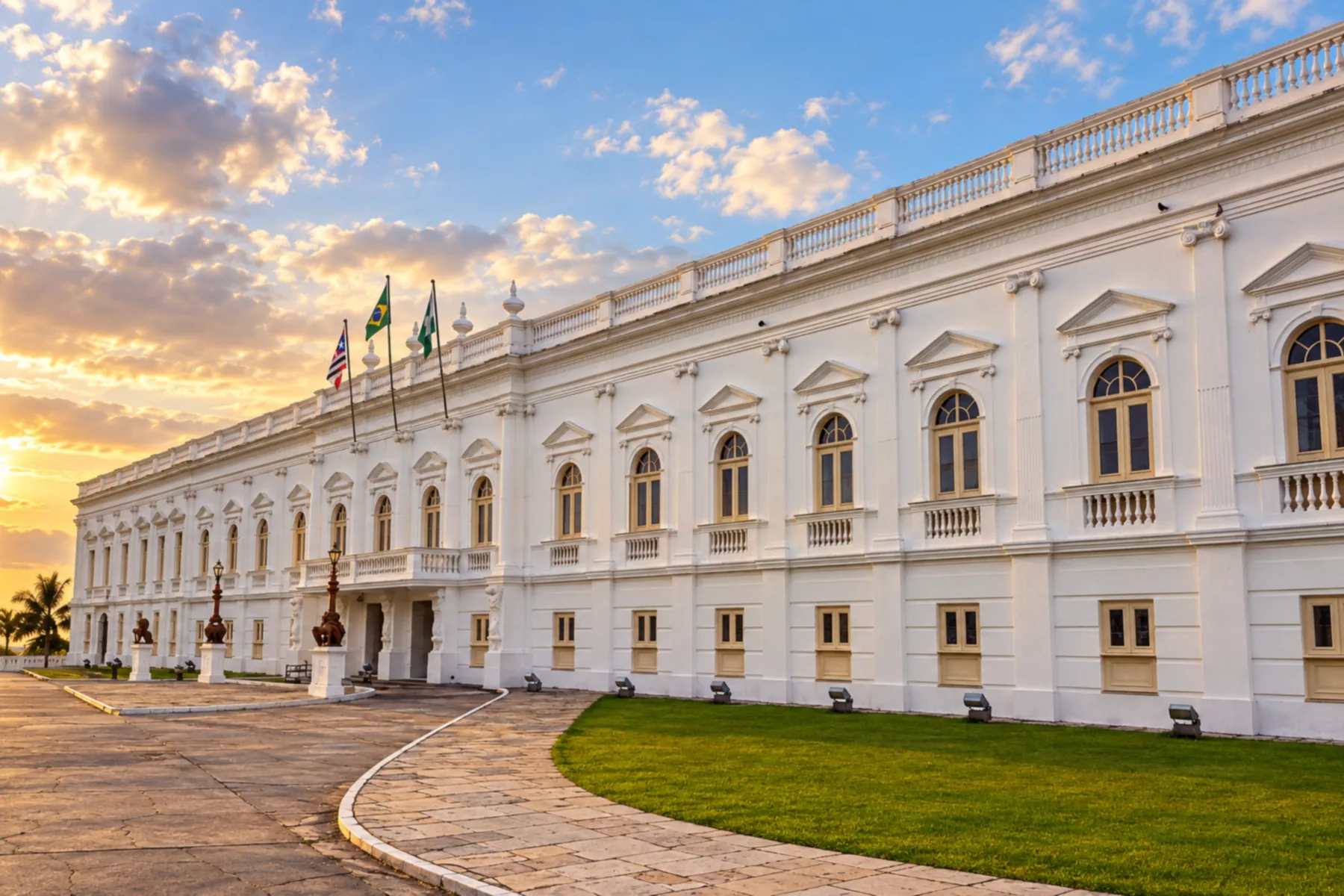
It stands on the site of the fort built by the French in 1612, when the city was founded, and is the seat of the state government. It houses a museum with furniture, porcelain, prints and paintings by artists such as Victor Meirelles and Antônio Parreiras.
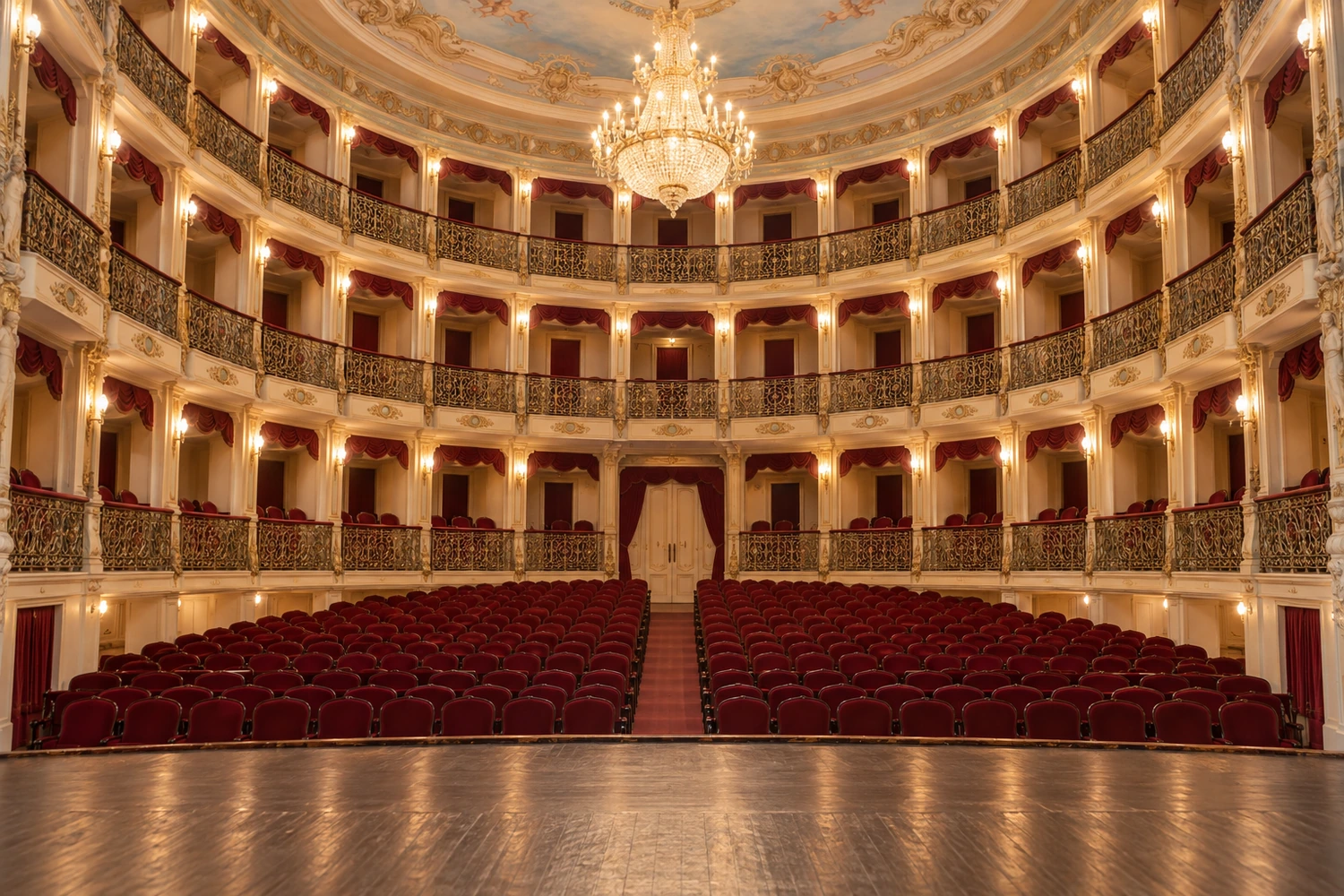
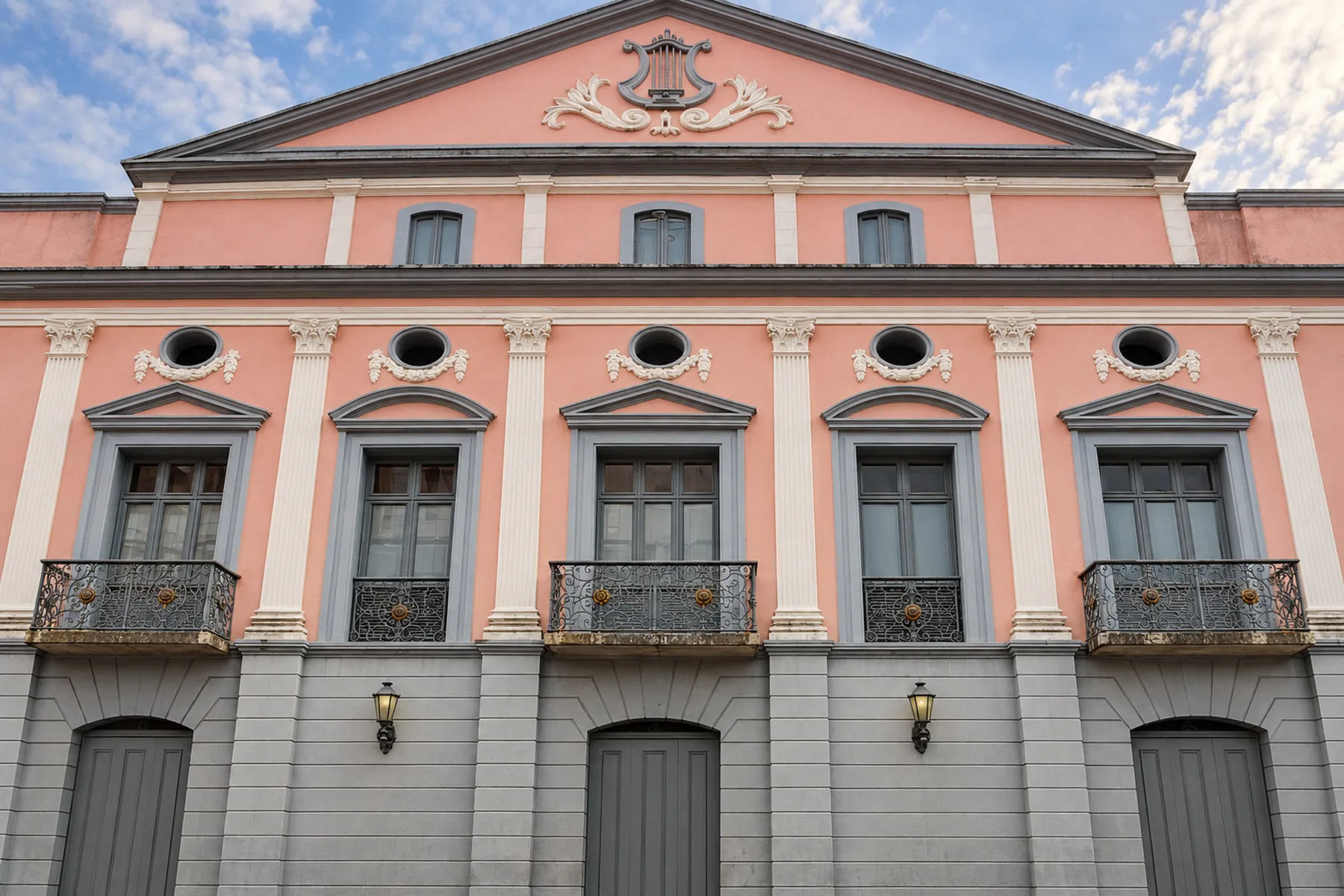
Founded in 1817 and part of the historic center's heritage, it's one of the oldest theaters in Brazil. It underwent its biggest renovation in 30 years, with improvements to climate control, lighting and accessibility, and resumed guided tours in 2026.
Discover Teatro Arthur Azevedo
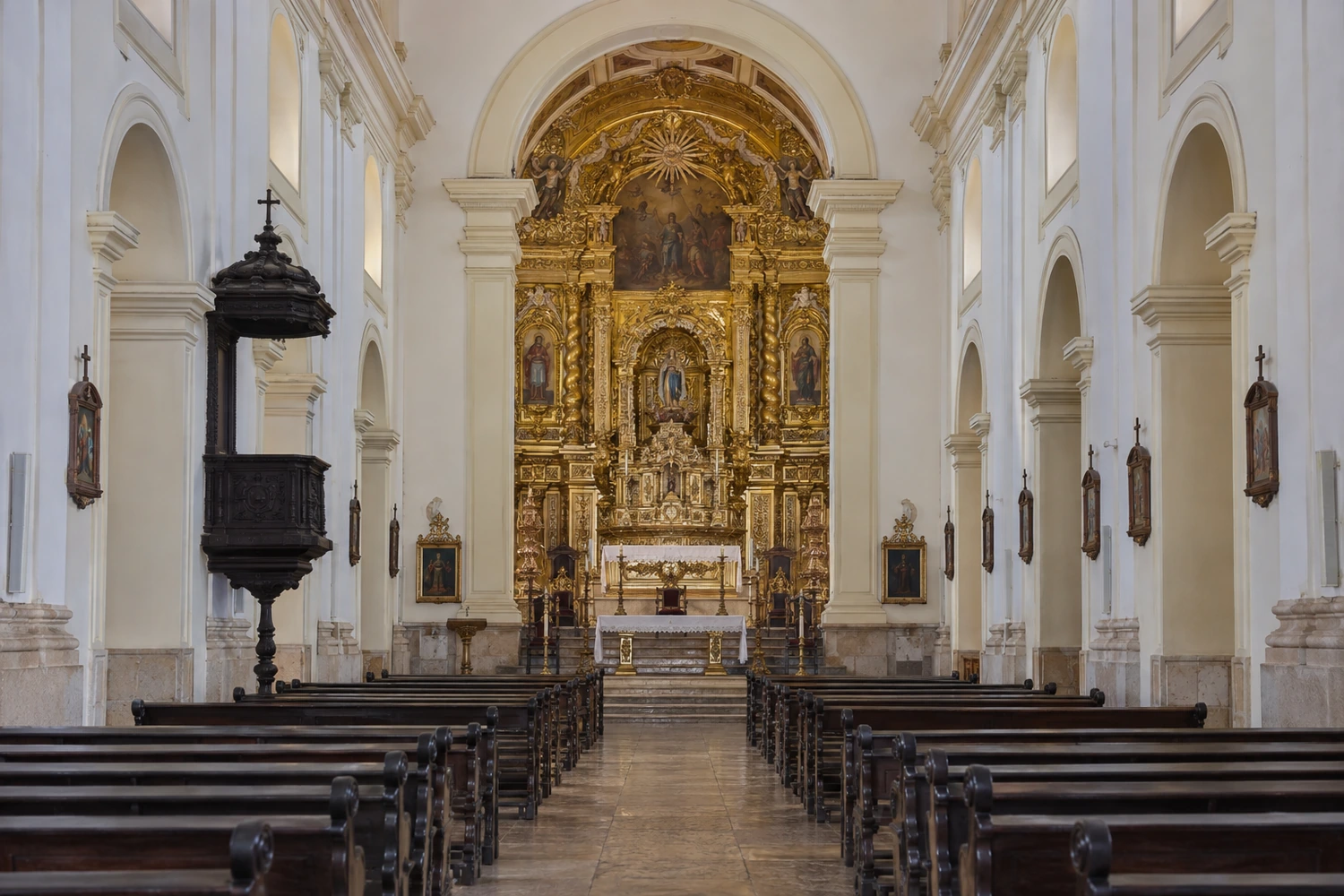
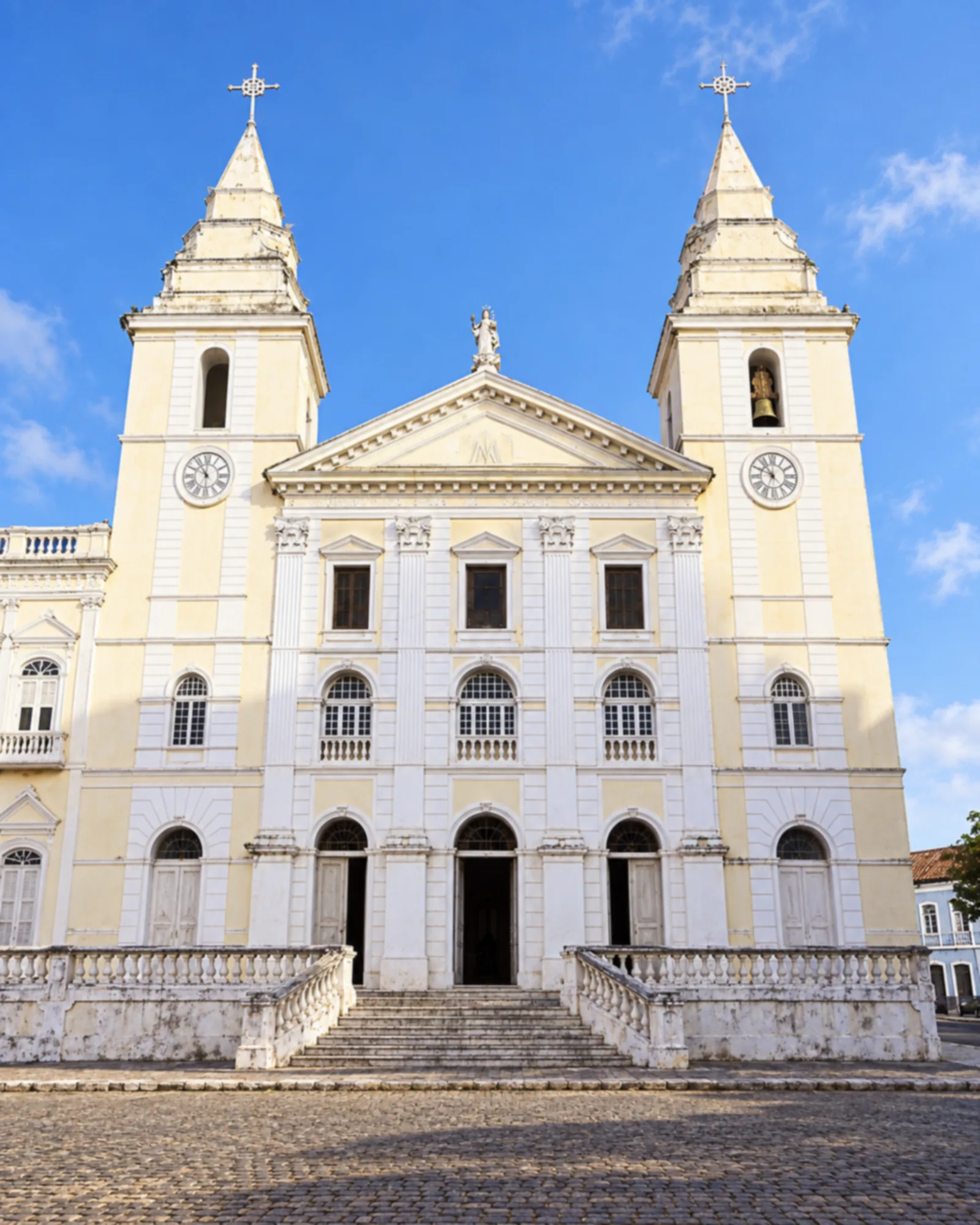
Built by the Jesuits in the late 17th century and made a cathedral in the 18th century, it got its two towers in the early 20th century. It holds a Baroque altarpiece of gilded wood, listed by Iphan in 1954.
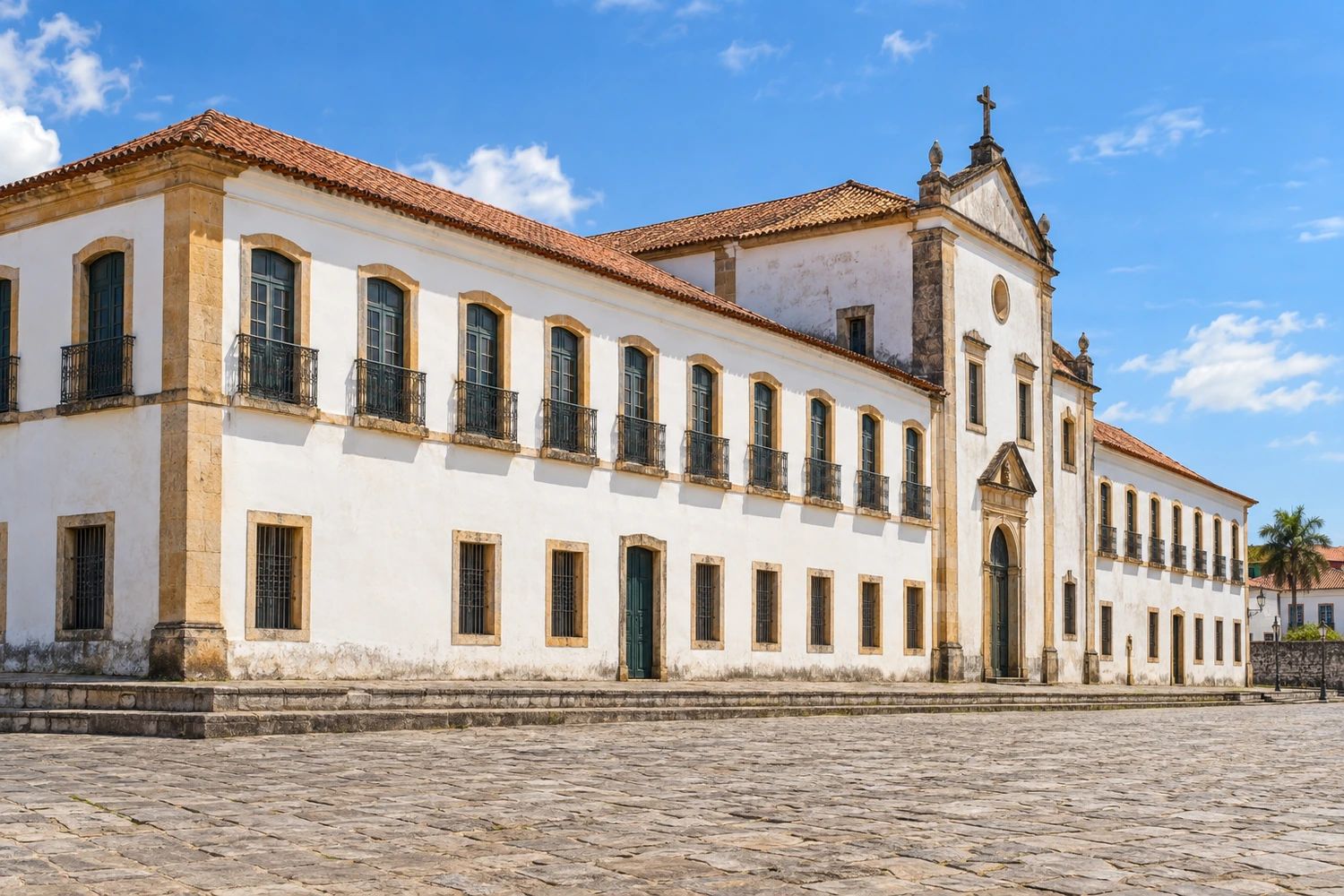
Begun in 1654 by Mercedarian friars and inaugurated by Father Antônio Vieira, it has been the seat of the Fundação da Memória Republicana Brasileira since 2011. It houses a museum, an art gallery and a library with rare works by Vieira.
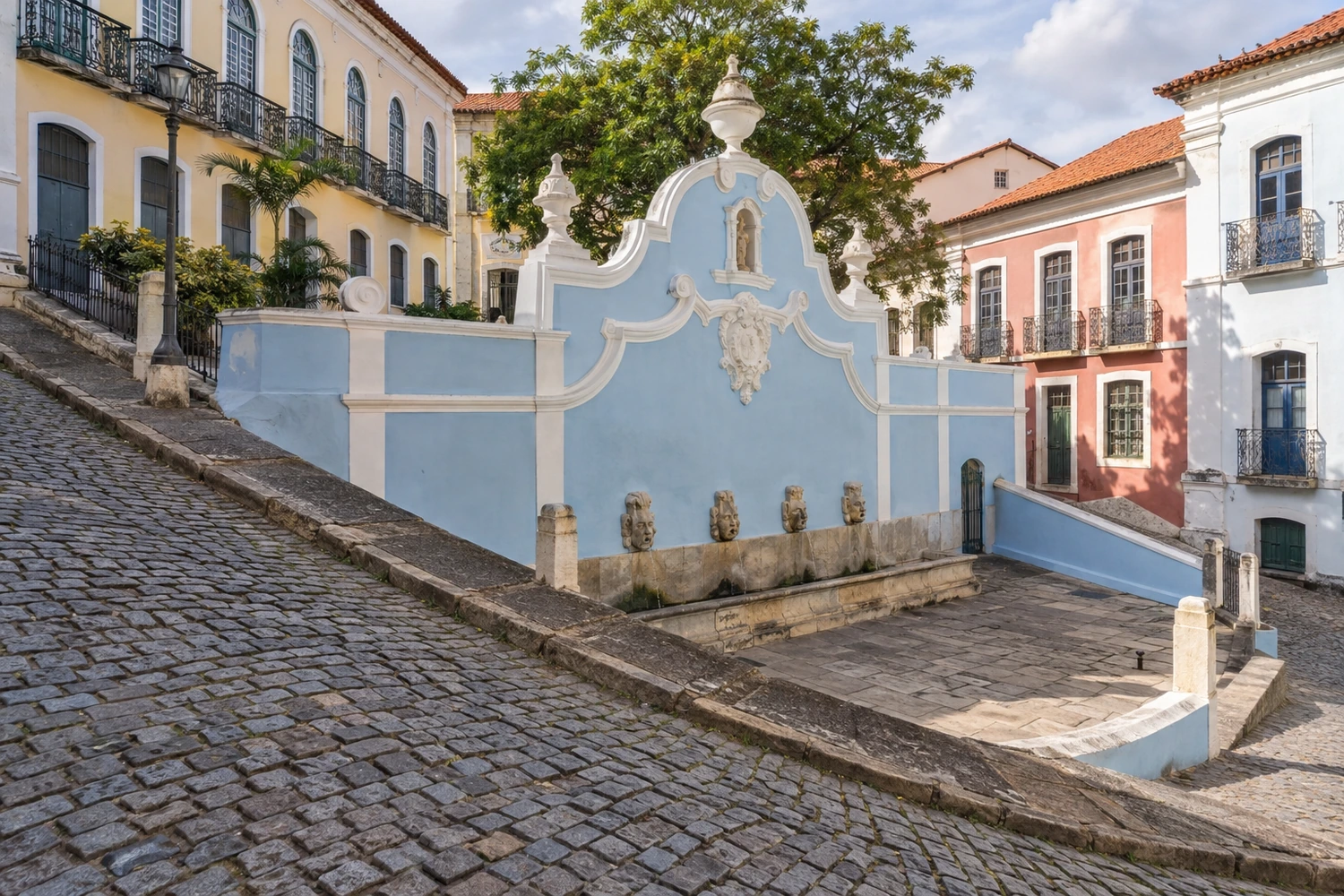
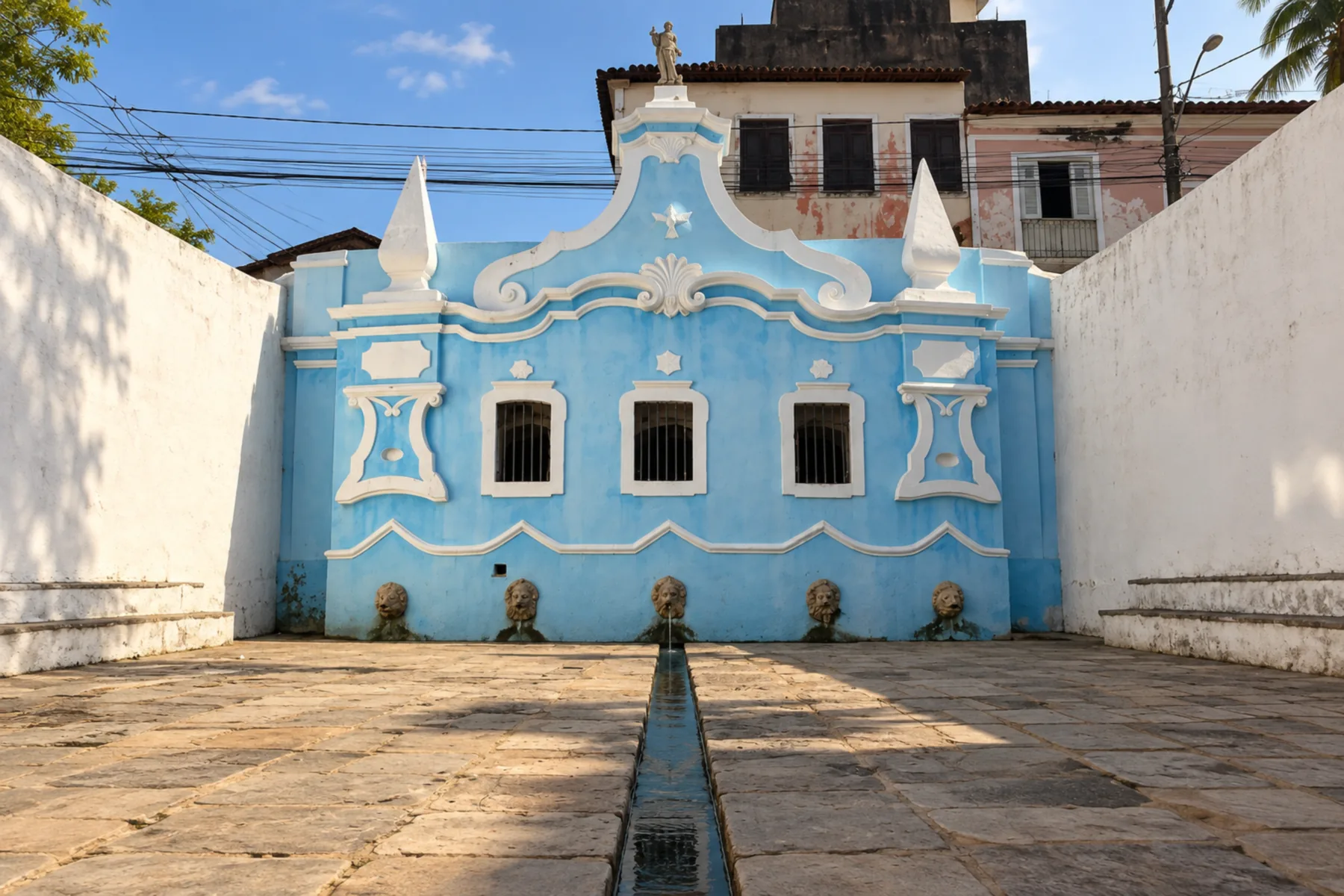
Built in 1796, it has five stone carved heads with bronze spouts and windows leading to underground galleries. According to popular tradition, the tunnels served as a secret passage between churches or as an escape route.
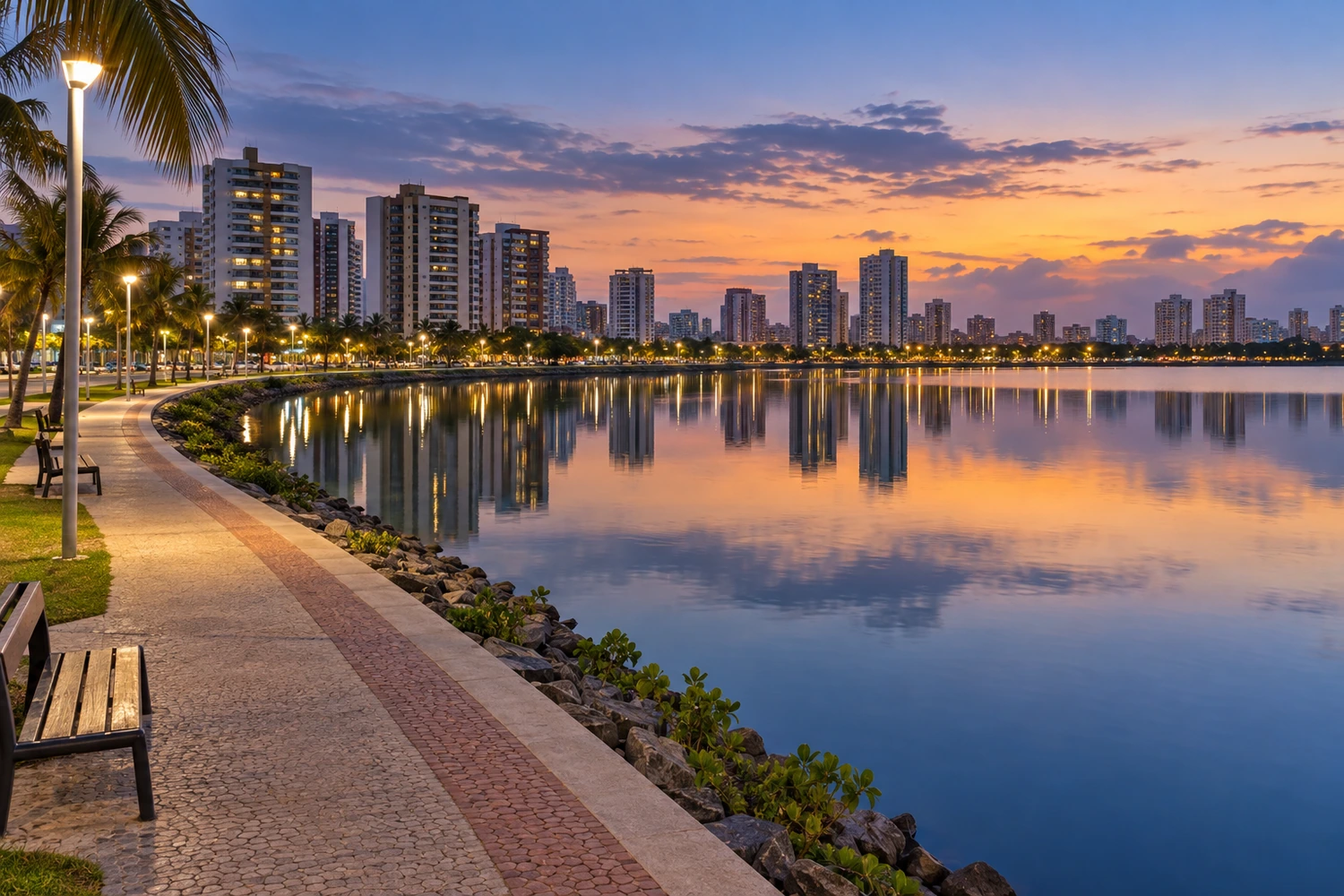
Formed in the 1970s when an igarapé (small creek) was dammed during the area's development, it became an ecological park in 1988. It has a bike path, sports courts, a viewpoint and bars along its shores, surrounded by neighborhoods such as Renascença and Ponta d'Areia.
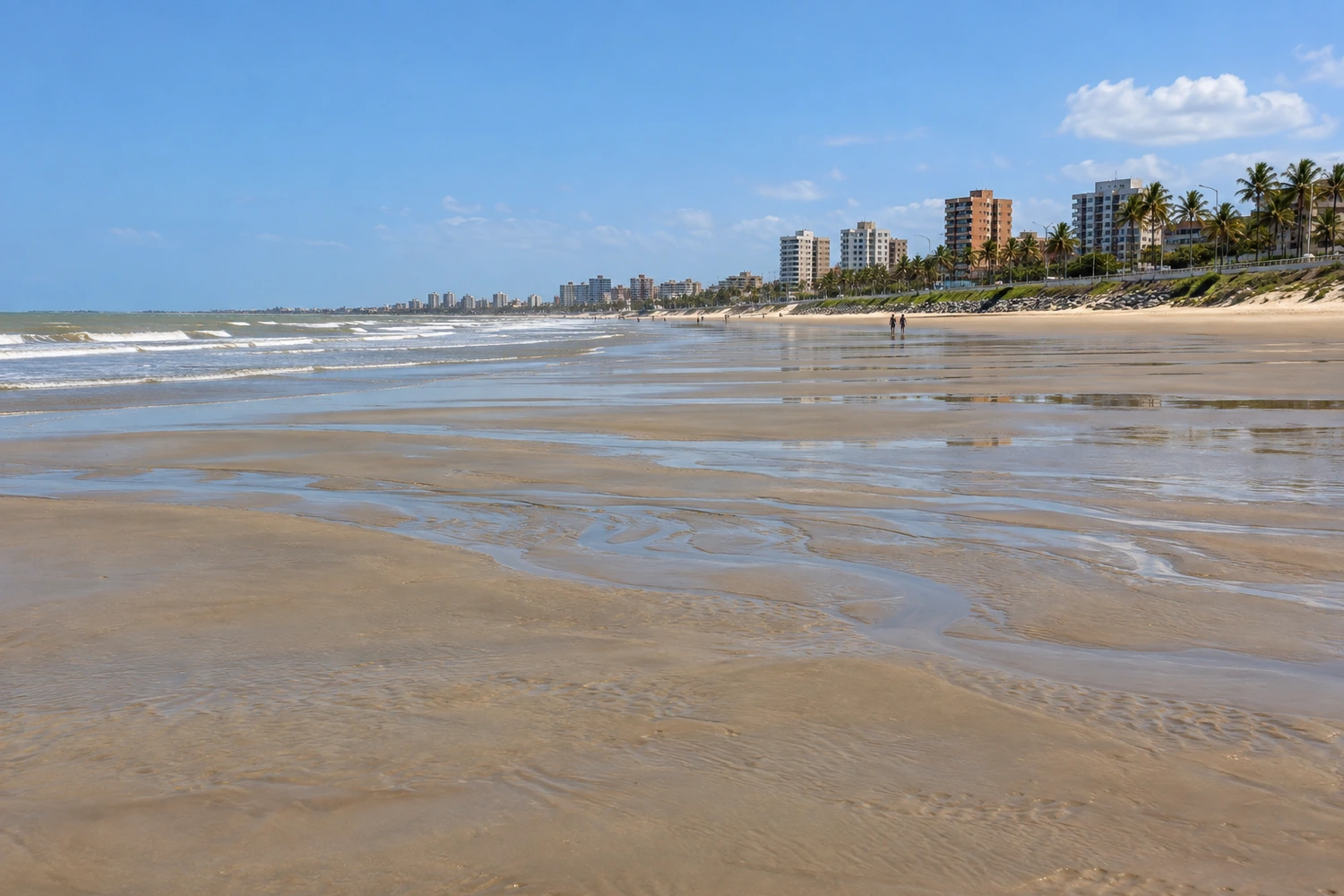
It stretches along Avenida Litorânea, with a promenade, kiosks and seafood restaurants. It offers kitesurfing lessons and, on weekends, live music on the waterfront.
Your base to explore
Where you stay is part of the trip. Choose the area that best fits your itinerary.
A seafront hotel on Rua João Pereira Damasceno, in Ponta do Farol, about ten minutes by car from the historic center. It has 243 suites, a pool, gym, terrace and restaurants, and suits those who prefer to stay on the waterfront with full facilities.
A hotel on Avenida São Marcos, facing Ponta d'Areia beach, with balcony rooms and sea views. It has a heated pool, sauna, spa, gym and restaurant, and suits those who prefer to stay on the city's urban waterfront.
A pousada set in a colonial mansion on Rua do Giz, in Praia Grande, in São Luís's historic center. It keeps its preserved architecture and rustic decor, has a bar and café, and suits those who want to explore the old center on foot.
Flavors of the destination
A restaurant on Rua João Damasceno, in the Farol de São Marcos area, known for its carne de sol (sun-dried beef) served with baião de dois (rice and beans), pirão (fish-broth porridge) and paçoca (toasted cassava flour with meat), as well as Maranhão-style fish stew, octopus rice and seafood. It has air-conditioned dining rooms and an outdoor area with a sea view, and suits those who want to try regional cooking in generous portions.
A training restaurant on Rua de Nazaré, in the historic center, where culinary students cook and serve under the supervision of instructors. The buffet changes daily and includes Maranhão dishes such as arroz de cuxá (rice with sorrel and dried shrimp), vatapá (shrimp and bread purée) and shrimp, making it a good introduction to local food.
A family restaurant on Travessa Marcelino de Almeida, known as Beco da Faustina, in São Luís's historic center. It serves regional cooking with fish and seafood rice in a relaxed setting, sometimes with live music, and caters to those exploring Praia Grande.
Before you go
A little planning leaves more time to enjoy the journey.
Through Marechal Cunha Machado International Airport. Barreirinhas, the gateway to the Lençóis, is about 250 km away.
From July to December, the dry season. To see the Lençóis lagoons full, the best time is June to September.
Take your trash with you, follow the signs and support local businesses. In natural areas, follow the visiting guidelines.