Salvador
Salvador brings together beaches, churches and historic buildings between Baía de Todos os Santos and the Atlantic. Walks through the Pelourinho and along the waterfront reveal the presence of Afro-Brazilian culture in the Bahian capital.
BA · Brazil
Illustrative images. The pictures in this guide are illustrations based on the real place, not photographs, and may differ from it.
Get to know the place
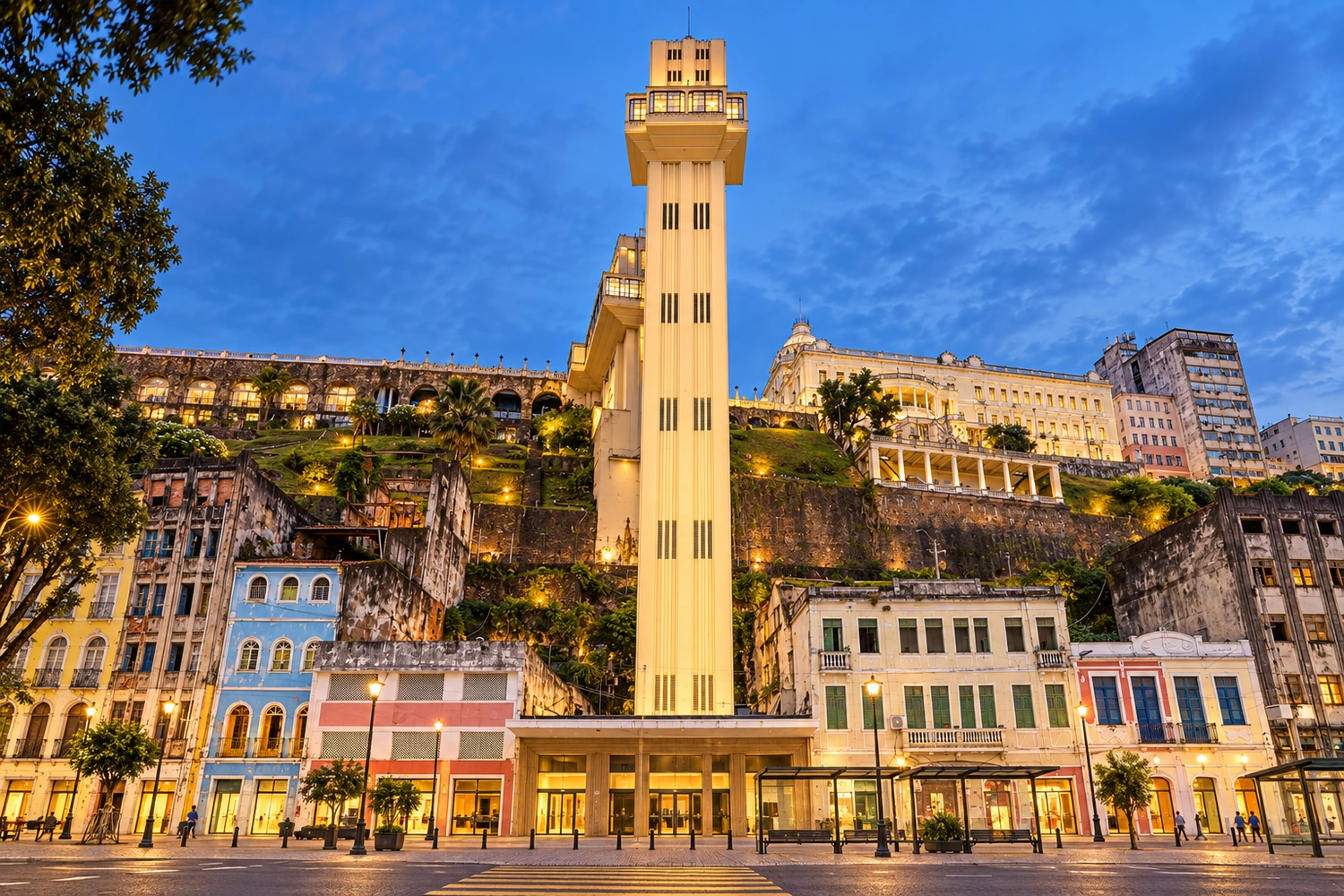
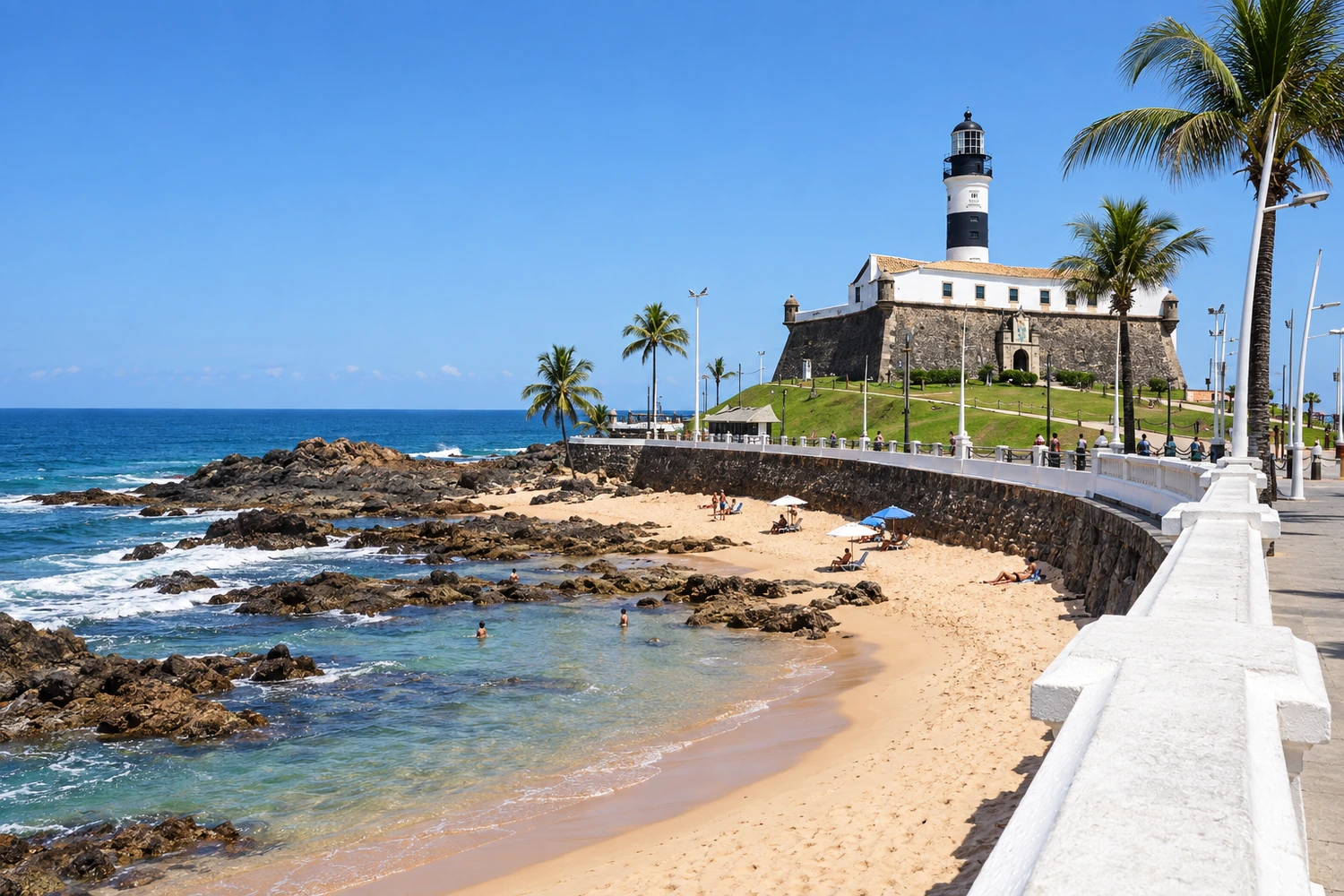
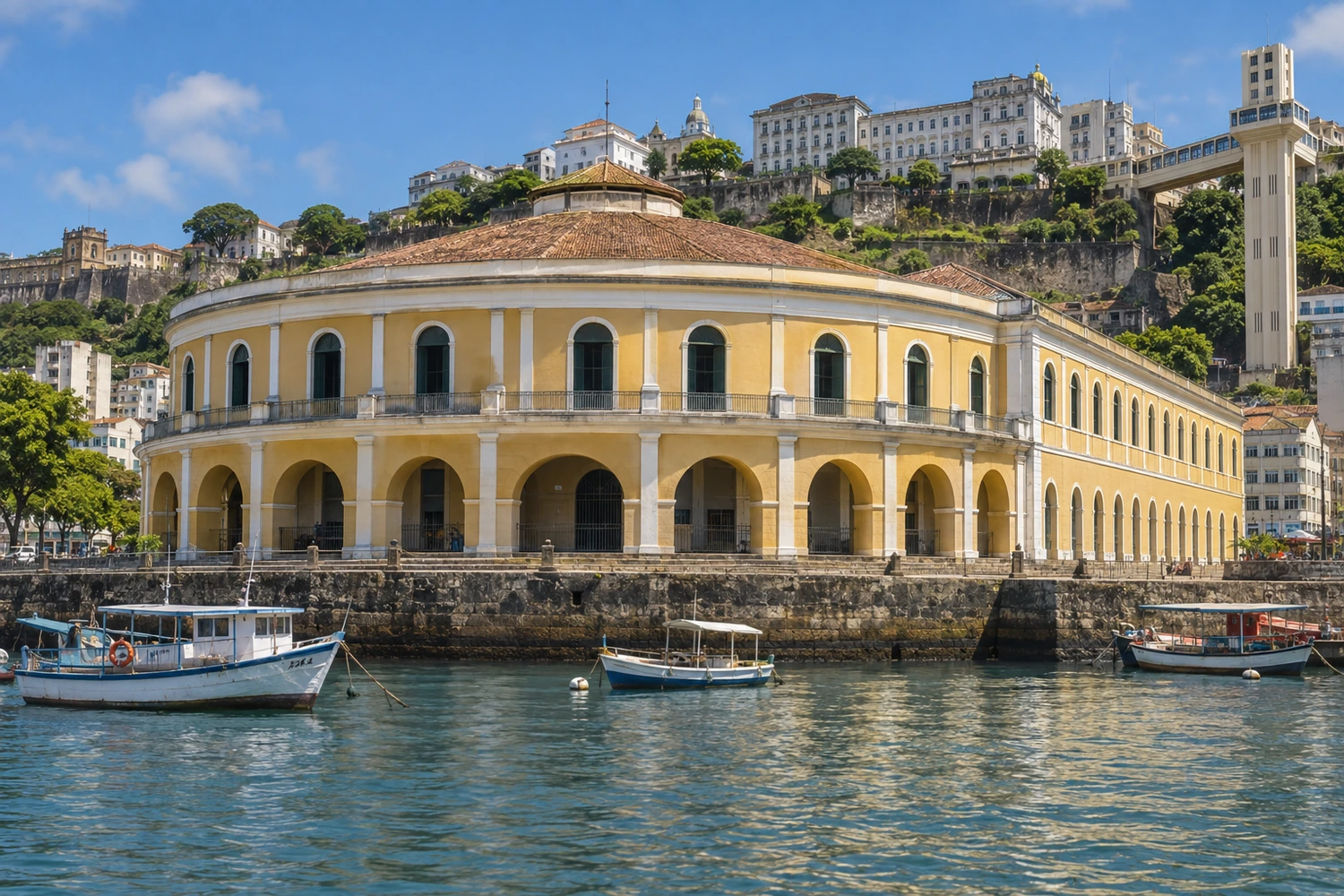
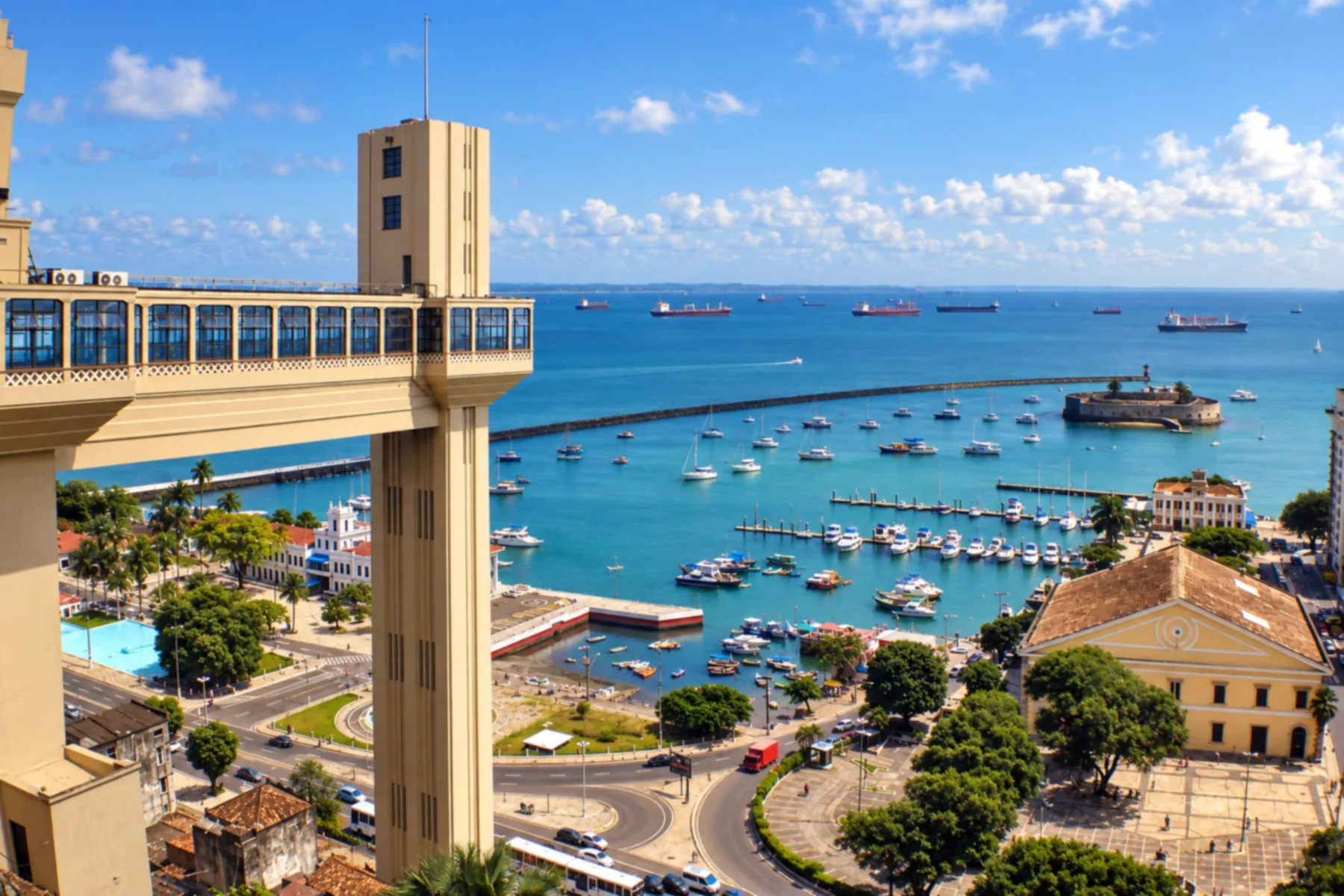
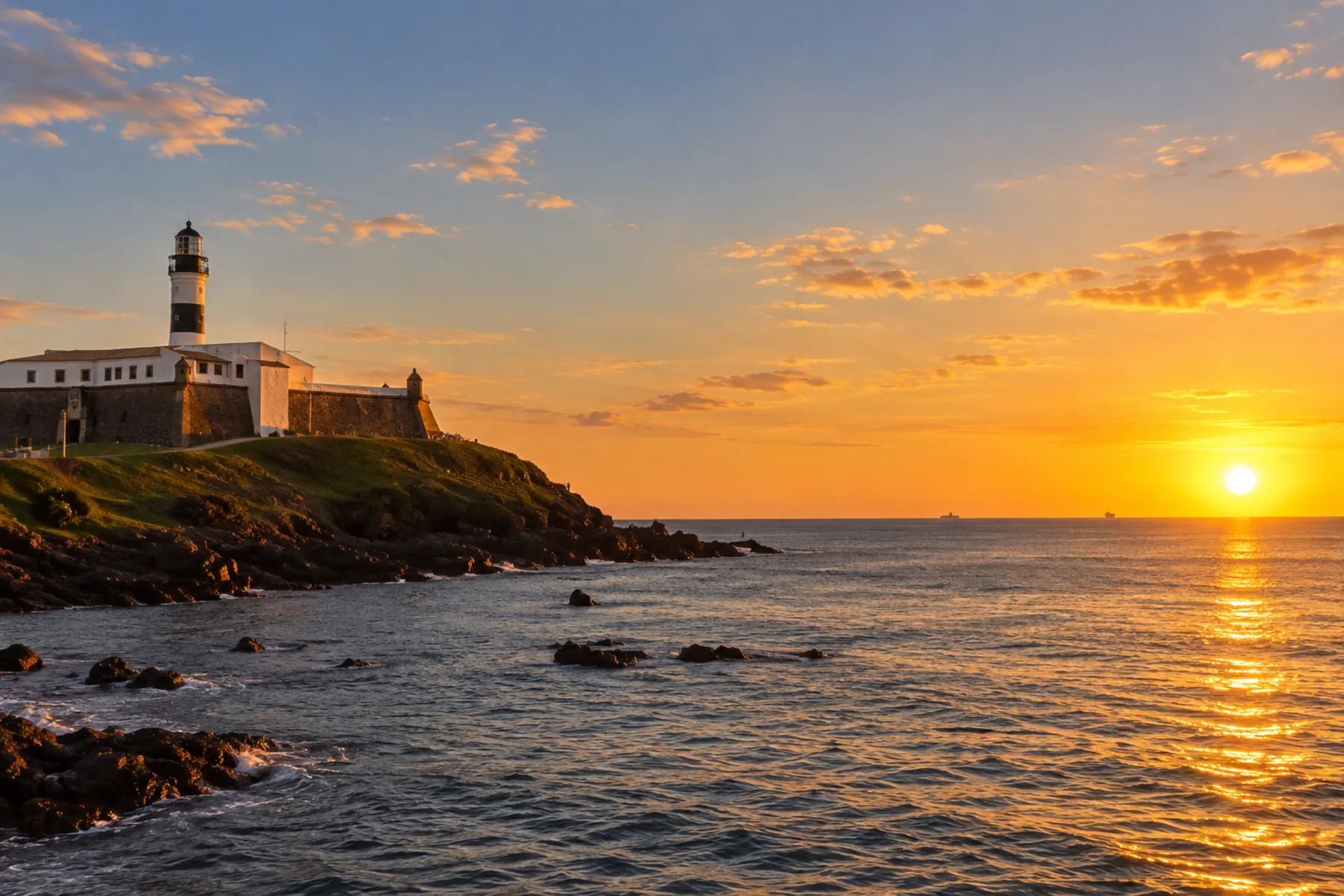
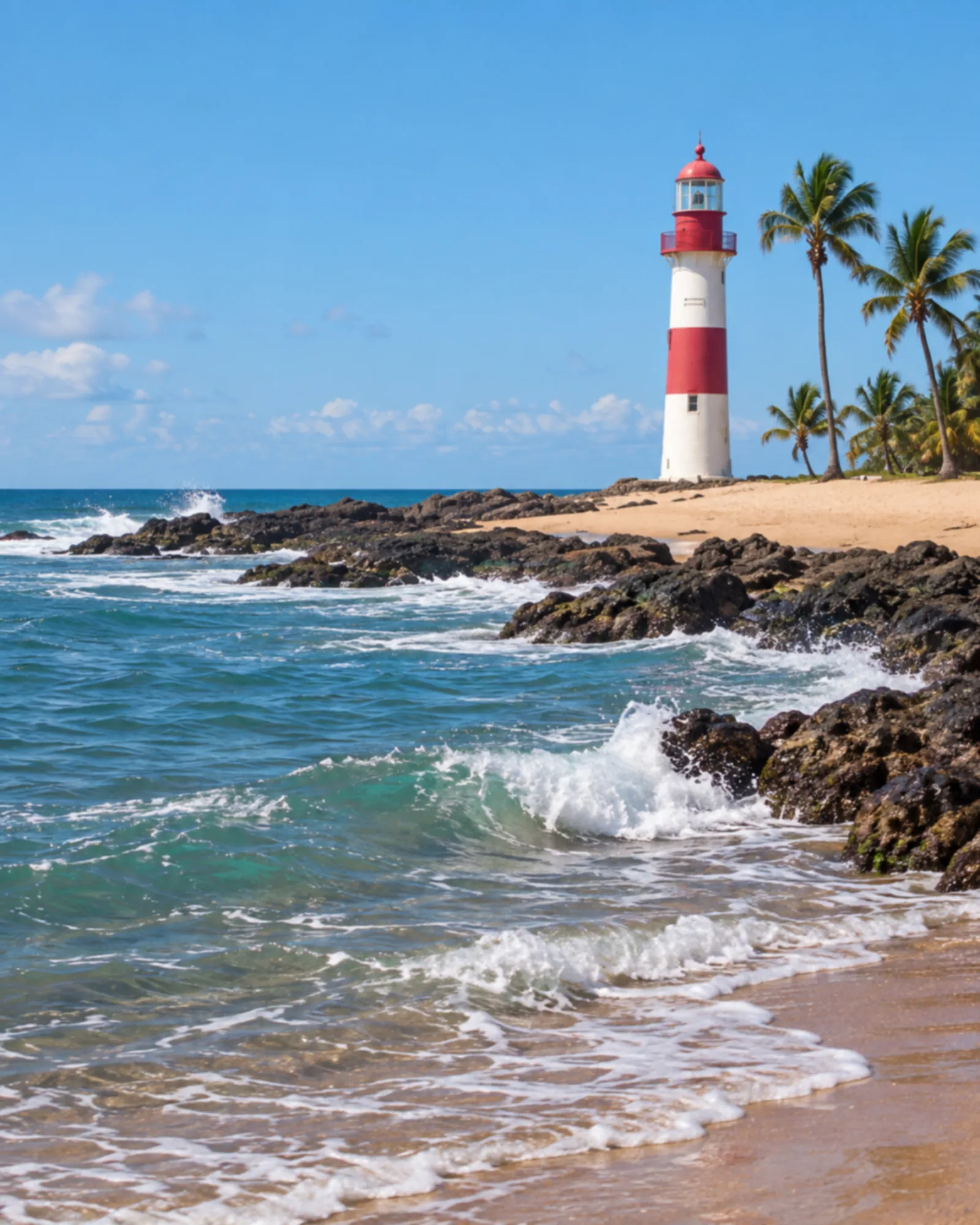
Brazil's first capital preserves in the Pelourinho one of the largest ensembles of colonial architecture in the Americas, a Unesco World Heritage Site, with baroque churches, colorful mansions and cobblestone slopes. The Elevador Lacerda (Lacerda Elevator) links the Cidade Alta (Upper City) to the Cidade Baixa (Lower City) and the Mercado Modelo (market); the Farol da Barra (lighthouse) marks the sunset; and Afro-Brazilian culture lives in the music, in capoeira and in acarajé (black-eyed pea fritters). The waterfront runs north to Itapuã and, farther on, Praia do Forte.
This destination brings together 1 city: Salvador.
A look at the place
These pictures are illustrations based on the real place, not photographs. They may differ from the place.
Click the picture to enlarge it.
One destination, many paths
Start with one city or combine several in your itinerary.
The local experience
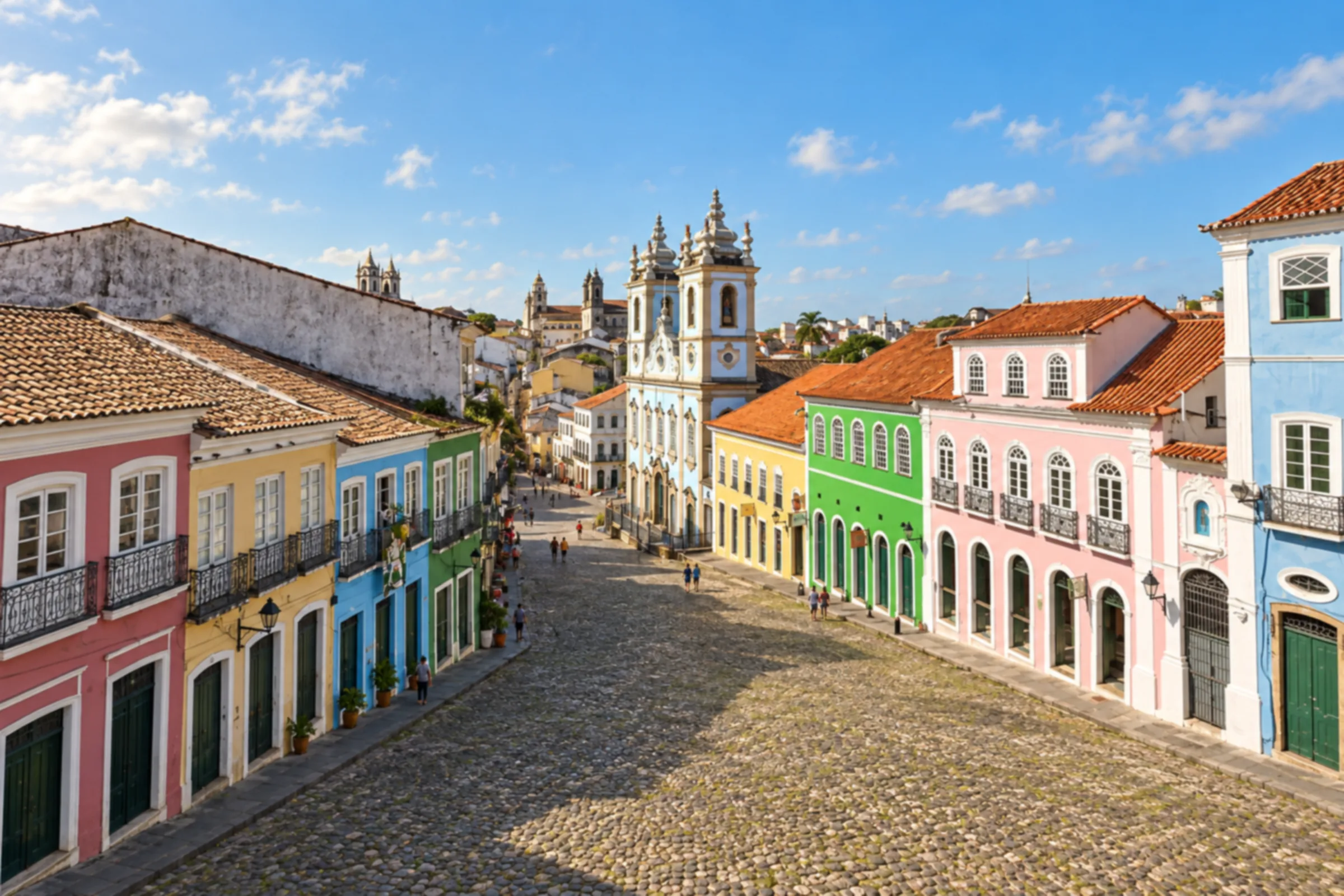
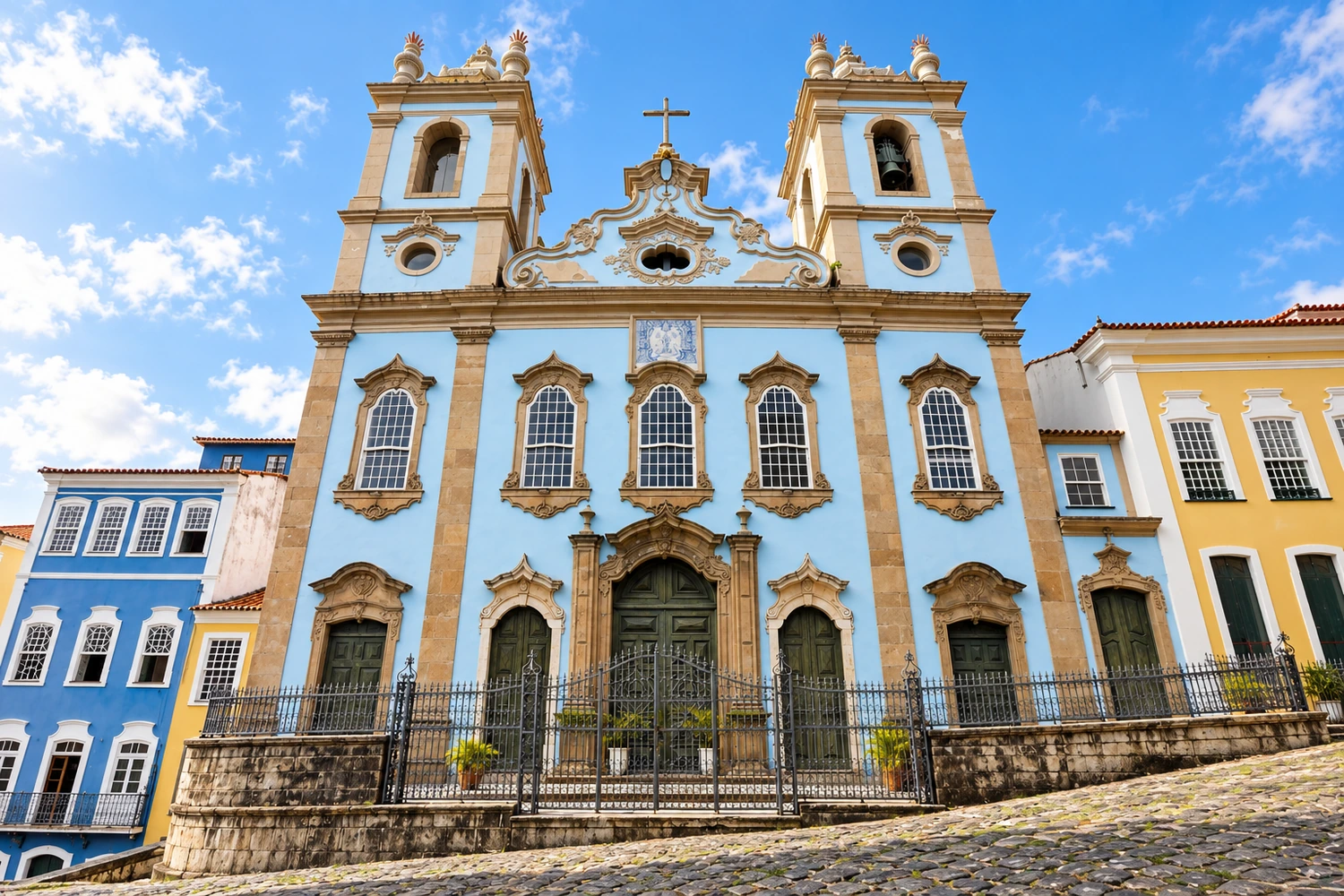
An ensemble of colonial townhouses and churches in the Cidade Alta, recognized by Unesco as a World Heritage Site in 1985. Cobblestone slopes link Largo do Pelourinho to Terreiro de Jesus, surrounded by baroque churches such as the Cathedral.
Discover Pelourinho e Centro Histórico
Opened in 1873 as the Elevador Hidráulico da Conceição, it links Praça Cairu, in the Cidade Baixa, to Praça Tomé de Sousa, in the Cidade Alta. The current 72-meter tower dates from 1930 and was listed by Iphan in 2006.
At the entrance to Baía de Todos-os-Santos, the fort's current structure was built between 1696 and 1702, and in 1698 it received the first lighthouse on the continent. Since 1998 it has housed the Museu Náutico da Bahia (Bahia Nautical Museum), with underwater archaeology finds and nautical charts.
Discover Farol da Barra e Forte de Santo Antônio
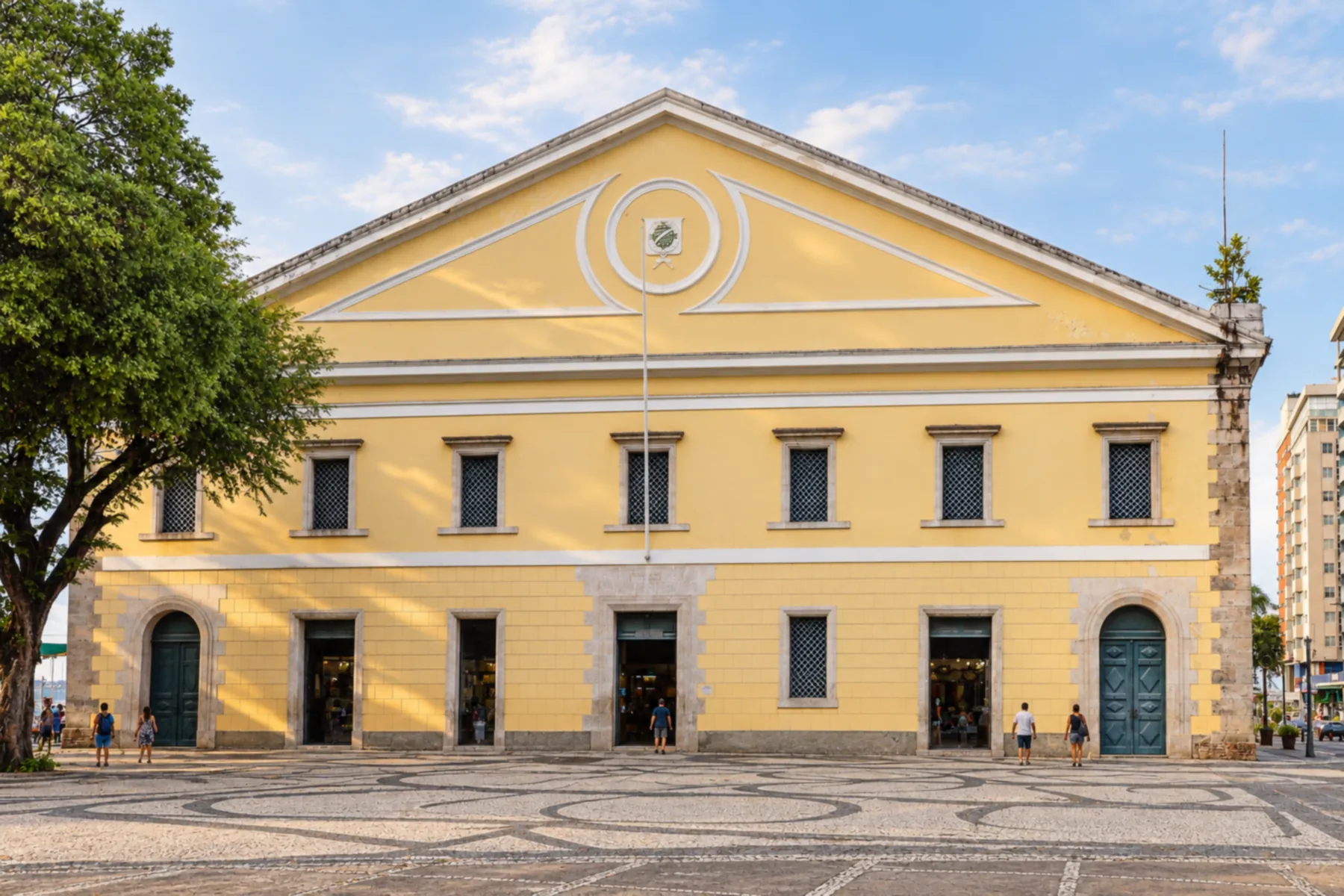
Founded in 1912, the market has been housed since 1971 in the former Customs House, a neoclassical building listed by Iphan in 1966. It gathers stalls of crafts and typical Bahian products at Praça Cairu, in the Cidade Baixa.
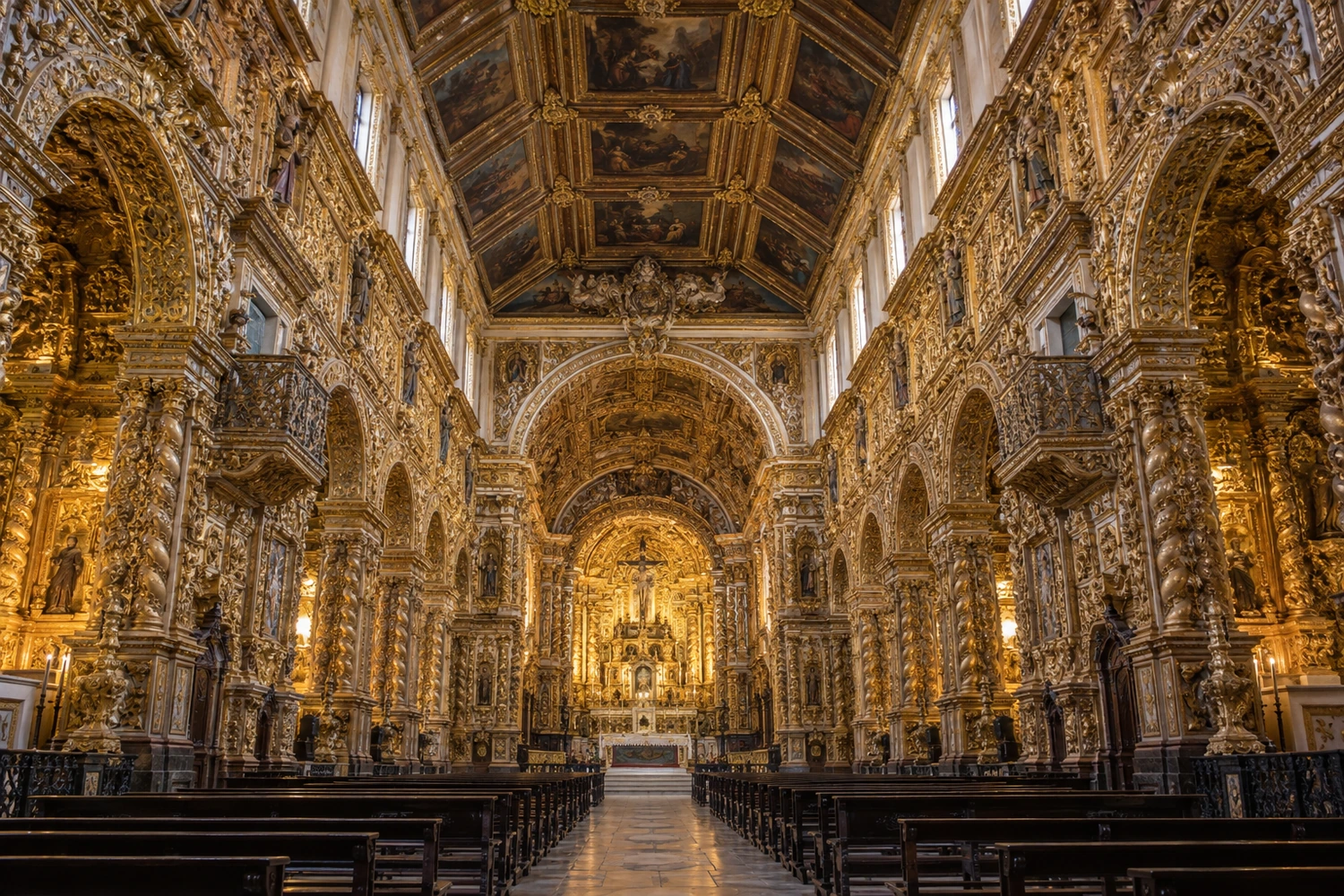
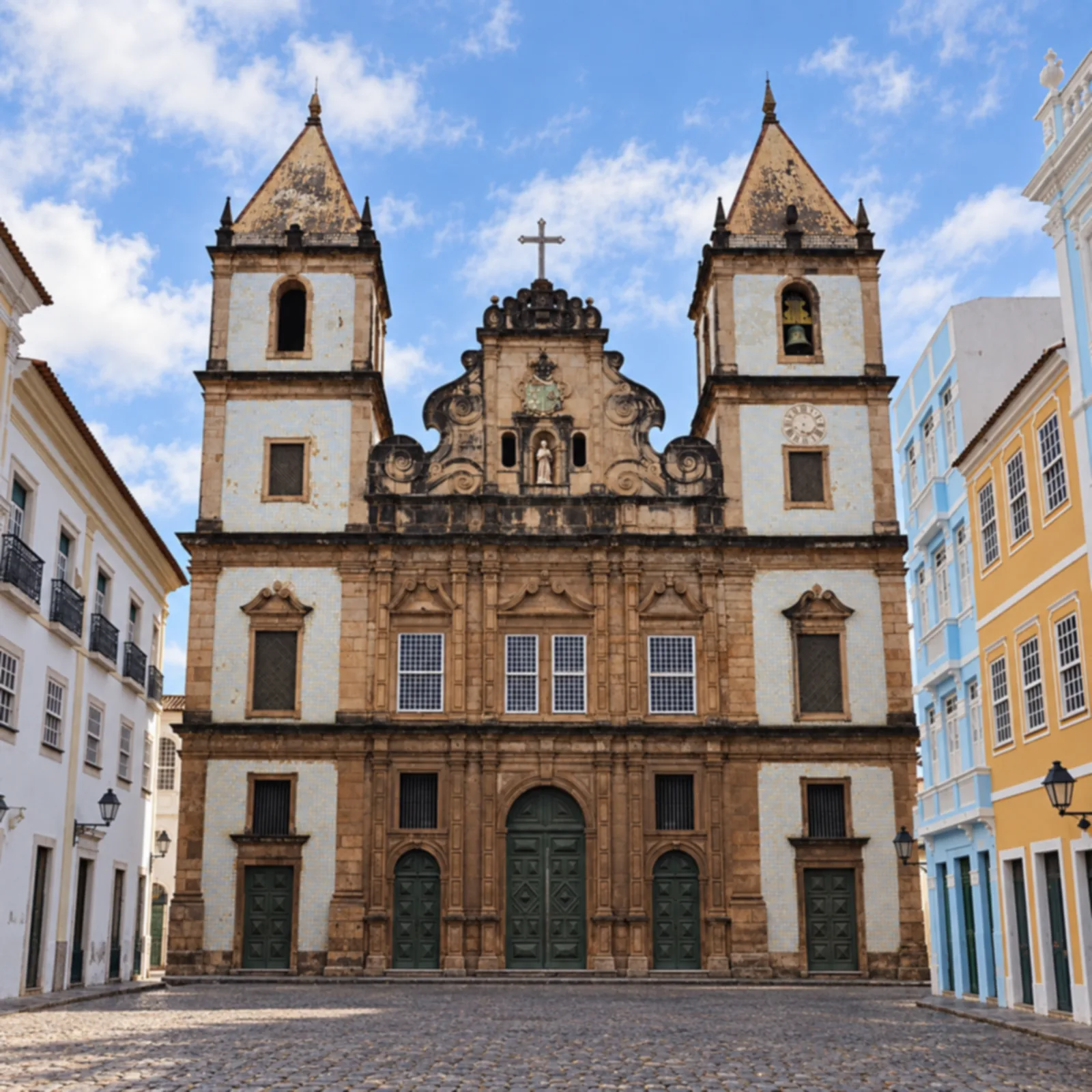
With construction officially begun in 1686, the Franciscan church has interior walls, columns and ceiling covered in gilded baroque woodwork. The convent cloister holds 18th-century Portuguese tile panels, next to Terreiro de Jesus.
Discover Igreja e Convento de São Francisco
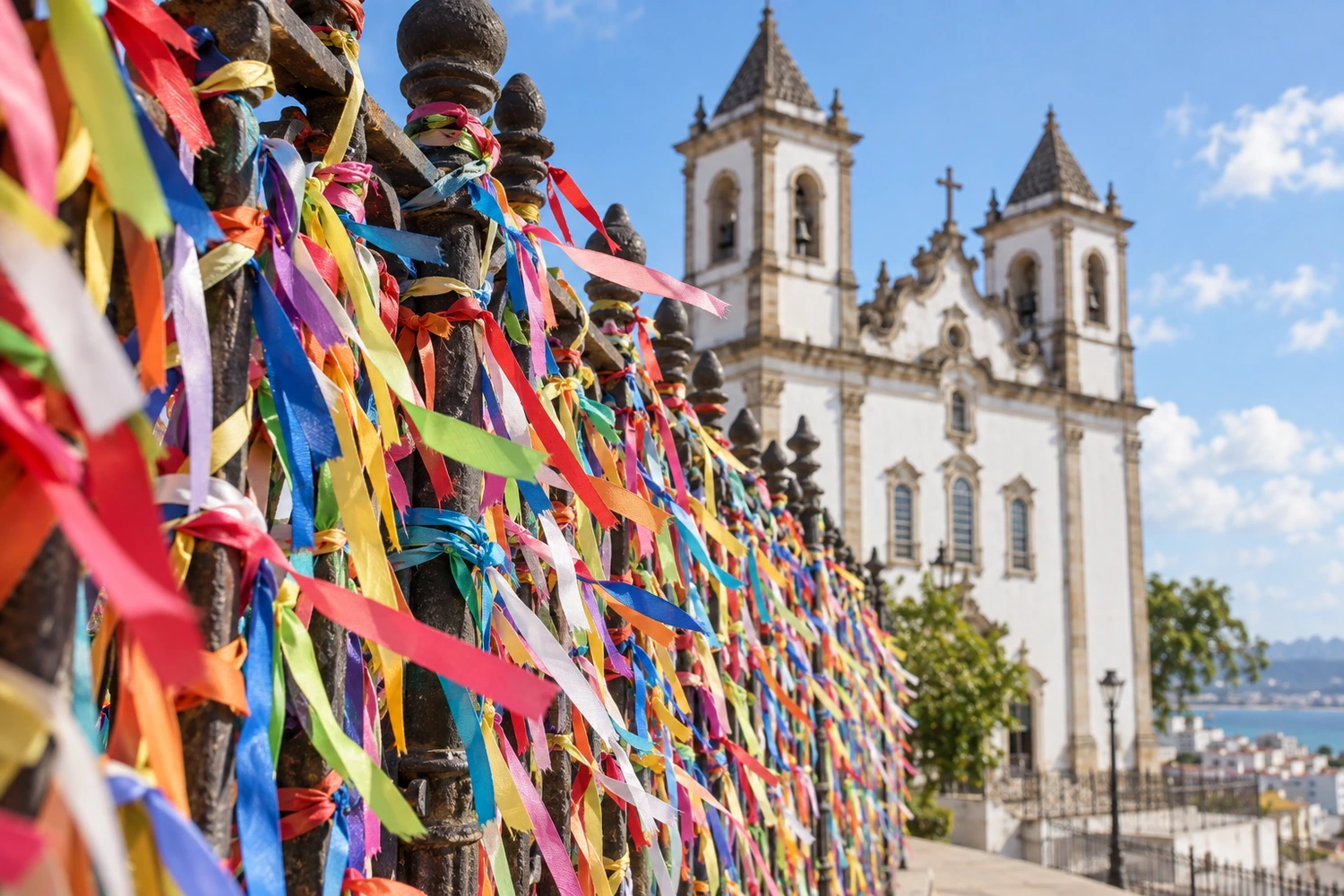
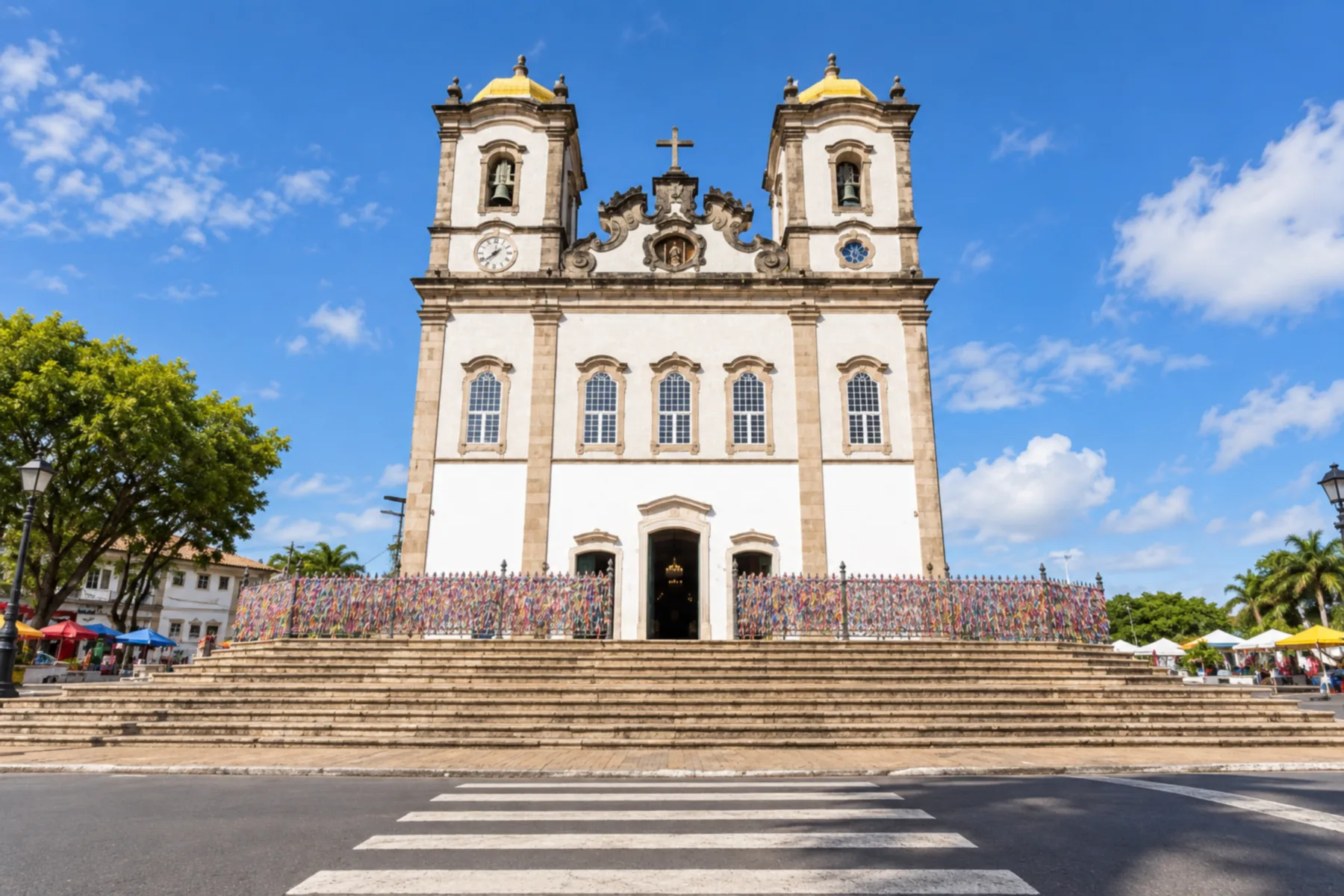
Built starting in 1745 on top of the Colina Sagrada (Sacred Hill), on the Península de Itapagipe, it is a symbol of Bahian religious syncretism and the origin of the Bonfim ribbons. In January, the Lavagem do Bonfim (Washing of Bonfim) brings baianas (women in traditional Bahian dress) to wash the steps with scented water.
Discover Igreja do Senhor do Bonfim
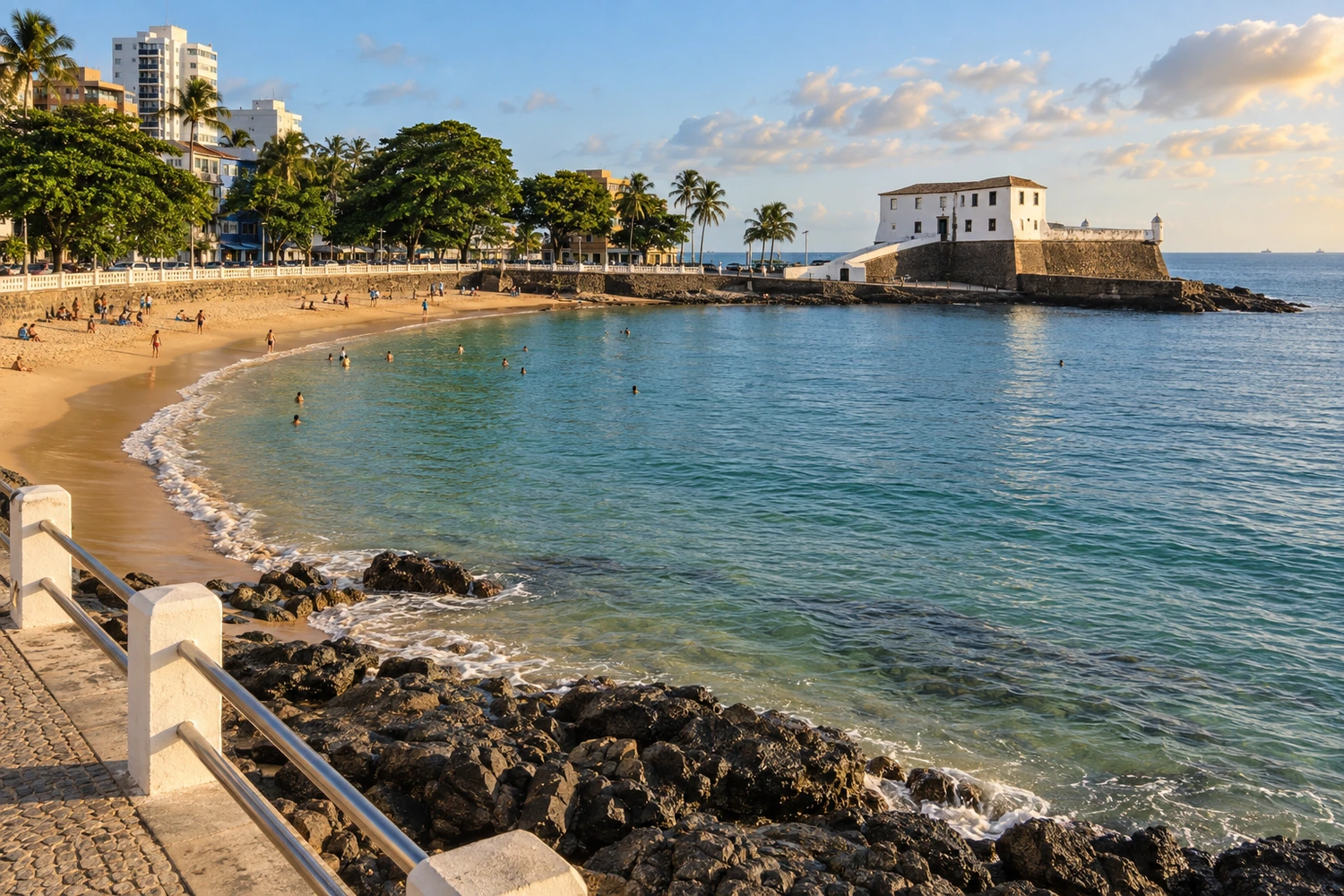
A small cove with calm waters on Baía de Todos-os-Santos, where Tomé de Sousa, Brazil's first governor-general, came ashore. It is known for the sunset over the sea, with views of Ilha de Itaparica (island) and the Forte de Santa Maria next to it.
Discover Praia do Porto da Barra
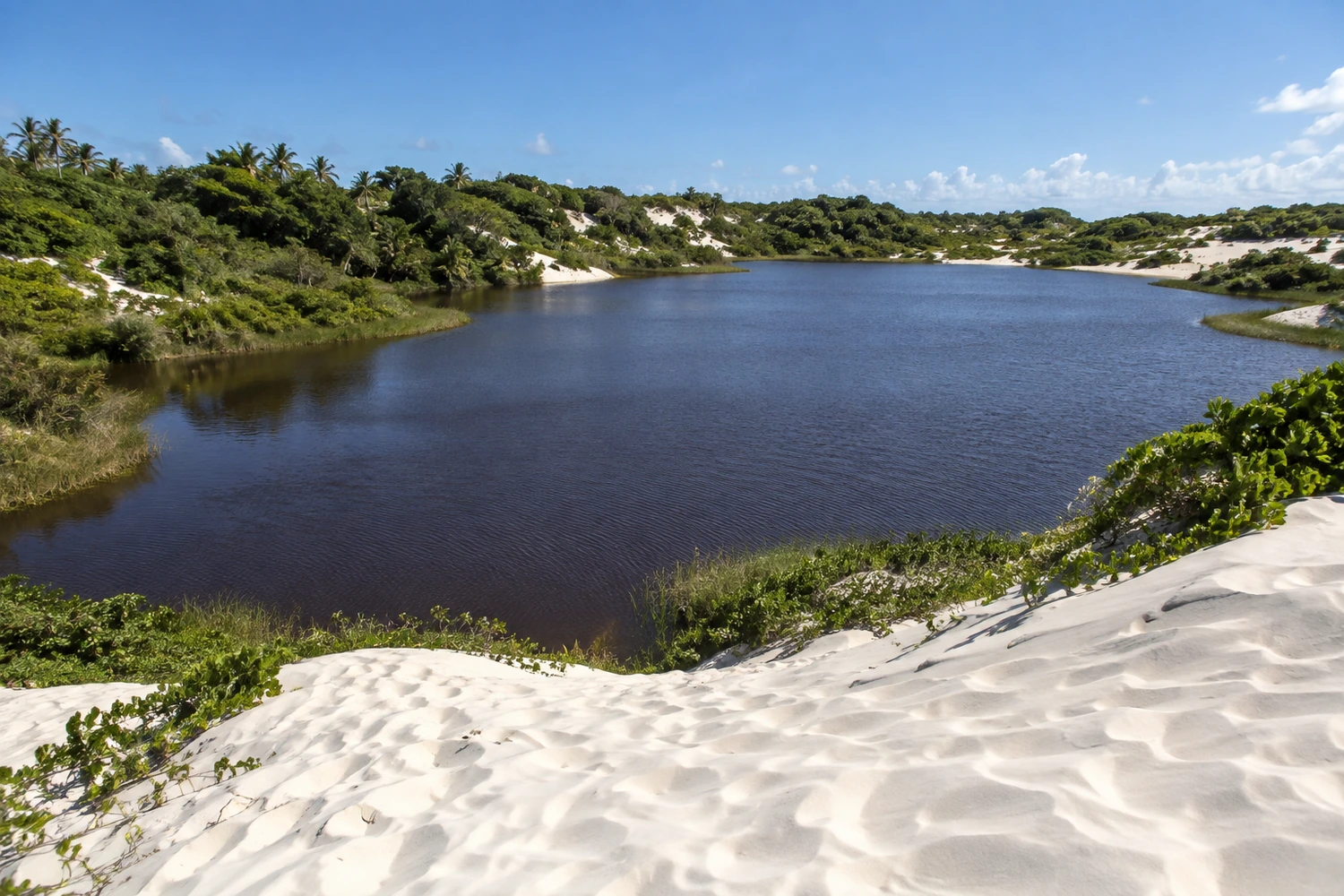
A dark freshwater lagoon surrounded by white sand dunes in Itapuã, protected since 1993 by the Parque Metropolitano Lagoas e Dunas do Abaeté. It inspired songs by Dorival Caymmi and preserves the tradition of the washerwomen who worked on its shores.
Your base to explore
Where you stay is part of the trip. Choose the area that best fits your itinerary.
A seafront hotel on Avenida Oceânica, on the Barra waterfront, near the lighthouse. It has a heated pool, a sauna, a gym, a restaurant, a bar, beach service and rooms with balconies facing the sea, and suits those who want to stay on the waterfront with full facilities.
A boutique hotel in a restored colonial mansion on Rua das Portas do Carmo, in the Pelourinho. It has just a few rooms, a pool, a rooftop terrace overlooking Baía de Todos-os-Santos, a restaurant and a bar, and suits those who want to stay in the historic center with more comfort and quiet.
A chain hotel on Rua Fonte do Boi, in Rio Vermelho, by the sea and a few steps from the neighborhood's bars and restaurants. It has an infinity pool, a gym, a restaurant and rooms with sea views, and suits those who prefer to stay close to Salvador's nightlife.
Flavors of the destination
A bistro on Largo do Cruzeiro de São Francisco, in the Pelourinho, with tables on the pedestrian square facing the São Francisco Church. It serves moqueca (fish stew) and other Bahian dishes alongside seafood, grilled dishes and pasta, in a setting decorated with cordel (folk booklets) and clay pieces, and caters to people exploring the historic center.
A restaurant on Rua Eurycles de Mattos, in Rio Vermelho, with tropical and Amazon-inspired decor. The menu revolves around fish and seafood in contemporary preparations, such as ceviche, shrimp risotto and squid ravioli, with vegan options and signature cocktails, and caters to couples and groups going out to dinner in the neighborhood.
A restaurant on Rua Chile, in the Historic Center, in an exposed-brick dining room overlooking Baía de Todos-os-Santos. It serves contemporary Brazilian cuisine with fish, octopus and seafood, plus a set lunch option, and caters to people exploring the old town.
Before you go
A little planning leaves more time to enjoy the journey.
Through Salvador International Airport, about 30 km from the historic center.
From September to March, the driest and sunniest season. Rain is concentrated from April to July.
Take your trash with you, follow the signs and support local businesses. In natural areas, follow the visiting guidelines.