Porto Alegre
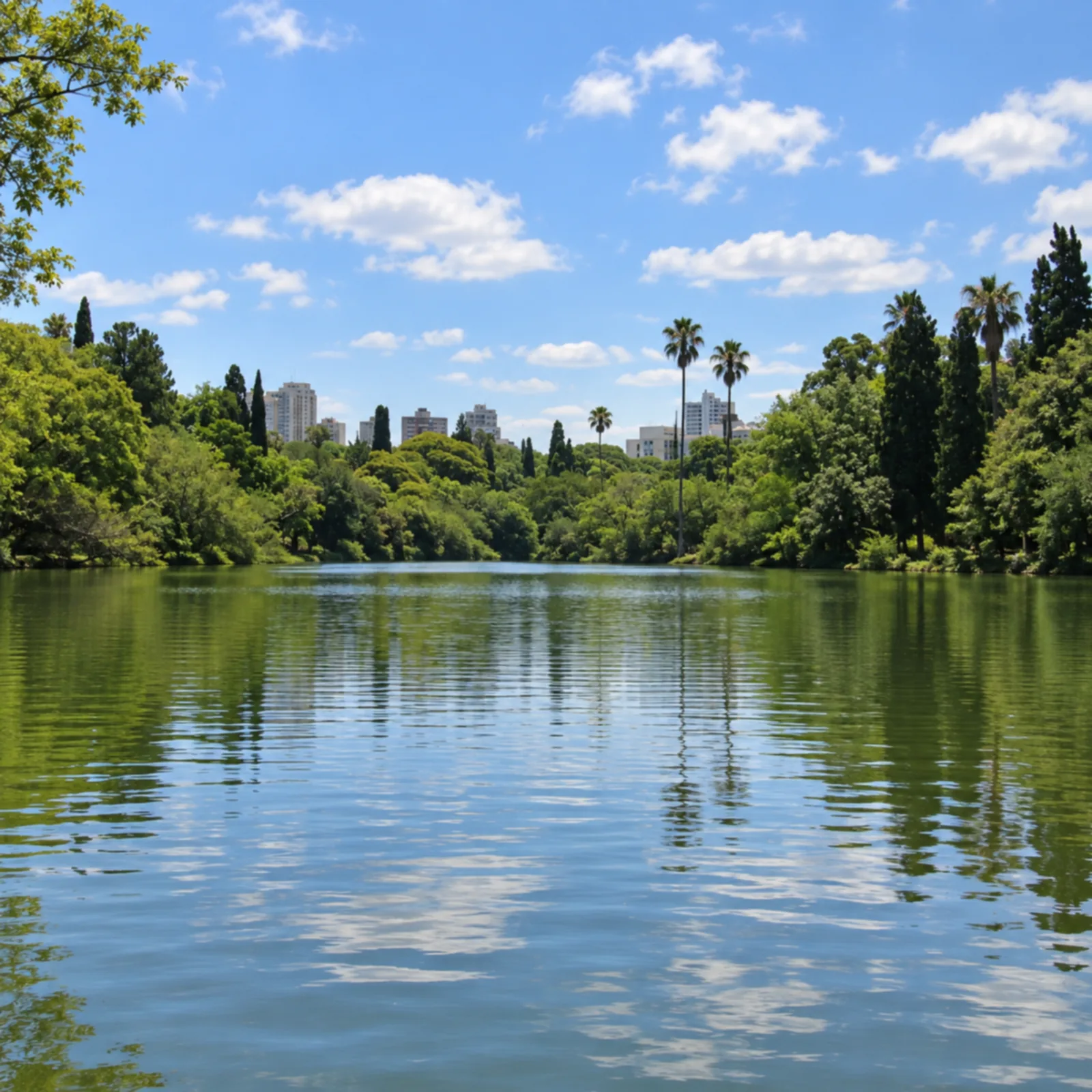
Porto Alegre combines the Guaíba landscape with urban parks and the heritage of the historic center. Walks along the waterfront can be combined with visits to markets, theaters and other cultural spaces.
RS · Brazil
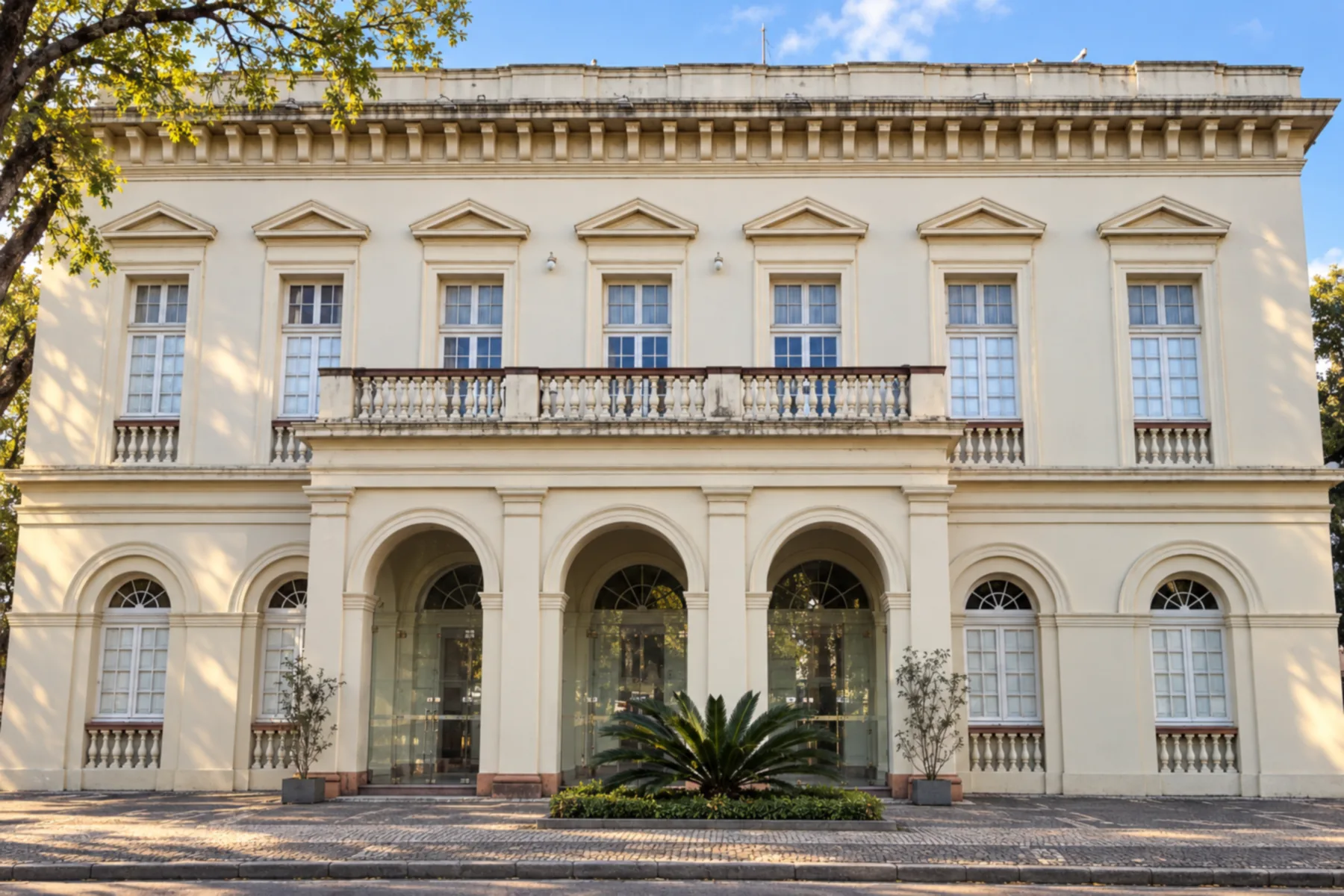
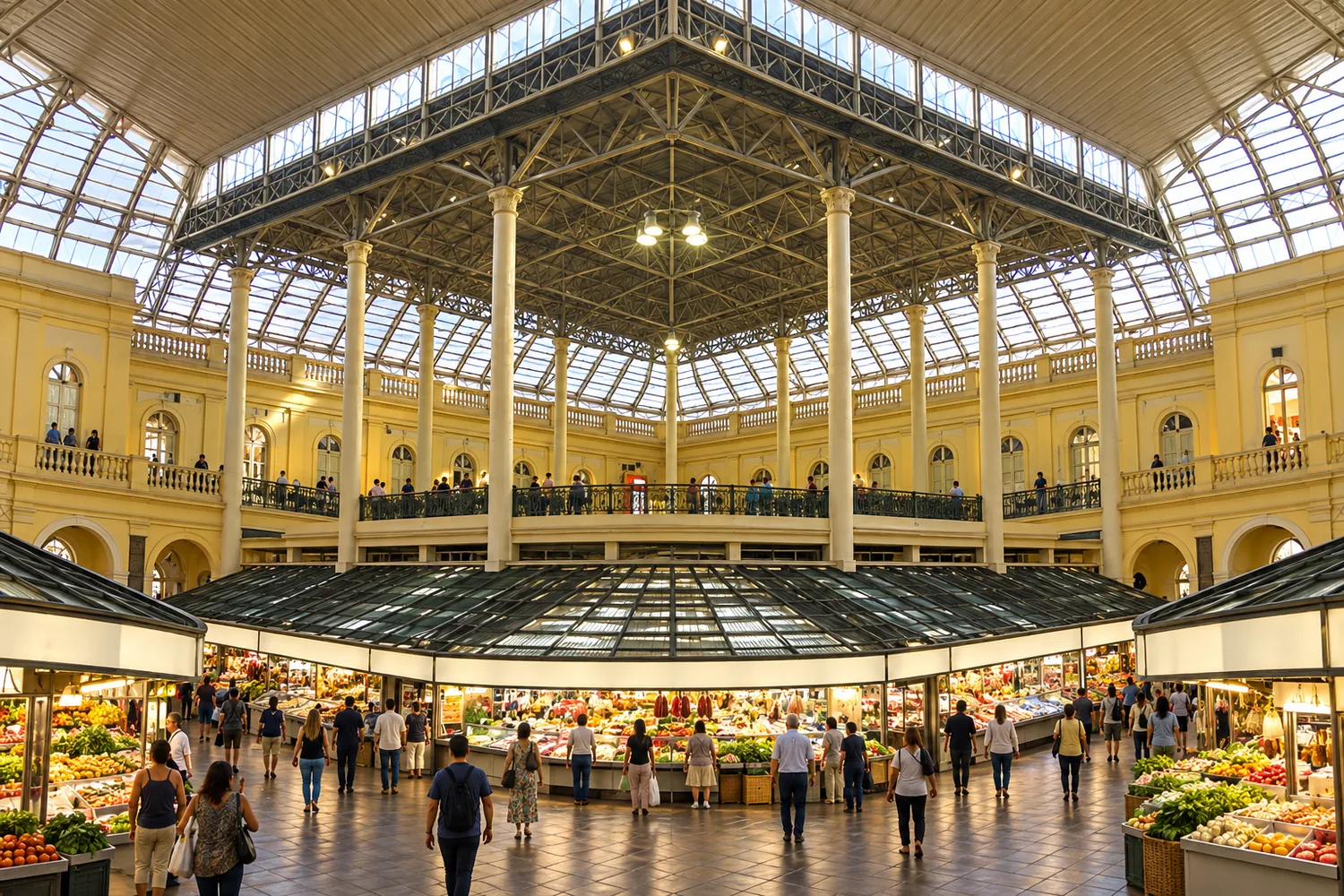
Illustrative images. The pictures in this guide are illustrations based on the real place, not photographs, and may differ from it.
Get to know the place
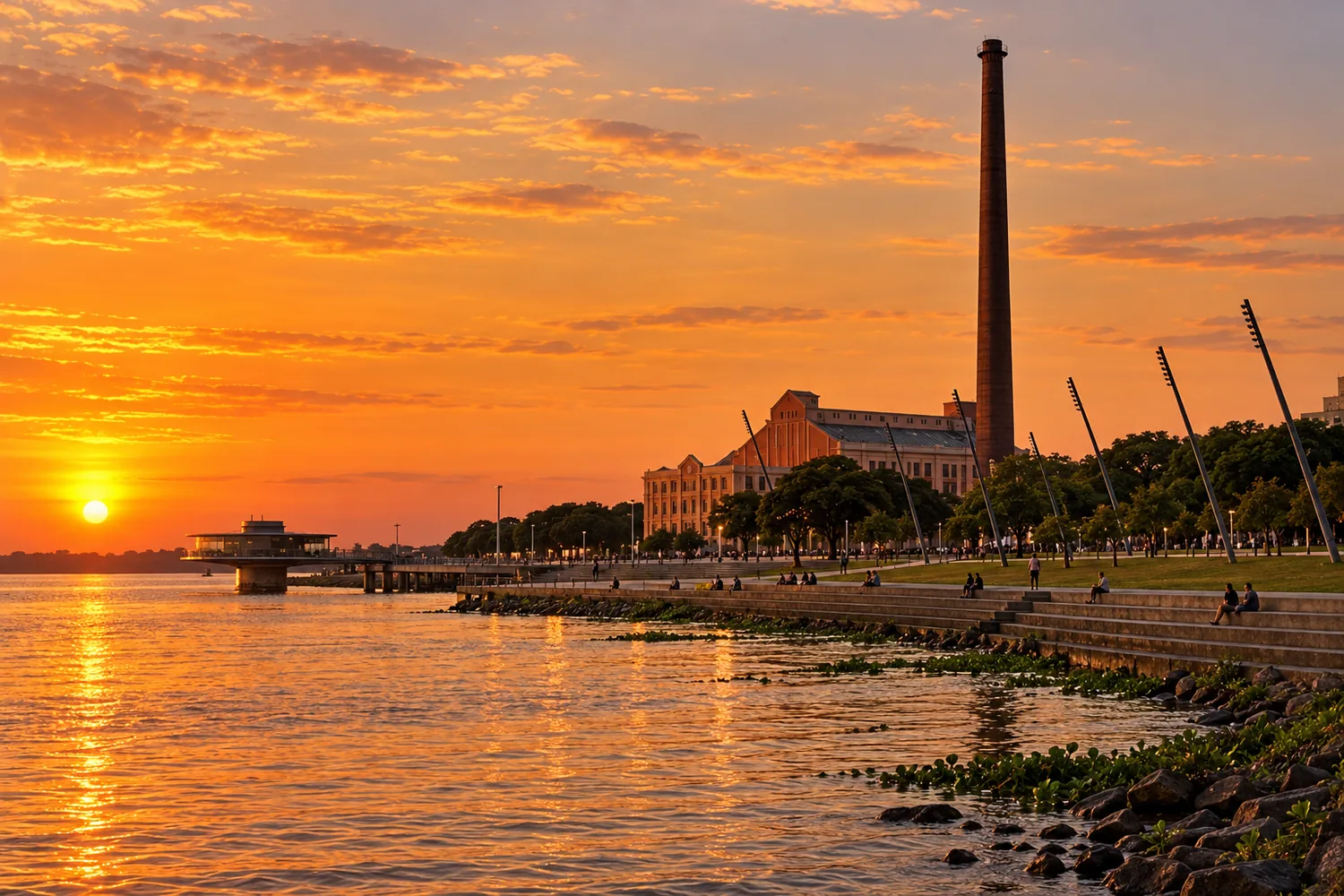
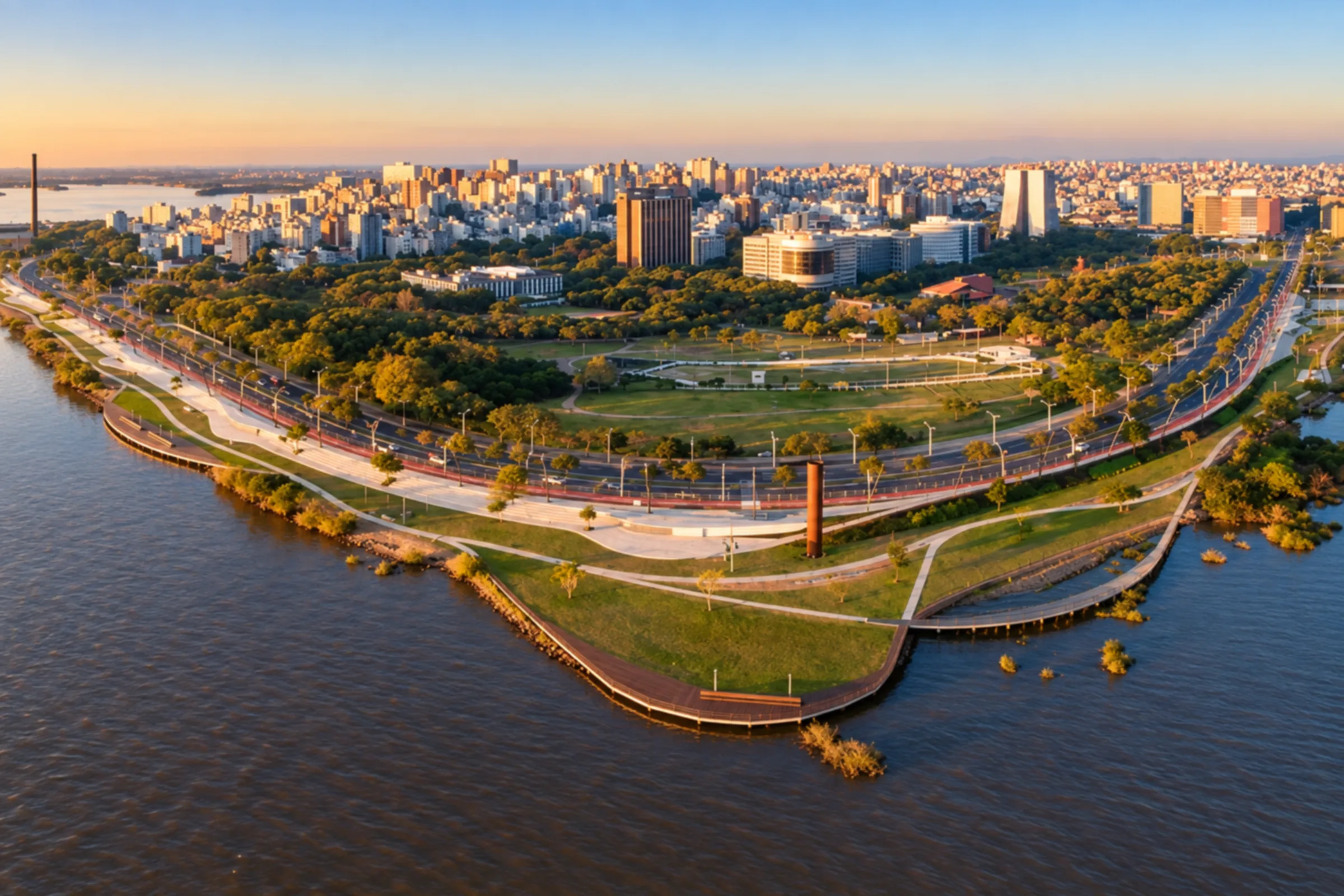
Life in the capital of Rio Grande do Sul revolves around the Guaíba (lake), and the revitalized waterfront is the spot for the city's most famous sunset. The Historic Center brings together the Mercado Público, the Casa de Cultura Mario Quintana and Praça da Matriz; Parque da Redenção has a crafts and antiques fair on Sundays; and the Fundação Iberê Camargo, designed by Álvaro Siza, is worth a visit for its architecture. It is the gateway to the Serra Gaúcha (mountain region).
This destination brings together 1 city: Porto Alegre.
A look at the place
These pictures are illustrations based on the real place, not photographs. They may differ from the place.
Click the picture to enlarge it.
One destination, many paths
Start with one city or combine several in your itinerary.
The local experience
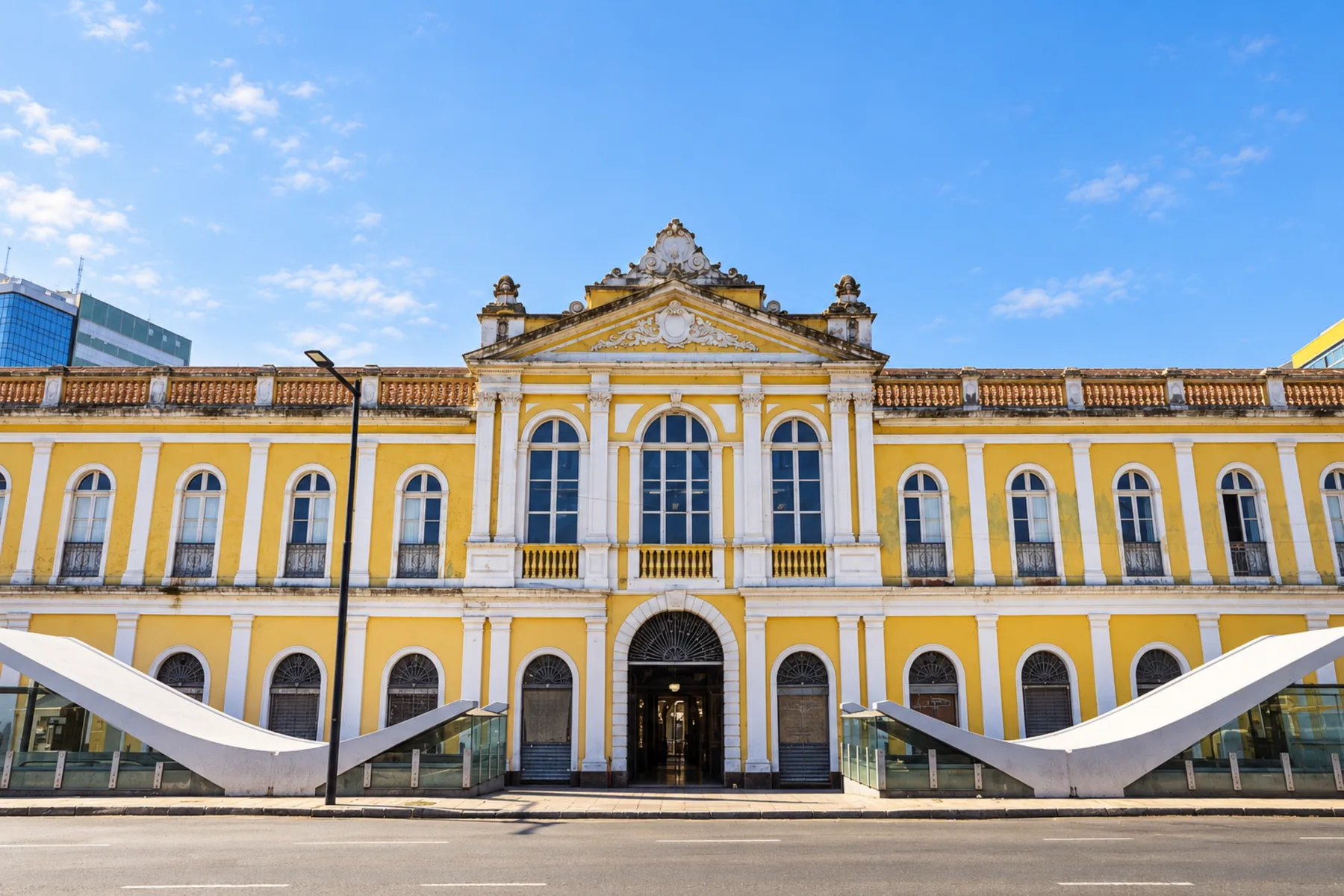
Opened in 1869 in the historic center, the eclectic building with neoclassical influence houses more than a hundred shops selling food, herbs and assorted goods. Listed in 1979, it survived four fires and reopened after being flooded in the 2024 flood.
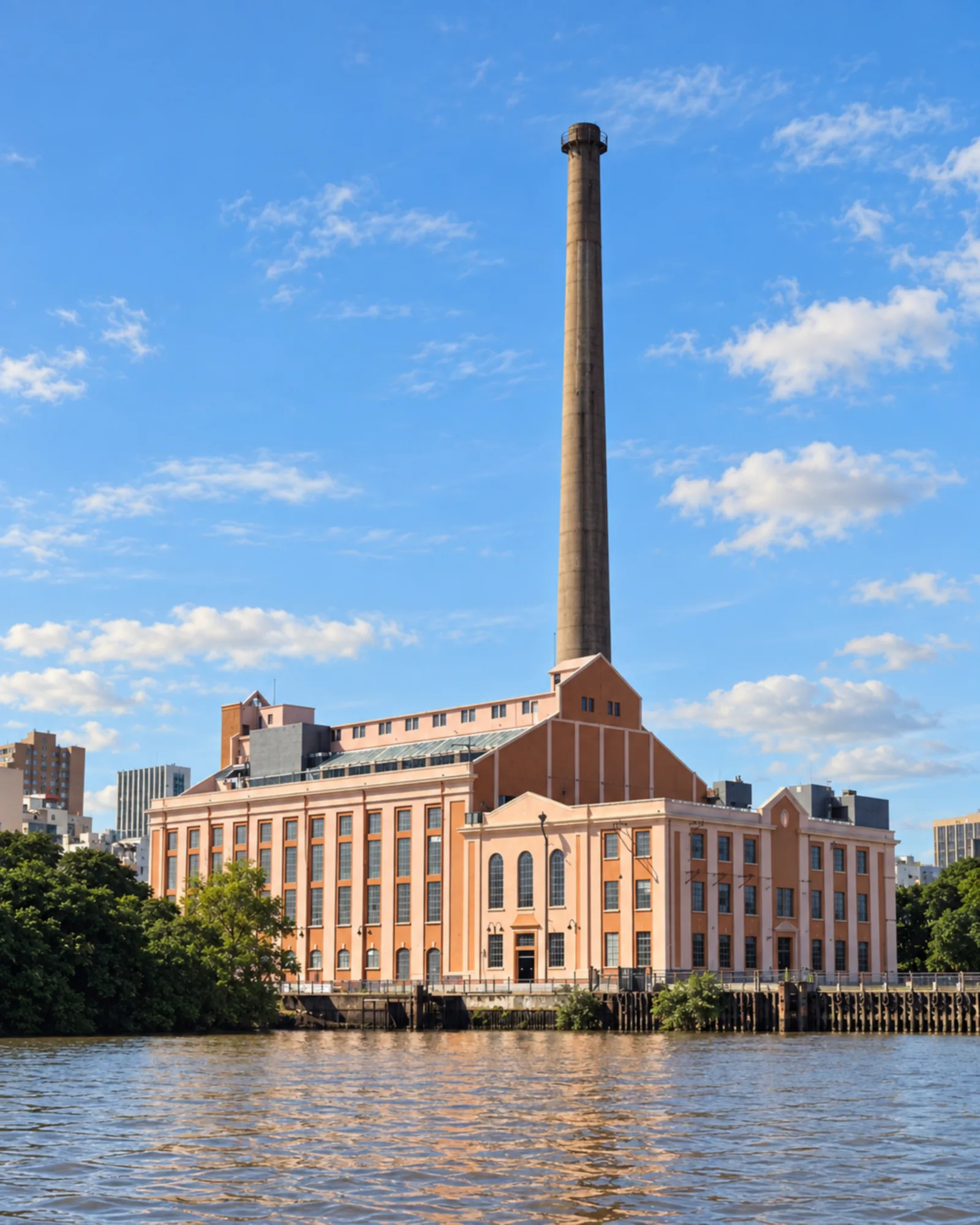
A former thermoelectric power plant opened in 1928 and shut down in 1974, the building on the shore of the Guaíba became a cultural center in 1991. After a complete restoration, it reopened in August 2025, with spaces for exhibitions and events by the waterfront.
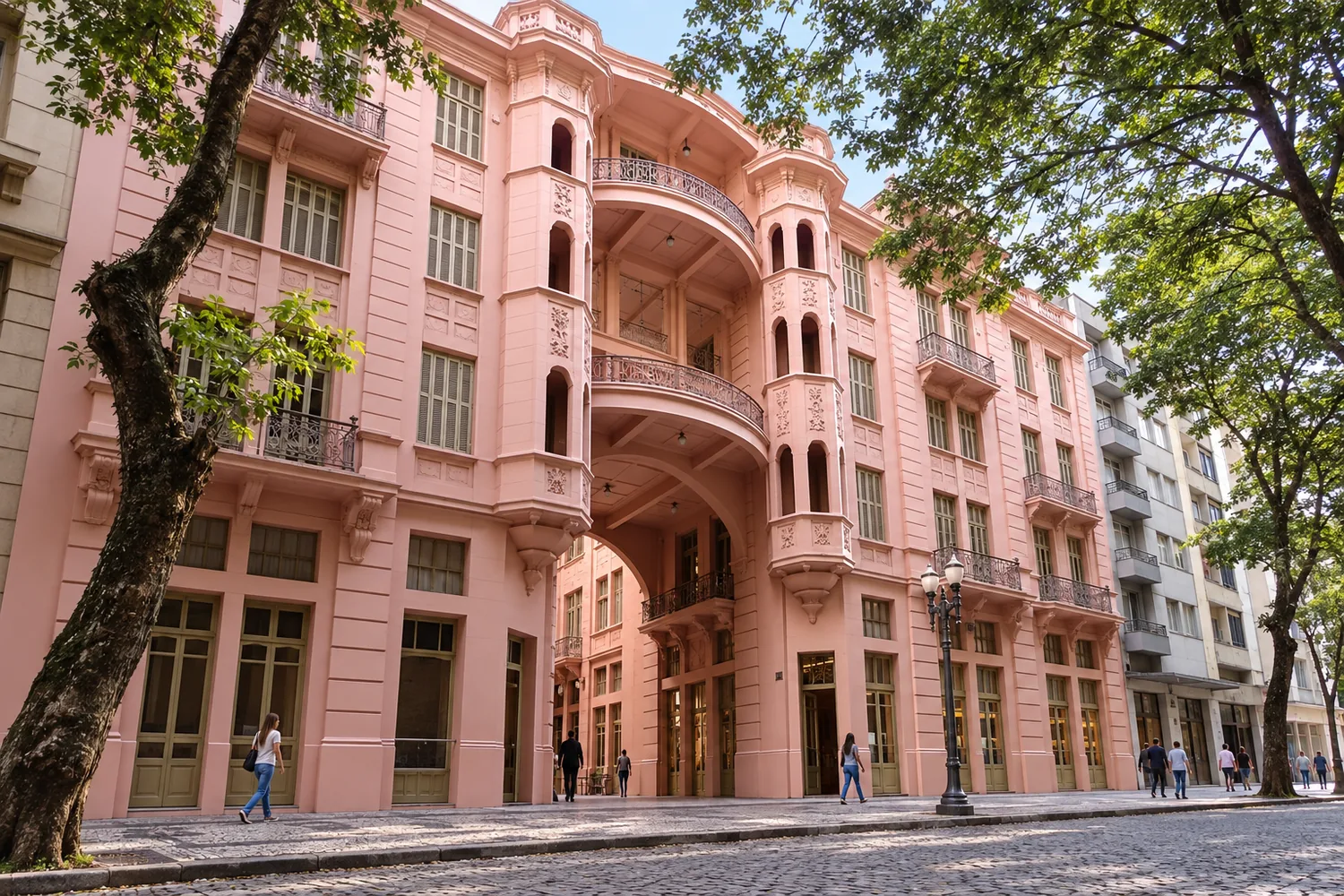
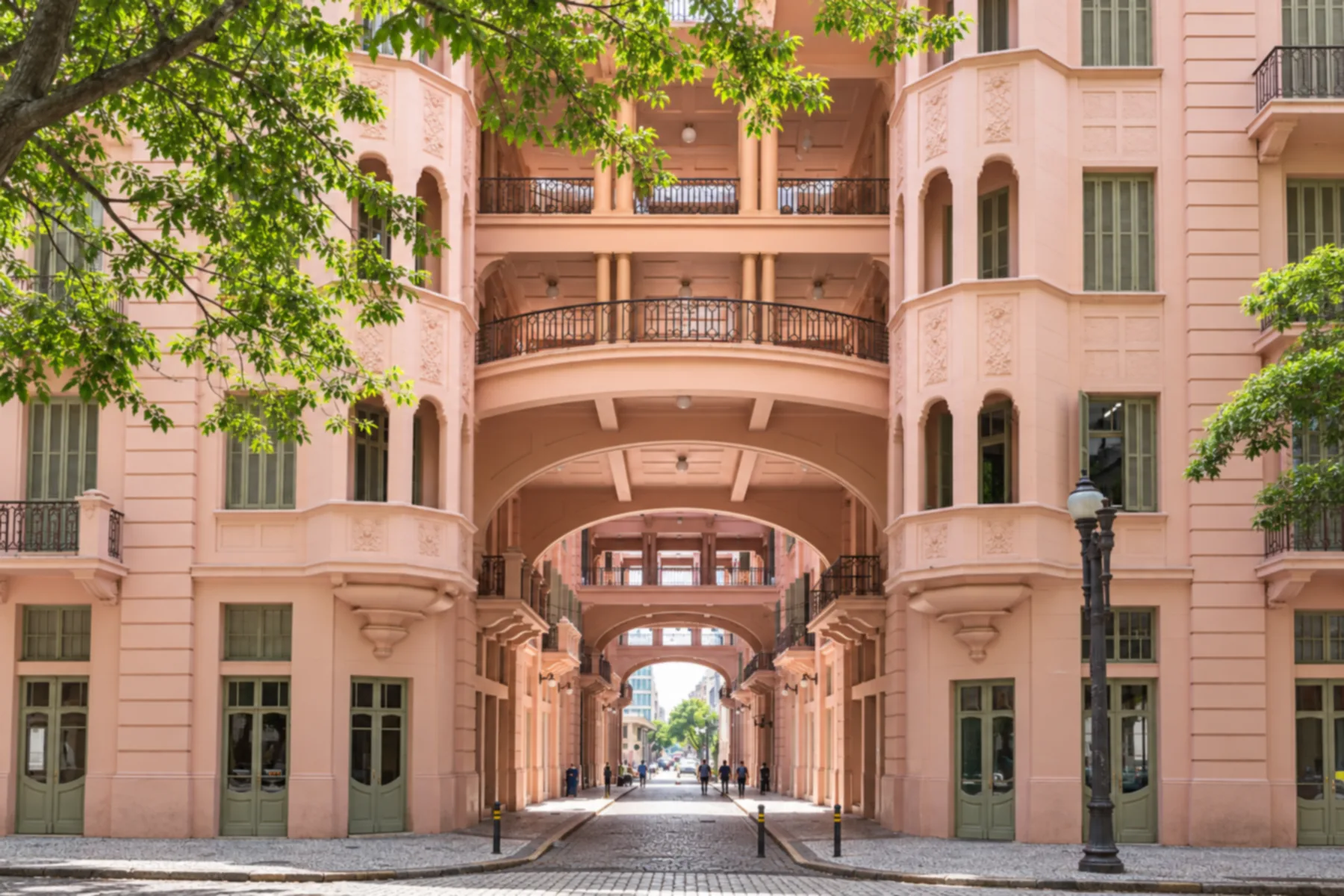
It occupies the former Hotel Majestic, designed by Theodor Wiederspahn, where poet Mario Quintana lived from 1968 to 1980. It brings together theaters, movie theaters, galleries and libraries, and in 2025 it completed repairs of the damage from the 2024 flood.
Discover Casa de Cultura Mario Quintana
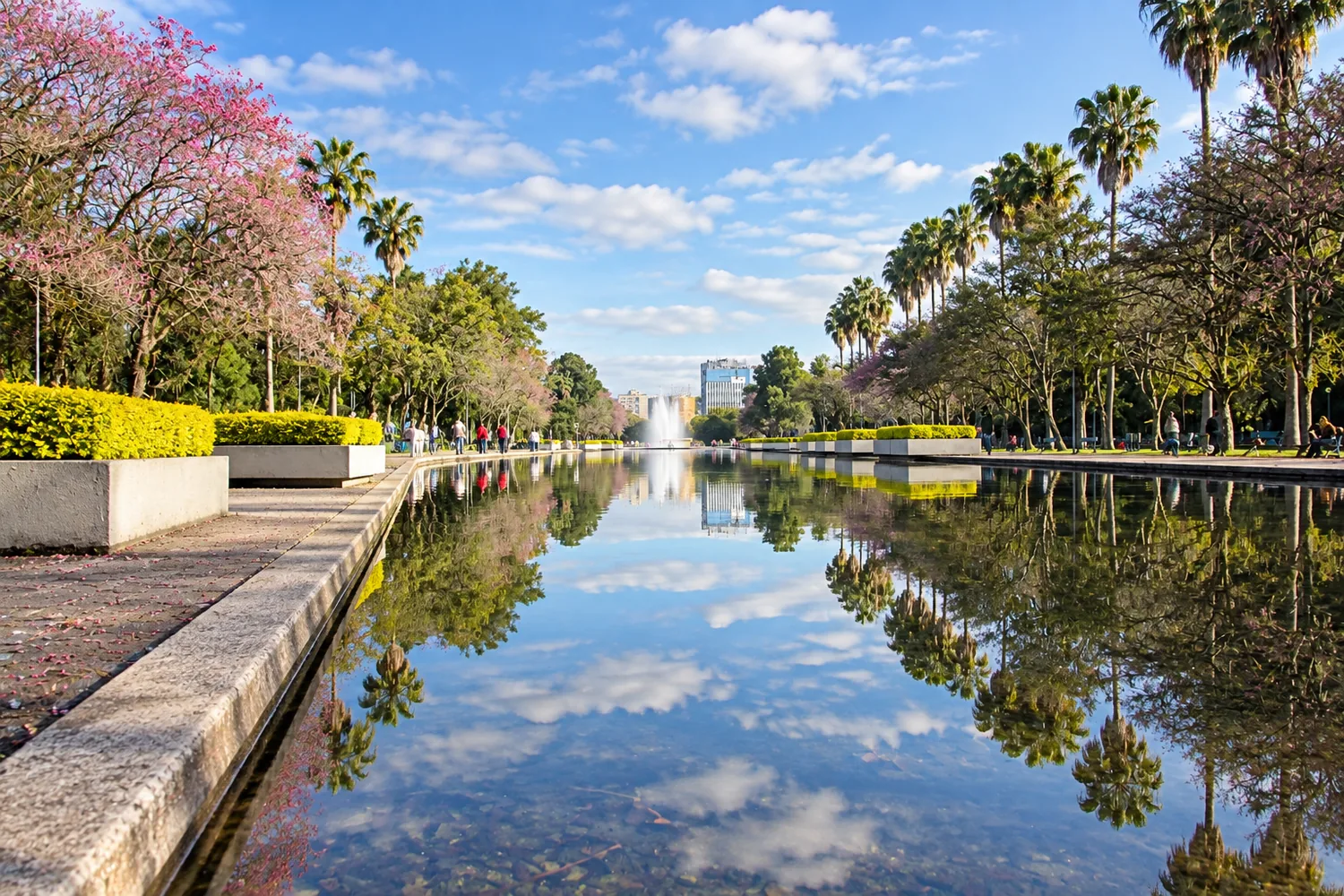
Known as Redenção (Redemption), a name adopted in 1884 in reference to the freeing of the district's enslaved people, it covers about 37 hectares in the Bom Fim neighborhood. It has themed gardens, such as the Recanto Oriental and the Recanto Europeu, plus an amusement park and an organic market.
Discover Parque Farroupilha (Redenção)
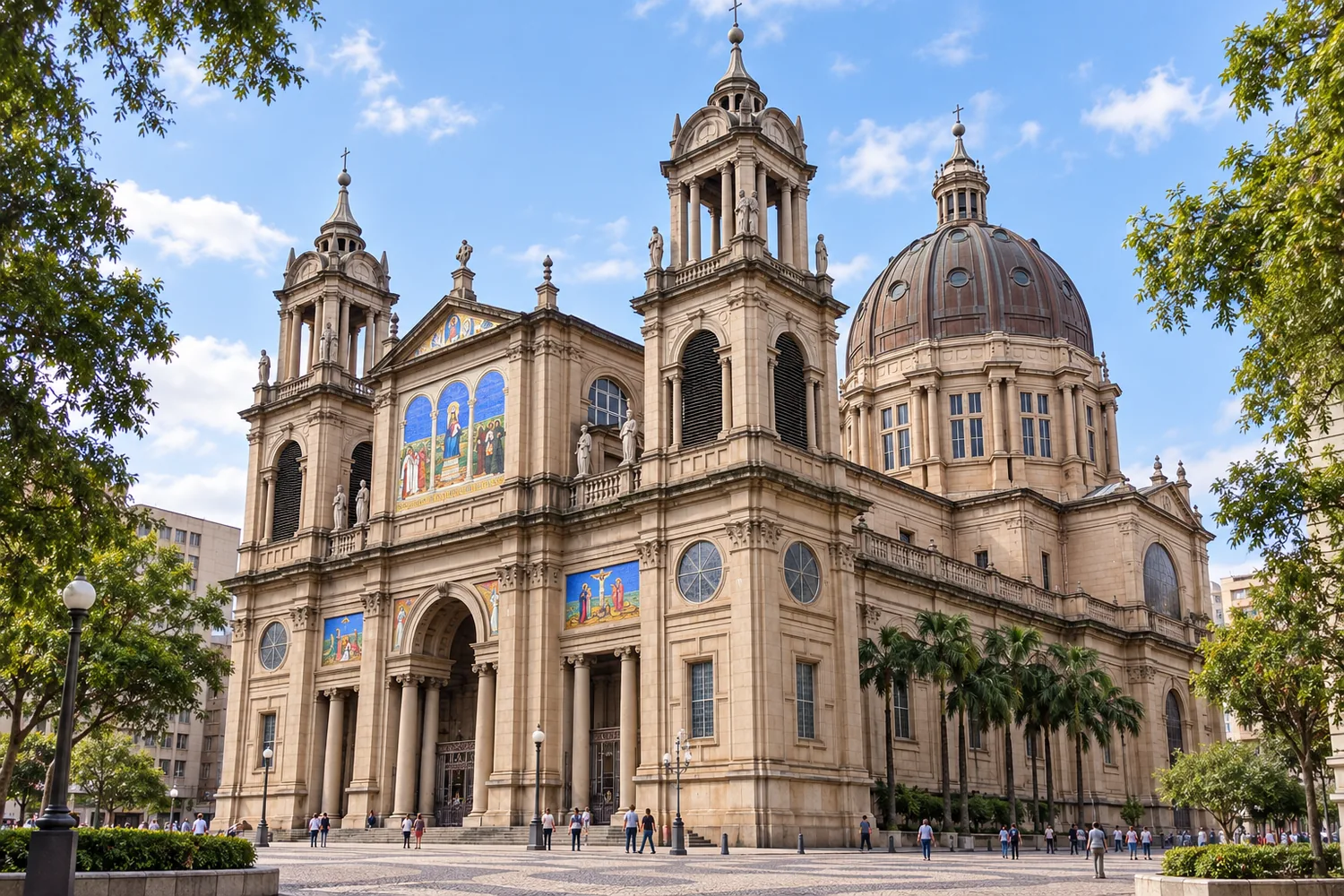
With its cornerstone laid in 1921 and consecrated in 1986, it stands on Praça da Matriz and has Renaissance-inspired lines. The dome reaches 65 meters high, and the facade mosaics were made by the Vatican Mosaic Studio.
Discover Catedral Metropolitana
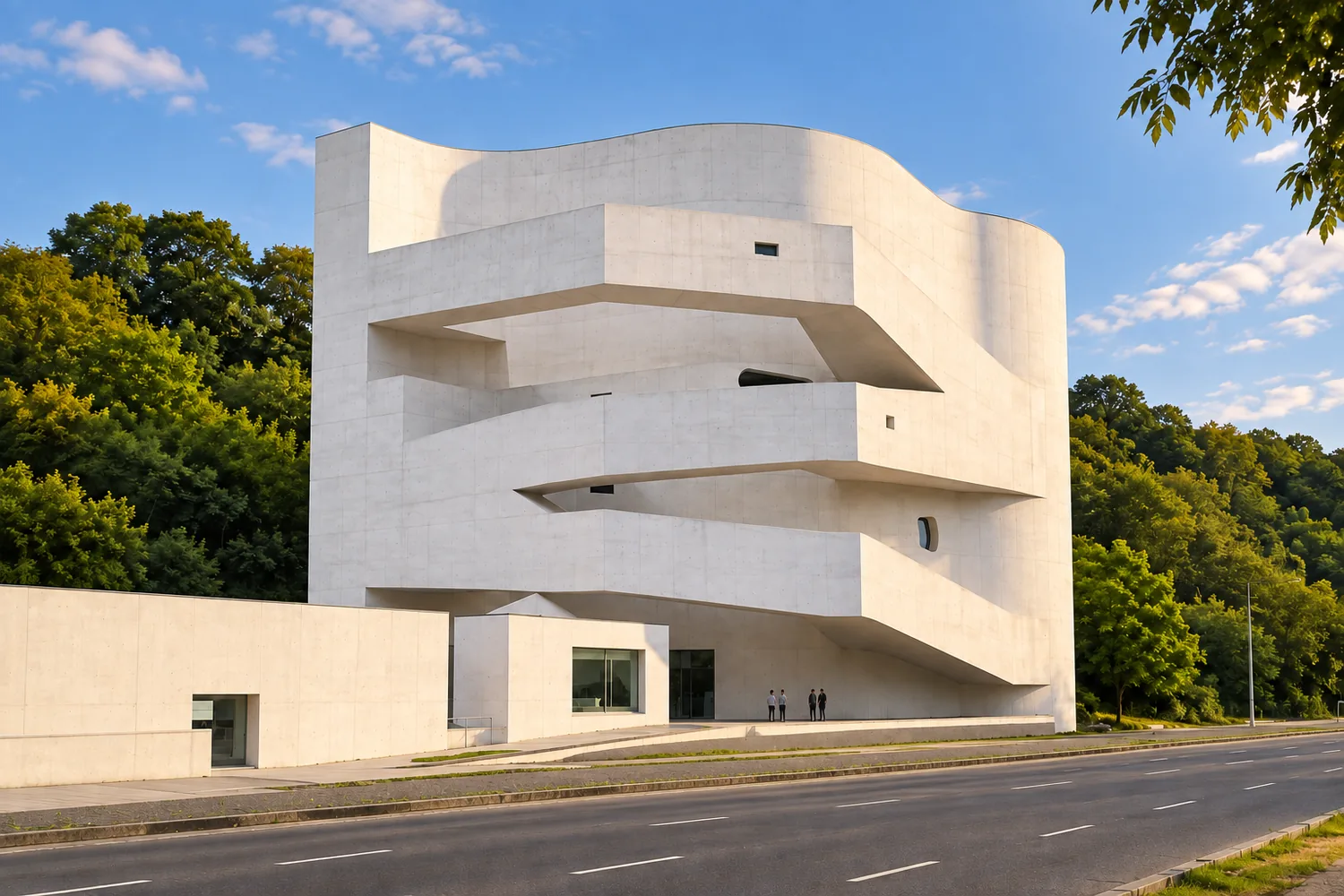
Designed by Portuguese architect Álvaro Siza and opened in 2008 on the shore of the Guaíba, the building won the Golden Lion at the 2002 Venice Architecture Biennale. It preserves and displays the work of Rio Grande do Sul painter Iberê Camargo and hosts contemporary art exhibitions.
Discover Fundação Iberê Camargo
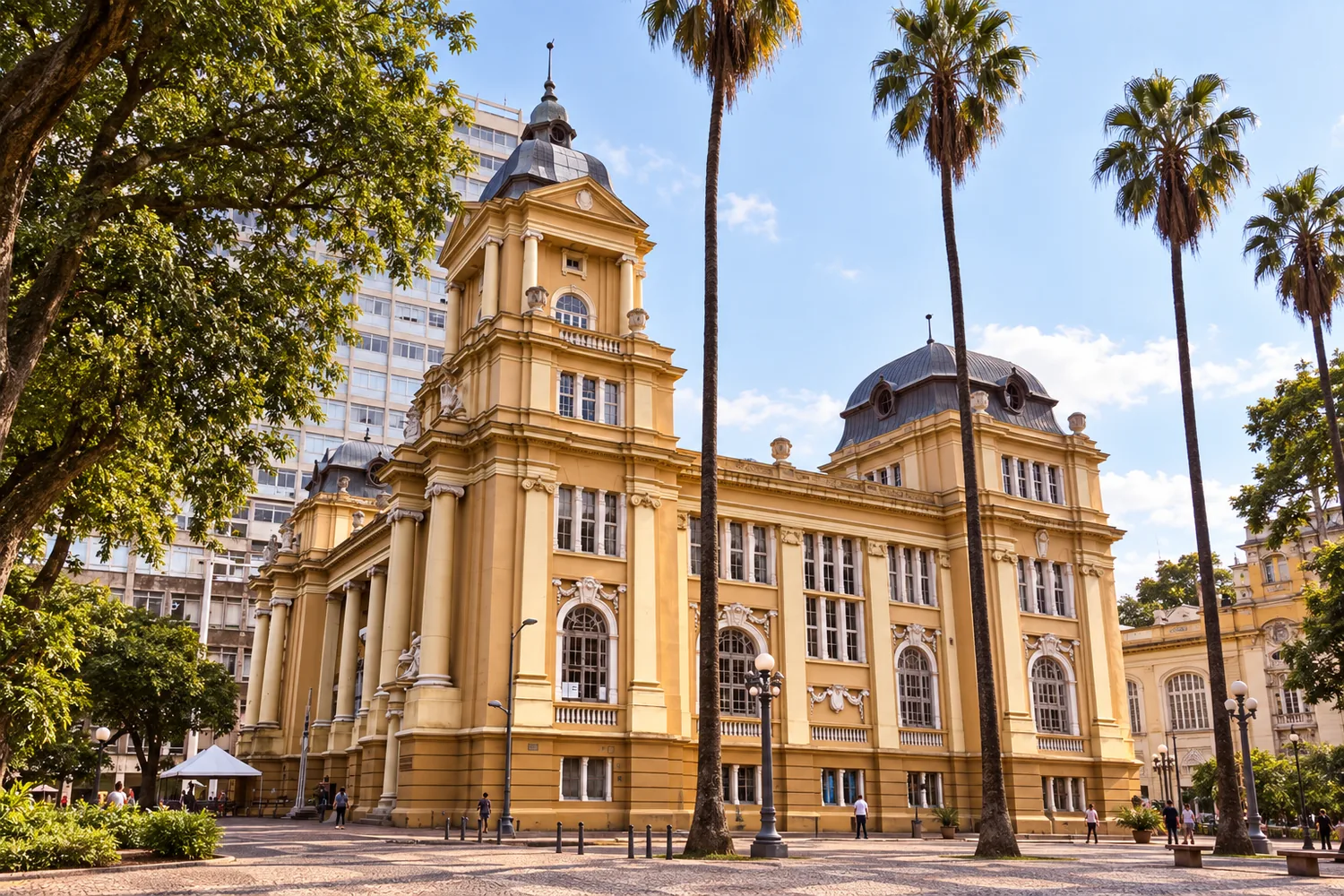
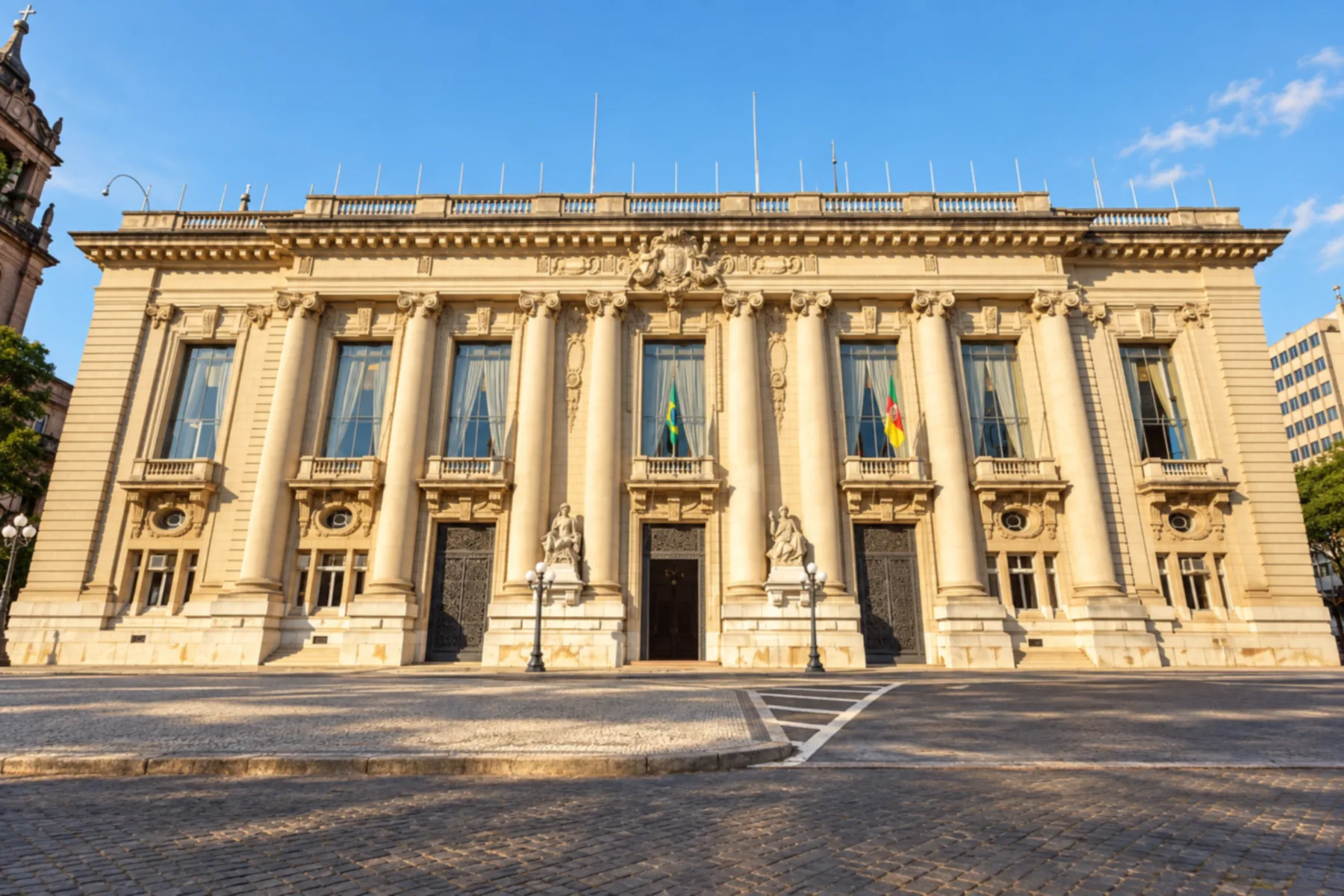
Founded in 1954, it has occupied since 1978 the former Delegacia Fiscal (Treasury office) building, built between 1913 and 1914 to a design by Theodor Wiederspahn. The collection has more than 2,600 works, and the museum reopened in December 2024 after the flood.
Discover Museu de Arte do Rio Grande do Sul (MARGS)
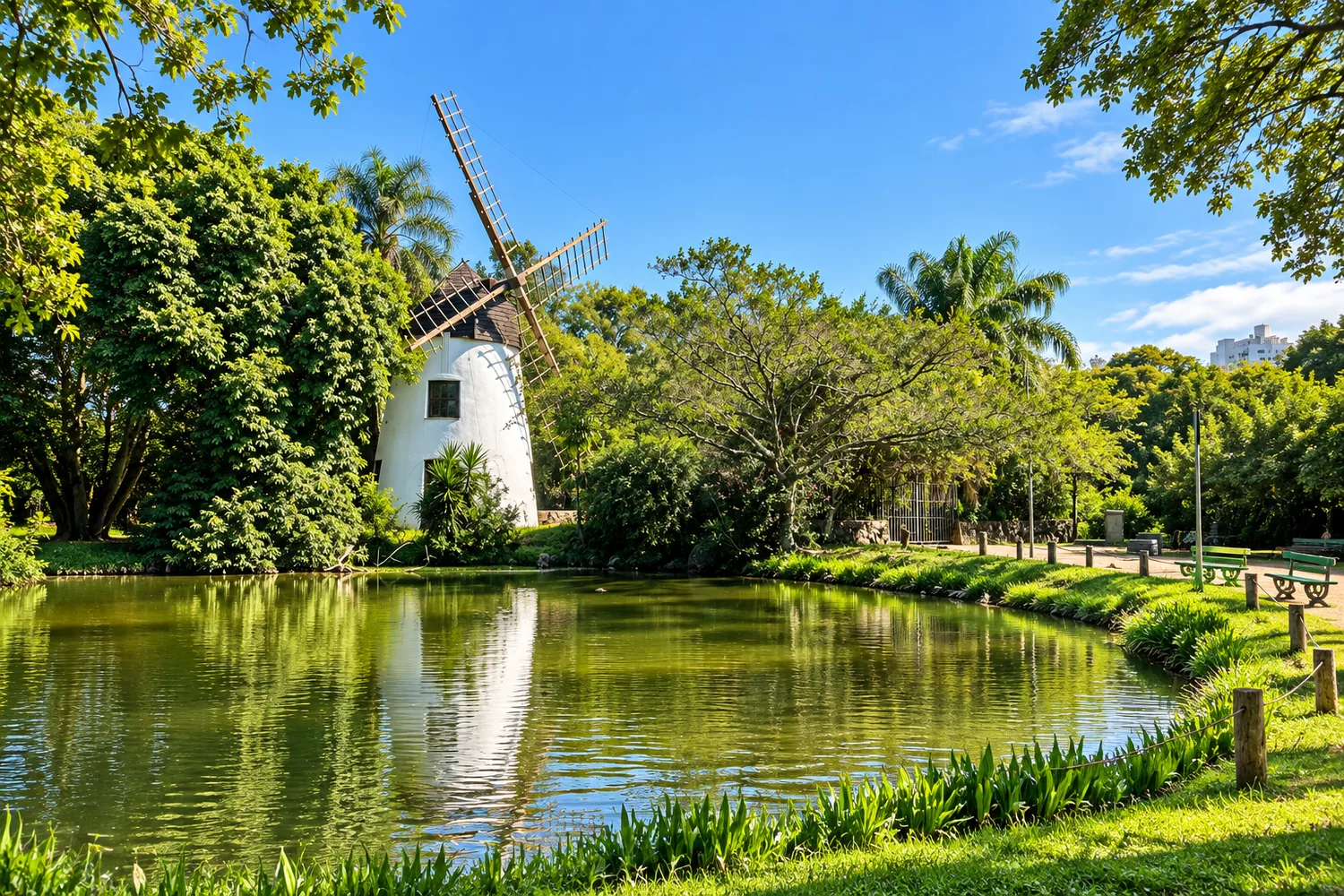
Opened in 1972 in the neighborhood of the same name, the Parcão covers about 11 hectares and has more than 1,500 trees of 117 species. A replica of an Azorean-style windmill recalls the mill that gave the area its name in the 18th century.
Discover Parque Moinhos de Vento (Parcão)
Your base to explore
Where you stay is part of the trip. Choose the area that best fits your itinerary.
A hotel built alongside a listed 1930s mansion, with a pool, a spa, a sauna, a restaurant and a bar. It suits those who want to stay in Moinhos de Vento with full leisure facilities, and it is pet-friendly.
An apartment hotel on Rua Miguel Tostes with spacious suites equipped with a kitchenette and living room, plus a heated indoor pool and a sauna. It suits business travelers and families on longer stays, near the Hospital Moinhos de Vento.
A budget hotel between Moinhos de Vento and Bom Fim, with themed decor celebrating Porto Alegre creativity and a lobby set up for remote work. It suits those who want a practical base near the bars and restaurants of both neighborhoods.
Flavors of the destination
A Portuguese and seafood restaurant opened in 1889 inside the Mercado Público, with codfish fritters and grilled fish on the menu. It reopened in July 2024, after more than 40 days closed because of the flood.
A bar and restaurant in a listed yellow chalet on Praça XV, across from the Mercado Público, which started as an ice cream kiosk in 1885. It suits those who want snacks, ice-cold beer and the Saturday feijoada (black bean and pork stew) in the Historic Center.
A restaurant and bar on Praça Maurício Cardoso led by chef Marcelo Schambeck, who reinterprets gaúcho (southern Brazilian) dishes with inspiration from Uruguay and Argentina. It works with local producers and suits those who want southern cuisine in an up-to-date version.
Before you go
A little planning leaves more time to enjoy the journey.
Through Salgado Filho International Airport, near downtown. Gramado is about 115 km away.
In spring and fall, from September to November and from March to May, with mild temperatures. Summer is hot and humid, and winter is cold and windy.
Take your trash with you, follow the signs and support local businesses. In natural areas, follow the visiting guidelines.