
neighborhood · Maceió, AL
Pontal da Barra
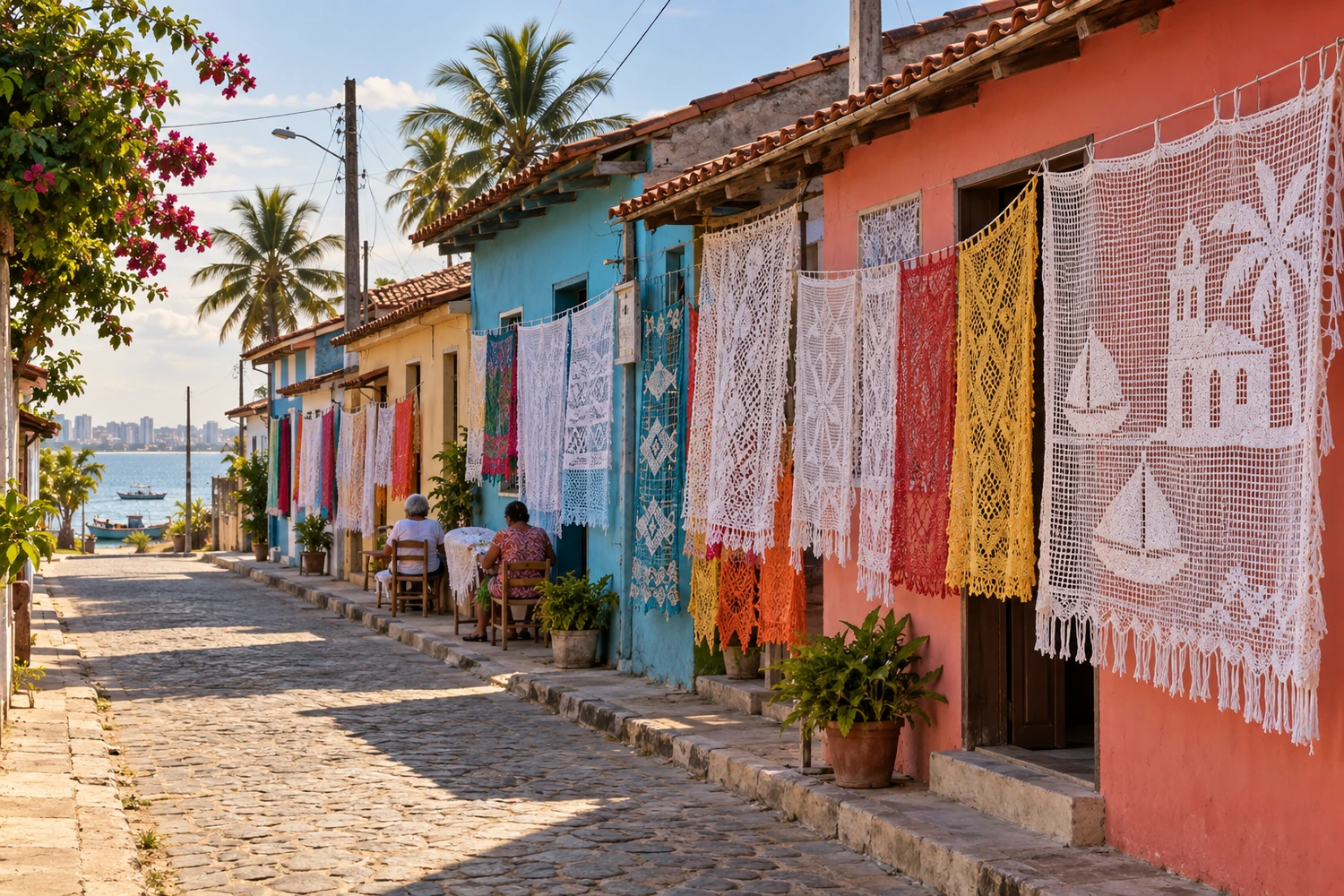
At the southern end, between the sea and Lagoa Mundaú, the neighborhood is known for making filé, a typical Alagoas lace of colorful openwork fabric. On Rua das Rendeiras, artisans work and sell their pieces directly.
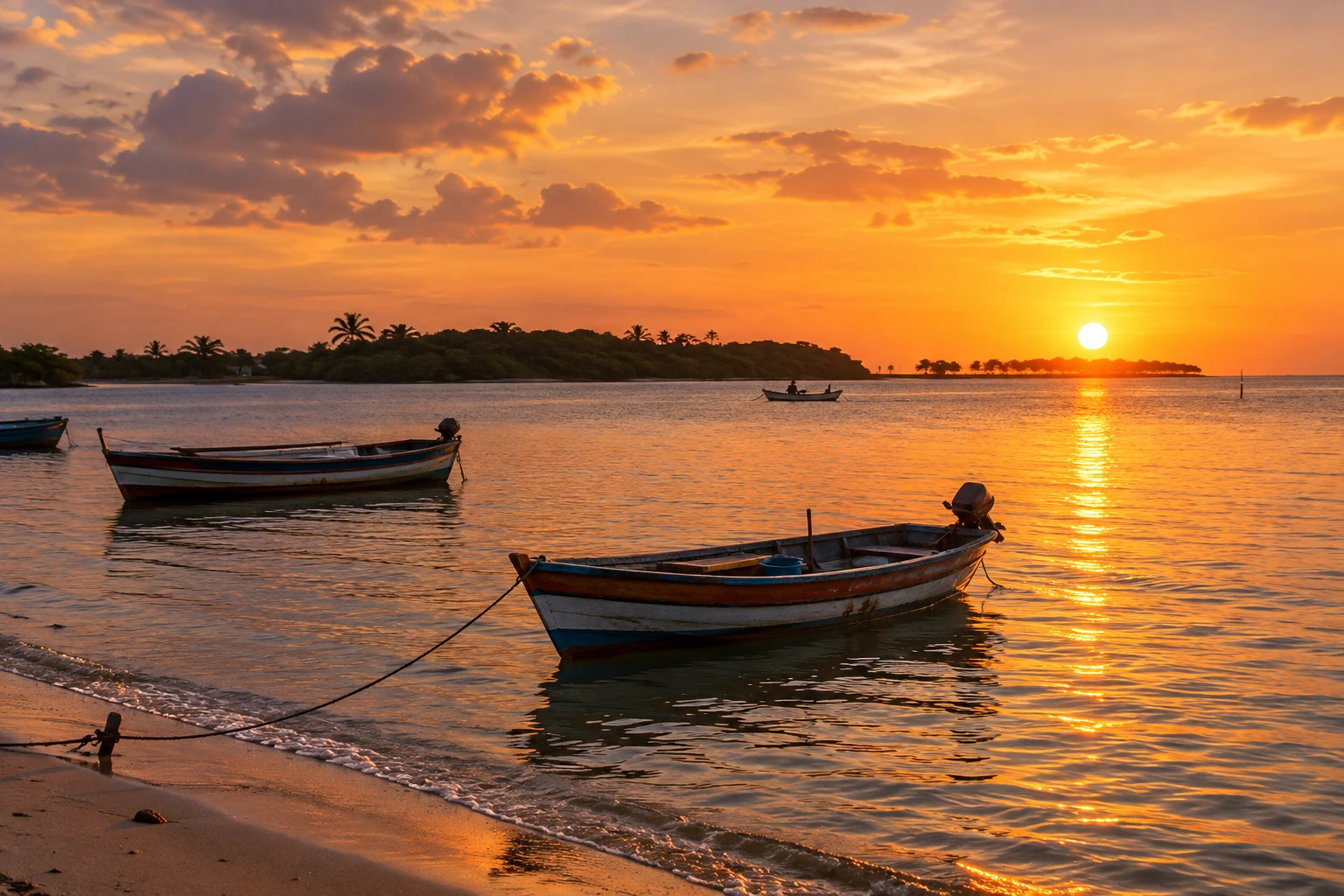
Illustrative images. The pictures in this guide are illustrations based on the real place, not photographs, and may differ from it.
Discover
About Pontal da Barra
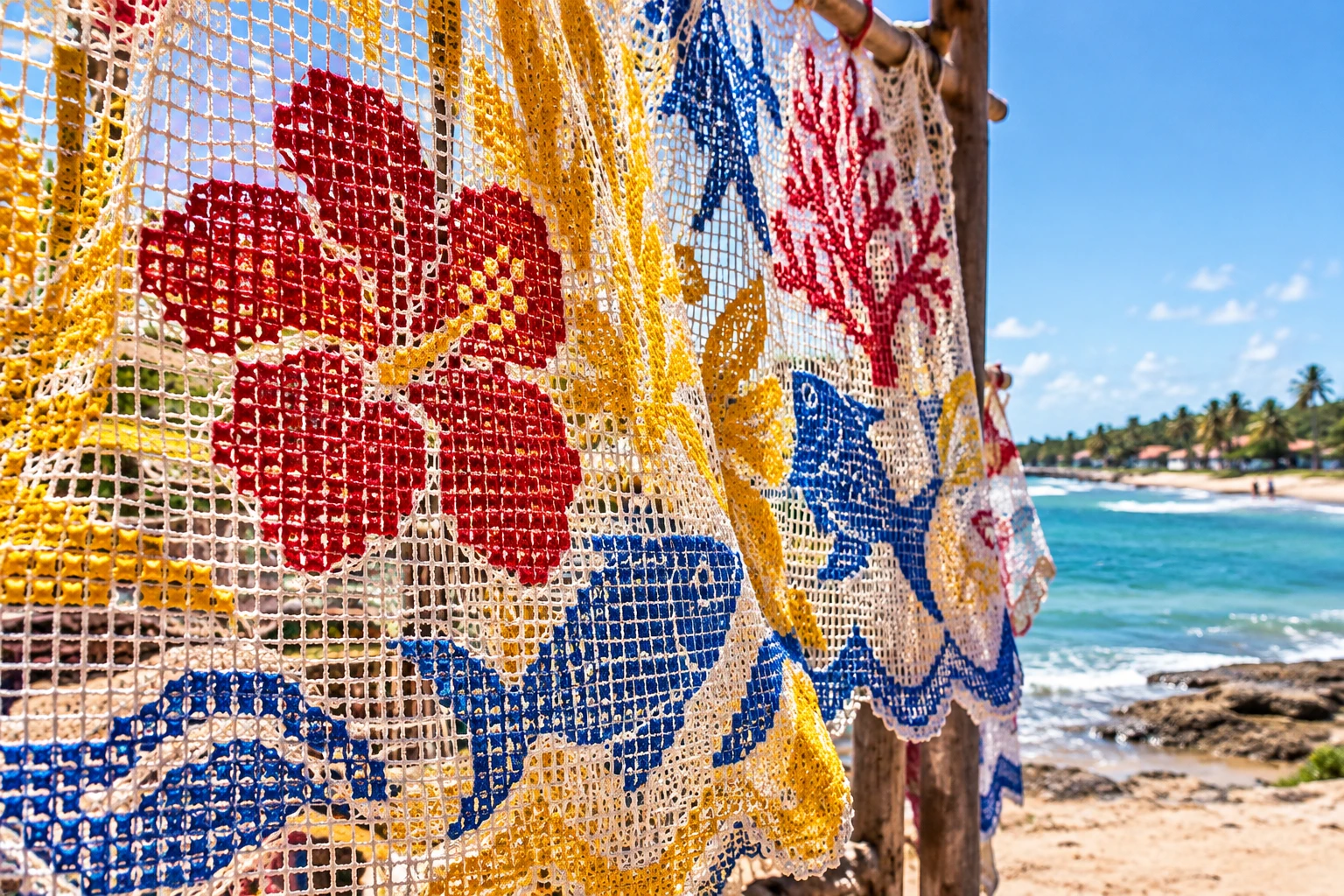
Pontal da Barra is one of Maceió's oldest neighborhoods, at the southern end of the waterfront, on a strip of land between the sea and Lagoa Mundaú. It is known as the lacemakers' neighborhood because of filé, a hand embroidery worked over a net-like mesh of threads, with colorful openwork designs.
The technique came with the Portuguese and took hold among the fishing families on the lagoon shore, passed from mother to daughter for generations. Filé is registered as intangible cultural heritage of Alagoas and is considered the most traditional expression of Alagoas crafts.
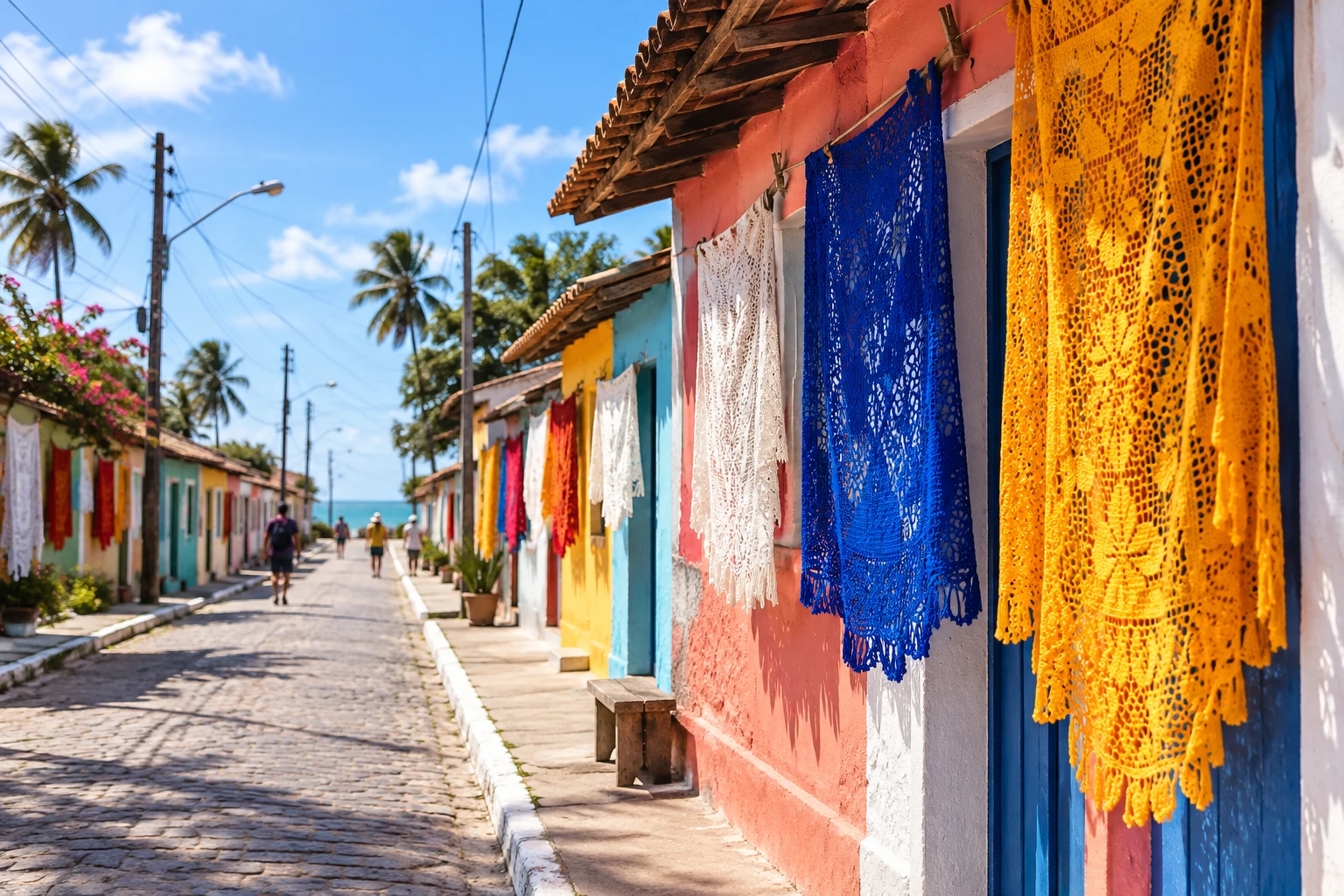
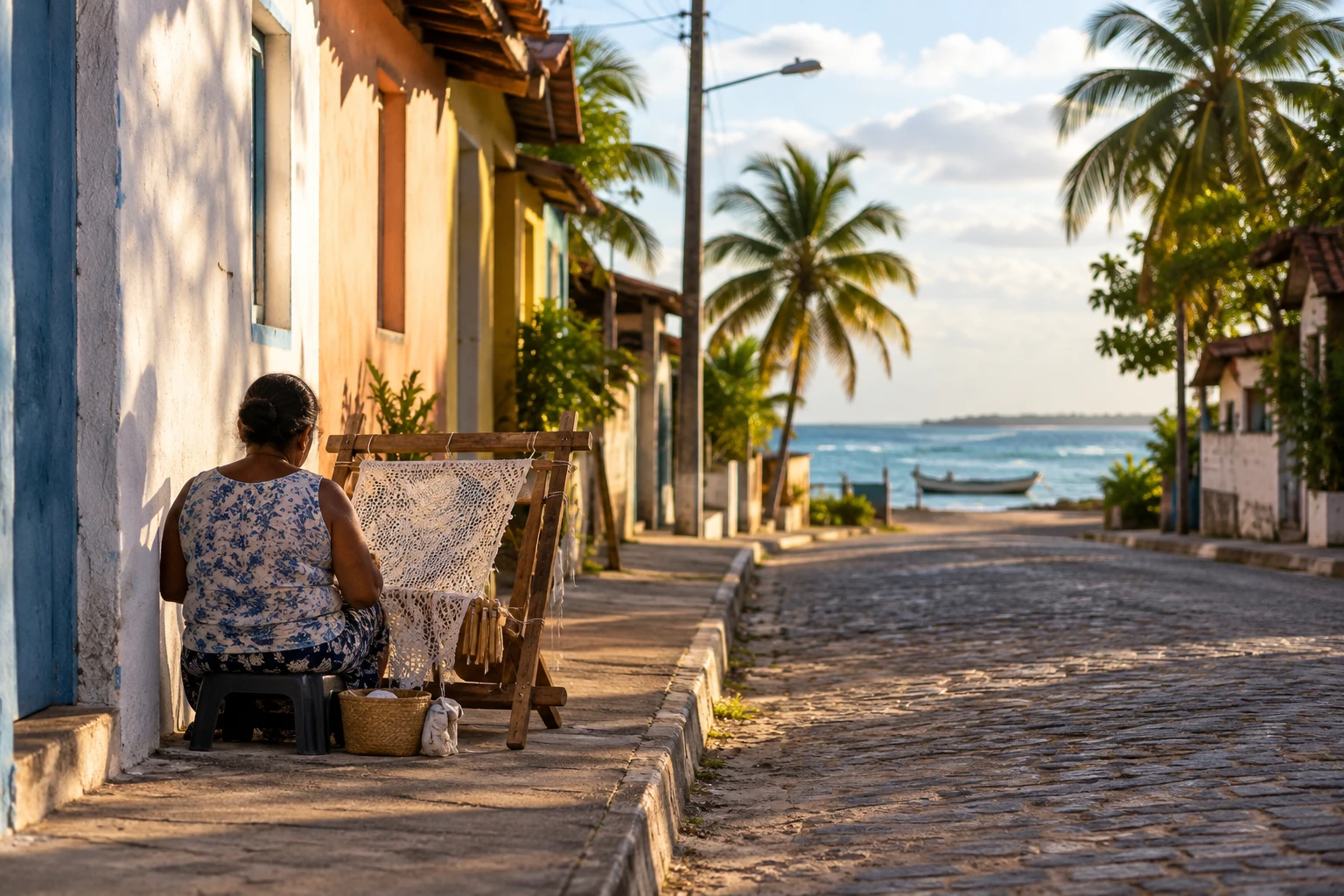
The outing is a walk through the neighborhood's narrow streets, with low houses and pieces hanging on the facades: tablecloths, table runners, clothing and accessories. In many spots the artisans work on the sidewalk, and you can watch the embroidery being made. The neighborhood also has folk culture groups, such as fandango.
From the lagoon side, the boats leave for the Nove Ilhas (Nine Islands) tour, which explores the channels and islands of Lagoa Mundaú. In the late afternoon, the sunset over the lagoon is one of the most beautiful in the city. Farther south, Pontal beach is long, quiet and sparsely developed.
The visit is easy and flat, good for any age. The sidewalks are narrow and uneven in some stretches.
Before you go
Practical information
How much time to set aside
One to two hours for the craft streets; half a day if you include the boat tour on the lagoon.
Best time
Year-round, preferably in the afternoon: you can watch the artisans at work, shop and end with the sunset over Lagoa Mundaú. The summer months, from September to March, usually have less rain.
How to get there
It is at the southern end of Maceió's waterfront, about 15 minutes by car from Pajuçara. You can go by car, taxi or ride-hailing app, and city bus lines serve the neighborhood. The craft streets are close to each other and easy to explore on foot.
Tip
Take your time looking at the pieces and compare: the price and finish of filé vary a lot from one artisan to another. If you want to take the boat tour, arrange the departure in the neighborhood itself and choose the afternoon, to catch the sunset on the lagoon.
A look at the place
Pontal da Barra in pictures
These pictures are illustrations based on the real place, not photographs. They may differ from the place.
Click the picture to enlarge it.
Get your questions answered
Frequently asked questions about Pontal da Barra
What is Pontal da Barra filé?
It is a hand embroidery worked over a net-like mesh of threads, with colorful openwork designs. It is the most traditional Alagoas craft and is registered as intangible cultural heritage of Alagoas.
Where is Pontal da Barra?
At the southern end of Maceió's waterfront, between the sea and Lagoa Mundaú, about 15 minutes by car from Pajuçara.
What is there to do in Pontal da Barra?
Walk the craft streets, watch the lacemakers at work, buy filé pieces, take the Nove Ilhas boat tour on Lagoa Mundaú and watch the sunset over the lagoon.
Where does the Nove Ilhas tour leave from?
The boats leave from Pontal da Barra, on the shore of Lagoa Mundaú. The tour explores the lagoon's channels and islands; check departures and conditions with the operators in the neighborhood.
How much time should I set aside for Pontal da Barra?
One to two hours for the craft streets. With the boat tour on the lagoon, set aside half a day.