Macapá
Macapá lies on the banks of the Amazon River and is crossed by the Equator. The Fortaleza de São José, the historic churches and the cultural venues help you get to know the capital's origins and traditions.
AP · Brazil
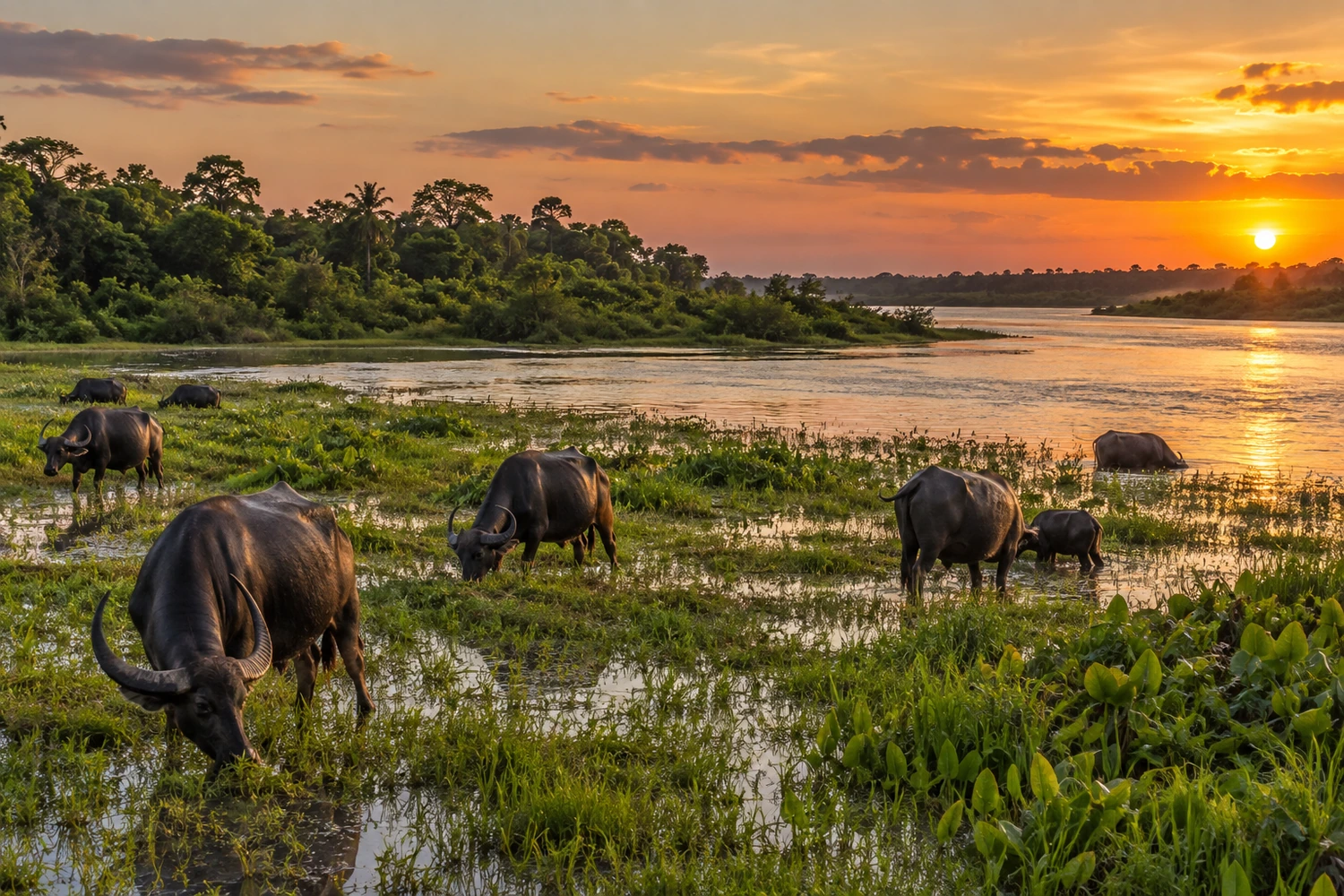
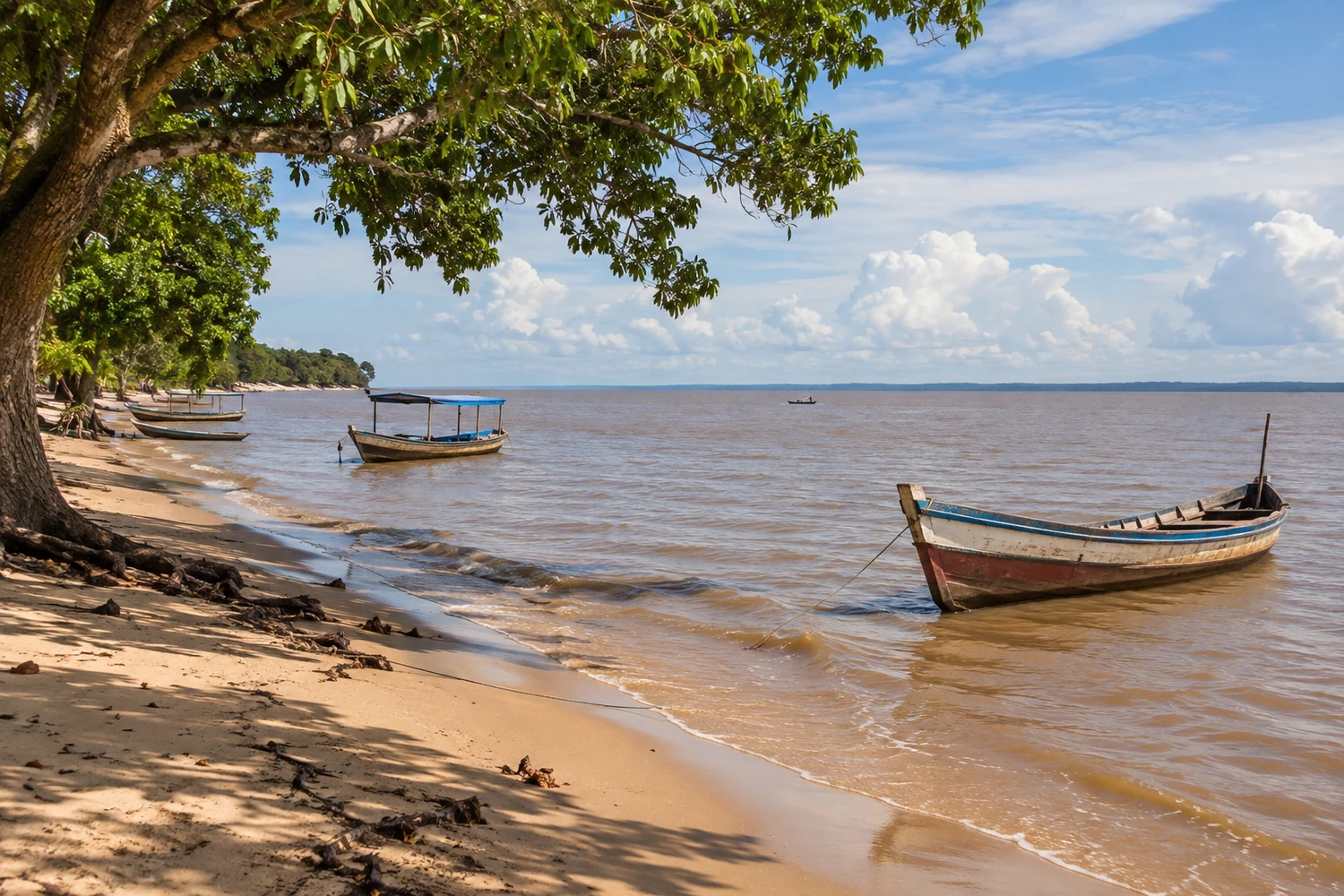
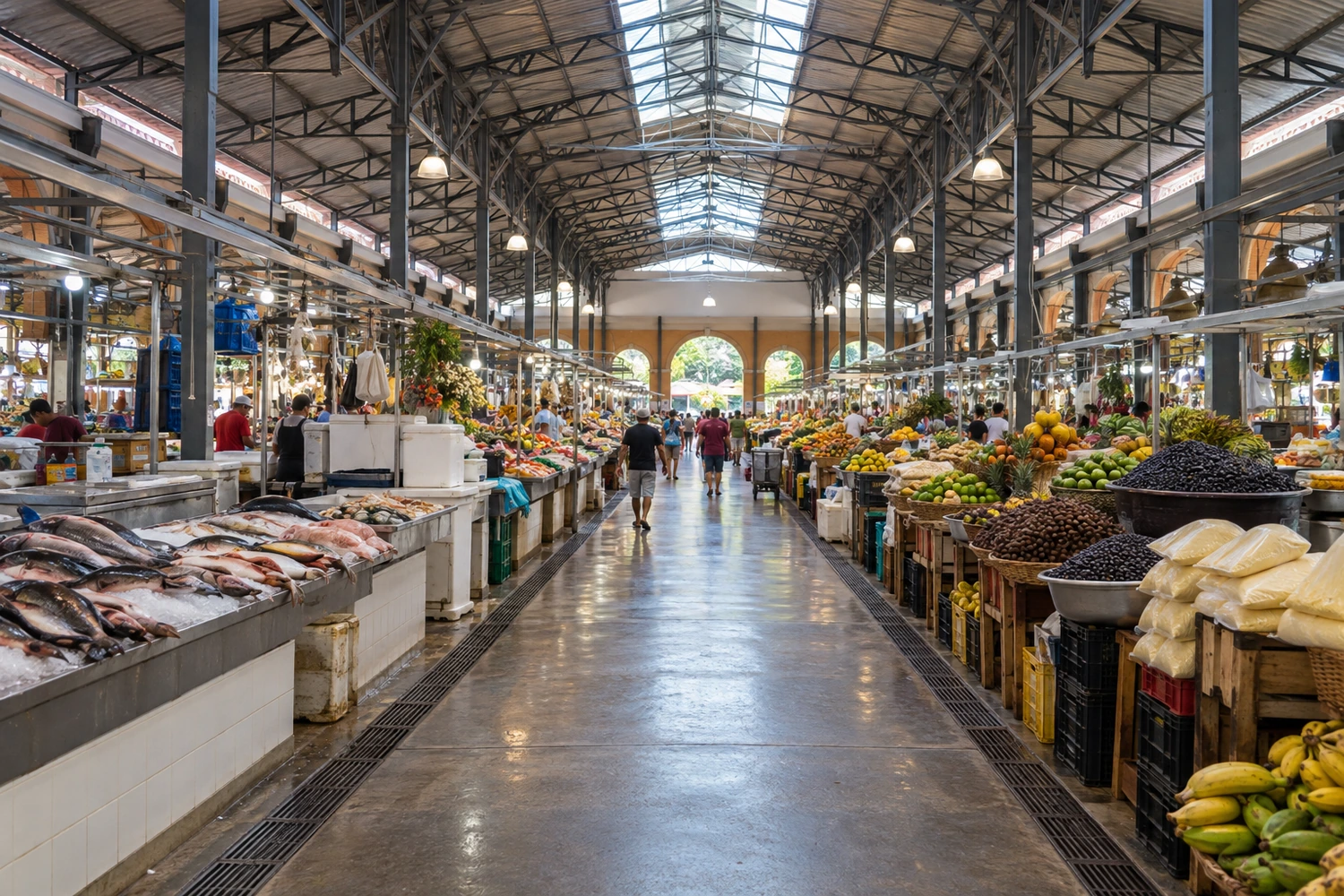
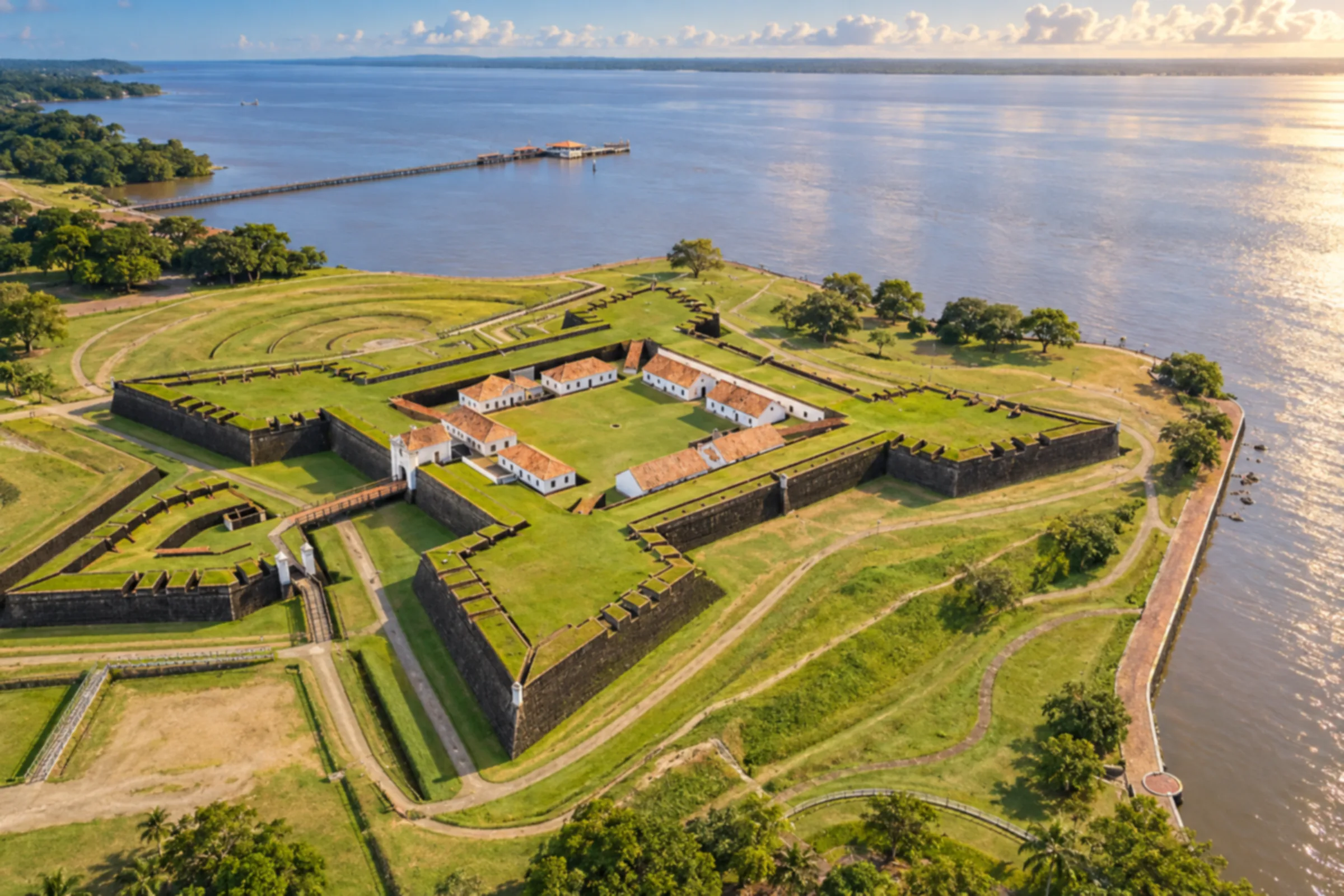
Illustrative images. The pictures in this guide are illustrations based on the real place, not photographs, and may differ from it.
Get to know the place
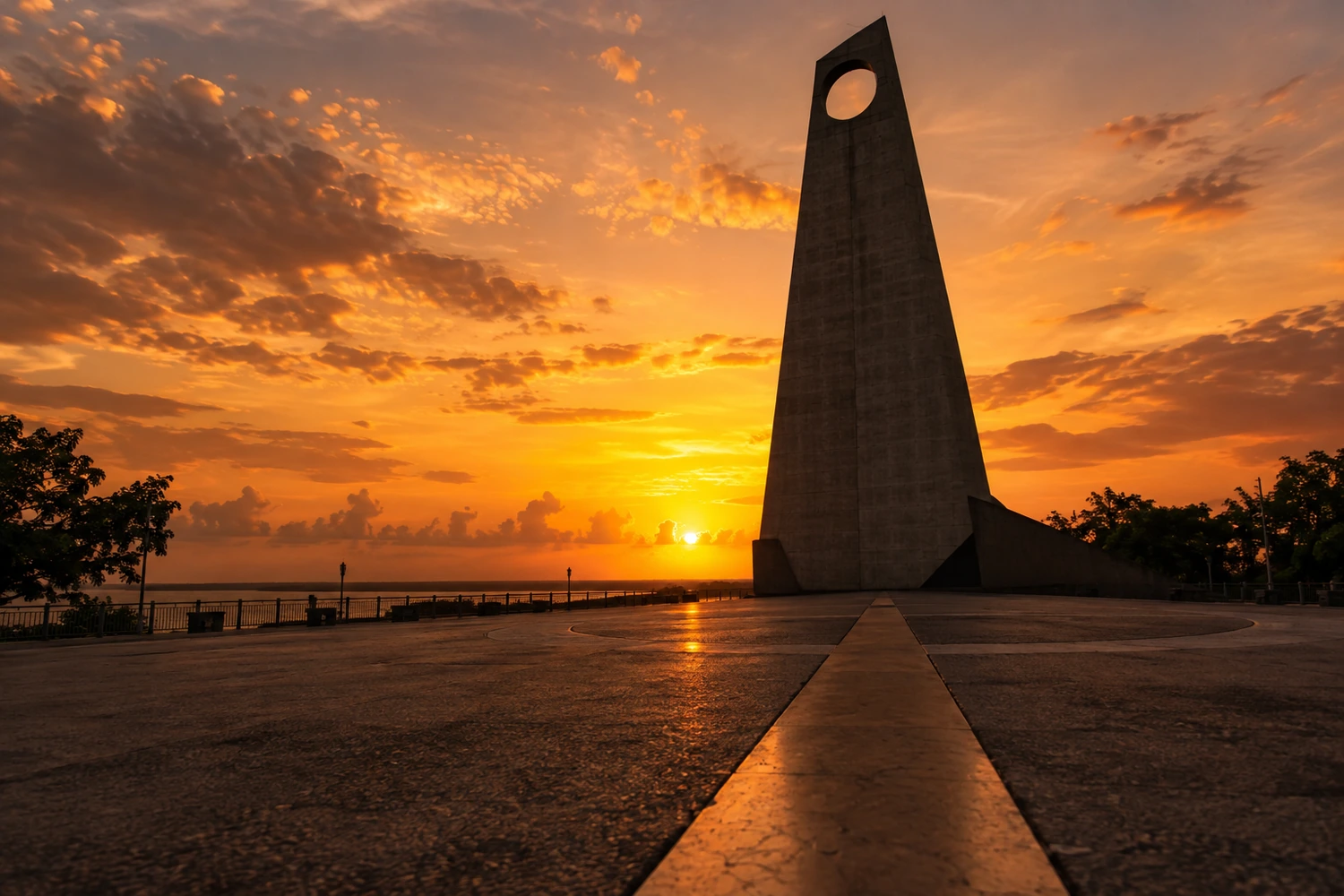
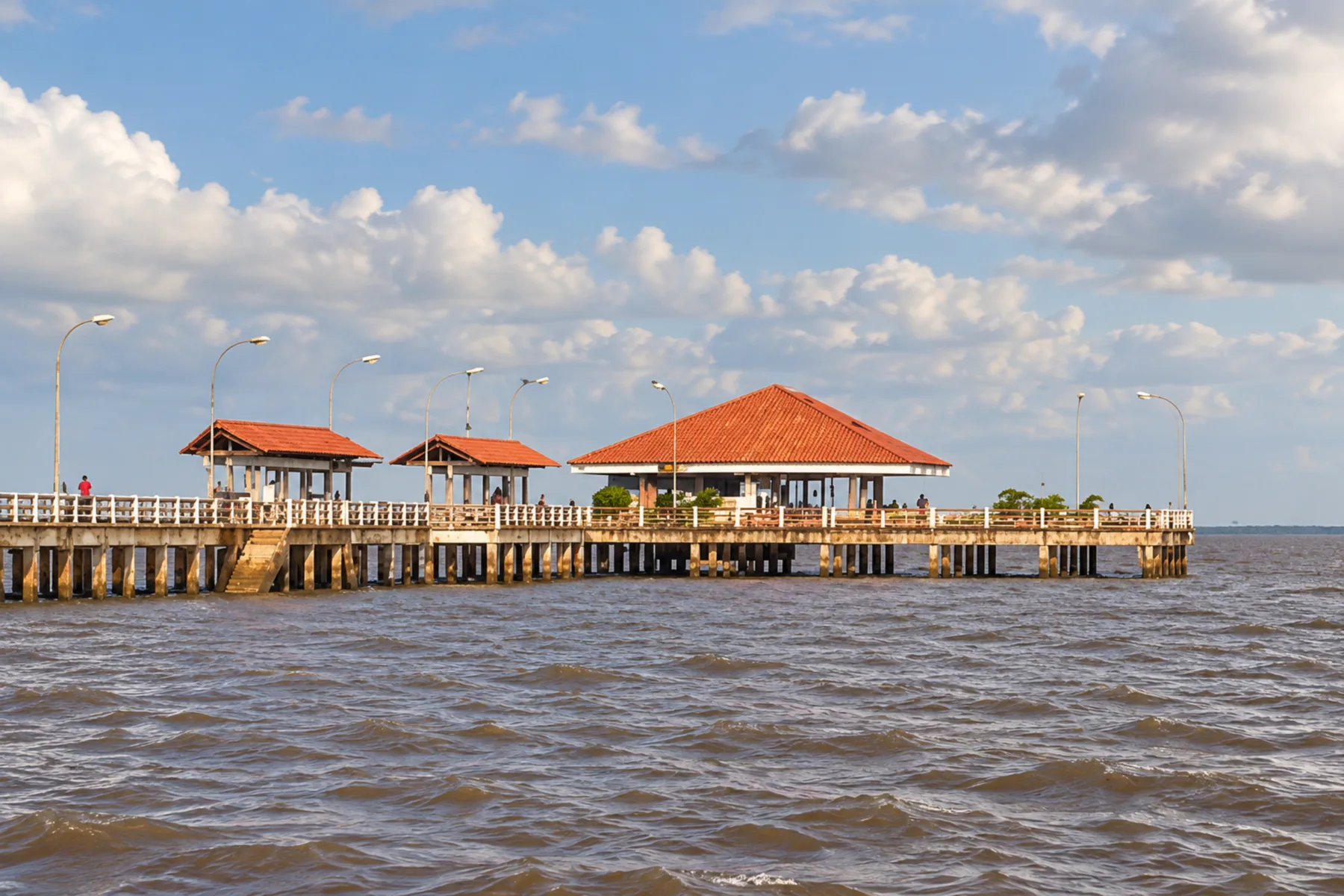
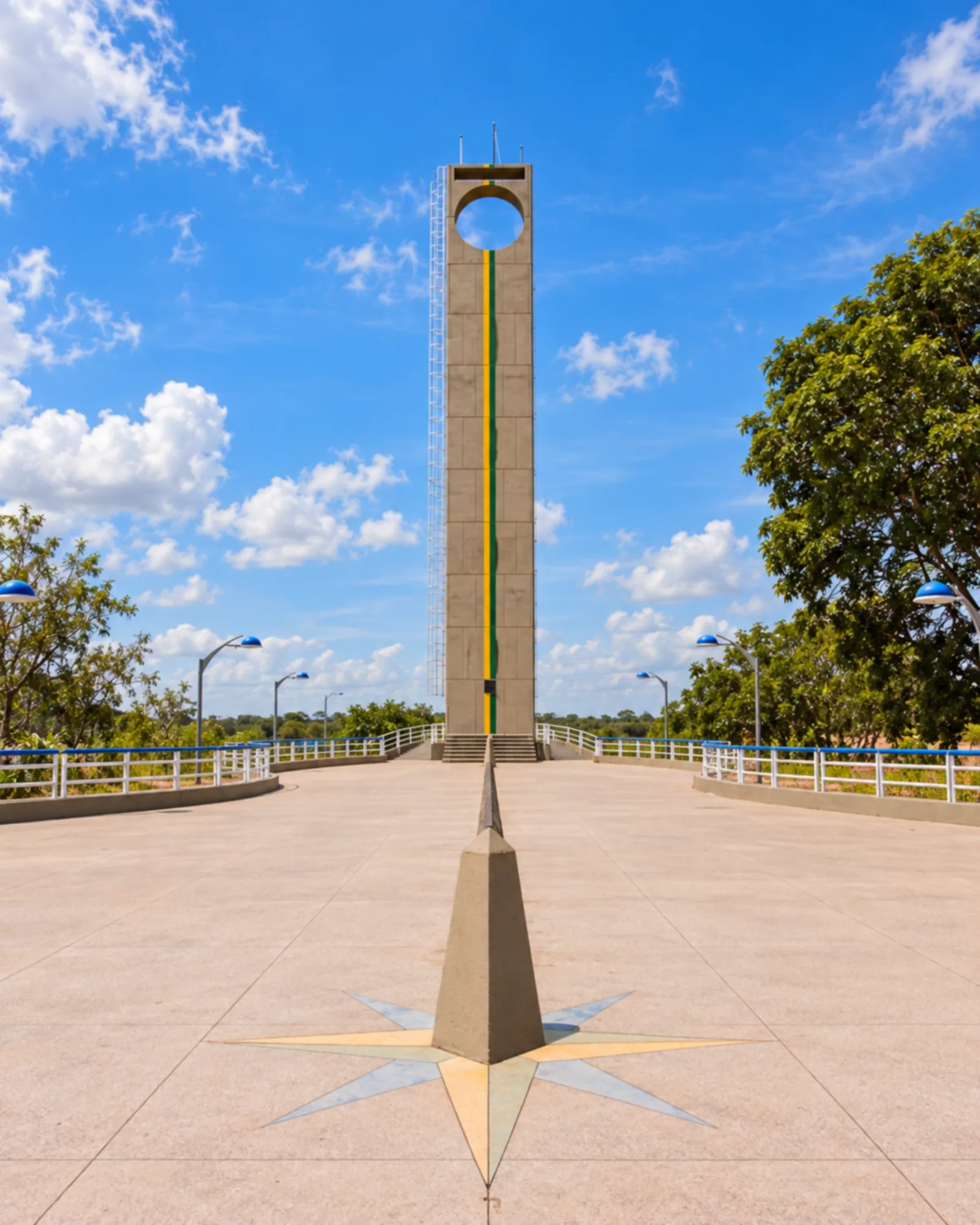
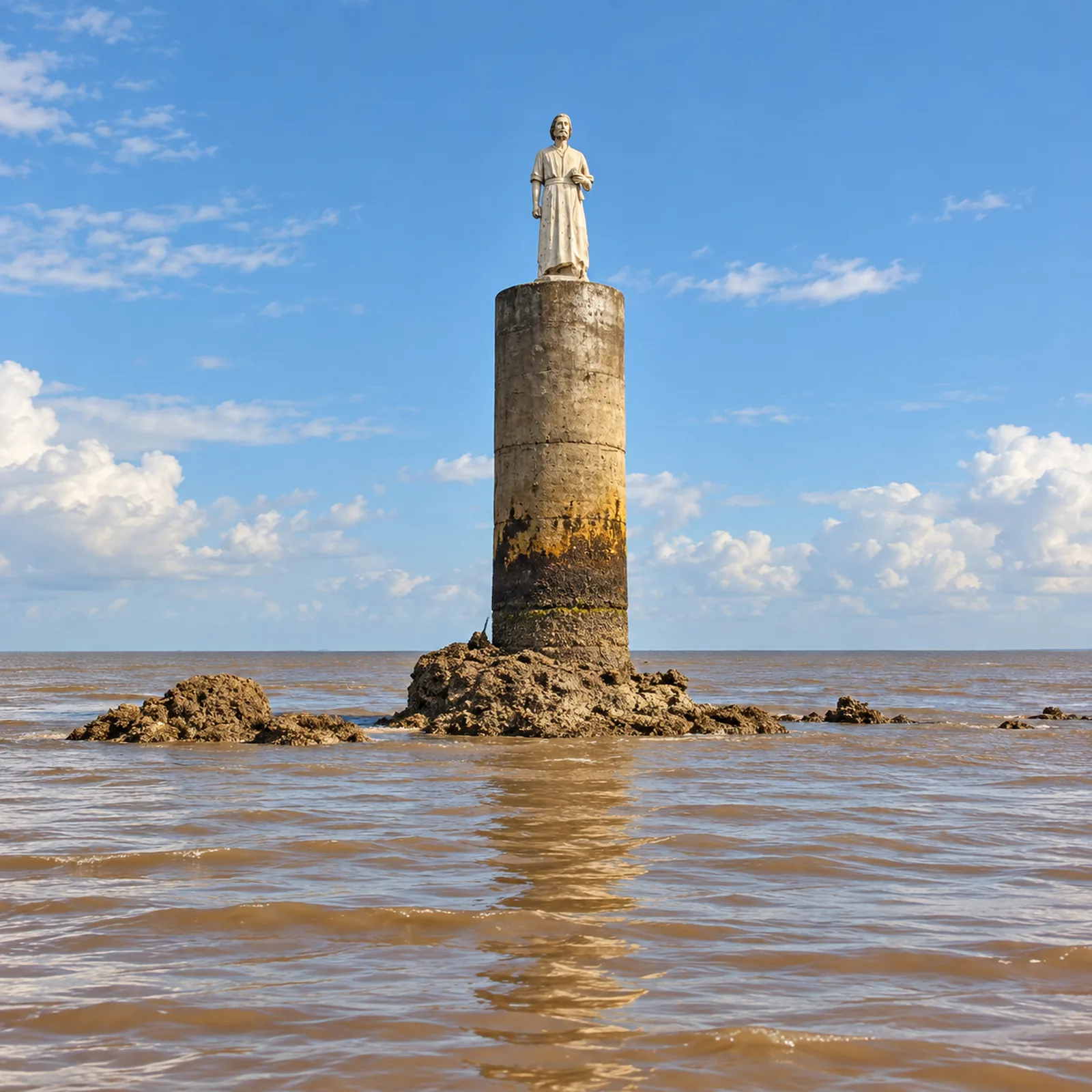
The capital of Amapá sits on the bank of the Amazon River, right on the Equator. The Marco Zero (Equator monument) marks the line between the hemispheres, and at the equinoxes the sun lines up with it; the 18th-century Fortaleza de São José is the largest fortress the Portuguese built in Brazil; and the Amazon waterfront is the city's stroll, with the pier reaching out over the river.
This destination brings together 1 city: Macapá.
A look at the place
These pictures are illustrations based on the real place, not photographs. They may differ from the place.
Click the picture to enlarge it.
One destination, many paths
Start with one city or combine several in your itinerary.
The local experience
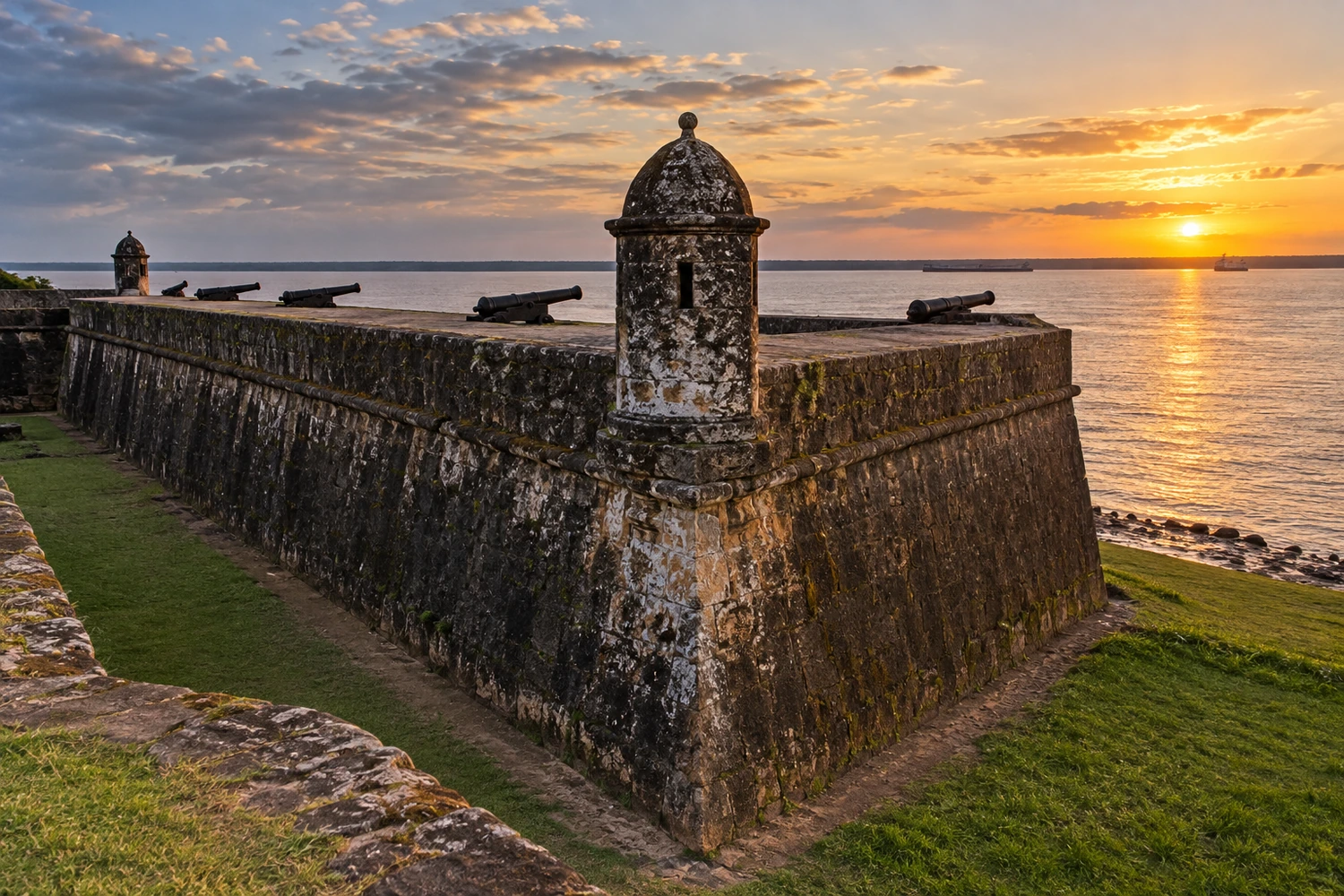
Built between 1764 and 1782 on the bank of the Amazon River, in a star shape with four bastions, it was listed by Iphan in 1950. It works as a museum and remains open to visitors during the ongoing restoration.
Discover Fortaleza de São José de Macapá
A 30-meter obelisk opened in 1987 at the point where the Equator crosses the city, letting you stand in both hemispheres at once. At the March and September equinoxes, the sun fills the circular opening at the top and casts its shadow on the ground.
Discover Marco Zero do Equador
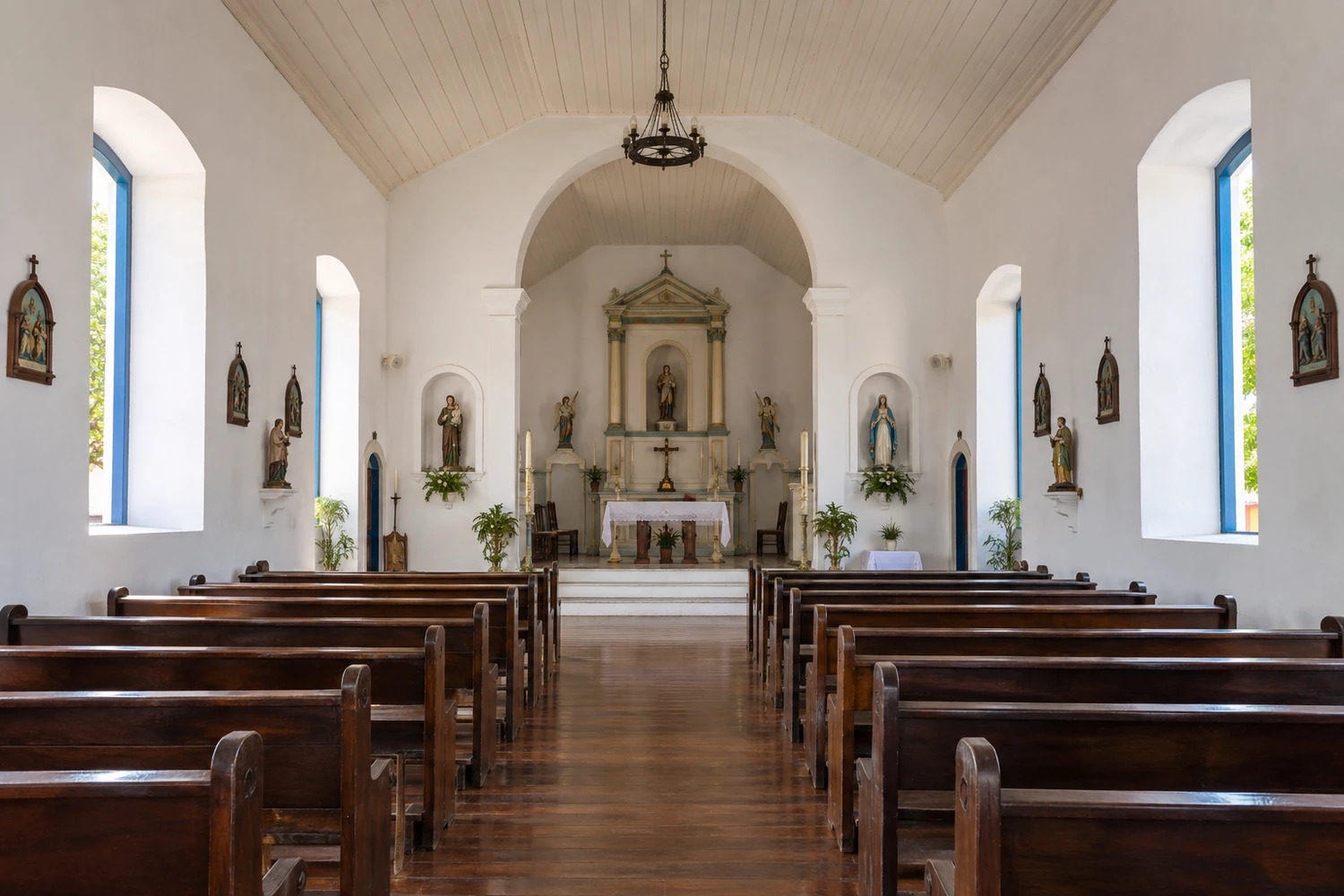
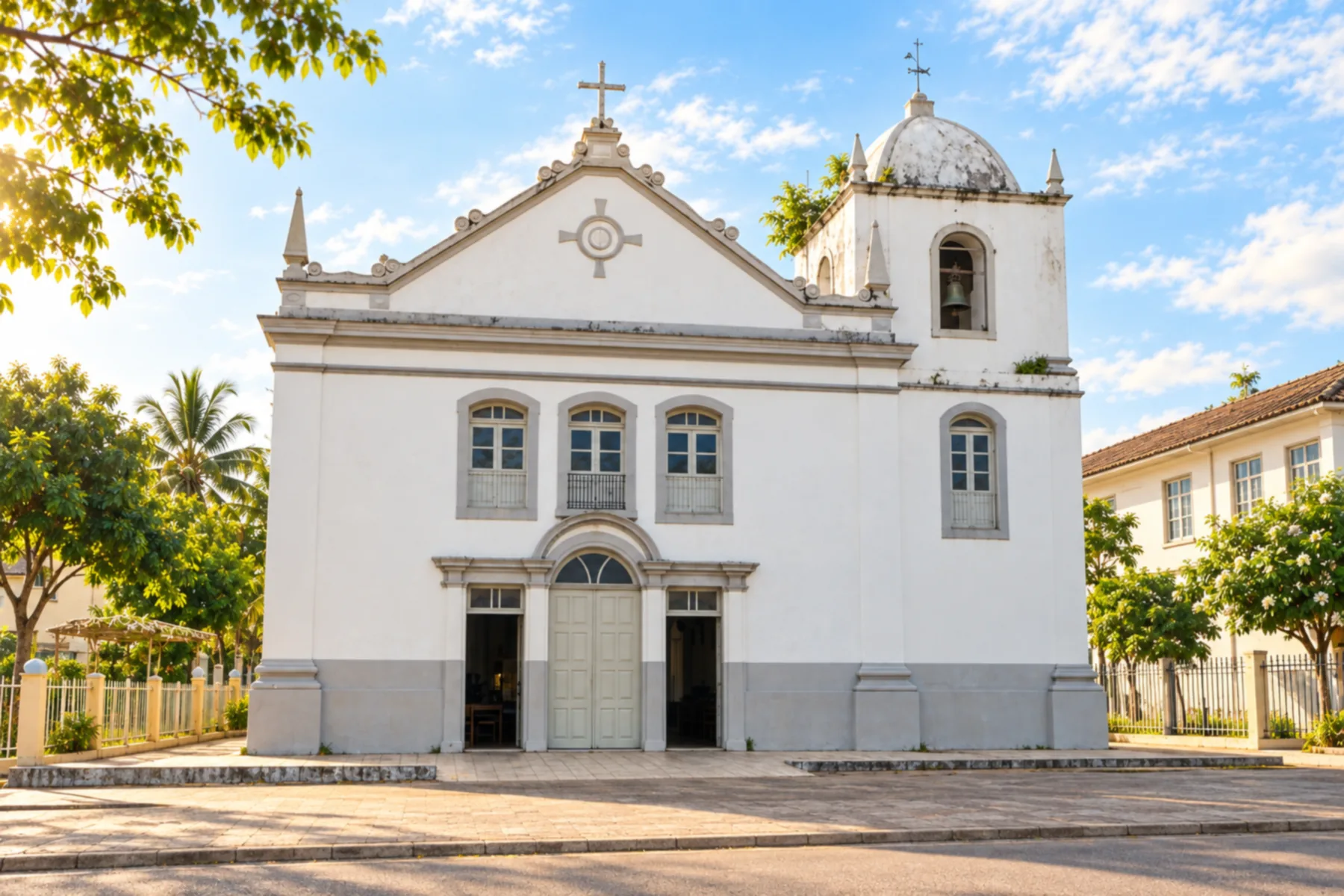
Opened in 1761, it is the oldest building in the city and holds the original wooden statue of São José (Saint Joseph). It has undergone only one major renovation, in 1949, and was listed as Amapá heritage in 2015.
Discover Igreja Matriz de São José
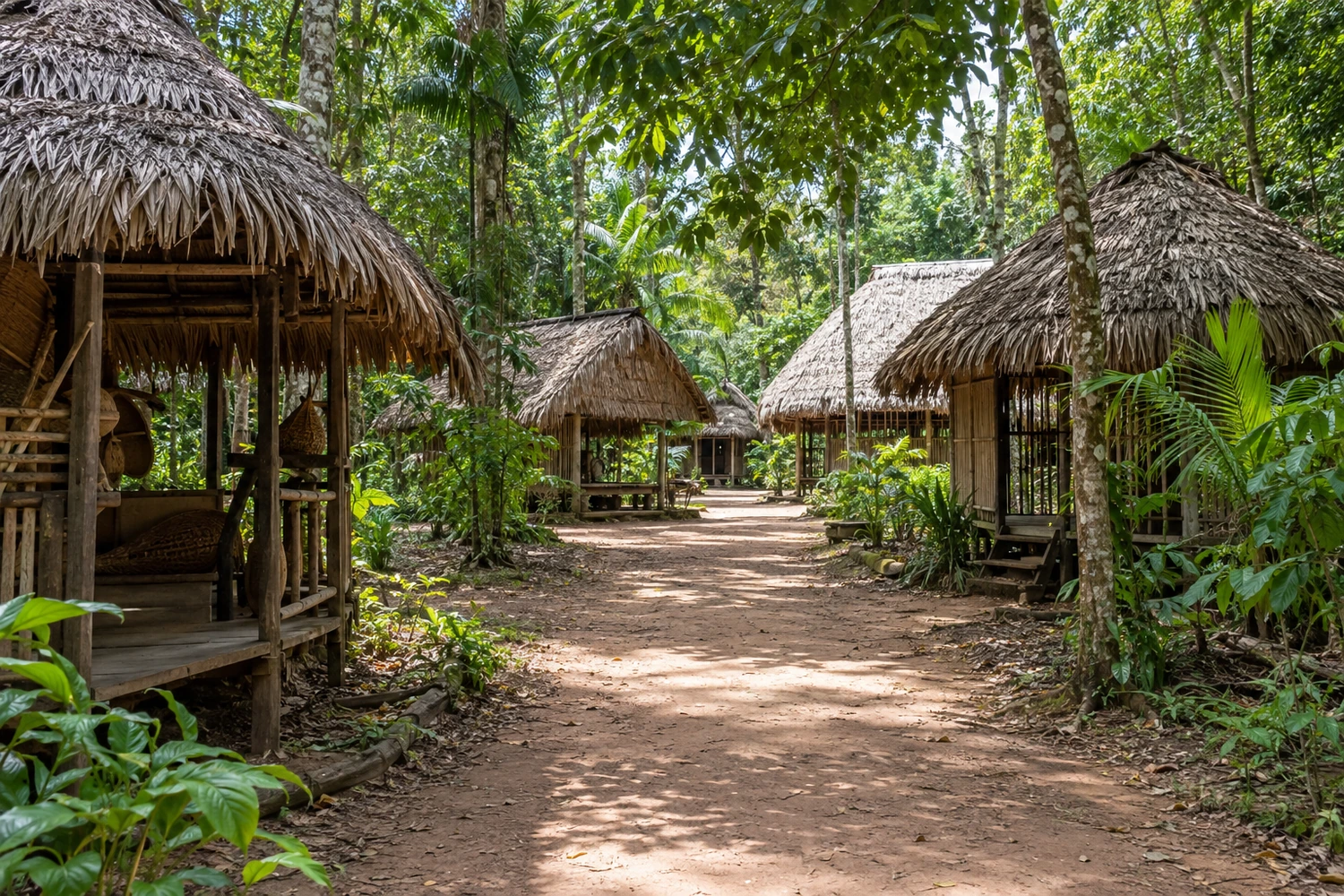
A museum research center opened in 1997 and run by Iepa, devoted to Amazonian anthropology and archaeology. It has an open-air exhibition created in partnership with the state's Indigenous and riverside communities.
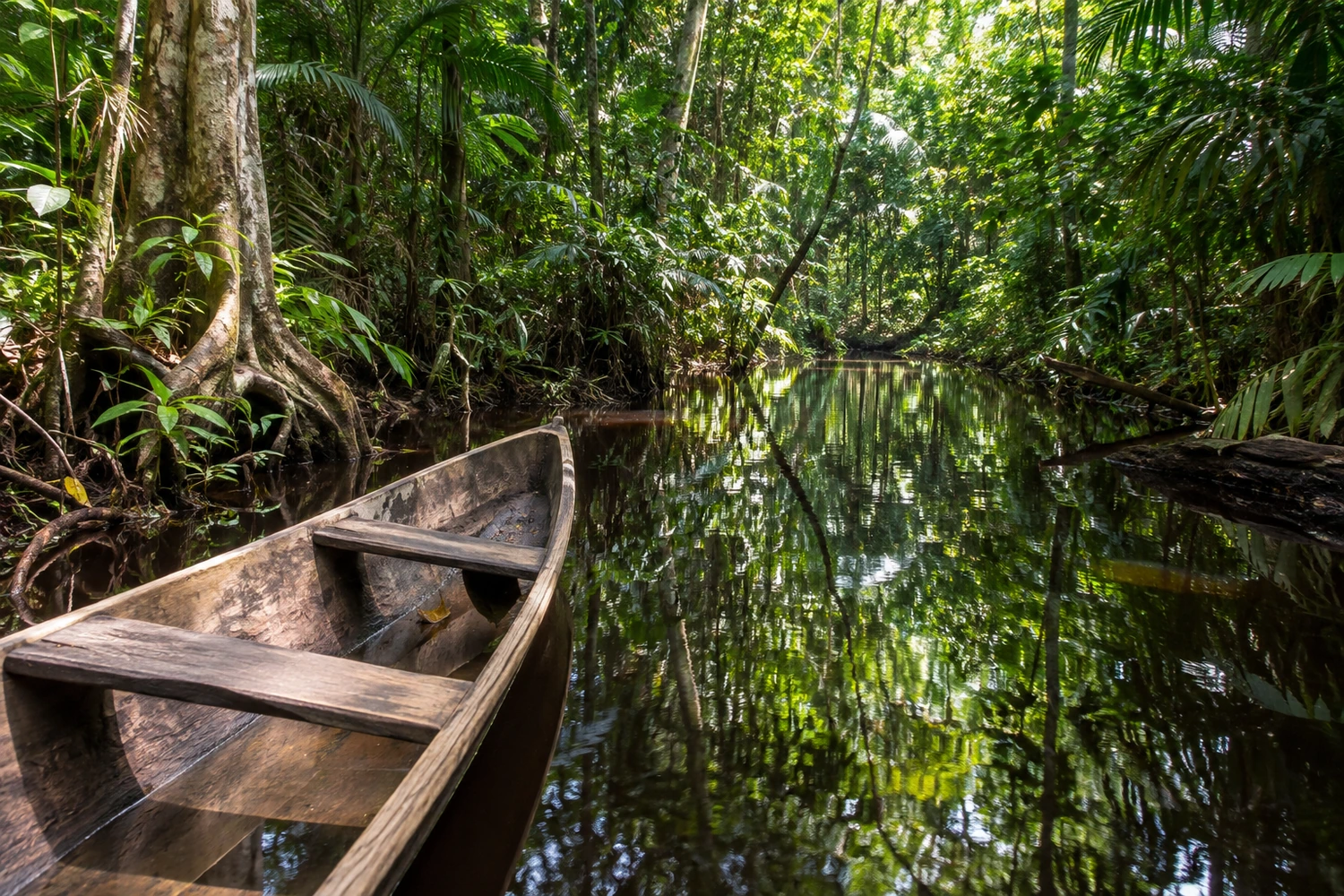
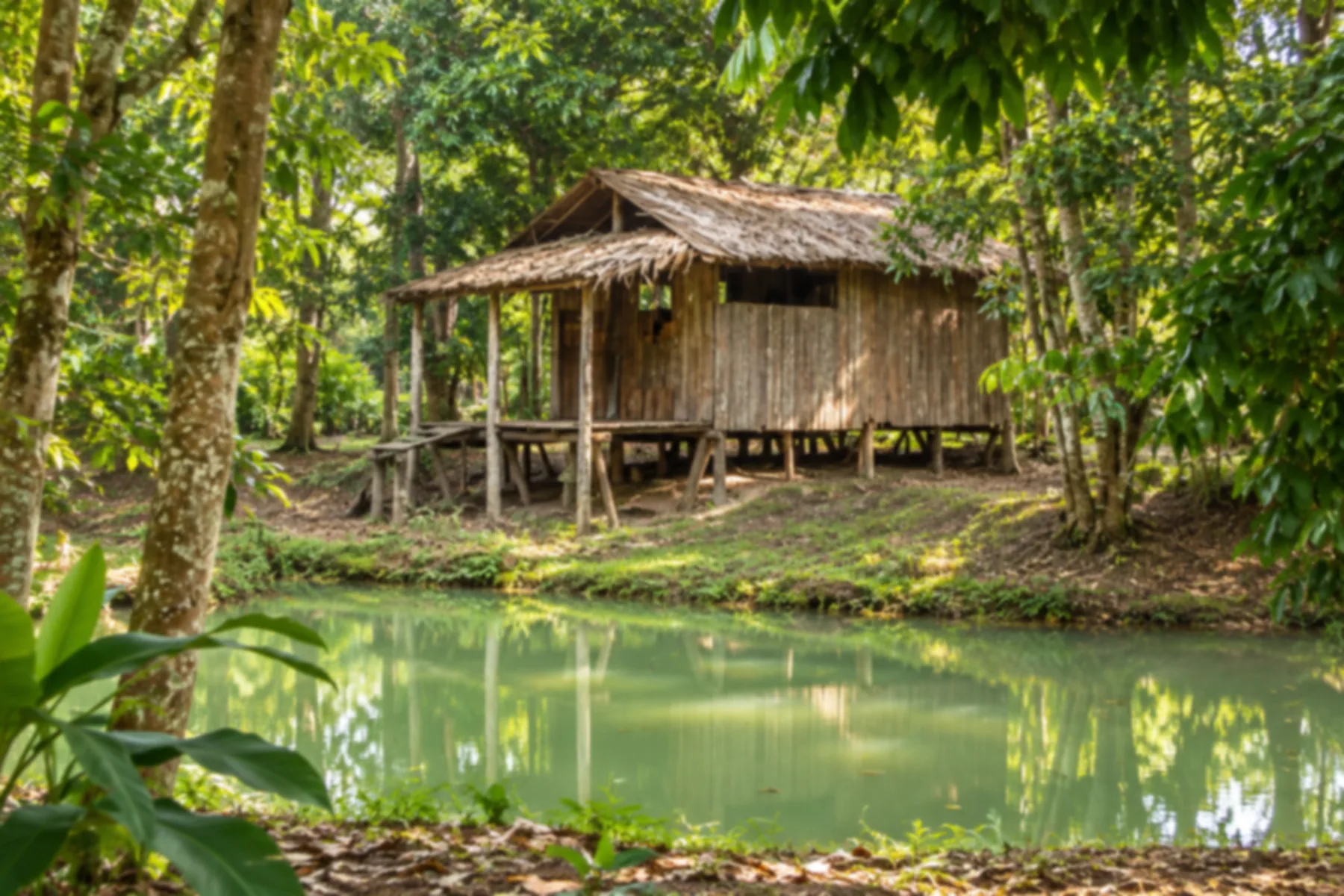
A 107-hectare forest area within the city, with six trails, including a water trail done by canoe. Along the way you see coatis, caimans, manatees and many birds, as well as a treehouse and orchid-viewing spots.
Discover Bioparque da Amazônia
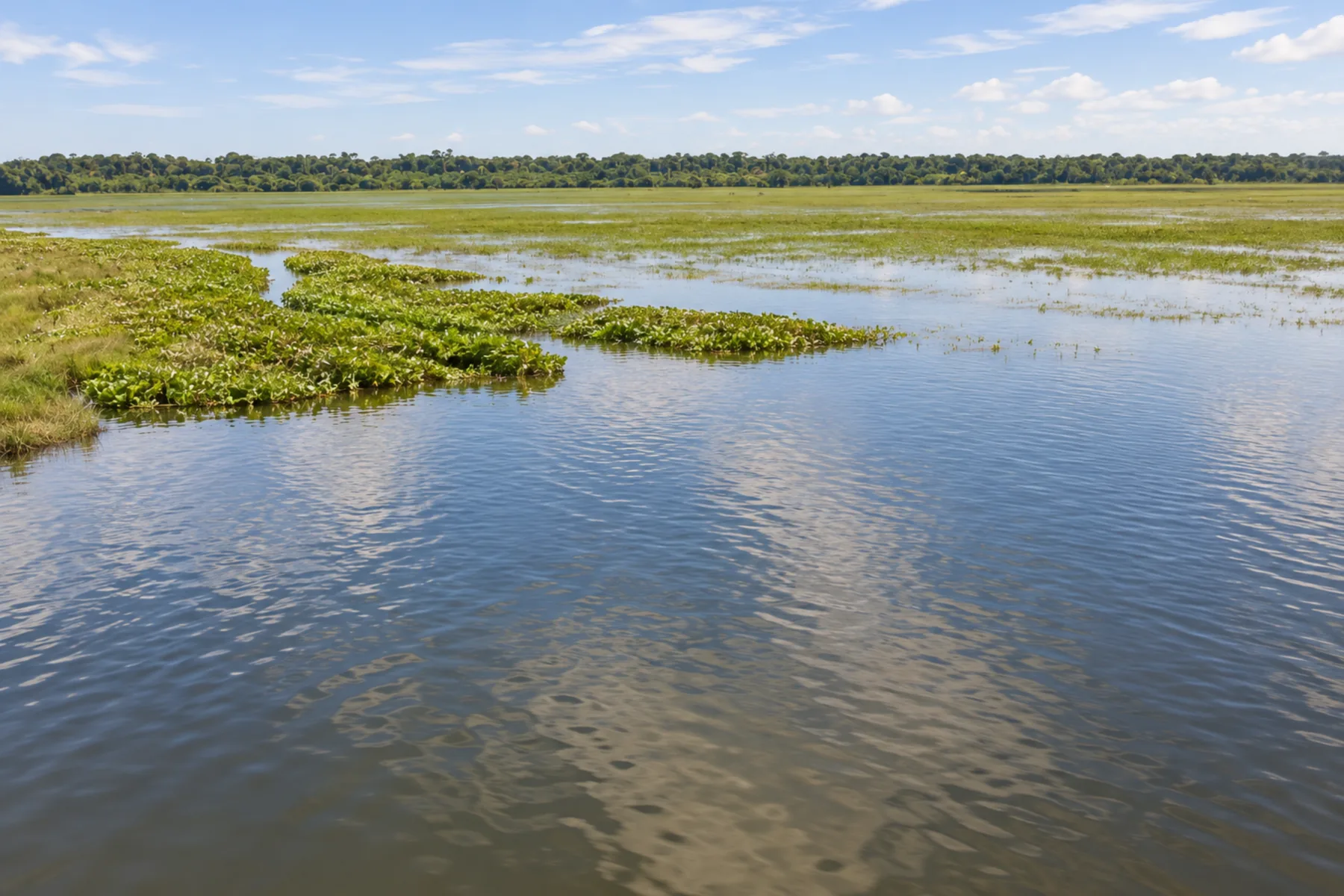
A protected area created in 1992 a few kilometers from downtown, with flooded grasslands, floodplain forest and cerrado (savanna) crossed by the Curiaú River. It is home to quilombola communities (descendants of escaped enslaved Africans) recognized as cultural heritage of Amapá, and a river swimming spot popular with locals.
Discover Área de Proteção Ambiental do Rio Curiaú
A river beach 16 kilometers from downtown, said to be the only one in Amapá on the bank of the Amazon River. It hosts the Macapá Verão summer program, boat trips and restaurants known for camarão no bafo (steamed shrimp).
Discover Balneário da Fazendinha
Opened in 1953 to supply the city with goods arriving at the nearby pier, it was restored and reopened in 2020. It has food stalls, snack bars, crafts and a stage for performances.
Discover Mercado Central de Macapá
Your base to explore
Where you stay is part of the trip. Choose the area that best fits your itinerary.
A hotel on Rua Tiradentes, in downtown Macapá, near the city's central shopping area. It mainly serves business travelers and anyone who wants a central location for getting around downtown.
A family-run hotel open since the 1990s on Rua Tiradentes, in central Macapá. It is a simple option if you want to stay downtown, near the shops and the Amazon waterfront.
A hotel on Rua Beira Rio, in the Santa Inês neighborhood, on the Amazon River waterfront in Macapá, next to Amazonas Peixaria. Good if you want to stay by the river, close to waterfront strolls.
Flavors of the destination
A restaurant in the Mercado Central de Macapá specializing in fried fish with açaí, a classic Amapá dish (here açaí is eaten as an unsweetened purée). It won the best fried fish with açaí contest at Macapá Verão 2026 and is a good stop if you want to try the city's market food.
A regional fish restaurant on Rua Beira Rio, in the Santa Inês neighborhood, next to the Amazon Plaza Hotel, on the Macapá waterfront. Specializing in local fish, it serves tourists and families who want to try Amapá cooking by the river.
The restaurant of the Hotel Macapaba, on Avenida Ernestino Borges, in Macapá, with a varied buffet and desserts praised by visitors. It is an option for a family or group lunch away from the waterfront.
Before you go
A little planning leaves more time to enjoy the journey.
Via Macapá International Airport. No road links the city to the rest of the country: from Belém, you can only get there by plane or boat.
August to December, with less rain. At the equinoxes, in March and September, the sun lines up with the Marco Zero.
Take your trash with you, follow the signs and support local businesses. In natural areas, follow the visiting guidelines.